
Moche Ceramic Figurines: Miniature Sculptures with Big Stories

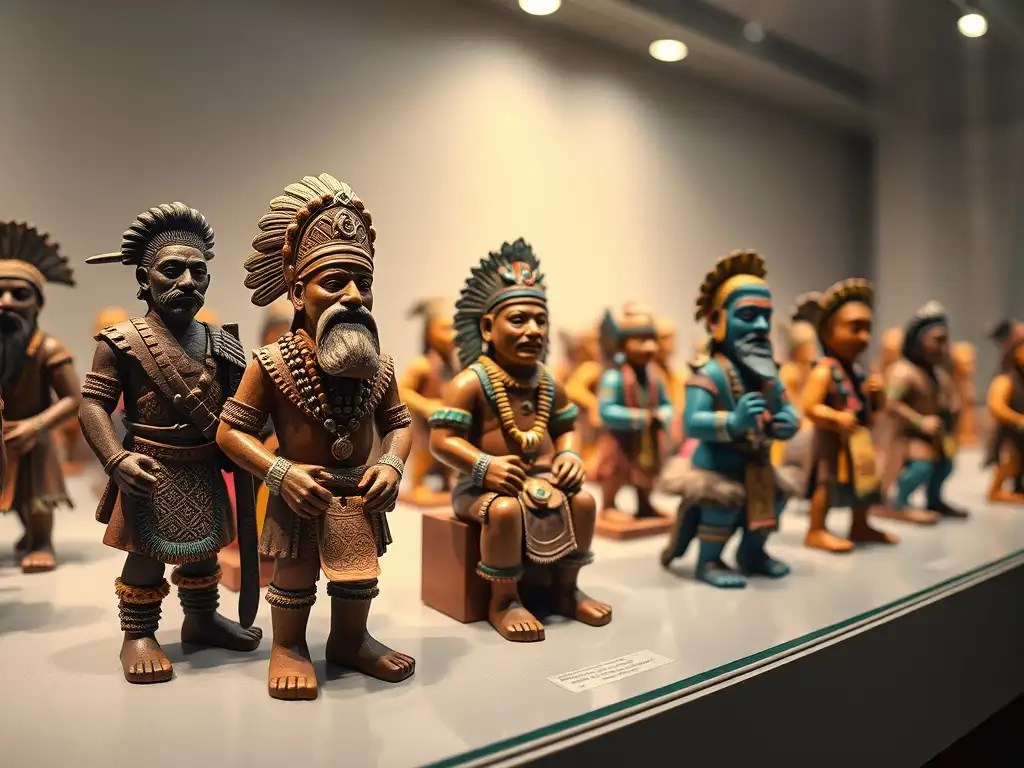
Dive into the mesmerizing world of the Andean civilizations! From the towering heights of the Inca empire to the intricate artistry of the Nazca lines, a world of wonder awaits. But let's start with something truly captivating: the secrets whispered by Moche pottery figurines. Their vibrant colours and astonishing detail conceal a wealth of meaning – discover the fascinating stories etched into these miniature masterpieces and unlock the mysteries behind the Moche pottery figurines meaning. Prepare to be amazed.
The Moche civilization, flourishing along the northern coast of Peru from approximately 100 CE to 800 CE, left behind a remarkable legacy of artistry and craftsmanship. Nowhere is this more evident than in their exquisite ceramic figurines, small-scale sculptures that offer a captivating window into their complex social structures, religious beliefs, and daily lives.
These aren't mere decorative objects; they are powerful statements, meticulously crafted narratives that reveal a wealth of information about this fascinating ancient culture. This article delves into the world of Moche pottery figurines, exploring their creation, iconography, and the profound meaning they hold within the broader context of Andean culture.
Understanding these miniature masterpieces helps us decipher the intricacies of Moche society and appreciate the enduring artistry of this remarkable civilization. We will explore the diverse range of subjects depicted, from everyday scenes to powerful deities and ritualistic practices, ultimately uncovering what these captivating artifacts tell us about the “Moche pottery figurines meaning”.
Unveiling the World of Moche Pottery Figurines
Moche ceramic figurines are renowned for their exceptional detail and realism. Potters skillfully employed a variety of techniques, including modeling, molding, and the use of different clays and pigments, to create incredibly lifelike representations. The figurines range in size from a few centimeters to approximately 30 centimeters tall, and their subjects are incredibly diverse. We find portrayals of:
- Everyday life: Scenes of fishing, agriculture, warfare, and domestic activities are frequently depicted, offering glimpses into the daily routines of Moche people. These figurines often show individuals engaged in specific tasks, wearing distinct clothing, and interacting with tools and animals.
- Religious figures: Powerful deities, often depicted with elaborate headdresses and ceremonial attire, are prominent subjects. These figures, frequently shown in ritualistic contexts, provide insights into Moche religious beliefs and practices. The iconography associated with these deities is complex and often symbolic, requiring careful analysis to fully understand their meaning.
- Ritual and ceremony: Many figurines depict scenes of ritual sacrifice, possibly human sacrifice, processions, and other ceremonial events. These scenes are often highly stylized, but they provide invaluable information about the importance of ritual in Moche society.
- Animals: A wide variety of animals, both real and mythical, are represented in Moche pottery. These depictions often have symbolic meanings related to Moche mythology and beliefs. For example, certain birds of prey might represent power or deities.
The creation of these figurines involved a sophisticated process. Evidence suggests that Moche potters specialized in different types of figurines, and workshops likely existed where these artisans collaborated and produced large quantities of these intricate works. The use of molds allowed for mass production of certain types of figurines, while others were clearly individually hand-modeled, showcasing the incredible skill of the individual artists. The vibrant colors and intricate details, often achieved through slip painting and the application of pigments, further enhance their visual appeal and symbolic richness.
The Significance of Moche Figurines in Andean Culture
The significance of Moche figurines extends beyond their aesthetic value. They serve as crucial primary sources for understanding Moche culture, offering unique insights into their social hierarchy, religious practices, and worldview. The subjects depicted, the poses of the figures, and the accompanying iconography all contribute to a richer understanding of their symbolic meanings. For instance, the presence of certain symbols or motifs on a figurine can indicate its function within a specific ritual or its association with a particular deity.
Analyzing the context of discovery is also crucial. Figurines found in tombs often provide information about the beliefs surrounding death and the afterlife, while those found in domestic settings offer insights into daily life and social interactions. The sheer quantity of these figurines discovered at various archaeological sites underscores their importance within Moche society.
Their widespread presence suggests that they played a significant role in various aspects of life, from religious ceremonies to everyday social interactions. The meticulous detail and artistry involved in their creation point to their valued position within Moche culture. Further research into the materials used, the techniques employed, and the context of their discovery will continue to shed light on the multifaceted meaning of these fascinating miniature sculptures.
The study of Moche pottery figurines continues to be a dynamic field, with ongoing discoveries and interpretations constantly enriching our understanding of this remarkable civilization. Careful examination of these artifacts reveals not only artistic skill but also the complex social and religious fabric of the Moche people, making them invaluable resources for understanding the meaning of Moche pottery figurines and their place within Andean culture.
Moche Ceramic Figurines: More Than Just Decoration
Moche ceramic figurines, far from being mere decorative objects, serve as invaluable windows into the social, religious, and daily life of this ancient Andean civilization. These small-scale sculptures, often incredibly detailed and lifelike, weren't simply placed on shelves; they played significant roles in rituals, burials, and everyday life. Their presence in tombs, for example, suggests their importance in the afterlife beliefs of the Moche people.
The variety of subjects depicted—from portraits of rulers and warriors to scenes of daily life and mythical creatures—highlights the breadth of Moche society and its complex worldview. Studying these figurines allows us to gain a deeper understanding of their beliefs, social structures, and artistic capabilities, providing a unique perspective unavailable through other archaeological sources.
The sheer number of figurines discovered further underscores their significance within Moche culture. Their prevalence in archaeological contexts strongly indicates their deep integration into the fabric of Moche society, rather than being relegated to a marginal decorative function.
Moche Pottery Figurines Meaning: Decoding the Iconography
Understanding the meaning behind Moche pottery figurines requires careful analysis of their iconography. Scholars meticulously examine the postures, clothing, adornments, and accompanying objects to interpret their symbolic significance. For instance, a figurine depicting a figure with elaborate headdress and ceremonial attire likely represents a member of the elite, possibly a priest or ruler.
The presence of specific animals, such as jaguars or birds of prey, might indicate connections to shamanistic practices or specific deities. Furthermore, the actions depicted in the figurines—a warrior battling, a woman preparing food, or a group participating in a ritual—offer glimpses into daily life and religious ceremonies. The complexity of the iconography, however, often requires interdisciplinary approaches, combining archaeological findings with anthropological and ethnohistorical studies to decipher their full meaning.
While some interpretations remain speculative, ongoing research continues to unveil new insights into the rich symbolic language embedded in these miniature sculptures. The study of Moche pottery figurines meaning is an ongoing process of discovery and refinement, building upon new archaeological finds and advancing scholarly understanding.
Representing Moche Society through Ceramic Art
Moche ceramic figurines offer a unique lens through which to study the social stratification of their society. The detailed representations of individuals, their clothing, and their activities provide valuable insights into social hierarchies. Figurines depicting elaborately dressed figures with ornate headdresses and jewelry likely represent the elite members of society, while others, shown in simpler attire performing everyday tasks, likely represent commoners. The presence of figurines depicting different occupations, such as fishermen, farmers, or warriors, also illustrates the diverse roles within Moche society.
This representation isn't simply descriptive; the meticulous detail and stylistic choices in the figurines' creation reflect the Moche's understanding and representation of their social structure. The careful craftsmanship and the materials used in creating these figurines further emphasize the social standing of those depicted. By studying the figurines collectively, we gain a comprehensive picture of the social dynamics and power structures within the Moche civilization.
Techniques and Materials Used in Moche Pottery Figurine Production
The creation of Moche pottery figurines involved a sophisticated process demanding skill and artistry. The Moche potters utilized primarily clay, sourced locally, often mixed with tempering materials such as sand or shell fragments to improve its workability and durability. The clay was meticulously prepared, often involving various stages of mixing, kneading, and refinement to achieve the desired consistency.
The process of shaping the figurines was highly skilled, employing techniques such as modeling, coiling, and mold-making. The level of detail achieved in many figurines suggests the use of highly refined tools and a deep understanding of clay manipulation. The artistry extended beyond the shaping itself, with many figurines exhibiting intricate surface decorations.
Painstakingly applied pigments, often derived from natural sources, added vibrant colors and further enhanced the details of the figurines. The firing process, a crucial step in the production, was skillfully managed to ensure the durability and longevity of the finished product.
The Craftsmanship Behind Moche Clay Figurines
The remarkable craftsmanship evident in Moche clay figurines highlights the advanced technical skills of the Moche artisans. The precision and detail in the modeling of human and animal forms are astonishing, particularly considering the tools and techniques available at the time. The ability to capture subtle facial expressions, intricate hairstyles, and elaborate clothing speaks to the artisans' profound understanding of anatomy and artistic expression. The creation of these figurines required not only technical skill but also a deep understanding of the material properties of clay and the firing process.
The durability of many surviving figurines testifies to the mastery of these techniques. Moreover, the consistent high quality of the figurines across numerous sites suggests a well-established tradition of pottery making, likely passed down through generations of skilled artisans. The level of skill displayed in Moche pottery represents a high point of ceramic artistry in pre-Columbian America.
Moche Ceramics: Shaping and Firing Techniques
Moche potters employed several sophisticated shaping techniques to create their figurines. Modeling, where clay is shaped by hand, was a common method, allowing for great detail and expressiveness. Coiling, a technique involving rolling out long strands of clay and layering them to build up the form, was also used, particularly for larger pieces.
In some cases, molds were employed to produce multiple copies of the same figurine, suggesting a degree of mass production for certain types of figures. Once shaped, the figurines were carefully dried before firing. The firing process, likely undertaken in open-air kilns, involved precise temperature control to ensure proper hardening and prevent cracking.
The firing temperature and duration would have been critical factors in determining the final color and durability of the finished product. Variations in firing techniques may account for some of the differences in color and texture observed among surviving Moche figurines. The mastery of these techniques is testament to the sophisticated understanding of materials and processes possessed by the Moche artisans.
Types of Moche Figurines: A Diverse Collection
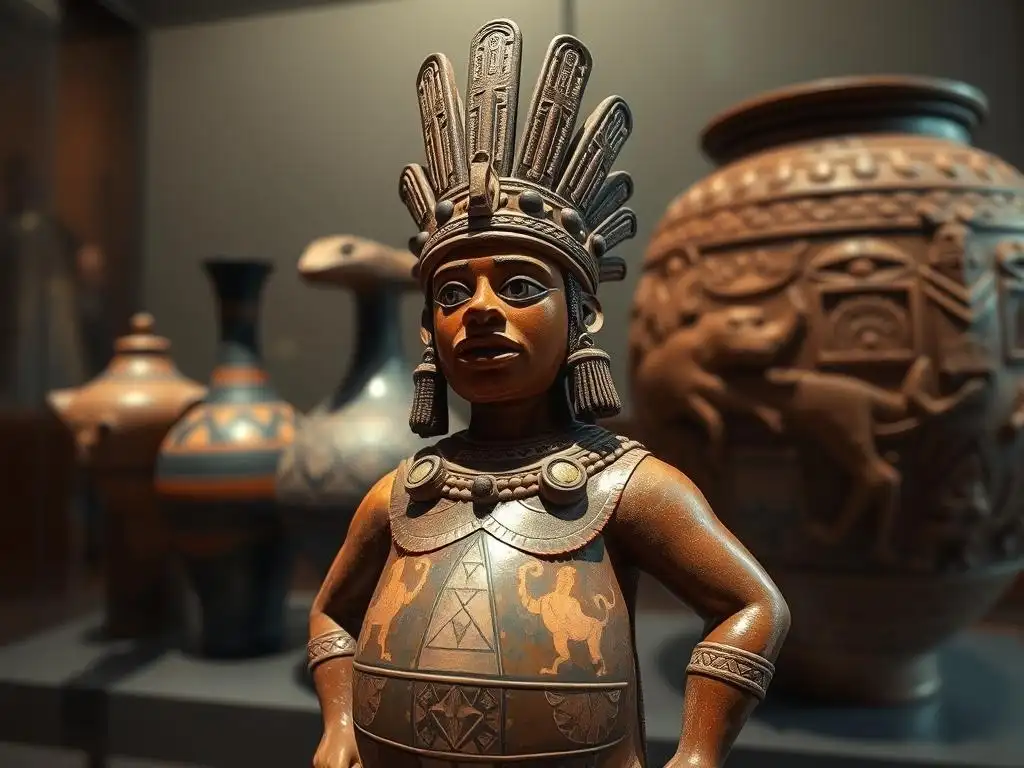
The Moche, renowned for their sophisticated ceramic artistry, produced a breathtaking array of figurines, showcasing their diverse worldview and societal structures. These weren't mere decorative objects; they were powerful representations of their beliefs, values, and daily lives. The sheer variety of Moche pottery figurines is astounding, ranging from depictions of powerful warriors and revered deities to everyday scenes of life and representations of the natural world. This diversity reflects the complexity and richness of Moche culture. The meticulous detail and vibrant colors used in their creation further highlight the skill and artistry of the Moche artisans. Studying these figurines offers a unique window into the social, religious, and political aspects of this remarkable civilization. The sheer volume of surviving figurines, discovered in various contexts, allows for a detailed understanding of their usage and meaning within Moche society. Further research continues to uncover new types and interpretations of these miniature masterpieces.
Moche Warrior Figurines: Depictions of Power and Status
Moche warrior figurines are particularly striking, often portraying individuals in elaborate headdresses, ornate armor, and wielding various weapons. These figurines frequently depict warriors in dynamic poses, suggesting action and power. The level of detail in these sculptures is remarkable; one can often discern intricate designs on their clothing, weaponry, and even facial features. The presence of these figurines in elite burials strongly suggests their connection to power and high social status.
Some figurines showcase warriors engaged in combat, possibly depicting specific battles or mythic conflicts. The stylistic variations between different warrior figurines may indicate differences in rank or military specialization within the Moche army. Analyzing the iconography of these figurines provides valuable insights into Moche warfare, social hierarchy, and the importance of military prowess within their society. The careful crafting and prominent placement of these figurines emphasize the significant role of warriors in Moche culture.
Moche Deity Figurines: Representing the Divine
Representations of Moche deities are abundant and diverse, reflecting a complex pantheon of gods and supernatural beings. These figurines often depict anthropomorphic figures with exaggerated features, elaborate headdresses, and symbolic attributes. Some common motifs include feline deities, possibly associated with hunting or the underworld, and figures linked to agricultural fertility, reflecting the importance of farming in Moche society. The expressions on these deity figurines, ranging from serene to fierce, hint at the multifaceted nature of the Moche religious beliefs.
The discovery of these figurines in temples and elite tombs further supports their religious significance. Studying the iconography of these deities can shed light on Moche mythology, cosmology, and religious practices. The variations in the depiction of deities across different figurines suggest a nuanced and evolving religious system.
Moche Animal Figurines: Reflecting the Natural World
Beyond human figures, Moche artisans skillfully crafted figurines depicting a wide range of animals native to the Andean region. These include various birds, such as hummingbirds and condors, marine creatures like fish and sea lions, and terrestrial animals such as felines, canids, and camelids. The realistic portrayal of these animals demonstrates the Moche's keen observation of their natural environment and their ability to translate that observation into art.
The choice of animals depicted, and the context in which they are found, can offer clues about Moche beliefs about the natural world and their relationship with it. Some animal figurines may represent shamanistic transformations or mythological creatures. The detail and accuracy of these animal figurines are a testament to the artistry and observational skills of the Moche potters.
Moche Everyday Life Figurines: Scenes of Daily Activities
A significant portion of Moche figurines depicts scenes of everyday life, providing invaluable glimpses into the daily routines and social interactions of the Moche people. These figurines showcase individuals engaged in activities such as farming, fishing, weaving, and pottery making. They often depict social gatherings, musical performances, and even erotic encounters, offering a nuanced understanding of Moche social dynamics.
The inclusion of everyday activities in their ceramic art suggests that the Moche valued these aspects of their lives and considered them worthy of artistic representation. These figurines offer a unique counterpoint to the more overtly religious or political figurines, highlighting the broad spectrum of Moche life captured in their art. The realism of these depictions underscores the Moche artists' ability to capture the essence of human experience.
The Role of Moche Figurines in Rituals and Burials
Moche figurines were not merely decorative objects; they played a vital role in various rituals and burial practices. Their presence in tombs, temples, and other archaeological contexts suggests their significance in religious ceremonies and funerary rites. The careful placement and arrangement of figurines within burial contexts indicate a deliberate intentionality, reflecting their importance in the afterlife beliefs of the Moche.
The types of figurines found in burials varied depending on the social status of the deceased, with elite burials often containing a greater number and variety of figurines. The study of these figurines in their archaeological context provides valuable insights into Moche religious practices and beliefs about death and the afterlife.
Moche Pottery Figurines and Their Afterlife Significance
The inclusion of Moche pottery figurines in burials strongly suggests their belief in an afterlife and the importance of these objects in the transition to the next world. The figurines may have served as companions for the deceased, providing them with familiar figures and scenes in the afterlife. The types of figurines included in a burial – warriors, deities, animals, or scenes of everyday life – may reflect the deceased's social status, occupation, or personal beliefs.
Analysis of the figurines' condition and placement within the graves can provide further insights into the funerary rituals and beliefs surrounding death. The presence of these figurines highlights the deep connection between the Moche's material culture and their spiritual beliefs.
Moche Ceramics as Grave Goods: A Symbol of Status
The quantity and quality of Moche ceramic figurines found in burials often correlated with the social status of the deceased. Elite burials frequently contained numerous elaborate figurines, showcasing high-quality craftsmanship and intricate detail, while simpler burials might contain fewer or less ornate pieces. This suggests that Moche ceramics, including figurines, served as markers of social status and wealth, reflecting the deceased's position in society.
The use of specific types of figurines, such as warrior figurines in the burials of elite males, further underscores this connection between material possessions and social hierarchy. The presence of these grave goods highlights the importance of status and prestige in Moche society and the role of material culture in reflecting and reinforcing social structures.
Moche Figurines as Historical Sources
Insights into Moche Culture through Ceramic Artifacts
Moche pottery figurines offer invaluable insights into the daily lives, religious beliefs, and social structures of this ancient Andean civilization. Unlike written records, which are largely absent for the Moche, these meticulously crafted figurines provide a tangible link to their past. The sheer diversity of subjects depicted—from everyday scenes of people engaged in agriculture, fishing, or feasting, to elaborate portrayals of deities and mythical creatures—paints a vivid picture of Moche society.
For example, the frequent depiction of warriors and elaborate weaponry suggests a culture that valued military prowess and possibly engaged in frequent conflict with neighboring groups. Conversely, the numerous representations of agricultural activities and fertility symbols highlight the crucial role of agriculture in their economy and spiritual beliefs. Careful analysis of these figurines, considering their context of discovery and associated grave goods, reveals much about the social hierarchies and power dynamics within Moche society.
The size and detail of certain figurines, for instance, might indicate the social status of the individuals they represent, or the importance of particular ceremonies or rituals. The presence of specific motifs or symbols on the figurines allows researchers to trace the evolution of Moche beliefs and artistic styles over time.
Moche Pottery Figurines: A Window into Ancient Andean Life
The detailed craftsmanship of Moche pottery figurines allows researchers to reconstruct various aspects of Moche daily life. Scenes depicted on these miniature sculptures range from mundane activities such as preparing food and weaving textiles to more elaborate rituals and ceremonies. The figurines show a remarkable level of realism, capturing human emotions and expressions with surprising accuracy.
We can observe the detailed clothing, hairstyles, and jewelry worn by different individuals, providing insights into Moche fashion and social customs. Furthermore, the representation of tools and agricultural practices helps us understand their technological advancements and economic activities. For example, the depiction of irrigation systems on some figurines suggests a sophisticated understanding of water management and its vital role in sustaining their agricultural production.
The figurines also reveal the importance of music and dance in Moche culture, with numerous depictions of musicians playing various instruments and dancers performing in elaborate costumes. These scenes, painstakingly rendered in clay, offer a unique window into the vibrant and complex world of the Moche people. The study of these figurines offers a more complete and nuanced understanding of the Moche civilization than would be possible through other archaeological sources.
Preserving and Studying Moche Ceramic Figurines
The Importance of Moche Pottery Conservation
The preservation of Moche ceramic figurines is crucial for safeguarding a significant part of Peru's cultural heritage. These fragile artifacts are susceptible to damage from environmental factors such as humidity, temperature fluctuations, and even light exposure. The deterioration of these pieces represents an irreversible loss of invaluable historical and cultural information.
Therefore, careful conservation techniques are essential to ensure their long-term survival for future generations of researchers and the public. These techniques often involve stabilizing the clay itself, repairing broken fragments, and protecting the surfaces from further degradation. Furthermore, proper storage conditions, including controlled temperature and humidity, are crucial for minimizing environmental damage.
The development of non-invasive analytical techniques also plays a significant role in studying the composition of the clay and pigments used in creating these figurines, allowing researchers to learn more about the materials and techniques employed by the Moche artisans. The long-term preservation of these artifacts is not just a matter of preserving objects; it's about preserving knowledge and understanding of a remarkable ancient civilization.
Current Research on Moche Figurine Iconography
Current research on Moche figurine iconography focuses on deciphering the meaning of the various symbols and motifs depicted on these artifacts. Scholars employ a multidisciplinary approach, combining archaeological analysis with ethnohistorical studies and iconographic comparisons to interpret the symbolism present in Moche art. The recurring themes and motifs, such as feline deities, supernatural beings, and ritualistic scenes, are analyzed to understand their cultural significance within the broader context of Moche religion and mythology.
Researchers are also exploring the potential connections between Moche iconography and that of other contemporary Andean cultures, seeking to understand regional variations and shared cultural practices. Advanced imaging techniques, such as X-ray fluorescence spectroscopy, are being used to analyze the pigments and materials used in the figurines, providing further insights into the artistic techniques and the potential symbolic meanings associated with specific colors and materials.
The ongoing research aims to shed light not only on the artistic achievements of the Moche but also on their complex belief systems, social structures, and worldview. This ongoing work continually refines our understanding of the "Moche pottery figurines meaning".
The "Presentation Scene" Figurine: A Case Study
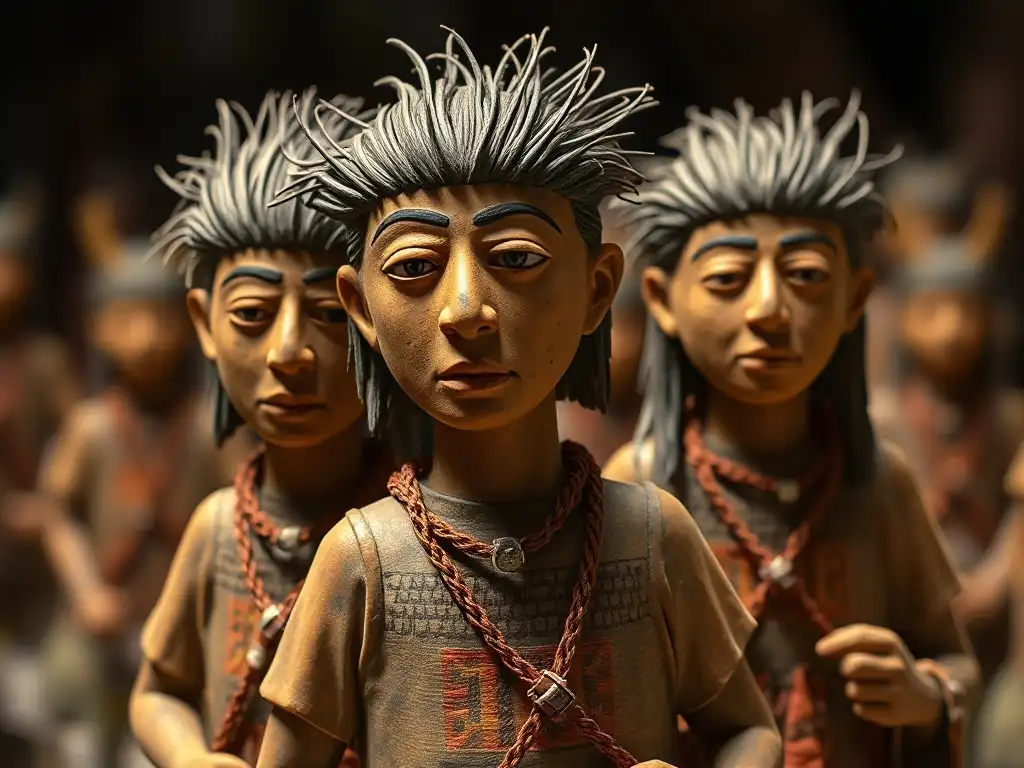
The Moche civilization, renowned for its sophisticated artistry, produced a vast array of ceramic figurines. Among the most captivating are those depicting "presentation scenes," where individuals, often elites, are shown offering gifts or participating in ritualistic acts. These scenes offer invaluable insights into Moche social structures, religious beliefs, and daily life. One particular figurine, discovered in the Huaca del Sol complex, exemplifies the intricate detail and symbolic richness of this artistic tradition.
This specific figurine, approximately 15cm in height, depicts a seated individual, likely a high-ranking official, receiving offerings from a kneeling attendant. The seated figure wears elaborate headdress and jewelry, indicative of their high status. The attendant's attire is simpler, reflecting a lower social standing. The meticulous craftsmanship is evident in the rendering of facial features, clothing textures, and the intricate details of the offerings, which appear to be food items and possibly ceremonial objects.
The use of vibrant pigments further enhances the scene's visual impact, showcasing the Moche mastery of ceramic painting techniques. The clay itself is remarkably fine, suggesting a careful selection of materials and a skilled production process. The preservation of this figurine, despite its age, speaks volumes about the quality of the Moche's ceramic work. Such well-preserved artifacts allow for detailed study and interpretation, unlocking further knowledge about the Moche culture.
Detailed Analysis of the Figurine's Iconography
The iconography of the "presentation scene" figurine is complex and layered, demanding careful scrutiny. The seated figure's elaborate headdress, likely made of feathers and possibly gold, suggests a connection to the supernatural realm. The specific type of headdress could indicate a particular deity or shamanistic role. The jewelry, including necklaces and ear ornaments, further underscores the individual's high status and power within Moche society. The offerings presented by the attendant are crucial to understanding the scene's meaning.
The food items, possibly maize and seafood, are likely symbolic of abundance and fertility. The other objects, whose exact nature requires further analysis, could represent ritual implements or gifts to appease deities or honor ancestors. The postures of the figures themselves are significant. The seated figure's regal posture conveys authority and power, while the attendant's kneeling position denotes subservience and respect.
The interaction between these figures is not merely a depiction of a simple act; it’s a carefully constructed visual narrative that speaks to the complex social dynamics within Moche society. The meticulous detail in the depiction of each element – from the texture of the fabric to the expression on each face – suggests a deep understanding of symbolism and the power of visual communication. Further research into similar figurines could reveal patterns and recurring motifs, aiding in a more complete interpretation of Moche iconography. Detailed comparative analysis with other Moche artifacts, especially those found in similar contexts, will be crucial for a fuller understanding.
Interpretation of the Figurine's Significance
The "presentation scene" figurine is more than just a decorative object; it provides a window into the complex world of Moche beliefs and practices. The scene likely represents a ritualistic act, perhaps an offering to a deity or an ancestor. The act of presentation itself highlights the importance of reciprocity and social hierarchy within Moche society. The high-ranking individual's acceptance of the offerings signifies their power and authority, while the attendant's act of presentation reinforces the social order.
The abundance of food items in the offerings symbolizes prosperity and fertility, reflecting the importance of agriculture and marine resources in the Moche economy. The figurine's presence in the Huaca del Sol complex suggests a connection to the elite and their religious practices. It is likely that this figurine was used in rituals or displayed as a symbol of power and status.
The figurine's creation and use were not isolated events; they were part of a broader cultural system of beliefs and practices that reinforced social structures and expressed religious ideas. Studying such figurines allows us to understand the intricate relationship between religious beliefs, social structure, and artistic expression within the Moche civilization. Further research could explore the potential connection between specific offerings and particular deities or rituals within the Moche pantheon.
Conclusion: The Enduring Legacy of Moche Ceramic Figurines
Moche ceramic figurines, like the "presentation scene" example, stand as remarkable testaments to the artistic skill and cultural sophistication of this ancient Andean civilization. These miniature sculptures are far more than mere decorative objects; they are invaluable sources of information, offering glimpses into the Moche worldview, social structures, and daily lives. Their intricate iconography, meticulous craftsmanship, and vibrant colors reflect a deep understanding of symbolism and artistic expression.
The enduring legacy of these figurines lies not only in their aesthetic appeal but also in their ability to connect us to the past, allowing us to engage with a civilization that flourished centuries ago. Continued research and analysis of these artifacts promise to unlock further secrets about the Moche culture and their profound impact on the history of the Andes. The study of Moche pottery figurines meaning continues to be a vibrant field of research, with ongoing discoveries pushing the boundaries of our understanding.
The preservation and study of these remarkable objects are crucial for preserving and interpreting this rich cultural heritage. The enduring appeal of these figurines lies in their ability to bridge the gap between past and present, offering a captivating glimpse into a lost world. 🗺️
Further Exploration of Moche Pottery and Andean Art
The Moche's mastery of pottery extended beyond their iconic portrait figurines. Their ceramic artistry encompassed a breathtaking range of forms, including vessels depicting everyday life, mythical creatures, and complex religious scenes. These pieces weren't merely functional; they were integral components of their society, used in rituals, ceremonies, and daily life. The intricate detail and vibrant colors employed in these works demonstrate a sophisticated understanding of ceramic techniques and artistic expression. Studying these broader aspects of Moche pottery provides a richer understanding of their worldview and social structures.
For example, the depiction of warriors and battle scenes in some vessels offers valuable insights into Moche warfare and social hierarchy. Similarly, the representation of agricultural scenes highlights the vital role of agriculture in their society and their deep connection to the land. Beyond the Moche, the Andean region boasts a rich tapestry of ceramic traditions. Cultures like the Nazca, Tiahuanaco, and Inca all developed unique styles and techniques, reflecting their distinct artistic sensibilities and cultural practices. Comparing and contrasting the artistic styles of these different Andean cultures reveals the broader evolution of ceramic art in the region and the shared influences and independent innovations that shaped their artistic expressions.
Understanding the context of Moche pottery within this broader Andean artistic landscape allows for a deeper appreciation of its significance and unique characteristics. The continuity and change across different Andean cultures showcase the enduring importance of ceramic art as a medium for expressing cultural identity and belief systems. Further research into these related Andean artistic traditions offers a comprehensive view of the artistic achievements of the region. The study of Andean art, therefore, offers a fascinating window into the complex history and cultural dynamism of this remarkable region. The intricate details found in Moche pottery, combined with the broader context of Andean art, paint a vivid picture of a civilization that thrived on creativity and innovation.
- Unveiling the World of Moche Pottery Figurines
- The Significance of Moche Figurines in Andean Culture
- Moche Ceramic Figurines: More Than Just Decoration
- Techniques and Materials Used in Moche Pottery Figurine Production
- Types of Moche Figurines: A Diverse Collection
- The Role of Moche Figurines in Rituals and Burials
- Moche Figurines as Historical Sources
- Preserving and Studying Moche Ceramic Figurines
- The "Presentation Scene" Figurine: A Case Study
- Conclusion: The Enduring Legacy of Moche Ceramic Figurines
- Further Exploration of Moche Pottery and Andean Art
- What is the significance of Moche pottery figurines?
- What kind of scenes are typically depicted on Moche figurines?
- What materials were used to create Moche pottery figurines?
- What is the meaning behind the different poses and expressions of the figurines?
- Where can I learn more about the meaning of Moche pottery figurines?
Frequently Asked Questions
What is the significance of Moche pottery figurines?
Moche pottery figurines are highly significant artifacts providing invaluable insights into the daily life, beliefs, and rituals of the Moche civilization. They offer a unique window into their social structure, religious practices, and artistic achievements. They are rare and highly sought after.
What kind of scenes are typically depicted on Moche figurines?
The figurines often depict scenes of daily life, such as farming, fishing, and warfare, as well as religious ceremonies and rituals. Many show portraits of individuals, possibly depicting rulers, priests, or commoners. Some depict erotic scenes.
What materials were used to create Moche pottery figurines?
Moche artisans primarily used clay to create their figurines. This clay was often carefully sculpted and painted with vibrant colors using natural pigments to add detail and realism to their creations. The firing techniques were sophisticated for the time.
What is the meaning behind the different poses and expressions of the figurines?
The poses and expressions of Moche figurines are believed to reflect their social status, roles, and beliefs. Scholars continue to study these aspects to gain a deeper understanding of Moche society and its complex worldview. Interpretations are ongoing.
Where can I learn more about the meaning of Moche pottery figurines?
You can find more information in academic journals and books focused on Andean archaeology and Moche culture. Museums with collections of Moche artifacts often have detailed information, and many online resources are available dedicated to the study of ancient civilizations.
Final Reflection: Unearthing the Enduring Legacy of Moche Figurines
The vibrant artistry of Moche ceramic figurines continues to resonate today, offering a powerful window into a vanished civilization and a timeless reflection on the human condition. These miniature sculptures, far from being mere artifacts, are potent symbols of a society's beliefs, rituals, and daily life, speaking volumes about their complex social structures and spiritual world. Their enduring appeal speaks to a universal human need to connect with the past and understand our shared heritage.
The impact of Moche artistry extends far beyond the dusty shelves of museums; it permeates contemporary art, inspiring new creations and interpretations. Their bold colors, expressive forms, and intricate details continue to capture the imagination of artists and viewers alike, proving the enduring power of artistic expression to transcend time and culture. Art washes away from the soul the dust of everyday life.
– Pablo Picasso. This quote perfectly encapsulates the enduring relevance of Moche figurines; they cleanse our modern perspectives with a glimpse into a rich, complex past, reminding us of the enduring human spirit.
Consider the stories whispered by these ancient figures. Think about the rituals they depict, the beliefs they represent, and the lives they illuminate. You, too, can become an archaeologist of the soul, unearthing the meaning within these miniature masterpieces and applying their lessons to your own life. Let their vibrant legacy inspire you to explore your own creativity, to appreciate the richness of diverse cultures, and to recognize the enduring power of art to connect us across time and space.
Unveil the Stories Behind Each Figurine!
Thank you for exploring the fascinating world of Moche ceramic figurines! You've discovered not only their artistry but also the rich stories embedded in their designs. Now, let's put that knowledge to good use!
- Start your own collection: Explore local galleries and online marketplaces to find miniature sculptures that reflect the Moche tradition. Curate a collection that speaks to you.
- Share your passion: **Engage with others** by sharing this article on social media or discussing these remarkable pieces with fellow art enthusiasts in online forums or local art groups.
- Visit a museum: See these figurines firsthand by visiting a museum with a collection of Andean art. Check their website for upcoming exhibitions featuring Moche artifacts.
Which story resonates most with you when you consider Moche ceramic figurines, and how might that inspire your own creative work?