
The Challenge of Interpretation: Unraveling the Complexities of PreCeramic History

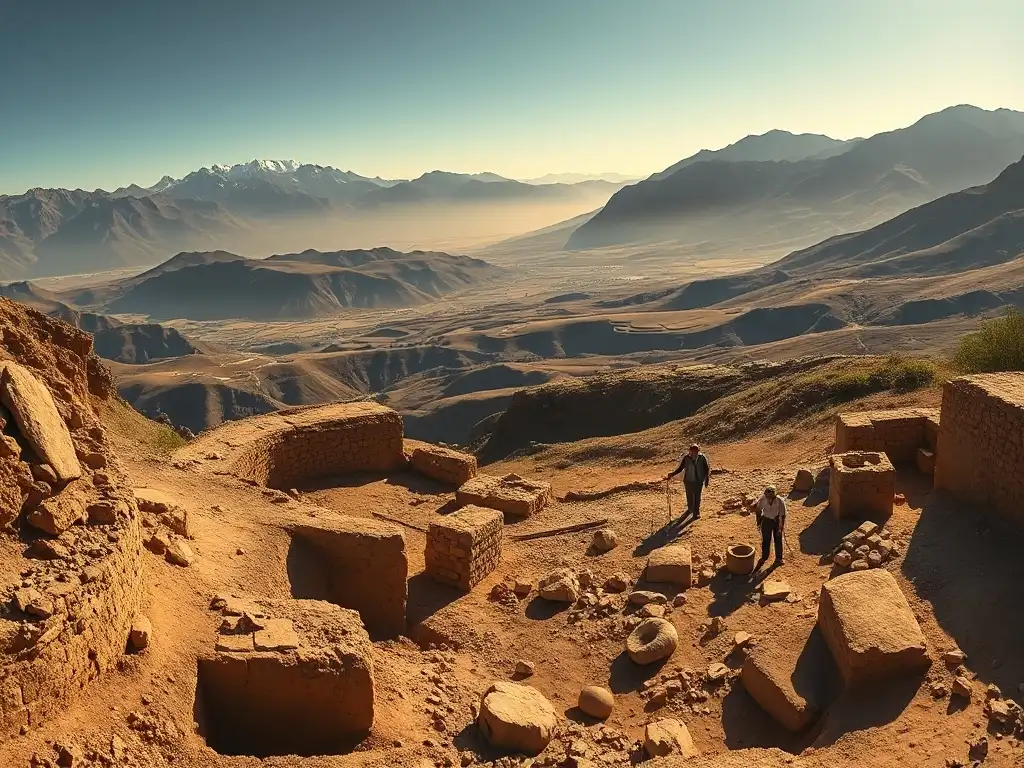
Step into a world lost to time, where towering mountains held secrets whispered only in stone. Journey with us as we delve into the enigmatic realm of Preceramic Andean civilizations, a period shrouded in mystery before the rise of the Incas. Discover astonishing advancements in technology, breathtaking artistry, and the complex social structures that laid the foundation for the magnificent empires to come. What untold stories do these ancient cultures hold? Uncover the answers within...
- The Challenge of Interpretation: Unraveling the Complexities of Preceramic Andean History
- Understanding the Preceramic Period in the Andes
- Archaeological Challenges in Preceramic Andean Sites
- Methods for Interpreting Preceramic Andean Cultures
- Preceramic Andean Civilizations: Case Studies
- The Evolution of Andean Societies from Preceramic to Ceramic
- Future Directions in Preceramic Andean Research
-
Frequently Asked Questions
- What are Preceramic Andean civilizations?
- How did archaeologists identify these preceramic cultures?
- What are some of the significant achievements of Preceramic Andean civilizations?
- How did the environment influence Preceramic Andean societies?
- What is the significance of studying Preceramic Andean civilizations?
- Final Reflection: Echoes of the Past, Shaping Our Present
- Unlock the Secrets of Preceramic History!
The Challenge of Interpretation: Unraveling the Complexities of Preceramic Andean History
The study of Preceramic Andean civilizations presents a unique and significant challenge to archaeologists and historians. Unlike later Andean cultures like the Inca, which left behind extensive written records and monumental architecture, the Preceramic period (roughly 8000 BCE – 1800 BCE) offers a far more fragmented and enigmatic picture. Understanding this era requires painstaking analysis of limited material remains: scattered settlements, rudimentary tools, and the often subtle clues embedded within early pottery and textiles.
This article delves into the complexities of interpreting this crucial period, exploring the methodologies employed and the ongoing debates surrounding our understanding of these early Andean societies. Successfully deciphering the Preceramic Andean past provides a critical foundation for understanding the subsequent development of the more well-known and extensively studied later Andean civilizations.
The limited evidence necessitates a multidisciplinary approach, combining archaeological excavation with anthropological interpretations to paint a comprehensive, albeit still incomplete, picture of life in the Andes before the rise of ceramics. This exploration will highlight both the progress made and the significant questions that remain unanswered in this fascinating field of study.
Dating and Chronology: Establishing a Timeline for Preceramic Societies
Establishing a precise chronology for Preceramic Andean societies is a major hurdle. Radiocarbon dating, while invaluable, offers a range of dates rather than precise points in time. The scarcity of datable organic materials further complicates this process.
Archaeologists meticulously analyze stratigraphic layers in excavation sites, attempting to establish a relative chronology based on the sequence of artifact deposition. This process, however, relies on the assumption of consistent depositional practices, which may not always be the case. Furthermore, variations in environmental conditions across different regions of the Andes complicate efforts to create a unified chronological framework for the entire region.
For example, the coastal regions experienced different environmental pressures and developments compared to the high-altitude areas. Therefore, regional variations in timelines must be considered. Ongoing research and technological advancements in dating techniques continue to refine our understanding, but the challenge of creating a precise and universally accepted timeline remains a significant obstacle.
The analysis of material culture forms the backbone of our understanding of Preceramic Andean societies. Stone tools, for instance, provide insights into subsistence strategies and technological advancements. The presence of grinding stones suggests the cultivation of plants, while the types of tools found suggest different levels of technological sophistication across different regions and time periods. However, interpreting these objects requires careful consideration.
A simple stone tool might represent a wide range of activities, from food preparation to woodworking, making it difficult to draw definitive conclusions about the specific social practices they reflect. Furthermore, the distribution of artifacts within settlements can provide clues to social organization and power structures, but the interpretation of spatial patterns requires careful consideration of potential biases in preservation and excavation techniques. The challenge lies in moving beyond simple descriptions of artifacts to understand their significance within a wider social and cultural context.
Environmental Influences: Adapting to the Andean Landscape
The diverse and challenging Andean landscape profoundly shaped the development of Preceramic societies. The high altitude, variable climates, and diverse ecosystems created a complex interplay between human adaptation and environmental pressures. Archaeological evidence suggests that early Andean populations developed sophisticated strategies for managing resources and adapting to environmental variability. However, deciphering the precise nature of these adaptations remains a significant challenge. For example, the impact of El Niño events on coastal settlements is still being investigated. Understanding the relationship between human activity and environmental change is crucial for interpreting the patterns of settlement, subsistence, and social organization observed in the archaeological record. This involves integrating geological and paleoclimatological data with archaeological findings to create a more holistic understanding of human-environment interactions. The use of pollen and other paleobotanical data helps to reconstruct past vegetation patterns and agricultural practices. This multidisciplinary approach is crucial to a nuanced understanding of this period.
The Ongoing Debate: Current Research and Future Directions
The study of Preceramic Andean civilizations is an ongoing process, with new discoveries and interpretations constantly reshaping our understanding. Current research focuses on several key areas, including improving dating techniques, refining methodologies for analyzing material culture, and integrating environmental data into archaeological interpretations. The development of new technologies, such as advanced imaging techniques and genomic analysis, offers exciting possibilities for future research.
However, ethical considerations surrounding the study of human remains remain paramount. The challenge lies not only in uncovering new data but also in developing more sophisticated theoretical frameworks for interpreting the complex interplay of social, technological, and environmental factors that shaped the lives of Preceramic Andean peoples.
The ongoing debate highlights the provisional nature of our knowledge and the need for continued research to unravel the mysteries of this pivotal period in Andean history. The future of Preceramic Andean studies lies in collaborative efforts across disciplines, combining innovative methodologies with a commitment to responsible and ethical research practices.
Understanding the Preceramic Period in the Andes
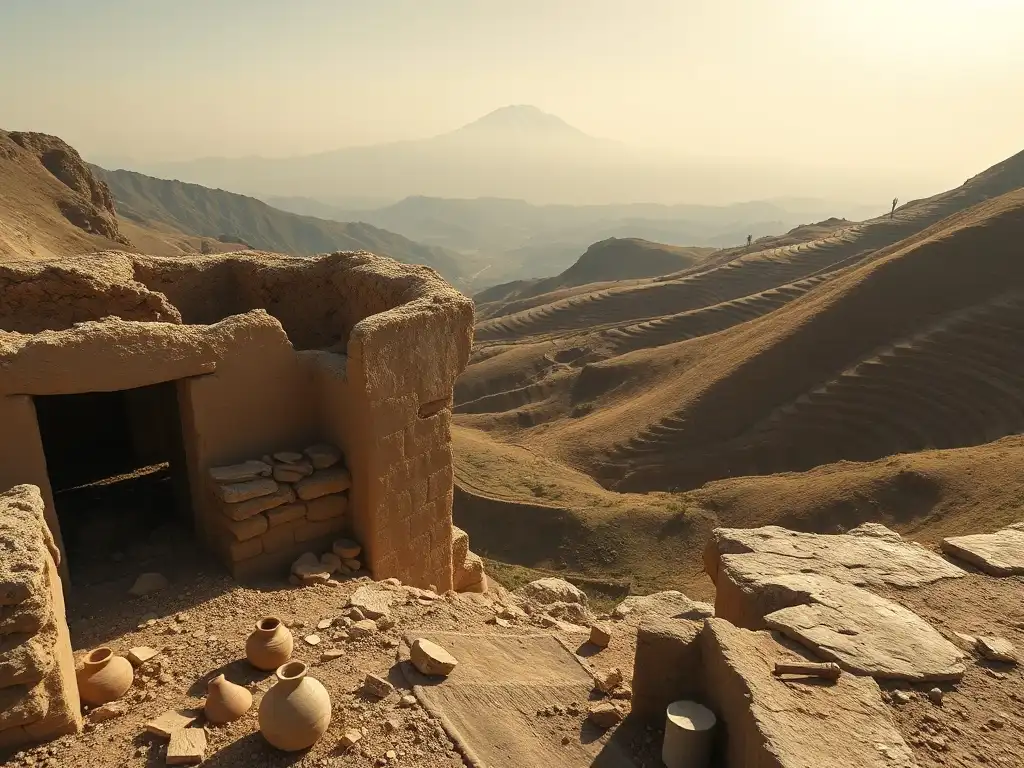
This section delves into the complexities of interpreting the Preceramic period in the Andes, a crucial era laying the groundwork for later, more well-known Andean civilizations. Understanding this period requires careful consideration of limited evidence and the challenges inherent in interpreting ancient human behavior. We will explore the defining characteristics of these early societies and the profound significance of their study for a complete understanding of Andean history. The term "Preceramic Andean civilizations" itself highlights the absence of pottery, a significant marker in archaeological dating, yet these societies were far from simple or undeveloped.
Defining the Preceramic Era in Andean History
The Preceramic period in the Andes, broadly defined, spans from the initial human occupation of the region until the appearance of pottery, typically dated around 1800 BCE. However, this is a simplification. The exact timeframe varies regionally, with some coastal sites showing evidence of human presence much earlier than others in the highlands. Furthermore, the transition to pottery wasn't a sudden event; it evolved gradually in different areas.
Archaeological findings suggest a complex interplay of environmental factors, technological advancements, and cultural shifts driving this change. The absence of pottery doesn't imply a lack of sophisticated cultural practices. Instead, it necessitates a focus on other archaeological indicators like:
- Lithic technology: Analysis of stone tools provides crucial insights into subsistence strategies and technological capabilities. The sophistication of toolmaking, including the development of specialized tools for hunting, processing plants, and working other materials, reveals a remarkable level of skill and adaptation.
- Architecture: Early monumental architecture, like the impressive structures at Caral in the Supe Valley of Peru, challenges the notion of a technologically simple pre-pottery society. These sites demonstrate complex social organization and labor mobilization.
- Burial practices: Grave goods and burial rituals offer invaluable information about social hierarchy, belief systems, and interactions with the environment. Variations in burial practices across different regions highlight the diversity of Preceramic Andean cultures.
- Plant and animal remains: Analysis of plant and animal remains provides data on dietary habits and environmental adaptation. Evidence suggests early cultivation of crops like squash and beans, indicating a significant shift towards agriculture.
The Preceramic period, therefore, is not a monolithic block but a diverse and dynamic era characterized by regional variations and gradual cultural evolution. It’s a period of significant innovation and adaptation, setting the stage for the later flourishing of Andean civilizations.
Key Characteristics of Preceramic Andean Societies
Preceramic Andean societies displayed a remarkable level of complexity despite the absence of pottery. Several key characteristics distinguish this era:
- Sedentary lifestyles: Evidence suggests the development of settled villages, indicating a move away from nomadic lifestyles. This transition was likely tied to the cultivation of crops and the exploitation of local resources.
- Social stratification: Archaeological findings point towards social hierarchies, with some individuals enjoying greater access to resources and prestige than others. This is evident in the size and construction of houses, as well as the presence of elaborate burials.
- Specialized labor: The construction of large-scale architectural projects like the pyramids at Caral suggests the existence of specialized labor forces. This implies a level of social organization and planning beyond simple hunter-gatherer societies.
- Regional variations: It is crucial to acknowledge the significant regional diversity of Preceramic Andean cultures. Coastal societies relied heavily on marine resources, while highland communities focused on agriculture and animal husbandry. These differences are reflected in their material culture and settlement patterns.
The development of these characteristics laid the foundation for the later, more complex societies of the Andean region. Understanding these early societies is crucial to appreciating the full extent of Andean cultural development.
The Significance of Studying Preceramic Cultures
The study of Preceramic Andean cultures is of paramount importance for several reasons:
- Understanding the origins of Andean civilization: Investigating these early societies provides critical insights into the origins of Andean civilization, revealing the long-term processes that led to the development of complex societies.
- Challenging existing narratives: The discovery of sophisticated Preceramic sites challenges simplistic narratives of Andean development, highlighting the complexity and sophistication of these early cultures.
- Revealing adaptive strategies: Analyzing the adaptive strategies employed by Preceramic communities illuminates their resilience and ingenuity in the face of environmental challenges.
- Informing contemporary perspectives: Studying the past helps us understand the present, offering valuable lessons about sustainable resource management and social organization.
The Preceramic period, far from being a mere prelude to later Andean civilizations, represents a crucial phase in its own right, rich in innovation, adaptation, and complexity. Further research and analysis are needed to fully unravel the mysteries of these fascinating early societies and their enduring legacy. The ongoing discovery of new sites and the application of advanced analytical techniques promise to continue to enrich our understanding of "Preceramic Andean civilizations" for years to come.
Archaeological Challenges in Preceramic Andean Sites
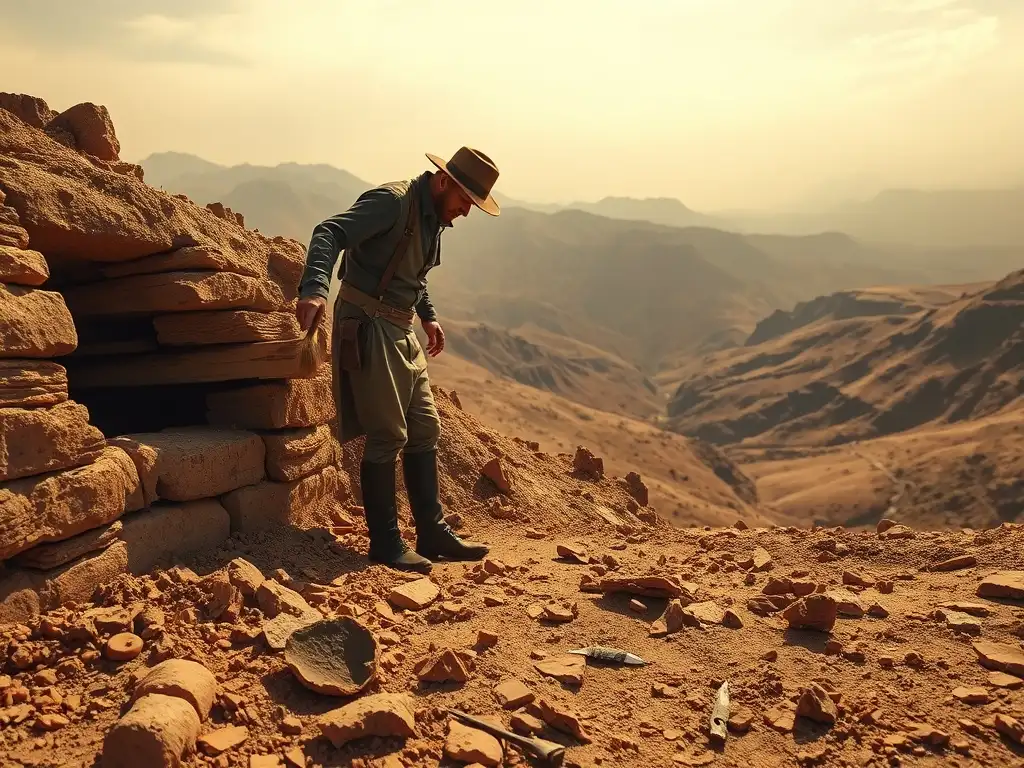
Unraveling the complexities of Preceramic Andean civilizations presents significant archaeological challenges. The scarcity of written records forces researchers to rely heavily on material culture – the objects and structures left behind – to reconstruct the lives and societies of these early Andean peoples. This reliance, however, introduces unique difficulties that hinder our understanding and interpretation. The following sections delve into some of the most significant hurdles faced by archaeologists working in this field. Understanding these challenges is crucial to appreciating the remarkable achievements of these early Andean communities and the ingenuity of the researchers who strive to understand them.
Limited Material Evidence from Preceramic Settlements
One of the most significant obstacles in studying Preceramic Andean civilizations is the limited nature of the surviving material evidence. Unlike later periods characterized by monumental architecture and elaborate artifacts, Preceramic settlements often left behind relatively sparse remains. Many sites consist primarily of scattered lithic tools, rudimentary hearths, and occasional fragments of pottery – if pottery exists at all, as the name implies. This scarcity makes it difficult to reconstruct settlement patterns, social structures, and subsistence strategies with any degree of certainty.
For example, the identification of specific activity areas within a settlement is often problematic due to the lack of clearly defined structures or features. Archaeologists must rely on subtle spatial distributions of artifacts and features to infer activities, a process fraught with potential for misinterpretation. Furthermore, the perishable nature of many materials used in Preceramic contexts, such as textiles and organic materials, means that a significant portion of the archaeological record is simply missing.
This absence leaves significant gaps in our knowledge, particularly regarding aspects of daily life, ritual practices, and social organization. The challenge is amplified by the fact that many Preceramic sites have been disturbed by later occupations or natural processes, further complicating the interpretation of the remaining evidence. More research, especially focused excavation strategies, is needed to better understand these early communities.
Difficulties in Dating Preceramic Archaeological Remains
Precise dating of Preceramic archaeological remains is another major hurdle. Radiocarbon dating, a cornerstone of chronological studies, has limitations when applied to Preceramic contexts. The scarcity of suitable organic materials for dating, such as charcoal or bone, often restricts the number of reliable dates obtainable from a site.
Furthermore, the dates obtained may represent only a limited aspect of the site's occupation, potentially masking more complex chronological sequences. This is particularly true for sites with long and possibly overlapping periods of occupation. The absence of a robust chronological framework makes it difficult to establish the temporal relationships between different sites and to trace cultural developments across the Andean region.
Moreover, the accuracy of radiocarbon dating itself is subject to various uncertainties, including contamination and sample selection biases. Developing more refined dating techniques and strategies, including the incorporation of other dating methods such as luminescence dating where appropriate, is essential to improve the precision of chronological frameworks for Preceramic Andean studies. The development of better contextual dating methods is crucial for a more accurate understanding of the Preceramic period's development and cultural evolution.
The Problem of Preserving Preceramic Sites
The preservation of Preceramic sites faces a multitude of threats, ranging from natural processes to human activities. Erosion, landslides, and other natural events can gradually destroy or obscure archaeological remains, making them inaccessible to researchers. Moreover, many Preceramic sites are located in areas vulnerable to climate change, such as coastal regions or high-altitude environments. These environmental changes are accelerating the deterioration of these already fragile sites.
Human activities, such as agriculture, construction, and looting, also pose significant threats. Illegal excavations and the removal of artifacts from their original context not only destroy valuable archaeological information but also hinder our ability to reconstruct the past accurately. Developing effective strategies for site preservation and management is therefore crucial to safeguarding this irreplaceable part of the Andean heritage.
This includes implementing stricter regulations to combat looting, educating local communities about the importance of these sites, and investing in long-term conservation programs that address the specific challenges faced by Preceramic settlements. The collaborative effort between archaeologists, governmental agencies, and local communities is vital for the successful preservation of these precious sites. Without such a concerted effort, much of the knowledge about Preceramic Andean civilizations will be irretrievably lost.
Methods for Interpreting Preceramic Andean Cultures

The study of Preceramic Andean civilizations presents unique challenges due to the limited textual evidence and the often fragmentary nature of the archaeological record. Successfully interpreting these early cultures requires a multi-faceted approach, combining meticulous fieldwork with sophisticated analytical techniques. Understanding the complexities of Preceramic Andean societies necessitates a careful consideration of lithic technology, settlement patterns, and artistic expression.
This section explores some key methodologies employed in this fascinating area of study. The scarcity of written sources necessitates a heavy reliance on material culture for understanding the beliefs, practices, and social structures of these early Andean communities. This makes the accurate interpretation of archaeological finds crucial for reconstructing their history.
Analyzing Lithic Technology in Preceramic Contexts
Analyzing lithic technology offers invaluable insights into the technological capabilities and subsistence strategies of Preceramic Andean societies. The study of stone tools—their manufacture, typology, and use-wear—provides crucial information about tool production techniques, resource exploitation, and the development of specialized labor. For example, the presence of finely crafted obsidian blades suggests sophisticated knapping techniques and potentially specialized craft production. Conversely, the predominance of simpler tools might indicate a focus on immediate subsistence needs.
Careful analysis of lithic assemblages allows researchers to track changes in technology over time, revealing patterns of innovation and cultural exchange. The distribution of specific tool types across different sites can also shed light on regional variations in technology and economic organization. Detailed studies of use-wear, using microscopy, can reveal the specific tasks for which tools were used, further enhancing our understanding of daily life in Preceramic Andean communities.
This nuanced approach goes beyond simple typology and provides a more dynamic picture of technological change and adaptation. Furthermore, the raw material sourcing of these tools—tracing the origin of obsidian, for instance—can reveal extensive trade networks and social interactions even in the Preceramic period.
Understanding Preceramic Settlement Patterns and Architecture
Preceramic settlement patterns and architecture provide vital clues to social organization, economic activities, and environmental adaptation. The size, layout, and construction of settlements reflect the social complexity and population density of the time. For instance, the presence of large, centrally located structures might indicate a hierarchical social structure, while smaller, dispersed settlements could suggest a more egalitarian society. The analysis of house construction techniques, including materials used and building styles, can provide further insights into local adaptations to the environment and available resources.
The spatial distribution of settlements across the landscape also offers valuable information. The proximity of settlements to water sources, agricultural land, and raw materials reveals strategic choices in site location reflecting economic and social needs. The identification of specialized structures, such as storage facilities or ceremonial centers, can indicate specialized economic activities or religious practices. Changes in settlement patterns over time, such as the growth or abandonment of settlements, can be used to track population movements and shifts in resource availability. Detailed mapping and spatial analysis using GIS technology are crucial tools in the interpretation of Preceramic settlement patterns.
Deciphering Preceramic Art and Symbolic Representation
Preceramic art, while often less elaborate than later Andean styles, offers a unique window into the beliefs, worldview, and ritual practices of these early societies. The analysis of preceramic artifacts, including pottery shards, textiles (where preserved), and rock art, allows us to explore the symbolic representations and narratives that shaped their cultural identity. While the absence of writing presents challenges, careful observation of motifs, iconography, and stylistic variations can reveal underlying themes and meanings.
The use of color, form, and material in preceramic art can convey significant symbolic meaning. For example, the use of specific pigments or materials might have held religious or social significance. The repetition of certain motifs across different artifacts suggests shared beliefs or cultural values. The study of rock art, including petroglyphs and pictographs, provides further insights into ritual practices and the representation of animals and other natural elements.
Comparative analyses with later Andean art traditions can help to elucidate the continuity and change in symbolic systems over time. The interpretation of Preceramic art requires a careful consideration of context, combining stylistic analysis with an understanding of the broader archaeological record. Furthermore, the consideration of potential environmental influences on artistic expression is essential.
The Role of Environmental Data in Preceramic Studies
Understanding the environment of preceramic Andean civilizations is crucial for interpreting their societal structures and cultural practices. Paleoclimatology, palynology (pollen analysis), and geomorphology provide invaluable insights into the landscapes these early peoples inhabited. For instance, analyzing pollen samples from archaeological sites can reveal the types of plants cultivated or gathered, offering clues about subsistence strategies and the impact of agriculture on settlement patterns.
This information is particularly important for understanding the transition from hunter-gatherer lifestyles to more settled, agricultural societies, a key development in the preceramic period. The impact of El Niño events, for example, can be tracked through sediment layers and used to understand how climatic variability influenced the success or failure of early agricultural endeavors and population movements.
Furthermore, studying the geomorphology of the landscape—the shape and formation of the land—helps archaeologists understand the availability of resources like water and arable land. For example, the location of early settlements near rivers or fertile valleys suggests a reliance on these resources, while the presence of irrigation canals indicates a more sophisticated understanding of water management and potentially a more complex social organization.
By analyzing the relationship between settlement patterns and environmental features, researchers can gain a better understanding of the adaptive strategies employed by preceramic Andean communities in response to environmental challenges and opportunities. The interplay between human activity and environmental change is a critical factor in interpreting the complexities of preceramic societies, highlighting the dynamic relationship between people and their surroundings.
The careful analysis of environmental data allows for a more nuanced understanding of the pressures and possibilities that shaped these early Andean cultures. This contextual information is indispensable for avoiding misinterpretations that might arise from focusing solely on artifacts and architectural remains.
Preceramic Andean Civilizations: Case Studies
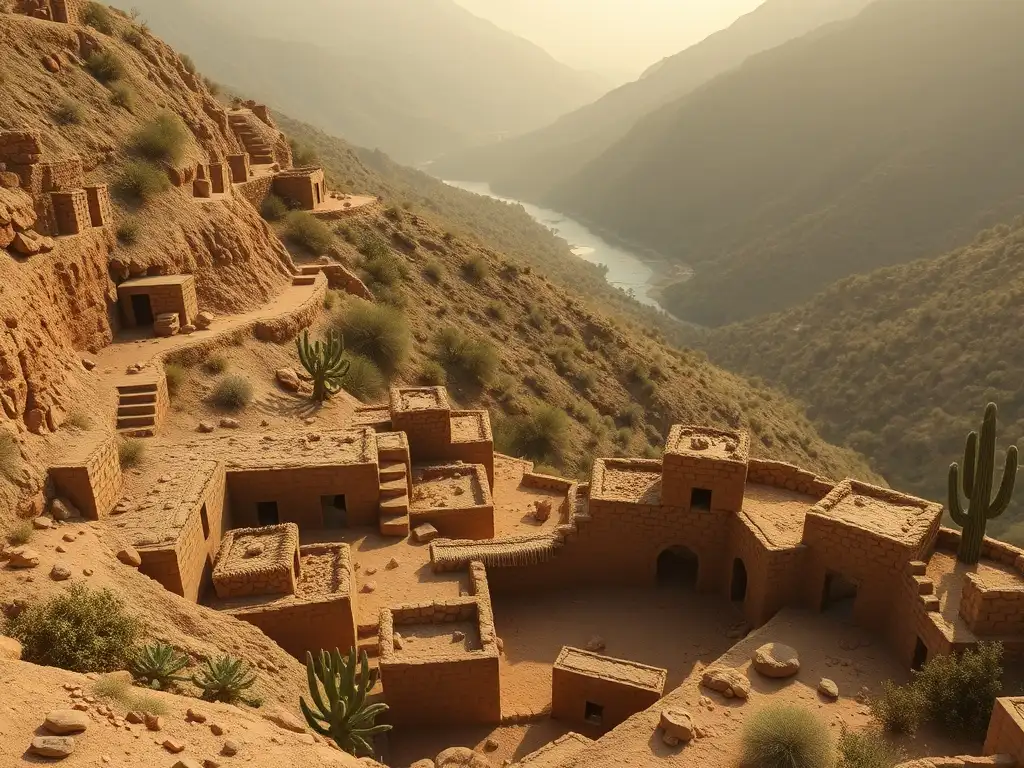
This section delves into specific examples of Preceramic Andean civilizations, showcasing the diversity and complexity of their societies. Understanding these case studies is crucial for appreciating the breadth and depth of Preceramic Andean cultural achievements, challenging simplistic narratives and revealing the sophisticated social structures that existed long before the Inca. Analyzing these sites allows us to better grasp the development of Andean societies and the evolution of their unique artistic and technological innovations. The keyword "Preceramic Andean civilizations" is central to understanding the unique advancements made during this formative period.
Case Study 1: The Coastal Site of Paloma
The coastal site of Paloma, located in Peru, offers a fascinating glimpse into early coastal adaptations. Excavations have unearthed evidence of sophisticated fishing techniques, including intricate fishing nets and specialized tools for processing marine resources. This suggests a highly developed understanding of marine ecology and resource management, crucial for survival in a challenging coastal environment. Analysis of the Paloma remains also reveals a complex social organization, with evidence of specialized labor and the construction of large-scale structures.
The presence of elaborate burial practices and the discovery of finely crafted artifacts indicate a stratified society with distinct social hierarchies. Further research into the Paloma site is crucial for refining our understanding of Preceramic Andean coastal societies and their interaction with the marine environment. The unique aspects of Paloma's development demonstrate the ingenuity and adaptability of early Preceramic Andean civilizations.
Case Study 2: The Highland Site of Telarmachay
Unlike the coastal sites, Telarmachay, situated in the Peruvian highlands, provides insights into high-altitude adaptation and the development of agricultural practices in challenging terrain. Archaeological findings reveal evidence of early forms of agriculture, with domesticated plants like potatoes and other Andean crops. The presence of sophisticated irrigation systems and evidence of terracing suggests a deep understanding of water management and agricultural techniques essential for survival at high altitudes.
Furthermore, the discovery of stone structures and tools indicates a level of technological sophistication, reflecting the ability to adapt to the harsh environmental conditions of the Andes. The social organization of Telarmachay remains a subject of ongoing research, however, the available evidence points towards a community capable of sophisticated resource management and communal living, highlighting the resilience and ingenuity of Preceramic Andean highland populations. Understanding Telarmachay helps us understand the development of Preceramic Andean civilizations in diverse ecological zones.
Case Study 3: The Monumental Complex of Caral
Caral, located in the Supe Valley of Peru, stands as a remarkable example of a large-scale Preceramic urban center. Its monumental architecture, including large pyramids and plazas, points to a highly organized society with significant labor mobilization and social complexity. The absence of evidence for warfare or elaborate weaponry challenges common assumptions about early Andean societies and suggests a different model of social organization, possibly based on cooperation and ritual practices.
Caral's sophisticated infrastructure, including irrigation canals and sophisticated building techniques, demonstrates a level of technological and organizational capacity rarely seen in other contemporary sites. The discovery of evidence of music and ritual artifacts suggests a rich cultural life and a sophisticated understanding of symbolic systems. Caral's significance lies in its challenge to traditional models of Preceramic Andean civilizations, revealing a surprisingly complex and sophisticated society.
The scale of Caral's development further emphasizes the advanced nature of Preceramic Andean civilizations. The intricate planning and execution of the Caral complex demonstrate a level of societal organization rarely seen in other contemporary settlements globally. This makes Caral a pivotal site for understanding the evolution of urbanism and complex societies in the Andes, significantly impacting our understanding of Preceramic Andean civilizations.
The Evolution of Andean Societies from Preceramic to Ceramic
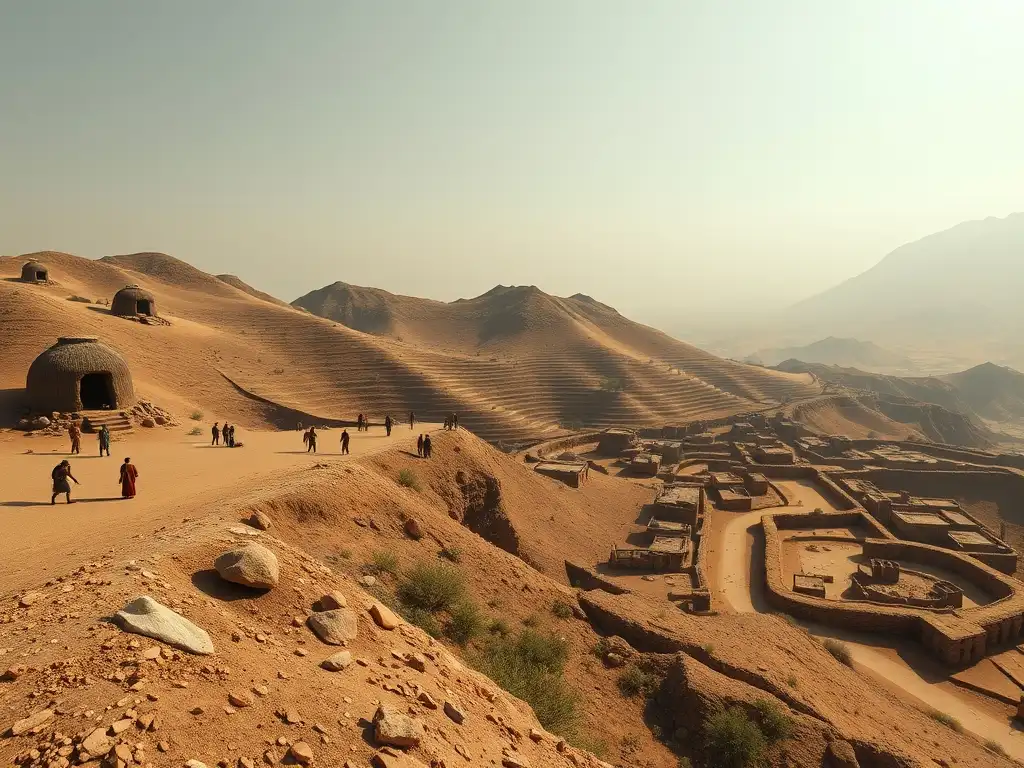
The Preceramic period in the Andes (circa 8000-1800 BCE) represents a crucial phase in the development of complex societies, laying the groundwork for the later flourishing of iconic civilizations like the Inca. Understanding this period requires careful consideration of the gradual shifts in social organization, subsistence strategies, and technological innovations. While lacking the monumental architecture and sophisticated metalwork of later periods, the Preceramic era reveals a fascinating story of adaptation, innovation, and the seeds of future complexity.
The evolution wasn't a linear progression; instead, it involved a complex interplay of environmental factors, population growth, and cultural exchange. This nuanced understanding of the Preceramic period is essential to grasping the full spectrum of Andean cultural development. Analyzing the changes in settlement patterns, for example, provides valuable insights into the evolving social structures.
Early settlements, often small and dispersed, gradually transitioned towards larger, more centralized communities, suggesting increasing social stratification and the emergence of leadership roles. The development of irrigation systems, a hallmark of later Andean societies, also has its roots in this period, albeit on a smaller scale. This early experimentation with water management demonstrates a growing understanding of the environment and its potential for manipulation.
Continuities and Changes in Andean Culture Across Periods
The transition from Preceramic to Ceramic periods in the Andes wasn't a complete break with the past. Many cultural practices and beliefs persisted, albeit in modified forms. For example, the importance of ancestor veneration, a prominent theme in later Andean cultures, likely originated in the Preceramic period. While the precise nature of these early ancestor rituals remains debated, archeological evidence suggests the presence of burial practices and offerings that point to a belief system centered around the continuity between the living and the dead.
This continuity is also reflected in the use of certain materials and artistic motifs. The stylistic elements seen in Preceramic textiles and pottery often reappear, albeit in more refined or elaborate forms, in subsequent periods. The use of specific pigments, for instance, can be traced across millennia, demonstrating the enduring appeal of certain aesthetic traditions. However, significant changes also occurred.
The introduction of pottery, a defining characteristic of the Ceramic period, marked a profound shift in technology and social practices. Pottery facilitated food storage, transport, and the preparation of different types of food, leading to changes in dietary habits and potentially influencing social structures. The emergence of elaborate burial sites and the increasing sophistication of artistic expression also mark a clear departure from the simpler patterns observed in the Preceramic period. This transition, however, was not uniform across all regions of the Andes, highlighting the regional variations in cultural development.
The Transition from Preceramic to Ceramic Technological Advancements
The development of pottery represents a watershed moment in Andean prehistory. This technological leap wasn't simply a matter of creating containers; it fundamentally altered aspects of daily life and social organization. The transition from Preceramic to Ceramic periods is marked by a significant increase in the complexity of technology. The shift wasn't sudden but rather a gradual process of experimentation and refinement.
Early pottery was often simple and undecorated, but over time, techniques improved, leading to the production of more sophisticated vessels with intricate designs and diverse shapes. This technological progress is closely linked to advances in other areas, such as agriculture and metallurgy. Improved agricultural techniques allowed for surplus food production, which, in turn, supported larger populations and more complex social structures. The availability of surplus resources likely played a key role in fueling technological innovation.
Consider, for example, the development of more efficient grinding stones and improved techniques for textile production. These advancements were not isolated but rather interconnected, contributing to a broader process of societal development. The increased efficiency of food production and processing allowed for specialization of labor, creating the conditions for the emergence of skilled artisans and craft specialists. This specialization further stimulated technological innovation, creating a positive feedback loop.
The Legacy of Preceramic Andean Civilizations
The Preceramic Andean civilizations, despite lacking the monumental structures and sophisticated technologies of later periods, left an enduring legacy on the subsequent development of Andean societies. Their mastery of agriculture, particularly the cultivation of crops such as potatoes and quinoa, formed the basis of the Andean diet for millennia. The early experimentation with irrigation systems laid the foundation for the more extensive and sophisticated water management systems developed in later periods. The social structures that began to emerge during the Preceramic period, albeit in rudimentary forms, provided the framework for the development of more complex hierarchical societies.
Furthermore, the artistic traditions that originated in the Preceramic period continued to evolve and influence the artistic styles of later Andean cultures. The sophisticated knowledge of textiles, for instance, is evident in the intricate weavings from the Preceramic period and continued to be refined and developed in the centuries that followed. The enduring influence of Preceramic Andean cultures on later societies highlights the importance of understanding this often-overlooked period.
Their achievements in agriculture, technology, and social organization were foundational to the rise of the more complex and well-known Andean civilizations that followed. Ignoring this crucial foundational period risks an incomplete understanding of the rich tapestry of Andean history and culture. Further research and analysis of Preceramic sites are crucial to fully appreciate the complexity and significance of this foundational era.
Future Directions in Preceramic Andean Research
The study of Preceramic Andean civilizations is a dynamic field, constantly evolving with new discoveries and advancements in research methodologies. Understanding these early societies requires a multifaceted approach, incorporating technological innovation, nuanced interpretive strategies, and collaborative interdisciplinary efforts. Successfully navigating the complexities of this period hinges on embracing these future directions. This section explores key areas demanding further investigation, focusing on the potential for groundbreaking advancements in our understanding of Preceramic Andean life.
Emerging Technologies for Archaeological Analysis
The application of cutting-edge technologies promises to revolutionize our understanding of Preceramic Andean societies. For instance, advancements in geophysical survey techniques, such as ground-penetrating radar (GPR) and magnetometry, allow for non-invasive exploration of sites, identifying buried features and structures previously undetectable. This minimizes site disturbance while maximizing data acquisition, crucial for preserving fragile archaeological contexts.
Furthermore, the use of hyperspectral imaging can reveal subtle variations in pigment composition on pottery shards and other artifacts, potentially uncovering previously unseen details about artistic styles and trade networks. Detailed analysis of these pigments can even shed light on the sources of raw materials, providing insights into the economic organization and social interactions of Preceramic communities. We are also seeing an increased use of 3D modeling and photogrammetry, creating incredibly detailed virtual reconstructions of sites and artifacts, allowing for remote collaboration and detailed analysis without the need for physical access to the materials.
These technologies are essential for the preservation and accessibility of invaluable Preceramic artifacts. The potential for future discoveries using these techniques, particularly in remote and difficult-to-access regions of the Andes, is immense. The integration of these technologies promises a more precise and comprehensive understanding of settlement patterns, social structures, and daily life in these early Andean societies.
New Approaches to Interpreting Preceramic Cultures
Interpreting the limited material remains of Preceramic Andean cultures requires moving beyond simple descriptive accounts. A more nuanced understanding necessitates incorporating new theoretical frameworks and interpretive strategies. For example, adopting a post-processual perspective allows for a more critical examination of existing biases in archaeological interpretations, recognizing the agency and complexity of past human actions.
This approach emphasizes the importance of understanding the diverse perspectives and lived experiences of individuals within these communities, rather than imposing overarching narratives. Furthermore, a focus on ethnoarchaeology, studying contemporary societies to understand the relationship between behavior and material culture, can help bridge the gap between archaeological findings and cultural practices. By carefully comparing contemporary Andean communities' craft production, settlement patterns, and social organization with the Preceramic record, we can generate more robust and nuanced interpretations of the past.
Finally, a greater emphasis on environmental archaeology is crucial. By integrating data from paleoclimatology, paleobotany, and zooarchaeology, we can better understand the relationship between Preceramic societies and their environment, illuminating how climate change, resource availability, and environmental adaptation shaped cultural trajectories. This holistic approach is vital for a more complete and accurate understanding of Preceramic Andean civilizations.
The Importance of Interdisciplinary Research
The complexity of Preceramic Andean societies demands a collaborative, interdisciplinary approach to research. Successfully unraveling the mysteries of this period requires the integration of expertise from various disciplines, including archaeology, anthropology, geology, botany, zoology, and chemistry. For example, geologists can provide crucial insights into the formation of sites and the availability of raw materials, while botanists can analyze plant remains to reconstruct past diets and agricultural practices.
Similarly, zooarchaeologists can shed light on animal husbandry and hunting strategies, while chemists can analyze artifact composition to trace trade routes and technological innovations. This interdisciplinary approach is not merely additive but synergistic; the combination of diverse perspectives generates a richer and more comprehensive understanding that surpasses the capabilities of any single discipline. This collaborative effort is essential for a more complete and accurate reconstruction of the life, culture, and environment of Preceramic Andean civilizations.
The future of Preceramic Andean research lies in fostering stronger collaborative networks and embracing these diverse perspectives. This collaborative effort will be crucial to achieving a more nuanced and complete picture of these fascinating early societies.
Frequently Asked Questions
What are Preceramic Andean civilizations?
Preceramic Andean civilizations refer to the societies that flourished in the Andes region before the widespread adoption of pottery, generally considered to be before 1800 BC. These cultures left behind a rich legacy of architectural achievements, textiles, and complex social structures. Their study provides crucial insights into the early development of Andean societies.
How did archaeologists identify these preceramic cultures?
Archaeologists identify preceramic cultures through the analysis of non-ceramic artifacts, such as stone tools, textiles, and architecture. Excavations and radiocarbon dating are vital tools in establishing timelines and understanding their lifeways. Studying plant and animal remains also helps reconstruct their environments and diets.
What are some of the significant achievements of Preceramic Andean civilizations?
Preceramic Andean societies achieved remarkable feats, including the construction of large-scale monumental architecture like the coastal pyramids and complex irrigation systems. They also developed advanced textile production and sophisticated social organization, indicating complex social structures and leadership.
How did the environment influence Preceramic Andean societies?
The diverse Andean geography, ranging from arid coastal deserts to high-altitude plains, significantly shaped Preceramic societies. Access to water resources was crucial, leading to the development of innovative irrigation techniques. Adaptations to different ecological zones fostered distinct cultural developments.
What is the significance of studying Preceramic Andean civilizations?
Studying these civilizations is crucial for understanding the long-term processes of cultural development in the Andes. It provides a foundation for comprehending later, more complex societies like the Inca and helps us understand the deep roots of Andean culture and its adaptation to a challenging environment.
Final Reflection: Echoes of the Past, Shaping Our Present
The study of Preceramic Andean civilizations isn't just an academic pursuit; it's a vital key to understanding the enduring human capacity for innovation and adaptation. The intricate social structures, sophisticated agricultural techniques, and remarkable artistic expressions unearthed from these ancient sites offer invaluable insights into the very foundations of human civilization, challenging our preconceived notions of societal development and progress. These discoveries continue to resonate today, forcing us to reconsider our relationship with the past and the lessons it holds for the future.
The impact of Preceramic Andean cultures extends far beyond the dusty shelves of museums; their influence permeates the cultural and social landscape of the Andes even today. The ingenuity and resilience demonstrated by these early societies continue to inspire, reminding us of the power of human ingenuity in the face of adversity. The past is never dead. It's not even past,
wrote William Faulkner, and this rings profoundly true when considering the enduring legacy of these Preceramic societies. Their innovative agricultural practices, for example, still inform modern farming techniques in the region, demonstrating a tangible link between past and present.
Consider the implications of these findings. What can you learn from the resourcefulness and community-building strategies employed by these early Andean societies? How can we apply their lessons in addressing contemporary challenges such as sustainable development and environmental stewardship? Let the echoes of their past inspire you to build a more resilient and equitable future, one that honors the ingenuity and wisdom of those who came before us. Embrace the challenge of interpretation, for within the complexities of Preceramic history lies a profound understanding of ourselves and our place in the world.
Unlock the Secrets of Preceramic History!
Thank you for exploring the fascinating world of preceramic history with us! Your curiosity has unveiled the rich tapestry of early human civilization. Now, let's put that knowledge into practice!
Here are some ways to continue your journey:
- Join a local archaeology club or take a course to gain hands-on experience and deepen your understanding of ancient cultures.
- Share your discoveries with friends and family—spark a conversation about the fascinating links between our past and present.
- Explore engaging online resources and virtual museum tours to experience preceramic artifacts and sites firsthand.
What aspect of preceramic history captivates you most, and how do you plan to learn more about it?