
Exploring Inca Ruins: Traces of a Lost Civilization

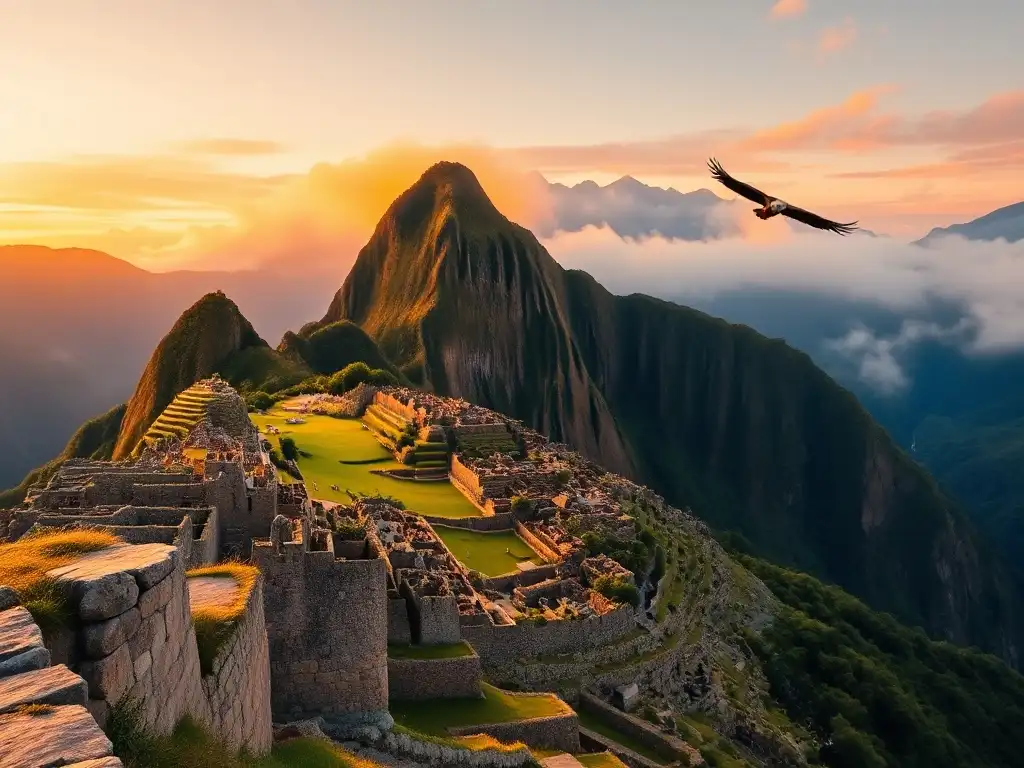
Step into a world lost to time, where echoes of a magnificent empire still resonate amongst the towering Andes. Prepare to be captivated by the enigmatic legacy of the Andean civilizations, from the awe-inspiring artistry of the Nazca lines to the sophisticated engineering of the Tiahuanaco. But our journey begins with the Inca ruins, a testament to a civilization that defied the elements and continues to defy explanation. Discover the secrets hidden within these ancient stones with our comprehensive Inca ruins travel guide – your gateway to unlocking the mysteries of the Inca Empire.
- Inca Ruins Travel Guide: Discovering a Lost Civilization
- Planning Your Inca Ruins Exploration
- Key Inca Ruins and Archaeological Sites
- Understanding Inca Culture Through Their Ruins
- Tips for Responsible Inca Ruins Tourism
- Preserving Inca Ruins for Future Generations
- Frequently Asked Questions
- Final Reflection: Echoes of the Inca – A Legacy That Endures
- **Unveil the Secrets of the Inca Civilization! **
Inca Ruins Travel Guide: Discovering a Lost Civilization
Embark on a captivating journey through time as we explore the enigmatic world of Inca ruins. This comprehensive guide delves into the fascinating history, architectural marvels, and cultural significance of these remnants of a once-powerful empire. We will uncover the secrets hidden within the stones, offering insights into the daily lives, beliefs, and ingenuity of the Inca people.
Whether you're a seasoned adventurer or a curious traveler, this guide provides invaluable information for planning your exploration of these awe-inspiring sites, helping you understand the context and significance of what you will see. Prepare to be amazed by the grandeur of Machu Picchu, the precision of Sacsayhuamán, and the mystery surrounding countless other Inca archaeological sites scattered throughout the Andes Mountains.
This guide will serve as your compass, leading you through the intricacies of Inca history and providing practical tips for an unforgettable journey. Get ready to uncover the traces of a lost civilization and experience the magic of the Inca Empire firsthand!
Unveiling the Majesty of Inca Archaeological Sites
The Inca Empire, at its zenith, controlled a vast territory spanning across the Andes Mountains. Their architectural prowess is evident in the numerous ruins scattered across this region, each site boasting unique characteristics and historical significance. From the iconic Machu Picchu, perched high in the cloud forest, to the imposing fortress of Sacsayhuamán overlooking Cusco, these sites offer a glimpse into the sophisticated engineering and meticulous planning of the Inca civilization.
These weren't just haphazard settlements; they were strategically placed, often incorporating natural features into their designs, demonstrating a deep understanding of their environment and a remarkable ability to adapt to challenging terrains. The sheer scale and precision of the stonework, achieved without the use of mortar or metal tools, remains a testament to their advanced knowledge and unwavering dedication. Many sites also incorporate intricate water management systems, further highlighting the Inca's mastery of engineering and their ability to thrive in diverse and often harsh environments.
The survival of these sites, despite the passage of centuries, is a testament to the enduring legacy of the Inca civilization. The meticulous construction techniques, the strategic locations, and the integration with the natural landscape all contribute to the enduring allure of these magnificent Inca ruins.
Machu Picchu: The Lost City in the Clouds
Machu Picchu, undoubtedly the most famous Inca site, captivates visitors with its breathtaking beauty and enigmatic history. Nestled high in the Andes Mountains, this "Lost City in the Clouds" was rediscovered relatively recently, and its purpose remains a subject of ongoing debate among scholars. However, its intricate architecture, including meticulously crafted stone buildings, terraces carved into the mountainside, and sophisticated water management systems, speaks volumes about the ingenuity and sophistication of the Inca civilization.
The sheer scale of the site, encompassing residential areas, temples, and agricultural terraces, suggests a significant population and a complex social structure. Exploring Machu Picchu is an unforgettable experience, offering unparalleled views of the surrounding landscape and a profound connection to a lost civilization.
Many visitors find themselves deeply moved by the sheer majesty of the site and the mystery surrounding its purpose and abandonment. The breathtaking scenery alone makes it a must-see destination for any traveler interested in Inca history and culture.
Beyond Machu Picchu: Exploring Other Significant Inca Ruins
While Machu Picchu rightfully holds a prominent place in the hearts of Inca enthusiasts, numerous other sites offer equally captivating glimpses into the empire's rich past. Sacsayhuamán, located near Cusco, is a breathtaking fortress showcasing impressive polygonal masonry. The massive stones, perfectly fitted together without mortar, are a testament to the Inca's advanced engineering skills.
Other important sites include Ollantaytambo, a remarkable complex that served as both a fortress and a significant administrative center; Pisac, known for its expansive agricultural terraces clinging to the mountainside; and Choquequirao, a remote and less-visited site that offers a more secluded and immersive experience. Each site presents its own unique architectural style, reflecting the diverse geography and cultural nuances of the Inca Empire.
Exploring these sites allows for a more nuanced understanding of the empire's complexity and the ingenuity of its people, moving beyond the iconic image of Machu Picchu to reveal the broader scope of Inca achievements. The diversity of these sites provides a richer, more complete picture of Inca life and engineering.
Planning Your Inca Ruins Adventure: Practical Tips and Considerations
Planning a trip to explore Inca ruins requires careful consideration. The altitude can be challenging, so acclimatization is crucial. Booking tours and accommodations in advance is highly recommended, especially during peak season. Proper clothing and footwear are essential, along with sufficient supplies of water and sunscreen. Respecting the historical significance of the sites is paramount; avoid touching the ruins and follow all guidelines provided by park authorities.
Hiring a knowledgeable guide can significantly enhance your experience, providing valuable insights into the history and significance of the sites you visit. Remember to pack light, wear comfortable clothing, and be prepared for varying weather conditions. With proper planning, your journey through the Inca ruins will be both rewarding and unforgettable. A well-planned trip will allow you to fully appreciate the historical and cultural significance of these amazing sites.
Planning Your Inca Ruins Exploration
This section provides crucial information for anyone planning an Inca ruins adventure, focusing on maximizing your experience and respecting the historical significance of these sites. We'll cover optimal travel times, essential gear, and necessary permits and regulations. Remember, responsible tourism is key to preserving these incredible remnants of the Inca civilization for future generations.
Best Time to Visit Inca Archaeological Sites
The ideal time to visit Inca archaeological sites hinges on your priorities and tolerance for crowds. The dry season, from May to September, offers the best weather conditions: sunny skies, minimal rainfall, and clear views. However, this is also peak tourist season, meaning larger crowds and potentially higher prices for accommodation and tours. Expect a significant influx of visitors, especially during July and August.
Conversely, the wet season, from October to April, experiences more rainfall and potentially some trail closures due to mud and flooding. While less crowded, certain sites might be inaccessible, and the weather can be unpredictable. However, you might encounter fewer tourists and potentially secure better deals on accommodations. For those seeking a more solitary experience and don't mind the risk of occasional rain showers, the shoulder seasons (April-May and September-October) offer a good compromise between pleasant weather and manageable crowds.
| Season | Weather Conditions | Crowds | Prices | Accessibility |
|---|---|---|---|---|
| May - September | Dry, sunny, clear views | High | High | Generally good |
| October - April | Wet, potential rainfall | Low | Lower | Potentially limited |
Choosing the right time depends on your personal preferences. Weigh the benefits of favorable weather against potential crowds and accessibility issues. Remember to check specific site conditions before your trip, as weather patterns can be highly localized.
Essential Gear for Exploring Inca Ruins
Proper preparation is paramount for a safe and enjoyable Inca ruins exploration. The altitude, varying terrain, and often unpredictable weather necessitate packing appropriate gear. Overlooking these essentials can significantly impact your experience.
- Clothing: Pack layers! Temperatures can fluctuate significantly throughout the day, especially at higher altitudes. Include lightweight, breathable shirts, a warm fleece or jacket, rain gear (a poncho is very useful), comfortable hiking pants or shorts, and a hat for sun protection. Sturdy hiking boots are essential for navigating uneven terrain.
- Sun Protection: The high altitude intensifies the sun's rays. Bring high-SPF sunscreen, sunglasses, and a wide-brimmed hat. Lip balm with SPF is also recommended.
- Hydration: Dehydration is a serious concern at high altitudes. Carry plenty of water or a hydration pack. Electrolyte tablets can also be helpful.
- First-Aid Kit: A basic first-aid kit should include bandages, antiseptic wipes, pain relievers, and any personal medications.
- Other Essentials: Consider bringing binoculars for a closer look at details in the ruins, a camera to capture the breathtaking scenery, a walking stick for stability on uneven trails, and insect repellent.
Permits and Regulations for Inca Ruins Tours
Before embarking on your Inca ruins adventure, understanding the necessary permits and regulations is crucial. Many sites require pre-booked tickets or guided tours to ensure responsible management and preservation. Failure to comply with these regulations can result in fines or even expulsion from the site.
Some sites may have limited daily visitor numbers, making advance booking essential, especially during peak season. Furthermore, certain areas might be off-limits to independent travelers, mandating the use of an authorized guide. Always check the official website of the relevant archaeological park or tourism authority for the most up-to-date information on permits, regulations, and booking procedures.
Respecting these rules helps ensure the long-term preservation of these invaluable historical sites for future generations. Remember that responsible tourism is key to protecting these fragile environments and the rich history they contain. Ignoring regulations can lead to significant penalties and damage to the very sites you're trying to experience.
Key Inca Ruins and Archaeological Sites
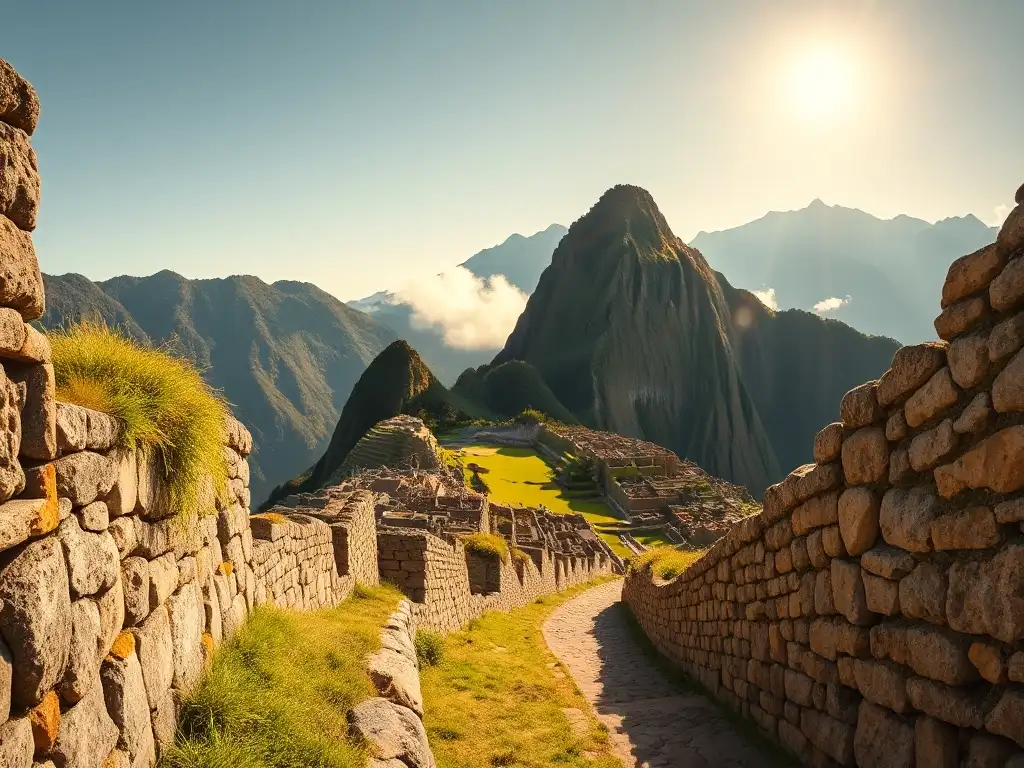
This section delves into some of the most significant Inca ruins and archaeological sites, offering insights into their construction, purpose, and historical importance. These sites provide invaluable glimpses into the sophisticated engineering, intricate social structures, and rich cultural heritage of the Inca Empire, making them essential destinations for any "Inca ruins travel guide." Understanding these locations enriches the experience of visiting them, transforming a simple sightseeing trip into a journey through time.
Machu Picchu: The Iconic Lost City of the Incas
Machu Picchu, often dubbed the "Lost City of the Incas," remains one of the most iconic and well-preserved Inca sites. Its breathtaking location high in the Andes Mountains, coupled with its remarkable architecture, continues to captivate visitors worldwide. The site's rediscovery in 1911 sparked immense interest in Inca civilization and cemented its place as a UNESCO World Heritage Site. Its remote location also contributed to its excellent preservation, shielding it from extensive looting and damage common to other Inca sites.
Exploring the Different Sectors of Machu Picchu
Machu Picchu is not a single monolithic structure but a complex of interconnected buildings and terraces, each serving a specific purpose. Archaeological research suggests a division into distinct sectors, including residential areas, agricultural terraces, religious structures, and storage facilities. For instance, the Royal Sector housed the elite, featuring finely crafted stonework and intricate water management systems. The agricultural terraces, constructed with remarkable precision, showcase the Inca's mastery of terracing techniques to maximize arable land in the mountainous terrain.
The presence of numerous ritual sites, including the Intihuatana stone (believed to be a sundial), underscores the importance of religion in Inca society. Careful observation reveals the meticulous planning and execution that went into creating this incredible city. Detailed maps and guided tours can help visitors appreciate the nuanced layout and the functional aspects of each sector.
Hiking to Machu Picchu: The Inca Trail
The Inca Trail, a challenging yet rewarding trek, offers a unique perspective on Machu Picchu. This ancient pathway, used by the Incas themselves, provides breathtaking views of the surrounding Andes landscape and allows hikers to experience the journey as the ancient people did. The trek typically takes four days and three nights, requiring physical fitness and proper preparation. Permits are required, and booking well in advance is crucial due to high demand.
The trail itself is a testament to Inca engineering prowess, traversing rugged terrain with impressive stonework and strategically placed resting areas. The sense of accomplishment upon reaching Machu Picchu after the trek significantly enhances the experience, adding a layer of personal connection to the site. The Inca Trail offers a truly immersive "Inca ruins travel guide" experience.
Ollantaytambo: A Fortress City and Inca Engineering Marvel
Ollantaytambo, located in the Sacred Valley, stands as a testament to Inca military architecture and engineering. Unlike Machu Picchu, Ollantaytambo was not a hidden city but a strategically important fortress and administrative center. Its imposing stone structures, massive terraces, and intricate water channels demonstrate the Inca's advanced understanding of engineering principles. The site played a crucial role in resisting the Spanish conquest, highlighting its significance as both a military and administrative hub.
Key Features of Ollantaytambo's Architecture
Ollantaytambo's most striking feature is its colossal stone blocks, some weighing many tons, precisely fitted together without mortar. This impressive feat of engineering showcases the Inca's mastery of stonework and their sophisticated understanding of structural mechanics. The massive terraces, carved into the mountainside, served both agricultural and defensive purposes.
The intricate network of canals and water channels provided a reliable water supply to the city, showcasing their advanced hydraulic engineering. The impressive size and complexity of the structures, even considering the partial destruction during the Spanish conquest, are awe-inspiring. Observing the detail in the stonework reveals the high level of skill and precision employed by Inca builders.
The Significance of Ollantaytambo in Inca History
Ollantaytambo's strategic location and impressive defenses made it a vital stronghold during the Inca Empire. It served as a crucial point in the Inca road system, connecting various parts of the empire. The city's importance is further underscored by its role in resisting the Spanish conquest.
The battle of Ollantaytambo, though ultimately a Spanish victory, demonstrated the fierce resistance of the Inca people and their strong defense capabilities. The site's historical significance extends beyond its military role, as it also functioned as an important administrative and religious center, indicating its multifaceted role within the Inca society. Understanding its history enriches the experience of exploring this remarkable "Inca ruins travel guide" destination.
Sacsayhuamán: The Enigmatic Inca Fortress Near Cusco
Sacsayhuamán, a breathtaking Inca fortress located on a hill overlooking Cusco, Peru, stands as a testament to the Inca's exceptional engineering prowess and military might. Its imposing presence, even in its partially ruined state, continues to captivate visitors and researchers alike. The sheer scale of the site is awe-inspiring; the massive, precisely fitted stones defy easy explanation, leading to numerous theories about their construction and purpose.
The fortress's strategic location, commanding panoramic views of the surrounding valley, further underscores its importance as a defensive stronghold. The imposing walls, made of colossal stones weighing many tons, were meticulously crafted to fit together without mortar, a feat of engineering that remains a marvel today. The precise techniques used by the Inca to quarry, transport, and position these enormous stones continue to be studied by archaeologists and engineers, sparking ongoing debate about the advanced knowledge and technology of the Inca civilization.
Exploring Sacsayhuamán offers a unique opportunity to witness firsthand the ingenuity and power of the Inca Empire. Indeed, this Inca ruins travel guide wouldn't be complete without highlighting this crucial location. The sheer scale of the stones and the strategic location make it a must-see site for any visitor interested in Inca history and culture.
Exploring Sacsayhuamán's Massive Stone Structures
The most striking feature of Sacsayhuamán is undoubtedly its massive stone structures. These colossal blocks of stone, some weighing over 100 tons, were expertly fitted together without the use of mortar, a testament to the Inca's advanced understanding of engineering and stonework. The precision of the cuts and the way the stones interlock is remarkable, leaving little to no space between them.
Archaeologists continue to debate the exact methods employed by the Inca to transport and place these enormous stones, with theories ranging from sophisticated ramps and levers to the possible use of advanced knowledge of physics. The sheer size and weight of the stones present a significant challenge to modern engineers, highlighting the extraordinary capabilities of the Inca builders. Close examination reveals intricate details in the stonework, hinting at a level of artistry and craftsmanship that surpasses mere functionality.
The sheer scale of the undertaking and the precision of the work leave visitors in awe of the Inca's skill and dedication. Understanding these structures is key to understanding the Inca's mastery of their environment and their capacity for ambitious projects. This Inca ruins travel guide emphasizes the importance of taking your time to explore these remarkable structures.
Sacsayhuamán's Role in Inca Military Strategy
Sacsayhuamán's strategic location played a crucial role in Inca military strategy. Perched high above Cusco, the fortress commanded a panoramic view of the surrounding valley, allowing for early detection of any approaching enemies. Its imposing walls and strategic placement served as an effective deterrent, making it a formidable defense against potential invaders.
The fortress's design incorporated numerous defensive features, including intricate passageways, hidden chambers, and strategically placed towers, all designed to maximize its defensive capabilities. The sheer size and imposing nature of the fortress likely served as a psychological weapon, intimidating potential attackers and discouraging any attempts at conquest. While the precise details of its military use may remain partially obscure, the evidence strongly suggests that Sacsayhuamán played a vital role in protecting Cusco, the Inca capital, from threats.
The strategic importance of Sacsayhuamán reinforces its status as a crucial site within the Inca Empire's military infrastructure. This Inca ruins travel guide underscores the importance of considering the military context when visiting this impressive site.
Pisac: The Agricultural Terraces and Inca Ruins
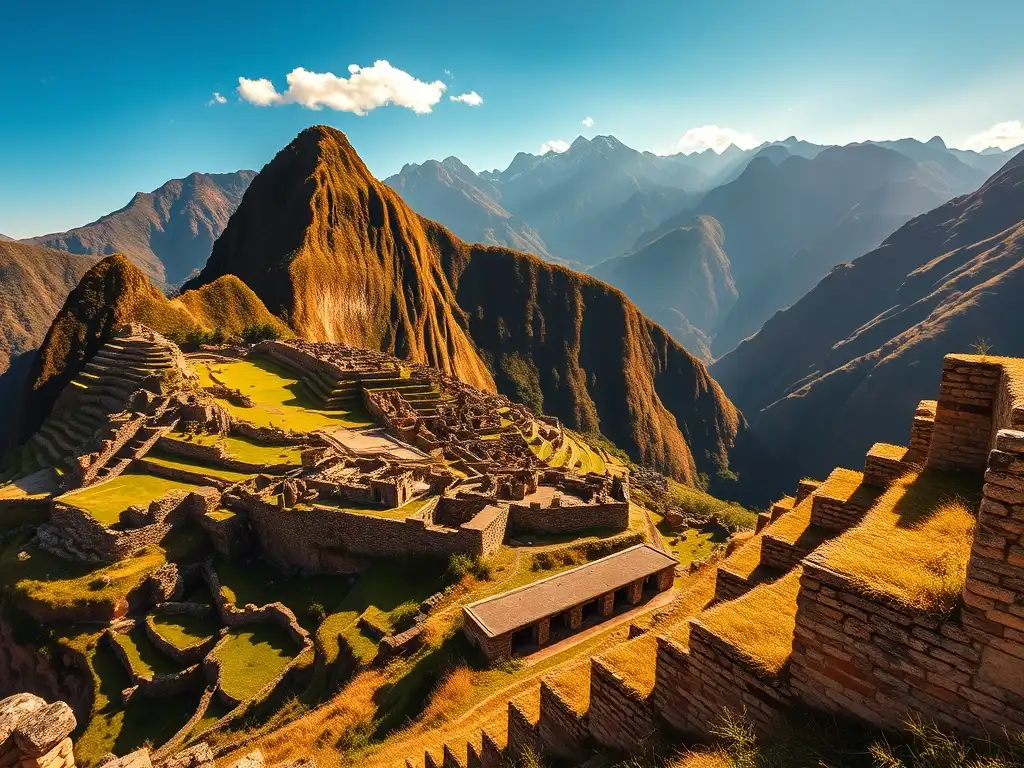
Pisac, situated in the Sacred Valley of the Incas, is renowned for its breathtaking agricultural terraces carved into the mountainside and its impressive Inca ruins. The terraces, a testament to the Inca's sophisticated agricultural techniques, demonstrate their ability to maximize arable land in a challenging mountainous terrain. These terraces not only provided food for the population but also served as a striking visual representation of Inca engineering and societal organization.
The intricate system of irrigation channels that crisscrossed the terraces ensured efficient water distribution, allowing for optimal crop yields even in the arid conditions of the Sacred Valley. The integration of agricultural terraces with the surrounding landscape reveals a deep understanding of the environment and a commitment to sustainable agricultural practices, aspects that significantly contributed to the Inca Empire's success and longevity. The well-preserved ruins of Pisac, including temples, palaces, and residential structures, offer further insights into Inca daily life and societal structure.
Exploring Pisac provides a unique blend of agricultural and architectural wonders, showcasing the Inca's multifaceted achievements. This Inca ruins travel guide emphasizes the unique combination of agricultural prowess and architectural ingenuity present in Pisac.
Discovering Pisac's Ancient Agricultural Techniques
The agricultural terraces of Pisac represent a remarkable feat of Inca engineering and agricultural innovation. The Inca's mastery of terracing allowed them to cultivate crops on steep, sloped terrain, maximizing the use of available land. The terraces were built using sophisticated techniques, including the construction of retaining walls and irrigation channels.
These walls, often made of stone, helped to stabilize the soil and prevent erosion, while the irrigation channels ensured that water reached the crops efficiently. The Inca's understanding of water management was essential to their success in cultivating crops in the challenging environment of the Sacred Valley. The design of the terraces also considered factors such as sun exposure and drainage, optimizing the conditions for crop growth.
Studying Pisac's agricultural techniques reveals the Inca's deep understanding of both agriculture and engineering, contributing to their ability to sustain a large population in a challenging environment. This Inca ruins travel guide highlights the importance of appreciating the ingenuity behind these ancient farming techniques.
The Temple of the Sun in Pisac
The Temple of the Sun in Pisac is one of the most significant Inca structures within the site. Though not as monumental as some other Inca structures, its location and architectural features suggest its importance within the Inca religious and political system. The temple is characterized by its precise stonework and intricate carvings, showcasing the Inca's advanced skills in stone masonry.
The temple's location likely held symbolic significance, reflecting the Inca's deep connection with the natural world and their reverence for the sun god, Inti. While further research is needed to fully understand its function and purpose, the Temple of the Sun stands as a testament to the Inca's religious beliefs and their ability to create awe-inspiring structures. Its presence within the wider context of Pisac's agricultural terraces further highlights the interconnectedness of Inca religious practices, agriculture, and societal organization.
This Inca ruins travel guide emphasizes the religious and cultural significance of this important site. The Temple of the Sun, along with the terraces, makes Pisac a truly unique and engaging destination for any visitor interested in Inca culture.
Choquequirao: The "Other Machu Picchu"
Choquequirao, nestled high in the Vilcabamba mountain range, is often referred to as the "other Machu Picchu." This sprawling Inca site, significantly larger than Machu Picchu, boasts breathtaking views and a fascinating history. Unlike its more famous counterpart, Choquequirao remains relatively untouched by mass tourism, offering a more intimate and immersive experience for adventurous travelers.
The remote location and challenging trek required to reach it contribute to its mystique and preserve its archaeological integrity. Archaeologists continue to uncover new structures and artifacts, hinting at a rich and complex society that thrived in this remote Andean location. The sheer scale of Choquequirao, with its extensive agricultural terraces, residential areas, and religious structures, underscores the advanced engineering and organizational skills of the Inca civilization.
Exploring Choquequirao provides a unique window into the daily life and sophisticated infrastructure of a significant Inca settlement. The site’s remoteness provides a sense of isolation and discovery that is often lacking in more accessible ruins.
Trekking to Choquequirao: A Challenging Adventure
Reaching Choquequirao is no easy feat. The trek typically takes several days, traversing rugged mountain trails and crossing rushing rivers. The journey itself is a significant part of the experience, offering stunning panoramas of the Andes Mountains and a chance to connect with the raw beauty of the Peruvian landscape.
Trekkers should be prepared for varying altitudes, challenging terrain, and unpredictable weather conditions. Proper acclimatization is crucial, and hiring a reliable guide is highly recommended. While the journey is demanding, the reward of discovering this relatively untouched Inca city makes the strenuous trek worthwhile.
The physical challenge adds to the sense of accomplishment and deepens the appreciation for the Inca’s remarkable engineering feats, which allowed them to build and maintain such a site in such a difficult environment. Many trekkers describe the experience as both physically and emotionally rewarding, a true test of endurance and a profound connection with nature and history.
Choquequirao's Unique Architectural Features
Choquequirao's architecture showcases the Inca's mastery of stonework. The precise fitting of stones without mortar is a testament to their advanced engineering skills. The site features a complex network of terraces, meticulously crafted to maximize agricultural production in the challenging mountain environment. Religious structures, including temples and ceremonial plazas, are strategically placed within the complex.
These structures are often adorned with intricate carvings and detailed stonework, suggesting a sophisticated understanding of religious beliefs and practices. The layout of the city itself reflects the Inca's hierarchical social structure, with residential areas, agricultural terraces, and administrative centers carefully planned and integrated. The unique features of Choquequirao’s architecture distinguish it from other Inca sites, offering valuable insights into the variations in Inca design and construction techniques across different regions of the empire. Further research is continually revealing new details about its construction and purpose.
Other Notable Inca Ruins
Beyond Machu Picchu and Choquequirao, numerous other Inca ruins offer captivating glimpses into the empire's vast reach and sophisticated civilization. These sites, while perhaps less famous, offer unique perspectives on Inca life, architecture, and engineering. Exploring these lesser-known ruins provides a richer, more nuanced understanding of the Inca civilization and its diverse cultural expressions. Many of these sites are less crowded, allowing for a more peaceful and contemplative experience.
Wiñay Wayna
Wiñay Wayna, meaning "forever young" in Quechua, is an Inca site located along the Inca Trail to Machu Picchu. It's a smaller site compared to Machu Picchu or Choquequirao, but its well-preserved agricultural terraces and residential structures provide a fascinating glimpse into Inca daily life. Its proximity to Machu Picchu makes it a popular stop for hikers on the Inca Trail, adding to the overall experience of exploring the Inca heartland.
The impressive stonework and agricultural ingenuity displayed at Wiñay Wayna are a testament to the Inca's ability to adapt to their environment and create sustainable communities in challenging terrain. The relatively small size of Wiñay Wayna allows visitors to explore the site in detail, appreciating the intricate details of the architecture and the strategic location within the mountain landscape.
Raqch'i
Raqch'i, located near Cusco, stands out for its unique architectural style. Unlike many other Inca sites characterized by dry-stone construction, Raqch'i features a large, impressive temple built with enormous, precisely cut stones. This temple, possibly dedicated to a specific deity, displays a different approach to stonework than seen elsewhere in the Inca empire.
The scale of the construction suggests a significant level of organization and manpower, highlighting the Inca's capacity for large-scale projects. Raqch'i offers a fascinating case study in Inca architectural experimentation and innovation, demonstrating the range of styles and techniques employed across the vast empire. The site’s unique features make it a valuable addition to any Inca ruins itinerary, offering a different perspective on the Inca’s architectural capabilities.
Understanding Inca Culture Through Their Ruins
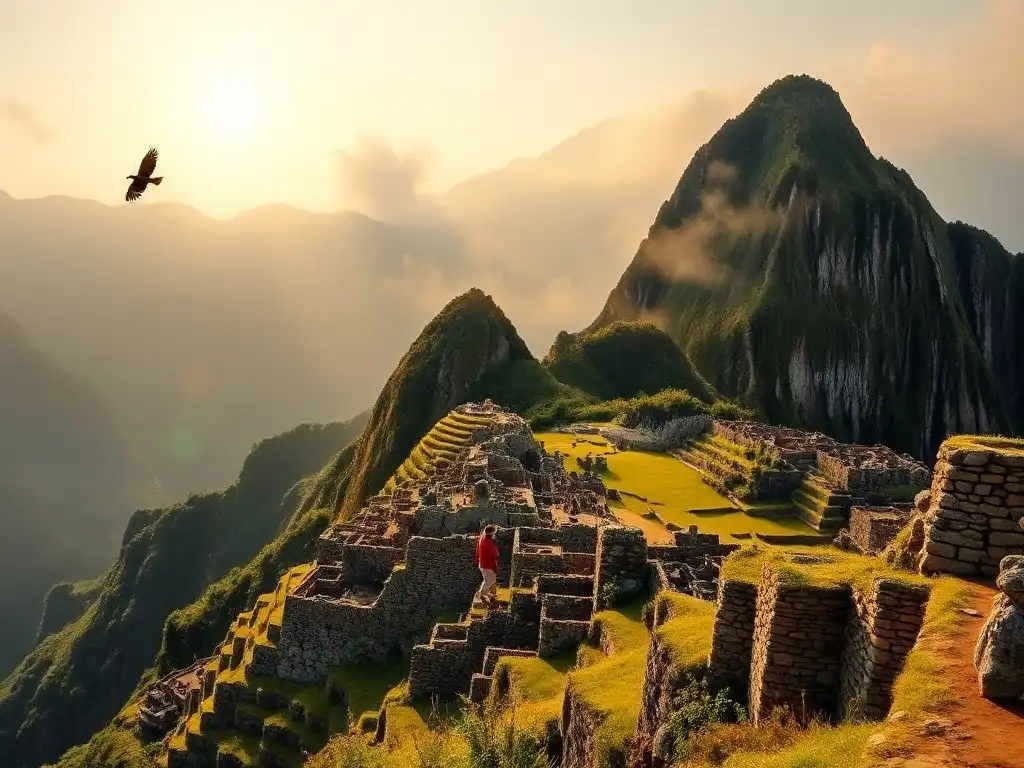
This section delves into the fascinating insights we gain about Inca culture by studying their remarkably preserved ruins. By examining their architectural marvels, religious sites, and urban planning, we can piece together a vivid picture of daily life in the Inca Empire. This exploration provides a unique lens through which to understand the ingenuity, spirituality, and societal structures of this powerful civilization.
Understanding Inca ruins is key to understanding Inca society itself, offering a tangible connection to their past. This serves as a valuable resource for any "Inca ruins travel guide" seeking to enrich their understanding of the sites they showcase.
Inca Architecture and Engineering: Skills on Display
Inca architecture is a testament to their advanced engineering skills and sophisticated understanding of materials and construction techniques. Their mastery of stonework is particularly striking. They employed a unique dry-stone method, fitting massive blocks together with incredible precision, creating structures that have withstood the test of time. Many Inca ruins showcase this technique, including the iconic walls of Sacsayhuamán near Cusco. The precision is so remarkable that even a knife blade cannot be inserted between the stones!
The Incas also demonstrated a keen understanding of seismic activity, incorporating design elements into their buildings to withstand earthquakes. This is evident in the use of interlocking stones and strategically placed foundations. Furthermore, their mastery extended to hydraulic engineering, with sophisticated irrigation systems and intricate water channels supplying water to their cities and agricultural lands. These intricate systems, many still functioning today, highlight their practical understanding of water management and resource allocation.
Their ingenuity in this area is a crucial element in any comprehensive "Inca ruins travel guide". Consider, for instance, the impressive agricultural terraces carved into the Andes mountainsides – a feat of engineering that allowed them to maximize arable land in challenging terrain. These terraces are not only impressive feats of engineering but also a testament to their profound connection to the land, their agricultural prowess, and their ability to adapt to their challenging environment.
Inca Religious Practices and Sacred Sites
Religious beliefs played a central role in Inca life, and their sacred sites offer invaluable insights into their cosmology and spiritual practices. Many Inca ruins served as religious centers, incorporating elements designed to connect the earthly and spiritual realms. For example, the Intihuatana stone at Machu Picchu, believed to be a sundial and a site for astronomical observations, is a prime example of the Inca's profound understanding of astronomy and its role in their religious practices.
The Incas worshipped various deities, including Inti (the sun god), Viracocha (the creator god), and Pachamama (Mother Earth). Their religious practices involved rituals, sacrifices, and festivals held at specific sites. The ruins often contain evidence of these practices, including ceremonial platforms, temples, and burial grounds. Understanding the religious significance of these sites is crucial for any comprehensive "Inca ruins travel guide", allowing visitors to appreciate the deeper meaning and spiritual context of the ruins. Many ruins, beyond their architectural significance, served as vibrant centers for religious ceremonies and practices, deeply interwoven with their daily lives.
Daily Life in Inca Cities and Settlements
Inca cities and settlements were meticulously planned, reflecting their sophisticated social organization and administrative systems. The urban design often incorporated distinct zones for different functions, such as residential areas, agricultural zones, and religious centers. Machu Picchu, for example, showcases a complex network of pathways, residential structures, and agricultural terraces, illustrating the integration of various aspects of daily life within a single site. The layout of these settlements provides valuable clues about their social structure and the daily routines of Inca citizens.
The ruins also reveal details about Inca housing, agriculture, and craftsmanship. The construction of houses, typically made of stone and adobe, varied depending on social status. Agricultural practices, as evidenced by the extensive terrace systems, were crucial to their sustenance. The presence of workshops and artisan areas in some ruins indicates a thriving craft industry.
Understanding these aspects of daily life provides a richer and more complete picture of Inca society, enriching any "Inca ruins travel guide" with details that bring the past to life. The careful study of these elements allows us to reconstruct a detailed picture of their daily routines, social hierarchies, and economic activities. The impressive scale and organization of these settlements stand as a testament to their advanced societal structures and efficient resource management. Careful observation of the ruins reveals a society deeply interconnected and finely tuned to its environment.
Tips for Responsible Inca Ruins Tourism
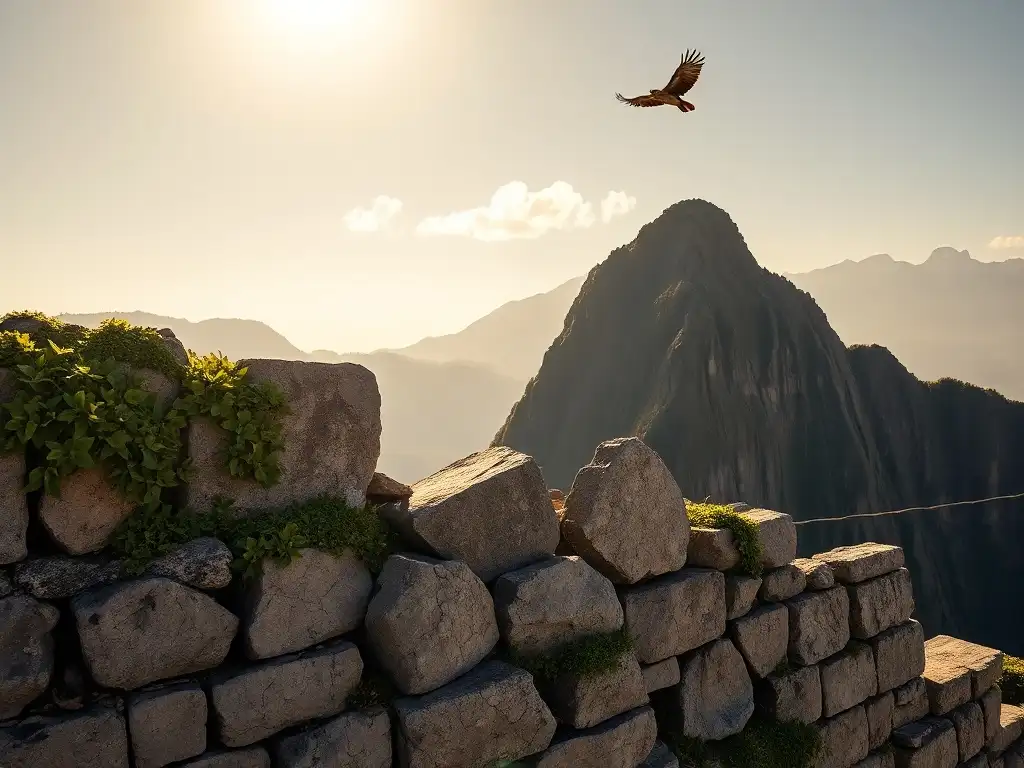
This section provides practical advice for travelers planning to explore Inca ruins, focusing on responsible and sustainable tourism practices that minimize environmental impact and maximize respect for the cultural heritage. Understanding and implementing these tips ensures a rewarding experience while preserving these invaluable sites for future generations. Planning your trip with an "Inca ruins travel guide" mindset will help you navigate these amazing places responsibly.
Respecting Inca Heritage and Archaeological Sites
Visiting Inca ruins is a privilege, not a right. These sites are fragile remnants of a magnificent civilization, vulnerable to damage from human interaction and the elements. Therefore, respecting their historical and cultural significance is paramount. This involves more than just admiring the structures; it necessitates active participation in their preservation.
Several key actions demonstrate respect for Inca heritage. Firstly, always stay on marked trails. Wandering off-trail compacts the soil, damages delicate vegetation, and increases the risk of accidentally damaging artifacts. Secondly, refrain from touching any structures or artifacts. The oils and acids from our skin can cause irreversible damage over time. Even seemingly insignificant actions can contribute to long-term deterioration. Thirdly, avoid leaving any trace of your presence. Pack out everything you pack in, including trash, and ensure you don't leave any markings or graffiti. Remember, the preservation of these sites is a collective responsibility.
Consider the impact of your photography. While capturing memories is understandable, using drones or employing flash photography can be disruptive to the environment and potentially harmful to the fragile structures. Opt for natural light photography and respect any specific guidelines provided by park authorities. The goal is to appreciate the grandeur of these sites without altering their integrity in any way. Respectful behavior ensures the continued enjoyment of these wonders for everyone.
Sustainable Travel Practices at Inca Ruins
Sustainable tourism at Inca ruins goes beyond respecting the sites themselves; it encompasses minimizing your overall environmental footprint. This includes responsible transportation choices, conscious consumption, and support for eco-friendly initiatives.
Choosing sustainable transportation options is crucial. Opting for public transportation or walking whenever possible reduces carbon emissions compared to private vehicles. When using tour operators, prioritize those committed to sustainable practices, such as using fuel-efficient vehicles or promoting bicycle tours. Remember that even small choices collectively contribute to a larger impact.
Minimizing your consumption is another essential element. Support local businesses that prioritize sustainability and fair trade practices. Avoid purchasing souvenirs made from endangered materials or produced through unethical labor practices. Remember, conscious consumption is a powerful tool for positive change.
Supporting Local Communities Near Inca Sites
Tourism can be a powerful force for economic development in communities surrounding Inca ruins. However, it's crucial to ensure that this development is equitable and sustainable, benefiting the local population directly.
Supporting local businesses is a simple yet impactful way to contribute to the well-being of these communities. Patronize locally owned hotels, restaurants, and craft shops, ensuring that your spending directly supports the livelihoods of local people. Engage with local guides, as they often possess invaluable knowledge and insights into the history and culture of the region. This not only provides economic opportunities but also fosters cultural exchange and understanding.
By actively seeking out and supporting local initiatives, travelers become active participants in sustainable and responsible tourism, ensuring that the benefits of tourism are shared equitably. This approach transforms the Inca ruins experience from passive observation into active participation in the preservation of both the site and the surrounding culture. Choosing to be a responsible traveler directly contributes to the long-term preservation of this invaluable heritage for future generations.
Preserving Inca Ruins for Future Generations
The Importance of Conservation Efforts
Protecting Inca ruins is paramount for several reasons. First and foremost, these sites are irreplaceable repositories of information about a sophisticated and fascinating civilization. The intricate stonework, agricultural terraces, and urban planning evident in sites like Machu Picchu and Ollantaytambo offer invaluable insights into Inca ingenuity and societal organization. Their preservation allows future generations to learn from the past, fostering a deeper understanding of human history and cultural heritage.
Secondly, Inca ruins are significant tourist attractions, generating revenue for local communities and contributing to national economies. Responsible tourism, however, hinges on the preservation of these sites; otherwise, the economic benefits are unsustainable. Finally, the very existence of these ruins connects contemporary Andean populations to their ancestral heritage, providing a sense of identity and continuity. The loss of these sites would represent a significant cultural loss for Peru and other Andean nations.
Careful conservation efforts are therefore essential for maintaining both the tangible and intangible heritage associated with Inca ruins. Effective conservation strategies must balance the needs of preservation with the realities of tourism and local development. This delicate balance requires careful planning and collaboration among various stakeholders, including government agencies, local communities, and international organizations. The long-term sustainability of these efforts depends on the successful integration of conservation practices into both economic and social development plans.
Challenges in Protecting Inca Archaeological Sites
The preservation of Inca ruins faces numerous challenges. Natural factors such as earthquakes, landslides, and erosion constantly threaten the structural integrity of these ancient sites. The harsh Andean climate, characterized by fluctuating temperatures and intense rainfall, further exacerbates deterioration. Human activity poses an equally significant threat. Unsustainable tourism practices, including overcrowding and inappropriate visitor behavior, can cause damage to delicate structures.
Illegal looting and the removal of artifacts for the black market represent a serious ongoing problem, robbing future generations of valuable historical evidence. Furthermore, lack of resources often hinders effective conservation efforts. Many sites lack adequate funding for maintenance, restoration, and monitoring. A shortage of trained personnel further compounds this issue.
Finally, conflicting interests between preservation goals and the needs of local communities can create tension. Balancing the preservation of historical sites with the economic development of nearby communities requires careful negotiation and compromise. Addressing these challenges requires a multi-faceted approach, integrating advanced technologies for monitoring and preservation with community-based initiatives that foster a sense of ownership and responsibility towards the Inca heritage. This requires substantial investment in both human capital and technological resources.
Contributing to Inca Ruins Preservation
Individuals can contribute to Inca ruins preservation in several ways. Responsible tourism is crucial; this involves respecting designated pathways, avoiding touching or climbing on structures, and refraining from littering. Supporting organizations dedicated to the preservation of Inca heritage through donations or volunteering is another effective way to contribute. Educating oneself and others about the importance of these sites and the threats they face is equally important.
By raising awareness, we can foster a greater sense of responsibility and encourage others to act as stewards of this invaluable cultural legacy. Furthermore, advocating for sustainable tourism practices and supporting initiatives that promote responsible development in communities surrounding Inca ruins can help ensure their long-term protection. Even small actions, such as choosing tour operators committed to sustainable practices, can make a significant difference.
The preservation of Inca ruins is a collective responsibility; by actively participating in preservation efforts, we can help ensure that these remarkable sites remain accessible and inspiring for generations to come. Remember, respecting the environment and the legacy of the Inca civilization is key to preserving their incredible ruins. 🌎 Let's work together to protect these invaluable treasures for future generations!
Frequently Asked Questions
What are some of the most impressive Inca ruins to visit?
The most impressive Inca ruins include Machu Picchu, Sacsayhuamán near Cusco, and Ollantaytambo, all offering breathtaking views and insights into Inca architecture and engineering. Consider your fitness level when choosing; some sites involve strenuous hikes.
How can I plan a trip to see Inca ruins?
Planning a trip requires booking flights and accommodation in advance, especially during peak season. Consider hiring a local guide for a richer experience and to navigate the sites effectively. Research transportation options to and from the ruins.
What is the best time of year to visit Inca ruins?
The dry season (May to September) offers the best weather for exploring Inca ruins. However, this is also peak tourist season, so expect larger crowds and higher prices. The shoulder seasons (April and October) offer a good compromise.
Are there any safety concerns when visiting Inca ruins?
Always be aware of your surroundings and take necessary precautions against altitude sickness. Stay on marked trails, and be mindful of the weather conditions, especially during the rainy season. Inform someone of your itinerary.
What should I pack for a trip to see Inca ruins?
Pack comfortable walking shoes, layers of clothing suitable for varying temperatures, sunscreen, a hat, insect repellent, and rain gear. Don't forget a camera to capture the stunning scenery and a water bottle to stay hydrated.
Final Reflection: Echoes of the Inca – A Legacy That Endures
The breathtaking majesty of Inca ruins continues to resonate today, a powerful testament to a civilization that mastered engineering, artistry, and societal organization on a scale rarely seen. More than just ancient stones, these sites offer a tangible connection to a rich past, reminding us of the ingenuity and resilience of the human spirit. Their enduring presence challenges us to consider our own place in the grand tapestry of history and the responsibility we bear to preserve such invaluable heritage for future generations.
The impact of Inca culture extends far beyond the physical structures; its influence permeates the very fabric of Andean society, its traditions and beliefs subtly woven into the daily lives of millions. The echoes of their sophisticated agricultural techniques, intricate social structures, and profound spiritual beliefs are still heard today. The past is never dead. It's not even past.
– William Faulkner. This quote perfectly encapsulates the enduring legacy of the Inca, a legacy that continues to shape the cultural landscape of South America and inspire awe in visitors from around the globe. Their story serves as a powerful reminder of the interconnectedness of time and the importance of understanding our shared history.
Now, as you contemplate the incredible journey through time offered by these ancient sites, I urge you to consider your own role in preserving this legacy. Plan your visit to these magnificent ruins, but do so responsibly. Support local communities, learn about Inca history and culture, and advocate for the preservation of these irreplaceable treasures.
Let the echoes of the Inca inspire you not only to explore their magnificent achievements but also to contribute to the ongoing preservation of our shared human heritage. The story of the Inca is far from over; it continues to unfold with each new discovery and each new visitor who connects with their enduring spirit.
**Unveil the Secrets of the Inca Civilization! **
Thank you for exploring the fascinating world of Inca ruins with us! You've discovered remarkable stories and the rich cultural significance of these ancient structures. Now, let's build on your knowledge and take the next step!
Here are a few ways you can further connect with this incredible history:
- **Embark on your own adventure:** Plan a trip to a significant Inca site, such as Machu Picchu or a lesser-known ruin. Witness the awe-inspiring architecture and landscape firsthand!
- **Share your discoveries:** Discuss what you've learned with friends and family, or encourage them to explore the fascinating world of Inca civilization. Spread your enthusiasm for history!
- **Engage with the community:** Join online forums or local history groups dedicated to Andean cultures. Participate in discussions, share your insights, and learn from others who share your passion.
What aspect of Inca civilization captivates you the most, and how will you continue to explore its rich history?