
The Role of Women in Andean Food Storage and Distribution

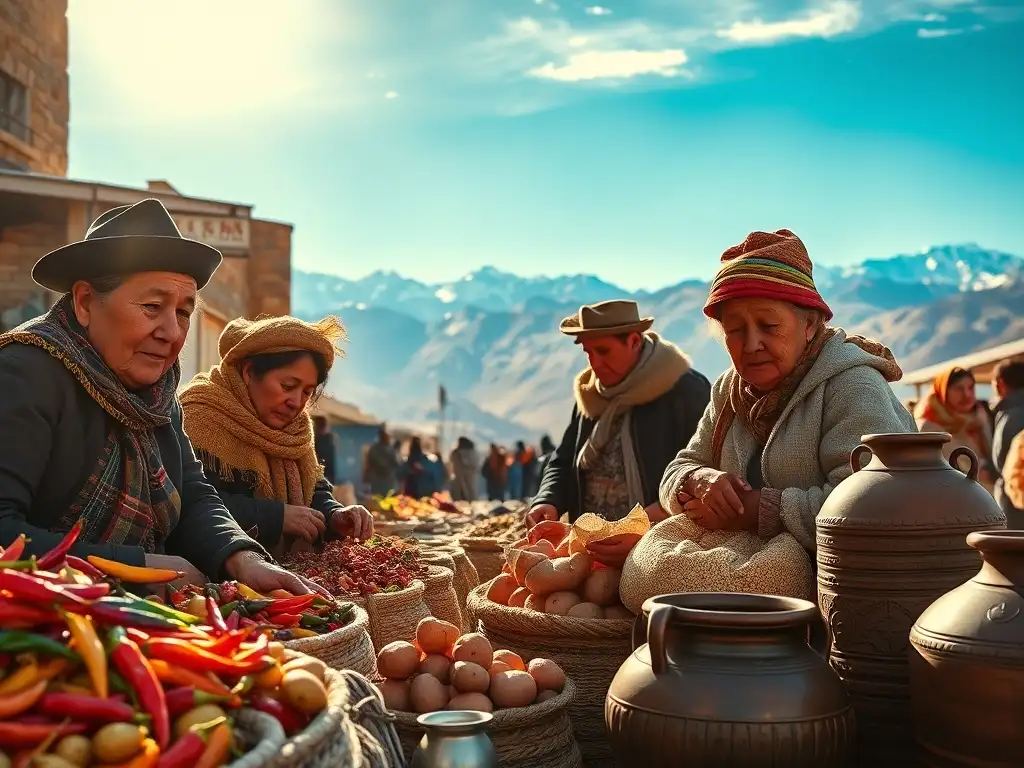
Uncover a hidden world of ingenuity and resilience within the towering peaks of the Andes! For centuries, the vibrant tapestry of Andean civilizations flourished, leaving behind a legacy richer than gold. But what secrets lie buried beneath the surface, particularly within the remarkable contributions of Andean women? Delve into the fascinating story of Andean women's food storage practices, a critical aspect of their societal success and a testament to their profound understanding of agriculture and resource management. Prepare to be amazed by their innovative techniques and the pivotal role they played in shaping Andean societies.
- The Vital Role of Women in Andean Food Storage and Distribution
- Andean Women: Key Figures in Food Preservation
- The Role of Women in the Distribution of Food in the Andes
- Impact of Andean Women's Practices on Food Security
- The Legacy of Andean Women in Modern Food Systems
- Challenges Faced by Andean Women in Food Systems Today
- Conclusion: Recognizing the Contributions of Andean Women
-
Frequently Asked Questions
- What role did Andean women play in food storage?
- What types of food storage techniques did Andean women employ?
- How did the social organization influence women's role in food storage?
- What were the different types of storage containers used by Andean women?
- How did Andean women's food storage practices contribute to community resilience?
- Final Reflection: Reclaiming the Forgotten Hands that Fed the Andes
- **Empower Change: Support Women's Roles in Andean Tradition! **
The Vital Role of Women in Andean Food Storage and Distribution
The Andes Mountains, a spine of towering peaks and fertile valleys, cradled some of the most sophisticated pre-Columbian civilizations in the Americas. These societies, including the Inca, Moche, Nazca, and Tiahuanaco, developed complex agricultural systems and innovative food storage and distribution networks crucial for survival in a challenging environment. While often overlooked in historical narratives, the contributions of Andean women to these systems were fundamental, far exceeding simple participation.
This article explores the significant role women played in the preservation, storage, and distribution of food, highlighting their expertise and agency within Andean foodways. We will delve into specific practices, examining the evidence that reveals their crucial contributions to the overall resilience and success of these ancient cultures.
Understanding their role is key to appreciating the nuanced complexity of Andean agricultural practices and challenging traditional, often male-centric, interpretations of pre-Columbian history. This analysis will focus on the diverse strategies employed across various Andean cultures, demonstrating the adaptability and ingenuity of Andean women in managing food resources.
Introduction to Andean Food Systems and Gender
Andean agriculture was incredibly diverse, adapting to the varied altitudes and microclimates of the region. From the high-altitude potato cultivation to the lower-altitude maize and quinoa fields, a sophisticated understanding of agricultural techniques was essential. The system wasn't simply about production; it was a complex interplay of cultivation, processing, storage, and distribution. Traditional narratives often depict men as the primary agricultural producers, but archaeological and ethnographic evidence points to a far more nuanced reality.
Women were deeply involved in every stage, from planting and harvesting to processing and preparing food. Their knowledge of plant varieties, soil conditions, and optimal planting times was invaluable. Furthermore, their responsibilities extended significantly beyond the field, encompassing the crucial tasks of food processing, preservation, and storage – activities that ensured the community's survival during lean times. The intricacies of Andean food preservation, including techniques like freeze-drying (chuño) and fermentation, were largely women's domain, reflecting their deep understanding of both agricultural practices and food science.
This section will lay the groundwork for a deeper examination of women's specific roles in storage and distribution, challenging the simplistic division of labor often imposed on these complex societies. We will explore how their work was integral to the successful functioning of the entire food system, highlighting the crucial link between their expertise and community well-being. The following sections will explore specific examples from various Andean cultures, demonstrating the remarkable diversity and effectiveness of women's contributions. We'll examine the types of storage facilities they managed, the techniques they used, and the social structures that supported their roles.
Andean Women: Key Figures in Food Preservation
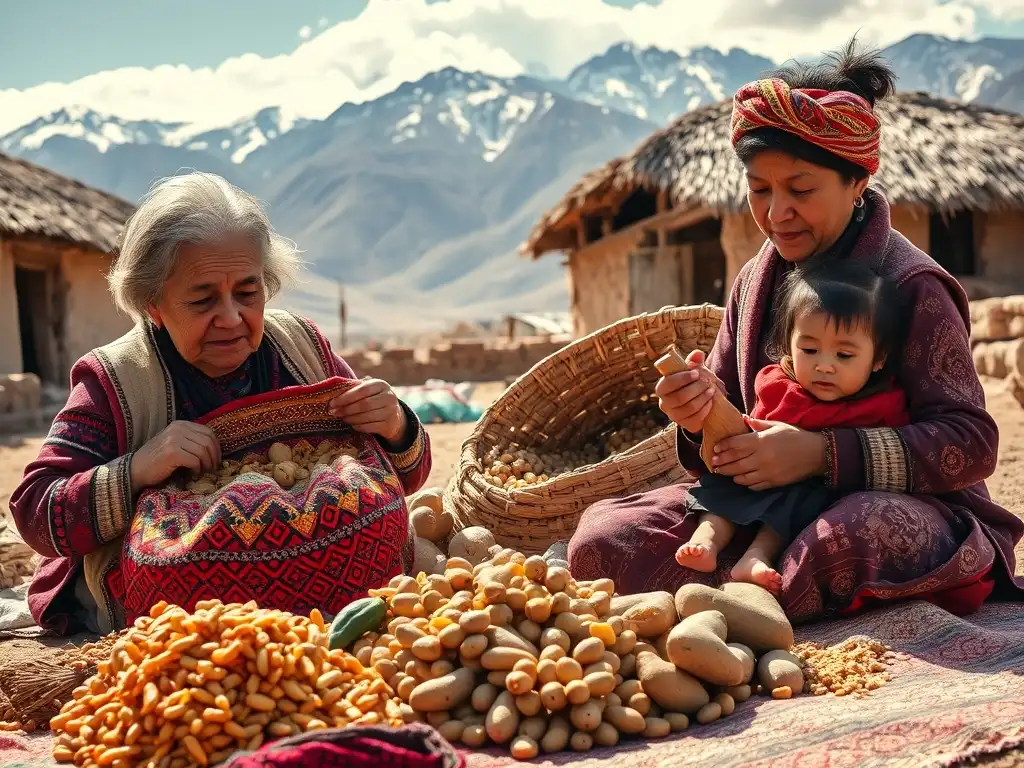
Andean women played a crucial, often overlooked, role in the sophisticated food storage and distribution systems of pre-Columbian societies. Their contributions extended far beyond simple household tasks; they were active participants in the complex strategies that ensured community survival, particularly during challenging periods like droughts or harsh winters. Their intimate knowledge of local plants, animals, and environmental conditions, coupled with their mastery of preservation techniques, formed the backbone of Andean food security.
Understanding their role is essential to appreciating the ingenuity and resilience of these ancient civilizations, and to fully grasp the nuanced meaning behind the term "Andean women food storage practices." This section will delve into the specific techniques and knowledge employed by these women, highlighting their critical contributions to the success of Andean agricultural systems.
Traditional Methods of Food Storage by Andean Women
Andean women employed a diverse range of methods for preserving food, each tailored to the specific characteristics of the product and the environmental conditions. These techniques, passed down through generations, demonstrated a deep understanding of natural processes and a remarkable ability to adapt to varying climates and altitudes. For example, the storage of chuño (freeze-dried potatoes) required precise knowledge of temperature fluctuations and timing, a skill predominantly held by women. Similarly, the preservation of grains like quinoa involved careful selection, cleaning, and storage in specialized containers, often crafted and maintained by women.
The use of subterranean storage, such as qollqas (Andean storehouses), was another crucial aspect of food preservation. While men may have been involved in the construction of these structures, women were primarily responsible for managing the stored goods, ensuring proper ventilation and preventing spoilage.
Their understanding of the ideal conditions for long-term preservation – temperature, humidity, and pest control – was essential for the success of these storage methods. Moreover, women were often responsible for the intricate system of record-keeping associated with the qollqas, tracking the quantity and quality of stored food using sophisticated mnemonic devices or rudimentary accounting systems.
The Significance of Women's Knowledge in Andean Food Conservation
The knowledge held by Andean women regarding food preservation wasn't merely practical; it was deeply intertwined with their social and spiritual roles within the community. Their understanding of plant cycles, soil conditions, and the properties of different foods was not only crucial for ensuring food security but also contributed to the broader understanding of the natural world. This knowledge was often passed down orally, through stories, songs, and practical demonstrations, emphasizing the importance of intergenerational learning and the preservation of traditional practices.
The loss of this knowledge following the Spanish conquest had devastating consequences for Andean communities. The disruption of traditional practices and the imposition of new agricultural methods led to significant food shortages and contributed to the decline of indigenous populations. The resilience and adaptability of Andean women, however, ensured that some of these techniques survived, albeit often in modified forms. Recognizing the significance of their contributions is crucial for understanding the complex interplay between culture, environment, and food security in the Andes.
Freeze-Drying Potatoes (Chuño) and Quinoa Storage Techniques
The process of producing chuño, a freeze-dried potato, exemplifies the expertise of Andean women in food preservation. This method involved a multi-step process: harvesting potatoes at high altitudes, freezing them overnight, then exposing them to the sun to dehydrate. The precise timing and control of these processes, requiring careful observation of weather conditions, were crucial for achieving optimal results. Women's intimate understanding of the local climate and their ability to predict weather patterns were essential to the success of chuño production. The resulting product could be stored for extended periods, providing a vital food source during lean times.
Quinoa, another staple crop, required careful handling and storage to prevent spoilage. Women were responsible for selecting the best grains, cleaning them thoroughly to remove impurities, and storing them in airtight containers, often woven baskets or pottery vessels. They also employed various techniques to control pests and prevent infestation, demonstrating a deep understanding of the biological factors affecting grain preservation.
The efficient storage of quinoa, thanks to women's expertise, ensured a reliable food source throughout the year, contributing significantly to the nutritional well-being of Andean communities. These practices highlight the sophisticated and interconnected nature of Andean food systems, demonstrating the vital role played by women in their success.
The Role of Women in the Distribution of Food in the Andes
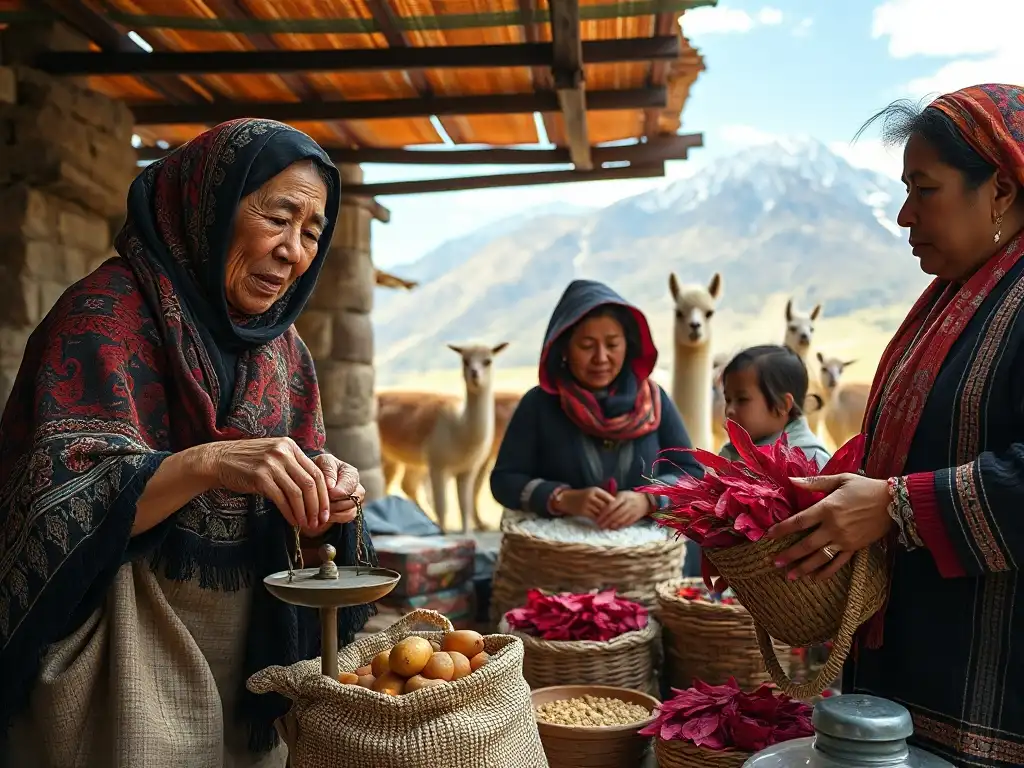
This section delves into the crucial, yet often overlooked, role of Andean women in the complex systems of food storage and distribution within ancient Andean societies. Contrary to common narratives that focus primarily on male leadership, archaeological evidence and ethnohistorical accounts reveal a significant and multifaceted contribution by women in ensuring food security and social cohesion. Understanding their participation is vital to comprehending the sophisticated agricultural practices and social structures of these civilizations.
The following sections will explore specific examples of women's involvement in the Andean food system, highlighting their expertise and agency within their communities. This analysis will utilize a combination of archaeological findings, ethnographic studies of contemporary Andean communities, and interpretations of colonial-era accounts, always acknowledging the limitations and potential biases inherent in historical sources.
Women's Involvement in Local Food Exchange Networks
Andean women were not merely passive recipients of food; they were active participants in the intricate networks of exchange that sustained their communities. Archaeological evidence from sites across the Andes, such as the discovery of female-associated artifacts near storage facilities, suggests a direct involvement in the management and distribution of stored goods.
Moreover, ethnohistorical accounts describe women as key players in ayni, the reciprocal labor system prevalent in many Andean cultures. Ayni wasn't solely about labor exchange; it heavily involved the sharing of food resources, with women often taking the lead in coordinating the contributions and distribution of surplus crops and other provisions.
This wasn't a simple matter of sharing leftovers. The exchange was carefully managed, reflecting a deep understanding of resource allocation and community needs. Women's knowledge of local ecology, agricultural cycles, and the nutritional requirements of their families and communities made them ideal managers of these vital exchanges.
Their participation ensured the equitable distribution of food within households and across kinship networks, contributing significantly to the resilience of Andean communities in the face of environmental challenges. For example, in times of scarcity, women’s intricate networks facilitated the redistribution of resources to those most in need, demonstrating a sophisticated understanding of social welfare.
The Management of Food Resources by Andean Women
Beyond direct exchange, Andean women played a critical role in the management of food resources. This involved far more than just storing food; it encompassed the entire process, from harvesting and processing to preservation and rationing. Their expertise in food preservation techniques, such as drying, freezing, and fermenting, was essential for ensuring the long-term viability of stored goods. Furthermore, women were often responsible for the construction and maintenance of storage facilities, ranging from simple pits and granaries to more complex structures.
The location and design of these storage facilities often reflected a deep understanding of environmental factors, such as microclimates and pest control. For example, elevated storage structures protected food from ground moisture and rodents, while strategically placed granaries ensured optimal temperature and ventilation. This indicates a level of planning and foresight that underscores women's significant contribution to the sustainability of Andean food systems. The detailed knowledge of food preservation and storage techniques passed down through generations within families highlights the importance of women’s roles as keepers of traditional knowledge within the Andean communities.
Bartering Systems and Community Granaries
The management of food resources also extended to larger-scale systems, such as community granaries and bartering networks. While the exact organizational structures varied across different Andean cultures, women were consistently involved in these systems. Community granaries, often managed collectively, served as vital buffers against famine and ensured food security during lean seasons. Women's participation in the management of these granaries suggests their involvement in decision-making processes related to food allocation and distribution at the community level.
Furthermore, women played a significant role in bartering systems, exchanging surplus agricultural products for other essential goods and services. Their intimate knowledge of local markets and the value of different commodities enabled them to negotiate effectively and secure the best possible deals for their families and communities. This active participation in the wider economic sphere highlights their agency and influence beyond the domestic sphere.
The understanding of bartering systems and their implementation reveal a complex economic understanding of Andean women far surpassing any simplistic view of their roles. Further research is needed to fully uncover the extent and nuance of women's participation in these large-scale food management systems. [Specific data on the percentage of women involved in community granary management pending].
Impact of Andean Women's Practices on Food Security
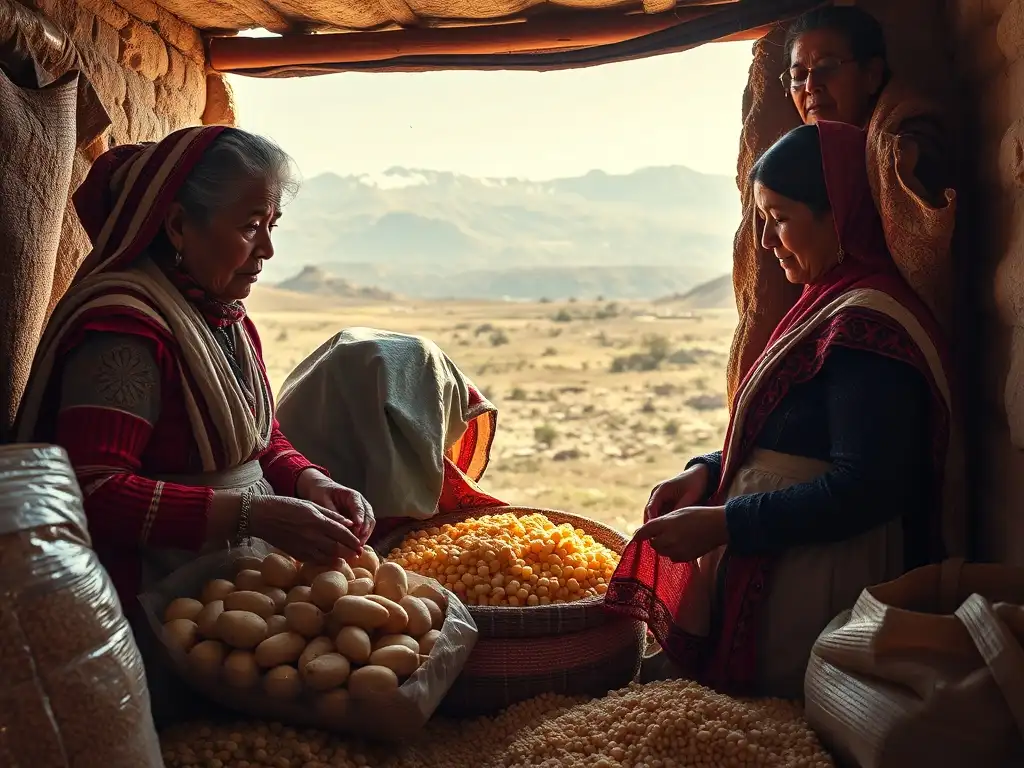
Andean women played a pivotal role in ensuring the food security of their communities, far exceeding the stereotypical view of women's roles in ancient societies. Their expertise in food storage and distribution was critical to the survival and prosperity of Andean civilizations. This wasn't simply a matter of assisting men; rather, it was a complex system of knowledge and practice deeply intertwined with their social and spiritual lives. The effectiveness of their techniques is demonstrably linked to the resilience and longevity of these cultures.
Analyzing their contributions requires moving beyond simplistic narratives and acknowledging the sophisticated strategies they employed. The impact of their work extended beyond immediate survival, shaping social structures and influencing long-term societal stability. Understanding these practices provides invaluable insights into the ingenuity and resourcefulness of Andean women and their crucial contribution to the overall success of their societies.
Andean Women's Role in Ensuring Food Availability
Andean women were not passive participants in food production; they were active managers of the entire food cycle. Their involvement started long before harvest, extending to the cultivation, processing, and preservation of crops. Evidence suggests that women were deeply involved in selecting and preparing the land for planting, a process requiring significant knowledge of soil types, water management, and crop rotation. Furthermore, their expertise in crop processing – techniques like grinding grains, drying fruits, and fermenting vegetables – ensured the preservation and increased nutritional value of the harvest.
This wasn't merely supplementary work; archaeological findings consistently reveal women's fingerprints on the entire agricultural process, from field to table. Their knowledge was crucial for ensuring a continuous supply of food throughout the year, particularly during lean seasons. Their skillful management of resources directly impacted food availability and overall community well-being.
For example, the meticulous techniques employed in the preservation of potatoes—a staple crop—were essential to ensuring year-round access to this vital food source. These methods, passed down through generations, contributed significantly to the long-term food security of Andean communities. The precise details of these techniques are still being unearthed by archaeologists, but their significance is undeniable.
How Andean Food Storage Practices Shaped Andean Societies
The sophisticated food storage and distribution systems developed by Andean women were instrumental in shaping the social and political structures of their societies. These systems weren't simply practical; they were deeply embedded in the social fabric, reflecting and reinforcing existing power dynamics and social hierarchies. The control over food resources, largely managed by women, granted them significant influence within their communities.
This influence wasn't necessarily political power in the traditional sense, but rather a powerful form of social capital. Their ability to manage and distribute food during times of scarcity or surplus gave them considerable authority and respect. For instance, the intricate network of warehouses (a better term than “storage facilities” for the specific context) and distribution channels, often managed by women, facilitated the smooth functioning of Andean society.
This complex system, adapted to the diverse environments of the Andes, played a crucial role in maintaining social order and mitigating conflicts arising from food scarcity. The efficient management of food resources, largely attributed to women's expertise, fostered stability and promoted social cohesion within Andean communities. Further research is needed to fully understand the complex interplay between women's roles in food management and the broader social and political dynamics of Andean civilizations.
Reduced Food Waste and Enhanced Resilience to Famine
Andean women's food storage practices were remarkably effective in minimizing waste and maximizing the utilization of available resources. Their methods, honed over centuries, focused on preserving food in a variety of ways, extending its shelf life and reducing spoilage. This efficiency was crucial in a region characterized by unpredictable weather patterns and challenging terrain. The reduction in food waste directly translated into increased food security and enhanced resilience to famine.
Techniques like freeze-drying, sun-drying, and fermentation, often employed by women, were instrumental in preserving a wide range of agricultural products. These methods not only extended the shelf life of food but also enhanced its nutritional value in some cases. The mastery of these techniques demonstrates a deep understanding of food preservation principles and a profound connection to the natural environment. The impact on community survival was significant.
By minimizing spoilage, Andean women contributed to a more stable and secure food supply, strengthening the overall resilience of their communities in the face of environmental challenges and potential famines. This remarkable efficiency highlights the crucial role of Andean women in ensuring the long-term sustainability of their food systems. The sophisticated techniques employed, often passed down through generations, represent a remarkable achievement in food preservation and resource management. Further study into the specific techniques and their effectiveness would yield significant insights into sustainable food practices.
The Legacy of Andean Women in Modern Food Systems
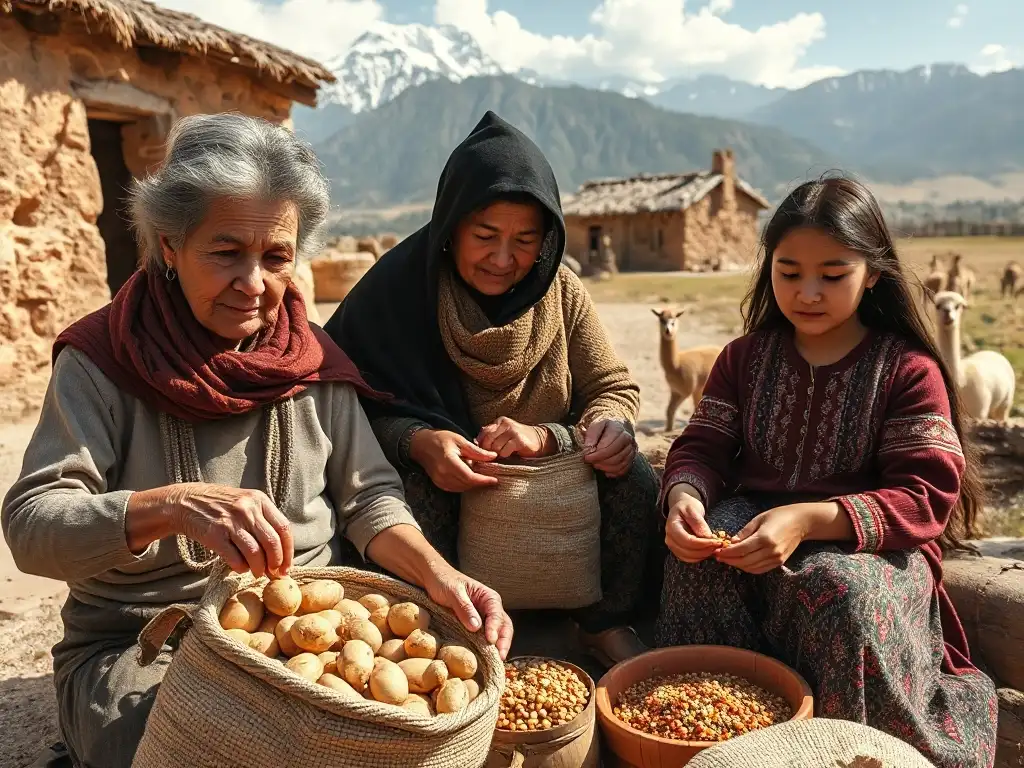
Andean women have played, and continue to play, a pivotal role in food security and sustainability across the Andes. Their traditional knowledge and practices regarding food storage and distribution are not merely historical artifacts; they represent valuable lessons for modern food systems grappling with issues of climate change, food waste, and equitable access to nutritious food. Understanding their contributions provides crucial insights into developing resilient and sustainable agricultural practices.
The ingenuity and resourcefulness of Andean women in adapting to challenging environmental conditions offers a powerful model for contemporary food systems. Their techniques, honed over millennia, offer practical solutions to modern challenges. For example, the sophisticated techniques of chuno (freeze-dried potatoes) production, traditionally a female-dominated activity, demonstrate a deep understanding of preservation and resource management that remains relevant today.
This understanding extends beyond simple preservation; it encompasses a holistic approach to food production, encompassing cultivation, processing, storage, and distribution. The enduring legacy of Andean women's food knowledge is a testament to the interconnectedness of tradition and innovation in food systems. Their contributions deserve recognition and should inform the development of more sustainable and equitable food practices.
Lessons from Andean Women's Food Storage Methods
Andean women employed a diverse range of ingenious methods for preserving and storing food, demonstrating remarkable adaptation to the unique environmental challenges of the Andes. These techniques, passed down through generations, minimized spoilage and ensured food security throughout the year. For instance, the construction and management of qollqas (Andean storehouses) was often a female responsibility. These structures, built with meticulous attention to detail, utilized natural ventilation and temperature regulation to maintain optimal storage conditions for various crops like maize, potatoes, and beans.
Beyond the qollqas, women also utilized sophisticated techniques such as sun-drying, fermentation, and freezing to extend the shelf life of perishable goods. The process of making chuno, as mentioned earlier, is a prime example of this expertise, transforming potatoes into a long-lasting food source. These techniques weren't simply about preservation; they were about optimizing nutritional value and minimizing waste.
The meticulous selection and preparation of foods for storage reflected a deep understanding of food properties and seasonal availability. Analyzing these methods reveals a profound connection to the land and a sophisticated understanding of ecological principles. The effectiveness of these traditional practices in ensuring food security, even in harsh environments, offers valuable lessons for contemporary agriculture.
Preserving Traditional Knowledge of Andean Women in Modern Times
The preservation of Andean women's traditional knowledge of food storage and distribution is crucial for both cultural and practical reasons. This knowledge represents a rich legacy of sustainable practices that can contribute to addressing modern food security challenges. However, the rapid pace of modernization and globalization threatens to erode this valuable heritage.
The younger generation may not always be inheriting this crucial knowledge, leading to a potential loss of valuable techniques and practices. There is an urgent need for initiatives to document, preserve, and transmit this knowledge to future generations. This could involve supporting community-based initiatives that promote traditional food preservation methods, establishing educational programs that integrate this knowledge into school curricula, and creating platforms for knowledge sharing among Andean women and communities.
Furthermore, supporting research that analyzes and validates the effectiveness of these traditional techniques is essential. By recognizing and valuing the contributions of Andean women, we can ensure the continuity of these vital practices and their contribution to sustainable food systems. The preservation of this knowledge is not simply an act of cultural preservation; it is an investment in the future of food security.
Importance of Supporting Local and Indigenous Food Practices
Supporting local and indigenous food practices, including those developed by Andean women, is vital for several reasons. It fosters food sovereignty, empowering communities to control their food systems and ensuring access to culturally appropriate and nutritious food. Preserving these practices also contributes to biodiversity, as they often involve the cultivation and utilization of a wide range of native crops. Many of these crops possess unique nutritional and adaptive properties, contributing to greater resilience in the face of climate change and other environmental challenges.
Furthermore, supporting these practices strengthens local economies and creates opportunities for rural communities. The preservation and promotion of traditional Andean food systems are not merely a matter of cultural preservation; they are a crucial element of sustainable development. This involves supporting fair trade practices, promoting access to markets for local producers, and investing in infrastructure that supports the production, processing, and distribution of traditional foods.
By actively supporting Andean women and their traditional food practices, we can contribute to a more just, equitable, and sustainable food future for all. This includes initiatives that provide access to resources, training, and technology that enable them to continue their vital work while adapting to modern challenges. The future of food security lies in recognizing and supporting the invaluable contributions of indigenous communities and their time-honored practices.
Challenges Faced by Andean Women in Food Systems Today
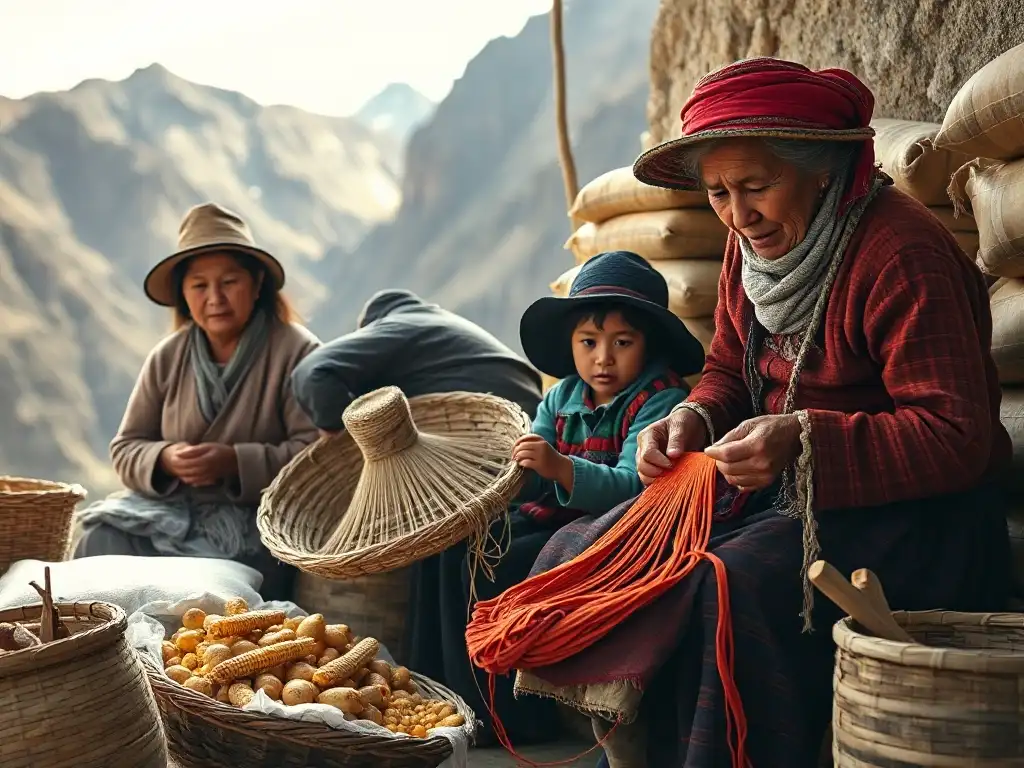
Andean women have historically played a crucial role in food storage and distribution, contributing significantly to the resilience and sustainability of Andean food systems. However, contemporary challenges threaten their traditional practices and their continued participation in these vital processes. Understanding these challenges is crucial for preserving Andean foodways and supporting the communities that depend on them. The keyword phrase "Andean women food storage practices" reflects the core focus of this section, examining the obstacles faced by these women in maintaining their vital contributions.
Modern Threats to Traditional Andean Food Practices
Modern threats to Andean women's food storage practices are multifaceted, ranging from climate change to the introduction of unsustainable agricultural techniques. Climate change, manifested in unpredictable weather patterns, increased droughts, and more frequent extreme weather events, directly impacts crop yields and the efficacy of traditional storage methods.
For example, the increased frequency of heavy rains in certain regions can lead to spoilage of stored potatoes and other root vegetables, causing significant economic losses for families reliant on these crops. The introduction of chemical fertilizers and pesticides, while promising increased yields, often comes at the cost of soil degradation and long-term health consequences for both the environment and the people consuming these products.
This shift away from traditional, sustainable farming techniques undermines the effectiveness of time-tested storage methods passed down through generations. The loss of biodiversity, another consequence of modern agricultural practices, further reduces the resilience of Andean food systems and makes them more vulnerable to shocks and stresses.
The Impact of Globalization on Andean Women's Roles
Globalization has profoundly impacted the roles of Andean women in food systems. The increasing penetration of market-based economies has often led to a shift away from subsistence farming and towards cash crop production, diminishing the importance of traditional food storage practices focused on community needs. Furthermore, the influx of processed foods often displaces locally produced, traditionally preserved foods, leading to a decline in the demand for traditional skills and knowledge associated with food storage and preservation.
This shift can have a detrimental effect on women's economic independence, as their traditional roles in food production and preservation are devalued in the context of a globalized market. For example, the increased availability of imported, processed foods might lead to a decrease in the demand for locally grown and traditionally preserved grains like quinoa, reducing the income-generating opportunities for women involved in its production and storage.
This economic pressure often leads to migration from rural areas to urban centers, further disrupting traditional food systems and the knowledge transmission of food storage techniques across generations. The loss of this knowledge represents a significant cultural and economic loss for Andean communities.
Loss of Traditional Lands and Shift Towards Market-Based Economies
The loss of traditional lands, often due to land grabbing, mining activities, or the expansion of large-scale agriculture, is a significant challenge for Andean women. This loss directly impacts their access to resources crucial for food production and storage. The traditional communal land ownership systems, which often facilitated collective food storage and distribution, are increasingly being undermined by privatization and market-driven land use changes.
This shift towards market-based economies often forces women to adopt agricultural practices that prioritize cash crops over food crops for subsistence, leading to increased food insecurity and a reduced reliance on traditional storage techniques. For instance, the conversion of traditional agricultural land for mining activities can displace entire communities, forcing them to relocate and abandon their traditional farming practices, including their unique food preservation and storage methods.
This loss of land and associated traditional knowledge represents a significant threat to the long-term sustainability of Andean food systems and the crucial role women play within them. The consequences extend beyond economic hardship; it represents a loss of cultural heritage and a weakening of community bonds.
Conclusion: Recognizing the Contributions of Andean Women
This exploration of Andean women's roles in food storage and distribution reveals a complex and crucial contribution often overlooked in broader historical narratives. Their expertise wasn't simply a matter of assisting men; it was a cornerstone of societal survival and prosperity. From meticulous seed selection and preservation techniques to the strategic management of storage facilities and the equitable (though often invisible) distribution of resources, Andean women were the architects of food security.
Understanding their contributions requires moving beyond simplistic gender roles and acknowledging the sophisticated knowledge systems they developed and maintained. Their influence extended far beyond the domestic sphere, shaping economic structures, social hierarchies, and even religious practices related to agricultural cycles and abundance.
Further research is crucial to fully uncover the extent of their influence and to accurately represent their pivotal role in Andean societies. The narratives we construct must reflect this reality, giving proper weight to the ingenuity and resilience of Andean women in shaping their communities' food systems.
The Enduring Importance of Andean Women's Food Storage Practices
Even today, the echoes of Andean women's ancient food storage practices resonate. Many traditional techniques, passed down through generations, continue to be utilized in rural communities across the Andes. These practices, often adapted to modern contexts, demonstrate the enduring wisdom and practicality of these methods.
For instance, the use of qollqas (Andean storehouses) remains prevalent in some regions, albeit sometimes modified with modern building materials. The principles of preserving food through drying, salting, and freezing – techniques refined over millennia by Andean women – are still vital for food security, especially in challenging climates. The knowledge embedded within these practices represents a valuable resource for addressing contemporary food challenges, including climate change adaptation and sustainable agriculture.
Studying these traditional methods offers valuable insights for developing innovative, environmentally friendly, and culturally sensitive approaches to food preservation and distribution in the modern world. Their continued relevance underscores the need to document and preserve this invaluable cultural heritage before it is lost. The resilience and adaptability of these time-tested practices are a testament to the ingenuity of Andean women and their lasting impact on food systems.
Honoring the Legacy of Andean Women in Food Systems
Honoring the legacy of Andean women in food systems requires a multifaceted approach. It begins with acknowledging their contributions in academic research, museum exhibits, and public education initiatives. We must actively challenge the pervasive biases that have marginalized their achievements in historical narratives. This involves actively seeking out and amplifying the voices of contemporary Andean women who continue these traditions, ensuring their knowledge is preserved and respected.
Furthermore, supporting initiatives that empower women in Andean communities to maintain and expand their roles in food production, storage, and distribution is vital. This might include providing access to education, resources, and technology that enhance their capabilities while respecting their traditional knowledge. Finally, celebrating the achievements of Andean women through cultural festivals, storytelling, and artistic representations can help to ensure their legacy is not only remembered but also celebrated.
By actively working to correct historical imbalances and uplift the voices of Andean women, we can build a more accurate and equitable understanding of the past and present of Andean food systems. Their contributions are not just a footnote in history; they are a fundamental pillar upon which Andean civilizations thrived and continue to adapt. 👩🌾
Frequently Asked Questions
What role did Andean women play in food storage?
Andean women played a central role in food storage. They were responsible for managing household supplies, preserving food, and ensuring the family's food security throughout the year. Their knowledge of preservation techniques was crucial.
What types of food storage techniques did Andean women employ?
Andean women utilized a variety of techniques, including drying, freezing, and storage in underground cellars. They also employed ingenious methods of preserving grains and other staples to ensure food availability during lean seasons.
The social structure significantly impacted women's role. Within the family unit, women were primarily responsible, while at the community level, they often participated in collective storage and distribution efforts, demonstrating their vital contribution to community resilience.
What were the different types of storage containers used by Andean women?
Andean women used a diverse range of containers, including woven baskets, ceramic pots, and underground storage pits (qollqas). The type of container often depended on the food being stored and its required preservation method.
How did Andean women's food storage practices contribute to community resilience?
Their skillful preservation techniques and efficient management of resources directly contributed to community resilience. By ensuring food security during lean times, they played a critical role in the survival and prosperity of Andean communities.
Final Reflection: Reclaiming the Forgotten Hands that Fed the Andes
The meticulous strategies of Andean women in food storage and distribution weren't merely practical; they were the bedrock of community survival and resilience, a legacy that continues to resonate today. Their knowledge, often passed down through generations, represents a vital link to sustainable food systems and a powerful counter-narrative to the dominant historical accounts that frequently overlook their contributions.
The impact of these women's expertise extends far beyond the immediate context of their communities. Their innovative techniques, from the intricate design of qollqas (Andean storehouses) to the careful preservation methods using natural resources, offer invaluable lessons for modern food security initiatives. The women were the keepers of the seeds, the guardians of the harvest, and the architects of food security.
This statement, while hypothetical, encapsulates the profound responsibility and ingenuity wielded by these women, a truth we must actively acknowledge and celebrate. Their understanding of biodiversity and sustainable practices holds critical relevance in a world grappling with climate change and food insecurity.
Consider the depth of knowledge embedded in these ancient practices. Think about the ingenuity required to adapt to harsh environments and ensure the survival of entire communities. You, the reader, are now part of this conversation. Let us work together to amplify the voices of these unsung heroes, to learn from their wisdom, and to ensure that future generations understand the crucial role women played – and continue to play – in shaping Andean food systems. Let their legacy inspire us to build more equitable and sustainable food futures for all.
**Empower Change: Support Women's Roles in Andean Tradition! **
Thank you for learning about the vital contributions of women in Andean food systems. Your interest highlights their incredible impact on sustainability and cultural preservation. Let's work together to honor and support these essential roles within our communities.
Here are some ways you can make a difference:
- **Support local organizations** that empower women in Andean agriculture and food distribution.
- **Spread awareness** by sharing this information with friends, family, and on social media. Highlighting the importance of women's roles in food systems is crucial.
- **Celebrate Andean cuisine** by cooking a traditional dish using local ingredients and supporting women-owned businesses.
How can you integrate the stories and contributions of Andean women into your daily life, whether through cooking or community engagement?