
Valdivia's Coastal Trade Routes: Connecting Communities and Resources

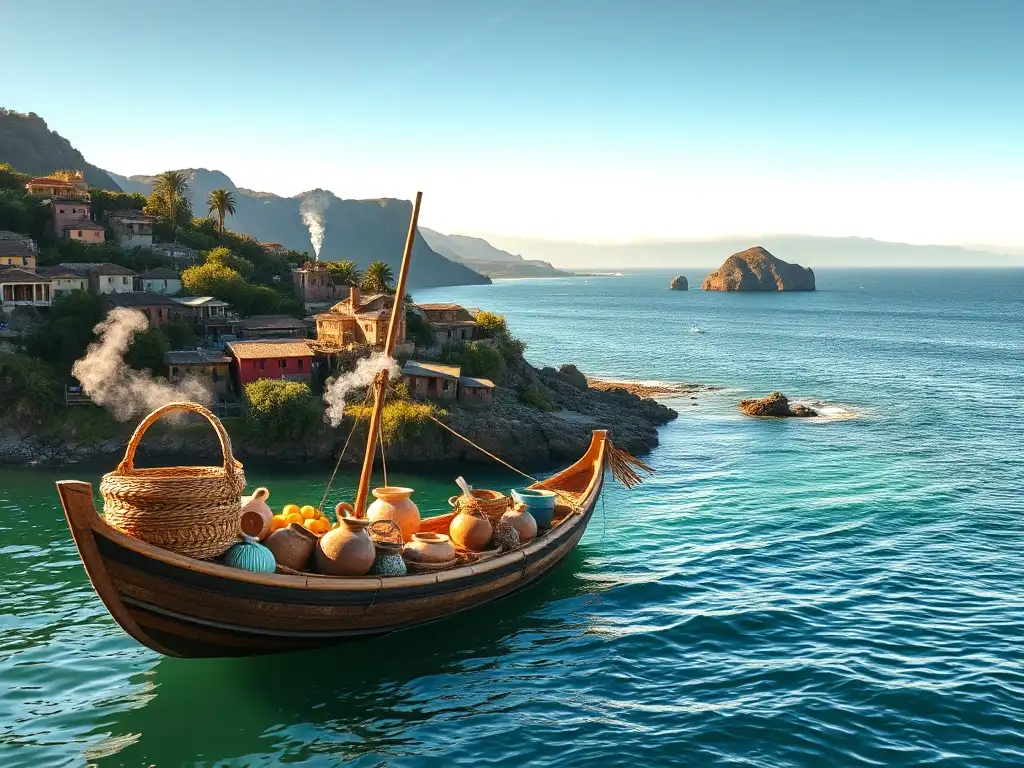
Dive into the enigmatic world of the Andean civilizations! Journey beyond the iconic Incas and discover a tapestry of vibrant cultures, from the intricate artistry of the Moche to the perplexing Nazca lines. But first, prepare to be captivated by Valdivia's coastal trade routes, a network of maritime exchange that redefined our understanding of Pre-Incan societies. How did these early coastal communities connect vast distances and shape the course of Andean history? Explore the answers within, and uncover the secrets of a sophisticated civilization that thrived long before the Inca Empire.
The Valdivia culture, flourishing along the coast of present-day Ecuador from approximately 3500 to 1800 BCE, represents one of the earliest known complex societies in South America. Unlike many of its inland contemporaries, Valdivia's prosperity was deeply intertwined with the sea, not just as a source of sustenance, but as a vital artery for extensive trade networks.
This article delves into the intricate system of Valdivia coastal trade routes, exploring how these maritime connections facilitated the exchange of goods, ideas, and resources, ultimately shaping the culture's social and economic development. We will examine the evidence supporting the existence of these routes, the types of goods traded, and the implications of this maritime activity for understanding the complexity and sophistication of the Valdivia civilization.
Understanding Valdivia's coastal trade routes provides crucial insight into the early development of complex societies in the Andean region and their interaction with the environment. The keyword "Valdivia coastal trade routes" will be explored in detail throughout this article, examining various aspects of this fascinating aspect of the Valdivia culture.
Evidence of Valdivia Maritime Activity
Archaeological findings provide compelling evidence of extensive maritime activity during the Valdivia period. The discovery of numerous shell middens along the Ecuadorian coast, containing a diverse range of marine species, indicates a reliance on marine resources. Furthermore, the presence of obsidian artifacts, sourced from distant Andean volcanic regions, strongly suggests long-distance trade networks. Analysis of pottery styles and decorative motifs reveals similarities across geographically separated sites, further supporting the idea of cultural exchange facilitated by maritime trade.
The distribution patterns of specific types of pottery, such as the characteristic Valdivia figurines, across a wide coastal area point towards established trade routes. Careful excavation and analysis of these sites continue to reveal new details about the scale and organization of Valdivia's maritime trade. The sheer volume of artifacts found suggests a well-established and potentially highly organized system for transporting goods across considerable distances.
Goods Traded Along Valdivia Routes
The Valdivia coastal trade routes facilitated the exchange of a variety of goods. Marine resources, such as shellfish, fish, and possibly seabird eggs, were likely exchanged between coastal communities. Obsidian, a highly valued volcanic glass, was imported from the Andes, suggesting established trade partnerships with inland groups. Pottery, particularly the intricately decorated figurines, was a significant traded item, serving both practical and symbolic purposes.
Other goods potentially exchanged include agricultural products, such as cotton, and various types of pigments used for decorating pottery and other artifacts. The diverse nature of traded goods highlights the complexity of the Valdivia economy and the extensive network of relationships that sustained it. The presence of certain types of artifacts in unexpected locations provides strong evidence of the reach and sophistication of these trade networks.
The extensive Valdivia coastal trade routes had profound social and economic implications. The exchange of goods fostered inter-community relationships, potentially leading to increased social cohesion and the development of shared cultural practices. The control of trade routes may have conferred significant economic and political power on certain communities, influencing social hierarchies and shaping political structures.
Access to valuable resources such as obsidian or specialized goods like pottery could have contributed to social stratification and the development of elite groups within Valdivia society. The trade networks facilitated the dissemination of technological innovations and artistic styles, contributing to the overall cultural development of the region.
The study of Valdivia trade routes offers critical insights into the complex interplay between economic activity, social organization, and cultural development in early Andean societies. Further research is needed to fully understand the long-term impact of these trade routes on the Valdivia culture and its relationship with neighboring societies.
Conclusion: The Lasting Legacy of Valdivia Maritime Trade
The Valdivia coastal trade routes stand as a testament to the ingenuity and resourcefulness of this early Andean civilization. Their maritime prowess enabled the establishment of extensive trade networks that connected communities, facilitated the exchange of goods and ideas, and significantly shaped the cultural landscape of the region. The evidence unearthed through archaeological research continues to illuminate the sophistication and complexity of this system, offering valuable insights into the early development of complex societies in South America.
Further research into Valdivia’s maritime trade promises to reveal even more about the intricate workings of this remarkable society and its lasting contributions to Andean history. 🚢
- Evidence of Valdivia Maritime Activity
- Goods Traded Along Valdivia Routes
- Social and Economic Implications of Valdivia Trade
- Conclusion: The Lasting Legacy of Valdivia Maritime Trade
Understanding Valdivia's Maritime Network
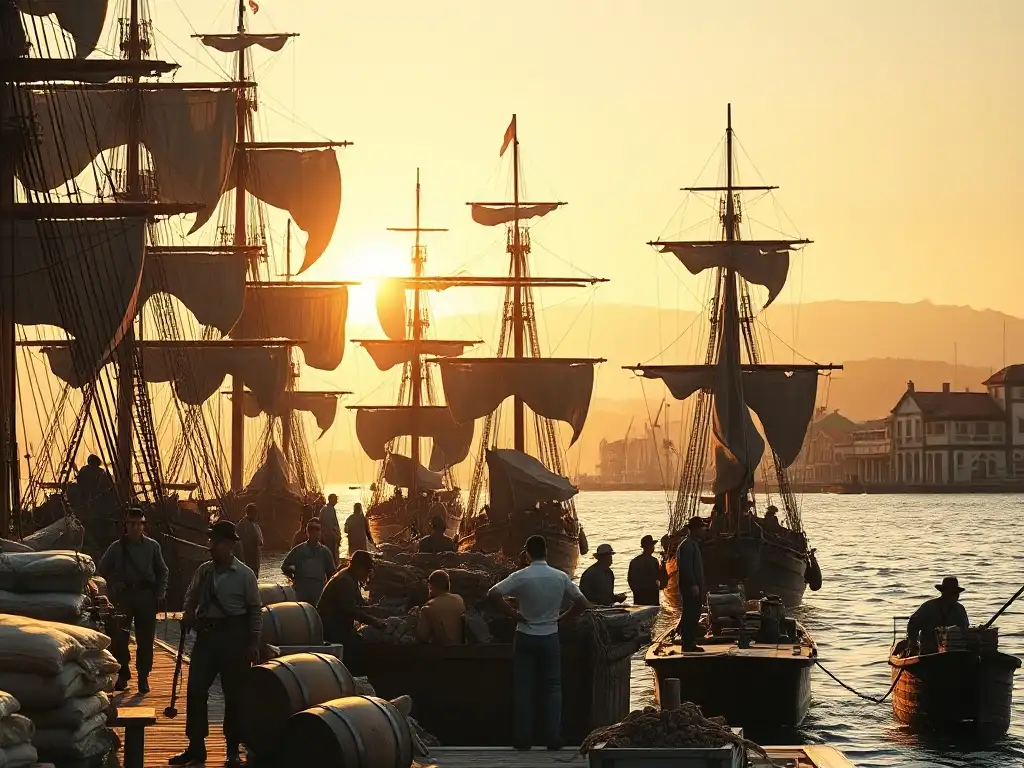
This section delves into the intricate maritime network that defined the Valdivia culture, a sophisticated pre-Columbian society flourishing along the coast of present-day Ecuador. Understanding their coastal trade routes is key to comprehending their economic prosperity, social organization, and cultural exchange. The Valdivia people weren't merely coastal dwellers; they were skilled navigators and traders who actively shaped the economic landscape of their region.
Their maritime prowess, evident in their extensive trade network, stands as a testament to their advanced understanding of the sea and its resources. This network wasn't simply about transporting goods; it was a vital mechanism for fostering social connections and cultural diffusion amongst coastal communities.
The Significance of Coastal Trade in Valdivia Culture
The Valdivia coastal trade routes weren't just about moving goods; they were the lifeblood of their society. Trade facilitated the acquisition of essential resources unavailable locally, ensuring economic stability and social cohesion. The exchange of obsidian, a volcanic glass prized for its tool-making properties, highlights the reach of their network. Obsidian sources were located far inland, requiring extensive transport networks involving both land and sea travel.
This implies a level of organization and communication not often associated with early coastal cultures. Furthermore, the distribution of Valdivia ceramics across a wide geographical area suggests a robust and well-established trading system. The presence of these distinctive ceramics in distant sites provides concrete evidence of their extensive maritime activities and the far-reaching impact of their coastal trade routes.
The uniformity in style and quality across these geographically dispersed artifacts suggests centralized production and a sophisticated system of distribution, further emphasizing the importance of trade in Valdivia society. Evidence also suggests the exchange of foodstuffs, such as marine products and agricultural goods, contributing to dietary diversity and economic interdependence between different communities. This complex interplay of resource exchange cemented social alliances and fostered a sense of shared identity across the coastal region.
The Valdivia people's success in establishing and maintaining extensive coastal trade routes depended heavily on their navigational skills. While precise details remain elusive, archaeological evidence suggests they employed sophisticated techniques for navigating the coastal waters. The design and construction of their vessels, though largely inferred from fragmented remains, likely incorporated knowledge of ocean currents, wind patterns, and celestial navigation.
The careful selection of suitable materials for building seafaring vessels, likely including reeds and wood, demonstrates an understanding of engineering principles. Their mastery of coastal navigation allowed them to reach distant sites, facilitating trade and cultural exchange. They likely used rudimentary navigational aids, possibly including simple charts or knowledge passed down through generations.
The ability to predict tides and weather patterns played a crucial role in their navigational success, ensuring safe and efficient voyages. Further research into Valdivia shipbuilding and navigation techniques is crucial to fully appreciate the sophistication of their maritime capabilities and the ingenuity behind their impressive coastal trade routes. The discovery of new archaeological evidence could shed light on the specific tools and methods they employed for successful seafaring.
Geographic Scope of Valdivia's Seafaring Activities
The extent of Valdivia's seafaring activities is impressive, considering the technological limitations of the time. Their coastal trade routes spanned a significant portion of the Ecuadorian coast, reaching potentially as far north as present-day Manabí province and south towards the Gulf of Guayaquil. The distribution of their distinctive pottery, a hallmark of their culture, provides a clear indication of the reach of their maritime network.
The presence of Valdivia artifacts in sites far from their main settlements underscores their ability to navigate and trade across considerable distances. This geographic spread points to a well-established network of trading partners and alliances. The exchange of goods was not restricted to a single route but involved multiple interconnected pathways, suggesting a flexible and adaptable system capable of responding to changing conditions and opportunities.
Furthermore, the diversity of materials found in Valdivia settlements hints at trade connections extending beyond the immediate coastal region, perhaps even involving inland communities. More research focusing on the precise locations of traded goods and the analysis of traded materials could further illuminate the full geographic extent of Valdivia's coastal trade routes and their impact on regional interaction. The complete mapping of these routes remains a significant goal for future research on this remarkable pre-Columbian civilization.
Key Goods Traded Along Valdivia's Coastal Routes
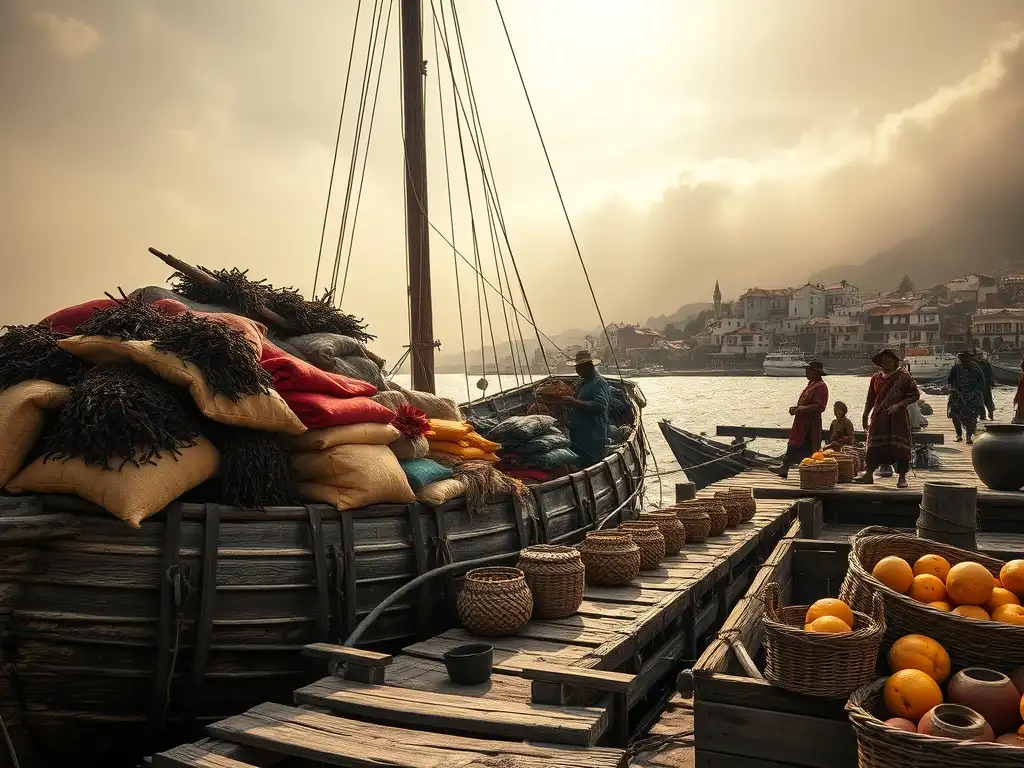
The Valdivia coastal trade routes, a vital aspect of this early South American civilization, facilitated the exchange of a diverse range of goods. These routes weren't just pathways for physical objects; they were conduits for cultural exchange, solidifying social connections and influencing the development of Valdivia society. Understanding the key commodities traded along these routes provides crucial insight into the economic and social structures of this fascinating culture.
The strategic location of Valdivia settlements along the Ecuadorian coast played a pivotal role in its ability to establish and maintain these extensive trade networks, connecting distant communities and facilitating access to valuable resources. The very nature of these trade routes, likely involving both seafaring and overland transport, speaks to the advanced navigational and organizational skills of the Valdivia people.
Spondylus Shells: The Prized Commodity of Valdivia Trade
Spondylus shells, with their vibrant red and orange hues, were undeniably the most prized commodity traded along Valdivia's coastal routes. These shells, sourced from specific offshore locations, held immense symbolic and ritualistic significance for the Valdivia culture. Evidence suggests that they were used to create elaborate ornaments, beads, and ceremonial objects, indicating their high value within the society.
The meticulous craftsmanship evident in these artifacts showcases the advanced artistic skills of Valdivia artisans. The distribution of Spondylus shell artifacts across a wide geographical area, far beyond their natural habitat, powerfully demonstrates the extent and effectiveness of Valdivia's trade networks. The presence of Spondylus shell artifacts in Valdivia sites provides compelling evidence of not only trade but also of complex social interactions and the exchange of prestige goods.
This is confirmed by the consistent discovery of these shells in elite contexts, suggesting that control over their distribution was possibly linked to social status and power within Valdivia communities. The sheer volume of Spondylus shell artifacts unearthed in archaeological excavations underscores the importance of this resource in Valdivia society.
Obsidian and Other Volcanic Materials in Valdivia Commerce
Beyond Spondylus shells, obsidian and other volcanic materials played a significant role in Valdivia commerce. Obsidian, a volcanic glass prized for its sharp edges, was a crucial resource for toolmaking. Sources of high-quality obsidian were located far inland, necessitating extensive trade networks to access this valuable material.
The presence of obsidian tools and artifacts in Valdivia sites indicates a robust exchange system connecting coastal communities with inland sources. Analysis of obsidian sourcing has helped archaeologists trace the precise origins of these materials, furthering our understanding of Valdivia trade routes and their connections to distant regions. Furthermore, the presence of other volcanic materials, such as andesite and basalt, in Valdivia sites suggests a diverse network of trade relationships extending to various volcanic regions.
The sophisticated techniques employed in shaping and utilizing these volcanic materials demonstrate the advanced technological capabilities of Valdivia artisans and further highlight the importance of trade in obtaining essential resources. The careful curation and preservation of these obsidian tools in Valdivia settlements further highlights their significance within the community.
Agricultural Products and the Valdivia Exchange System
While less tangible than Spondylus shells or obsidian, agricultural products constituted a significant component of the Valdivia exchange system. The fertile coastal plains provided the Valdivia with access to diverse agricultural resources, including maize, beans, squash, and various fruits. These agricultural goods likely formed the basis of daily sustenance and were exchanged between communities, supplementing the trade in more prestigious items.
Evidence suggests that surplus agricultural production was traded, bolstering social ties and ensuring resource distribution across the Valdivia region. While direct evidence of agricultural trade is less readily apparent in the archaeological record than that of prestige goods, the presence of diverse agricultural remains in different Valdivia sites implies a vibrant system of exchange. Further research, including detailed analysis of plant remains and isotopic studies, is needed to fully understand the extent and complexity of Valdivia agricultural trade.
The role of agricultural exchange in shaping social relations and economic stability within Valdivia communities remains an area of ongoing investigation. The successful cultivation and trade of agricultural products likely contributed significantly to the long-term prosperity and stability of this remarkable civilization. 🤝
Textiles and Woven Goods in Valdivia Trade
The Valdivia culture, renowned for its sophisticated artistic achievements, also demonstrated a remarkable proficiency in textile production. Evidence suggests that textiles and woven goods were a significant component of their coastal trade networks. While the precise details of the trade routes and the extent of the exchange are still under investigation, archaeological findings provide compelling clues. Excavations at various Valdivia sites have unearthed fragments of finely woven textiles, often made from cotton and other locally sourced plant fibers. The intricate designs and weaving techniques suggest a specialized craft, possibly undertaken by skilled artisans within the community.
The presence of these textiles in sites geographically distant from the primary production areas strongly indicates their circulation through established trade routes. These weren't just everyday items; the quality and craftsmanship point to their use in ceremonial contexts or as high-value exchange goods. The trade in textiles not only facilitated economic exchange but also likely played a crucial role in forging social connections and alliances between different Valdivia communities along the coast. Further research, including analysis of dye pigments and fiber types, could provide more precise information about the origin and distribution of these valuable trade items. The complexity of the designs also hints at a possible system of symbolic communication, with specific patterns carrying social or religious significance.
This adds another layer of complexity to understanding the role of textiles in Valdivia society and their importance in the coastal trade networks. The careful study of these textiles offers a unique window into the social, economic, and religious aspects of the Valdivia culture, enriching our understanding of their complex interactions and exchanges. The longevity of the Valdivia tradition, evident in the consistent quality of textile production across multiple sites and time periods, underlines the enduring importance of these goods in the broader Valdivia economy and the vital role they played in shaping their coastal trade routes. The distribution patterns of these textiles, when mapped alongside other traded goods, could offer a clearer picture of the overall flow of goods and the strength of connections between different settlements.
The Impact of Valdivia's Trade Routes on Coastal Communities
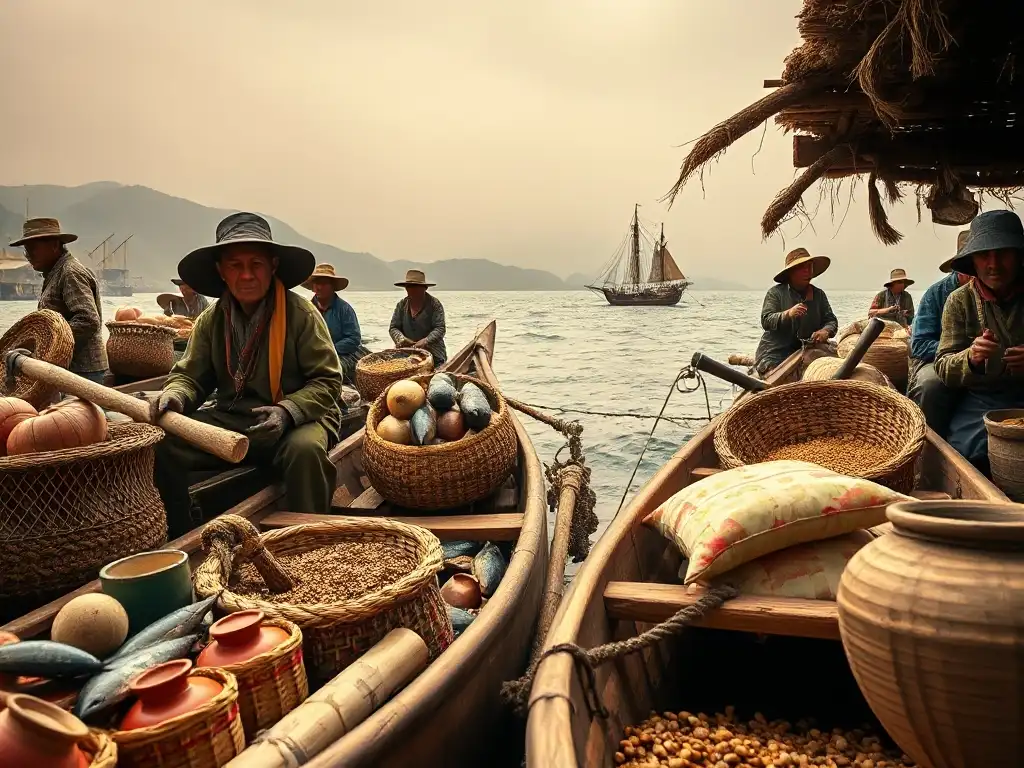
The Valdivia coastal trade routes were not merely pathways for goods; they were arteries pulsating with life, profoundly shaping the social, economic, and cultural fabric of coastal communities. Understanding the impact of these routes requires examining their influence on interconnectedness, economic specialization, and the very structure of Valdivian society. The extent of this influence is still being uncovered by archaeologists, but the evidence points to a complex and dynamic system far beyond simple bartering. The keyword "Valdivia coastal trade routes" accurately reflects the core focus of this analysis.
Interconnectedness and Cultural Exchange through Valdivia Trade
The Valdivia's sophisticated maritime technology facilitated extensive interaction between settlements along the coast. This wasn't limited to simple trade; it fostered a significant exchange of ideas, beliefs, and artistic styles. Archaeological evidence suggests a remarkable degree of homogeneity in certain ceramic styles and decorative motifs across geographically disparate Valdivia sites. This consistency points to either widespread imitation or, more likely, active cultural exchange facilitated by the trade routes.
The movement of people, alongside goods, likely played a crucial role in this process. We see evidence of this in the distribution of specific types of obsidian tools, sourced from distant inland locations, found across multiple coastal settlements. This suggests not only the trade of raw materials but also the movement of skilled artisans and knowledge.
The spread of religious beliefs and practices might also have been facilitated through these networks, although further research is needed to firmly establish this connection. The interconnectedness fostered by the Valdivia coastal trade routes significantly contributed to the cultural cohesion of the Valdivia civilization. 🌊
Economic Development and Specialization in Valdivia Settlements
The Valdivia coastal trade routes spurred economic development and specialization within settlements. Instead of each community producing all its necessities, settlements began to focus on specific crafts or resources. For example, some sites might have specialized in pottery production, exporting high-quality ceramics in exchange for other goods like obsidian or marine resources.
This division of labor led to increased efficiency and productivity. The abundance of certain resources in specific areas also played a critical role. Settlements located near rich shell middens might have specialized in shell bead production, while those near rivers might have focused on the harvesting and trade of agricultural products.
This economic specialization is reflected in the archaeological record by the presence of large quantities of specific craft goods in certain sites, indicating production for trade rather than solely for local consumption. This specialization wasn't static; it likely evolved and adapted based on changing environmental conditions and market demands, illustrating a dynamic and resilient economic system. 📈
The Valdivia coastal trade routes had a profound influence on the social structures of coastal communities. The control and management of these trade networks likely conferred significant social and political power on certain individuals or groups. Evidence of social stratification, although still debated among researchers, suggests that some individuals may have accumulated wealth and status through their involvement in trade.
This could have led to the emergence of hierarchical social structures, with elites controlling access to resources and trade routes. The organization and management of maritime expeditions required leadership and coordination, further solidifying the power of those in control. Further research is necessary to fully understand the precise nature of Valdivian social structures and their relationship to trade networks.
However, it's clear that the coastal trade routes played a significant role in shaping the social dynamics and power structures within Valdivian society. The impact of these routes extended beyond simple economic exchange; they fundamentally altered the social landscape of the Valdivia civilization. 🤝
Influence of Trade on Ritual Practices and Beliefs
The extensive Valdivia coastal trade network significantly impacted the ritual practices and beliefs of coastal communities. The exchange of goods wasn't merely a commercial transaction; it fostered the sharing of religious ideas, symbols, and practices. Archaeological evidence suggests a degree of standardization in certain ritual objects found across geographically dispersed settlements, hinting at a shared religious framework influenced by trade interactions.
For example, the consistent style and decoration of certain ceramic figurines, despite variations in local artistic traditions, point towards a widespread adoption of specific religious iconography facilitated by trade. This standardization wasn't a forced imposition but rather a gradual process of cultural exchange and mutual influence.
The movement of valuable resources, such as obsidian and spondylus shells (highly valued for their symbolic significance), along these trade routes further reinforced religious beliefs. Obsidian, sourced from distant inland locations, became a prized material for crafting ritual tools and ornaments. Its presence in coastal Valdivia sites, far from its source, demonstrates the importance of trade in providing access to sacred materials vital for religious rituals.
Similarly, spondylus shells, obtained from the sea, held deep spiritual meaning and were incorporated into elaborate ceremonial contexts. Their distribution along the coast, facilitated by the trade network, likely contributed to the standardization of certain religious practices and beliefs across different communities.
Furthermore, the trade routes themselves may have held symbolic importance. Specific locations along the coast, serving as important trading hubs, could have been imbued with sacred significance, becoming sites for ritual activities. This possibility is supported by the presence of ceremonial architecture and ritual deposits at certain coastal settlements known to have been involved in extensive trade.
The movement of people along these routes, engaged in commercial exchange, also facilitated the dissemination of religious ideas and practices, leading to a more unified religious landscape across the Valdivia coastal region. The vibrant exchange inherent in the Valdivia coastal trade network thus wasn't limited to material goods; it profoundly shaped the spiritual lives and religious beliefs of the coastal communities.
Further research could uncover more specific details about the interaction between trade and religious practices by focusing on detailed analysis of excavated artifacts and settlement patterns. [Specific examples of ritual objects and their distribution pending further research].
Archaeological Evidence of Valdivia's Coastal Trade
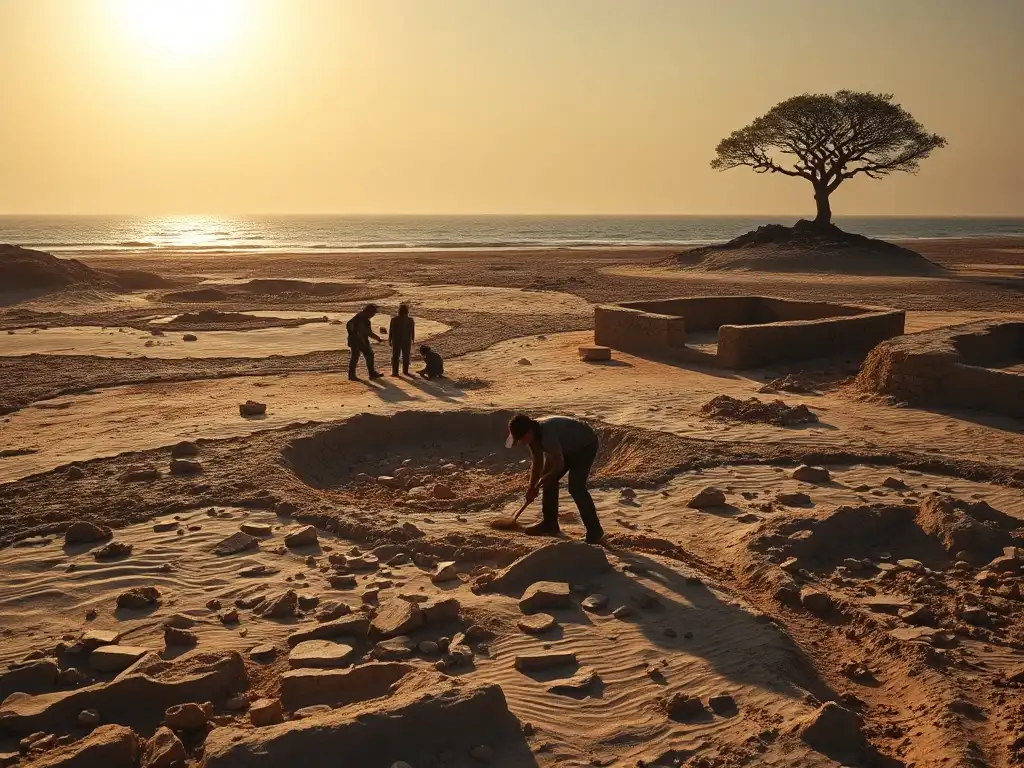
The Valdivia culture, flourishing along the coast of present-day Ecuador from approximately 3500 to 1800 BCE, wasn't isolated. Evidence strongly suggests a vibrant network of coastal trade routes connecting different settlements and facilitating the exchange of goods and ideas. This section explores the archaeological findings that illuminate the nature and extent of this crucial aspect of Valdivian society.
Understanding Valdivia coastal trade routes is key to comprehending their social organization, economic strategies, and overall cultural development. The sheer volume of traded goods, coupled with the distances involved, points to a sophisticated system of maritime transport and inter-community relations. Further research into Valdivia trade networks could potentially reveal even more intricate details about their societal structure.
Excavations Revealing Valdivia's Trading Centers
Extensive archaeological excavations at various Valdivia sites have unearthed compelling evidence of trade networks. Settlements like Real Alto and La Playa demonstrate a clear pattern of accumulation of non-locally sourced materials. The presence of obsidian tools, for example, originating from the Andes mountains, hundreds of kilometers inland, indicates established trade connections with inland communities. These weren't simply isolated instances; the consistent discovery of these foreign materials across multiple sites suggests a well-established system of exchange, perhaps involving specialized traders or reciprocal gift-giving between communities.
The quantity of obsidian found at these coastal settlements also suggests a considerable demand for this valuable resource, indicating its importance in Valdivian tool-making and potentially even in ceremonial practices. Furthermore, analysis of the types of obsidian found at different sites might reveal specific trade partnerships between particular coastal and inland communities. [Specific details on obsidian types and sourcing pending further analysis].
Artifacts and Their Distribution Along Valdivia Trade Paths
The distribution of specific artifacts provides further insight into Valdivia's coastal trade routes. Certain types of pottery, particularly those featuring distinctive decorative styles, have been found at geographically dispersed sites. This suggests that these items weren't simply produced locally but were actively exchanged across significant distances. For example, the characteristic Valdivia figurines, often intricately carved and decorated, have been discovered in settlements far from their presumed production centers.
This wide distribution indicates their importance as commodities within the trade network, potentially representing social status, religious significance, or both. Moreover, the presence of similar artifacts, albeit with slight variations in style, across different sites may reveal distinct regional styles or even potential sub-networks within the larger Valdivia trade system. Further analysis of these stylistic variations is needed to fully understand the complexities of these inter-community relationships.
Analysis of Spondylus Shells and Valdivia Trade Patterns
The presence of spondylus shells, a highly prized material not found along the Ecuadorian coast, offers strong evidence of long-distance trade. Spondylus, a type of brightly colored marine shell, was sourced from more distant locations. These shells were not merely utilitarian; they were often meticulously crafted into beads, pendants, and other ornaments, clearly indicating their high value within Valdivian society.
Their presence at various Valdivian sites, sometimes in considerable quantities, demonstrates the extent of their trade network, reaching far beyond the immediate coastal area. The consistent discovery of spondylus at sites across the region suggests a sophisticated system of maritime transport and exchange, perhaps involving specialized vessels and navigational skills. The analysis of isotopic signatures within the shells could potentially pinpoint their precise origin, further enhancing our understanding of the Valdivia's trade routes and their reach.
This detailed analysis of spondylus remains a crucial area of ongoing research for understanding the extent of Valdivia's coastal trade network. 🌊
Radiocarbon Dating and Trade Route Reconstruction
Radiocarbon dating has played a crucial role in reconstructing Valdivia's extensive coastal trade networks. By analyzing organic materials found at various archaeological sites—such as charcoal from hearths, plant remains, and even shell middens—researchers have been able to establish chronological frameworks for settlements and the exchange of goods. This dating provides critical evidence for tracing the movement of specific artifacts and materials across different coastal regions.
For example, the discovery of similar types of pottery shards at sites hundreds of kilometers apart, and their consistent dating within a particular time frame, strongly suggests the existence of established trade routes connecting these locations. The precision of radiocarbon dating, while acknowledging the inherent margins of error, allows for a more nuanced understanding of the temporal dynamics of Valdivia trade. Variations in dating between sites can reveal the speed of information and goods exchange, highlighting the efficiency of the established networks.
The absence of certain materials or artifacts in specific time periods at particular sites can also inform our understanding of trade disruptions or changes in trading patterns. Further refinement of radiocarbon dating techniques, combined with other dating methods like thermoluminescence dating, continues to enhance the accuracy of these reconstructions.
Further analysis of dated artifacts reveals patterns in the distribution of specific resources. For instance, obsidian tools found in Valdivia settlements far from known obsidian sources indicate a robust and long-distance trade network. The radiocarbon dates associated with these obsidian tools help pinpoint the time periods when these exchange networks were most active.
Similarly, the presence of marine resources at inland sites, dated through shell analysis and associated organic material, points towards an intricate system of coastal and inland exchange. The integration of radiocarbon dating with geographic information systems (GIS) allows for the creation of dynamic maps that visually represent the movement of goods and the evolution of trade routes over time.
These maps offer a more comprehensive view of the extent and complexity of Valdivia's coastal trade, providing compelling visual evidence of the interconnectedness of their communities. The ongoing research utilizing advanced radiocarbon dating techniques promises to further illuminate the intricacies of Valdivia's trade routes and their impact on the social and economic development of the culture.
Decline and Legacy of Valdivia's Coastal Trade
The flourishing Valdivia coastal trade network, a hallmark of this formative Andean civilization, didn't simply vanish overnight. Its decline was a gradual process, likely influenced by a complex interplay of factors, ultimately shaping the trajectory of subsequent coastal cultures. Understanding this decline is crucial to appreciating the lasting impact of Valdivia's maritime prowess on the region's development. The precise timeline remains a subject of ongoing archaeological research, but we can analyze the available evidence to piece together a plausible narrative.
Factors Leading to the Shifts in Valdivia Trade Practices
Several contributing factors likely contributed to the changes in Valdivia trade practices. These include:
- Environmental Changes: Fluctuations in sea levels, changes in ocean currents, and potential El Niño events could have significantly impacted coastal resources and maritime navigation, disrupting established trade routes and access to vital materials. Evidence of such environmental shifts during the late Valdivia period needs further investigation but presents a compelling hypothesis.
- Internal Societal Shifts: The Valdivia culture itself underwent internal transformations. Changes in social organization, possibly linked to population pressures or internal conflicts, might have altered the structure and intensity of trade networks. Did centralized control over trade weaken, leading to localized exchange systems? This remains an open question requiring further archaeological excavation and analysis of settlement patterns.
- Emergence of New Coastal Groups: The rise of new coastal groups with their own trade networks and practices could have competed with, or even superseded, the established Valdivia system. Competition for resources and control of trade routes may have played a significant role in the decline of Valdivia's dominance. Further research is needed to identify the specific groups and their interactions with Valdivia.
- Technological Innovations (or lack thereof): While Valdivia displayed remarkable maritime technology for its time, a lack of significant technological advancements in navigation or shipbuilding compared to later coastal cultures could have hindered their ability to maintain their trade dominance in the face of changing conditions. This is a point requiring more in-depth analysis of Valdivia's boat-building techniques and navigational skills.
The Transformation of Coastal Trade After Valdivia
The cessation of prominent Valdivia trade didn't result in a complete vacuum. Instead, it ushered in a period of transition and adaptation. Subsequent coastal cultures built upon, modified, or even replaced aspects of the Valdivia trade network. The exact nature of this transformation varies across different coastal regions, highlighting the complexity of regional interactions.
For example, [Specific examples of changes in trade goods and networks after the Valdivia period pending]. Further study is needed to understand the extent to which these later cultures adopted or rejected Valdivia's maritime traditions. Were there direct inheritances, or did new systems emerge independently? The interplay between continuity and change is a key area of ongoing research in Andean archaeology.
We can use a table to illustrate the potential changes:
| Feature | Valdivia Period | Post-Valdivia Period (Hypothetical) |
|---|---|---|
| Primary Trade Goods | Ceramics, Spondylus shells, Obsidian | [Specific goods pending] |
| Trade Network Extent | Extensive coastal network | [Extent pending] |
| Dominant Maritime Technology | [Specific technology pending] | [Specific technology pending] |
Lasting Influence of Valdivia's Maritime Network
Despite its decline, the legacy of Valdivia's coastal trade network is undeniable. Its impact extended beyond the immediate temporal and geographical confines of the culture itself. The establishment of maritime trade routes, the development of sophisticated ceramic production for exchange, and the utilization of marine resources all laid the groundwork for future coastal communities.
The Valdivia culture's maritime expertise and trade networks likely influenced the development of later coastal societies, providing a foundation upon which subsequent cultures built their own systems of exchange and interaction. This influence is evident in [Specific examples of cultural continuities pending]. The Valdivia legacy serves as a powerful reminder of the long-term impact of early Andean innovations and the interconnectedness of coastal communities across millennia. The study of Valdivia’s coastal trade routes continues to provide invaluable insights into the complexities of early Andean societies and their enduring connections to the sea. 🌊
Transition to Regional Exchange Networks
The decline of the Valdivia culture's extensive coastal trade network wasn't a sudden collapse, but rather a gradual shift towards more localized exchange systems. As the Valdivia period drew to a close, around 3500 years ago, the intensity of long-distance maritime trade diminished. This wasn't necessarily a sign of societal weakening, but rather a reflection of changing economic and social priorities. Evidence suggests a move towards smaller, more regional networks focusing on inter-village interactions. This transition likely involved a complex interplay of factors, including environmental changes, population shifts, and the emergence of new cultural influences.
Archaeological findings support this hypothesis. For instance, the distribution patterns of certain Valdivia-characteristic ceramics become more localized during the late period, indicating a reduced flow of goods across greater distances. While long-distance trade wasn't completely abandoned, the scale and frequency were significantly reduced. This shift towards regional exchange likely involved greater reliance on locally available resources and a reduced need for extensive maritime transport. The focus likely shifted from the exchange of luxury goods to the bartering of essential commodities for daily life.
The reasons for this transition are multifaceted and likely interconnected. Changes in climate and sea levels could have impacted the viability of long-distance seafaring, making it more dangerous or less efficient. Population dynamics, such as the growth of settlements in inland areas, may have reduced the reliance on coastal resources and consequently, the need for maritime trade.
Moreover, the emergence of new cultural groups along the coast could have introduced competing trade networks and altered existing exchange patterns. This period witnessed increased interaction with other cultures, which could have influenced economic practices and trade relations. The exact processes involved remain a subject of ongoing research and debate amongst archaeologists specializing in the Valdivia culture.
Further analysis of settlement patterns and artifact distribution is needed to fully understand the dynamics of this crucial transition. The transition to regional exchange networks was not simply a decline, but a complex adaptation to changing circumstances.
Frequently Asked Questions
What were the Valdivia's primary coastal trade routes?
The Valdivia culture's coastal trade routes primarily followed the Ecuadorian coastline, utilizing canoes to connect settlements along the Pacific Ocean. These routes facilitated the exchange of goods and ideas.
What kind of goods were traded along these routes?
Ceramics, particularly the distinctive Valdivia pottery, were a major traded item. Other goods included obsidian, shell ornaments, and foodstuffs. Trade networks fostered cultural exchange.
How did the Valdivia culture's coastal location impact its trade?
The coastal location was crucial, providing access to marine resources and facilitating trade via sea routes. This access to resources and trade networks contributed significantly to their prosperity.
How far did the Valdivia's trade networks extend?
While precise distances are debated, evidence suggests the Valdivia's trade networks extended across a substantial portion of the Ecuadorian coast, potentially reaching neighboring cultures. The extent of their influence is still a topic of ongoing research.
What evidence supports the existence of Valdivia coastal trade routes?
Archaeological evidence like the distribution of Valdivia pottery across different coastal sites and the discovery of materials from distant locations in Valdivia settlements strongly supports the existence of extensive trade networks. The presence of similar artifacts in various sites is further proof.
Final Reflection: Echoes of the Past, Shaping the Future of Valdivia
The intricate network of Valdivia's coastal trade routes, once a vibrant artery of cultural exchange and economic prosperity, continues to resonate in the region's identity and development. Understanding these historical pathways is not merely an academic exercise; it's crucial for comprehending the present-day challenges and opportunities facing the communities along the coast. The legacy of these routes shapes everything from the region's economic activities to its unique cultural tapestry.
The enduring impact of Valdivia's coastal trade is undeniable. It fostered a rich blend of indigenous and colonial influences, leaving an indelible mark on the region's artistic expressions, culinary traditions, and social structures. The interconnectedness fostered by these routes created a sense of shared identity and resilience that persists to this day. The past is never dead. It's not even past.
– William Faulkner. This quote perfectly encapsulates the ongoing relevance of understanding Valdivia's historical trade networks, as their influence continues to shape the present and future of the region.
Consider the lessons learned from the ingenuity and adaptability of the people who navigated these waters. Their resourcefulness and collaborative spirit offer a powerful example for us today. You, the reader, are now equipped with a deeper understanding of this vital historical context. Let this knowledge inspire you to appreciate the interconnectedness of communities and the importance of sustainable resource management. Embrace the opportunity to explore the rich history of Valdivia's coast, and consider how its past can inform a more prosperous and equitable future for all.
Embrace the Legacy: Explore Valdivia's Coastal Trade Routes Today!
Thank you for exploring the fascinating history of Valdivia's coastal trade routes. Your journey has revealed the intricate connections between communities and resources, shaping both cultures and economies. Now, let's build on this knowledge!
Here are some ways you can further engage with this compelling topic:
- Delve into Local Maritime History: Visit a local museum or historical site focusing on maritime history. Discover artifacts and stories that illuminate the impact of trade routes on your region.
- Join the Conversation: Share your insights about Valdivia's trade routes on social media or a local history forum. Connecting with others will broaden your understanding and spark new perspectives.
- Champion Sustainable Coastal Practices: Support organizations dedicated to coastal conservation and sustainable trade. Volunteering your time or making a donation helps preserve the heritage of communities that thrived on maritime trade, much like Valdivia.
By taking these steps, you'll not only connect with the past but also contribute to a sustainable future for coastal communities.
What aspect of Valdivia's maritime trade history most captivates you, and how do you envision its legacy shaping modern coastal societies?