
The Timeless Legacy: The Enduring Impact of the First Andean Settlers


Step into a world lost to time, yet echoing through the ages. Discover the breathtaking ingenuity and enduring legacy of the Andean civilizations, a tapestry woven from the threads of Inca artistry, Moche innovation, Nazca mystery, and Tiahuanaco grandeur. But what was the true Andean civilizations impact? Uncover the answers and explore a history far richer and more complex than you ever imagined – delve into the timeless legacy waiting for you within.
The Andes Mountains, a colossal spine running down the western coast of South America, have witnessed millennia of human history. Long before the Inca Empire rose to prominence, diverse and sophisticated Andean civilizations flourished, leaving an indelible mark on the region's landscape, culture, and even our modern world. This article explores the profound and enduring impact of the first Andean settlers, examining their innovative agricultural techniques, intricate social structures, and remarkable advancements in engineering and technology that laid the foundation for future Andean empires.
Understanding their legacy is crucial to grasping the complexity and richness of Andean civilizations and their contributions to global history. We will delve into the specific contributions of early settlers, highlighting their ingenuity and resilience in the face of challenging environmental conditions. The impact of these early cultures resonates even today, shaping the cultural identity and ecological landscape of the Andes.
Early Agricultural Innovations: Shaping the Andean Landscape
The harsh, high-altitude environment of the Andes presented significant challenges to early settlers. Survival hinged on developing innovative agricultural techniques. These early inhabitants weren't simply hunters and gatherers; they were pioneers in agricultural engineering.
They developed sophisticated terracing systems, meticulously carving into the mountainsides to create level plots for cultivation. This wasn't just about increasing arable land; it was about managing water resources efficiently, preventing soil erosion, and optimizing sunlight exposure. Evidence suggests the use of various agricultural techniques like raised fields and irrigation canals, allowing them to cultivate crops like potatoes, maize, and quinoa – staples that continue to define Andean cuisine and agriculture today.
These innovations weren't merely practical; they represent a deep understanding of the environment and a commitment to sustainable practices. The enduring legacy of these early agricultural systems is visible in the stunning terraced landscapes that still characterize many Andean valleys. The ingenuity of these early farmers laid the foundation for the agricultural prosperity of subsequent Andean civilizations.
The success of early Andean settlements wasn't solely dependent on agricultural prowess. Complex social structures and community organization were equally vital. Archaeological evidence suggests the existence of relatively egalitarian societies in some early settlements, with a focus on cooperation and collective effort. This collaborative spirit was essential for undertaking large-scale projects like terracing and irrigation.
While the precise nature of their social hierarchies remains a subject of ongoing research, it's clear that these early societies developed sophisticated systems for resource management, conflict resolution, and the distribution of goods. The foundations of Andean social organization—emphasis on community, reciprocity, and a hierarchical structure—were laid during these early periods and continued to evolve through subsequent civilizations. The enduring impact is seen in the strong community ties and collaborative spirit that persist in many Andean communities today.
Technological Advancements: Mastering the Challenges of the Andes
The early Andean settlers weren't just farmers; they were also skilled engineers and innovators. Faced with the challenges of a rugged terrain, they developed remarkable technologies. Their mastery of stonework is particularly impressive, evident in the construction of impressive structures and intricate tools. The precise techniques used in stone carving and the construction of monumental architecture are still being studied today.
These early achievements in engineering and technology laid the foundation for the impressive feats of construction undertaken by later Andean civilizations, such as the Inca. The development of sophisticated textiles, pottery, and metalworking also attest to their advanced technological capabilities. These early technological advancements weren't simply about practicality; they were also deeply intertwined with religious and symbolic practices, reflecting the complex worldview of these early Andean societies. The impact of this early technological innovation continues to inspire and amaze us today.
The Enduring Impact: A Legacy of Resilience and Innovation
The impact of the first Andean settlers extends far beyond their immediate time. Their innovative agricultural practices, intricate social structures, and remarkable technological achievements formed the bedrock upon which subsequent Andean civilizations were built. Their adaptation to the challenging Andean environment serves as a testament to human resilience and ingenuity.
Their legacy is woven into the fabric of Andean culture, visible in the terraced landscapes, the enduring traditions of community, and the artistic expressions that continue to thrive in the region. Understanding their contributions is essential to appreciating the full scope and complexity of Andean civilizations and their lasting influence on the world. The study of these early settlers provides invaluable insights into the processes of cultural adaptation, technological innovation, and social organization, offering lessons that remain relevant even in our modern world.
- Early Agricultural Innovations: Shaping the Andean Landscape
- Social Structures and Community Organization: The Seeds of Andean Society
- Technological Advancements: Mastering the Challenges of the Andes
- The Enduring Impact: A Legacy of Resilience and Innovation
- What is the main focus of the article "The Timeless Legacy: The Enduring Impact of the First Andean Settlers"?
- How does the article define the "impact" of Andean civilizations?
- Which Andean civilizations are discussed in the article?
- What specific aspects of Andean technology are highlighted in the article?
- How does the article connect the past to the present?
Understanding the Roots of Andean Civilizations: Early Settlements
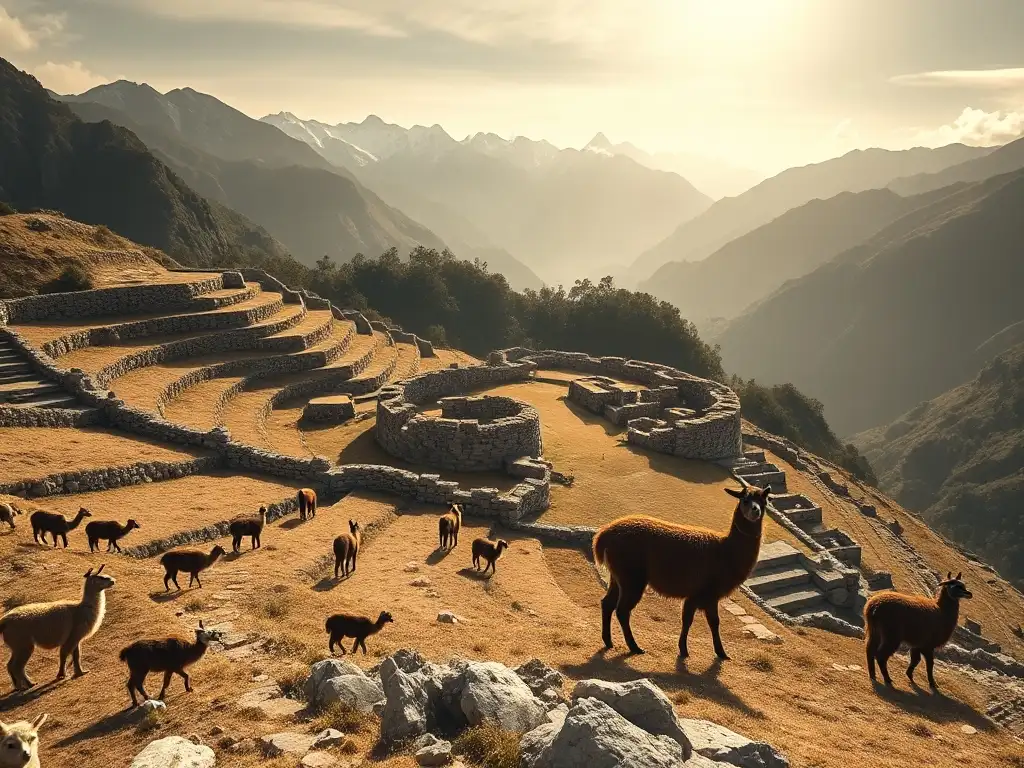
This section delves into the profound impact of the earliest Andean settlers, laying the groundwork for the complex societies that would flourish in later periods. Understanding their innovations and challenges is crucial to appreciating the full scope of Andean civilizations impact on the world. We will explore the pre-ceramic era and the subsequent Archaic Period, highlighting key developments that shaped the future of Andean cultures. The legacy of these early inhabitants resonates even today, influencing everything from agricultural practices to social structures.
Pre-Ceramic Andean Societies: Foundations of Later Cultures
The pre-ceramic period (circa 8000-1800 BCE) witnessed the initial human occupation of the Andes. These early inhabitants, adapting to the diverse and challenging Andean environment, laid the foundations for subsequent cultural advancements. Their ingenuity is evident in their mastery of resource management and early agricultural techniques.
While lacking ceramics, these societies developed sophisticated hunting and gathering strategies, exploiting the varied ecological niches available across the Andes. Evidence suggests a strong connection to the land, with early settlements strategically located near vital resources like water sources and fertile valleys. This deep-rooted relationship with their surroundings became a defining characteristic of Andean civilizations, shaping their worldview and societal structures for millennia.
The development of basic social organization and the sharing of knowledge and resources are also key aspects of this period, setting the stage for the more complex societal structures that would emerge later. The impact of these early innovations is still visible in modern Andean agriculture and resource management techniques.
The Archaic Period: Transition to Sedentary Life in the Andes
The Archaic Period (circa 1800-1000 BCE) marks a pivotal transition in Andean history – the shift from nomadic lifestyles to sedentary agriculture. This period saw the development of crucial agricultural techniques, including irrigation systems and the domestication of plants like potatoes and quinoa. The impact of these advancements was transformative, allowing for increased food production and the establishment of larger, more permanent settlements. The increased food security facilitated population growth and the development of more complex social structures.
We see the emergence of specialized labor, with individuals dedicating themselves to specific tasks beyond basic subsistence. This specialization led to increased productivity and the creation of surpluses, which, in turn, fueled further societal development and potentially the beginnings of social hierarchies. Evidence from archaeological sites reveals the construction of more elaborate structures, indicating a growing sense of community and shared identity.
The development of sophisticated agricultural practices during the Archaic Period directly contributed to the rise of later, more complex Andean civilizations, dramatically increasing their carrying capacity and allowing for the development of larger, more complex societies. This period showcases the ingenuity and adaptability of the Andean peoples, paving the way for the rich tapestry of cultures that would characterize the Andean region in subsequent centuries. The Andean civilizations impact on the world stage began in this era, establishing a foundation of sustainable agriculture and societal organization that would endure.
Key Contributions of the Earliest Andean Inhabitants

The earliest Andean inhabitants, despite lacking the monumental architecture and sophisticated metalworking of later civilizations, left an indelible mark on the region. Their ingenuity and adaptation to the challenging Andean environment laid the groundwork for the spectacular cultures that followed. Understanding their contributions is crucial to fully appreciating the complexity and longevity of Andean civilizations impact. Their impact resonates even today, shaping the landscape, agricultural practices, and cultural identity of the region. We can trace the threads of their influence throughout subsequent Andean societies, demonstrating the enduring power of their innovations.
Agricultural Innovations: Shaping the Andean Landscape
The Andean highlands presented a formidable challenge for early settlers. The steep slopes, thin soils, and variable rainfall required innovative agricultural techniques. These early inhabitants weren't simply farmers; they were landscape architects, transforming harsh terrain into productive farmland. Their ingenuity is evident in the development of terracing, which involved carving level platforms into hillsides to create arable land.
This not only increased cultivable area but also reduced soil erosion and improved water retention. Evidence suggests that sophisticated techniques like waru waru, raised field agriculture, were also employed in wetland areas, enhancing yields and protecting crops from frost. These agricultural innovations weren't just about survival; they were about creating sustainable food systems that supported growing populations and allowed for the development of complex societies. The success of these agricultural strategies significantly contributed to the Andean civilizations impact on the world.
The early Andean farmers cultivated a variety of crops adapted to high altitudes, including potatoes, quinoa, and maize. These crops not only sustained their communities but also became staples across the Andes and beyond. The diversification of crops was a key factor in ensuring food security and resilience against environmental variability.
The impact of these early agricultural innovations is still felt today, with many of these crops remaining central to Andean diets and global food systems. The ingenuity and adaptability shown by these early farmers are a testament to their profound understanding of their environment and their ability to shape it to their needs.
Development of Irrigation Systems: Mastering the Arid Environment
The arid and semi-arid conditions of much of the Andes posed a significant obstacle to agriculture. To overcome this challenge, the early Andean inhabitants developed sophisticated irrigation systems, channeling water from rivers and streams to fields located at lower elevations. These systems involved complex engineering feats, including the construction of canals, ditches, and reservoirs.
The scale and sophistication of some of these early irrigation systems are truly remarkable, demonstrating a high level of organizational and technical skill. The mastery of water management was crucial for the success of Andean agriculture and the development of complex societies. This significant contribution undeniably contributed to the Andean civilizations impact throughout history.
Evidence of early irrigation systems has been found at numerous archaeological sites throughout the Andes. These systems varied in complexity depending on the local topography and water resources. Some involved relatively simple channels, while others incorporated elaborate networks of canals and reservoirs.
The construction and maintenance of these systems required significant labor and coordination, suggesting a high degree of social organization and collective effort. The development and management of these irrigation systems were integral to the sustainability of Andean agriculture and the overall prosperity of early Andean societies. The legacy of these systems continues to influence water management practices in the region today.
Early Textile Production: Weaving the Fabric of Andean Society
Textile production in the Andes has a long and rich history, dating back to the earliest inhabitants. The early Andean people were skilled weavers, using a variety of fibers, including cotton and llama wool, to create textiles for clothing, blankets, and ceremonial purposes. The techniques they developed were remarkably sophisticated, and the resulting textiles were often intricately designed and richly colored.
The production of textiles was not merely a practical activity; it was deeply embedded in the social and religious life of Andean communities. Textiles served as markers of social status, indicators of identity, and even mediums for religious expression. The remarkable quality of early Andean textiles highlights the advanced skills and artistic sensibilities of the region's earliest inhabitants, profoundly impacting the Andean civilizations impact on the world.
Early Andean textiles were often decorated with complex patterns and designs, reflecting the diverse artistic traditions of different communities. These designs often incorporated symbolic motifs related to nature, mythology, and social organization. The weaving techniques used were highly specialized, requiring years of training and practice.
The production of textiles was often a communal activity, involving members of the entire community. The enduring legacy of early Andean textile production is evident in the continued use of traditional weaving techniques and designs in the Andes today. The intricate craftsmanship and artistic expression found in early Andean textiles stand as a testament to the rich cultural heritage of the region.
The Impact of Early Andean Cultures on Later Civilizations
The Andean civilizations, a vibrant tapestry woven from millennia of human endeavor, owe a significant debt to their predecessors. Understanding the impact of early Andean cultures is crucial to appreciating the complexity and continuity of Andean history. The legacy of these foundational societies is not merely a historical curiosity; it is a living force that shaped the artistic expression, social structures, and spiritual beliefs of later, more renowned civilizations like the Inca.
The enduring influence of these "first settlers" on the trajectory of Andean societies underscores the importance of studying their contributions. This section explores three key areas where this impact is most evident: art, social organization, and religious practices.
Influence on Andean Art and Iconography: Recurring Motifs
Early Andean cultures, while diverse, exhibited striking artistic consistencies that reverberated throughout subsequent periods. Recurring motifs, stylistic choices, and techniques reveal a deep-seated continuity in artistic expression. For instance, the stylized depictions of animals, particularly camelids like llamas and alpacas, found in the ceramics of the early Chavín culture (900-200 BCE), reappear, albeit with variations, in the art of later cultures, including the Moche and Nazca. These shared iconographic elements suggest a cultural diffusion, perhaps through trade networks or migratory patterns, establishing a common artistic language across vast geographical areas and centuries.
Furthermore, the use of specific colors and materials—like the vibrant reds and ochres derived from local minerals—demonstrates a continuity in artistic practices. The techniques employed in textile production, such as intricate weaving and dyeing methods, also show remarkable persistence. The complex knotting systems used in early Andean textiles, for example, anticipate the sophisticated quipu systems used by the Inca for record-keeping.
This demonstrates the transmission of knowledge and techniques across generations, highlighting the enduring influence of early Andean artistic traditions on the development of later artistic styles. The presence of these shared motifs and techniques serves as compelling evidence of the enduring impact of early Andean artistic innovations.
The complex social structures and political organizations of later Andean empires, notably the Inca, did not emerge in a vacuum. Early Andean societies, despite their variations, laid the groundwork for the sophisticated administrative systems and hierarchical structures that characterized the Inca state.
Evidence suggests that some early cultures, such as the Paracas (800-100 BCE) and Nazca (100 BCE - 600 CE), developed sophisticated irrigation systems and agricultural techniques that required centralized planning and coordination – hallmarks of complex social organization. These systems fostered population growth and increased social stratification, creating the conditions for the rise of more centralized power structures.
Moreover, the development of ceremonial centers and monumental architecture in early Andean societies suggests the existence of powerful religious and political elites who commanded significant resources and labor. These early examples of centralized authority, though perhaps less extensive than the Inca empire, provided a model for later political organization.
The Inca's impressive administrative capabilities, including their sophisticated road network and census-taking practices, likely built upon and refined pre-existing organizational principles established by their predecessors. The concept of ayllu, a communal land-holding system, also has roots in earlier Andean social structures, showcasing the continuity of social organization across vast spans of time.
Religious Beliefs and Ritual Practices: The Spiritual Legacy
The spiritual world of the Andean civilizations was profoundly shaped by the beliefs and practices of their earliest inhabitants. While specific deities and rituals evolved over time, a core set of religious concepts and practices persisted, demonstrating a remarkable continuity in Andean spirituality. The veneration of mountains, for instance, a central aspect of Inca religion, has its roots in the religious practices of much earlier cultures. The archaeological evidence reveals a persistent connection between sacred sites and natural features, reflecting a deep-seated reverence for the landscape and its spiritual significance.
Furthermore, the use of ritual objects, such as ceramic vessels and textiles adorned with symbolic imagery, showcases the enduring importance of ritual practices in Andean life. The sophisticated iconography found on these objects often reflects beliefs about the cosmos, fertility, and the relationship between the human and supernatural worlds. These beliefs and practices, while evolving in form, demonstrate a remarkable continuity across time, linking the religious world of the early Andean settlers to the sophisticated religious systems of later Andean empires.
The enduring presence of these spiritual beliefs highlights the deep and lasting impact of the earliest Andean spiritual traditions on subsequent Andean civilizations. The continuity of these practices underscores the importance of understanding the spiritual foundations of Andean culture.
Tracing the Lineage: The Connection Between Early Andean Settlers and the Incas
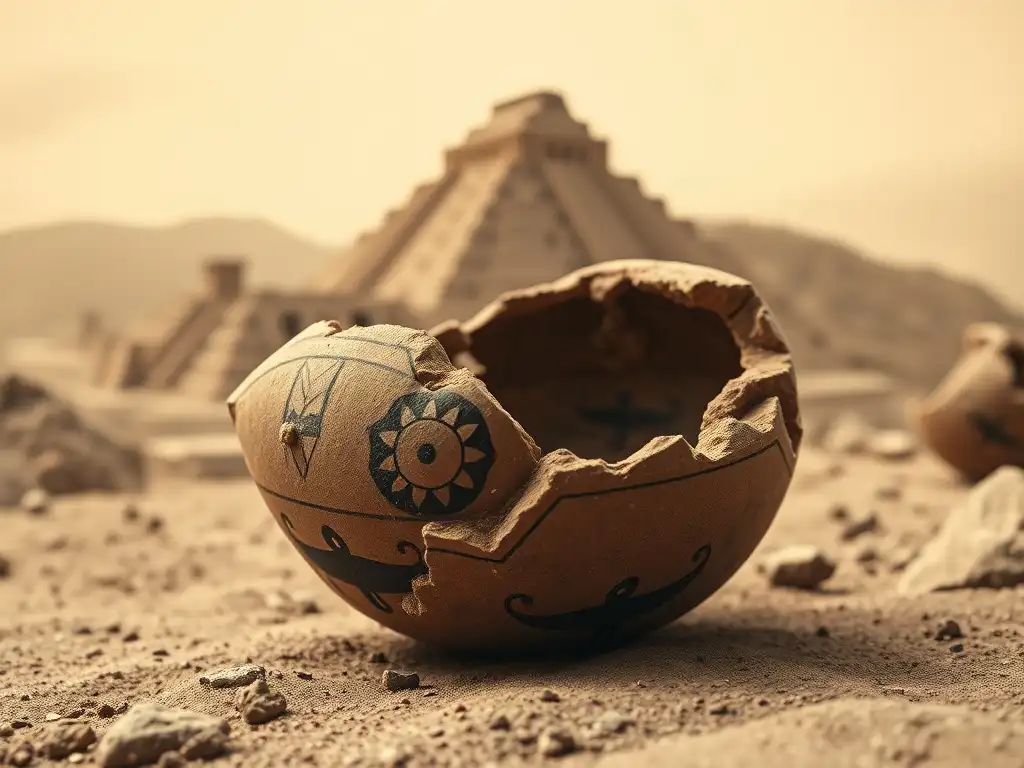
The Inca Empire, renowned for its sophisticated infrastructure and centralized rule, wasn't a sudden emergence. Its impressive achievements were built upon a foundation laid centuries earlier by the first Andean settlers. Understanding this connection is crucial to appreciating the full scope of Andean civilizations impact. While the Incas undoubtedly left an indelible mark on the region, their accomplishments were, in many ways, a culmination of continuous cultural and technological evolution stemming from these early inhabitants.
Tracing this lineage reveals a complex tapestry of innovation, adaptation, and cultural transmission. The Incas didn't simply conquer; they inherited and built upon a pre-existing framework, integrating earlier traditions and technologies into their own imperial system. This process of assimilation and innovation is key to understanding the enduring legacy of Andean civilizations.
Cultural Continuity and Adaptation: Evolution of Andean Traditions
The early Andean settlers, arriving thousands of years ago, established agricultural practices, developed intricate social structures, and created unique artistic expressions. These foundational elements, though modified and expanded upon over time, persisted through subsequent cultures, ultimately influencing Inca society. For example, the early cultivation of potatoes and other Andean crops, initially developed through painstaking experimentation and adaptation to the challenging high-altitude environment, formed the backbone of Inca agriculture.
Similarly, the concept of ayllu, a kinship-based community system observed in many pre-Inca societies, found its expression in the Inca's highly organized mit'a labor system and social hierarchy. The vibrant textile traditions, the intricate metalwork, and the sophisticated astronomical knowledge—all present in nascent forms among early settlers—became highly refined under Inca rule.
The continuity of these cultural threads demonstrates a remarkable resilience and adaptability, highlighting the long-term impact of early Andean ingenuity and cultural innovations. Analyzing the evolution of these traditions reveals a gradual refinement and expansion, not a complete break from the past.
Technological Transfers and Innovations: Building Upon Past Knowledge
The Incas inherited and significantly improved upon existing technologies. The mastery of irrigation techniques, for example, wasn't solely an Inca invention. Early settlers had already developed complex systems of canals and terraces to harness water resources in the challenging Andean landscape.
The Incas refined these techniques, expanding their scale and sophistication to support their larger population and extensive agricultural production. Similarly, the construction of monumental structures, a hallmark of Inca architecture, relied upon earlier advancements in stonework and engineering. The precision and scale of Inca constructions, like Machu Picchu, were impressive, but they built upon a long history of stone manipulation and architectural innovation seen in sites dating back centuries before the Inca Empire's rise.
This continuous technological development, a gradual process of refinement and expansion, is a testament to the cumulative impact of generations of Andean ingenuity. The Inca's innovations were not ex nihilo, but rather built upon pre-existing knowledge and techniques.
The Enduring Impact on Andean Society: Shaping the Modern World
The legacy of the first Andean settlers extends far beyond the Inca Empire. Their contributions to agriculture, social structures, and technology continue to resonate in modern Andean society. The cultivation of indigenous crops, like potatoes, quinoa, and maize, remains central to Andean economies and diets.
Many aspects of Andean social organization, such as community-based cooperation and a strong sense of place, reflect the enduring influence of ancient traditions. Moreover, the ingenuity displayed in adapting to the challenging Andean environment—the mastery of irrigation, terrace farming, and building techniques—continues to provide valuable lessons for sustainable development in the region. Even the vibrant artistic traditions, the intricate textiles, and the captivating iconography retain a powerful connection to the rich cultural heritage of the early Andean settlers.
Understanding this enduring impact allows us to appreciate the profound and lasting contributions of these pioneering inhabitants and their influence on the Andean world today. The legacy of the first Andean settlers isn't merely a historical footnote; it's a living testament to the resilience, innovation, and adaptability of Andean civilizations.
The Archaeological Record: Unveiling the Secrets of the First Andean Settlers
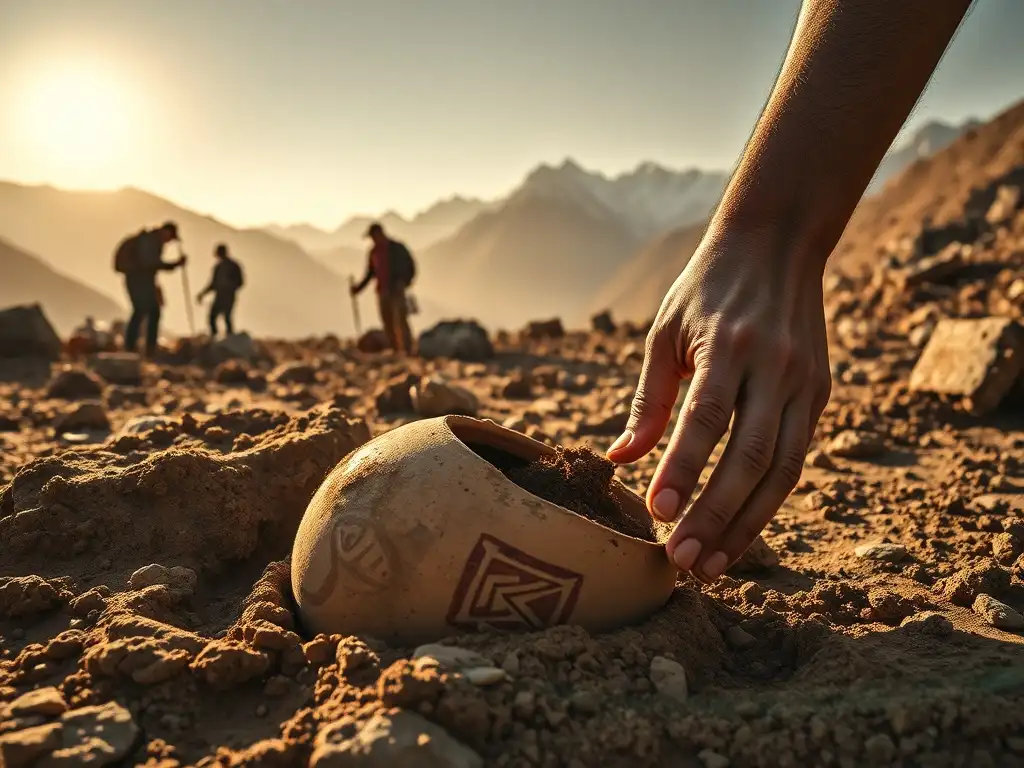
The study of Andean civilizations impact hinges on understanding the archaeological record left behind by the first settlers. These early inhabitants, predating even the Inca Empire by millennia, laid the groundwork for the complex societies that would follow. Their legacy is etched not only in grand monuments but also in the subtle details of everyday life, painstakingly revealed through decades of meticulous excavation and analysis. Understanding their impact requires a deep dive into the evidence itself.
Key Archaeological Sites: Caral, Kotosh, Huaca Prieta
Several key sites offer invaluable insights into the lives and achievements of early Andean settlers. Caral, located in the Supe Valley of Peru, is a remarkable example of a pre-ceramic society that flourished around 3000 BCE. Its monumental architecture, including large pyramids and plazas, challenges the traditional notion that complex social organization and urban development were solely features of later Andean cultures. The site's sophisticated irrigation systems demonstrate advanced engineering capabilities, crucial for supporting a larger population. The impact of Caral's innovative societal structures is evident in the subsequent development of other Andean societies.
Kotosh, situated in the central Andes, is another crucial site. Known for its distinctive "Temple of the Crossed Hands," Kotosh showcases religious practices and ceremonial life. The intricate carvings and architectural features suggest a complex belief system, which likely played a significant role in shaping social cohesion and political organization. The enduring impact of these early religious traditions can be traced through later Andean cultures, highlighting the continuity of spiritual beliefs across vast stretches of time.
Huaca Prieta, located on the northern coast of Peru, provides evidence of early agricultural practices. The site's excavations have unearthed evidence of cotton cultivation dating back to around 4000 BCE. This early mastery of agriculture laid the foundation for future population growth and societal complexity, profoundly influencing the trajectory of Andean civilizations. The impact of Huaca Prieta's agricultural innovations cannot be overstated, as it represents a fundamental step in the development of a settled lifestyle and the subsequent rise of complex societies.
Dating Methods and Chronological Framework: Understanding the Timeline
Accurately dating the early Andean settlements is crucial for understanding their development and impact. Archaeologists employ various dating methods, including radiocarbon dating (¹⁴C dating) of organic materials like wood and bone, and thermoluminescence dating of fired clay artifacts. These methods, when used in conjunction with stratigraphic analysis (examining the layers of sediment), help create a robust chronological framework. The precision of these dating techniques has significantly improved over the years, refining our understanding of the timeline of early Andean occupation and enabling more nuanced comparisons between different sites.
This chronological framework is essential for assessing the impact of these early settlements on subsequent developments in the Andes. For example, the precise dating of Caral's construction allows us to understand its place within the broader timeline of Andean societal evolution. Further research and refinement of dating techniques are constantly improving our understanding of this vital timeline.
Insights from Artifacts and Material Culture: Quipu, Ceramics, Stone Tools
Artifacts and material culture provide invaluable insights into the lives and practices of early Andean settlers. While sophisticated technologies like quipu (complex knotted cords used for record-keeping) are primarily associated with later Andean cultures, the earliest forms of record-keeping may have existed in simpler forms during the initial settlements. The analysis of early ceramics provides insights into dietary habits, artistic expression, and social organization.
The styles, decorations, and materials used in pottery reveal crucial information about trade networks, cultural exchange, and the development of specialized craftsmanship. The presence of diverse stone tools – from simple chopping tools to more sophisticated projectile points – reflects the technological capabilities and adaptive strategies of these early inhabitants. The impact of these technologies on the environment and the development of agricultural practices is a key area of ongoing research.
Further analysis of these artifacts will continue to shed light on the daily lives and the lasting impact of the first Andean settlers. The study of these objects provides a tangible connection to the past, enabling us to reconstruct the lives, beliefs, and achievements of these pioneering inhabitants and fully understand their impact on the Andean world.
Preserving the Legacy: Protecting the Heritage of Early Andean Cultures

The enduring impact of the first Andean settlers is not just a matter of historical curiosity; it's a vital concern for the preservation of a unique and irreplaceable cultural heritage. Understanding the Andean civilizations impact on the modern world requires active efforts to protect the physical remnants of these early societies. This involves a multifaceted approach encompassing archaeological research, conservation strategies, and community engagement. The delicate balance between scientific investigation and the respectful treatment of sacred sites presents ongoing challenges.
Challenges in Archaeological Research and Conservation
Archaeological research in the Andes faces numerous hurdles. The harsh environmental conditions – high altitudes, extreme weather, and seismic activity – contribute to the rapid deterioration of artifacts and sites. Looting and illegal trafficking of cultural objects pose a significant threat, disrupting historical contexts and depriving future generations of invaluable knowledge.
Furthermore, the sheer scale and complexity of Andean archaeological landscapes necessitate careful planning and resource allocation. For example, the vast Nazca Lines require innovative conservation techniques to prevent further erosion and damage from natural elements and human intervention. Funding limitations often hinder comprehensive research and preservation projects, limiting the ability to effectively safeguard this vital part of human history.
Effective preservation demands a collaborative effort involving governments, academic institutions, local communities, and international organizations. The development of sustainable tourism strategies that generate revenue while minimizing environmental impact is also crucial for long-term protection. This requires a delicate balance between accessibility and preservation, ensuring that future generations can appreciate and learn from these remarkable sites without compromising their integrity.
The Importance of Cultural Heritage for Modern Andean Communities
The legacy of the first Andean settlers is deeply interwoven with the identity and cultural practices of modern Andean communities. Many indigenous groups trace their ancestry directly to these early civilizations, maintaining traditions and beliefs that have evolved over millennia.
Their connection to the land and their ancestral heritage is profound, and the preservation of archaeological sites is not merely an academic exercise but a matter of cultural survival. For example, the ongoing research and preservation efforts surrounding Machu Picchu are not only important for understanding Inca civilization but also for the Quechua people who maintain a strong spiritual and cultural connection to the site.
Understanding the impact of Andean civilizations on their descendants is crucial to fostering inclusive and respectful preservation strategies that empower local communities to actively participate in the safeguarding of their shared heritage. This includes supporting community-based tourism initiatives and providing opportunities for indigenous knowledge holders to contribute to archaeological research and interpretation.
Future Directions in Understanding the First Andean Settlers
Future research into the first Andean settlers should prioritize interdisciplinary collaboration, combining archaeological methods with anthropological, linguistic, and environmental studies. Advanced technologies, such as LiDAR and ground-penetrating radar, can provide non-invasive ways to survey vast areas and uncover hidden sites. Genetic research can shed light on migration patterns and population dynamics.
By incorporating indigenous knowledge and perspectives, researchers can gain a more holistic understanding of the past and create more accurate and nuanced narratives. Furthermore, the creation of digital archives and accessible databases can make archaeological information readily available to researchers, educators, and the public, contributing to a broader appreciation of the Andean civilizations impact on the world. The ultimate goal is to foster a deeper understanding of the complex interactions between early Andean societies and their environment, providing insights into sustainable development and the resilience of human communities in the face of environmental change.
This ongoing research not only enriches our understanding of the past but also provides valuable lessons for addressing the challenges facing modern societies. The legacy of the first Andean settlers is a timeless testament to human ingenuity and adaptability, and its preservation is a responsibility we share with future generations.
The Lasting Influence: How the First Andean Settlers Shaped the Andean World
The Andean civilizations' impact resonates deeply through millennia, profoundly shaping the cultural landscape we see today. Understanding this impact necessitates examining the contributions of the very first Andean settlers, whose ingenuity and adaptation laid the groundwork for subsequent, more complex societies. Their innovations in agriculture, particularly the domestication of key crops like potatoes and quinoa, fueled population growth and societal development.
This agricultural revolution wasn't merely about sustenance; it facilitated sedentism, leading to the establishment of permanent settlements and the eventual rise of sophisticated urban centers. The impact of these early agricultural practices is undeniable, forming the very bedrock upon which later Andean empires, like the Inca, were built.
Their mastery of irrigation systems, terrace farming, and other agricultural techniques, honed over centuries, allowed for sustained food production in challenging Andean terrains, a legacy that continues to influence modern agricultural practices in the region. The impact on the Andean civilizations is still felt today.
The Enduring Legacy of Early Andean Peoples on Later Cultures
The influence of early Andean peoples extends far beyond agriculture. Their sophisticated understanding of astronomy, evidenced by the precise alignment of many ancient structures, informed their calendar systems and religious practices. This astronomical knowledge, passed down through generations, impacted the social organization and spiritual beliefs of later Andean cultures.
For instance, the Inca's intricate calendar system, used for agricultural planning and religious ceremonies, shows clear links to the astronomical observations of their predecessors. Furthermore, the development of early Andean textiles, characterized by intricate weaving techniques and the use of vibrant natural dyes, demonstrates a high level of artistic and technological skill. These techniques were refined and expanded upon by later cultures, leaving a lasting impact on Andean artistic traditions.
The enduring legacy of these early peoples is not simply a matter of historical curiosity; it is a vital thread in the rich tapestry of Andean culture, demonstrating a continuity of innovation and adaptation across vast spans of time. The Andean civilizations' impact is clear in the sophisticated advancements of their descendants.
The echoes of these early Andean societies reverberate through the centuries, shaping the cultural and technological landscape of the entire region.
Acknowledging the Contributions of the First Andean Settlers: A Final Reflection
The study of early Andean settlements offers a crucial perspective on the development of Andean civilizations. Often overlooked in favor of the more well-known empires, these foundational societies deserve recognition for their significant contributions. Their ingenuity in adapting to the challenging Andean environment, their innovations in agriculture and technology, and their sophisticated understanding of astronomy and art, all laid the groundwork for the flourishing of later Andean cultures.
Without acknowledging their contributions, a complete understanding of the Andean civilizations' impact remains impossible. Further research into these early settlements is vital to fully appreciate the complexity and depth of Andean history and to gain a more nuanced understanding of the processes that led to the rise and fall of Andean empires. A more complete picture of this history will allow for a more thorough exploration of the Andean civilizations' impact.
The Significance of Early Andean Civilizations Impact
The impact of early Andean civilizations is multifaceted and profound. It's not just about the direct inheritance of technologies or practices; it's about the establishment of enduring cultural patterns and values. The resilience and adaptability demonstrated by these early settlers in the face of environmental challenges provided a model for subsequent generations.
Their sophisticated social structures, religious beliefs, and artistic expressions continue to resonate in contemporary Andean societies. Understanding this impact is crucial for appreciating the richness and complexity of Andean heritage. The Andean civilizations' impact is a testament to human ingenuity and the enduring power of cultural transmission.
The ongoing study of these early societies is essential to preserve and understand the full extent of their legacy and to better appreciate the vibrant and complex tapestry of Andean culture. The influence of these early settlers continues to shape the Andean world, making the study of their impact a vital endeavor for understanding the region's past, present, and future. This ongoing impact underlines the significance of understanding the Andean civilizations.
Frequently Asked Questions
What is the main focus of the article "The Timeless Legacy: The Enduring Impact of the First Andean Settlers"?
The article explores the lasting impact of the first Andean settlers, examining their contributions to culture, technology, and societal structures that continue to resonate today. It highlights the influence of various Andean civilizations, not just the Incas.
How does the article define the "impact" of Andean civilizations?
The article defines "impact" as the long-term consequences and influences of Andean civilizations on subsequent societies and cultures in the region. This includes agricultural techniques, architectural styles, religious beliefs, and political systems.
Which Andean civilizations are discussed in the article?
The article covers a range of Andean civilizations, including, but not limited to, the Incas, Moche, Nazca, and Tiahuanaco. It aims to showcase the diverse contributions of each group to the overall Andean legacy.
What specific aspects of Andean technology are highlighted in the article?
The article likely highlights advancements in agricultural techniques, such as terracing and irrigation, as well as architectural innovations like sophisticated stonework and urban planning. It may also discuss advancements in metallurgy and textile production.
How does the article connect the past to the present?
The article connects the past to the present by demonstrating how the legacy of Andean civilizations continues to shape the culture, identity, and even the landscape of modern-day Andean communities. It emphasizes the continuing relevance of their achievements.
Final Reflection: Echoes Across Millennia: The Enduring Legacy of Andean Ingenuity
The ingenuity and resilience of the first Andean settlers continue to resonate today, shaping our understanding of civilization and leaving an indelible mark on the global landscape. Their sophisticated agricultural techniques, intricate social structures, and awe-inspiring architectural feats stand as a testament to human adaptability and the power of community, offering valuable lessons for navigating the complexities of the modern world. Their story is not just a historical account; it's a living narrative that continues to unfold.
The impact of Andean civilizations extends far beyond the archaeological sites and museum exhibits; it permeates our understanding of sustainable living, societal organization, and the very definition of progress. Their mastery of challenging environments, their innovative approaches to resource management, and their profound spiritual connection to the land offer a powerful counterpoint to the often unsustainable practices of modern society. The past is never dead. It's not even past.
– William Faulkner. This quote perfectly encapsulates the enduring relevance of understanding the Andean legacy, reminding us that the choices we make today are built upon the foundations laid by those who came before us.
Consider the ingenuity of their terrace farming, their intricate knowledge of astronomy, and their sophisticated systems of governance. These achievements weren't simply relics of a bygone era; they were solutions to real-world problems, solutions that continue to inspire innovative approaches to contemporary challenges. You, the reader, hold the power to carry this legacy forward.
Reflect on the resilience and ingenuity of the Andean people, and consider how their wisdom can inform your own actions, your own approach to sustainability, community building, and the pursuit of a more equitable and just future. Let their story inspire you to build a world that is both innovative and sustainable, a world worthy of the enduring legacy they left behind.
**Unveil the Legacy of the First Andean Settlers! **
Thank you for exploring the fascinating world of the early Andean settlers. Your journey into their enduring legacy has revealed a rich and complex history that continues to shape our world. Now, let's translate that understanding into meaningful action!
Here are some ways you can further connect with this incredible heritage:
- **Immerse yourself in Andean culture** by attending a local event or workshop showcasing traditional practices. This firsthand experience will deepen your understanding.
- **Share your newfound knowledge! ** Discuss what you've learned with friends, family, or on social media to help spread awareness of the importance of Andean history and its ongoing relevance.
- **Expand your knowledge** by exploring related topics through recommended books, documentaries, or museum exhibits focusing on Andean civilizations.
What aspect of Andean culture most captivates you and inspires further exploration?