
The Andean Pantry: A Treasure Trove of Preserved Delicacies

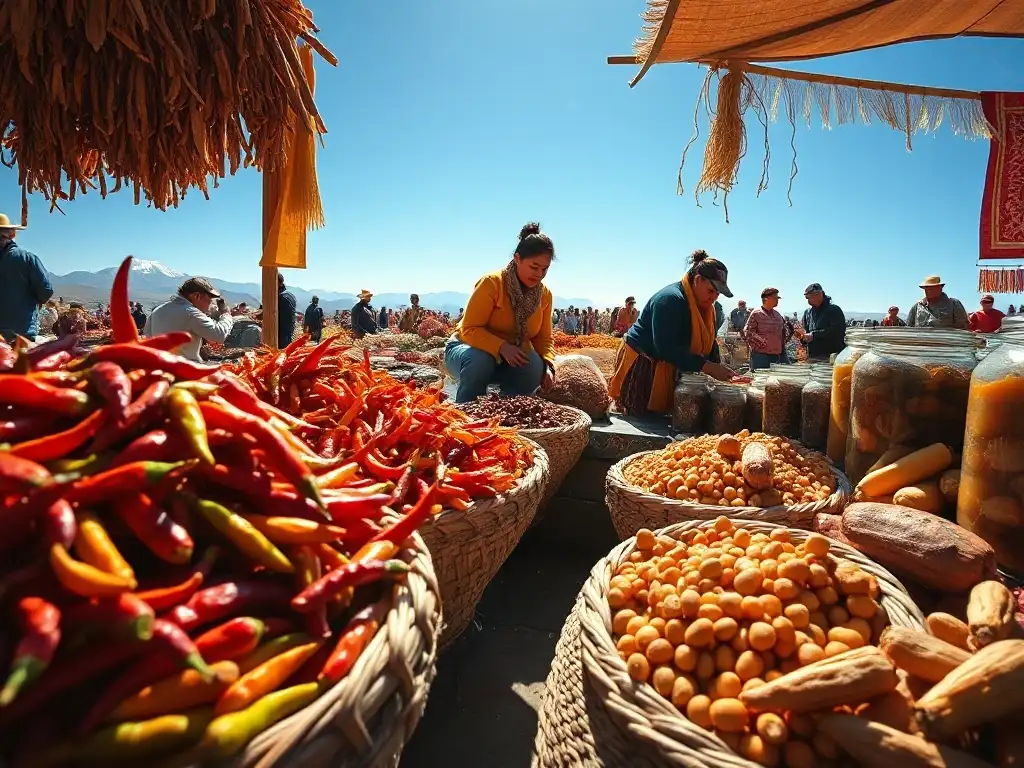
Step into a world lost to time, yet vibrantly preserved... a world of towering peaks and breathtaking ingenuity. Here, within the heart of the Andes, lies a legacy far richer than gold: the remarkable Andean preserved food traditions. Discover the secrets behind these ancient techniques, the ingenuity that ensured survival, and the delicious culinary heritage that continues to tantalize today. Uncover the mysteries of the Andean pantry – your journey begins now.
The Andes Mountains, a spine of towering peaks stretching along the western edge of South America, presented both challenges and opportunities for the ancient civilizations that thrived there. The varied altitudes and climates created diverse agricultural zones, yielding a bounty of crops.
However, the unpredictable weather patterns and the need to sustain populations through lean seasons necessitated sophisticated methods of food preservation. This article delves into the fascinating world of Andean preserved food traditions, exploring the ingenious techniques employed by cultures like the Inca, Moche, Nazca, and Tiahuanaco to ensure food security and maintain a vibrant culinary heritage.
We will examine not only how these ancient peoples preserved their food but also why these techniques were so crucial to their survival and societal structures, offering a glimpse into the ingenuity and resourcefulness of Andean agriculture. Understanding these "Andean preserved food traditions" provides a key to unlocking a deeper understanding of their remarkable achievements.
Introduction to Andean Preserved Food Traditions
Andean preserved food traditions weren't simply about extending the shelf life of food; they were deeply interwoven with their cosmology, social structures, and agricultural practices. The techniques varied dramatically depending on the altitude, climate, and available resources. From the sun-drenched coastal valleys to the high-altitude plains, different methods were developed to preserve a wide array of foods, including:
- Potatoes: A staple crop, potatoes were preserved using a variety of techniques, including chuño (freeze-drying) and tunta (a less intense freeze-drying process). These methods allowed for long-term storage, ensuring food availability throughout the year. The specific methods varied based on the potato variety and the local climate.
- Corn: Another cornerstone of the Andean diet, corn was preserved through drying, grinding into flour, and fermentation into chicha, a fermented corn beverage. The specific methods for corn preservation varied considerably based on the altitude and local climate.
- Beans and Legumes: These were often dried and stored in specialized granaries, protecting them from moisture and pests.
- Meat: Llama and alpaca meat, crucial protein sources, were often preserved through drying, salting, and smoking. This process extended the shelf life of the meat significantly, allowing it to be stored for extended periods.
- Fruits: Various fruits, depending on the region, were dried in the sun to preserve them. This simple but effective technique was used for a wide array of fruits, extending their availability beyond the harvest season.
The preservation of these foods was not just a matter of survival; it played a vital role in religious ceremonies, social exchanges, and economic systems. For example, stored food often served as a form of tribute or tax to the ruling elite, reflecting the importance of food security in Andean societies.
The Importance of Food Preservation in Ancient Andean Civilizations
The importance of food preservation in ancient Andean civilizations cannot be overstated. The mountainous terrain, coupled with unpredictable weather patterns, made reliable food supplies a constant challenge. Without effective preservation methods, famine would have been a recurring threat, jeopardizing the stability and growth of these societies. The development of sophisticated preservation techniques, therefore, was crucial for:
- Population Growth and Stability: Reliable food supplies allowed for population growth and the development of larger, more complex societies.
- Social Stratification: Control over food resources, including preserved foods, often played a significant role in social hierarchies and power structures. The elite often had access to larger stores of preserved foods.
- Economic Stability: The ability to store surplus food created economic stability, reducing the risk of widespread famine during lean times. This allowed for trade and specialization within the communities.
- Religious and Ceremonial Practices: Preserved foods often played a central role in religious ceremonies and rituals, reflecting their spiritual significance within Andean culture. Specific foods were often associated with particular deities or ceremonies.
The ingenuity of the Andean peoples in developing these preservation techniques is a testament to their adaptability and resourcefulness in the face of challenging environmental conditions. Their legacy continues to inspire and inform modern approaches to food preservation and sustainability. Further research is needed to fully understand the nuances of specific techniques and their regional variations, offering a deeper appreciation for the "Andean preserved food traditions."
Techniques for Preserving Food in the Andes
The Andes Mountains, with their diverse climates and altitudes, presented unique challenges and opportunities for food preservation. Ancient Andean cultures developed ingenious techniques to store and preserve food, ensuring sustenance throughout the year and mitigating the risks of crop failure or seasonal scarcity. These methods, passed down through generations, demonstrate a deep understanding of natural processes and a remarkable ingenuity in adapting to their environment.
The preservation techniques weren't merely practical; they were integral to the social fabric and economic systems of these societies. They allowed for the accumulation of surplus, facilitated trade, and played a vital role in religious and ceremonial practices. Understanding these techniques provides a fascinating glimpse into the resourcefulness and resilience of Andean civilizations.
Dehydration: The Power of Sun and Altitude
Dehydration, leveraging the abundant sunshine and high altitude's dry air, was a cornerstone of Andean food preservation. The thin air at high altitudes accelerated the evaporation process, making it particularly effective. Fruits like lucuma, chirimoya, and aguaymanto (Physalis peruviana) were commonly sun-dried, reducing their moisture content and significantly extending their shelf life. Potatoes, a staple crop, were also often dehydrated, either sliced thinly or ground into chuño (freeze-dried potatoes) or tunta (sun-dried potatoes).
These methods not only preserved the food but also transformed its texture and flavor, creating unique culinary products. The creation of chuño required a precise understanding of freezing and thawing cycles, showcasing the advanced knowledge of Andean agricultural practices. The process was labor-intensive, highlighting the communal effort involved in ensuring food security.
Fermentation: Transforming Flavors and Extending Shelf Life
Fermentation, another crucial technique, utilized naturally occurring microorganisms to preserve and enhance the flavors of various foods. Chicha, a fermented corn beverage, was a staple drink throughout the Andes, produced through a complex fermentation process that varied across different regions and cultures. The process not only preserved the corn but also yielded a nutritious and intoxicating drink, crucial for social gatherings and religious ceremonies.
Other fermented foods included various types of sauces and condiments, providing a valuable source of vitamins and probiotics. The precise methods and ingredients varied widely depending on the specific food and the region, reflecting the diverse culinary traditions across the Andean landscape. Understanding these variations reveals the depth and complexity of Andean foodways.
Salting: A Method for Preserving Meats and Fish
Salting, particularly effective for preserving meats and fish, was another vital technique employed by Andean communities. Coastal regions, with access to abundant marine resources, relied heavily on salting to preserve fish and seafood. Inland communities used salting to preserve meats, particularly llama and alpaca, which were important sources of protein. The use of salt not only inhibited microbial growth but also added flavor to the preserved foods.
The effectiveness of salting depended on the quality and quantity of salt used, as well as the environmental conditions. Salt itself was often a valuable commodity, highlighting its importance within the Andean trade networks. This method, combined with other preservation techniques, ensured a reliable food supply even during lean times.
The Role of Andean Preserved Food in Society and Trade
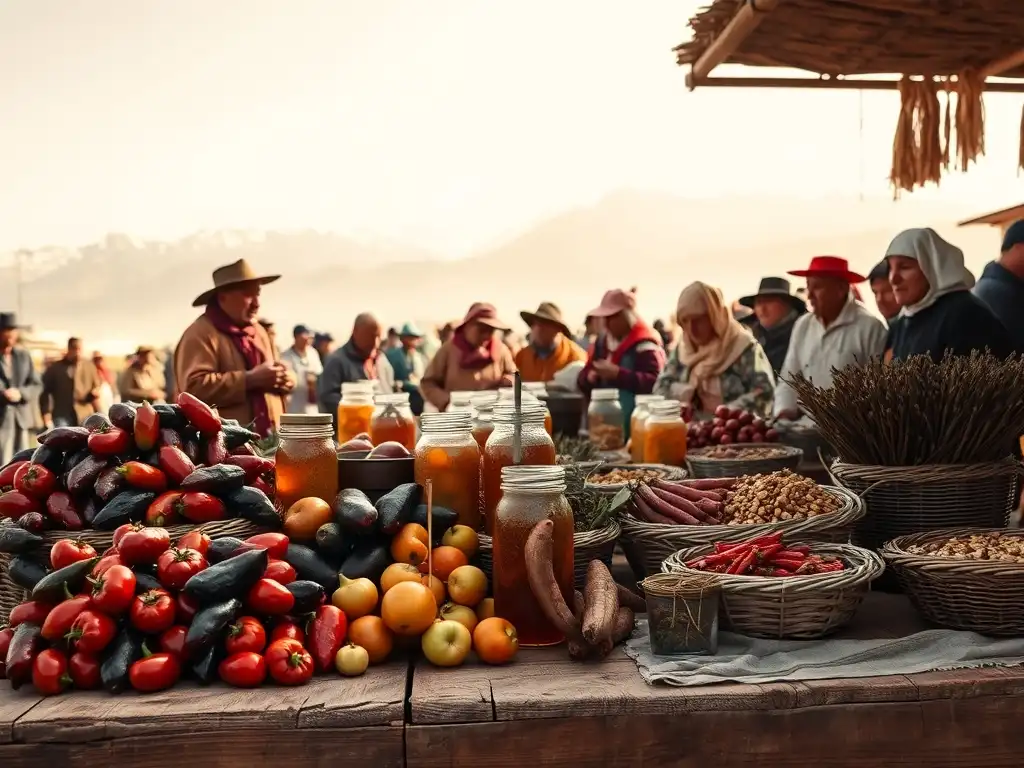
Andean preserved foods played a multifaceted role in the social and economic life of these ancient societies, extending beyond mere sustenance. Their significance is deeply intertwined with the complex interplay of agriculture, trade, social structures, and religious beliefs. Understanding this role offers a comprehensive perspective on the ingenuity and resourcefulness of these cultures. The systems of food preservation were not isolated practices but rather integral components of a larger socio-economic framework.
Sustaining Communities Through Food Storage
The ability to preserve food was crucial for the survival and prosperity of Andean communities. Preserved foods acted as a buffer against crop failures, ensuring a reliable food supply during lean seasons or periods of drought. This food security was essential for maintaining social stability and preventing famine. The storage and distribution of preserved foods often involved communal efforts, reflecting the importance of cooperation and shared resources within Andean societies. The storage facilities themselves, such as qollqas (Andean storehouses), were often significant architectural features, demonstrating the importance placed on food security.
Andean Preserved Food as Trade Goods
Preserved foods were not just for local consumption; they also played a significant role in Andean trade networks. Dried fruits, chuño, tunta, and salted meats were valuable commodities, traded across vast distances, connecting different regions and cultures. This trade facilitated the exchange of goods and ideas, contributing to the cultural exchange and economic development of the Andean world. The value of these preserved foods varied depending on factors such as quality, quantity, and demand, highlighting the economic importance of food preservation. The trade routes and exchange systems indicate a sophisticated understanding of logistics and economics.
The Significance of Food Security in the Andean World
Food security was paramount in the Andean world, deeply intertwined with social organization, religious beliefs, and political power. The ability to produce and preserve food was a key factor in the success and stability of Andean societies. The development and implementation of sophisticated food preservation techniques demonstrate a remarkable understanding of agriculture, ecology, and social dynamics.
These techniques weren't merely practical solutions; they were integral to the very fabric of Andean life, shaping their social structures, economic systems, and cultural expressions. The emphasis on food preservation reflects the deep-seated respect for nature and the recognition of the essential role of agriculture in Andean societies.
Andean Preserved Food Today: A Legacy of Innovation
Andean preserved food traditions, honed over millennia, continue to thrive in the 21st century. While modern refrigeration and canning techniques have undoubtedly impacted food preservation practices, many traditional methods remain integral to Andean culinary culture. The ingenuity of these ancient techniques is remarkable, particularly considering their effectiveness in preserving nutritional value and extending shelf life without relying on advanced technology.
From the high-altitude Andes to the coastal regions, families continue to rely on time-tested methods passed down through generations. This enduring connection to ancestral practices demonstrates the resilience and adaptability of Andean foodways. The preservation of food isn't merely a practical necessity; it's a deeply rooted cultural practice that strengthens community bonds and maintains a connection to the past.
These methods are not only sustainable but also contribute to food security and biodiversity in the region. The continued use of traditional techniques reflects a conscious effort to maintain a unique cultural identity and celebrate the rich heritage of Andean food. These practices often involve intricate knowledge of local ingredients and their optimal preservation methods, showcasing a deep understanding of the environment and its resources.
Modern Uses of Traditional Preservation Methods
The ingenuity of Andean preservation techniques is increasingly recognized and adapted in modern contexts. For instance, chuño, freeze-dried potatoes, once a staple of survival, are now incorporated into gourmet dishes, highlighting their unique texture and flavor profile. Similarly, charqui, sun-dried meat, finds its way into contemporary Andean cuisine, often reimagined in innovative recipes that blend traditional and modern culinary styles.
Furthermore, the principles behind traditional fermentation techniques are being explored by food scientists to improve the efficiency and safety of modern food preservation methods. This fusion of ancient wisdom and modern science not only provides new opportunities for economic development within Andean communities but also creates exciting avenues for culinary innovation. The rediscovery and reinterpretation of traditional methods contribute to both cultural preservation and culinary progress.
This dynamic interplay demonstrates the enduring relevance of Andean food preservation techniques in a rapidly changing world. The adaptation of these methods offers a sustainable and culturally sensitive approach to food security and culinary exploration.
Preserving Andean Food Heritage for Future Generations
The preservation of Andean food traditions extends beyond the simple act of preserving food itself. It encompasses the safeguarding of knowledge, skills, and cultural practices that have been passed down through generations. Efforts are underway to document these methods, ensuring that this invaluable heritage is not lost to time.
Community-based initiatives, often involving local elders and young people, play a crucial role in this process. These initiatives focus on education and skill-sharing, ensuring that future generations can continue these practices. The documentation of traditional methods, including detailed recipes and techniques, is crucial for preserving this knowledge base.
Furthermore, the promotion of traditional Andean foods through culinary tourism and educational programs helps raise awareness and appreciation for this rich culinary heritage. The preservation of Andean food heritage is not only vital for maintaining cultural identity but also for ensuring the long-term sustainability of Andean food systems. This ongoing effort requires collaborative work among communities, researchers, and policymakers to safeguard this precious legacy.
Arequipa's Mercado San Camilo: A Hub for Traditional Preserved Foods
Arequipa's Mercado San Camilo serves as a vibrant example of the ongoing relevance of Andean preserved food traditions. This bustling market is a treasure trove of preserved delicacies, offering a glimpse into the heart of Andean culinary culture. Here, one can find a wide array of preserved foods, from colorful aji pancas (dried peppers) to various types of chuño and charqui.
The market showcases the diversity of Andean preservation techniques and their adaptability to different ingredients. The vendors, many of whom represent generations of food preservation expertise, are not only sellers but also keepers of valuable knowledge. The atmosphere within the market is a testament to the enduring importance of these traditions within the community.
The market's vitality underlines the economic and social significance of these practices, providing livelihoods and maintaining cultural connections. Visiting Mercado San Camilo offers a tangible experience of Andean food preservation in action, showcasing the vibrant tapestry of flavors and traditions. It's a living museum of Andean culinary heritage, where the past and present intermingle to create a truly unique and compelling experience.
Conclusion: The Enduring Value of Andean Preserved Food Traditions
The Andean preserved food traditions represent more than just methods of food preservation; they are a testament to human ingenuity, adaptability, and cultural resilience. The techniques developed over millennia continue to provide sustenance, economic opportunities, and cultural identity in the Andes. From the high-altitude freeze-drying of potatoes to the sun-drying of meat, these practices showcase a deep understanding of the environment and a remarkable ability to utilize resources efficiently.
The ongoing relevance of these traditions is evident in their continued use in both rural and urban settings, demonstrating their enduring value in the face of modernization. Preserving these traditions is crucial not only for maintaining food security and cultural heritage but also for fostering sustainable food systems and promoting a deeper appreciation for the ingenuity and wisdom of Andean civilizations.
The future of Andean food depends on the continued transmission of these invaluable techniques and the celebration of their enduring legacy. The preservation of these traditions is an investment in the future, ensuring the rich tapestry of Andean culinary culture continues to thrive for generations to come.
- Introduction to Andean Preserved Food Traditions
- The Importance of Food Preservation in Ancient Andean Civilizations
- Techniques for Preserving Food in the Andes
- The Role of Andean Preserved Food in Society and Trade
- Andean Preserved Food Today: A Legacy of Innovation
- Conclusion: The Enduring Value of Andean Preserved Food Traditions
- What unique preservation techniques did Andean civilizations employ?
- How did the Incas preserve potatoes, a staple crop?
- Beyond potatoes, what other foods did the Andean people preserve?
- What is the significance of Andean preserved food traditions today?
- Where can I learn more about Andean food preservation methods?
Frequently Asked Questions
What unique preservation techniques did Andean civilizations employ?
Andean cultures utilized diverse methods including freeze-drying, sun-drying, and fermentation to preserve food. These techniques allowed them to store food for extended periods, crucial for their survival in varied climates.
How did the Incas preserve potatoes, a staple crop?
The Incas freeze-dried potatoes, creating chuño, a lightweight and long-lasting food source. They also employed storage techniques in specially designed underground cellars to maintain optimal conditions for potato preservation.
Beyond potatoes, what other foods did the Andean people preserve?
A wide variety of foods were preserved, including corn, quinoa, beans, and various fruits and meats. These were preserved using diverse techniques tailored to each specific food's properties.
What is the significance of Andean preserved food traditions today?
These traditions remain vital in modern Andean communities. Many preserved foods continue to be integral to their diets and cultural heritage, representing a link to their ancestors.
Where can I learn more about Andean food preservation methods?
You can explore further by researching ethnobotanical studies, visiting Andean museums and cultural centers, and engaging with contemporary Andean communities who still actively practice these techniques.
Final Reflection: A Legacy of Flavor, A Future of Sustainability
The vibrant tapestry of Andean preserved food traditions, once solely the domain of mountain communities, is now experiencing a global resurgence, a testament to both their enduring deliciousness and their crucial role in sustainable food systems. These ancient techniques, honed over millennia to maximize resource utilization and ensure food security in challenging environments, offer invaluable lessons for a world grappling with climate change and food insecurity.
The enduring power of these traditions lies not just in the preservation of food, but in the preservation of culture and community. These practices are intrinsically linked to Andean identity, passed down through generations, embodying a deep respect for the land and its bounty. Food is symbolic of love when words are inadequate.
– Alan D. Wolfelt. This quote resonates deeply, as the meticulous preparation and sharing of these preserved delicacies represent a powerful form of cultural transmission and communal bonding, a legacy we must strive to protect.
Consider the ingenuity of these methods – the sun-drying of potatoes, the fermentation of grains, the careful storage of fruits and vegetables. These aren't merely culinary techniques; they are sustainable practices that minimize waste and maximize nutritional value. You, the reader, now possess a deeper understanding of these incredible traditions.
I urge you to explore them further, perhaps by seeking out Andean ingredients in your local markets, or by experimenting with some of these preservation methods in your own kitchen. Let us all contribute to the preservation of this rich culinary heritage, ensuring that the flavors and wisdom of the Andes continue to nourish and inspire for generations to come.
Unveil New Culinary Delights Today!
Thank you for exploring the rich treasures of the Andean pantry! We hope you've gained valuable insights into these unique preserved foods, savoring both their delicious flavors and their connection to vibrant Andean cultures. Now let's put that knowledge to use!
Here are a few ways to begin your Andean culinary adventure:
- **Try a traditional Andean recipe** using preserved ingredients to bring the authentic taste of the Andes into your kitchen. A simple quinoa salad with preserved peppers, for example, is both delicious and easy to prepare.
- **Share your culinary creations** on social media using #AndeanPantry to inspire others and connect with a community of food lovers. Show us your stunning photos and delicious recipes!
- **Explore local markets** or specialty stores to discover Andean ingredients and support those who keep this rich heritage alive. You might be surprised by the variety of unique products available.
Which Andean ingredient are you most excited to try, and how will you share your culinary experience with others?