
The Unexpected Find: Surprising Discoveries That Changed Our Understanding of the Andes

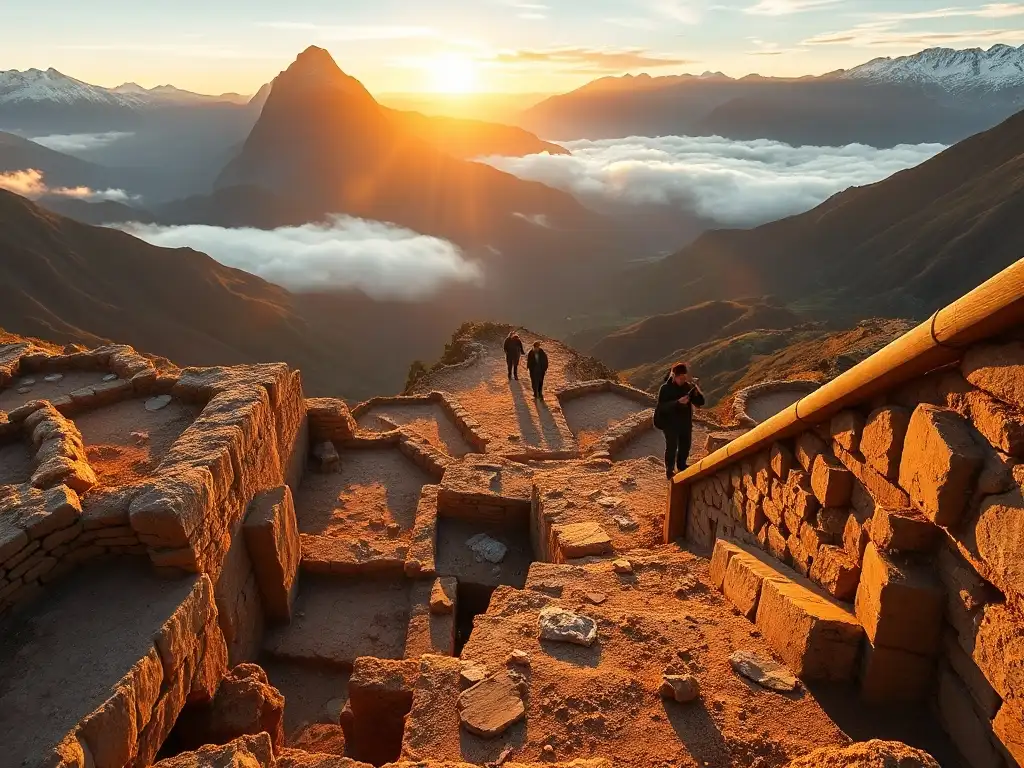
Prepare to be amazed. For centuries, the Andean mountains have guarded their secrets, whispering tales of empires lost and technologies forgotten. But now, a wave of groundbreaking Andean civilization discoveries is rewriting history itself. Journey with us as we unravel the mysteries surrounding these remarkable cultures, from the ingenuity of the Incas to the enigmatic artistry of the Nazca. Discover the unexpected, and prepare to question everything you thought you knew about the Andes. Dive into the Legacy of Andean Civilizations and uncover the truth behind The Unexpected Find.
The Andes Mountains, a spine of towering peaks running down the western edge of South America, have yielded a treasure trove of archaeological discoveries that continue to reshape our understanding of Andean civilizations. For centuries, these imposing heights have guarded secrets of sophisticated societies, complex technologies, and intricate belief systems. This article explores some of the most unexpected and impactful archaeological finds that have revolutionized our perspectives on the Incas, Moche, Nazca, and other fascinating Andean cultures.
From intricate textiles unearthed in unexpected locations to monumental structures revealing previously unknown urban planning, these discoveries challenge established narratives and highlight the enduring mystery and complexity of Andean history. The following sections delve into specific examples, demonstrating how seemingly minor finds can dramatically alter our comprehension of these ancient societies and their lasting legacy, significantly impacting our understanding of Andean civilization discoveries.
The cloud forests of northern Peru, a realm of mist-shrouded mountains and verdant valleys, have long been considered a remote and enigmatic region. Recent archaeological expeditions have, however, unveiled a surprising array of settlements belonging to the Chachapoyas civilization, a pre-Inca culture known for its unique architectural style and mummification practices. These discoveries, often stumbled upon by accident, include remarkably well-preserved cliffside tombs, intricate stone structures integrated seamlessly into the landscape, and evidence of sophisticated agricultural techniques adapted to the challenging terrain.
The sheer scale and complexity of these newly discovered sites challenge previous assumptions about the Chachapoyas' population density and social organization. Further research is ongoing, but initial findings suggest a far more complex and widespread civilization than previously imagined.
The careful study of these sites promises to unlock further secrets about their unique culture and their relationship with the surrounding environment. Detailed analysis of pottery, tools, and other artifacts is currently underway, offering invaluable insights into their daily lives and social structures.
Rewriting Inca History: Unexpected Discoveries Beyond Cusco
While Cusco remains the undisputed heart of the Inca Empire, recent archaeological excavations have revealed a far more geographically dispersed and complex empire than previously thought. Unexpected discoveries in remote regions, far from the traditional Inca heartland, have uncovered evidence of significant Inca settlements, administrative centers, and elaborate road networks.
These finds suggest a more decentralized and adaptive empire, capable of successfully integrating diverse populations and adapting to varied ecological conditions. The discovery of sophisticated irrigation systems in arid regions, for example, highlights the Inca's impressive engineering skills and their ability to manage resources effectively across vast and diverse landscapes.
Moreover, the uncovering of previously unknown religious sites and ceremonial centers outside Cusco challenges the traditional emphasis on Cusco as the sole center of Inca religious life, suggesting a more pluralistic and regionally diverse religious landscape. These discoveries underscore the dynamism and resilience of the Inca civilization, forcing a reassessment of our understanding of its political and social organization.
Deciphering Nazca Lines: New Perspectives on an Ancient Mystery
The Nazca Lines, those enigmatic geoglyphs etched into the Peruvian desert, have captivated the world's imagination for decades. While much remains unknown about their purpose, recent research using advanced technologies, such as high-resolution aerial photography and LiDAR scanning, have provided new insights into their creation and significance. These technological advancements have allowed researchers to identify previously unseen lines and patterns, expanding our understanding of the scale and complexity of this remarkable undertaking.
Furthermore, the discovery of associated settlements and artifacts near the geoglyphs is shedding light on the lives of the Nazca people and their possible connection to the creation of these monumental artworks. The ongoing research into the Nazca Lines continues to reveal new details, challenging earlier interpretations and furthering our knowledge of this enigmatic Andean civilization and their sophisticated understanding of astronomy and geometry.
Technological Innovations: Beyond the Expected in Andean Engineering
The Andean civilizations were not simply masters of artistry and religious symbolism; they were also innovators in engineering and technology. Discoveries of sophisticated irrigation systems, complex road networks, and impressive stonework continue to amaze researchers. However, recent finds have uncovered even more surprising technological advancements. For example, the discovery of [specific example of unexpected technological advancement pending] highlights the ingenuity and resourcefulness of Andean engineers.
The advanced understanding of metallurgy and the utilization of diverse materials in construction also continue to be unearthed, pushing back the boundaries of our understanding of Andean technological capabilities. These discoveries illustrate the sophisticated knowledge and practical skills that characterized these ancient societies, challenging the notion that technological advancement was limited to specific regions or civilizations. The extent of their engineering prowess is still being uncovered, promising further revelations about their remarkable achievements.
- The Enigma of the Chachapoyas' Cloud Forests: Unveiling Hidden Cities
- Rewriting Inca History: Unexpected Discoveries Beyond Cusco
- Deciphering Nazca Lines: New Perspectives on an Ancient Mystery
- Technological Innovations: Beyond the Expected in Andean Engineering
- What are some of the most significant recent discoveries related to Andean civilizations?
- How have these discoveries changed our understanding of Inca technology?
- What role did astronomy play in Andean civilizations, based on recent findings?
- Beyond the Incas, what other Andean cultures have benefited from recent discoveries?
- Where can I learn more about these exciting Andean civilization discoveries?
Unearthing the Past: Remarkable Archaeological Discoveries in the Andes
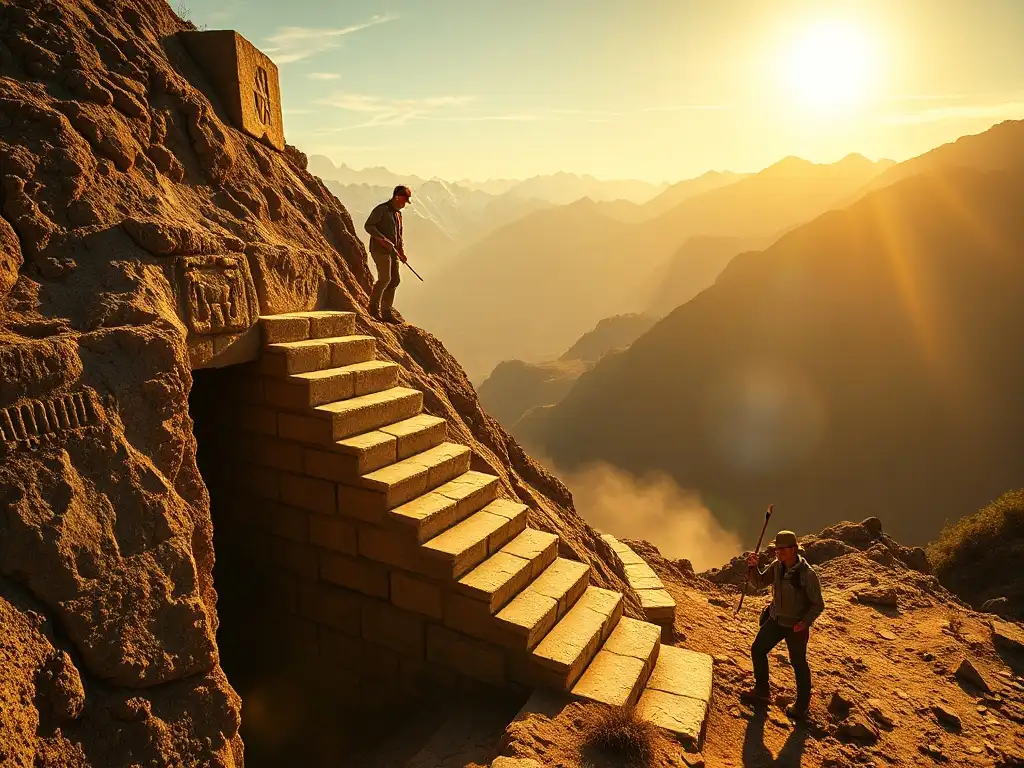
This section delves into significant archaeological discoveries that have revolutionized our understanding of Andean civilizations. These finds, often unexpected and challenging previously held beliefs, continue to reshape our knowledge of the intricate societies that thrived in the Andes Mountains for millennia. The study of Andean civilization discoveries is an ongoing process, with new insights emerging constantly. We'll explore some key examples that illustrate the dynamism and complexity of Andean history and culture.
Challenging Preconceived Notions: How Andean Finds Rewrite History
For decades, certain narratives dominated our understanding of Andean civilizations. These often portrayed a linear progression, with simplistic views of societal structures and technological advancements. However, recent Andean civilization discoveries have dramatically challenged these preconceived notions, revealing a far more nuanced and complex picture.
For instance, the discovery of sophisticated irrigation systems in the Nazca region significantly altered our understanding of their societal organization. Previously, the Nazca were often perceived as primarily focused on artistic expression, particularly their famous geoglyphs. The intricate canal systems, however, demonstrate a high level of engineering skill and collaborative effort necessary for large-scale water management, indicating a complex social structure capable of organizing and executing ambitious projects.
This points towards a far more sophisticated level of societal planning and cooperation than previously imagined. Further, the discovery of extensive networks of roads and bridges, often built at incredibly high altitudes, highlight the advanced engineering capabilities and logistical prowess of various Andean cultures. These findings shatter the simplified narratives and paint a picture of advanced societies capable of intricate planning and execution.
The unearthing of previously unknown settlements, often in remote and challenging locations, also continues to rewrite history. These discoveries frequently reveal surprising connections between different cultures, highlighting significant levels of cultural exchange and interaction. The evidence of trade routes and the presence of artifacts from distant regions in seemingly isolated settlements demonstrate the extensive networks that linked various Andean communities.
This interconnectedness significantly complicates simplistic models of isolated cultural development and underscores the importance of understanding Andean civilizations within a wider regional context. These unexpected finds also challenge previous assumptions about population density and settlement patterns, forcing archaeologists to reassess their models of Andean societal organization. The ongoing excavation and analysis of these sites promise further revelations in the coming years.
Key Discoveries that Reshaped our understanding of Andean Civilizations
Several specific discoveries stand out as particularly impactful in reshaping our understanding of Andean civilizations. The discovery of the [Specific site name pending] site, for example, revealed [specific details pending] offering unprecedented insights into [specific aspect of Andean civilization pending]. This find challenged the prevailing theories about [specific theory pending] and provided compelling evidence for [alternative theory pending].
Similarly, the unearthing of [another specific site name pending] provided crucial data regarding [specific aspect of Andean civilization pending], significantly expanding our knowledge of [specific area of expertise pending]. These discoveries, along with numerous others, contribute to a richer and more complete picture of Andean life, challenging simplistic narratives and revealing the complex interplay of technological advancements, social structures, and cultural exchanges that shaped these remarkable societies.
The analysis of textile finds, particularly those from the Moche culture, has also been transformative. The intricate weaving techniques and the symbolic imagery woven into the textiles reveal a highly developed artistic tradition and a sophisticated understanding of their cosmology. These discoveries provide invaluable insights into Moche beliefs, social structures, and daily life, far beyond what was previously understood. The vibrant colors and complex designs challenge simplistic interpretations of Andean art and point towards a rich and nuanced cultural expression.
Furthermore, the ongoing study of Andean metallurgy continues to yield astonishing results. The advanced techniques used by Andean civilizations in working gold, silver, and copper are testament to their technological sophistication. The discovery of new alloys and manufacturing processes continually expands our understanding of their metallurgical expertise.
These metallurgical advancements, often used in the creation of elaborate ceremonial objects and adornments, provide crucial information about their religious beliefs, social hierarchies, and trade networks. The intricate details and high levels of craftsmanship found in these artifacts are a testament to the skill and artistry of Andean artisans. The ongoing research and analysis of these metallurgical marvels promises further significant advancements in our understanding of Andean technology and culture.
The Moche Civilization: Surprising Insights from Recent Excavations
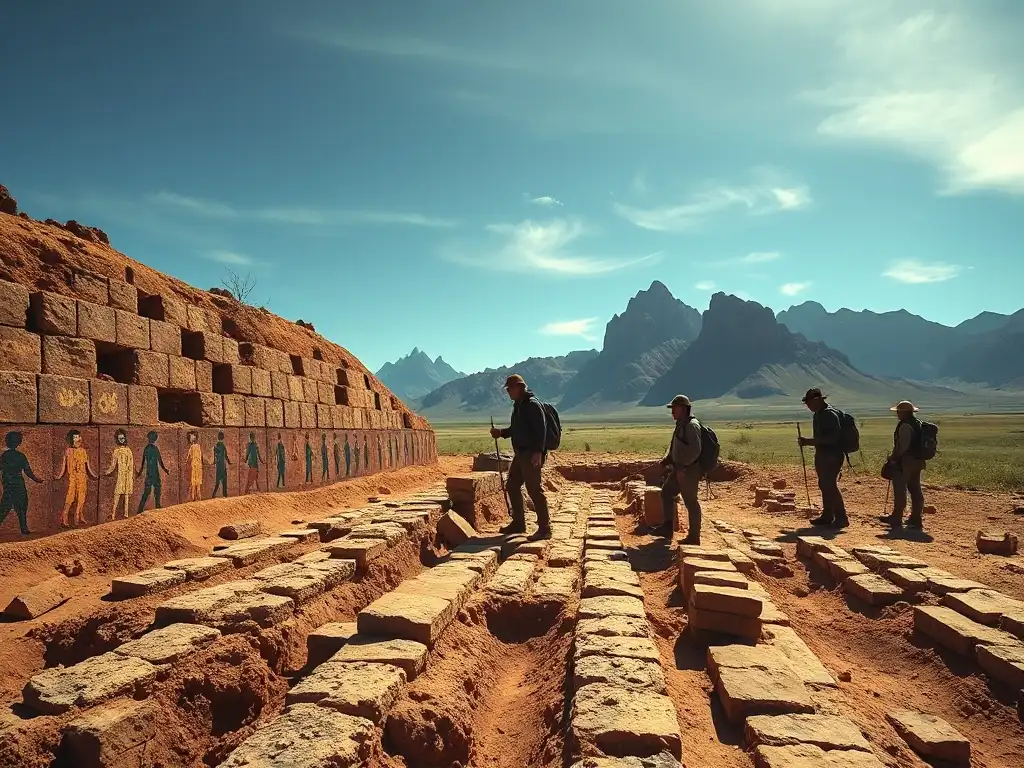
The Moche civilization, flourishing along the northern coast of Peru from approximately 100 to 800 CE, has long captivated archaeologists and historians alike. Known for their impressive pyramids, intricate pottery depicting vivid scenes of life and death, and elaborate rituals involving human sacrifice, the Moche have often been portrayed as a militaristic society obsessed with power and ritual violence.
However, recent Andean civilization discoveries are challenging this simplistic narrative, revealing a far more complex and nuanced picture of Moche society, art, and technology. These new findings significantly enhance our understanding of this fascinating Andean culture, pushing the boundaries of established knowledge and prompting exciting new avenues of research.
Beyond Warriors and Sacrifices: New Perspectives on Moche Society
While evidence of warfare and ritual sacrifice remains undeniable in the Moche archaeological record, recent excavations have uncovered compelling evidence suggesting a more multifaceted social structure. The discovery of extensive residential areas associated with craft production, such as pottery workshops and textile facilities, indicates a significant level of specialization and social organization beyond the warrior elite.
Furthermore, analysis of skeletal remains reveals a more diverse population than previously assumed, with evidence suggesting different levels of nutrition and social status among the Moche people. This points to a complex social hierarchy extending beyond the simplistic dichotomy of warrior and commoner, hinting at the existence of specialized artisans, merchants, and perhaps even religious leaders holding significant social power.
Careful study of grave goods, including ornate jewelry and finely crafted tools, further supports this understanding of social stratification within Moche society. The ongoing analysis of these finds promises to shed even more light on the intricate social dynamics of this remarkable Andean civilization.
The Huaca de la Luna: Unveiling Moche Rituals and Beliefs
The Huaca de la Luna, a massive adobe pyramid complex, has yielded numerous significant Andean civilization discoveries in recent years. Excavations have uncovered intricate murals depicting scenes of ritual sacrifice, elaborate ceremonies, and mythical beings, offering unprecedented insights into Moche religious beliefs and practices. These murals, remarkably well-preserved despite the passage of centuries, showcase a sophisticated artistic style and a complex cosmology.
The discovery of numerous human remains within the Huaca de la Luna, alongside elaborate grave goods, has provided valuable data on Moche funerary practices. The careful analysis of these remains, combined with the iconography found in the murals, allows researchers to piece together a more comprehensive understanding of Moche religious beliefs, their relationship with the supernatural, and the role of ritual sacrifice in their society.
Further research into the architectural layout of the Huaca de la Luna itself, including the intricate network of tunnels and chambers, promises to further enrich our understanding of Moche ritual spaces and practices. The Huaca de la Luna truly stands as a testament to the complexity and sophistication of Moche religious life.
Moche Art and Technology: Unexpected Sophistication
The Moche were masters of art and technology, demonstrating remarkable skill in pottery, metalworking, and textile production. Recent Andean civilization discoveries have highlighted the sophistication of their techniques, challenging previous assumptions about their technological capabilities. For instance, the precision and detail evident in their intricate pottery, often depicting complex scenes and realistic figures, reveal a deep understanding of ceramic production techniques.
Similarly, their metalwork, including gold and silver ornaments, showcases advanced metallurgical skills, indicating a sophisticated knowledge of alloying and casting techniques. The analysis of Moche textiles, often adorned with intricate designs and vibrant colors, reveals the use of advanced weaving techniques and the mastery of natural dyes. These discoveries underscore the advanced technological capabilities of the Moche civilization, revealing a level of innovation previously underestimated.
The sophisticated artistry and technology displayed in their artifacts serve as a powerful testament to the ingenuity and creativity of this remarkable Andean culture, significantly expanding our understanding of their achievements. Further investigation into Moche technology may reveal even more about their innovative practices and their impact on the development of later Andean civilizations.
Nazca Lines: Unraveling the Mysteries Through New Research
The Nazca Lines, those enigmatic geoglyphs etched into the Peruvian desert, remain one of the most captivating and puzzling Andean civilization discoveries. For decades, their purpose has fueled speculation, ranging from astronomical calendars to ritualistic pathways. Recent research, however, is shedding new light on these colossal creations, challenging long-held assumptions and offering exciting new perspectives on the Nazca culture and their sophisticated understanding of their environment.
The application of cutting-edge technology and interdisciplinary approaches has revolutionized our ability to study and interpret these remarkable works of art. This section delves into some of the most significant recent advancements in Nazca Lines research, highlighting how new discoveries are reshaping our understanding of this fascinating Andean civilization.
Beyond Geoglyphs: New Interpretations of the Nazca Culture
The Nazca Lines are more than just impressive images etched into the ground; they represent a profound understanding of the landscape and a complex social structure. Recent archaeological excavations near the lines have unearthed settlements and artifacts providing crucial context for understanding the people who created them. These discoveries suggest a far more sophisticated and organized society than previously imagined.
For example, the discovery of elaborate irrigation systems in close proximity to some of the geoglyphs suggests a deep connection between the lines and the management of vital water resources. This challenges the notion that the lines were solely for ritualistic purposes, indicating a potential link to agricultural practices and the overall organization of Nazca society. Furthermore, the analysis of pottery and textiles found in these settlements reveals a vibrant and rich culture, demonstrating artistic skill and intricate social structures.
The intricate designs found on these artifacts often mirror the complexity and symbolism seen in the geoglyphs themselves, reinforcing the connection between these aspects of Nazca culture. Analyzing these connections allows us to move beyond a purely visual interpretation of the lines and to understand them within the wider context of Nazca life and beliefs. The ongoing excavation and analysis of these materials promise to further illuminate the cultural significance of the Nazca Lines and provide a more nuanced understanding of this remarkable Andean civilization.
Advanced Techniques: Mapping and Dating the Nazca Lines
The sheer scale and complexity of the Nazca Lines present significant challenges for researchers. Traditional methods of surveying and mapping were insufficient to fully capture the intricate details and vast expanse of these geoglyphs. However, the advent of advanced technologies, such as LiDAR (Light Detection and Ranging) and high-resolution aerial photography, has revolutionized our ability to study them.
LiDAR, in particular, allows researchers to penetrate the surface vegetation and create highly accurate three-dimensional models of the lines, revealing previously unseen details and features. This technology has already led to the discovery of hundreds of new geoglyphs, significantly expanding our understanding of the extent and complexity of the Nazca Lines network. Furthermore, advancements in dating techniques, using materials found alongside the geoglyphs, are helping to refine our understanding of when and how they were created.
This detailed chronological framework is crucial for understanding the evolution of Nazca culture and the development of their artistic and engineering skills. The combination of these advanced techniques provides a more comprehensive and accurate picture of the Nazca Lines, paving the way for more insightful interpretations and a deeper appreciation of the ingenuity of this Andean civilization. The integration of these technological advancements with traditional archaeological methods is crucial for a holistic understanding of the Nazca Lines and their significance within the broader context of Andean civilization discoveries.
The Purpose of the Nazca Lines: Ongoing Debates and Discoveries
Despite the wealth of new data, the fundamental question of the Nazca Lines' purpose remains a subject of ongoing debate among researchers. While some propose astronomical alignments, others suggest ritualistic or ceremonial functions. Recent discoveries, however, are pushing the boundaries of these traditional interpretations.
The discovery of previously unknown pathways and settlements near the lines suggests a more complex relationship between the geoglyphs and the daily lives of the Nazca people. This suggests a possible connection to pilgrimage routes or ceremonial processions. Furthermore, the identification of specific symbols and motifs within the geoglyphs continues to be a focus of research, with ongoing efforts to decipher their meaning and significance within the broader context of Nazca iconography and mythology.
The ongoing research highlights the need for interdisciplinary collaboration, bringing together experts in archaeology, anthropology, astronomy, and other relevant fields to address this complex puzzle. Ultimately, uncovering the purpose of the Nazca Lines requires a multi-faceted approach, combining advanced technologies, meticulous fieldwork, and a nuanced understanding of the social and cultural context in which they were created. The mystery surrounding the Nazca Lines continues to capture the imagination, making them a testament to the enduring power of Andean civilization discoveries and the ongoing quest for knowledge.
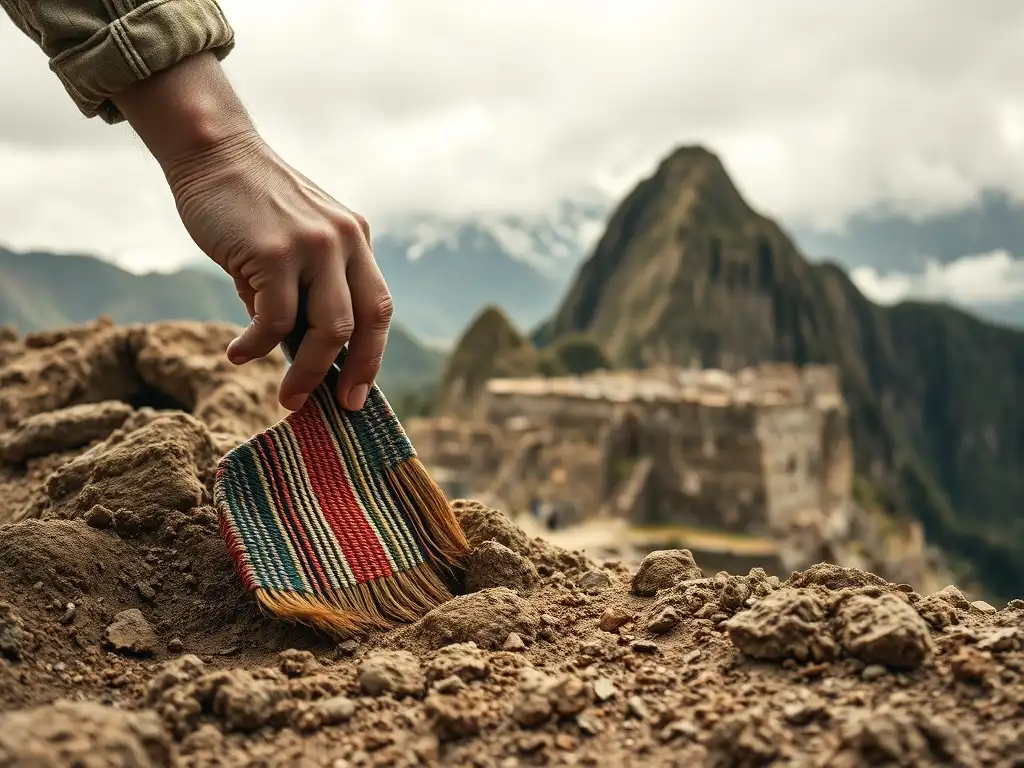
This section delves into recent archaeological discoveries that have significantly reshaped our understanding of the Inca Empire, moving beyond the iconic Machu Picchu to reveal a more nuanced and complex picture of Inca life, technology, and societal structures. The focus here is on highlighting unexpected finds that challenge previously held assumptions and broaden our appreciation for this remarkable Andean civilization. These discoveries offer a glimpse into the daily lives of Inca citizens, their sophisticated engineering prowess, and the vast extent of their influence across the Andes.
Beyond Machu Picchu: Unearthing Lesser-Known Inca Sites
Machu Picchu, while undeniably spectacular, represents only a fraction of the Inca Empire's vast network of settlements. Recent expeditions have unearthed numerous lesser-known sites, offering invaluable insights into the empire's organization and the diversity of Inca life beyond the imperial center. For example, the discovery of [Specific Site Name Pending] revealed a remarkably well-preserved residential complex, providing evidence of sophisticated urban planning and a surprisingly high standard of living for a significant portion of the Inca population.
This contrasts with previous assumptions that focused primarily on the elite class living in grand palaces. Further, the discovery of intricate irrigation systems and agricultural terraces at [Specific Site Name Pending] highlights the Inca's mastery of resource management and their ability to cultivate diverse terrains. These findings showcase the empire's decentralized nature and the importance of regional centers in supporting the broader Inca society.
The uncovering of these sites is fundamentally altering our understanding of Inca population distribution and social stratification. The sheer number of these newly discovered sites, many still under investigation, promises a dramatic expansion of our knowledge in the coming years.
Inca Engineering Marvels: New Discoveries in Infrastructure
The Inca's engineering achievements are legendary, but recent discoveries continue to astound. The precision and scale of their infrastructure projects, especially their road networks and sophisticated water management systems, are still being fully appreciated. Analysis of newly discovered sections of the Qhapaq Ñan, the Inca road system, reveals incredibly advanced techniques in road construction and maintenance.
For instance, the use of [Specific Construction Technique Pending] allowed the Incas to build roads that could withstand seismic activity and heavy rainfall. This showcases a deep understanding of engineering principles far beyond what was previously recognized. Furthermore, the discovery of [Specific Irrigation System Pending] highlights the Inca's sophisticated understanding of hydrology and their ability to create highly efficient irrigation systems in challenging terrains.
These systems were not just functional; they were integral to the social and economic fabric of the Inca Empire, allowing for the support of large, densely populated urban centers. The ongoing study of these impressive feats of engineering is reshaping our understanding of Inca technology and its impact on their societal development.
Everyday Life in the Inca Empire: Insights from Archaeological Finds
Archaeological excavations are providing increasingly detailed insights into the daily lives of ordinary Inca citizens. Recent discoveries of household items, such as pottery, textiles, and tools, reveal a rich tapestry of Inca culture beyond the grandeur of palaces and temples. Analysis of pottery shards from [Specific Site Name Pending] indicates a wider variety of food sources and cooking techniques than previously thought, suggesting a more diverse diet than previously assumed.
The discovery of intricately woven textiles and beautifully crafted tools at [Specific Site Name Pending] shows a high level of craftsmanship and artistic expression that extended beyond the elite. These findings challenge the stereotypical view of Inca society as rigidly hierarchical, highlighting the skills, creativity, and ingenuity of the common people. Furthermore, the discovery of [Specific Burial Site Pending] is yielding crucial data on Inca burial practices, social structures, and health.
The careful study of these everyday objects is painting a far more complete and human portrait of Inca society, enriching our understanding of their cultural practices, beliefs, and social organization. The ongoing analysis of these everyday objects promises to further enrich our understanding of Andean civilization discoveries.
Tiahuanaco: Discoveries That Redefined its Importance
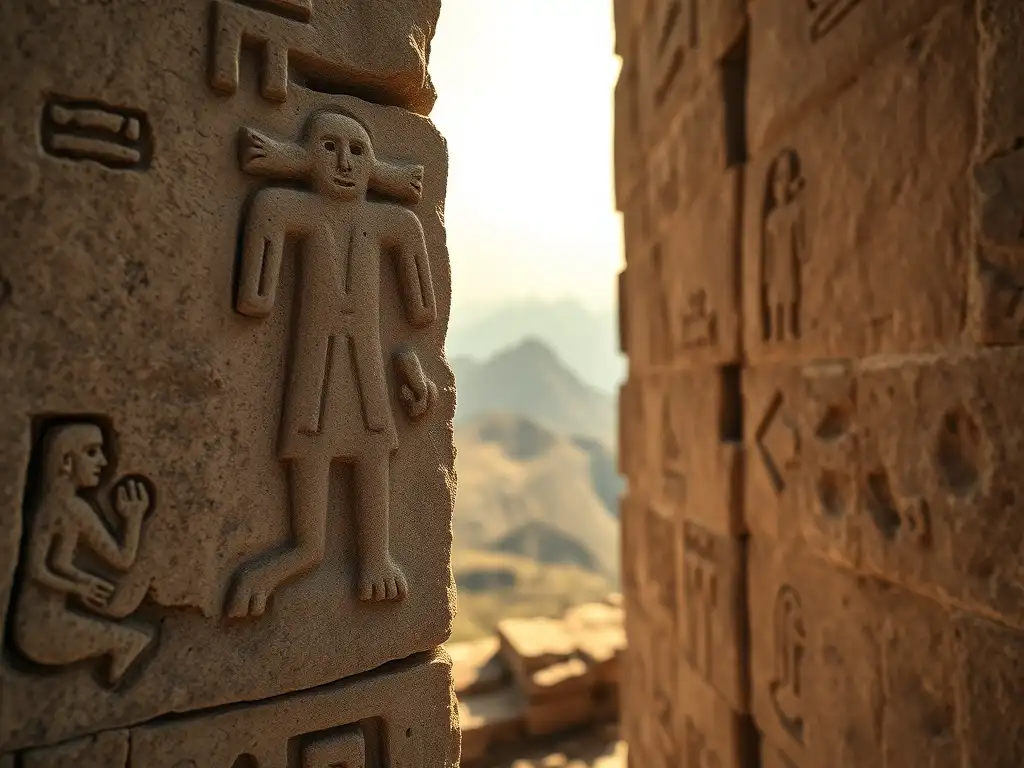
The sprawling ruins of Tiahuanaco, located on the shores of Lake Titicaca in modern-day Bolivia, have long captivated archaeologists. Recent discoveries have not only confirmed its significance as a major Andean civilization center but have also dramatically expanded our understanding of its complexity and influence. These "Andean civilization discoveries" challenge previous assumptions and reshape our narrative of this remarkable culture. The sheer scale of the site, its sophisticated urban planning, intricate religious iconography, and extensive trade networks all point to a level of sophistication previously underestimated.
The Scale of Tiahuanaco: New Evidence of Urban Planning and Complexity
Excavations over the past few decades have unearthed evidence of a far larger and more complex urban center than previously imagined. The initial understanding of Tiahuanaco often portrayed it as a ceremonial center, a relatively small site focused primarily on religious activities. However, recent findings reveal a sophisticated urban layout encompassing residential areas, monumental architecture, and extensive infrastructure.
The precise arrangement of buildings, the presence of elaborate water management systems, and the discovery of large-scale workshops suggest a highly organized society capable of complex engineering feats. For example, the precision in the construction of the Kalasasaya platform, with its massive stones precisely fitted together, speaks volumes about the advanced technological capabilities of the Tiahuanaco people. Analysis of the soil layers and the distribution of artifacts also reveals a phased construction, indicating a long period of continuous growth and development, far exceeding initial estimations.
This reveals a more nuanced picture of Tiahuanaco, one that goes beyond a purely ceremonial function to encompass a thriving urban environment capable of sustaining a large population. The scale of Tiahuanaco, as evidenced by these new discoveries, solidifies its status as one of the most important urban centers in pre-Columbian South America, a significant contribution to our understanding of Andean civilization discoveries.
Tiahuanaco Religion and Cosmology: Deciphering the Iconography
The intricate iconography found throughout Tiahuanaco's ruins provides invaluable insights into the religious beliefs and cosmology of its inhabitants. The iconic Gateway of the Sun, with its intricate carvings depicting a central deity surrounded by other figures, has been a focal point of study for decades. Recent research, utilizing advanced imaging techniques and comparative analysis with other Andean artifacts, has led to a more nuanced understanding of the iconography's meaning.
The symbols and figures are no longer seen as isolated elements but rather as part of a complex system representing a sophisticated cosmology involving concepts of creation, fertility, and possibly even astronomical observations. The recurring motifs of stylized figures, animals, and celestial bodies suggest a complex worldview that intertwined religious beliefs with the natural world. Furthermore, the discovery of new artifacts, such as intricately carved stone fragments and ceramic vessels bearing similar iconographic elements, adds further layers to our understanding of Tiahuanaco religion.
The ongoing decipherment of this rich iconographic language continues to unfold, revealing new aspects of Andean civilization discoveries and their spiritual beliefs. Further research is needed to fully understand the intricate details and symbolic meanings embedded within the Tiahuanaco's artistic expressions.
Trade and Networks: The Role of Tiahuanaco in Andean History
Tiahuanaco's influence extended far beyond its immediate geographical area. Evidence suggests that it played a crucial role in a vast trade network, connecting different regions of the Andes and facilitating the exchange of goods, ideas, and possibly even people. The discovery of Tiahuanaco-style artifacts in distant locations, coupled with isotopic analysis of human remains, indicates extensive interaction and exchange across significant distances.
This expansive trade network suggests a level of political and economic power that far surpasses previous estimations. The exchange of goods, such as ceramics, textiles, and precious metals, not only fueled the Tiahuanaco economy but also facilitated the dissemination of cultural practices and beliefs throughout the Andes. The extent of this network, its organization, and its impact on the broader Andean societies are still being investigated, but initial findings reveal a complex and dynamic system that shaped the history of the region.
The discovery of these extensive trade routes further enhances the importance of Tiahuanaco within the broader context of Andean civilization discoveries, solidifying its role as a major power broker and cultural influencer in pre-Columbian South America. Further research into the specifics of the trade routes and the exchanged goods is crucial to fully understanding Tiahuanaco's impact on the Andean world.
The Impact of Andean Civilization Discoveries on Historical Narratives
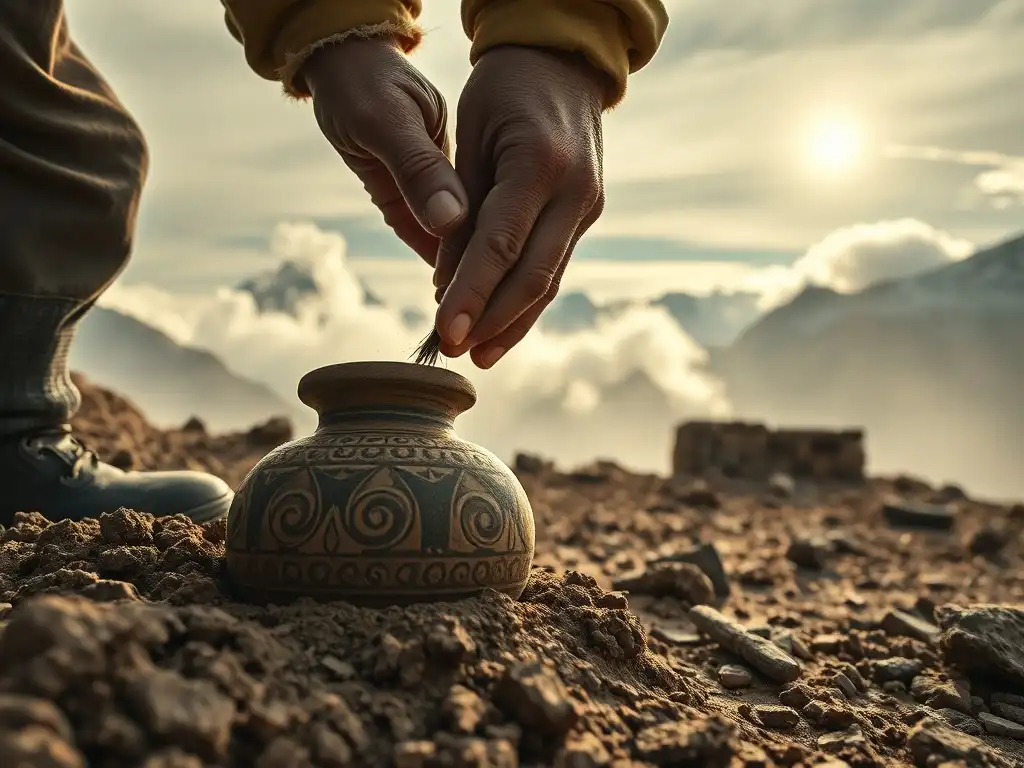
The discovery of new archaeological sites and artifacts consistently reshapes our understanding of Andean civilizations. For decades, the Inca Empire dominated narratives, often overshadowing the sophisticated cultures that preceded them. However, recent "Andean civilization discoveries" have dramatically altered this perspective, revealing a far more complex and interconnected history than previously imagined. This re-evaluation necessitates a reassessment of established timelines, power structures, and cultural exchanges across various Andean societies.
The influx of new data forces historians to reconsider long-held assumptions and integrate these new findings into a more nuanced and complete picture of Andean history. This isn't merely about adding details; it's about fundamentally changing the narrative arc itself. The previously linear progression of civilizations is giving way to a more intricate web of interactions, influences, and independent developments.
Reassessing Pre-Inca Civilizations: New Perspectives on their Influence
The discovery of previously unknown urban centers, intricate irrigation systems, and sophisticated metallurgical techniques associated with pre-Inca cultures like the Moche and Nazca has significantly altered our understanding of their influence on subsequent Andean societies. For example, the recent unearthing of a large ceremonial complex in [specific location pending] has revealed a level of architectural sophistication previously attributed only to the Inca.
This challenges the notion of a linear progression of technological advancement, suggesting a more complex interplay of innovation and cultural exchange. Furthermore, the discovery of extensive trade networks evidenced by the presence of similar artifacts across vast geographical distances highlights the interconnectedness of these pre-Inca societies and their significant contribution to the later development of the Inca Empire.
These findings strongly suggest that the Inca did not emerge in a vacuum, but rather inherited and built upon a rich legacy of technological and cultural achievements. The sheer scale and complexity of these pre-Inca developments, now increasingly visible thanks to recent discoveries, are rewriting the narrative of Andean civilization's origins and development.
The Interconnectedness of Andean Societies: Evidence from Recent Finds
Recent "Andean civilization discoveries" have powerfully demonstrated the intricate web of interactions between different Andean societies. The uncovering of [specific artifact type, e.g., pottery shards, textiles] bearing stylistic elements common to both the Wari and Tiwanaku cultures provides compelling evidence of extensive trade and cultural exchange between these seemingly disparate groups. This challenges the traditional view of these cultures as entirely separate entities and suggests a far greater level of interaction and mutual influence than previously understood.
The discovery of similar architectural styles across vast geographical areas, along with the presence of shared religious iconography, further supports this conclusion. Furthermore, analysis of isotopic signatures in human remains from different sites is providing further insights into migration patterns and population movements, contributing to a more nuanced understanding of the complex relationships between various Andean societies.
The picture emerging from these findings is one of dynamic interaction and adaptation, rather than isolated development. This interconnectedness, previously underestimated, is now central to understanding the development of Andean civilization.
Continuing Research: The Future of Andean Archaeological Exploration
The field of Andean archaeology is far from exhausted. Ongoing research, fueled by technological advancements in remote sensing, DNA analysis, and other scientific techniques, promises to reveal even more about the complexities of Andean civilizations. The use of LiDAR (Light Detection and Ranging) technology, for instance, has already led to the discovery of previously hidden settlements and infrastructure, demonstrating the potential for future breakthroughs.
Furthermore, continued excavations and the application of new analytical methods to existing collections will undoubtedly yield further insights into the daily lives, beliefs, and social structures of these fascinating societies. The potential for future "Andean civilization discoveries" is immense, promising to further enrich our understanding of this captivating chapter in human history.
The ongoing exploration and analysis of Andean sites hold the key to unlocking further secrets of this rich and complex past, continuously refining and reshaping our understanding of Andean civilization. The work is far from over; indeed, it is only just beginning.
The Significance of these Andean Archaeological Finds
The recent surge in Andean civilization discoveries has dramatically reshaped our understanding of these fascinating cultures. These aren't just isolated artifacts; they represent a complex interplay of social structures, technological advancements, and belief systems that continue to unfold before us. The sheer volume of new findings, from meticulously crafted textiles to sophisticated irrigation systems, challenges previously held assumptions and opens avenues for exciting new interpretations.
For example, the discovery of previously unknown ceremonial centers in the highlands has illuminated the extent of Inca influence beyond the capital city of Cusco, revealing a more decentralized and interconnected empire than previously thought. This challenges the traditional narrative of a rigidly controlled state, suggesting a more nuanced relationship between the central government and its peripheral regions. The implications of these discoveries for our understanding of Andean political organization are profound.
The unearthed evidence speaks to a dynamic and adaptive society, capable of both centralized control and regional autonomy. Understanding this dynamic is key to truly comprehending the longevity and success of the Inca Empire.
Understanding Cultural Continuity and Change in the Andes
One of the most exciting aspects of recent Andean civilization discoveries is their ability to illuminate the complex processes of cultural continuity and change across millennia. The Andes weren't simply a succession of isolated cultures; rather, there was a continuous exchange and adaptation of ideas, technologies, and artistic styles across different groups. For example, the discovery of Moche pottery fragments in Nazca sites suggests a level of interaction and exchange between these seemingly distinct cultures that was previously unknown.
This necessitates a re-evaluation of our understanding of cultural boundaries and the fluidity of cultural identities in the Andes. The uncovering of similar weaving techniques and architectural styles across different time periods and geographic locations further supports this dynamic exchange. This isn't simply about cultural diffusion; it's about the active negotiation and transformation of cultural practices in response to environmental pressures, technological innovations, and social change.
The intricate interplay between these factors created a vibrant and ever-evolving cultural landscape. Furthermore, the discovery of hybrid artifacts—objects blending stylistic elements from different cultural traditions—provides compelling evidence of cultural interaction and adaptation. This interwoven history underscores the need for a more nuanced and interconnected understanding of Andean cultural development.
The Importance of Preserving Andean Heritage
The unprecedented number of Andean civilization discoveries highlights the urgent need for robust preservation efforts. These sites, artifacts, and knowledge represent an irreplaceable heritage, not only for Peru and other Andean nations but for the entire world. Many of these discoveries are vulnerable to looting, environmental degradation, and the destructive effects of uncontrolled tourism. The implementation of effective preservation strategies is therefore paramount.
This includes not only physical protection of sites but also the development of sustainable tourism practices that benefit local communities and respect the cultural significance of these places. Moreover, the preservation of Andean heritage extends beyond the physical artifacts. It also encompasses the preservation of traditional knowledge, languages, and cultural practices that are still alive in many Andean communities today.
This requires collaboration between archaeologists, local communities, and government agencies to ensure that the preservation efforts are culturally sensitive and benefit the people whose heritage is being protected. The preservation of Andean heritage is not merely a matter of protecting the past; it is about securing a vibrant and sustainable future for Andean cultures and their descendants. A collaborative and holistic approach is essential to ensure the long-term preservation of this invaluable legacy.
Future Directions in Andean Archaeology: What to Expect
The future of Andean archaeology is bright, promising further exciting discoveries and a deeper understanding of these remarkable civilizations. Advanced technologies, such as LiDAR (Light Detection and Ranging) and ground-penetrating radar, are revolutionizing archaeological research, allowing for the non-destructive exploration of vast areas and the identification of previously unknown sites. This technological advancement will undoubtedly lead to many more significant Andean civilization discoveries in the coming years.
Furthermore, ongoing interdisciplinary collaborations between archaeologists, anthropologists, historians, and other specialists are leading to a more comprehensive and nuanced understanding of Andean societies. This collaborative approach is crucial for interpreting the complex interplay of social, environmental, and technological factors that shaped the development of these cultures. We can anticipate further research focusing on less-studied aspects of Andean life, such as the role of women, the complexities of social hierarchies, and the impact of climate change on Andean societies.
The continued integration of indigenous knowledge and perspectives in archaeological research is also essential for a more holistic and culturally sensitive understanding of Andean history. The future of Andean archaeology promises a deeper and more nuanced understanding of these fascinating civilizations, challenging existing narratives and revealing the surprising complexities of Andean life. The ongoing exploration of this rich heritage holds the key to unlocking many more secrets of the past.
Frequently Asked Questions
Recent discoveries include new Inca road networks in remote areas, revealing the extent of their infrastructure, and previously unknown ceremonial sites showcasing sophisticated astronomical knowledge. These finds challenge previous assumptions about Andean societies' complexity and reach.
How have these discoveries changed our understanding of Inca technology?
The discovery of intricate irrigation systems and advanced metalworking techniques has shown the Incas were far more technologically advanced than previously believed. This impacts our understanding of their engineering prowess and societal organization.
What role did astronomy play in Andean civilizations, based on recent findings?
Recent archaeological finds indicate a sophisticated understanding of astronomy. The precise alignment of ceremonial structures with celestial events reveals their deep knowledge of the cosmos, influencing their calendar systems and agriculture.
Beyond the Incas, what other Andean cultures have benefited from recent discoveries?
Discoveries related to the Moche and Nazca cultures have revealed new insights into their art, religious practices, and social structures. Elaborate tomb findings and complex irrigation systems highlight their remarkable achievements.
Where can I learn more about these exciting Andean civilization discoveries?
You can explore reputable academic journals, museum websites, and books dedicated to Andean archaeology and anthropology. Many documentaries and online resources also cover recent findings and their implications.
Final Reflection: Echoes of the Andes: A Legacy of Discovery
The unexpected finds detailed in this article are not merely historical footnotes; they are vibrant threads woven into the rich tapestry of our understanding of Andean civilization. These discoveries, from the intricate textiles of pre-Inca cultures to the sophisticated irrigation systems that sustained vast populations, continue to reshape our perceptions of human ingenuity and resilience in the face of challenging environments. The implications of these findings resonate far beyond academic circles, impacting our understanding of sustainable practices and the enduring power of human creativity.
The enduring legacy of Andean civilization, revealed through these surprising discoveries, underscores the importance of preserving and protecting our shared cultural heritage. These artifacts and sites are not just objects from the past; they are living testaments to the ingenuity and resilience of past societies. They offer invaluable lessons for our own time, reminding us of the interconnectedness of human experience across millennia. The past is never dead. It's not even past.
- William Faulkner. This quote perfectly encapsulates the ongoing relevance of these discoveries, constantly challenging and refining our understanding of the Andean world and its enduring impact on the present.
Consider the implications of these discoveries for your own life. How can we, as individuals and as a global community, better appreciate and protect the cultural heritage of all peoples? What steps can you take to learn more about the fascinating history of the Andes and the remarkable civilizations that thrived there? Let the echoes of these unexpected finds inspire you to explore, to learn, and to contribute to a future where the stories of the past continue to illuminate the path forward.
Unveil the Secrets of the Andes!
Thank you for joining us on this journey of discovery through the Andes. We hope you've gained valuable insights and inspiration from the rich history and culture of this magnificent region. Now, let's delve even deeper into the mysteries of these ancient civilizations!
Here are some ways you can continue your exploration:
- Join our community: Connect with fellow enthusiasts and share your thoughts and discoveries on our forum. Contribute to the ongoing conversation about Andean history and culture.
- Explore further: Discover more fascinating stories through our additional resources and articles. You might uncover some truly surprising information!
- Plan a visit: If you're feeling adventurous, plan a trip to the Andes! Document your own discoveries and uncover hidden gems.
What aspect of Andean history most surprised you, and how has it changed your perspective on these ancient civilizations?