
Beyond the Inca: Discovering the Rich Cultural Tapestry of PreCeramic Andes

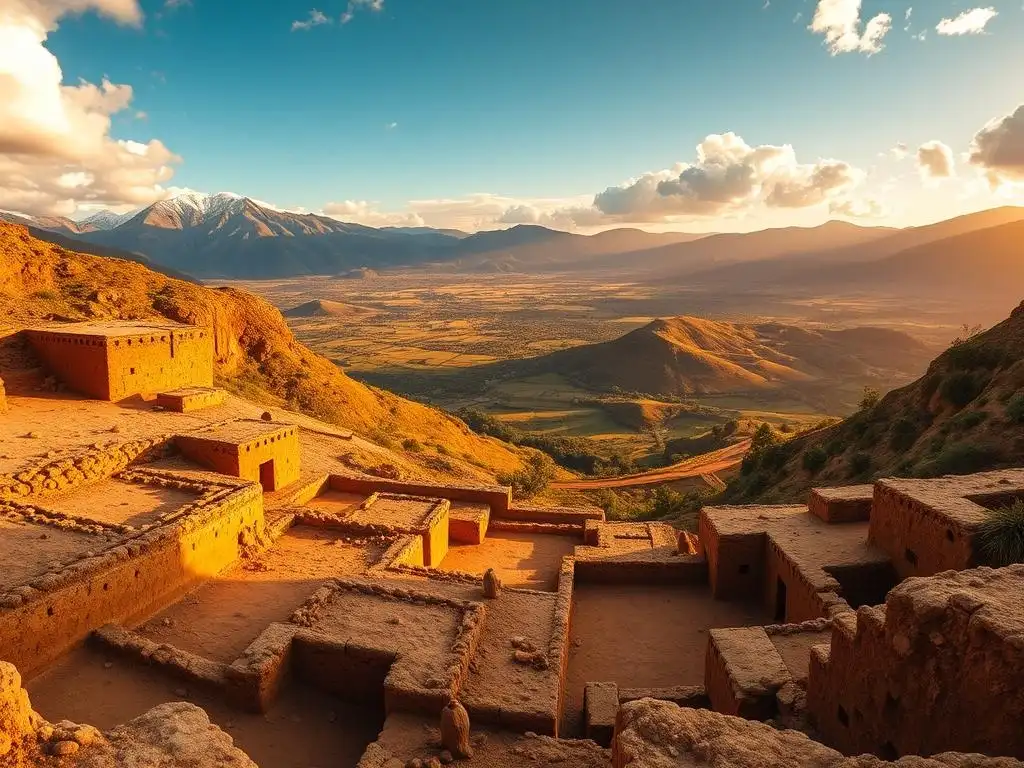
Welcome, explorer! Prepare to journey beyond the familiar face of the Inca Empire and delve into a world shrouded in mystery: the Preceramic Andean cultures. For centuries, these enigmatic civilizations shaped the very landscape of the Andes, leaving behind a legacy of breathtaking artistry and ingenious technology that continues to baffle and inspire. Discover their astonishing achievements and uncover the secrets hidden within their intricate societies – a journey into a past far richer and more complex than you ever imagined. Let's unravel the threads of this ancient tapestry together.
- Beyond the Inca: Unveiling the Preceramic Andean Cultures
- Early Settlements and Coastal Adaptations
- Inland Preceramic Developments: Agriculture and Early Villages
- Preceramic Art and Symbolic Expression
- The Transition to the Ceramic Period: A Cultural Shift
- Exploring the Archaeological Evidence of the Preceramic Andes
- The Enduring Importance of Preceramic Andean Studies
- Frequently Asked Questions
- Final Reflection: Weaving the Threads of Preceramic Andean Heritage
- Unveil the Wonders of the Preceramic Andes!
Beyond the Inca: Unveiling the Preceramic Andean Cultures
The Inca Empire, with its breathtaking Machu Picchu and intricate societal structures, often dominates narratives about Andean civilizations. However, a rich and complex tapestry of cultures predates the Inca by millennia, laying the groundwork for the later empires. This exploration delves into the fascinating world of Preceramic Andean cultures, a period marked by significant advancements in agriculture, social organization, and artistic expression, long before the rise of the Inca.
Understanding this foundational era is crucial to appreciating the full scope of Andean history and its lasting impact. We will examine the diverse societies that flourished during this period, highlighting their unique characteristics, innovations, and contributions to the vibrant cultural heritage of the Andes.
This journey will reveal a captivating story of human ingenuity and resilience, showcasing the ingenuity of communities who shaped the landscape and left behind a legacy that continues to inspire awe and wonder. Prepare to be amazed by the remarkable achievements of the Preceramic Andean cultures, a testament to human adaptation and cultural evolution in one of the world's most challenging yet rewarding environments.
Understanding the Preceramic Period in the Andes
The Preceramic period in the Andes, spanning roughly from 8000 BCE to 2000 BCE, represents a significant chapter in the region's history. This era witnessed the initial development of agriculture, a pivotal shift that profoundly impacted the social and economic structures of Andean societies. The domestication of plants like squash, beans, and potatoes provided a stable food source, leading to the establishment of settled communities and the growth of population centers.
Furthermore, this period saw the development of sophisticated irrigation techniques, essential for cultivating crops in the often-arid Andean landscape. Evidence suggests early forms of social organization, with increasing complexity in settlement patterns and the emergence of specialized labor. Remarkably, Preceramic Andean societies also demonstrated impressive artistic abilities, crafting elaborate textiles, intricate pottery (though not yet ceramic), and impressive monumental architecture, like the impressive platforms found in sites such as Caral.
The innovations and advancements of this era laid the foundation for subsequent cultural developments in the Andes, showcasing the ingenuity and adaptability of these early Andean inhabitants. The period wasn't monolithic; different regions developed at different paces, leading to a fascinating diversity of cultural expressions.
The Diverse Preceramic Societies of the Andean Region
The Preceramic Andes weren't a single, unified culture. Instead, a mosaic of distinct societies thrived across various ecological zones, each adapting to its unique environment and developing its own cultural traits. For example, coastal communities focused on marine resources and developed specialized fishing techniques, while those in the highlands relied heavily on agriculture and herding.
This diversity is reflected in the archaeological record, with variations in architectural styles, pottery designs, and burial practices. Some prominent Preceramic cultures include the inhabitants of Caral in the Supe Valley, known for their large-scale monumental architecture and complex social organization; and the early settlements of the central Andes, who demonstrated significant advancements in agriculture and irrigation. The development of these sophisticated systems wasn't merely technological; they reflected a complex understanding of social organization, resource management, and the environment.
Further research is needed to fully understand the interactions and relationships between these diverse groups, but the available evidence strongly suggests a vibrant and dynamic period of cultural development in the Preceramic Andes. The legacy of these early Andean cultures continues to resonate in the region's rich cultural heritage, reminding us of the profound impact of these pioneering societies.
Early Settlements and Coastal Adaptations
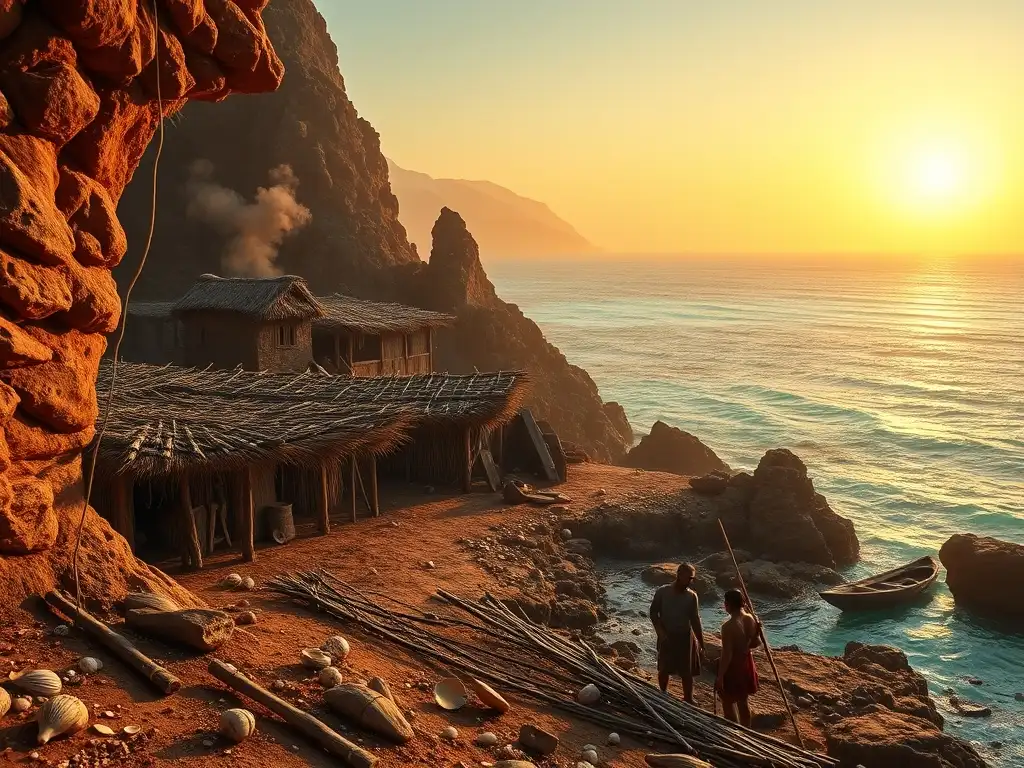
This section delves into the fascinating beginnings of settled life in the Andes, focusing specifically on the ingenuity and resourcefulness of Preceramic Andean cultures in adapting to the unique challenges and opportunities presented by the coastal environment. Understanding their strategies provides crucial insight into the development of complex societies in a seemingly inhospitable landscape. The coastal regions, far from being peripheral, played a pivotal role in shaping the trajectory of Preceramic Andean civilization.
The abundance of marine resources and the proximity to fertile valleys created a dynamic interplay of environmental factors that fostered innovation and population growth. We will examine how these early inhabitants harnessed these resources and developed sustainable strategies for survival and prosperity, laying the groundwork for later, more complex societies. The keyword "Preceramic Andean cultures" is central to understanding this era’s unique contributions to Andean history.
The Significance of Coastal Resources for Preceramic Andean People
The Preceramic Andean people, existing before the advent of pottery, demonstrated remarkable adaptability to the coastal environment. Their success was intrinsically linked to the exploitation of marine resources. The abundance of fish, shellfish, and marine mammals provided a reliable and nutritious food source.
Archaeological evidence, including shell middens and fish bones found at various sites, vividly illustrates the centrality of marine life in their diet. These findings paint a picture of sophisticated fishing techniques, suggesting the use of nets, hooks, and possibly even rudimentary boats for offshore fishing. Furthermore, the coastal areas offered access to salt, a crucial element for food preservation and trade, significantly impacting their lifestyle and social organization.
Beyond food, coastal resources provided materials for tools and shelter. Seashells were used to create ornaments, tools, and even building materials. Guano, the excrement of seabirds, served as a valuable fertilizer, boosting agricultural productivity in the nearby valleys. This integrated approach – combining marine and terrestrial resources – showcases the sophisticated understanding of their environment and the development of a sustainable way of life, a hallmark of Preceramic Andean cultures. The intricate relationship between the coastal environment and human settlement provides a key to understanding the development of early Andean societies.
Chinchorro Culture and its unique adaptations
The Chinchorro culture, flourishing along the arid northern coast of Chile between 7020 and 1500 BCE, stands out as a particularly striking example of adaptation to the coastal environment. Known for their incredibly well-preserved mummies, the Chinchorro people developed a unique and complex mortuary tradition reflecting their advanced social and technological capabilities. Their mastery of mummification techniques, predating even the Egyptian practices, suggests a sophisticated understanding of preservation techniques and a deep respect for their ancestors.
These mummies, often elaborately decorated, provide invaluable insights into their physical characteristics, clothing, and social structures. The “Preceramic Andean cultures” label certainly applies to the Chinchorro, given their pre-pottery origins and innovative approaches to life on the coast.
The Chinchorro also demonstrated skill in fishing and gathering. Their diet consisted primarily of marine resources, supplemented by terrestrial plants and animals. The aridity of the Atacama Desert presented significant challenges, demanding innovative strategies for water management and food storage.
Evidence suggests that they developed effective methods for preserving food, likely using techniques involving drying and salting, to ensure survival during lean periods. Their successful adaptation demonstrates the resilience and ingenuity of Preceramic Andean cultures facing environmental limitations. The Chinchorro culture’s unique mummification techniques and their mastery of coastal resources highlight the diversity and complexity within the broader context of Preceramic Andean cultures.
Inland Preceramic Developments: Agriculture and Early Villages

This section delves into the fascinating advancements of Preceramic Andean cultures situated away from the coast, focusing on their agricultural innovations and burgeoning village life. Understanding these inland developments provides crucial context to the broader narrative of Preceramic Andean cultures and their significant contributions to the region's history.
We will explore the origins of agriculture and the evolution of social structures in these early communities, highlighting their resilience and ingenuity in adapting to the challenging Andean environment. The keyword "Preceramic Andean cultures" will be explored through the lens of these inland achievements, revealing a complex and multifaceted picture of early Andean society.
The Origins of Agriculture in the Andes during the Preceramic Era
The development of agriculture in the Andes during the Preceramic period represents a monumental leap in human history. Unlike the coastal regions where marine resources played a significant role, inland communities relied heavily on cultivating crops adapted to the high-altitude, often harsh conditions. Evidence suggests that the domestication of plants, particularly Phaseolus vulgaris (common bean) and Lupinus mutabilis (tarwi), occurred independently in the Andes, showcasing a remarkable understanding of botany and environmental adaptation. 1
The process wasn't instantaneous; it involved centuries of experimentation and selection, leading to varieties uniquely suited to the Andean ecosystem. Archaeological findings from sites like Guitarrero Cave reveal the early stages of this process, with evidence of cultivated plants dating back to approximately 10,000 years ago. This early experimentation with agriculture laid the foundation for the later flourishing of more complex agricultural societies in the Andes.
The successful cultivation of these crops marked a significant shift from nomadic lifestyles to more settled, agrarian communities, paving the way for increased population density and social complexity. The ingenuity displayed in adapting crops to challenging environments further underscores the sophisticated understanding of the Preceramic Andean cultures.
Further Evidence of Early Andean Agricultural Practices
Recent research suggests that alongside beans and tarwi, other crops like *Solanum* species (potatoes and relatives) and various squashes were also being domesticated and cultivated during this period. However, the precise timeline and geographic distribution of these early agricultural practices require further research. The diversity of domesticated crops already present during the Preceramic period highlights the advanced level of agricultural knowledge attained by these early Andean communities.
The transition to agriculture facilitated the emergence of settled villages in the Andean highlands. These early communities, while relatively small compared to later Andean civilizations, exhibited a degree of social organization and complexity. Archaeological excavations have unearthed evidence of rudimentary housing structures, suggesting a more permanent way of life. The construction of these dwellings, often using locally sourced materials like stone and mud, reflects an understanding of local building techniques and environmental constraints.
While detailed social structures remain partially unclear, evidence suggests a degree of social stratification. Variations in the size and quality of dwelling structures, along with the presence of burial goods, hint at differences in status or wealth within these communities. The distribution of artifacts and the arrangement of settlements also offer insights into potential social hierarchies and specialized labor.
Analysis of the remains of food and tools suggests a division of labor, with some individuals specializing in agriculture while others focused on crafting tools or other essential goods. The development of these early social structures is a crucial step in understanding the trajectory of Andean civilizations and the evolution of their complex societies. The development of Preceramic Andean cultures in the highlands, therefore, involved not only agricultural innovation but also the genesis of social organization and the foundations for more complex social structures that would characterize later periods.
| Aspect of Village Life | Evidence and Interpretation |
|---|---|
| Housing | Rudimentary structures, variations in size suggesting social differentiation. |
| Subsistence | Agriculture (beans, tarwi, possibly potatoes), supplemented by hunting and gathering. |
| Social Organization | Hints of social stratification based on burial goods and housing variations. Evidence of specialized labor. |
1 Further research is needed to fully understand the precise timeline and methods of plant domestication in the Andean highlands. More detailed studies of pollen and plant remains from various sites are essential to refine our understanding of this crucial period in Andean history.
Preceramic Art and Symbolic Expression
This section delves into the fascinating world of artistic expression in the Preceramic Andes, a period preceding the widespread adoption of pottery. Understanding this era is crucial to grasping the full complexity of Andean cultural development, revealing the rich tapestry of traditions that laid the foundation for later civilizations. The focus here is on the sophisticated techniques and symbolic meanings embedded within the surviving artifacts, offering a glimpse into the beliefs, social structures, and daily lives of these early Andean communities.
Analyzing these preceramic expressions helps us understand the evolution of Andean artistic traditions and the development of complex societal structures long before the Inca. The study of "Preceramic Andean cultures" therefore offers a unique perspective on the origins of Andean civilization.
Early Forms of Andean Art before Ceramics: Textiles and Basketry
Before the advent of pottery, textiles and basketry served as primary mediums for artistic expression in the Preceramic Andes. These crafts demonstrate a remarkable level of skill and sophistication, showcasing intricate weaving techniques and innovative designs. Evidence suggests that specialized artisans, possibly within a hierarchical social structure, were responsible for producing these elaborate items.
The surviving fragments of textiles, often found in arid coastal caves offering exceptional preservation, reveal a range of techniques including plain weave, twill weave, and even complex tapestry techniques. These textiles were not merely functional; their designs often incorporated geometric patterns, stylized representations of animals, and possibly even narrative scenes, suggesting a rich symbolic language. Color was also a crucial element, with pigments derived from natural sources like minerals and plants creating vibrant hues. The use of these colors likely held symbolic meaning, varying regionally and potentially signifying social status or religious beliefs.
Basketry, another prominent craft, demonstrates comparable complexity. The intricate weaving patterns, often employing multiple plant fibers, suggest a deep understanding of material properties and an advanced level of technical skill. The shapes and sizes of the baskets varied greatly, reflecting their diverse functions, from storage containers to ceremonial objects. Some baskets were decorated with painted designs, further enhancing their aesthetic and potential symbolic value. The detailed craftsmanship of these objects showcases the ingenuity and artistry of Preceramic Andean societies.
Rock Art and its Cultural Significance in Preceramic Andes Societies
Rock art constitutes another significant aspect of Preceramic Andean artistic expression. Found across diverse landscapes, from coastal cliffs to highland caves, these petroglyphs and pictographs provide valuable insights into the beliefs and worldview of these early communities. The images, often abstract and symbolic, range from simple geometric patterns to more complex representations of animals, humans, and possibly supernatural beings.
The interpretation of Preceramic rock art remains a challenging task, as the meaning of many symbols is unclear. However, scholars have identified recurring motifs, suggesting shared cultural beliefs across different regions. For example, the frequent depiction of camelids (llamas and alpacas) likely reflects their importance as a resource for food, fiber, and transportation.
Other common motifs include stylized human figures, possibly representing deities or ancestors, and abstract symbols that may relate to ritual practices or cosmological beliefs. The location of rock art sites often suggests a connection to sacred places or significant landscape features, further highlighting their ritual significance. The careful study of rock art, combined with archaeological context, helps to unravel the complex social and religious life of Preceramic Andean cultures.
Huaca Prieta Textiles and their meaning
Huaca Prieta, an archaeological site on the north coast of Peru, is renowned for its exceptionally well-preserved textiles dating back to the early Preceramic period. These textiles, characterized by their intricate weaving techniques and use of natural dyes, represent some of the earliest examples of advanced textile production in the Americas. The significance of Huaca Prieta textiles extends beyond their technical achievements; their designs suggest a complex symbolic system reflecting the social and religious beliefs of the community.
The most striking feature of Huaca Prieta textiles is the prevalence of geometric patterns, often arranged in complex compositions. These patterns are not random; careful analysis suggests they may represent abstract concepts, possibly related to cosmology, social organization, or ritual practices. The use of specific colors and motifs might have held symbolic meaning, perhaps signifying social status, clan affiliation, or religious identity.
Further research into the context of discovery of these textiles—their association with specific structures or burials—is crucial to fully understanding their meaning. The Huaca Prieta textiles provide a unique window into the sophisticated artistic and symbolic systems that flourished in the Preceramic Andes, underscoring the advanced level of cultural development that existed long before the emergence of ceramics. The study of these textiles contributes significantly to our understanding of "Preceramic Andean cultures" and their artistic achievements.
The Transition to the Ceramic Period: A Cultural Shift
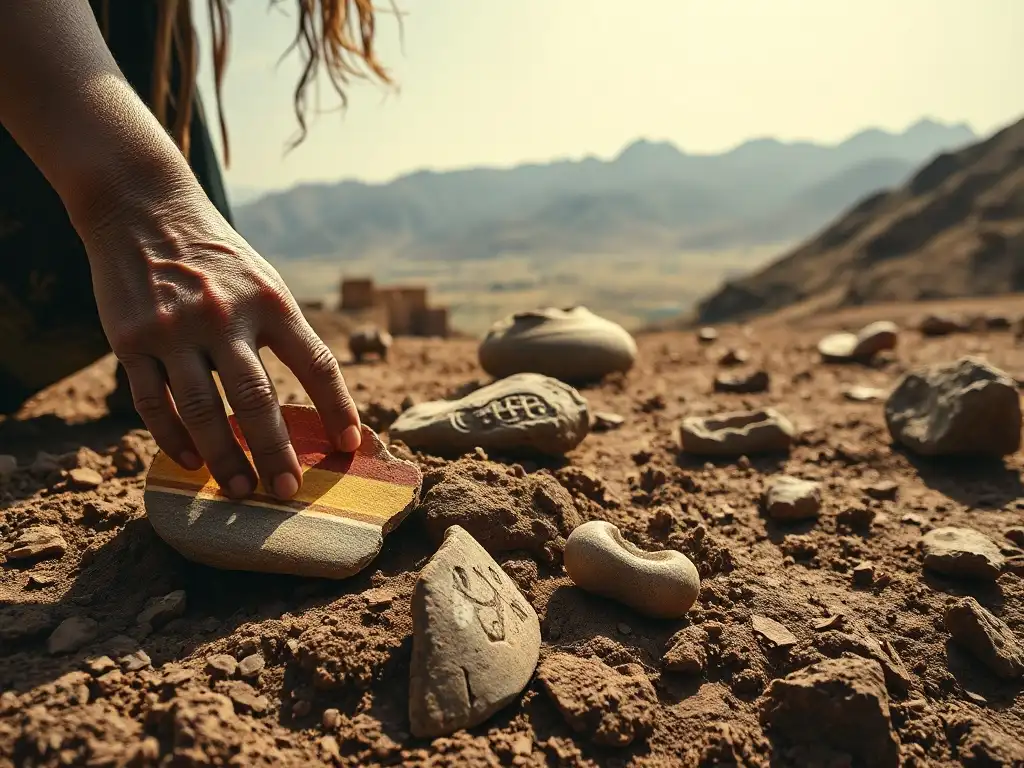
The shift from the Preceramic to the Ceramic period in the Andes marks a profound transformation in Andean societies, representing more than just the adoption of pottery. It signifies a broader cultural evolution, impacting social structures, religious beliefs, and technological advancements. While the exact timeline varies regionally, this transition generally occurred between 3000 and 1800 BCE, a period witnessing significant changes in settlement patterns, agricultural practices, and artistic expression.
Understanding this transition requires analyzing the interplay of various factors, revealing the complex processes that shaped Andean civilization. The development of pottery wasn't an isolated event; it was intrinsically linked to evolving social complexities and environmental adaptations. The emergence of sophisticated pottery techniques, for instance, coincided with the development of more complex social hierarchies and the expansion of agricultural production.
This period saw a rise in larger, more permanent settlements, suggesting a shift towards a more sedentary lifestyle, facilitated by advancements in agriculture and food storage. The increased stability provided by these developments likely played a crucial role in fostering the development of complex social structures and artistic expression, as seen in the elaborate pottery designs and the emergence of monumental architecture in some regions. Studying this transition helps us understand the origins of later Andean civilizations and their intricate connections to their Preceramic predecessors.
Factors Leading to the Adoption of Ceramics in the Andes
Several intertwined factors likely contributed to the adoption of pottery-making in the Andes. The need for more efficient food storage, driven by increased agricultural production, is a significant possibility. Preceramic societies relied heavily on perishable containers for storing food, limiting the quantity and longevity of their harvests. The development of ceramic vessels offered a solution, allowing for larger-scale storage and potentially contributing to population growth and the development of more complex social structures.
Another crucial factor was the development of suitable clays and firing techniques. Archaeological evidence suggests that early Andean potters experimented extensively with different clay types and firing methods, gradually refining their techniques to produce durable and functional vessels. The discovery of suitable clay deposits near settlements undoubtedly played a key role in the adoption of pottery-making.
Furthermore, the adoption of ceramics may have been influenced by social and ritualistic needs. Early ceramic vessels were often decorated with intricate designs, suggesting their use in ceremonies and rituals. Pottery may have served as a medium for expressing social status, religious beliefs, and cultural identity, contributing to the development of a more complex and stratified society.
The emergence of distinct pottery styles across different regions of the Andes further supports the idea of pottery playing a vital role in social and cultural identity. The evolution of pottery styles over time also reflects the dynamic nature of Andean societies and their adaptation to changing environments and cultural influences.
The Legacy of Preceramic Andean Cultures on Later Civilizations
The Preceramic Andean cultures, despite lacking pottery, left a profound legacy on their successors. Their mastery of agriculture, particularly the cultivation of crops like potatoes and quinoa, provided a foundation for the later development of sophisticated agricultural systems. The sophisticated irrigation techniques and terracing methods developed during the Preceramic period were adopted and refined by later Andean civilizations, allowing them to support larger populations and more complex social structures.
Moreover, the social organization and settlement patterns established during the Preceramic period laid the groundwork for the development of larger, more centralized states. The knowledge of resource management and social cooperation, honed over centuries, allowed for the construction of monumental architecture and the organization of complex labor systems. The transition to a more sedentary lifestyle, facilitated by improved agricultural practices, contributed to the rise of powerful urban centers in later Andean civilizations.
Finally, the artistic expression of Preceramic societies, as evidenced by their textile production and other forms of craftwork, influenced the aesthetic traditions of later Andean cultures. The intricate weaving techniques and the sophisticated use of natural dyes reflect a high level of artistic skill and creativity that paved the way for the development of elaborate artistic traditions in the Ceramic and subsequent periods.
The legacy of Preceramic Andean cultures is not simply a matter of historical precedence; it is an integral part of the cultural fabric of later Andean civilizations, demonstrating a continuity of innovation and adaptation that defined the region's remarkable history. Their innovations in agriculture, social organization, and artistic expression formed the bedrock upon which later Andean empires were built.
Exploring the Archaeological Evidence of the Preceramic Andes
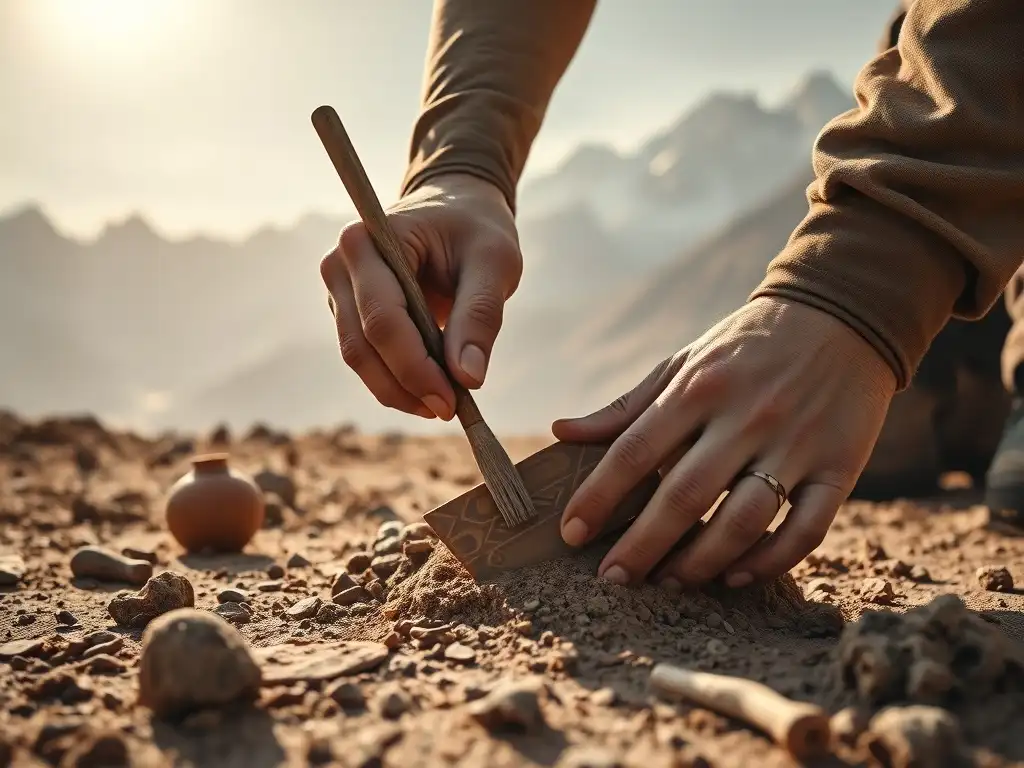
The study of Preceramic Andean cultures relies heavily on the meticulous excavation and analysis of archaeological sites. These sites offer invaluable glimpses into the daily lives, social structures, and technological advancements of these early Andean societies, long before the rise of the Inca Empire. Understanding the archaeological evidence is crucial to piecing together a comprehensive picture of their world.
The sheer diversity of findings, from sophisticated irrigation systems to intricate textiles, underscores the complexity and ingenuity of these pre-Inca civilizations. The careful preservation and ongoing research of these sites continues to reshape our understanding of this formative period in Andean history. The meticulous documentation of artifacts, alongside environmental analysis, provides a rich tapestry of information, revealing intricate details about their agricultural practices, religious beliefs, and social organization.
Furthermore, the application of advanced dating techniques, such as radiocarbon dating, allows for precise chronological frameworks, helping to order the sequence of cultural developments. This process of uncovering and interpreting the archaeological record is an ongoing endeavor, constantly refining our understanding of Preceramic Andean cultures.
Key Archaeological Sites Revealing Preceramic Andean Life
Several key archaeological sites across the Andes Mountains provide critical evidence of Preceramic Andean life. These sites, often spanning vast areas, reveal the sophisticated social organization and technological capabilities of these early societies. The careful excavation and analysis of these sites have yielded a wealth of information, ranging from the remnants of monumental architecture to the everyday tools and artifacts used by their inhabitants. The diversity of findings highlights the regional variations in cultural practices and adaptation to the challenging Andean environment.
| Site Name | Location | Notable Findings | Significance |
|---|---|---|---|
| Caral-Supe | Supe Valley, Peru | Extensive monumental architecture, evidence of complex social organization, sophisticated irrigation systems | Earliest known major urban center in the Americas |
| Huaricanga | Ancash, Peru | Evidence of early agriculture, including maize cultivation, and complex social structures | Important site for understanding early agricultural practices |
| Kotosh | Huánuco, Peru | Temples and ceremonial structures, evidence of early religious practices | Provides insights into early Andean religious beliefs |
| Cerro Paloma | Ica, Peru | Evidence of early cotton cultivation and textile production, sophisticated pottery | Highlights the importance of cotton and textile production |
| Aspero | Supe Valley, Peru | Large platform mounds, evidence of maritime activities, intricate pottery | Provides evidence of early coastal communities and trade networks |
The careful study of these sites, and many others like them, is essential to understanding the development of Preceramic Andean cultures. Each site offers unique insights into the diverse range of cultural practices and adaptations that shaped these early societies. The ongoing research continues to reveal new information, constantly refining our understanding of this significant period in Andean history. The meticulous excavation and analysis of these sites are crucial to piecing together a more complete picture of Preceramic Andean life.
Caral and its importance
Caral-Supe, located in the Supe Valley of Peru, stands out as one of the most significant Preceramic sites in the Americas. Dating back to approximately 2600 BCE, it's considered the oldest known major urban center in the Americas, predating many other well-known civilizations. The site's impressive scale and complexity challenge prior assumptions about the development of complex societies in the region.
Caral's importance lies not only in its age but also in the sophistication of its urban planning and social organization. The site features a series of large platform mounds, meticulously arranged and interconnected, suggesting a high degree of centralized planning and social control. Evidence of sophisticated irrigation systems, capable of supporting a large population, points to advanced agricultural techniques. Furthermore, the discovery of various artifacts, including musical instruments and finely crafted textiles, indicates a developed cultural life and specialized craft production.
The absence of evidence for warfare or social stratification, in contrast to later Andean societies, is also noteworthy. This suggests a potentially different model of social organization, perhaps based on cooperation and ritual practices. The ongoing research at Caral continues to reveal new insights into the complexity and uniqueness of this remarkable early Andean society. The site’s significance extends to the understanding of the development of urbanism and complex societies in the Americas, providing a crucial foundation for further research.
The discovery of Caral has fundamentally altered our understanding of the timeline and trajectory of societal development in the Andes, highlighting the sophistication of Preceramic Andean cultures. The unique characteristics of Caral, such as its emphasis on ritual and community, offer a fascinating counterpoint to the more militaristic and hierarchical societies that would emerge later in the Andean region. The study of Caral helps us appreciate the rich diversity of cultural expressions in the early Andes.
The Enduring Importance of Preceramic Andean Studies
The study of Preceramic Andean cultures—those societies flourishing in the Andes before the advent of pottery—offers a crucial window into the development of complex societies in the region. Often overshadowed by the more well-known Inca Empire, these early civilizations laid the groundwork for subsequent Andean advancements in agriculture, social organization, and monumental architecture. Understanding their contributions provides a more complete and nuanced narrative of Andean history, challenging simplistic, linear interpretations that often prioritize later, more “advanced” cultures.
The Preceramic period, spanning millennia, reveals a fascinating story of adaptation, innovation, and cultural exchange that significantly shaped the trajectory of Andean civilizations. Ignoring this foundational period risks a distorted understanding of the region's rich heritage.
The insights gained from analyzing Preceramic remains—from sophisticated irrigation systems to elaborate burial practices—are invaluable for comprehending the long-term processes that led to the rise of later Andean empires. This detailed examination of early Andean life provides a crucial counterpoint to narratives that focus solely on the Inca, enriching our understanding of the entire Andean cultural tapestry.
Relevance of Understanding Preceramic Cultures for Andean History
Understanding Preceramic Andean cultures is paramount for a complete understanding of Andean history. It provides the crucial foundational context for later developments. For instance, the sophisticated agricultural techniques developed during the Preceramic period, such as terracing and irrigation systems, were essential for supporting the larger populations of later Andean societies. These innovations weren't spontaneously invented; they were the result of centuries of experimentation and refinement by Preceramic communities.
Furthermore, the social structures and power dynamics observed in Preceramic settlements—evidenced by monumental architecture and complex burial rituals—offer insights into the origins of the hierarchical societies that characterized later Andean civilizations. The continuity and change in social organization, religious beliefs, and technological advancements throughout the Andean timeline are better understood by studying the Preceramic foundation. Without this understanding, the achievements of later cultures are viewed in isolation, neglecting the crucial contributions of their predecessors.
The Preceramic period demonstrates a long process of cultural evolution, not a sudden emergence of complex societies. Analyzing this period helps us appreciate the gradual accumulation of knowledge and innovation that underpinned Andean civilization's remarkable achievements. The study of Preceramic Andean cultures provides a more accurate and comprehensive historical narrative, challenging simplistic explanations of Andean development and enriching our appreciation of the region's cultural depth.
Lessons Learned from the Preceramic Andean Way of Life
The Preceramic Andean way of life offers valuable lessons in sustainable resource management and community organization. Their mastery of agriculture in challenging Andean environments demonstrates remarkable adaptability and ingenuity. The construction of sophisticated irrigation systems, terraces, and raised fields showcases their deep understanding of hydrology and their commitment to optimizing agricultural production. This knowledge, developed over centuries, allowed them to support larger and more sedentary populations, laying the groundwork for the development of complex societies.
Moreover, the evidence of communal labor and shared resources in some Preceramic settlements highlights the importance of cooperation and social cohesion in their societies. The elaborate burial rituals and the presence of monumental architecture suggest a strong sense of collective identity and shared belief systems. These practices reveal important insights into their social structures, religious beliefs, and values. Studying their resource management strategies provides valuable insights for addressing modern challenges related to sustainability and environmental conservation.
Their ability to thrive in harsh environments for millennia serves as a testament to their resilience and ingenuity, offering important lessons for contemporary societies facing similar environmental pressures. Furthermore, the collaborative efforts evident in their monumental constructions highlight the importance of social organization and collective action in achieving ambitious goals. The Preceramic Andean experience offers a rich case study in sustainable living and social organization, providing valuable lessons for the 21st century.
Frequently Asked Questions
What are Preceramic Andean cultures?
Preceramic Andean cultures refer to the societies that flourished in the Andes region before the widespread use of pottery (circa 3000 BCE). These cultures developed remarkable advancements in agriculture, architecture, and social organization, laying the groundwork for later civilizations. They are fascinating in their own right.
How did Preceramic Andean cultures survive without pottery?
They utilized a range of alternative technologies for storage and cooking, including woven baskets, gourds, and stone tools. Sophisticated agricultural techniques allowed them to produce surplus food, supporting larger populations. They also developed complex social structures.
What are some of the most significant Preceramic Andean sites?
Important sites include Caral in Peru, one of the oldest known urban centers in the Americas. Other key locations showcase evidence of advanced societal development and early forms of monumental architecture. These sites provide invaluable insights into their lives.
What were the main achievements of Preceramic Andean cultures?
These cultures achieved significant advancements in irrigation systems, allowing them to cultivate diverse crops in challenging terrains. They also developed complex social hierarchies and impressive architecture, indicating a high level of organization and planning. Their achievements laid the foundation for the later Andean civilizations.
How did Preceramic Andean cultures influence later civilizations?
Their advancements in agriculture, architecture, and social organization directly influenced the Inca and other later Andean societies. They established the foundations for advanced urban planning and complex political systems. Their legacy is deeply embedded in the Andean cultural heritage.
Final Reflection: Weaving the Threads of Preceramic Andean Heritage
The vibrant tapestry of Preceramic Andean cultures, far from being a relic of the past, continues to resonate deeply within the contemporary world. Their innovative agricultural techniques, sophisticated social structures, and breathtaking artistic expressions offer invaluable lessons in sustainability, community building, and the enduring power of human creativity. Understanding their legacy is not merely an academic exercise; it is crucial for navigating the challenges of our own time.
The impact of these early Andean societies extends far beyond the archaeological record; their influence subtly shapes our understanding of human potential and societal development. Their ingenuity in adapting to diverse environments, their complex social hierarchies, and their profound spiritual beliefs continue to inspire awe and wonder. As the anthropologist, Clifford Geertz, eloquently stated, Man is an animal suspended in webs of significance he himself has spun.
The Preceramic Andes demonstrate this beautifully, showcasing the intricate webs of meaning woven by a civilization that laid the foundation for future Andean greatness.
Consider the ingenuity of their agricultural practices, the artistry of their pottery, the complexity of their social organization. These are not just historical facts; they are powerful reminders of human resilience, innovation, and the enduring capacity for cultural expression. You, the reader, are now part of this ongoing conversation.
Reflect on the connections between these ancient societies and your own life. How can we learn from their successes and challenges to build a more sustainable and equitable future? Let the legacy of the Preceramic Andes inspire you to explore your own cultural heritage and contribute to a world rich in diversity and understanding.
Unveil the Wonders of the Preceramic Andes!
Thank you for exploring the rich cultural tapestry of the Preceramic Andes with us! Your interest in these ancient civilizations is truly appreciated. Let's delve deeper into the history that shaped this remarkable region.
Here's how you can immerse yourself in the fascinating world of Andean civilizations:
- Explore local museums: Discover firsthand the remarkable artifacts of Andean cultures by visiting a museum with relevant exhibitions.
- Connect with fellow enthusiasts: Share your passion by joining online forums or local groups dedicated to Andean culture and history.
- Spread the word: Inspire others by sharing your discoveries on social media or with friends and family.
What aspect of Andean history most fascinates you, and how will you share that passion with others?