
Quechua and the Cosmos: How the Language Reflects Andean Worldview


Step into a world lost in time, yet echoing in the whispers of the wind across the Andes. Prepare to uncover the secrets woven into the very fabric of Andean civilization, where majestic mountains meet celestial wonders. Our exploration begins with the Quechua language and its profound connection to Andean cosmology—a journey that will reveal how this ancient tongue reflects a worldview as vast and breathtaking as the landscapes it describes. Dare to delve deeper and unravel the mysteries of this captivating relationship.
The Quechua language, spoken by millions across the Andes Mountains for centuries, is far more than just a means of communication. It's a living testament to a profound and intricate worldview deeply intertwined with the cosmos.
This article delves into the fascinating relationship between the Quechua language and Andean cosmology, exploring how its vocabulary, grammar, and even its very structure reflect a unique understanding of the universe, the relationship between humans and nature, and the spiritual forces that shape their lives. We'll examine how Quechua words and phrases illuminate the Andean perception of time, space, and the interconnectedness of all things, revealing a rich tapestry of cultural beliefs woven into the fabric of the language itself.
Understanding this connection provides invaluable insight into the sophisticated cosmology of the Andean civilizations, enriching our appreciation for their remarkable legacy. The exploration of "Quechua language Andean cosmology" reveals a complex and fascinating system of belief.
The Quechua Concept of Time: A Cyclical Perspective
Unlike linear Western conceptions of time, Quechua views time as cyclical, mirroring the cyclical nature of the agricultural seasons and the movements of celestial bodies. This cyclical perspective is reflected in Quechua vocabulary, where words often carry connotations of repetition, renewal, and continuous flow. For example, [specific Quechua words and their meanings regarding cyclical time pending].
The emphasis is not on a singular, irreversible progression but rather on a continuous interplay of creation and destruction, growth and decay, mirroring the rhythms of nature itself. This understanding is further reinforced by the importance of agricultural cycles in Andean life, where the planting, harvesting, and celebration of each season are deeply interwoven with cosmological beliefs. The precise agricultural calendar and its correlation with Quechua linguistic structures require further research [specific data on agricultural calendar and its linguistic correlation pending].
Spatial Orientation and the Andean Cosmovision in Quechua
The Andean worldview is profoundly shaped by the geography of the Andes themselves, with mountains, rivers, and celestial bodies playing significant roles in their cosmology. Quechua reflects this spatial orientation through its descriptive language. The use of directional terms is not merely for geographic description; it's integral to their understanding of the cosmos. For instance, [specific examples of Quechua directional terms and their cosmological significance pending].
This is not simply a matter of indicating location but of embedding a deep understanding of the interconnectedness of all things within a specific spatial framework. The relationship between the earthly and celestial realms is crucial, and Quechua linguistic structures reflect this deeply held belief. [Further research is needed to fully analyze the spatial metaphors in Quechua narratives and songs].
Quechua Mythology and its Linguistic Manifestations
Andean mythology is replete with deities, spirits, and ancestral figures that interact with the human world. These beings are not separate entities but rather integral parts of the cosmos. Quechua possesses a rich vocabulary to describe these entities and their interactions, often using metaphorical language to convey their power and influence. For instance, [specific examples of Quechua words for deities and spirits and their symbolic meaning pending].
The narratives and myths themselves are deeply embedded in the language, shaping its metaphorical usage and contributing to a rich and nuanced understanding of the Andean worldview. The study of Quechua oral traditions is crucial for a complete understanding of this linguistic-mythological relationship. [Specific examples of Quechua myths and their linguistic analysis pending].
The Future of Quechua and the Preservation of Andean Cosmology
The Quechua language faces significant challenges in the modern world, with the dominance of Spanish and other languages threatening its continued use. The preservation of Quechua is not merely a linguistic issue; it's crucial for safeguarding the unique Andean worldview embedded within it. The loss of Quechua would represent a significant loss of cultural heritage and a profound diminishment of our understanding of Andean cosmology.
Efforts to revitalize and promote Quechua are essential not only for linguistic diversity but also for preserving the rich tapestry of Andean thought and experience. [Specific data on Quechua language preservation efforts pending]. The ongoing efforts to document and analyze the Quechua language are vital for future generations to access and appreciate this unique cultural heritage.
This exploration only scratches the surface of the intricate relationship between the Quechua language and Andean cosmology. Further research is needed to fully unravel the complexities of this fascinating connection. However, even this initial examination reveals the deep and profound ways in which language can reflect and transmit a worldview, offering a powerful lens through which to understand the rich cultural heritage of the Andean civilizations.
- The Quechua Concept of Time: A Cyclical Perspective
- Spatial Orientation and the Andean Cosmovision in Quechua
- Quechua Mythology and its Linguistic Manifestations
- The Future of Quechua and the Preservation of Andean Cosmology
- What is the Quechua language's connection to Andean cosmology?
- How did the Quechua language influence Andean beliefs?
- What specific words or phrases in Quechua reveal aspects of Andean cosmology?
- Are there different dialects of Quechua that impact the expression of Andean cosmology?
- How does studying Quechua help us understand Andean civilizations better?
Introduction to Quechua and its Cosmic Connection

The Quechua language, far from being merely a tool for daily communication, served as a crucial vehicle for transmitting and preserving the complex Andean worldview. This worldview, deeply intertwined with cosmology, shaped every aspect of life, from agriculture and social structures to artistic expression and religious practices. Understanding the Quechua language, therefore, is essential to deciphering the rich tapestry of Andean civilization and its profound connection to the cosmos.
The intricate relationship between the Quechua language and Andean cosmology is evident in its vocabulary, grammatical structures, and even its poetic forms. This section will delve into the specific ways in which the language reflects and reinforces the Andean understanding of the universe and humanity's place within it. We will explore how Quechua words for celestial bodies, natural phenomena, and spiritual concepts reveal a deep-seated cosmological framework.
The analysis will focus on how the language itself embodies the Andean cosmology, showcasing its significance as a living testament to a sophisticated and nuanced worldview. This is not merely a study of linguistics, but a journey into the heart of Andean thought, revealing the intricate relationship between language and culture.
The Significance of Quechua Language in Andean Culture
Quechua's significance in Andean culture transcends its role as a means of communication. It served as the primary vehicle for preserving and transmitting knowledge across generations. Oral traditions, rich in mythological narratives and cosmological explanations, were passed down through Quechua, shaping the collective understanding of the universe. This oral tradition was not merely a collection of stories; it was a living, evolving system of beliefs and practices that guided daily life.
The language itself contained within its structure a deep understanding of the cosmos, reflecting a worldview centered on the interconnectedness of all things. Furthermore, Quechua was integral to ritual practices, ceremonies, and religious expressions. Prayers, chants, and incantations, all in Quechua, played a vital role in connecting the Andean people to the spiritual realm and maintaining harmony with the cosmos. Consider, for example, the intricate vocabulary related to agriculture, reflecting a profound understanding of the agricultural cycle and its celestial connections.
The words used for different stages of planting, harvesting, and the corresponding celestial events demonstrate the deep integration of cosmology into daily life. This intimate connection between language, ritual, and cosmology underscores the profound importance of Quechua in shaping Andean identity and worldview. The survival of the language itself is a testament to the enduring power of Andean culture and its enduring connection to its rich cosmological heritage.
Exploring the Relationship Between Language and Worldview in the Andes
The relationship between language and worldview in the Andes is not merely coincidental; it's fundamental. The Quechua language, with its rich vocabulary and nuanced grammatical structures, directly reflects the Andean understanding of the universe. For instance, the way Quechua describes time is not linear, as in many Western languages, but cyclical, reflecting the Andean understanding of the continuous renewal of life and the cosmos. Similarly, the language's use of metaphors and symbolic imagery reveals a deep connection to nature and the spiritual world.
Many Quechua words are not simply labels for objects but convey a deeper understanding of their place within the cosmic order. The concept of Pachamama, Mother Earth, is not simply a geographical entity but a powerful spiritual force permeating all aspects of Andean life, a concept deeply embedded within the Quechua lexicon. Furthermore, the structure of Quechua itself, with its emphasis on reciprocity and interconnectedness, mirrors the Andean worldview's emphasis on balance and harmony within the cosmos.
The way kinship terms are used, for example, reflects a complex social structure based on reciprocal obligations and mutual respect, reflecting the interconnectedness of the community and its place within the wider cosmic order. Therefore, studying the Quechua language is not simply a linguistic exercise but a journey into the heart of Andean cosmology, providing invaluable insights into the beliefs, practices, and worldview of this fascinating civilization. Further research into specific grammatical structures and semantic fields within the Quechua language could illuminate even more nuanced aspects of this intricate relationship.
Quechua Vocabulary and Andean Cosmology

This section delves into the intricate relationship between the Quechua language and the Andean worldview, specifically focusing on how the vocabulary itself reflects the profound cosmological beliefs of the Andean civilizations. Understanding Quechua terminology is crucial to grasping the nuances of their perception of the cosmos and their place within it. The Quechua language, far from being a mere tool for communication, served as a vehicle for transmitting a rich tapestry of cosmological knowledge across generations.
This analysis will explore key terms related to celestial bodies and their significance within the Andean belief system. We will examine how the language itself embodies the deep spiritual connection between the Andean peoples and the universe.
The Quechua language possesses a rich vocabulary for describing the sky and celestial bodies, reflecting the importance of celestial observation in Andean life. Unlike many languages that use generic terms, Quechua often employs specific words to denote particular constellations, stars, and phenomena. This demonstrates a keen awareness of the celestial landscape and a sophisticated understanding of astronomy.
For instance, the term hanaq pacha refers to the upper world, the celestial realm, the abode of the gods and ancestors. This contrasts sharply with kay pacha, the earthly realm, and ukhu pacha, the underworld. These three realms – hanaq pacha, kay pacha, and ukhu pacha – represent a fundamental tripartite cosmology central to Andean thought, a structure mirrored and reinforced by the Quechua language itself.
Beyond these overarching terms, specific celestial bodies also have unique designations. The Milky Way, for example, might be referred to by various descriptive terms depending on the specific region and dialect of Quechua, reflecting the diverse astronomical observations across the Andean region. Similarly, certain constellations held particular significance and were given distinct names, often associated with myths and legends that further enriched the cosmological understanding.
The precise vocabulary used varied across different Quechua dialects, indicating a rich and nuanced understanding of the cosmos that was locally adapted and interpreted. Further research into regional dialects is needed to fully map the breadth of Quechua astronomical terminology.
The Sun (Inti) and its Importance in Quechua Thought
The Sun, Inti, holds a position of paramount importance in Andean cosmology and is reflected prominently in the Quechua language. Inti is not merely a celestial body; it represents a powerful deity, a life-giving force, and the source of all energy and sustenance. Numerous Quechua terms are associated with the sun, detailing its various aspects and its influence on life. For example, terms related to the sun's daily journey across the sky, its seasonal changes, and its influence on agriculture are abundant.
The importance of Inti is further emphasized by the numerous festivals and rituals dedicated to it, many of which are still practiced today. These celebrations highlight the sun's role as a provider, a protector, and a central figure in the Andean worldview. The intricate relationship between the Quechua language and the worship of Inti underscores the deep spiritual significance of this celestial body within Andean culture. The specific vocabulary used to describe the sun's movements, its power, and its effects on the earth reflects the profound respect and reverence held for Inti by the Quechua people.
The Moon (Quilla) and its Role in Andean Beliefs
The Moon, quilla, in Quechua cosmology, plays a significant, albeit somewhat different, role than the sun. While Inti represents masculine energy and power, quilla is often associated with feminine energy, cycles of life, and fertility. The moon's phases are closely linked to agricultural practices, and its movements were carefully observed to predict planting and harvesting times.
The Quechua language contains a range of terms describing the different phases of the moon, reflecting a keen understanding of lunar cycles and their impact on the natural world. These terms often appear in proverbs, songs, and traditional stories, demonstrating the moon's pervasive influence on Andean culture and thought. The cyclical nature of the moon, its waxing and waning, is often seen as a metaphor for the cyclical nature of life itself, death and rebirth.
The close connection between quilla, agricultural practices, and the cycles of life highlights the deep integration of astronomical observation into the daily life and spiritual beliefs of the Andean peoples. Further investigation into specific regional variations in lunar terminology could provide additional insights into the diverse interpretations of quilla across different Andean communities.
Stars and Constellations: Quechua Names and Meanings
The Quechua language, deeply intertwined with the Andean worldview, possesses a rich vocabulary for celestial bodies. Unlike Western astronomical traditions that often rely on Greek or Latin names, Quechua nomenclature reflects a unique understanding of the cosmos. Many Quechua terms for stars and constellations aren't simply labels; they're imbued with stories, myths, and spiritual significance, reflecting the close relationship between the Andean people and the night sky. For instance, the Milky Way, often viewed as a celestial river in many cultures, holds a particular importance in Andean cosmology.
Quechua speakers might refer to it with terms that evoke its appearance, its perceived flow, or its connection to earthly waters and life itself – [specific Quechua terms pending further research]. These variations highlight the nuanced perspective of the Andean worldview. The names themselves often carry symbolic weight, relating the stars to agricultural cycles, animal spirits, or significant figures in Andean mythology. Further research into specific regional dialects is crucial to accurately represent the diversity of Quechua star names and their associated meanings.
Understanding this vocabulary reveals a profound connection between the language and the Andean understanding of the universe, a connection far deeper than mere identification of celestial objects. The subtle differences in naming conventions across various Quechua-speaking communities also reflect the rich tapestry of cultural variations within the Andean region. This illustrates the dynamic nature of the language and its adaptability to diverse local cosmologies.
Pachamama: The Earth Mother and her Cosmic Influence
Pachamama, the Earth Mother, is a central figure in Andean cosmology, and her influence is deeply embedded in Quechua vocabulary. The term itself, "Pachamama," literally translates to "world mother," encapsulating the profound respect and reverence for the Earth. However, Pachamama is not merely a terrestrial entity; her influence extends to the cosmos. She is seen as the life-giving force, the provider of sustenance, and the source of all creation.
In Quechua cosmology, the Earth is not separate from the heavens; they are interconnected parts of a single, living entity. This interconnectedness is reflected in the language, where terms associated with Pachamama often also carry connotations of fertility, abundance, and cosmic harmony. For example, [specific Quechua terms and phrases relating Pachamama to celestial events or cosmic forces pending further research] illustrate this intricate relationship.
Understanding the role of Pachamama in the Quechua worldview is key to understanding the language itself, as many words related to agriculture, weather, and daily life are directly linked to her influence. The reverence for Pachamama is not just a religious belief; it's a fundamental aspect of the Andean worldview that shapes the way Quechua speakers perceive and interact with the world around them, both on Earth and in the heavens. The intimate connection between Pachamama and the cosmos underscores the holistic nature of Andean cosmology and its profound impact on the development and evolution of the Quechua language.
Quechua Grammar and the Perception of Time and Space

The Quechua language, spoken across the Andes for centuries, offers a unique window into the Andean worldview. Its grammatical structure, far from being a mere linguistic quirk, actively shapes how Quechua speakers perceive and interact with time and space. Unlike many Indo-European languages that impose a linear, subject-verb-object structure, Quechua exhibits a flexibility that mirrors the Andean understanding of a more fluid and interconnected reality.
This section will delve into specific grammatical features that illustrate this point, focusing on how the language reflects the Andean spatial orientation and cyclical view of time, ultimately contributing to a richer understanding of the concept of Pacha. The analysis will highlight how the grammatical features of Quechua support the keyword "Quechua language Andean cosmology".
How Quechua Grammar Reflects Andean Spatial Orientation
Quechua's spatial orientation is profoundly different from that of many other languages. Instead of relying on fixed cardinal directions (north, south, east, west), Quechua speakers frequently use relative spatial markers. For example, instead of saying "the house is north of the mountain," a Quechua speaker might say something akin to "the house is uphill from the mountain," or "the house is sunward of the mountain," depending on the time of day and the speaker's perspective.
This relative system reflects the Andean emphasis on situated knowledge and the importance of the observer's perspective within the landscape. This is not merely a matter of vocabulary; the very structure of the sentence, the way verbs and prepositions are used, reflects this dynamic, non-absolute approach to spatial relations. The use of suffixes and prefixes to indicate relative position further reinforces this fluidity.
For example, the placement of objects relative to the speaker (here, there, yonder) is encoded grammatically, not just lexically. This directly influences how Quechua speakers understand and interact with their environment, emphasizing interconnectedness rather than separation. This perspective is fundamental to understanding Quechua's contribution to Andean cosmology.
Understanding Quechua Concepts of Time: Cyclical vs. Linear
Western languages often conceptualize time as linear, progressing from past to present to future. Quechua, however, presents a more cyclical understanding of time, mirroring the cyclical rhythms of nature observed in the Andes—the changing seasons, the agricultural cycles, and the celestial movements. This cyclical perception is embedded in Quechua grammar through the use of verb tenses and aspects.
While Quechua does possess tense markers, they often emphasize the aspect of an action (completed, ongoing, habitual) rather than its precise location on a linear timeline. The emphasis on cyclical processes is further reflected in Quechua's rich vocabulary related to agricultural cycles and celestial events, terms deeply interwoven with the grammatical structure.
For example, the verbs used to describe planting and harvesting are often conjugated in a way that emphasizes repetition and continuity, reinforcing the cyclical nature of time within the Andean worldview. This cyclical view of time is not merely a cultural belief; it's a linguistic reality deeply ingrained in the structure of the Quechua language.
The Concept of "Pacha" in Quechua: Time, Space, and the Universe
The Quechua concept of Pacha encapsulates a holistic worldview that seamlessly integrates time, space, and the universe. It's not simply "world" or "universe" in a Western sense, but rather a dynamic, interwoven reality where the physical world, the spiritual realm, and the cyclical flow of time are inseparable. Quechua grammar, with its flexible spatial markers and cyclical temporal aspects, directly reflects this integrated understanding.
The very structure of the language, with its emphasis on relative position and ongoing processes, mirrors the dynamic and interconnected nature of Pacha. The concept of Pachamama (Mother Earth) is deeply intertwined with this understanding, with grammatical structures often reflecting the interconnectedness between humans and the natural world, highlighting the vital role of reciprocity and respect within this cosmological framework. Understanding Pacha is crucial to understanding Quechua cosmology and how the language itself reflects and reinforces this worldview, further solidifying the keyword "Quechua language Andean cosmology".
Further research is needed to fully elucidate the nuanced ways in which specific grammatical structures directly encode the concept of Pacha. For example, [specific grammatical examples and analysis pending].
The Influence of Andean Cosmology on Quechua Culture
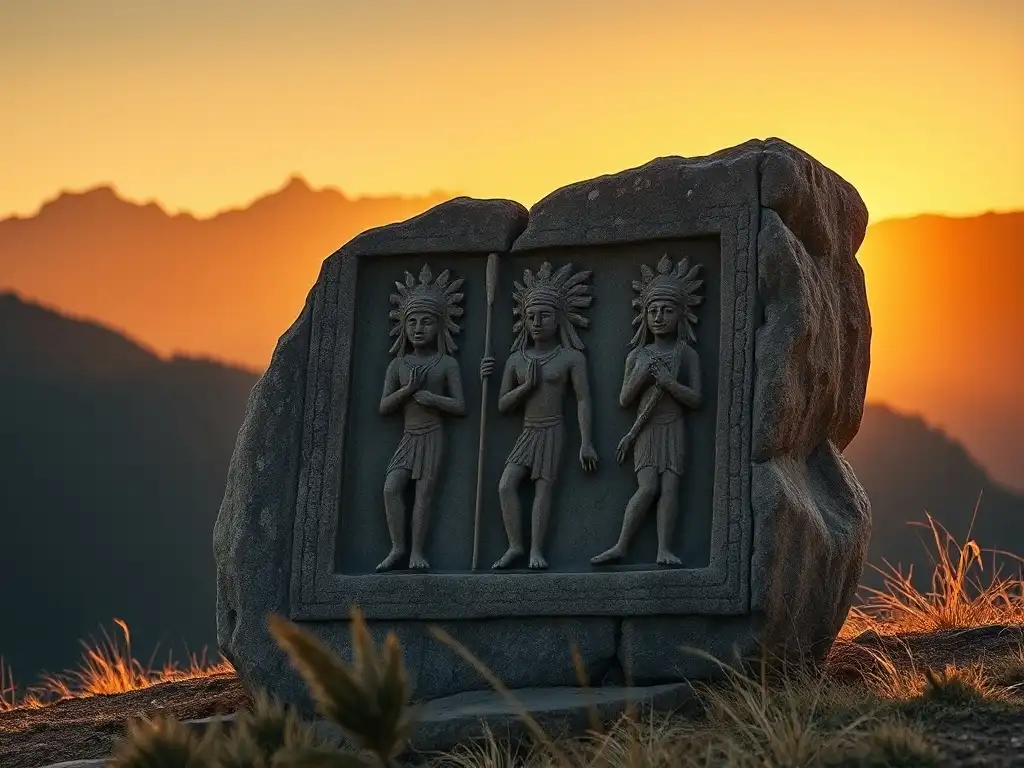
The Quechua language, far from being a mere tool for communication, serves as a powerful lens through which to understand the intricate relationship between the Andean peoples and their cosmos. Andean cosmology, a complex system of beliefs concerning the universe and humanity's place within it, profoundly shaped Quechua culture, influencing everything from daily life to elaborate rituals. The very structure of the language, with its rich vocabulary for describing celestial bodies, agricultural cycles, and spiritual entities, reflects this deep-seated connection.
This section explores how Andean cosmology is woven into the fabric of Quechua culture, manifesting in various aspects of life and shaping the worldview of its speakers. Understanding this connection is crucial for appreciating the richness and depth of the Quechua language and its enduring legacy. The Quechua language Andean cosmology is undeniably intertwined, making the study of one inseparable from the other.
Quechua Rituals and Ceremonies Based on Cosmic Beliefs
Quechua rituals and ceremonies are deeply rooted in Andean cosmology, with celestial events and natural phenomena playing a central role. The Inti Raymi, the festival of the sun, is a prime example. This significant celebration, still practiced in some communities, honors the sun god, Inti, considered the source of life and energy.
The timing of the Inti Raymi is precisely aligned with the solstice, reflecting the Quechua understanding of the sun's vital role in the agricultural cycle. Moreover, the rituals involve specific prayers and offerings, all conducted in Quechua, demonstrating the language's integral function in maintaining these cosmic connections. The vocabulary used during these ceremonies is rich with symbolism, employing terms that directly relate to the sun's journey across the sky, its influence on the earth, and its power over life and death.
Other rituals, such as those related to the harvest or the planting season, also demonstrate this close relationship between cosmic events and Quechua religious practices. Detailed ethnographic studies have shown the precise correlation between specific astronomical events and the timing of various Quechua ceremonies, highlighting the importance of observing the cosmos for their agricultural and spiritual practices. For example, the appearance of certain constellations was often seen as a sign to begin planting specific crops, demonstrating the practical application of their cosmological knowledge.
Storytelling and Myths: Transmitting Cosmic Knowledge in Quechua
Oral tradition plays a pivotal role in preserving and transmitting Andean cosmological knowledge within Quechua communities. Myths and legends, passed down through generations in the Quechua language, articulate complex beliefs about the origin of the universe, the relationship between humans and nature, and the significance of various celestial bodies. These narratives often feature powerful deities, mythical creatures, and symbolic landscapes, all imbued with deep cosmological meaning. The language itself is meticulously crafted to evoke the awe and wonder associated with these cosmic stories.
For instance, descriptions of the Milky Way, often referred to as the "river of stars," are filled with evocative imagery and poetic language. These stories aren't merely entertaining; they serve as a pedagogical tool, educating younger generations about their place within the cosmic order. The use of metaphors, similes, and other literary devices in Quechua storytelling enhances the transmission of complex cosmological concepts.
The specific vocabulary used to describe celestial phenomena, deities, and mythical beings is itself a testament to the importance of these narratives in shaping Quechua worldview. Analyzing these stories reveals a rich tapestry of cosmological beliefs, offering valuable insights into the Andean understanding of the universe. Further research into Quechua oral traditions could uncover even more nuanced connections between language and cosmology.
Agriculture and the Cosmic Calendar in Quechua Communities
The Quechua understanding of the cosmos is inextricably linked to their agricultural practices. The agricultural cycle is viewed as being in harmony with the celestial movements, forming a cosmic calendar that guides the planting, tending, and harvesting of crops. The Quechua language reflects this close relationship through a rich vocabulary describing celestial events, seasonal changes, and agricultural techniques.
Specific terms exist for different phases of the moon, constellations significant for planting, and types of soil, all reflecting a deep understanding of the interplay between the heavens and the earth. For example, the timing of planting is often determined by the position of the sun and the appearance of particular constellations, knowledge passed down through generations in Quechua. The precise vocabulary used to describe these agricultural practices demonstrates a sophisticated understanding of the relationship between the cosmos and the earth.
Detailed studies of Quechua agricultural practices reveal a deep integration of cosmological knowledge into their farming techniques, demonstrating the pragmatic application of their cosmic worldview. The Quechua language acts as a repository of this knowledge, preserving the complex relationship between Andean cosmology and their agricultural practices. Further research is needed to fully understand the intricacies of this cosmic calendar and how it continues to influence Quechua agricultural practices today.
The Enduring Legacy of Quechua and its Cosmic Vision
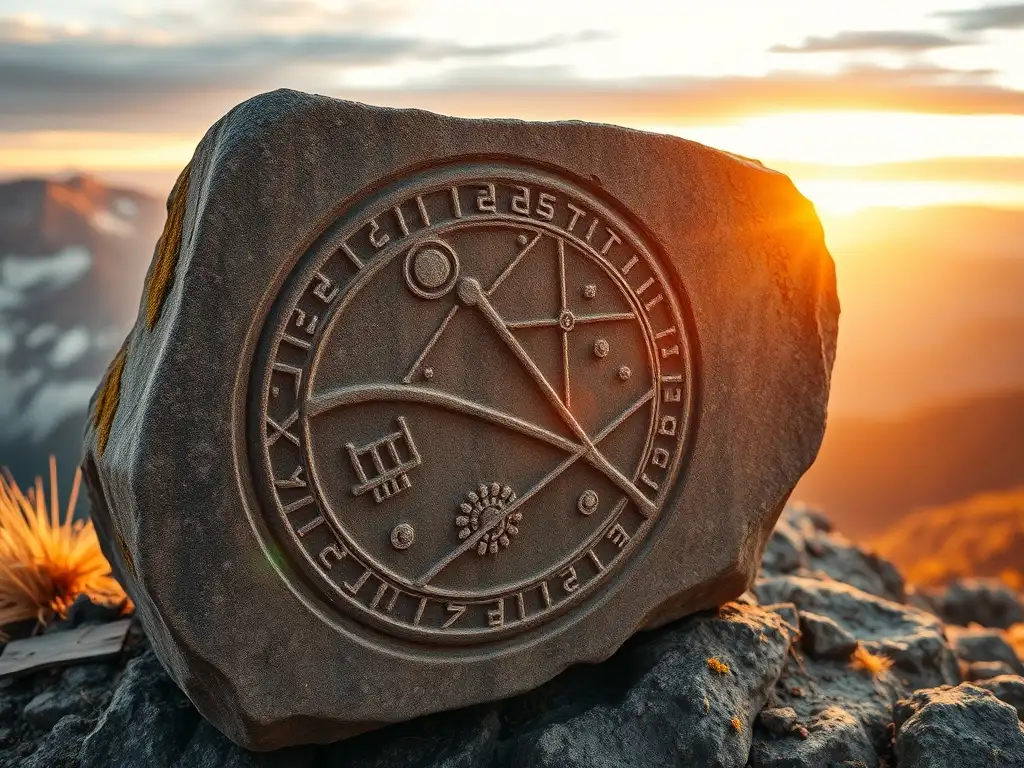
The Quechua language, far from being a mere tool for communication, serves as a powerful lens through which to understand the intricate worldview of the Andean civilizations. Its vocabulary, grammar, and even its phonetic structure are deeply interwoven with their profound cosmological beliefs. For centuries, Quechua has encoded a rich tapestry of astronomical observations, spiritual practices, and social structures, all reflecting a deep connection between humanity and the cosmos. This enduring legacy continues to influence Andean communities today, shaping their understanding of the world and their place within it. The intricate relationship between Quechua and Andean cosmology is a testament to the enduring power of language in shaping cultural identity and transmitting knowledge across generations. Understanding this connection is crucial for appreciating the complexity and richness of Andean civilization. The very structure of the language, with its emphasis on relationality and reciprocity, mirrors the interconnectedness envisioned in their cosmic order.
The Preservation of Quechua Language and its Cosmological Insights
The preservation of the Quechua language is intrinsically linked to the preservation of Andean cosmological knowledge. Many ancient myths, rituals, and astronomical observations were transmitted orally through generations, embedded within the Quechua lexicon and grammatical structures. The loss of Quechua would therefore represent an irreplaceable loss of cultural heritage and a significant gap in our understanding of Andean cosmology.
Fortunately, numerous initiatives are underway to document and revitalize the language, ensuring that the rich cosmological insights encoded within it are not lost. These efforts often involve working closely with Quechua-speaking communities, respecting their traditional knowledge and empowering them to be active participants in the preservation process. This collaborative approach recognizes the vital role of indigenous communities in safeguarding their cultural heritage.
For example, [Specific example of a Quechua preservation project and its impact on cosmological knowledge pending]. The ongoing documentation of oral traditions, coupled with linguistic analysis, allows researchers to unravel the layers of meaning embedded within Quechua narratives, revealing a sophisticated understanding of the cosmos.
Modern Interpretations of Andean Cosmology Through Quechua
Modern scholars and researchers are increasingly utilizing Quechua language resources to deepen our understanding of Andean cosmology. By analyzing Quechua texts, both ancient and contemporary, they are gaining valuable insights into the Andean worldview. This includes deciphering the meaning of celestial terms, understanding the symbolic significance of various constellations and astronomical events, and interpreting the narratives that explain the origins of the world and humanity's place within it.
For instance, the Quechua term for the Milky Way, often translated as "the celestial river," reflects the Andean perception of the cosmos as a fluid and interconnected system. [Specific example of a modern interpretation of Andean cosmology based on Quechua language analysis pending].
This interdisciplinary approach, combining linguistic analysis with anthropological and archaeological research, provides a more nuanced and comprehensive understanding of Andean cosmology than was previously possible. Furthermore, the study of Quechua allows researchers to compare and contrast different Andean cosmological systems, revealing regional variations and highlighting the dynamic nature of their beliefs.
Revitalization Efforts and the Future of Quechua Cosmology
The revitalization of the Quechua language is not merely an academic exercise; it is a crucial step in ensuring the survival of Andean cosmology. By empowering Quechua-speaking communities to reclaim their linguistic heritage, we are simultaneously safeguarding their cultural identity and the invaluable knowledge embedded within their language. This involves supporting language education programs, promoting the use of Quechua in various contexts, and fostering a sense of pride and ownership among Quechua speakers.
[Specific example of a successful Quechua revitalization program pending]. The future of Quechua cosmology is inextricably linked to the future of the Quechua language itself. Continued efforts to support and revitalize the language will not only preserve a rich linguistic heritage but also ensure that the profound cosmological insights of the Andean civilizations continue to inspire and inform future generations.
The success of these efforts depends on a collaborative approach that values the expertise and perspectives of indigenous communities, ensuring that the preservation of Quechua is driven by their own needs and aspirations. The preservation of Quechua is, therefore, not just a linguistic endeavor, but a vital contribution to the safeguarding of global cultural diversity and a deeper understanding of humanity's relationship with the cosmos.
Conclusion: Quechua as a Window into the Andean Universe
The Quechua language, far from being a mere vehicle for communication, serves as a potent lens through which we can examine the intricate tapestry of Andean cosmology. Its rich vocabulary, nuanced grammatical structures, and embedded metaphors offer unparalleled insights into the worldview of the Andean peoples, revealing a profound connection between humanity and the cosmos. This connection, deeply rooted in the Andean landscape and its cyclical rhythms, shaped their social structures, agricultural practices, and spiritual beliefs.
By studying Quechua, we unlock a deeper understanding of not only the language itself but also the complex and fascinating civilization that nurtured it. The survival and continued use of Quechua in modern times is a testament to the enduring power of this language and the cultural heritage it embodies. Its preservation is crucial for the ongoing study of Andean civilization and its lasting impact on the world.
The Importance of Studying Quechua to Understand Andean Worldview
Understanding Andean cosmology requires more than just examining archaeological artifacts and historical accounts. The Quechua language provides a vital, living link to this worldview. It's not simply a matter of translating words; it's about grasping the conceptual framework embedded within the language itself.
For example, the Quechua concept of pacha, often translated as "world" or "universe," encompasses far more than a simple geographical location. It represents a dynamic, interconnected system encompassing the physical world, the spiritual realm, and the cyclical nature of time. Studying the numerous words and expressions related to pacha in Quechua reveals the Andean understanding of this interconnectedness.
Further, the intricate system of kinship terms in Quechua reflects the complex social structures shaped by Andean cosmology, highlighting the importance of community and reciprocity. The detailed analysis of Quechua grammar, including its use of suffixes and prefixes, reveals a sophisticated understanding of the relationship between humans, nature, and the divine. Ignoring the Quechua language is tantamount to neglecting a primary source for understanding the Andean worldview, akin to studying ancient Rome without considering Latin.
Reaffirming the Significance of Quechua Language and Andean Cosmology
The study of Quechua language and Andean cosmology is not merely an academic exercise; it holds profound implications for our understanding of human culture and spirituality. The Andean worldview, as reflected in Quechua, offers a unique perspective on humanity's place in the universe, emphasizing harmony with nature and a deep respect for the cyclical processes of life. This perspective, increasingly relevant in our modern world, challenges anthropocentric views and offers valuable lessons for sustainable living.
Furthermore, the preservation and revitalization of the Quechua language are crucial for maintaining cultural diversity and protecting invaluable cultural heritage. The continued use of Quechua ensures that the rich tapestry of Andean cosmology will not be lost to time, but rather will continue to inform and inspire future generations.
The ongoing research into Quechua linguistics provides a constant stream of new insights into the complexities of Andean thought and reinforces the vital importance of protecting and promoting this language for the benefit of both academic understanding and cultural preservation. The Quechua language, therefore, remains a cornerstone of our understanding of Andean cosmology and its enduring legacy.
Frequently Asked Questions
What is the Quechua language's connection to Andean cosmology?
The Quechua language is deeply intertwined with Andean cosmology. Its vocabulary and grammar reflect a worldview centered on reciprocity, ancestor veneration, and a close relationship with the natural world. Many concepts crucial to Andean spirituality are directly expressed through Quechua terms.
How did the Quechua language influence Andean beliefs?
Quechua didn't create Andean beliefs, but it shaped their expression and transmission. The language provided the framework for understanding and communicating complex spiritual concepts, ensuring their continuity across generations. Its rich vocabulary allowed for nuanced descriptions of the cosmos.
What specific words or phrases in Quechua reveal aspects of Andean cosmology?
Many words relate to mountain spirits (Apus), celestial bodies (e.g., Inti for sun), and the spiritual power (kawsay) inherent in all things. These terms highlight the interconnectedness of the physical and spiritual realms central to Andean worldview.
Are there different dialects of Quechua that impact the expression of Andean cosmology?
Yes, various Quechua dialects exist, resulting in subtle variations in cosmological terminology. While the core beliefs remain consistent, specific words and expressions may differ between regions, reflecting local interpretations of Andean worldview.
How does studying Quechua help us understand Andean civilizations better?
By studying Quechua, we gain direct access to the thoughts and beliefs of Andean peoples. This linguistic approach provides invaluable insights into their cosmology, social structures, and relationship with their environment, offering a more nuanced understanding of their rich cultural heritage.
Final Reflection: Weaving the Threads of Quechua Cosmology
The intricate relationship between the Quechua language and Andean cosmology remains profoundly relevant today, a vibrant testament to the enduring power of indigenous knowledge systems in a rapidly changing world. Understanding this connection offers not only a glimpse into a rich cultural heritage but also a crucial perspective on how different societies perceive and interact with their environment. The preservation of Quechua, therefore, is not merely a linguistic endeavor; it is the safeguarding of a unique worldview and a profound understanding of our place within the cosmos.
The influence of Quechua cosmology continues to resonate, shaping contemporary Andean art, spirituality, and environmental activism. Its impact transcends geographical boundaries, inspiring new ways of thinking about interconnectedness and sustainability. As the late anthropologist, Eduardo Galeano, eloquently stated: The world is not a thing, it is a relationship.
This sentiment perfectly encapsulates the Andean worldview reflected in the Quechua language, emphasizing the intricate web of life that connects all beings. The language itself acts as a living archive, preserving this philosophy for future generations.
Consider the profound implications of this interconnectedness. How might embracing a more holistic perspective, as reflected in Quechua cosmology, enrich your own understanding of the world? I invite you to explore the resources available to learn more about Quechua and the Andean worldview, to engage with this rich tapestry of knowledge, and to consider how its principles can inform your own actions and perspectives. Let the echoes of the cosmos, woven into the very fabric of the Quechua language, inspire you to cultivate a deeper connection with the world around you.
Embrace the Andean Wisdom: Take Your Journey Further!
Thank you for exploring the rich tapestry of Quechua and its profound connection to Andean culture! You've discovered how language shapes our understanding of the universe from this unique perspective. Now, let's deepen your connection to this fascinating worldview.
Here's how you can continue your journey:
- Reflect on your own worldview: Keep a journal to record your thoughts and reflections inspired by the Andean perspective. Consider how their understanding of the cosmos might inform your own.
- Connect with the Quechua community: Join a local or online Quechua language group to practice speaking the language and gain a deeper understanding of its cultural roots. Immerse yourself in the vibrant culture.
- Share your insights: Inspire others by sharing your learning experience on social media or within your community. Your newfound knowledge can enrich the lives of others.
What aspects of the Andean worldview resonate most with you, and how can you integrate them into your daily life?