
The Dawn of Governance: How Early Andean Leaders Established Control and Order

Unravel the mysteries of the Andes! Journey back in time to discover the ingenious Andean civilization governance methods employed by the Incas, Moche, Nazca, and Tiahuanaco. How did these ancient societies, thriving amidst breathtaking landscapes, establish such intricate systems of control and order? Explore the fascinating story behind their power and influence – a tale of innovation, adaptation, and enduring legacy that will leave you captivated.
The rise of complex societies in the Andes wasn't a spontaneous event; it was a carefully orchestrated process driven by innovative governance methods. This article explores the fascinating strategies employed by early Andean leaders – figures often shrouded in myth and legend – to establish control, maintain order, and foster the growth of their burgeoning civilizations. From the intricate water management systems of the Nazca to the monumental architecture of Tiahuanaco, these leaders implemented sophisticated systems of governance that laid the foundation for the impressive empires that followed, significantly impacting the trajectory of Andean civilization governance methods.
We will delve into the diverse approaches employed by different Andean cultures, highlighting the common threads and unique characteristics that shaped their respective societies. Understanding these early governance strategies provides crucial insight into the development of Andean civilization and its lasting legacy.
Harnessing the Power of Andean Geography: Infrastructure and Resource Control
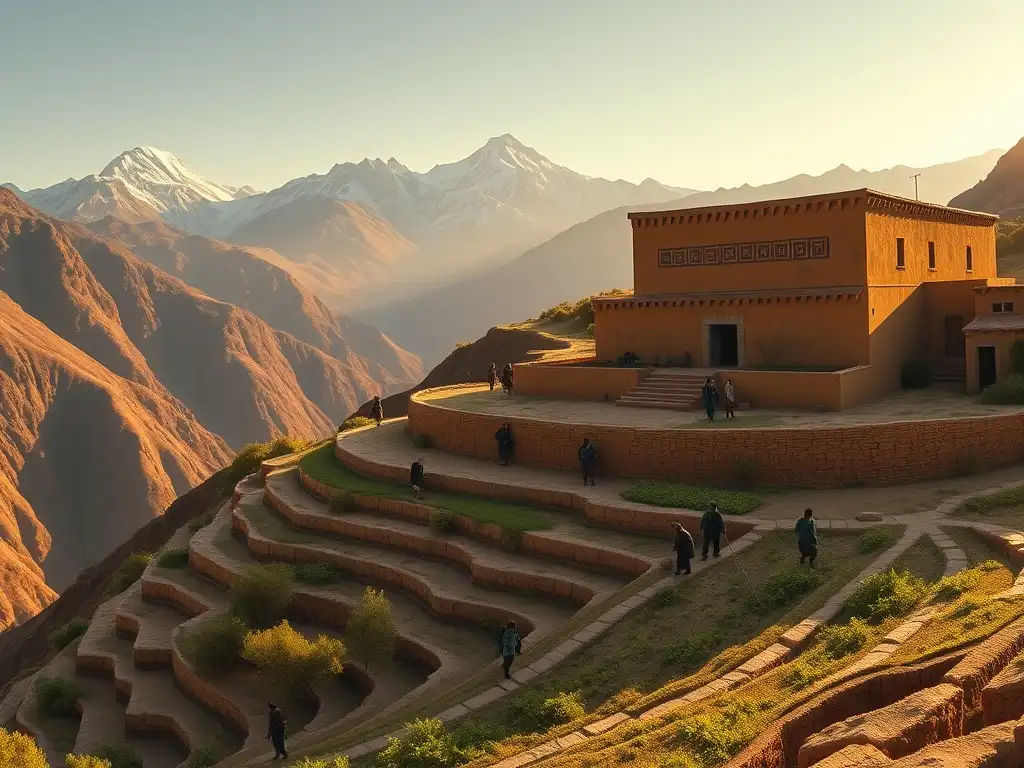
Early Andean leaders understood the crucial role of geography in shaping power. Control over vital resources, particularly water, was paramount. The Nazca, for instance, developed an incredibly sophisticated system of canals and aqueducts to irrigate their arid coastal lands, a feat of engineering that not only ensured agricultural productivity but also solidified the authority of their rulers.
This control over water resources translated directly into political and economic power, allowing them to allocate resources and command labor for public works projects. Similarly, the construction of massive terraces on steep mountain slopes, a practice adopted by many Andean cultures, increased arable land and boosted food production, further enhancing the power and influence of the ruling elite.
This wasn't simply about practical necessities; these infrastructure projects also served as powerful symbols of state authority, demonstrating the capacity of the leadership to manage resources effectively and on a grand scale. The intricate network of roads and pathways connecting different parts of the empire also facilitated communication, trade, and the movement of troops, thus strengthening central control.
Many Andean civilizations intertwined governance with religious beliefs. Leaders often claimed a divine mandate or kinship with powerful deities, legitimizing their rule and fostering loyalty among their subjects. Elaborate religious ceremonies, monumental architecture dedicated to gods and ancestors, and the creation of complex mythologies all contributed to the construction of a powerful ideology that reinforced the authority of the ruling class.
The use of iconography and symbolism in textiles, pottery, and architecture served to visually communicate this divine connection, reinforcing the legitimacy of the ruler's power and the social order they represented. This integration of religious and political power created a highly stable and enduring system of governance, ensuring social cohesion and obedience. The extent of religious influence varied across different cultures, but its importance in shaping political structures and power dynamics remains undeniable.
The development of complex societies in the Andes inevitably led to social stratification. Early Andean societies were not egalitarian; rather, they were characterized by hierarchical structures with distinct social classes. The elite controlled access to resources, land, and labor, while the commoners were expected to contribute their services to the state through labor obligations or tribute payments.
The management of this social hierarchy was a crucial aspect of Andean governance, requiring sophisticated mechanisms to maintain order and prevent social unrest. Evidence suggests that the distribution of resources was not entirely arbitrary; certain groups may have received preferential treatment based on their social standing or their contribution to the state. However, the details of this system remain under study, highlighting the need for further research into the complexities of Andean social structures and governance.
Conflict Resolution and the Maintenance of Order
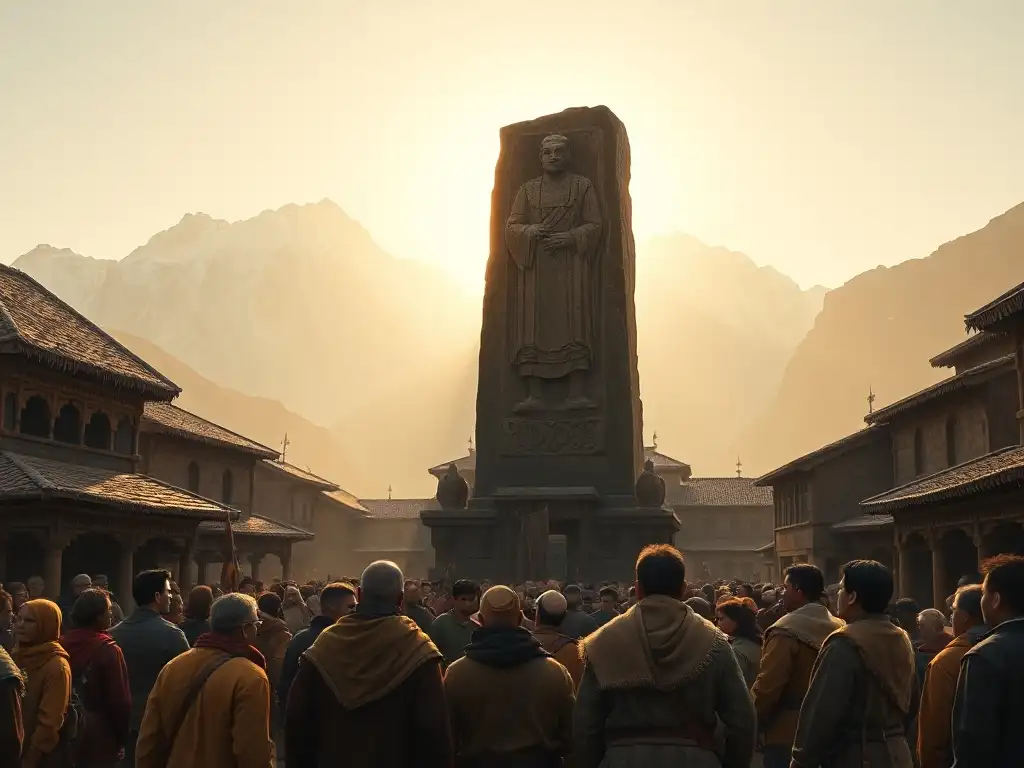
While the Andean civilizations developed sophisticated governance systems, conflict was inevitable. Early Andean leaders implemented various mechanisms to resolve disputes and maintain social order. These ranged from informal methods of mediation and arbitration to more formalized legal systems. While the specifics of these systems vary across different cultures and time periods, they all point to a conscious effort to create frameworks for conflict resolution and prevent the breakdown of social order.
The importance of maintaining order is evident in the construction of powerful military forces and the use of fortifications in many Andean societies. However, the development of sophisticated governance systems also suggests that the prevention of conflict was a priority, with mechanisms designed to address disputes peacefully and efficiently before they escalated into widespread violence. Further research is needed to fully understand the nuances of Andean conflict resolution mechanisms and their effectiveness in maintaining social stability.
Legacy and Lasting Impact: The Seeds of Andean Empires
The governance strategies employed by early Andean leaders laid the groundwork for the later development of powerful empires, such as the Inca. The sophisticated systems of water management, agricultural production, and social organization established during this period provided a solid foundation upon which subsequent rulers could build. These early innovations in governance demonstrate the ingenuity and adaptability of Andean societies and their remarkable capacity to create complex and enduring political structures.
The study of these early governance methods provides crucial insight into the factors that contributed to the success and longevity of Andean civilizations, leaving a lasting impact on our understanding of the development of complex societies in the Andes and beyond. The enduring legacy of these early leaders continues to inspire awe and admiration for their ability to shape a civilization that flourished for centuries.
- Harnessing the Power of Andean Geography: Infrastructure and Resource Control
- Religious Authority and the Divine Right to Rule
- Social Stratification and the Distribution of Resources
- Conflict Resolution and the Maintenance of Order
- Legacy and Lasting Impact: The Seeds of Andean Empires
Understanding Early Andean Civilization Governance
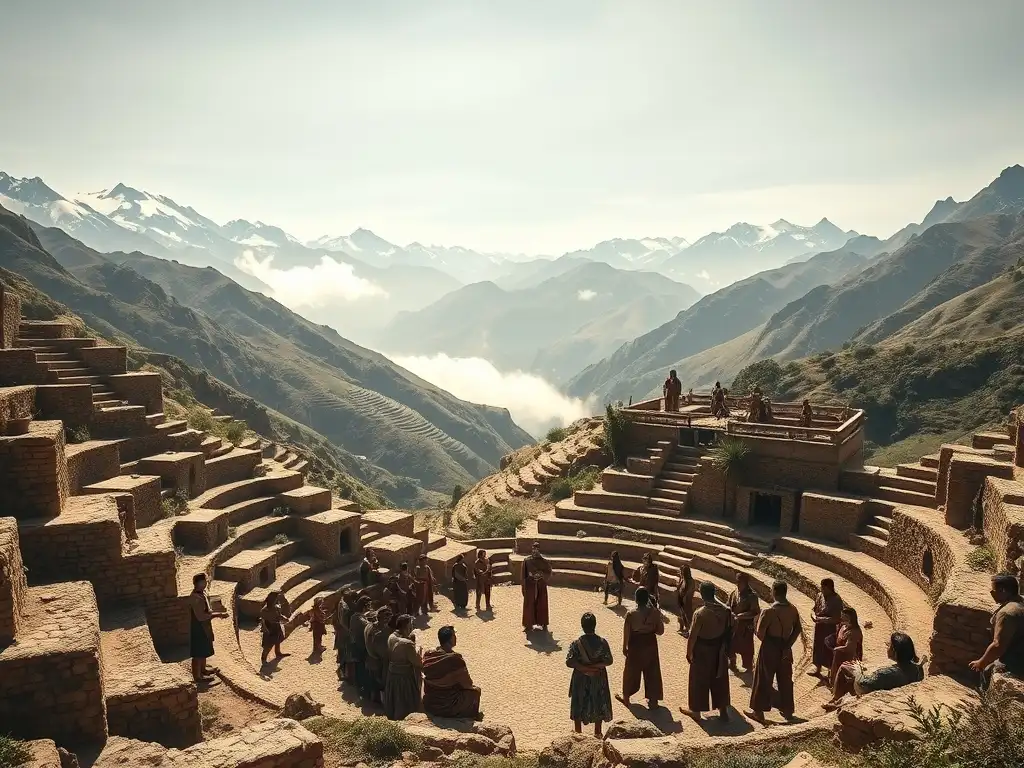
This section delves into the fascinating and complex topic of governance in early Andean civilizations, exploring the methods employed by leaders to establish control and maintain order within their societies. We'll examine the factors that necessitated sophisticated governance systems and analyze the diverse pre-Inca political structures that laid the groundwork for the Inca Empire's later achievements. Understanding these early governance methods provides crucial insights into the development of Andean civilization and its remarkable resilience. The term "Andean civilization governance methods" itself encompasses a wide array of practices, beliefs, and social structures.
The development of complex social structures in the Andes wasn't a random process; it was a direct response to environmental challenges and the need for efficient resource management. The varied geography, from high-altitude plains to coastal deserts, demanded sophisticated organization for agriculture, water control, and defense. The harsh Andean environment presented numerous obstacles: unpredictable weather patterns, limited arable land, and the constant threat of natural disasters. These factors necessitated centralized control to ensure the survival and prosperity of the population.
For instance, the construction of extensive irrigation systems, like those found in the Nazca region, required significant coordination and labor mobilization. These weren't simply engineering feats; they were expressions of political power and social organization, demonstrating the capacity of Andean leaders to command resources and direct large workforces. The intricate networks of canals and reservoirs not only provided water for agriculture but also symbolized the authority of the ruling elite and their ability to maintain social order.
Without effective governance, such monumental projects would have been impossible. This need for coordinated effort, particularly in large-scale infrastructure projects, is a key aspect of understanding Andean civilization governance methods. The success of these projects underscores the efficacy of their leadership and social organization.
Pre-Inca Governance Systems: Foundations of Andean Political Structures
Before the Inca Empire, various Andean societies developed unique governance systems. These varied considerably depending on the specific cultural group and its environment. The Moche, for example, relied on a highly centralized system, with a powerful elite controlling vast resources and mobilizing labor for monumental construction projects and warfare. Their sophisticated administrative structures facilitated the creation of impressive ceremonial centers and extensive irrigation networks.
In contrast, the Nazca civilization, known for its enigmatic geoglyphs, might have had a less centralized structure, with power potentially distributed amongst various local leaders or kinship groups. However, the scale of their irrigation projects still suggests a degree of centralized planning and coordination. The Tiahuanaco culture, with its massive stone structures, also displayed a complex system of control and organization, though the exact nature of their political structures remains a subject of ongoing scholarly debate.
The following table summarizes some key characteristics of these pre-Inca governance systems:
| Civilization | Governance Structure | Key Characteristics | Notable Features |
|---|---|---|---|
| Moche | Highly centralized | Powerful elite, extensive bureaucracy, control over resources | Monumental architecture, sophisticated irrigation |
| Nazca | Potentially less centralized | Possible regional leadership, kinship-based organization | Extensive irrigation, geoglyphs |
| Tiahuanaco | Complex, possibly theocratic | Large-scale public works, control over trade routes | Monumental architecture, sophisticated urban planning |
These diverse pre-Inca governance methods demonstrate the adaptability and innovation of Andean societies in managing their resources and maintaining social order. They also highlight the challenges and complexities of interpreting archaeological evidence to understand the nuances of ancient political systems. Further research is needed to fully unravel the intricacies of these fascinating societies and their approaches to governance. The study of these diverse approaches remains crucial to a complete understanding of "Andean civilization governance methods."
Key Elements of Andean Leadership and Control
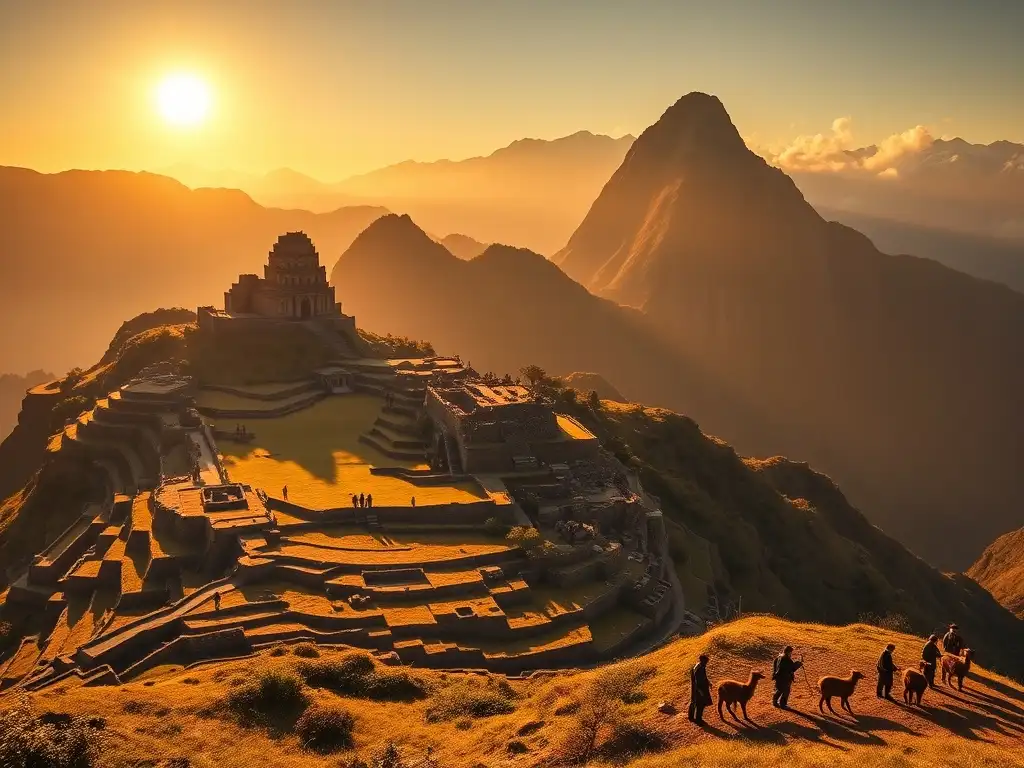
This section delves into the core strategies employed by early Andean leaders to establish and maintain control over their burgeoning societies. Understanding these methods is crucial to grasping the complexities of Andean civilization governance methods and the remarkable achievements of these ancient cultures. We will explore the intertwining of religious authority, economic control, and infrastructural development as key pillars of their power. The success of these strategies ultimately shaped the trajectory of Andean societies for centuries.
Religious authority played a pivotal role in early Andean governance, far exceeding the simple provision of spiritual guidance. Leaders, often considered intermediaries between the gods and the people, wielded immense power through their claimed divine connection. This wasn't merely a matter of belief; it was a fundamental aspect of the political system. The Inca, for example, traced their lineage directly back to the sun god Inti, legitimizing their rule through a divine mandate. This divine right to rule allowed for unquestioned obedience and solidified the emperor's position at the apex of the social hierarchy.
The religious elite, comprising priests and priestesses, further reinforced this system. They controlled the elaborate rituals, ceremonies, and calendar systems that governed daily life. Control over these sacred practices gave them significant influence over the population, allowing them to shape public opinion and maintain social order. The construction and maintenance of monumental religious sites, such as Machu Picchu or the Nazca Lines, served not only as expressions of religious devotion but also as powerful symbols of the ruler’s authority and the civilization's might.
These projects required massive labor mobilization, demonstrating the leader's ability to command resources and human capital—a testament to their effective governance. The intricate religious beliefs and practices were integral to the social fabric, deeply intertwined with the political structure. The management of religious affairs was, therefore, a core component of Andean civilization governance methods.
Economic Control and Resource Management in Ancient Andes
Effective economic control was another cornerstone of Andean leadership. The vast and varied geography of the Andes demanded sophisticated systems of resource management. The Inca, known for their mita system, a form of labor tax, efficiently channeled human resources towards agricultural production, infrastructure projects, and military campaigns. This system, while demanding, ensured the equitable distribution of resources and the completion of large-scale endeavors that benefited the entire empire. The ayllu, a communal land tenure system, provided a social safety net and further strengthened the Inca's control by fostering loyalty and interdependence within the community.
Other Andean civilizations developed their own unique methods. The Moche, for instance, exhibited exceptional agricultural engineering, developing sophisticated irrigation systems to maximize crop yields. This control over water resources, a precious commodity in the arid coastal regions, was a source of both economic prosperity and political power.
Evidence suggests that elite Moche controlled access to fertile lands and water, further solidifying their social standing and political influence. The intricate network of storage facilities, discovered in various archaeological sites, indicates a sophisticated understanding of resource management and distribution, key aspects of successful Andean civilization governance methods. This careful control over resources was essential for maintaining social stability and preventing unrest.
Building Infrastructure: A Tool for Andean Political Power
The construction of extensive infrastructure served as a powerful tool for consolidating and projecting political authority in the Andes. Roads, bridges, and irrigation systems were not merely functional; they were symbols of power, demonstrating the capacity of the ruling elite to mobilize resources and coordinate large-scale projects. The Inca road system, Qhapaq Ñan, is a prime example, stretching thousands of kilometers across diverse terrains, connecting distant regions of the empire and facilitating communication, trade, and military movement. This impressive feat of engineering served to unify the disparate communities and consolidate Inca power.
Beyond roads, the construction of monumental architecture, such as temples and palaces, further served to showcase the power and prestige of Andean rulers. These structures, often built with meticulous precision and utilizing advanced architectural techniques, served as powerful symbols of authority and cultural identity. They required the mobilization of vast human and material resources, demonstrating the ruler’s ability to command and control the workforce and resources of the empire.
The impressive scale of these projects reinforced the ruler's legitimacy and served as a constant reminder of their power to the populace. Therefore, the construction of infrastructure was not just a practical necessity but a strategic tool within the broader context of Andean civilization governance methods, reflecting the sophisticated understanding of power dynamics and societal control.
Early Andean Governance Methods: Case Studies
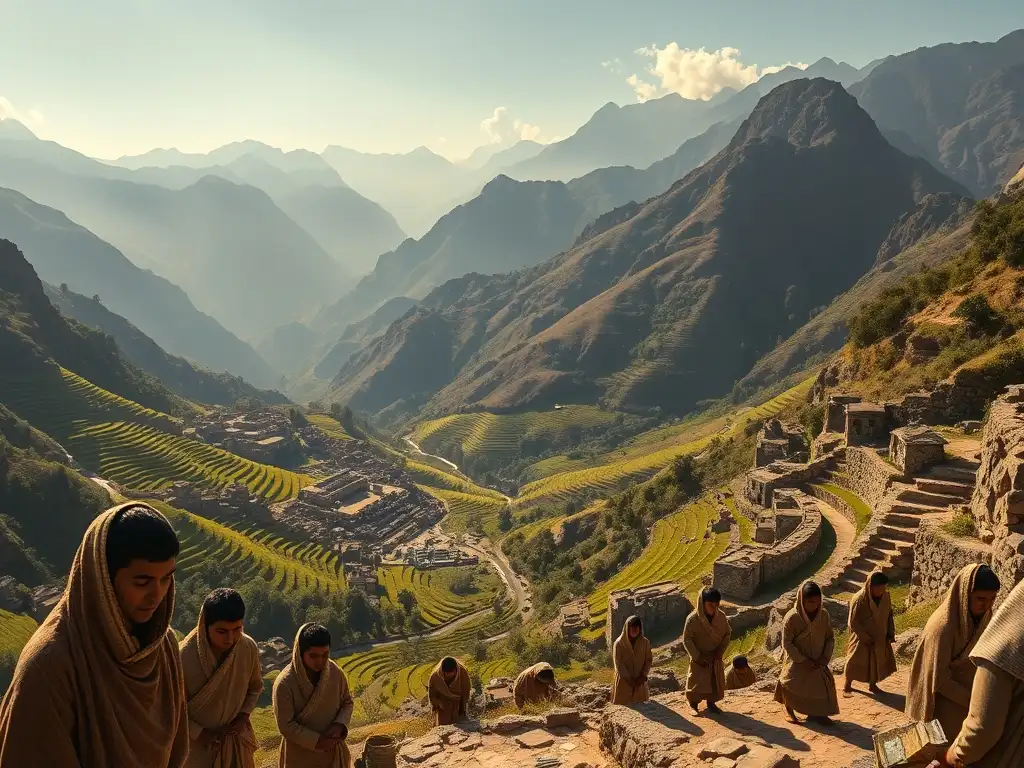
This section delves into the diverse strategies employed by early Andean civilizations to establish and maintain control, exploring specific examples to illuminate the nuances of their governance systems. Understanding these methods provides crucial insights into the rise of complex societies in the Andes and reveals the sophisticated political structures that shaped these remarkable cultures. The keyword phrase "Andean civilization governance methods" is central to this analysis.
The Moche Civilization: A Case of Centralized Power
The Moche civilization (c. 100-800 CE) stands out for its highly centralized political system. Evidence suggests a powerful ruling elite exerted significant control over various aspects of Moche society, from resource allocation to religious practices. This contrasts with some other Andean societies that may have relied more on decentralized, community-based governance.
Moche Elite and Their Control Mechanisms
The Moche elite, likely comprised of priests and warriors, maintained their power through a combination of strategies. Monumental architecture, such as the impressive Huaca del Sol and Huaca de la Luna pyramids, served as potent symbols of their authority. These structures, built with immense labor, underscore the elite's capacity to mobilize and control the workforce.
Furthermore, elaborate burial practices, featuring lavish grave goods and human sacrifices, reinforced the divine status and power of the ruling class. The discovery of numerous Moche tombs containing gold ornaments, intricate ceramics, and even human sacrifices, provides compelling evidence for this centralized control. Analysis of these finds suggests a hierarchical social structure with the elite firmly at the apex.
Moche Infrastructure as a Symbol of Power
Beyond monumental architecture, the Moche also invested heavily in infrastructure projects. Extensive irrigation systems, meticulously designed canals, and sophisticated water management techniques demonstrate their ability to control resources and ensure agricultural productivity. This control over water, a vital resource in the arid coastal region, solidified the elite's power and influence.
The scale and complexity of these projects also point to a well-organized and centrally managed workforce, indicative of a strong, centralized governance structure. The Moche's ability to engineer and maintain these systems served as a constant reminder of their power and ability to provide for the community, reinforcing their legitimacy.
The Nazca Civilization: Governance Through Ritual and Community
In contrast to the centralized Moche state, the Nazca civilization (c. 100 BCE – 500 CE) presents a more complex picture of governance. While evidence of a centralized authority is less pronounced, the Nazca utilized different methods to maintain social order and cohesion, emphasizing ritual practices and community participation.
Nazca Lines and Their Potential Role in Social Control
The enigmatic Nazca Lines, vast geoglyphs etched into the desert landscape, are a hallmark of Nazca culture. While their exact purpose remains debated, some scholars suggest they played a significant role in social control and the reinforcement of religious beliefs. The immense scale of the undertaking and the precision involved imply a degree of social organization and coordination, possibly orchestrated by religious leaders or a powerful elite.
The lines could have served as focal points for ritual ceremonies, reinforcing social bonds and the authority of those who organized and oversaw their creation. The precision and scale of the Nazca lines suggest a high degree of social organization and coordination, possibly indicative of a more subtle form of governance based on shared beliefs and rituals. Further research is needed to fully understand their role in Nazca society.
Nazca Social Organization and Leadership
The Nazca social structure appears less hierarchical than that of the Moche. While evidence suggests the existence of elites, their power may have been more diffuse, based on religious authority and community respect rather than outright control. The intricate Nazca ceramics, often depicting elaborate rituals and ceremonies, hint at a society where religious beliefs played a central role in social life and potentially in governance.
Further research into Nazca settlement patterns and burial practices is needed to refine our understanding of their social structure and the mechanisms of their governance. The absence of large-scale monumental architecture, unlike in the Moche civilization, further supports the hypothesis of a less centralized form of governance. The Nazca case demonstrates the diversity of Andean civilization governance methods, showcasing how different societies developed unique approaches to maintaining order and social cohesion.
Tiahuanaco: A Case of Regional Political Hegemony
Tiahuanaco, flourishing between roughly 300 and 1100 CE in the southern Andes, presents a compelling case study in early Andean governance. Unlike later empires that relied heavily on military conquest, Tiahuanaco's power stemmed from a complex interplay of ideological influence, economic control, and strategic alliances.
Archaeological evidence suggests a sophisticated system of political and economic organization that extended far beyond its immediate surroundings, demonstrating a remarkable ability to exert influence over a vast and geographically diverse region. The scale of Tiahuanaco's monumental architecture, including the iconic Akapana pyramid and the intricate Gateway of the Sun, speaks to a centralized authority capable of mobilizing significant resources and labor.
This ability to manage large-scale projects hints at a robust administrative system and a highly organized society. The sheer size and complexity of the city itself served as a powerful symbol of its authority, attracting people from neighboring areas and solidifying its position as a regional center.
Tiahuanaco's Influence on Surrounding Territories
Tiahuanaco's influence wasn't solely based on military might; rather, it was a carefully cultivated network of power. The distribution of Tiahuanaco-style ceramics, textiles, and other artifacts across a wide geographical area suggests a significant level of interaction and exchange. This wasn't simply trade; it represented a dissemination of Tiahuanaco's cultural and ideological values.
The adoption of Tiahuanaco-style architecture and religious practices by communities in the surrounding regions points to a process of cultural assimilation, a subtle form of political control. This suggests that Tiahuanaco’s power extended beyond direct military control, encompassing a broader sphere of cultural and economic influence. The adoption of Tiahuanaco’s religious beliefs, symbolized by the widespread presence of similar iconography, further suggests a form of ideological hegemony.
This process likely involved a combination of coercion and persuasion, with Tiahuanaco potentially offering benefits in exchange for allegiance. Further research is needed to fully understand the dynamics of this interaction and the precise mechanisms through which Tiahuanaco exerted its influence. The exact nature of the relationships between Tiahuanaco and its surrounding territories – whether they were tributary states, allies, or simply influenced cultures – remains a subject of ongoing scholarly debate.
Tiahuanaco's Administrative and Governance Structures
While the precise details remain elusive, the sheer scale of Tiahuanaco's urban planning and monumental construction indicates a sophisticated administrative system. The city's layout, with its carefully planned residential areas, temples, and public spaces, suggests a degree of centralized planning and control. The organization of labor required to build and maintain such large-scale structures implies a complex hierarchical structure, with specialized roles and responsibilities.
Evidence of sophisticated irrigation systems, further showcases the administrative capabilities of Tiahuanaco's leaders, highlighting their ability to manage resources and coordinate large-scale projects. The standardization of certain artifacts, such as ceramic styles and building techniques, also points to centralized control over production and distribution. Although written records are lacking, the impressive scale of Tiahuanaco's achievements suggests a highly organized and efficient administrative system capable of managing a large population and a vast territory.
Further analysis of archaeological data, particularly the spatial distribution of artifacts and residential patterns, may provide additional insights into the workings of Tiahuanaco's governance structures. Understanding the intricacies of their system could reveal valuable information about the Andean civilization governance methods employed during this important period. The investigation into the precise mechanisms of control, including taxation, labor mobilization, and conflict resolution, remains a crucial area for future research.
The Evolution of Andean Governance: From Local to Regional
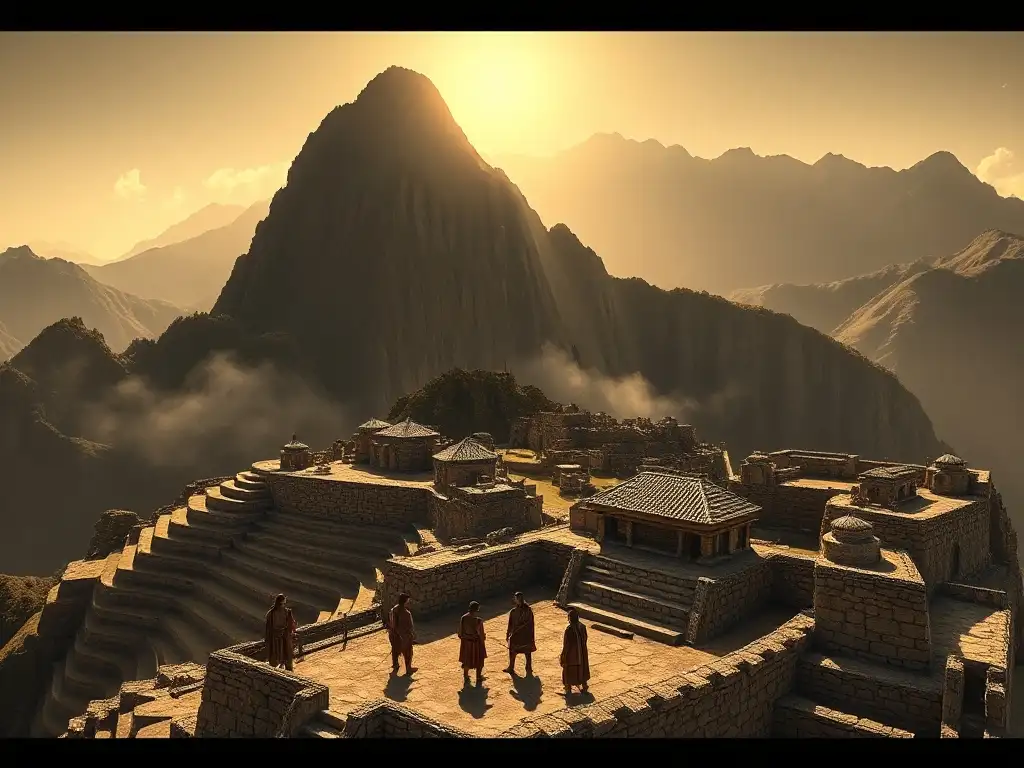
The development of sophisticated governance structures in the Andes wasn't a sudden event but a gradual process spanning millennia. Early Andean societies, while diverse, often began with localized leadership based on kinship and religious authority. Evidence suggests that smaller settlements, perhaps villages or clan groups, were governed by individuals with perceived spiritual or shamanistic powers, combined with their familial influence.
This early form of governance, while seemingly simple, laid the groundwork for later, more complex systems. As populations grew and agricultural practices intensified, the need for coordinating resources and managing conflicts became increasingly critical, pushing the evolution of governance structures towards greater centralization and complexity. The transition from localized to regional control was a dynamic process, influenced by factors like environmental conditions, technological advancements (particularly in irrigation and agriculture), and the rise of powerful elites who capitalized on these changes to consolidate their power.
Understanding this evolutionary path is crucial to comprehending the sophisticated governance systems of later Andean civilizations like the Inca. The shift wasn't a linear progression; setbacks, conflicts, and the rise and fall of various power structures were all part of this intricate historical tapestry. The "Andean civilization governance methods" evolved organically, shaped by the unique challenges and opportunities presented by the Andean environment and social dynamics.
The evolution of Andean governance was inextricably linked to the development of increasingly complex social hierarchies. Early egalitarian structures slowly gave way to systems characterized by distinct social strata, with elites occupying positions of power and influence. This stratification wasn't solely based on wealth; religious authority, military prowess, and control over vital resources (like water access in arid regions) also played significant roles.
Archaeological evidence, such as monumental architecture (e.g., large ceremonial centers), elaborate burial sites showcasing significant wealth disparities, and the presence of specialized craft production, all point towards the establishment of hierarchical social structures. The precise nature of these hierarchies varied across different Andean cultures. For instance, while some societies might have featured a relatively clearly defined ruling class, others may have exhibited a more fluid system with shifting alliances and power dynamics.
However, the common thread across these diverse societies was the gradual emergence of a governing elite that controlled access to resources, labor, and religious practices. This hierarchical structure provided the organizational framework for the development of more sophisticated governance methods, enabling the centralized control necessary for larger, more complex societies. The increasing complexity of social structures directly impacted and reflected the evolving strategies employed in Andean civilization governance methods.
The Emergence of Complex Bureaucracies
As Andean societies grew in size and complexity, so too did their administrative needs. This resulted in the emergence of sophisticated bureaucratic systems responsible for managing various aspects of society, including resource distribution, taxation, labor mobilization, and infrastructure development. These bureaucracies weren't simply administrative bodies; they played a crucial role in maintaining social order and reinforcing the power of the ruling elite.
The development of record-keeping systems, such as the quipu (a system of knotted strings used for accounting and record-keeping) among the Inca, exemplifies this increasing complexity. The quipu allowed for the efficient tracking of population numbers, agricultural yields, and the distribution of goods across vast territories. Other Andean civilizations developed their own unique record-keeping and administrative systems, adapted to their specific social and environmental contexts.
The efficiency and effectiveness of these bureaucracies were essential for the sustained growth and stability of these complex societies. The intricate networks of communication and administration highlight the sophisticated nature of Andean civilization governance methods, far exceeding simplistic notions of tribal structures.
The Legacy of Early Andean Governance on Later Civilizations
The governance systems developed in early Andean societies left a lasting impact on the civilizations that followed. The Inca Empire, for instance, inherited and built upon the administrative and social structures established by earlier cultures. The Inca's impressive organizational capabilities, including their extensive road network, sophisticated agricultural techniques, and centralized administrative system, were not created in a vacuum but represented the culmination of centuries of experimentation and development in Andean governance methods.
The Inca's success in integrating diverse populations and managing a vast empire relied heavily on the existing frameworks of hierarchical social organization and bureaucratic administration established by their predecessors. Studying the evolution of Andean governance reveals not only the complexities of these ancient societies but also the interconnectedness of their cultural and political development.
The legacy of these early Andean governance models is evident in the subsequent empires and kingdoms of the region, demonstrating the enduring influence of these innovative and effective approaches to societal organization. Understanding this legacy is crucial for a complete understanding of the "Andean civilization governance methods" and their lasting impact on the region's history.
Conclusion: Insights into Andean Civilization Governance Methods
This exploration of early Andean governance reveals a complex tapestry woven from diverse strategies and adaptations. While the specific methods varied across different Andean civilizations – from the intricate water management systems of the Nazca to the sophisticated administrative structures of the Inca – common threads of ingenuity and pragmatic adaptation emerge. Understanding these "Andean civilization governance methods" provides crucial insight into the remarkable achievements and longevity of these societies.
The success wasn't solely reliant on military might, but on a sophisticated interplay of political acumen, religious authority, and economic control, all interwoven with a deep understanding of their environment and the needs of their people. The following sections will delve deeper into the key takeaways and lasting legacies of these early political systems.
Lessons from Early Andean Leaders
Early Andean leaders demonstrated remarkable adaptability in their governance strategies. Consider the Inca's mita system, a form of labor tax that, while potentially exploitative, also ensured infrastructure projects like road networks and agricultural terraces were constructed and maintained. This system, unlike purely coercive methods, fostered a sense of collective responsibility and civic duty, contributing to the empire's impressive scale and longevity.
Similarly, the Moche's apparent reliance on a theocratic leadership, where religious authority intertwined with political power, facilitated large-scale public works projects and maintained social order. Analyzing these diverse approaches highlights the nuanced relationship between power structures, resource management, and societal stability. The effective integration of religious belief into governance often provided legitimacy and fostered social cohesion, illustrating a critical element of successful Andean civilization governance methods.
Furthermore, the development of sophisticated record-keeping systems, such as the quipus used by the Inca, enabled efficient resource allocation and tax collection, demonstrating a sophisticated understanding of administrative necessities. These systems were not merely tools of control, but integral components of a complex societal framework. Studying these examples reveals the multifaceted nature of leadership in the Andes and the critical role of innovation and adaptation in achieving and maintaining power.
The Enduring Impact of Early Andean Political Systems
The impact of early Andean political systems extends far beyond their historical context. The principles of resource management, infrastructure development, and community organization employed by these civilizations offer valuable lessons for contemporary societies. The ingenuity displayed in harnessing the Andes' challenging terrain—through sophisticated irrigation systems, terraced agriculture, and extensive road networks—remains a testament to their engineering prowess and sustainable practices.
The Inca's ayllu system, a form of communal land ownership, provides a compelling example of a social structure that prioritized community well-being and resource distribution. While the specifics may not be directly transferable, the underlying principles of cooperation, shared responsibility, and sustainable resource management continue to resonate with modern concerns about environmental stewardship and social equity. The legacy of Andean civilization governance methods, therefore, is not solely historical; it offers a rich source of insights and inspiration for addressing contemporary challenges in governance and sustainable development.
Further research into these systems promises to uncover even more valuable lessons for our understanding of effective and enduring political organization. The study of Andean civilization governance methods continues to be a vibrant and evolving field, offering new perspectives on the complexities of power, society, and the environment.
Frequently Asked Questions
What governance methods did early Andean civilizations employ?
Early Andean civilizations utilized a variety of governance methods, including kinship-based systems, religious authority, and complex bureaucratic structures. These varied across different cultures and time periods.
How did the Incas maintain control over their vast empire?
The Incas maintained control through a highly centralized system with a sophisticated bureaucracy, extensive road networks, and the mita system of labor tribute. They also implemented a system of loyal governors and carefully placed garrisons.
Did all Andean civilizations have the same type of governance?
No, governance structures differed significantly. While some, like the Inca, had highly centralized systems, others, such as the Nazca and Moche, were likely less centralized, relying on regional elites and religious influence.
What role did religion play in Andean governance?
Religion played a crucial role, with leaders often claiming divine authority or close ties to deities. Religious rituals, ceremonies, and temples served to reinforce power and legitimacy, bolstering the authority of rulers.
How did Andean leaders legitimize their power?
Andean leaders legitimized their power through various means, including religious authority, military prowess, public works projects, and control over resources. They often emphasized their lineage and connection to ancestral spirits.
Final Reflection: Echoes of the Andes: Governance Then and Now
The ingenious governance systems of the early Andean civilizations offer a powerful counterpoint to modern challenges in leadership and societal organization. Their innovative approaches to resource management, conflict resolution, and community building resonate deeply with our contemporary struggles to create equitable and sustainable societies. Understanding their successes and failures provides invaluable lessons for navigating the complexities of the 21st century.
The enduring legacy of Andean governance lies not just in its impressive infrastructure, but in its underlying philosophy of interconnectedness and reciprocity. The intricate web of social obligations and mutual support, often symbolized by the ayni system of reciprocal labor, continues to shape Andean cultures today. The Inca Empire was not built on conquest alone, but on a sophisticated system of administration that fostered cooperation and integration across diverse populations.
This quote highlights the importance of understanding the nuanced strategies employed by Andean leaders, strategies that prioritized collaboration over pure domination. Their methods, though vastly different from our own, offer a compelling alternative model for building strong and resilient communities.
Consider the ingenuity of their systems, the challenges they overcame, and the lasting impact they've had. You, too, can draw inspiration from their innovative solutions to complex problems. Reflect on how principles of collaboration, resource management, and community engagement can be applied to your own sphere of influence – be it your workplace, your community, or even your personal life. Let the echoes of the Andes inspire you to build a more just and sustainable future, one informed by the wisdom of those who came before.
**Forge Your Connection with Andean History! **
Thank you for exploring the fascinating world of Andean governance! We hope this exploration has revealed the ingenuity and resilience of early Andean leaders and the profound impact they had on their societies. Now, it's your turn to delve deeper and take action!
- **Engage with our community! ** Join our discussion forum to share your thoughts and insights on the enduring legacy of ancient governance and its relevance to modern societies.
- **Expand your knowledge! ** Explore our recommended readings on Andean civilizations to further enrich your understanding.
- **Share the story! ** Spread the word about the incredible achievements of Andean leadership by sharing this article on your social media platforms.
What aspects of early Andean governance do you find most inspiring, and how can we apply these lessons to contemporary challenges?