
Monumental Mysteries: Investigating the Purpose of Ancient Andean Structures

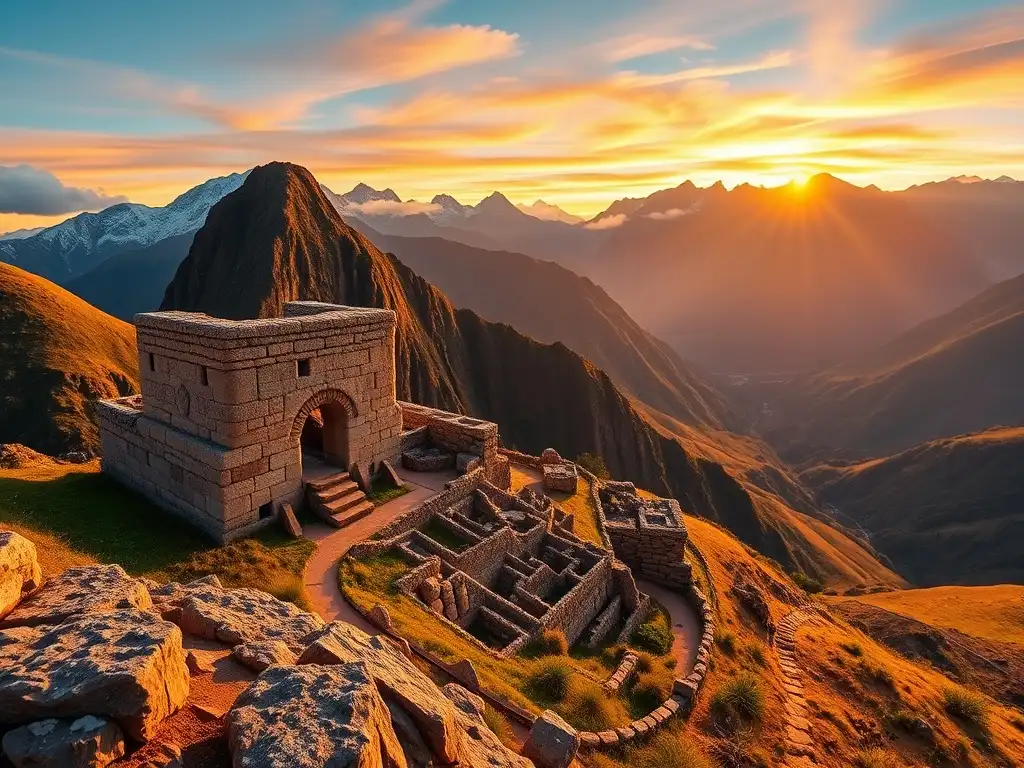
Welcome, explorer! Prepare to unravel the enigmatic secrets of the Andes. For centuries, towering structures have stood as silent witnesses to the ingenuity and power of ancient Andean civilizations. But what was their true purpose? This journey into the heart of the Andean civilization structure purpose will challenge your assumptions and reveal the fascinating complexities of these monumental achievements. Dare to delve deeper and uncover the mysteries that await…
The Andes Mountains, a spine of towering peaks running down the western coast of South America, are home to some of the most enigmatic and awe-inspiring structures ever built. For centuries, these monumental works of the ancient Andean civilizations – encompassing cultures like the Incas, Moche, Nazca, and Tiahuanaco – have captivated archaeologists and historians alike.
This article delves into the ongoing quest to understand the purpose behind these impressive constructions, examining the diverse theories and the latest archaeological discoveries that shed light on the lives and beliefs of these fascinating societies. Understanding the purpose of these structures is key to unlocking a deeper understanding of Andean civilization structure purpose and their sophisticated societal organization, religious practices, and engineering prowess.
We'll explore everything from the practical to the spiritual, examining how these structures shaped the landscape and the lives of those who built and inhabited them. Prepare to be amazed by the ingenuity and mystery surrounding these ancient marvels.
The Enigmatic Purpose of Sacsayhuamán
Sacsayhuamán, located near Cusco, Peru, is a colossal fortress built by the Inca. Its massive, precisely fitted stones, some weighing over 100 tons, have baffled researchers for generations. While its defensive function is widely accepted, the sheer scale and complexity of the structure suggest a deeper, possibly symbolic meaning.
Some theories propose that Sacsayhuamán served as a ritual center, a place for astronomical observations, or a combination of both. The intricate alignments of its walls and the presence of water channels further complicate the picture, indicating a sophisticated understanding of both engineering and cosmology. Ongoing research continues to reveal new details about the construction techniques and the possible multi-faceted purposes of this astonishing site.
Detailed analysis of the stonework itself, including the precise cuts and their interlocking system, is providing further insights into the Inca's mastery of engineering and the potential symbolic significance embedded within the structure's design. The sheer scale of the project also raises questions about Inca societal organization and the mobilization of resources necessary for such a massive undertaking.
The Astronomical Significance of Nazca Lines
While not strictly “structures” in the traditional sense, the Nazca Lines of southern Peru are undeniably monumental. These vast geoglyphs etched into the desert floor depict animals, plants, and geometric shapes, visible only from the air. Their purpose remains a subject of intense debate, but astronomical alignments and their potential use for ritual purposes are leading theories.
Some researchers believe the lines might have served as a giant calendar, marking solstices and equinoxes, while others suggest they were part of complex religious ceremonies. The precision of their design and the immense effort required to create them point to a deep understanding of astronomy and a highly organized society capable of undertaking large-scale projects.
The sheer scale of the project, and the precision involved in creating them, requires a sophisticated understanding of surveying and planning, far exceeding what was previously thought possible for the Nazca civilization. Further research is focused on identifying potential links between the lines and known astronomical events.
The Ceremonial Centers of Tiahuanaco
Tiahuanaco, located on the shores of Lake Titicaca, was a powerful and influential civilization that flourished centuries before the Inca. Its monumental architecture, including the famous Gate of the Sun, is characterized by its intricate carvings and precise stonework. These structures, which include massive platforms and temples, were likely used for ceremonial purposes, potentially reflecting a complex religious system and a sophisticated understanding of cosmology.
The symbolism within the carvings, particularly on the Gate of the Sun, is still being deciphered, but it points to a rich mythology and a worldview that deeply intertwined the earthly and spiritual realms. The size and complexity of the site suggest a highly centralized society with the power to mobilize a large workforce for construction and maintenance.
The sophisticated water management systems found at Tiahuanaco also suggest a detailed understanding of hydrology and its importance to their society. Ongoing excavations are uncovering new evidence of their advanced technology and complex social structures.
Unraveling the Mysteries: Future Research and its Implications
The study of Andean structures is a continuous process of discovery and reinterpretation. New technologies, such as ground-penetrating radar and advanced imaging techniques, are providing unprecedented insights into these sites. Further research, focusing on detailed analysis of the materials used, the construction techniques employed, and the contextual evidence surrounding these structures, will be crucial in fully understanding their purpose and significance.
This research holds the key to unlocking a deeper understanding not only of Andean civilization structure purpose but also the broader context of their culture, beliefs, and social organization. The discoveries made will continue to reshape our understanding of these remarkable civilizations and their lasting legacy. The study of Andean structures is a testament to the enduring power of human ingenuity and the fascinating mysteries that still await discovery.
- The Enigmatic Purpose of Sacsayhuamán
- The Astronomical Significance of Nazca Lines
- The Ceremonial Centers of Tiahuanaco
- Unraveling the Mysteries: Future Research and its Implications
- What was the primary purpose of Andean structures like Machu Picchu?
- How did the environment influence Andean civilization structure?
- What materials were commonly used in Andean structures?
- How did the social structure of Andean civilizations impact their architecture?
- What techniques did Andean civilizations employ in their construction?
Understanding the Enigma of Andean Civilization Structures

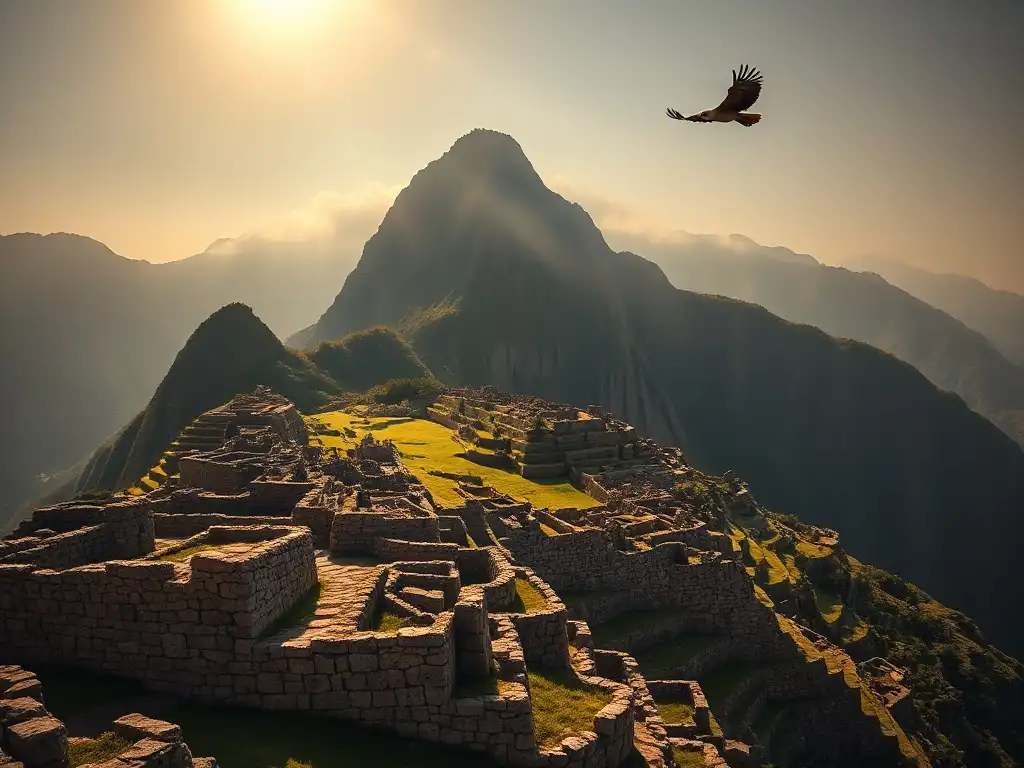
The enduring mystery surrounding Andean civilization structures lies not just in their impressive scale and sophisticated design, but in the multifaceted purposes they served. Unlike many ancient civilizations that focused on a single, dominant function for their monumental architecture (e.g., purely religious or defensive), Andean structures often combined multiple societal roles, blurring the lines between religious practice, political power, economic activity, and astronomical observation. This complex interplay makes deciphering their true purpose a challenging, yet rewarding, endeavor for archaeologists and historians studying Andean civilization structure purpose.
Understanding this requires moving beyond simplistic interpretations and embracing the nuanced social fabric of these advanced societies. We must consider the interconnectedness of their beliefs, social structures, and technological capabilities to gain a more complete picture. The lack of written records, relying instead on archaeological evidence, further complicates this task, demanding meticulous analysis of architectural features, associated artifacts, and environmental context.
The Significance of Architectural Marvels in the Andes
The Andes Mountains presented unique challenges and opportunities for the development of monumental architecture. The sheer scale of some structures, like the massive stonework of Sacsayhuamán near Cusco, speaks to an immense organizational capacity and sophisticated engineering prowess. But their significance extends beyond mere engineering feats. These structures served as powerful symbols of political authority, reinforcing the power of ruling elites and legitimizing their control.
For example, the intricate network of roads and tambos (roadside inns) facilitated communication and trade across vast distances, bolstering the Inca Empire's administrative reach and economic power. The placement of certain structures, often aligned with celestial bodies, suggests a deep understanding of astronomy and its integration into religious and agricultural practices. This is evidenced by the precise positioning of sites like Machu Picchu, which aligns with significant astronomical events, possibly marking solstices or equinoxes. Furthermore, the use of specific materials and architectural styles varied regionally, reflecting the distinct cultural identities and traditions of different Andean groups.
The elaborate Nazca lines, for instance, while their purpose remains debated, highlight the artistic and symbolic expression of a unique Andean culture. Analyzing these diverse architectural expressions reveals the rich tapestry of Andean civilization structure purpose and the complex societal factors that shaped their construction. The sheer diversity of structures, from monumental ceremonial centers to intricate irrigation systems, reflects a sophisticated understanding of engineering and a deep connection to the environment.
Unveiling the Secrets Behind Andean Construction Techniques
The precision and ingenuity of Andean construction techniques remain a source of wonder and ongoing research. The remarkable fit of stones in structures like Ollantaytambo, with minimal mortar, showcases an advanced understanding of stone cutting and placement. This precision was not merely aesthetic; it contributed to the structural integrity and longevity of these buildings, enabling them to withstand earthquakes and other environmental challenges. Archaeological evidence suggests the use of various techniques, including sophisticated quarrying methods, advanced tools, and possibly the utilization of ramps and levers for moving massive stones.
The sheer weight and size of some of these stones, some weighing many tons, challenge our understanding of the available technology and labor organization. Furthermore, the use of different materials, such as stone, adobe, and wood, varied depending on the geographical location and the intended purpose of the structure. Understanding these construction techniques is crucial for deciphering the purpose of the structures themselves. For instance, the meticulous planning and execution evident in the construction of irrigation systems in the coastal regions highlight the importance of water management for agricultural productivity and societal survival.
The sophisticated techniques employed in creating these systems reveal not only engineering prowess but also a deep understanding of the environment and its impact on Andean civilization structure purpose, demonstrating a complex interplay between technology, social organization, and environmental adaptation. Further research, including detailed analysis of tool marks, stone sourcing, and construction sequences, promises to unlock additional secrets about these remarkable achievements. The ongoing investigation into Andean construction methods sheds light on the ingenuity and resourcefulness of these ancient societies, highlighting the profound impact of their technological innovations on their social and economic lives.
Exploring the Diverse Functions of Ancient Andean Architecture
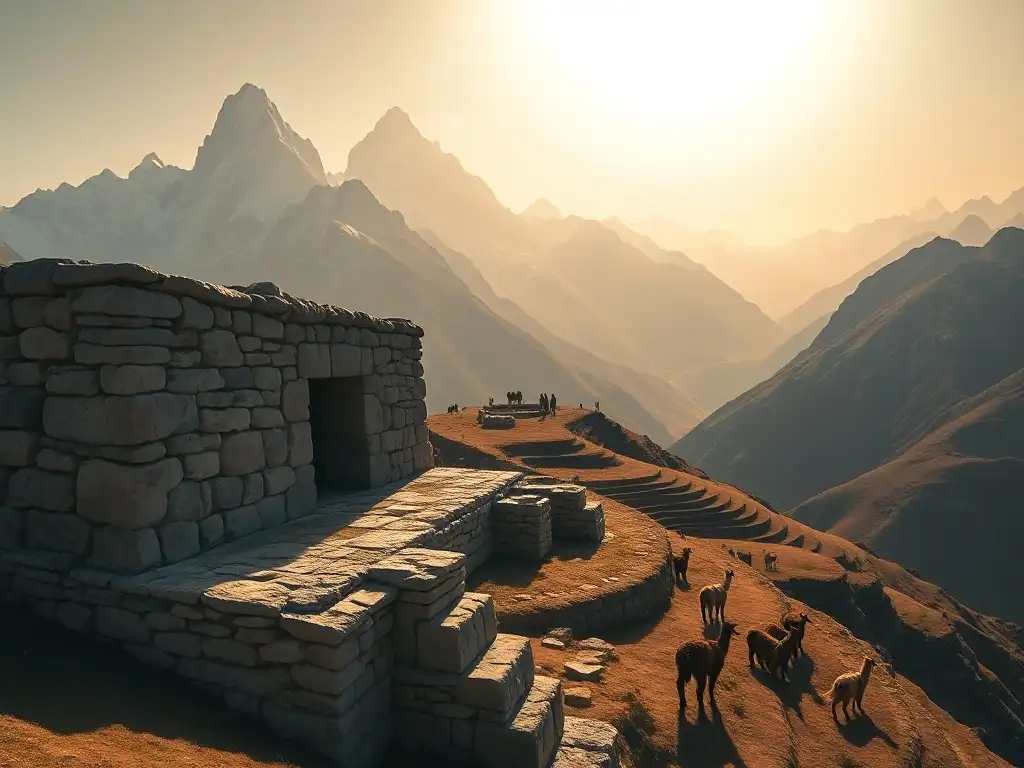
The Andean region boasts a breathtaking array of architectural marvels, remnants of sophisticated civilizations that thrived for millennia. Understanding the purpose of these structures is key to unlocking a deeper understanding of Andean societies, their beliefs, and their societal organization. While some structures clearly served practical purposes, many others held profound religious, social, and political significance, often intertwined in complex ways. This section delves into the multifaceted roles played by ancient Andean architecture, exploring the diverse functions served by these remarkable constructions. The investigation of "Andean civilization structure purpose" reveals a fascinating tapestry of human ingenuity and spiritual expression.
Religious and Ceremonial Purposes of Andean Structures
The Andean worldview was deeply intertwined with the natural world, and this is profoundly reflected in their architecture. Many structures were built not just for practical use, but as expressions of religious belief and for the performance of elaborate ceremonies. These structures often served as focal points for community life, reinforcing social bonds and solidifying the power of religious leaders.
Temples and Sacred Sites in Andean Civilizations
Temples and sacred sites were central to Andean religious practices. The architectural design of these structures often incorporated astronomical alignments, suggesting a sophisticated understanding of celestial bodies and their influence on the lives of the people. For example, the layout of certain temples in the Nazca region appears to be linked to the solstices and equinoxes, demonstrating a deep connection between astronomy and religious practices.
The precise construction techniques, involving massive stone blocks fitted together with remarkable precision, further emphasizes the importance attributed to these sacred spaces. The sheer scale of some structures, such as the monumental platforms at Tiahuanaco, also speaks to the immense effort and resources invested in religious activities. These sites weren't merely buildings; they were living manifestations of Andean cosmology.
Ritualistic Practices and Their Architectural Manifestations
Beyond the temples themselves, many other architectural features reflect specific ritualistic practices. For instance, the presence of chullpas (tower-like burial structures) throughout the Andean region indicates the importance given to ancestor veneration. The intricate designs and carefully chosen locations of these structures suggest a complex system of beliefs surrounding death and the afterlife.
Furthermore, the discovery of various artifacts within these structures, such as pottery, textiles, and offerings, provides further insight into the rituals performed at these sites. Many structures also incorporated features specifically designed to facilitate rituals, such as platforms for ceremonies, niches for offerings, and intricate water systems possibly used in purification rites. The study of these architectural features allows us to piece together a more complete picture of the spiritual lives of the ancient Andean people.
Andean architecture also played a crucial role in structuring social and political life. The construction and maintenance of large-scale projects required significant organization and manpower, highlighting the power of the ruling elites and their ability to mobilize resources. Architectural styles, materials, and locations all contributed to the projection of power and the reinforcement of social hierarchies.
Palaces and Administrative Centers of Andean Empires
Palaces and administrative centers served as the physical manifestations of political power. The impressive scale and elaborate decoration of these structures served to impress both subjects and potential rivals. The Inca palaces, for example, were renowned for their meticulous craftsmanship and strategic placement, often commanding breathtaking views of the surrounding landscape.
The organization of these centers, with distinct areas for residences, storage, and administrative functions, reflects a sophisticated understanding of urban planning and governance. These architectural complexes were not just dwellings; they were symbols of imperial authority and control. The intricate systems of roads and communication networks that connected these centers further underscored the centralized nature of Andean empires.
Fortifications and Defense Systems in the Andean Region
The rugged terrain of the Andes also necessitated the construction of extensive defense systems. Fortifications, such as those found at Ollantaytambo, demonstrate remarkable engineering skills and a keen awareness of strategic positioning. These structures were not simply defensive walls; they were integrated into the landscape, often incorporating natural features to maximize their effectiveness. The design and construction of these fortifications reveal much about the military capabilities and strategic thinking of the Andean civilizations.
The scale of these projects further highlights the organizational capacity and social mobilization required to maintain such extensive defense networks. The study of these fortifications provides invaluable insight into the dynamics of warfare and inter-group relations in the Andean region. The analysis of these structures reveals a sophisticated understanding of both defensive strategy and civil engineering.
Astronomical Alignments and Andean Structures: A Cosmic Connection
The Andean civilizations, renowned for their sophisticated understanding of engineering and architecture, also displayed a profound connection to the cosmos. Many structures, seemingly built for practical purposes, also exhibit remarkable astronomical alignments, suggesting a deep integration of celestial observation into their societal fabric. This isn't merely a coincidence; the precise orientation of structures like temples, plazas, and even agricultural terraces points towards a deliberate attempt to track celestial events, influencing their agricultural practices, religious ceremonies, and possibly even their political organization.
The precision involved in these alignments, often achieved using simple tools and techniques, speaks volumes about their advanced knowledge of astronomy and mathematics. Further research continues to unveil the intricacies of these alignments, revealing a more complex relationship between the earthly and the heavenly realms than previously understood.
The meticulous planning and execution required for these astronomical alignments underscore the advanced capabilities of Andean engineers and their deep understanding of the cosmos. The integration of astronomy into architecture wasn't just a decorative element; it was fundamental to their worldview and societal functioning.
Observatories and Calendrical Systems in Andean Architecture
Several Andean sites exhibit characteristics strongly suggestive of functioning observatories. For instance, certain structures, like the Caracol tower at Chankillo, are designed to track the sun's movements throughout the year. These structures were not merely places of astronomical observation; they served as sophisticated calendrical systems, crucial for organizing agricultural activities and religious festivals.
The precise positioning of windows and other architectural features allowed for the precise observation of solstices and equinoxes, events of paramount importance for determining the optimal times for planting and harvesting. The integration of astronomical observation into these calendrical systems highlights the practical application of their astronomical knowledge.
Moreover, the standardization of these systems across different regions suggests a level of inter-regional communication and cultural exchange, further emphasizing the importance of astronomy in Andean society. The development of such sophisticated calendrical systems, based on meticulous astronomical observations, showcases the advanced knowledge and technological capabilities of these ancient civilizations.
The Role of Astronomy in Andean Civilization Planning
The influence of astronomy extended far beyond religious ceremonies and agricultural practices. Evidence suggests that astronomical alignments played a significant role in urban planning and the organization of Andean societies. The layout of cities, the positioning of key structures within urban centers, and even the orientation of agricultural terraces often reflect a deliberate incorporation of astronomical principles.
This suggests that astronomical observations informed not only their daily lives but also their broader societal structures and political organization. By aligning their cities and infrastructure with celestial events, the Andean civilizations may have aimed to create a harmonious relationship between the human and cosmic orders. The precise alignment of structures like Machu Picchu, for example, with specific constellations and solar events, further supports this hypothesis.
The intricate interplay between astronomy and urban planning underscores the holistic nature of Andean knowledge systems and their profound impact on the development of their civilization. Ongoing research continues to reveal the extent to which astronomy shaped the very fabric of Andean societies, highlighting the sophistication and complexity of their worldview.
Case Studies: Analyzing Specific Andean Structures and Their Purpose

This section delves into specific examples of Andean civilization structures, examining the diverse purposes they served within their respective societies. We will move beyond simple descriptions to explore the multifaceted roles these structures played in the daily lives, religious beliefs, and political organization of these fascinating ancient cultures. Analyzing these structures helps us better understand the ingenuity and complexity of Andean civilization. Understanding the Andean civilization structure purpose is key to unlocking the secrets of these remarkable societies.
Machu Picchu: A Multifunctional Citadel of the Inca Empire
Machu Picchu, the iconic "Lost City of the Incas," stands as a testament to the sophisticated engineering and urban planning of the Inca Empire. Contrary to popular belief, Machu Picchu wasn't solely a royal retreat. Archaeological evidence suggests a much more complex and multifaceted purpose.
Exploring the Residential, Religious, and Agricultural Aspects of Machu Picchu
The layout of Machu Picchu reveals a carefully planned integration of residential, religious, and agricultural elements. The city's residential areas, composed of intricately designed stone buildings, housed a diverse population, including royalty, priests, and commoners. The presence of numerous temples and shrines, such as the Temple of the Sun and the Temple of the Three Windows, points to the significant religious importance of the site. These structures were likely used for rituals, ceremonies, and astronomical observations.
The Inca's mastery of terracing is evident in the sophisticated agricultural systems that supported the population. These carefully constructed terraces maximized arable land, allowing for the cultivation of crops even on steep slopes. This ingenious system ensured food security for the inhabitants of Machu Picchu, highlighting the city's self-sufficiency and resilience.
The integration of these different functions demonstrates the Inca's ability to seamlessly blend their daily life with their spiritual beliefs and agricultural necessities. Machu Picchu serves as an excellent example of the holistic approach to urban planning characteristic of Andean civilizations. Further research continues to uncover more nuanced aspects of this extraordinary site, adding to our understanding of Andean civilization structure purpose.
Tiwanaku: Unraveling the Mysteries of a Pre-Inca Urban Center
Tiwanaku, located on the shores of Lake Titicaca in modern-day Bolivia, is another significant example of a complex Andean structure whose purpose remains partially enigmatic. This pre-Inca urban center flourished centuries before the Inca Empire, exerting considerable influence over a vast region. Its monumental architecture and sophisticated urban planning pose fascinating questions about its role in the social, political, and religious life of its inhabitants. The scale of its construction is impressive, hinting at a highly organized and centralized society.
Examining the Monumental Architecture and Symbolic Meanings of Tiwanaku
Tiwanaku's monumental architecture is truly awe-inspiring. The massive structures, including the Akapana pyramid and the Gate of the Sun, are crafted from precisely cut and fitted stones, showcasing remarkable engineering skills. The Gate of the Sun, with its intricate carvings, is particularly intriguing.
Scholars debate the meaning of these carvings, with some suggesting astronomical and religious significance. The Akapana pyramid, while its original function remains debated, is believed to have served multiple purposes, possibly including religious ceremonies, administrative functions, and possibly even astronomical observations. The complex layout of the city, with its canals and plazas, further suggests a sophisticated understanding of urban planning and water management.
The symbolic meanings embedded within Tiwanaku's architecture continue to be explored, providing valuable insights into the cosmology and worldview of this influential pre-Inca culture. The ongoing research into Tiwanaku's monumental structures sheds light on the diverse ways Andean civilization structure purpose manifested in different Andean societies. The precise functions of many structures remain a topic of ongoing scholarly debate, highlighting the enduring mystery and complexity of this fascinating ancient civilization.
The Nazca Lines: Decoding the Purpose of Giant Geoglyphs
The Nazca Lines, etched into the Peruvian desert, remain one of the most enduring mysteries of Andean civilization structure purpose. These colossal geoglyphs, depicting animals, plants, and geometric figures, stretch for miles across the arid landscape, visible only from the air. Their scale and precision are breathtaking, prompting centuries of speculation about their creators' intentions.
The sheer effort involved in their creation, considering the tools and technology available to the Nazca culture (circa 100 BCE – 800 CE), is staggering, further fueling the enigma surrounding their purpose. Scholars have long debated whether these lines were primarily astronomical markers, part of a complex religious ritual, or served a significant social function within Nazca society.
The lack of written records from the Nazca civilization adds to the challenge, forcing researchers to rely on careful analysis of the geoglyphs themselves, their surrounding environment, and comparative studies with other Andean cultures. Understanding the Nazca Lines requires a multidisciplinary approach, drawing on expertise in archaeology, anthropology, astronomy, and even geophysics.
Investigating the Astronomical, Religious, and Social Theories Behind the Nazca Lines
Several compelling theories attempt to explain the Andean civilization structure purpose behind the Nazca Lines. The astronomical hypothesis suggests that the lines align with specific celestial events, such as solstices and equinoxes, potentially acting as a giant calendar or observatory. Careful mapping has revealed some correlations between the lines and the movements of the sun and stars, although the extent of this astronomical function remains debated.
Some researchers propose that the lines were used to track the seasons, crucial for agricultural planning in a desert environment. This would have been a matter of vital importance for survival, linking the lines directly to the practical needs of the Nazca people.
The religious theory posits that the lines were integral to Nazca religious practices. The depictions of animals, such as the hummingbird, monkey, and lizard, might represent deities or shamanistic figures. The lines themselves could have formed part of pilgrimage routes or ceremonial processions, with the geoglyphs acting as visual markers or symbolic representations of the Nazca worldview.
The creation of the lines may have involved communal participation, reinforcing social bonds and religious beliefs. This theory aligns with the evidence suggesting a strong connection between religion and social structure in Nazca society. The scale of the undertaking suggests a significant investment of labor and resources, hinting at its importance within the culture.
Finally, the social theory proposes that the lines served a primarily social function. The immense effort required for their construction may have served as a demonstration of communal power and social organization. The lines might have marked territorial boundaries, indicated water sources, or served as pathways for trade or communication across the Nazca landscape. The creation of the lines could have been a form of social engineering, fostering cooperation and reinforcing social hierarchies.
This theory acknowledges the logistical challenges of constructing the lines and suggests that their purpose extended beyond purely religious or astronomical concerns. Further research is needed to fully understand the interplay of these various factors, and the true significance of the Nazca Lines within the broader context of Andean civilization structure purpose remains a fascinating area of ongoing investigation. The combination of these hypotheses may ultimately provide the most comprehensive understanding of these enigmatic structures.
Ongoing Research and Future Directions in Andean Archaeology
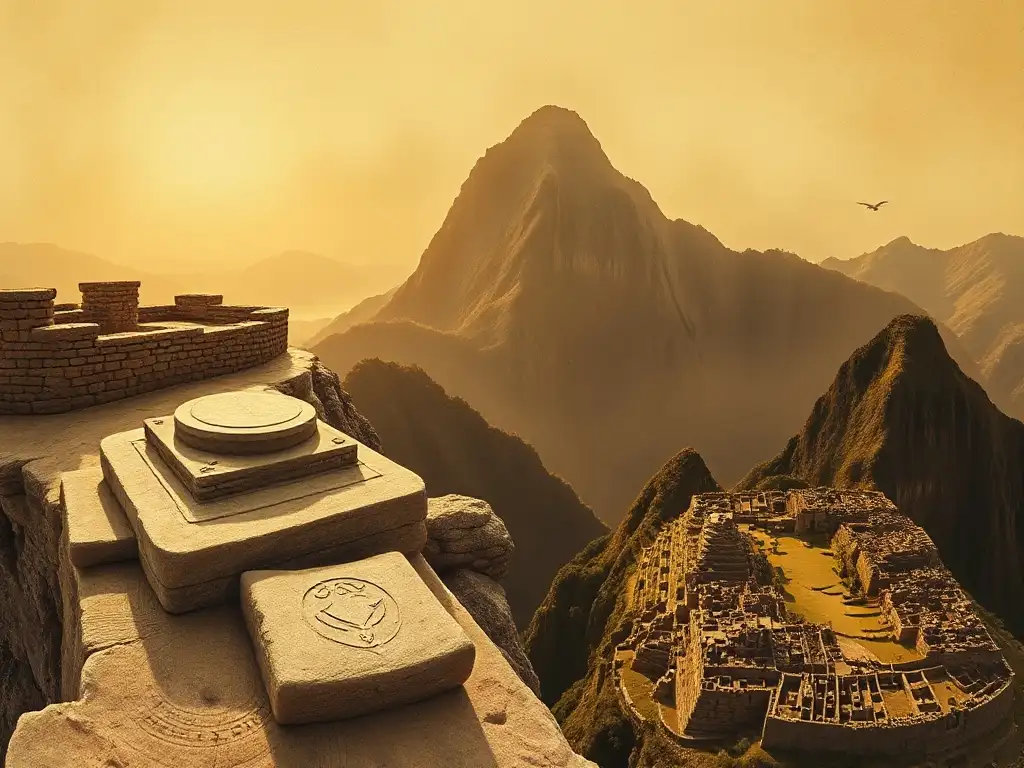
The study of Andean civilization structure purpose is a dynamic field, constantly evolving with new discoveries and advancements in archaeological techniques. Understanding the multifaceted roles of these structures—from ceremonial centers to agricultural infrastructure—requires a multidisciplinary approach, combining traditional excavation methods with cutting-edge technologies. This ongoing research is crucial not only for unraveling the mysteries of the past but also for informing present-day preservation efforts.
The sheer scale and complexity of many Andean sites, like Machu Picchu or the Nazca Lines, present unique challenges and opportunities for researchers. The sheer volume of unearthed artifacts and the intricate nature of the structures themselves demand meticulous analysis and innovative research strategies.
For example, recent research focusing on the intricate water management systems of the Inca has revealed sophisticated engineering techniques previously unknown, expanding our understanding of their societal organization and technological prowess. This ongoing investigation is pivotal in broadening our knowledge of Andean civilization structure purpose.
New Discoveries and Evolving Perspectives on Andean Structures
Recent excavations at sites across the Andes have yielded surprising results, challenging previously held assumptions about the purpose of certain structures. For instance, the discovery of elaborate subterranean tunnels in the Tiwanaku region has led to new hypotheses regarding their use, possibly as ritual spaces or sophisticated storage facilities. The ongoing analysis of these findings, along with the application of advanced dating techniques, is providing a more nuanced understanding of the chronology and function of Andean structures.
Furthermore, the discovery of previously unknown settlements and agricultural terraces is shedding light on the population density and agricultural practices of various Andean cultures. This expansion of our archaeological record is directly impacting our understanding of Andean civilization structure purpose, revealing a more complex and interconnected society than previously imagined. The study of Andean structures is no longer limited to isolated monuments; instead, it considers the broader landscape and the intricate relationship between human settlements, agriculture, and the environment.
Analysis of soil samples and pollen from these sites provides further insights into the environmental context and the impact of human activity on the landscape. This holistic approach is essential for a comprehensive understanding of Andean civilization structure purpose.
The Application of Advanced Technologies in Andean Archaeological Studies
The application of advanced technologies is revolutionizing the study of Andean civilization structure purpose. Techniques such as LiDAR (Light Detection and Ranging) allow researchers to map vast areas with unprecedented accuracy, revealing hidden structures and features obscured by vegetation or erosion. Ground-penetrating radar (GPR) provides non-invasive subsurface imaging, enabling the detection of buried structures and artifacts without the need for extensive excavation.
Furthermore, 3D modeling and digital reconstruction techniques are creating virtual representations of ancient sites, allowing for detailed analysis and virtual exploration. The use of GIS (Geographic Information Systems) helps researchers integrate diverse data sets, including topographic maps, satellite imagery, and archaeological findings, to create comprehensive spatial models of ancient settlements and their surrounding environments. The integration of these advanced technologies is not only accelerating the pace of discovery but also enhancing the accuracy and precision of archaeological interpretations.
Analyzing the chemical composition of building materials through techniques like X-ray fluorescence (XRF) provides clues about the origin of materials and the trade networks that supported Andean civilizations. This multi-faceted approach, integrating traditional fieldwork with cutting-edge technologies, is crucial to unraveling the complexities of Andean civilization structure purpose.
Preserving and Protecting the Legacy of Andean Civilization Architecture
Preserving the fragile legacy of Andean civilization architecture is paramount. These structures, many of which are vulnerable to the effects of erosion, climate change, and human activity, require careful preservation strategies. Sustainable tourism initiatives that prioritize the protection of these sites are crucial. This includes implementing strict guidelines for visitor access, employing conservation techniques to stabilize structures, and educating the public about the importance of protecting these invaluable historical resources.
Furthermore, ongoing research into the materials and techniques used in the construction of Andean structures is essential for developing effective preservation methods. The development of conservation strategies requires a collaborative effort between archaeologists, engineers, and local communities. Engaging local communities in preservation efforts ensures the long-term sustainability of these projects and fosters a sense of ownership and pride in the cultural heritage of the Andes.
The preservation of Andean sites is not merely an act of conservation; it is a commitment to safeguarding a vital part of human history and understanding Andean civilization structure purpose for future generations. The challenge lies in striking a balance between making these sites accessible to the public and protecting them from the detrimental effects of tourism and environmental factors. This requires a long-term commitment to research, conservation, and community engagement.
Concluding Thoughts on the Purpose of Ancient Andean Structures
The investigation into the purpose of ancient Andean structures reveals a fascinating tapestry woven from astronomical alignments, ritualistic practices, and societal organization. While definitive answers remain elusive for many sites, the accumulated evidence points towards a complex interplay of factors, defying simplistic explanations. Understanding these structures requires moving beyond singular, functional interpretations and embracing a more nuanced approach that considers the multifaceted nature of Andean civilization.
The very act of constructing these monumental works – demanding immense labor and sophisticated engineering – speaks volumes about the social cohesion and power structures of these societies. Further research is crucial to unraveling the remaining enigmas.
The Enduring Mystery and the Importance of Continued Research
The enduring mystery surrounding the purpose of many Andean structures underscores the limitations of our current understanding. Many sites, despite extensive research, continue to yield ambiguous results. For example, the precise astronomical significance of certain alignments at sites like Machu Picchu remains a subject of ongoing debate among researchers.
The lack of written records from many Andean cultures further complicates interpretation, forcing archaeologists to rely heavily on indirect evidence such as architectural analysis, artifact discovery, and comparative studies with other civilizations. Continued research, employing advanced technologies and interdisciplinary approaches, is vital to illuminating these enduring mysteries. New techniques in remote sensing, for instance, could reveal previously unknown features or patterns, providing crucial insights into the construction and use of these structures.
Furthermore, collaborative efforts between archaeologists, astronomers, anthropologists, and other specialists are essential to achieve a comprehensive understanding of these magnificent achievements. The quest to understand the purpose of Andean civilization structure continues, fueled by both the inherent fascination with these enigmatic sites and the potential for groundbreaking discoveries that will reshape our understanding of Andean history.
Reflecting on the Ingenuity and Complexity of Andean Architecture
The sheer ingenuity and complexity of Andean architecture are undeniable. The mastery of stonework, evident in the precise fitting of massive blocks without mortar in structures like Sacsayhuamán, showcases an advanced understanding of engineering and construction techniques. The integration of structures with their natural environment, particularly evident in the terraced agriculture of the Andes, highlights a deep understanding of both engineering and ecological principles.
This intricate relationship between architecture, landscape, and societal needs demonstrates a sophisticated level of planning and organization. The diversity of architectural styles across different Andean cultures further emphasizes the richness and complexity of their societies. From the monumental platforms of Tiahuanaco to the intricate subterranean structures of the Nazca, each culture developed unique architectural forms reflecting their specific beliefs, values, and needs.
Analyzing these variations allows us to gain a deeper appreciation for the cultural diversity of the Andean region and the interconnectedness of its societies. The study of Andean civilization structure provides a compelling example of human ingenuity and adaptability, offering valuable lessons for modern engineering and architectural design. Understanding the techniques employed, the challenges overcome, and the underlying social structures that enabled these monumental achievements is crucial for appreciating the full legacy of Andean civilizations.
Frequently Asked Questions
What was the primary purpose of Andean structures like Machu Picchu?
While Machu Picchu's exact purpose remains debated, it's believed to have served as a royal estate or a religious center, possibly both, for the Inca elite. Its strategic location and sophisticated design suggest a significant role in Inca society.
How did the environment influence Andean civilization structure?
The challenging Andean terrain, including mountains and valleys, heavily influenced the design and location of settlements. Structures were often adapted to the landscape, utilizing terracing and stonework to optimize land use.
What materials were commonly used in Andean structures?
Andean civilizations utilized readily available resources, primarily stone, particularly in monumental architecture. They also used adobe bricks, wood, and thatch for less imposing structures depending on the region and availability.
The hierarchical social structures greatly influenced architecture. Monumental structures like temples and palaces reflected the power of the elite, while smaller dwellings housed the common people. The size and quality of buildings directly correlated to social standing.
What techniques did Andean civilizations employ in their construction?
Andean builders mastered sophisticated techniques including precise stone fitting (without mortar), terracing for agriculture, and complex irrigation systems to support their population. They displayed a remarkable understanding of engineering and construction.
Final Reflection: Unraveling the Echoes of Andean Ingenuity
The enduring mystery surrounding the purpose of ancient Andean structures continues to resonate today, challenging our understanding of societal organization and technological prowess. These monumental achievements, far from being mere relics of a bygone era, offer invaluable insights into complex social structures, sophisticated engineering, and a profound connection to the natural world. Their continued existence compels us to question our own assumptions about progress and the legacy we leave behind.
The impact of these structures extends far beyond their physical presence; they represent a cultural legacy that continues to shape Andean identity and inspire awe. Their intricate designs and monumental scale speak to a level of societal cohesion and planning that is both remarkable and humbling. The past is never dead. It's not even past.
– William Faulkner. This quote rings true when considering the enduring influence of these ancient structures, their stories whispering across millennia, shaping our understanding of the past and informing our present.
Consider the ingenuity, the collaborative effort, and the deep understanding of astronomy and engineering required to construct these marvels. Now, consider your own life, your own contributions to the world. What monumental structures, metaphorical or literal, are you building? What legacy will you leave behind? Let the echoes of Andean ingenuity inspire you to create, to innovate, and to leave your own indelible mark on the world, a mark as enduring and awe-inspiring as the structures that continue to stand as testaments to human potential.
Unearth the Secrets of the Ancient Andes!
Thank you for exploring the fascinating world of Andean civilizations with us! Your curiosity has led you to a deeper understanding of the remarkable ancient structures that shaped the lives of countless people. Now, let's continue this journey and discover what you can do next!
- Share your discoveries: Discuss the significance of these ancient structures in the modern world with your friends and family on social media.
- Deepen your knowledge: Explore our exclusive resources on Andean architecture and cultural heritage to further enhance your understanding of these magnificent civilizations.
- Join our community: Subscribe to our newsletter to receive the latest research, information on upcoming events, and in-depth articles on the captivating mysteries of the ancient world.
What ancient Andean site most intrigues you, and what aspects of its purpose are you most eager to learn about?