
The Legacy of Inca Art in Modern Andean Culture

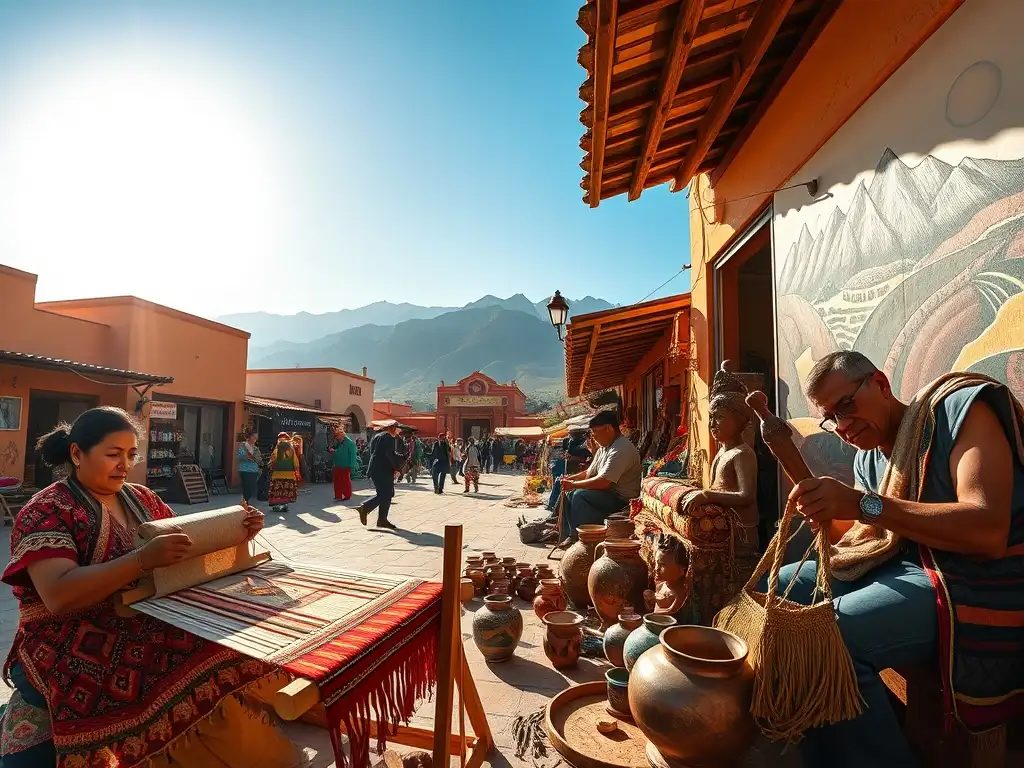
Step into a world lost in time, yet vibrantly alive today. Journey with us through the breathtaking tapestry of Andean civilizations, uncovering the secrets of the Incas, Moche, Nazca, and Tiahuanaco. But prepare to be amazed, for the legacy of the past continues to resonate: how did Inca art influence modern Andean culture? Discover the surprising answers and more within the fascinating story of the Inca Empire, starting now.
- The Enduring Legacy of Inca Art in Modern Andean Culture
- Inca Art: A Foundation for Contemporary Expression
- The Influence of Inca Textiles on Modern Andean Weaving
- Inca Metalwork: Echoes in Contemporary Andean Crafts
- Inca Ceramics and their Influence on Contemporary Andean Pottery
- The Impact of Inca Art on Modern Architecture and Design
- The Cultural Significance of Inca Art in Modern Andean Society
- Conclusion: The Timeless Impact of Inca Art
-
Frequently Asked Questions
- How did Inca art influence modern Andean textiles?
- What Inca artistic motifs are still seen in contemporary Andean art?
- Is Inca architecture still influential in modern Andean construction?
- How has Inca metalworking impacted modern Andean craftsmanship?
- Beyond visual arts, how else does Inca legacy impact modern Andean culture?
- Final Reflection: Echoes of the Inca: Art's Enduring Legacy in the Andes
- Unveil the Living Legacy of Inca Art!
The Enduring Legacy of Inca Art in Modern Andean Culture
The vibrant tapestry of modern Andean culture is deeply interwoven with the threads of its rich past, particularly the artistic legacy of the Inca Empire. This article explores the profound influence of Inca art on contemporary Andean expressions, demonstrating how ancient techniques, motifs, and aesthetics continue to resonate in diverse art forms across the region.
From the intricate textiles adorning traditional clothing to the captivating designs found in contemporary ceramics and metalwork, the echoes of Inca artistry are unmistakable. We will delve into specific examples showcasing the enduring power of Inca artistic traditions, analyzing their transformation and adaptation within a modern context, and ultimately highlighting the remarkable continuity between the past and the present in Andean artistic production.
This examination will reveal not just the how of this influence, but also the why, exploring the socio-cultural factors that have ensured the survival and evolution of Inca artistic principles across centuries. Understanding this connection is crucial to appreciating the full richness and complexity of Andean art today.
Introduction: Tracing the Roots of Modern Andean Art to Inca Traditions
The Inca Empire, at its zenith, controlled a vast territory encompassing much of the Andes Mountains. Their artistic achievements were remarkable, showcasing a sophisticated understanding of textiles, metalworking, and stone carving. These artistic expressions weren't merely decorative; they served crucial social, religious, and political functions. For example, intricate textiles signified social status and were often used in ceremonies.
Similarly, meticulously crafted gold and silver objects were associated with power and divinity. The legacy of these practices continues to shape modern Andean art. We see this influence in the continued use of traditional Andean dyes and weaving techniques in contemporary textiles, as well as the persistence of certain symbolic motifs in modern artistic creations. This enduring legacy is not simply a matter of imitation; it is a dynamic process of adaptation and reinterpretation, reflecting the evolving cultural landscape of the Andes.
The following sections will explore these connections in greater detail, examining specific artistic forms and their relationship to Inca artistic traditions. We will also consider the role of cultural preservation efforts and the impact of globalization on maintaining and transforming this remarkable artistic heritage. The survival and adaptation of Inca artistic styles are a testament to the enduring power of cultural memory and the vitality of Andean artistic traditions.
Textiles: The Unbroken Thread of Inca Influence
Inca textile production was renowned for its complexity and artistry. The use of sophisticated weaving techniques, intricate designs, and vibrant natural dyes resulted in textiles of exceptional quality and beauty. These techniques, passed down through generations, remain integral to modern Andean textile production.
Many contemporary Andean artisans still use traditional backstrap looms and employ techniques similar to those used by their Inca ancestors. Furthermore, traditional motifs, such as geometric patterns and representations of animals and plants, frequently appear in modern textiles. These designs often carry symbolic meaning, reflecting a continuity in Andean cultural beliefs and practices.
The vibrant colors, often derived from the same natural sources used by the Inca, further underscore this connection. Even today, the production of textiles remains a significant part of Andean economies and cultural identity, demonstrating the persistent influence of Inca artistic practices. The precision and artistry of Inca textiles continues to inspire and inform contemporary Andean textile artists, creating a vibrant and evolving tradition.
Ceramics and Metalwork: Echoes of Inca Mastery
Inca ceramic and metalwork also exerted a significant influence on modern Andean art. Inca pottery, known for its refined shapes and decorative motifs, demonstrates a high level of technical skill and artistic sophistication. While the styles have evolved, the use of certain techniques and designs persists in modern Andean ceramics. Similarly, Inca metalwork, particularly in gold and silver, was renowned for its intricate detail and symbolic significance.
Although large-scale metalworking on a par with the Inca is less common today, the influence of their techniques and aesthetic sensibilities can still be found in the work of contemporary Andean artisans. The use of traditional casting methods and the incorporation of symbolic motifs echo the legacy of Inca metalworkers. The enduring appeal of these artistic forms speaks to the lasting impact of Inca craftsmanship and the enduring value placed on artistic skill and symbolic representation within Andean culture.
Contemporary Adaptations and the Role of Globalization
The influence of Inca art in modern Andean culture is not a static phenomenon; it's a dynamic process of adaptation and reinterpretation. Contemporary Andean artists often draw inspiration from Inca motifs and techniques, but they also incorporate elements from other cultural traditions and contemporary aesthetics. This blending of influences reflects the changing social and economic realities of the Andes, as well as the increasing interconnectedness of the world.
Globalization has, in some ways, challenged traditional artistic practices, but it has also provided new opportunities for Andean artists to share their work with a wider audience and to engage with global artistic trends. This interaction has resulted in innovative and exciting new forms of artistic expression, enriching the already diverse tapestry of Andean art. The challenge, however, lies in navigating the tension between preserving traditional techniques and embracing contemporary influences, ensuring the continued vibrancy and authenticity of Andean artistic traditions.
Inca Art: A Foundation for Contemporary Expression
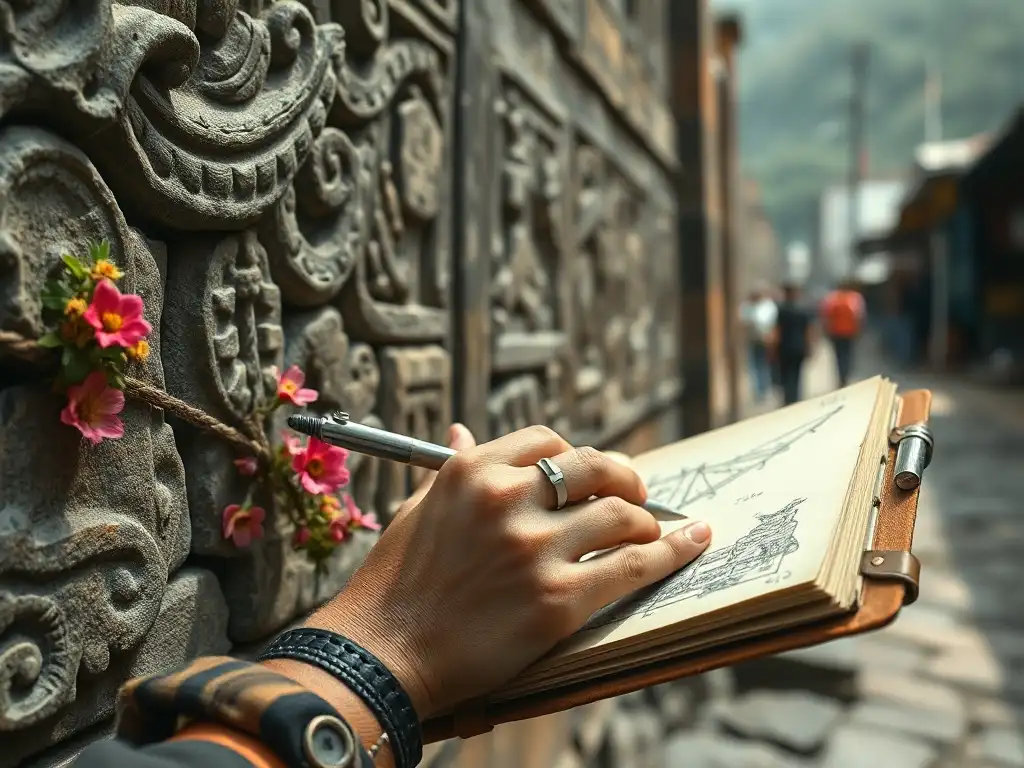
Inca art, a vibrant tapestry woven from sophisticated techniques and deeply symbolic motifs, continues to resonate powerfully in modern Andean culture. Its influence is not merely a nostalgic echo of a bygone era, but a living, breathing force shaping artistic expression, cultural identity, and even economic activity in the region today.
This enduring legacy is a testament to the ingenuity and artistic prowess of the Inca civilization and its enduring impact on the cultural landscape of the Andes. Understanding this influence requires examining both the historical significance of Inca art forms and the specific elements that have persisted through centuries of change.
The Significance of Inca Art Forms: A Historical Overview
The Inca Empire, at its zenith, controlled a vast territory encompassing much of the Andes Mountains. This geographical expanse, coupled with a highly centralized political structure, fostered a remarkable degree of artistic homogeneity. While regional variations existed, a core set of artistic conventions, techniques, and symbolic languages unified Inca artistic production. This standardization, however, was not a sign of artistic stagnation. Rather, it reflected a deliberate effort to project imperial power and reinforce cultural cohesion across a diverse population.
Inca art was deeply intertwined with religion and state power. Elaborate temples, palaces, and monumental structures served not only practical purposes but also as powerful statements of imperial authority and religious beliefs. The intricate carvings adorning these structures, often depicting deities, mythical creatures, and scenes from Inca mythology, communicated important ideological messages.
Similarly, textiles and metalwork, frequently incorporating sophisticated techniques like knotting (quipus) and repoussé, served both practical and symbolic functions, often bearing intricate designs that reflected social status and religious beliefs. The production of these art forms was often overseen by specialized workshops, indicating the high value placed on artistic skill and production within the Inca state. The meticulous craftsmanship and symbolic richness embedded in Inca art forms underscore their profound cultural significance.
Key Elements of Inca Art that Persist Today
The influence of Inca art on modern Andean culture is multifaceted. Several key elements continue to inspire contemporary artists and artisans, demonstrating the enduring power of Inca aesthetics and techniques.
- Textiles: The intricate weaving techniques of the Inca, characterized by their use of vibrant colors, complex patterns, and high-quality materials like alpaca and vicuña wool, remain a cornerstone of Andean textile production. Modern Andean weavers continue to employ traditional techniques, often incorporating Inca-inspired motifs and designs into their creations. The continuity of these techniques highlights the enduring relevance of Inca artistic traditions in contemporary Andean life. This is not simply imitation; it is a dynamic process of adaptation and innovation, with contemporary artists often reinterpreting traditional designs in new and exciting ways.
- Ceramics: While Inca pottery is distinct in its style, the fundamental techniques of pottery-making have continued. The use of local clays and traditional firing methods are still prevalent. Modern Andean ceramic artists often draw inspiration from Inca forms and motifs, adapting them to their contemporary expressions. The enduring popularity of traditional Andean pottery showcases the lasting significance of the art form.
- Metalwork: Inca metalworking, renowned for its mastery of gold, silver, and copper, has left a lasting impact. Though access to precious metals may be limited today, the skills and aesthetics of Inca metalwork continue to inspire contemporary artisans. The intricate designs and techniques, though adapted to modern materials and contexts, still echo the elegance and sophistication of Inca craftsmanship. This is particularly evident in jewelry making, where traditional motifs and techniques are often reinterpreted for modern audiences.
- Symbolic Motifs: Many of the iconic motifs found in Inca art, such as the khipu (knotted cords used for record-keeping), the condor, the puma, and the serpent, continue to appear in contemporary Andean art. These symbols, imbued with deep cultural meaning, are used in a variety of contexts, from textiles and ceramics to paintings and sculptures. Their continued use speaks to the enduring power of Inca symbolism and its capacity to resonate with modern Andean identities.
The legacy of Inca art is not merely a historical artifact; it's a vibrant and evolving force shaping the artistic landscape of the Andes today. The persistence of Inca-inspired motifs, techniques, and artistic principles demonstrates the enduring influence of this remarkable civilization on modern Andean culture and its artistic expression. The continuity of these traditions underscores the importance of preserving and celebrating the rich artistic heritage of the Inca Empire.
The Influence of Inca Textiles on Modern Andean Weaving
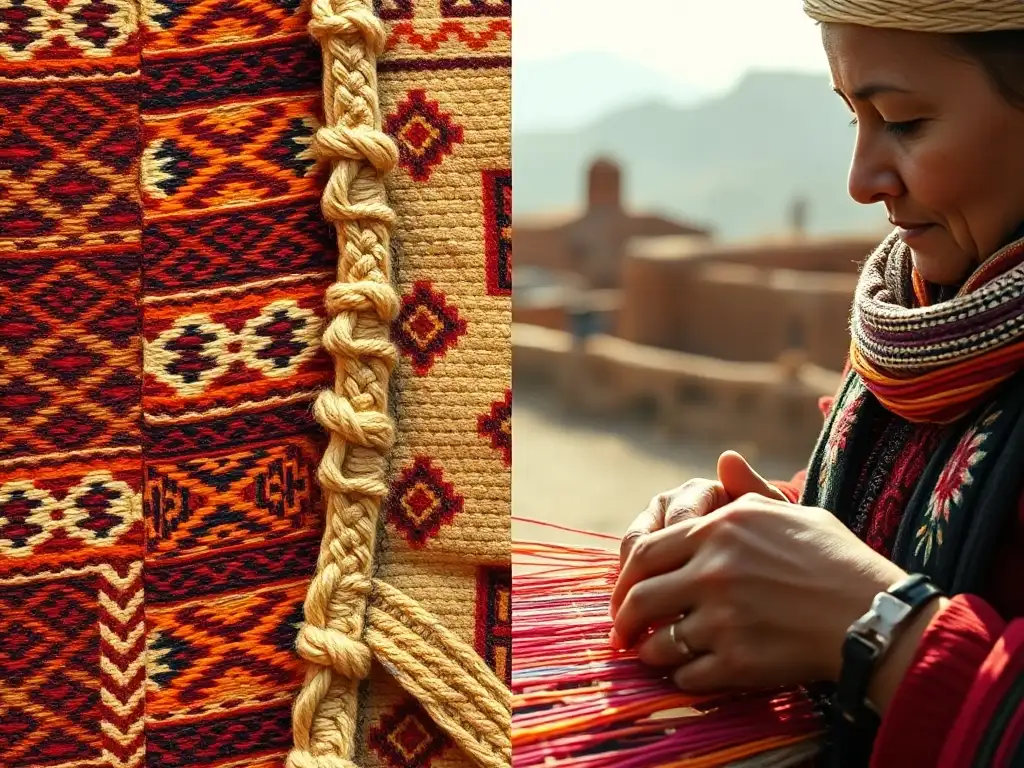
The enduring legacy of Inca art is profoundly evident in the vibrant tapestry of modern Andean culture. Nowhere is this more apparent than in the art of weaving, a practice deeply rooted in Inca traditions and meticulously preserved through generations. The intricate designs, sophisticated techniques, and symbolic language embedded in Inca textiles continue to inspire and inform contemporary Andean weavers, ensuring the survival and evolution of this ancient craft.
Analyzing this influence reveals a fascinating interplay between tradition and innovation, showcasing the remarkable resilience of Inca artistic heritage. The impact of Inca textile traditions on modern Andean weaving is not merely aesthetic; it's a powerful testament to cultural continuity and identity. Understanding this connection provides crucial insights into the complexities of Andean cultural preservation and the ongoing dialogue between past and present.
Inca Textile Techniques and Their Modern Adaptations
Inca weavers mastered a range of sophisticated techniques, including backstrap loom weaving, spindle spinning, and the use of natural dyes derived from plants and minerals. These techniques, passed down through oral traditions and practical demonstrations, remain central to modern Andean weaving practices. For example, the intricate process of creating khipus, knotted strings used for record-keeping, although not widely practiced for its original purpose, continues to inspire contemporary artists who adapt the knotting techniques to create unique contemporary sculptures and textiles.
The use of natural dyes, a hallmark of Inca textile production, is also experiencing a resurgence, with modern weavers actively seeking out and cultivating traditional plants to create vibrant and environmentally sustainable colors. The backstrap loom, a portable and versatile tool favored by Inca artisans, remains a cornerstone of many Andean communities, showcasing the practical adaptability of Inca technology.
Many modern weavers are not only preserving these techniques but also innovating upon them, incorporating new materials and designs while retaining the core principles of Inca craftsmanship. This blend of tradition and innovation ensures the continued relevance and evolution of Inca weaving techniques in the modern Andean context.
The Symbolism in Inca Textiles and its Continued Use
Inca textiles weren't merely decorative; they were imbued with profound symbolic meaning. Geometric patterns, zoomorphic motifs (animal representations), and representations of deities were carefully woven into fabrics, conveying social status, religious beliefs, and historical narratives. This rich symbolic language continues to resonate in modern Andean weaving.
For instance, the use of specific colors and patterns to represent specific Andean communities or deities remains a significant aspect of contemporary textile design. The tocapu, a type of headdress worn by Inca royalty, with its intricate designs, continues to inspire modern interpretations in both ceremonial garments and everyday wear. The continuity of these symbolic elements demonstrates the enduring power of Inca iconography in shaping Andean cultural identity.
Modern Andean weavers not only reproduce traditional designs but also imbue them with contemporary interpretations, creating a dynamic dialogue between past and present. This fusion of tradition and innovation showcases the adaptability and resilience of Inca symbolism within a modern context. Further research into the specific symbolic meanings of various Inca motifs and their modern adaptations is needed to fully understand the depth of this cultural transmission.
Modern Andean Weavers: Keeping the Inca Textile Art Alive
Modern Andean weavers are the custodians of a rich artistic heritage, actively preserving and reinterpreting Inca textile traditions. These artisans, often women, play a vital role in maintaining cultural continuity and economic development in their communities. Many organizations and initiatives support these weavers, providing access to resources, markets, and opportunities for collaboration.
Their work not only preserves a tangible link to the Inca past but also contributes to the contemporary aesthetic landscape. The dedication of these weavers ensures that the legacy of Inca textile art continues to flourish, enriching both Andean culture and the global appreciation of textile arts. The economic empowerment of these weavers is also crucial for the long-term survival of this tradition, highlighting the importance of supporting sustainable and ethical practices in the textile industry.
Documentation of the techniques and knowledge of these modern weavers is essential to ensure the continued transmission of this invaluable cultural heritage for future generations. The vibrant and evolving nature of Andean weaving is a powerful testament to the enduring legacy of Inca art.
Inca Metalwork: Echoes in Contemporary Andean Crafts
The legacy of Inca metalwork continues to resonate powerfully in modern Andean culture. The intricate techniques, the symbolic motifs, and the sheer artistry of Inca artisans are evident in the crafts produced today. This enduring influence isn't merely a superficial imitation; it represents a living tradition, passed down through generations, adapted and reinterpreted to reflect contemporary sensibilities while honoring the past.
Understanding this connection requires examining both the remarkable achievements of Inca metalworkers and the ways their skills and aesthetic sensibilities persist in the twenty-first century. The impact of Inca art influence modern Andean culture is undeniable in this realm.
The Masterful Techniques of Inca Metal Artisans
Inca metalworkers were masters of their craft, employing sophisticated techniques that remain impressive even by today's standards. Their expertise in hammering, casting, repoussé (hammering from the back to create raised designs), and alloying (mixing metals) allowed them to create objects of extraordinary beauty and functionality. They worked primarily with gold, silver, copper, and bronze, often combining these metals to achieve unique colors and textures.
The famed tumbaga, an alloy of gold and copper, exemplifies their skill in manipulating materials to achieve specific aesthetic effects. The Inca's ability to create incredibly thin sheets of gold, used for intricate decorations on clothing and ceremonial objects, demonstrates their advanced metallurgical understanding. Their mastery extended beyond simple adornment; they crafted functional items such as tools, weapons, and vessels with equal precision and artistry.
The sheer scale of some Inca metalwork projects, like the vast quantities of gold and silver used in religious ceremonies, speaks to the importance of the craft within their society. This high level of skill is a benchmark against which modern Andean metalworkers measure themselves.
Modern Andean Goldsmiths and Silversmiths: Carrying on the Inca Tradition
Modern Andean goldsmiths and silversmiths continue to utilize many of the traditional techniques developed by their Inca predecessors. While some artisans employ modern tools and equipment alongside traditional methods, the underlying principles remain consistent. Hammering, for example, is still a fundamental technique used in shaping and decorating metal.
Repoussé work, though perhaps refined with modern techniques, continues to be a popular method for creating three-dimensional designs on flat metal surfaces. Many contemporary artisans also focus on creating pieces that reflect the stylistic elements of Inca metalwork. This is evident in the recurring use of geometric patterns, zoomorphic motifs (animal representations), and stylized human figures that echo the iconography found in ancient Inca artifacts.
The enduring popularity of tumbaga in modern Andean metalwork also highlights the continued appreciation for this unique Inca alloy. The persistence of these techniques and styles demonstrates the powerful and lasting influence of Inca art on modern Andean culture. The vibrant and diverse contemporary metalwork scene is a testament to the enduring legacy of Inca artisans.
The Use of Inca Motifs in Modern Metalwork
The use of Inca motifs in contemporary Andean metalwork is perhaps the most visible manifestation of the Inca legacy. Geometric patterns, such as stepped frets and interlocking triangles, are frequently incorporated into modern designs, often appearing on jewelry, decorative objects, and religious items. Zoomorphic motifs, representing animals significant in Inca cosmology like the puma, the condor, and the snake, also appear regularly.
These motifs aren’t simply copied; they are adapted and reinterpreted, sometimes blended with other indigenous artistic traditions or contemporary designs. The symbolism associated with these motifs often retains its significance, connecting modern pieces to their ancient counterparts. For example, the puma, a symbol of power and authority in Inca culture, continues to be a popular motif in contemporary jewelry, often imbued with similar connotations.
The continuity of these symbolic elements underscores the unbroken link between Inca art and the artistic expressions of modern Andean communities. The clever integration of these Inca art motifs into modern designs demonstrates how the Inca art influence modern Andean culture in a deeply meaningful way. This subtle yet powerful connection enriches the contemporary artistic landscape and offers a fascinating glimpse into the enduring legacy of Inca artistry.
Inca Ceramics and their Influence on Contemporary Andean Pottery
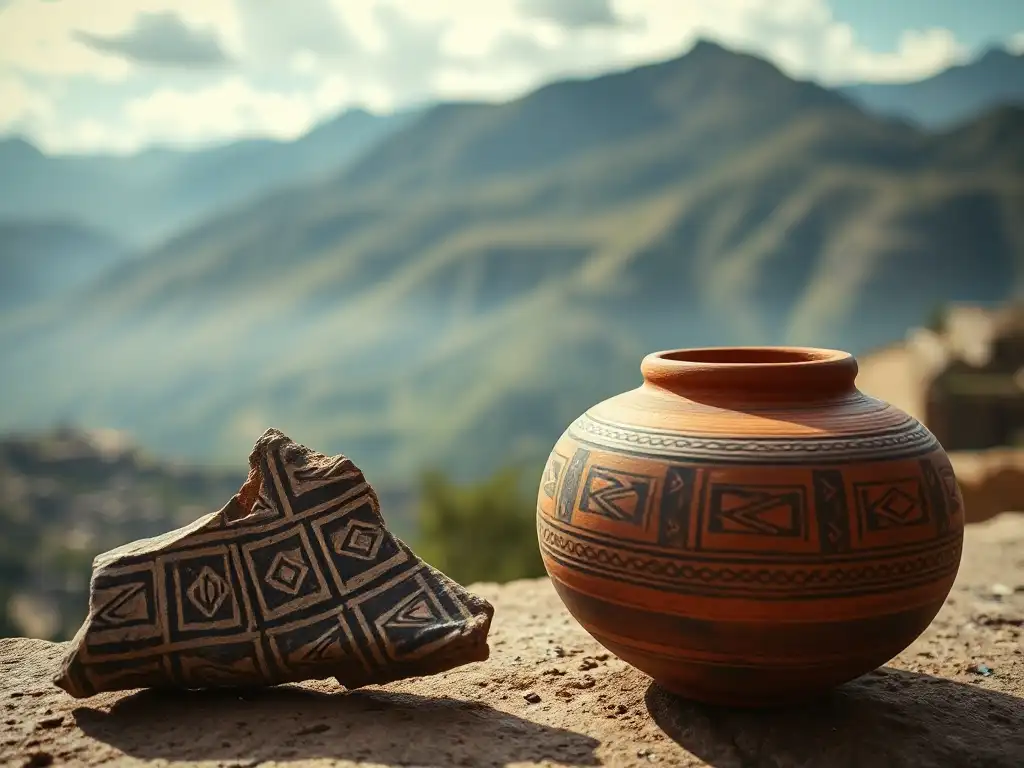
The legacy of Inca art is profoundly visible in many aspects of modern Andean culture, and Inca ceramics offer a particularly striking example. The sophisticated techniques and artistic styles developed during the Inca Empire continue to inspire and inform contemporary Andean potters, demonstrating a remarkable continuity of tradition across centuries. This enduring influence is not merely a superficial resemblance; it represents a deep-rooted connection to ancestral heritage and a vibrant artistic expression that transcends time.
Examining this influence reveals a fascinating interplay between ancient techniques and modern interpretations, showcasing both the resilience of Inca artistic traditions and the innovative spirit of contemporary Andean artisans. The impact of Inca ceramic artistry on modern Andean pottery is multifaceted, encompassing stylistic elements, production methods, and even the symbolic meaning imbued in the pieces.
Inca Ceramic Styles and Techniques
Inca ceramic production was characterized by a remarkable level of standardization and efficiency, yet also displayed a surprising degree of regional variation. The use of the pintado technique, involving the application of slip and paint over a smoothly finished surface, is a hallmark of Inca pottery. Common motifs included geometric patterns, stylized animals (such as llamas and condors), and representations of deities and mythical beings.
The Inca also mastered the creation of large, intricately decorated vessels, often used for ceremonial purposes. These pieces frequently incorporated sophisticated techniques like negative painting, where the design is revealed by removing paint from a pre-painted surface, creating striking visual effects. The use of specific clays and firing techniques, contributing to the durability and aesthetic qualities of Inca pottery, were also meticulously passed down through generations.
The colors, frequently earthy tones like red, brown, and black, alongside occasional use of yellow and white, became iconic and continue to influence the palette of modern Andean potters. Analysis of surviving Inca ceramics reveals not only artistic skill but also the importance of pottery in the Inca social and religious life. For example, the size and decoration of a vessel often indicated its social status or intended use.
Modern Andean Potters: Preserving Inca Ceramic Traditions
Contemporary Andean potters actively engage with the legacy of Inca ceramics, drawing inspiration from both the stylistic elements and the production methods of their ancestors. Many modern workshops actively teach and preserve traditional techniques, ensuring the continuity of this vital artistic heritage. In communities throughout the Andes, pottery remains a significant economic activity, sustaining livelihoods and fostering cultural pride.
However, it's important to note that modern Andean pottery isn't simply a replication of Inca styles. Instead, it represents a dynamic interplay between tradition and innovation. While many potters faithfully reproduce classic Inca designs and techniques, others incorporate modern aesthetics and subject matter, creating a unique blend of old and new.
This fusion demonstrates the adaptability and enduring relevance of Inca ceramic traditions in the context of contemporary Andean society. For instance, some potters incorporate contemporary social and political themes into their work, while still retaining the classic Inca techniques and color palettes. This blend creates a powerful and unique artistic statement.
The Evolution of Inca Forms in Modern Ceramics
The evolution of Inca forms in modern ceramics is not a simple linear progression but rather a complex and multifaceted process. While some modern potters meticulously replicate Inca styles and forms, others adapt and reinterpret them, creating new and innovative designs. This adaptation often involves incorporating contemporary materials, techniques, and motifs alongside traditional elements.
For example, some potters might use modern glazes to achieve vibrant colors not readily available to Inca artisans, while still using traditional hand-building techniques. Other potters might retain the classic Inca forms but introduce new subject matter, such as depictions of modern life or local landscapes. This reflects a dynamic relationship between tradition and innovation, where the legacy of Inca ceramics serves as a source of inspiration and a foundation for contemporary artistic expression.
The ongoing influence of Inca art on modern Andean pottery is a testament to the enduring power of artistic traditions and their ability to adapt and evolve over time, enriching the cultural landscape of the Andes. The continuity of these traditions serves as a powerful link to the past and a vibrant expression of Andean identity in the present.
The Impact of Inca Art on Modern Architecture and Design
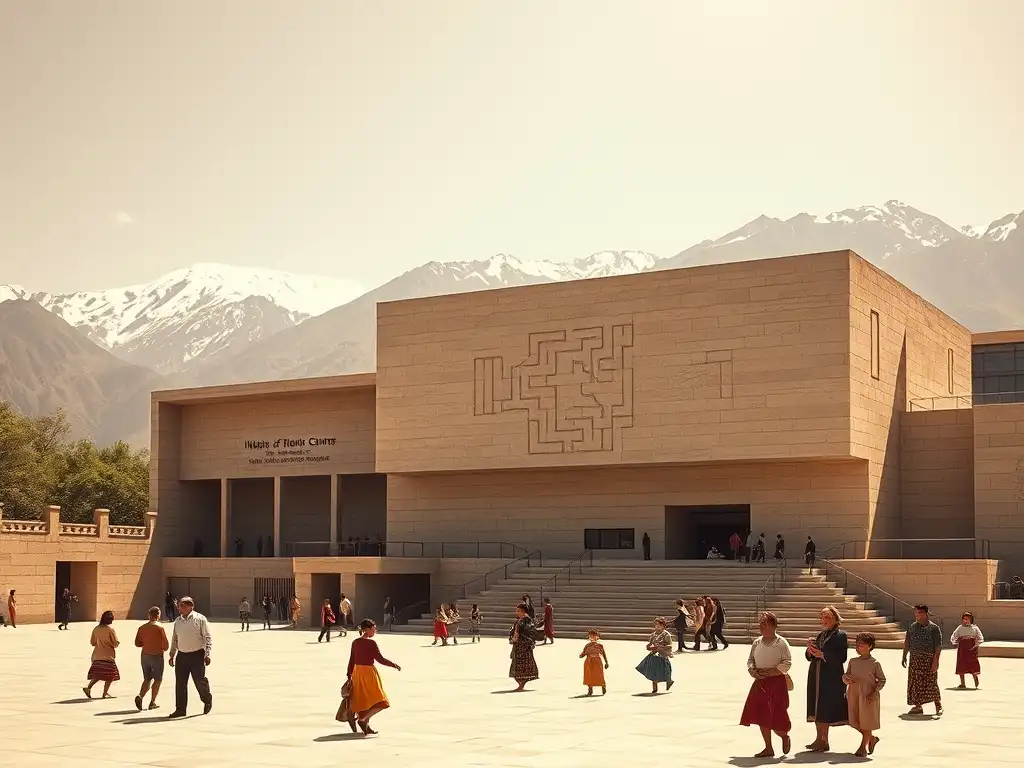
The enduring legacy of Inca art is profoundly visible in contemporary Andean architecture and design. While centuries separate the meticulous stonework of Machu Picchu from the sleek lines of modern buildings in Cusco, a clear lineage connects them. The Inca's masterful understanding of engineering, their respect for the environment, and their sophisticated aesthetic sensibilities continue to inspire architects and designers today.
This influence isn't merely superficial imitation; it's a deeper engagement with principles of sustainability, functionality, and visual harmony that resonate across time. The Inca art influence modern Andean culture in ways both subtle and striking, shaping the very fabric of the built environment.
Inca Architectural Principles and their Modern Relevance
Inca architecture was defined by its innovative use of locally sourced materials, precise construction techniques, and a deep understanding of seismic activity. Their mastery of dry-stone masonry, requiring no mortar, created structures of remarkable stability and longevity. This principle of adapting to the environment is highly relevant in modern sustainable design. Modern architects in the Andes frequently incorporate locally sourced materials like stone and adobe, minimizing transportation costs and environmental impact, mirroring the Inca's sustainable practices.
Moreover, the Inca's understanding of earthquake-resistant construction, achieved through interlocking stones and flexible foundations, continues to inform contemporary earthquake-proofing strategies in the region. The Inca's legacy isn't just about aesthetics; it's about practical, sustainable building practices that are increasingly crucial in a changing climate. For example, the use of thermal mass in Inca buildings, which regulates interior temperatures, is now being re-evaluated and integrated into modern energy-efficient designs.
Modern Andean Buildings and the Influence of Inca Design
Many modern buildings in Andean cities consciously incorporate elements of Inca design. This isn't a simple replication but rather a creative interpretation. For example, the use of stepped terraces, a hallmark of Inca architecture, can be seen in contemporary hotels and residential complexes.
These terraces not only create visually appealing structures but also help manage steep slopes, a common feature of the Andean landscape. Furthermore, the use of natural stone and earth tones in modern buildings pays homage to the Inca's preference for materials that blended seamlessly with the surrounding environment. Consider the incorporation of traditional Inca patterns in façade designs, or the use of similar color palettes in modern public spaces.
These elements subtly yet powerfully connect contemporary Andean architecture to its rich heritage, reinforcing a sense of cultural continuity. The blending of Inca art influence modern Andean culture is evident in the conscious integration of traditional elements with modern building techniques and materials.
The Use of Inca Patterns and Motifs in Contemporary Architecture
Inca art is replete with distinctive patterns and motifs, often featuring geometric designs, stylized animals, and symbolic representations. These motifs, deeply rooted in Inca cosmology and beliefs, have found their way into contemporary architecture and design. We frequently see stylized representations of Andean camelids, such as llamas and alpacas, incorporated into building ornamentation.
Geometric patterns inspired by Inca textiles and ceramics adorn walls, floors, and even furniture. The use of these motifs isn't merely decorative; they serve to strengthen the connection between the past and the present, reinforcing cultural identity and pride. This influence is particularly evident in public buildings and cultural centers, where architects intentionally incorporate Inca-inspired designs to create a sense of place and to celebrate the region's rich history.
The impact of Inca art on modern Andean culture is undeniable, demonstrating the enduring power of visual motifs to shape and enrich modern design. Analyzing the specific use of these patterns reveals a conscious effort to integrate cultural heritage into the built environment, creating spaces that resonate with both modern functionality and historical significance.
The Cultural Significance of Inca Art in Modern Andean Society
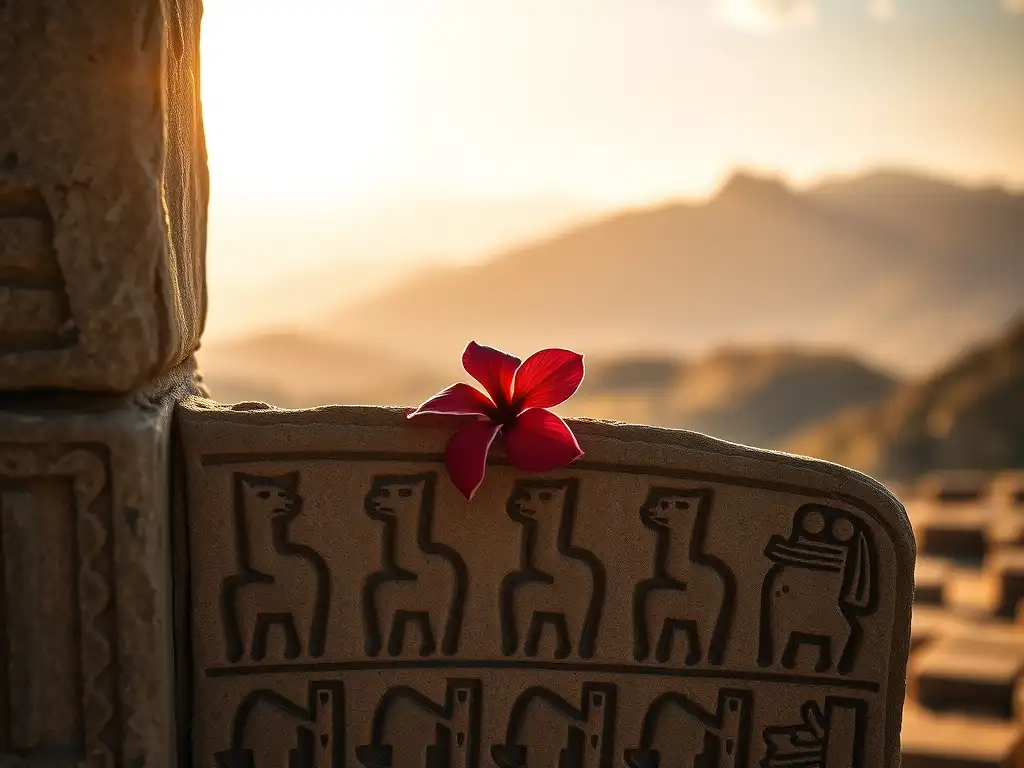
Inca art holds profound cultural significance in modern Andean society, extending far beyond mere aesthetic appreciation. It serves as a powerful symbol of shared heritage, a vibrant thread connecting the past to the present, and a crucial element in maintaining cultural identity in a rapidly changing world. The enduring legacy of Inca artistic traditions is evident in various aspects of contemporary Andean life, from everyday objects to grand celebrations. Understanding this significance requires exploring its multifaceted roles within the social fabric of Andean communities.
The intricate designs, sophisticated techniques, and symbolic representations found in Inca art continue to inspire and inform artistic expression, fostering a sense of continuity and pride. The influence of Inca art on modern Andean culture is undeniable, shaping artistic practices, cultural events, and the very identity of Andean peoples. This enduring connection is a testament to the artistry and cultural depth of the Inca civilization.
Inca Art as a Symbol of Andean Identity
Inca art acts as a powerful symbol of Andean identity, unifying diverse communities under a shared cultural banner. The distinctive motifs, colors, and styles characteristic of Inca art are readily recognizable throughout the Andes, transcending linguistic and regional variations. For example, the recurring imagery of the khipu (a complex system of knotted cords used for record-keeping) is frequently incorporated into contemporary Andean textiles, jewelry, and other art forms, symbolizing the ingenuity and advanced organizational skills of the Inca.
Similarly, the stylized depictions of llamas, condors, and other Andean fauna continue to resonate with modern communities, reinforcing a connection to the natural world and the ancestral past. The use of traditional Inca colors—reds, yellows, and browns derived from natural pigments—further strengthens this visual identity, providing a tangible link to the artistic practices of their ancestors.
This powerful symbolism fosters a sense of collective pride and belonging, fostering cultural cohesion in a region characterized by linguistic and geographic diversity. The continued use of these symbols is a testament to the enduring power of Inca art to shape and define Andean identity.
The Role of Inca Art in Community Festivals and Celebrations
Inca art plays a vital role in contemporary Andean community festivals and celebrations. Traditional Andean festivals, often rooted in pre-Columbian rituals and beliefs, frequently incorporate elements of Inca art and design. For instance, elaborate costumes worn during these events often feature intricate textile patterns and motifs directly inspired by Inca artistry.
These costumes, meticulously crafted using traditional techniques, showcase the enduring skill and artistry passed down through generations. Furthermore, ceremonial objects and decorations used during these celebrations often echo Inca styles, reflecting the deep-seated cultural significance of Inca artistic traditions. The vibrant colors and symbolic imagery employed in these contexts serve to reinforce community bonds and celebrate shared heritage.
The continued integration of Inca art in these festivities ensures the preservation and transmission of these artistic traditions to future generations, maintaining a living connection to the Inca past. Specific examples include the Inti Raymi festival in Cusco, where costumes and decorations heavily draw upon Inca aesthetics, and various local festivals across the Andes where traditional weaving and pottery are prominently displayed.
The Preservation and Promotion of Inca Art in Modern Andean Culture
The preservation and promotion of Inca art are actively pursued through various initiatives in modern Andean culture. Museums and cultural centers across the Andes dedicate significant resources to the preservation and exhibition of Inca artifacts, fostering public awareness and appreciation for this rich artistic heritage. Moreover, numerous workshops and training programs are dedicated to teaching traditional Inca art techniques, ensuring the continuity of these skills for future generations.
These programs often focus on textile weaving, pottery making, and metalwork, passing down centuries-old knowledge and techniques. Governmental and non-governmental organizations also play a key role in supporting these initiatives, providing funding and resources to safeguard Inca artistic traditions. Efforts are also underway to document and catalog existing Inca art pieces, creating comprehensive records to prevent loss and facilitate research.
The combined efforts of museums, educational institutions, and governmental organizations are crucial in ensuring that the legacy of Inca art continues to thrive in modern Andean culture. The continued investment in these preservation and promotion efforts is a testament to the enduring value placed on this significant part of Andean cultural heritage.
Conclusion: The Timeless Impact of Inca Art
The enduring legacy of Inca art continues to resonate deeply within modern Andean culture, shaping artistic expressions, cultural identities, and even economic activities. Its influence isn't merely a historical footnote; it's a vibrant, living thread woven into the fabric of contemporary Andean life. From the intricate textiles adorning traditional clothing to the architectural styles informing modern buildings, the echoes of Inca artistry are undeniable. This section will explore the continuing relevance of Inca artistic traditions in the modern Andean world.
The Continuing Relevance of Inca Artistic Traditions
The vibrant colors and intricate designs of Inca textiles remain a powerful source of inspiration for contemporary Andean artisans. Traditional techniques, such as ikat and tapestry weaving, passed down through generations, are still employed today, producing textiles that blend ancient aesthetics with modern sensibilities. These textiles are not just decorative items; they are integral to cultural identity, often carrying symbolic meaning related to community, spirituality, and ancestral heritage.
The use of natural dyes, a hallmark of Inca textile production, also continues, reflecting a commitment to sustainable practices and a connection to the land. Moreover, the economic impact of this continued tradition is significant, with many Andean communities relying on the production and sale of these textiles for their livelihood.
The demand for authentic, hand-woven Andean textiles, both domestically and internationally, ensures that this artistic legacy remains a vital economic engine. One could even argue that the Inca art influence modern Andean culture economically, creating jobs and supporting communities.
The architectural principles developed by the Inca also continue to influence building styles in the Andes. The ingenious use of stone, the mastery of precise fitting without mortar, and the integration of structures with the surrounding landscape are all evident in contemporary Andean architecture. While modern materials and techniques are employed, the fundamental principles of Inca design—emphasizing functionality, durability, and harmony with the environment—are often consciously incorporated into new constructions.
This is particularly apparent in the design of public buildings and tourist facilities, where a conscious effort is often made to reflect the region’s rich architectural heritage. The enduring aesthetic appeal of Inca architecture also plays a role in attracting tourists, further underscoring the economic significance of this cultural heritage.
Beyond textiles and architecture, Inca artistic motifs and iconography frequently appear in contemporary Andean art forms. From paintings and sculptures to ceramics and jewelry, elements of Inca design—such as geometric patterns, stylized animals, and representations of deities—are frequently incorporated into modern artworks. This demonstrates a conscious effort to connect with and celebrate the ancestral past, reinforcing cultural identity and promoting a sense of continuity.
This appropriation isn't simply imitation; it's a dynamic process of reinterpreting and reimagining ancient forms within contemporary contexts, showcasing the adaptability and enduring power of Inca aesthetics. The continued use of these motifs ensures that the Inca art influence modern Andean culture profoundly, shaping artistic expression and fostering cultural pride.
Inca Art's Influence on Modern Tourism
The enduring appeal of Inca art plays a crucial role in the Andean tourism industry. Sites like Machu Picchu, Ollantaytambo, and Sacsayhuamán draw millions of visitors annually, not only for their historical significance but also for their aesthetic beauty. The intricate stonework, the carefully planned layouts, and the breathtaking integration of architecture with the landscape all contribute to the sites' allure.
This tourism, in turn, supports local communities, generates income, and helps preserve the sites for future generations. The economic benefits derived from Inca art-related tourism highlight the practical, tangible impact of this cultural legacy. The preservation and promotion of Inca art sites are therefore not just cultural preservation efforts; they are vital components of economic development strategies in the Andean region.
The intricate detail and impressive scale of Inca artistry continue to amaze and inspire, ensuring a lasting legacy that fuels both cultural pride and economic growth. This clearly demonstrates how the Inca art influence modern Andean culture extends beyond artistic expression to become a significant economic driver.
The Challenges of Preserving Inca Artistic Heritage
Despite its enduring relevance, the preservation of Inca artistic heritage faces significant challenges. The deterioration of ancient sites due to environmental factors and human activity poses a constant threat. Furthermore, the increasing globalization and the rise of mass tourism can lead to the commodification and exploitation of traditional crafts and artistic practices.
The challenge lies in balancing the economic opportunities offered by tourism with the need to protect the authenticity and integrity of Inca artistic heritage. Sustainable tourism practices, coupled with efforts to support local artisans and promote responsible cultural heritage management, are crucial to ensuring that the legacy of Inca art continues to flourish for generations to come. Addressing these challenges is essential to safeguarding the Inca art influence modern Andean culture for the future, ensuring its continued vibrancy and relevance.
Frequently Asked Questions
How did Inca art influence modern Andean textiles?
Inca textile techniques, like complex weaving patterns and the use of vibrant natural dyes, are still prevalent in modern Andean textiles. Many contemporary artisans continue these traditions, creating beautiful and intricate pieces inspired by Inca designs.
What Inca artistic motifs are still seen in contemporary Andean art?
Many geometric patterns, stylized animal figures, and representations of deities found in Inca pottery, textiles, and metalwork are still incorporated into contemporary Andean art. These motifs are adapted and reinterpreted to reflect modern sensibilities.
Is Inca architecture still influential in modern Andean construction?
While not directly replicated, the Inca emphasis on adapting architecture to the landscape, using local materials, and creating functional yet aesthetically pleasing structures continues to influence modern Andean building practices.
How has Inca metalworking impacted modern Andean craftsmanship?
Inca mastery of goldsmithing and silversmithing, particularly their techniques of alloying and repoussé, continues to inspire modern Andean artisans. These techniques are employed in creating jewelry and decorative objects.
Beyond visual arts, how else does Inca legacy impact modern Andean culture?
The Inca emphasis on community, craftsmanship, and connection to nature profoundly influences modern Andean societies. These values are deeply embedded in their cultural identity and daily life.
Final Reflection: Echoes of the Inca: Art's Enduring Legacy in the Andes
The vibrant threads of Inca artistry continue to weave themselves into the rich tapestry of modern Andean culture, a testament to the enduring power of artistic expression and its ability to transcend time. The intricate designs, symbolic motifs, and masterful techniques of the Inca remain not just historical artifacts, but living elements shaping contemporary artistic practices, economic activities, and cultural identities across the Andes. This legacy is not merely a matter of historical preservation; it's a dynamic force shaping the present.
The impact of Inca art is profoundly felt in the everyday lives of Andean communities. From the textiles adorning traditional clothing to the intricate ceramics sold in bustling markets, the echoes of Inca aesthetics are undeniable. The enduring appeal of these artistic traditions speaks volumes about their cultural significance and the deep connection Andean people maintain with their ancestral heritage. Art washes away from the soul the dust of everyday life.
– Pablo Picasso. This quote, though not directly about Inca art, perfectly encapsulates the enduring power of art to connect us to something larger than ourselves, something that resonates across generations.
Consider the ways in which Inca artistic principles—the emphasis on symmetry, the use of natural dyes, the symbolic representation of Andean cosmology—continue to inspire contemporary artists. Think about the economic opportunities created by the preservation and promotion of these artistic traditions. You, the reader, are now invited to reflect on the power of cultural heritage and its ability to shape not only the past, but also the future.
Engage with Andean art, learn its stories, and support the artists who keep this vibrant legacy alive. Let the echoes of the Inca inspire you to appreciate the enduring power of art and its capacity to connect us across time and space.
Unveil the Living Legacy of Inca Art!
Thank you for exploring the rich tapestry of Inca art and its profound influence on modern Andean culture. You've gained insight into how this vibrant heritage continues to shape identities and traditions. Now, let's delve deeper into this incredible legacy!
Here are a few ways you can actively engage with Inca art:
- Participate in a hands-on workshop focusing on traditional Andean art techniques.
- Share your newfound knowledge with friends and family, perhaps by hosting a discussion about the enduring impact of cultural heritage.
- Discover and support contemporary Andean artists by following their work online or visiting local galleries that showcase their exceptional creations.
What aspect of Inca art resonates most with you, and how might you integrate it into your daily life?