
Moche Social Hierarchy: Exploring the Roles of Priests, Warriors, and Artisans

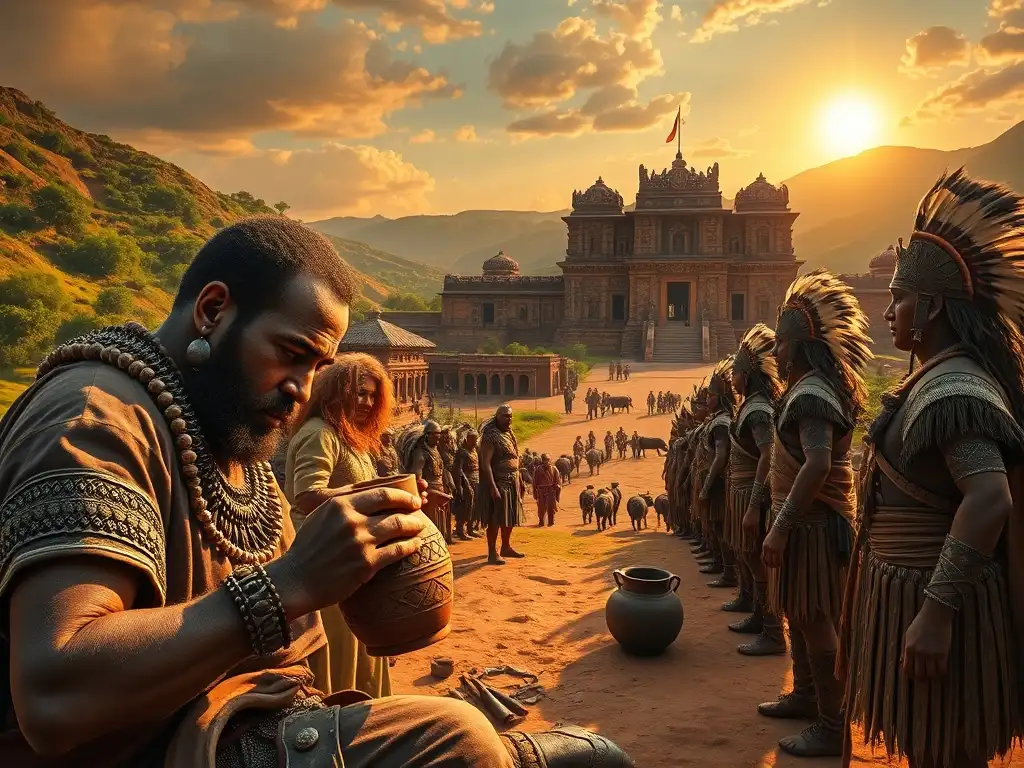
Step into a world lost to time, yet echoing with the vibrant pulse of a sophisticated society. Prepare to unravel the mysteries of the Moche civilization, a culture that flourished in the Andes, leaving behind a legacy of breathtaking artistry and intricate social structures. Discover the fascinating complexities of the Moche social classes hierarchy, a system where priests, warriors, and artisans played vital, interwoven roles. Their story, rich with intrigue and innovation, awaits—dare to explore?
- Moche Social Hierarchy: Understanding the Roles of Priests, Warriors, and Artisans
- The Stratified Society of the Moche Civilization
- Elite Roles in the Moche Hierarchy
- Moche Artisans: Skilled Craftsmanship and Social Importance
- Lower Strata of Moche Society
- The Interplay Between Moche Social Classes
- Moche Social Structure: A Summary
-
Frequently Asked Questions
- What was the basis of the Moche social hierarchy?
- How did the Moche's religious beliefs influence their social structure?
- What role did warriors play in Moche society?
- Were there significant differences in lifestyle between the different Moche social classes?
- How did archaeologists learn about the Moche social hierarchy?
- Final Reflection: Echoes of Power in the Moche World
- **Uncover the Rich Tapestry of Moche Society! **
The Moche civilization, flourishing along the northern coast of Peru from approximately 100 CE to 800 CE, was characterized by a complex and stratified social structure. Understanding the Moche social hierarchy is crucial to grasping the intricacies of their society, their remarkable achievements in art and engineering, and the power dynamics that shaped their daily lives.
This article delves into the roles of three key social classes within the Moche hierarchy: the priests, the warriors, and the artisans, exploring their respective influence and contributions to the civilization's remarkable success. We will analyze evidence from archaeological discoveries, such as elaborate tombs and intricate ceramics, to paint a vivid picture of Moche social organization and the interplay between these powerful groups.
By examining the "Moche social classes hierarchy," we can gain a deeper appreciation for the sophistication and complexity of this fascinating ancient culture. The keyword "Moche social classes hierarchy" will be explored throughout this article using synonyms and related terms to enhance SEO.
The Moche priesthood held significant power and influence within the society. Archaeological evidence suggests that priests occupied a position of high esteem, acting as intermediaries between the earthly and spiritual realms. Their role extended beyond mere religious rituals; they likely played a key part in administering justice, organizing public works, and managing resources.
The elaborate tombs and grave goods associated with priestly burials underscore their elevated status. These burials often contained exquisite gold and silver ornaments, fine textiles, and intricately crafted ceramics, reflecting the wealth and prestige afforded to members of the priestly class. Furthermore, depictions of priests in Moche art often show them adorned in elaborate headdresses and ceremonial garments, further emphasizing their power and authority.
The intricate iconography found on Moche pottery frequently features scenes of religious ceremonies, suggesting the central role of the priesthood in shaping Moche beliefs and practices. Analyzing these depictions provides insight into the rituals, beliefs, and the overall power structure of the Moche religious system. The power wielded by the priests likely stemmed from their control over religious knowledge, the ability to interpret omens, and their perceived connection to the supernatural world.
The Moche warrior class played a crucial role in maintaining social order and expanding the civilization's territorial control. Evidence suggests a strong military organization, with warriors likely involved in both internal control and external warfare. Their high status is reflected in the elaborate weaponry and protective gear discovered in their tombs, along with the frequent depiction of warriors in Moche art, often engaged in battle or ceremonial displays of power.
These depictions often portray warriors as powerful and fearsome figures, further enhancing their societal importance. It is hypothesized that successful military campaigns brought wealth and resources to the Moche state, reinforcing the warrior elite's power and influence. The intricate details of Moche weaponry, such as the craftsmanship of their spears and battle-axes, speaks to the level of skill and training required of these warriors, highlighting their specialized role within the society.
The relationship between the warrior class and the priesthood is an area of ongoing research, with some theories suggesting a close alliance or even overlap between the two groups. Further research is needed to fully understand the dynamics between these powerful segments of Moche society.
The Skilled Moche Artisans: Craftsmanship and Economic Contribution
The Moche artisans represented a vital segment of their society, contributing significantly to the civilization's economic prosperity and cultural identity. Their exceptional craftsmanship is evident in the remarkable range of artifacts they produced, including intricate pottery, finely woven textiles, and stunning metalwork. The skill and artistry displayed in these objects demonstrate a high level of specialization and training.
While not holding the same political power as priests or warriors, Moche artisans played a crucial role in the production of goods that were integral to the civilization's economy and religious practices. Their work helped to shape the Moche aesthetic and their creations served both practical and ceremonial purposes. The production of these artifacts likely involved a complex network of workshops and specialized labor, indicating a sophisticated level of organization within the artisan class itself.
The remarkable preservation of many Moche artifacts allows us to appreciate the artistry and skill of these individuals, offering valuable insights into their techniques and the social organization of their craft. The economic contribution of the artisans, through the creation and trade of their goods, is likely to have been substantial, supporting the overall prosperity of the Moche state.
Further Research Areas
Further research is needed to fully understand the nuances of Moche social mobility and the interactions between these different social classes. The exact nature of social stratification and the extent of social mobility within the Moche hierarchy remain open questions for future investigation.
The Stratified Society of the Moche Civilization
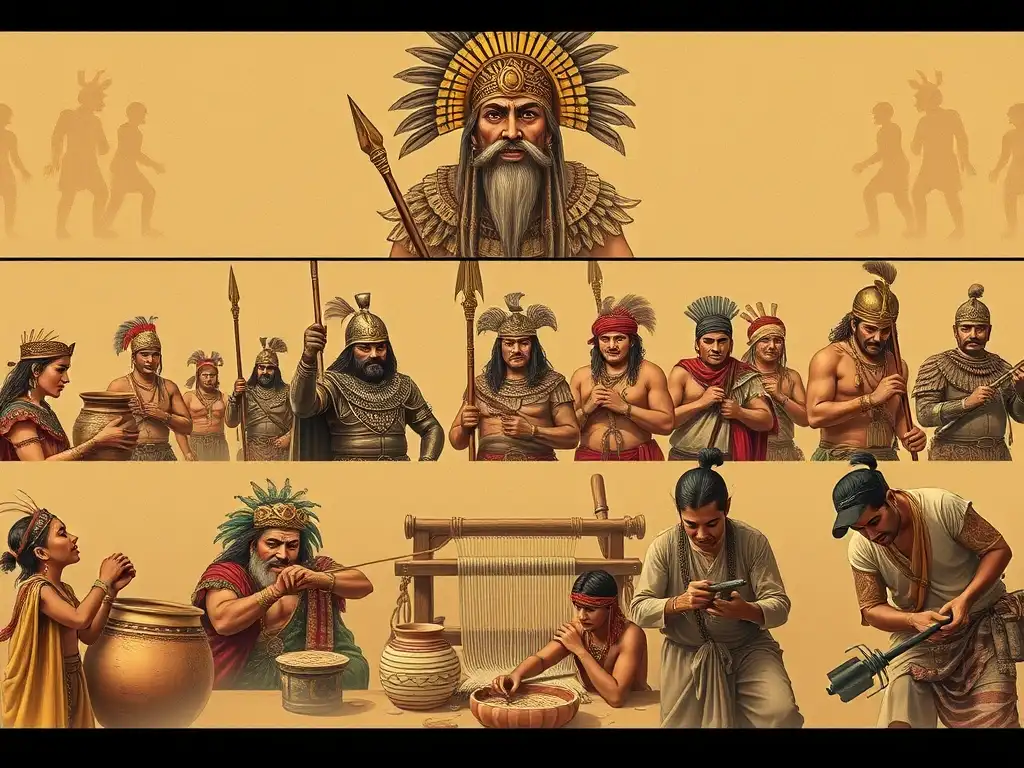
The Moche civilization (circa 100-800 CE), renowned for its sophisticated artistry and impressive engineering feats, possessed a complex social hierarchy. Unlike some societies with rigid caste systems, the Moche social structure displayed a degree of fluidity, though it was undeniably stratified. Evidence suggests a system based primarily on occupation and access to resources, with distinct social classes enjoying varying levels of power, prestige, and privilege.
The Moche social classes hierarchy wasn't simply a matter of birth; achievement and merit likely played a role in social mobility, albeit within defined boundaries. Understanding this stratification is crucial to comprehending the dynamics of Moche society and its remarkable achievements. Archaeological findings, such as the elaborate tombs of elite individuals and the depiction of social roles in Moche art, provide valuable insights into this intricate social organization.
The most prominent social groups within the Moche hierarchy were the priests, warriors, and artisans, each holding unique roles and statuses. The interplay between these groups shaped the political, economic, and religious landscape of the Moche world. Analyzing their respective positions within the Moche social classes hierarchy reveals a society characterized by both centralized authority and localized power structures.
Several key factors contributed to the formation and maintenance of the Moche social hierarchy. The control of resources, particularly agricultural land and water, played a pivotal role. The Moche were skilled irrigators, and access to productive farmland was likely a significant determinant of social standing. Those with control over irrigation systems and fertile lands held considerable power and influence, solidifying their position within the upper echelons of society.
Furthermore, religious authority was another crucial factor. Moche priests, often depicted in elaborate ceremonial attire and performing rituals in monumental structures, wielded significant political and social influence. Their control over religious beliefs and practices cemented their position within the elite class. This influence is clearly shown in the numerous artifacts depicting priests and their rituals.
The military also played a significant role in shaping the Moche social structure. Warriors, often depicted in battle scenes and adorned with weaponry and elaborate headdresses, were highly valued members of society. Their role in defending the Moche territory and expanding its influence granted them prestige and power, placing them among the upper classes.
The Moche social classes hierarchy was not static, and there is evidence of social mobility, albeit limited. Artisans, while not necessarily part of the elite, held a crucial position in society due to their skilled craftsmanship. Their ability to create intricate metalwork, pottery, and textiles contributed to the wealth and prestige of the Moche elite, granting them a degree of social standing.
We can summarize the key factors influencing the Moche social structure in the following table:
| Factor | Influence on Social Structure | Evidence |
|---|---|---|
| Control of Resources | Access to land and water determined wealth and power. | Extensive irrigation systems, distribution of agricultural resources. |
| Religious Authority | Priests held significant political and social influence. | Depictions of priests in art, monumental religious structures. |
| Military Power | Warriors' role in defense and expansion provided high social standing. | Depictions of warriors in battle scenes, elaborate weaponry. |
| Artisan Skill | Skilled artisans held a respected position due to their contribution to Moche culture. | Intricate metalwork, pottery, and textiles. |
The interplay of these factors created a dynamic and complex social system within the Moche civilization, a system that continues to fascinate and challenge researchers today. Further research and excavation may uncover additional nuances and complexities within the Moche social classes hierarchy, enriching our understanding of this remarkable ancient society. Understanding the Moche social hierarchy is crucial to fully appreciating the sophistication and complexity of their culture.
Elite Roles in the Moche Hierarchy
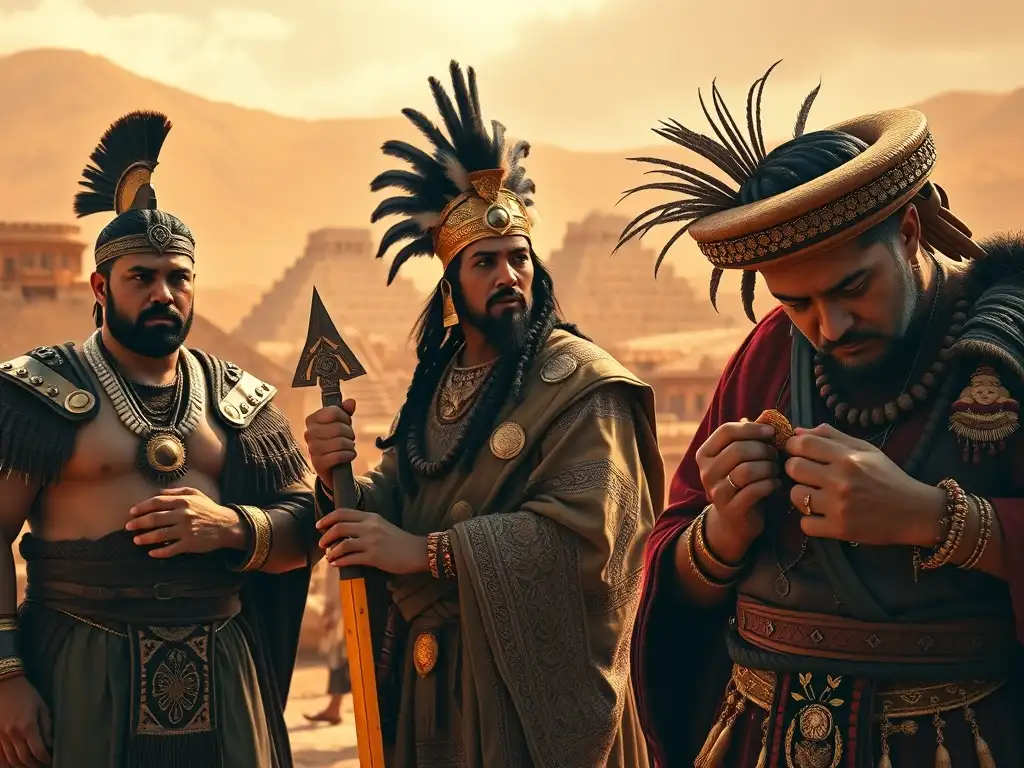
The Moche social structure, a complex system reflecting the civilization's sophisticated organization, reveals a clear hierarchy with distinct roles and responsibilities. Understanding the Moche social classes hierarchy is key to comprehending their achievements in art, engineering, and political organization. This section will examine the elite positions within this system, focusing on the priests and warriors, two groups holding significant power and influence.
The intricate interplay between these groups shaped Moche society and its unique cultural expressions. Analyzing their roles allows us to gain a deeper understanding of the Moche worldview and their societal values. The Moche social classes hierarchy wasn't simply a matter of power; it reflected a deeply ingrained belief system that intertwined religious authority, military strength, and artistic skill.
The Moche priests occupied the apex of the societal pyramid, wielding immense power derived from their control over the spiritual realm. Their influence extended far beyond religious ceremonies, impacting all aspects of Moche life, from agricultural practices to political decisions. Their authority was deeply rooted in the belief system that connected the earthly world to the supernatural.
The priests served as intermediaries between the gods and the people, interpreting divine will and ensuring the well-being of the community. Evidence suggests a strong connection between religious leadership and political power, with priests likely playing a significant role in the governance of Moche society. This influence is clearly seen in the lavish burials and elaborate depictions found in Moche art.
Ritual Practices and the Role of Priests
Moche religious practices were elaborate and complex, involving a variety of rituals aimed at ensuring agricultural prosperity, appeasing the gods, and maintaining social order. Priests played a central role in these rituals, performing ceremonies, offering sacrifices, and interpreting omens. Evidence from archaeological excavations suggests the use of hallucinogenic substances in some rituals, possibly to induce trance-like states and enhance communication with the supernatural.
The priests' knowledge of these practices and their ability to manipulate the spiritual world solidified their position of power within Moche society. Furthermore, their role in interpreting natural events and predicting harvests made them essential figures in the community. The level of societal organization and planning implied by their actions shows a high degree of sophistication in their social structure.
The Depiction of Priests in Moche Art
Moche art provides invaluable insights into the role and status of priests within their society. The priests are often depicted in elaborate attire, adorned with intricate headdresses, jewelry, and ceremonial robes. Their distinctive features, often exaggerated, highlight their importance and distinguish them from other members of society.
The detail and precision of these depictions emphasize the reverence and respect accorded to the priestly class. These depictions are not merely artistic representations; they are powerful statements reflecting the priests' social standing and spiritual authority. Further analysis of Moche pottery and other artifacts reveals a consistent pattern of priestly iconography, reinforcing the significance of their role.
The Moche warrior class held a position of considerable power and prestige within the Moche social hierarchy. Their military prowess was crucial for maintaining control over territory, resources, and trade routes. The Moche civilization was not a peaceful one; warfare played a significant role in shaping its political landscape and social structure. The warriors, therefore, occupied a pivotal position, contributing to the expansion and stability of the Moche state. Their military skills and bravery were highly valued, granting them substantial social status and influence. The Moche social classes hierarchy is inseparable from the role of the warrior elite.
The Significance of Warfare in Moche Society
Warfare was not merely a means of territorial expansion for the Moche; it was deeply intertwined with their religious beliefs and social structures. Evidence suggests that warfare was a ritualized activity, with symbolic significance beyond mere conquest. The capture of prisoners of war, often depicted in Moche art, may have served religious purposes, such as sacrifices to the gods.
The military campaigns themselves may have been undertaken to strengthen the power of the ruling elite or to secure vital resources. This demonstrates the complex interplay between religious beliefs, political power, and military might in Moche society. The Moche social classes hierarchy was deeply influenced by the success and organization of the military.
Warrior Iconography in Moche Culture
Moche art frequently depicts warriors, showcasing their weaponry, attire, and battle scenes. These depictions provide valuable insights into Moche military organization and the significance of warfare in their culture. The warriors are often portrayed with fierce expressions, wielding spears, clubs, and other weapons. Their elaborate headdresses and body paint further emphasize their status and power. The meticulous detail and realism of these depictions suggest that warriors were highly respected members of society, whose bravery and military skill were celebrated. This visual representation of warrior culture reinforces their importance within the Moche social classes hierarchy.
Military Leadership and its Impact
The Moche military was likely organized under a hierarchical structure, with commanders and leaders directing military operations. These leaders likely held significant power and influence, commanding respect and loyalty from their troops. Their success in battle would have directly impacted their social standing and political power. The impact of military leadership on the Moche social classes hierarchy is evident in the artistic representations of warriors and the emphasis on military prowess in Moche culture. The success of military campaigns likely contributed to the overall wealth and prosperity of the Moche state, further reinforcing the importance of the warrior class.
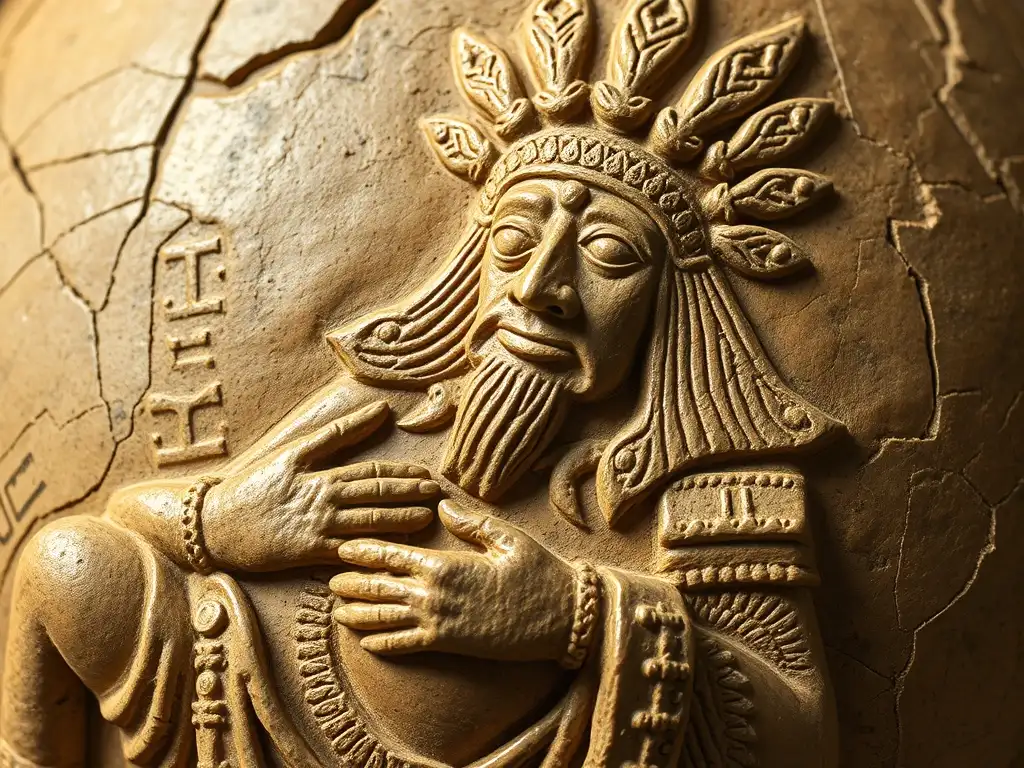
The Moche social classes hierarchy wasn't solely defined by military prowess or religious authority. A significant segment of Moche society consisted of highly skilled artisans, whose craftsmanship played a crucial role in the civilization's cultural and economic development. Their social standing, though perhaps not as elevated as that of priests or warriors, was undoubtedly significant, reflected in the exquisite quality of their work and the societal respect it commanded.
The Moche deeply valued artistic expression, and skilled artisans were essential in fulfilling this societal need. Their specialized skills were passed down through generations, fostering a continuity of artistic traditions that continues to fascinate us today. This dedication to craft resulted in the production of incredibly detailed and beautiful objects, from intricate goldwork to monumental adobe structures.
The level of skill required to create such pieces suggests a high degree of specialization and training within the artisan class. Evidence from archaeological finds consistently supports the idea of a dedicated, skilled artisan population playing a vital role in Moche society. The sheer volume and variety of artifacts unearthed are a testament to their productivity and importance.
The Role of Specialized Artisans in Moche Society
Moche artisans weren't a monolithic group. Instead, they were highly specialized, with distinct groups focusing on specific crafts. Some excelled in ceramics, producing the iconic portrait vessels and elaborate stirrup-spout bottles that are hallmarks of Moche art. Others focused on metalworking, creating intricate gold and silver objects, often adorned with precious stones.
Still others were master builders, constructing impressive adobe pyramids and complex irrigation systems. This specialization points to a sophisticated social organization within the artisan class itself, with apprenticeships likely playing a key role in transmitting skills and knowledge across generations. The level of skill and artistry evident in Moche artifacts indicates a robust system of training and mentorship, ensuring the continuation of these valuable crafts.
Understanding the role of these specialized artisans is crucial for a complete understanding of the Moche social classes hierarchy. They weren't simply laborers; they were vital contributors to the cultural and economic well-being of the civilization. Their skills and products helped solidify the power and prestige of the ruling elite, while also contributing to the daily lives of all Moche citizens.
Moche ceramics offer a unique window into the social stratification of the society. The intricacy and detail of the pottery, as well as the materials used, often correlated with the social standing of both the artisan and the intended owner. Elaborate portrait vessels, depicting individuals with meticulous detail, were likely commissioned by or for the elite.
These vessels often portray rulers, priests, and warriors, reflecting the power dynamics within the Moche social hierarchy. Simpler, less decorated pottery was likely used by commoners, indicating a clear distinction in the quality and artistry of ceramics based on social class. The use of precious metals and materials in some ceramic pieces further reinforces this social distinction.
The careful examination of Moche ceramics provides invaluable insights into their social structure and the ways in which material culture reflected social status. The sheer variety in style, size, and material used in Moche pottery is a powerful testament to the complexity of their social structure and the significant role that artisans played in reflecting and reinforcing it.
The Importance of Pottery and its Social Significance
The importance of pottery in Moche society extended beyond its utilitarian function. It served as a powerful medium for social commentary, religious expression, and the commemoration of important events. The intricate depictions on many vessels provide valuable information about Moche beliefs, rituals, and daily life.
For example, many vessels depict scenes of warfare, ritual sacrifice, and agricultural practices, offering a glimpse into various aspects of Moche culture. The sheer volume of pottery unearthed suggests its widespread use throughout all levels of society, albeit with variations in style and decoration reflecting social status. This ubiquitous presence of pottery highlights its importance as a symbol of social identity and cultural expression within the Moche social classes hierarchy.
The study of Moche pottery therefore offers a multifaceted perspective on the civilization's social structure, religious beliefs, and daily life, enriching our understanding of this fascinating ancient culture. It’s a testament to the skill and ingenuity of Moche artisans and their important contribution to the rich tapestry of Moche civilization. Further research into the specific styles and techniques used in different social contexts is needed to better understand the nuances of this complex relationship between pottery and social status.
Metalworking and Textile Production: Key Artisan Skills
The Moche were masters of metalworking, a skill that significantly contributed to their social hierarchy. Their artisans, often working in specialized workshops, produced intricate gold and silver objects, demonstrating remarkable technical proficiency. These weren't merely decorative items; they held significant ritual and symbolic importance, often used in ceremonies and burials of the elite. The techniques employed, such as lost-wax casting for intricate figurines and repoussé for creating relief designs, were sophisticated and required years of training and expertise. The artisans who possessed these skills held a respected position within Moche society, their creations reflecting the power and prestige of the ruling class. The sheer artistry involved in crafting these objects, from delicate necklaces to ceremonial vessels, highlights the high level of skill and the social value placed upon their creators. Furthermore, the use of precious metals itself reinforced the status of both the artisans and those who commissioned their work.
Beyond metalworking, textile production was another crucial artisan skill within the Moche civilization. The vibrant colors and intricate designs found on Moche textiles, often uncovered in tombs and ceremonial contexts, are testament to their advanced weaving techniques. Using cotton and other natural fibers, Moche artisans created textiles with complex patterns and symbolic motifs, reflecting the rich iconography of their culture.
These textiles were not only used for clothing but also served as ceremonial adornments and even burial shrouds, indicating their considerable social significance. The production of such high-quality textiles required specialized knowledge and skills, passed down through generations of artisans. Evidence suggests the existence of specialized workshops where weavers collaborated, developing and refining techniques to produce increasingly complex and beautiful fabrics.
The social standing of these textile artisans was likely elevated due to the importance of their craft in both daily life and religious practices. The intricate designs and the durability of the textiles suggest a high level of skill and a sophisticated understanding of textile production techniques.
Lower Strata of Moche Society
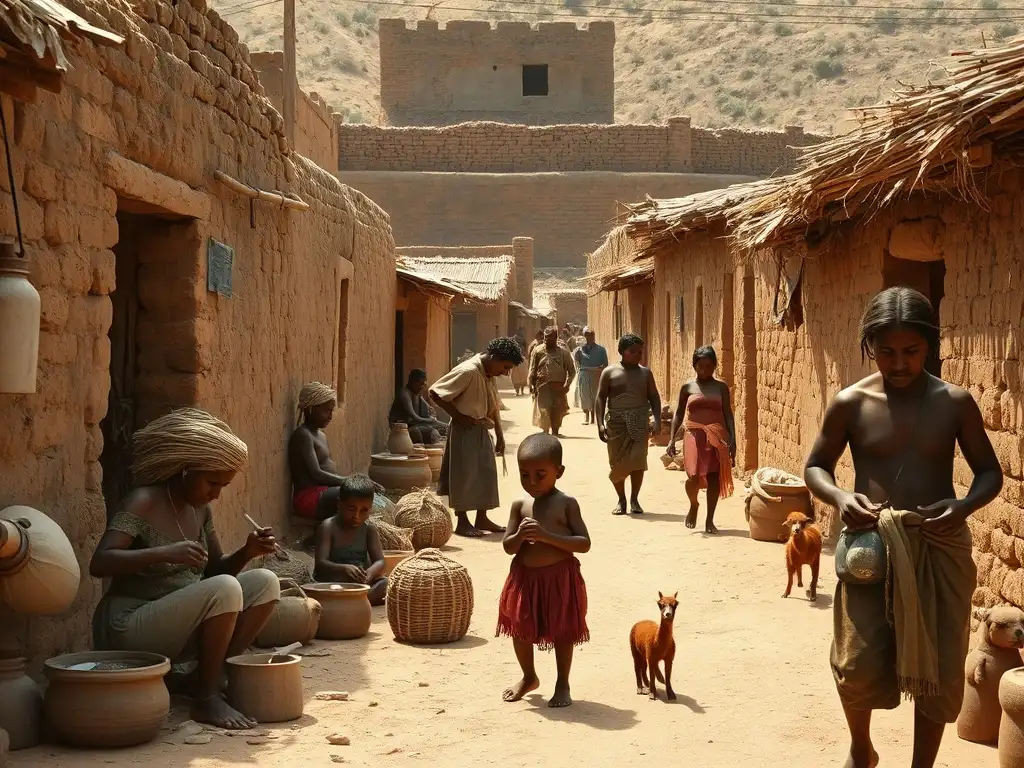
The Moche social structure, while exhibiting a clear hierarchy, wasn't entirely rigid. Understanding the lower strata is crucial to grasping the complexities of Moche society. While the elite commanded significant power and resources, the majority of the population comprised individuals who contributed significantly to the functioning of the civilization, though with considerably less influence and privilege. The Moche social classes hierarchy wasn't just about power; it was also about labor and the intricate web of interdependence that held the society together. Analyzing the lives of commoners helps illuminate the broader societal dynamics of this fascinating pre-Columbian culture.
Common Farmers and Laborers: The Base of Moche Society
The foundation of Moche society rested upon its agricultural productivity. The vast majority of the population were farmers and laborers, working the fertile lands along the north coast of Peru. Their lives were centered around the agricultural cycle, demanding strenuous physical labor. Evidence suggests a sophisticated irrigation system, hinting at organized labor and communal efforts to maximize crop yields. These common farmers cultivated maize, beans, squash, and cotton—essential crops that sustained the entire population. Their surplus production likely contributed directly to supporting the elite and fueling the Moche state's power.
The archaeological record reveals simple dwellings made of adobe brick, reflecting their relatively modest socioeconomic status. While not possessing the fine textiles or elaborate ceramics of the elite, their tools—stone implements, digging sticks, and simple pottery—demonstrate their practicality and resourcefulness. The social hierarchy of the Moche civilization included these individuals, whose contribution was essential to the survival and prosperity of the entire society.
It's important to avoid romanticizing their lives; it's likely their existence was characterized by hard work, limited resources, and vulnerability to environmental factors like droughts and floods. Further research into the daily lives of these individuals is needed to fully understand their experiences within the Moche social structure.
The Lives of the Ordinary Moche People
Beyond farmers, the lower strata included artisans who produced everyday goods like pottery for common use, simple textiles, and tools. These artisans, while not members of the elite, possessed specialized skills. Their work, though simpler in design and material than the elite's luxury items, was essential for the functioning of Moche society. The creation of functional pottery, for instance, was vital for food storage and preparation. These individuals likely worked within a system of reciprocal exchange or perhaps under some form of state-organized production.
The social standing of these ordinary Moche people was undoubtedly lower than that of the priests, warriors, and nobles. However, their role in the overall economic and social fabric of the Moche state was undeniable. Analyzing their material culture—the pottery, tools, and dwellings—provides valuable insights into their daily lives, beliefs, and social interactions.
Unfortunately, a comprehensive understanding of their social organization and interaction with other social classes remains limited due to the nature of the archaeological record. More research is needed to fully explore the nuances of their social lives and the complexities of their interactions within the broader Moche social classes hierarchy.
While the Moche social classes hierarchy was relatively stratified, the possibility of social mobility, albeit limited, cannot be entirely discounted. Exceptional skill in a particular craft, such as pottery or metalworking, might have afforded some individuals a degree of upward mobility. Similarly, military prowess could potentially lead to advancement within the warrior class. However, evidence suggests that such upward mobility was likely rare and dependent on factors like patronage or exceptional talent.
The Moche system, unlike some later Andean societies, did not exhibit a system of rigid hereditary castes. This suggests that individual achievement, while not guaranteeing advancement, wasn't entirely irrelevant. The lack of extensive written records makes definitive statements about social mobility difficult. However, careful analysis of grave goods and settlement patterns can offer clues.
The presence of high-quality artifacts in certain graves of individuals who were not clearly members of the elite could hint at instances of upward social mobility within the Moche social classes hierarchy. Further detailed analysis of such archaeological findings is required to fully understand the extent and mechanisms of this social fluidity. The complexities of Moche society continue to fascinate researchers, and the potential for new discoveries further illuminating the nuances of their social structure remains high.
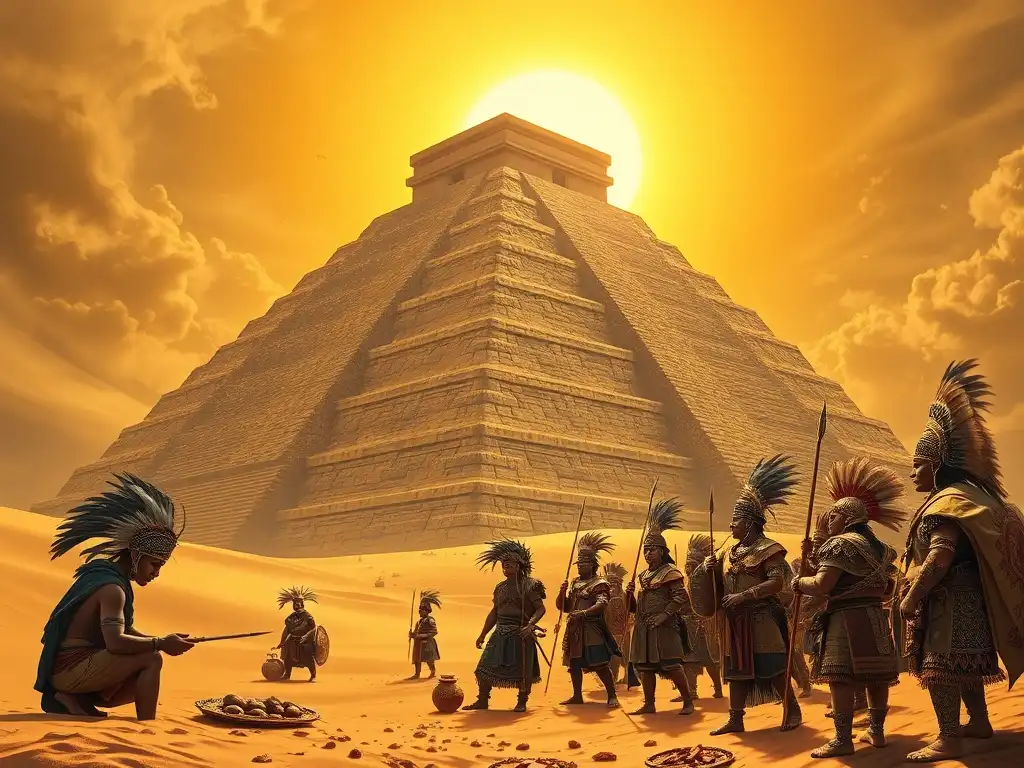
The Moche social classes hierarchy wasn't a rigid, static system. While clearly stratified, there was a degree of fluidity and interaction between the different levels. Understanding this interplay is crucial to grasping the complexity of Moche society and its remarkable achievements. The Moche social structure, characterized by a clear hierarchy, wasn't solely based on heredity.
Merit, skill, and even perhaps, luck, played a role in social mobility, albeit likely limited. Evidence suggests that exceptional artisans or particularly successful warriors could potentially elevate their status within their lifetime, although definitive proof remains scarce. Further research into Moche burial practices and the analysis of artifacts associated with specific individuals could shed more light on this dynamic. The system wasn't solely top-down; feedback mechanisms, however subtle, likely existed, influencing the ruling elite's decisions and policies.
This complex interplay between different social strata is a testament to the sophistication of Moche social organization. Analyzing the intricate relationships between the various classes helps us paint a more complete picture of their daily lives and societal structures. This nuanced understanding challenges simplistic interpretations of a purely rigid, hereditary system.
The Moche social hierarchy profoundly impacted daily life, shaping everything from access to resources and housing to participation in religious ceremonies and artistic production. Elite members, including priests and high-ranking warriors, enjoyed privileged access to the best food, housing, and clothing. Their residences, often larger and more elaborate, might have featured intricate murals and access to irrigation systems providing water for lush gardens. In contrast, commoners likely lived in simpler dwellings, with limited access to resources. Their diets would have been more basic, and their clothing less ornate.
Even participation in rituals varied according to social standing. While all Moche people likely participated in community-based religious activities, elite individuals may have held more prominent roles in ceremonies, perhaps acting as intermediaries between the gods and the people. Artisans, despite their essential role in Moche society, likely occupied a middle-ground, with their status varying depending on their skill and the demand for their crafts. Their workshops might have been situated near elite residences or religious centers, reflecting their importance and potential proximity to power.
The social hierarchy also influenced the production and distribution of goods. Elite patronage fueled the creation of elaborate metalwork, ceramics, and textiles, while commoners likely produced more utilitarian items for everyday use. This system, while structured, wasn't necessarily oppressive; it fostered specialization and efficiency, contributing to the remarkable artistic and technological achievements of the Moche civilization. The intricate interplay between social standing and daily life underscores the interconnectedness of Moche society.
Interactions between Priests, Warriors, and Artisans
The interactions between priests, warriors, and artisans within the Moche social structure were complex and multifaceted. Priests, often depicted in elaborate regalia in Moche art, likely played a pivotal role in mediating between the earthly and spiritual realms. Their influence extended to all aspects of life, from agricultural practices to warfare. Warriors, depicted in powerful poses wielding weapons, formed a vital part of the Moche military.
Their success in warfare was likely a significant factor influencing their social standing. Artisans, skilled in various crafts such as pottery, metalwork, and textile production, were essential to the creation of the Moche's iconic art and artifacts. The relationship between these three groups wasn't always harmonious; it was likely a dynamic interplay of cooperation, competition, and sometimes, conflict. Priests might have commissioned artisans to create religious artifacts, while warriors might have provided protection for artisans and their workshops.
However, competition for resources and status could have also caused tension. For example, the demand for elaborate artifacts might have created competition among artisans, while the power of warriors could have led to conflicts with priestly authority. Understanding these interactions requires careful examination of Moche iconography, which often depicts these groups together in various contexts, suggesting the intricate web of relationships that existed between them. Further research into the spatial distribution of workshops and burial sites could reveal more about the nature of their interactions and the degree of social mobility between these groups.
The Dynamics of Power and Status in Moche Culture
The dynamics of power and status in Moche culture were complex and intertwined with religious beliefs, military prowess, and economic prosperity. Evidence suggests that priestly authority held significant influence, with priests possibly acting as advisors to rulers or even holding significant political power themselves. The depiction of priests in Moche art, often associated with ritual objects and supernatural beings, underscores their spiritual authority and likely social standing. Military success also played a crucial role in determining social status.
Successful warriors, often depicted with elaborate weaponry and attire, likely enjoyed high social standing and potentially significant political influence. Economic prosperity, particularly control over resources such as land and labor, was another significant factor in determining social status. The elite likely controlled access to prime agricultural lands and could command the labor of commoners, enhancing their power and prestige. The interplay between these factors – religious authority, military prowess, and economic control – shaped the Moche social hierarchy and the dynamics of power within their society.
Analyzing the distribution of wealth and power, as reflected in the archaeological record, provides insights into the complex relationships between these different elements. Further investigation into the role of lineage and kinship in Moche society could shed more light on the transmission of power and status across generations. Understanding these dynamics is crucial to appreciating the complexity and sophistication of Moche social organization and its lasting impact on Andean civilization.
The Moche civilization, flourishing along the northern coast of Peru from approximately 100 CE to 800 CE, possessed a complex social structure reflecting a hierarchical society. Unlike some other Andean cultures, the Moche didn't have a centralized, expansive empire in the same way as the Inca. Instead, their social organization was likely based on a network of interconnected settlements and regional power centers, each with its own hierarchy. This hierarchy, while not perfectly documented, is strongly suggested by archaeological evidence, including monumental architecture, elaborate burials, and the stylistic variations found in Moche art and pottery. The Moche social classes hierarchy was rigidly stratified, with distinct roles and privileges assigned to different groups. This social stratification was crucial to the functioning of Moche society and its ability to mobilize resources for large-scale public works and ritual activities. The elite controlled the means of production and distribution, wielding significant power and influence.
The Moche social hierarchy was primarily characterized by a clear distinction between the elite and the commoners. At the apex stood the élite, likely composed of priests, rulers, and high-ranking warriors. Their power was symbolized through lavish burials filled with gold ornaments, elaborate textiles, and finely crafted ceramics. These elite burials contrast sharply with the more modest interments of commoners. Archaeological evidence suggests a strong correlation between social status and access to resources, with the elite enjoying a significantly higher standard of living.
- The Ruling Class: Evidence suggests a complex system of leadership, possibly involving hereditary rulers and powerful priests who controlled religious and political power. The precise nature of this relationship remains a subject of ongoing research. The iconography depicted on Moche pottery provides valuable insights into the lives of the elite, often portraying them in ritual contexts or engaging in activities associated with power and authority. The representation of these figures in a larger scale than other individuals further supports the notion of a distinct ruling class.
- Priests: The Moche religion played a significant role in their society, and priests occupied a position of high status. Their influence is evident in the elaborate rituals depicted in Moche art, as well as the monumental architecture associated with religious ceremonies. The priests likely acted as intermediaries between the gods and the people, overseeing important religious festivals and managing the temples. Their specialized knowledge and ritual expertise granted them considerable power and prestige.
- Warriors: Military prowess was important to the Moche, as evidenced by their sophisticated weaponry and the depiction of warfare scenes in their art. High-ranking warriors likely held significant social standing, reflecting the importance of military strength in maintaining social order and protecting resources. Their elite status might be indicated by the presence of weapons and military paraphernalia in their burials.
- Artisans: Moche artisans, including potters, metalworkers, and textile producers, held a respected position within society, although their status likely varied depending on their skill and the demand for their crafts. Their exceptional craftsmanship is demonstrated by the high quality and artistic sophistication of Moche artifacts. The production of these goods likely involved specialized workshops and a division of labor, implying a degree of social organization and economic specialization.
- Commoners: The majority of the Moche population consisted of commoners, including farmers, fishermen, and laborers. Their lives were likely focused on agricultural production and other essential tasks that supported the Moche society. Their social status was reflected in their simpler burials and the absence of elaborate grave goods.
The rigid social stratification of the Moche civilization had profound implications for its history and development. The concentration of power and resources in the hands of the elite facilitated the construction of monumental architecture, the organization of large-scale public works, and the development of sophisticated technologies. However, this concentration of power may have also contributed to social instability and potential internal conflicts.
The control of agricultural production and other essential resources by the elite likely resulted in a system of tribute or taxation, which may have been a source of tension between different social groups. The unequal distribution of wealth and resources may have fueled social unrest and contributed to the eventual decline of the Moche civilization.
Further research is needed to fully understand the dynamics of social mobility within Moche society and the extent to which social inequality influenced its political and economic structures. The extent to which this inequality contributed to social upheaval or internal conflict remains a topic for further study.
Despite significant advances in our understanding of Moche society, several questions regarding their social hierarchy remain unanswered. The precise mechanisms of social mobility are still poorly understood. While the hierarchy appears rigid, it's unclear how individuals could move between social classes. Were there opportunities for advancement based on merit or achievement?
Or was social status largely determined by birth? The exact nature of the relationship between the ruling class, priests, and warriors requires further investigation. Were these groups distinct entities, or did they overlap and interact in complex ways? Finally, the role of women within the Moche social hierarchy needs more thorough exploration.
While female figures are depicted in Moche art, their social status and influence remain subjects of ongoing debate and research. More detailed analysis of archaeological findings, particularly regarding burial contexts and the distribution of artifacts, is crucial to shed more light on these unresolved questions. Further research into the complexities of Moche social organization, particularly using advanced analytical techniques on existing archaeological data, promises to reveal more about the dynamics of power and social structure in this fascinating civilization.
Frequently Asked Questions
The Moche social hierarchy was primarily based on religious authority, military power, and craft specialization. Priests held significant power, followed by warriors and then artisans and farmers.
Religious leaders (priests) occupied the highest positions in Moche society, reflecting the immense importance of religion in their culture. Their control over rituals and resources solidified their power.
What role did warriors play in Moche society?
Warriors held a high social standing, second only to priests, due to their crucial role in defense and expansion. Their military prowess and loyalty to the elite ensured their privileged position.
Yes, there was a clear disparity. The elite enjoyed luxurious goods, elaborate burials, and specialized services, while commoners had a more basic lifestyle focused on agriculture and craft production.
Archaeologists have pieced together the Moche social structure through the analysis of grave goods, monumental architecture, and iconography depicted in their art. Elite burials often contained lavish treasures, revealing their high status.
Final Reflection: Echoes of Power in the Moche World
The intricate social hierarchy of the Moche civilization, with its powerful priests, skilled artisans, and formidable warriors, continues to resonate today, offering a stark reminder of the enduring human fascination with power and its diverse manifestations. Understanding their societal structure provides invaluable insight into the complexities of human organization and the lasting impact of social stratification on culture and artistic expression. The Moche's legacy isn't just dust and pottery shards; it's a living testament to the enduring human need to organize and the creative energy that can arise from both cooperation and competition within a structured society.
The Moche's sophisticated system of social control, evident in their monumental architecture and elaborate burial practices, profoundly shaped their artistic output and religious beliefs. Their art, often depicting scenes of ritual sacrifice and military prowess, serves as a powerful visual record of their hierarchical society. The art of the Moche is not merely decoration; it is a reflection of their worldview, their beliefs, and their social order.
This quote highlights the inextricable link between their social structure and their artistic legacy, a connection that continues to fascinate and inspire researchers and art enthusiasts alike. The enduring power of their imagery speaks volumes about the lasting impact of a well-defined social structure on a civilization's cultural identity.
Consider the implications of the Moche's social structure. How did their hierarchical system shape their achievements? How did it influence their daily lives, their beliefs, and their ultimate fate? You, the reader, are now equipped with a deeper understanding of this ancient society.
Take this knowledge and apply it to your own world. Reflect on the hierarchies present in your own society, both overt and subtle. What roles do power, prestige, and skill play in shaping our modern world? The echoes of the Moche resonate far beyond the sands of Peru; they challenge us to examine the structures that shape our own lives and to consider the enduring legacy of social organization.
**Uncover the Rich Tapestry of Moche Society! **
Thank you for exploring the fascinating world of Moche social hierarchy! You've learned about the crucial roles of priests, warriors, and artisans, and how each contributed to this ancient civilization's extraordinary culture. Now, let's delve even deeper.
Here's how you can continue your journey:
- **Connect with Others:** Join our online community dedicated to Andean Civilizations and share your insights on the Moche! Discuss your thoughts on the societal roles with fellow history enthusiasts.
- **Explore Further:** Expand your understanding of Moche art and architecture using our curated resources—discover how their remarkable creations reflect their complex social structures.
- **Spread the Knowledge:** Share your thoughts on the Moche social hierarchy on your blog or social media. Inspire your friends and followers with your discoveries!
What aspects of the interplay between the priestly, warrior, and artisan classes in Moche society intrigue you most? We'd love to hear your thoughts!