
The Inca Road System: A Strategic Advantage in Warfare

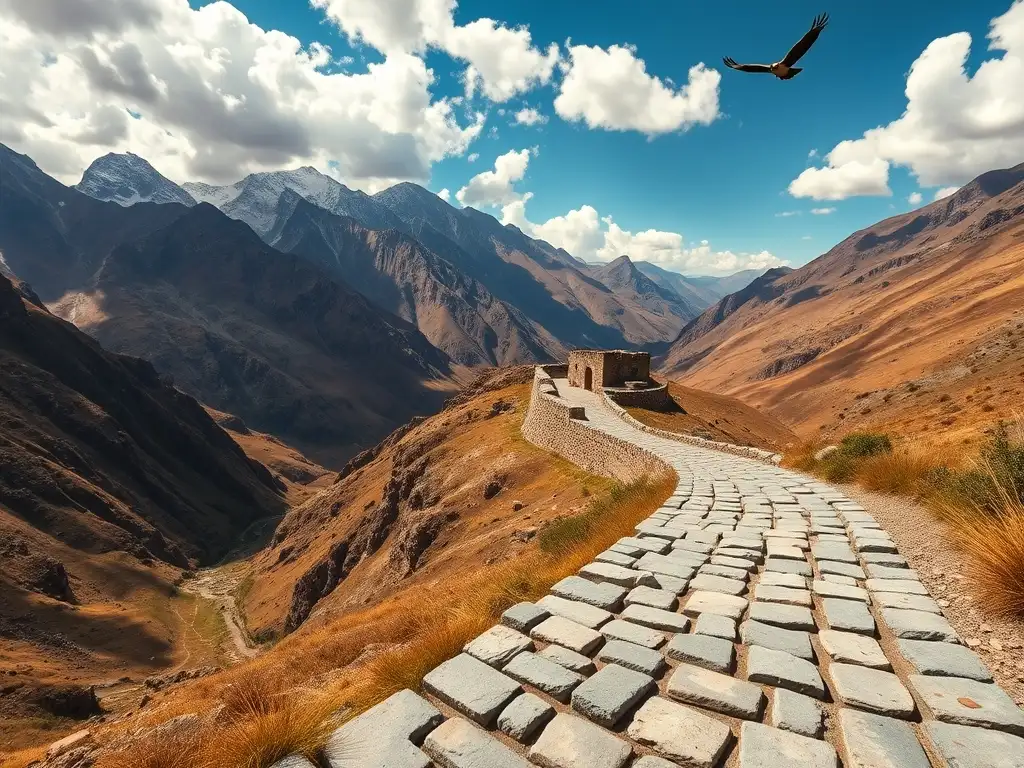
Uncover the secrets of a lost empire! Journey through the breathtaking landscapes of the Andes and discover how the Inca road system wasn't just a marvel of engineering, but a crucial weapon in their military arsenal. Prepare to be amazed as we delve into the ingenious warfare strategies employed by the Incas, revealing the vital role their legendary network of roads played in their conquests and dominance. Ready to explore the intricate connection between infrastructure and imperial power? Then let's begin!
The Inca Empire, renowned for its sophisticated civilization and vast territorial reach, achieved remarkable military success partly due to its ingenious and extensive road system. This network of pathways, stretching over 40,000 kilometers across treacherous Andean terrain, wasn't merely a means of transportation; it was a critical component of their military strategy, facilitating rapid troop deployment, efficient communication, and effective resource management.
This article delves into the strategic role of the Inca road system in their warfare, exploring how this infrastructure provided a significant advantage over their adversaries and contributed to the empire's remarkable expansion and longevity. We will examine how the Qhapaq Ñan (the Royal Road) facilitated swift movement of armies, the logistical benefits it provided, and its role in intelligence gathering and overall military dominance.
The Inca's mastery of engineering and their understanding of the importance of infrastructure are key elements in understanding their military success and the lasting impact of their civilization.
Introduction to the Inca Road System and Military Power
The Inca road system, known as the Qhapaq Ñan, was a marvel of engineering, traversing diverse and challenging landscapes, from high-altitude mountain passes to dense jungle regions. Its construction involved meticulous planning and the skillful use of local materials, demonstrating the Inca's advanced understanding of engineering principles. The roads themselves were not merely paths; they were meticulously constructed highways, often paved with stone, and featuring strategically placed bridges, resting places (tambos), and even sophisticated drainage systems.
This infrastructure facilitated the movement of large armies, the swift delivery of supplies, and the rapid transmission of messages across the vast empire. This level of logistical prowess was unprecedented in the Andes at the time, providing the Inca with a decisive advantage in warfare. The efficiency of the Qhapaq Ñan allowed for rapid response to rebellions, swift suppression of threats, and the effective mobilization of troops for campaigns of conquest.
The system's impact extended beyond purely military applications; it fostered economic integration and cultural exchange across the empire, strengthening its unity and resilience. The strategic placement of tambos along the routes, for instance, served not only as resting places for travelers but also as vital staging points for military operations, storage facilities for supplies, and hubs for intelligence gathering.
Rapid Troop Deployment and Response Times
The Inca road system's primary military advantage stemmed from its capacity for rapid troop deployment. Unlike their adversaries who often faced logistical challenges in moving large forces across the rugged terrain, the Inca could deploy their armies with remarkable speed and precision. This speed allowed them to swiftly quell rebellions, respond effectively to external threats, and launch surprise attacks.
The well-maintained roads allowed for the efficient movement of large numbers of soldiers, along with their weaponry, supplies, and provisions. This capability was essential in maintaining control over the vast and diverse empire, allowing the Inca to project military power across vast distances in a relatively short time. [Specific examples of rapid troop deployments and their outcomes pending] This swift response time, facilitated by the road network, was a major factor in the Inca's ability to maintain control over their extensive territories and defeat numerous opponents.
Logistical Support and Resource Management
Beyond troop movement, the Inca road system played a crucial role in logistical support and resource management. The Qhapaq Ñan facilitated the efficient transportation of food, water, weapons, and other essential supplies to Inca armies in the field. The strategically placed tambos served as storage facilities and supply depots, ensuring that troops never lacked essential resources. This efficient logistics system was a key factor in the Inca's ability to sustain prolonged military campaigns and maintain a strong fighting force.
The roads also facilitated the transportation of tribute goods from conquered territories to the imperial center, fueling the Inca economy and military machine. The effectiveness of this logistical infrastructure significantly reduced the risk of supply shortages and logistical failures, which often hampered the war efforts of other Andean civilizations. The organized system of storage and distribution enabled the Inca to maintain a superior military capacity for extended periods.
Intelligence Gathering and Communication
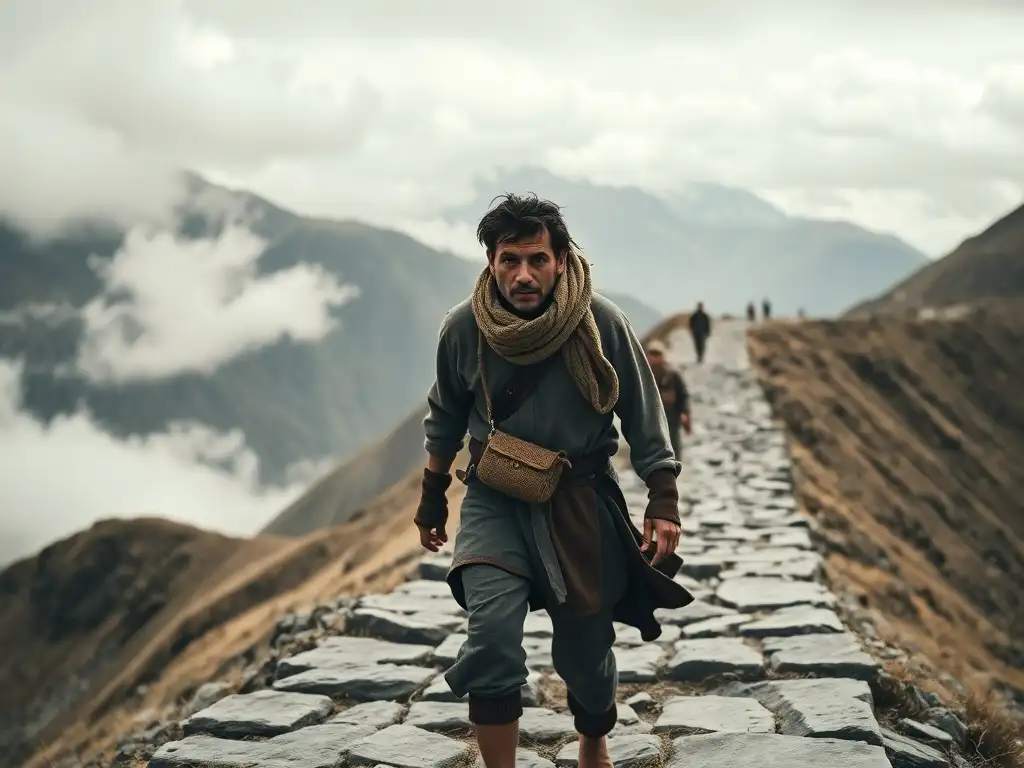
The Inca road system also played a vital role in intelligence gathering and communication. Runners, known as chasquis, relayed messages along the roads at incredible speed, providing the Inca with a sophisticated communication network. This allowed for the rapid dissemination of information about enemy movements, rebellions, and other threats. The strategically located tambos served as communication hubs, facilitating the efficient exchange of information.
This rapid communication system gave the Inca a significant advantage over their enemies, enabling them to anticipate attacks, react swiftly to changing situations, and coordinate their military actions effectively. The combination of rapid communication and efficient troop deployment allowed the Inca to effectively manage their empire and maintain control over their vast territories. The chasquis system, integrated with the Qhapaq Ñan, provided a level of intelligence gathering and rapid response capability that was crucial to Inca military success.
Conclusion: The Enduring Legacy of Inca Road System in Warfare
The Inca road system stands as a testament to the ingenuity and strategic foresight of the Inca civilization. Its impact on Inca warfare was profound, providing a significant advantage in troop deployment, logistical support, and intelligence gathering. The Qhapaq Ñan was not simply a network of roads; it was a crucial element of the Inca military machine, enabling them to conquer and control a vast empire.
Its legacy extends beyond the Inca Empire, serving as an example of the importance of infrastructure in military strategy and the enduring power of sophisticated logistical planning. The meticulous planning, engineering prowess, and strategic implementation of the Inca road system remain a fascinating study in military history and a testament to the capabilities of a remarkable civilization.
- Introduction to the Inca Road System and Military Power
- Rapid Troop Deployment and Response Times
- Logistical Support and Resource Management
- Intelligence Gathering and Communication
- Conclusion: The Enduring Legacy of Inca Road System in Warfare
- How did the Inca road system impact their warfare strategies?
- What role did chasquis play in Inca military operations?
- Were there specific defenses built into the Inca road system for warfare?
- How did the Inca road system support the logistics of their armies?
- What other benefits did the Inca road system offer beyond military applications?
The Qhapaq Ñan: Foundation of Inca Military Logistics
The Inca road system, known as the Qhapaq Ñan, wasn't merely a network of pathways; it was the backbone of the Inca Empire's military might. Its strategic importance in Inca warfare strategies is undeniable, facilitating rapid troop movements, efficient supply lines, and swift communication across vast, challenging terrain. Understanding the Qhapaq Ñan's role is crucial to comprehending the Inca's remarkable military successes and the longevity of their empire.
This section delves into the logistical advantages afforded by this impressive feat of engineering, examining its construction, design, and ultimate impact on Inca military campaigns. The Inca road system warfare strategies were intrinsically linked to the network's capabilities.
Construction and Design of the Inca Road Network
The Qhapaq Ñan was a marvel of engineering, spanning over 40,000 kilometers across the Andes Mountains. Its construction involved meticulous planning and the mastery of diverse building techniques adapted to the varied landscapes. Inca road builders demonstrated impressive skills in:
- Stonework: Precisely cut stones were fitted together without mortar, creating incredibly durable and stable pathways, even on steep inclines. This expertise allowed for the construction of roads that could withstand harsh weather conditions and the weight of heavily laden pack animals.
- Bridge Building: The Incas constructed suspension bridges using materials like ropes made from plant fibers, showcasing their advanced understanding of engineering principles. These bridges were vital for crossing deep ravines and rivers, ensuring continuous connectivity across the vast network.
- Terrain Adaptation: The road system navigated diverse terrains, from high-altitude passes to dense jungles and coastal deserts. The routes were cleverly designed to minimize elevation changes and maximize accessibility, making troop movement and supply transport significantly easier.
The network wasn't simply a single, continuous road. Instead, it consisted of a complex system of main highways and smaller, branching paths, creating a spiderweb-like structure that connected all corners of the empire. This intricate design allowed for flexibility in troop deployment and ensured that even remote areas were easily accessible. The meticulous planning and execution of the Qhapaq Ñan highlight the Incas' exceptional organizational capabilities and their dedication to building a strong, unified empire. This infrastructure was a key component of their effective Inca road system warfare strategies.
The Importance of Qhapaq Ñan for Inca Imperial Expansion
The Qhapaq Ñan played a pivotal role in the Inca Empire's rapid expansion and military dominance. Its strategic advantages are evident in several key aspects:
- Rapid Troop Deployment: The well-maintained roads allowed for the swift movement of large armies across the empire. This speed was crucial in suppressing rebellions, responding to threats, and launching surprise attacks, giving the Inca a significant advantage over their enemies. Imagine the difference between weeks and months of travel time – the Qhapaq Ñan drastically reduced this, enabling a much more agile and responsive military.
- Efficient Supply Lines: The network facilitated the efficient transport of food, weapons, and other essential supplies to troops stationed throughout the empire. This ensured that armies remained well-supplied even during long campaigns, reducing the risk of logistical failures and boosting morale. The ability to sustain prolonged military operations was a key factor in the Incas' success.
- Enhanced Communication: The Qhapaq Ñan also served as a vital communication network. Runners, known as chasquis, relayed messages along the roads at incredible speed, enabling rapid communication between different parts of the empire. This allowed for coordinated military actions and swift responses to changing circumstances. The network effectively reduced communication delays, crucial for effective command and control.
The Qhapaq Ñan wasn't just a road; it was a powerful tool that enabled the Inca Empire to conquer and control a vast territory. Its impact on Inca military strategies cannot be overstated; it was an integral part of their success, proving the profound connection between infrastructure and military power. The effectiveness of the Inca road system warfare strategies directly correlated with the functionality and reach of the Qhapaq Ñan. Without it, the Inca Empire's military dominance would have been significantly diminished.
Inca Road System Warfare Strategies: Facilitating Troop Movement
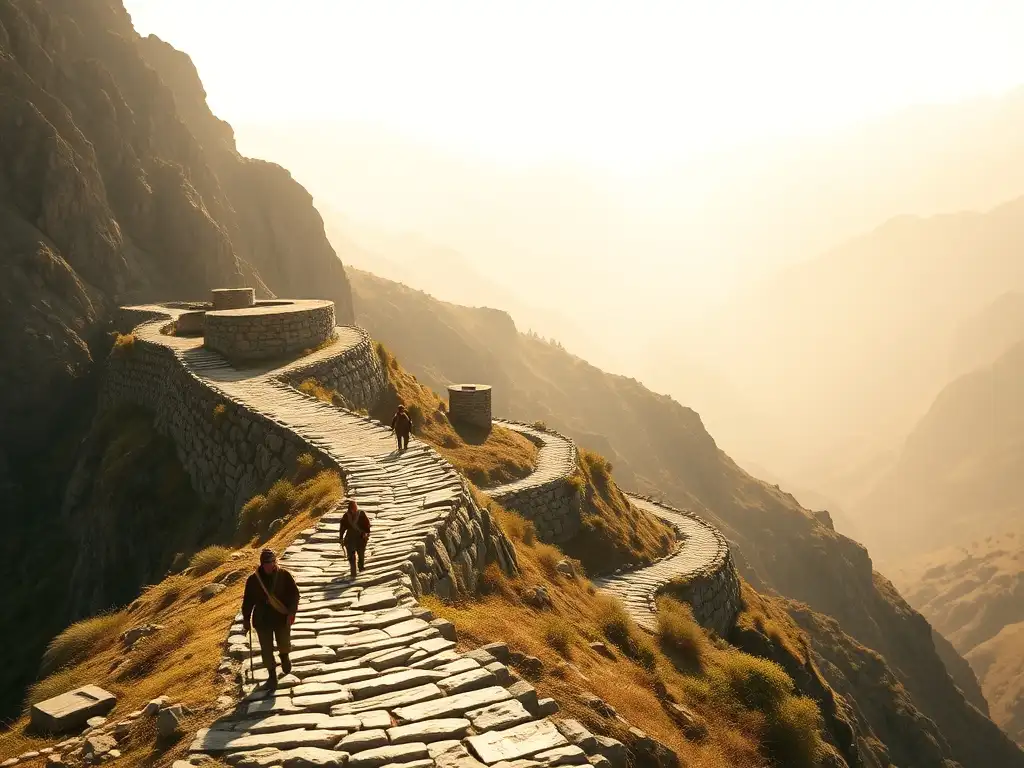
The Inca road system, a marvel of engineering for its time, provided the Inca empire with a significant strategic advantage in warfare. Its extensive network of pathways, spanning thousands of miles across the Andes Mountains, allowed for unprecedented speed and efficiency in troop deployment, a crucial factor in conquering and controlling such a vast and challenging terrain. This section will delve into how this infrastructure directly impacted Inca military operations.
Rapid Deployment of Inca Armies Through the Road Network
The sheer scale of the Inca road system was instrumental in their military successes. Unlike their adversaries, who were often hampered by difficult terrain and lack of infrastructure, Inca armies could be rapidly deployed to any point within the empire. This speed of movement allowed them to respond swiftly to rebellions, quell uprisings, and launch surprise attacks with devastating effect.
For instance, the swift suppression of revolts in distant provinces like those in modern-day Ecuador or Argentina demonstrates the effectiveness of this system. The roads weren't just trails; they were strategically planned routes, often incorporating ingenious engineering solutions like suspension bridges and stairways carved into cliffs. This allowed for consistent movement even in the most challenging landscapes.
Estimates suggest that an Inca army could travel up to 25 miles a day along the main roads, a remarkably high rate for the time period, allowing for the rapid concentration of forces where needed. This speed often caught enemies off guard, significantly impacting the outcome of battles. The ability to move large numbers of soldiers quickly also allowed the Inca to overwhelm smaller, less mobile adversaries.
Communication and Intelligence Gathering using the Inca Roads
The Inca road network wasn't solely for troop movement; it formed the backbone of their communication and intelligence systems. Runners, known as chasquis, were strategically positioned along the roads at regular intervals – often at tambos (roadside inns). These runners relayed messages using a sophisticated system of coded signals and quipus (knotted cords used for recording information).
The speed and efficiency of this system allowed for near-instantaneous communication across vast distances. This rapid information flow was crucial for military strategy. Intelligence about enemy movements, rebellions, and resource availability could be gathered and disseminated quickly, allowing Inca commanders to make informed decisions and adapt their strategies accordingly.
Furthermore, the chasquis weren't just messengers; they acted as a vital intelligence network, gathering information from local populations and reporting back to central command. This combination of rapid communication and effective intelligence gathering gave the Inca a significant advantage over their enemies. The system ensured that the Inca leadership was always well-informed, allowing for proactive responses to threats and improved battlefield coordination.
Supply Lines and Provisions for Inca Soldiers on Campaign
Sustaining a large army in the rugged Andean terrain presented significant logistical challenges. However, the Inca road system facilitated the efficient movement of supplies and provisions to their troops. Tambos along the roads served not only as resting places for chasquis but also as storage depots for food, weapons, and other necessities.
The Inca meticulously organized their supply chain, ensuring that soldiers on campaign would have access to the resources they needed. This included storing dried foods like potatoes and maize, along with essential tools and materials. The efficient movement of supplies along the road network minimized disruption to campaigns and reduced the risk of starvation or shortages within the army, greatly contributing to their overall military effectiveness.
The strategic placement of tambos ensured that soldiers were never too far from resupply points, significantly increasing their capacity for prolonged campaigns and extended military operations. The organization of this vast logistical network was a testament to the sophisticated planning and administrative prowess of the Inca empire, offering a vital support structure for their military campaigns. The ability to sustain a large army in the field for extended periods was a key element in their military successes and territorial expansion.
Utilizing the Inca Roads for Strategic Military Maneuvers
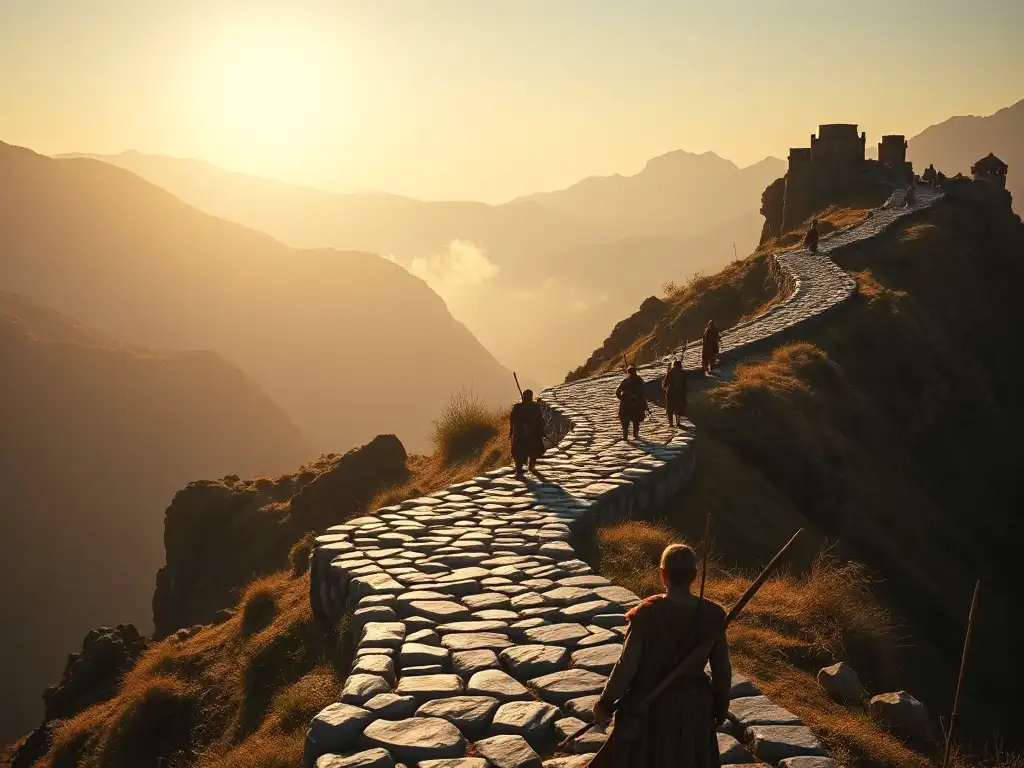
The Inca road system, the Qhapaq Ñan, wasn't merely a sophisticated transportation network; it served as the backbone of Inca military strategy, providing an unparalleled advantage in warfare. Its extensive reach, spanning thousands of miles across diverse and challenging terrain, allowed for rapid troop deployment, efficient resource mobilization, and the swift execution of complex military maneuvers. This intricate network of roads, bridges, and resting places enabled the Inca army to react quickly to threats and maintain control over their vast empire.
Understanding the strategic use of the Qhapaq Ñan is crucial to comprehending the Inca's military dominance. The Inca road system warfare strategies were sophisticated and effective, leveraging the infrastructure for both offensive and defensive operations. Analyzing specific examples reveals the depth of their strategic thinking.
Controlling Key Territories and Resources via the Qhapaq Ñan
Control over strategic territories and resources was paramount for the Inca empire. The Qhapaq Ñan facilitated this control by allowing for rapid movement of troops to quell rebellions or defend against external threats. For instance, the swift suppression of uprisings in distant provinces was made possible by the ability to deploy troops along the road network with remarkable speed. This prevented rebellions from gaining momentum and consolidating power.
Furthermore, the roads facilitated the efficient collection of tributes, a crucial element in sustaining the Inca military machine. The timely arrival of resources, such as food, weapons, and materials, ensured the army remained well-supplied and ready for action. The logistical efficiency provided by the road system was a key factor in the Inca's ability to maintain a large and well-equipped army across their sprawling empire.
The strategic placement of tambos (roadside inns) along the Qhapaq Ñan further supported this logistical prowess, providing vital rest stops and supply depots for troops on the move. This network ensured the continuous flow of resources, vital for both offensive and defensive operations. The Inca's ability to swiftly move troops and resources using the road network is a prime example of effective Inca road system warfare strategies.
Inca Road System as Defensive Infrastructure
The Qhapaq Ñan wasn't just a tool for offensive maneuvers; it also served as a robust defensive infrastructure. Its strategic placement, often along mountain passes and natural chokepoints, made it easier to defend against invading forces. The Inca could easily concentrate their troops at key locations along the roads, effectively blocking enemy advances and channeling them into pre-determined defensive positions.
The construction of fortifications and watchtowers at strategic points along the road system further enhanced its defensive capabilities. These structures allowed for early warning of approaching enemies, giving the Inca ample time to prepare their defenses. The Inca's mastery of defensive warfare, augmented by the Qhapaq Ñan, is evident in the difficulty faced by invaders in penetrating the heart of the empire.
Their ability to effectively utilize the road network for both offensive and defensive purposes underscores the sophisticated nature of their military strategies. This strategic integration of infrastructure and military tactics was a cornerstone of Inca imperial power.
Strategic Retreats and Re-grouping using the Inca Road System
The Qhapaq Ñan also played a crucial role in facilitating strategic retreats and regrouping of Inca forces. In situations where a direct confrontation was deemed disadvantageous, the Inca could utilize the roads to swiftly withdraw their troops to more defensible positions, minimizing casualties and preserving their military strength. The extensive network of roads allowed for flexible movement and the ability to outmaneuver their enemies.
This strategic retreat wasn't a sign of weakness, but rather a calculated maneuver designed to conserve resources and prepare for a more favorable engagement. The ability to swiftly regroup and re-supply using the road network was a significant advantage. The Inca understood the importance of preserving their army's strength, and the Qhapaq Ñan provided the infrastructure to execute this strategy effectively.
This aspect of Inca road system warfare strategies often proved decisive in prolonging conflicts and ultimately securing victory. The use of the Qhapaq Ñan for strategic retreats demonstrates the Inca's nuanced understanding of warfare and their ability to adapt to changing circumstances.
Military Advantages of the Inca Road System Compared to Other Andean Cultures
The Inca road system, Qhapaq Ñan, wasn't merely a transportation network; it was a crucial component of their military strategy, providing a significant advantage over other Andean cultures. Its strategic design facilitated rapid troop mobilization, efficient supply lines, and swift communication, elements vital for successful warfare. This advantage stemmed from several key features: the system's extensive reach, its robust infrastructure, and its integration with strategically placed tambos (roadside inns).
Unlike their predecessors and contemporaries, the Inca leveraged this infrastructure to project power across their vast empire with unparalleled speed and efficiency. This section will compare the Inca road system's impact on warfare against that of the Chimor and Wari, two significant Andean cultures.
The Inca Road System vs. Chimor Military Logistics
The Chimor, a powerful coastal civilization, lacked the extensive inland road network possessed by the Inca. Their military logistics relied heavily on sea routes and limited land-based trails, restricting their ability to rapidly deploy troops across their territory. While their maritime capabilities were significant, they lacked the flexibility of the Inca's system for inland operations.
For example, an Inca army could easily outmaneuver a Chimor force by using the Qhapaq Ñan to bypass coastal defenses and attack from unexpected directions. The Inca could also resupply their troops far more effectively, allowing for longer campaigns and sieges, a stark contrast to the Chimor's more localized military operations. The difference in logistical capabilities was a major factor in the Inca conquest of the Chimor.
The Inca's superior mobility and resupply capabilities significantly reduced the Chimor's ability to mount effective resistance. This highlights the crucial role of the Inca road system in their military victories. The Chimor's reliance on sea-based logistics proved to be a significant weakness when confronted with the Inca's superior land-based mobility and logistical network.
The Inca Road System vs. Wari Military Logistics
The Wari, an earlier Andean empire, also had a road system, but it was significantly less extensive and sophisticated than the Inca's Qhapaq Ñan. While the Wari possessed impressive administrative capabilities and controlled a large territory, their road network was not as strategically integrated into their military strategy. Evidence suggests the Wari roads were primarily focused on connecting administrative centers rather than facilitating rapid troop movement across vast distances.
The Inca system, however, was specifically designed with military considerations in mind, featuring strategically placed tambos for troop rest and resupply, well-maintained pathways suitable for all weather conditions, and bridges spanning significant geographical obstacles. This superior infrastructure gave the Inca a distinct advantage in both offensive and defensive warfare.
The speed and efficiency of Inca troop movements, facilitated by the Qhapaq Ñan, allowed them to respond swiftly to rebellions or threats, a capability that was arguably less developed within the Wari empire. The difference in scale and strategic design between the two road systems contributed significantly to the Inca's ability to consolidate and maintain a far larger and more stable empire.
The Inca Road System: A Key to Inca Military Dominance
The Inca road system was undeniably a cornerstone of their military dominance. Its strategic design, encompassing its vast extent, robust construction, and integrated tambos, allowed for unprecedented levels of military mobility and logistical efficiency. This superior infrastructure enabled the Inca to rapidly deploy troops across their empire, swiftly suppress rebellions, and conquer neighboring territories.
The ability to move armies and supplies quickly and efficiently was a decisive advantage in warfare, allowing the Inca to outmaneuver, outlast, and ultimately overwhelm their opponents. The Qhapaq Ñan wasn't just a road; it was a powerful instrument of imperial control and a testament to the Inca's sophisticated understanding of the relationship between infrastructure and military power. This strategic advantage contributed significantly to the Inca's success in building and maintaining one of the largest and most impressive pre-Columbian empires in the Americas.
The Inca road system, therefore, stands as a compelling example of how infrastructure can be a critical determinant of military success. 🏆
Case Studies: The Inca Road System in Specific Military Campaigns
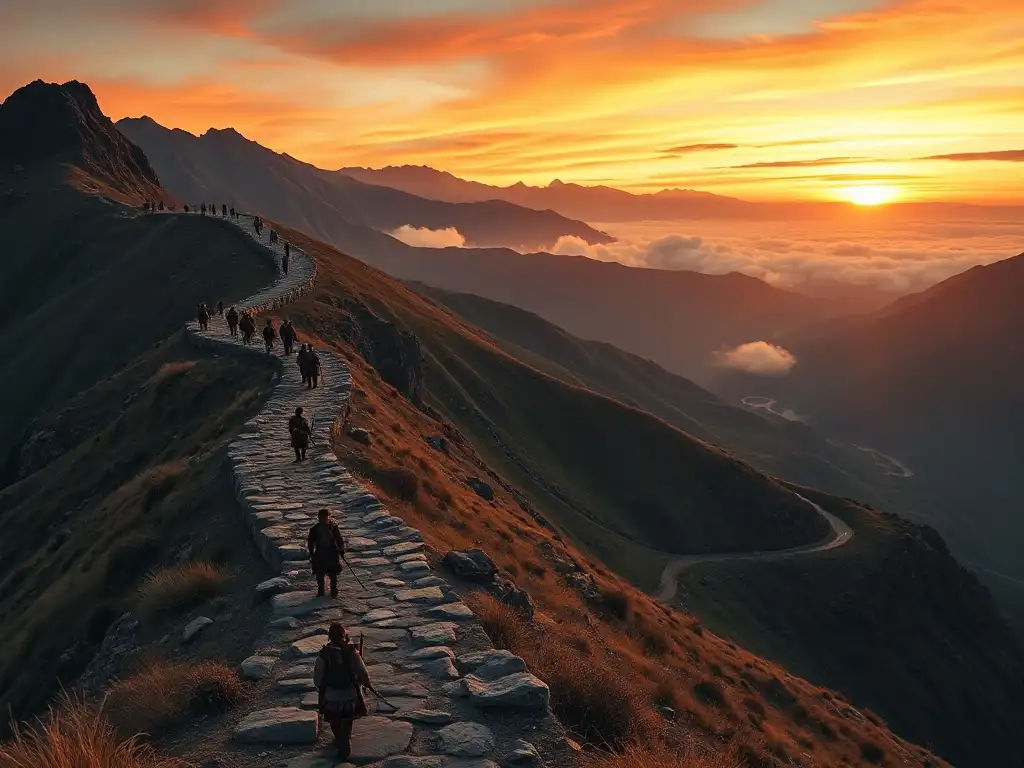
The Inca road system, or Qhapaq Ñan, wasn't merely a feat of engineering; it was a cornerstone of Inca military strategy, facilitating rapid troop deployment, efficient supply lines, and effective communication across their vast empire. Analyzing specific military campaigns reveals the crucial role this infrastructure played in Inca victories and the expansion of their power. The Qhapaq Ñan’s impact on Inca warfare strategies is undeniable, providing a significant advantage over their adversaries. This section will delve into several key conflicts to illustrate this point.
The Inca-Chanka War and the Use of the Qhapaq Ñan
The conflict between the Inca and the Chanka, a powerful highland group, provides a compelling example of the Qhapaq Ñan's military utility. Before the Inca's rise, the Chanka frequently raided the surrounding regions, posing a significant threat. However, when war erupted, the Inca's superior logistical capabilities, directly facilitated by the Qhapaq Ñan, proved decisive. The well-maintained roads allowed for the rapid mobilization of Inca armies, enabling them to swiftly respond to Chanka incursions and concentrate their forces effectively.
The Inca's ability to move troops and supplies along the Qhapaq Ñan allowed them to outmaneuver the Chanka, who lacked a comparable infrastructure. This advantage in mobility allowed the Inca to launch surprise attacks, cut off Chanka supply lines, and ultimately achieve a decisive victory. The swift response enabled by the road network prevented the Chanka from consolidating their gains and securing strategic positions.
The speed of Inca reinforcements, facilitated by the Qhapaq Ñan, was a key factor in their successful counter-offensives. This victory solidified the Inca's dominance in the region and significantly contributed to their subsequent expansion. The Qhapaq Ñan was instrumental in securing this crucial victory, highlighting its strategic importance in Inca warfare.
The Conquest of Quito and the Inca Road's Strategic Impact
The Inca conquest of Quito, a strategically important region north of Cusco, further exemplifies the Qhapaq Ñan's role in Inca military success. The mountainous terrain of the Andes presented significant challenges for military campaigns. However, the Inca road system, with its carefully engineered bridges, switchbacks, and strategically placed resting stations, mitigated these difficulties. The Qhapaq Ñan allowed the Inca army to traverse the challenging Andean landscape with relative ease, maintaining supply lines and troop morale.
The efficient movement of troops and supplies along the Qhapaq Ñan enabled the Inca to sustain prolonged sieges and campaigns in distant territories. Unlike their opponents who relied on less developed routes and faced logistical challenges, the Inca army maintained a consistent flow of resources, ensuring their fighting strength remained undiminished.
This sustained capability, directly linked to the road system, proved crucial in overcoming the resistance of the Quito region and securing its incorporation into the Inca Empire. The Qhapaq Ñan was not just a pathway; it was a logistical backbone that enabled sustained military operations and ultimately determined the outcome of the conquest.
Analyzing the Role of the Inca Roads in Inca Conquests
The Inca road system's contribution to Inca military dominance extends beyond individual campaigns. Its strategic importance is evident in the overall pattern of Inca expansion. The ability to rapidly deploy troops, combined with efficient communication along the Qhapaq Ñan, allowed the Inca to swiftly respond to rebellions, quell uprisings, and extend their control over vast territories. This efficient network facilitated the swift movement of messengers, allowing for rapid communication between different parts of the empire. This was critical for coordinating military operations and responding to threats effectively, preventing rebellions from escalating.
The Inca road system's impact can be quantified by considering the sheer scale of the Inca Empire. The vastness of the territory under Inca control speaks volumes about their logistical prowess, directly enabled by the Qhapaq Ñan. This infrastructure was not merely a network of roads; it was a strategic asset that enabled the Inca to project power, maintain control, and achieve unprecedented military success.
The seamless integration of military strategy with the Qhapaq Ñan highlights the sophisticated understanding of logistics and infrastructure within the Inca military machine. The Inca road system’s contribution to Inca warfare strategies remains a testament to their advanced understanding of military logistics and their ability to leverage infrastructure for strategic advantage. The Qhapaq Ñan was a vital component of the Inca Empire's military machine, contributing significantly to their ability to conquer and control such a large and diverse territory.
The Decline of the Inca Road System and its Impact on Inca Military Power

The Inca road system, the Qhapaq Ñan, was not merely a sophisticated network of paths; it was the very artery of the Inca Empire, crucial to its military might. Its decline, therefore, directly contributed to the weakening of Inca military capabilities and ultimately, their downfall. While the initial construction and maintenance of this impressive infrastructure showcased the Inca's organizational prowess and engineering skills, its deterioration following the Spanish conquest significantly hampered their ability to effectively wage war.
The impact wasn't simply a matter of fewer roads; it represented a cascading failure across multiple facets of Inca military strategy. The speed of troop deployment, the efficient transport of supplies, and the effective communication network all suffered crippling blows. This section will explore the key factors contributing to this decline and its devastating consequences for Inca warfare.
How the Spanish Conquest Affected the Inca Road Network
The Spanish conquest marked a turning point, irrevocably altering the fate of the Qhapaq Ñan. The initial impact was brutal. Spanish conquistadors, intent on subjugating the Inca, deliberately damaged sections of the road network to disrupt communication and movement of Inca forces. This wasn't simply a matter of tactical destruction; it was a systematic dismantling of a crucial element of Inca power.
The deliberate destruction of bridges, the blocking of passes, and the burning of waystations significantly crippled the Inca's ability to rapidly deploy troops to quell rebellions or respond to threats. Furthermore, the introduction of European diseases decimated the workforce responsible for maintaining the road system. The subsequent lack of manpower led to a rapid deterioration of the infrastructure, turning once-smooth pathways into treacherous obstacles.
The Spanish also redirected resources and labor away from road maintenance towards their own infrastructure projects, further accelerating the decline. Estimates suggest that within the first few decades of the conquest, perhaps 50% of the main roads fell into disrepair, severely impacting Inca military mobility. This disruption effectively isolated various regions, hindering the Inca's ability to coordinate their forces and respond effectively to attacks.
The Loss of the Qhapaq Ñan and its Consequences
The deterioration of the Qhapaq Ñan had profound consequences for Inca warfare. The loss of this vital infrastructure had a ripple effect, impacting several key aspects of Inca military strategy. Firstly, the speed of troop mobilization drastically decreased. What once took days now took weeks, severely limiting the Inca's ability to respond swiftly to rebellions or external threats.
Secondly, the efficient transport of supplies, crucial for sustaining armies in the field, became extremely challenging. The lack of reliable transport routes led to shortages of food, weapons, and other essential resources, weakening the Inca's fighting capacity. Thirdly, the effective communication network, which relied heavily on the Qhapaq Ñan, was disrupted, hindering the coordination of military operations. This lack of communication led to fragmented responses and ultimately, to military defeats.
The impact extended beyond purely military matters; the economic and social consequences were equally devastating, further weakening the Inca Empire's resilience. The once-unified and powerful empire fractured, leaving it vulnerable to internal strife and external conquest. The disruption of trade routes and the reduced ability to move resources also severely hampered the Inca's ability to rebuild their forces effectively.
Lessons Learned from the Inca Road System's Strategic Importance
The story of the Inca road system and its decline offers valuable insights into the strategic importance of infrastructure in warfare. The Inca's success was inextricably linked to their sophisticated road network. Its decline highlights the devastating consequences of neglecting or undermining vital infrastructure.
The Qhapaq Ñan serves as a powerful example of how strategic planning and effective infrastructure are not merely supporting elements in warfare, but are fundamental components of military power. Understanding the Inca's experience underscores the importance of investing in and maintaining robust infrastructure, not only for economic development but also for national security and military readiness. The efficient movement of troops and supplies remains crucial for any military campaign, and the Inca's story serves as a stark warning against underestimating the significance of logistical networks.
The long-term consequences of neglecting such infrastructure can be catastrophic, as the Inca's experience so clearly demonstrates. The Inca road system's legacy continues to remind us of the vital link between infrastructure, logistics, and military success. The strategic importance of robust and well-maintained infrastructure should remain a key consideration in modern military planning and national security strategies.
Conclusion: Legacy of the Inca Road System in Military History
The Inca road system's impact on warfare extends far beyond its immediate military applications. It represents a pivotal advancement in logistical capabilities, fundamentally altering the dynamics of Andean conflict. The speed and efficiency with which the Inca could mobilize troops, supply armies, and react to threats significantly shaped their military dominance and the political landscape of the Andes.
Understanding this legacy requires appreciating not just the engineering marvel itself, but also its profound influence on Inca societal structure, economic organization, and ultimately, their ability to conquer and control a vast and diverse empire. The Inca road system serves as a compelling case study in how infrastructure can be a decisive factor in military success.
The Lasting Impact of the Inca Road Network on Warfare
The Inca road system's influence on warfare continues to resonate even today. Military strategists still study its design principles, focusing on the importance of efficient communication and rapid deployment of forces. The ability to move troops and supplies quickly across challenging terrain remains a critical element of modern military planning, mirroring the Inca's strategic advantage.
Furthermore, the Inca's system of chasquis, the relay runners who transmitted messages along the roads at remarkable speed, foreshadows modern communication networks and highlights the importance of real-time intelligence gathering in warfare. The enduring legacy of the Inca road system underscores the timeless relevance of strategic infrastructure in military operations, proving that effective logistics remain a cornerstone of successful warfare.
The speed with which the Inca could react to rebellions or external threats, thanks to their advanced road network, allowed them to maintain control over their vast empire for a considerable period. This rapid response capability was a key element in their military success.
The Inca Road System: A Testament to Engineering and Military Strategy
The Inca road system was not merely a network of paths; it was a sophisticated feat of engineering deeply intertwined with their military strategies. The meticulous planning, incorporating bridges, tunnels, and strategically placed tambos (rest houses), showcases a profound understanding of both topography and the logistical demands of warfare. The system's adaptability to diverse terrains, from high-altitude passes to coastal plains, highlights the Inca's mastery of engineering and their ability to overcome environmental challenges.
This wasn't simply about building roads; it was about creating a robust and resilient infrastructure capable of supporting a large, mobile army. The strategic placement of tambos at regular intervals, for example, wasn't just for the convenience of travelers; it provided vital staging areas for troops and storage for supplies, crucial aspects of effective military campaigns.
This intricate integration of engineering and military strategy is a testament to the Inca's sophisticated understanding of warfare and their capacity for large-scale project management. The durability of many sections of the road, even today, speaks volumes about the quality of Inca construction and their long-term vision for military preparedness.
Future Research on the Inca Road System and its Military Significance
Further research on the Inca road system and its military significance could yield valuable insights into several areas. More detailed analysis of the tambos and their role in military logistics is needed, including their capacity, the types of supplies stored, and their strategic placement in relation to potential conflict zones. Archaeological investigations could uncover more evidence of military installations along the road network, providing a clearer understanding of how the Inca deployed and supported their forces.
Comparative studies with other ancient road systems, such as the Roman road network, could offer valuable insights into the unique aspects of Inca military infrastructure and its effectiveness. Furthermore, advanced digital mapping techniques could create comprehensive three-dimensional models of the road system, providing a more complete picture of its scope and strategic importance. This would also allow for a better understanding of the logistical challenges faced by the Inca army and how they overcame them.
Finally, interdisciplinary studies combining archaeological evidence with ethnographic data and historical accounts could provide a richer and more nuanced understanding of the Inca road system's role in their military success and its enduring legacy. The potential for new discoveries and interpretations is vast, promising to further enrich our comprehension of this remarkable achievement.
Frequently Asked Questions
How did the Inca road system impact their warfare strategies?
The Inca road system, or Qhapaq Ñan, provided a significant military advantage. It allowed for rapid troop mobilization, enabling the Inca to swiftly respond to threats and suppress rebellions across their vast empire. Faster communication also aided in coordinating attacks.
What role did chasquis play in Inca military operations?
Chasquis were runners who relayed messages along the Inca road system. Their speed and efficiency allowed for near-instantaneous communication between distant military outposts, crucial for coordinated warfare and strategic planning. This rapid communication network was vital to Inca military success.
Were there specific defenses built into the Inca road system for warfare?
While not explicitly designed as fortifications, the road system's layout included features beneficial for defense. Strategic placement of roads, combined with fortifications at key points, and control of mountain passes, allowed the Inca to channel and control the movement of enemy forces.
How did the Inca road system support the logistics of their armies?
The road network was essential for efficient supply lines. Food, weapons, and other necessities could be transported quickly to Inca armies, allowing for prolonged campaigns and sustained military operations across diverse terrains. This reliable logistical support was key to their military dominance.
What other benefits did the Inca road system offer beyond military applications?
Beyond warfare, the Qhapaq Ñan facilitated trade, communication, and the movement of people across the empire. This integrated network fostered cultural exchange and strengthened the Inca's control over their vast territories, forming a foundation for their power and stability.
Final Reflection: Echoes of the Inca Road System on Modern Warfare
The Inca road system wasn't merely a feat of engineering; it was a strategic masterpiece that fundamentally shaped the course of warfare in its time, and its echoes resonate even in modern military strategies. The speed and efficiency with which the Inca could mobilize their armies, thanks to this extensive network, provided a decisive advantage, proving that infrastructure can be a potent weapon. This legacy highlights the enduring importance of logistical planning and rapid deployment in achieving military objectives, a lesson as relevant today as it was centuries ago.
The Inca's mastery of logistics, facilitated by their unparalleled road system, serves as a powerful reminder that military success hinges not only on brute force but also on meticulous planning and efficient resource management. A well-organized army is like a well-oiled machine; every part must work in harmony to achieve its purpose.
This quote, though not directly from an Inca source, encapsulates the essence of their strategic approach, highlighting the enduring relevance of their logistical prowess in the context of modern warfare, where supply chains and rapid response are paramount. The impact of their system continues to inspire discussions on infrastructure's role in national security and global power dynamics.
Consider the implications of the Inca road system for your own life. How can you apply the principles of strategic planning and efficient resource management to your own goals and challenges? Think about the networks you build, both physical and metaphorical, and how they contribute to your ability to achieve your objectives. Just as the Inca road system connected their empire, fostering unity and strength, so too can you cultivate your own networks to achieve personal and professional success. Embrace the legacy of the Inca, and build your own path to victory, one strategic step at a time.
Unveil the Secrets of the Inca Road System!
Thank you for joining us on this journey through the remarkable Inca road system and its strategic impact on warfare. Your interest in this ancient engineering marvel reveals the astounding capabilities of the Inca civilization. Let's delve deeper into this fascinating subject!
- Explore the strategic locations along the Inca trails by planning a virtual tour of the ancient sites. Consider visiting Machu Picchu, Ollantaytambo, or Sacsayhuamán to experience the scale and ingenuity of the system firsthand, even virtually.
- Share your newfound understanding of Inca military strategies by discussing them with friends, family, or in online forums. Spark engaging conversations about the innovative use of the road system for troop movement and communication.
- Dive deeper into Andean history by exploring additional resources such as books and documentaries focusing on Inca warfare tactics and the logistical challenges they overcame. There are many excellent resources available to help you further your understanding.
As you contemplate the incredible organization and strategic brilliance of the Inca road system, we'd love to hear your thoughts: How might the Inca's approach to strategic planning inspire modern logistical and infrastructural projects?