
Textile Fragments: Piecing Together the Puzzle of Andean History

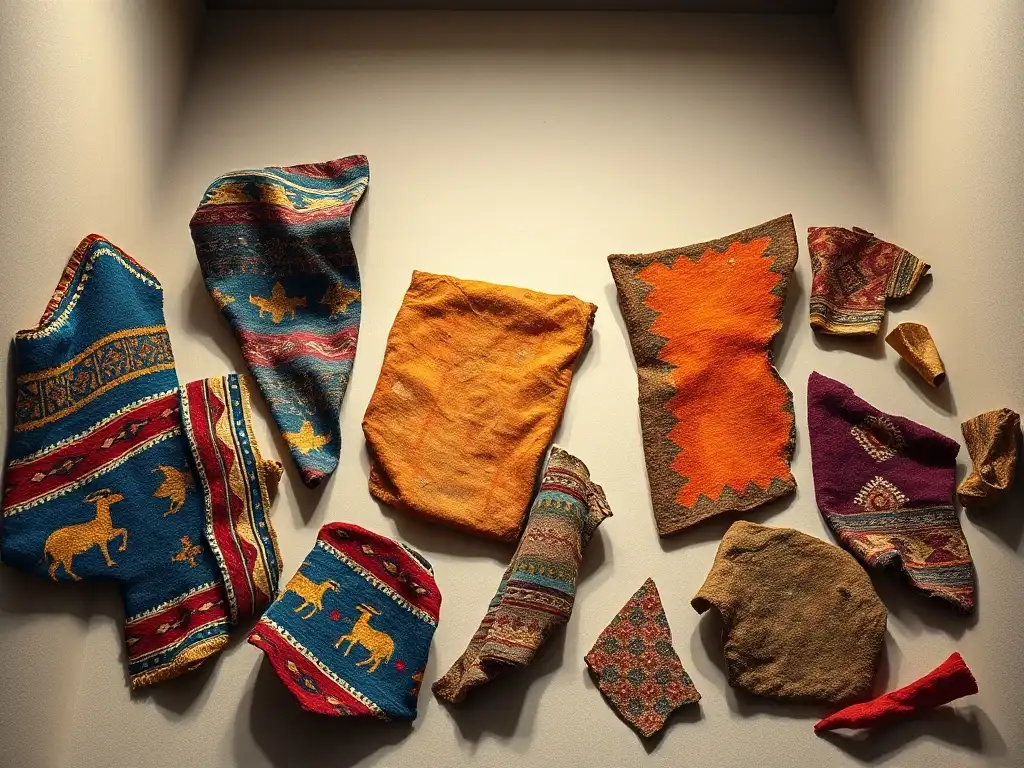
Welcome, explorer! Prepare to unravel the mysteries woven into the very fabric of time. Andean textile history fragments whisper tales of ingenuity and artistry from civilizations lost to the ages. Journey with us as we delve into the vibrant world of the Incas, Moche, Nazca, and Tiahuanaco, piecing together the captivating story of Andean art and uncovering the secrets hidden within their breathtaking textiles. Dare to discover what these ancient threads reveal...
The intricate world of Andean textiles offers a captivating glimpse into the rich tapestry of ancient civilizations. More than mere clothing, these textiles served as powerful symbols of social status, religious beliefs, and technological prowess.
Fragments of these ancient fabrics, often discovered in burial sites, archaeological digs, and even remote mountain caves, provide invaluable clues to understanding the complex social structures, artistic expressions, and technological innovations of cultures like the Inca, Moche, Nazca, and Tiahuanaco. This article delves into the significance of these textile fragments, exploring how their analysis helps us reconstruct the vibrant history and cultural nuances of the Andean region.
We will examine the techniques employed, the symbolic meanings embedded within the designs, and the historical context surrounding their creation and discovery, ultimately highlighting the crucial role of textile fragments in piecing together the puzzle of Andean history. The study of these seemingly small pieces offers a powerful lens through which to view the broader narrative of Andean civilization, revealing astonishing details about their lives, beliefs, and societies.
Deciphering the Techniques: A Masterclass in Andean Weaving
Andean textile production was a remarkably sophisticated process, showcasing an impressive mastery of various techniques. The fragments reveal the use of diverse fibers, including alpaca, llama, vicuña, and cotton, each chosen based on its properties and intended use. We find evidence of intricate spinning techniques, resulting in yarns of varying thicknesses and textures.
The weaving itself involved a range of methods, from simple plain weaves to complex tapestry and brocade techniques, demonstrating a high level of skill and artistry. The use of supplementary weft techniques allowed for the creation of intricate patterns and designs, often featuring geometric motifs, stylized animals, and human figures. Furthermore, the use of natural dyes derived from plants, minerals, and insects allowed for a vibrant and diverse color palette, further enhancing the aesthetic appeal and symbolic significance of the textiles.
Analysis of these techniques, often painstakingly reconstructed from fragmented pieces, provides critical insights into the technological advancements and artistic sophistication of Andean societies. For example, the incredibly fine and intricate weaving found in some fragments points to a highly specialized and stratified artisan class.
Symbolic Meanings: Unraveling the Narrative in Andean Designs
Beyond their technical brilliance, Andean textiles are rich with symbolic meanings. The patterns and motifs woven into the fabric often conveyed complex narratives, reflecting social hierarchies, religious beliefs, and cosmological concepts. Geometric designs, such as stepped frets and zigzags, may have represented agricultural terraces or celestial pathways.
Stylized representations of animals, such as condors and jaguars, likely held significant religious or shamanistic importance. Human figures, often depicted in ceremonial attire or engaging in ritualistic activities, provide valuable insights into social roles and practices. The analysis of these symbolic elements, often in conjunction with archaeological context, allows researchers to interpret the social and religious significance of the textiles and the cultures that produced them.
The vibrant colors themselves also likely held symbolic meaning, with specific hues potentially representing different deities, social groups, or natural elements. The preservation of these fragments thus offers a unique window into the worldview and beliefs of these ancient societies.
Archaeological Context: Where and How Fragments Tell Their Story
The discovery context of textile fragments is crucial for their interpretation. Fragments found in elite burials often indicate the high social status of the deceased and the importance of textiles as grave goods. Textiles discovered in temples or ritual sites suggest their use in religious ceremonies.
In contrast, fragments found in everyday contexts offer insights into the clothing and household textiles of common people. The geographic location of the discoveries also plays a significant role, providing information about regional variations in textile production and stylistic preferences. For instance, the textile styles found in the coastal regions might differ significantly from those found in the highlands, reflecting the unique environmental and cultural influences of each area.
By carefully considering the archaeological context of these finds—the location, associated artifacts, and stratigraphic position—researchers can more accurately interpret the meaning and significance of the textile fragments. This contextual understanding is essential for creating a holistic picture of Andean textile history. The careful documentation of these contexts is therefore paramount to unlocking the full potential of these fragments as historical sources.
Preservation and Future Research: Safeguarding Andean Textile Heritage
The preservation of these fragile textile fragments is of paramount importance for future research. Many fragments are subject to deterioration due to age, environmental factors, and previous handling. The development of advanced conservation techniques is crucial to ensure the longevity of these invaluable artifacts. Furthermore, continued archaeological research and the application of new analytical methods, such as advanced imaging techniques and fiber analysis, promise to yield further insights into the production, use, and cultural significance of Andean textiles.
Collaboration between archaeologists, textile conservators, and other specialists is vital for the holistic study and preservation of this rich heritage. The ongoing efforts in this field will undoubtedly contribute to a deeper and more nuanced understanding of Andean civilizations. The future of Andean textile research is bright, promising even more detailed revelations about these fascinating cultures.
- Deciphering the Techniques: A Masterclass in Andean Weaving
- Symbolic Meanings: Unraveling the Narrative in Andean Designs
- Archaeological Context: Where and How Fragments Tell Their Story
- Preservation and Future Research: Safeguarding Andean Textile Heritage
- What makes Andean textiles so significant historically?
- How have textile fragments survived the passage of time?
- What kind of information can we glean from Andean textile fragments?
- How do archaeologists piece together the fragmented textiles to understand the bigger picture?
- Where can I learn more about the history of Andean textiles?
Unveiling Andean Textile History Through Fragment Analysis
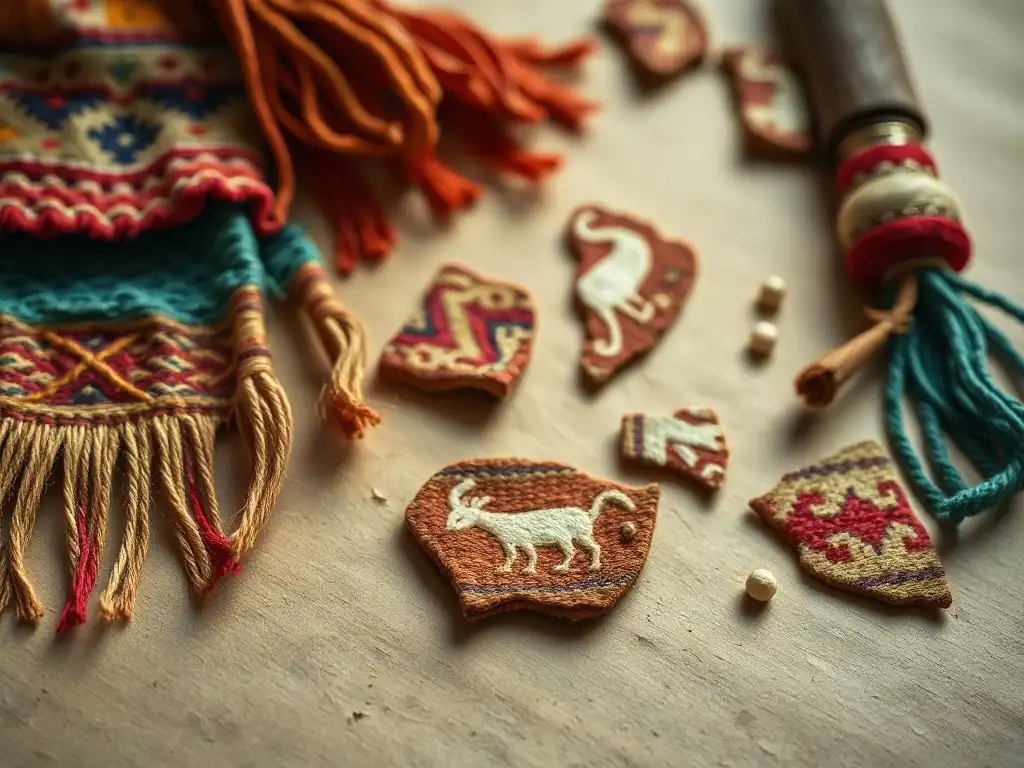
This section delves into the crucial role of textile fragments in reconstructing the rich tapestry of Andean textile history. While complete textiles offer invaluable insights, the sheer abundance of fragmented pieces unearthed from archaeological sites across the Andes provides a unique and often overlooked perspective. These fragments, seemingly insignificant on their own, collectively reveal a wealth of information about ancient Andean societies, their technological prowess, and their complex social structures.
Analyzing these "Andean textile history fragments" allows us to piece together a more complete, nuanced understanding of their textile traditions. The study of these fragments isn't merely about identifying individual pieces; it's about understanding the broader context within which they were created and used.
The Significance of Textile Fragments in Andean Archaeology
The significance of even the smallest Andean textile fragments in archaeological contexts cannot be overstated. They offer a multitude of insights that complete textiles often cannot:
- Technological advancements: Fragments can showcase variations in spinning techniques, dyeing processes, and weaving styles across different periods and regions. A tiny fragment might reveal the use of a previously unknown dye, or a unique knotting technique, significantly enriching our understanding of Andean textile technology. For example, the discovery of fragments exhibiting intricate ply-splitting techniques in the Nazca region challenged existing assumptions about their weaving capabilities.
- Social stratification: The materials used – the fineness of the yarn, the rarity of the dyes, the complexity of the weave – can indicate the social status of the wearer or the intended use of the textile. A fragment of fine vicuña cloth, for instance, would suggest elite status, while a fragment of coarser cotton might indicate everyday use. Analyzing the distribution of fragment types across different sites can further illuminate social hierarchies.
- Trade and exchange networks: The presence of specific dyes or fiber types not native to a particular region indicates trade and exchange networks connecting different Andean communities. Fragments of textiles containing dyes sourced from distant locations provide concrete evidence of such interactions, enriching our understanding of ancient Andean economies.
- Ritual and ceremonial practices: Textile fragments found in funerary contexts or associated with ceremonial objects provide valuable insight into ritual practices. The types of textiles, their colors, and their decorative motifs can reveal symbolic meanings and beliefs. For instance, the presence of specific colors or patterns on fragments found in tombs might reflect beliefs about the afterlife.
Challenges in Studying Fragmented Andean Textiles
Despite their immense value, studying fragmented Andean textiles presents significant challenges:
- Fragmentary nature: The incomplete nature of the fragments naturally limits the information available. Identifying the original textile's complete design, size, and function is often impossible. Sophisticated reconstruction techniques and comparative analysis with other complete or partially complete textiles are crucial.
- Deterioration: The age and environmental conditions often lead to textile degradation. Fragile fibers can break down, colors can fade, and the original structure can be compromised, making analysis difficult. Careful conservation techniques are essential to preserve these valuable artifacts for future study.
- Limited contextual information: Fragments often lack clear contextual information. Determining the precise location of discovery, associated artifacts, and the chronological period can be challenging, hindering accurate interpretation. Detailed archaeological records and meticulous excavation techniques are crucial to mitigate this challenge.
- Identifying materials: Identifying the specific fibers used in ancient textiles can be difficult, particularly with degraded materials. Microscopic analysis and advanced techniques are often required to determine the type of fiber (e.g., cotton, llama, alpaca, vicuña) and the dyeing processes employed. This detailed analysis is key to understanding the technological choices made by Andean artisans.
The study of Andean textile history fragments presents a unique and ongoing challenge requiring interdisciplinary collaboration between archaeologists, textile conservators, and material scientists. However, the rich information gleaned from these fragments continues to reshape our understanding of these remarkable Andean cultures. Further research and technological advancements will undoubtedly reveal even more about the sophistication and artistry of ancient Andean textile production.
Early Andean Textile Production: Insights from Surviving Pieces
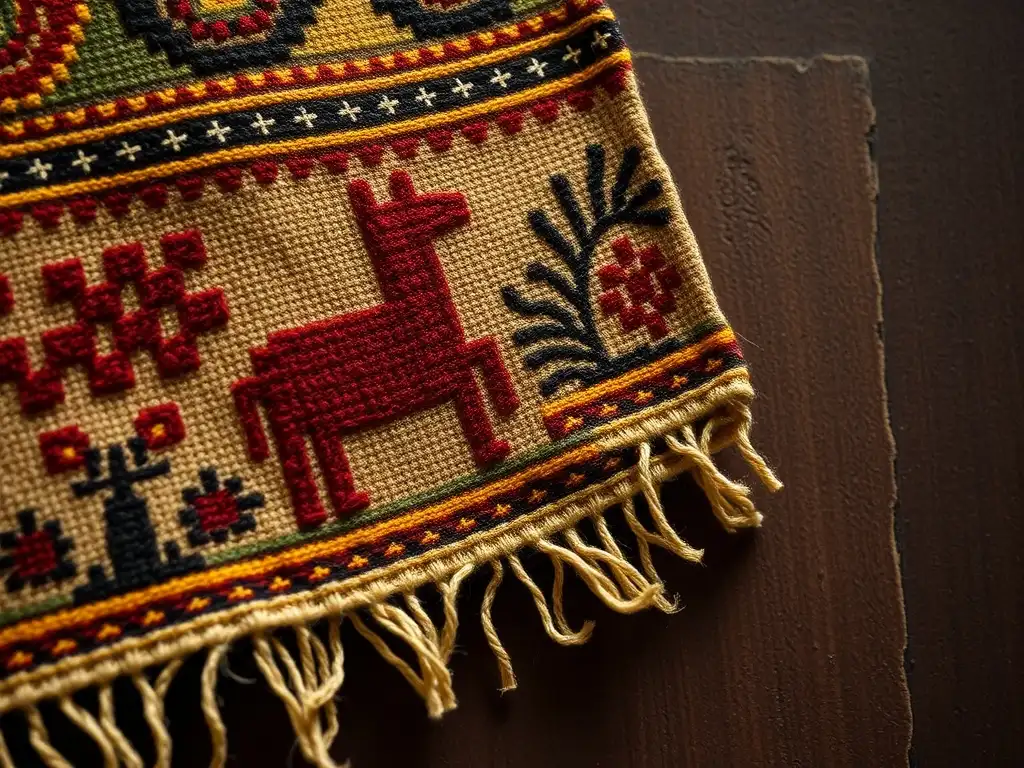
The study of Andean textile history fragments offers a captivating journey through millennia of artistic innovation and cultural expression. While many textiles have perished due to the harsh Andean climate and the passage of time, surviving pieces provide invaluable insights into the sophisticated techniques and artistic sensibilities of pre-Columbian Andean societies. Analyzing these fragments allows us to reconstruct a complex tapestry of cultural practices, technological advancements, and social structures.
The sheer diversity of surviving textiles – from simple cloths to intricately woven garments and ceremonial tapestries – underscores the significant role textiles played in Andean life. The meticulous preservation efforts of archaeologists and textile conservators have been crucial in safeguarding these fragile remnants of the past, allowing for ongoing research and a deeper understanding of Andean textile history. This section delves into the remarkable techniques and artistry evident in the earliest surviving Andean textiles.
Pre-Incan Textile Techniques and Materials
Pre-Incan Andean cultures, including the Paracas, Nazca, and Moche, developed highly advanced textile techniques long before the rise of the Inca Empire. These techniques, often passed down through generations, demonstrate a remarkable mastery of materials and processes. The most commonly used fiber was cotton, cultivated in the warmer coastal valleys. However, camelids such as llamas and alpacas provided another crucial fiber source, particularly in the highlands. Alpaca wool, known for its softness and warmth, was highly prized for its luxurious quality. Llama wool, while coarser, was also used extensively.
The remarkable range of colors achieved by Andean weavers is another testament to their skill. Natural dyes derived from plants, insects, and minerals produced a vibrant palette of hues. Cochineal insects, for instance, yielded a rich crimson, while various plants provided yellows, browns, and greens. The precise recipes for these dyes, many of which remain unknown, represent a significant area of ongoing research in Andean textile history.
Beyond the materials, the techniques themselves were incredibly sophisticated. Pre-Incan weavers mastered techniques like tapestry weaving, which allowed for intricate designs and complex patterns. They also developed sophisticated methods for creating different textures and surface effects, demonstrating a keen understanding of textile structure and manipulation. The use of different weaving techniques often varied regionally, reflecting the diverse cultural practices across the Andes.
Regional Variations in Early Andean Textile Art
The Andean region wasn't a monolithic entity; rather, it comprised a multitude of distinct cultures, each with its unique artistic traditions. These differences are vividly reflected in their textile production. For instance, Paracas textiles, known for their elaborate funerary bundles, are characterized by their vibrant colors, intricate embroidery, and the use of complex iconography. Nazca textiles, on the other hand, often feature geometric designs and stylized representations of flora and fauna, reflecting their distinctive artistic style. Moche textiles, frequently found in association with their impressive ceramic art, often depict scenes of daily life, warfare, and religious rituals.
| Culture | Notable Characteristics | Dominant Colors | Key Techniques |
|---|---|---|---|
| Paracas | Elaborate embroidery, complex iconography | Reds, blues, yellows, greens | Tapestry weaving, embroidery |
| Nazca | Geometric designs, stylized flora and fauna | Reds, browns, creams, blacks | Warp-faced plain weave, tapestry |
| Moche | Depictions of daily life, warfare, religious rituals | Reds, oranges, yellows, whites | Tapestry weaving, plain weave |
These regional variations highlight the rich diversity of Andean textile traditions, demonstrating the dynamic interplay between cultural identity and artistic expression. Further research into less-studied Andean cultures is crucial for a more complete picture of this fascinating aspect of Andean textile history.
Decoding Symbolism in Ancient Andean Weavings
The intricate designs found on Andean textiles were not merely decorative; they served as powerful carriers of cultural meaning and social significance. Many textiles incorporate symbolic motifs that reflect religious beliefs, social hierarchies, and cosmological concepts. These symbols, often woven into the fabric itself, offer valuable insights into the worldview and social structures of ancient Andean societies. The identification and interpretation of these symbols require careful analysis, drawing on archaeological evidence, ethnographic studies, and comparisons with other forms of Andean art.
For example, certain motifs might represent deities, ancestors, or mythical creatures. Others might signify social status, indicating the wearer's position within the community. Still others could reflect cosmological concepts, such as the relationship between the earth and the sky, or the cyclical nature of life and death. The complexity of Andean symbolism requires a multidisciplinary approach, combining the expertise of textile scholars, archaeologists, and anthropologists.
While much remains to be deciphered, the ongoing efforts to decode the symbolism in Andean textiles promise to unlock even deeper layers of understanding about these remarkable ancient cultures. The painstaking work of researchers continues to uncover new meanings, enriching our appreciation of the sophisticated and symbolic nature of Andean textile art. The vibrant colors and intricate designs are not simply aesthetically pleasing; they are a window into the rich tapestry of Andean beliefs and social structures.
The Evolution of Andean Textiles: From Pre-Inca to Inca
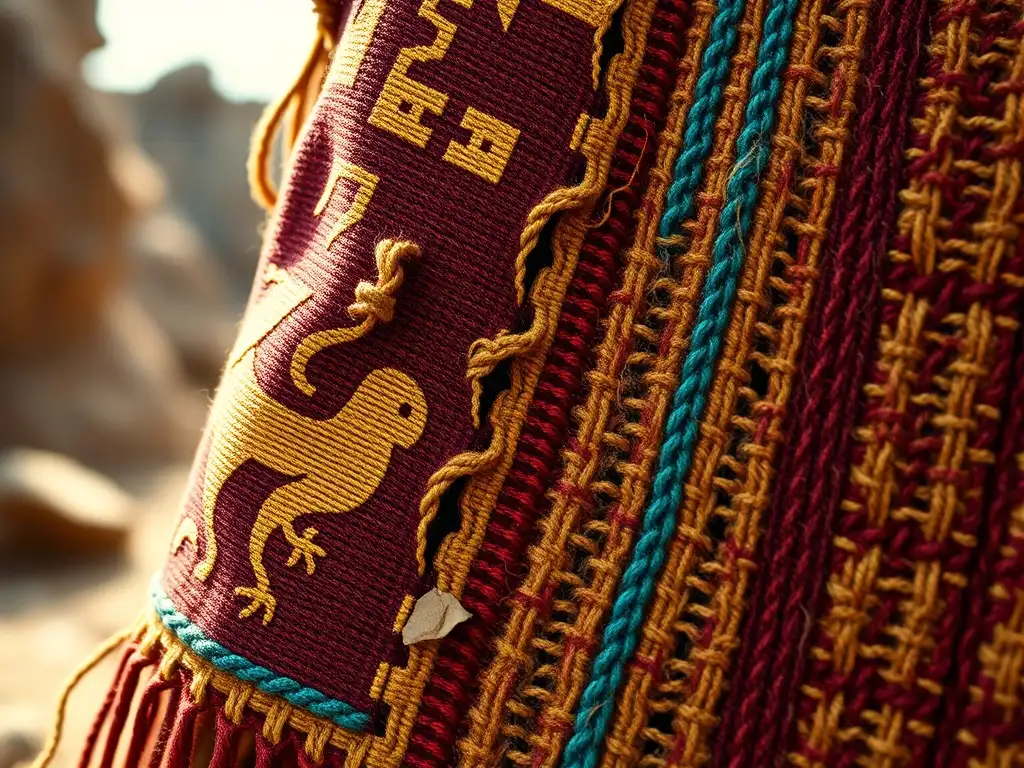
The tapestry of Andean textile history is rich and complex, woven with threads from diverse cultures and spanning millennia. Understanding the evolution of Andean textiles requires tracing their development from the pre-Inca periods to the height of the Inca Empire. Before the Inca, numerous Andean cultures—the Nazca, Moche, Paracas, and Tiahuanaco, among others—developed sophisticated textile traditions. Each culture exhibited unique stylistic choices, materials, and techniques reflecting their distinct social structures and beliefs.
For instance, the Nazca are renowned for their intricate polychrome textiles, featuring vibrant geometric designs and depictions of mythical creatures. These textiles, often discovered in burial contexts, suggest their significance in funerary rituals and the afterlife. The Moche, on the other hand, produced textiles with more naturalistic representations, portraying scenes of daily life, warfare, and religious ceremonies. These differences underscore the diverse expressions of Andean textile artistry before the Inca's rise to power.
Analyzing these pre-Inca textiles provides crucial context for understanding the subsequent Inca innovations and the continuities that persisted across different Andean cultures. The sheer variety of techniques and designs used in pre-Inca textiles, from intricate tapestry weaving to complex embroidery, showcases the already advanced state of textile production in the Andes long before the Inca Empire. The diversity in materials, including cotton, camelid fibers (llama, alpaca, vicuña), and even plant fibers like maguey, further emphasizes the region's rich resources and the adaptability of Andean textile artisans. Studying these early fragments offers vital clues about the technological advancements and artistic expressions that laid the foundation for the later Inca textile tradition.
The Rise of Inca Textile Art and its Influence
The Inca Empire, spanning from the 15th to the 16th centuries, left an indelible mark on Andean textile history. The Inca's centralized political system profoundly impacted textile production, leading to standardization and an increase in scale. While pre-Inca cultures boasted exceptional textile skills, the Inca Empire significantly expanded and refined these techniques. The Inca state employed specialized workshops, yachahuasi, where skilled artisans created textiles for the elite, the religious sphere, and administrative purposes.
This centralized production led to a degree of standardization in design and technique, although regional variations undoubtedly persisted. Inca textiles are recognizable for their use of specific motifs, such as the tocapus (headbands), llantas (ponchos), and uncus (tunics). These garments frequently incorporated symbolic imagery, reflecting the Inca worldview and their hierarchical social structure.
The use of vibrant colors, often achieved through natural dyes derived from plants and insects, further contributed to the unique aesthetic of Inca textiles. The Inca Empire's influence on textile production extended beyond its immediate borders, influencing neighboring cultures and leaving a lasting legacy on the Andean textile tradition. Understanding the Inca influence necessitates a comparative study of pre-Inca and Inca textiles, highlighting both continuities and changes in design, technology, and social significance.
Inca Imperial Textile Production and Standardization
Inca imperial textile production was a highly organized and specialized undertaking. The yachahuasi, or workshops, were not simply places of craft; they were integral to the Inca state's power and control. These workshops produced textiles not just for the elite, but also for administrative and religious purposes. The standardization of designs and techniques, while contributing to a sense of imperial unity, also served a practical purpose.
Uniformity in the clothing of officials, for example, helped to visually reinforce the hierarchical structure of the empire. This standardization is evident in the consistent use of certain motifs and color palettes across vast geographical regions. However, it's crucial to acknowledge that complete homogeneity was unlikely. Regional variations in style, material, and technique likely persisted, reflecting the diverse ecological and cultural landscapes within the empire.
Further research is needed to fully understand the extent of both standardization and regional variation in Inca textile production. Archaeological excavations continue to unearth new textile fragments, which offer valuable insights into the organization and scale of Inca workshops. Analyzing these fragments, coupled with ethnohistorical accounts, could reveal more details about the social organization of labor within these workshops and the role of different types of artisans.
Examining Fragmented Textiles for Insights into Inca Society
Analyzing fragmented Andean textile history fragments offers invaluable insights into Inca society. The survival of even small pieces of textiles provides a tangible link to the past, allowing researchers to glean information about materials, techniques, and social practices. The condition and context of discovery of these fragments are crucial elements in their interpretation. A textile fragment found in a royal tomb, for example, would likely carry different social significance than one discovered in a commoner's burial.
The dyes used, the quality of the fibers, and the complexity of the weaving technique can all reveal clues about the social status of the textile's owner and its intended use. Microscopic analysis of the fibers can even help identify the specific camelid species used, providing further detail about trade networks and resource management within the Inca Empire. The study of fragmented textiles also reveals information about the social role of textiles in Inca society. Textiles served as markers of social status, religious symbols, and even forms of currency.
By examining the surviving fragments, researchers can piece together a more comprehensive understanding of the role textiles played in daily life, ritual practices, and the broader socio-political organization of the Inca Empire. The ongoing analysis of these fragments is essential for building a more nuanced and accurate picture of Andean textile history and the society that produced them. The meticulous work of textile specialists and archaeologists continues to unlock the secrets held within these seemingly small pieces of cloth, revealing the intricate tapestry of Inca civilization.
Andean Textile Fragments: A Window into Daily Life and Ritual
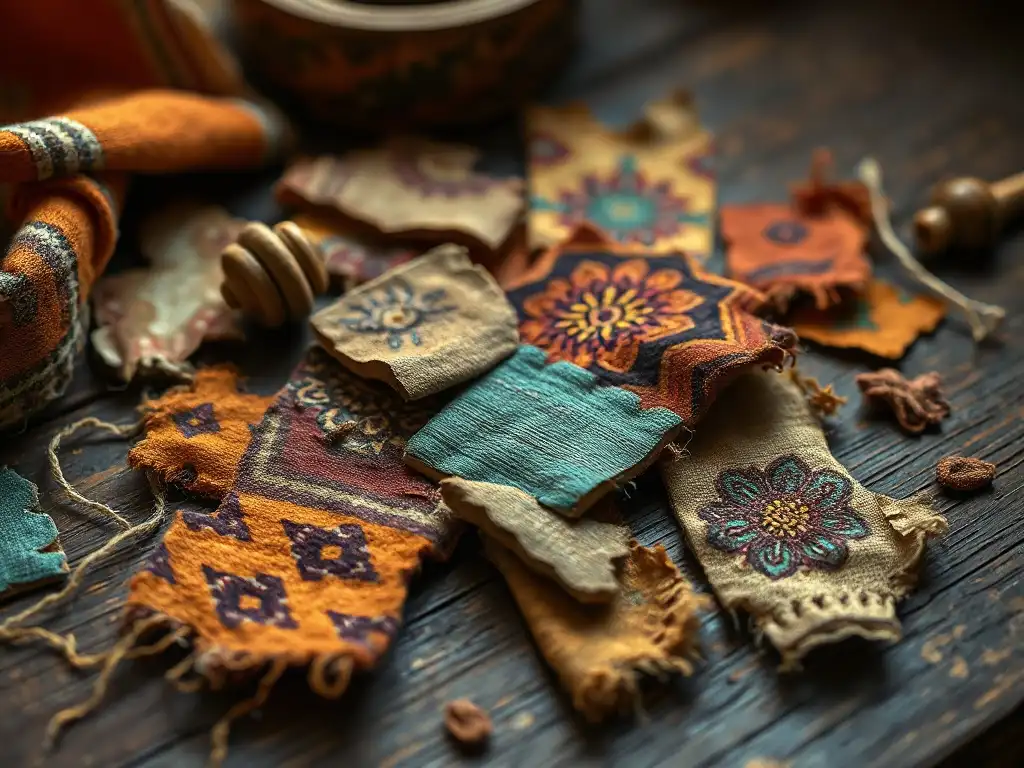
Andean textile history fragments offer invaluable insights into the daily lives and complex rituals of ancient Andean societies. The sheer variety of surviving textiles, even in fragmentary form, reveals a sophisticated understanding of textile production, a mastery of diverse techniques, and a deep integration of textiles into all aspects of Andean life. From humble everyday garments to elaborate ceremonial attire, textiles tell a rich and multifaceted story.
Examining these fragments allows us to piece together a more complete picture of Andean culture, revealing social structures, religious beliefs, and artistic achievements. The meticulous preservation of some fragments, despite their age and often fragile condition, is a testament to the importance placed on textiles by these ancient cultures.
Analyzing the dyes, fibers, and weaving techniques employed provides clues to the geographic origins, social status of the wearer, and the intended use of the textile. This section will delve into specific examples illustrating the significance of these fragments in understanding Andean civilizations.
The presence of certain fibers, dyes, and weaving techniques in Andean textile fragments often serves as a powerful indicator of social status. For example, the use of fine vicuña wool, a luxurious fiber reserved for the elite, is a clear marker of high social standing. Fragments exhibiting intricate tapestry weaving, demanding significant skill and time investment, also suggest elite craftsmanship and ownership. Conversely, fragments made from coarser fibers like llama or alpaca wool, and employing simpler weaving techniques, likely represent garments worn by commoners.
The complexity of the design itself can also be a significant factor. Highly elaborate designs, featuring intricate geometric patterns or representations of deities and mythical creatures, are more likely to have belonged to individuals of high social standing. In contrast, simpler, more repetitive patterns might indicate textiles used by the broader population.
Analysis of textile fragments found in elite contexts, such as tombs or ceremonial centers, further supports this correlation between textile quality and social hierarchy. Detailed studies comparing the fiber composition, weaving techniques, and decorative elements of fragments from different archaeological sites provide compelling evidence for a stratified social structure reflected in textile production and consumption. For instance, [specific data on comparative analysis of textile fragments from different sites pending].
Ritual Use of Textiles: Evidence from Fragmentary Remains
Many Andean textile fragments demonstrate clear evidence of ritual use. Certain patterns, colors, and motifs frequently appear in textiles found within sacred contexts, suggesting their importance in religious practices. For example, the recurring imagery of serpents, condors, and other symbolic creatures found in fragments excavated from temples and burial sites points towards their role in Andean cosmology and religious beliefs. Furthermore, the presence of specific dyes, such as those derived from rare plants or insects, might indicate the sacred nature of the textiles themselves.
The condition of some fragments also speaks to their ritual significance. Textiles deliberately cut or torn, or those bearing signs of intentional damage, may have been part of offerings or sacrifices. These deliberate acts of destruction could be interpreted as a form of ritual appeasement or a symbolic gesture of relinquishing material possessions to the supernatural realm. The discovery of textile fragments within carefully constructed caches or alongside other ritual objects further reinforces their association with religious practices.
[Further research needed on the specific types of ritual destruction found on textile fragments and their cultural significance]. The meticulous weaving and intricate designs found on many fragments suggest that even seemingly "damaged" pieces held significant ritual value. The fragments weren't simply discarded; they were treated with a respect reflecting their spiritual importance.
The Role of Textiles in Andean Burials and Offerings
Textile fragments are frequently recovered from Andean burials and offerings, highlighting their essential role in funerary rituals. The types of textiles found with the deceased often reflect their social status, providing further insights into the social hierarchy within Andean societies. Elaborate textiles, often featuring intricate designs and high-quality materials, were commonly found in the burials of elites, while simpler textiles accompanied commoners. The arrangement of textiles within the burial itself can also be significant, with certain textiles placed strategically to cover the body or used as shrouds.
The use of textiles in offerings further underscores their importance in Andean religious beliefs. Fragments of textiles are often discovered in caches or alongside other ritual objects, indicating their role in appeasing deities or ensuring a successful afterlife for the deceased. The act of burying textiles alongside the deceased suggests a belief that these materials would be of use in the next world. The state of preservation of some fragments, especially those found in particularly dry burial environments, provides exceptional opportunities for studying the techniques and materials used by Andean textile artisans.
[Data on specific examples of textile preservation in Andean burials pending]. The analysis of these fragments provides a window into the beliefs and practices surrounding death and the afterlife within Andean cultures. The careful placement and types of textiles used in these burials reveal much about the cultural value placed on these artifacts.
Analyzing Andean Textile Fragments: Methods and Technologies

This section delves into the scientific techniques employed to analyze Andean textile fragments, revealing crucial information about their creation, use, and historical context. Understanding these methods is vital for piecing together the complex tapestry of Andean textile history. The fragility of these artifacts necessitates careful and precise analysis, pushing the boundaries of scientific investigation in the field of Andean textile history fragments.
Microscopic Analysis of Andean Textile Fibers
Microscopic analysis is paramount in the study of Andean textile fragments. It allows researchers to identify the specific types of fibers used, their origin, and even the techniques employed in their preparation. For instance, microscopic examination can distinguish between camelid fibers (alpaca, llama, vicuña, guanaco) based on their diameter, medullation (the presence of a central canal), and scale patterns.
This information is crucial for understanding the economic and social implications of textile production. Different camelid fibers were associated with varying social status, and their presence in a fragment can indicate the textile's intended use and the social standing of its owner.
Furthermore, microscopic analysis can reveal details about the spinning and weaving techniques. The twist direction and tightness of the spun yarns, the type of weave (e.g., plain weave, twill weave, tapestry weave), and the presence of supplementary weft or warp threads can all be observed under a microscope. This level of detail allows researchers to trace the evolution of textile techniques across different Andean cultures and time periods.
For example, the intricate tapestry weaving techniques of the Paracas culture can be readily distinguished from the simpler plain weave techniques of earlier periods. Analysis might reveal unexpected blends of fibers or techniques, hinting at intercultural exchange or technological innovation. [Specific examples of microscopic findings from known fragments pending].
Dating Techniques for Ancient Andean Textiles
Accurately dating Andean textile fragments is challenging due to the organic nature of the materials. However, several techniques are employed to provide chronological context. Radiocarbon dating ( 14 C dating) is a common method, but it requires the analysis of organic components within the textile, such as the fibers themselves or any associated organic materials. This method provides an absolute date range, albeit with a margin of error. The limitations of radiocarbon dating are that it requires a sufficient sample size and that contamination can affect the results. Therefore, careful sample preparation and rigorous analysis are crucial.
Other dating methods rely on relative chronology, comparing the stylistic features of the textile fragments to those of artifacts with known or estimated dates. This involves studying the weaving techniques, the types of dyes used, and the iconography depicted in the textiles. By comparing these features to dated examples from archaeological contexts, researchers can place the fragments within a broader chronological framework.
For example, stylistic analysis might reveal that certain weaving patterns or dye combinations were characteristic of a specific time period or cultural group. This approach, while less precise than radiocarbon dating, is essential in cases where radiocarbon dating is not feasible. [Data on the success rate of different dating methods on Andean textiles pending].
Chemical Analysis of Dyes in Andean Textile Fragments
The vibrant colors of Andean textiles are a testament to the sophisticated knowledge of natural dyes employed by ancient Andean artisans. Chemical analysis of these dyes provides valuable insights into the materials used, their origin, and the technological processes involved in their production. Chromatography, spectroscopy, and other analytical techniques are used to identify the specific pigments present in the dyes. This can reveal the use of plants, minerals, or insects as dye sources. For instance, the vibrant reds often found in Andean textiles were frequently derived from cochineal insects, while yellows and browns could come from various plant sources.
Moreover, chemical analysis can help to understand the processes involved in dye fixation, the techniques used to make the dyes adhere to the fibers. This information can shed light on the technological sophistication of Andean dyeing techniques. For example, the use of mordants (substances that help the dye bind to the fiber) can be detected through chemical analysis. The type of mordant used could indicate the level of technological knowledge and the availability of certain resources.
Analyzing dye composition can also help trace trade routes and intercultural exchange, as the availability of certain dye sources varied geographically. Detailed chemical analysis can thus contribute significantly to our understanding of the complex interplay between technology, trade, and cultural exchange in the Andes. [Specific examples of dye analysis results and their interpretations pending].
Preserving and Interpreting Andean Textile History Fragments
This section delves into the crucial aspects of preserving and interpreting the fragmented remnants of Andean textile history. These fragile artifacts offer invaluable insights into the lives, beliefs, and artistic achievements of ancient Andean cultures. Understanding how to properly care for and analyze these fragments is paramount to unlocking their secrets.
The Importance of Conservation for Andean Textiles
The preservation of Andean textiles is a delicate and complex process. These textiles, often centuries old, are vulnerable to a range of environmental factors, including light exposure, humidity, and temperature fluctuations. Improper handling can lead to irreparable damage, including fiber degradation, color fading, and structural weakening. Therefore, rigorous conservation protocols are essential.
Conservation efforts often begin with careful documentation. High-resolution photography and detailed descriptions record the textile's current condition, including any existing damage. This meticulous record-keeping allows researchers to track changes over time and inform future conservation strategies. Furthermore, the analysis of textile fibers – including identifying the type of fiber (e.g., alpaca, llama, cotton) and the dyeing techniques employed – provides crucial information about the textile's origin, date, and cultural context. This information is vital for understanding the broader context of Andean textile history fragments.
The actual conservation process often involves stabilizing the textile using various techniques, such as mending tears with appropriate materials and carefully cleaning the textile to remove dirt and debris. The choice of conservation methods depends on the textile's specific condition and the materials used in its creation. A multidisciplinary approach, involving textile conservators, archaeologists, and chemists, is often necessary to ensure the most effective and ethical approach to preservation.
The ultimate goal is to prolong the lifespan of these irreplaceable artifacts and make them accessible for future study and appreciation. For example, the meticulous conservation of a fragmented Moche textile revealed intricate weaving techniques previously unknown, significantly enriching our understanding of Moche artistic practices.
Ethical Considerations in the Study of Andean Textile Fragments
The study of Andean textile fragments necessitates a strong ethical framework. Many of these fragments originate from archaeological sites, and their excavation and study must adhere to strict ethical guidelines. Respect for the cultural heritage of the Andean communities is paramount. This includes obtaining proper permits for excavation and research, engaging with descendant communities in the research process, and ensuring that research benefits these communities.
Repatriation of artifacts is another crucial ethical consideration. Many museums and research institutions hold collections of Andean textiles, some of which may have been acquired through questionable means. Increasingly, there are calls for the repatriation of these artifacts to their countries of origin, allowing for their display and study within their proper cultural context. This is particularly important for fragmented pieces, as they often lack the detailed provenance information necessary for a clear understanding of their history. The ethical sourcing and handling of Andean textile history fragments is therefore a critical concern for researchers and institutions alike.
Furthermore, the commercial trade of Andean textiles, particularly fragments, raises ethical concerns. The illegal excavation and sale of these artifacts contribute to the destruction of cultural heritage. Supporting ethical and sustainable practices in the textile industry, including fair trade and the preservation of traditional weaving techniques, is crucial to protect Andean textile heritage.
The Future of Andean Textile Research Through Fragment Analysis
Advanced technologies are revolutionizing the study of Andean textile fragments. Techniques such as multispectral imaging, X-ray fluorescence, and fiber analysis are providing unprecedented insights into the composition, structure, and history of these artifacts. For instance, multispectral imaging can reveal hidden details, such as designs obscured by age or damage, while fiber analysis can pinpoint the exact types of fibers used and their geographical origins. This detailed information helps researchers reconstruct the complete picture of Andean textile production and trade networks.
The future of Andean textile research also lies in interdisciplinary collaboration. By bringing together experts from various fields – including archaeology, anthropology, chemistry, and textile conservation – researchers can address complex questions surrounding Andean textile production, use, and significance. Combining traditional methods of analysis with cutting-edge technologies allows for a more comprehensive understanding of these fragmented pieces of Andean history.
The integration of digital technologies, such as 3D modeling and virtual reconstruction, also offers new ways to document, preserve, and share these invaluable artifacts with a wider audience. This collaborative approach ensures that the knowledge gained from the study of Andean textile history fragments is shared broadly and contributes to a richer understanding of Andean civilizations. The ongoing development of new analytical techniques promises to further illuminate the rich and complex history encoded within these seemingly insignificant fragments.
Frequently Asked Questions
What makes Andean textiles so significant historically?
Andean textiles offer invaluable insights into the social structures, religious beliefs, and daily lives of ancient civilizations. Their intricate designs and materials reflect a sophisticated understanding of technology and artistry. The textiles often act as primary historical sources.
How have textile fragments survived the passage of time?
Many fragments survived due to the arid climate of the Andes, which inhibits decay. Others were preserved in tombs or sacrificial sites, offering a glimpse into specific historical moments. Careful excavation and preservation techniques by archaeologists also play a crucial role.
What kind of information can we glean from Andean textile fragments?
Fragments reveal details about trade networks, artistic styles, and technological advancements. Color, fiber type, and weaving techniques can pinpoint specific time periods and geographical origins. They can even provide clues about social status.
How do archaeologists piece together the fragmented textiles to understand the bigger picture?
Archaeologists use a variety of techniques, including comparative analysis, stylistic comparisons, and radiocarbon dating, to connect fragments. They also consider the context of discovery, such as the location and associated artifacts. This helps reconstruct complete garments or tapestries.
Where can I learn more about the history of Andean textiles?
You can explore museum collections featuring Andean textiles, read academic publications and books on the subject, and visit archaeological sites in the Andes. Many online resources, including the website you are currently visiting, also offer detailed information on Andean textile history fragments.
Final Reflection: Unraveling the Threads of Andean Legacy
The vibrant threads of Andean textiles whisper stories across millennia, echoing through time with a resonance that continues to captivate and inform us today. These fragments, painstakingly preserved and meticulously studied, offer not just glimpses into past artistry, but profound insights into social structures, belief systems, and the enduring resilience of Andean cultures. Their intricate designs are more than mere decoration; they are living testaments to a rich and complex history.
The enduring power of Andean textiles lies not only in their aesthetic beauty but in their ability to bridge the gap between past and present. They serve as powerful reminders of the interconnectedness of human experience, demonstrating how artistic expression can transcend time and geography. The past is never dead. It's not even past.
– William Faulkner. This quote perfectly encapsulates the enduring relevance of these textile fragments; they are not relics of a bygone era, but active participants in an ongoing conversation about identity, heritage, and the human spirit. Their continued study allows us to better understand not only the Andes, but ourselves.
Consider the intricate patterns, the vibrant dyes, the sheer skill involved in their creation. These are not simply objects; they are narratives woven into fabric, waiting to be deciphered. You, the reader, are now part of this ongoing unraveling. Take a moment to reflect on the power of storytelling, the importance of preserving cultural heritage, and the profound connections we can forge with the past through the careful examination of seemingly small fragments. Let the threads of Andean history inspire you to appreciate the stories woven into the fabric of your own life and the world around you.
Unveil the Stories Behind Andean Textiles!
Thank you for exploring the fascinating world of Andean textiles with us! Discovering the intricate details and rich history of these remarkable artifacts is a wonderful first step towards a deeper understanding of Andean culture. Now, let's build on that interest!
Here are some engaging ways to further connect with the vibrant tapestry of Andean history:
- Visit a local museum exhibit showcasing Andean textiles, or explore a cultural center to see these treasures firsthand.
- Take an online weaving workshop to learn traditional techniques and discover how these methods preserve the stories of ancient communities.
- Share this article with friends and family, or post it on social media to inspire others to appreciate the beauty and significance of Andean textiles.
How will you incorporate the lessons learned from Andean history into your own life?