
The Echoes of the Past: How the Spanish Conquest Continues to Shape Andean Identity

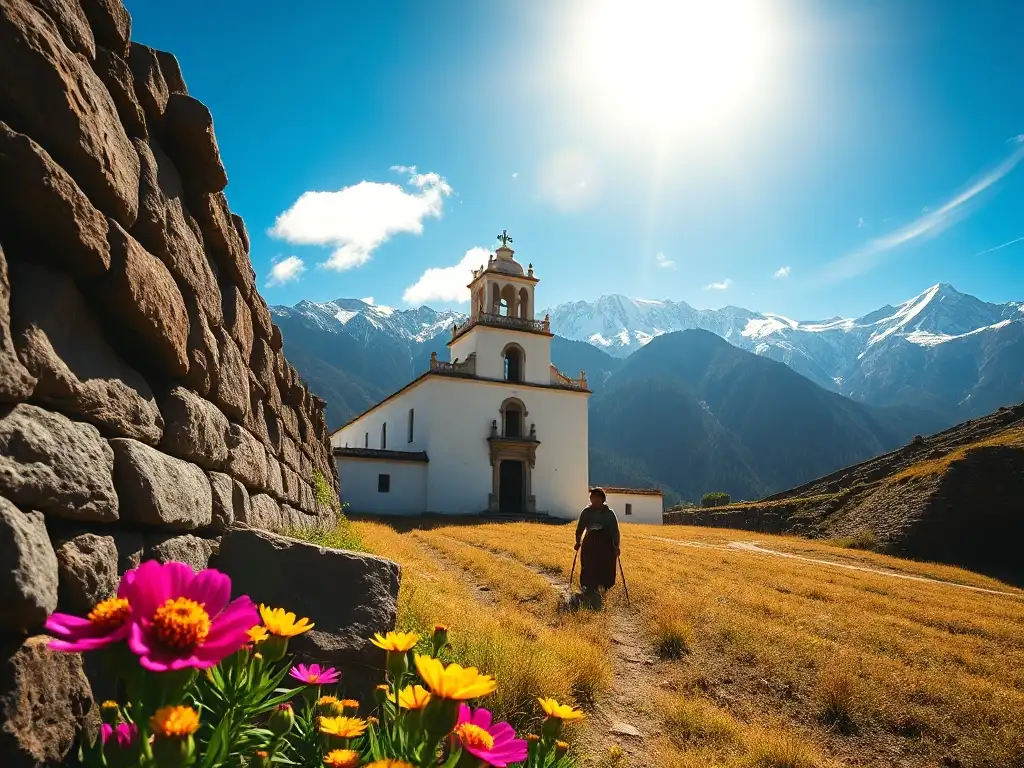
Dive into the mesmerizing world of Andean civilizations – a tapestry woven with threads of ingenuity and resilience. From the towering heights of Machu Picchu to the intricate artistry of the Nazca Lines, their legacy continues to resonate. But what happened when this vibrant world collided with the Spanish Conquest? Discover how this pivotal event irrevocably shaped Andean identity, a story far more complex and enduring than you might imagine. Unravel the mysteries and enduring impact of the Spanish Conquest impact on Andean identity – your journey begins now.
The Spanish conquest of the Andes, beginning in the early 16th century, represents a pivotal moment in the history of South America, irrevocably altering the trajectory of Andean civilizations. This wasn't merely a change in political power; it was a profound and lasting transformation that continues to resonate in the cultural identity, social structures, and even the genetic makeup of Andean populations today.
This article explores the enduring legacy of the Spanish Conquest, examining its multifaceted impact on Andean identity and how its echoes reverberate through contemporary Andean societies. We will delve into the complexities of cultural syncretism, the lingering effects of colonialism on social hierarchies, and the ongoing efforts to reclaim and revitalize indigenous traditions in the face of centuries of imposed change.
Understanding this history is crucial to comprehending the vibrant and multifaceted nature of Andean identity in the 21st century. The Spanish Conquest impact on Andean identity is a complex and layered topic, requiring a nuanced approach to fully appreciate its enduring significance.
The Demise of Pre-Columbian Political Structures
The arrival of the Spanish effectively dismantled the sophisticated political systems that characterized the Andes before European contact. The Inca Empire, at its zenith, was a vast and highly organized state with intricate administrative structures and a complex network of roads and communication systems. The Spanish conquest shattered this centralized authority, replacing it with a colonial administration that prioritized the extraction of resources and the subjugation of the indigenous population.
The Inca's highly developed system of mita (labor tribute) was adapted and exploited by the Spanish, leading to forced labor in mines and on agricultural estates, devastating the indigenous population and altering the social fabric of Andean society. This brutal system, coupled with the introduction of new diseases, resulted in a dramatic decline in the indigenous population, permanently altering the demographic landscape of the Andes.
The subsequent restructuring of power dynamics laid the foundation for centuries of social inequality that persists to this day. The Spanish conquest's impact on the political structures of the Andes was nothing short of catastrophic, leaving a legacy of instability and inequality that continues to influence the region.
Cultural Syncretism: A Blend of Traditions
The Spanish Conquest did not simply erase pre-Columbian cultures; instead, it fostered a complex process of cultural blending, or syncretism. Indigenous Andean religious practices, often deeply intertwined with agricultural cycles and natural phenomena, were suppressed by the Spanish, who imposed Catholicism. However, rather than completely disappearing, many indigenous beliefs and rituals were adapted and integrated into the new religious framework.
For example, the veneration of certain Andean deities was subtly incorporated into Catholic practices, resulting in a hybrid religious landscape that reflects both indigenous and European influences. This syncretism is evident in many aspects of Andean culture, from religious festivals and artistic expressions to culinary traditions.
The fusion of indigenous and Spanish elements created a unique cultural identity that is both a testament to the resilience of Andean traditions and a reflection of the lasting impact of colonialism. The process was not always harmonious, often involving coercion and suppression, yet the resulting cultural hybridity is a defining characteristic of Andean identity today.
The Spanish colonial system established a rigid social hierarchy that privileged the Spanish conquistadors and their descendants (the criollos) at the top, while relegating indigenous populations to the bottom. This social stratification, based on race and ethnicity, profoundly impacted Andean societies and continues to influence social relations today. The legacy of this system is visible in persistent inequalities in access to education, healthcare, and economic opportunities.
While significant progress has been made in recent decades towards addressing these inequalities, the deep-seated social hierarchies established during the colonial era continue to pose significant challenges for Andean societies. The fight for social justice and equality remains a central theme in the ongoing struggle to overcome the lasting impact of the Spanish Conquest. Understanding the historical roots of these inequalities is crucial for effective social reform and the construction of a more equitable future.
Reclaiming Indigenous Identity in the 21st Century
Despite centuries of oppression and cultural assimilation, indigenous Andean communities have actively resisted the erasure of their identities and traditions. In recent decades, there has been a resurgence of indigenous activism and a renewed focus on reclaiming and revitalizing indigenous languages, cultural practices, and political representation.
This movement reflects a powerful assertion of Andean identity in the face of historical oppression and ongoing challenges. The efforts to revitalize indigenous languages, for example, are not merely about preserving linguistic diversity but also about safeguarding cultural knowledge and traditions that have been passed down through generations.
This ongoing struggle for cultural preservation and political empowerment represents a crucial aspect of Andean identity in the 21st century and serves as a testament to the resilience and enduring spirit of Andean peoples. The echoes of the past continue to shape the present, yet the vibrant efforts to reclaim indigenous identity demonstrate the enduring power of cultural resistance and the hope for a more equitable future.
- The Demise of Pre-Columbian Political Structures
- Cultural Syncretism: A Blend of Traditions
- The Enduring Legacy of Colonial Social Hierarchies
- Reclaiming Indigenous Identity in the 21st Century
- How did the Spanish Conquest affect the Andean population?
- What was the impact of the Spanish Conquest on Andean religion?
- How did the Spanish Conquest influence Andean art and culture?
- In what ways did the Spanish Conquest affect Andean agriculture and economy?
- How does the legacy of the Spanish Conquest continue to affect Andean identity today?
Understanding the Enduring Legacy of the Spanish Conquest in the Andes
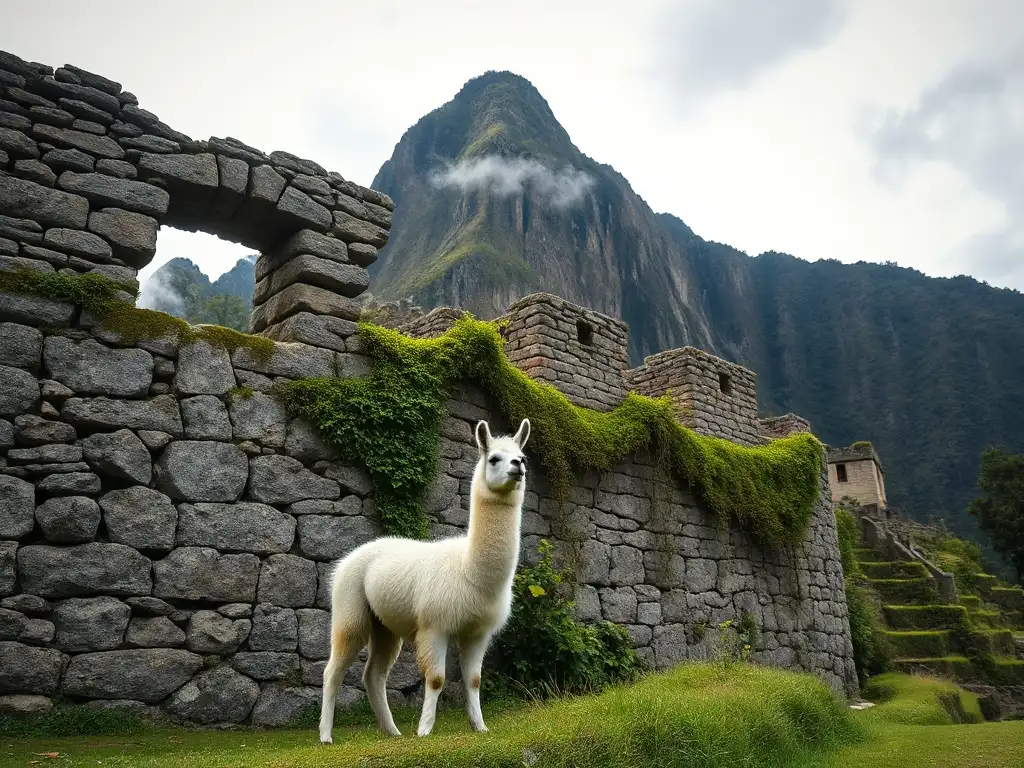
The Spanish Conquest, beginning in the early 16th century, irrevocably altered the course of Andean history and continues to resonate profoundly in the region's cultural identity. Understanding this enduring legacy requires examining not only the immediate consequences of the conquest but also its long-term effects on social structures, religious beliefs, economic systems, and linguistic landscapes.
The impact wasn't merely a superficial overlay; it involved a complex interplay of destruction, adaptation, and resistance that shaped the very fabric of Andean societies. The echoes of this transformative period are still heard today in the vibrant tapestry of Andean cultures.
Analyzing the Spanish Conquest's impact on Andean identity necessitates a nuanced approach, acknowledging both the devastation inflicted and the resilience shown by Andean peoples in preserving and adapting their heritage. The study of this period reveals a dynamic process of cultural negotiation and survival, a testament to the enduring strength of Andean identity in the face of overwhelming adversity.
The Initial Encounter: Pre-Conquest Andean Societies and the Arrival of the Spanish
Before the arrival of the Spanish, the Andes were home to a diverse array of sophisticated civilizations. The Inca Empire, with its impressive administrative and engineering feats, dominated a large portion of the region. However, numerous other significant cultures, such as the Chimu, the Nazca, and the Aymara, flourished independently, each possessing unique artistic expressions, religious beliefs, and social structures. These societies, while diverse, shared certain commonalities, including a deep reverence for nature, sophisticated agricultural techniques adapted to challenging terrains, and complex social hierarchies.
The arrival of the Spanish in 1532 marked a dramatic turning point. The initial encounters were characterized by a mixture of awe and apprehension on both sides. The Spanish, driven by a thirst for gold and the zeal of religious conversion, were often unprepared for the complexity and resilience of the Andean societies they encountered.
The initial interactions, while sometimes marked by diplomacy, ultimately laid the groundwork for the brutal conquest that followed. Understanding the pre-conquest Andean world is crucial to grasping the full extent of the transformation brought about by the Spanish. The contrast between the pre-Columbian and post-conquest Andean societies highlights the profound and lasting impact of the Spanish presence.
The Violent Clash: Military Conquest and its Immediate Effects on Andean Populations
The Spanish conquest of the Andes was a brutal and violent affair. Superior weaponry, coupled with internal conflicts within the Inca Empire, facilitated the rapid collapse of the Inca state. The Spanish conquistadors, led by figures like Francisco Pizarro, employed a combination of military force and strategic alliances to subdue the Andean populations. The immediate consequences were devastating.
Millions of indigenous people perished due to warfare, disease (especially smallpox), forced labor (the mita system), and starvation. The destruction extended beyond human lives; the Spanish systematically dismantled existing social structures, replacing indigenous governance with colonial administrations. The Inca's sophisticated agricultural systems were disrupted, leading to widespread famine. Religious practices were suppressed, and the imposition of Christianity led to the destruction of numerous temples and sacred sites.
This violent upheaval had a profound and lasting impact on the demographic landscape, the economic systems, and the cultural practices of the Andes. The immediate effects of the Spanish conquest set the stage for centuries of colonial rule and shaped the ongoing challenges faced by Andean communities in the present day. The scale of the devastation during this initial period is almost unimaginable and serves as a grim reminder of the brutal realities of colonial expansion. The consequences of this violence continue to resonate within the socio-political and cultural fabric of the Andean region.
The Transformative Impact of Colonization on Andean Identity

The Spanish conquest profoundly altered the social fabric of Andean societies, leaving an enduring legacy on their identity that resonates even today. The imposition of Spanish culture, the suppression of indigenous beliefs, and the exploitation inherent in the colonial economic system all contributed to a dramatic reshaping of Andean life, creating a complex and multifaceted identity forged in the crucible of conquest.
Understanding this transformative impact requires examining the various mechanisms through which Spanish power reshaped Andean societies, leaving behind a blend of indigenous resilience and imposed colonial structures. The enduring effects of the Spanish Conquest on Andean identity are a critical aspect of understanding the region's history and present-day complexities.
Imposition of Spanish Culture and Language: A Shift in Cultural Norms
The Spanish conquest wasn't merely a military victory; it was a systematic effort to replace indigenous cultural norms with those of Spain. This cultural imposition manifested most prominently through language. Quechua, Aymara, and other indigenous languages, integral to Andean social structures and oral traditions, were actively suppressed.
Spanish was promoted as the language of administration, education, and commerce, effectively marginalizing indigenous tongues and contributing to their decline. This linguistic shift had profound consequences, impacting not only communication but also the transmission of cultural knowledge, traditions, and worldview. The loss of linguistic diversity weakened the foundation of Andean identity, leading to a gradual erosion of indigenous cultural practices and beliefs.
The imposition extended beyond language. Spanish artistic styles, architectural designs, and social customs were actively promoted, often at the expense of indigenous counterparts. For instance, the construction of Spanish-style churches and plazas replaced traditional Andean structures, physically manifesting the dominance of Spanish culture. This cultural overlay, while not entirely erasing indigenous practices, significantly altered the landscape and the daily lives of Andean communities, creating a hybrid cultural environment where elements of both indigenous and Spanish traditions coexisted, often in tension. The long-term effects of this cultural imposition continue to be felt in contemporary Andean societies.
Religious Conversion and the Suppression of Indigenous Belief Systems
The Spanish conquest was inextricably linked to religious conversion. The Catholic Church played a crucial role in the colonization process, actively seeking to suppress indigenous belief systems and replace them with Catholicism. This religious conversion was often forceful, involving the destruction of sacred sites, the persecution of indigenous religious leaders, and the imposition of Christian rituals and doctrines.
The encomienda system, which granted Spanish colonists control over indigenous labor and resources, was often used to coerce conversion. Many Andean communities were forced to adopt Catholicism outwardly while maintaining their indigenous beliefs in secret, creating a syncretic religious practice that blended elements of both systems.
The suppression of indigenous belief systems had far-reaching consequences. Not only did it lead to a loss of spiritual and cultural heritage, but it also disrupted the social structures that were deeply intertwined with indigenous religions. The destruction of sacred sites, for example, severed the connection between communities and their ancestral lands, impacting their sense of place and identity.
The enduring influence of this religious suppression is evident in the complex relationship between Catholicism and indigenous Andean spirituality in contemporary Andean societies. The persistence of syncretic religious practices highlights the resilience of indigenous beliefs in the face of centuries of suppression.
The Spanish colonial economic system was designed to extract wealth from the Andes, resulting in the exploitation of indigenous labor and the creation of a rigid social hierarchy. The encomienda system, initially intended to provide a structure for the conversion and governance of indigenous populations, quickly devolved into a system of forced labor and exploitation. Indigenous communities were compelled to work in mines, on farms, and in other sectors, often under brutal conditions. This system led to widespread suffering, disease, and population decline.
The repartimiento system, which replaced the encomienda system, although ostensibly more regulated, continued the pattern of exploitative labor practices. Indigenous people were required to provide labor services to Spanish colonists, often for meager wages or no compensation at all. This economic exploitation, coupled with the introduction of new diseases and the disruption of traditional agricultural practices, created a climate of widespread poverty and social inequality.
This economic system created a stark social stratification, with Spaniards occupying the top of the hierarchy and indigenous populations relegated to the bottom. This enduring legacy of social inequality continues to shape Andean societies today, highlighting the lasting impact of the colonial economic system on Andean identity and societal structures. The lasting effects of this economic exploitation are clearly visible in the persistent socio-economic disparities within Andean communities.
The Creation of a Hybrid Identity: Cultural Syncretism in the Andes
The Spanish conquest didn't simply erase pre-Columbian Andean cultures; it forged a complex process of cultural exchange and adaptation, resulting in a unique hybrid identity that persists to this day. This phenomenon, known as syncretism, is evident in various aspects of Andean life, from religious practices to artistic expressions. The imposition of Catholicism didn't entirely supplant the indigenous belief systems.
Instead, many indigenous deities and rituals were subtly incorporated into the new religious framework. For example, the veneration of the Virgin Mary often overlapped with existing Andean reverence for female earth goddesses, creating a blended spiritual landscape.
This syncretism wasn't a passive assimilation; it was a dynamic process of negotiation and resistance, where indigenous communities creatively adapted and reinterpreted Catholic doctrines to fit their existing worldview. This resulted in a rich tapestry of religious practices that blended indigenous and Catholic elements, a testament to the resilience and adaptability of Andean cultures.
The impact of syncretism is also vividly apparent in Andean art. While Spanish artistic styles and techniques were introduced, indigenous artists often integrated pre-Columbian motifs and symbols into their work, creating a fusion of artistic traditions. This can be seen in the intricate textiles, ceramics, and metalwork produced during the colonial period and beyond. These works often feature a blend of European and Andean imagery, reflecting the complex interplay between the two cultures.
The persistence of traditional Andean artistic styles, even within a colonial context, demonstrates the enduring strength of indigenous cultural heritage. The ability of Andean artists to subtly incorporate their cultural identity into their work, often within the confines of colonial artistic norms, is a powerful example of cultural resistance and adaptation. The resulting artistic forms are a testament to the enduring legacy of pre-Columbian art and the creative resilience of Andean peoples.
Furthermore, the Spanish conquest profoundly impacted Andean language. While Spanish became the dominant language, Quechua and Aymara, among other indigenous languages, survived and continue to be spoken by millions today. The persistence of these languages is a powerful symbol of cultural resistance. However, the contact between Spanish and indigenous languages led to the development of unique linguistic features, creating new dialects and influencing the vocabulary and grammar of both Spanish and the indigenous languages.
This linguistic fusion is another example of cultural syncretism, reflecting the ongoing dialogue between the two cultures. The ongoing use of indigenous languages in the Andes is a vital part of preserving Andean identity, while the development of unique linguistic hybrids reflects the dynamism of intercultural interaction. This linguistic evolution continues to shape the cultural landscape of the Andes.
The Spanish conquest profoundly reshaped Andean social structures, leaving an enduring legacy that continues to influence Andean identity today. The pre-Columbian social order, complex and diverse across different Andean cultures, was systematically dismantled and replaced with a hierarchical system reflecting Spanish colonial power. This wasn't a simple overlay; rather, it was a process of complex interaction, resistance, and adaptation that created a new, hybrid social landscape. Understanding this transformation is crucial to grasping the lasting impact of the Spanish conquest on Andean identity.
Disruption of Traditional Hierarchies and Power Dynamics
Before the arrival of the Spanish, Andean societies, though varying greatly, were characterized by sophisticated hierarchical structures. The Inca Empire, for example, had a highly centralized system with the Sapa Inca at its apex, followed by a complex network of nobles, priests, and commoners. Other Andean cultures, such as the Moche and Nazca, possessed their own distinct social hierarchies, often based on religious authority, lineage, or military prowess.
The Spanish conquest violently disrupted these established power dynamics. The Spanish Crown systematically replaced indigenous rulers with Spanish viceroys and corregidores, effectively dismantling existing power structures and installing a new colonial administration. Traditional forms of authority and leadership were undermined, leading to widespread social instability and the erosion of indigenous self-governance.
The Inca nobility, for instance, faced decimation, with many executed or marginalized, while their lands and resources were seized by the Spanish. This disruption of traditional hierarchies had a devastating impact on Andean communities, contributing to social fragmentation and the loss of cultural knowledge passed down through generations. The effects of this upheaval are still felt in many Andean communities today, shaping their political and social organization.
The Spanish conquest led to the emergence of a new social order characterized by mestizaje, the mixing of Indigenous and European populations. This process, however, wasn't simply a biological blending; it was also a social construction, creating a rigid racial hierarchy that determined social status and access to resources.
The Spanish imposed a racial classification system that placed peninsulares (Spaniards born in Spain) at the top, followed by criollos (Spaniards born in the Americas), then mestizos (mixed Indigenous and European ancestry), mulattos (mixed African and European ancestry), indios (Indigenous people), and finally, negros (African people) at the bottom. This system of racial categorization was deeply ingrained in colonial society, impacting access to education, land ownership, and political participation.
The creation of these racial categories, along with the associated prejudices and discrimination, fundamentally altered Andean social structures and continues to shape perceptions of identity and social standing. The legacy of this imposed racial hierarchy is a significant factor in understanding contemporary Andean social dynamics and the ongoing struggle for social justice and equality.
The Long-Term Effects of Colonial Class Systems on Andean Communities
The colonial class system established by the Spanish had profound and long-lasting consequences for Andean communities. The encomienda system, which granted Spanish conquistadors control over Indigenous labor and resources, led to widespread exploitation and the destruction of traditional economic structures. Indigenous communities were forced into labor in mines, on haciendas, and in other colonial enterprises, often under brutal conditions.
This system of forced labor, combined with the introduction of new diseases and the disruption of traditional agricultural practices, resulted in significant demographic decline and economic hardship for Andean populations. The legacy of this colonial exploitation is evident in the persistent economic inequalities and social disparities that characterize many Andean regions today.
The effects of land dispossession, the concentration of wealth in the hands of a few, and the ongoing struggles for land rights are all direct consequences of the colonial class system imposed during the Spanish conquest. This historical legacy continues to shape the socio-economic landscape of the Andes and has significantly impacted Andean identity through the struggle for social and economic justice.
The Cultural Manifestations of the Spanish Conquest Impact on Andean Identity
The Spanish Conquest profoundly altered the cultural landscape of the Andes, leaving an enduring legacy that continues to shape Andean identity today. While the conquest aimed to erase indigenous traditions, Andean peoples demonstrated remarkable resilience, adapting and integrating aspects of Spanish culture while preserving core elements of their heritage. This complex interplay resulted in a unique fusion, a vibrant tapestry woven from threads of both indigenous and European influences.
The impact resonates in various cultural expressions, from art and architecture to music, dance, language, and oral traditions. Understanding these manifestations provides crucial insight into the enduring strength and adaptability of Andean cultures. The lasting effects of the Spanish Conquest impact on Andean identity are multifaceted and deeply embedded in the region's cultural fabric.
Art and Architecture: The Fusion of Indigenous and European Styles
The arrival of the Spanish introduced new artistic techniques and aesthetics to the Andes, leading to a fascinating fusion of indigenous and European styles. Prior to the conquest, Andean art was characterized by its intricate designs, vibrant colors, and symbolic representations deeply rooted in their cosmology and religious beliefs. Examples include the intricate textiles of the Nazca and the sophisticated pottery of the Moche. The Spanish, however, brought with them a different aesthetic, favoring representational styles and religious iconography.
This encounter didn't result in a simple replacement; rather, a dynamic process of adaptation and integration unfolded. Indigenous artisans began incorporating European elements into their work, resulting in hybrid art forms that blended traditional Andean motifs with European techniques and subject matter. For instance, religious imagery, such as depictions of saints and biblical scenes, often incorporated indigenous stylistic elements, creating unique syncretic representations.
Similarly, in architecture, the imposing cathedrals and colonial-style buildings often incorporated local building materials and techniques, reflecting a blend of indigenous ingenuity and Spanish architectural principles. The resulting architectural landscape, therefore, is a testament to this ongoing cultural exchange, where the echoes of the past are tangible in the very structures that shape the Andean environment. This fusion, though born from conquest, showcases the resilience and adaptability of Andean artistic traditions.
Music and Dance: Expressions of Resistance and Cultural Survival
Music and dance played, and continue to play, a crucial role in preserving Andean cultural heritage. Pre-Columbian Andean music and dance were integral parts of religious ceremonies, agricultural cycles, and social gatherings. These traditions, often accompanied by instruments like panpipes and drums, served to reinforce community bonds and transmit cultural knowledge across generations. The Spanish Conquest attempted to suppress these forms of expression, often associating them with paganism and rebellion.
However, Andean peoples cleverly adapted their musical and dance traditions, subtly incorporating elements of resistance and cultural survival. Many indigenous songs and dances were subtly altered to incorporate elements of Catholic rituals or European musical styles, allowing them to persist despite the suppression efforts. This strategy of "cultural camouflage" enabled the preservation of core cultural values within seemingly innocuous forms of expression.
Furthermore, new musical genres emerged, reflecting the fusion of indigenous and European musical traditions. The enduring popularity of Andean music and dance today testifies to their power in preserving cultural memory and identity across centuries. The rhythms and melodies continue to echo the struggles and triumphs of Andean peoples, carrying the weight of history within their vibrant expressions.
Language and Oral Traditions: Preserving Cultural Heritage Through Storytelling
The Spanish language became dominant in the Andes following the conquest, posing a significant threat to the survival of indigenous languages and oral traditions. The deliberate suppression of indigenous languages through education and governance aimed to erase cultural memory and assimilate Andean populations. Despite this systematic effort, indigenous languages and oral traditions persevered, demonstrating remarkable tenacity.
Storytelling, a vital aspect of Andean culture, played a crucial role in preserving cultural heritage. Oral narratives, passed down through generations, maintained indigenous knowledge systems, preserving historical accounts, religious beliefs, and social values. While Spanish became the lingua franca, many Andean communities continued to use their indigenous languages in their daily lives and in private settings. The persistence of indigenous languages and oral traditions reflects a deliberate effort to maintain cultural identity in the face of overwhelming pressure. This preservation of oral narratives represents a powerful act of resistance, ensuring the continuity of Andean cultural heritage. Furthermore, the incorporation of Spanish words into indigenous languages, and vice versa, illustrates the ongoing process of cultural exchange and adaptation, shaping the linguistic landscape of the Andes to this day. The ongoing use of Quechua, Aymara, and other Andean languages demonstrates the strength of cultural identity and the enduring power of oral traditions.
The Ongoing Struggle for Andean Identity in the Post-Colonial Era
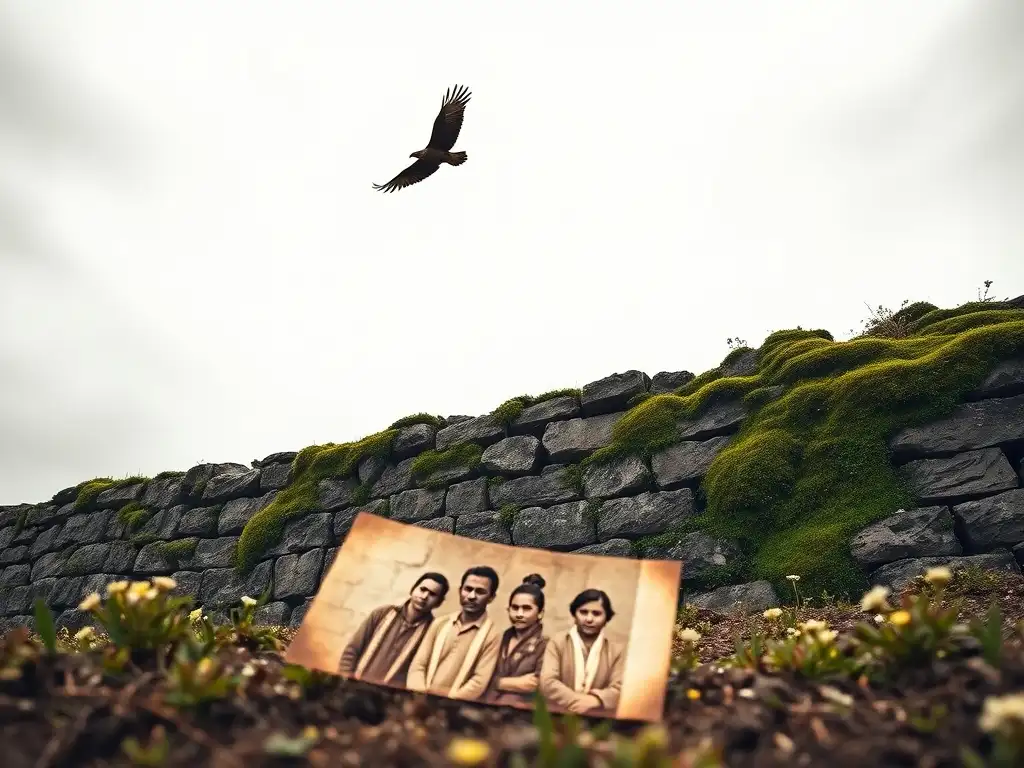
The Spanish Conquest's impact on Andean identity reverberates through the centuries, profoundly shaping the social, cultural, and political landscape of the region. While the immediate effects of conquest involved brutal subjugation and the destruction of indigenous ways of life, the long-term consequences are far more nuanced and continue to be negotiated today. The imposition of Spanish language, religion, and social structures created a complex, layered identity, where indigenous traditions often survived, albeit transformed, beneath a veneer of colonial influence.
This enduring legacy necessitates understanding the ongoing struggle for Andean identity in the post-colonial era, a struggle marked by resilience, adaptation, and a persistent yearning for self-determination. The very fabric of Andean identity today is a testament to this enduring tension between imposed colonial structures and the persistent strength of indigenous cultures. Understanding this dynamic is crucial to comprehending the complexities of modern Andean societies.
Indigenous Movements and the Fight for Recognition
The fight for recognition of indigenous rights and cultural heritage is central to the ongoing struggle for Andean identity. Indigenous movements, often working collaboratively across national borders, play a vital role in this struggle. These movements advocate for a range of issues, including land rights, self-governance, linguistic revitalization, and the protection of traditional knowledge systems.
They actively challenge the lingering effects of colonialism, seeking to dismantle systemic inequalities and promote the visibility and value of indigenous cultures. For example, the Quechua language, once suppressed under colonial rule, is experiencing a resurgence thanks to the efforts of indigenous communities and activists, who are actively promoting its use in education, media, and government. This is a significant step in reclaiming a vital element of Andean identity.
Furthermore, the increasing visibility of indigenous leaders and their participation in political processes signals a growing recognition of indigenous rights and voices within national dialogues. The success of these movements varies across different Andean nations, reflecting the complex political and social contexts within each country, but their collective efforts demonstrate a persistent commitment to reclaiming and celebrating Andean identity. The impact of these movements should not be underestimated; they are essential in shaping a more inclusive and representative narrative of Andean history and culture.
The Reclaiming of Ancestral Lands and Cultural Practices
A critical aspect of the ongoing struggle for Andean identity involves the reclaiming of ancestral lands and the revitalization of cultural practices. For centuries, indigenous communities have faced displacement and dispossession, with their traditional territories often appropriated for mining, agriculture, or other economic activities. The struggle to regain control over these lands is not merely a matter of economic survival; it is deeply intertwined with the preservation of cultural heritage and the continuity of indigenous ways of life. Reclaiming ancestral lands often involves navigating complex legal frameworks and challenging powerful economic interests.
This process is frequently fraught with challenges, including land disputes, social tensions, and resistance from those who benefit from the status quo. However, numerous Andean communities are actively engaged in land reclamation efforts, often employing a combination of legal strategies, community mobilization, and traditional forms of resistance. Beyond land reclamation, the revitalization of cultural practices is another critical component of this struggle.
This involves the transmission of traditional knowledge, the preservation of indigenous languages, and the revival of ancestral ceremonies and artistic expressions. These efforts are essential in reinforcing a sense of cultural continuity and identity in the face of persistent colonial influences. The renewed interest in traditional Andean textiles, music, and agricultural techniques demonstrates a growing appreciation for the richness and resilience of indigenous cultures.
The Complexities of Identity in Modern Andean Societies
The Spanish Conquest's legacy continues to shape the complexities of identity in modern Andean societies. The blending of indigenous and Spanish cultures has resulted in a multifaceted and often hybrid identity, where individuals may identify with multiple cultural affiliations simultaneously. This complex interplay is reflected in language use, religious practices, social structures, and artistic expressions.
For instance, many Andean individuals may speak both Spanish and an indigenous language, blending elements of both cultures in their daily lives. Similarly, religious practices often incorporate elements of both Catholicism and indigenous spiritual beliefs, creating a unique syncretic religious landscape. Understanding these complexities requires moving beyond simplistic binaries of "indigenous" and "Spanish" and recognizing the rich tapestry of cultural influences that shape Andean identity today.
The ongoing process of identity formation in the Andes is a dynamic and evolving one, shaped by historical legacies, contemporary social and political contexts, and the agency of individuals and communities in negotiating their place in the world. Further research is needed to fully understand the diverse experiences and expressions of Andean identity across different regions and social groups. The ongoing dialogue surrounding identity in the Andes highlights the enduring impact of the Spanish Conquest and the continued struggle for recognition, self-determination, and cultural preservation.
The Spanish Conquest Impact on Andean Identity: A Lasting Legacy
The Spanish conquest of the Andes, beginning in the early 16th century, irrevocably altered the course of Andean history and continues to resonate deeply within Andean identity today. The impact extends far beyond the obvious political and economic changes; it profoundly shaped the psychological, social, and cultural fabric of Andean societies. Understanding this legacy is crucial for comprehending the complexities of modern Andean nations and fostering a more just and equitable future.
The echoes of the past, both positive and negative, are woven into the very tapestry of Andean life, demanding careful consideration and ongoing dialogue. This enduring impact on Andean identity, stemming from the Spanish Conquest, is a multifaceted issue that requires a nuanced approach to fully grasp its scope and consequences. The lasting legacy of the Spanish Conquest profoundly shaped Andean identity, necessitating continued investigation and understanding.
The Psychological Impact of Colonization on Andean Peoples
The psychological wounds inflicted by the Spanish Conquest are arguably the most enduring and difficult to quantify. The systematic destruction of indigenous belief systems, the suppression of languages, and the imposition of a foreign culture created a deep sense of trauma that persists to this day. Generational trauma, passed down through families, manifests in various ways, including feelings of inferiority, cultural alienation, and a pervasive sense of loss.
The forced conversion to Christianity, for example, resulted not only in the abandonment of traditional Andean religions but also in the suppression of indigenous spiritual practices and worldviews. This led to a profound disruption of cultural continuity, affecting the very essence of Andean identity.
The process of encomienda, a system of forced labor, further exacerbated the psychological damage. The brutality and exploitation inherent in this system created a deep-seated fear and mistrust, impacting not only the individuals subjected to it but also their descendants. The constant threat of violence and the systematic dehumanization endured by Andean communities left lasting scars on their collective psyche.
Moreover, the deliberate erasure of Andean history and knowledge through the destruction of records and the suppression of oral traditions contributed to a sense of cultural amnesia and disconnection from the past. This ongoing struggle to reclaim and reconstruct their history remains a central aspect of Andean identity formation.
The Importance of Understanding the Past to Shape the Future
Understanding the long-term effects of the Spanish Conquest on Andean identity is not merely an academic exercise; it is essential for building a more equitable and just future. By acknowledging the historical injustices and the resulting trauma, Andean communities can begin to heal and reclaim their agency. This involves not only recognizing the negative consequences of colonization but also appreciating the resilience and adaptability of Andean peoples in the face of adversity. Their capacity to maintain aspects of their cultural heritage, despite centuries of oppression, is a testament to their strength and enduring spirit.
Furthermore, understanding the historical context is vital for addressing contemporary social and economic inequalities. Many of the challenges faced by Andean communities today, such as poverty, discrimination, and lack of access to resources, are directly linked to the legacies of colonialism. By acknowledging these historical roots, policymakers and development practitioners can design more effective and culturally sensitive interventions.
The ongoing struggle for land rights, for instance, is directly connected to the dispossession that occurred during the conquest. Addressing these issues requires a thorough understanding of the historical injustices that have shaped the present. A comprehensive understanding of this historical context is paramount in the development of effective strategies to promote social justice and equity in Andean communities.
A Call for Continued Reflection and Dialogue
The impact of the Spanish Conquest on Andean identity is a complex and multifaceted issue that requires ongoing reflection and dialogue. It is not a topic that can be easily summarized or reduced to simple narratives. It demands a nuanced understanding of the historical context, the experiences of diverse Andean communities, and the ongoing struggle for self-determination. Continued research, education, and open conversations are crucial for fostering a deeper understanding of this complex legacy. This includes actively promoting the voices and perspectives of indigenous Andean communities, ensuring that their narratives are central to the discourse.
The process of reconciliation and healing requires a commitment to truth-telling, acknowledging the past harms, and working towards a more just and equitable future. It necessitates collaboration between Andean communities, scholars, policymakers, and international organizations. The development of culturally sensitive educational programs and the preservation of indigenous languages and traditions are crucial steps in this process.
Furthermore, supporting indigenous-led initiatives that promote cultural revitalization and economic empowerment are vital for fostering a more sustainable and inclusive future for Andean communities. The continued conversation surrounding the Spanish Conquest and its impact on Andean identity is a crucial step towards building a more just and equitable future for the region. 🌎
Frequently Asked Questions
How did the Spanish Conquest affect the Andean population?
The Spanish Conquest resulted in a drastic reduction of the Andean population due to disease, warfare, and forced labor. This demographic collapse significantly impacted the social and political structures of Andean societies.
What was the impact of the Spanish Conquest on Andean religion?
The Spanish imposed Catholicism, suppressing indigenous beliefs and practices. While some syncretism occurred, blending indigenous and Catholic elements, the conquest profoundly altered Andean religious landscapes.
How did the Spanish Conquest influence Andean art and culture?
The Spanish Conquest led to a fusion of artistic styles, with European influences blending with existing Andean traditions. However, many pre-Columbian artistic forms were suppressed or transformed.
In what ways did the Spanish Conquest affect Andean agriculture and economy?
The Spanish introduced new crops and livestock, altering Andean agricultural practices. The encomienda system and later forms of colonial exploitation fundamentally reshaped the Andean economy, shifting it towards serving Spanish interests.
How does the legacy of the Spanish Conquest continue to affect Andean identity today?
The impact of the Spanish Conquest continues to shape Andean identity through lingering social inequalities, cultural hybridity, and ongoing struggles for indigenous rights. The quest for self-determination remains a central aspect of Andean identity.
Final Reflection: A Legacy Woven into the Andes
The enduring impact of the Spanish Conquest on Andean identity is not a relic of the past; it is a living, breathing reality that continues to shape the social, political, and cultural landscape of the region. The echoes of colonialism resonate in everything from language and religion to economic structures and social inequalities, reminding us that history's wounds often run far deeper than we initially perceive.
The struggle for self-determination and the reclamation of indigenous heritage are ongoing processes, deeply intertwined with the legacy of conquest. This fight for recognition and respect is a testament to the resilience of the Andean people and their unwavering commitment to preserving their unique cultural identity. The past is never dead. It's not even past.
– William Faulkner. This quote perfectly encapsulates the persistent influence of the Spanish Conquest, demonstrating how its effects continue to shape the present and will undoubtedly influence the future. The ongoing dialogue surrounding land rights, cultural preservation, and equitable representation speaks volumes about the unfinished business of decolonization.
Consider the complexities of this legacy. How does the intertwining of indigenous traditions and Spanish influences shape your understanding of Andean identity today? You are invited to explore this further, to engage with the narratives of Andean communities, and to actively challenge the persistent inequalities that stem from this historical trauma. Let the echoes of the past inspire you to build a more just and equitable future, one where the rich tapestry of Andean culture is celebrated and protected for generations to come.
**Unveil Your Connection to Andean Heritage! **
Thank you for joining us on this journey exploring the profound impact of the Spanish conquest on Andean identity. We hope you've gained valuable insights into how history continues to shape the vibrant culture and strong communities of the Andes. Now, let's take your understanding further!
Here are some ways you can deepen your connection to Andean heritage:
- **Explore local museums and cultural events** to experience Andean culture firsthand. Seek out exhibitions that showcase the region's rich history and evolving identity.
- **Connect with Andean communities** online or in your area. Engage in respectful dialogue, share your perspectives, and learn from their experiences.
- Consider creating a platform—**such as a blog or a community group**—to share knowledge about Andean history and culture. Your contributions can help preserve this vital heritage for future generations!
As you explore these avenues, reflect on how understanding the past can inform the future of Andean identity. We encourage you to share your thoughts and insights with us!