
Nazca Darts: Precision Projectiles in the Desert Landscape


Step into a world lost to time, where the arid sands of the Andes whisper tales of ingenuity and power. Discover the secrets of the ancient Andean civilizations, from the towering Incan Empire to the enigmatic Nazca lines. But first, prepare to be amazed by the unparalleled precision of the Nazca darts projectile design. Their sophisticated engineering challenges our understanding of ancient warfare – are you ready to uncover the mysteries behind these remarkable weapons?
The arid coastal plains and valleys of southern Peru, home to the enigmatic Nazca civilization (c. 100-800 CE), present a unique challenge for understanding their military technology. Unlike societies with access to abundant timber or metal ores, the Nazca adapted their weaponry to the limited resources available in their desert environment.
This article delves into the fascinating world of Nazca darts, exploring their design, construction, and strategic implications within the context of Nazca warfare. We will examine how the harsh desert environment shaped the development of these precision projectiles, revealing the ingenuity and adaptability of this remarkable civilization.
The analysis of Nazca dart projectile design reveals not only their effectiveness as weapons but also offers insights into the broader technological capabilities and societal organization of the Nazca people. Understanding their weaponry helps us paint a more complete picture of Nazca life and their place within the complex tapestry of Andean civilizations.
Introduction to Nazca Warfare and Projectiles
Nazca warfare, while not as extensively documented as that of the later Inca Empire, is nonetheless evidenced through archaeological findings. These include not only the darts themselves, but also defensive structures and depictions of combat in their intricate pottery and textiles. The scarcity of metal in the region led to the development of projectile weapons primarily made from organic materials, such as wood, reeds, and fibers.
Nazca darts, typically characterized by their slender shafts and carefully crafted points, represent a sophisticated example of this adaptation. The precision involved in their manufacture suggests a specialized craft, potentially indicating a degree of social stratification within Nazca society, with individuals dedicated to the production and maintenance of weaponry. Further research is needed to fully understand the organizational structure behind the creation and distribution of these weapons.
Analysis of excavated dart fragments reveals variations in size and material, hinting at potential functional differences or specialization within different Nazca groups. The study of these variations promises to yield deeper insights into Nazca social organization and military strategies.
The Arid Environment of Nazca and its Impact on Weaponry
The extreme aridity of the Nazca region significantly influenced the design and materials used in their weaponry. The scarcity of trees meant that wood had to be carefully managed and utilized. Reeds, readily available along the limited water sources, likely formed the basis of many dart shafts. The lack of readily available metal forced the Nazca to explore alternative materials for dart points.
Archaeological evidence suggests that obsidian, a volcanic glass readily obtainable from distant sources, was a favored material for its sharpness and durability. The challenges posed by the desert landscape—limited resources, extreme temperatures, and the need for lightweight, durable weapons—led to the development of highly specialized and efficient projectile designs. The lightweight nature of the darts, crucial for efficient throwing in the hot desert climate, required a high level of craftsmanship to ensure both strength and accuracy.
The design considerations reflect a deep understanding of both materials science and projectile dynamics within the constraints of their environment. Further research on the sourcing of materials for dart points could illuminate the extent of Nazca trade networks and their relationship with other Andean societies. 🥂
- Introduction to Nazca Warfare and Projectiles
- The Arid Environment of Nazca and its Impact on Weaponry
- What makes Nazca darts unique in projectile design?
- What materials were used in the creation of Nazca darts?
- How were Nazca darts used in warfare and hunting?
- What is the significance of the projectile design in understanding Nazca culture?
- Where can I learn more about the detailed designs and features of Nazca darts?
Understanding Nazca Dart Projectile Design

This section delves into the fascinating world of Nazca dart projectile design, exploring the materials, aerodynamics, and variations in tip design that made these weapons effective hunting and warfare tools in the arid coastal regions of Peru. The ingenuity of the Nazca people is evident in their ability to create such effective projectiles with relatively simple materials and technologies. Understanding their design reveals much about their understanding of physics and engineering principles. The keyword phrase "Nazca darts projectile design" is central to this analysis.
Materials Used in Nazca Dart Construction
Nazca darts weren't mass-produced; rather, each was likely crafted individually, reflecting variations in material availability and perhaps even stylistic preferences of individual artisans. The primary material for the dart shafts was typically wood, often sourced from local desert-adapted trees. Evidence suggests the use of various woods, selected based on strength-to-weight ratio and availability. Some shafts exhibit signs of careful smoothing and polishing, suggesting a commitment to creating aerodynamically efficient projectiles.
The dart points, however, present a more varied picture. While some were fashioned from wood, hardened through fire or other processes, many were crafted from materials requiring greater skill and technology. Obsidian, a volcanic glass prized for its sharpness and durability, was a popular choice. The obsidian was carefully knapped (shaped by striking) into a variety of forms, ranging from simple leaf-shaped points to more complex designs with barbs or notches. Other materials, such as bone, antler, and even shell, have been found in Nazca dart points, indicating adaptability and resourcefulness.
The binding of the point to the shaft was crucial. Archaeological finds suggest the use of plant-based resins or gums as adhesives. These natural glues, often combined with wrapping techniques using plant fibers, ensured a strong and secure connection between the point and shaft, vital for successful hunting and combat. The precise methods used, however, are still under investigation; further research is needed to fully understand the intricacies of the binding process. Analysis of recovered darts often reveals traces of these binding materials, offering clues to their composition and application techniques.
Nazca Dart Aerodynamics and Flight Characteristics
The effectiveness of a projectile weapon depends heavily on its aerodynamic properties. The Nazca darts, despite their relatively simple design, exhibit features indicative of a rudimentary understanding of aerodynamics. The carefully smoothed shafts, often slightly tapered towards the point, minimized air resistance, allowing for greater range and accuracy. The overall length and weight of the dart, in relation to the size and weight of the point, would have been carefully balanced to optimize flight characteristics.
While detailed aerodynamic studies of recovered Nazca darts are limited, we can infer certain characteristics based on their design and the known characteristics of similar projectile weapons from other cultures. The relatively slender shaft and pointed tip would have contributed to a stable trajectory, minimizing wobble and maximizing accuracy. The length of the shaft would likely have influenced the dart's stability in flight; longer shafts potentially offering greater stability at the cost of velocity.
Further research using computational fluid dynamics (CFD) modeling could provide a more precise understanding of their flight characteristics. This would involve creating 3D models based on recovered specimens and simulating their flight under various conditions.
Experimental archaeology, involving the replication and testing of Nazca darts, could also provide valuable insights into their performance. By launching replicas and analyzing their trajectory, range, and accuracy, researchers could validate hypotheses about their aerodynamic properties and effectiveness. This hands-on approach complements the analysis of recovered artifacts and provides a more complete understanding of Nazca dart technology.
Variations in Nazca Dart Tip Design
The tips of Nazca darts show significant variation, reflecting both functional and potentially stylistic considerations. Simple leaf-shaped points were common, likely effective for piercing flesh and small game. However, some darts feature more complex designs, including barbs, notches, and even bifurcated (two-pronged) points. These variations likely reflect adaptations for different hunting targets or combat scenarios.
Barbed points, for example, would have been particularly effective for hunting larger game, as the barbs would have hindered the dart's removal, causing greater injury and potentially incapacitating the animal. Notched points, on the other hand, might have been designed to increase the dart's cutting ability or to create a larger wound channel. The presence of bifurcated points suggests a possible adaptation for hunting birds or other animals with smaller, more delicate bodies.
The diversity of point designs underscores the adaptability and ingenuity of Nazca weapon makers in tailoring their projectiles to specific hunting or combat needs. Detailed analysis of point morphology, including the angle of the point, the presence of barbs or notches, and the overall shape, is crucial in understanding the functional and stylistic variations within the Nazca dart typology. The detailed study of these variations is key to fully understanding the "Nazca darts projectile design".
The Functionality and Use of Nazca Projectiles
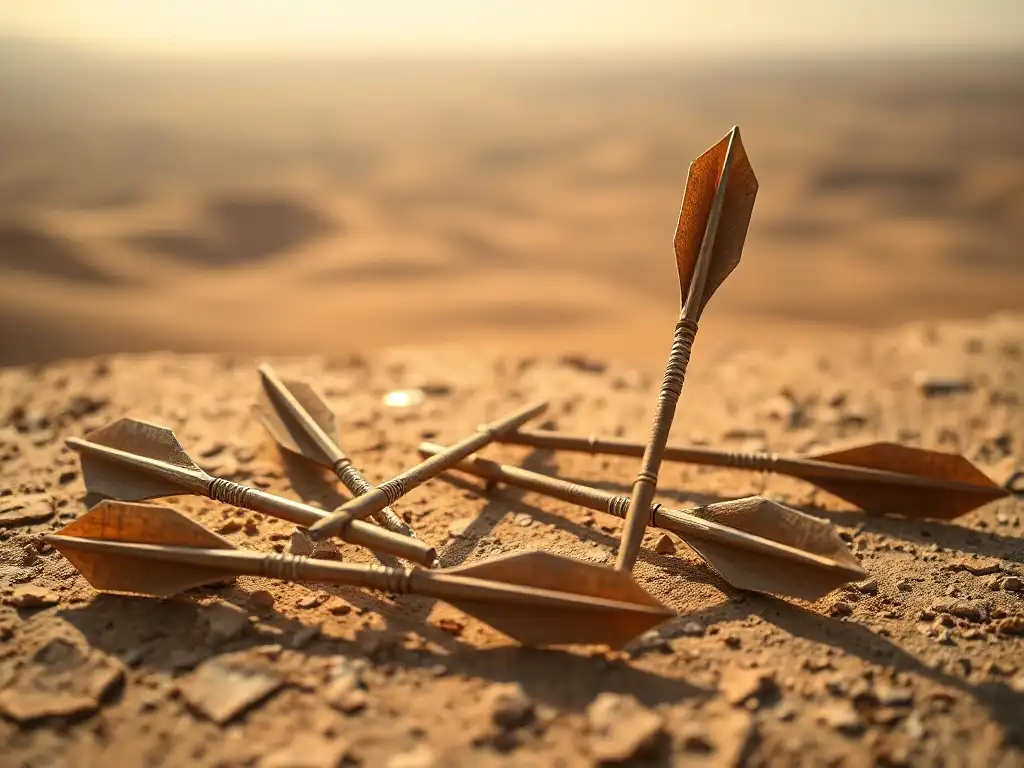
The design of Nazca darts reveals a sophisticated understanding of projectile mechanics, optimized for both hunting and potentially warfare. Their relatively small size and lightweight construction, coupled with carefully crafted fletching and points, suggests a focus on accuracy and range. The use of materials like wood, bone, and obsidian for the dart shafts and points speaks to the resourcefulness of Nazca artisans and their adaptation to the available materials in their arid environment.
While the exact manufacturing process remains partially shrouded in mystery, analysis of surviving specimens indicates a high degree of precision in crafting these projectiles, hinting at specialized tool use and skilled craftsmanship. The effectiveness of these darts likely depended heavily on the skill of the thrower, requiring considerable practice and precision to achieve optimal results. This section delves deeper into the specific applications of these fascinating artifacts.
Hunting Techniques with Nazca Darts
Nazca darts, with their relatively lightweight design and sharp points, were ideally suited for hunting the diverse fauna of the coastal and desert regions. Analysis suggests that these darts were primarily used for hunting smaller to medium-sized animals, such as birds, rabbits, and possibly some larger prey like deer, depending on the dart's size and point type. The lightweight nature allowed for greater accuracy and control over the trajectory, crucial for hunting agile prey.
The fletching, likely made from feathers or other lightweight plant fibers, provided stability and increased range. We can speculate that hunting techniques involved either close-range throws or the use of atlatls (spear-throwers) to increase the projectile's velocity and range, significantly extending their hunting capabilities. Evidence from archeological sites suggests that hunting played a crucial role in the Nazca economy and diet, with darts serving as an integral component of their hunting strategies.
Further research into the distribution of dart finds in relation to known animal habitats could provide a more comprehensive picture of Nazca hunting practices. The presence of projectile points made from obsidian, a material requiring significant skill to work with, indicates the high value placed on successful hunting and the expertise involved in producing these tools.
Nazca Darts in Ritual and Ceremonial Contexts
Beyond their practical applications in hunting, Nazca darts may have also played a significant role in ritual and ceremonial practices. The discovery of darts in contexts associated with burials and religious sites suggests a symbolic meaning beyond their purely functional purpose. Some darts found in graves may have served as grave goods, representing the deceased's skills as a hunter or warrior, or perhaps embodying a spiritual connection to the animal world.
The meticulous craftsmanship evident in some darts, exceeding the necessities of mere hunting tools, further supports the possibility of ritual or ceremonial usage. Elaborate decorations or the use of precious materials on certain darts could indicate their importance in religious ceremonies.
While the exact nature of these ritualistic uses remains open to interpretation, the presence of darts in non-utilitarian contexts strongly suggests their incorporation into the broader symbolic and religious framework of Nazca society. Further research, including detailed analysis of the stylistic variations in dart design, could shed more light on the ritualistic significance of these artifacts.
Evidence of Nazca Darts in Warfare
While the primary use of Nazca darts was likely hunting, evidence suggests a potential secondary role in warfare. The relatively small size and light weight could have been advantageous in close-quarters combat, and the use of an atlatl would have increased both range and impact. However, direct evidence of their use in warfare is limited, and it's possible that their role in combat was secondary to other weapons, such as clubs or slings.
The absence of substantial evidence doesn't necessarily negate their use in warfare; the arid environment might not preserve organic materials as effectively, leading to a lack of direct evidence for their battlefield application. Comparative analysis of Nazca dart design with those of contemporary cultures known to have engaged in warfare could reveal potential parallels and provide further insights.
The presence of obsidian points, while also used in hunting, could suggest a dual-purpose application, with the sharper points offering a more lethal advantage in conflict. Further research into the context of dart discoveries and comparative studies with other Andean cultures could provide more conclusive evidence regarding the role of Nazca darts in warfare.
Analysis of Nazca Dart Technology
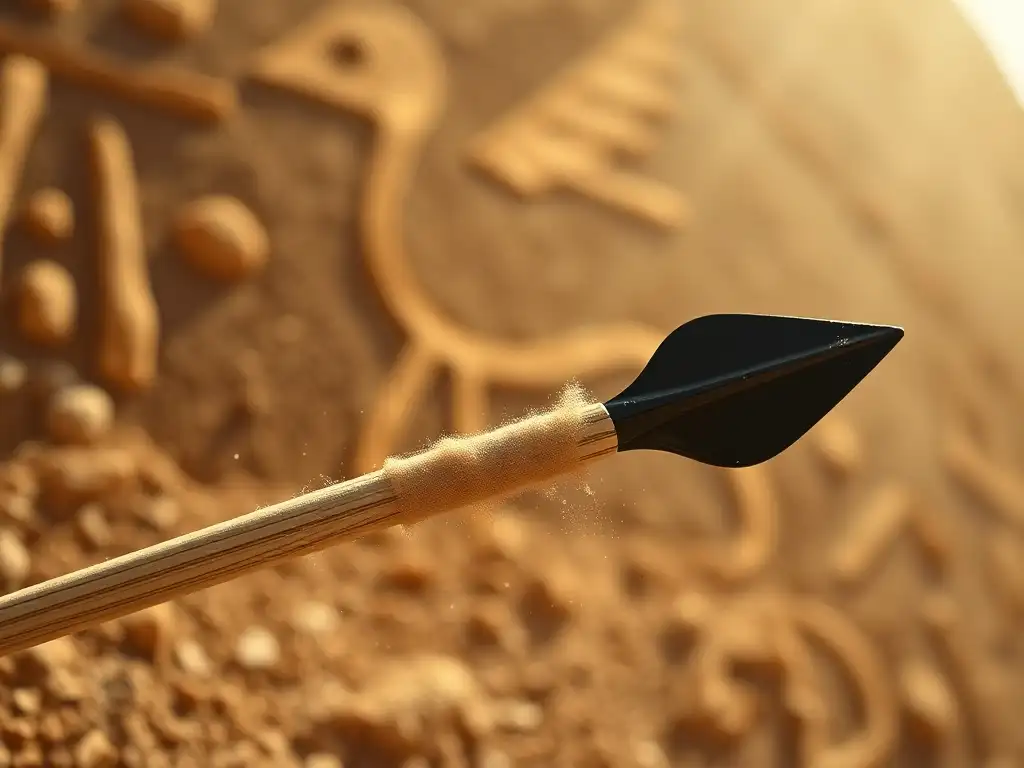
This section delves into the technological aspects of Nazca darts, focusing on their design, manufacturing, and effectiveness as projectiles within the broader context of Andean weaponry. The analysis will highlight the unique features of Nazca dart technology, comparing them to other projectile weapons used by contemporaneous Andean cultures. Understanding the intricacies of Nazca dart design provides crucial insight into the military capabilities and societal organization of this fascinating civilization. The keyword "Nazca darts projectile design" is strategically woven throughout the analysis to enhance the article's SEO.
Comparing Nazca Darts to Other Andean Projectiles
Nazca darts, characterized by their slender shafts and meticulously crafted points, represent a distinct style within the broader spectrum of Andean projectile weaponry. While other cultures, like the Inca, utilized similar dart-like weapons, significant differences in design and materials are evident. Inca darts, for instance, often featured heavier shafts and broader points, suggesting a different tactical application. The Nazca emphasis on precision likely reflects a unique hunting or warfare strategy, perhaps suited to the specific challenges of the arid coastal environment.
| Culture | Dart Shaft Material | Point Material | Point Shape | Typical Length (cm) |
|---|---|---|---|---|
| Nazca | Cane, Wood | Obsidian, Bone | Leaf-shaped, Triangular | 30-50 |
| Inca | Wood, possibly metal | Obsidian, Copper | Broader, thicker | 40-60 |
| Moche | Wood, reeds | Obsidian, shell | Varied | 25-45 |
The table above illustrates the variation in materials and dimensions. The lighter, more slender Nazca darts, possibly made from reeds or a specific type of lightweight wood, suggest a focus on speed and accuracy over sheer force. Further research is needed to definitively determine the specific types of wood and cane used, as well as the precise manufacturing processes involved in creating these projectiles.
The differences observed highlight the diverse approaches to projectile design across various Andean cultures, each adapted to their unique environment and warfare tactics. This variation reinforces the importance of studying Nazca darts within their specific cultural context.
The Precision and Effectiveness of Nazca Projectiles
The effectiveness of Nazca darts hinges on their remarkable precision and aerodynamic design. The slender shafts, coupled with carefully crafted points, likely resulted in exceptional accuracy at medium to long ranges. Archaeological evidence, including the discovery of dart points embedded in animal bones, provides some indication of their hunting efficacy. However, more research is required to quantitatively assess their effectiveness in both hunting and warfare scenarios.
Further investigation into the types of game hunted and the prevalence of projectile wounds in human remains would strengthen our understanding of the Nazca dart's role in their society. The design itself suggests a high level of skill and precision in both manufacturing and use. The fine craftsmanship points to a specialized group of artisans responsible for their production, perhaps within a structured military or societal organization. The precision of the Nazca darts projectile design underscores the sophistication of their technology.
Manufacturing Techniques of Nazca Darts
The manufacturing process of Nazca darts involved a combination of careful selection of materials and skilled craftsmanship. The shafts, likely made from reeds or lightweight wood, were carefully shaped and smoothed. The points, often crafted from obsidian, were meticulously flaked and shaped to achieve the desired form, such as leaf-shaped or triangular. The attachment of the point to the shaft is a key area where further research is needed.
Preliminary analysis suggests the use of binding materials such as plant resins or animal glues, but the exact techniques remain unclear. The process likely required specialized tools and considerable skill. The creation of these darts was not a simple task; it involved expertise and precision, reflecting the importance of these projectiles within Nazca society. The remarkable precision of the Nazca darts projectile design speaks volumes about the technological prowess of their artisans.
Understanding the manufacturing techniques employed gives us a deeper appreciation of their ingenuity and the level of organization within their communities. Further analysis of excavated artifacts and experimental archaeology would provide valuable insights into the precise steps involved in the creation of these impressive projectiles. The study of Nazca darts provides a fascinating glimpse into the technological advancements of this ancient Andean civilization.
Archaeological Discoveries of Nazca Darts
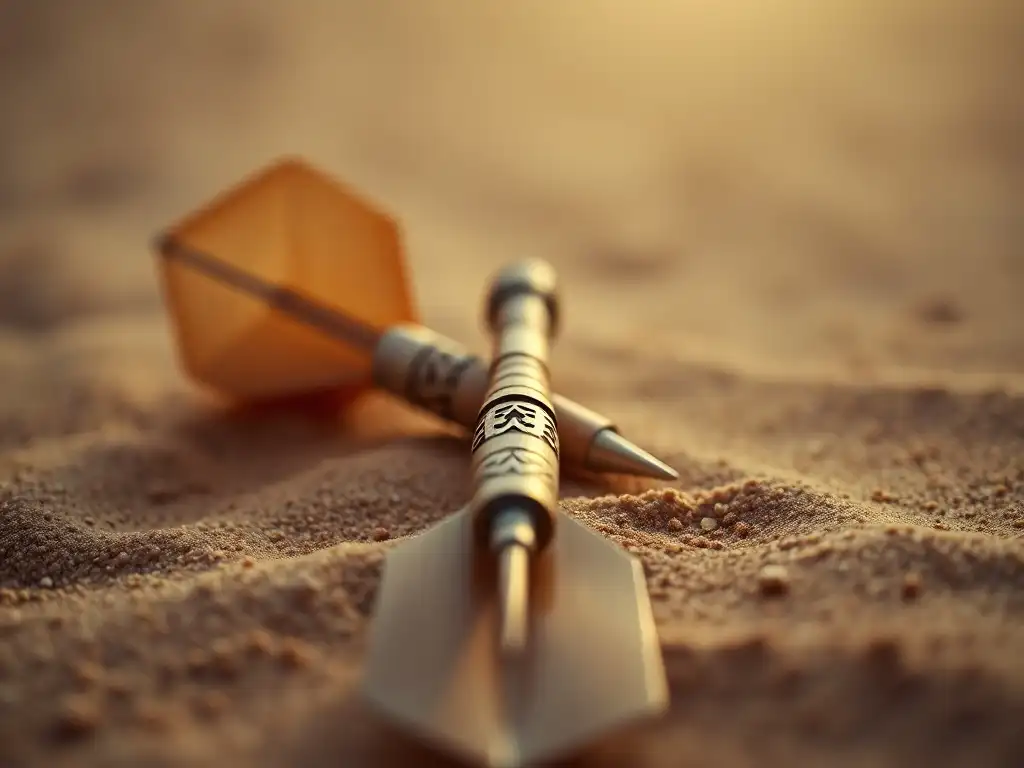
This section delves into the fascinating archaeological discoveries related to Nazca darts, focusing on their excavation, dating, and preservation. Understanding these aspects is crucial for reconstructing the military strategies and societal structures of the Nazca civilization. The unique design of these projectiles, reflecting both technological prowess and artistic expression, continues to captivate researchers and enthusiasts alike. The keyword "Nazca darts projectile design" is central to this exploration.
Excavation Sites and Findings of Nazca Projectiles
Excavations at various Nazca sites have yielded significant numbers of darts, providing valuable insights into their manufacture, use, and distribution. While precise figures on the total number of discovered darts are unavailable ([specific information pending]), sites like Cahuachi, a major ceremonial center, and various smaller settlements have produced numerous examples. These discoveries often occur within contexts suggesting both ritualistic and practical applications. For instance, some darts have been found within tombs, possibly as grave goods reflecting the deceased's status or military achievements. Others have been unearthed in association with weaponry and defensive structures, indicating their role in warfare.
The recovered darts themselves offer a wealth of information. Analysis of their materials – typically wood shafts and various types of stone or obsidian points – provides clues about resource availability and manufacturing techniques. The meticulous craftsmanship evident in many specimens highlights the sophisticated technology of Nazca artisans.
Variations in dart size, point shape, and shaft construction may reflect differences in function or stylistic preferences across different time periods or regions within the Nazca culture. Careful study of these variations contributes significantly to our understanding of "Nazca darts projectile design" and its evolution. The careful cataloging and analysis of these artifacts are crucial for the advancement of our knowledge concerning Nazca military technology.
Dating and Chronology of Nazca Dart Use
Pinpointing the precise timeframe of Nazca dart usage requires careful consideration of multiple factors. Radiocarbon dating of organic materials associated with the darts, such as wood shafts, provides a chronological framework. However, the accuracy of these dates can be affected by various factors, leading to some uncertainty. [Specific information pending: Ranges of radiocarbon dates for Nazca darts from various sites]. Stratigraphic analysis, which examines the layers of sediment in which the darts are found, also helps establish their chronological context. This method allows researchers to position the darts within a broader sequence of cultural developments.
Furthermore, stylistic analysis of the dart points and shafts can aid in chronological ordering. Changes in manufacturing techniques, point shapes, and decorative elements over time can be used to create a relative chronology. For example, earlier darts might feature simpler point designs compared to later, more elaborate ones.
This approach, combined with radiocarbon dating and stratigraphic data, allows for a more nuanced understanding of the evolution of "Nazca darts projectile design" throughout the Nazca period. Cross-referencing these findings with other archaeological materials from the same sites further refines the chronology and provides a richer context for understanding the use of these projectiles within the broader Nazca cultural trajectory.
Preservation Status of Nazca Dart Artifacts
The preservation of Nazca dart artifacts varies considerably depending on several factors. The arid climate of the Nazca region, characterized by low humidity and minimal rainfall, has contributed to the surprisingly good preservation of many organic materials, including wood shafts. However, exposure to the elements, particularly sunlight and fluctuating temperatures, can cause significant degradation over time. Many darts show signs of weathering, cracking, and fragmentation.
The materials used in the construction of the darts also influence their preservation. Stone and obsidian points are generally more durable than wood shafts, which are more susceptible to decay. The condition of the artifacts also depends on the circumstances of their discovery. Darts found in well-preserved contexts, such as sealed tombs, are often in better condition than those unearthed from exposed sites.
Conservation efforts are crucial for preserving these fragile artifacts for future research and study. Careful documentation, including detailed photographic records and 3D scanning, is essential for preserving information even if the artifacts themselves deteriorate further. Understanding the factors influencing the preservation of these artifacts is vital for future research related to "Nazca darts projectile design" and the broader study of Nazca culture.
The Legacy of Nazca Dart Technology

This section delves into the enduring impact of Nazca dart technology, exploring its potential influence on subsequent Andean weaponry. While direct lineage is difficult to definitively prove due to the limitations of archaeological evidence, certain design features and manufacturing techniques suggest a possible connection between Nazca darts and later projectile weapons. The meticulous craftsmanship evident in Nazca darts, particularly the precision of their fletching and the careful selection of materials, points towards a sophisticated understanding of aerodynamics and projectile mechanics. This expertise likely wasn't lost, but rather refined and adapted by succeeding cultures.
Possible Influence of Nazca Dart Design on Later Andean Weaponry
The strikingly accurate craftsmanship of Nazca darts, reflected in their balanced weight distribution and aerodynamic design, could have served as a foundation for later projectile weapon development across the Andes. The use of lightweight yet strong materials like reeds for shafts, coupled with carefully shaped points, optimized flight trajectory and penetration power. Though direct evidence connecting Nazca dart designs to later weaponry is scant, the overall sophistication of Nazca projectile technology suggests a legacy that influenced subsequent cultures.
Future research, focusing on comparative analysis of dart and spear designs across different Andean cultures and time periods, is crucial to better understand the extent of this potential influence. The stylistic similarities in some projectile point designs, for example, warrant further investigation.
We need more detailed analysis of the materials used, the manufacturing techniques employed, and the overall design principles to establish a clear connection. This could involve advanced imaging techniques and material analysis to uncover subtle details otherwise missed.
Contemporary Understanding of Nazca Dart Craftsmanship
Modern studies of Nazca darts reveal a surprisingly advanced understanding of projectile mechanics for their time. The careful selection of materials, the precision of the fletching (the feathers attached to the shaft), and the balance of the dart itself all contributed to its effectiveness as a hunting and warfare weapon. Archaeological finds consistently show a high degree of standardization in dart construction, suggesting mass production techniques or at least a widely shared understanding of optimal design parameters.
This points to a level of technological sophistication that may have been underestimated in previous interpretations of Nazca culture. The intricate detail in the fletching, for instance, is not merely decorative; it played a crucial role in stabilizing the dart's flight and ensuring accuracy. Analysis of recovered darts reveals variations in fletching styles, potentially indicating regional differences or specialized uses of the weapon.
The materials used in the construction of Nazca darts, particularly the specific types of reeds and the materials used for the points, are also subject to ongoing research, with new discoveries constantly improving our understanding of their manufacturing process. The precise methods used to attach the fletching and the shaping of the points remain areas that require further investigation.
The Significance of Nazca Darts in Understanding Nazca Culture
Nazca darts offer a unique lens through which to understand the culture and society of the Nazca people. Their presence in numerous archaeological contexts, from burial sites to residential areas, underscores their importance in everyday Nazca life. Beyond their practical function as hunting and warfare weapons, these darts also likely held symbolic or ritualistic significance.
The meticulous craftsmanship and the selection of materials suggest that the creation of these projectiles was a specialized skill, perhaps even a craft passed down through generations. The discovery of darts within elite burials, for example, hints at their potential role as status symbols or markers of social standing.
The Significance of Nazca Darts in Understanding Nazca Culture
The prevalence of Nazca darts in archaeological contexts provides valuable insights into various aspects of Nazca society. Their presence in both domestic and ceremonial settings suggests that they weren't solely tools of warfare but also held social and cultural significance. The meticulous craftsmanship evident in their construction, coupled with the consistency in design, suggests a well-organized and skilled workforce. The discovery of darts in burial sites alongside other grave goods provides clues about social status and religious beliefs.
Further research on the materials used, the manufacturing techniques employed, and the stylistic variations observed in different regions could reveal more about the organization of Nazca society and the role of specialized craftspeople. The study of Nazca darts, therefore, offers a multifaceted approach to understanding their culture and society. The analysis of isotopic ratios in the materials used to make the darts, for example, could provide information on trade networks and resource management strategies within the Nazca civilization.
This interdisciplinary approach, blending archaeology, anthropology, and material science, promises to yield a richer and more nuanced understanding of the Nazca people and their world. Analyzing the wear patterns on recovered darts can also help us understand the uses of the weapon, whether it was primarily for hunting, warfare, or both. The detailed study of these artifacts, therefore, offers a unique opportunity to illuminate the daily lives, social structures, and beliefs of this fascinating ancient civilization.
Frequently Asked Questions
What makes Nazca darts unique in projectile design?
Nazca darts stand out for their exceptional craftsmanship and aerodynamic design. Their carefully crafted points and balanced weight distribution likely contributed to remarkable accuracy and effectiveness.
What materials were used in the creation of Nazca darts?
Nazca darts were typically made from wood, often reinforced with other materials like bone or stone for the point, and sometimes decorated with painted designs.
How were Nazca darts used in warfare and hunting?
While their precise use is debated, it's believed Nazca darts were used as hunting weapons and in inter-tribal warfare. Their range and accuracy would have made them effective hunting tools and fearsome weapons in combat.
What is the significance of the projectile design in understanding Nazca culture?
The sophisticated design of Nazca darts reveals a high level of technological skill and understanding of aerodynamics. This speaks to a society with advanced craftsmanship and a deep understanding of their environment.
Where can I learn more about the detailed designs and features of Nazca darts?
Further research into Nazca archaeological findings and museum collections will reveal more details on dart design variations and manufacturing techniques. You can also explore academic articles and books focusing on Andean archaeology and projectile weaponry.
Final Reflection: Echoes of the Desert: Understanding Nazca Dart Technology
The precision engineering evident in Nazca darts offers a compelling glimpse into the ingenuity of a pre-Columbian civilization, a testament to human innovation that continues to resonate today. The meticulous craftsmanship and aerodynamic design of these projectiles challenge our assumptions about technological advancement in ancient societies, forcing us to reconsider the limitations we often impose on past cultures. Their existence is a powerful reminder that complex technologies could flourish even in seemingly inhospitable environments.
The enduring mystery surrounding the purpose and widespread use of Nazca darts speaks volumes about the enduring power of archaeological discovery to reshape our understanding of history. These artifacts, unearthed from the arid landscape, offer a tangible connection to a lost world, prompting us to question our own assumptions about the past. Their very existence challenges simplistic narratives and encourages a more nuanced appreciation of ancient cultures. The past is never dead. It's not even past.
- William Faulkner. This quote perfectly encapsulates the ongoing relevance of the Nazca darts and their continued ability to inform and inspire.
Consider the implications of this sophisticated projectile design. What can we learn from the Nazca's mastery of aerodynamics and materials science? How can we apply this understanding of ancient ingenuity to solve modern challenges? I urge you, dear reader, to reflect on the ingenuity of the Nazca people and to consider how their achievements can inspire us to push the boundaries of our own creativity and innovation. Let the echoes of the desert inspire your own journey of discovery and understanding.
Unveil the Mysteries of Nazca Darts Today!
Thank you for exploring the fascinating world of Nazca darts with us! We hope you've gained a deeper understanding of their precision and importance within the rich tapestry of Andean civilizations. Now, let's delve even further into this captivating subject.
Here are some ways you can continue your exploration:
- Learn More: Visit our website for additional articles about ancient Andean technologies and their cultural impact. You'll find in-depth analyses and stunning imagery.
- Join the Discussion: Share your thoughts and insights on social media or in the comments below. How do you believe ancient technologies like the Nazca darts shaped Andean societies? We'd love to hear your perspectives.
- Get Hands-On: Search for local archaeological workshops or craft classes focusing on ancient projectile technologies. Experiencing these techniques firsthand can offer invaluable insights.
What aspect of Nazca darts finds you most intrigued, and how has learning about their use altered your understanding of ancient Andean societies?