
Inca Agricultural Art: Depictions of Bounty and Labor

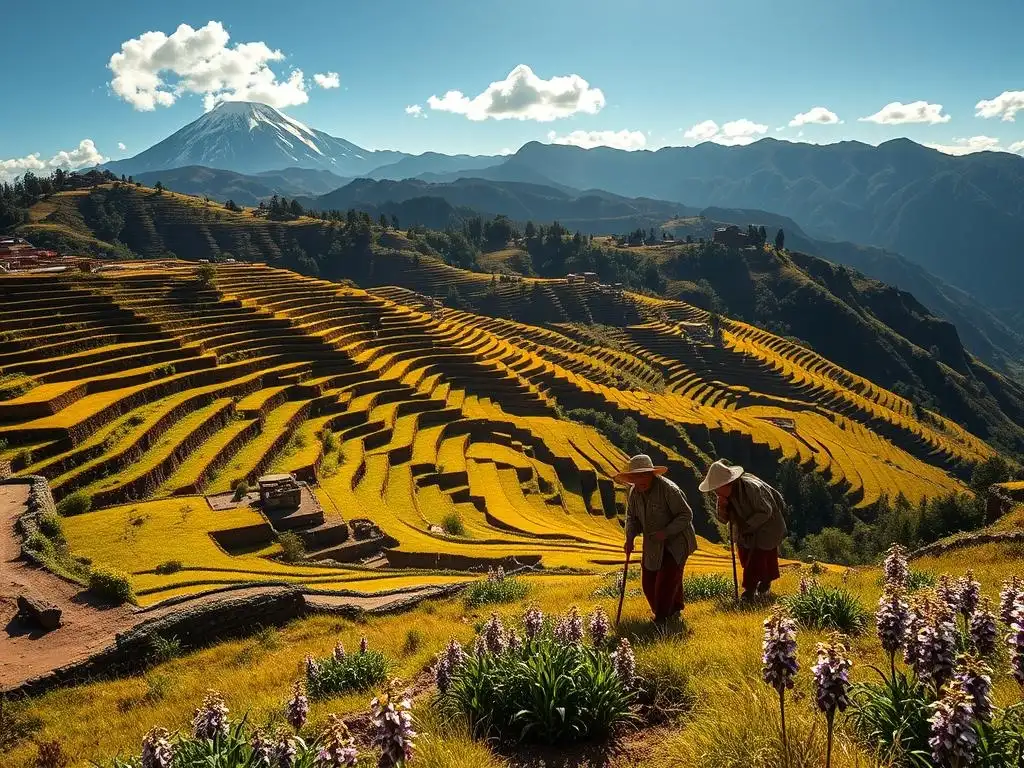
Uncover the secrets woven into the very fabric of the Andes! Journey with us through the breathtaking artistry and ingenuity of the ancient Andean civilizations. From the towering heights of the Inca Empire, we delve into the fascinating world of Inca agricultural practices art, revealing how these masterful depictions of bounty and labor reflect a sophisticated understanding of both nature and human endeavor.
Prepare to be amazed by the intricate details and profound symbolism—a testament to a civilization far ahead of its time. Explore the legacy of the Incas and discover the stories etched in stone and painted in vibrant hues. Read on to uncover the mysteries of Andean agricultural art.
The Inca Empire, renowned for its sophisticated social structures and impressive feats of engineering, relied heavily on a robust and innovative agricultural system to sustain its vast population. This agricultural prowess wasn't merely a practical necessity; it was deeply interwoven into the fabric of Inca society, reflected in their religious beliefs, social organization, and, significantly, their art.
This article delves into the fascinating world of Inca agricultural art, exploring how artistic representations reveal not only the bounty of their harvests but also the meticulous labor and ingenuity involved in their farming practices. We will examine specific examples of Inca artwork that depict the techniques and technologies they employed to cultivate the challenging Andean landscape, offering a unique perspective on this crucial aspect of Inca civilization.
Understanding these artistic depictions provides invaluable insights into the Inca worldview and their remarkable ability to harness the power of nature to ensure their survival and prosperity. By analyzing the artistic representations of Inca agricultural practices, we can gain a deeper appreciation for the complexity and sophistication of their agricultural system and its enduring legacy.
The Significance of Agriculture in Inca Society
Agriculture formed the bedrock of Inca society. It was not simply a means of food production; it was deeply intertwined with their religious beliefs and social structure. The Inca worldview considered agriculture a sacred activity, with the gods overseeing the success of the harvests.
The ayllu, the communal system of land ownership and labor, played a crucial role in agricultural production, emphasizing cooperation and mutual support. Successful harvests were celebrated with elaborate festivals and rituals, demonstrating the profound importance of agriculture in their spiritual and social lives. The Inca's innovative techniques, such as terracing and irrigation, were not merely technical achievements; they were expressions of their deep understanding of and respect for the natural world.
The abundance provided by these methods fueled the empire's growth and stability, underpinning its political and military power. This close relationship between agriculture and all aspects of Inca life is consistently mirrored in their art, which serves as a powerful testament to their agricultural achievements.
Depictions of Inca Farming Techniques in Art
Inca art, encompassing ceramics, textiles, and metalwork, frequently features depictions of agricultural activities and the bounty they yielded. These representations offer invaluable insights into the techniques and technologies employed by Inca farmers. The vibrant colors and intricate details of these artworks bring to life the daily routines, tools, and landscapes of Inca agriculture.
From the meticulously rendered terraces carved into the mountainsides to the intricate depictions of irrigation canals and the tools used in cultivation, Inca art provides a visual record of their advanced agricultural practices. These depictions aren't merely decorative; they serve as a powerful reminder of the importance of agriculture in Inca society and the ingenuity of their farming methods. The sheer variety of artistic mediums used to depict these scenes underscores the centrality of agriculture in their cultural identity.
Terracing and Irrigation Systems in Inca Artwork
Many examples of Inca pottery and textiles showcase the impressive terracing systems that transformed the steep Andean slopes into fertile farmland. These artistic representations clearly illustrate the precision and scale of these engineering marvels. The intricate lines depicting the terraces often highlight the careful planning and labor-intensive construction involved. Similarly, depictions of qanatos (underground water channels) and surface irrigation systems emphasize the Inca's mastery of water management.
These artistic representations not only document the physical structures but also suggest the sophisticated understanding of hydrology and engineering necessary to build and maintain such systems. The detailed portrayal of these systems in Inca art reflects their pride in these achievements and their recognition of the essential role they played in ensuring food security. The accuracy of these depictions underscores the artistic skill and the close observation of the natural world that characterized Inca artisans.
Tools and Implements Illustrated in Inca Art
Inca art also provides a valuable record of the tools and implements used in agriculture. Depictions of plows, hoes, and other farming tools are frequently found in pottery and textiles. These representations often show the tools in use, providing insights into the farming techniques employed. The detailed renderings of these implements, often showcasing their materials and construction, highlight the craftsmanship and technological sophistication of Inca agriculture.
Furthermore, the inclusion of these tools in artistic contexts suggests their symbolic importance, highlighting their role not only in practical tasks but also in the cultural and ritual aspects of farming. The diversity of tools illustrated across different artistic mediums emphasizes the adaptability and efficiency of Inca agricultural technologies, demonstrating their ability to harness available resources for optimal productivity. These depictions serve as a lasting testament to the ingenuity and skill of Inca farmers.
The Role of Labor and Community in Inca Agricultural Art
Inca agricultural art frequently depicts the crucial role of human labor in sustaining their complex agricultural systems. Unlike some artistic traditions that might idealize a solitary figure, Inca art emphasizes the collaborative nature of farming. The sheer scale of their terracing, irrigation systems, and cultivation techniques necessitated a significant workforce, and this communal effort is prominently featured in their artistic expressions.
We see this not just in the monumental scale of the projects themselves, but in the detailed representations of individuals working together, often in groups, highlighting the collective strength and social organization integral to Inca success. The artistic representations serve as a powerful reminder of the social structures and cooperative spirit that underpinned their agricultural achievements.
The emphasis on collective effort reflects the Inca worldview, where community and reciprocity were fundamental principles. This is further reinforced by the frequent depiction of festivals and celebrations associated with the harvest, showcasing the communal joy and shared prosperity resulting from their collective labor.
Visual Representations of Collective Work in Agriculture
Many examples exist of Inca artwork showcasing collaborative farming. Pottery, textiles, and even stone carvings frequently depict groups of people working in fields, carrying tools, planting crops, or harvesting. These images are not simply realistic portrayals; they are symbolic representations of the social organization necessary for successful agriculture.
The careful arrangement of figures, often in lines or organized groups, highlights the structured and coordinated nature of their work. The uniformity of tools and clothing sometimes depicted further underscores the communal aspect, suggesting a shared identity and purpose. Analysis of these visual representations reveals a sophisticated understanding of agricultural techniques and the importance of teamwork.
For example, some pottery depicts individuals using specialized tools like the chaquitaclla (a foot-plow), demonstrating not only the technology employed but also the cooperative efforts required for its effective use. This detailed portrayal of agricultural practices elevates the art beyond mere decoration, transforming it into a visual record of their social and economic organization.
The Importance of the Ayllu in Inca Farming Art
The ayllu, the fundamental social and economic unit in Inca society, is implicitly and explicitly represented in Inca agricultural art. While not always explicitly labeled, the visual representations of collective work strongly suggest the ayllu's role. The ayllu functioned as a cooperative group, sharing resources and responsibilities, including agricultural labor.
The depictions of coordinated farming activities, therefore, directly reflect the ayllu's communal structure and its vital role in food production. The artwork serves as a visual testament to the effectiveness of this social organization in managing resources and ensuring a stable food supply. Furthermore, the celebratory scenes often associated with harvest festivals highlight the communal sharing of the bounty, a characteristic feature of the ayllu system.
These artistic depictions are not just aesthetically pleasing; they provide valuable insights into the social fabric of Inca society and the crucial role of the ayllu in their agricultural success. The integration of the ayllu structure within the agricultural landscape is visually represented, reinforcing the deep connection between social organization and agricultural productivity.
The Abundance of Inca Agriculture as Portrayed in Art
Inca agricultural art often emphasizes the abundance and prosperity resulting from their sophisticated farming techniques. This is achieved through various visual strategies, including the depiction of overflowing granaries, lush fields bursting with crops, and abundant harvests. The imagery consistently conveys a sense of plenty and security, reflecting the Inca's capacity to produce surplus food.
This is crucial because it not only ensured the sustenance of the population but also supported the extensive Inca empire's administrative and military structures. The visual representation of this abundance served as a powerful symbol of Inca power and control, demonstrating their capability to manage resources effectively and provide for their vast population. The artists didn't shy away from showcasing the scale of their agricultural achievements, often depicting vast fields and overflowing stores, emphasizing the success of their agricultural policies and technologies.
Depictions of Crops and Harvests in Inca Artwork
Inca artwork meticulously depicts a wide variety of crops crucial to their diet and economy, including potatoes, maize, quinoa, and beans. The detailed rendering of these crops in pottery, textiles, and stone carvings showcases not only the artistic skill but also the agricultural knowledge of the time. The accuracy in portraying the specific characteristics of different crops suggests a deep understanding of botany and agriculture.
The representations of harvests often depict scenes of joyful celebration, highlighting the importance of the agricultural cycle and the abundance it provided. The inclusion of specific crops and their portrayal in various stages of growth and harvest provides valuable information for researchers studying Inca agriculture.
The visual evidence presented in the artwork complements archaeological findings, providing a richer and more comprehensive understanding of Inca agricultural practices and their impact on their society. This detailed depiction of agricultural bounty reinforces the idea of prosperity and the success of their agricultural systems.
Symbolism of Fertility and Prosperity in Inca Art
Beyond the realistic depictions of crops and harvests, Inca art utilizes symbolism to represent fertility and prosperity. Certain motifs, such as stylized plants, animals, and geometric patterns, are frequently used to convey ideas of abundance, growth, and regeneration. These symbols are not merely decorative; they carry deep cultural and religious significance, reflecting the Inca's reverence for nature and their understanding of agricultural cycles.
The use of these symbols in various forms of Inca art, from textiles to ceramics, highlights their importance in the Inca worldview. The frequent appearance of these fertility symbols in contexts related to agriculture reinforces their connection to the success of their farming practices.
The integration of these symbolic elements within the artistic representations of agriculture underscores the spiritual and cultural dimensions of Inca agricultural practices, showcasing the deep-rooted belief in the interconnectedness of nature, spirituality, and human well-being. Understanding this symbolism is key to deciphering the deeper meaning embedded within Inca agricultural art.
Materials and Mediums Used in Inca Agricultural Art
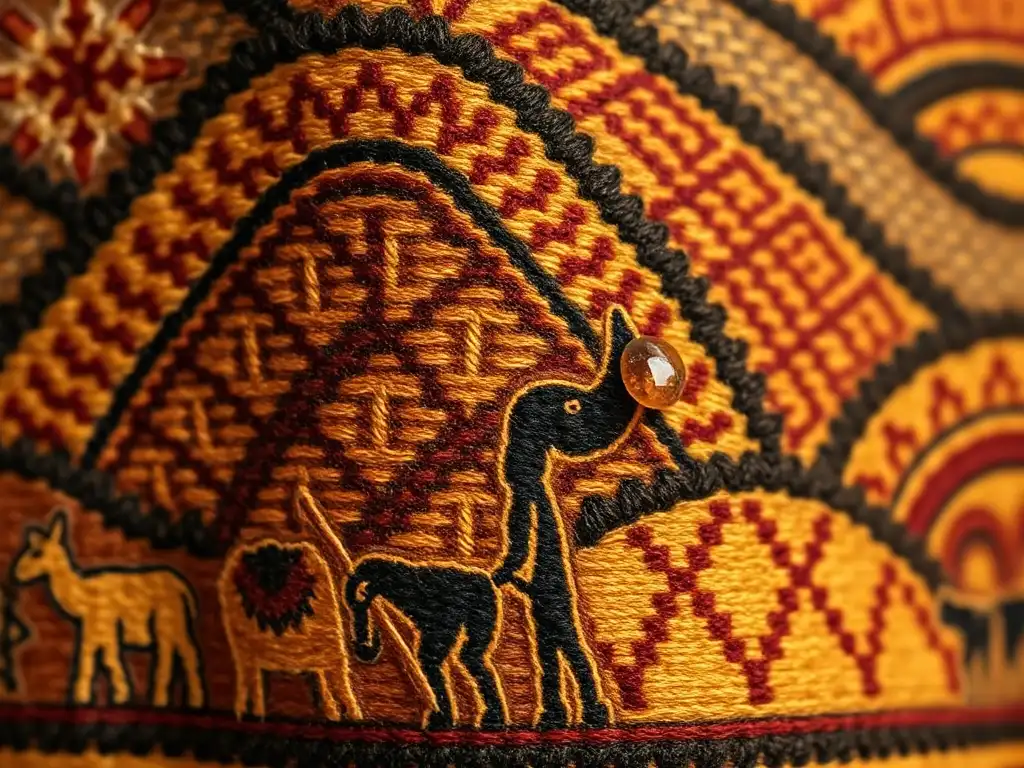
Inca agricultural art utilized a variety of materials, reflecting the diverse resources available within their vast empire. The most common mediums were ceramics, textiles, and metalwork, each offering unique opportunities for artistic expression and the depiction of agricultural practices. The choice of material often dictated the scale and detail of the artwork, with ceramics allowing for larger, more elaborate scenes, while textiles and metalwork lent themselves to more intricate detail and symbolic representation.
The artists skillfully employed natural pigments derived from minerals, plants, and insects to create vibrant colors in their artwork. These pigments were carefully ground and mixed with binding agents like gum arabic or egg white to create durable and long-lasting paints that could withstand the harsh Andean climate.
The availability of specific materials also varied geographically, impacting the style and subject matter of the art produced in different regions of the Inca empire. For instance, coastal regions might have featured more marine-life related motifs alongside agricultural themes, reflecting the local economy and environment.
Ceramics Depicting Inca Agricultural Scenes
Ceramics played a significant role in showcasing Inca agricultural scenes. Pottery, often decorated with intricate designs, frequently depicted farmers tending to their crops, harvesting, and processing agricultural products. These depictions were not merely decorative; they served to celebrate the vital role of agriculture in Inca society and to transmit knowledge about agricultural techniques from one generation to the next.
The styles of ceramic art varied across different regions of the Inca Empire, reflecting local artistic traditions and preferences. Some ceramics featured realistic representations of plants and animals, while others employed a more stylized approach, focusing on symbolic representation.
The size and shape of the ceramic pieces also varied widely, from small figurines to large storage jars, reflecting their intended use and the message they were meant to convey. The use of different firing techniques also affected the final appearance and durability of the ceramic pieces, contributing to the diversity of Inca ceramic art.
Textiles and Weavings Showing Agricultural Labor
Textiles were another crucial medium for representing Inca agricultural practices. Highly skilled weavers created intricate tapestries and clothing that depicted scenes of agricultural labor, showcasing the importance of this activity in Inca life. These textiles often featured symbolic representations of plants, animals, and agricultural tools, all woven with exceptional precision and artistry.
The use of different colors and textures added depth and meaning to the depictions, enhancing the overall narrative. The choice of fibers—such as alpaca, llama, and vicuña wool—also played a significant role in the visual appeal and durability of the textiles. Many textiles incorporated detailed representations of agricultural processes, from planting and irrigation to harvesting and storage.
These woven narratives provide invaluable insights into Inca agricultural techniques and the social organization of agricultural labor. The intricate detailing in these textiles often included depictions of specific crops, tools, and even the landscape itself, illustrating the close relationship between the Inca people and their environment.
Metalwork and Jewelry with Agricultural Motifs
Inca metalworkers created exquisite jewelry and other objects incorporating agricultural motifs. Gold, silver, and copper were skillfully shaped and adorned with intricate designs representing crops, animals, and agricultural tools. These objects often served as symbols of status and power, reflecting the importance of agriculture in Inca society. The techniques employed, such as repoussé and casting, allowed for the creation of highly detailed and three-dimensional representations of agricultural scenes.
These metalworks often decorated ceremonial objects and garments of the elite, highlighting the connection between agricultural bounty and power within Inca society. The use of precious metals underscored the value placed on agricultural production and its contribution to the Inca Empire's prosperity. The sophisticated craftsmanship evident in these pieces showcases the high level of skill and artistry possessed by Inca metalworkers.
Analyzing specific Inca art pieces related to agriculture provides valuable insights into their agricultural practices, beliefs, and social structures. The detailed depictions found in these artworks often reveal more than simply aesthetic choices; they offer glimpses into the daily lives and rituals of the Inca people. By examining the materials used, the techniques employed, and the subjects depicted, we can gain a deeper understanding of the significance of agriculture in their society. The integration of art and agriculture is evident in various forms, from the intricate designs on ceramic vessels to the symbolic motifs woven into textiles.
The Moray Circular Terraces: Representation in Miniature
The Moray circular terraces, a remarkable example of Inca agricultural ingenuity, are often represented in miniature form in Inca art. These miniature representations, frequently found on ceramics and textiles, capture the essence of the terraces' design and functionality. The miniature depictions often highlight the concentric rings and the terraced structure, showcasing the Inca's understanding of microclimates and their ability to cultivate diverse crops at different altitudes.
These small-scale representations serve as a testament to the Inca's advanced agricultural techniques and their ability to adapt to the challenging Andean terrain. The meticulous detail often present in these miniature depictions underscores the significance of Moray as a symbol of Inca agricultural prowess.
The Colcamarca Textile: A Woven Depiction of Harvest
The Colcamarca textile, a well-known example of Inca weaving, provides a vivid depiction of a harvest scene. The textile showcases a detailed representation of farmers harvesting crops, using traditional tools and techniques. The colors and patterns used in the textile likely held symbolic meaning, reflecting the importance of the harvest and the relationship between the Inca people and their environment.
The intricate detail in the weaving, including the depiction of specific plants and tools, suggests a high level of skill and artistic mastery. The presence of this textile provides concrete evidence of the Inca's ability to document their agricultural practices through art, preserving their knowledge and traditions for generations to come. The analysis of this textile helps us understand the social organization of the harvest, the types of crops cultivated, and the tools used in the process.
The Legacy of Inca Agricultural Art
Inca agricultural art, far from being a mere aesthetic pursuit, served as a powerful tool for social control, religious expression, and the preservation of vital agricultural knowledge. The intricate depictions of agricultural scenes on textiles, ceramics, and stone carvings weren't simply decorative; they were instructional manuals, religious narratives, and symbolic representations of Inca power and prosperity. These works of art conveyed crucial information about planting techniques, irrigation systems, and the importance of agricultural abundance to the empire's survival.
The enduring legacy of this art is evident in the continued use of many Inca agricultural practices in the Andes today, a testament to the ingenuity and effectiveness of their methods. The vibrant colors and detailed imagery in these pieces vividly capture the significance of agriculture in Inca daily life, from the meticulous preparation of the land to the celebratory harvest festivals.
Many examples showcase the collaborative effort involved in farming, highlighting the communal nature of Inca society and its reliance on a well-organized system of labor. The artistry itself reflects the high level of skill and craftsmanship prevalent within Inca society, showcasing the sophisticated understanding of both art and agriculture.
Influence on Modern Andean Art and Culture
The influence of Inca agricultural art continues to resonate strongly in modern Andean art and culture. Contemporary Andean artists frequently draw inspiration from traditional Inca motifs, incorporating stylized representations of crops, agricultural tools, and landscapes into their work. This can be seen in textiles, ceramics, paintings, and sculptures, often reflecting a deep connection to ancestral traditions and a celebration of the land.
The enduring imagery of fertile fields, llamas, and agricultural rituals serves as a powerful symbol of Andean identity and cultural continuity. Many modern artists use these themes to express their own perspectives on contemporary issues related to agriculture, sustainability, and the preservation of traditional knowledge. For instance, the use of traditional weaving techniques combined with modern themes addresses land rights and the impact of climate change on agriculture.
This blending of ancient and modern aesthetics provides a powerful way to connect with the past while addressing contemporary challenges, ensuring the legacy of Inca agricultural art remains relevant and vibrant. The influence extends beyond fine art, appearing in everyday objects and cultural events, further demonstrating its enduring significance.
Understanding Inca Society Through its Agricultural Art
Inca agricultural art offers invaluable insights into the social structure, religious beliefs, and economic systems of the Inca Empire. The meticulous detail in depictions of terraced farming, irrigation canals, and agricultural tools reveals the sophisticated engineering and organizational skills of the Inca. The prominent inclusion of religious figures and symbols in many artworks underscores the sacred nature of agriculture and the close relationship between the Inca state and its agricultural output.
By studying these artistic representations, historians and archaeologists can gain a deeper understanding of Inca social hierarchy, labor organization, and resource management. For instance, depictions of large-scale projects like the construction of irrigation systems highlight the Inca's ability to mobilize massive labor forces for the benefit of the entire empire. Similarly, the recurring motifs of specific crops and animals reflect the importance of these resources to the Inca economy and diet.
The study of Inca agricultural art, therefore, is not simply an aesthetic pursuit; it is a crucial element in reconstructing a comprehensive picture of Inca society and its complex relationship with the environment. The art provides a tangible link to the past, allowing us to understand the Inca worldview and their remarkable achievements in agriculture. Analyzing the distribution of these artistic pieces across the empire also provides insights into trade routes and regional variations in agricultural practices.
- The Significance of Agriculture in Inca Society
- Depictions of Inca Farming Techniques in Art
- The Role of Labor and Community in Inca Agricultural Art
- The Abundance of Inca Agriculture as Portrayed in Art
- Materials and Mediums Used in Inca Agricultural Art
- Analysis of Specific Inca Art Pieces Related to Agriculture
- The Legacy of Inca Agricultural Art
- What is the main focus of the article "Inca Agricultural Art: Depictions of Bounty and Labor"?
- How did Inca art reflect their agricultural techniques?
- What crops were commonly depicted in Inca agricultural art?
- Where can we find examples of Inca agricultural art?
- How does the article connect Inca agricultural practices to their art?
Frequently Asked Questions
What is the main focus of the article "Inca Agricultural Art: Depictions of Bounty and Labor"?
The article explores how Inca art depicted their advanced agricultural practices. It examines artistic representations of agricultural bounty and the labor involved in food production, showcasing the importance of agriculture in Inca society.
How did Inca art reflect their agricultural techniques?
Inca art often depicted terracing, irrigation systems, and cultivation methods, demonstrating their sophisticated understanding of agricultural engineering. These depictions are found in various forms, including pottery, textiles, and stone carvings.
What crops were commonly depicted in Inca agricultural art?
Commonly depicted crops include potatoes, corn, and quinoa, reflecting their significance as staple foods in the Inca diet. The artistry often highlighted the abundance and variety of crops achieved through their farming techniques.
Where can we find examples of Inca agricultural art?
Examples of Inca agricultural art can be found in museums around the world and in situ at archaeological sites throughout the Andes. Many pieces are preserved in collections dedicated to Andean civilizations.
How does the article connect Inca agricultural practices to their art?
The article argues that Inca art wasn't merely decorative; it served as a powerful tool to celebrate agricultural success, transmit knowledge, and reinforce social structures connected to food production. This connection reveals a deep cultural significance beyond simple aesthetics.
Final Reflection: Harvesting the Legacy of Inca Agricultural Art
The intricate depictions of Inca agricultural practices, far from being mere historical artifacts, offer a powerful lens through which to understand our current struggles with food security and sustainable farming. These vibrant portrayals, meticulously preserved across centuries, resonate deeply with the challenges we face today in feeding a growing global population while preserving our planet's resources.
The enduring influence of Inca agricultural ingenuity is undeniable; their innovative terracing techniques, sophisticated irrigation systems, and deep understanding of Andean biodiversity continue to inspire modern agricultural practices. Their commitment to sustainable farming, a concept now gaining urgent traction worldwide, was not simply a matter of survival but a deeply ingrained cultural value. The Inca civilization demonstrated that a harmonious relationship with nature is not only possible but essential for societal prosperity.
This quote, while contemporary, perfectly encapsulates the wisdom embedded within the artistic representations of their agricultural achievements.
Consider the artistry itself – the vibrant colors, the meticulous detail, the sheer scale of the work depicted. These are not just depictions of labor; they are celebrations of life, of community, of a profound connection to the land. Let these images inspire you to reflect on your own relationship with food, with nature, and with the legacy of civilizations that came before us. Let us learn from their successes and strive to build a future where sustainable practices are not just a trend, but a fundamental pillar of our existence.
Unveil the Secrets of Inca Agriculture Today!
Thank you for exploring the rich tapestry of Inca agricultural art and the profound connection it reveals between human ingenuity and the natural world. You've gained insights into the beauty and complexity of these timeless images; now, let's take the next step!
Here's how you can delve deeper into this fascinating world:
- **Explore and Visit:** Plan a visit to a museum or historical site featuring Andean art and agriculture to experience these stunning works firsthand. Consider visiting Machu Picchu, or a museum with a dedicated Inca exhibit.
- **Share Your Insights:** Discuss your newfound knowledge with friends, family, or online—sharing your enthusiasm can help spread awareness of this captivating aspect of Inca history.
- **Join a Community:** Engage with online forums or groups dedicated to Andean cultures. Your insights and perspectives can contribute to lively discussions and connect you with fellow enthusiasts.
What aspect of Inca agricultural art captivates you most—its intricate symbolism, innovative techniques, or the daily lives of the people who cultivated the land? Share your thoughts below!