
Nazca's Shadowy Conflicts: Understanding Desert Warfare Tactics

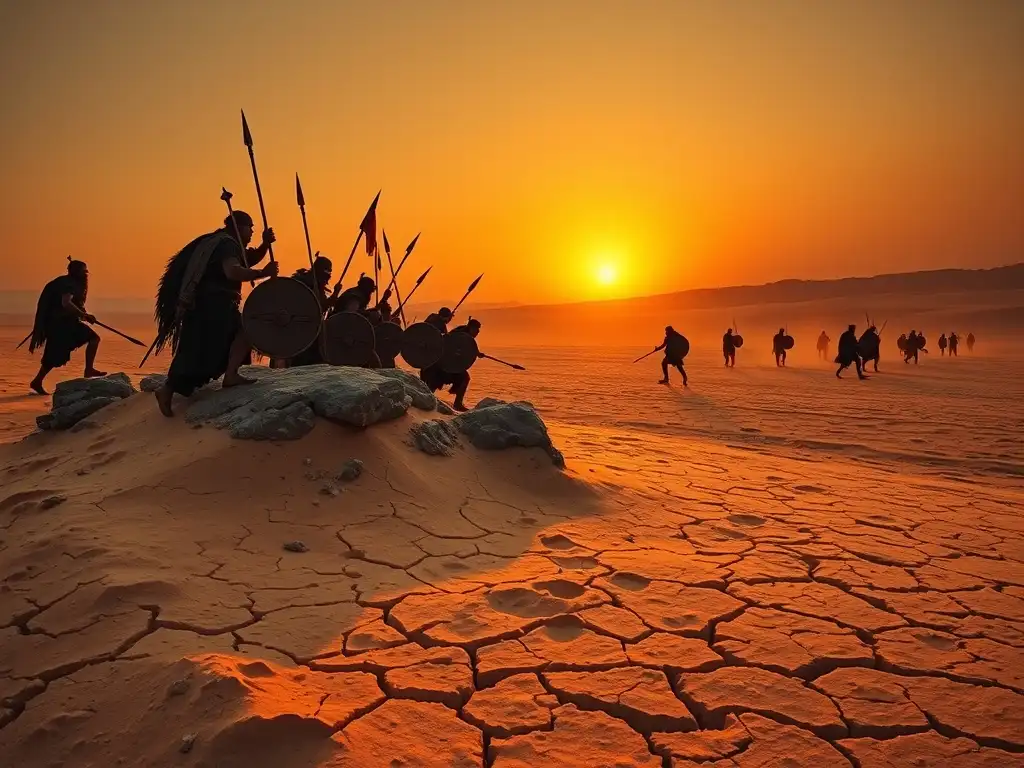
Step into the enigmatic world of the Andean civilizations! Prepare to unravel the mysteries of a lost empire, where towering mountains held secrets as vast as the desert itself. While the breathtaking Nazca Lines captivate the eye, a far more complex story lies hidden beneath the sand: Nazca warfare tactics. Discover the ingenious strategies and surprising weaponry that shaped the fate of these ancient cultures – a tale of survival, dominance, and the enduring power of human ingenuity in the face of harsh landscapes. Dare to delve deeper into the shadowy conflicts that defined the Nazca?
The Nazca civilization, famed for its enigmatic geoglyphs etched into the Peruvian desert, also possessed a sophisticated military strategy honed by the harsh realities of their environment. This article delves into the shadowy world of Nazca warfare, exploring their unique tactics adapted to the challenges of desert combat.
We will uncover evidence from archaeological findings, analyzing their weaponry, defensive structures, and overall military organization to understand how the Nazca navigated the complexities of conflict in one of the world's most unforgiving landscapes. Understanding Nazca warfare tactics offers a crucial perspective on the dynamics of power and survival in the ancient Andes, revealing a civilization far more complex than its iconic imagery might suggest.
This exploration will shed light on how environmental constraints shaped their military strategies, highlighting their ingenuity and resilience in the face of adversity. We will also examine how their tactics compared to those of neighboring cultures, providing a broader understanding of Andean military practices.
The Harsh Landscape: Shaping Nazca Military Strategy
The arid coastal plains and adjacent mountains of southern Peru presented unique challenges for warfare. Scarcity of resources, including water, heavily influenced Nazca military operations. Campaigns likely had to be carefully planned to ensure access to water sources, limiting the duration and scale of conflicts. The open terrain offered limited natural cover, necessitating innovative tactics to overcome the lack of defensive advantages.
Archaeological evidence suggests the construction of fortified settlements, strategically positioned near water sources or at points of strategic control, highlighting the importance of defensive positioning in Nazca military thinking. Furthermore, the limited vegetation meant that ambushes were possibly less effective than in more forested regions, forcing the Nazca to develop alternative strategies for surprise attacks. The heat and sun also posed significant challenges to prolonged engagements, favoring shorter, decisive actions.
Weaponry and Equipment: Tools of Desert Warfare
Nazca warriors employed a range of weapons adapted to desert combat. Evidence suggests the prevalent use of clubs, spears, and slings, supplemented by projectile weapons such as darts and possibly bows and arrows. The effectiveness of these weapons would have been significantly influenced by the environmental factors, with projectiles potentially being more effective in open terrain. The materials used in weapon construction would also have been adapted to the available resources, likely including wood, stone, and possibly bone or shell.
The lack of widespread metalworking in the Nazca culture, compared to some contemporaneous Andean societies, impacted their weaponry, potentially favoring lighter, more easily replaceable weapons. Further research is needed to fully understand the range and sophistication of Nazca weaponry, including the potential use of specialized tools for siege warfare or close-quarters combat. The analysis of preserved artifacts and depictions in Nazca iconography could provide valuable insights.
Defensive Structures and Fortifications: Protecting Nazca Settlements
While large-scale fortifications are less common in the Nazca archaeological record compared to other Andean cultures, evidence suggests the use of strategically located defensive structures. These might have taken the form of fortified settlements, watchtowers, or carefully positioned defensive walls. The location of these structures is crucial to understanding Nazca defensive strategies, suggesting a focus on controlling access to vital resources such as water or strategically important points along trade routes.
The design and construction of these defenses likely reflected the available materials and resources, possibly utilizing readily available materials like adobe bricks and stone. Further investigation is needed to determine the extent of Nazca defensive capabilities, and the role of these structures in preventing or repelling attacks. The study of settlement patterns and the distribution of defensive features could reveal important information about Nazca military organization and the scale of their conflicts.
The social organization of the Nazca likely played a crucial role in their military structure. While the exact details remain unclear, it's likely that leadership roles were held by individuals with social and political standing. The coordination of military operations in the vast desert landscapes would have required a degree of centralized command and control. Archaeological evidence, such as burial practices and the depiction of elites in iconography, may offer clues to the structure of Nazca military leadership.
Understanding the social hierarchy and the roles of different groups in warfare is vital to comprehending their military effectiveness. The potential role of religious leaders or shamans in influencing military decisions also warrants further investigation. Further research into Nazca social organization and iconography could shed more light on this aspect of their warfare.
Further Research Areas:
- Detailed analysis of Nazca weaponry and their effectiveness in desert environments.
- Comparative study of Nazca warfare tactics with those of neighboring cultures.
- Investigation into the role of religion and ritual in Nazca military practices.
- Reconstruction of Nazca battle scenarios based on available evidence.
- The Harsh Landscape: Shaping Nazca Military Strategy
- Weaponry and Equipment: Tools of Desert Warfare
- Defensive Structures and Fortifications: Protecting Nazca Settlements
- Social Organization and Military Leadership: The Command Structure
- What were the primary reasons for warfare among the Nazca?
- What were some of the key features of Nazca warfare tactics?
- What evidence exists to support our understanding of Nazca warfare?
- How did the Nazca's environment influence their warfare strategies?
- How did Nazca warfare compare to that of other Andean civilizations?
The Enigmatic Nature of Nazca Warfare
The Nazca civilization, famed for its enigmatic geoglyphs, also possessed a sophisticated, albeit less understood, military apparatus. Unlike the Inca, who left behind extensive written records detailing their conquests and military organization, the Nazca left behind a more cryptic legacy. Their warfare tactics, therefore, remain shrouded in mystery, requiring careful interpretation of archaeological evidence to piece together a comprehensive picture of their conflict strategies.
The scarcity of direct textual sources necessitates a reliance on indirect evidence, such as the analysis of weaponry, fortifications, and burial sites, to understand the nuances of Nazca military practices. This necessitates a multi-faceted approach, combining archaeological findings with anthropological interpretations to shed light on their combative strategies. Understanding Nazca warfare tactics requires a careful consideration of their environment, their social structures, and the available resources that shaped their military capabilities.
Unveiling the Archaeological Evidence of Nazca Conflicts
Archaeological digs have unearthed crucial artifacts that provide glimpses into Nazca warfare. Evidence of fortifications, including defensive walls and watchtowers, suggests a degree of organized defense against potential aggressors. These structures, often located strategically near water sources or agricultural lands, indicate a conscious effort to protect vital resources.
The discovery of weaponry, such as projectile points, clubs, and possibly early forms of slings, offers clues about their combat techniques. Analysis of these weapons reveals insights into their manufacturing processes and the materials used, suggesting varying levels of sophistication and specialization within Nazca society. Furthermore, the study of skeletal remains from burial sites, exhibiting signs of trauma consistent with warfare, provides further evidence of violent conflict.
The presence of specific grave goods, such as weapons or ceremonial objects, associated with these individuals can potentially reveal the social standing of warriors within Nazca society. However, the interpretation of these skeletal remains requires careful analysis, and further research is needed to fully understand the nature and extent of Nazca conflicts. The limited preservation of organic materials in the arid Nazca environment poses a significant challenge, hindering the complete reconstruction of their military arsenal and organizational structures.
Why Study Nazca Military Strategies?
The study of Nazca warfare tactics offers invaluable insights into several key aspects of their civilization. Firstly, it illuminates the social and political dynamics within Nazca society. The existence of a military apparatus indicates a level of centralized organization and control necessary to mobilize and equip fighting forces. The analysis of weaponry and defensive structures can reveal potential social hierarchies and the roles of different groups within the military.
Secondly, understanding Nazca military strategies helps contextualize their interactions with neighboring societies. By examining the types of weaponry used and the defensive measures employed, we can infer the nature of their relationships with other contemporaneous cultures, whether peaceful or hostile. This contextualization is crucial for a comprehensive understanding of the broader socio-political landscape of the ancient Andes.
Finally, studying Nazca warfare provides a unique perspective on the adaptation of human societies to challenging environments. The development of military strategies in the arid Nazca desert reveals the ingenuity and resilience of this civilization in facing both environmental and social challenges. The impact of environmental factors, such as water scarcity, on their military capabilities remains a key area of ongoing research.
Challenges in Reconstructing Nazca Combat Practices
Reconstructing the precise details of Nazca combat practices presents significant challenges. The lack of written sources and the limited preservation of organic materials hinder the development of a complete picture. The interpretation of archaeological evidence is often complex and requires careful consideration of various factors.
For instance, the identification of skeletal trauma as a result of warfare versus other causes, such as accidents or disease, requires rigorous analysis and expertise. Furthermore, the scarcity of well-preserved settlements provides limited evidence of military organization and training practices. The existing archaeological evidence, while informative, presents a fragmented and incomplete narrative.
Therefore, further research, including advanced analytical techniques, such as isotopic analysis of skeletal remains to determine diet and geographic origins, and more extensive archaeological excavations, is crucial to filling the gaps in our understanding of Nazca warfare. The development of new methodologies and technologies will undoubtedly contribute to a more complete and nuanced comprehension of Nazca military strategies in the years to come. The ongoing exploration of Nazca sites and the application of advanced scientific analysis hold the potential to significantly enhance our understanding of this enigmatic aspect of their civilization.
Key Characteristics of Nazca Warfare

The Nazca, renowned for their intricate geoglyphs, also possessed a sophisticated, albeit less documented, military system. Understanding Nazca warfare tactics requires moving beyond the iconic imagery and delving into the archaeological evidence, which, while limited, reveals a culture deeply invested in conflict resolution, likely driven by resource control and territorial disputes in their arid environment. Their military organization, though not as centralized as the later Inca empire, displayed clear strategic thinking adapted to the unique challenges of the coastal desert.
This section will explore the key elements of Nazca military strategies, focusing on weaponry, terrain utilization, and the overall scale of their engagements. The scarcity of direct evidence necessitates careful interpretation of available artifacts and contextual clues. The limited written records further compound the challenge, relying heavily on archaeological findings to reconstruct their military practices.
Nazca Weaponry and Military Technology
Nazca weaponry reflects a pragmatic approach, prioritizing effectiveness within the constraints of their environment. While lacking the massive stone weaponry of some Andean contemporaries, their arsenal was effective for close-quarters combat and skirmishes. Analysis of excavated sites reveals a prevalence of:
- Spears and Darts: These were likely the most common weapons, crafted from hardened wood or possibly bone, tipped with obsidian or other sharp materials. The obsidian, sourced from nearby volcanic regions, provided a durable and lethal cutting edge. Evidence suggests that spear-throwers (atlatls) may have been employed to increase throwing range and accuracy.
- Clubs and Maces: Blunt force weapons, likely made from wood or possibly stone, would have been effective in close combat. Their design varied, possibly reflecting different roles within the military organization.
- Defensive Gear: While less common in the archaeological record, the presence of fragments of potentially woven or leather armor suggests some form of protection was used by Nazca warriors. Further research is needed to fully understand the extent of defensive technologies employed.
The technological sophistication of Nazca weaponry was tied to their mastery of material science. The careful selection and crafting of obsidian points, for instance, showcases an understanding of material properties crucial for effective weaponry. The lack of widespread metalworking, common in other contemporary Andean cultures, may have limited the complexity of their weapons, but it did not prevent them from developing a functional and effective military technology.
Further investigation into metallurgical remains could reveal a more nuanced picture of their capabilities. For example, the presence of copper artifacts in some sites suggests potential limited use of this metal in weaponry, although more research is needed to confirm this hypothesis.
The Importance of Terrain in Nazca Combat
The arid, desert landscape of the Nazca region significantly shaped their warfare tactics. The lack of abundant water resources and the challenging terrain dictated the nature and scale of military engagements. Nazca warfare tactics were heavily influenced by:
- Strategic Positioning: Control of oases and water sources would have been paramount. Fortifications and strategically positioned settlements likely played a crucial role in defending vital resources. Archaeological evidence of defensive structures, though limited, supports this interpretation.
- Ambush Tactics: The complex terrain of the Nazca desert, with its canyons, hills, and valleys, would have lent itself to ambush tactics. Small, highly mobile fighting units could have used the landscape to their advantage, striking unexpectedly and then retreating quickly into the surrounding terrain.
- Limited Mobility: The desert environment would have restricted large-scale troop movements. Battles likely involved smaller, more localized engagements, rather than the massive confrontations seen in some other Andean cultures.
The strategic use of terrain was crucial to Nazca military success. Their understanding of the landscape's limitations and opportunities allowed them to compensate for any technological disadvantages. Further research into settlement patterns and defensive structures could reveal more detailed insights into their tactical deployments and resource control strategies. The study of ancient pathways and communication networks would also greatly enhance our understanding of their logistical capabilities in such a challenging environment.
Scale and Scope of Nazca Military Engagements
Determining the precise scale and scope of Nazca military engagements is challenging due to the limited archaeological evidence. However, based on the available data, several inferences can be made:
| Aspect | Inference | Supporting Evidence |
|---|---|---|
| Size of Armies | Relatively small, likely consisting of local militias or tribal contingents. | Limited evidence of large-scale fortifications or centralized military organization. |
| Types of Conflicts | Primarily localized skirmishes and raids, focused on resource control. | Archaeological evidence suggests smaller-scale conflicts rather than large battles. |
| Duration of Conflicts | Likely short, sporadic engagements rather than prolonged wars. | The lack of extensive evidence of widespread destruction suggests shorter conflicts. |
The evidence suggests that Nazca warfare wasn't characterized by large-scale, organized battles like those witnessed in some other Andean civilizations. Instead, their conflicts were likely smaller, more localized affairs, reflecting the challenges of resource management and territorial disputes in their harsh environment. Further research, including a more comprehensive analysis of burial sites and the study of potential conflict-related artifacts, is crucial to refine our understanding of the true scale and frequency of Nazca military actions.
The analysis of isotopic signatures in human remains could also offer insights into the mobility of Nazca populations and potentially reveal evidence of inter-regional conflicts. The limited evidence, however, suggests a focus on smaller-scale, localized conflicts, primarily driven by resource control and territorial disputes.
Evidence of Fortifications and Defensive Structures
The Nazca's mastery of desert survival extended to their defensive strategies. While large-scale, centralized warfare in the style of the Inca is not readily apparent in the archaeological record, evidence suggests a more localized, defensive approach to conflict. The scarcity of monumental fortifications comparable to those found in other Andean cultures might be misleading. Instead of massive stone walls, the Nazca likely relied on the natural defenses of the desert itself – the arid climate, scarce water resources, and treacherous terrain – to deter potential aggressors. This is not to say that they lacked defensive structures entirely.
Archaeological surveys have uncovered evidence of smaller-scale fortifications, often integrated into settlements or located at strategic points along water sources. These structures, though less grandiose than those of other cultures, demonstrate a practical understanding of defensive positioning. Some sites show evidence of carefully placed walls made of adobe bricks or stone, utilizing the natural landscape to maximize their effectiveness. The construction materials and design suggest that these were not intended for large-scale sieges, but rather for protecting against smaller-scale raids or skirmishes.
The locations of these defenses, often near oases or agricultural plots, highlight the importance of protecting vital resources. Further research into these localized defensive structures is needed to fully understand their function and strategic importance within the broader context of Nazca warfare. The limited evidence suggests a decentralized defense system, tailored to the specific challenges of the desert environment and the nature of conflicts experienced by the Nazca.
This contrasts with the more centralized, imperial warfare tactics seen in later Andean empires. The study of these fortifications offers valuable insights into the unique challenges and responses inherent to warfare in the harsh Nazca desert. Further investigation could potentially reveal more extensive defensive networks that have yet to be discovered.
Nazca Warfare Tactics: A Closer Look
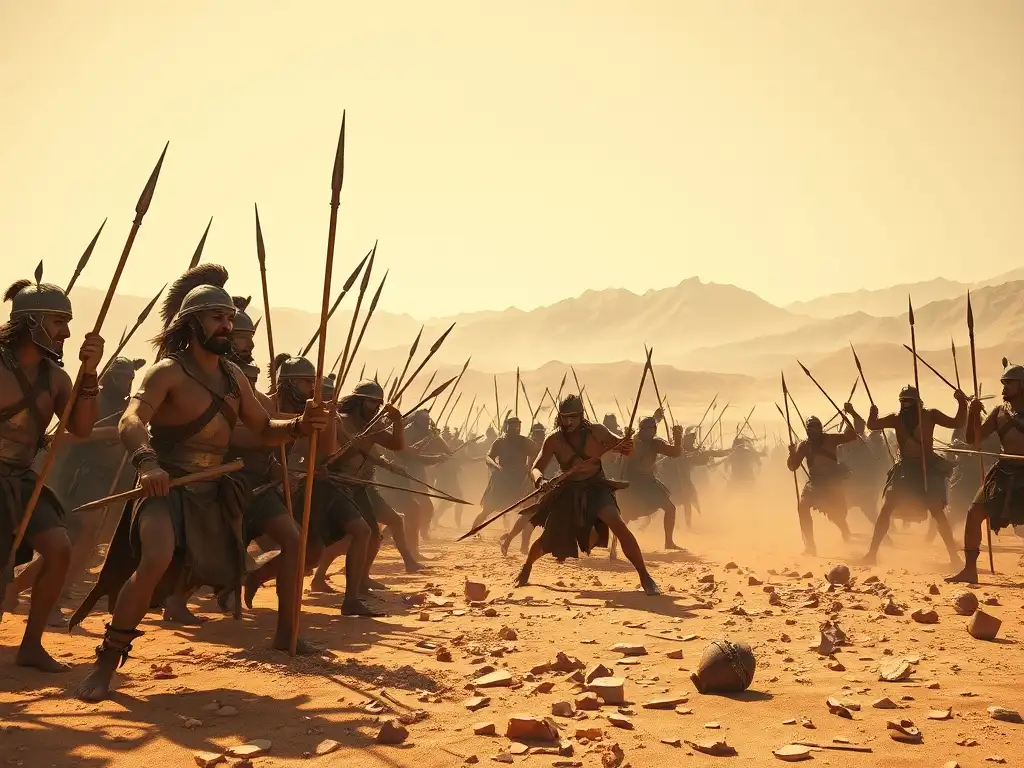
This section delves into the sophisticated, albeit often understudied, military strategies employed by the Nazca civilization. While less documented than those of the Inca, archaeological evidence and iconographic representations reveal a complex system of warfare deeply intertwined with their societal structure and beliefs. Understanding Nazca warfare tactics provides crucial insight into their social organization, resource management, and religious practices. The keyword "Nazca warfare tactics" is central to this analysis, highlighting the specific military approaches unique to this enigmatic culture.
Ambush and Surprise Attacks in Nazca Military Practices
The arid Nazca landscape, characterized by its vast deserts and narrow canyons, presented both challenges and opportunities for military engagements. The Nazca cleverly exploited the terrain to their advantage, mastering the art of ambush and surprise attacks. Archaeological findings suggest the construction of strategically placed defensive structures within the canyons, allowing for concealed troop deployments and devastating ambushes against unsuspecting enemies. These structures, often camouflaged with natural materials, would provide cover and vantage points for archers and spear-throwers, maximizing their effectiveness.
Evidence of this tactical prowess is found in the careful placement of settlements near natural chokepoints and along established trade routes. This positioning wasn't just for defense; it facilitated rapid deployment of troops to intercept caravans or enemy forces. The element of surprise was critical; the Nazca likely used scouts and runners to monitor enemy movements, allowing for preemptive strikes and the maximum exploitation of their ambush sites.
Furthermore, the use of signals, perhaps smoke or strategically placed mirrors reflecting sunlight, might have played a role in coordinating attacks across distances. We lack detailed information on the specifics of such signaling systems, but their use is a plausible hypothesis given the vast distances involved in Nazca territory.
Raiding and Resource Acquisition as a Driving Force
While large-scale pitched battles might have occurred, the available evidence suggests that raiding and resource acquisition formed a significant aspect of Nazca warfare. The arid climate of the Nazca region placed a premium on resources like water, fertile land, and essential minerals. Control over these resources likely fueled conflicts between different groups. Raids, often swift and decisive, would have been a key method for securing these valuable commodities.
The iconic Nazca Lines, while often interpreted as religious symbols, might also have played a role in military planning and communication. Straight lines could have been used to mark boundaries, indicate troop movements, or even serve as rudimentary guideposts for raiding parties traversing the vast desert. This requires further research, but the potential connection between the Lines and military activity shouldn't be overlooked.
The scale and precision of the Lines suggest a high level of societal organization, which could have facilitated the logistical demands of widespread raiding campaigns. Furthermore, the acquisition of resources through raiding would have strengthened Nazca power and influence within the region.
Ritualistic Aspects of Nazca Warfare
Nazca warfare wasn't purely a pragmatic endeavor; it was deeply intertwined with their religious beliefs and practices. Iconography depicting warriors, often adorned with elaborate headdresses and ceremonial garb, suggests a ritualistic component to warfare. These depictions may represent not just soldiers, but also priests or shamanistic figures playing a crucial role in military campaigns. The successful outcome of a battle might have been attributed to divine intervention, reinforcing the importance of ritualistic practices.
Evidence of human sacrifice, though not as prevalent as in some other Andean cultures, is present in the archaeological record. These sacrifices may have been intended to appease deities, ensure victory, or commemorate fallen warriors. The precise nature and frequency of such practices remain areas of ongoing research, with additional data needed to fully understand their significance within the context of Nazca military strategies.
The interplay between the pragmatic and the ritualistic aspects of Nazca warfare represents a fascinating area for future study, promising to shed more light on the complex social and religious dynamics of this enigmatic civilization. The study of Nazca warfare tactics, therefore, provides a compelling lens through which to examine the multifaceted aspects of Nazca society.
The Role of Specialized Warriors in Nazca Society
The Nazca were not a monolithic society; their military organization, like their society, likely featured a degree of specialization. While we lack detailed written records, archaeological evidence suggests the existence of specialized warrior classes. The depiction of warriors in Nazca ceramics and textiles often shows individuals clad in distinct attire and wielding specific weapons.
Some figures are shown with elaborate headdresses, suggesting high rank or specialized roles within the military structure. These could represent elite warriors, perhaps trained from a young age in specialized combat techniques, or individuals tasked with specific roles on the battlefield, such as archers, spearmen, or leaders of smaller units.
The presence of specialized weaponry further supports this hypothesis. Analysis of artifacts unearthed in Nazca tombs reveals a range of weapons, from simple clubs and slings to more sophisticated projectile weapons like spears and darts. The variation in weapon design likely reflects the different roles played by warriors within the Nazca military.
For example, some weapons may have been designed for close-quarters combat, while others were optimized for ranged attacks. The level of craftsmanship displayed in some of these weapons suggests a dedicated group of artisans producing specialized equipment for trained warriors. This level of specialization implies a more complex social structure than a purely militia-based army.
Furthermore, the scale of some of the Nazca’s military activities, as evidenced by the size of their settlements and the extent of their influence, hints at a well-organized and potentially professionalized military. While we can't definitively state the percentage of the population dedicated to warfare, the sophistication of their weaponry and the evidence of specialized roles strongly suggest a more organized and structured military than might be expected from a smaller, less developed society.
The existence of elite warriors within the Nazca society was likely crucial for maintaining social order, expanding their territory, and defending against external threats. Further research, particularly focused on detailed analysis of grave goods and settlement patterns, may shed more light on the exact nature and organization of Nazca specialized warriors.
The ongoing excavation of Nazca sites continues to provide valuable insights into this fascinating aspect of their culture. The careful study of skeletal remains could also reveal information about the physical characteristics and health of these specialized warriors, adding another layer to our understanding of their societal role.
Analyzing the Causes of Nazca Conflicts
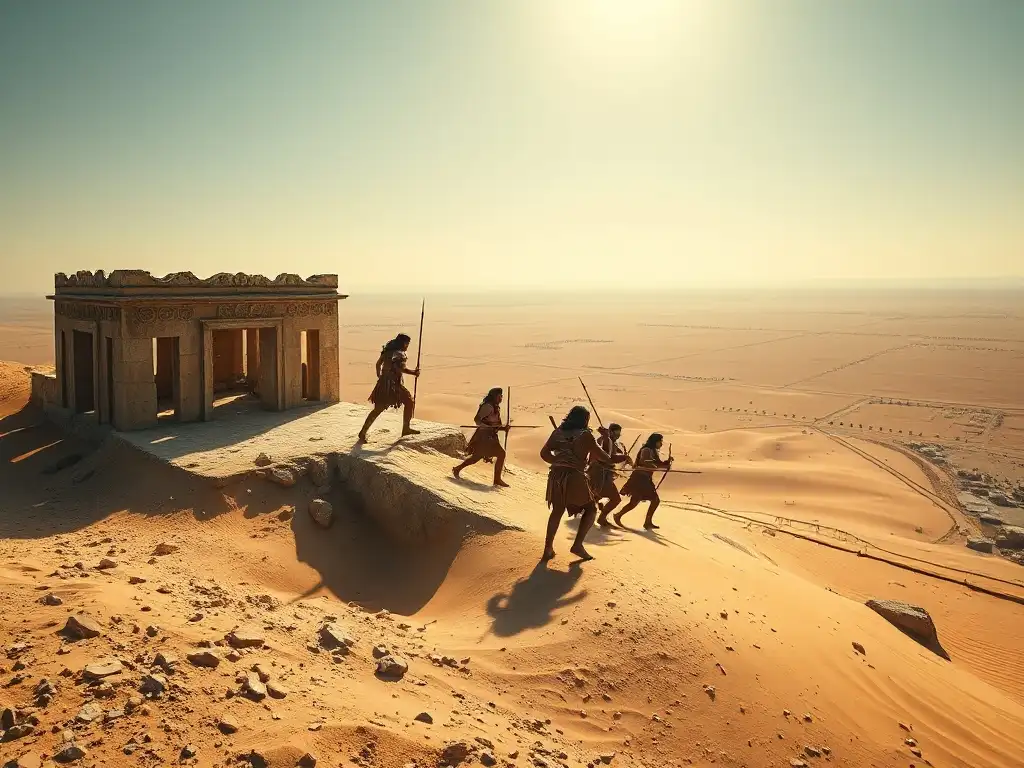
The Nazca civilization, renowned for its enigmatic geoglyphs, also engaged in warfare, a less-celebrated aspect of their culture. Understanding their military actions requires examining the multifaceted factors that fueled their conflicts. While the exact details remain shrouded in the mists of time, archaeological evidence and careful analysis of existing data offer valuable insights into the drivers of Nazca warfare.
Analyzing these causes reveals a complex interplay of environmental pressures, social structures, and competition for vital resources. This section will delve into the key factors that shaped Nazca warfare tactics, providing a more nuanced understanding of this often-overlooked aspect of their civilization.
Competition for Resources and Land in the Nazca Region
The arid coastal plains of southern Peru, where the Nazca flourished, presented significant challenges for survival. Access to fertile land suitable for agriculture, water sources, and vital resources like minerals and timber were limited, creating intense competition between settlements and potentially larger political entities. Archaeological evidence suggests that Nazca warfare was, at least partially, driven by the need to secure and control these essential resources.
The distribution of settlements and agricultural fields indicates a potential for territorial disputes, with strategic locations likely being highly contested. Analysis of ceramic artifacts and iconography sometimes depicts scenes of conflict, though interpretations remain debated amongst experts.
Further research is needed to definitively link specific artifacts to specific conflicts, but the scarcity of resources in the region points strongly to resource competition as a significant cause of conflict. The limited availability of arable land and fresh water would have intensified these conflicts, leading to aggressive expansionist tendencies in some groups.
The Impact of Environmental Factors on Nazca Warfare
The harsh environmental conditions of the Nazca region significantly impacted their warfare tactics. The arid climate, characterized by scarce rainfall and unpredictable weather patterns, dictated the timing and duration of campaigns. Military operations were likely constrained by the availability of water and forage for both humans and animals.
This meant that prolonged campaigns would have been difficult to sustain, favoring shorter, more decisive engagements. The terrain itself, a mix of desert plains, canyons, and hills, also played a crucial role in shaping warfare tactics. The limited visibility across the vast desert expanses might have favoured ambush tactics and the use of scouts for reconnaissance.
The challenges of traversing the difficult terrain likely limited the size and mobility of armies, favouring smaller, more agile fighting units. Understanding these environmental constraints is crucial to interpreting the nature of Nazca conflicts and the strategies employed. Further study of the environmental records from the period could provide more precise details on the impact of climate fluctuations on Nazca military operations.
Beyond resource scarcity, social and political factors played a key role in fueling Nazca conflicts. The absence of a unified, centralized empire suggests a complex network of smaller political entities, potentially competing for dominance and prestige. The rise and fall of these power structures may have been marked by periods of intense conflict.
Competition for political influence and control over trade routes could have been major motivators for warfare. The analysis of elite burials and monumental architecture reveals evidence of social stratification, with powerful leaders and elites potentially using military success to consolidate their power and authority. The depiction of warfare in Nazca art, while not always easily interpreted, suggests that military prowess held significant social and political value.
The symbolism associated with weaponry and military achievements points to a complex interplay between military success, social status, and political power. Further investigation into the social organization and political structures of Nazca society is essential for a more complete understanding of the motivations behind their warfare. Detailed analysis of settlement patterns and the distribution of artifacts could shed more light on the dynamics of power and conflict within Nazca society.
Theories on Warfare and Societal Change in Nazca
Several theories attempt to explain the role of warfare in shaping Nazca society and its evolution. One prominent theory suggests that conflicts were driven by competition for scarce resources, primarily water and fertile land in the arid coastal region. The Nazca Lines themselves, while often interpreted as ceremonial or astronomical features, might also reflect a need to demarcate territories and assert control over vital resources.
The intricate canal systems constructed by the Nazca, while impressive feats of engineering, could also have been strategically placed to control water access and potentially strengthen defensive positions. The concentration of settlements near these water sources further supports this hypothesis, suggesting a direct link between resource control and strategic positioning.
Another compelling theory focuses on the potential role of warfare in consolidating power and maintaining social hierarchies within Nazca society. Archaeological evidence suggests the existence of elite groups, possibly warrior-priests or rulers, who may have used warfare to consolidate their authority and suppress potential rivals. This is supported by the discovery of elaborate tombs and burial sites containing ornate artifacts and weaponry, indicating a clear distinction between the elite and the common population.
The construction of impressive ceremonial centers, such as Cahuachi, could have served as both religious and political hubs, reinforcing the power of the ruling class through elaborate rituals and displays of military might. Further research is needed to pinpoint the precise nature of the social structures and the extent to which warfare shaped the power dynamics within Nazca society.
Finally, some scholars propose that inter-group conflicts within the Nazca culture might have been less about large-scale conquests and more about smaller-scale raids and skirmishes focused on acquiring goods, captives, or symbolic victories. This interpretation challenges the notion of a highly centralized and militaristic Nazca state, suggesting a more fragmented and decentralized society where conflicts were localized and driven by various factors such as personal rivalries, resource disputes, and the need to demonstrate power and prestige within a competitive social landscape.
This theory emphasizes the importance of considering the diverse range of social and political dynamics within Nazca society and avoids simplistic interpretations of warfare as solely a tool for territorial expansion or empire building. The lack of widespread evidence of large-scale fortifications or massive armies lends some credence to this less militaristic interpretation.
Comparing Nazca Combat with Other Andean Cultures

Similarities and Differences with Moche Military Strategies
The Nazca and Moche cultures, while geographically proximate and temporally overlapping, exhibited distinct approaches to warfare. Both civilizations relied heavily on infantry, lacking widespread evidence of large-scale cavalry or naval forces common in other regions. However, their military organization and tactical preferences diverged significantly.
The Moche, known for their elaborate warrior iconography depicting highly organized armies and sophisticated weaponry, likely employed more formalized military structures. Their ceramic art showcases disciplined formations, suggesting a hierarchical command structure and potentially specialized units. This contrasts with the less overtly militaristic imagery found in Nazca artifacts, which hint at a potentially less centralized, perhaps more decentralized, military organization.
While both cultures utilized projectile weapons like slings and spears, the Moche's apparent emphasis on close-quarters combat, as depicted in their art, differs from the potential emphasis on ranged attacks suggested by some interpretations of Nazca weaponry. The Moche's extensive irrigation systems may also have played a larger role in their strategic planning, allowing for control over vital resources and potentially influencing battlefield locations.
Further research into the logistics and supply lines of both cultures is needed to fully understand these differences. The limited evidence regarding the scale and frequency of inter-cultural conflict also hampers a complete comparison; more archaeological investigation of battle sites is crucial.
Contrasting Nazca Warfare with Inca Imperial Expansion
The Inca, with their vast empire, represent a stark contrast to the Nazca's seemingly smaller-scale conflicts. Inca warfare was characterized by a highly centralized, professional army, renowned for its logistical prowess and sophisticated organization. The Inca utilized a system of mit'a, a form of rotational labor, to support their military campaigns, allowing for sustained mobilization of manpower and resources across vast distances.
This contrasts sharply with the likely smaller, more localized conflicts inferred for the Nazca, whose resources and population were comparatively limited. The Inca's advanced road network and administrative system facilitated rapid troop deployment and effective communication, aspects absent in the evidence regarding Nazca military operations.
While both cultures used diverse weapons, the Inca's mastery of metallurgy and their development of advanced weaponry like macuahuitl (a bladed club) demonstrate a technological advantage absent in the Nazca archaeological record. The Inca's expansionist policies and their focus on subjugating neighboring populations contrasts with the less clearly understood goals of Nazca military activity, which may have been more focused on territorial defense or control of vital resources like water.
Unique Aspects of Nazca Military Engagements in the Andean World
Several aspects suggest a unique approach to warfare within the Andean context for the Nazca. The arid coastal environment played a crucial role, shaping both their tactics and the nature of their conflicts. The limited availability of water and resources likely influenced the scale and duration of military engagements. Evidence suggests that Nazca warfare may have been characterized by smaller, more geographically constrained conflicts, possibly involving raids and skirmishes rather than large-scale battles.
The scarcity of direct evidence relating to Nazca warfare, however, presents a challenge in fully understanding their unique strategies. The famous Nazca Lines, while not directly related to warfare, might offer indirect clues about societal organization and potential resource management strategies that influenced their capacity for military action – further research into this is needed. Unlike many other Andean cultures with prominent warrior imagery, Nazca representations of conflict are less common and less explicit. This lack of clear visual representation presents a significant obstacle to understanding their military culture.
🤔 Archaeological investigations focusing on identifying and analyzing potential battle sites are critical to further illuminate Nazca warfare tactics and their place within the broader Andean context. The potential use of the desert landscape for ambush tactics, leveraging the terrain for defensive advantages, also warrants further investigation. The existing evidence suggests a unique adaptation to the harsh environment of the Nazca desert, setting their military engagements apart from those of other Andean cultures.
The Legacy of Nazca Warfare
The Nazca civilization, famed for its enigmatic geoglyphs, also possessed a sophisticated military organization, though its exact nature remains shrouded in the sands of time. Understanding Nazca warfare tactics requires piecing together fragmented evidence from archaeological digs, analyzing iconography, and extrapolating from the broader context of Andean warfare.
While direct evidence of large-scale battles is scarce, the presence of weaponry, fortifications, and depictions of conflict in their art strongly suggest a capacity for both defensive and offensive military actions. Their legacy isn't just about the battles themselves, but also the strategic and logistical challenges they overcame in the harsh desert environment.
The impact of their military organization on their society, their neighbors, and the broader Andean world is a significant area of ongoing research and debate. The Nazca warfare tactics employed were clearly adapted to the unique challenges of their environment, influencing their societal structures and lasting impact on subsequent Andean cultures.
Lessons Learned from Nazca Military Practices
Analyzing Nazca military practices reveals several key lessons about adaptation and innovation in a challenging environment. The Nazca, inhabiting a coastal desert, faced unique logistical and strategic hurdles. Access to water and resources was paramount, shaping their military strategies. Their settlements, often situated along water sources or strategically positioned along trade routes, functioned as both population centers and fortified bases. This suggests a defensive strategy focused on protecting vital resources and controlling key trade routes, possibly through a combination of guerilla warfare and fortified settlements.
Evidence suggests the use of both ranged and close-combat weapons. Projectile points, slings, and clubs indicate a versatile arsenal adapted to different combat scenarios. Fortifications, though not always extensive, were strategically placed to maximize defensive capabilities given limited resources. The scarcity of large-scale fortifications may indicate a preference for swift, mobile warfare, leveraging the terrain to their advantage and avoiding prolonged sieges. This adaptability, a key element of Nazca warfare tactics, reflects a deep understanding of the desert environment and its limitations.
The intricate iconography found on Nazca ceramics and textiles offers further insights. Depictions of warriors, weaponry, and battle scenes, although stylized, provide clues to military organization, rank structures, and potential combat strategies. Further research into these artistic representations could uncover more subtle nuances of their military practices and beliefs. For instance, the presence of specific symbols or motifs on weapons might indicate different units or specialized roles within their military structure.
The Impact of Nazca Conflicts on the Region's History
The impact of Nazca conflicts on the region's history is complex and not fully understood. While the scale of their conflicts may have been smaller than those of later empires like the Inca, their military actions undoubtedly influenced the political landscape of the southern Andes. Control of vital resources, such as water and fertile land along the coast, likely fueled conflicts with neighboring groups. The competitive dynamics between the Nazca and their contemporaries shaped the trajectory of regional power and influenced the development of subsequent cultures.
The consequences of Nazca military engagements, while not always directly documented, can be inferred from archaeological evidence, such as shifts in settlement patterns, changes in material culture, and the adoption or adaptation of military technologies. For example, the presence of Nazca-style weaponry in neighboring sites might indicate both trade and the spread of military practices through conflict or alliances. The study of these indirect effects is crucial to understanding the broader historical context of Nazca warfare.
Further research, perhaps focusing on comparative analysis of neighboring cultures' material remains, could reveal a more complete picture of the impact of Nazca military activities. This could include detailed analysis of ceramic styles, architectural changes, and burial practices across different regions to identify potential patterns indicative of conflict or peaceful exchange.
Current Research and Future Directions in Nazca Military Studies
Current research on Nazca warfare focuses on several key areas: the detailed analysis of weaponry, the interpretation of iconography, and the investigation of settlement patterns and fortifications. Advanced technologies, such as 3D modeling and geographic information systems (GIS), are being employed to create detailed reconstructions of Nazca settlements and their strategic locations. This allows researchers to analyze the spatial distribution of settlements and fortifications, providing valuable insights into their defensive strategies and potential conflict zones.
Future research should prioritize interdisciplinary collaborations, bringing together archaeologists, anthropologists, and historians to develop a more comprehensive understanding of Nazca warfare. Further investigation into the social and economic implications of military organization is needed. For example, how did warfare affect the Nazca's social structure, resource allocation, and economic activities?
Moreover, a comparative study of Nazca warfare tactics with those of other contemporary Andean cultures could provide valuable insights into the broader dynamics of Andean warfare and the specific adaptations of the Nazca to their environment. The application of new technologies and innovative research methods promises to shed new light on this fascinating aspect of Nazca civilization and refine our understanding of Nazca warfare tactics. This could include isotopic analysis of skeletal remains to determine dietary patterns and migration histories, providing further clues about the social and economic organization related to warfare.
The Enduring Mystery of Nazca Warfare Tactics
The Nazca's military prowess, despite their relatively limited documented history compared to other Andean civilizations like the Inca, remains a subject of ongoing scholarly debate. While we lack detailed battle accounts akin to those found in the chronicles of later empires, archaeological evidence suggests a sophisticated understanding of desert warfare, tailored to the unique challenges of their arid environment. The scarcity of written records forces researchers to rely heavily on interpreting material culture—weapons, fortifications, and burial practices—to piece together a picture of their military strategies. This reliance on indirect evidence contributes to the enduring mystery surrounding their tactics, leaving many questions unanswered.
For example, the exact organization of their armies, the frequency of large-scale conflicts, and the nature of their alliances and rivalries remain largely speculative. The interpretation of discovered weaponry, such as the distinctive types of clubs, spears, and slings found in Nazca tombs, provides clues but doesn't offer a complete understanding of their battlefield deployment. Further complicating the picture is the limited understanding of their political organization; was it a unified kingdom, or a collection of independent chiefdoms engaging in sporadic conflict? This question significantly impacts how we interpret the archaeological evidence of warfare.
The ongoing research and analysis of new archaeological findings continue to refine our understanding, but much remains shrouded in the mists of time. The absence of detailed accounts makes it difficult to definitively characterize their military doctrine. The study of Nazca warfare tactics thus remains an exciting, ever-evolving field of research, promising further revelations as new data emerges. The enigmatic nature of the Nazca's military history only adds to their allure, fueling continued scholarly investigation.
Frequently Asked Questions
What were the primary reasons for warfare among the Nazca?
The Nazca engaged in warfare for various reasons, including resource control, particularly water access in the arid desert, territorial expansion, and potentially religious or ritualistic practices. Specific motivations remain debated due to limited textual evidence.
What were some of the key features of Nazca warfare tactics?
Nazca warfare likely involved ambush tactics, leveraging the desert landscape for concealment. Defensive fortifications and possibly the use of specialized weaponry are also suggested by archaeological findings.
What evidence exists to support our understanding of Nazca warfare?
Archaeological evidence such as fortifications, weapons, and burials with trauma indicators provides insight into Nazca conflicts. However, a lack of detailed written records limits our understanding.
How did the Nazca's environment influence their warfare strategies?
The arid desert environment heavily influenced Nazca warfare. Limited resources and the landscape itself dictated ambush tactics and the importance of secure water sources as strategic objectives.
How did Nazca warfare compare to that of other Andean civilizations?
While details vary, Nazca warfare likely shared some similarities with other Andean cultures, such as the use of fortifications and potentially elite warrior classes. However, the specifics of their tactics remain relatively unique due to their environmental context.
Final Reflection: Echoes in the Sand: Nazca Warfare's Enduring Legacy
The ingenious yet brutal warfare tactics employed by the Nazca civilization remain a stark reminder of the human capacity for both innovation and destruction. Understanding their strategies, from the effective use of terrain to the potential deployment of surprise attacks, offers a chilling glimpse into a past that continues to resonate in modern conflict studies. The sophisticated understanding of desert warfare demonstrated by the Nazca highlights the timeless nature of strategic thinking and the enduring relevance of adapting to one's environment.
The impact of the Nazca's military prowess extends far beyond the arid plains of Peru. Their mastery of desert combat, though shrouded in the mists of time, provides valuable insights into the challenges and opportunities presented by asymmetrical warfare. The ingenuity displayed in their tactics serves as a potent example of how resourcefulness and adaptation can overcome seemingly insurmountable obstacles. The past is never dead. It's not even past.
- William Faulkner. This quote perfectly encapsulates the enduring relevance of studying the Nazca's military strategies; their actions continue to inform our understanding of conflict, even today.
Consider the lessons learned from the Nazca's experience. How can we, in our own lives, apply the principles of strategic thinking, adaptation, and resourcefulness to navigate our own challenges? Let the echoes of Nazca's shadowy conflicts inspire you to analyze your own "battlefields," to develop your own strategies for success, and to always remember the importance of understanding your environment. The desert sands may hold the secrets of a lost civilization, but the wisdom they impart remains eternally relevant.
Unveil the Secrets of Nazca Desert Warfare!
Thank you for exploring the fascinating world of Nazca warfare and strategy! Your interest in these ancient tactics not only expands your understanding of Andean civilizations but also highlights their remarkable resilience. Now, let's delve even deeper!
- Immerse yourself in research: Discover more about the ingenious strategies employed by the Nazca people. Explore our curated reading list for further insights into desert warfare in the Andean region.
- Share your discoveries: Join the conversation on our social media platforms. Share your thoughts and insights using #NazcaWarfare and connect with other history enthusiasts.
- Attend our upcoming webinar: Register for our in-depth exploration of Andean warfare, featuring experts who will reveal more secrets of these ancient societies.
What aspect of Nazca warfare intrigues you most, and how do you believe it influenced their lasting legacy?