
Illapa, the God of Thunder: Delving into the Power of Weather Deities in Inca Religion

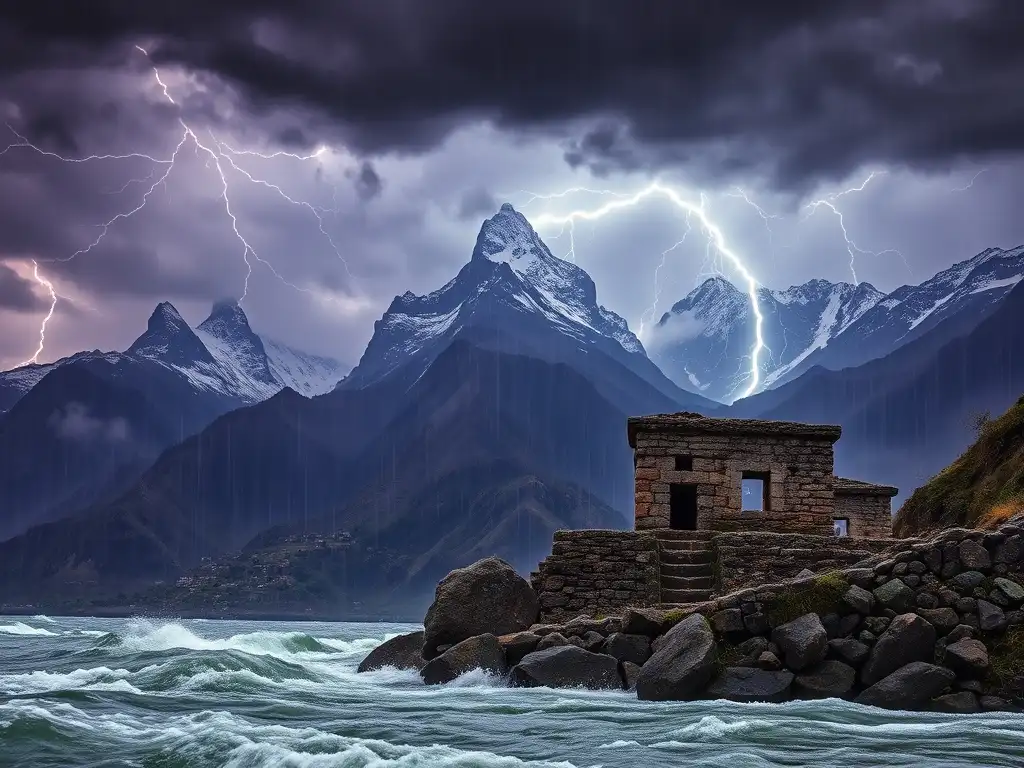
Step into a world lost to time, yet echoing with power and mystery. Discover the breathtaking legacy of the Andean civilizations, where intricate artistry met awe-inspiring engineering. But what forces shaped their beliefs, their lives, and their empires? Prepare to be captivated by the story of Illapa, the Inca's formidable weather god, and unravel the secrets of his influence on their vibrant, complex religion. Journey with us as we delve into the heart of the Inca Empire and uncover the fascinating truth behind this powerful deity.
- Illapa, the God of Thunder: Exploring Weather Deities in Inca Religion
- The Significance of Weather Gods in the Inca Pantheon
- Illapa: The Inca God of Thunder, Lightning, and Rain
- The Powers and Responsibilities of Illapa
- Illapa in Inca Rituals and Ceremonies
- Comparing Illapa with Other Andean Weather Deities
- The Legacy of Illapa in Modern Andean Culture
- Conclusion: The Enduring Power of Illapa, the Inca Weather God
- Frequently Asked Questions
- Final Reflection: The Enduring Thunder of Illapa
- **Unveil the Mysteries of Weather Deities! **
Illapa, the God of Thunder: Exploring Weather Deities in Inca Religion
The Inca Empire, a civilization that flourished in the Andes Mountains, developed a complex religious system deeply intertwined with the natural world. Their survival depended heavily on the capriciousness of the weather, particularly the crucial balance of water and sun for agriculture. This dependence fostered a profound reverence for weather phenomena, personified through powerful deities.
This article delves into the significance of Illapa, the Inca god of thunder and lightning, exploring his role in Inca religion, rituals, and the broader understanding of the Andean worldview. We will examine Illapa's attributes, his connection to other deities, and the impact his capricious nature had on Inca society, revealing the profound influence of weather deities on the Inca Empire's religious practices and social structure.
Understanding Illapa provides a crucial window into the heart of Inca beliefs and their relationship with the powerful forces of nature that shaped their lives. We will explore how the Inca people sought to appease and honor Illapa, showcasing the intricate tapestry of their religious practices and the vital role weather played in their cosmology.
Illapa: Attributes and Iconography
Illapa, the thunder god, was a formidable figure in the Inca pantheon. He was depicted in various forms, often associated with powerful symbols representing his control over storms and atmospheric phenomena. He was frequently portrayed wielding a club or thunderbolt, reflecting his ability to unleash devastating storms.
Representations often included depictions of lightning bolts, clouds, and sometimes even a double-headed axe, emphasizing his dual nature of both destruction and life-giving rain. The iconography varied regionally, reflecting the diverse expressions of Inca religious beliefs across the vast empire. While specific details might differ, the core attributes of power, unpredictability, and ultimate control over the weather remained consistent.
Illapa's image was not only a symbol of fear but also of respect, acknowledging his vital role in providing the life-giving rains necessary for the survival of the Inca people. His unpredictable nature, however, highlighted the ever-present risk of drought or devastating floods, further emphasizing the need for appeasement and ritualistic offerings.
Illapa's Role in Inca Agriculture and Society
The Inca economy was almost entirely dependent on agriculture. The success or failure of their crops directly impacted their survival and social stability. Consequently, Illapa's influence on weather patterns held immense significance for the Inca people.
A bountiful harvest was seen as a direct blessing from Illapa, while drought or hailstorms were interpreted as signs of his displeasure. This direct correlation between the god's actions and the people's well-being shaped their religious practices and social structures. The Inca developed intricate agricultural techniques, such as terracing and irrigation, but their success still relied heavily on the timely arrival of rains.
The importance of Illapa is reflected in the numerous rituals and festivals dedicated to ensuring his favor, including elaborate ceremonies involving offerings and prayers aimed at securing a successful harvest and averting natural disasters. The relationship between Illapa and the Inca people was thus deeply symbiotic, a complex interplay of dependence, respect, and a constant striving for balance.
Rituals and Offerings to Illapa
The Inca people performed numerous rituals and offered sacrifices to appease Illapa and ensure favorable weather conditions. These rituals varied in scale and complexity, ranging from small-scale household ceremonies to large-scale public festivals involving the entire community. Offerings included coca leaves, chicha (a fermented corn beverage), and other valuable goods.
These offerings were often presented during specific times of the year, coinciding with agricultural cycles or significant weather events. The rituals were meticulously performed by priests and other religious specialists, who played a crucial role in interpreting Illapa's actions and mediating between the divine and human realms. Detailed records of these rituals, though scarce, provide valuable insights into the beliefs and practices surrounding Illapa worship.
The complexity and frequency of these rituals underscore the central role Illapa played in Inca society and the importance of maintaining a harmonious relationship with the powerful god of thunder. Evidence suggests that human sacrifice, while not commonplace, was sometimes employed in extreme circumstances to appease Illapa's wrath during times of severe drought or other natural calamities.
Illapa and Other Inca Deities
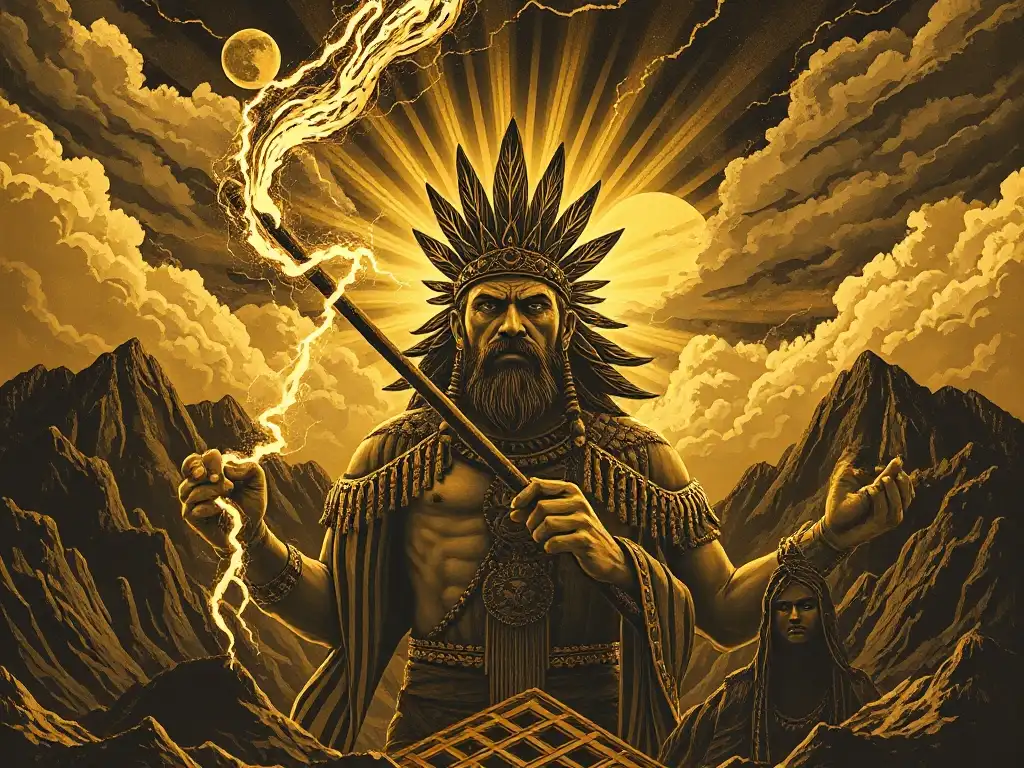
Illapa was not an isolated deity; his influence and interactions with other members of the Inca pantheon are well-documented. He was often connected to the sun god, Inti, as both deities controlled vital aspects of the agricultural cycle. Inti provided the sun's warmth, while Illapa provided the life-giving rain. The harmonious balance between these two deities was crucial for successful harvests.
Furthermore, Illapa's relationship with other deities, such as Mama Killa (the moon goddess) and Pachamama (the earth mother), highlights the interconnectedness of the Inca worldview. These complex relationships between deities demonstrate a sophisticated understanding of the natural world and the interdependence of different forces shaping their environment. The intricate web of connections between Illapa and other deities reflects the holistic nature of Inca religious beliefs and their integrated understanding of the cosmos. Further research into these interconnectedness is needed to fully grasp the nuances of Inca religious cosmology.
The Enduring Legacy of Illapa
The worship of Illapa and other weather deities continued long after the fall of the Inca Empire. Elements of Inca religious beliefs and practices persisted in the Andean region, influencing the religious traditions of subsequent cultures. The enduring legacy of Illapa reflects the profound impact of Inca religious thought on the region's cultural heritage.
Understanding Illapa's role provides a crucial lens through which to interpret the religious and cultural landscape of the Andes, revealing a sophisticated system of beliefs deeply rooted in the natural world and the people's dependence on its rhythms and forces. The continued presence of weather-related beliefs and practices in modern Andean cultures shows the lasting impact of Illapa and the importance of maintaining a respectful relationship with the powerful forces of nature. Further research into contemporary Andean traditions can illuminate the evolution of Illapa's legacy and its lasting influence on the region's cultural identity.
The Significance of Weather Gods in the Inca Pantheon
The Inca worldview was deeply intertwined with the natural world, and their religious beliefs reflected this intimate connection. Unlike many pantheons with clearly defined hierarchies, the Inca pantheon was more fluid, with the importance of specific deities fluctuating based on the immediate needs and concerns of the community. However, certain deities consistently held prominent positions due to their direct influence on the survival and prosperity of the Inca people. Among these, weather gods, particularly Illapa, the god of thunder and lightning, occupied a central role.
Their significance stemmed from the crucial impact of weather patterns on agricultural success, the foundation of Inca society. A good harvest, dictated by the capricious nature of the Andes climate, was directly linked to the favor of these powerful entities. Conversely, droughts, floods, or hailstorms, all under the control of these gods, could bring devastation and famine.
This direct, life-or-death relationship explains the profound reverence and elaborate rituals dedicated to weather deities. Understanding this context is crucial to appreciating the power and significance of Illapa within Inca religion and the broader Inca worldview. The interconnectedness of religion, agriculture, and societal structure is a key aspect of understanding Inca religion weather god Illapa.
Understanding the Role of Deities in Inca Beliefs
Inca religion wasn't a monolithic system with a rigid set of doctrines. Instead, it was a complex tapestry of beliefs and practices adapted to the diverse environments and needs of the empire. While the Sapa Inca (emperor) held a central religious role, acting as a mediator between the human and divine realms, the power of the gods wasn't hierarchical in the traditional sense. Local deities, often associated with specific mountains or geographical features, held considerable influence within their respective regions.
These local deities interacted with the major gods, creating a dynamic and adaptable religious landscape. The Inca's belief system emphasized reciprocity – the idea that offerings and proper conduct would ensure the continued favor of the gods. This reciprocity extended particularly to weather deities; successful harvests were seen as a direct consequence of appeasing them through rituals, sacrifices, and offerings.
Failure to do so could result in divine wrath manifested in the form of destructive weather events. The Inca faith wasn't merely a spiritual practice; it was a fundamental aspect of their social and political order, deeply embedded in their daily lives. This understanding is crucial for interpreting the significance of Inca religion weather god Illapa.
Why Weather Gods like Illapa Were Central to Inca Life
The Andes Mountains present a challenging environment for agriculture. Steep slopes, unpredictable rainfall, and the threat of frost all posed significant obstacles to cultivating crops. The Inca's success in developing sophisticated agricultural techniques, such as terracing and irrigation, is a testament to their ingenuity and resilience. However, even the most advanced techniques were at the mercy of the weather.
A prolonged drought could wipe out an entire harvest, leading to widespread famine and social upheaval. Conversely, excessive rainfall could cause devastating floods, destroying crops and infrastructure. Therefore, weather gods like Illapa were not just objects of veneration; they were the literal guarantors of the Inca people's survival. Their power over the lifeblood of Inca society – agriculture – elevated them to positions of paramount importance within the religious and social fabric.
This explains the extensive rituals, ceremonies, and offerings dedicated to ensuring their favor. The annual agricultural cycle was punctuated by festivals and ceremonies designed to appease and honor these powerful deities, highlighting their crucial role in the Inca way of life. The importance of Illapa and other weather gods illustrates the pragmatic and deeply practical nature of Inca religion, inextricably linked to the realities of their challenging environment. The intense focus on Inca religion weather god Illapa reflects the critical role of weather in their survival.
Illapa: The Inca God of Thunder, Lightning, and Rain
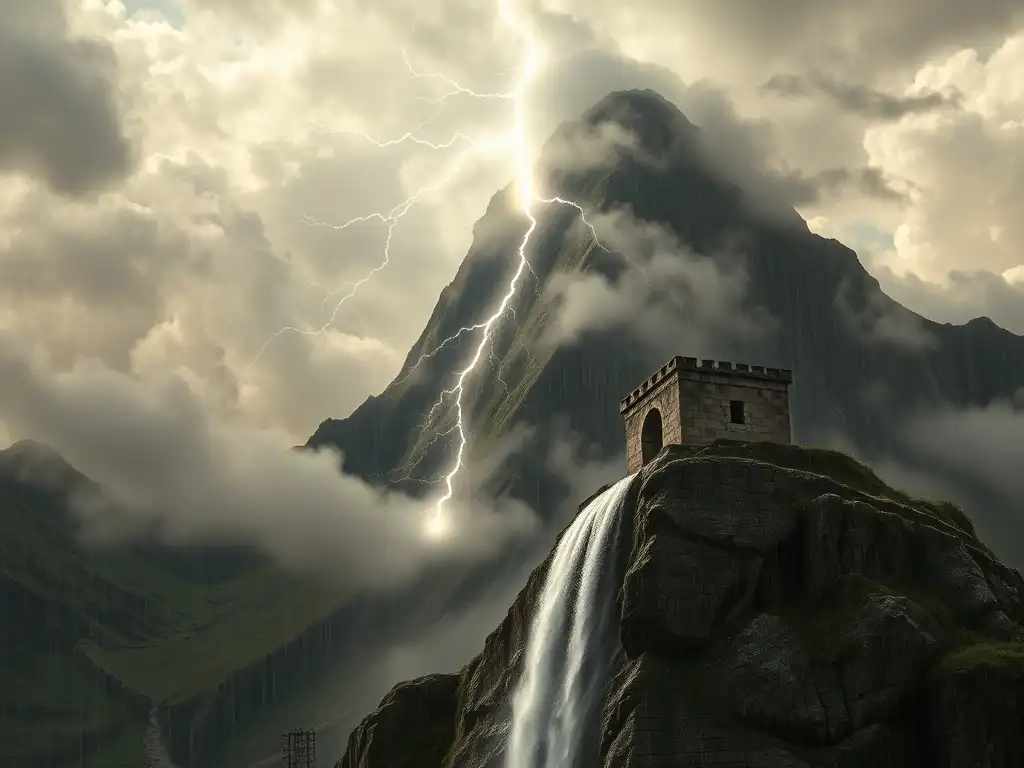
Illapa, the powerful Inca god of thunder, lightning, and rain, held a central position within the complex tapestry of Inca religion. His dominion over the life-giving forces of nature directly impacted the agricultural success of the empire, making him a deity of paramount importance. Understanding Illapa's role provides crucial insight into the Inca worldview, their intricate relationship with the environment, and the sophisticated agricultural techniques they developed to thrive in the challenging Andean terrain.
The reverence for Illapa wasn't merely a matter of religious observance; it was deeply intertwined with the very survival of the Inca people. This section will explore Illapa's attributes, iconographic representations, and his significant role in Inca agricultural practices. The sheer power attributed to Illapa underscores the profound respect the Inca held for the unpredictable yet essential forces of nature.
The intensity of storms in the Andes, coupled with the vital need for consistent rainfall for agriculture, cemented Illapa's status as a pivotal figure in Inca cosmology and daily life. His unpredictable nature, capable of both destruction and life-giving rain, made him a deity both feared and revered.
Illapa's Attributes and Iconography in Inca Art
Illapa's iconography in Inca art is varied but consistently reflects his powerful and awe-inspiring nature. He is often depicted wielding a k'uychi, a double-headed club, symbolizing his ability to both destroy and create. His association with lightning is frequently represented through stylized depictions of zig-zag lines, sometimes emanating from his hands or the k'uychi itself. Representations of Illapa often include depictions of clouds and rain, further emphasizing his control over atmospheric phenomena.
The use of color in Inca art further enhances Illapa's portrayal. Deep blues and purples evoke the stormy skies, while brighter yellows and golds might represent the flashes of lightning. These vibrant colors, combined with the dynamic imagery, convey the energy and power associated with the deity. Further research is needed to fully understand the regional variations in Illapa's iconography, as stylistic differences may exist across the vast Inca empire. [Specific information pending on regional variations in Illapa iconography].
While direct, life-sized representations of Illapa are rare, his presence is subtly yet powerfully implied in various Inca artifacts. For example, the intricate designs on textiles and ceramics often incorporate symbolic elements associated with storms and weather, implicitly referencing Illapa's influence. The meticulous craftsmanship and attention to detail in these artifacts highlight the profound importance attached to the weather god. The Inca's dedication to representing Illapa, even subtly, underscores his pervasive influence on their lives and beliefs.
Illapa's Importance in Inca Agricultural Practices
Illapa's importance to Inca agricultural practices cannot be overstated. The success of their sophisticated terraced farming systems, which allowed them to cultivate crops on steep mountain slopes, was entirely dependent on the timely arrival of rain. Illapa, as the controller of rain, was thus directly linked to the prosperity and survival of the Inca people. Prayers, offerings, and elaborate ceremonies were regularly performed to appease Illapa and ensure bountiful harvests.
The Inca calendar, deeply integrated with their agricultural cycle, included specific festivals dedicated to Illapa. These festivals, often accompanied by elaborate rituals and sacrifices, were designed to ensure the god's favor and promote successful harvests. The timing of these festivals, carefully aligned with the agricultural seasons, highlights the Inca's profound understanding of the relationship between their religious practices and the practical realities of farming in the Andes. The intricate system of qhapaq ñan (Inca road system) also played a crucial role in facilitating communication and the transportation of offerings to sacred sites dedicated to Illapa during these important festivals.
The Inca's agricultural success wasn't solely reliant on divine intervention, however. They developed advanced irrigation techniques, meticulously planned their crops, and employed sophisticated terracing to maximize water usage and crop yields. But these innovations were always interwoven with their religious beliefs and practices, indicating a holistic approach to agriculture that integrated spiritual and practical considerations.
The intricate balance between human ingenuity and divine favor is a key characteristic of Inca agricultural practices, with Illapa as the central figure in this intricate relationship. The prosperity of the Inca Empire was, in many ways, a testament to their profound understanding of this crucial interplay.
The Powers and Responsibilities of Illapa
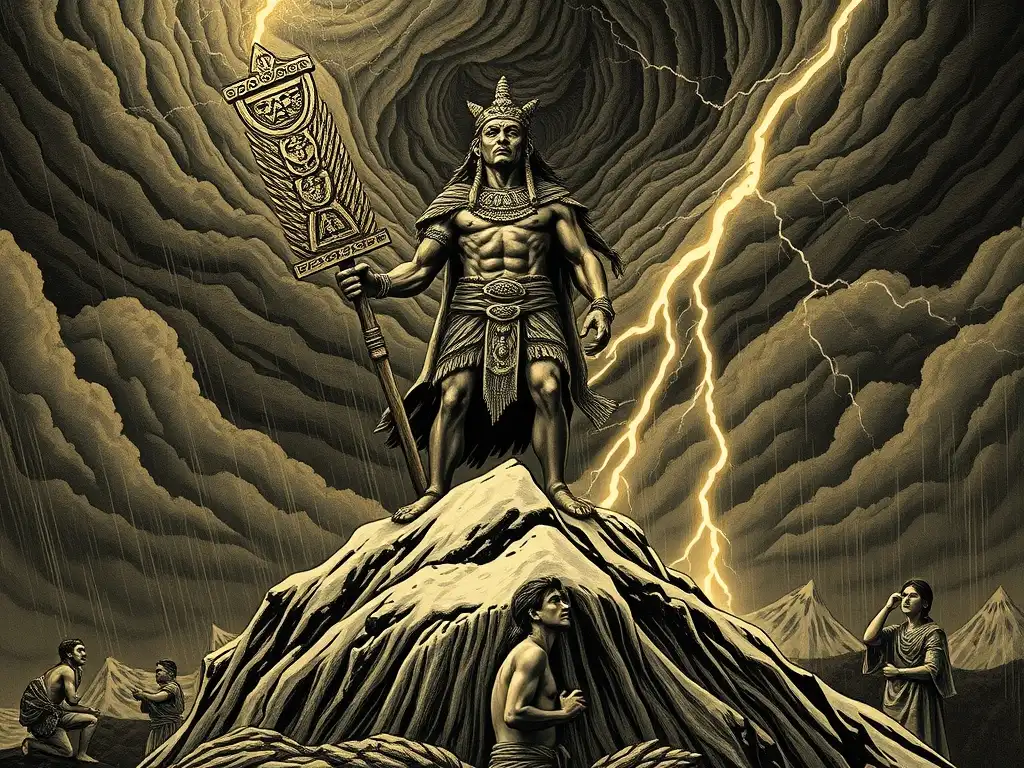
Illapa, the Inca god of thunder and lightning, held a position of paramount importance within the complex tapestry of Inca religion. His influence extended far beyond mere meteorological phenomena; he was a deity deeply intertwined with the very essence of life, fertility, and the cosmic order. Understanding Illapa's power requires examining his multifaceted roles, from life-giving rain to his role in maintaining the delicate balance of the Andean world.
The reverence afforded to Illapa underscores the crucial role weather played in the agricultural society of the Inca Empire, a society heavily reliant on predictable rainfall for successful harvests. The Inca people's deep understanding of the power of nature is vividly illustrated in their worship of this powerful god, showcasing a sophisticated religious system tightly woven into the fabric of their daily lives.
This section will explore the diverse aspects of Illapa's power and the profound impact he had on Inca beliefs and practices. Analysis of Inca iconography and archaeological findings consistently reveal Illapa's central role, demonstrating his enduring influence on the Inca worldview.
Illapa as a Provider of Life-Giving Rain
Illapa's most significant responsibility was the provision of life-giving rain, essential for the Inca Empire's agricultural success. The Inca economy was heavily reliant on the potato, maize, and other crops cultivated in the challenging Andean terrain. Without sufficient rainfall, these crops would fail, leading to famine and societal instability.
Therefore, Illapa's control over the rains was not just a matter of weather; it was a matter of survival. Inca farmers meticulously planned their agricultural cycles around the expected rainy seasons, and their prayers and rituals were largely focused on ensuring the timely arrival and abundance of rain. The success or failure of harvests was directly attributed to Illapa's favor or displeasure, highlighting the profound connection between the deity and the people's livelihood.
Evidence from archaeological sites, such as the intricate irrigation systems and agricultural terraces, shows the Inca's sophisticated understanding of water management, further emphasizing the importance of Illapa's role in their society. The abundance or scarcity of rain directly impacted their social structure and political stability. The Inca state actively engaged in rituals designed to appease Illapa and ensure bountiful harvests, demonstrating the crucial role of the weather god in their socio-political organization.
Illapa's Role in Maintaining Cosmic Balance
Beyond providing rain, Illapa played a critical role in maintaining the cosmic balance, or kay pacha, within the Inca worldview. This concept emphasized the interconnectedness of the earthly and spiritual realms, where any imbalance could lead to chaos and disruption. Illapa's power over thunder and lightning represented the potent forces of nature that could both nurture and destroy.
His actions were seen as manifestations of the cosmic order, reflecting the dynamic interplay of creation and destruction inherent in the Andean environment. The Inca believed that Illapa's actions, both benevolent and destructive, were necessary for maintaining this delicate balance. For example, while destructive storms might seem negative, they were also viewed as a necessary cleansing force, renewing the land and ensuring its fertility.
This nuanced understanding of Illapa's power demonstrates a sophisticated cosmological perspective that went beyond simple anthropomorphism. The Inca religion wasn't solely focused on appeasing a capricious deity; it was deeply concerned with understanding and engaging with the fundamental forces of the universe. Their rituals and beliefs reflected a profound understanding of the complex relationship between humanity and the natural world.
Illapa's Connection to Thunder and Lightning in Inca Cosmology
Illapa's association with thunder and lightning was not merely symbolic; it was deeply embedded within Inca cosmology. The thunderous roar and brilliant flashes of lightning were seen as direct manifestations of Illapa's power and presence. These dramatic displays of nature's force instilled both awe and fear in the Inca people, reinforcing Illapa's position as a powerful and unpredictable deity.
The sounds and sights of a storm were believed to be Illapa himself actively engaging with the world, intervening in human affairs or simply asserting his dominance over the natural order. Inca art frequently depicted Illapa with lightning bolts emanating from his hands or body, symbolizing his ability to both bring life-giving rain and inflict devastating destruction. This dual nature is reflected in the careful balance between appeasement and reverence in Inca rituals dedicated to Illapa.
The Inca understood that while Illapa could provide the necessary rain for survival, he also possessed the power to unleash devastating storms capable of wiping out crops and causing widespread damage. This understanding shaped their approach to worship, reflecting a nuanced and complex relationship with their weather god. Their rituals were carefully designed to both honor Illapa's power and ensure his benevolent influence.
Illapa in Inca Rituals and Ceremonies
The Inca's profound reverence for Illapa, their powerful god of thunder, lightning, and rain, permeated every aspect of their lives, significantly shaping their rituals and ceremonies. Understanding these practices provides crucial insight into the Inca worldview and their intricate relationship with the natural world. The Inca's agricultural society relied heavily on predictable weather patterns; therefore, appeasing Illapa was paramount for ensuring successful harvests and the overall well-being of the community.
Their religious practices weren't merely symbolic; they were deeply practical, reflecting a direct dependence on the capricious forces of nature. The intensity of their devotion to Illapa is evident in the elaborate rituals and offerings meticulously performed to secure his favor.
Offerings and Sacrifices to Honor the Inca Thunder God
Offerings to Illapa were diverse and carefully chosen to reflect the desired outcome. During periods of drought, for example, communities might offer coca leaves, a sacred plant, alongside prayers and chants imploring Illapa to release the life-giving rains. More significant events, such as the beginning of the agricultural cycle or the anticipation of a particularly important harvest, called for more substantial sacrifices. These could include llamas, the most valued animal in Inca society, or even human sacrifices, though these were less frequent and reserved for times of extreme crisis or to mark significant events.
The chosen offerings were not arbitrary; they held symbolic meaning, representing the community's desire to establish a reciprocal relationship with the powerful deity. The location of these offerings also held significance. High-altitude locations, closer to the sky and Illapa's perceived domain, were often favored. Archaeological evidence supports the prevalence of these practices, with numerous sites revealing remnants of sacrificial offerings and ceremonial structures dedicated to Illapa.
For instance, excavations at [specific archaeological site pending] have unearthed evidence of significant offerings, including ceramic vessels and precious metals, suggesting the scale and importance of these rituals. The meticulous nature of these offerings underscores the Inca’s deep-seated belief in the power of Illapa and their desire to maintain a harmonious relationship with him. The sheer variety of offerings, ranging from humble coca leaves to precious metals and even human life, highlights the vast spectrum of Inca religious devotion.
The Role of Priests in Illapa's Worship
The yachaq, or priest, played a pivotal role in mediating between the Inca people and Illapa. These highly respected figures possessed specialized knowledge of Inca cosmology, rituals, and the interpretation of omens. Their understanding of Illapa's moods and requirements was crucial for ensuring the effectiveness of the ceremonies. The yachaq would lead the community in prayers, chants, and rituals, often employing specific tools and paraphernalia associated with Illapa worship, such as thunderstones (believed to be petrified lightning) and intricately carved ceremonial objects.
Their role extended beyond simply conducting ceremonies; they were also responsible for interpreting natural phenomena, such as unusual weather patterns, as signs of Illapa's favor or displeasure. This interpretation guided the community's actions and shaped their responses to the ever-changing conditions of the Andean environment. The yachaq's expertise in astronomy and meteorology was also vital; they could predict weather patterns based on celestial observations, providing crucial information for agricultural planning and the timing of important rituals dedicated to Illapa. This holistic approach to religious practice underscores the interwoven nature of Inca religion and their daily life.
The yachaq's influence extended far beyond the religious sphere; they held significant social and political power, acting as advisors to the Inca rulers and influencing important decisions concerning the welfare of the empire. Their privileged position cemented the importance of Illapa worship and the crucial role it played in the Inca social fabric. The prestige and authority of the yachaq served as a powerful reinforcement of the importance of appeasing Illapa.
The Inti Raymi Festival and Its Connection to Illapa
The Inti Raymi, the annual festival celebrating the Inca sun god Inti, also held a significant connection to Illapa. Although Inti was the supreme deity, Illapa's role as the provider of life-giving rains made him an integral part of the celebrations. The festival, held during the winter solstice, coincided with a crucial period for agriculture, demanding the intervention of Illapa to ensure the success of the upcoming planting season. The Inti Raymi festival incorporated elements of Illapa worship, reflecting the interconnectedness of the Inca pantheon.
Prayers and offerings were made to both Inti and Illapa, acknowledging their shared influence over the land's fertility and the people's prosperity. The festival's vibrant ceremonies, including processions, sacrifices, and elaborate feasts, served as a powerful display of the Inca's devotion to their deities and their dependence on the forces of nature. The rituals associated with Inti Raymi aimed to ensure the continued blessing of both Inti and Illapa, guaranteeing the well-being of the empire. The convergence of these two deities in a single major festival underscored the importance of both the sun's energy and the life-giving rains for the Inca civilization.
The strong emphasis on agricultural success within the Inti Raymi celebrations highlights the deeply practical nature of Inca religion, demonstrating how religious beliefs were intrinsically linked to their survival and prosperity. The meticulous planning and execution of the Inti Raymi festival demonstrated the Inca's profound understanding of the interconnectedness of celestial events and agricultural cycles, showcasing their sophisticated knowledge of astronomy and meteorology. The festival's enduring legacy serves as a testament to the profound influence of Illapa and Inti on Inca culture and beliefs.
Comparing Illapa with Other Andean Weather Deities
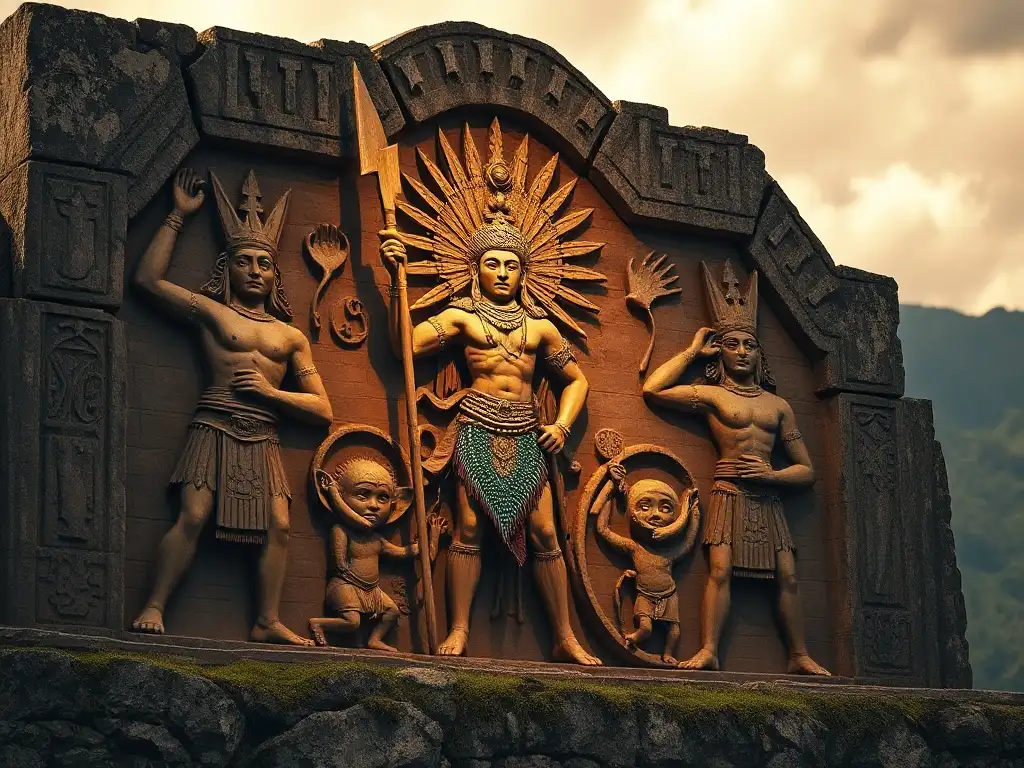
The Inca god Illapa, the powerful deity of thunder, lightning, and rain, held a central position in Inca religion. However, understanding Illapa's significance requires comparing him to similar weather deities worshipped by other Andean cultures. While Illapa's dominance was established within the Inca empire, pre-Inca and contemporaneous Andean societies also revered powerful weather gods, reflecting the vital role of climate in their agricultural livelihoods.
These deities, while sharing some common threads, also displayed unique attributes and roles within their respective pantheons. Analyzing these similarities and differences reveals the complex evolution and diverse expressions of Andean religious beliefs concerning weather phenomena. The influence of climate on the agricultural success of these civilizations cannot be overstated, making weather deities central figures in their belief systems and shaping their rituals and societal structures.
Studying these parallels provides valuable insight into the interconnectedness and diversity of Andean religious thought. This comparison highlights the rich tapestry of beliefs surrounding the forces of nature within the Andean world, showcasing how different cultures interpreted and interacted with the same fundamental elements.
Contrast with the Tiwanaku Deity, Tunupa
The Tiwanaku culture, preceding the Inca, revered Tunupa, a significant deity often associated with both weather phenomena and fertility. Unlike Illapa, who is primarily depicted as a powerful and sometimes wrathful figure wielding lightning bolts, Tunupa often embodies a more nurturing and life-giving aspect. While both deities controlled rain, crucial for agriculture, their representations differed significantly.
Tunupa is often portrayed as a creator figure, connected to the origins of life and the land itself. Evidence suggests Tunupa's power was more directly linked to the fertility of the land and the abundance of crops, while Illapa's power manifested more dramatically through storms and lightning. Archaeological findings, such as the distinctive iconography found on Tiwanaku ceramics and textiles, showcase Tunupa's gentler imagery in contrast to the more forceful depictions of Illapa found in Inca art.
The contrast highlights the nuanced variations in how Andean cultures perceived and interacted with the powers of nature. While both were vital for agricultural success, their roles and symbolic representations were distinct, reflecting the unique cultural contexts in which they were worshipped. Further research into specific Tiwanaku rituals and myths is needed to fully understand the nuances of Tunupa's influence and to make a more comprehensive comparison with Illapa.
Similarities and Differences in Their Roles and Attributes
While Illapa and Tunupa, as examples, represent distinct interpretations of Andean weather deities, certain commonalities exist. Both were clearly crucial for the survival and prosperity of their respective societies, heavily reliant on agriculture. The control of rain and the ability to ensure successful harvests placed these deities at the heart of their respective religious systems. Both were likely appeased through rituals, sacrifices, and offerings, although the specifics of these practices varied significantly between the Inca and Tiwanaku cultures.
The importance of these deities is reflected in the prominent role they played in shaping the social and political structures of their civilizations. However, the way in which they were portrayed and the specific aspects of their power differed. Illapa, with his association with thunder and lightning, often represents a more awe-inspiring, even fearsome, power. Tunupa, on the other hand, embodies a gentler, more nurturing aspect, highlighting the fertility and abundance of the land.
These differences reflect the unique cultural perspectives and values of each civilization, shaping their understanding and interpretation of the natural world. Further research into other Andean weather deities, including those venerated by the Moche and Nazca cultures, would provide a richer understanding of the diverse ways in which Andean peoples interacted with and conceptualized the forces of nature. This comparative approach is crucial for a more complete understanding of Inca religion and its place within the broader context of Andean religious thought, further enhancing our understanding of "Inca religion weather god Illapa".
The Legacy of Illapa in Modern Andean Culture
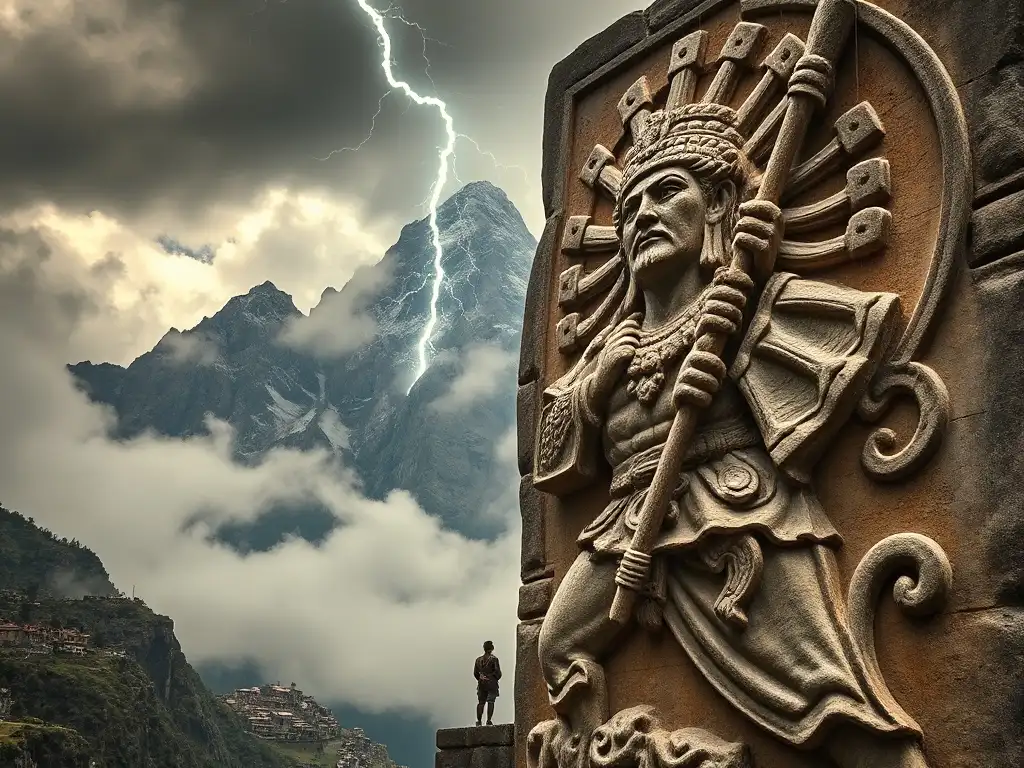
The worship of Illapa, while officially suppressed following the Spanish conquest, hasn't entirely vanished from the Andean landscape. Its influence subtly persists in contemporary beliefs and practices, demonstrating the enduring power of this weather deity in the collective consciousness. The Inca religion, with its complex pantheon, left an indelible mark, and Illapa’s legacy serves as a potent example of cultural resilience. Understanding this enduring presence requires looking beyond overt religious rituals to the deeply ingrained relationship between Andean communities and the capricious forces of nature.
Survival of Illapa's Influence in Contemporary Beliefs
Even today, many Andean communities maintain a profound respect for the power of weather, reflecting a direct lineage to the reverence for Illapa. While the formal structure of Inca religion is gone, the fear and awe inspired by storms, droughts, and floods remain. This isn't merely superstition; it's a practical understanding born from centuries of living in a region where weather patterns directly impact survival.
Farmers still pray for rain, offering paqos (shamans) gifts or performing traditional rituals, albeit often subtly integrated into Catholic practices, a syncretism common in post-colonial Andean societies. These practices, while perhaps not explicitly invoking Illapa by name, clearly resonate with the ancient reverence for the powerful weather deity. For example, the offering of coca leaves to appease the spirits of the mountains, often associated with weather control, continues in many communities.
The symbolic connection between these offerings and the appeasement of Illapa, a deity directly associated with mountain peaks and storms, is undeniable. The continuation of these practices, even in modified forms, underscores the enduring power of Illapa's legacy in shaping contemporary Andean spirituality. Further research is needed to fully quantify the extent of Illapa's influence on these modern practices, but anecdotal evidence strongly suggests a significant connection.
The Enduring Reverence for Weather Forces in the Andes
The reverence for weather forces in the Andes isn't limited to specific rituals. It's woven into the fabric of Andean life, informing agricultural practices, social structures, and even artistic expressions. The importance of water management systems, such as the intricate andenes (terraces) built by Inca and pre-Inca civilizations, directly reflects a deep understanding of the need to harness and control the power of nature.
These systems, still used in some areas, represent a practical expression of the ancient reverence for Illapa and the vital role of weather in determining the success or failure of harvests. Moreover, the vibrant textiles and ceramics of the region often feature depictions of storms, lightning, and other weather phenomena, suggesting a continued artistic engagement with the themes associated with Illapa. These visual representations, passed down through generations, reinforce the importance of weather in the Andean worldview, subtly echoing the power and influence of the ancient Inca weather god.
The continued reliance on traditional knowledge and practices related to weather prediction and adaptation further highlights the lasting influence of Illapa's legacy. This deep-seated connection reveals a continuity of cultural memory, where the reverence for Illapa, though perhaps not explicitly named, continues to shape the lives and beliefs of Andean communities. The ongoing study of these cultural expressions offers valuable insights into the enduring legacy of Inca religion and the profound impact of its weather deities.
Conclusion: The Enduring Power of Illapa, the Inca Weather God
The worship of Illapa, the Inca god of thunder and lightning, reveals a profound connection between the Andean worldview and the forces of nature. His influence extended far beyond simple meteorological phenomena; he represented the very lifeblood of the Inca empire, impacting agriculture, social order, and the spiritual well-being of the people. Understanding Illapa's multifaceted role provides crucial insight into the complexities of Inca religion and its profound impact on their society.
The reverence paid to Illapa wasn't merely superstitious; it was a practical acknowledgement of the power of the natural world and a sophisticated adaptation to the challenges of the Andean environment. His enduring legacy in Inca iconography and mythology underscores his continued significance, even centuries after the fall of the empire.
The persistent echoes of Illapa's power demonstrate the enduring strength of the Inca faith and its deep connection to the land. Further research into the specifics of Inca rituals and offerings to Illapa could illuminate even more facets of this fascinating deity and deepen our understanding of Inca religion weather god Illapa.
Recap of Illapa's Significance in Inca Religion and Culture
Illapa's importance in Inca religion was paramount. He wasn't simply a deity of weather; he was a powerful force shaping all aspects of Inca life. His control over rain and storms directly impacted agricultural success, the cornerstone of the Inca economy.
A bountiful harvest, attributed to Illapa's benevolence, ensured prosperity and social stability. Conversely, droughts and floods, interpreted as Illapa's wrath, could lead to famine, societal unrest, and even upheaval. This direct link between the divine and the material world shaped Inca religious practices, fostering a deep reverence for the god and the natural world he embodied.
The Inca's elaborate rituals, offerings, and ceremonies dedicated to Illapa reflect this profound dependence and the vital role he played in maintaining cosmic balance and societal harmony. Furthermore, Illapa’s iconography – often depicted wielding lightning bolts and surrounded by clouds – permeated Inca art and architecture, serving as a constant reminder of his power and influence. The widespread presence of Illapa imagery reinforces his central position within the Inca pantheon and the profound impact he had on their cultural identity.
The Importance of Understanding Weather Deities in Comprehending Inca Worldview
Understanding the role of weather deities like Illapa is crucial to comprehending the Inca worldview. Their cosmology was intimately intertwined with the natural environment; the Andean landscape was not merely a backdrop but an active participant in their religious and social life. The Inca did not view themselves as separate from nature but rather as an integral part of a complex ecological system. Illapa, as the master of this system, held a position of ultimate authority.
Studying his role allows us to appreciate the Inca's holistic perspective, where the divine and the mundane were inextricably linked. This understanding challenges Eurocentric interpretations of religion that often separate the spiritual from the material. The Inca’s deep connection to the natural world, as exemplified by their worship of Illapa, offers a valuable perspective on alternative ways of understanding the relationship between humanity and the cosmos.
The Inca religion weather god Illapa’s significance highlights the importance of considering environmental factors when studying ancient cultures and their belief systems. By recognizing the profound impact of weather on their lives, we gain a more nuanced and accurate understanding of Inca society and its complex religious practices. Further research into the influence of other Andean deities connected to the environment could provide a more complete picture of this intricate worldview.
Frequently Asked Questions
What was the role of Illapa in Inca religion?
Illapa was the most important weather god in Inca religion. He controlled thunder, lightning, rain, and storms, vital for agriculture and life. His power was deeply revered.
How did the Incas worship Illapa?
The Incas built shrines and temples dedicated to Illapa and performed elaborate ceremonies involving offerings and sacrifices to appease him and ensure good harvests. Prayers and rituals were central to their worship.
What symbols were associated with Illapa?
Illapa was often depicted with lightning bolts and double-headed axes. He was also associated with mountains and powerful natural forces.
How did Illapa's influence affect Inca society?
Illapa's influence was pervasive. Agricultural success, considered crucial to Inca society, was directly tied to his favor. Social structure and governance were also impacted by his perceived moods.
What other deities were linked to weather in Inca religion?
While Illapa was supreme, other deities played roles. Mama Quilla (the Moon) and Inti (the Sun) also influenced weather patterns, though less directly than Illapa. Their interplay created a complex system of beliefs.
Final Reflection: The Enduring Thunder of Illapa
The worship of Illapa, the Inca god of thunder and lightning, resonates far beyond the crumbling stones of Machu Picchu; its echoes reverberate in our modern understanding of nature's power and humanity's relationship with the unpredictable forces of the cosmos. The fear and reverence once directed towards Illapa remain relevant today, as we grapple with the increasingly volatile effects of climate change and the urgent need for sustainable practices. His story serves as a potent reminder of our vulnerability in the face of natural phenomena and the importance of respecting the delicate balance of our environment.
Illapa's influence extends beyond mere historical significance; he represents a fundamental human need to understand and appease the seemingly chaotic forces of nature. His worship highlights the deep connection between ancient cultures and their environment, a connection often lost in our modern, technologically driven world. The gods are not to be trifled with,
a sentiment echoed across cultures and time periods, underscores the enduring power of Illapa's legacy and the cautionary tale he embodies. His story compels us to reconsider our own relationship with the natural world and the responsibility we bear towards its preservation.
Consider, for a moment, the power you hold in your own hands. Just as the Inca people sought to appease Illapa through ritual and sacrifice, we too have the power to influence the future of our planet.
Will you choose to heed the lessons of Illapa, embracing sustainable practices and a renewed respect for the environment? The legacy of this powerful deity is not merely a historical curiosity; it is a call to action, a challenge to build a future where the thunder of Illapa serves as a reminder of our interconnectedness with nature, rather than a harbinger of destruction.
**Unveil the Mysteries of Weather Deities! **
Thank you for exploring the fascinating world of Illapa and the powerful influence of weather deities in Inca religion! Your journey into this ancient belief system illuminates the cultural significance of these gods and reveals the intricate relationship between humanity and nature. Ready to delve deeper?
Here are some engaging activities to consider:
- **Connect with Nature:** Spend time in a natural setting, such as a park or forest, and reflect on the elements. Consider the feelings evoked by the wind, rain, or sunshine.
- **Share Your Insights:** Discuss your thoughts and favorite aspects of weather deities with friends and family, or share this article on social media.
- **Explore Further:** Expand your knowledge of Inca mythology by researching other deities and their roles in ancient society. What stories resonate most with you?
How do you connect the actions of these ancient gods with the natural phenomena you observe in your own life? Let's begin a discussion!