
The Living Dead: Exploring Andean Concepts of Mortality and Immortality

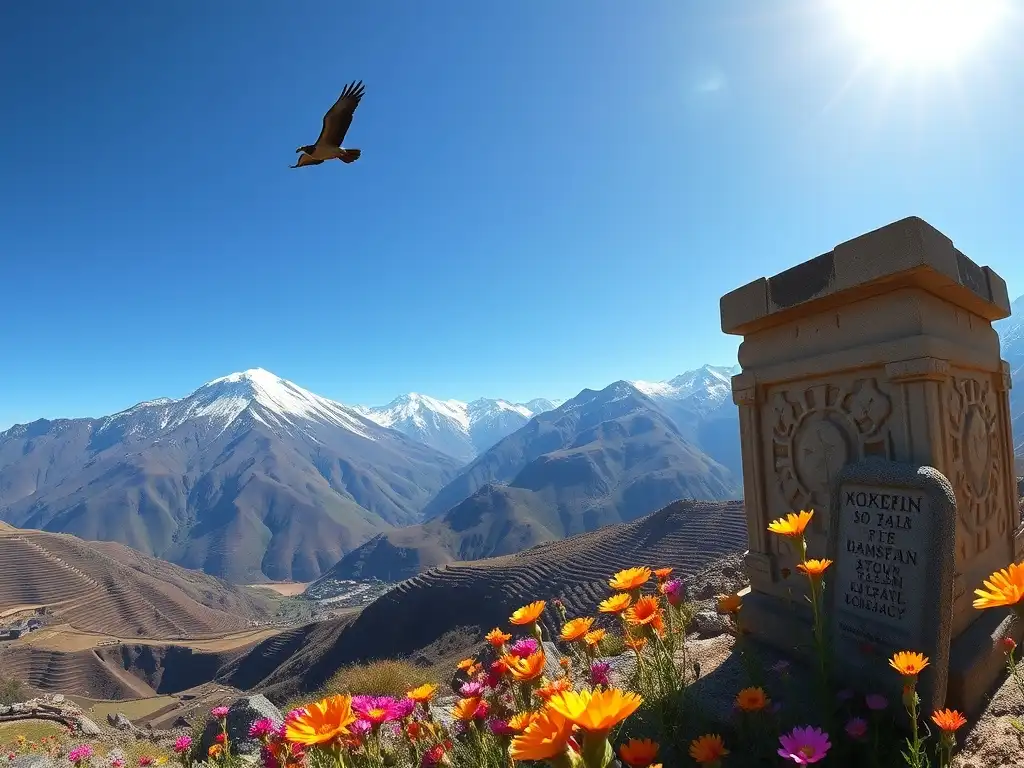
Step into a world where the veil between life and death was thin, a realm woven with vibrant threads of ritual and belief. Forget everything you think you know about the afterlife. This is the Andes, a land where the spirits of ancestors walked hand-in-hand with the living, their influence shaping every aspect of society. Prepare to unravel the mysteries of Andean concepts of the afterlife, a journey into a cosmology as breathtaking as the mountains themselves. Discover how these ancient cultures conceived of mortality and immortality—a story far more complex and captivating than you can imagine.
The Andes Mountains, a spine of towering peaks stretching along the western edge of South America, were not only a physical barrier but also a spiritual landscape shaping the worldview of the diverse civilizations that thrived there. For the Incas, Moche, Nazca, and Tiahuanaco, among others, death was not an absolute end but a transition, a complex interplay between the living and the dead that profoundly influenced their social structures, rituals, and artistic expressions.
This article delves into the fascinating and nuanced Andean concepts of mortality and immortality, exploring how these ancient societies viewed death, the afterlife, and the enduring connection between the living and their ancestors. We will examine the crucial role of ancestor veneration and analyze the rituals and practices employed to ensure the continued well-being and influence of the departed.
Understanding these Andean concepts of the afterlife provides crucial insight into the rich tapestry of their beliefs and the enduring legacy of their cultures.
Introduction to Andean Beliefs About Death and the Afterlife
Andean cultures did not perceive death as a stark separation from life, but rather as a continuation of existence in a different realm. The transition was not necessarily viewed as a journey to a singular, clearly defined afterlife, but rather a complex process of transformation and integration with the spiritual world. Death was often seen as a return to the earth, a cyclical process mirroring the agricultural rhythms of life and death that were central to their existence.
The deceased were believed to retain a powerful influence on the living, capable of both blessing and cursing their descendants. This belief fueled elaborate rituals and practices designed to maintain a harmonious relationship with the spirit world and ensure the continued prosperity of the community. The concept of pachamama, Mother Earth, played a central role, with the deceased often considered to be reintegrated into the earth's life force.
Different Andean societies held variations on these core beliefs, leading to a rich diversity of funerary practices and spiritual interpretations. For example, the elaborate mummification practices of certain cultures reflect a deep-seated respect and continued engagement with the deceased.
The Significance of Ancestor Veneration in Andean Cultures
Ancestor veneration formed the cornerstone of Andean societies, shaping social structures, political power, and daily life. The deceased were not simply forgotten; they were actively integrated into the fabric of the living world. Their spirits were believed to continue to influence the fortunes of their descendants, offering protection, guidance, and prosperity. This profound respect for ancestors extended beyond mere remembrance; it manifested in elaborate rituals, offerings, and the preservation of ancestral remains.
The living sought to maintain a strong connection with their ancestors, believing that their well-being was inextricably linked to the well-being of their forebears. This deeply ingrained belief system played a critical role in maintaining social cohesion and transmitting cultural knowledge across generations. The continued presence of ancestors ensured the continuity of traditions and provided a sense of collective identity.
Connecting with the Past: The Role of Ancestors
The role of ancestors in Andean societies was multifaceted. They served as spiritual guides, offering protection and wisdom to the living. Their continued presence was believed to ensure the fertility of the land, the success of harvests, and the overall prosperity of the community.
Ancestor veneration was not merely a matter of respect; it was a crucial element in maintaining social order and ensuring the continued flow of spiritual energy. Shrines and sacred sites were often dedicated to ancestors, where offerings were made and rituals performed to maintain a harmonious relationship. The preservation of ancestral remains, sometimes through mummification and elaborate burial practices, further demonstrated the profound significance of the deceased in the lives of the living.
These practices were not simply acts of mourning, but rather active attempts to maintain a vital connection with the spiritual realm. Specific individuals, often leaders or shamans, held a special connection to the ancestors and played a crucial role in mediating between the living and the spirit world.
Rituals and Practices Honoring the Deceased
A wide array of rituals and practices were employed to honor the deceased and maintain contact with the spirit world. These varied considerably across different Andean cultures, but common themes included offerings of food, drink, coca leaves, and other precious items. Elaborate funerary ceremonies, often involving elaborate costumes, music, and dance, marked the transition of the deceased to the afterlife.
The construction of elaborate tombs and burial mounds demonstrated the importance placed on providing a fitting resting place for ancestors. In certain cultures, mummification played a crucial role, with mummies often kept within the family home or in dedicated shrines, where they continued to be venerated and offered gifts. These rituals were not mere symbolic gestures; they were believed to be essential for maintaining the balance between the living and the dead, ensuring the continued prosperity and well-being of the community.
The frequency and intensity of these rituals varied depending on the status and importance of the deceased within the community. The specific practices and beliefs surrounding death and the afterlife provide valuable insights into the complex spiritual landscape of the Andean civilizations.
Understanding Andean Concepts of the Afterlife
Andean concepts of the afterlife weren't monolithic; they varied significantly across different cultures and time periods. Unlike many Western beliefs focused on a singular heaven or hell, Andean cosmologies envisioned a more complex and multifaceted afterlife, often intertwined with the world of the living. The deceased weren't simply gone; they continued to exist in various forms, interacting with the living and influencing their destinies.
This belief system profoundly impacted daily life, rituals, and social structures. Ancestor veneration played a central role, with deceased relatives viewed as powerful intermediaries between the living and the supernatural realm. Their continued presence was not just spiritual; it was a tangible reality reflected in practices such as mummification and the offering of sacrifices.
The concept of the "living dead" – individuals who, though physically deceased, retained a significant presence in the community – highlights this unique Andean perspective on death and the afterlife. Understanding this nuanced approach is key to appreciating the depth and richness of Andean cosmology. The Andean "afterlife" wasn't a separate realm but rather a continuation of existence, albeit in a transformed state.
Different Realms of the Dead in Andean Cosmology
Andean cosmologies didn't posit a single destination for the dead. Instead, various realms existed, each with unique characteristics and inhabitants. Some accounts suggest an underworld, a dark and shadowy place, while others describe a celestial realm associated with the sun and stars.
The specific location and nature of these realms varied depending on the culture and the individual's status during life. For example, warriors might have been believed to inhabit a specific celestial realm, while commoners might have been imagined in a more earthly afterlife. This diversity reflects the complex social structures and beliefs of different Andean societies.
Archaeological evidence, such as burial practices and grave goods, offers clues to these different conceptions of the afterlife, revealing variations in belief systems across geographical regions and time periods. The rich tapestry of Andean mythology is further illuminated by oral traditions, though much has been lost or obscured over time. Further research is needed to fully reconstruct the diverse understandings of the afterlife across the many Andean cultures.
The Journey of the Soul After Death
The transition from life to death wasn't seen as a simple cessation of existence but rather a transformative journey. Andean beliefs often depicted the soul's passage through various stages, including trials and tribulations, before reaching its final destination. These journeys were often depicted in myths and narratives, offering insights into the spiritual beliefs of these societies. The concept of the soul’s transformation is reflected in the careful rituals surrounding death and burial.
The preparation of the body, the offerings placed in the tomb, and the ceremonies performed all contributed to the successful navigation of this spiritual journey. Specific rituals might have varied according to social status, geographic location, and specific cultural traditions. Unfortunately, many details of these journeys remain shrouded in mystery, due to the limitations of surviving records and the complexity of reconstructing ancient beliefs.
Mummification Practices and Their Purpose
Mummification in Andean cultures wasn't merely a preservation technique; it was a complex ritual with profound spiritual significance. The practice wasn't limited to the elite; it varied across different groups and periods. While the Incas are perhaps most famous for their mummification techniques, other Andean cultures, such as the Chinchorro, developed their own methods centuries earlier. These techniques ranged from simple desiccation to elaborate processes involving evisceration, removal of organs, and the application of various substances.
The purpose of mummification extended beyond simply preserving the body. It was believed that the preserved body served as a vessel for the soul, ensuring its continued presence in the community and its ability to interact with the living. The mummies were not simply relics of the past; they were active participants in the ongoing life of the community.
Preserving the Body for the Afterlife
The meticulous nature of Andean mummification speaks volumes about the importance placed on preserving the body for the afterlife. The process aimed to maintain the physical form of the deceased as much as possible, believing that a well-preserved body was essential for the soul's continued existence and ability to interact with the living world. The techniques employed varied widely, depending on the available resources and cultural practices.
Some cultures used simple desiccation in arid climates, while others employed more elaborate techniques involving the removal of internal organs and the application of resins and other substances. The careful wrapping of the body in textiles and the inclusion of grave goods further highlight the significance of this practice.
The effort invested in preserving the body emphasizes the belief that physical integrity was crucial for spiritual continuity. The preservation wasn't just about physical appearance; it was considered vital for the deceased's continued role in the community.
Mummies as Active Members of Society
Andean mummies weren't simply passive objects in tombs; they were considered active members of society, continuing to participate in the lives of the living. They were brought out for festivals and ceremonies, consulted for advice, and even included in family meals. This practice demonstrates the profound belief in the continued existence and influence of the deceased. The mummies were not merely inert remains but were seen as possessing a continuing spiritual presence, capable of influencing events and offering guidance to the living.
Their inclusion in social life highlights the intimate relationship between the living and the dead in Andean cultures, blurring the lines between the worlds of the living and the deceased. The reverence shown to mummies demonstrates the significance of ancestor veneration in Andean societies and the enduring connection between generations. This unique perspective on death and the afterlife fundamentally shaped Andean social structures and spiritual beliefs.
The Concept of Reincarnation and the Cycle of Life in the Andes
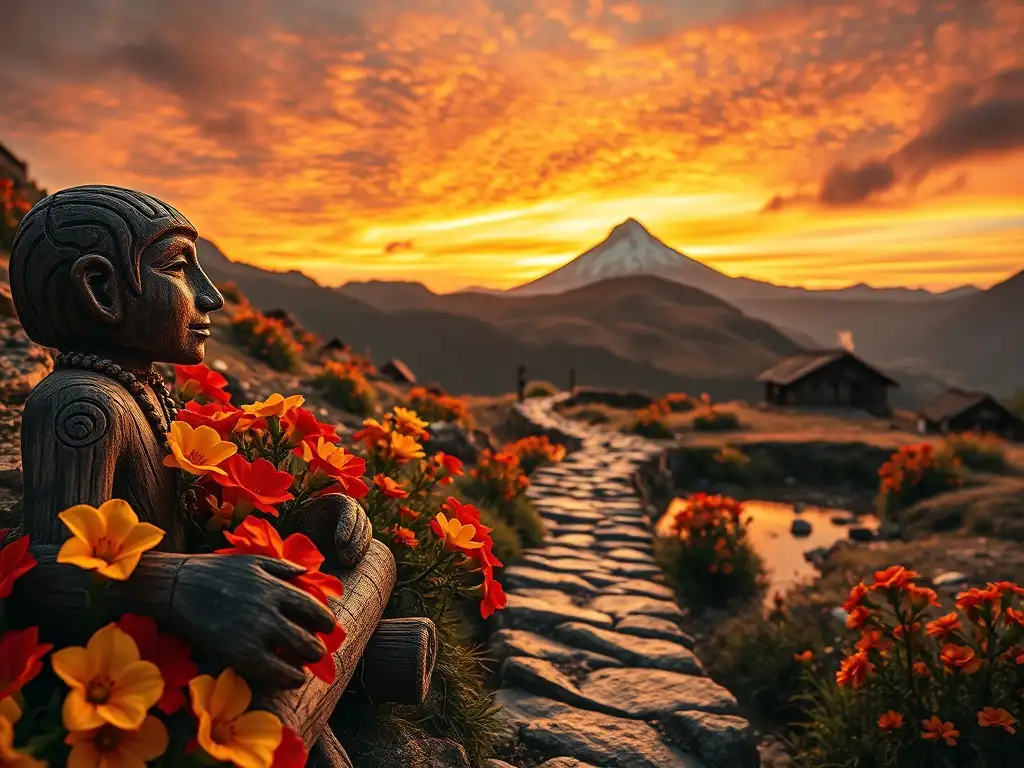
The Andean worldview didn't necessarily envision a linear progression from life to death, but rather a cyclical process of renewal and rebirth. Death wasn't seen as an absolute end, but a transition, a return to the source, and a potential for regeneration. This cyclical understanding is deeply rooted in the agricultural practices of Andean societies, where the yearly planting and harvesting mirrored the rhythms of life, death, and rebirth.
The cyclical nature of the seasons, the sun's journey, and the moon's phases all reinforced this perception of continuous renewal. The earth itself played a vital role in this cycle, acting as both the source of life and the final resting place, a temporary holding space before re-emergence.
This perspective influenced how Andean peoples viewed their ancestors, not as simply gone, but as powerful forces that continued to influence the living world. This is reflected in their elaborate rituals and offerings, designed to maintain a connection with the ancestral realm.
The Circularity of Time and Existence
The concept of reincarnation in the Andes wasn't always explicitly stated in the same way as in some other cultures. Instead, the emphasis was on the continuous flow of life and energy. Time wasn't perceived linearly, as a straight line from past to future, but as a continuous circle, a never-ending cycle of creation and destruction, birth and death, growth and decay.
This cyclical understanding of time deeply influenced the Andean understanding of life and death. The past, present, and future were not separate entities, but intertwined aspects of a continuous process. Ancestors weren’t merely figures from the past; they were active participants in the present, their influence felt in the everyday lives of their descendants.
This understanding is evident in the careful preservation of ancestral remains and the continued veneration offered to them. The cyclical nature of time meant that death was not an ending, but a transition to another stage within this continuous cycle.
Returning to the Earth and the Ancestral Realm
Death in Andean cosmology represented a return to the earth, the source of all life. The body, after its earthly journey, decomposed and returned to the soil, nourishing the land and contributing to the cycle of renewal. This wasn't seen as a negative process, but as a necessary step in the ongoing cycle of life.
The spirit, however, was believed to continue its existence in the ancestral realm, a spiritual plane connected to the world of the living. This realm wasn't a distant or inaccessible place, but rather an integral part of the Andean cosmos, constantly interacting with the human world. The ancestors remained active participants in the affairs of the living, offering protection, guidance, and even influencing events.
This belief is reflected in the practices of ancestor veneration, where offerings and prayers were made to maintain a strong connection with the deceased. The earth itself became a sacred space, a nexus between the living and the dead, a place where the cycle of life continued uninterrupted.
The Living Dead: A Unique Perspective on Mortality
The Andean concept of the "living dead" highlights the unique perspective on mortality within this cosmology. It challenges the Western notion of a clear-cut distinction between life and death. Instead, it presents a fluid, dynamic relationship where the boundary between these two states is blurred, allowing for a continued presence of the deceased in the world of the living.
This concept is deeply ingrained in Andean spiritual beliefs and is reflected in their rituals, practices, and worldview. The idea of the living dead significantly contributes to understanding Andean concepts of the afterlife, challenging conventional Western perspectives on death and the hereafter.
The Andean Concept of a Continuing Existence
The Andean concept of a continuing existence after death emphasizes the enduring connection between the living and the deceased. Death wasn't viewed as an absolute cessation of existence, but rather a transformation into another state of being. The deceased continued to exist, albeit in a different form, retaining their influence and connection to the living world.
This connection was not merely spiritual; it was tangible, reflected in the continued veneration of ancestors and the belief in their ongoing participation in the community's affairs. This wasn't limited to a select few, but encompassed all members of the community, ensuring a sense of continuity and connection across generations. This belief system fostered a deep respect for ancestors and a strong sense of community identity.
Blurring the Lines Between Life and Death
The concept of the "living dead" in Andean cultures dramatically blurs the lines traditionally drawn between life and death in Western thought. The deceased weren't merely relegated to the past or an abstract afterlife; they were considered active participants in the ongoing life of the community. Their spirits continued to influence events, offering protection, guidance, and even intervening in the lives of their descendants. This interaction wasn't limited to specific rituals or ceremonies; it was an integral part of daily life.
This blurring of boundaries fostered a unique relationship between the living and the dead, creating a dynamic, interconnected community that spanned both the physical and spiritual realms. This unique perspective on death and the afterlife significantly shaped Andean culture and society, leaving a lasting legacy on their worldview and practices. The continued presence of the ancestors was not a frightening prospect but a source of strength and continuity.
The Influence of Andean Concepts of the Afterlife on Art and Rituals
Andean concepts of the afterlife profoundly impacted their art and rituals. The belief in a continued existence of the ancestors, their power, and their connection to the living world permeated every aspect of Andean life. This belief system is vividly depicted in their artistic expressions and meticulously performed rituals.
The intricate textiles, ceramics, and metalwork often feature representations of deities, ancestors, and scenes from the underworld, demonstrating the importance placed upon the continuity between the living and the dead. These weren't merely decorative pieces; they served as powerful tools to engage with the spiritual realm and honor deceased relatives. For instance, the vibrant colors and symbolic patterns woven into textiles weren't arbitrary; they encoded specific messages related to ancestral veneration and the journey to the afterlife.
Depictions of Death and the Ancestral Realm in Andean Art
Andean art provides a fascinating window into their understanding of death and the ancestral realm. Representations of death are not always somber or fear-inducing. Instead, they often depict a continuation of life, albeit in a different form. Moche pottery, for example, frequently portrays scenes of death and sacrifice, yet these are often depicted with a degree of ceremony and even celebration, suggesting a transition rather than an end.
The Nazca culture, known for their geoglyphs, may have incorporated depictions of their ancestors or spiritual beings within these massive earthworks, although their exact meaning remains a subject of ongoing scholarly debate. The intricate detail and symbolic imagery in these artworks reveal a deep engagement with the spiritual world and a complex understanding of the afterlife. Furthermore, the use of specific materials, such as gold and silver, in funerary objects highlights the value placed on these ancestors and their continued influence.
Funerary Practices and Their Symbolic Significance
Andean funerary practices were elaborate and symbolic, reflecting the profound importance placed on the afterlife. The careful preparation of bodies, the inclusion of grave goods, and the construction of elaborate tombs all demonstrate the belief in the continued existence and power of the deceased. Mummification, practiced across various Andean cultures, wasn't simply a preservation technique; it was a ritualistic process intended to ensure the ancestor's continued well-being in the afterlife.
The offerings placed within tombs, from food and textiles to tools and weapons, were intended to sustain the deceased in their journey to the next world. The location and design of tombs also held symbolic significance, often reflecting the social status and beliefs of the individuals interred.
For example, the elaborate mausoleums built by the Inca for their rulers signified their enduring power and connection to the cosmos. The variety in burial customs across different Andean cultures underscores their diverse beliefs about the afterlife, even as common threads of ancestor veneration persist.
Comparing Andean Ideas of the Afterlife with Other Cultures
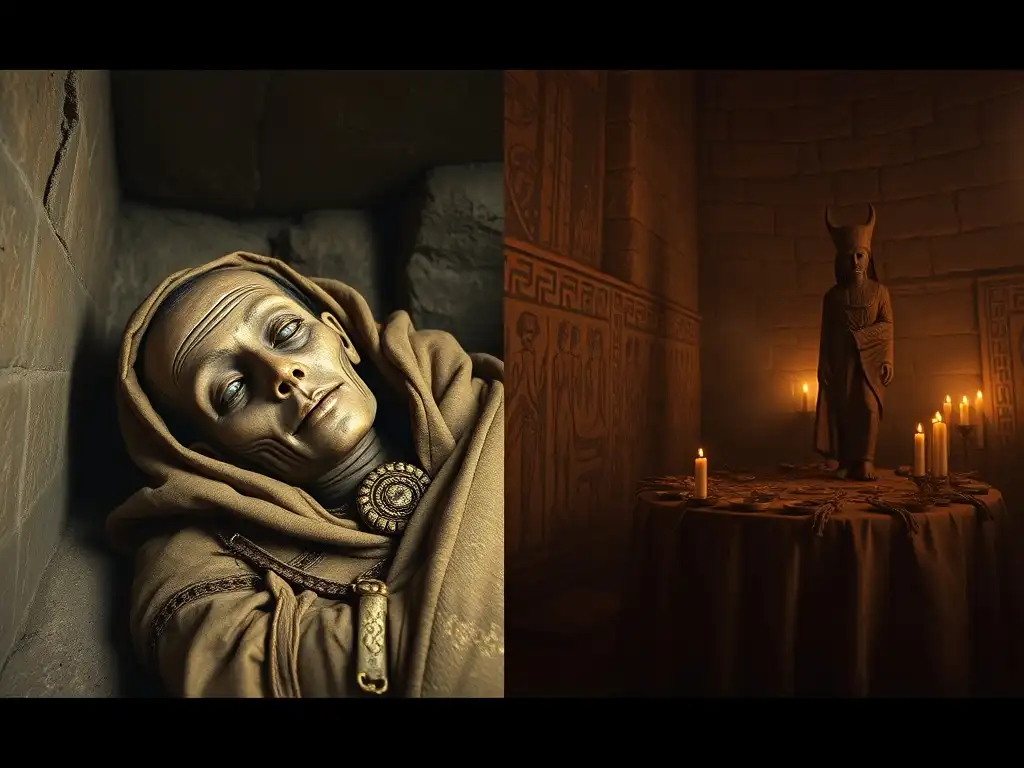
Comparing Andean ideas of the afterlife with those of other cultures reveals both striking similarities and significant differences. While many cultures around the world share a belief in an afterlife and the importance of ancestor veneration, the specific details and interpretations vary considerably. For example, the concept of the "living dead" – ancestors who continue to interact with the living world – resonates with similar beliefs found in many indigenous cultures worldwide.
However, the specific rituals and practices associated with these beliefs differ considerably. The Andean emphasis on mummification and the elaborate offerings placed in tombs is less prominent in many other cultures, highlighting a unique aspect of their cosmology. The Andean worldview's close relationship between the living and the dead, mediated through ancestor veneration and ritual, is a distinctive feature.
Similarities and Differences in Beliefs About Death
One key similarity across cultures is the widespread belief in a continuation of life after death, albeit in a transformed state. Many societies share beliefs in a spirit world or an afterlife where the deceased reside. However, the nature of this afterlife and the journey to reach it varies considerably. While some cultures focus on a heavenly paradise, others, including some Andean groups, envision a more complex and potentially challenging underworld.
The Andean emphasis on maintaining a connection between the living and the dead through rituals and offerings is a significant difference. While many cultures honor their ancestors, the level of ritualistic engagement with the deceased in Andean cultures is particularly pronounced. This difference underscores the unique importance placed on ancestor veneration within the Andean worldview. The extent of ancestor influence on daily life and the ongoing relationship between the living and the dead represent a key distinction.
Unique Aspects of Andean Mortuary Practices
Andean mortuary practices possess several unique features that set them apart from those of other cultures. The widespread practice of mummification, combined with the elaborate preparation and entombment rituals, is one such distinction. The meticulous care taken in preparing the bodies, often including the use of textiles and ornaments, demonstrates a belief in the continued existence and importance of the deceased.
The significant role of offerings placed within tombs, ranging from food and clothing to tools and weapons, highlights the importance of providing for the deceased in the afterlife. Furthermore, the integration of funerary practices into broader social and political structures, particularly evident in the Inca empire, reinforces the significance of ancestor veneration in Andean society. The elaborate tombs and mausoleums constructed for elite members of society further underscore the unique aspects of their mortuary practices and their profound beliefs about the afterlife and ancestor power.
The Legacy of Andean Beliefs on Death and the Afterlife in Contemporary Times
Andean concepts of mortality and the afterlife, deeply rooted in a complex cosmology, continue to resonate in contemporary Andean communities. While the specifics of ritual and practice may have evolved, the fundamental beliefs regarding the interconnectedness of the living and the dead persist. The enduring power of these beliefs is evident in the ways in which Andean people navigate life's transitions, celebrate life cycles, and maintain a relationship with their ancestors.
This connection isn't merely a historical curiosity; it's a vibrant, living force shaping daily life and cultural identity. The reverence for ancestors isn't simply a past practice, but a continuous thread weaving through the fabric of Andean society. Understanding this legacy requires acknowledging the dynamism of cultural transmission and adaptation.
These beliefs haven't remained static; they have adapted and transformed over centuries, integrating new influences while retaining their core principles. The persistence of these beliefs highlights their profound impact on shaping the Andean worldview and its enduring relevance in the modern era. The continued practice of these beliefs serves as a testament to their deep-seated importance within Andean societies.
Enduring Traditions and Practices
Many traditional practices surrounding death and the afterlife continue to be observed in contemporary Andean communities. These practices, often passed down through generations, demonstrate the ongoing relevance of ancestral veneration. For example, the ritual of pago a la tierra (payment to the earth), a form of offering made to appease the spirits of the earth and ensure a good harvest, remains a common practice in many rural areas.
Similarly, the construction of apachetas, small piles of stones placed along mountain trails as offerings to mountain spirits, continues to be a widespread tradition. These practices aren't merely symbolic gestures; they are integral parts of daily life, reflecting a deep-seated belief in the interconnectedness of the living and the spirit world. Furthermore, the use of coca leaves in ceremonies related to death and ancestor veneration persists as a significant element of Andean spirituality.
The offering of coca leaves is believed to facilitate communication with the ancestors and maintain a harmonious relationship with the spirit world. These practices highlight the dynamic interplay between traditional beliefs and contemporary life, demonstrating the enduring legacy of Andean concepts of mortality and immortality. The continuity of these practices illustrates the resilience of Andean culture and its ability to adapt while preserving its core values.
The Ongoing Relevance of Ancestral Veneration
Ancestor veneration remains a cornerstone of Andean spirituality, shaping social structures, family dynamics, and individual identities. The belief that ancestors continue to influence the lives of the living fosters a sense of continuity and connection across generations. This isn't simply a matter of remembering the past; it's about actively engaging with the spirits of ancestors as ongoing participants in the community.
Decisions regarding family matters, community projects, and even individual choices are often guided by the perceived influence of ancestors. This active engagement manifests in various ways, from the construction of family altars to the performance of specific rituals during important life events. The enduring relevance of ancestral veneration is also reflected in the incorporation of ancestral figures into contemporary art, music, and literature.
These cultural expressions serve as a powerful reminder of the continuing influence of Andean beliefs on death and the afterlife. The integration of ancestral veneration into modern life underscores the profound and enduring impact of these beliefs on shaping Andean identity and cultural practices. The active and ongoing participation in these traditions helps ensure their survival and continued significance for future generations.
Conclusion: The Enduring Power of Andean Perspectives on Mortality
Andean perspectives on mortality and the afterlife, far from being relics of a bygone era, continue to exert a profound influence on contemporary Andean societies. The concepts of the "living dead" and the ongoing interaction between the living and the deceased are not merely abstract philosophical ideas; they are integral components of daily life, shaping social structures, individual beliefs, and cultural practices. The enduring power of these beliefs lies in their ability to provide a framework for understanding life's transitions, navigating challenges, and maintaining a sense of connection across generations.
The persistence of traditional practices, the ongoing relevance of ancestor veneration, and the integration of these beliefs into contemporary life demonstrate the remarkable resilience and adaptability of Andean culture. The study of Andean concepts of the afterlife offers a valuable opportunity to understand the enduring power of cultural traditions and their continued influence on shaping human societies.
The richness and complexity of these beliefs offer a unique perspective on the human experience of mortality and immortality, challenging Western-centric views and offering alternative ways of understanding life and death. The continued vitality of these beliefs ensures their significance for future generations of Andean peoples.
- Introduction to Andean Beliefs About Death and the Afterlife
- The Significance of Ancestor Veneration in Andean Cultures
- Understanding Andean Concepts of the Afterlife
- Mummification Practices and Their Purpose
- The Concept of Reincarnation and the Cycle of Life in the Andes
- The Living Dead: A Unique Perspective on Mortality
- The Influence of Andean Concepts of the Afterlife on Art and Rituals
- Comparing Andean Ideas of the Afterlife with Other Cultures
- The Legacy of Andean Beliefs on Death and the Afterlife in Contemporary Times
- Conclusion: The Enduring Power of Andean Perspectives on Mortality
Frequently Asked Questions
What were Andean beliefs about death?
Andean cultures didn't view death as an absolute end. Instead, they believed in a complex interplay between the living and the dead, with spirits continuing to interact with the world of the living. Ancestor veneration was a crucial aspect of their beliefs.
How did the Andes people treat their deceased?
Burial practices varied across different Andean cultures. Elaborate tombs and offerings of food, textiles, and precious objects were common, reflecting beliefs about the continued needs of the deceased in the afterlife. Mummification was also practiced in some cultures.
Did the Andean civilizations believe in an afterlife?
Yes, Andean concepts of the afterlife were diverse and complex, varying between cultures. Many believed in a spiritual realm where deceased ancestors remained active and could influence the living. This belief system is reflected in their funerary practices.
What role did ancestors play in Andean society?
Ancestors held a significant role, considered powerful intermediaries between the living and the spiritual world. They were believed to offer protection, guidance, and even influence harvests and other aspects of daily life. Regular offerings and rituals were performed to honor them.
How did Andean beliefs about death influence their art and architecture?
Andean art and architecture frequently depict death and the afterlife. From intricate textiles to monumental structures like tombs and temples, these creations reflect their beliefs and served as physical manifestations of their spiritual world. Chullpas, for example, are iconic funerary towers.
Final Reflection: Echoes of the Ancestors: A Legacy of Life and Death
The Andean understanding of mortality and immortality, far from being a relic of the past, offers a potent counterpoint to contemporary Western views of death and the afterlife. These ancient cosmologies, with their intricate interplay of the living and the dead, continue to resonate deeply within Andean communities and challenge our own assumptions about the nature of existence. The vibrant persistence of these beliefs underscores their enduring power and relevance in a world grappling with its own mortality.
The enduring influence of these Andean concepts is profoundly moving. The seamless integration of the ancestors into the fabric of daily life, their continued participation in community affairs, and the profound respect afforded to the deceased, offer a powerful alternative to the often isolating and individualistic experience of death in many modern societies. Death is not an ending, but a transformation; a return to the source, a reintegration into the cosmic order.
This sentiment, though paraphrased, encapsulates the essence of the Andean worldview, highlighting the cyclical nature of life and death, a concept far removed from the linear progression often assumed in Western thought.
Consider the implications of this perspective. How might embracing a more fluid understanding of life and death, one that acknowledges the ongoing presence of our ancestors and the cyclical nature of existence, enrich our own lives?
I invite you to reflect on the ways in which the Andean worldview might challenge your own preconceptions about mortality and immortality, prompting a deeper appreciation for the interconnectedness of all living things and the enduring legacy of those who came before us. Let the echoes of the ancestors guide you towards a more holistic and meaningful understanding of your own place within the grand tapestry of life.
Unveil the Mysteries of Life Beyond Death!
Thank you for exploring the rich tapestry of Andean beliefs surrounding mortality and immortality. You've gained valuable insights into how these ancient cultures viewed life, death, and the afterlife. Now, let's delve even deeper.
Here are some ways to further explore this fascinating topic:
- Expand your knowledge: Explore additional resources and scholarly works on Andean civilizations to uncover more about their unique perspectives and death rituals.
- Share your discoveries: Discuss your newfound knowledge with friends and family, sparking conversations about mortality and fostering deeper connections.
- Join a community: Connect with online forums or local groups focused on Andean culture and archaeology. Participate in events and workshops to engage with fellow enthusiasts and experts.
How have the Andean views on mortality shaped your own understanding of life and the afterlife?