
Sacrifices in Inca Religion: Deciphering the Complex Rituals of Offering

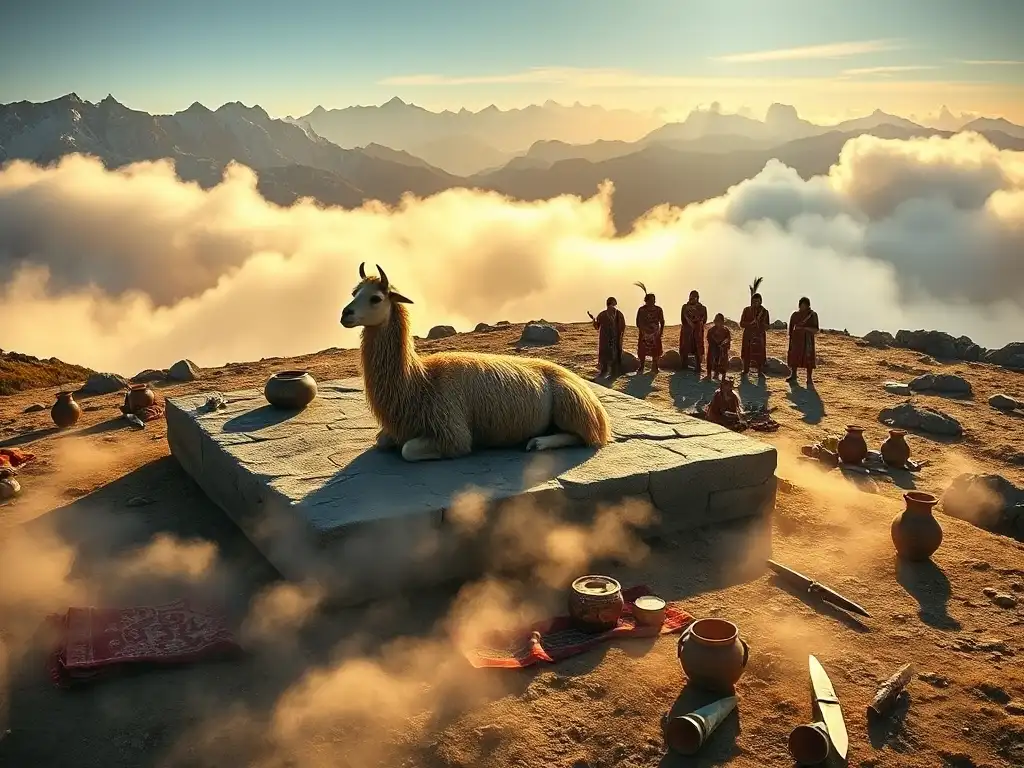
Step into a world shrouded in mystery and majesty – the world of the Andean civilizations. For centuries, their advanced societies thrived, leaving behind a legacy of breathtaking artistry and complex rituals. But what truly fueled their power? Discover the chilling yet captivating truth behind Inca religious sacrifice rituals, practices that held the key to their empire's survival and spiritual beliefs. Dare to delve deeper into the intricacies of these ancient offerings and uncover the secrets hidden within the heart of the Inca Empire.
-
Inca Religious Sacrifice Rituals: Deciphering the Complex Offerings
- Understanding Inca Sacrificial Practices: An Overview
- The Purpose of Inca Human Sacrifice: Maintaining Cosmic Balance
- Types of Sacrificial Offerings in Inca Culture
- Key Deities and Their Role in Inca Sacrificial Rites
- Locations of Inca Sacrifice: Sacred Spaces and Sanctuaries
- The Ritual Process of Inca Sacrifices: A Detailed Look
- The Role of Priests in Inca Religious Sacrifice
- The Aftermath of Inca Sacrifice: Interpretation and Significance
- Inca Sacrifice Compared to Other Andean Cultures
- Legacy of Inca Sacrificial Rituals in Modern Understanding
- Conclusion: The Complexity of Inca Religious Offering
- Frequently Asked Questions
- Final Reflection: The Enduring Echo of Inca Sacrifice
- **Unveiling the Mysteries of Inca Offerings**
Inca Religious Sacrifice Rituals: Deciphering the Complex Offerings
The Inca Empire, a civilization renowned for its sophisticated engineering, intricate social structures, and vast territorial expanse, also possessed a deeply complex religious system. Central to this system were elaborate sacrificial rituals, offerings designed to appease the gods, maintain cosmic balance, and ensure the prosperity of the empire. This article delves into the intricacies of Inca religious sacrifice, exploring the various forms of offerings, their intended purposes, and the societal implications of these often-gruesome practices.
Understanding these rituals provides crucial insight into the Inca worldview, their relationship with the natural world, and the power dynamics within their society. We will examine both human and animal sacrifices, exploring the evidence unearthed by archaeologists and analyzing the interpretations offered by scholars.
The practice of Inca religious sacrifice, while seemingly brutal by modern standards, was deeply embedded in their cosmology and played a vital role in their daily lives and the stability of their empire. The keyword "Inca religious sacrifice rituals" will be explored in detail throughout this analysis, offering a comprehensive understanding of this significant aspect of Inca culture.
Understanding Inca Sacrificial Practices: An Overview
Inca sacrificial practices were far from monolithic. They encompassed a wide range of offerings, from the grand, meticulously planned human sacrifices to the more commonplace offerings of llamas, crops, and precious metals. The choice of offering was carefully considered and depended on several factors, including the specific deity being honored, the nature of the request or appeasement sought, and the overall context of the ritual.
Archaeological evidence suggests that sacrifices were performed in various locations, from mountaintops considered sacred (e.g., the sacred mountain of [Specific mountain name pending]) to the capital city of Cusco. The rituals themselves were often elaborate affairs, involving priests, nobles, and sometimes even the participation of the wider community. Detailed accounts are scarce, relying heavily on interpretations of archaeological finds and colonial-era chronicles written by Spanish conquistadors, who often presented biased viewpoints.
Nevertheless, these sources, when analyzed critically, provide valuable insights into the complexity and significance of Inca religious sacrifice. The frequency of these sacrifices also varied, likely increasing during times of perceived cosmic imbalance, such as natural disasters or military defeats. Understanding this variability is key to appreciating the nuanced nature of Inca religious practices.
The Purpose of Inca Human Sacrifice: Maintaining Cosmic Balance
Human sacrifice, though a significant aspect of Inca religious practice, wasn't a random act of violence. It was believed to be a necessary offering to maintain the delicate balance between the human and divine realms—a cosmic order that the Inca believed was essential for the prosperity and survival of their empire. The victims, often chosen for their perceived purity or physical characteristics, were seen as representatives of the community, their lives offered to ensure the well-being of the many.
Children, in particular, were sometimes chosen for their innocence and purity, symbolizing the regeneration and renewal of life. While the exact selection process remains a topic of ongoing debate among scholars, evidence suggests that the sacrifice was not perceived as a punishment but rather as a supreme honor, a profound act of service to the gods. The rituals surrounding human sacrifice were meticulously planned and performed, often involving elaborate processions, offerings, and symbolic gestures.
Analysis of mummified remains discovered at sites like [Specific archaeological site pending] reveals insights into the preparation and treatment of the sacrificial victims, further illuminating the complexities of this practice. The impact of Inca human sacrifice on the social and political landscape of the empire continues to be a subject of intense scholarly study and debate. The motivations behind these rituals, the social implications, and the long-term effects on Inca society are all crucial aspects that require further investigation.
Types of Sacrificial Offerings in Inca Culture
Inca religious practices encompassed a wide array of sacrificial offerings, reflecting the diverse aspects of their worldview and their relationship with the supernatural. These offerings weren't merely acts of appeasement; they were complex rituals designed to maintain cosmic balance, ensure agricultural prosperity, and secure the Inca empire's continued success. The nature of the sacrifice often depended on the specific deity being honored and the purpose of the ritual.
The Inca believed that by offering something precious—be it an animal, a valuable object, or even a human life—they were strengthening their bond with the divine and securing blessings in return. The meticulous preparation and execution of these ceremonies highlighted the significance placed upon them within Inca society. The act of sacrifice itself was considered a sacred duty, performed by specialized priests and officials.
The precise details of many rituals, however, remain shrouded in mystery, leaving room for ongoing scholarly interpretation and debate. The surviving archaeological evidence, combined with interpretations of Spanish chronicles, provides only a partial understanding of the intricate system of Inca sacrifice.
Animal Sacrifices: Llamas, Alpacas, and Guinea Pigs
Llamas, alpacas, and guinea pigs were the most common animal sacrifices in Inca religion. These animals held significant economic and social value within Inca society, making their sacrifice a substantial offering. Llamas, in particular, were crucial for transportation and wool production, while alpacas provided valuable fiber.
The sacrifice of these animals wasn't solely about their material worth; it was also a symbolic gesture of surrendering something valuable to the gods. The choice of animal may have varied depending on the specific deity or occasion. For instance, a llama might have been offered to Inti, the sun god, while an alpaca might have been deemed suitable for a ritual dedicated to Pachamama, the earth mother.
Archaeological excavations have unearthed evidence of these animal sacrifices, including the remains of these animals found in sacred sites and burial grounds. The ritualistic slaughter and preparation of these animals would have followed specific procedures, ensuring the offering was both acceptable and effective in its purpose. The meticulous nature of these sacrifices underscores the importance placed on proper ritualistic conduct.
The Significance of Child Sacrifice: The Capacocha Ceremony
Capacocha, arguably the most controversial aspect of Inca sacrifice, involved the offering of children, often selected from the empire's elite. These children, considered to be especially pure and close to the divine, were sacrificed as a supreme offering to ensure the well-being of the empire. While the exact details of the Capacocha ceremonies remain debated, archaeological evidence suggests that selected children were carefully prepared for the ritual, often adorned with elaborate clothing and jewelry.
They were then transported to high mountaintops, where they were either killed or left to perish from exposure. The purpose of Capacocha was believed to be multifaceted—maintaining cosmic balance, ensuring abundant harvests, and strengthening the Inca ruler's connection to the divine. Some scholars argue that the children were viewed as intermediaries between the human and divine realms, their sacrifice strengthening the bond between the two.
The practice continues to generate much debate and ethical considerations among researchers today, highlighting the complexities of interpreting ancient cultural practices within a modern ethical framework. The sheer scale and significance of Capacocha within the Inca religious system remains a topic of ongoing research and discussion.
Other Forms of Offerings: Coca, Chicha, and Metalwork
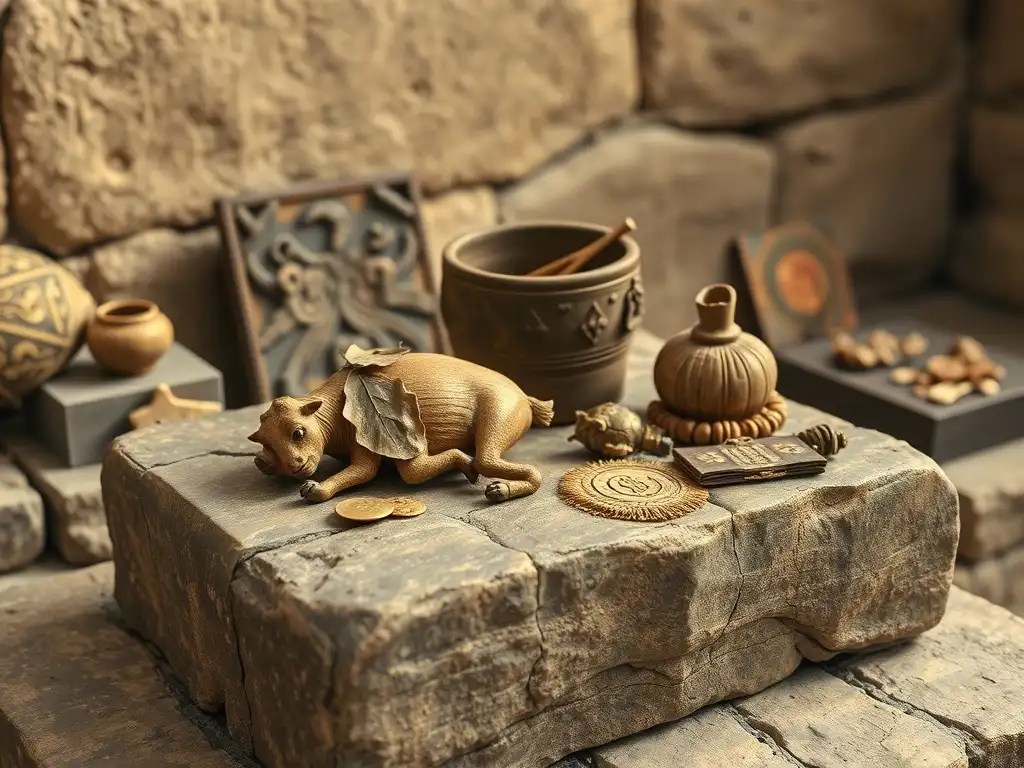
Beyond animal and human sacrifices, the Inca offered a wide range of other goods to their deities. Coca leaves, a sacred plant with significant cultural and religious importance, were routinely offered as a sign of respect and devotion. Chicha, a fermented corn beverage, was also a common offering, often presented to ensure bountiful harvests.
Metalwork, particularly gold and silver objects, represented the Inca's wealth and power, and their dedication to the gods. These precious metals were often crafted into intricate figurines and adornments, demonstrating the high level of artistry and craftsmanship within Inca society. The offering of these items reflected the Inca's belief that the gods deserved the finest products of their civilization.
The act of offering these goods served not only to appease the deities but also to reinforce the Inca's social hierarchy and their relationship with the divine. The precise manner of offering these goods varied depending on the specific deity and the occasion, highlighting the nuanced nature of Inca religious practices.
Key Deities and Their Role in Inca Sacrificial Rites
The Inca pantheon was rich and complex, featuring various deities with specific roles and responsibilities. Sacrificial offerings were tailored to specific deities, reflecting their importance within the Inca cosmology and the needs of the community. The type of offering, the ritual's location, and the individuals involved all contributed to the effectiveness and significance of the sacrifice. The careful consideration given to these details underscores the intricate nature of Inca religious beliefs and practices.
Inti: The Sun God and Offerings for Sustenance
Inti, the sun god, was the most important deity in the Inca pantheon. He was seen as the source of life, warmth, and prosperity, and his favor was essential for the well-being of the empire. Offerings to Inti often included llamas, alpacas, and other valuable goods, reflecting his importance and the Inca's reliance on his benevolence. These offerings aimed to ensure the continuation of favorable weather conditions, successful harvests, and overall prosperity.
The rituals dedicated to Inti were often grand affairs, involving numerous participants and elaborate ceremonies. The sun's life-giving power was central to Inca cosmology, and ensuring Inti's continued favor was paramount to Inca society's survival and success. The meticulous nature of these rituals underscores the importance of maintaining a strong relationship with the sun god.
Viracocha: The Creator God and Requests for Order
Viracocha, the creator god, was responsible for the creation of the world and humanity. Offerings to Viracocha were often focused on maintaining cosmic order and ensuring the stability of the empire. These offerings might include a variety of goods, reflecting the diverse aspects of Viracocha's role. Unlike Inti, whose offerings focused on material prosperity, Viracocha's offerings aimed to secure spiritual harmony and balance within the cosmos.
Rituals dedicated to Viracocha often involved prayers and supplications for guidance and protection. His role as creator god placed him at the highest level of the Inca pantheon, underscoring the significance of maintaining a harmonious relationship with him. The rituals surrounding Viracocha often involved elaborate ceremonies and specific prayers, reflecting the importance of maintaining cosmic order.
Pachamama: The Earth Mother and Agricultural Blessings
Pachamama, the earth mother, was a vital deity in Inca religion, representing the fertility of the land and the abundance of nature. Offerings to Pachamama were primarily focused on ensuring successful harvests and the overall health of the land. These offerings often included coca leaves, chicha, and agricultural products, reflecting the close relationship between the Inca people and the earth.
Rituals dedicated to Pachamama often involved burying offerings in the ground, symbolically returning the gifts to the earth mother. The close connection between the Inca people and their environment is reflected in the importance given to Pachamama and the rituals performed in her honor.
The agricultural success of the Inca empire was intrinsically linked to the favor of Pachamama, highlighting the importance of these rituals for the survival of the Inca civilization. The specific offerings and rituals varied regionally, reflecting the diverse agricultural practices and local beliefs across the Inca Empire.
Locations of Inca Sacrifice: Sacred Spaces and Sanctuaries
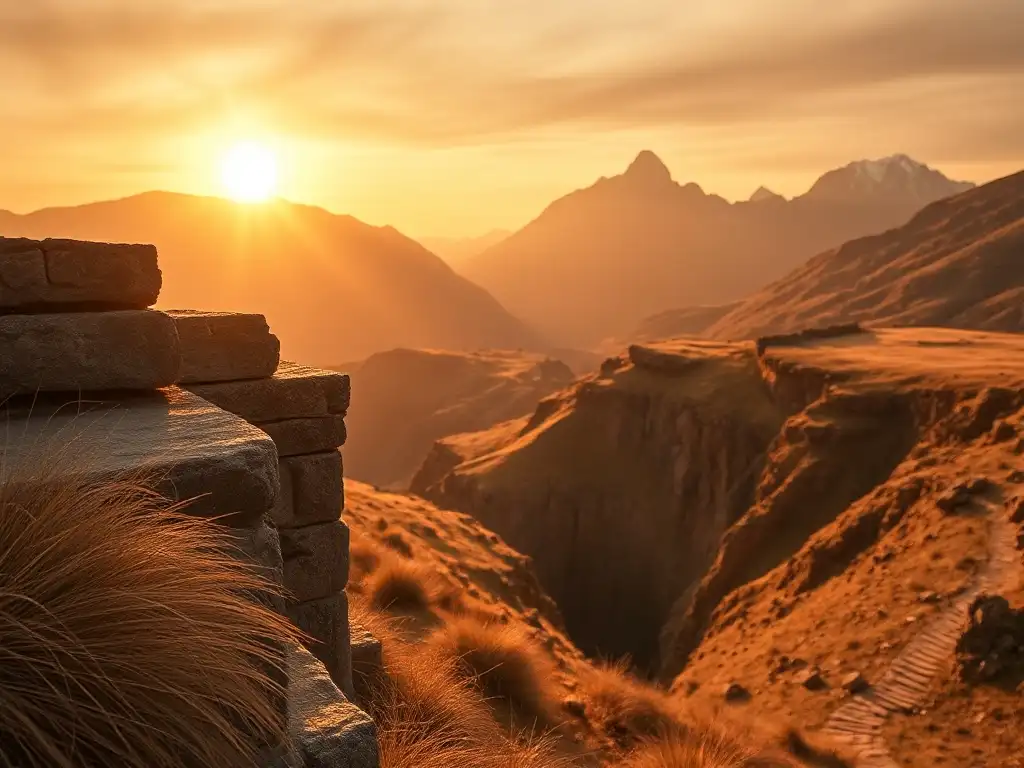
Inca religious sacrifices weren't haphazard events; they occurred in meticulously chosen locations imbued with spiritual significance. These spaces, often high-altitude sites or prominent temples, served as conduits between the human and divine realms. The selection of a specific location was crucial, reflecting the nature of the offering and the deity being appeased.
The Inca worldview deeply connected the physical landscape with the spiritual, understanding mountains, lakes, and springs as sacred entities worthy of reverence and sacrifice. The precise location of a sacrifice, therefore, wasn't arbitrary; it was integral to the ritual's success and its intended effect on the cosmos. Specific sites were chosen for their inherent power, their association with particular deities, or their historical importance within the Inca empire's narrative.
High-Altitude Sanctuaries: Mountaintop Shrines and Huacas
High-altitude sanctuaries played a pivotal role in Inca religious practices. Mountaintops, considered the closest points to the sun god Inti, were frequently chosen for capacocha sacrifices – the offering of children and young adults. These locations, often featuring naturally occurring rock formations or huacas (sacred places), were believed to facilitate communication with the celestial realm.
The arduous journey to these remote sites underscored the sacrifice's importance, emphasizing the devotion and reverence of the Inca people. The harsh conditions of these high-altitude environments further added to the ritual's mystical significance, highlighting the extreme nature of the offering and the immense power attributed to these sacred spaces. Examples include the summit of Llullaillaco volcano, where exceptionally well-preserved mummies of Inca children have been discovered.
Temple Sacrifices: Coricancha and Urban Rituals
While high-altitude sacrifices held immense importance, temples within Inca cities also served as significant locations for offerings. The Coricancha, the Sun Temple in Cusco, was the most prominent example, a site of immense religious and political power. Sacrifices performed within the Coricancha, or other urban temples, likely differed in nature from those conducted at high-altitude sanctuaries.
They may have involved smaller animals or other offerings, reflecting the city's more densely populated and less spiritually isolated environment. These urban rituals likely served to reinforce the Inca's control and power, visually demonstrating their connection to the divine realm within the heart of their empire. The scale and grandeur of these temple complexes further emphasized the significance of the sacrifices conducted within their walls.
The Significance of Llullaillaco in Capacocha Rites
Llullaillaco, a volcano in the Andes, stands out as a particularly significant site for capacocha sacrifices. The discovery of exceptionally well-preserved mummies of Inca children at its summit provides unparalleled insight into these rituals. The choice of Llullaillaco, a high-altitude and geographically prominent location, underscores the importance of connecting the human realm with the spiritual world through such sacrifices.
The meticulous preparation of the children, their elaborate burial attire, and the offerings found alongside them all suggest the immense importance placed upon these ritualistic offerings at this particular location, highlighting its significance within the Inca religious cosmology. The preservation of the mummies offers a unique window into Inca beliefs and practices, revealing details about the ritual itself and the status of those selected for sacrifice.
The Ritual Process of Inca Sacrifices: A Detailed Look
The Inca sacrifice ritual was far from a simple act; it was a complex and meticulously planned event involving numerous steps, from the selection of victims to the final offering. The entire process was steeped in symbolism and ritualistic significance, reflecting the profound connection the Inca held with the divine and the natural world. Understanding the details of this process is crucial to appreciating the depth and complexity of Inca religious beliefs.
The Selection of Victims: Physical Perfection and Social Status
The selection of victims for Inca sacrifice was a significant process. While capacocha primarily involved children and young adults, the criteria for selection extended beyond mere age. Physical perfection and social status played significant roles. Victims were often chosen for their perceived purity and beauty, representing the ideal human form. Their social standing also held importance; some may have been members of the royal family or nobility, highlighting the ultimate sacrifice of those closest to the emperor. The selection process itself was likely steeped in ritual and divination, ensuring the chosen individuals were deemed suitable vessels for the offering.
Preparation and Procession: Ritual Cleansing and Adornment
Before the sacrifice, the selected victims underwent a period of preparation and cleansing. This involved a strict regimen, likely including special diets and ritual baths, to purify their bodies and spirits. The preparation also included adorning the victims in elaborate clothing and jewelry, reflecting their elevated status within the ritual context.
The procession to the sacrifice site was a significant part of the ritual, often involving a journey of considerable distance and difficulty. This journey served to emphasize the importance of the offering and further connect the human and divine realms. The meticulous preparation and the journey itself were integral elements of the ritual, underscoring its importance and the devotion of the Inca people.
The Act of Sacrifice: Methods and Symbolic Significance
The methods of Inca sacrifice varied depending on the type of offering and the context of the ritual. While capacocha involved the sacrifice of children and young adults, other forms of sacrifice included animal offerings, such as llamas and alpacas. The act of sacrifice itself was imbued with symbolic significance, representing the offering of something precious to the deities in exchange for their favor and the well-being of the empire.
The precise methods employed, whether through strangulation, exposure to the elements, or other means, are still debated among scholars, but the act itself held profound spiritual meaning within the context of Inca religious beliefs. The symbolic significance of the sacrifice transcended the act itself, extending to the broader context of maintaining cosmic balance and ensuring the prosperity of the Inca empire.
The Role of Priests in Inca Religious Sacrifice
Inca religious sacrifice rituals were not haphazard events; they were meticulously planned and executed under the strict guidance of specialized priests, known as umus. These individuals held a position of immense power and influence within Inca society, acting as intermediaries between the human and divine realms. Their involvement extended far beyond the mere performance of rituals; they played a crucial role in interpreting omens, selecting sacrificial victims, and ensuring the proper execution of the ceremonies.
The effectiveness and perceived success of the sacrifice heavily relied on the priests' expertise and their ability to maintain a harmonious connection with the gods. The umus weren't simply religious functionaries; they were key players in maintaining social order and reinforcing the Inca worldview.
Their understanding of intricate rituals and their ability to communicate with the divine ensured the continuity of Inca religious practices and the stability of the empire. The meticulous preparation and execution of the rituals under their guidance underscored their vital role in Inca society.
Inca Priests: The Umus and Their Divine Connection
The umus, the primary priestly class in the Inca Empire, weren't just religious leaders; they were believed to possess a unique and direct connection to the divine. This connection wasn't merely a matter of faith; it was a carefully cultivated aspect of their training and social standing. Their lineage often played a significant role in their selection, with certain families holding hereditary positions as umus across generations. This hereditary aspect reinforced the belief in their inherent spiritual ability and strengthened their authority within the religious hierarchy.
The umus were seen as conduits for divine communication, interpreting the will of the gods through various means, including dreams, natural phenomena, and even the entrails of sacrificial animals. This direct connection was essential to the success and legitimacy of Inca religious practices. Their ability to interpret divine signs directly influenced decisions affecting the entire empire, from agricultural practices to military campaigns.
The Authority and Responsibilities: Interpreting Omens and Conducting Rites
The umus held significant authority within Inca society, their responsibilities extending beyond the purely religious. Their expertise in interpreting omens and signs, both natural and supernatural, influenced critical decisions within the empire. For example, unfavorable omens could lead to the postponement or alteration of important events, highlighting the priests' influence on the political and social landscape. Their role in conducting religious rites, particularly sacrifices, was paramount.
They oversaw every aspect of the process, from the selection of victims to the preparation of offerings and the disposal of remains. Their knowledge of intricate rituals and their ability to perform them flawlessly were believed to directly affect the outcome of the sacrifice and the favor of the gods. Any deviation from established procedures could have dire consequences, highlighting the immense responsibility placed upon these religious leaders.
The Training and Selection: Hereditary Roles and Specialized Knowledge
Becoming an umu wasn't a matter of simple religious devotion; it involved rigorous training and a specific lineage. Many umus came from families with a long history of priestly service, their hereditary status reinforcing their perceived connection to the divine. This hereditary aspect ensured a continuity of religious knowledge and practices across generations.
Beyond heredity, the training of umus involved years of study, mastering complex rituals, astronomical observations, and the interpretation of omens. Their specialized knowledge encompassed a wide range of disciplines, including medicine, agriculture, and astronomy, reflecting the interconnectedness of religious and secular life in the Inca Empire. This comprehensive training ensured the priests' ability to effectively serve as intermediaries between the human and divine realms.
The Aftermath of Inca Sacrifice: Interpretation and Significance
The aftermath of an Inca sacrifice was far from an end; it was a crucial part of the ritual process itself. The interpretation of the sacrifice's success or failure heavily influenced the actions and beliefs of the Inca people. Certain signs, such as the behavior of the sacrificed animal or the state of the victim's body after death, were meticulously observed and interpreted by the umus.
These interpretations provided valuable insight into the gods' favor, guiding future actions and policies. The way the offerings were disposed of further contributed to the overall significance of the event. The careful placement of remains in sacred locations emphasized their importance and their connection to the spiritual world.
The Disposal of Sacrificial Offerings: Burials and Sacred Ground
The disposal of sacrificial offerings was a highly ritualized process, reflecting the Inca belief in the sacredness of the offerings and their connection to the divine. Human sacrifices were often interred in carefully selected locations, such as mountaintops or caves, considered gateways to the spiritual realm. These burial sites were often marked with intricate ceremonies and offerings, further emphasizing their importance.
The remains of animal sacrifices were also treated with reverence, often buried or placed in designated sacred areas. This careful disposal emphasized the significance of the offerings and their role in maintaining cosmic balance. The location and manner of disposal varied depending on the type of sacrifice and the specific deity being honored.
The Societal Impact: Reinforcing Hierarchy and Beliefs
Inca sacrifice rituals served a crucial function in maintaining social order and reinforcing the Inca worldview. The elaborate ceremonies and the public nature of some sacrifices reinforced the authority of the Inca emperor and the religious hierarchy. The sacrifices demonstrated the emperor's power and his ability to communicate with the divine, strengthening his legitimacy and control.
Moreover, the rituals served to reaffirm core Inca beliefs, such as the importance of reciprocity between humans and the gods and the necessity of maintaining cosmic balance. The societal impact of the sacrifices extended far beyond the immediate event, shaping social structures and reinforcing religious beliefs for generations.
Understanding the Inca Worldview: Reciprocity and Cosmic Order
The Inca worldview was deeply intertwined with the concept of reciprocity—a delicate balance between the human and divine realms. Sacrifices were seen as a crucial component of maintaining this balance, a form of offering to the gods in exchange for their continued favor and protection. The Inca believed that by offering sacrifices, they ensured the fertility of the land, the success of harvests, and the overall well-being of the empire.
This reciprocal relationship was central to their understanding of the cosmos and the role of humans within it. The sacrifices were not merely acts of appeasement but rather a fundamental expression of their religious beliefs and their commitment to maintaining the cosmic order. The intricate rituals surrounding sacrifices reflected the complexity and depth of the Inca worldview and their profound understanding of the interconnectedness of the human and divine worlds.
Inca Sacrifice Compared to Other Andean Cultures
Inca sacrificial practices, while sharing some similarities with other Andean cultures, possessed unique characteristics reflecting their imperial power and centralized religious system. Unlike the Moche, who are renowned for their elaborate human sacrifices often depicted in their intricate pottery, the Inca state employed a more formalized and arguably less frequent system, although the scale of some events was undoubtedly significant. The Moche's sacrifices often seem tied to specific events or agricultural cycles, whereas Inca sacrifices, while also connected to agricultural prosperity and the well-being of the Sapa Inca, were also used to solidify political power and appease the gods during times of crisis.
The Nazca, known for their geoglyphs and sophisticated irrigation systems, also practiced sacrifice, but their rituals remain less well-documented than those of the Inca and Moche. Evidence suggests a focus on liquid offerings and possibly animal sacrifice, contrasting with the Inca's broader range of offerings, including human sacrifice, though the precise extent and frequency of human sacrifice within Nazca culture is still debated among scholars. The Tiahuanaco culture, preceding the Inca, also left behind evidence of ritualistic sacrifice, but their practices differed significantly from the Inca's highly structured and centralized approach.
The Inca state's sophisticated bureaucracy and control over resources allowed for a greater organization of sacrificial events, contributing to their unique character within the Andean context. The Inca system, while employing similar fundamental beliefs about appeasing deities and ensuring agricultural success, was adapted and refined to reflect their vast empire and imperial ideology.
Legacy of Inca Sacrificial Rituals in Modern Understanding
The legacy of Inca sacrificial rituals continues to shape our understanding of Andean civilizations and their complex relationship with the supernatural. Archaeological discoveries, such as the well-preserved mummies found at various Inca sites, provide invaluable insights into the rituals themselves and the individuals selected for sacrifice, often children or young adults considered to be especially pure. These findings challenge simplistic interpretations of Inca religion and highlight the multifaceted nature of their beliefs.
Furthermore, the study of Inca religious texts, although limited in number and requiring careful interpretation, sheds light on the ideological underpinnings of sacrifice and its role in maintaining cosmic order and imperial authority. Modern scholarship emphasizes the need for nuanced interpretations, moving away from earlier ethnocentric viewpoints that labelled such practices as “barbaric.” Instead, current research seeks to understand these rituals within their socio-political and religious context, emphasizing their significance for the Inca worldview.
The ongoing analysis of archaeological evidence, coupled with interdisciplinary approaches combining archaeology, anthropology, and history, continues to refine our understanding of Inca sacrifice, revealing its complex interplay with political power, social hierarchy, and cosmological beliefs. This nuanced approach contributes to a more complete and respectful understanding of Inca culture and its enduring impact on modern perceptions of Andean history and religious practices.
Conclusion: The Complexity of Inca Religious Offering
Inca religious sacrifice was a multifaceted practice deeply interwoven with the fabric of Inca society and cosmology. It wasn't a simple act of brutality, but a complex ritualistic system reflecting the Inca's sophisticated understanding of the world and their place within it. The selection of sacrificial victims, the ritualistic preparations, and the location of the ceremonies all point to a carefully orchestrated system designed to maintain cosmic balance, ensure agricultural prosperity, and reinforce the power of the Sapa Inca and the Inca state. Comparing Inca practices to those of other Andean cultures reveals both similarities and significant differences, highlighting the unique development of Inca religious beliefs and rituals within the broader Andean context. Ongoing research and new discoveries continue to refine our understanding of these practices, challenging simplistic interpretations and fostering a more nuanced and respectful appreciation for the complexity of Inca religious life and the enduring legacy of their sacrificial rituals. The continued study of "Inca religious sacrifice rituals" is crucial to a complete understanding of the Inca Empire and its profound influence on Andean history.
Frequently Asked Questions
What were the main purposes of Inca religious sacrifices?
Inca sacrifices served multiple purposes, including appeasing deities, ensuring successful harvests, and maintaining cosmic balance. They believed these offerings strengthened their relationship with the spiritual world.
What types of offerings were commonly used in Inca sacrifices?
Inca sacrifices varied, including animal sacrifices (llamas, alpacas), precious objects (gold, silver), and in rare cases, human sacrifices. The choice of offering depended on the specific deity and the reason for the sacrifice.
How were human sacrifices performed in the Inca Empire?
While less frequent than animal sacrifices, human sacrifices were typically reserved for significant events or to appease powerful deities during times of crisis. Methods varied, but often involved ritual killings and offerings to the gods.
Were all Inca sacrifices violent or bloody?
No, not all Inca sacrifices involved violence or bloodshed. Many were ceremonial offerings of food, drink, and other valuable items, considered gifts to the gods, demonstrating respect and devotion.
How did Inca religious beliefs influence their sacrificial practices?
Inca cosmology and religious beliefs heavily influenced their sacrificial practices. The belief in a complex system of deities and spirits shaped the types of offerings and the rituals surrounding the sacrifices. Maintaining balance within the cosmos was paramount.
Final Reflection: The Enduring Echo of Inca Sacrifice
The intricate web of Inca religious sacrifice, far from being a relic of a bygone era, continues to resonate in our understanding of faith, power, and the human relationship with the divine. The chilling beauty of these rituals, meticulously documented through archaeological findings and surviving accounts, forces us to confront uncomfortable truths about the nature of belief and the lengths to which humans will go to appease their gods. The sacrifices, while undeniably brutal, offer a profound insight into the Inca worldview and their deeply ingrained connection to the Andean landscape.
The enduring impact of Inca sacrificial practices extends beyond the realm of historical study; it compels us to question our own relationship with spirituality and the ethical implications of our beliefs. The sheer scale and complexity of these rituals, from the carefully selected offerings to the precise locations chosen for ceremonies, reveal a society deeply invested in maintaining cosmic balance. As the anthropologist Clifford Geertz famously stated, Religion is a system of symbols which acts to establish powerful, pervasive, and long-lasting moods and motivations in men by formulating conceptions of a general order of existence and clothing these conceptions with such an aura of factuality that the moods and motivations seem uniquely realistic.
This quote perfectly encapsulates the power and enduring influence of Inca religious practices, highlighting their ability to shape not only the actions but also the very worldview of an entire civilization.
Consider the sacrifices made in your own life – the compromises, the relinquishments, the choices that shape your path. What are you willing to offer to achieve your goals, to maintain your values, to honor your beliefs? The Inca's legacy is not merely a historical curiosity; it is a mirror reflecting the enduring human struggle to understand our place in the cosmos and the sacrifices we make in our pursuit of meaning. Let the echoes of these ancient rituals inspire you to contemplate the profound questions they raise, and to live a life guided by intention and purpose.
**Unveiling the Mysteries of Inca Offerings**
Thank you for exploring the fascinating world of Inca religion and the profound significance of their sacrificial rituals. Your curiosity deepens your understanding and helps preserve the legacy of this ancient civilization. Let's delve even further!
Here are some engaging ways to explore this rich cultural history:
- **Explore the Rituals:** Immerse yourself in the beauty and artistry of Inca offerings by visiting a museum showcasing Inca artifacts or exploring online virtual exhibitions.
- **Join the Conversation:** Share your insights on Inca rituals with others in online forums dedicated to Andean civilizations, or discuss these ancient practices with friends and family, considering how they might relate to modern perspectives on spirituality.
- **Conduct Your Own Research:** Select a specific facet of Inca offerings—perhaps the materials used, their symbolic meaning, or the social context of the rituals—and present your findings in a creative format, such as an article, artwork, or podcast.
Which aspect of Inca rituals most captivates you, and how might it influence your understanding of modern practices and beliefs?