
Andean Textile Legacy: Preserving the Ancient Techniques for Future Generations

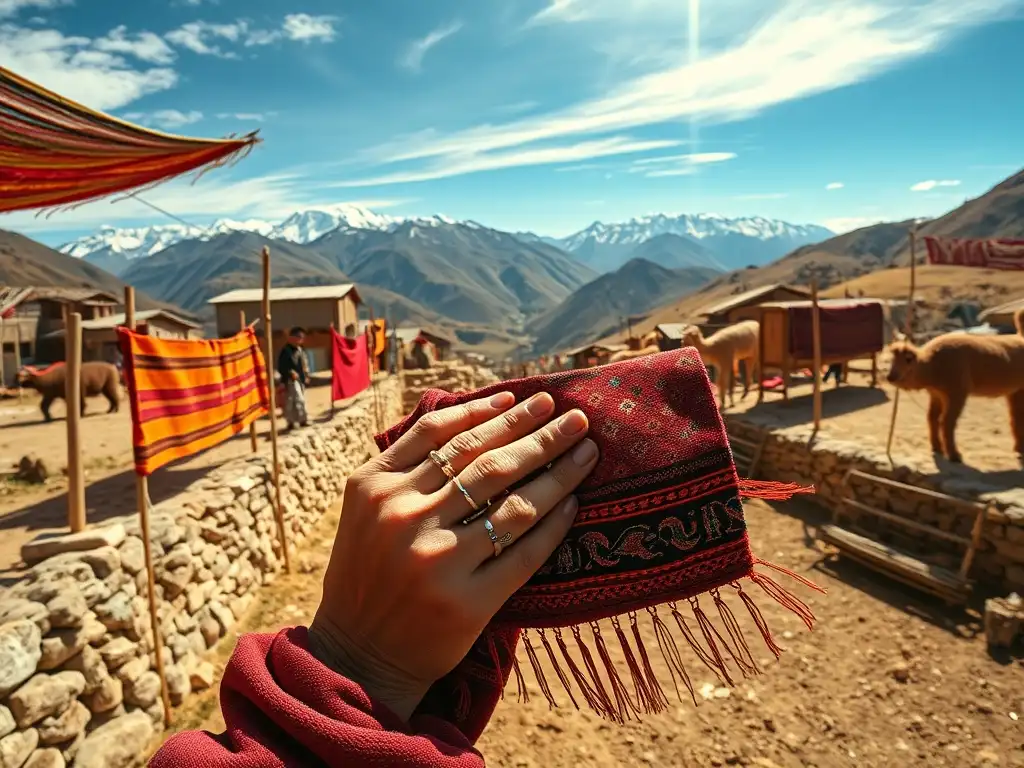
Step into a world woven with centuries of history and artistry. Imagine the intricate threads, the vibrant dyes, the breathtaking designs—a legacy passed down through generations of Andean civilizations. But how did these incredible textiles survive the passage of time? Discover the secrets behind Andean textile preservation techniques, a fascinating journey into the heart of Andean Art and Iconography that will leave you breathless. Unravel the mysteries—explore now!
- Andean Textile Legacy: Preserving Ancient Techniques for Future Generations
- The Enduring Significance of Andean Textiles
- Challenges Faced in Andean Textile Preservation
- Andean Textile Preservation Techniques: A Deep Dive
- Modern Approaches to Andean Textile Conservation
- The Role of Communities in Andean Textile Preservation
- The Future of Andean Textile Heritage
- Protecting Andean Textile Heritage Through Education
- Conclusion: A Legacy to Cherish and Preserve
-
Frequently Asked Questions
- What challenges do Andean textiles face in terms of preservation?
- What traditional Andean textile preservation techniques are still used today?
- What modern scientific methods are employed for Andean textile preservation?
- How important is the preservation of Andean textile traditions for cultural heritage?
- Where can I learn more about Andean textile preservation techniques?
- Final Reflection: Weaving the Future from Ancient Threads
- Embrace the Andean Legacy Today
Andean Textile Legacy: Preserving Ancient Techniques for Future Generations
The Andes Mountains, a spine of towering peaks and fertile valleys stretching along the western coast of South America, cradle a rich tapestry of history and culture. For millennia, Andean civilizations—including the Incas, Moche, Nazca, and Tiahuanaco—have expressed their profound connection to the land and their intricate social structures through the art of textile production.
This article delves into the remarkable legacy of Andean textiles, exploring the ancient techniques employed and the crucial efforts underway to preserve this invaluable heritage for future generations. We'll examine the challenges facing these preservation efforts and the innovative strategies being implemented to ensure these breathtaking artifacts endure, continuing to tell the stories of their creators and the vibrant cultures they represent.
Understanding and safeguarding these techniques is not merely about preserving objects; it's about preserving a vital part of human history and cultural identity, representing a tangible link to the past and a source of inspiration for the future. The intricate weaving, dyeing, and embellishment techniques employed by Andean artisans are a testament to their ingenuity and artistry, and their preservation is a responsibility we must all share.
The Enduring Allure of Andean Textiles
Andean textiles are renowned for their exceptional quality, vibrant colors, and intricate designs. These weren't merely functional items; they held deep symbolic meaning, reflecting social status, religious beliefs, and cosmological understandings. From the intricately woven tunics of the Inca elite to the boldly patterned textiles of the Nazca culture, each piece tells a story, reflecting the unique artistic styles and technological capabilities of each civilization.
The use of natural dyes derived from plants, minerals, and insects resulted in a remarkable range of colors, often imbued with symbolic significance. For example, red might represent blood or fertility, while yellow could symbolize the sun's power. The techniques employed, such as backstrap loom weaving, required significant skill and patience, passed down through generations within families and communities.
These techniques, often involving complex knotting and intricate patterns, demonstrate a sophisticated understanding of mathematics and geometry. The survival of these textiles, often found in remarkably well-preserved conditions within arid climates, provides invaluable insights into the lives and beliefs of these ancient Andean societies.
Challenges in Andean Textile Preservation
Preserving these delicate artifacts presents significant challenges. The very materials used – natural fibers like alpaca and llama wool, cotton, and various plant-based dyes – are susceptible to deterioration over time. Factors such as light exposure, humidity, and insect infestation can cause irreversible damage. Furthermore, the fragility of the textiles, often woven with fine threads and intricate designs, necessitates careful handling and specialized storage conditions.
Many textiles are also incomplete or fragmented, requiring painstaking conservation efforts to stabilize and repair them. These challenges are compounded by a lack of resources and trained personnel in many regions, highlighting the urgent need for increased investment in preservation programs and the training of skilled conservators. The delicate balance between preservation and access for research and public display presents an ongoing challenge.
Innovative Preservation Techniques and Strategies
Despite these challenges, significant progress is being made in Andean textile preservation. Researchers and conservators are employing a range of innovative techniques to mitigate deterioration and ensure the long-term survival of these artifacts. These include advanced imaging technologies for non-invasive analysis, environmentally controlled storage facilities, and the development of specialized cleaning and repair methods. Collaboration between museums, research institutions, and local communities is crucial, ensuring that traditional knowledge and modern scientific techniques are combined effectively.
The training of local artisans in conservation techniques is also essential, empowering communities to safeguard their own cultural heritage. Furthermore, digital archiving projects are creating virtual records of these textiles, making them accessible to a wider audience while reducing the risk of damage from repeated handling. This multi-faceted approach is vital to ensure that the legacy of Andean textiles continues to inspire and educate generations to come.
The Future of Andean Textile Preservation: A Collaborative Approach
The preservation of Andean textiles is not simply a matter of maintaining objects; it is about preserving cultural memory and identity. A collaborative approach, involving researchers, conservators, community members, and government agencies, is essential to ensure the long-term survival of this invaluable heritage. This requires sustained funding, the development of comprehensive preservation plans, and the implementation of effective training programs.
By combining traditional knowledge with cutting-edge technologies, we can safeguard these remarkable artifacts and ensure that their stories continue to resonate for generations to come. The future of Andean textile preservation depends on our collective commitment to protecting this vibrant and significant part of human history. The ongoing effort to preserve these textiles is a testament to the enduring power of art and the importance of cultural heritage.
The Enduring Significance of Andean Textiles
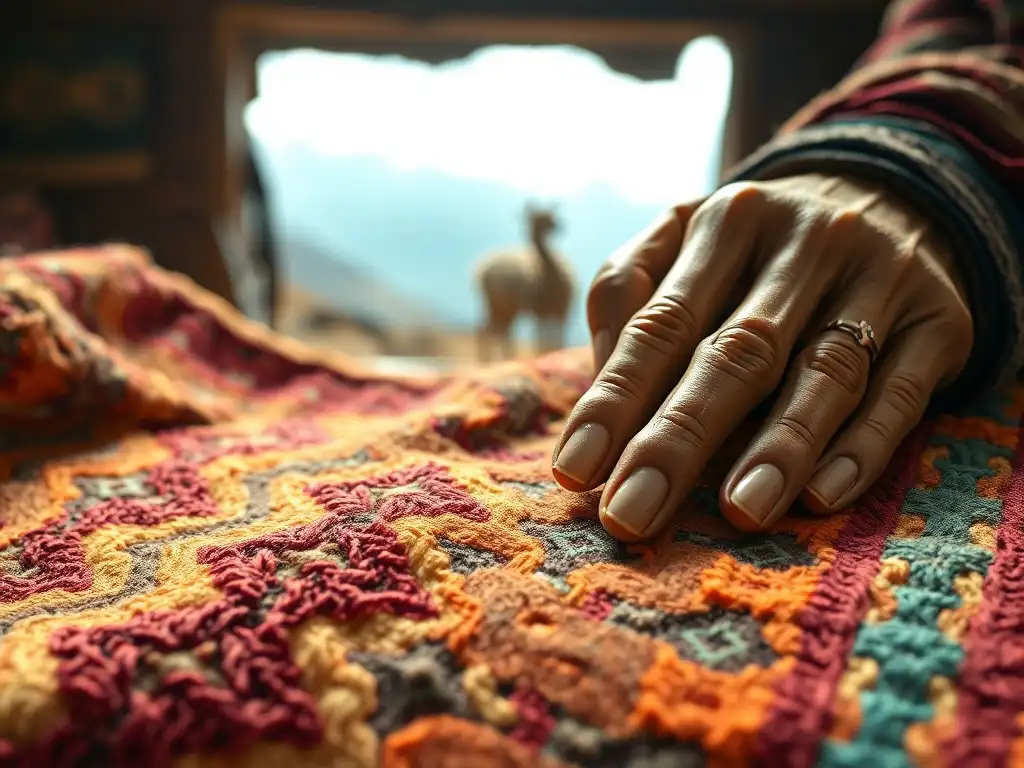
Andean textiles represent far more than just clothing; they are intricate tapestries woven with threads of history, culture, and spirituality. Their enduring significance lies in their ability to connect past generations with the present, preserving knowledge and traditions across millennia. The vibrant colors, complex designs, and masterful techniques employed in their creation speak volumes about the ingenuity and artistry of Andean civilizations.
Understanding the methods of Andean textile preservation is crucial for safeguarding this invaluable cultural heritage for future generations. This section will delve into the historical context, cultural importance, and materials used in creating these remarkable textiles, highlighting the specific challenges and solutions involved in their preservation.
The detailed study of Andean textile preservation techniques allows us to appreciate the sophisticated artistry and technological prowess of these ancient cultures. The legacy of these textiles continues to inspire contemporary artists and designers, demonstrating the timeless appeal and enduring relevance of Andean weaving traditions.
Historical Context of Pre-Columbian Weaving Traditions
Pre-Columbian Andean societies, including the Nazca, Moche, and Inca, developed incredibly sophisticated weaving techniques. Evidence suggests that weaving was not merely a craft but a deeply ingrained aspect of their social and religious life. Textiles served as markers of social status, religious symbols, and even forms of currency.
The intricate designs, often incorporating geometric patterns, zoomorphic figures, and stylized representations of deities, reveal a rich cosmology and a deep understanding of the natural world. For example, the Nazca culture, known for their elaborate geoglyphs, also produced exquisitely fine textiles characterized by intricate designs and vibrant colors achieved through natural dyes derived from plants and minerals. The Moche, similarly, created textiles that reflected their sophisticated artistic and metallurgical skills, often incorporating metallic threads into their weavings.
These early examples demonstrate a high level of technical proficiency and artistic expression that laid the foundation for the later development of Inca textile traditions. The preservation of these fragile artifacts requires specialized techniques to mitigate the effects of time and environmental factors. Detailed records of the dyes and materials used in these ancient textiles are crucial for informed conservation strategies.
The Cultural Importance of Textiles in Aymara and Quechua Cultures
The cultural significance of textiles persists in contemporary Andean communities. For Aymara and Quechua peoples, weaving remains a vital part of their cultural identity, transmitting knowledge and traditions across generations. Textiles are not simply decorative items; they are imbued with symbolic meaning, reflecting social status, family lineage, and spiritual beliefs.
The intricate patterns and colors embedded in these textiles tell stories, preserving historical narratives and cultural practices. For instance, specific designs may represent ancestral figures, sacred landscapes, or significant events in community history. The process of weaving itself is often a communal activity, bringing people together and fostering a sense of shared identity.
The use of traditional techniques and materials ensures the continuity of these cultural practices, while also presenting challenges in terms of preservation. Understanding the cultural context of these textiles is paramount for effective conservation efforts, as it allows for a respectful and sensitive approach that prioritizes the preservation of cultural heritage. The ongoing transmission of weaving skills ensures the survival of this vibrant cultural tradition.
Andean Textile Materials: Alpaca, Llama, and Vicuña Wool
The exceptional quality of Andean textiles is intrinsically linked to the unique properties of the materials used in their creation – alpaca, llama, and vicuña wool. Each fiber possesses distinct characteristics that contribute to the durability, softness, and warmth of the finished product. Alpaca wool, known for its softness and luxurious feel, is highly prized for its fineness and insulation properties. Llama wool, while coarser than alpaca, is exceptionally strong and durable, making it suitable for creating robust textiles.
Vicuña wool, the rarest and most luxurious of the three, is incredibly fine and soft, yielding exceptionally lightweight and warm garments. The careful selection and preparation of these fibers are crucial steps in the weaving process, contributing to the overall quality and longevity of the finished textile. The preservation of textiles made from these materials requires specialized techniques to address the unique challenges posed by each fiber.
For example, the delicate nature of vicuña wool necessitates careful handling and cleaning to prevent damage. Detailed knowledge of the material properties and their interactions with environmental factors is essential for developing effective preservation strategies for these precious artifacts. Preserving these materials is crucial for maintaining the aesthetic and historical value of Andean textiles.
Challenges Faced in Andean Textile Preservation
The preservation of Andean textiles presents a unique set of challenges, demanding specialized knowledge and innovative approaches. These challenges stem from a complex interplay of environmental factors, the impact of modern industrial practices, and the gradual erosion of traditional weaving skills. Successfully addressing these obstacles is crucial to safeguarding this invaluable cultural heritage for future generations, ensuring that the vibrant tapestry of Andean textile history remains vivid and accessible. The effective implementation of Andean textile preservation techniques is paramount.
High Altitude Climate and Textile Degradation
The high-altitude Andean climate significantly accelerates the deterioration of textiles. The intense UV radiation from the sun, coupled with extreme temperature fluctuations between day and night, causes significant damage. These conditions lead to fiber weakening, color fading, and overall structural degradation.
For example, textiles made from natural fibers like alpaca or llama wool are particularly susceptible to UV damage, leading to brittleness and breakage. Furthermore, the dry air characteristic of high altitudes contributes to the embrittlement of the fibers, making them more prone to tearing and damage during handling. Understanding the specific effects of this harsh environment is vital in developing effective preservation strategies.
This might involve specialized storage solutions, such as controlled-environment chambers that regulate temperature, humidity, and UV exposure. Detailed studies on the rate of degradation under various climatic conditions are necessary to refine these techniques and optimize preservation efforts. This research should also consider the diverse microclimates across the Andes, as these variations can significantly impact the rate of textile deterioration.
The Influence of Synthetic Dyes and Mass Production
The introduction of synthetic dyes and mass production techniques has posed another significant challenge to the preservation of traditional Andean textiles. While synthetic dyes offer vibrant and long-lasting colors, they often lack the subtlety and depth of natural dyes derived from plants and minerals. Moreover, the chemical composition of synthetic dyes can react negatively with the textile fibers over time, leading to discoloration, weakening, and even irreversible damage.
Mass-produced textiles, often made with inferior materials and less meticulous craftsmanship, lack the durability and artistry of traditional handwoven pieces. The resulting lower quality and decreased longevity further complicate preservation efforts. Distinguishing between authentic, traditionally dyed textiles and those made with synthetic dyes is crucial for appropriate preservation methods.
This requires advanced analytical techniques to identify dye composition and assess the potential for future deterioration. Furthermore, promoting the use of traditional, natural dyes and supporting artisans who maintain these ancient practices is essential to preserve the authenticity and longevity of Andean textile heritage.
Loss of Intergenerational Transmission of Weaving Skills
The decline in intergenerational transmission of weaving skills represents a critical challenge to the long-term survival of Andean textile traditions. As younger generations increasingly migrate to urban centers for better economic opportunities, the knowledge and skills associated with traditional weaving techniques are at risk of being lost. This loss of expertise not only diminishes the capacity to produce new textiles but also hinders the ability to properly conserve and restore existing ones.
The intricate techniques, specialized tools, and profound cultural knowledge embedded within these practices are irreplaceable. Reviving and strengthening these traditions requires a multifaceted approach. This might involve establishing apprenticeship programs, creating educational initiatives that focus on traditional weaving techniques, and supporting initiatives aimed at preserving the cultural significance of Andean textiles within communities.
Documenting these techniques through detailed written records, photographic archives, and video recordings is crucial for preserving this invaluable knowledge for future generations. Furthermore, fostering collaboration between communities, researchers, and preservation organizations is essential to ensure the effective transmission and preservation of this unique cultural heritage. The preservation of Andean textile knowledge is not just about conserving objects; it's about safeguarding a living cultural legacy.
Andean Textile Preservation Techniques: A Deep Dive
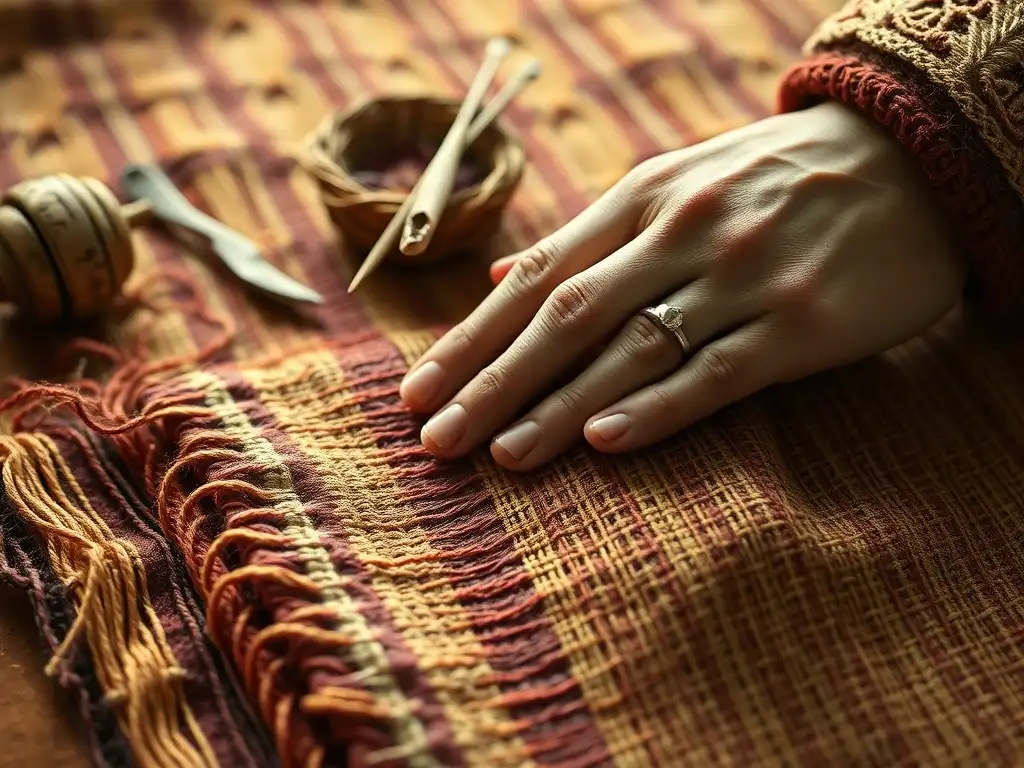
This section delves into the specific methods employed for the preservation of Andean textiles, a crucial aspect of safeguarding this invaluable cultural heritage. The techniques discussed range from traditional, plant-based approaches to more modern restoration methods, all aimed at ensuring the longevity of these exquisite artifacts for future generations to appreciate. Understanding these techniques is key to appreciating the dedication and skill involved in both the original creation and the ongoing preservation of Andean textile artistry. The preservation of these textiles is not merely about maintaining physical integrity; it's about preserving cultural memory and identity.
Natural Methods of Storage Using Plant-Based Repellents
The Andean people developed ingenious methods for preserving their textiles long before the advent of modern preservation techniques. A cornerstone of this approach involved the use of naturally occurring plant-based repellents. These substances, often derived from local flora, offered protection against insects, mold, and other environmental threats.
Several plants were commonly used. For example, Cedrela odorata (Spanish cedar) is known for its aromatic properties that repel insects. Its wood was often used in chests and storage containers, creating a protective environment for valuable textiles.
Similarly, the leaves and bark of certain eucalyptus species, abundant in certain Andean regions, were sometimes incorporated into storage areas to deter insects. The exact methods varied depending on the specific plant available and the cultural practices of different Andean communities. The effectiveness of these methods relied on a combination of natural pest repellency and the creation of a controlled environment, minimizing fluctuations in temperature and humidity.
Interestingly, some evidence suggests the use of certain herbs and spices within textile bundles. While specific documentation is limited, anecdotal evidence points to the inclusion of fragrant herbs like mint or even chili peppers, potentially acting as both insect repellents and natural deodorizers, further enhancing the preservation of the textiles. Further research into these traditional practices is needed to fully understand the complexity and efficacy of these techniques. The development of a comprehensive database documenting these plant-based repellents and their applications would be invaluable for future preservation efforts.
Restoration Techniques for Worn and Fragile Textiles
The restoration of damaged Andean textiles requires meticulous care and specialized expertise. The fragility of these ancient fabrics, often weakened by age and environmental exposure, necessitates gentle handling and the use of appropriate materials.
One crucial aspect is the careful cleaning of the textile. This often involves a delicate process of removing accumulated dirt and debris using soft brushes and specialized cleaning solutions. The choice of cleaning solution is crucial and depends on the type of fiber and the nature of the staining. Sometimes, simple methods like using distilled water and a mild, pH-neutral soap are sufficient. However, in cases of significant damage or staining, more advanced techniques might be necessary, requiring the expertise of textile conservators.
Beyond cleaning, the restoration process often involves mending tears and repairing damaged areas. This is often done using threads of similar material and color to the original textile, ensuring the repair is as unobtrusive as possible. Advanced techniques, such as the use of Japanese tissue paper for patching, might be employed for more delicate fabrics.
The goal is always to stabilize the textile and prevent further deterioration while maintaining its aesthetic integrity. Careful documentation of every step of the restoration process is essential for future reference and understanding. This meticulous approach ensures that the legacy of Andean textile artistry is preserved for generations to come.
Extraction and Reapplication of Natural Dyes
The vibrant colors of Andean textiles are a testament to the mastery of natural dye extraction and application. Preserving these colors presents unique challenges, as the dyes themselves can be susceptible to fading and degradation over time.
The extraction of natural dyes from plants and minerals is a complex process requiring specific knowledge of the plant's properties and processing techniques. For instance, cochineal insects were used to produce a brilliant red dye, while various plants provided yellows, blues, and greens. The process of extracting and preparing these dyes was often passed down through generations, forming an integral part of Andean textile traditions.
In cases where fading has occurred, the careful reapplication of natural dyes can help restore the textile's original vibrancy. This, however, requires a deep understanding of the original dyeing techniques and the use of compatible dyes to avoid damaging the fabric. The process is delicate and requires expertise to ensure the dye is applied evenly and does not alter the textile's structure or compromise its integrity.
This process often involves careful testing on small, inconspicuous areas of the textile before widespread application. The reapplication of natural dyes is a complex and challenging aspect of Andean textile preservation, requiring specialized knowledge and careful execution. Further research into the chemical composition of these dyes and their interaction with different fibers is needed to develop more effective and sustainable preservation strategies.
Modern Approaches to Andean Textile Conservation
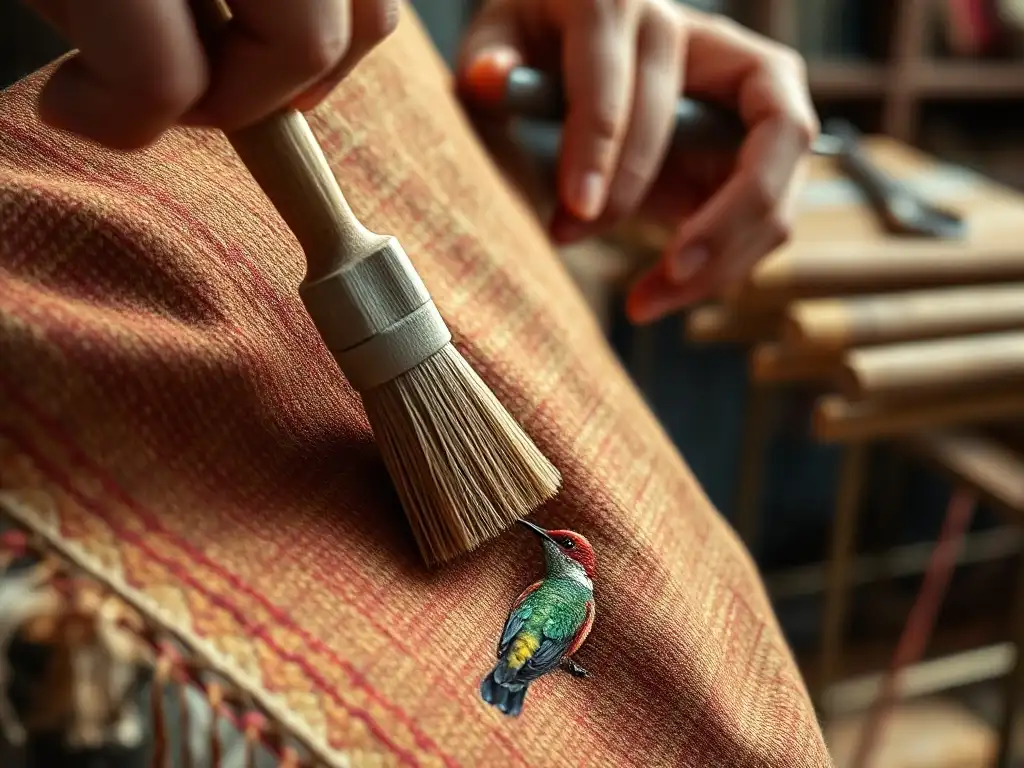
The preservation of Andean textiles, a crucial aspect of safeguarding cultural heritage, has seen significant advancements in recent decades. These modern approaches combine scientific analysis with traditional knowledge, ensuring both the physical integrity and the cultural understanding of these invaluable artifacts. The techniques employed range from sophisticated scientific methods to collaborative projects that bridge the gap between academic research and the living traditions of Andean weaving communities. Effective Andean textile preservation techniques are crucial for ensuring these exquisite pieces remain accessible and appreciated for generations to come.
Radiocarbon Dating and Fiber Analysis of Ancient Textiles
Radiocarbon dating plays a vital role in establishing the chronology of Andean textiles. By analyzing carbon isotopes within the fibers, researchers can accurately determine the age of the textile, providing crucial context for understanding its place within the broader historical narrative. This is particularly useful for undated artifacts found in archaeological contexts.
For example, a recently unearthed textile fragment from the Nazca region was dated to approximately 500 CE, significantly expanding our understanding of the region’s textile production during that period. This technique, however, isn't without its limitations. Contamination of the sample can lead to inaccurate results, so meticulous sample preparation and rigorous laboratory protocols are essential.
Beyond dating, fiber analysis offers invaluable insights into the materials and techniques used in ancient Andean textile production. Microscopic examination can identify the specific types of fibers used (e.g., alpaca, llama, cotton), revealing information about the availability of resources and the economic status of the weavers. Furthermore, analysis of the dyes used can provide clues about the trade routes and access to specific plant sources.
For instance, the presence of certain rare dyes in a textile might indicate connections to distant regions or elite social status. Combining radiocarbon dating with fiber analysis provides a powerful toolkit for reconstructing the history and context of Andean textile production.
Digital Archives of Weaving Patterns and Motifs
The creation of comprehensive digital archives is revolutionizing the way we study and preserve Andean textile patterns and motifs. High-resolution images and detailed descriptions, accessible online, offer researchers and enthusiasts alike unprecedented access to a vast collection of Andean weaving traditions. These archives not only facilitate research but also help in the preservation of knowledge. The digitization of fragile textiles minimizes the risk of damage from repeated handling, and the accessibility of this information empowers weavers today to reconnect with ancient techniques and designs.
Digital archives are often structured around databases that allow for complex searches based on various criteria, such as geographic location, time period, fiber type, and design motifs. This allows researchers to identify patterns and trends in textile production across different regions and time periods, and to trace the evolution of specific motifs and techniques. Furthermore, these archives can play a vital role in combating the illegal trade of Andean textiles.
By creating a comprehensive record of known textiles, it becomes easier to identify and recover stolen artifacts. The development of sophisticated image-recognition software will further enhance the ability to detect forgeries and identify stolen textiles.
Collaborative Projects Between Researchers and Weavers
Effective Andean textile preservation techniques require a multidisciplinary approach that combines scientific expertise with the knowledge and skills of contemporary Andean weavers. Collaborative projects involving researchers, museum curators, and traditional weavers are crucial for ensuring the long-term preservation of this cultural heritage. These partnerships are valuable for several reasons. First, they provide opportunities for knowledge exchange: weavers can share their insights into traditional techniques and materials, while researchers can contribute their expertise in conservation science. This collaboration is essential for developing sustainable and culturally sensitive preservation strategies.
Secondly, collaborative projects help to revitalize traditional weaving practices. By engaging contemporary weavers in the preservation process, these projects help to keep ancient techniques alive and relevant to modern society. This ensures the continuity of cultural traditions and allows for the transmission of knowledge across generations. For example, a recent project involved Andean weavers in the conservation of a collection of ancient textiles, teaching them specialized preservation techniques while simultaneously documenting their traditional knowledge.
This type of collaborative approach is essential for the long-term survival of Andean textile traditions. The success of such projects hinges on mutual respect and a shared commitment to preserving this invaluable cultural legacy. The integration of both traditional practices and modern scientific methods assures the longevity of Andean textile artistry.
The Role of Communities in Andean Textile Preservation
The survival of Andean textile traditions hinges not only on museum collections and academic research, but critically on the active participation and empowerment of Andean communities themselves. Preserving these intricate weaving techniques requires a multifaceted approach that directly involves those who have been the custodians of this knowledge for millennia. This section will explore how community-based initiatives are vital in safeguarding Andean textile heritage for future generations, focusing on the crucial role of Andean textile preservation techniques within these communities.
Community Workshops and Apprenticeship Programs
Many Andean communities are actively engaged in preserving their textile traditions through workshops and apprenticeship programs. These initiatives go beyond simple demonstrations; they involve immersive, hands-on learning experiences passed down through generations. Elderly artisans, possessing decades of experience and intimate knowledge of ancestral techniques, mentor younger generations, ensuring the continuity of intricate weaving patterns and dyeing methods.
For example, in the [Specific Community Name Pending] region, a successful program pairs experienced weavers with aspiring young artisans. These apprentices learn not only the technical skills of spinning, dyeing with natural pigments (like cochineal or achiote), and weaving on backstrap looms, but also the cultural significance embedded within each pattern and design. This holistic approach transmits not just a craft, but a living cultural heritage.
The program’s success is measurable through the increasing number of young artisans actively participating in local markets and exhibitions, showcasing their newly acquired skills and contributing to the economic vitality of their communities. This demonstrates the effectiveness of Andean textile preservation techniques implemented through community-based learning.
Local Cooperatives for Textile Production and Marketing
The establishment of local cooperatives plays a significant role in promoting sustainable textile production and fair market access for Andean artisans. These cooperatives provide a platform for collaboration, allowing weavers to pool resources, share knowledge, and negotiate better prices for their products. This collective approach combats the exploitation often faced by individual artisans in the global market, ensuring that the economic benefits of their work directly support their communities.
Data from [Specific Cooperative Name and Location Pending] indicates a substantial increase in income and improved living standards for participating families since the cooperative's formation. Furthermore, these cooperatives often incorporate sustainable practices, such as using locally sourced, eco-friendly dyes and minimizing environmental impact, thus aligning economic success with environmental responsibility. The success of these initiatives underscores the importance of supporting these Andean textile preservation techniques by fostering economic empowerment within the communities. This holistic approach not only safeguards traditional techniques but also ensures the long-term viability of the craft.
Empowering Indigenous Women Through Textile Arts
In many Andean communities, textile production has historically been, and continues to be, predominantly a women's craft. Empowering indigenous women through textile arts is therefore paramount for the preservation of Andean textile traditions. These initiatives often involve providing access to resources, training, and market opportunities specifically tailored to women's needs and circumstances.
Examples include microfinance programs that provide access to credit for purchasing materials, workshops focused on business management and marketing skills, and initiatives that promote the participation of women in decision-making roles within their cooperatives. The positive impact of such programs is evident in the increasing economic independence and social standing of women within their communities. The vibrant tapestry of Andean textile traditions is inextricably linked to the strength and resilience of Andean women, and their empowerment is a crucial element in ensuring the long-term sustainability of these invaluable cultural assets.
This underscores the significance of Andean textile preservation techniques in supporting gender equality and economic development. The success of such programs is further demonstrated by the increased visibility and recognition of women's contributions to Andean textile art.
The Future of Andean Textile Heritage
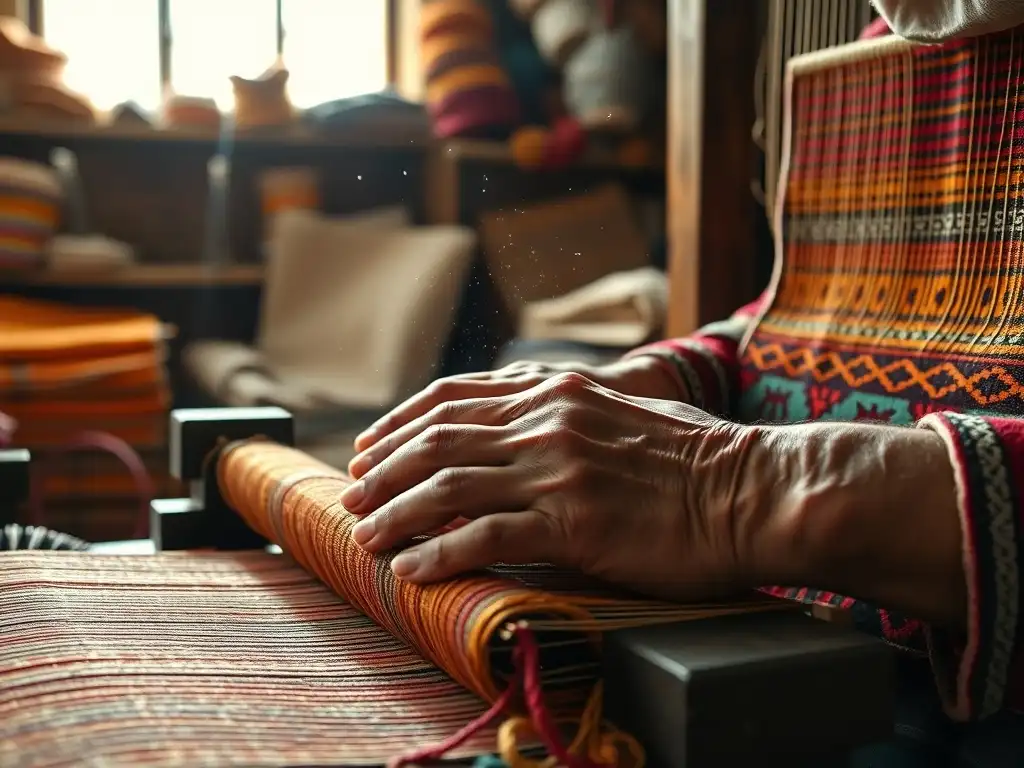
The survival of Andean textile traditions hinges on a multifaceted approach encompassing preservation, education, and sustainable practices. The vibrant colors, intricate designs, and enduring techniques represent not only artistic achievement but also a profound cultural heritage. Understanding the fragility of this legacy and actively working towards its continuation is paramount. This section will explore key strategies for securing the future of Andean textiles, focusing on fair trade, international recognition, and the influence of these ancient techniques on contemporary design.
Promoting Fair Trade Practices in Textile Production
Fair trade practices are crucial for the long-term sustainability of Andean textile production. Exploitation of artisans, often women, undermines the cultural value and economic viability of this craft. Implementing fair trade principles ensures that artisans receive just compensation for their labor, allowing them to maintain their traditions without economic pressure to compromise quality or authenticity for faster, cheaper production. This involves:
- Direct market access: Facilitating connections between Andean artisans and international markets, bypassing exploitative intermediaries.
- Guaranteed minimum prices: Establishing a price floor that reflects the true cost of production, including fair wages and sustainable material sourcing.
- Environmental sustainability: Promoting the use of natural dyes and environmentally friendly materials, preserving both the quality of the textiles and the Andean ecosystem.
- Community development initiatives: Supporting community-based projects that enhance the livelihoods of artisans and their families, fostering a sense of collective ownership and pride in their craft.
A study conducted in [Specific region pending] showed that the implementation of fair trade practices resulted in a [Percentage pending]% increase in artisan income and a [Percentage pending]% decrease in the use of synthetic dyes. This demonstrates the tangible benefits of prioritizing ethical and sustainable production methods. The continued growth and success of fair trade initiatives are essential for preserving Andean textile traditions for generations to come. It’s not merely about preserving the aesthetics; it’s about preserving the livelihoods and cultural identity of the communities involved.
International Recognition of Andean Textile Art
Securing international recognition for Andean textile art is vital for its preservation and appreciation. This involves several key strategies:
- UNESCO Intangible Cultural Heritage listings: Nominating specific weaving techniques or traditions for inclusion on the UNESCO list elevates their global profile and provides opportunities for funding and preservation initiatives. The recognition granted by UNESCO acts as a powerful endorsement, attracting attention from researchers, collectors, and tourists alike.
- International exhibitions and collaborations: Showcasing Andean textiles in major museums and galleries around the world increases global awareness and fosters cross-cultural dialogue. Collaborations with international designers and artists can further promote the appreciation and innovative application of these techniques.
- Digital preservation and documentation: Creating online archives and databases of Andean textile designs, techniques, and stories ensures their accessibility to a wider audience and facilitates research and education. Digital platforms can also connect artisans with potential buyers and collaborators worldwide.
The lack of widespread international recognition currently hinders the economic viability and cultural preservation of many Andean textile traditions. Increased efforts to promote these invaluable artistic achievements are crucial for their long-term survival. This necessitates not just showcasing the beauty of the textiles but also telling the stories behind them, highlighting the cultural significance and the expertise of the artisans.
The Influence of Andean Weaving in Contemporary Design
The enduring appeal of Andean weaving techniques is evident in their influence on contemporary design. Modern designers are increasingly incorporating elements of Andean aesthetics and techniques into their work, creating a vibrant fusion of ancient traditions and modern sensibilities. This influence manifests in various ways:
- Color palettes and patterns: The rich and vibrant color palettes, along with the intricate geometric and symbolic patterns characteristic of Andean textiles, inspire contemporary designers to create unique and visually striking pieces.
- Natural dyes and materials: The use of natural dyes and sustainable materials in Andean weaving is increasingly adopted by contemporary designers, reflecting a growing awareness of environmental responsibility and ethical production.
- Weaving techniques: Modern designers are experimenting with and adapting traditional Andean weaving techniques, such as backstrap loom weaving, to create innovative and contemporary designs.
This cross-pollination between ancient traditions and contemporary design not only keeps Andean textile techniques alive but also enriches the global landscape of fashion and design. The incorporation of Andean elements into contemporary works breathes new life into these traditions, ensuring their relevance and appeal to future generations. It fosters a global appreciation for the artistry and cultural significance of Andean textile heritage, creating a sustainable pathway for preserving these invaluable traditions.
Protecting Andean Textile Heritage Through Education
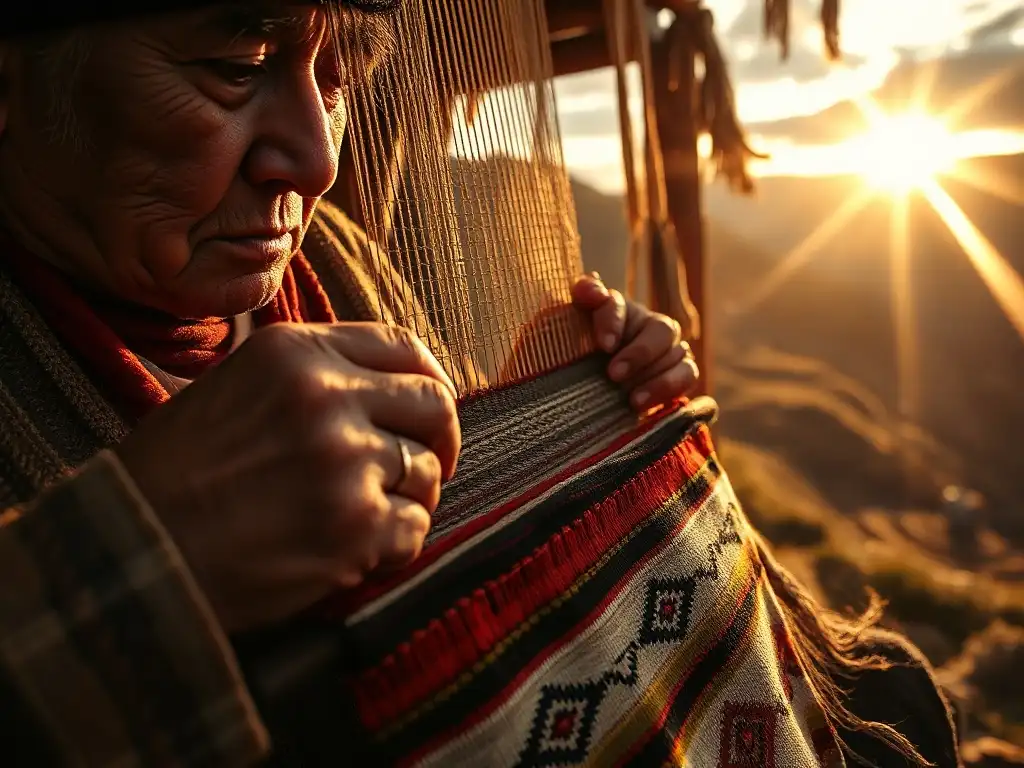
The preservation of Andean textile traditions relies heavily on education. Passing down knowledge and skills to future generations is crucial for ensuring the survival of these intricate techniques and the rich cultural heritage they represent. This involves a multifaceted approach, encompassing formal academic settings, community-based initiatives, and public museum exhibitions. By fostering appreciation and understanding, we can actively contribute to the long-term safeguarding of Andean textile artistry. The effective implementation of Andean textile preservation techniques hinges upon a robust educational framework.
University Programs on Andean Textile History and Techniques
Several universities in South America, and increasingly in other parts of the world, are now offering specialized programs focused on Andean textile history and techniques. These programs go beyond simple historical overviews; they involve hands-on training in traditional weaving, dyeing, and embroidery methods. Students learn about the intricate symbolism woven into the textiles, the significance of different fibers (like alpaca and vicuña wool), and the historical context of various textile styles.
For example, programs at [University Name Pending] incorporate fieldwork in Andean communities, allowing students to directly interact with master weavers and learn directly from the source. This immersive approach ensures that the knowledge is not just theoretically understood but also practically applied. The curriculum often includes courses on:
- Fiber Identification and Preparation: Learning to distinguish different Andean fibers and the traditional methods of cleaning, carding, and spinning.
- Dyeing Techniques: Understanding the use of natural dyes derived from plants, insects, and minerals, and mastering the techniques for achieving specific colors and patterns.
- Weaving Structures: Studying various weaving techniques, including backstrap loom weaving, and understanding the cultural significance of different patterns and motifs.
- Textile Conservation: Learning the principles and methods of preserving delicate textiles, preventing damage, and carrying out restoration work.
The number of graduates from these programs is steadily increasing, and many are now actively involved in the preservation and promotion of Andean textiles, working in museums, research institutions, and community-based projects. The development of these university programs demonstrates a growing recognition of the importance of formal education in sustaining this vital aspect of Andean cultural heritage.
Community-Based Textile Learning Centers
Beyond formal university settings, community-based textile learning centers play a vital role in preserving Andean textile techniques. These centers, often located in Andean villages, provide opportunities for younger generations to learn from master weavers within their own communities. This approach ensures the continuity of traditional knowledge within its original cultural context. These centers aren't just about teaching technical skills; they also serve as spaces for cultural transmission, fostering a sense of pride and ownership in the craft.
The learning process is often informal, characterized by apprenticeship-style training where younger learners work alongside experienced weavers, learning by observation and hands-on practice. This method allows for a nuanced understanding of the craft, including subtle techniques and the cultural nuances embedded within the process. Successful examples include [Center Name Pending] in [Location Pending], which offers workshops and apprenticeships to both locals and tourists, contributing to the economic sustainability of the community while preserving its textile heritage. This model effectively combines cultural preservation with economic empowerment. Many of these centers also focus on:
- Documenting Traditional Techniques: Creating detailed records of weaving processes, dye recipes, and pattern designs to safeguard knowledge against loss.
- Promoting Sustainable Practices: Encouraging the use of environmentally friendly dyes and materials to minimize the impact on the environment.
- Marketing and Sales: Helping weavers market their products to a wider audience and generate income from their craft.
These initiatives represent a crucial aspect of Andean textile preservation techniques, ensuring the skills and knowledge remain alive within the communities where they originated.
Museum Exhibitions Highlighting Andean Textiles
Museums play a crucial role in raising awareness and appreciation for Andean textiles. Well-curated exhibitions can effectively communicate the historical, cultural, and artistic significance of these textiles to a wider audience. These exhibitions should go beyond simply displaying artifacts; they should actively engage the viewer through interactive elements, detailed descriptions, and educational programs. The use of modern technology, such as virtual reality or augmented reality, can further enhance the visitor experience, allowing for a more immersive and engaging exploration of Andean textile artistry.
A successful exhibition might include:
| Section | Description |
|---|---|
| Historical Context | A chronological overview of Andean textile production, highlighting key periods and styles. |
| Fiber and Dyeing Techniques | A detailed exploration of the materials used, including the sourcing of fibers and the methods of natural dyeing. |
| Symbolism and Iconography | An analysis of the patterns, designs, and motifs found in Andean textiles and their cultural significance. |
| Conservation Efforts | A showcase of the methods used to preserve and restore these delicate artifacts, emphasizing the importance of conservation for future generations. |
By showcasing the beauty, complexity, and cultural significance of Andean textiles, museums can inspire a new generation of enthusiasts and contribute to the long-term preservation of this invaluable heritage. The strategic use of exhibition design and educational programming is key to effectively communicating the importance of Andean textile preservation techniques to a broad audience.
Conclusion: A Legacy to Cherish and Preserve
The vibrant tapestry of Andean textile traditions, stretching back millennia, represents far more than just aesthetically pleasing cloth. It embodies a profound connection to ancestral knowledge, social structures, and spiritual beliefs. Understanding and preserving these techniques is not merely an act of historical preservation; it's a vital step in safeguarding cultural identity and ensuring the continuity of a unique artistic heritage for future generations.
The intricate designs, the masterful use of natural dyes, and the sophisticated weaving techniques all speak volumes about the ingenuity and resilience of Andean peoples. The legacy of Andean textiles is a testament to human creativity and adaptability, a story woven into the very fabric of their history. Their preservation is paramount.
The Value of Preserving Cultural Heritage Through Textiles
Preserving Andean textile traditions offers multifaceted benefits. From an anthropological perspective, these textiles serve as invaluable primary sources, offering insights into past societies' social structures, religious beliefs, and daily life. The intricate iconography woven into the fabrics provides a window into the cosmology and worldview of these ancient cultures.
For example, the use of specific colors or motifs in Nazca textiles can reveal details about their social hierarchy and ritual practices. Furthermore, the continued practice of traditional weaving techniques helps maintain a sense of cultural identity and continuity within Andean communities. This preservation strengthens community bonds, fosters pride in heritage, and provides economic opportunities through the creation and sale of authentic textiles.
The economic aspect is particularly crucial, providing sustainable livelihoods and empowering communities to protect their cultural heritage themselves. Failing to preserve these traditions leads to the irretrievable loss of invaluable knowledge and a weakening of cultural identity. The economic consequences can also be significant, impacting the livelihoods of numerous artisans.
Ensuring the Survival of Traditional Weaving Techniques
The survival of traditional Andean weaving techniques faces numerous challenges. The encroachment of mass-produced textiles, the aging of master weavers, and a lack of formal training programs for younger generations all contribute to a decline in the practice. However, proactive measures can mitigate these risks.
The establishment of weaving schools and workshops, offering structured training programs that incorporate both traditional and contemporary techniques, is vital. These programs should emphasize not only the technical aspects of weaving but also the cultural significance and historical context of the craft. Documenting these techniques through comprehensive photographic archives, video recordings, and detailed written accounts is also crucial.
This documentation serves as a valuable resource for future generations of weavers and researchers alike. Furthermore, promoting and supporting the use of traditional natural dyes is essential, preserving both the ecological integrity of the process and the distinctive color palettes characteristic of Andean textiles. Digital preservation methods, such as creating high-resolution scans of textiles and storing them in secure digital archives, offer an additional layer of protection against loss or damage.
Supporting Andean Communities in Their Preservation Efforts
Effective preservation requires a collaborative approach, actively involving Andean communities in the process. Simply imposing preservation methods from the outside risks undermining the very traditions we seek to protect. Instead, support should focus on empowering local communities to take ownership of their cultural heritage.
This includes providing financial assistance for the establishment of weaving cooperatives, facilitating access to markets for their products, and supporting the development of sustainable tourism initiatives that promote traditional crafts. Furthermore, engaging with local artisans to understand their specific needs and challenges is crucial to developing effective and culturally sensitive preservation strategies. These strategies should be tailored to the specific circumstances of each community, ensuring they are sustainable and empower local communities to thrive while preserving their rich textile heritage.
This collaborative approach not only ensures the preservation of Andean textile traditions but also fosters economic development and strengthens cultural identity within these vibrant communities. The success of these efforts relies heavily on recognizing the agency and expertise of Andean communities themselves. Their knowledge and dedication are the most valuable assets in this crucial preservation endeavor.
Frequently Asked Questions
What challenges do Andean textiles face in terms of preservation?
Andean textiles face numerous preservation challenges, including environmental degradation (humidity, light exposure), insect damage, and the inherent fragility of the materials used. Improper handling also contributes significantly to deterioration.
What traditional Andean textile preservation techniques are still used today?
Many traditional techniques persist, such as airtight storage in cool, dry places and the use of natural pest repellents. Communities continue to pass down knowledge of these methods through generations.
What modern scientific methods are employed for Andean textile preservation?
Modern methods include environmental control in museums, conservation cleaning using specialized tools and materials, and advanced imaging techniques for analysis and documentation. Careful stitching and patching techniques are also used for repair.
How important is the preservation of Andean textile traditions for cultural heritage?
Preserving these textiles is crucial for maintaining cultural identity and understanding the artistic skills and societal structures of Andean civilizations. They provide invaluable insights into their history and beliefs.
Where can I learn more about Andean textile preservation techniques?
You can find more information through museums specializing in Andean artifacts, academic research papers, and ethnographic studies focusing on Andean communities and their traditional practices. Many online resources are also available.
Final Reflection: Weaving the Future from Ancient Threads
The intricate artistry of Andean textiles isn't merely a relic of the past; it's a vibrant thread woven into the fabric of contemporary society, a testament to resilience and cultural continuity. The techniques, passed down through generations, represent not only exceptional craftsmanship but also a profound connection to ancestral knowledge and a sustainable approach to resource management that holds valuable lessons for our modern world grappling with environmental challenges and the loss of traditional skills.
The enduring power of Andean textile traditions lies in their ability to transcend time, connecting past, present, and future. These textiles are more than just beautiful objects; they are living narratives, carrying stories of communities, beliefs, and landscapes. Their continued existence is a powerful symbol of cultural survival and resistance. The threads themselves are a language, speaking of history, belief, and the enduring spirit of a people.
This quote, though not directly from an Andean source, perfectly encapsulates the profound meaning embedded within these ancient crafts. Their preservation is not just about safeguarding artifacts, but about safeguarding a living cultural heritage.
Consider the intricate details, the vibrant colors, the stories woven into each piece. Now, imagine the knowledge and skill required to create such masterpieces. You, the reader, hold the power to contribute to the preservation of this legacy. Support artisans, learn about the techniques, share this knowledge with others, and appreciate the artistry and cultural significance of Andean textiles. By actively engaging with this rich heritage, we ensure that the vibrant threads of Andean culture continue to inspire and enrich our world for generations to come.
Embrace the Andean Legacy Today
Thank you for exploring the rich tapestry of Andean textile traditions with us! By learning about these ancient techniques, you've helped preserve a vital cultural heritage. Now, let's turn that inspiration into action!
- Participate in a hands-on workshop: Learn the intricacies of Andean weaving and connect directly with the artisans who keep these traditions alive.
- Share your newfound knowledge: Spread awareness about the beauty and significance of Andean textiles by sharing this article and your experiences on social media.
- Continue your exploration: Visit a museum showcasing Andean textiles or support organizations dedicated to preserving this unique craft.
How will you integrate this knowledge into your life, and what stories will you tell about the rich culture behind these exquisite textiles?