
Beyond the Lines: The Finesse of Nazca Pottery Painting Techniques

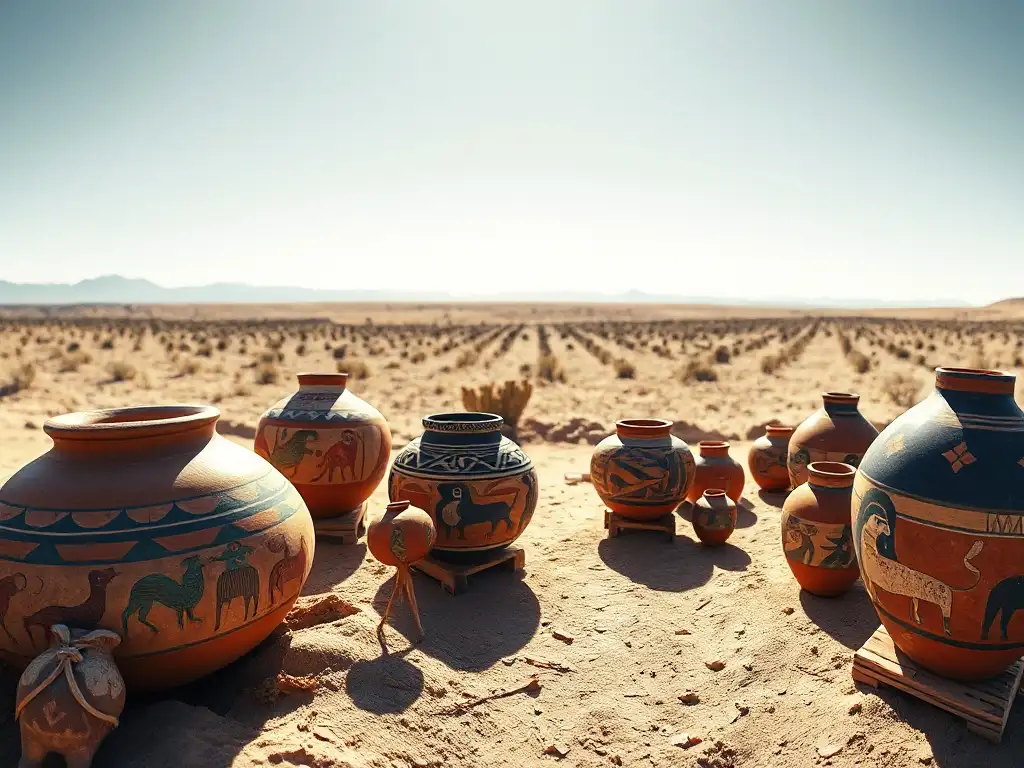
Step into a world lost to time, yet vibrantly alive in its artistry. For centuries, the Andean civilizations have captivated the world with their ingenuity and breathtaking creations. But have you ever wondered about the secrets behind the stunning imagery adorning Nazca pottery? Prepare to be amazed as we delve into the intricate Nazca pottery painting techniques, revealing the mastery and innovation that defined this remarkable culture. Discover the artistry that lies beyond the lines – your journey into the heart of Andean civilization begins now.
The Nazca civilization, renowned for its enigmatic geoglyphs etched into the Peruvian desert, also possessed a sophisticated mastery of pottery painting. This article delves into the intricate techniques employed by Nazca artisans, revealing the artistry and technological prowess behind their vibrant and enduring ceramic creations. We'll explore the materials, processes, and stylistic choices that made Nazca pottery a unique and iconic expression of Andean artistry, showcasing the precision and skill that allowed them to create stunning, lasting images.
Understanding these techniques offers a deeper appreciation for the cultural significance and remarkable craftsmanship of this ancient civilization, highlighting the ingenuity and dedication invested in each piece. We will examine the specific methods used, from the preparation of the clay to the final firing, unraveling the mysteries behind the creation of these breathtaking works of art and their lasting legacy.
Preparing the Canvas: Clay Selection and Preparation
Nazca potters were meticulous in their selection of clay. They likely sourced specific clays known for their properties, ensuring the right consistency and durability for their creations. The clay was carefully cleaned, removing impurities and unwanted materials. Then, a complex process of tempering would begin.
This involved adding various materials—like crushed rock, sand, or shell fragments—to modify the clay's plasticity and reduce shrinkage during firing, resulting in a less brittle and more durable final product. The exact proportions of these tempering agents varied depending on the desired characteristics of the final pottery, reflecting a deep understanding of material science. Evidence suggests the potters experimented with different clay types and tempering techniques to achieve optimal results for specific pottery forms and painting styles. The level of precision involved in this initial stage laid the groundwork for the subsequent painting process.
Shaping the Vessels: From Lump to Form
Before any painting could begin, the clay had to be shaped into the desired vessel. Nazca pottery exhibits a wide variety of forms, from simple bowls and jars to more complex effigy vessels depicting humans, animals, and mythical beings. The potters employed various techniques, including hand-building, coil construction, and mold-making. Evidence from archaeological excavations shows the use of both simple and complex tools.
The skill in shaping these vessels showcases a deep understanding of the clay's properties and the ability to manipulate it into intricate forms. The smoothness and precision of the finished vessels were crucial, providing a perfect surface for the application of the vibrant paints. The creation of these forms was not just functional but also deeply symbolic, with vessel shapes reflecting cultural beliefs and practices.
The Palette of the Andes: Pigments and Dyes
The striking colors of Nazca pottery were achieved through the use of natural pigments and dyes. These were likely sourced locally, with minerals and plants providing a diverse range of hues. Red, black, white, and yellow are frequently seen, often combined to create complex patterns and designs. Analysis of pigments reveals the use of iron oxides for reds and yellows, manganese oxides for blacks, and kaolin for whites.
The preparation of these pigments likely involved grinding and mixing with a binder, such as gum arabic or a similar substance, to create a paint that adhered well to the clay surface. The precise methods for pigment preparation remain partially unknown, but the vibrant and long-lasting colors are a testament to the effectiveness of these techniques. The selection of colors was not arbitrary; they held symbolic meanings within the Nazca culture.
Mastering the Brush: Painting Techniques and Styles
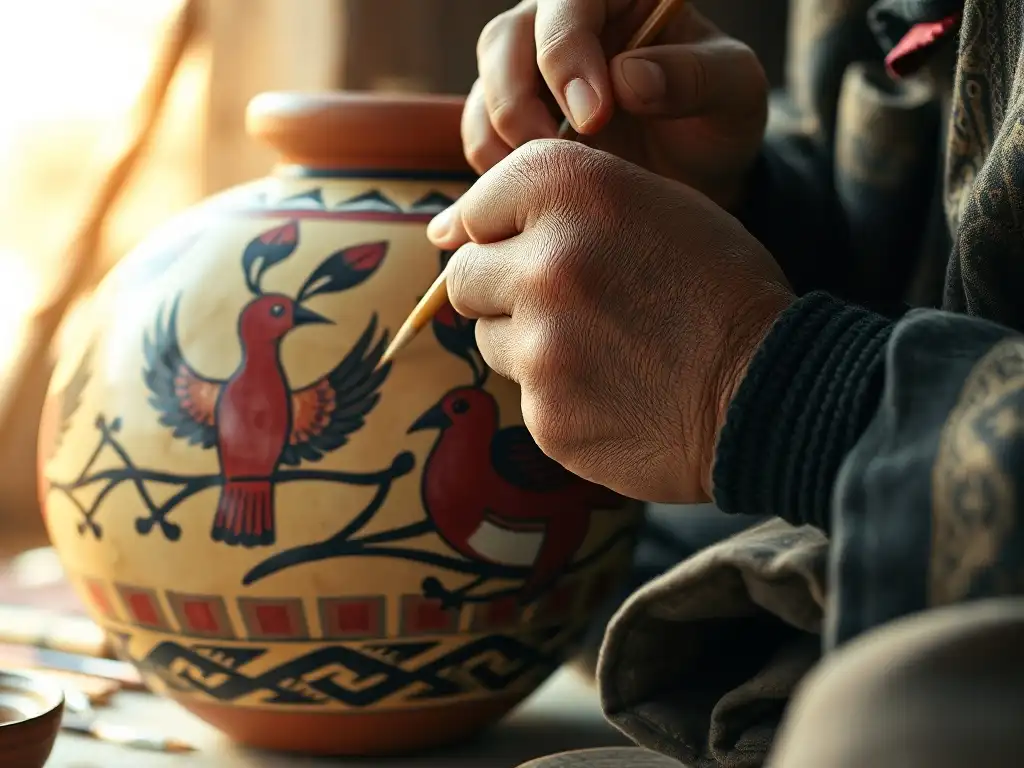
The application of the paint itself was a masterful feat. While the exact tools used remain a subject of ongoing research, it is believed that brushes made from natural materials, such as animal hair or plant fibers, were employed. Nazca pottery displays a wide range of painting styles, from simple geometric patterns to complex figurative scenes. The level of detail is astonishing, showcasing the fine motor skills and artistic vision of the potters.
Many pieces feature intricate designs, often depicting mythological creatures, human figures, and stylized plants. The precision and control required to create these intricate images are exceptional, demonstrating the high level of artistic skill within the Nazca society. Some techniques involved negative space, layering of colors, and the creation of fine lines, all contributing to the unique aesthetic of Nazca pottery.
The Final Touch: Firing and Finishing
The final stage in the process involved firing the painted pottery. Nazca potters likely used open-air kilns, reaching high temperatures to permanently fix the pigments onto the clay. The firing process was crucial, as it not only hardened the clay but also transformed the pigments, making the colors more durable and less susceptible to fading. After firing, some vessels might have received additional finishing touches, though evidence for this is less conclusive than other aspects of the process.
The successful completion of this final stage resulted in the creation of beautiful, durable, and long-lasting works of art that have survived for millennia. The careful attention to detail throughout the entire process, from clay preparation to firing, speaks to the dedication and skill of the Nazca potters. The surviving examples are a testament to their artistry and understanding of both materials and techniques.
- Preparing the Canvas: Clay Selection and Preparation
- Shaping the Vessels: From Lump to Form
- The Palette of the Andes: Pigments and Dyes
- Mastering the Brush: Painting Techniques and Styles
- The Final Touch: Firing and Finishing
- What unique painting techniques did the Nazca people employ?
- What materials did Nazca potters use for their paints?
- How did the Nazca achieve such fine detail in their pottery designs?
- What were common subjects depicted in Nazca pottery painting?
- Where can I see examples of Nazca pottery painting techniques?
Understanding Nazca Ceramic Art: An Introduction to Techniques
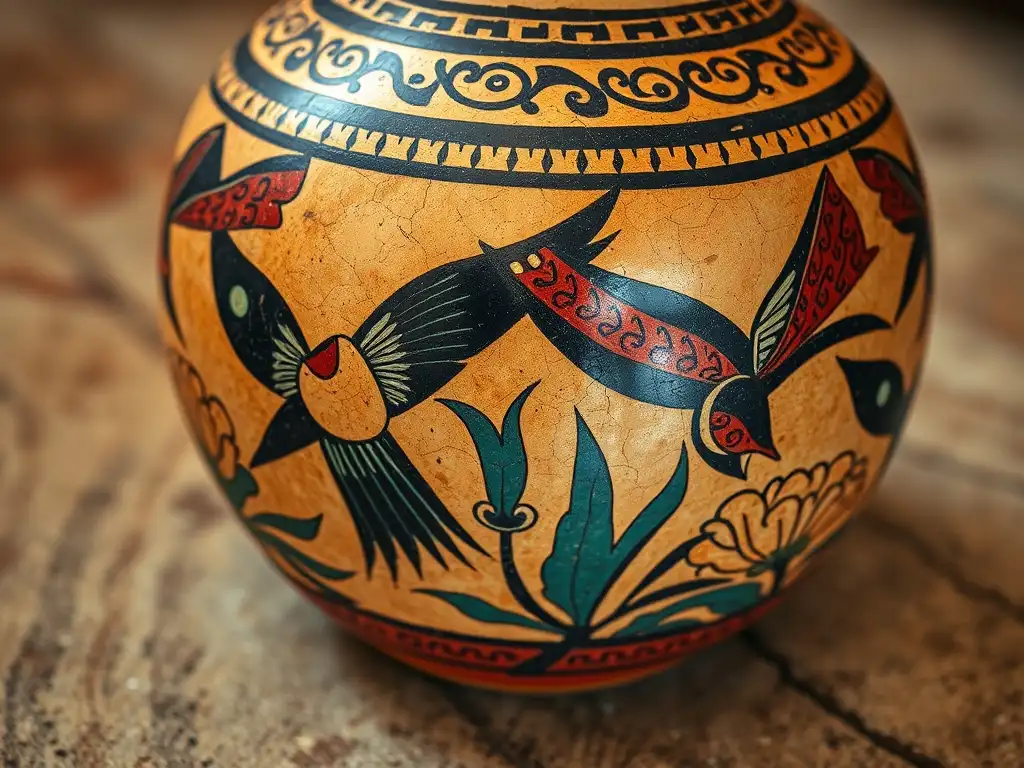
This section delves into the intricate world of Nazca pottery painting techniques, exploring the artistry and skill involved in creating these enduring masterpieces. The Nazca people, inhabiting the southern coast of Peru from approximately 100 BC to 800 AD, developed remarkably sophisticated techniques for producing and decorating their ceramics. These techniques, passed down through generations, resulted in a unique and visually stunning body of work that continues to fascinate and inspire scholars and art enthusiasts alike.
Understanding these techniques provides crucial insight into the Nazca worldview, social structures, and artistic ingenuity. The vibrant colors, intricate designs, and masterful execution of these pieces demonstrate a high level of technical proficiency and artistic expression rarely seen in other ancient cultures. We will explore the specific methods employed, including the preparation of the clay, the painting process itself, and the firing techniques used to create these remarkable artifacts.
The Significance of Nazca Pottery in Andean Culture
Nazca pottery holds immense cultural significance, extending far beyond its aesthetic appeal. These vessels weren't merely utilitarian objects; they served vital roles in religious ceremonies, daily life, and social interactions. Many pieces depict deities, mythical creatures, and scenes from daily life, offering invaluable insights into Nazca beliefs and practices.
The intricate detail and vibrant colors suggest a deep understanding of symbolic representation and the power of visual communication. Furthermore, the sheer volume of pottery produced indicates a highly organized and efficient production system, possibly involving specialized workshops and a division of labor. The presence of pottery in tombs further underscores its importance in funerary rituals, suggesting a belief in the afterlife and the continued significance of these objects in the spiritual realm.
Analysis of the iconography found on Nazca pottery provides clues to their social hierarchy and societal structure, shedding light on the complexities of Nazca society. The discovery of specific motifs associated with elite classes illustrates the role of pottery in expressing social status and power dynamics. The stylistic consistency across numerous pieces indicates a shared cultural identity and artistic tradition, emphasizing the unifying power of art within the Nazca civilization.
Overview of Nazca Pottery Styles and Forms
Nazca pottery is characterized by its diverse array of styles and forms. While the famous polychrome style, with its vibrant and intricate designs, is widely recognized, other styles also existed, demonstrating a remarkable range of artistic expression. Common forms included:
- Stirrup-spouted vessels: These iconic vessels, easily recognizable by their distinctive stirrup-shaped spouts, were likely used for ritual purposes, possibly containing offerings or beverages. Their prevalence underscores their importance in Nazca culture.
- Double-spouted vessels: Possessing two spouts, these vessels might have held different liquids or served symbolic purposes in rituals. Their design showcases the Nazca potters’ technical skill and innovative approach to form.
- Beaker-shaped vessels: Simple yet elegant, these vessels were likely used for everyday purposes, highlighting the versatility of Nazca pottery in both ritual and domestic contexts.
- Globular jars: These rounded vessels, often decorated with intricate designs, may have served as storage containers for food or other goods. Their size and design indicate a wide range of functionality.
The styles varied in their color palettes, painting techniques, and decorative motifs. Some styles featured bold, geometric patterns, while others incorporated realistic depictions of flora, fauna, and human figures. The variation in styles might reflect regional differences, social status, or changes in artistic trends over time. Further research is needed to fully understand the significance of these stylistic variations within the broader context of Nazca culture.
Detailed analysis of the clay composition, pigments used, and firing techniques can provide further insights into the regional and temporal variations in Nazca pottery production. The meticulous study of these elements is crucial to a comprehensive understanding of Nazca pottery styles and forms. The application of scientific techniques, such as X-ray fluorescence (XRF) analysis, can help unlock even more secrets about the materials and methods used by Nazca artisans.
Essential Materials and Tools in Nazca Pottery Painting
The remarkable artistry of Nazca pottery is not solely a product of skilled hands; it's also a testament to the careful selection and preparation of materials. Understanding the materials used provides crucial insight into the sophisticated techniques employed by Nazca artisans. The creation of these vibrant and intricate pieces required a meticulous approach, from the sourcing of raw materials to the final application of pigment. This section will delve into the essential elements that contributed to the enduring legacy of Nazca pottery painting techniques.
Sourcing and Preparing the Clay for Nazca Ceramics
The foundation of any successful Nazca ceramic masterpiece was the clay itself. Nazca potters were discerning in their selection, prioritizing clays known for their specific properties. These clays, often sourced from local deposits near riverbeds or alluvial plains, were chosen for their plasticity, allowing for easy shaping and molding. The precise clay composition varied depending on the desired color and texture of the final product. Some clays, after firing, yielded a characteristic creamy beige, while others provided a reddish-brown hue.
The preparation of the clay involved a laborious process. Initially, the raw clay was carefully cleaned to remove impurities like stones and organic matter. This was followed by a meticulous process of tempering, which involved adding various materials to improve the clay's workability and strength.
Common tempering agents included crushed rock, sand, or even shell fragments. The proportion and type of tempering agent were carefully controlled, influencing the final texture and durability of the pottery. After tempering, the clay was often left to weather for a period, allowing for the even distribution of moisture and further enhancement of its plasticity.
This careful preparation ensured the creation of a durable and smooth surface, ideal for the intricate painting techniques to follow. Further research is needed to fully understand the regional variations in clay sourcing and preparation methods across the Nazca region. [Specific information pending: precise clay compositions and tempering agent ratios from different Nazca sites].
Mineral and Plant-Based Pigments Used in Nazca Pottery
The vibrant colors that characterize Nazca pottery are a result of the skillful use of both mineral and plant-based pigments. These pigments, meticulously ground into fine powders, were mixed with a binding agent, likely a gum or sap from local plants, to create the paint. The precise recipes for these paints remain partially elusive, but archaeological analysis reveals a fascinating palette of colors.
Red hues were often derived from hematite, an iron oxide mineral. Yellows were obtained from goethite, another iron oxide mineral, or from ochre. Black pigments were likely derived from manganese oxides, while white pigments might have been derived from kaolin or gypsum. The range of colors extended beyond these basics, with some pottery displaying subtle variations in shades and tones.
This suggests a level of sophisticated pigment preparation and mixing techniques far beyond simple application of naturally occurring materials. The use of plant-based pigments added to the complexity, with possibilities ranging from plant extracts to finely ground charcoal. The stability and longevity of these pigments is a testament to the Nazca artisans' understanding of material science and their ability to create paints that have endured for centuries. [Specific information pending: detailed analysis of pigment composition from a representative sample of Nazca pottery].
Fine Hair Brushes and Other Painting Implements of the Nazca People
The precision and detail evident in Nazca pottery painting point towards the use of refined tools. While direct evidence of brushes is scarce, it is highly probable that finely crafted brushes made from animal hair, possibly from camelids like llamas or alpacas, were employed. The delicate lines and intricate details suggest brushes with fine, flexible bristles capable of creating both thin and thicker strokes. It's likely the artisans used a variety of brush sizes and shapes to achieve the desired effects, varying the brush according to the level of detail required.
In addition to brushes, other tools were likely used in the painting process. Simple sticks or reeds might have been used for applying broader strokes or creating textured effects. Evidence suggests that some areas were painted using a process of "negative painting," where the pigment was applied to the surface, and then scraped away to create designs. This scraping might have been done with simple tools like bone or shell implements.
The process would have required great skill and precision to achieve the intricate designs found on many pieces. The development and use of these tools speak volumes about the advanced technology and artistic skill of the Nazca culture. 🎨 Further research focusing on the excavation and analysis of artist's toolkits from Nazca sites could shed more light on these intriguing implements. [Specific information pending: further archaeological evidence of painting tools used by Nazca artisans].
The Step-by-Step Process of Nazca Pottery Decoration
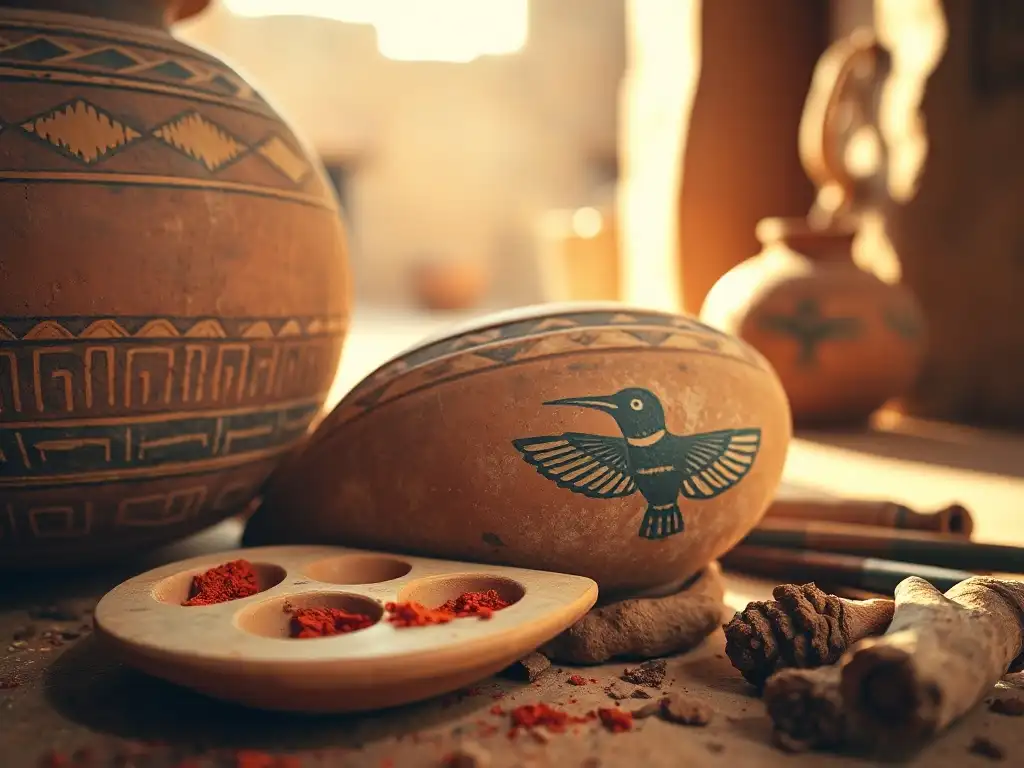
The creation of Nazca pottery, renowned for its intricate and vibrant designs, wasn't a haphazard process. Instead, it involved a meticulous sequence of steps, each demanding skill and precision. Understanding this process reveals the depth of artistry and technical mastery behind these iconic pieces. The techniques employed represent a sophisticated understanding of materials and a keen eye for detail, resulting in pottery that remains visually stunning centuries later. Mastering the Nazca pottery painting techniques required years of apprenticeship and practice. This section will delve into the key stages, highlighting the nuance and complexity involved in producing these remarkable artifacts.
Planning and Outlining Designs on Nazca Vessels
Before any paint touched the clay, Nazca artisans meticulously planned their designs. Evidence suggests that preliminary sketches were likely made, perhaps on separate surfaces, before being transferred to the vessel. This careful planning ensured that the complex compositions, often featuring elaborate figures, geometric patterns, and stylized plants and animals, would be accurately rendered on the three-dimensional surface of the pot.
The process likely involved a combination of techniques. Some scholars propose the use of a stylus or similar tool to lightly etch the outlines onto the pot's surface, serving as a guide for the subsequent painting. Others suggest the use of templates or stencils for repetitive motifs, allowing for efficient and consistent application of designs, especially in the case of geometric patterns.
The precision required in transferring designs onto a curved surface showcases the advanced planning and considerable skill of the Nazca potters. The absence of readily available written records leaves some aspects of this initial stage open to interpretation, but the final products speak volumes about the careful preparation involved. The intricacy of the designs, particularly the ability to maintain consistent scale and proportion across a curved surface, demonstrates a high level of artistic skill and planning.
Applying Slip Colors: Layering and Color Mixing Techniques
The application of slip, a clay-based liquid, formed the foundation of Nazca pottery's vibrant colors. Different colored slips, achieved through the addition of natural pigments like iron oxides (reds and browns), manganese (blacks), and other minerals, were applied in layers. This layering technique allowed for the creation of subtle shading and depth, enhancing the three-dimensionality of the designs.
The Nazca potters were masters of color mixing, achieving a wide range of hues by carefully adjusting the proportions of different pigments. They understood the nuances of color interaction and the impact of layering on the final appearance. For instance, a lighter slip might be applied as a base, followed by darker shades to create shadows and highlights, adding a sense of volume and realism to their depictions of animals or mythical beings.
The process was not only about applying color but about manipulating light and shadow to create a sense of depth and texture. The precision with which they achieved these effects is truly remarkable, considering the tools and materials available to them. The resulting color palette is breathtaking, showcasing the sophistication of their understanding of pigment chemistry and application techniques.
The Application of Negative Space in Nazca Pottery
A defining characteristic of Nazca pottery is the masterful use of negative space. Instead of simply filling the entire surface with designs, the artisans skillfully incorporated blank areas, allowing the unpainted clay to become an integral part of the composition. This technique, often overlooked, is crucial to understanding the aesthetic principles underlying Nazca artistry.
The strategic use of negative space not only balanced the overall design but also created a sense of rhythm and visual breathing room. It allowed the eye to move naturally across the surface, appreciating the interplay between the painted areas and the unpainted background. The careful consideration given to negative space highlights the sophistication of the Nazca aesthetic.
It wasn't merely about filling the surface with color; it was about creating a harmonious visual balance, where the empty spaces were as important as the painted ones. This deliberate use of negative space elevates Nazca pottery from simple decoration to a complex visual narrative, demonstrating a deep understanding of artistic principles far beyond simple craftsmanship. The effectiveness of this technique continues to captivate viewers today, a testament to the enduring power of their artistic vision.
Key Nazca Painting Motifs and Their Meanings
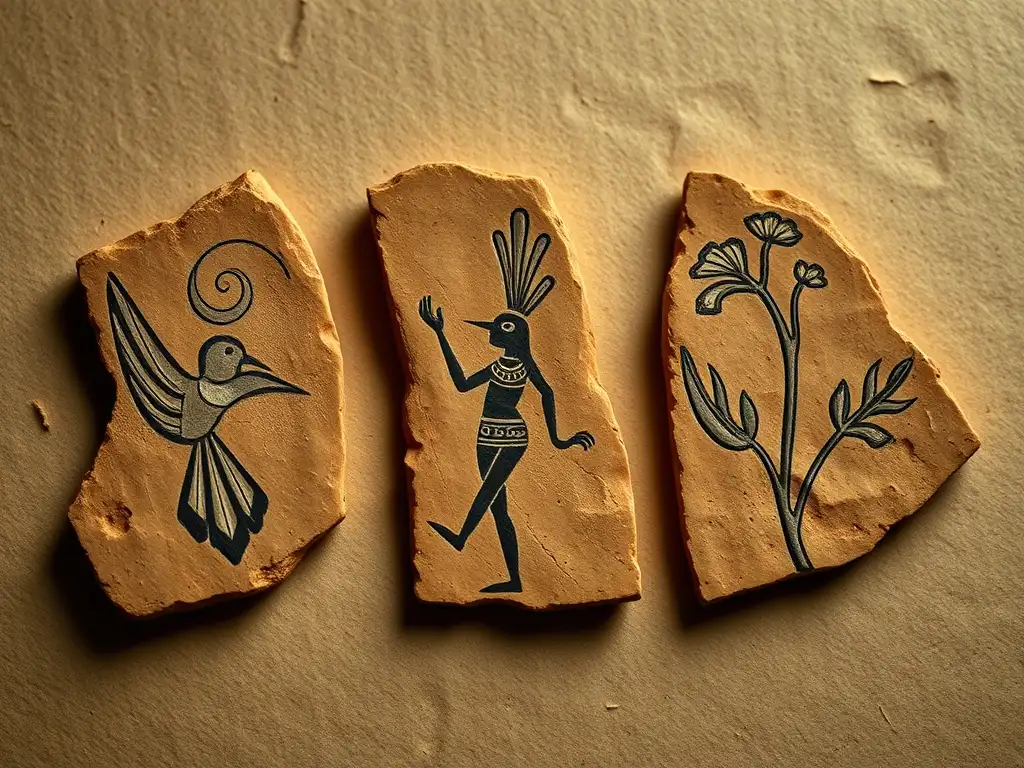
The vibrant and intricate designs adorning Nazca pottery are far more than mere decoration; they represent a complex system of beliefs, rituals, and social structures. Understanding the motifs allows us to glimpse into the worldview of this fascinating civilization. The recurring themes, meticulously painted using sophisticated techniques, reveal a deep connection to the natural world and a rich mythology. Analyzing these motifs requires a nuanced approach, considering not only the individual elements but also their arrangement and context within the larger composition.
The symbolic language of Nazca pottery provides invaluable insights into their society, offering a window into their spiritual beliefs and daily life. The skill and precision displayed in the execution of these designs further highlight the advanced artistic capabilities of the Nazca people. Their mastery of color, line, and composition is a testament to their cultural sophistication.
Iconography: Deciphering Nazca Symbols and Patterns
Nazca iconography is characterized by its intricate detail and symbolic richness. Many symbols remain enigmatic, sparking ongoing scholarly debate. However, some patterns have been tentatively interpreted based on their recurring presence and association with other artifacts.
For example, the frequent depiction of stylized plants and animals likely reflects their importance in the Nazca economy and religious beliefs. The use of geometric shapes such as triangles, zigzags, and spirals may represent cosmological concepts or abstract ideas related to the cosmos and the natural world. Careful observation reveals subtle variations in the rendering of these motifs, suggesting a complex system of communication that went beyond simple representation.
The arrangement of elements within a given design also holds significant meaning, with some scholars proposing that certain combinations represent specific narratives or rituals. Further research and comparative analysis with other Andean cultures are needed to fully unlock the secrets of Nazca iconography. The study of Nazca pottery painting techniques, therefore, requires an interdisciplinary approach, combining art history, anthropology, and archaeology.
Example of a detailed analysis of a specific motif
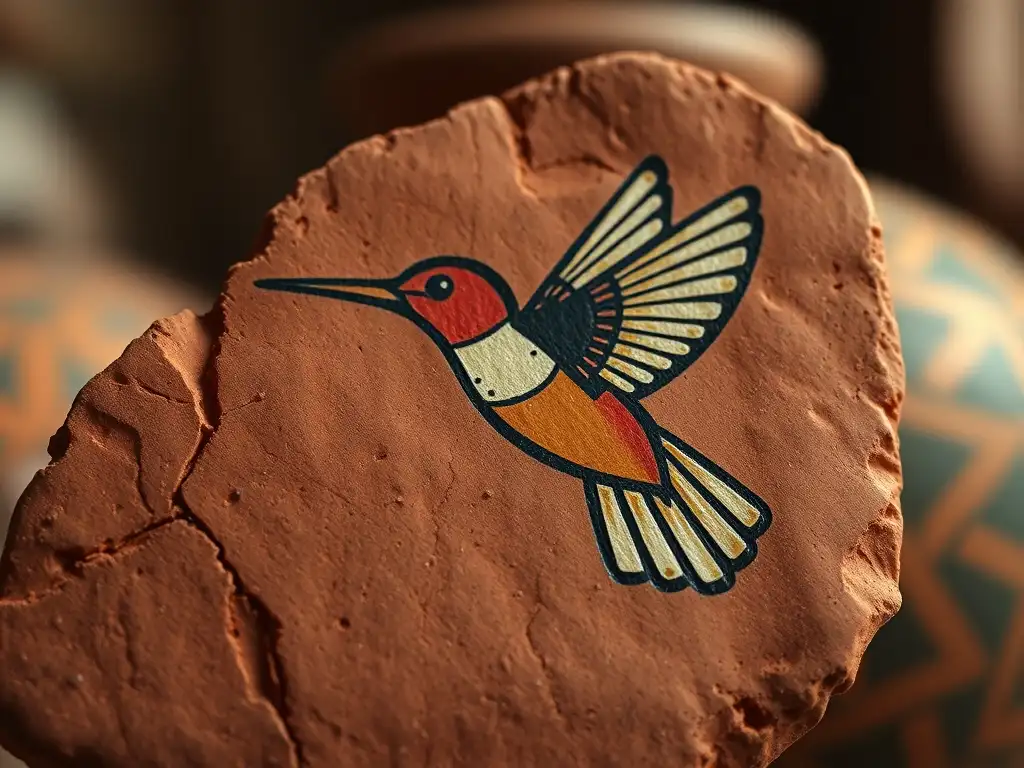
Let's consider a common motif: the depiction of a stylized hummingbird. While seemingly simple, the variations in its posture, wing position, and surrounding elements suggest different meanings. A hummingbird depicted in flight might symbolize speed, agility, and the connection between the earth and the heavens. In contrast, a hummingbird perched on a flower could represent fertility, abundance, and the balance between the natural world and the spiritual realm. The colors used further nuance the interpretation, with certain hues potentially representing specific deities or spiritual forces.
The Significance of Birds, Felines, and Mythological Figures in Nazca Art
Birds, felines, and mythological figures are prominent motifs in Nazca pottery. The frequent appearance of birds, such as condors, hummingbirds, and pelicans, reflects their ecological importance and likely their symbolic significance in Nazca cosmology. These avian representations often exhibit remarkable detail, capturing the essence of their flight and physical characteristics. Similarly, felines, such as jaguars and pumas, hold a prominent place in Nazca iconography, possibly representing power, strength, and predatory prowess.
These powerful creatures may have been associated with shamanic practices or served as symbols of rulers and elites. The presence of mythological figures adds another layer of complexity to Nazca art. These figures, often depicted with anthropomorphic features and supernatural attributes, may represent deities or spiritual beings central to Nazca religious beliefs.
The intricate details and symbolic richness of these depictions underscore the sophistication of their artistic and spiritual practices. The careful study of these figures and their interactions within the compositions provides crucial insights into the religious beliefs and worldview of the Nazca civilization. The use of unique color palettes and symbolic gestures further enhances their narrative power.
Geometric Patterns and Their Role in Nazca Pottery
Geometric patterns are ubiquitous in Nazca pottery, often appearing in conjunction with figurative motifs or as standalone designs. These patterns, encompassing triangles, zigzags, spirals, and other abstract shapes, are not merely decorative; they likely hold symbolic significance related to cosmological beliefs, social organization, or ritual practices. The precision and complexity of these patterns are striking, demonstrating a sophisticated understanding of geometry and design.
The repetition of these geometric forms may represent cyclical processes in nature, such as the changing seasons or the celestial movements. Some scholars suggest that these patterns may also represent abstract concepts related to the organization of the Nazca society, such as clan structures or social hierarchies. The use of contrasting colors and the arrangement of geometric elements within a design further enhance their visual impact and symbolic meaning.
The meticulous execution of these patterns showcases the artistic skills and cultural sophistication of the Nazca people. Understanding the role of these geometric patterns requires a multi-faceted approach, combining stylistic analysis with anthropological and archaeological data. Further research is needed to fully decipher the meaning and significance of these recurring elements.
Advanced Nazca Pottery Painting Methods
The Nazca people were masters of pottery, renowned for their incredibly detailed and vibrant painted ceramics. Their artistry wasn't simply about applying paint; it was a sophisticated process involving specialized techniques honed over generations. Understanding these techniques reveals the depth of their artistic skill and the complexity of their cultural expression. This section delves into some of the advanced methods employed by Nazca artisans, showcasing their remarkable ingenuity and the lasting legacy of their pottery. The mastery of Nazca pottery painting techniques is evident in the surviving pieces, which continue to inspire awe and wonder centuries later.
Polychrome Painting: Achieving Complex Color Combinations
Nazca pottery is famous for its polychrome style—the use of multiple colors in a single piece. Achieving these complex color combinations wasn't a simple matter of layering paints. Evidence suggests the Nazca potters employed a meticulous process involving careful preparation of pigments and a sophisticated understanding of paint application and interaction.
The pigments themselves were likely derived from natural sources, such as minerals, plants, and insects. For example, red hues might have come from hematite, while yellows could have been obtained from limonite or goethite. The precise recipes for these pigments remain partially unknown, but analysis of surviving pottery suggests a high degree of consistency and control over color production. This consistency is critical for the vibrant and enduring colors we see today.
The application of these pigments was equally crucial. Potters likely used fine brushes made from animal hair or plant fibers to apply thin, even coats of paint. They may have also used a technique of layering colors, allowing each layer to dry before applying the next. This careful layering ensured that the colors didn't blend or bleed, resulting in the sharp lines and clear details characteristic of Nazca polychrome pottery. Furthermore, the order of paint application likely influenced the final effect, with darker colors often applied first as a base. The precision required for this process is truly remarkable.
Achieving Fine Lines and Intricate Details Through Skillful Application
The incredibly fine lines and intricate details found on Nazca pottery are a testament to the artisans' exceptional skill and patience. Achieving such precision required a combination of factors, including the quality of the brushes, the consistency of the paint, and the steady hand of the painter.
The thinness of the lines suggests the use of extremely fine brushes, possibly made from the hair of small animals or from carefully processed plant fibers. The paint itself would have needed to be of a specific viscosity—not too thick to obscure detail, nor too thin to be easily controlled. This control over paint consistency likely involved the use of binders, such as gums or resins, to help the pigment adhere to the pottery surface.
Beyond the materials, the skill of the artisan is undeniable. The ability to consistently produce such fine lines over large areas, often depicting complex scenes and figures, indicates years of dedicated practice and a deep understanding of their craft. Many pieces depict intricate geometric patterns, stylized animals, and human figures, all rendered with remarkable precision. The level of detail in some pieces is astonishing, with individual feathers on a bird or scales on a reptile clearly visible. This attention to detail reveals a deep appreciation for aesthetic beauty and a high level of technical expertise.
Burnishing and Firing Techniques for Nazca Ceramics
The final stage in the creation of Nazca pottery—the burnishing and firing—was as critical as the painting process itself. Burnishing, the process of polishing the surface of the pottery, contributed significantly to the vibrant colors and overall quality of the finished product.
After the paint had dried, the potters carefully burnished the surface, creating a smooth, even texture. This process likely involved rubbing the surface with a smooth stone or shell. The burnishing process compacted the clay and created a surface that was less porous, resulting in better paint adhesion and reducing the likelihood of the colors cracking or flaking over time. The smooth surface also enhanced the visual impact of the painted designs, making the colors appear richer and more vibrant.
The firing process was equally important. Nazca potters likely used kilns, though the exact construction and operation of these kilns remain a subject of ongoing research. The temperature and duration of the firing would have influenced the color of the clay and the durability of the paint.
Precise control over the firing process would have been essential to prevent the pottery from cracking or the paint from burning or fading. The success of the firing process was crucial for the preservation of these artifacts, allowing them to survive for centuries and reach us today in a relatively good state of preservation. The enduring quality of Nazca pottery is a testament to the skill and knowledge of the artisans who created them.
The Legacy of Nazca Pottery Painting
The artistry of Nazca pottery painting, characterized by its vibrant colors, intricate designs, and sophisticated techniques, left an indelible mark on Andean art. Its influence reverberates through centuries, impacting the styles and methods of subsequent cultures. Understanding this legacy allows us to appreciate not just the beauty of the pottery itself, but also its significance within the broader context of Andean artistic development. The unique aesthetic sensibilities and technical prowess displayed in Nazca pottery served as a foundation upon which later Andean artists built their own masterpieces. This section will explore this lasting impact.
Influence of Nazca Techniques on Later Andean Art
Nazca's innovative painting techniques, particularly their mastery of slipware and negative painting, were adopted and adapted by later Andean cultures. The use of multiple layers of colored slips, carefully applied and polished to create a smooth, lustrous surface, is a hallmark of Nazca pottery. This technique, requiring precise control and considerable skill, became a foundational element in the ceramic traditions of cultures like the Wari and Tiwanaku.
Evidence suggests a direct lineage, with stylistic motifs and color palettes showing clear connections between Nazca pottery and the work of these later civilizations. For instance, the use of red-on-white pottery, a distinctive feature of Nazca, can be traced in modified forms in subsequent ceramic traditions.
Furthermore, the sophisticated use of negative space in Nazca designs, where the background color is removed to reveal the design beneath, influenced the decorative styles of later Andean artists, demonstrating a lasting impact on aesthetic sensibilities. This wasn't simply imitation; later cultures took the existing techniques and incorporated them into their own unique artistic expressions, showcasing a dynamic process of cultural exchange and adaptation.
Conservation and Analysis of Nazca Pottery Today
The preservation and study of Nazca pottery are crucial to understanding its artistic and cultural significance. Modern conservation efforts employ advanced techniques to protect these fragile artifacts from deterioration. This involves careful cleaning, stabilization of fragile areas, and the use of controlled environments to prevent further damage.
Scientists employ various analytical methods to examine the pigments used in Nazca pottery, determining their composition and origins. This allows researchers to gain insights into the materials and techniques used by ancient Nazca artisans. For example, analysis of pigments has revealed the use of minerals sourced from specific geographical locations, providing valuable information about trade networks and resource management in Nazca society.
Additionally, sophisticated imaging techniques, such as X-ray fluorescence (XRF) spectroscopy, are used to examine the underlying layers of paint and reveal hidden details of the designs. These analyses not only contribute to our understanding of the artistic processes but also provide crucial information about the social and economic context of Nazca pottery production. The ongoing work in conservation and scientific analysis ensures that future generations can appreciate the artistry and cultural significance of Nazca pottery.
Recent Discoveries and Research on Nazca Pottery Painting
Recent archaeological discoveries continue to shed light on the intricacies of Nazca pottery painting techniques. New excavations have unearthed workshops and kilns, providing valuable insights into the production process. The discovery of pigment palettes and tools has offered concrete evidence of the methods employed by Nazca artisans.
Research using advanced imaging techniques has revealed previously unseen details in the designs, enriching our understanding of the symbolism and iconography present in the pottery. For instance, recent studies using high-resolution microscopy have identified subtle variations in brushstrokes, suggesting different levels of skill among the artisans. This challenges the previously held assumption of a highly standardized production process.
Furthermore, ongoing research into the chemical composition of pigments is revealing new information about the sources of these materials and the sophistication of the Nazca's understanding of color technology. The combination of archaeological fieldwork and cutting-edge scientific analysis continues to provide a more nuanced and comprehensive understanding of Nazca pottery painting, revealing the complexity and artistry of this ancient Andean tradition. New discoveries are constantly reshaping our understanding of this fascinating aspect of Nazca culture.
Frequently Asked Questions
What unique painting techniques did the Nazca people employ?
The Nazca utilized a variety of techniques, including negative painting, where the background is painted and the design is left unpainted, and positive painting, where the design itself is applied directly. They also mastered fine-line brushwork and the use of multiple colors within a single design.
What materials did Nazca potters use for their paints?
Nazca paints were primarily made from natural pigments, derived from minerals like clays, ochres, and manganese. These were mixed with a binder, likely a gum or plant sap, to create the paint.
How did the Nazca achieve such fine detail in their pottery designs?
The fineness of their brushes, combined with their mastery of negative and positive painting techniques, allowed for intricate detail. Their skill in applying thin, even coats of paint also contributed to the precision.
What were common subjects depicted in Nazca pottery painting?
Nazca pottery frequently depicted mythological creatures, deities, and scenes of daily life, showcasing their rich culture and beliefs. Geometric designs and plant motifs were also prevalent.
Where can I see examples of Nazca pottery painting techniques?
Many museums worldwide house collections of Nazca pottery, including the Larco Museum in Lima, Peru, and the American Museum of Natural History in New York City. You can also find examples in several online museum collections.
Final Reflection: The Enduring Legacy of Nazca Artistic Mastery
The intricate artistry of Nazca pottery painting techniques continues to resonate today, a testament to the ingenuity and cultural depth of a civilization lost to time. These vibrant depictions, far from being mere decorations, offer a profound window into the beliefs, rituals, and daily lives of the Nazca people, a glimpse into a world both familiar and utterly alien. Their enduring appeal speaks to a universal human desire to connect with beauty and meaning, a desire that transcends time and culture.
The impact of Nazca pottery on our understanding of ancient Andean civilizations is undeniable, shaping our perceptions of their social structures, religious practices, and artistic capabilities. Their mastery of color, line, and composition remains a source of wonder and inspiration for artists and scholars alike. The Nazca lines are a testament to the human capacity for creative expression, a legacy that continues to inspire awe and wonder.
This quote, while not directly about the pottery, encapsulates the spirit of innovation and artistic brilliance that permeates all aspects of Nazca culture, including their exquisite pottery. Their work reminds us of the power of art to communicate across millennia.
Consider, for a moment, the meticulous detail, the vibrant hues, the sheer skill involved in creating these masterpieces. Now, imagine yourself holding a piece of this history, feeling the weight of centuries in your hands. Let the artistry of the Nazca inspire you to appreciate the beauty in detail, the power of storytelling, and the enduring legacy of human creativity. Seek out opportunities to engage with art and history, to learn from the past, and to contribute your own unique voice to the ongoing conversation of human expression. The legacy of the Nazca awaits your discovery.
**Explore the Depths of Nazca Pottery Today! **
Thank you for exploring the intricate world of Nazca pottery painting with us! We hope you've gained a deeper appreciation for these breathtaking techniques and the rich cultural stories they convey. Now, let's put that inspiration into practice!
Here are a few ways you can further engage with this captivating art form:
- **Create your own pottery! ** Gather some clay and experiment with designs inspired by the masterful Nazca artists. Share your creations online and connect with other art enthusiasts.
- **Visit a local museum or gallery** featuring Andean artifacts to experience the beauty of Nazca pottery up close.
- **Join an online community** dedicated to Andean arts and crafts to exchange ideas, techniques, and inspiration with fellow enthusiasts.
What story will your pottery tell? We'd love to hear your thoughts in the comments below!