
Nazca Lines: The Mystery of the Straight Lines and Their Purpose

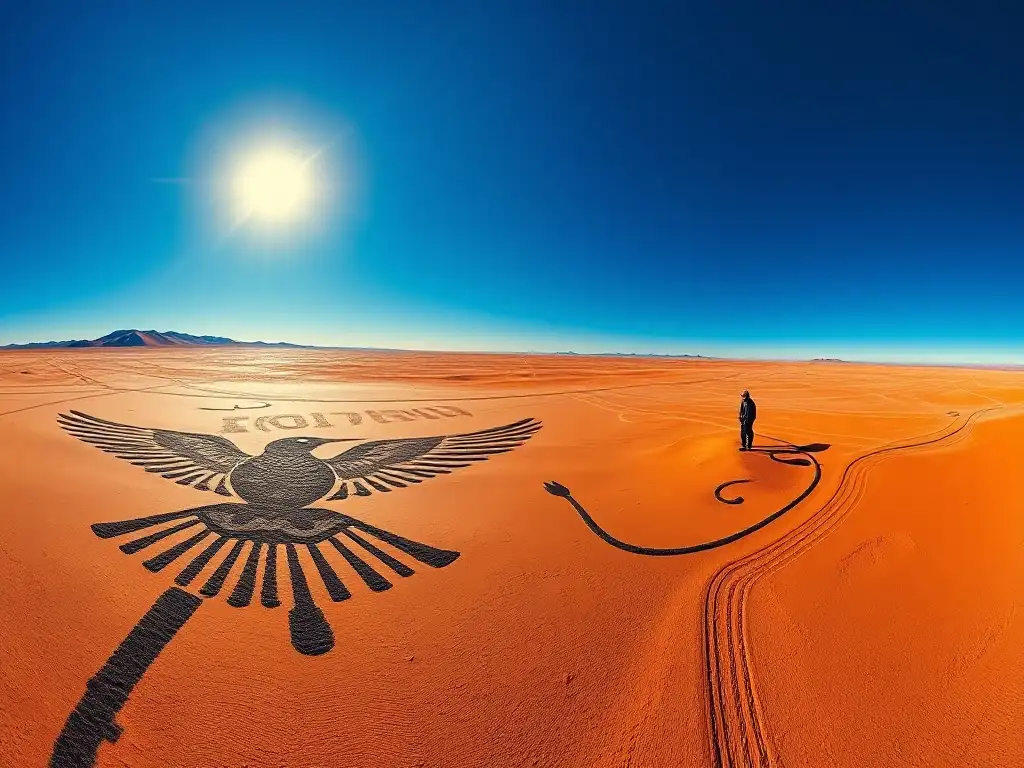
Unravel the enigma of the Andes! Prepare to journey through millennia of breathtaking artistry, sophisticated engineering, and enduring mysteries. From the towering heights of Machu Picchu to the enigmatic Nazca Lines, we delve into the captivating world of the Andean civilizations. But what truly lies behind the creation of these colossal geoglyphs? Discover the theories and ongoing debates surrounding the Nazca Lines' purpose and meaning – a puzzle that continues to baffle and inspire. Begin your exploration now and unlock the secrets of a lost world.
- Nazca Lines: Unveiling the Mystery of the Straight Lines and Their Purpose
- The Enigmatic Nazca Lines: An Introduction to Their Geographical Context
- Exploring the Nazca Lines: Types and Characteristics
- Theories Surrounding the Nazca Lines Purpose and Meaning
- Analyzing the Construction Techniques of the Nazca Lines
- The Nazca Lines: A Legacy of the Andean Civilizations
- Debunking Myths and Misconceptions About the Nazca Lines
- Conclusion: The Enduring Fascination with the Nazca Lines
- Frequently Asked Questions
- Final Reflection: Unraveling the Enduring Enigma of the Nazca Lines
- Unveil the Secrets of the Nazca Lines Today!
Nazca Lines: Unveiling the Mystery of the Straight Lines and Their Purpose
The Nazca Lines, etched into the arid plains of southern Peru, stand as one of the world's greatest archaeological enigmas. These vast geoglyphs, depicting animals, plants, and geometric shapes, have captivated researchers and the public imagination for decades.
Their sheer scale, precision, and the mystery surrounding their creation and purpose continue to fuel intense debate and speculation. This article delves into the fascinating world of the Nazca Lines, exploring the various theories surrounding their purpose and meaning, examining the evidence, and considering the cultural context of this remarkable achievement of the Nazca civilization.
We will investigate the leading hypotheses, weighing the evidence and exploring the enduring questions that remain unanswered, ultimately aiming to shed light on the true significance of these incredible figures etched into the Peruvian desert. Understanding the Nazca Lines’ purpose and meaning requires a multi-faceted approach, considering astronomical alignments, ritualistic practices, and the societal structure of the Nazca people.
The Scale and Specificity of the Nazca Lines
The sheer scale of the Nazca Lines is breathtaking. Many of the figures stretch hundreds of meters in length, visible only from the air. This immediately raises questions about their creation and purpose. How did the Nazca people, lacking advanced technology, create such precise and enormous designs? Detailed analysis reveals a surprising level of sophistication in their construction.
The lines themselves are remarkably straight, some extending for kilometers without deviation. Furthermore, the figures themselves are incredibly detailed, exhibiting a mastery of design and execution. The intricate details of the hummingbird, the spider, and the monkey, for example, are striking examples of this artistry. This level of precision points towards a planned and deliberate process, rather than a haphazard creation. Evidence suggests the lines were created by removing the dark reddish-brown surface stones to reveal the lighter subsoil, a laborious process requiring significant manpower and coordination.
Leading Theories: Astronomical Alignments and Ritual Significance
One prominent theory suggests that the Nazca Lines had astronomical significance. Some lines appear to align with solstices or equinoxes, suggesting a possible connection to the Nazca people's understanding of the celestial cycles. This theory posits that the lines served as a giant astronomical calendar, or perhaps a site for astronomical observations. However, this theory alone doesn't fully explain the presence of the zoomorphic and anthropomorphic figures.
Another compelling hypothesis emphasizes the ritualistic function of the lines. The Nazca culture was known for its complex religious beliefs, and it's plausible that the lines played a significant role in their religious practices. Perhaps the lines were pilgrimage routes, or locations for ceremonies and rituals.
Archaeological evidence, such as the discovery of artifacts near some of the lines, supports this interpretation. The intricate designs might have represented deities or mythological creatures, and the act of creating them could have been a ritual in itself. The lines could have served as a visual representation of their cosmology, a tangible link between the earthly and spiritual realms.
The Ongoing Debate and Future Research
Despite extensive research, the precise purpose of the Nazca Lines remains a matter of ongoing debate. While the astronomical and ritualistic theories offer compelling explanations, neither fully accounts for all the evidence. It's possible that the lines served multiple purposes, combining astronomical observations with ritualistic practices. Future research, incorporating advanced technologies such as satellite imagery and ground-penetrating radar, may reveal further clues.
A deeper understanding of Nazca social structures, religious beliefs, and technological capabilities is also crucial to unlocking the mysteries of these enigmatic geoglyphs. The Nazca Lines continue to challenge our understanding of ancient civilizations, reminding us of the enduring power of human creativity and the mysteries that still lie hidden beneath the surface of our planet. The search for the definitive answer to the Nazca Lines’ purpose and meaning continues, promising further exciting discoveries and deeper insights into this remarkable cultural legacy.
Further Considerations
The role of water sources in the proximity of the lines is another aspect requiring further investigation. Did the lines serve to channel water, or were they somehow related to the management of scarce water resources in the desert environment? The interaction between the lines and the surrounding landscape also warrants further study. The lines themselves are not isolated but are integrated within the wider environmental context of the Nazca desert. Understanding this relationship is crucial to fully comprehend their function.
The Enigmatic Nazca Lines: An Introduction to Their Geographical Context
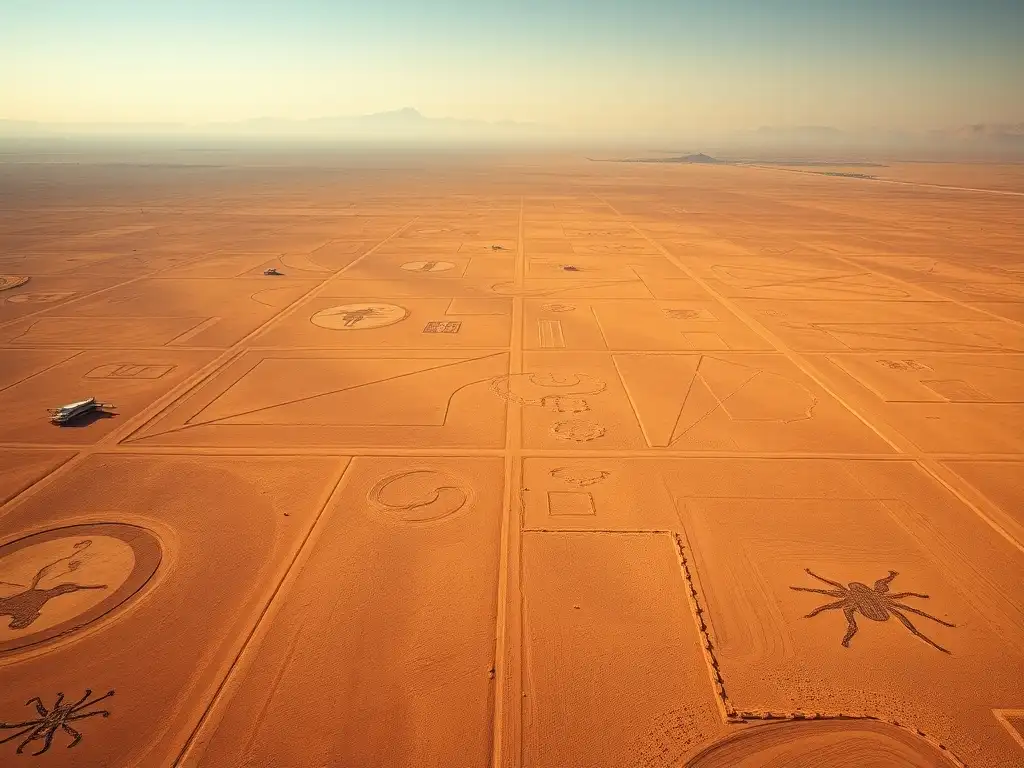
The Nazca Lines, a collection of geoglyphs etched into the Peruvian desert, represent one of the most enduring archaeological mysteries of the ancient world. Understanding their purpose and meaning requires first appreciating their unique geographical setting. The sheer scale and precision of these creations, some stretching over a kilometer in length, are only magnified by the harsh and unforgiving environment in which they were created.
This section delves into the geographical context of these enigmatic lines, exploring their location and the unique characteristics of the Nazca Desert that facilitated their creation and preservation. The Nazca Lines purpose and meaning are inextricably linked to this unique environment.
Location and Extent of the Nazca Geoglyphs
The Nazca Lines are primarily located in the Nazca Desert of southern Peru, spanning approximately 50 kilometers along the Pampas de Jumana. This vast area, characterized by its aridity and flat terrain, is the perfect canvas for these enormous figures and lines. The geoglyphs themselves are not confined to a single area but are spread across a wide expanse, suggesting a complex and possibly evolving process of creation.
Archaeological surveys continue to uncover new lines and figures, expanding our understanding of the extent of this monumental undertaking. The precise number of geoglyphs remains debated, with estimates ranging from hundreds to thousands, a testament to the scale of this ancient project.
Many lines are simple straight lines, while others depict intricate figures of animals, plants, and geometric shapes. Their location, spread across such a vast area, further complicates our understanding of the Nazca Lines purpose and meaning, suggesting a possible ritualistic or astronomical significance spanning multiple sites.
The Nazca Desert: A Unique Canvas for Ancient Art
The Nazca Desert's unique geological and climatic conditions played a crucial role in both the creation and preservation of the Nazca Lines. The desert's aridity, characterized by extremely low rainfall and minimal vegetation, prevents erosion, allowing the geoglyphs to survive for centuries. The desert floor consists of a dark reddish-brown soil, which contrasts sharply with the lighter-colored subsoil.
The Nazca people exploited this color contrast by removing the dark surface layer to reveal the lighter soil beneath, creating the visible lines. This process, requiring immense labor and precision, was possible due to the desert's stable geological conditions and the absence of significant wind or water erosion. The stability of the desert floor is a key factor in the preservation of these delicate figures, and their survival highlights the unique conditions that allowed these immense works of art to endure.
The Nazca Lines purpose and meaning are closely tied to this unique environment, which provided both the opportunity and the conditions for their lasting existence. The desert’s unique characteristics are essential to consider when analyzing the creation and longevity of these enigmatic lines. Without the arid climate and stable geological conditions, the Nazca Lines wouldn't have survived to puzzle and fascinate us today.
Exploring the Nazca Lines: Types and Characteristics
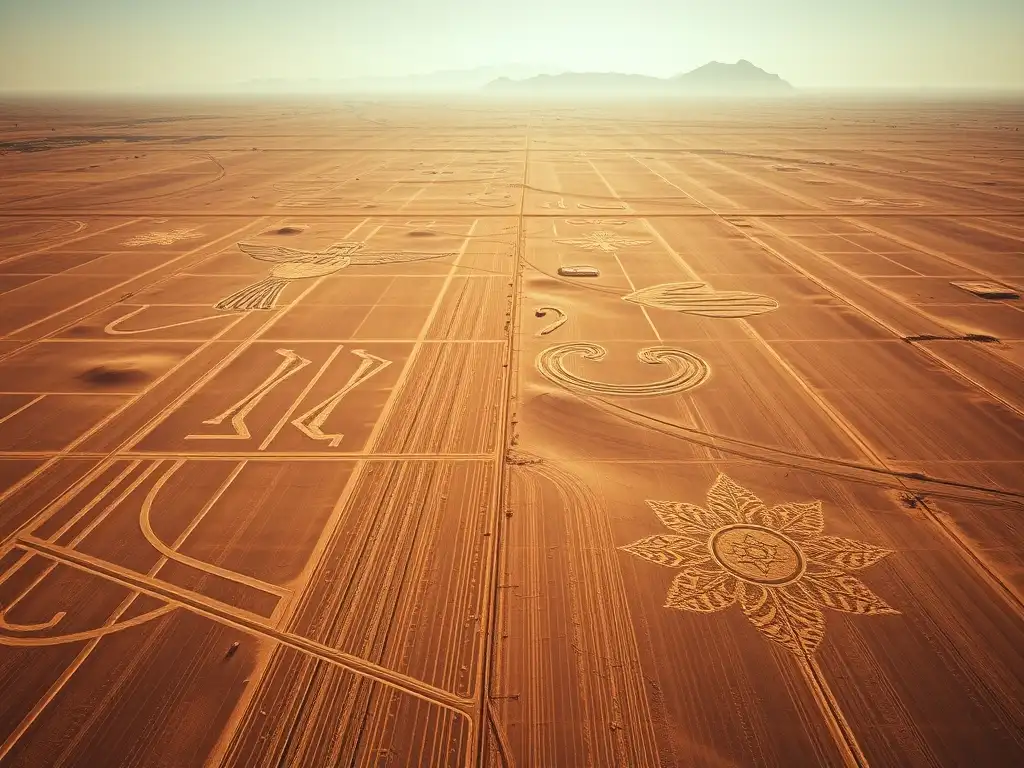
The Nazca Lines, etched into the Peruvian desert, present a captivating enigma. Their sheer scale and intricate detail continue to fascinate researchers and inspire awe in visitors. Understanding their purpose and meaning requires a careful examination of their diverse forms and characteristics. The lines themselves are not monolithic; instead, they represent a rich tapestry of artistic expression and, potentially, complex symbolic systems. The "Nazca Lines purpose and meaning" remains a subject of ongoing debate, but studying their typology offers valuable insights.
Geometric Figures: Straight Lines, Trapezoids, and Spirals
The Nazca Lines are not solely comprised of the famous biomorphic figures. A significant portion consists of geometric shapes, meticulously crafted with remarkable precision. Straight lines, some stretching for kilometers, dominate the landscape, their purpose still largely unknown. Theories range from astronomical alignments to markers for ceremonial processions or water management systems. However, conclusive evidence remains elusive.
Further adding to the complexity are the numerous trapezoids and spirals. These geometric forms often intertwine with the more recognizable animal figures, creating a layered and multifaceted visual landscape. The precision of these geometric forms, considering the tools and techniques available to the Nazca people, is astonishing. Analysis of their spatial relationships and distribution could potentially unlock clues regarding their function and significance within the broader Nazca cosmology.
Detailed surveys and mapping efforts are crucial to further unraveling this aspect of the Nazca Lines' purpose and meaning. The sheer number of these geometric shapes, often overlooked in favor of the more visually striking animal figures, suggests their importance cannot be underestimated. More research is needed to understand the intricate relationship between these geometric shapes and the broader Nazca culture.
Zoomorphic Representations: Animals and Birds of the Nazca Culture
The most iconic aspect of the Nazca Lines are undoubtedly the zoomorphic figures. These representations of animals and birds are rendered with stunning realism, capturing the essence of the Nazca fauna with remarkable accuracy. From the soaring hummingbird to the majestic spider, each creature is depicted with a unique style and level of detail, reflecting the Nazca people's keen observation skills and artistic talent. The size and scale of these figures, often spanning hundreds of meters, are equally impressive.
The selection of animals and birds is also significant. Many of the depicted species are native to the Nazca region, suggesting a strong connection between the lines and the local environment. Others, however, represent animals from more distant regions, raising intriguing questions about the Nazca people's knowledge and interactions with their surroundings. The purpose and meaning behind the choice of specific animals remains a topic of ongoing research.
Were they symbolic representations of deities, clan totems, or perhaps reflections of the Nazca worldview? The diversity and complexity of these zoomorphic representations contribute significantly to the enduring mystery of the Nazca Lines. Detailed studies of these figures, including comparative analysis with other Nazca artifacts, are essential to gaining a deeper understanding of their significance.
Anthropomorphic Figures: The Human-Like Designs
While less numerous than the zoomorphic figures, the anthropomorphic representations within the Nazca Lines are equally intriguing. These human-like figures, often depicted in simplified forms, vary significantly in style and detail. Some are relatively simple, consisting of basic lines and shapes, while others exhibit more complex features, including limbs, heads, and even elaborate headdresses. The purpose and meaning of these figures are particularly enigmatic, with several competing interpretations.
Some researchers suggest they represent deities or shamanistic figures, while others propose they are symbolic representations of individuals within the Nazca society. The lack of consistent features across different figures complicates their interpretation. Were these figures intended to represent specific individuals, or did they serve a more general symbolic purpose?
The relative scarcity of anthropomorphic figures compared to zoomorphic ones suggests they may have held a different, perhaps more specialized, significance within the Nazca cultural context. Further investigation, utilizing advanced imaging techniques and cross-referencing with other archaeological findings, is necessary to unlock the secrets held within these intriguing human-like designs. The Nazca Lines purpose and meaning concerning these figures remains a significant challenge for future research.
Theories Surrounding the Nazca Lines Purpose and Meaning
The Nazca Lines, a collection of geoglyphs etched into the Peruvian desert, continue to fascinate and puzzle researchers. Their sheer scale and enigmatic nature have spawned numerous theories regarding their purpose and meaning, ranging from astronomical observations to complex ritualistic practices. Understanding the Nazca Lines' purpose requires a multifaceted approach, considering various possibilities and weighing the evidence available.
The lack of definitive written records from the Nazca culture itself adds another layer of complexity to this enduring mystery. This section will explore some of the most prominent theories attempting to unravel the puzzle of the Nazca Lines' purpose and meaning, focusing on astronomical alignments, ritualistic pathways, and the symbolic connection to water resources.
Astronomical Alignments: Connecting Geoglyphs with Celestial Events
One prominent theory suggests that the Nazca Lines are intricately linked to astronomical events. This hypothesis proposes that certain geoglyphs align with the solstices, equinoxes, or the rising and setting points of particular stars and constellations. Proponents of this theory point to the precision of some alignments, suggesting a sophisticated understanding of astronomy.
For instance, some researchers believe that the hummingbird geoglyph might point towards the heliacal rising of certain stars, significant events in the Nazca calendar. However, this theory faces challenges. Not all geoglyphs exhibit clear astronomical alignments, and the precision of those that do might be coincidental due to the vast number of lines and figures.
Further research is needed to definitively confirm or refute this connection, including a more comprehensive analysis of the potential astronomical significance of a larger number of geoglyphs. The lack of conclusive evidence makes it difficult to definitively say whether astronomical observation was the primary purpose, or merely a secondary aspect of the lines' creation. More detailed studies, incorporating advanced astronomical software and a thorough cataloging of all geoglyphs, are necessary to fully evaluate this theory's validity.
Ritual and Ceremonial Pathways: The Nazca Lines as Sacred Spaces
Another compelling theory posits that the Nazca Lines served as part of a larger ritualistic landscape. This view suggests that the geoglyphs were not simply decorative, but rather integral components of religious ceremonies and processions. The lines themselves, often forming intricate pathways and connecting various geoglyphs, could have been used for ceremonial pilgrimages or processions, potentially involving offerings or rituals at specific locations.
The scale and complexity of the lines lend support to this theory, suggesting a significant investment of time, labor, and communal effort. This theory is partially supported by the discovery of artifacts near some geoglyphs, though the direct connection between these artifacts and the creation or use of the lines remains to be definitively established. Furthermore, the lack of evidence for large-scale settlements directly associated with the lines raises questions about the nature and scale of the rituals performed.
Further archaeological investigation, including detailed mapping of the surrounding landscape and analysis of any discovered artifacts, is needed to strengthen the evidence supporting this theory. Understanding the social structure and religious beliefs of the Nazca culture is crucial for assessing the viability of this interpretation.
Water Management and Fertility: A Symbolic Connection with Water Resources
The arid nature of the Nazca desert leads to another significant theory: that the Nazca Lines were somehow connected to water management and fertility. Given the scarcity of water in the region, it is plausible that the lines held symbolic meaning related to water sources and the cultivation of crops. Some researchers suggest that the lines might have marked underground water sources, or that the figures themselves represented deities associated with rainfall and fertility.
This theory is supported by the Nazca people's sophisticated understanding of water management techniques, evidenced by their complex irrigation systems. However, a direct link between the lines and specific water sources remains elusive. Further research, including geophysical surveys to detect potential underground water channels and a more detailed analysis of the symbolic meaning of the geoglyphs, is essential to validate this hypothesis.
The potential connection between the imagery depicted in the geoglyphs and the Nazca’s agricultural practices warrants further investigation. Perhaps certain geoglyphs represent plants, animals, or deities associated with bountiful harvests, reinforcing the water-fertility connection.
Communication with Deities: The Nazca Lines as Messages to the Gods
One prominent theory suggests the Nazca lines served as a form of communication with deities. This interpretation posits that the immense scale and precision of the geoglyphs, visible only from the air, were intended to be perceived by supernatural beings. The sheer effort involved in their creation—clearing away the reddish-brown topsoil to reveal the lighter subsoil—suggests a deeply significant purpose beyond mere earthly concerns. The intricate designs, ranging from stylized animals to geometric shapes, could be interpreted as offerings or prayers, a visual dialogue with the gods.
This theory aligns with the known religious practices of many Andean cultures, where offerings and rituals played a crucial role in maintaining a harmonious relationship with the supernatural world. The vastness of the desert landscape itself might have been considered a sacred space, making it an ideal location for such monumental expressions of faith. Furthermore, the alignment of some lines with celestial events, such as solstices or equinoxes, strengthens the argument for a cosmological and religious significance. This astronomical connection further suggests the intention to engage with a power beyond the terrestrial realm, a power whose understanding was essential for the well-being of the Nazca people.
The intricate detail in the depictions of animals, for instance, might represent specific aspects of the deities themselves or their power. Analyzing the iconography in detail could unlock further insights into the precise nature of this communication. The lack of written records makes interpretation challenging, but the sheer magnitude of the undertaking points towards a profound religious or spiritual motivation.
The selection of specific animals depicted—condors, hummingbirds, monkeys—might also hold clues to the nature of these divine messages. For example, the condor, a powerful bird of prey, could symbolize strength and dominion, while the hummingbird, with its delicate beauty, might represent grace and spirituality. The careful consideration given to the placement and orientation of the geoglyphs within the landscape further supports the idea of a deliberate, ritualistic purpose. Was the arrangement meant to replicate a constellation, or perhaps a sacred map reflecting the Nazca worldview?
These are questions that continue to fuel ongoing research and debate surrounding the purpose and meaning of the Nazca Lines. Further investigation into the broader context of Nazca religious practices and cosmology is essential to fully understand this theory. The detailed study of similar geoglyphs found in other Andean regions could also provide valuable comparative data.
Analyzing the Construction Techniques of the Nazca Lines

The creation of the Nazca Lines remains a testament to the ingenuity and precision of the Nazca people. Understanding their construction methods sheds light on their potential purpose and meaning, and reveals a sophisticated understanding of engineering and surveying techniques for their time. The sheer scale of the project, encompassing hundreds of figures and lines spanning vast distances, is equally impressive. Decades of research have yielded significant insights, though many questions still remain unanswered regarding the "Nazca Lines purpose and meaning".
Methods of Creation: How the Geoglyphs Were Made
The Nazca Lines weren't etched into the desert floor like a carving. Instead, the Nazca people cleverly removed the dark reddish-brown pebbles and iron oxide-rich topsoil, revealing the lighter-colored subsoil underneath. This process, often described as "scarification," created the stark contrast that makes the geoglyphs visible from the air. Evidence suggests they used simple tools:
- Wooden stakes: Used to mark out the outlines of the designs.
- Simple digging implements: Possibly sharpened sticks or rudimentary shovels to remove the topsoil.
- Possibly ropes and measuring devices: While not directly discovered, the precision of the lines suggests the use of some form of measurement and alignment tools.
The removal of the topsoil was a painstaking process, requiring considerable labor and coordination. The depth of the lines varies, but generally, they are only a few inches deep, indicating a careful approach to avoid unnecessary excavation. The intricate details within some figures, such as the feathers of a bird or the scales of a reptile, highlight the remarkable skill and patience of the Nazca artisans. Further research into the tools and techniques employed is ongoing, and new discoveries may reveal even more sophisticated methods.
The Role of Nazca People in the Construction Process
The creation of the Nazca Lines wasn't the work of a few individuals; it was a collective endeavor involving a significant portion of the Nazca population. The vast scale of the project, along with the precision and coordination required, necessitates a highly organized society with a shared understanding of the project's purpose and significance. Archaeological evidence suggests a hierarchical social structure within Nazca society, with specialized labor likely playing a critical role in the construction. We can imagine:
- Surveyors: Responsible for planning and mapping the designs.
- Diggers: The workforce responsible for the actual removal of the topsoil.
- Overseers: Monitoring the progress and ensuring the accuracy of the work.
The social organization and division of labor necessary for such a massive undertaking underscore the advanced societal structure of the Nazca civilization. The lines themselves may have served as a form of communal activity, reinforcing social bonds and cultural identity within the Nazca community. Further research into Nazca social structures and organization is needed to fully understand the human element behind this monumental achievement. Understanding this aspect is key to understanding the "Nazca Lines purpose and meaning."
Preservation of the Nazca Lines Through the Centuries
The arid climate of the Nazca desert has played a crucial role in the preservation of the lines. The lack of rainfall and vegetation minimizes erosion, allowing the geoglyphs to remain relatively intact for centuries. However, the lines are still vulnerable to several factors:
- Erosion: Wind and occasional flash floods can gradually erode the lines, especially in areas with less stable soil.
- Human activity: Unauthorized access to the site, including off-road driving and construction, poses a significant threat.
- Climate change: Shifts in rainfall patterns and increased frequency of extreme weather events could accelerate erosion.
Efforts to protect the Nazca Lines are ongoing, focusing on:
- Restricted access: Limiting access to the site and implementing stricter regulations to prevent damage.
- Erosion control: Implementing measures to minimize the impact of wind and water erosion.
- Public awareness: Educating the public about the importance of preserving the lines and promoting responsible tourism.
The preservation of these enigmatic geoglyphs is crucial not only for understanding the Nazca civilization but also for safeguarding a unique piece of world heritage. Continued research and conservation efforts are essential to ensure that the mystery of the Nazca Lines, and their purpose and meaning, can be appreciated by future generations. The ongoing challenges in preservation highlight the importance of continued vigilance and proactive measures to protect this irreplaceable cultural treasure.
The Nazca Lines: A Legacy of the Andean Civilizations
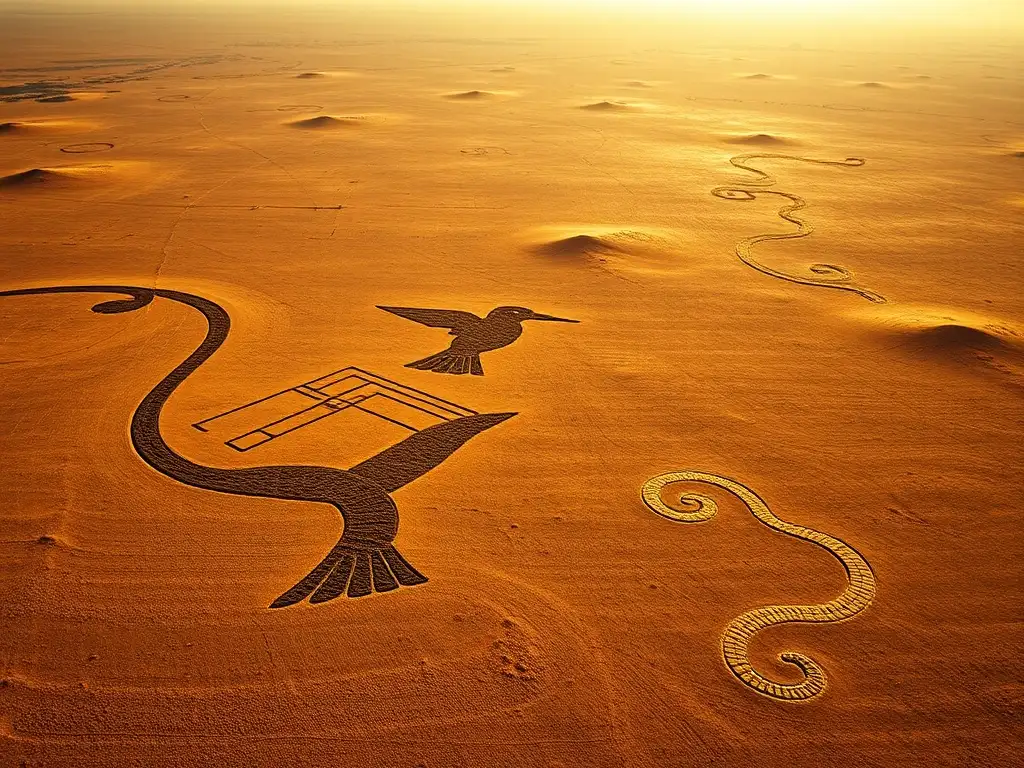
The Nazca Lines, etched into the coastal desert of southern Peru, stand as a testament to the ingenuity and artistic vision of the Nazca culture. These enigmatic geoglyphs, ranging from simple lines to complex figures of animals and plants, have captivated researchers and the public alike for decades. Their sheer scale and precision, created between 500 BCE and 500 CE, remain a source of ongoing fascination, prompting countless theories about their purpose and meaning.
Understanding the Nazca Lines requires delving into the broader context of Nazca society, their beliefs, and their unique relationship with their arid environment. The lines themselves are not merely decorative; they are deeply intertwined with the cultural and religious fabric of this ancient Andean civilization.
Their creation involved immense planning and labor, reflecting a sophisticated understanding of geometry, surveying, and social organization, a level of complexity often overlooked in discussions focused solely on the mystery of their purpose. The very existence of the Nazca Lines underscores the advanced capabilities of the Nazca people and their place within the broader tapestry of Andean civilizations.
The Nazca Culture and Their Artistic Prowess
The Nazca were masters of artistic expression, evident not only in the monumental Nazca Lines but also in their exquisite pottery, textiles, and intricate metalwork. Their ceramic artistry is particularly renowned, showcasing vibrant colors, complex designs, and often depicting scenes of daily life, religious ceremonies, and mythical creatures. These artifacts provide valuable insights into their worldview and social structures. The Nazca Lines, therefore, should be seen within the context of this broader artistic tradition.
The precision and scale of the geoglyphs reflect a similar level of dedication and skill found in their other artistic endeavors. Consider, for example, the intricate details within the hummingbird geoglyph, or the elegant curves of the stylized monkey. These weren't hastily created; they represent a significant investment of time, resources, and collective effort.
This artistic prowess wasn't limited to a select few; evidence suggests a widespread participation in their creation, reflecting a shared cultural identity and a collective understanding of their significance. The Nazca Lines, therefore, represent not just a visual spectacle, but a tangible manifestation of the cultural values and artistic capabilities of the Nazca civilization. The dedication to such large-scale projects speaks volumes about their societal organization and the importance placed on these creations.
The Importance of the Nazca Lines for Understanding Ancient Andean Beliefs
The precise purpose of the Nazca Lines remains a topic of debate, but their significance to Nazca cosmology and religious practices is undeniable. Many scholars believe the lines were integral to religious ceremonies and rituals, perhaps serving as pathways for processions, astronomical observatories, or sites for offerings to deities. The geoglyphs themselves may depict deities, mythological figures, or representations of the natural world, mirroring the imagery found in Nazca pottery and textiles. The lines' alignment with astronomical events—such as solstices and equinoxes—further strengthens the argument for their ritualistic importance.
Some theories suggest the lines were involved in water rituals, given the Nazca's challenging desert environment and their sophisticated water management systems. The lines might have been used to mark important water sources or to perform ceremonies to ensure rainfall. The creation of the lines themselves, involving the removal of dark surface stones to reveal the lighter subsoil, could have been a ritualistic act in itself.
Further research is needed to fully understand the interconnectedness of the lines with specific beliefs and practices, but their role in the religious life of the Nazca people is almost certainly significant. Analyzing the lines in conjunction with other archaeological findings, such as burial sites and ceremonial structures, is key to unlocking the full meaning of these enigmatic geoglyphs. The Nazca Lines are not just lines in the sand; they are a window into the spiritual world of an ancient civilization.
The Nazca Lines as a World Heritage Site
Recognizing their unparalleled cultural and historical significance, the Nazca Lines were designated a UNESCO World Heritage Site in 1994. This prestigious designation underscores the importance of preserving these fragile geoglyphs for future generations. The site's protection presents significant challenges, however, due to the harsh desert environment and the impact of human activity. Erosion, both natural and human-induced, poses a constant threat.
The proximity of the Pan-American Highway, for example, has led to increased traffic and vibrations which contribute to the deterioration of the lines. Sustainable tourism practices are crucial for mitigating these threats and ensuring the long-term preservation of this invaluable cultural heritage. The UNESCO designation has spurred efforts to improve site management, enhance visitor experiences, and foster international collaboration in conservation efforts. Ongoing monitoring and research are essential to understand the ongoing effects of environmental factors and human activity on the lines.
The Nazca Lines' status as a World Heritage Site highlights their global importance and underscores the need for continued investment in their preservation. Protecting these ancient marvels demands not only technological solutions but also a deep commitment to understanding and respecting the cultural heritage they represent. The future of the Nazca Lines depends on our collective efforts to safeguard this irreplaceable treasure for generations to come.
Debunking Myths and Misconceptions About the Nazca Lines
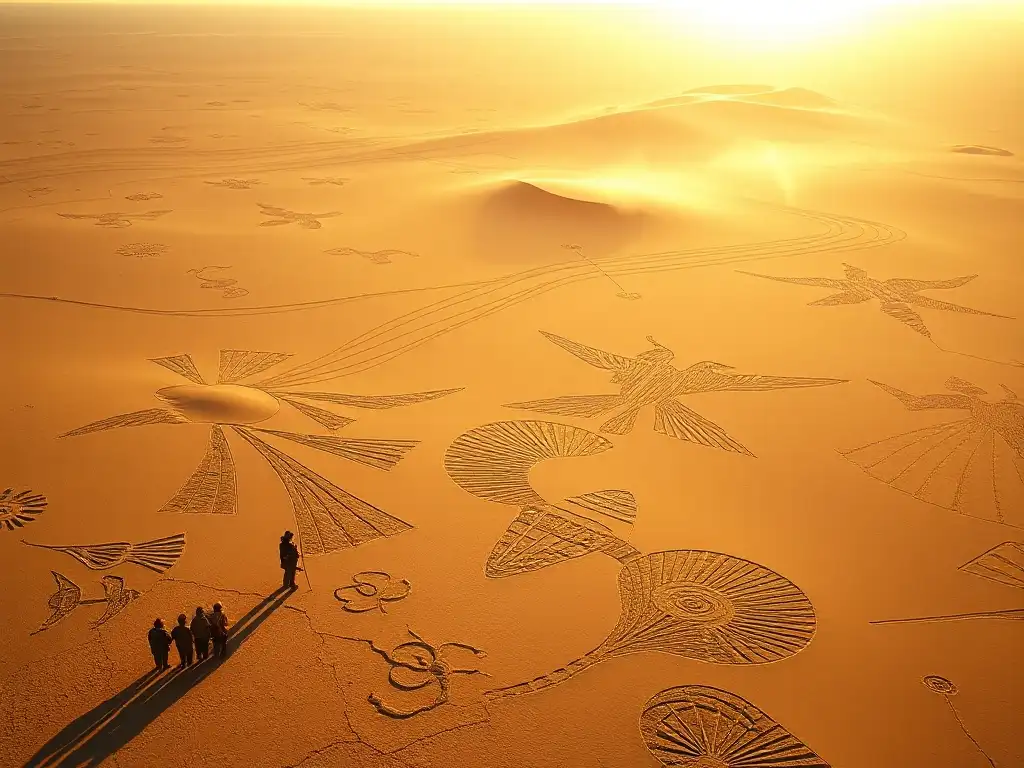
The Nazca Lines, those enigmatic geoglyphs etched into the Peruvian desert, have captivated imaginations for decades. Their sheer scale and mysterious nature have fueled countless theories, some bordering on the fantastical. However, separating fact from fiction is crucial to understanding the true purpose and meaning behind these remarkable creations. This section aims to dispel some common myths and misconceptions surrounding the Nazca Lines, focusing on scientifically-backed interpretations. We'll examine the evidence and offer a more grounded perspective on their creation and significance.
Extraterrestrial Theories and the Reality of Nazca Lines Creation
One of the most persistent myths surrounding the Nazca Lines is their extraterrestrial origin. Proponents of this theory often point to the lines' immense size and seemingly impossible precision as evidence of advanced alien technology. However, extensive research and archaeological findings strongly contradict this claim. The lines, while impressive, were created using techniques readily available to the Nazca people.
Careful analysis of the geoglyphs reveals the use of simple tools, like stakes and ropes, to create the designs. The Nazca culture possessed a sophisticated understanding of geometry and surveying, allowing them to create these large-scale patterns with remarkable accuracy. The "impossible precision" is often exaggerated; closer examination reveals variations and imperfections that are consistent with human craftsmanship. Furthermore, the lines' creation aligns with the known timeline and technological capabilities of the Nazca civilization.
The materials used, primarily dark-colored stones and gravel, are locally sourced, further negating the need for extraterrestrial intervention. The idea of aliens creating the Nazca Lines is a captivating narrative, but it lacks credible scientific support. The lines, in reality, represent a remarkable feat of human ingenuity and cultural expression.
The Scale and Complexity of Nazca Lines: A Human Achievement
The sheer scale of the Nazca Lines is undeniably awe-inspiring. Hundreds of figures, ranging from simple lines to intricate depictions of animals and plants, stretch across a vast expanse of desert. This scale often leads to the misconception that their creation required superhuman effort or advanced technology. However, the Nazca people, through meticulous planning and organized labor, achieved this monumental task.
Recent research suggests that the creation of the lines involved a collaborative effort, with different groups working on various sections simultaneously. The process likely involved clearing away the reddish-brown topsoil to reveal the lighter-colored subsoil, creating the visible lines. The precision of the lines, while impressive, is not absolute; slight variations and imperfections are evident upon closer examination.
These imperfections, far from detracting from their significance, actually provide further evidence of human creation. The remarkable organization and planning involved are testaments to the advanced social and engineering skills of the Nazca civilization, not evidence of extraterrestrial involvement. The complexity of the project should be viewed as a testament to human potential, not as evidence against it.
Recent Archaeological Discoveries at the Nazca Site
Ongoing archaeological investigations continue to shed light on the Nazca Lines and the culture that created them. Recent discoveries have provided additional insight into the techniques used in their construction and the possible purposes they served.
For instance, [specific information pending on recent discoveries, such as new tools found, new geoglyphs discovered, or new insights into construction methods]. These findings not only help to refine our understanding of the Nazca Lines' creation but also contribute to a more nuanced appreciation of the Nazca civilization's ingenuity and cultural practices.
Further research is crucial to unraveling the remaining mysteries surrounding these iconic geoglyphs and to fully appreciate their significance within the broader context of Andean culture. The ongoing exploration of the Nazca site promises to reveal more about the purpose and meaning of these extraordinary lines, gradually replacing speculation with concrete evidence and a deeper understanding of the Nazca Lines purpose and meaning.
Conclusion: The Enduring Fascination with the Nazca Lines
The Nazca Lines, etched into the Peruvian desert, continue to captivate the world's imagination. Their sheer scale, precision, and enigmatic purpose have fueled countless theories and expeditions, solidifying their place as one of archaeology's greatest mysteries. The enduring fascination stems not only from the unanswered questions surrounding their creation and meaning but also from their breathtaking beauty and the testament they provide to the advanced understanding of geometry and engineering possessed by the Nazca culture.
Understanding the Nazca Lines purpose and meaning requires a multidisciplinary approach, integrating archaeological findings, astronomical observations, and anthropological interpretations. The lines themselves represent a powerful symbol of a sophisticated civilization, capable of monumental undertakings and intricate planning. This legacy continues to inspire awe and wonder, encouraging ongoing research and preservation efforts.
The Nazca Lines as a Symbol of Ancient Andean Ingenuity
The Nazca Lines stand as a powerful symbol of the remarkable ingenuity of the ancient Andean civilizations. The creation of these geoglyphs involved meticulous planning and execution, requiring a sophisticated understanding of surveying, engineering, and potentially, astronomy. Consider the sheer scale of the undertaking: some lines stretch for kilometers, requiring precise alignment across vast distances.
The creation of the figures, some of which are incredibly complex and detailed, demanded a high level of organizational skill and labor coordination. The Nazca people, using rudimentary tools, managed to create these immense works of art, showcasing their advanced knowledge of land management and their ability to mobilize significant human resources. This achievement, far from being a mere curiosity, reflects a deep understanding of their environment and a sophisticated societal structure capable of such ambitious projects.
Their ability to create such intricate designs, using simple tools and techniques, is a testament to their ingenuity and resilience. The Nazca Lines, therefore, are not just lines in the desert; they are a powerful symbol of human achievement and the capacity for innovation even with limited resources.
The Ongoing Efforts to Protect and Study the Nazca Geoglyphs
Preserving the Nazca Lines for future generations requires a concerted and multifaceted effort. The fragility of the geoglyphs, vulnerable to erosion and human interference, necessitates ongoing conservation strategies. These efforts include carefully managing tourist access, implementing sustainable land management practices, and employing advanced technologies to monitor the lines' condition.
Researchers continue to employ various techniques, including aerial photography, satellite imagery, and ground-penetrating radar, to study the geoglyphs in greater detail. These investigations aim to uncover new information about their construction methods, their possible purposes, and their relationship to the broader Nazca culture. Furthermore, collaboration between archaeologists, anthropologists, and other experts is crucial to advancing our understanding of these enigmatic works of art.
The ongoing commitment to research and protection underscores the international significance of the Nazca Lines and the importance of preserving this unique cultural heritage for future generations. The Nazca Lines purpose and meaning continue to drive these efforts, highlighting the need for a holistic approach to their study and conservation.
Future Research Directions and Unanswered Questions
Despite significant advances in our understanding of the Nazca Lines, many questions remain unanswered. Future research should focus on refining dating techniques to establish a more precise chronology of their creation. Further investigation into the societal organization of the Nazca culture is also crucial to understanding the resources and manpower required for such monumental projects. The role of astronomy in the creation and purpose of the lines remains a topic of ongoing debate.
More detailed analysis of the lines' alignment with celestial events could provide further insights into their possible astronomical significance. Advanced imaging techniques and geophysical surveys could reveal hidden features or previously undetected geoglyphs. Finally, a deeper understanding of the symbolic meaning of the figures and lines is necessary to fully grasp their cultural significance.
The Nazca Lines purpose and meaning continue to be a fascinating subject for scholars, and future research will undoubtedly shed more light on this enduring enigma. The ongoing exploration promises to reveal further secrets of this remarkable ancient civilization. The mystery surrounding the Nazca Lines continues to inspire and challenge us, making them a testament to the enduring power of human curiosity and the quest for knowledge.
Frequently Asked Questions
What are the Nazca Lines?
The Nazca Lines are geoglyphs—giant designs etched into the desert surface of Peru's Nazca plateau. They depict animals, plants, and geometric shapes, visible only from the air.
What is the most popular theory about the purpose of the Nazca Lines?
A leading theory suggests the lines served as a ceremonial or ritualistic purpose. Some believe they were linked to water sources or astronomical observations, possibly part of religious practices.
When were the Nazca Lines created, and who made them?
The Nazca Lines were created over centuries, between 500 BC and 500 AD, by the Nazca culture. The exact methods used to create them remain somewhat of a mystery.
Why are the Nazca Lines only visible from the air?
Their immense scale and the flat, featureless terrain make them almost invisible from ground level. Only from a significant height can the complete designs be appreciated.
Are there any other theories about the purpose and meaning of the Nazca Lines?
Yes, other theories exist, including proposals relating to astronomical alignments, water management, and even ancient landing strips. However, none are definitively proven.
Final Reflection: Unraveling the Enduring Enigma of the Nazca Lines
The mystery of the Nazca Lines continues to resonate today, a powerful testament to humanity's enduring fascination with the unknown and our persistent quest for meaning. These colossal geoglyphs, etched into the Peruvian desert millennia ago, challenge our understanding of ancient civilizations and their capabilities, prompting us to reconsider our own relationship with the land and the legacy we leave behind. Their very existence is a profound statement about the human spirit's capacity for monumental creation and symbolic expression.
The Nazca Lines' influence extends far beyond the arid plains of Peru; they serve as a potent symbol of the enduring power of human creativity and the mysteries that continue to shape our understanding of the past. Their enigmatic nature fuels ongoing research and inspires countless interpretations, reminding us of the limitations of our knowledge and the richness of diverse perspectives. The Nazca Lines are not just lines on the ground; they are a window into a lost world, a testament to a civilization's ingenuity and spiritual beliefs.
This quote encapsulates the profound impact these ancient markings have had, not only on archaeology but also on our collective imagination.
Consider, for a moment, the sheer scale of these creations and the dedication required to bring them into being. What can we learn from the Nazca people's commitment to their vision? What enduring legacy are we creating today? Let the Nazca Lines serve as a reminder to strive for meaning in our own lives, to leave our own mark on the world, and to approach the unknown with curiosity, respect, and a willingness to embrace the enduring mysteries that surround us. Let their enduring presence inspire you to explore your own passions and to create something meaningful and lasting.
Unveil the Secrets of the Nazca Lines Today!
Thank you for exploring the fascinating world of the Nazca Lines! You've already gained valuable insights into this captivating phenomenon, but the journey of discovery doesn't have to end here. There's much more to uncover, and you have the power to delve deeper.
To further explore the Nazca Lines and engage with this extraordinary topic, consider these suggestions:
- **Join a local archaeology group or online forum** to discuss your thoughts and learn from others fascinated by Andean civilizations. Sharing your perspectives with others can lead to unexpected insights.
- Expand your knowledge by reading more articles or watching documentaries that explore ancient cultures and their enigmatic creations. Many resources are available to deepen your understanding.
- **Share your newfound knowledge** with friends, family, or on social media. Starting a conversation or hosting a movie night focused on ancient civilizations is a great way to share your passion.
What aspect of the Nazca Lines most intrigues you? Do you believe they served an astronomical purpose, or do you think they held a deeper religious significance? Let's discuss!