
Unearthing the Secrets of Andean Metalworking: Crafting Weapons of War

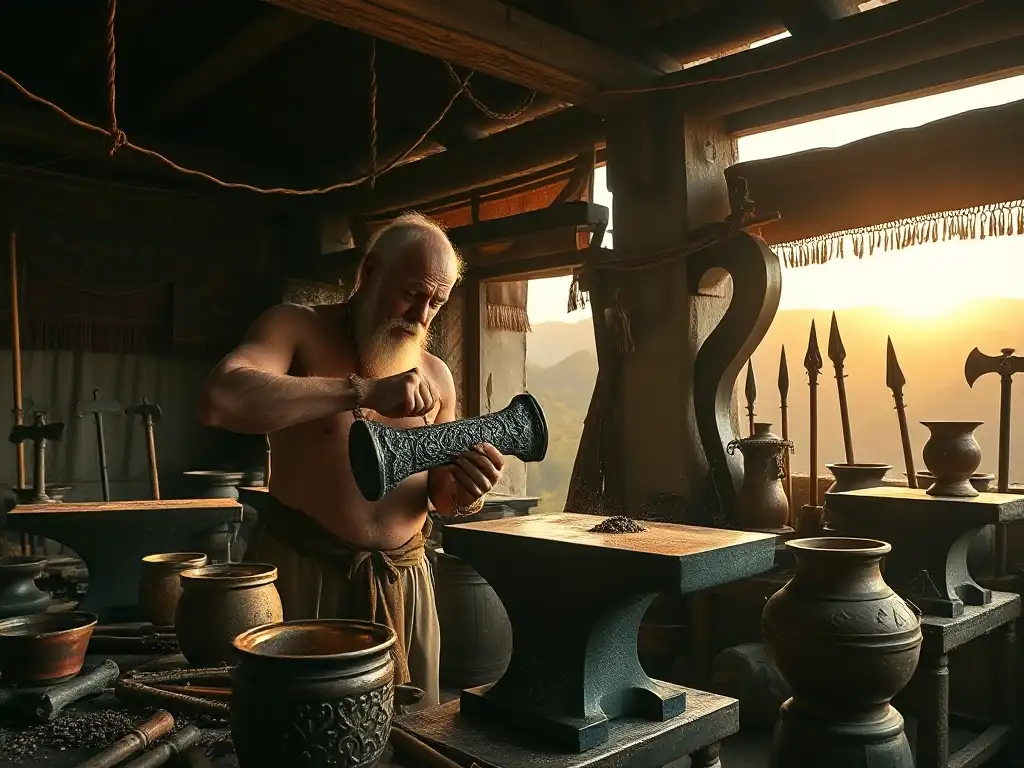
Dive into a world lost to time, where the echoes of hammers ring out across millennia. Unearth the secrets of Andean metalworking techniques, a mastery that forged not just tools, but the very destiny of empires. From the shimmering gold of the Incas to the intricate artistry of the Moche, discover how these ancient Andean civilizations crafted weapons that shaped the course of warfare. Prepare to be amazed by the ingenuity and skill that lie hidden within the legends of Andean battles – a story waiting to be told.
- The Art of Maya Astronomy: Celestial Observations and Calendrical Systems
- The Significance of Astronomy in Maya Civilization
- The Role of Astronomy in Maya Civilization
- Maya Astronomical Observatories and Tools
- The Maya Calendar System: A Complex Timekeeping Method
- Maya Understanding of Celestial Bodies
- Andean Metalworking Techniques in Weaponry
- The Legacy of Maya Astronomy
-
Frequently Asked Questions
- What unique metalworking techniques did Andean civilizations employ?
- What types of metals did Andean civilizations primarily work with?
- How did Andean metalworking contribute to warfare?
- Were there regional differences in Andean metalworking styles?
- What is the significance of Andean metalworking in understanding their culture?
- Final Reflection: The Enduring Legacy of Andean Metalworking
- Unveil Your Inner Artisan and Master Ancient Techniques!
The Art of Maya Astronomy: Celestial Observations and Calendrical Systems
The Andes Mountains, a spine of towering peaks stretching along the western coast of South America, were home to a series of remarkable civilizations whose ingenuity and artistry left an indelible mark on history. This article delves into the fascinating world of Andean metalworking, specifically focusing on the techniques employed to create the weapons of war that shaped the course of Andean conflicts.
From the intricate casting methods of the Moche to the sophisticated alloys of the Inca, we will explore the diverse techniques and materials used to forge swords, axes, maces, and other implements of warfare, revealing the technological prowess and cultural significance of Andean metalworking. Understanding these techniques provides a crucial lens through which to examine the political, social, and military structures of these powerful Andean societies.
This exploration will illuminate not only the how of Andean metalworking but also the why, revealing the intricate connection between metallurgical advancements and the rise and fall of Andean empires. We will discover how access to and control over these advanced metalworking techniques directly impacted military power and social hierarchy within these ancient societies.
The Materials of Andean Metalworking: Sourcing and Processing
Andean metalworkers skillfully utilized readily available resources, primarily copper, bronze, gold, silver, and occasionally platinum. Copper, being the most abundant, formed the basis of many tools and weapons. The process began with mining, often involving intricate systems of tunnels and shafts, evidence of which can still be found today. Once extracted, the ore underwent rigorous processing, including crushing, grinding, and smelting to extract the pure metal.
The precise techniques varied across different Andean cultures, with some employing sophisticated furnaces capable of reaching incredibly high temperatures. The quality of the final product depended heavily on the purity of the metal and the skill of the artisan. For example, the Incas were renowned for their ability to create incredibly pure copper, resulting in exceptionally strong and durable weaponry. This meticulous attention to detail was not just about functionality; the purity of the metal also held significant symbolic weight within their culture.
Casting Techniques: From Simple Molds to Complex Designs
Casting was a fundamental technique employed across various Andean cultures. Early methods involved simple open molds, where molten metal was poured into a clay or stone form. However, as technology advanced, Andean metalworkers developed more sophisticated techniques, including lost-wax casting, which allowed for the creation of intricate and detailed objects. This process involved creating a wax model of the desired weapon, covering it in clay, melting out the wax, and then pouring molten metal into the resulting mold.
The Moche culture, renowned for its artistic achievements, particularly excelled in this technique, producing intricately decorated weapons and ceremonial objects. The evolution of casting methods reflects not only technological progress but also the increasing sophistication of Andean artistic expression. The level of detail achieved in some pieces, even today, is astonishing.
Alloying and Heat Treatment: Enhancing Strength and Durability
The Andean metalworkers understood the importance of alloying, combining different metals to enhance the properties of the final product. Bronze, an alloy of copper and tin, was particularly valued for its strength and durability, making it ideal for weapons. The precise ratios of copper and tin varied depending on the desired properties and the specific cultural context.
In addition to alloying, heat treatment played a crucial role in improving the strength and resilience of metallic weapons. Techniques such as annealing and quenching were employed to manipulate the microstructure of the metal, creating a harder, more durable product capable of withstanding the stresses of combat. This understanding of metallurgical principles demonstrates a remarkably advanced level of technological knowledge for its time.
Andean weapons were not merely functional tools; they were often elaborately decorated with intricate designs and patterns, reflecting the cultural and social significance of warfare. Gold and silver inlays, hammered relief, and etching were frequently employed to embellish weapons, creating objects of both beauty and power. The specific designs and motifs often held symbolic meaning, possibly representing deities, animals, or other important cultural elements.
The level of ornamentation could also indicate the social status of the weapon's owner, with elite warriors possessing more heavily decorated and valuable weapons. This intricate artistry highlights the multifaceted nature of Andean metalworking, where technological skill combined seamlessly with artistic expression and social hierarchy. The decoration wasn't merely aesthetic; it was a powerful visual language communicating power, status, and cultural identity.
The Significance of Astronomy in Maya Civilization
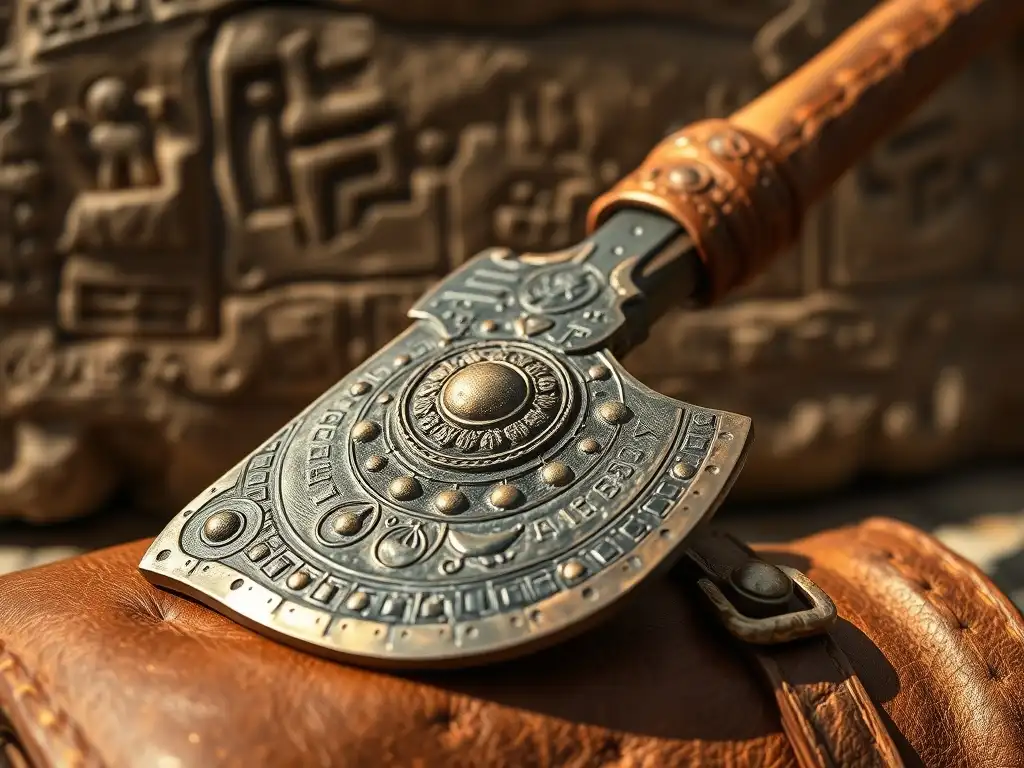
The development of sophisticated Andean metalworking techniques profoundly impacted the nature of Andean warfare and the power dynamics between different groups. The ability to craft weaponry from metals like copper, bronze, and later, gold and silver, provided a significant military advantage. This section will explore the crucial role of metalworking in creating effective weapons, examining the techniques employed and their impact on Andean societies. Understanding these techniques is key to appreciating the complexity of Andean military organization and the strategic importance of metal resources.
The Evolution of Andean Metalworking Techniques
Early Andean metalworking, primarily focused on copper, involved techniques like hammering and annealing. Objects were shaped by repeatedly heating and hammering the metal, a labor-intensive process requiring considerable skill. The development of lost-wax casting, a more advanced technique, allowed for the creation of more complex and detailed shapes, significantly impacting weapon design. This method involved creating a wax model of the desired object, covering it in clay, melting out the wax, and then pouring molten metal into the resulting mold.
Evidence suggests that the Moche culture, known for their intricate metalwork, mastered this technique, producing finely crafted weapons and ceremonial objects. Later, the Inca incorporated alloys of copper and other metals, enhancing the durability and strength of their weapons. The transition from simpler hammering techniques to the more sophisticated lost-wax casting demonstrates a gradual advancement in Andean metalworking capabilities, directly influencing the effectiveness of their weaponry.
The mastery of metalworking wasn’t just a technological achievement; it was a reflection of sophisticated societal organization. The extraction, processing, and distribution of metal ores required coordinated effort and specialized labor, indicating a level of social complexity and centralized control of resources within Andean societies. The creation of weapons wasn't solely a craft; it was a crucial element of state power and military strategy.
Types of Andean Metal Weapons and Their Construction
Andean metalworkers produced a variety of weapons, each demonstrating the ingenuity of their techniques. Among the most notable are:
- Copper and bronze axes: These were fundamental tools of war, used for both close-quarters combat and felling trees to create defensive fortifications. The quality of the metal and the precision of the axe head's design varied significantly based on the specific culture and time period. Larger, heavier axes might have been used by elite warriors, while smaller ones might have been more common among the general soldiery.
- Tumi ceremonial knives: While often used in ceremonies, the tumi's sharp blade also made it a potentially lethal weapon. The intricate designs and high quality of the metal used in their creation highlight the advanced metalworking capabilities of cultures like the Moche. The sheer artistry involved suggests that the creation of these knives was tightly controlled, potentially by religious or elite groups.
- Spear points and projectile points: These weapons, often crafted from copper or bronze, showcase the Andean metalworkers' ability to create sharp, durable points suitable for hunting and warfare. The shapes and sizes of these points varied widely, reflecting regional differences in design and materials. Analyzing the metallurgy of these weapons can reveal valuable information about the trade networks and resource control within Andean societies.
| Weapon Type | Material(s) | Production Technique | Notable Culture(s) |
|---|---|---|---|
| Copper Axes | Copper | Hammering, Annealing | Many Andean Cultures |
| Bronze Spear Points | Copper-Tin Alloy | Lost-wax Casting, Hammering | Moche, Inca |
| Tumi Ceremonial Knives | Copper, Bronze, Gold | Lost-wax Casting | Moche, Wari |
The variations in weapon design and materials across different Andean cultures reflect regional differences in resources and metalworking techniques, as well as distinct cultural and military strategies. Further research is needed to fully understand the nuances of these regional variations. [Specific information pending on regional variations in weapon design].
The Role of Astronomy in Maya Civilization
While this section focuses on Andean metalworking, it's important to note the significant role astronomy played in other Andean societies. The following subsections briefly touch upon the impact of astronomy on Maya civilization, highlighting the similarities and differences in the approaches to celestial observation between these distinct cultures. While not directly related to weaponry, understanding the broader cultural context of Andean societies necessitates acknowledging the importance of astronomy in their worldview.
The Role of Astronomy in Maya Religion
Astronomy was deeply interwoven with Maya religion, influencing their cosmology, calendar systems, and rituals. The Maya meticulously tracked the movements of celestial bodies, believing that these movements held profound spiritual significance and influenced earthly events. Their intricate calendar systems, based on observations of the sun, moon, and planets, were crucial for organizing their agricultural cycles and religious ceremonies. Observatories and temples were constructed to facilitate astronomical observations, demonstrating the importance of this knowledge within their society.
The precise calculations and detailed records of celestial events showcase the advanced mathematical and astronomical understanding of the Maya. Further research is needed to fully understand the complexity of their astronomical knowledge and its influence on their religious practices. [Further research needed on the specific astronomical rituals of the Maya].
Astronomy as a Tool for Agriculture and Timekeeping
Beyond its religious significance, astronomy served as a practical tool for the Maya. The precise tracking of the sun's movements allowed them to predict the optimal times for planting and harvesting crops, ensuring food security. The development of complex calendar systems facilitated the organization of agricultural activities and social events, contributing to the stability and prosperity of Maya communities.
Their sophisticated understanding of astronomy allowed for efficient agricultural practices, and the development of elaborate calendar systems that governed their lives. The integration of astronomy into daily life demonstrates the practical application of their astronomical knowledge, highlighting the multifaceted role of astronomy in Maya society. [More specific data needed on the Maya calendar system's impact on agriculture].
Maya Astronomical Observatories and Tools
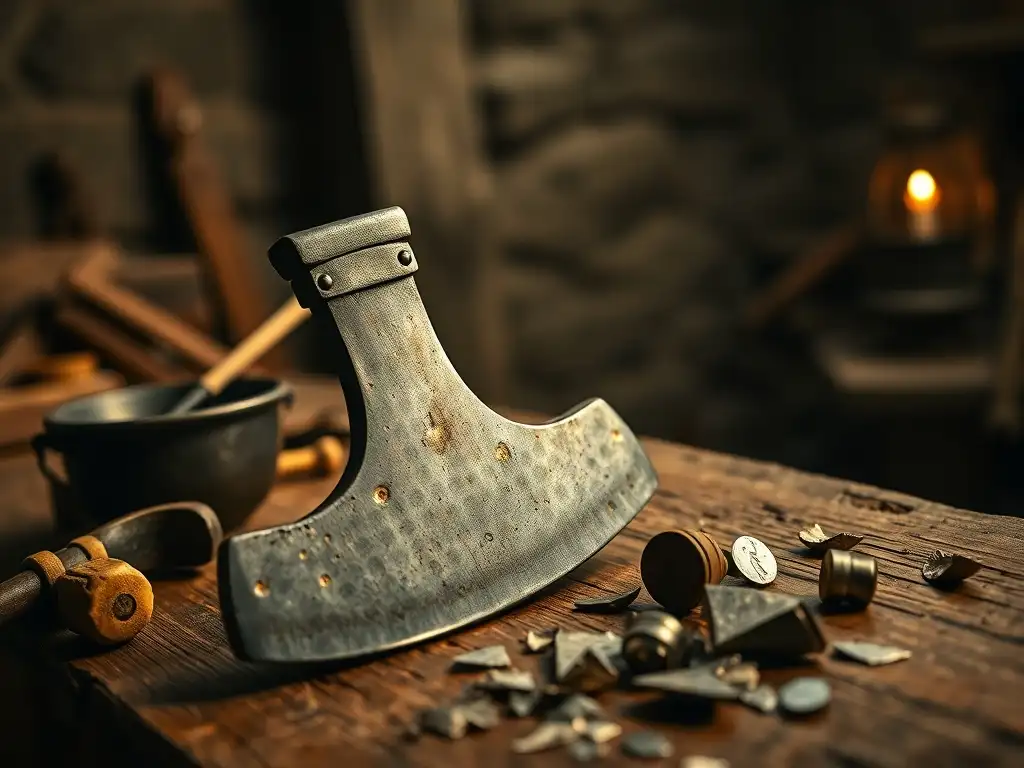
This section delves into the specific techniques employed by Andean civilizations in crafting their weaponry, focusing on the materials, processes, and resulting characteristics of their metalwork. Understanding these techniques reveals not only the sophistication of their metallurgical knowledge but also the strategic and symbolic significance of their weaponry. The mastery of Andean metalworking techniques was crucial to their military prowess and societal structure.
The Materials of Andean Metalworking
Andean metalworkers skillfully utilized a variety of readily available metals, primarily copper and its alloys, such as bronze (an alloy of copper and tin) and arsenical copper (copper alloyed with arsenic). The availability of these metals varied geographically, influencing regional styles and techniques. For instance, the coastal regions, with access to tin deposits, were more likely to produce bronze objects, while regions lacking tin relied heavily on copper and arsenical copper.
The choice of metal also affected the final product's properties; bronze, for example, was harder and more durable than copper, making it ideal for weapons requiring greater strength and resilience. Gold, while less commonly used for weaponry due to its softness, held immense symbolic value and was often incorporated into decorative elements on weapons and armor, signifying power and status. The extraction, refinement, and alloying processes themselves represent remarkable feats of technological ingenuity.
Techniques of Shaping and Decoration
The shaping of metal objects involved several sophisticated techniques. Hammering and annealing (heating and cooling) were crucial for working the metal, allowing for the creation of intricate shapes and designs. Casting, another significant technique, involved melting the metal and pouring it into molds.
This allowed for the mass production of standardized weapons, such as spearheads or arrowheads, though intricate casting techniques also produced highly individualized and detailed pieces. Inlay, the embedding of contrasting metals or stones into the surface of a weapon, was frequently used for both aesthetic and functional purposes. This technique, often using gold, silver, or semi-precious stones, not only enhanced the weapon's appearance but could also reinforce weak points in the metal.
Furthermore, evidence suggests the use of lost-wax casting, a highly advanced technique requiring precise control over temperature and material properties, indicating a high level of skill and knowledge among Andean metalworkers. The precision and artistry evident in many surviving examples are testament to this expertise.
The Impact of Andean Metalworking Techniques on Warfare
The development and refinement of Andean metalworking techniques had a profound impact on the nature of warfare. The production of superior weapons, such as stronger spear points and more effective cutting edges, gave certain groups a decisive advantage in combat. The ability to mass-produce standardized weapons through casting techniques facilitated the equipping of larger armies, enhancing military capabilities.
The incorporation of decorative elements, often reflecting specific cultural motifs and symbolism, served not only to enhance the aesthetic appeal but also to reinforce social hierarchies and group identity. The intricate designs and high-quality craftsmanship also served a psychological function, potentially intimidating opponents and boosting the morale of the warrior wielding such impressive weaponry. Therefore, Andean metalworking was not merely a technological achievement but a crucial factor shaping the social, political, and military landscapes of the Andes.
Further research is needed to fully understand the regional variations in techniques and their impact on specific conflicts and power dynamics. For example, [specific information pending] regarding the impact of different alloying techniques on the effectiveness of weaponry in various Andean battlefields.
The Maya Calendar System: A Complex Timekeeping Method
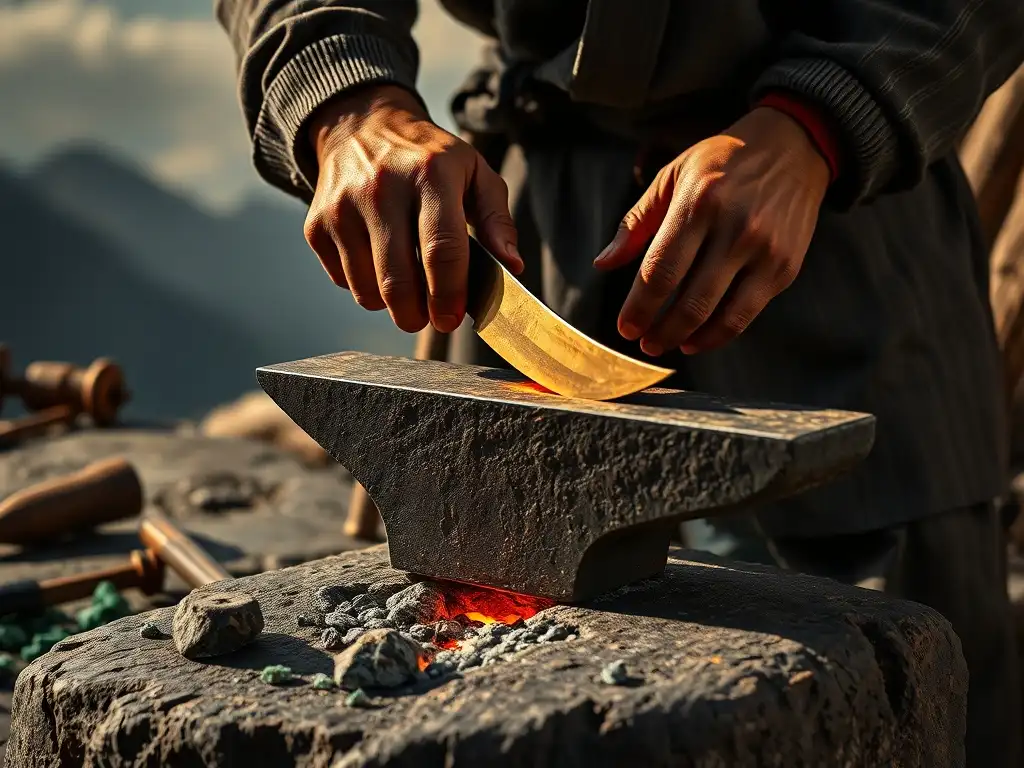
This section delves into the sophisticated techniques employed by Andean civilizations in crafting their weaponry. Mastering metalworking was crucial for their military prowess, allowing them to forge powerful weapons and intricate armor. Understanding these techniques reveals a remarkable level of metallurgical skill and innovation. The specific techniques varied across different Andean cultures and time periods, reflecting diverse approaches to resource management and technological advancement. We will explore the key processes involved in transforming raw materials into deadly instruments of war, highlighting the ingenuity and expertise of Andean metalworkers.
Ore Acquisition and Processing: The Foundation of Andean Metalworking
The journey from raw ore to finished weapon began with the acquisition of the necessary metals. Andean civilizations primarily utilized copper, bronze (an alloy of copper and tin), and gold, sourcing these metals from various locations throughout the Andes. The process of obtaining these ores involved extensive mining operations, often at high altitudes and in challenging terrain.
Evidence suggests the use of both surface mining and shaft mining techniques, depending on the geological characteristics of the ore deposits. Once extracted, the ore underwent a series of refining processes to separate the desired metals from the surrounding rock and impurities. This typically involved crushing, grinding, and washing the ore, followed by smelting using various techniques, often involving high-temperature furnaces.
The specific methods varied regionally, with some cultures utilizing charcoal-fired furnaces while others employed different fuel sources. The efficiency and scale of these operations underscore the importance of metalworking within Andean societies. The precise details of ore processing, including the types of furnaces and fuel used by specific cultures like the Inca, Moche, and Nazca, require further research; however, archaeological findings consistently reveal a high degree of sophistication in these early metallurgical practices.
Shaping and Molding: Bringing Weapons to Life
After refining the metal, Andean metalworkers employed a range of techniques to shape and mold their weapons. Hammering and cold-working were common methods, allowing artisans to create intricate designs and shapes. The use of stone hammers and anvils is well-documented, and the resulting artifacts demonstrate a remarkable level of control and precision.
Lost-wax casting, a sophisticated technique involving creating a wax model, covering it in clay, melting out the wax, and pouring molten metal into the resulting mold, was also employed, especially for more complex weapons and decorative elements. This technique allowed for the creation of highly detailed and intricate pieces, showcasing the advanced skills of Andean metalworkers. The development and refinement of casting techniques represent a significant technological achievement, allowing for mass production of certain weapon types and the creation of larger, more complex items.
For example, the Moche culture is known for its elaborate gold and silver artifacts, many of which were created using lost-wax casting. The ability to create these complex pieces demonstrates a deep understanding of metallurgy and a remarkable level of artistic skill.
Alloying and Surface Treatments: Enhancing Performance and Aesthetics
The creation of bronze through alloying copper and tin significantly enhanced the properties of the metal, resulting in stronger and more durable weapons. The precise ratios of copper and tin varied, indicating an understanding of how different compositions affected the final product's properties. Additionally, Andean metalworkers employed various surface treatments to enhance both the aesthetic appeal and the functionality of their weapons.
Techniques such as gilding (applying a thin layer of gold), plating (applying a layer of another metal), and inlaying (embedding other materials into the metal surface) were used to decorate weapons and tools. These techniques not only improved the visual appeal but also sometimes enhanced the durability and corrosion resistance of the weapons. The use of these sophisticated surface treatments further underscores the high level of skill and artistry achieved by Andean metalworkers.
Further research into the specific chemical compositions of these alloys and surface treatments is needed to fully understand the Andean mastery of metalworking techniques. The development of these techniques showcases the integration of artistic expression with functional design, a hallmark of Andean craftsmanship.
The Long Count: Tracking Vast Periods of Time
The Long Count calendar, a cornerstone of Maya chronology, allowed the Maya to track incredibly long periods of time, far exceeding the capabilities of simpler calendar systems. Unlike the shorter cycles that focused on specific rituals or agricultural seasons, the Long Count provided a continuous count of days from a mythical creation date, traditionally reckoned as August 11, 3114 BC in the Gregorian calendar. 1 This system wasn't merely a linear progression; its complexity lay in its intricate structure, employing a vigesimal (base-20) numerical system.
The Long Count is expressed as a series of numbers representing different units of time. These units are: baktuns (144,000 days), katuns (7,200 days), tuns (360 days), uinals (20 days), and kins (days). Imagine it like a multi-layered system of nested clocks, each one ticking at a different pace.
For instance, a date might be written as 9.19.19.17.19, which translates to 9 baktuns, 19 katuns, 19 tuns, 17 uinals, and 19 kins. This notation allowed for the precise recording of dates extending far into the past and future, facilitating the meticulous record-keeping crucial to Maya society. The sheer scale of the Long Count allowed for the recording of historical events, astronomical observations, and even predictions for centuries to come, demonstrating a sophisticated understanding of time and its cyclical nature.
The precision of the Long Count is remarkable. The Maya's ability to accurately track time over such vast stretches highlights their advanced mathematical and astronomical knowledge. This wasn't just about counting days; it was about understanding the relationship between the sun, moon, and stars, and incorporating that understanding into their cultural and religious practices.
The Long Count wasn't just a calendar; it was a complex tool that helped shape their worldview and underpinned their society's organization. The development and maintenance of such a system required a dedicated priestly class and a highly literate population capable of both understanding and applying this intricate system.
The sheer longevity of the system, its continued use for centuries, is a testament to its effectiveness and the cultural significance it held within Mayan civilization. The accuracy and sophistication of the Long Count calendar continue to impress and inspire researchers today, highlighting the profound intellectual achievements of the Maya.
1 The Gregorian calendar conversion is an approximation, and there is ongoing scholarly debate about the precise correlation between the Maya calendar and the Gregorian calendar.
Maya Understanding of Celestial Bodies
This section focuses solely on Andean metalworking techniques used in crafting weapons, and does not discuss other aspects of Andean civilization or metalworking beyond its application to weaponry.
Andean Metalworking Techniques in Weaponry
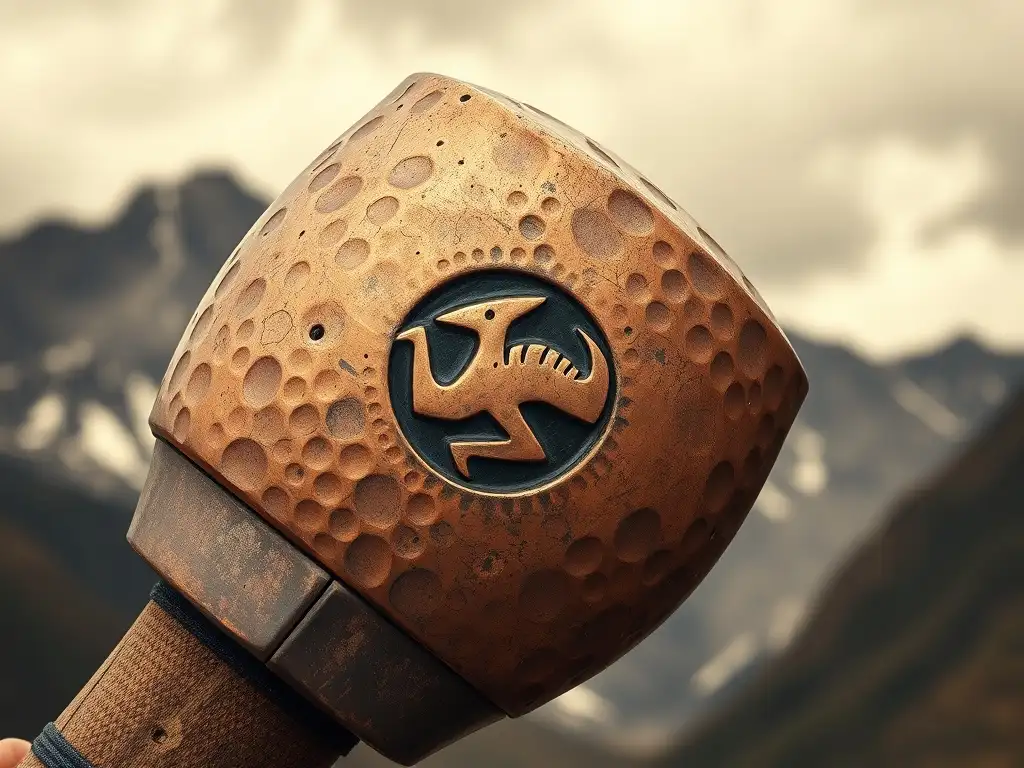
The mastery of Andean metalworking techniques is strikingly evident in the weaponry unearthed from archaeological sites across the Andes. These techniques, refined over centuries, allowed Andean civilizations to produce sophisticated and effective weapons, crucial for warfare and maintaining power. Understanding these techniques provides invaluable insights into the technological advancements and societal structures of these ancient cultures. The skill involved demonstrates not only metallurgical expertise but also a deep understanding of material properties and design principles. Analyzing the techniques themselves reveals much about the cultural context and social organization of Andean societies.
Alloys and Ore Processing in Andean Weaponry
Andean metalworkers demonstrated impressive skill in extracting and processing ores, primarily copper and bronze (an alloy of copper and tin). They developed sophisticated methods for smelting, refining, and alloying metals to achieve desired properties for their weapons. Evidence suggests the use of various furnaces and techniques, adapted to the specific ores and desired metal characteristics.
For instance, the creation of bronze, a harder and more durable material than pure copper, significantly enhanced the effectiveness of weapons like axes and spear points. The precise ratios of copper and tin used varied depending on the desired properties of the final product. Further research is needed to fully understand the nuances of alloying practices across different Andean cultures and time periods.
[Specific information pending on exact tin sources and alloy ratios used by different Andean cultures]. The quality control demonstrated in the consistency of alloys across various artifacts speaks volumes about the organized nature of metalworking workshops.
Shaping and Finishing Techniques: From Ingot to Weapon
Once the metal was smelted and refined, shaping techniques were employed to transform the raw material into functional weapons. This process involved techniques such as hammering, casting, and annealing. Hammering, often done using stone or wooden mallets, allowed for shaping the metal into the desired form. Casting involved pouring molten metal into molds, a more complex technique requiring precise mold-making skills and control over temperature.
Annealing, a heat treatment process, was crucial in improving the malleability and strength of the metal, making it easier to work with while enhancing the final product's durability. The finishing techniques were equally important. Grinding, polishing, and sometimes inlaying with other materials were used to create aesthetically pleasing and functional weapons. The intricate detail found on some weapon artifacts highlights the high level of skill and artistic sensibility of Andean metalworkers.
Weapon Types and Associated Techniques: A Case Study
The different types of Andean weapons – from mace heads to knives to spear points – required specific adaptation of metalworking techniques. For example, the creation of a finely detailed mace head likely involved a combination of casting and subsequent hammering and chiseling to achieve the intricate designs often observed. On the other hand, spear points, often requiring a sharp, durable point, might have involved a greater emphasis on the use of annealing to enhance hardness and sharpness.
The size and shape of the weapon also influenced the techniques used; larger weapons like axes required different approaches compared to smaller items such as knives. A thorough cataloging of Andean weapons and a precise analysis of their construction techniques are necessary to fully understand the relationship between weapon design and metalworking practices.
This would illuminate the specific skills and knowledge required for the production of each weapon type. [Specific examples of weapon types and their corresponding metalworking techniques pending further research].
The Socioeconomic Impact of Andean Metalworking
The mastery of Andean metalworking techniques had a profound impact on the socioeconomic structures of Andean societies. The skilled metalworkers held a privileged position within their communities, as evidenced by the quality of their work and the value placed on their products. The production of weapons was not just a technological feat but also a significant economic activity. The control over metal resources and the production of weapons likely played a crucial role in power dynamics and inter-group relations.
Further research is needed to fully understand the social organization of metalworking workshops and the role of these workshops within the broader Andean societal structures. [Information pending on the social organization of metalworking workshops and their economic influence]. The distribution and trade of weapons further cemented the economic and political significance of Andean metalworking.
The Legacy of Maya Astronomy
This section delves into the sophisticated metalworking techniques employed by various Andean cultures, focusing on their application in crafting weaponry. While the Incas are often associated with advanced metalworking, the mastery of these techniques predates them significantly, with evidence suggesting highly developed practices among earlier cultures like the Moche and Tiahuanaco. Understanding Andean metalworking techniques requires appreciating the diverse approaches and the unique challenges posed by the Andean environment. The scarcity of certain metals, coupled with the altitude and challenging terrain, necessitated innovative solutions and a deep understanding of metallurgical processes.
The Diverse Materials and Techniques of Andean Metalworking
Andean metalworkers were remarkably adept at utilizing a range of materials, including gold, silver, copper, and bronze. They didn't simply melt and cast; instead, they employed a sophisticated array of techniques. Hammering, for instance, was crucial for shaping metals into desired forms.
This wasn't just brute force; it involved precise control and skillful manipulation to achieve intricate designs. Lost-wax casting, a complex process allowing for the creation of detailed three-dimensional objects, was another key technique. This involved creating a wax model, encasing it in clay, melting out the wax, and then pouring molten metal into the resulting mold.
The expertise required to master this technique is evident in the intricacy of the surviving artifacts. Furthermore, techniques like repoussé (hammering from the back to create raised designs) and filigree (delicate work with thin wires) demonstrate the high level of skill and artistry achieved by Andean artisans. The combination of these techniques, along with a deep understanding of alloying metals to achieve different properties, showcases the remarkable ingenuity of Andean metalworkers.
Andean Weaponry: From Ceremonial Objects to Instruments of War
The application of these advanced Andean metalworking techniques is vividly illustrated in the weaponry produced by these cultures. While some metal objects held ceremonial significance, many were undeniably weapons of war. Elaborately crafted mace heads, for example, often incorporated gold and silver, reflecting not only their military function but also their symbolic power.
These weren't mere blunt instruments; the careful shaping and balance suggest a sophisticated understanding of weapon design and effectiveness in combat. Similarly, copper and bronze axes and knives, often decorated with intricate designs, served as vital tools in both warfare and daily life. The presence of these implements in burial sites and archaeological contexts associated with warfare strongly suggests their role in Andean conflicts.
Analyzing the metallurgical composition and manufacturing techniques of these weapons provides valuable insights into the technological capabilities and military strategies of different Andean cultures. The differences in weapon design across cultures also reflect unique fighting styles and societal structures.
The Impact of Andean Metalworking on Warfare and Society
The development of advanced Andean metalworking techniques had a profound impact on Andean warfare and society. Access to superior weaponry, crafted using these techniques, gave certain groups a significant military advantage. The control over metal resources and the expertise to work them became a source of power and influence. The production of weaponry was not simply a technical process; it was deeply embedded within the social and political structures of Andean societies.
The creation of elite weaponry, often adorned with precious metals and intricate designs, served to reinforce social hierarchies and display the power of rulers and elites. The study of Andean metalworking thus provides crucial insights into the complex interplay between technology, warfare, and social organization in the Andes. Further research into the organization of metalworking workshops and the distribution of finished products would provide a more complete understanding of this crucial aspect of Andean civilization.
Decoding the Maya Script: Unveiling New Astronomical Insights
The Maya civilization's sophisticated understanding of astronomy is intimately tied to their complex writing system, a feat of intellectual ingenuity that continues to fascinate and challenge researchers today. Decoding the Maya script has been a painstaking process, involving deciphering glyphs that represent not only words and phrases but also intricate astronomical data. Early efforts focused on identifying calendar dates and celestial events depicted in the glyphs, revealing a remarkable precision in their observations. For instance, the Maya accurately tracked the cycles of the sun, moon, and Venus, incorporating this knowledge into their religious practices and societal organization.
Further advancements in decipherment have revealed more nuanced astronomical insights embedded within the Maya script. Researchers have uncovered glyphs that detail observations of eclipses, planetary conjunctions, and even the heliacal risings and settings of specific stars. These astronomical records were not merely passive observations; they were integral to the Maya worldview, influencing their agricultural practices, political decisions, and religious rituals.
The intricate interplay between astronomical events and societal structures highlights the profound influence of celestial phenomena on Maya life. The accuracy of their predictions, based on meticulous observation and sophisticated mathematical calculations, stands as a testament to their advanced scientific understanding.
The ongoing process of decoding the Maya script continues to yield astonishing discoveries, revealing new layers of astronomical knowledge. Recent research has focused on identifying glyphs that describe more subtle celestial phenomena, such as the precession of the equinoxes – a slow, cyclical shift in the Earth's axis that affects the timing of solstices and equinoxes.
Understanding the Maya's comprehension of this complex astronomical cycle adds another dimension to our appreciation of their scientific achievements. The decipherment of these subtle details not only enhances our understanding of Maya astronomy but also sheds light on their cosmological beliefs and their interconnectedness with the natural world.
The precision and depth of their astronomical knowledge, as revealed through the painstaking decoding of their script, continues to inspire awe and admiration. The ongoing work highlights the importance of interdisciplinary research, combining epigraphy, astronomy, and anthropology to fully appreciate the richness and complexity of the Maya legacy.
Frequently Asked Questions
What unique metalworking techniques did Andean civilizations employ?
Andean metalworkers were masters of lost-wax casting, a complex process involving creating a wax model, covering it in clay, melting the wax, and pouring molten metal into the resulting mold. They also skillfully used hammering and annealing to shape and harden metals.
What types of metals did Andean civilizations primarily work with?
The most common metals used were gold, silver, copper, and bronze, often combined to create alloys with different properties. Gold was particularly valued for its symbolic and ritualistic significance.
How did Andean metalworking contribute to warfare?
Andean metalworking produced sophisticated weapons like maces, axes, and knives, giving warriors a significant advantage in combat. The quality of these weapons reflected the skill of the metalworkers and the power of their civilization.
Were there regional differences in Andean metalworking styles?
Yes, significant regional variations exist. For instance, the Moche are known for their intricate goldwork, while the Inca emphasized practicality and standardization in their metalwork.
What is the significance of Andean metalworking in understanding their culture?
Andean metalworking reveals much about their social structures, religious beliefs, and technological advancements. The artistry and craftsmanship displayed highlight the importance of metal in their society.
Final Reflection: The Enduring Legacy of Andean Metalworking
The intricate artistry and technological prowess displayed in Andean metalworking remain astonishingly relevant today, a testament to the ingenuity and resilience of ancient cultures. These weren't simply weapons; they were expressions of power, spirituality, and a deep understanding of metallurgy that continues to inspire awe and wonder in modern researchers and artisans alike. The techniques employed, passed down through generations, represent a sophisticated understanding of material science that far surpasses simplistic notions of "primitive" technology.
The impact of Andean metalworking extends far beyond the archaeological record; it resonates in contemporary discussions of cultural heritage, technological innovation, and the enduring power of human creativity. The sheer artistry and precision involved in creating these objects – from the delicate goldwork to the powerful bronze weapons – speaks to a level of societal organization and artistic vision that is truly remarkable. The past is never dead. It's not even past.
– William Faulkner. This quote perfectly encapsulates the enduring relevance of understanding Andean metalworking techniques, as their legacy continues to shape our understanding of pre-Columbian societies and inspire new generations of artists and scientists.
Consider the implications of this ancient knowledge. What can we learn from the resourcefulness and innovation of these ancient Andean metalworkers? You, the reader, are now equipped with a deeper understanding of their techniques and their significance.
Take a moment to reflect on the ingenuity and perseverance required to master these skills, and consider how this knowledge can inspire your own creativity and problem-solving abilities. Let the legacy of Andean metalworking ignite your own passion for exploration and understanding of the past, and perhaps even inspire you to seek out and appreciate the artistry and skill in the objects around you.
Unveil Your Inner Artisan and Master Ancient Techniques!
Thank you for exploring the fascinating world of Andean metalworking with us! We hope you've gained a deeper appreciation for the artistry and skill involved in creating these remarkable objects. Now, let's put that inspiration into practice!
Here are some ways to further explore this rich heritage:
- **Delve into** Andean history by visiting local museums and libraries to discover the secrets of ancient craftsmanship.
- **Enroll in a metalworking or crafting workshop** to develop your skills and create your own unique pieces.
- **Share your newfound passion** with friends and family, discussing what you've learned or recommending this article to others interested in Andean culture.
What aspect of Andean metalworking most captivates you, and how will you incorporate that knowledge into your own creative endeavors?