
The Symbolism in Andean Musical Motifs: Decoding the Language of Sound

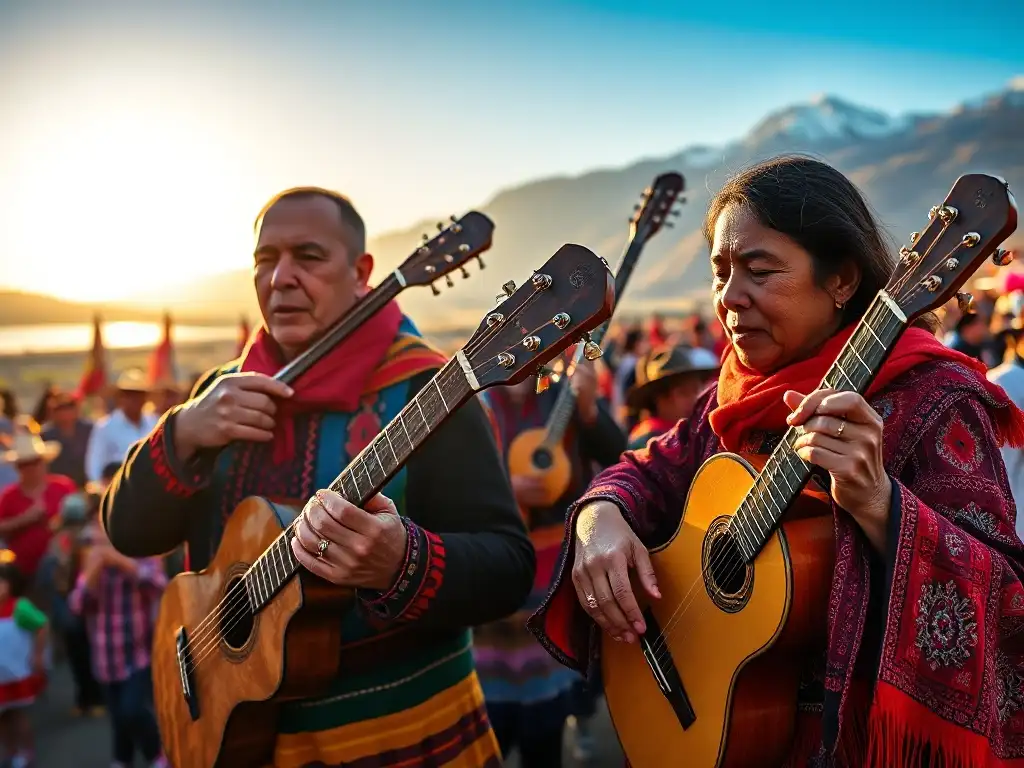
Welcome to Andean Civilizations, where the echoes of a lost world resonate through time. Prepare to be captivated by the intricate tapestry of ancient Andean cultures, from the towering heights of Inca ingenuity to the mesmerizing artistry of the Nazca. But first, let's delve into the enigmatic soundscapes of the Andes. Discover the hidden meanings within Andean music symbolism, unlocking a language expressed not in words, but in the vibrant rhythms and haunting melodies of a civilization that continues to inspire awe. Unravel the mysteries – your exploration begins now.
The vibrant tapestry of Andean culture is richly interwoven with music, a powerful force that transcends mere entertainment. For centuries, the sounds emanating from panpipes, drums, and stringed instruments haven't simply provided accompaniment to life's rhythms; they've served as a profound language, conveying complex spiritual beliefs, social structures, and narratives of the Andean world.
This exploration delves into the fascinating symbolism embedded within Andean musical motifs, revealing how seemingly simple melodies and rhythms carry layers of meaning, offering a glimpse into the heart and soul of these ancient civilizations. We will examine the spiritual significance of various instruments and explore how their use in rituals and ceremonies contributed to the rich cultural landscape of the Andes.
Understanding this symbolism unlocks a deeper appreciation for the sophisticated artistry and profound spiritual depth of Andean musical traditions, enriching our understanding of "Andean music symbolism meaning." This journey will take us through the intricacies of Andean cosmology, revealing how musical expressions reflect a deeply interconnected relationship between the human world and the spiritual realm.
Understanding the Roots of Andean Musical Traditions
Andean music didn't emerge in a vacuum; it's a product of centuries of cultural exchange, adaptation, and innovation. The diverse landscapes of the Andes – from the high altitudes of the Altiplano to the coastal deserts – have significantly influenced the development of musical styles and instruments. Early Andean societies, including the Incas, Moche, Nazca, and Tiahuanaco, each contributed unique elements to this rich musical heritage.
Their musical traditions were deeply intertwined with their cosmology, agricultural practices, and social structures. For example, agricultural cycles were often mirrored in musical rhythms, and specific melodies were associated with particular deities or ceremonies. The development of instruments was also closely linked to the available resources and technological advancements of each civilization.
This intricate relationship between music, environment, and society provides a crucial foundation for understanding the symbolism embedded within Andean musical motifs. The use of specific instruments during particular ceremonies further illustrates this deep-rooted connection. [Specific examples of musical motifs linked to agricultural cycles pending]
The Spiritual Significance of Andean Musical Instruments
Many Andean instruments hold profound spiritual significance, functioning as more than just tools for creating music. They are considered sacred objects, imbued with power and capable of connecting the human world with the spiritual realm. The materials used in their construction, the intricate designs, and the specific contexts in which they are played all contribute to their symbolic meaning.
The careful selection of materials, often symbolic in themselves (e.g., specific types of wood, animal hides), reinforces the sacred nature of these instruments. The creation process itself can be a ritual, imbued with prayers and offerings, further enhancing the spiritual power of the finished instrument. Let's delve deeper into the symbolism of some of the most important Andean instruments:
The Role of Flutes in Andean Cosmology
Flutes, particularly panpipes ( siku), occupy a central role in Andean cosmology. Their melodic sounds are often associated with the breath of life, the wind, and the communication between the earthly and spiritual worlds. The multiple pipes of the panpipes can symbolize the interconnectedness of different aspects of the cosmos, or even represent the various deities of the Andean pantheon.
The specific melodies played on the flutes during ceremonies can invoke specific deities or request blessings for the community. [Specific examples of flute melodies and their associated deities pending] The use of flutes in pastoral contexts often symbolizes the harmonious relationship between humans and nature. The sounds of the flutes are believed to appease the spirits of the mountains and ensure a bountiful harvest.
The Symbolic Meaning of Drums in Andean Rituals
Drums ( tambor) are often associated with the earth, its rhythms mirroring the heartbeat of the land. Their powerful sounds are used in rituals to summon spirits, communicate with ancestors, and invoke the forces of nature. Different drum sizes and playing styles can symbolize different deities or aspects of the natural world.
For example, larger drums might represent the earth's power, while smaller drums could symbolize the spirits of the wind or water. The rhythmic patterns created by the drums often mimic the cycles of life, death, and regeneration, reflecting the cyclical nature of Andean cosmology. [Specific examples of drum rhythms and their symbolic meanings pending] The intensity of the drumming can also convey the urgency or importance of a particular ritual.
The Spiritual Resonance of Stringed Instruments in Andean Culture
Stringed instruments, such as the charango and the arpa, often hold symbolic meaning related to human emotions and relationships. Their melodies can convey a wide range of feelings, from joy and celebration to sorrow and mourning. The delicate sounds of the charango, for instance, might symbolize the intimacy of personal relationships, while the powerful resonance of the arpa could represent the strength and resilience of the Andean community.
The use of stringed instruments in courtship rituals illustrates their role in human relationships. [Specific examples of how stringed instruments are used in courtship rituals pending] The intricate craftsmanship of these instruments, often adorned with symbolic designs, further enhances their spiritual significance.
Decoding Andean Musical Motifs and Their Meanings
Andean music, far from being merely entertainment, served as a powerful vehicle for communication, storytelling, and the expression of deeply held cultural values. Understanding the symbolism embedded within Andean musical motifs requires a nuanced approach, acknowledging the diverse traditions and regional variations across the Andes. The meanings often weren't explicitly codified but rather implicitly understood within specific communities. This intricate system of musical symbolism allowed for the transmission of complex ideas and emotions across generations, even in the absence of a written language. Researchers today employ a combination of ethnomusicological studies, anthropological research, and historical analysis to unravel the layers of meaning embedded within these captivating melodies and rhythms. The process is ongoing, with new interpretations constantly emerging as scholars delve deeper into the rich tapestry of Andean musical traditions. This rich legacy continues to inspire and intrigue, demonstrating the profound connection between music and culture in the Andean world.
The Significance of Repetitive Patterns in Andean Music
Repetitive patterns, far from being monotonous, hold significant symbolic weight in Andean music. These recurring motifs, often simple melodic phrases or rhythmic sequences, can represent the cyclical nature of life, the rhythms of the agricultural calendar, or the enduring power of nature. For example, the repetition of a specific melodic phrase might symbolize the continuous cycle of planting, harvesting, and renewal essential to Andean life. The consistent rhythmic pulse can mirror the steady beat of the heart, representing the life force itself.
The variations within these repetitive patterns also carry meaning, suggesting changes in mood, narrative progression, or perhaps even the passage of time. This careful use of repetition and variation demonstrates a sophisticated understanding of musical structure and its ability to convey profound meanings. The subtle shifts and nuances within these seemingly simple patterns are key to unlocking their deeper significance.
Exploring the Symbolic Use of Scales and Melodies
The scales and melodies employed in Andean music are not arbitrary; they often reflect the natural world and the spiritual beliefs of the Andean people. The use of pentatonic scales, for example, is prevalent across many Andean traditions. These scales, with their characteristic intervals, are believed by some scholars to evoke the sounds of nature, such as the calls of birds or the wind whistling through the mountains. Certain melodic phrases might be associated with specific deities or spirits, reflecting the importance of the spiritual realm in Andean cosmology.
The use of specific intervals or melodic contours can also convey particular emotions, from joy and celebration to sorrow and mourning. The precise meanings of these scales and melodies often vary across different regions and communities, highlighting the diversity of Andean musical expression. Further research is needed to fully understand the complex relationship between musical elements and their symbolic representations.
The "Llama Call" Motif and its Connection to Herding
The "llama call" motif, a distinctive melodic phrase often characterized by its plaintive and somewhat melancholic quality, is widely recognized across Andean musical traditions. Its connection to llama herding is undeniable; the motif often mimics the calls of llamas, reflecting the close relationship between Andean communities and their camelids. Beyond its mimetic function, however, the "llama call" motif often symbolizes themes of pastoral life, the challenges of herding, and the deep bond between humans and animals within the Andean ecosystem.
The emotional resonance of the motif, often conveying feelings of longing or solitude, speaks to the realities of life in the high Andes, where isolation and dependence on animals are intertwined aspects of daily experience. This motif, therefore, transcends mere imitation; it becomes a powerful symbol of Andean pastoral culture and its enduring connection to the land.
The "Condor Flight" Motif and its Symbolism of Freedom
The "condor flight" motif, often characterized by soaring melodies and wide melodic leaps, symbolizes freedom, power, and spiritual elevation in Andean culture. The condor, a majestic bird of prey, holds significant symbolic importance in Andean cosmology, often associated with the sun and the spiritual realm. The musical representation of its flight evokes a sense of boundless freedom, mirroring the bird's ability to soar above the mountains and reach great heights.
The motif's dynamic range, often shifting between high and low registers, reflects the condor's powerful flight, capable of both graceful glides and powerful ascents. The "condor flight" motif is therefore not simply a musical representation of a bird; it is a powerful symbol of aspiration, spiritual transcendence, and the pursuit of freedom. Its use in Andean music reinforces the profound spiritual and symbolic meaning attributed to the condor in Andean cultures.
Andean Music Symbolism Meaning: A Deeper Look

The rich tapestry of Andean musical traditions offers a fascinating window into the cultural, spiritual, and social life of Andean communities. The symbolism embedded within these musical forms is complex and multifaceted, requiring careful analysis and interpretation to fully grasp its depth and significance.
How Andean Music Reflects the Natural World
Andean music is deeply intertwined with the natural world. The rhythms and melodies often reflect the cycles of nature, from the changing seasons to the daily rhythms of life in the Andes. The sounds of nature—the wind whistling through the mountains, the calls of birds, the rushing of rivers—frequently inspire musical motifs and serve as a source of inspiration.
The instruments themselves are often crafted from natural materials, further emphasizing the connection between music and the environment. This close relationship between music and the natural world is not merely aesthetic; it is a fundamental aspect of Andean worldview, reflecting a deep respect for and interconnectedness with the environment. The use of natural sounds and imagery in Andean music underscores the importance of nature in shaping Andean culture and worldview.
Andean Music as a Form of Storytelling and History Preservation
Andean music served as a vital medium for storytelling and the preservation of history, long before the advent of written language. Musical motifs and narratives were used to recount historical events, myths, and legends, transmitting knowledge and cultural values across generations. These musical narratives often incorporated elements of ritual and ceremony, adding another layer of significance to their storytelling function.
The preservation of these musical traditions is crucial for understanding the history and cultural identity of Andean communities. The ongoing efforts to document and analyze these musical forms provide valuable insights into the rich history and cultural heritage of the Andes. This oral tradition, preserved through music, offers a unique and invaluable perspective on Andean history.
The Connection Between Andean Music and Agriculture
Andean music is intimately linked to agriculture, reflecting the central role that agriculture played (and continues to play) in Andean life. The rhythms and melodies often reflect the cycles of planting, harvesting, and the passage of time related to the agricultural calendar. Musical performances frequently accompanied agricultural rituals and ceremonies, reinforcing the importance of agriculture in Andean society.
Certain musical motifs might be associated with specific crops or agricultural practices, reflecting the close relationship between music and the agricultural cycle. The study of Andean music offers valuable insights into the cultural significance of agriculture in shaping Andean society and worldview. The enduring connection between music and agriculture underscores the deep-seated importance of farming in Andean culture and history.
The Interplay of Sound and Symbolism in Andean Ceremonies
The Andean world vibrated with a profound connection between sound and the spiritual realm. Music wasn't merely entertainment; it was a powerful tool used to communicate with deities, ancestors, and the forces of nature. The intricate melodies, rhythms, and instrumentation weren't arbitrary; they carried specific symbolic meanings deeply embedded within the cultural fabric of various Andean societies.
These soundscapes weren't just heard; they were experienced, felt, and understood as integral parts of the ceremonial landscape. The use of specific instruments, like the pututu (a shell trumpet) or the antara (panpipes), was often dictated by the ceremony's purpose and the deity being invoked. The pitch, tempo, and even the silences within the music all contributed to the overall symbolic message.
For example, a slow, melancholic melody might have been used to honor deceased ancestors, while a fast-paced, energetic rhythm could have been employed to celebrate a bountiful harvest. The interplay of these sonic elements created a rich tapestry of meaning that transcended simple auditory experience. Understanding this complex interplay is key to unlocking the deeper significance of Andean musical traditions.
Music's Role in Andean Religious Practices
Music played a central role in the religious practices of many Andean cultures. It served as a conduit for communication between the human and spiritual worlds, facilitating interactions with deities and ancestors. Specific musical pieces were associated with particular deities or spirits, and their performance was often integral to rituals aimed at appeasing them, requesting blessings, or seeking guidance.
The use of specific instruments, such as the tarka (a type of flute) or the bombo (a drum), was often carefully chosen to reflect the nature of the deity or the purpose of the ritual. For example, the pututu, with its powerful, resonant sound, was often used in ceremonies related to warfare or power, while the gentler sounds of the antara might have been associated with agricultural rituals or offerings to earth deities.
The rhythmic patterns and melodic structures often mirrored the cyclical nature of Andean cosmology, reflecting the rhythms of the seasons, the movements of celestial bodies, and the life cycle itself. These carefully constructed sonic landscapes served to reinforce and embody the religious beliefs and practices of the Andean peoples.
The Use of Music in Andean Festivals and Celebrations
Beyond religious ceremonies, music played a vital role in Andean festivals and celebrations. These events often marked significant moments in the agricultural calendar, such as planting and harvesting, or celebrated important social occasions like weddings and births. Music served to enhance the festive atmosphere, creating a sense of community and shared identity.
The music employed during these celebrations was often more upbeat and celebratory than that used in religious contexts. Instruments like the charango (a small lute), the quena (a type of flute), and various percussion instruments were commonly used to create lively and engaging musical experiences. The dances associated with these festivals were often highly choreographed, with the music providing the structure and rhythm for the movements.
These celebrations provided opportunities for social interaction and the transmission of cultural knowledge, with music serving as a powerful unifying force within the community. The specific melodies and rhythms associated with particular festivals often varied across different regions and communities, reflecting the diverse cultural landscape of the Andes.
The Inti Raymi Ceremony and its Sun-Worshipping Musical Symbolism
The Inti Raymi, or Festival of the Sun, was a major annual celebration in the Inca Empire dedicated to the sun god, Inti. Music played a central role in this grand ceremony, serving to honor the sun god and reinforce the Inca's cosmic order. The music for Inti Raymi was characterized by its grandeur and solemnity, often featuring large ensembles of musicians playing a variety of instruments.
The pututu likely played a significant role, its powerful sound echoing the sun's might. The melodies and rhythms likely reflected the sun's journey across the sky, its life-giving energy, and its importance to Inca agriculture and society. The songs performed during Inti Raymi likely contained symbolic lyrics that praised the sun god and expressed gratitude for his blessings.
While precise details of the music are limited due to the lack of written notation, the descriptions of the ceremony suggest a powerful and evocative musical experience that reinforced the Inca's worldview. The symbolism embedded within the music would have been deeply meaningful to the participants, reinforcing their connection to the sun god and the Inca empire's cosmic order.
Preserving the Rich Legacy of Andean Music and its Symbolism
The preservation of Andean music and its associated symbolism is a crucial task for ensuring the continuation of a rich cultural heritage. This requires a multifaceted approach that encompasses various strategies and initiatives. The challenge lies in balancing the need for authenticity with the realities of modern technology and cultural exchange.
The Importance of Researching Andean Musical Traditions
Thorough research is paramount in understanding the nuances of Andean music. Ethnomusicological studies, focused on documenting and analyzing musical practices in their cultural context, are vital for preserving the knowledge embedded within these traditions. This involves fieldwork, interviews with musicians and community members, and careful analysis of musical scores and recordings.
Such research provides valuable insights into the historical evolution of Andean musical forms, the symbolic meanings embedded within the music, and the social and cultural functions it serves. This knowledge forms the basis for effective preservation and dissemination efforts. Furthermore, this research helps to counter misinterpretations or commercial exploitation of these traditions.
Challenges in Understanding the Nuances of Andean Music
Understanding the nuances of Andean music presents significant challenges. The lack of written notation for many traditional forms necessitates reliance on oral transmission, which can lead to variations and potential loss of information over time. Furthermore, the symbolic meanings embedded within the music are often deeply ingrained in the cultural context and may not be readily apparent to outsiders.
This requires careful research and collaboration with community members to accurately interpret and understand the cultural significance of the music. Another challenge is the impact of globalization and modernization, which can lead to the erosion of traditional musical practices and the adoption of hybrid musical forms. Preserving the authenticity of these traditions while allowing for adaptation and evolution is a delicate balancing act.
The Future of Andean Music and its Cultural Significance
The future of Andean music rests on the continued appreciation and understanding of its rich cultural significance. Efforts to preserve and promote these traditions must be collaborative, involving both researchers and musicians from Andean communities. This includes supporting traditional music education, providing opportunities for musicians to perform and share their art, and fostering cross-cultural exchanges that promote appreciation for Andean musical heritage.
Digital technologies can play a vital role in disseminating and preserving this music, but it is crucial to ensure that these efforts are conducted with respect for the cultural context and the rights of the communities involved. The ongoing vitality of Andean music is a testament to its enduring power and its capacity to connect people to their cultural roots. By fostering a deeper understanding and appreciation of this music, we can ensure that its rich symbolism and cultural significance continue to resonate for generations to come.
- Understanding the Roots of Andean Musical Traditions
- The Spiritual Significance of Andean Musical Instruments
- Decoding Andean Musical Motifs and Their Meanings
- Andean Music Symbolism Meaning: A Deeper Look
- The Interplay of Sound and Symbolism in Andean Ceremonies
- Preserving the Rich Legacy of Andean Music and its Symbolism
- What is the main focus of this article?
- Which Andean civilizations are discussed in relation to musical symbolism?
- How did Andean music convey meaning without lyrics?
- What types of symbolism are explored in Andean musical motifs?
- Where can I find more information on Andean music and its cultural significance?
Frequently Asked Questions
What is the main focus of this article?
This article explores the symbolism and meaning behind the musical motifs used in Andean cultures. It delves into how music functioned as a form of communication and storytelling in ancient Andean societies.
Which Andean civilizations are discussed in relation to musical symbolism?
While the article covers Andean music broadly, it likely touches upon the musical traditions of several significant civilizations, including the Incas, Moche, Nazca, and Tiahuanaco, highlighting variations and common threads in their musical symbolism.
How did Andean music convey meaning without lyrics?
Andean music often relied on instrumental melodies, rhythms, and specific scales to convey meaning. Specific instruments and their combinations were also laden with symbolic significance, contributing to the overall message.
What types of symbolism are explored in Andean musical motifs?
The article likely explores symbolism related to nature, spirituality, social structures, and daily life. These symbols were often expressed through musical patterns and instrumental choices.
Where can I find more information on Andean music and its cultural significance?
Further research can be conducted through academic journals focusing on ethnomusicology and Andean studies. Museums and cultural centers specializing in Andean civilizations often have exhibits and resources on their music.
Final Reflection: Echoes of the Andes: A Legacy in Sound
The intricate tapestry woven by Andean musical motifs continues to resonate today, a powerful testament to the enduring strength of cultural heritage in a rapidly changing world. These aren't merely notes and rhythms; they are the echoes of ancient stories, beliefs, and social structures, still carrying profound meaning for both Andean communities and those seeking to understand their rich history. The survival and adaptation of these musical traditions in the face of globalization highlight their inherent resilience and the deep connection they foster between people and their land.
The exploration of Andean musical symbolism has profoundly impacted my understanding of the interconnectedness of music, culture, and identity. It's a reminder that music isn't just entertainment; it's a living language, a repository of knowledge passed down through generations. Music is the universal language of mankind,
said Henry Wadsworth Longfellow, and in the case of Andean music, this rings truer than ever. The subtle shifts in melody, the rhythmic complexities, the evocative instrumentation – all speak volumes about the Andean worldview and its enduring legacy. This journey of discovery has been a deeply enriching experience, fostering a profound respect for the cultural richness of the Andes.
Now, consider the music you encounter in your daily life. What stories do the sounds tell? What cultural echoes resonate within them? I invite you to listen more deeply, to seek out the hidden narratives embedded within the music you hear, and to appreciate the power of sound to connect us across time and cultures. Let the echoes of the Andes inspire you to explore the symbolic language of music in your own life and to celebrate the diverse musical traditions that enrich our world.
Unlock the Melodies of Andean Culture!
Thank you for exploring the rich symbolism of Andean musical motifs with us! Your interest in this unique cultural aspect deepens your understanding and connects tradition with the modern world. Now, let's put your new knowledge into practice!
- Immerse Yourself in Andean Music: Listen to traditional Andean music and identify the motifs discussed in this article. Add these tracks to your playlist and let them inspire your creativity!
- Explore Local Workshops: Find local events or workshops focusing on Andean music, whether through instrument playing or learning traditional songs. Hands-on participation significantly enhances appreciation.
- Share Your Thoughts: Share this article with friends or leave a comment below about how Andean music has influenced your perspective. Let's spread the appreciation for this vibrant musical tradition!
What motif or sound resonates most with you, and how does it reflect the cultural narratives in your own life?