
The Inca Art of Storytelling: Myths and Legends

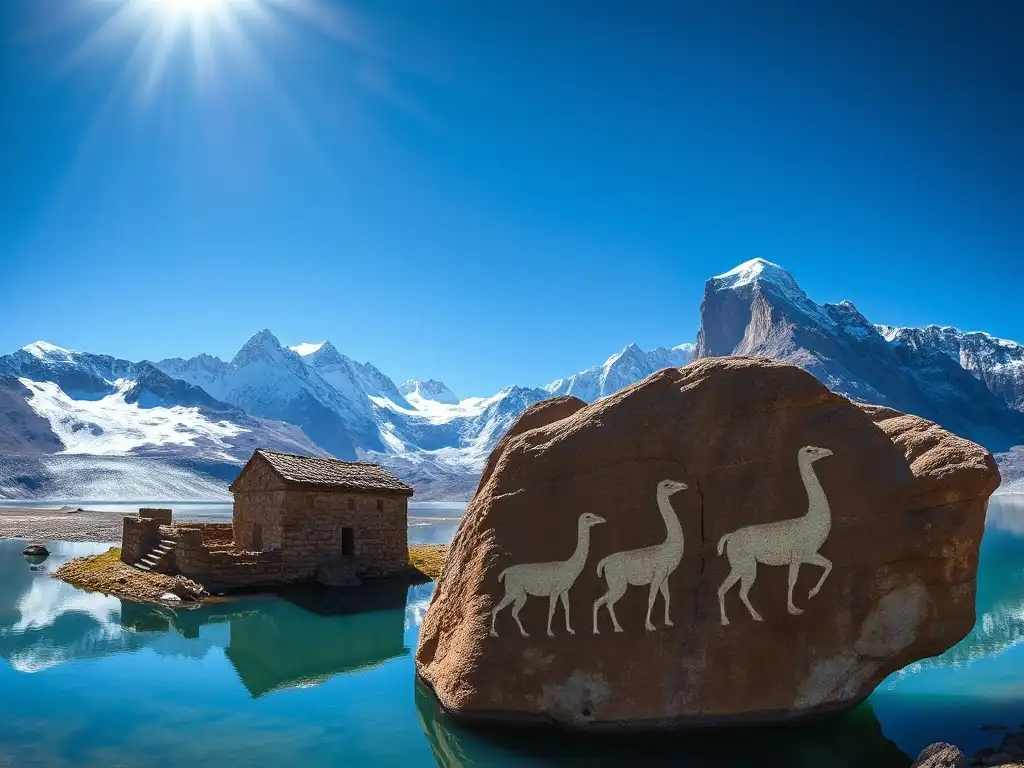
Step into a world lost to time, yet echoing with vibrant stories and mysteries. Dive into the captivating realm of Andean Civilizations, where empires rose and fell, leaving behind a legacy of breathtaking artistry and enigmatic traditions. Prepare to be enthralled by the Inca myths and legends, tales whispered across generations, revealing secrets of a powerful civilization and its connection to the Andes themselves. Uncover the truth behind these ancient narratives – your journey begins now.
The Inca Empire, a civilization that flourished in the Andes Mountains for centuries, left behind a remarkable legacy of architectural marvels, intricate textiles, and sophisticated agricultural techniques. However, beyond the tangible remnants of their empire lies a rich tapestry of myths and legends, meticulously preserved and passed down through generations via oral tradition.
This article delves into the fascinating world of Inca storytelling, exploring the significance of their oral narratives, examining key creation myths, and uncovering the captivating tales that shaped their worldview and societal structures. Understanding these myths provides invaluable insight into the Inca's beliefs, values, and the very fabric of their society, offering a deeper appreciation for the complexity and richness of their cultural heritage.
We will explore how these stories, often interwoven with religious beliefs and historical events, served not only as entertainment but also as powerful tools for education, social control, and the preservation of their identity. This exploration of Inca myths and legends will illuminate the vibrant cultural landscape of this remarkable civilization and its enduring impact on the Andean region.
The Significance of Oral Tradition in Inca Culture
Inca society lacked a written language in the way we understand it today. Their sophisticated knowledge, history, and beliefs were primarily transmitted through an intricate system of oral tradition. This wasn't simply rote memorization; it was a highly developed art form, involving skilled storytellers, quipu (knotted-cord systems used for record-keeping), and mnemonic devices to ensure accuracy and preservation across generations.
The role of the amauta, or wise man, was crucial; these individuals were responsible for memorizing and reciting lengthy genealogies, historical accounts, and religious narratives. Their performances weren't merely recitations; they were theatrical events, often incorporating music, dance, and dramatic gestures to enhance the storytelling experience. The accuracy of the oral tradition was paramount, as these narratives served as the foundation of Inca law, social order, and religious practices.
The stories were not static; they evolved and adapted over time, reflecting changes in society and incorporating new experiences. This dynamic nature of oral tradition allowed for the continuous renewal and reinterpretation of Inca cultural heritage. The emphasis on oral storytelling fostered a strong sense of community and collective memory, binding generations together through shared narratives.
Inca Creation Myths: Origins of the World and Humanity
Inca creation myths provide a window into their cosmological beliefs and understanding of the world's origins. These narratives, often interwoven with accounts of legendary figures and powerful deities, explained the existence of the universe, humanity, and the Inca's own divine right to rule. The stories were not always consistent across different regions of the empire, reflecting the diverse cultural influences within the Inca realm.
However, several common themes and characters emerge, demonstrating a core set of beliefs shared across much of the empire. These creation myths served as foundational narratives, shaping Inca worldview and providing a framework for understanding their place in the cosmos. The intricate narratives often involved struggles between opposing forces, highlighting the importance of balance and harmony in the Inca worldview.
The Legend of Viracocha: The Creator God
Viracocha, the supreme creator god in many Inca creation myths, is often depicted as a powerful and mysterious being who emerged from Lake Titicaca. He is credited with creating the world, the sun, the moon, and the stars. Some accounts describe Viracocha as having created humanity from stone, while others portray him as shaping humans from clay. According to legend, Viracocha traveled across the land, teaching people how to live and establishing the foundations of Inca civilization.
He is sometimes portrayed as a benevolent deity, bestowing gifts upon humanity, while other narratives depict him as a more ambivalent figure, capable of both creation and destruction. The legend of Viracocha underscores the Inca belief in a powerful, albeit sometimes unpredictable, divine force that shaped their world and their destiny. The variations in the stories of Viracocha highlight the fluidity and adaptability of Inca mythology, reflecting regional differences and evolving beliefs.
The Myth of Mama Ocllo and Manco Capac: Founders of the Inca Dynasty
The legend of Mama Ocllo and Manco Capac is a cornerstone of Inca origin myths, explaining the founding of the Inca dynasty and their claim to legitimate rule. According to this myth, Manco Capac and Mama Ocllo emerged from Lake Titicaca, instructed by the sun god Inti to establish a civilization. They are often depicted as siblings or divine beings sent to establish order and civilization in the world.
Their journey from Lake Titicaca to Cuzco is a central element of the myth, highlighting the Inca's connection to this sacred body of water and their expansion across the Andes. The story details their establishment of Cuzco as the capital city and the founding of the Inca empire. This myth served as a powerful tool for legitimizing Inca rule, connecting the dynasty to divine authority and reinforcing their claim to power.
The story of Mama Ocllo and Manco Capac is not just a historical narrative; it's a foundational myth that underscores the Inca's belief in their divine right to rule and the sacred origins of their empire. The enduring legacy of this myth speaks to its importance in shaping Inca identity and solidifying their political power.
Inca Legends of Heroes and Deities
Inca mythology is rich with tales of powerful heroes and deities who shaped the world and the Inca civilization. These stories, passed down through generations via oral tradition, offered explanations for natural phenomena, reinforced social structures, and provided moral guidance. The narratives often intertwined the actions of human heroes with the intervention of powerful gods, creating a complex tapestry of beliefs and values. Understanding these legends offers a crucial insight into the Inca worldview and their profound connection to the Andean landscape.
The narratives weren't simply entertaining stories; they were integral to Inca identity and social cohesion. They served as a powerful tool for transmitting knowledge, beliefs, and cultural norms across generations, shaping the collective consciousness of the Inca people. The enduring power of these stories speaks to their importance in the lives of the Inca.
The Legend of the Ayar Brothers: The Inca Ancestors
The legend of the Ayar brothers is a foundational myth in Inca cosmology, explaining the origin of the Inca people and their rise to power. The story tells of four brothers – Ayar Manco, Ayar Cachi, Ayar Uchu, and Ayar Auca – who emerged from a cave, guided by their sister Mama Ocllo. Their journey from the mythical Pacaritambo to the valley of Cusco is fraught with challenges, betrayals, and divine interventions.
Ayar Manco, the eventual founder of Cusco, demonstrates exceptional wisdom, courage, and leadership, traits that were highly valued in Inca society. The legend highlights the importance of kinship, perseverance, and divine favor in achieving greatness.
The Ayar brothers' journey mirrors the Inca expansion and conquest, with each brother representing different aspects of Inca strength and resilience. The story also emphasizes the importance of respecting ancestral roots and honoring the divine guidance that led to the establishment of the Inca empire.
Stories of Inti, the Sun God, and his Importance in Inca Beliefs
Inti, the sun god, held paramount importance in the Inca religion and worldview. Numerous myths revolve around Inti, highlighting his role as the creator and sustainer of life. He was considered the supreme deity, responsible for the daily cycle of the sun, the seasons, and the prosperity of the empire.
Stories describe Inti's interventions in human affairs, his relationships with other deities, and the consequences of honoring or defying him. The Inca built magnificent temples dedicated to Inti, and elaborate ceremonies were performed to appease him and ensure a bountiful harvest. The Inca emperor was believed to be a direct descendant of Inti, lending divine legitimacy to his rule.
The sun's importance in agriculture and the Inca calendar further strengthened Inti's central role in Inca belief. The stories related to Inti served not only as religious narratives but also as explanations for natural phenomena and a justification for the Inca political system.
Inca Animal Myths and Their Symbolic Meaning
Animals played a significant role in Inca mythology and were often imbued with symbolic meaning, reflecting the Inca’s deep understanding and respect for the natural world. Specific animals were associated with particular deities or represented important aspects of Inca society and cosmology. The careful observation of animal behavior and their role within the ecosystem informed the creation of these myths, contributing to a rich and layered understanding of the Andean environment. These myths were not merely fanciful tales, but rather essential tools for conveying cultural values, moral lessons, and ecological awareness.
The Condor: Messenger of the Gods
The condor, with its majestic presence and soaring flight, was revered as a messenger of the gods in Inca mythology. Its ability to reach great heights symbolized the connection between the earthly and spiritual realms. The condor's keen eyesight was associated with divine wisdom and its powerful wings represented the strength and reach of the gods. Stories often depict condors carrying messages between the gods and humans, or acting as divine intermediaries.
The condor's image frequently appeared in Inca art and textiles, reinforcing its sacred status. The bird's association with the sun and the high altitudes further cemented its position as a powerful symbol of the divine. The awe-inspiring nature of the condor contributed to its mythical significance within Inca culture.
The Serpent: Symbol of the Underworld
In contrast to the condor, the serpent often represented the underworld and the forces of nature. While sometimes seen as a symbol of danger and chaos, the serpent also held a significant role in Inca cosmology, representing the cyclical nature of life, death, and rebirth. Stories might depict serpents as guardians of sacred places or as powerful entities inhabiting the subterranean world.
The serpent's association with water and fertility linked it to the life-giving forces of nature. Its ability to shed its skin symbolized renewal and transformation. The ambivalent nature of the serpent in Inca mythology reflects the complexities of the Andean environment and the Inca understanding of the balance between opposing forces.
The Puma: Embodiment of Power and Strength
The puma, a powerful predator of the Andes, symbolized strength, power, and royalty in Inca mythology. Its stealth, agility, and hunting prowess were admired and respected. The puma was often associated with the Inca emperor, representing his authority and his connection to the divine. Stories might portray pumas as guardians of the empire or as manifestations of the gods themselves.
The puma’s image frequently appeared in Inca iconography, reinforcing its status as a symbol of power and nobility. The animal's nocturnal habits also linked it to the mysterious and often unseen forces of the supernatural world. The puma's significance in Inca mythology underscores the importance of strength, leadership, and the connection between the human and animal realms.
Inca Morality Tales and Lessons
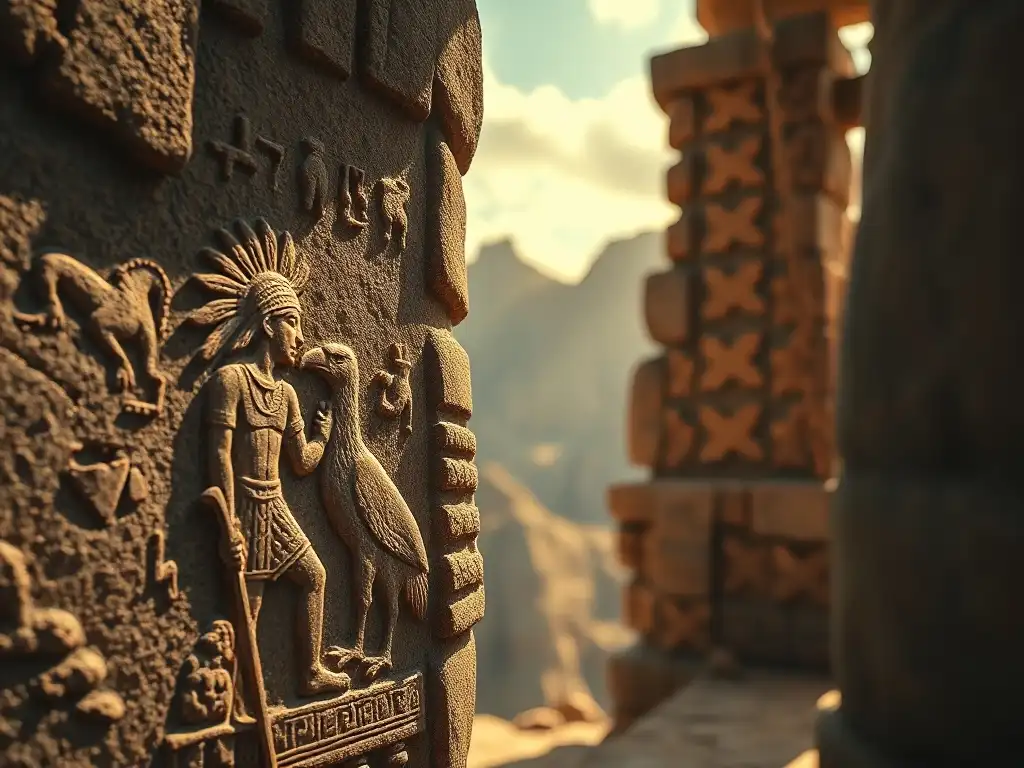
Inca storytelling wasn't just about entertainment; it served a crucial role in shaping Inca morality and transmitting societal values across generations. Narratives were carefully crafted to reinforce desired behaviors and discourage actions deemed detrimental to the community. These weren't simply whimsical tales; they were didactic tools, subtly guiding children and adults alike towards a life aligned with Inca principles. The stories often featured consequences for disobedience or rewarded acts of kindness, loyalty, and respect.
The effectiveness of these morality tales lay in their relatability and the vivid imagery employed, making the lessons memorable and impactful. These narratives were woven into the fabric of daily life, recounted during family gatherings, festivals, and religious ceremonies. This consistent reinforcement helped instill Inca values deeply within the social consciousness.
Stories That Reinforced Inca Values
Many Inca myths and legends highlighted the importance of ayni, the principle of reciprocity and mutual support. Stories often depicted characters who prospered through cooperation and suffered when they acted selfishly. For instance, a common narrative might feature a community facing a difficult challenge, like a drought or a disease, and their successful overcoming of the adversity through collective effort and shared resources. Conversely, tales of individuals who hoarded resources or refused to help others often ended with misfortune, emphasizing the societal repercussions of individualistic behavior.
The emphasis on ayni wasn't just moral; it was practical, reflecting the Inca's sophisticated understanding of social cooperation as essential for survival and prosperity in their challenging environment. Similarly, stories stressed the value of hard work, perseverance, and respect for the natural world. These narratives were tailored to resonate with the everyday experiences and challenges faced by the Inca people.
The Importance of Respect and Obedience
Respect for authority, particularly towards the Sapa Inca and the nobility, was a cornerstone of Inca society. Many myths and legends reinforced this value by portraying the consequences of disrespect or rebellion. These stories weren't simply about blind obedience; they emphasized the importance of hierarchical order and the role of each individual within the larger social structure. The consequences of defying authority were often depicted as catastrophic, both for the individual and the community.
This served as a potent reminder of the importance of maintaining social harmony and upholding the established power structure. The stories subtly conveyed the idea that individual well-being was inextricably linked to the stability and prosperity of the empire. This emphasis on respect wasn't about oppression, but rather about maintaining social order and ensuring the collective good.
The Role of Storytelling in Inca Society
Storytelling was not a mere pastime in Inca society; it was a vital social and cultural institution. It played a multifaceted role, encompassing education, entertainment, and religious practices. These narratives served as a means of transmitting knowledge, values, and beliefs across generations. The oral tradition was paramount, with stories being passed down through families and communities, ensuring the continuity of Inca culture and history.
Storytelling fostered a sense of shared identity and collective memory, strengthening social bonds and reinforcing community cohesion. The narratives also served as a powerful tool for social control, subtly shaping behaviors and reinforcing desired societal norms. This ubiquitous nature of storytelling underscores its crucial role in maintaining the social fabric of the Inca Empire. The act of sharing stories was a communal activity, often taking place during feasts, ceremonies, and other social gatherings.
How Myths and Legends Shaped Inca Identity
Inca myths and legends played a fundamental role in shaping Inca identity and worldview. The stories explained the origins of the world, the Inca people, and their place within the cosmos. They provided a framework for understanding the natural world and the forces that governed it. Myths about powerful deities and ancestral heroes instilled a sense of pride and belonging, reinforcing the Inca's belief in their own unique destiny and connection to the land.
These narratives also provided a moral compass, guiding behavior and shaping social norms. The stories served as a powerful means of transmitting cultural values, ensuring their continuity across generations. The shared narratives helped create a cohesive and unified culture, fostering a strong sense of collective identity among the Inca people. The constant retelling of these stories helped solidify and perpetuate Inca traditions and beliefs.
The Transmission of Inca History and Culture Through Narratives
The oral tradition was the primary means of transmitting Inca history and culture. Professional storytellers, known as amautas, played a crucial role in preserving and disseminating these narratives. Their knowledge and skill ensured the accuracy and continuity of the stories, which were often accompanied by songs, dances, and other forms of artistic expression. The amautas weren't simply entertainers; they were cultural custodians, responsible for safeguarding the collective memory of the Inca people.
Their role extended beyond mere storytelling; they also served as educators, imparting knowledge about history, astronomy, agriculture, and other aspects of Inca life. The meticulously preserved oral traditions ensured the continuity of Inca culture across generations, even in the absence of a written language. The use of mnemonic devices, such as songs and poems, further enhanced the accuracy and memorability of the narratives.
The Influence of Inca Myths on Andean Art
Inca mythology profoundly impacted Andean art, shaping its motifs, styles, and symbolic language. The intricate designs adorning pottery, textiles, and stone carvings often depicted scenes from Inca myths and legends, reflecting the worldview and beliefs of the civilization. These weren't mere decorations; they were powerful visual narratives, communicating stories of creation, deities, and heroic figures.
The vibrant colors and symbolic imagery served to reinforce the importance of these stories within Inca society. For example, the recurring motif of the condor, a powerful bird often associated with the sun god Inti, frequently appeared in textiles and ceramics, symbolizing strength, power, and divine connection. Similarly, representations of snakes, associated with fertility and the underworld, were common, reflecting the cyclical nature of life and death in Inca cosmology.
The artistic expression was intrinsically linked to the oral tradition, ensuring the preservation and transmission of these vital cultural narratives across generations. The artistry wasn't just visually appealing; it was a crucial element in the maintenance of Inca cultural identity and social cohesion. Analysis of these artifacts allows modern scholars to piece together fragments of the lost Inca oral tradition, offering valuable insights into their beliefs and values.
Representations of Inca Deities in Pottery and Textiles
Inca deities were frequently depicted in pottery and textiles, often with specific attributes that identified their roles and powers. For instance, Inti, the sun god, was frequently represented with a radiant face and sun-like symbols. Mama Killa, the moon goddess, was often depicted with a crescent moon or a serene, feminine face. Pachamama, the earth goddess, was frequently associated with fertility symbols and agricultural imagery.
The representations weren't always literal; artists often used symbolic elements to convey the deity's essence. For instance, a stylized condor might represent Inti's power, while a serpent could symbolize Pachamama's connection to the earth's life-giving forces. The skillful use of color and texture further enhanced these representations, adding depth and meaning to the artistic expressions.
The intricate detail and craftsmanship involved in creating these depictions highlight the importance placed upon these deities within Inca society. The careful preservation of these artifacts has provided invaluable insights into the Inca pantheon and their religious beliefs. Archaeological discoveries continue to reveal new and fascinating examples of how Inca artists visually interpreted their religious world.
How Inca Legends Inspire Contemporary Andean Artists
Inca legends continue to inspire contemporary Andean artists, who draw upon these rich narratives to create new works that reflect both their heritage and their present-day realities. Many artists incorporate traditional Inca motifs and styles into their creations, weaving together ancient stories with modern perspectives. This fusion of past and present creates a dynamic and engaging art form that speaks to both the continuity and evolution of Andean culture. The themes of nature, spirituality, and community that are central to Inca myths are also reflected in contemporary art, demonstrating the enduring relevance of these stories. Moreover, contemporary artists often use their art to raise awareness of social and environmental issues, connecting Inca legends to modern-day challenges. This contemporary reinterpretation ensures that these ancient stories remain relevant and meaningful in the 21st century. Their work keeps the Inca legacy alive, fostering a sense of cultural pride and identity within Andean communities.
Preserving Inca Storytelling Today
The preservation of Inca storytelling is a complex and ongoing process, requiring the collaborative efforts of researchers, communities, and institutions. Efforts are underway to document and translate remaining oral traditions, ensuring that these valuable narratives are not lost to time. Scholars are working to decipher ancient texts and analyze archaeological findings for clues to unlock the secrets of Inca myths and legends.
Furthermore, there's a growing focus on community-based initiatives that empower indigenous communities to preserve and share their own cultural heritage. These initiatives often involve working directly with storytellers and elders to record and archive their knowledge. The use of modern technology, including digital archiving and multimedia platforms, is also playing a crucial role in disseminating these stories to a wider audience.
However, challenges remain, including the need for greater funding and resources to support these preservation efforts. Protecting the intangible cultural heritage of the Inca is paramount to understanding and appreciating their rich history and legacy.
Efforts to Document and Share Inca Myths
Numerous initiatives are underway to document and share Inca myths and legends. Academic institutions conduct extensive research, analyzing existing written accounts, archaeological evidence, and oral traditions. Ethnographic studies focus on understanding the contemporary interpretations and significance of these stories within Andean communities. These efforts involve meticulous fieldwork, interviews with community members, and the careful transcription and translation of oral narratives.
Furthermore, museums and cultural centers play a vital role in exhibiting artifacts and presenting information about Inca mythology to the public. These institutions often host educational programs and workshops to engage audiences with the stories and their cultural significance. Digital platforms are increasingly used to share Inca myths and legends with a global audience, making these stories accessible to a wider range of people. However, ethical considerations remain paramount, ensuring that these stories are shared respectfully and with the consent of the communities that hold them.
The Enduring Legacy of Inca Narratives
Inca narratives continue to resonate with people today, demonstrating their enduring power and relevance. The themes of nature, spirituality, and community explored in Inca myths speak to universal human experiences, transcending time and cultural boundaries. These stories provide valuable insights into the Inca worldview, their social structures, and their relationship with the natural world. The enduring legacy of Inca storytelling is evident in contemporary Andean culture, where these narratives continue to shape artistic expression, religious practices, and social values.
The preservation and dissemination of Inca myths and legends are crucial for understanding the rich tapestry of Andean civilization and its lasting impact on the world. The study of these narratives offers a unique window into a fascinating culture, enriching our understanding of human history and cultural diversity. Their continued relevance underscores the timeless power of storytelling and the importance of preserving cultural heritage for future generations.
- The Significance of Oral Tradition in Inca Culture
- Inca Creation Myths: Origins of the World and Humanity
- Inca Legends of Heroes and Deities
- Inca Animal Myths and Their Symbolic Meaning
- Inca Morality Tales and Lessons
- The Role of Storytelling in Inca Society
- The Influence of Inca Myths on Andean Art
- Preserving Inca Storytelling Today
- What were some popular themes in Inca myths and legends?
- How did the Inca transmit their myths and legends?
- What is the significance of Viracocha in Inca mythology?
- How did Inca myths and legends influence their art and architecture?
- Are there any surviving written accounts of Inca myths and legends?
Frequently Asked Questions
What were some popular themes in Inca myths and legends?
Inca myths and legends frequently focused on the creation of the world, the origin of the Inca people, and the deeds of powerful rulers and gods. They often intertwined with agricultural cycles and natural phenomena.
How did the Inca transmit their myths and legends?
Stories were passed down through oral tradition, with storytellers playing a crucial role. Quipu, a system of knotted strings, may have also been used to record some aspects of these narratives.
What is the significance of Viracocha in Inca mythology?
Viracocha is a powerful creator god in Inca mythology, often credited with creating the world, humans, and the sun. He's a central figure in many creation myths.
How did Inca myths and legends influence their art and architecture?
Inca art and architecture frequently depicted scenes and figures from their myths and legends. Religious sites, such as Machu Picchu, often incorporated elements reflecting their cosmological beliefs.
Are there any surviving written accounts of Inca myths and legends?
While the Inca did not have a written language in the same way as other civilizations, Spanish chroniclers recorded many stories after the conquest, offering valuable, albeit sometimes biased, insights.
Final Reflection: Echoes of the Andes: The Enduring Power of Inca Storytelling
The vibrant tapestry of Inca myths and legends continues to resonate today, offering not just historical insights but a profound understanding of human nature and our enduring connection to the natural world. These stories, passed down through generations, whisper secrets of a civilization that thrived amidst breathtaking landscapes, shaping their worldview and leaving an indelible mark on the cultural heritage of South America. Their survival, despite the passage of centuries, speaks volumes about the power of narrative to transcend time and connect us to our shared human experience.
The enduring influence of Inca mythology is undeniable; it permeates modern Peruvian art, literature, and even daily life. These narratives, filled with powerful deities, courageous heroes, and cautionary tales, continue to shape cultural identity and inspire artistic expression. They remind us of the importance of preserving cultural heritage and understanding the rich tapestry of human experience. The past is never dead. It's not even past.
- William Faulkner. This quote perfectly encapsulates the enduring relevance of Inca myths and legends, proving that their stories continue to inform and inspire us in the present.
Consider the intricate details within these myths, the lessons woven into their narratives. What resonates with you? What parallels can you draw between the challenges faced by the Inca and the challenges we face today? Take a moment to reflect on the power of storytelling, its ability to connect us across time and cultures, and its capacity to illuminate the human condition. Let the echoes of the Andes inspire you to explore your own heritage, to cherish the stories that shape your identity, and to share your own narratives with the world.
Unveil the Legends: Take Action on Inca Storytelling!
Thank you for exploring the rich tapestry of Inca myths and legends with us! Your interest in this profound art form highlights its cultural significance and underscores the importance of keeping these ancient tales alive. Here's how you can deepen your connection to these narratives and share them with others:
- Embrace the Stories: Retell your favorite Inca myth or legend in your own words, sharing it with friends and family to keep the spirit of Inca storytelling vibrant.
- Explore Further: Delve deeper into Andean culture and storytelling traditions by visiting your local library or exploring reputable online resources. Broaden your knowledge and appreciation of these incredible civilizations.
- Join the Conversation: Share your thoughts and personal connections to Inca stories in the comments below! We encourage you to engage with our community.
What unique insights have you gained into the art of Inca storytelling, and how will you share them with others?