
Connecting with the Cosmos: Andean Astronomy and its Relevance Today

Unravel the mysteries of a lost world where the celestial dance dictated daily life. Journey into the heart of the Andes, a land steeped in ancient wisdom and breathtaking innovation. Prepare to be amazed by the sophisticated Andean astronomy techniques employed by civilizations like the Inca, Moche, and Nazca – techniques that continue to resonate with us today. Discover how their understanding of the cosmos shaped their societies and left an enduring legacy that challenges our modern perspectives. Dive in and explore the fascinating connection between humanity and the stars.
The Andes Mountains, a majestic spine running down the western coast of South America, were not merely a geographical feature for the ancient civilizations that thrived there. They were a living, breathing cosmos, a landscape imbued with spiritual significance and deeply intertwined with the celestial movements above.
This article delves into the fascinating world of Andean astronomy, exploring the sophisticated techniques employed by cultures like the Inca, Nazca, Moche, and Tiahuanaco to understand and interact with the cosmos. We will uncover how their astronomical observations informed their agricultural practices, religious beliefs, and societal structures, revealing the enduring relevance of Andean astronomy techniques to our understanding of ancient cultures and the continuing human fascination with the stars.
We will examine the intricate relationship between the Andean worldview and the celestial sphere, demonstrating how their astronomical knowledge was not merely a scientific pursuit but a fundamental aspect of their way of life, deeply embedded in their cultural heritage and leaving a legacy that continues to inspire awe and wonder today. This exploration will highlight the ingenuity and precision of their methods, showcasing their profound understanding of the cosmos and its influence on their daily existence.
Understanding Ancient Andean Cosmologies
Andean cosmologies were deeply interconnected with their observations of the celestial bodies. Unlike the geocentric models prevalent in other ancient societies, the Andean worldview embraced a more holistic and integrated perspective. The cosmos wasn't a separate entity but rather an extension of the terrestrial world, with celestial events directly impacting earthly affairs.
This interconnectedness is evident in their intricate calendar systems, which were not merely for tracking time but for predicting agricultural cycles, religious festivals, and even social events. The precise alignment of many Andean structures, such as Machu Picchu and the numerous chullpas (funerary towers), with significant celestial events suggests a sophisticated understanding of astronomy and its practical applications.
Their knowledge wasn't limited to the observation of stars and constellations; they also meticulously tracked the movements of the sun, moon, and planets, using this knowledge to maintain a harmonious relationship with the natural world. The integration of astronomy into their daily lives was complete; it was not a separate field of study, but a vital component of their cultural fabric.
The Andean people didn't possess telescopes or complex instruments like those used by later astronomers. Instead, they relied on keen observation, intricate knowledge of the landscape, and a profound understanding of the cyclical nature of the cosmos. Their mastery of observational astronomy is particularly striking, considering the tools at their disposal.
For example, they developed sophisticated calendar systems based on observations of the sun's movements, using specific mountain peaks or other geographical features as markers to track solstices and equinoxes. This understanding allowed them to predict the changing seasons with remarkable accuracy, directly impacting their agricultural practices and ensuring the survival of their communities.
Their ability to predict such events with such precision underscores the depth of their astronomical knowledge and its practical application. This deep understanding wasn't simply a matter of observation, but also involved the incorporation of mythological and ritualistic practices, blending the scientific and the spiritual to create a comprehensive cosmology.
Further Exploration: Specific Andean Astronomical Techniques
While specific details about many techniques are still under investigation, evidence suggests the use of:
- Observational astronomy using prominent landmarks: Mountains, hills, and other geographical features served as markers to track the sun's path throughout the year.
- Calendar systems based on solar and lunar cycles: These calendars were integral to their agricultural practices and religious ceremonies.
- The use of knotted strings (quipus): These may have been used to record astronomical observations and other important data.
- Alignment of structures with celestial events: Many structures were intentionally built to align with significant astronomical events, such as solstices and equinoxes.
The study of Andean astronomy techniques continues to reveal new insights into the intellectual achievements of these ancient civilizations and their sophisticated understanding of the cosmos. Their legacy reminds us of the profound connection between humanity and the universe, a connection that transcends time and culture.
The Significance of the Sky for Andean Civilizations
The Andean civilizations, including the Incas, Moche, Nazca, and Tiahuanaco, didn't just observe the sky; they lived by it. Their understanding of celestial movements profoundly impacted their social structures, agricultural practices, and religious beliefs. Unlike many other ancient cultures that viewed astronomy primarily as a means of predicting events, the Andean worldview intertwined the celestial and terrestrial realms in a deeply spiritual and practical manner.
This intimate connection is evident in their sophisticated astronomical techniques and the enduring legacy they left behind. The study of Andean astronomy techniques reveals a complex system of knowledge, revealing a civilization deeply connected to the rhythms of the cosmos.
Their observations weren't merely scientific; they were integral to their very existence, shaping their daily lives and providing a framework for understanding their place in the universe. The precision and ingenuity displayed in their astronomical practices continue to fascinate and inspire researchers today, offering valuable insights into the ingenuity of these ancient civilizations.
Andean Worldview and Celestial Observation
Andean cosmology wasn't based on a single, unified system. Instead, different groups developed unique interpretations of the cosmos, reflecting their diverse environments and cultural practices. However, a common thread runs through these diverse perspectives: a profound respect for the interconnectedness of the earthly and heavenly realms. The mountains, rivers, and stars were seen as active participants in the ongoing creation and sustenance of life.
Celestial events, like solstices and equinoxes, were not just astronomical occurrences but pivotal moments in the agricultural calendar and religious ceremonies. For example, the Incas meticulously tracked the movements of the sun to determine the optimal times for planting and harvesting, ensuring the survival of their communities. Their observations weren't limited to the sun; the moon, stars, and constellations also played significant roles in their agricultural cycles and religious rituals. The precision with which they tracked these celestial bodies highlights their advanced understanding of astronomy.
Many sites, such as Machu Picchu, are aligned with significant astronomical events, suggesting a deliberate integration of astronomical knowledge into their urban planning. This is a testament to the importance of the sky in their worldview and daily life. The integration of astronomy into the fabric of their society is further evidenced by the presence of specialized priests and astronomers who were responsible for interpreting celestial events and advising on matters of state and agriculture.
The Role of Astronomy in Ancient Andean Life
Andean astronomy techniques weren't confined to religious or agricultural practices; they permeated nearly every aspect of life. The precise alignment of structures, such as the famous lines of Nazca, suggests a sophisticated understanding of geometry and astronomy. These lines, visible only from the air, are believed to have served as astronomical markers, possibly linked to specific constellations or celestial events.
Furthermore, the intricate designs found on textiles and ceramics often depict celestial bodies and constellations, highlighting the importance of astronomy in their artistic expression. The use of specific astronomical events to mark significant dates in their calendar further demonstrates the integration of astronomy into their social and political organization. Archaeological evidence reveals sophisticated instruments, such as sundials and possibly even more complex devices, used for astronomical observation.
These tools allowed for precise measurements of the sun's position and other celestial phenomena, demonstrating a level of technological sophistication often underestimated. The intricate knowledge embedded in these techniques underlines the vital role Andean astronomy played in shaping their culture, society, and understanding of the world. The legacy of these advanced Andean astronomy techniques continues to resonate today, inspiring both scientific inquiry and a deeper appreciation for the rich cultural heritage of the Andes.
Andean Astronomy Techniques: A Legacy of Precision
Andean astronomy techniques represent a sophisticated understanding of celestial mechanics, developed over millennia by various cultures across the Andes. These weren't simply abstract observations; they were deeply integrated into the fabric of daily life, influencing agriculture, religious practices, and social organization. The precision and ingenuity displayed in these techniques are remarkable, revealing a profound connection between the Andean peoples and the cosmos.
Understanding these techniques offers a window into the intellectual and spiritual life of these ancient societies, highlighting their advanced knowledge and practical application of astronomical principles. This section delves into specific examples of Andean astronomical practices, focusing on solar observations, lunar tracking, and the cultural significance of constellations.
Observing the Sun and the Solar Cycle in the Andes
The sun held paramount importance in Andean cosmology, symbolizing life, energy, and the cyclical nature of existence. Andean cultures developed sophisticated methods for observing the sun's movements and predicting seasonal changes. This wasn't done through complex instruments like telescopes, but rather through meticulous observation of the sun's position relative to landmarks and natural features.
For example, the precise orientation of many Andean structures, such as the Intihuatana stones found at Machu Picchu, demonstrates a deep understanding of solstices and equinoxes. These stones acted as solar calendars, marking the crucial transition points in the agricultural year. The Inca, for instance, meticulously tracked the sun's path to determine the optimal times for planting and harvesting, ensuring the success of their agricultural practices.
Their knowledge of the solar cycle allowed them to adapt to the challenging Andean environment and maintain a stable food supply. Furthermore, the sun's position also played a crucial role in religious ceremonies and festivals, with specific rituals timed to coincide with key solar events. The accuracy of these solar observations is testament to the advanced observational skills and knowledge of Andean astronomers.
Lunar Cycles and their Importance in Andean Calendars
While solar observations were crucial, the lunar cycle also played a significant role in Andean timekeeping and cultural practices. The moon's phases were used to create calendars, many of which were integrated with the solar year. The Nazca culture, known for its enigmatic geoglyphs, likely utilized lunar observations to plan their agricultural activities and religious festivals.
Evidence suggests that the cycles of the moon were incorporated into their complex calendar system, influencing planting decisions and ceremonial events. The intricate relationship between the solar and lunar cycles in Andean calendars reflects a sophisticated understanding of celestial mechanics and their impact on the earthly realm. Unlike many modern calendars which solely rely on solar cycles, the Andean calendars often incorporated a combination of solar and lunar observations, demonstrating a holistic approach to timekeeping.
This multifaceted system allowed for greater accuracy in predicting seasonal changes and coordinating important events. Furthermore, the moon's phases were often imbued with symbolic meaning, influencing various aspects of Andean life, from rituals and social interactions to beliefs and mythology.
Star Constellations and their Cultural Significance in the Andean Region
The Andean people also paid close attention to the night sky, recognizing patterns and constellations that held significant cultural meaning. Unlike the constellations of the Western tradition, Andean constellations were often formed by connecting brighter stars within larger celestial areas, sometimes incorporating dark patches or nebulae. These constellations were not just arbitrary groupings of stars but were deeply interwoven with mythology, religious beliefs, and storytelling. Many constellations were associated with specific animals, deities, or significant events in their cosmology.
For example, the constellation of the Llama might have been crucial for pastoralist communities, predicting the best times for animal husbandry. The stories associated with these constellations were passed down through generations, reinforcing cultural identity and transmitting knowledge about the cosmos. The study of Andean constellations reveals a rich tapestry of beliefs and traditions, highlighting the profound connection between the Andean people and the celestial realm.
The specific names and stories associated with these constellations vary among different Andean cultures, reflecting the diversity of their astronomical traditions. Further research is needed to fully understand the intricacies of each culture's unique celestial narratives, and how these narratives influenced their worldview and practices. The study of Andean astronomy techniques provides valuable insights into the sophisticated knowledge systems and rich cultural heritage of these ancient civilizations.
Practical Applications of Andean Astronomical Knowledge
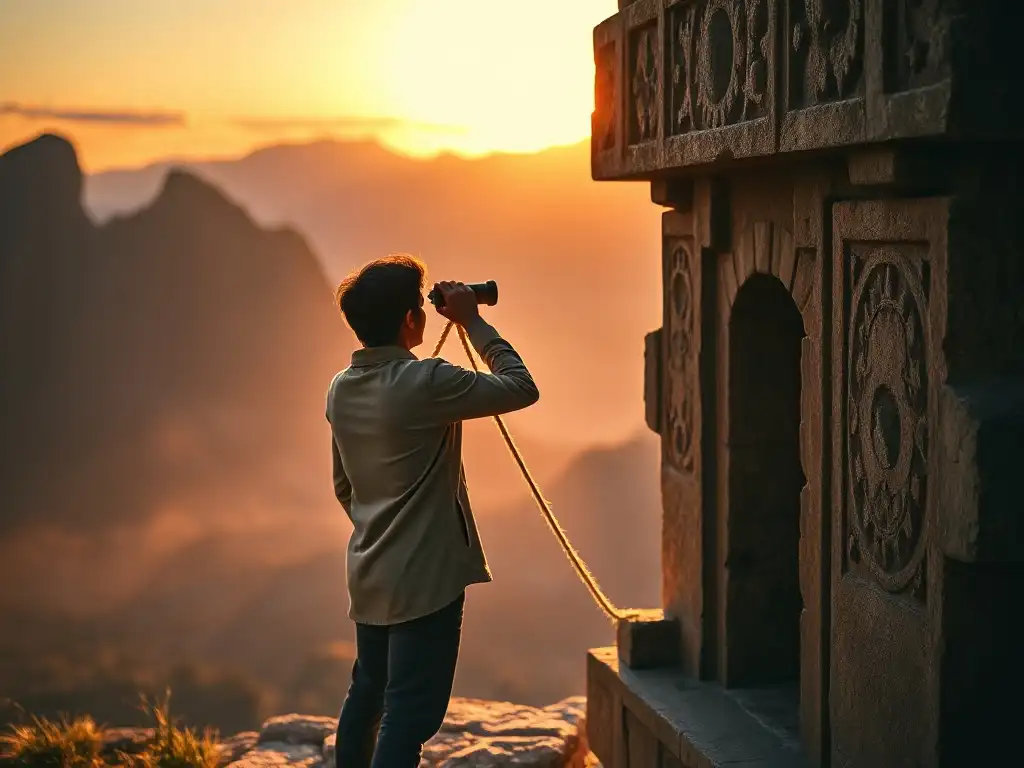
The sophisticated understanding of Andean astronomy wasn't merely a philosophical pursuit; it was deeply interwoven with the practical aspects of daily life. Their celestial observations directly informed crucial activities, shaping agriculture, architecture, and even navigation. Understanding these practical applications reveals the ingenuity and resourcefulness of Andean cultures, highlighting the profound connection between their cosmology and their survival. Analyzing these techniques allows us to appreciate the advanced level of Andean astronomy and its lasting impact. The mastery of "Andean astronomy techniques" wasn't just about stargazing; it was about sustaining life and building thriving societies.
Andean Agricultural Practices Guided by Celestial Events
Andean agricultural practices were intricately linked to the celestial calendar. Farmers meticulously tracked the movements of the sun, moon, and stars to determine optimal planting and harvesting times. For example, the appearance of certain constellations signaled the beginning of the rainy season in the Andes, prompting the planting of crucial crops like maize and potatoes. The precise timing was critical for maximizing yields and ensuring food security.
Detailed observations of the solstices and equinoxes further refined agricultural practices, enabling farmers to adapt to the diverse microclimates across the Andean region. This wasn't simply a matter of coincidence; generations of accumulated knowledge and observation were passed down, resulting in a sophisticated system of agricultural planning guided by the cosmos. The accuracy of these techniques is evidenced by the success of Andean agriculture for centuries.
The precise knowledge of the sun's path also allowed for the creation of sophisticated irrigation systems. By understanding the angle of the sun at different times of the year, they could design canals and terraces to maximize water distribution, even in challenging terrains. This knowledge, coupled with their understanding of water management, allowed them to cultivate crops at high altitudes, pushing the boundaries of agricultural possibilities. This demonstrates the synergistic relationship between their astronomical observations and their agricultural achievements. The intricate relationship between Andean astronomy and agriculture showcases a deep understanding of both celestial movements and terrestrial realities.
The Use of Astronomy in Andean Architecture and Urban Planning
Andean astronomy played a significant role in the design and orientation of buildings and entire urban centers. Many structures, including temples and ceremonial sites, were carefully aligned with astronomical events, such as solstices and equinoxes. For instance, the precise alignment of windows and doorways in some structures allowed for the observation of specific celestial events, highlighting the importance of these events in their worldview.
This purposeful alignment wasn't accidental; it reflects a deep understanding of geometry and astronomy, demonstrating a level of sophistication in urban planning that is rarely acknowledged. The integration of astronomical knowledge into architecture wasn't just about aesthetics; it was about connecting the earthly realm with the celestial, reinforcing their cosmological beliefs.
The city of Machu Picchu, for example, showcases this connection. The placement of buildings and terraces within the city is believed to have been influenced by astronomical observations. Specific structures are thought to have been aligned with the rising and setting sun during solstices, further illustrating the integration of astronomical knowledge into the design and functionality of the city.
Further research is needed to fully understand the extent of astronomical influences on Inca urban planning, but the evidence strongly suggests a significant role. This meticulous alignment suggests a profound understanding of the relationship between the built environment and the cosmos. Detailed studies of these alignments continue to reveal new insights into Andean astronomical knowledge and its influence on urban design.
The vast Andean landscape presented significant navigational challenges. However, Andean peoples developed sophisticated methods of navigation using celestial bodies as guides. The stars served as compasses, helping travelers to orient themselves and traverse the mountains and deserts. This knowledge was crucial for trade, migration, and military campaigns. The accuracy of their stellar navigation is a testament to their keen observational skills and their understanding of celestial mechanics. The ability to navigate vast distances using only the stars is remarkable and underscores their advanced knowledge of astronomy.
Knowledge of constellations and their movements allowed for long-distance travel across challenging terrain. This is particularly evident in the extensive trade networks that connected different Andean cultures. The ability to navigate these routes reliably, often over considerable distances, depended heavily on the accurate observation and interpretation of celestial phenomena.
This reliance on celestial navigation highlights the practical application of their astronomical knowledge, demonstrating its importance in their daily lives. While the precise methods of Andean navigation require further investigation, the evidence clearly points to the crucial role of "Andean astronomy techniques" in their journeys across the Andes. The effective use of stellar navigation showcases the practical application of their cosmological understanding, transforming the seemingly insurmountable challenges of the landscape into navigable pathways.
The Enduring Relevance of Andean Astronomy
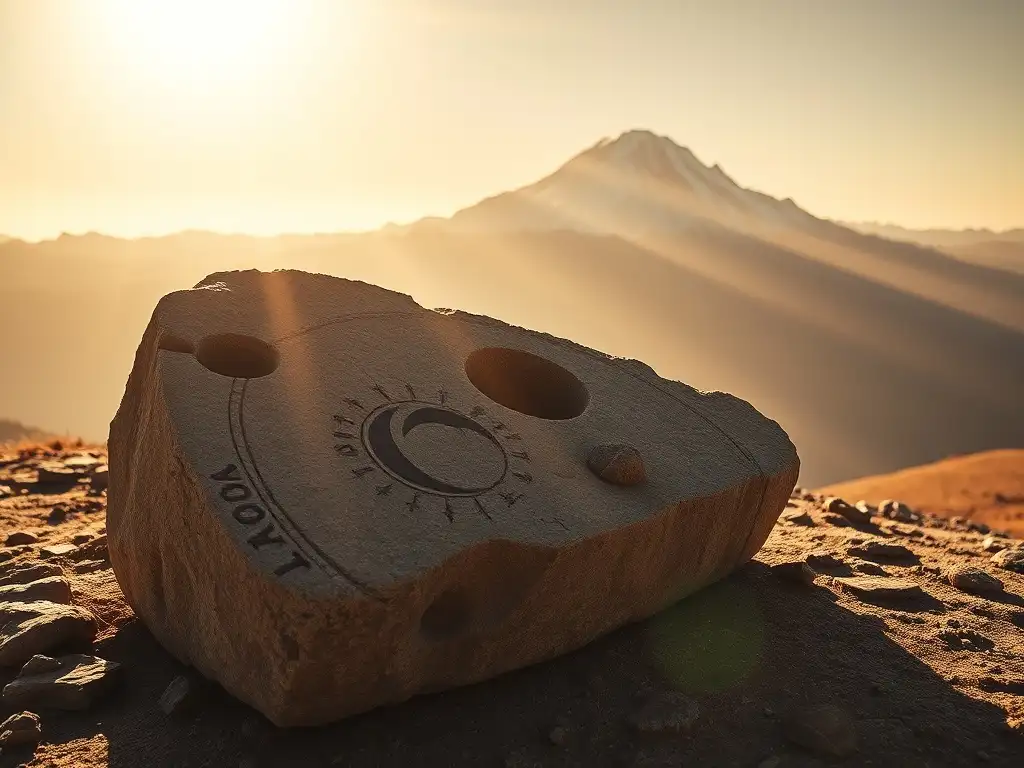
Andean astronomy, far from being a relic of the past, holds significant contemporary relevance. Its sophisticated techniques and deep understanding of celestial cycles offer valuable insights for various fields, impacting our understanding of both the past and the future. The precision and accuracy achieved by Andean astronomers, using only their observations and ingenious tools, continues to inspire awe and wonder.
Their knowledge wasn't simply a matter of academic curiosity; it was intricately woven into the fabric of their daily lives, influencing agriculture, societal structure, and spiritual beliefs. This intricate relationship between celestial events and terrestrial life provides a compelling case study in the interconnectedness of human societies and their environment.
Understanding these techniques allows us to appreciate the intellectual prowess of these ancient civilizations and to draw parallels with modern scientific endeavors. The legacy of Andean astronomy is not merely historical; it's a living testament to human ingenuity and our enduring fascination with the cosmos.
Andean Astronomy and its Contribution to Modern Science
Modern science can learn much from the meticulous observations and sophisticated methodologies employed by Andean astronomers. Their detailed charting of constellations, precise calculations of solstices and equinoxes, and intricate understanding of planetary movements offer a unique perspective on astronomical phenomena. For example, their knowledge of the precise alignment of certain structures with celestial events, such as the Intihuatana stones used for solar observations, demonstrates a remarkably accurate understanding of astronomical cycles.
This level of precision, achieved without the aid of modern technology, is a testament to their observational skills and mathematical acumen. Furthermore, studying their methods can help us refine our own techniques and potentially uncover new insights into celestial mechanics.
The study of Andean astronomy techniques provides a valuable counterpoint to Western astronomical traditions, enriching our understanding of the history and development of astronomy as a whole. The detailed records, though often indirect and requiring careful interpretation, reveal a deep understanding of seasonal changes and their impact on agriculture, a knowledge that could inform modern sustainable farming practices.
Cultural Preservation and the Importance of Andean Celestial Knowledge
The preservation of Andean celestial knowledge is paramount not only for historical accuracy but also for the cultural identity of Andean communities. This knowledge is an integral part of their heritage, deeply intertwined with their spiritual beliefs and traditions. The loss of this knowledge would represent a significant cultural loss, erasing a vital aspect of their identity and ancestral wisdom.
Efforts to document, preserve, and share this knowledge are crucial for maintaining cultural continuity and fostering a sense of pride in Andean heritage. This involves not just preserving written records but also actively engaging with contemporary Andean communities to understand the living traditions that continue to draw upon this ancient knowledge. Active participation in preserving this heritage ensures that future generations can connect with their ancestors and appreciate the richness of their cultural legacy.
This requires collaborations between researchers, educators, and community members to ensure that the knowledge is passed down accurately and respectfully. The preservation of Andean astronomy techniques is a vital part of a larger effort to protect the cultural heritage of the Andes.
Experiencing Andean Astronomy Through Cultural Tourism
Cultural tourism offers a unique opportunity to experience Andean astronomy firsthand and engage with its enduring legacy. By visiting sites like Machu Picchu or other significant archaeological locations, tourists can appreciate the astronomical significance of these places and gain a deeper understanding of the Andean worldview. Responsible tourism initiatives can play a vital role in supporting local communities and promoting the preservation of these sites.
Furthermore, engaging with local guides who possess traditional knowledge of Andean astronomy can provide a more immersive and authentic experience. These guided tours can provide valuable insights into the cultural context of Andean astronomy, enriching the tourist's understanding and fostering appreciation for the cultural heritage of the Andes.
Experiencing Andean astronomy techniques through respectful and sustainable tourism not only benefits visitors but also contributes to the economic well-being of the communities that safeguard this invaluable heritage. The integration of Andean astronomy into cultural tourism strategies offers a powerful means to promote cultural preservation and economic development in the region.
Rediscovering Andean Celestial Wisdom for Future Generations
This section delves into the crucial efforts underway to preserve and understand the remarkable legacy of Andean astronomy. The sophisticated astronomical knowledge developed by Andean civilizations, including the Incas, Nazca, and Tiwanaku, is not merely a historical curiosity; it represents a profound connection to the cosmos and a valuable resource for contemporary scientific inquiry. Understanding and preserving these ancient Andean astronomy techniques is vital for future generations.
Preservation Efforts by Indigenous Communities and Research Institutions
Indigenous communities play a vital role in preserving and transmitting their ancestral knowledge. Their oral traditions, ceremonies, and continued use of ancient sites provide invaluable insights into Andean astronomy practices. For example, descendants of the Inca in the Cusco region continue to use traditional methods for observing celestial events, maintaining a direct link to their ancestors' understanding of the cosmos.
These practices often incorporate intricate details of the Andean cosmos, including constellations and their associated myths. Simultaneously, research institutions are increasingly collaborating with these communities, employing rigorous scientific methods to document and interpret the astronomical alignments found in archaeological sites. This collaborative approach is crucial for ensuring the accurate and respectful preservation of Andean astronomy techniques.
The collaborative efforts between researchers and communities allow for a deeper understanding, ensuring the preservation of these valuable cultural heritage elements. This reciprocal relationship involves researchers sharing their findings with the community, enriching their understanding of their own heritage.
Furthermore, several institutions are dedicated to the study and preservation of Andean astronomical heritage. These efforts include detailed mapping of archaeological sites, the development of digital models to analyze astronomical alignments, and the creation of educational materials to share this knowledge with a wider audience. [Specific examples of institutions and their projects pending].
These activities are essential for safeguarding this valuable cultural heritage for future generations and ensuring that Andean astronomy techniques remain a focus of scientific research. The integration of modern technologies, like 3D modeling and GIS mapping, allows for detailed and accessible analysis of the sites, further enhancing our understanding of Andean astronomy.
The Future of Interdisciplinary Research in Andean Astronomy
The future of Andean astronomy research necessitates a truly interdisciplinary approach. Integrating archaeology, anthropology, history, and astronomy is crucial for fully understanding the complexity and sophistication of these ancient practices. For instance, studying the iconography found on textiles and ceramics can reveal additional insights into the celestial knowledge of the Andean people, supplementing the information gleaned from architectural alignments. Analyzing the mathematical models used by Andean astronomers to predict celestial events can provide further understanding of their methods and precision.
The integration of advanced technologies like AI and machine learning in the analysis of astronomical data collected from these sites could also revolutionize our understanding of Andean astronomy techniques. Such advanced analysis could reveal previously unseen patterns and insights. By combining traditional knowledge with cutting-edge technology, researchers can unlock new depths of understanding about the astronomical practices of Andean civilizations.
Connecting with the Cosmos: Learning from the Andean Perspective
The study of Andean astronomy offers a unique opportunity to broaden our understanding of the cosmos. The Andean perspective, deeply rooted in a holistic worldview that connects the celestial and terrestrial realms, provides a valuable counterpoint to the Western scientific approach. By studying their intricate understanding of the cosmos, we can gain new perspectives on our own place in the universe.
The Andean calendar systems, for example, demonstrate a sophisticated understanding of celestial cycles and their impact on agriculture and social life. This approach contrasts with the purely scientific approach of modern astronomy. The Andean approach emphasizes the interconnectedness of all things, highlighting the significance of celestial observations for daily life and social organization.
Understanding the Andean perspective on astronomy encourages a broader and more inclusive approach to scientific inquiry and helps us appreciate the diversity of human understanding of the universe, and the enduring value of Andean astronomy techniques. This holistic approach is vital for fostering a more comprehensive understanding of our place in the universe.
Frequently Asked Questions
What were some key Andean astronomy techniques?
Andean astronomers used a variety of techniques, including observing the movements of the sun, moon, and stars, to create incredibly accurate calendars and predict agricultural cycles. They also employed sophisticated instruments like the Intihuatana stones.
How did Andean astronomy impact agriculture?
Their understanding of celestial cycles was crucial for planning planting and harvesting, ensuring optimal yields. By tracking the stars and sun, they could predict the best times for agricultural activities.
Did the Incas have a monopoly on advanced astronomical knowledge in the Andes?
No, many cultures across the Andes developed sophisticated astronomical knowledge. The Nazca, Moche, and Tiahuanaco civilizations also had advanced astronomical practices.
What role did mountains play in Andean astronomy?
Mountains played a significant role, acting as natural markers for celestial observations. Their orientation and alignment often reflect a deep understanding of astronomy and its connection to the landscape.
How is Andean astronomy relevant today?
Andean astronomy offers valuable insights into ancient scientific practices and provides a unique perspective on the relationship between humans and the cosmos. It continues to inspire modern astronomical research and cultural understanding.
Final Reflection: Echoes of the Andes: Astronomy's Timeless Wisdom
The ancient wisdom encoded in Andean astronomy techniques remains profoundly relevant today, offering a powerful counterpoint to our technologically driven, often disconnected, modern world. Understanding the intricate relationship between the Andean people and the cosmos reveals not only sophisticated astronomical knowledge but also a deep-seated respect for the natural world and a cyclical understanding of time that we desperately need to rediscover.
The enduring legacy of Andean astronomy continues to shape our understanding of indigenous knowledge systems and their value in a globalized context. Their meticulous observations, passed down through generations, offer a compelling narrative of human ingenuity and resilience. The universe is within you, as well as all around you.
This quote, though not directly from Andean cosmology, encapsulates the profound interconnectedness that lies at the heart of their astronomical practices, a connection often lost in our fragmented modern experience. Their methods, far from being primitive, demonstrate a sophisticated understanding of celestial mechanics and their impact on daily life, a testament to the power of observation and careful interpretation.
Consider the implications of this ancient wisdom for your own life. How might reconnecting with the natural rhythms of the cosmos, as the Andean people did, foster a deeper sense of place and purpose? Embrace the opportunity to look up at the night sky, not just as a spectacle of distant stars, but as a reflection of our shared human heritage and a source of inspiration for a more sustainable and harmonious future. Let the echoes of the Andes resonate within you, guiding you towards a more mindful and connected existence.
Unveil the Stars: Connect with Andean Astronomy Today!
Thank you for exploring the fascinating world of Andean astronomy. You've gained valuable insights into how ancient civilizations connected with the cosmos, and now you can bring that wisdom into your life!
Here are some ways to deepen your connection to the universe and Andean heritage:
- **Attend a stargazing event or astronomy lecture:** Experience the wonder of the cosmos firsthand. Many planetariums and astronomy clubs host regular events.
- **Share your newfound knowledge:** Discuss what you've learned with friends and family, or even host a stargazing party with an Andean astronomy theme.
- **Explore the rich history of Andean astronomical practices:** Research how these cultures used astronomy for agriculture and rituals. Consider how you might incorporate some of these insights into your own life, perhaps by aligning your activities with the celestial cycles.
What cosmic insights have inspired you? Share your discoveries to encourage others to look to the stars.