
Unlock the Mystery of Andean Cooking Techniques: Mastering the Use of Clay Pots

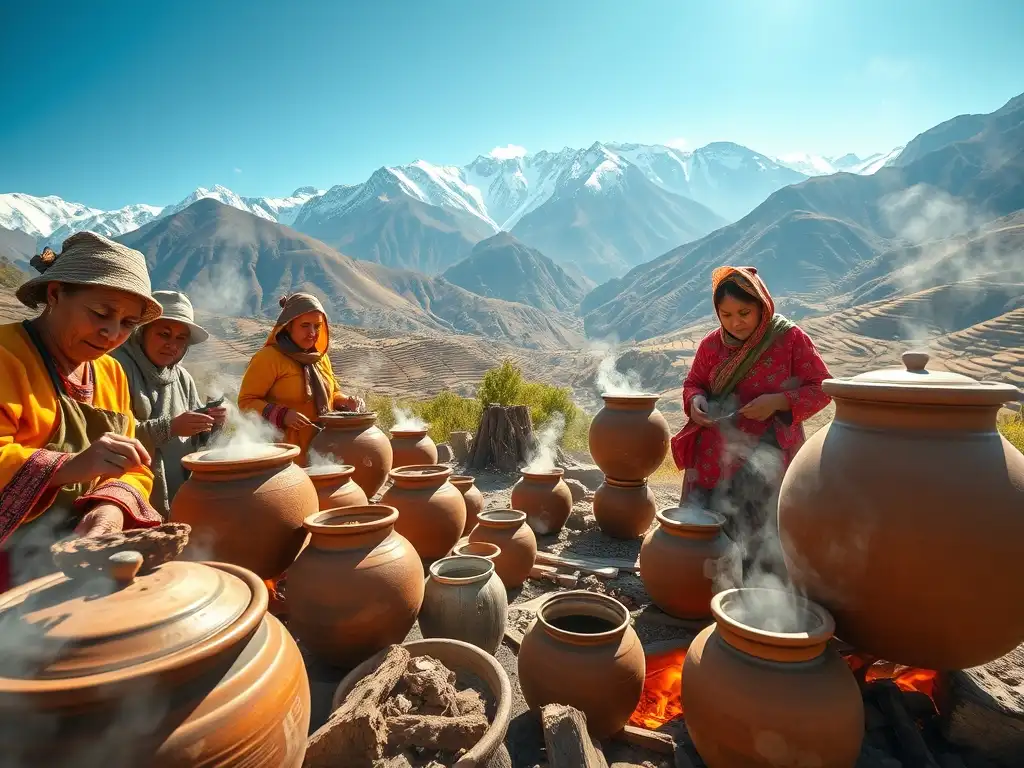
Step into a world lost to time, yet vibrantly alive in its legacy. Imagine the scent of exotic spices mingling with the earthy aroma of clay, as you uncover the secrets of Andean civilization. This journey begins with Andean clay pot cooking techniques, a fascinating glimpse into the ingenuity and culinary artistry of ancient cultures. Prepare to be amazed by the immersive experiences awaiting you as we delve into the rich tapestry of Andean life—from the Incas to the Nazca, and beyond. Dare to explore?
The Andes Mountains, a spine of towering peaks running down the western edge of South America, are not only a breathtaking landscape but also the cradle of remarkable civilizations. For millennia, Andean cultures have developed sophisticated techniques in agriculture, architecture, and—crucially for our purposes—cooking. This article delves into the fascinating world of Andean cooking techniques, focusing specifically on the mastery of clay pot cooking.
We will explore the history, types, preparation, and unique properties of these earthenware vessels, unlocking the secrets to achieving authentic Andean flavors in your own kitchen. Understanding these techniques allows you to connect with the rich culinary heritage of the Andes, bringing a piece of this ancient world to your table. We will explore how using Andean clay pots significantly impacts the taste and texture of your dishes, providing a truly immersive culinary experience.
This journey will equip you with the knowledge to confidently recreate the magic of Andean cuisine at home, enhancing your appreciation for the ingenuity and artistry of these ancient cultures. Prepare to embark on a culinary adventure that transcends mere cooking and becomes a celebration of Andean heritage.
Introduction to Andean Cooking with Traditional Clay Pots
Andean cooking, characterized by its resourceful use of local ingredients and innovative techniques, has relied heavily on clay pots for centuries. These weren't just vessels for holding food; they were integral to the cooking process itself. The porous nature of the clay, combined with the unique Andean cooking methods using open fires and embers, results in a distinctive flavor profile unattainable with modern cookware.
Dishes cooked in Andean clay pots often possess a subtle earthiness, a depth of flavor born from the slow, even cooking process. This technique isn't simply about practicality; it's a deeply ingrained cultural practice reflecting a close relationship between the people and their environment. The use of clay pots goes beyond mere functionality; it is a testament to the ingenuity and resourcefulness of Andean cultures, allowing them to create delicious and nutritious meals using readily available materials.
The slow cooking process also helps to preserve nutrients, contributing to the overall healthfulness of Andean cuisine. Think of the rich stews, hearty soups, and flavorful roasted meats—all enhanced by the unique properties of these traditional cooking vessels.
Understanding Andean Clay Pots: Types and Their Unique Properties
Andean clay pots come in a wide variety of shapes, sizes, and styles, each reflecting the specific needs and traditions of different Andean communities. While precise classifications are difficult due to the diverse nature of the region's pottery, we can broadly categorize them based on their intended use and construction. For example, some pots are designed for slow cooking, featuring thick walls to retain heat effectively. Others are specialized for specific dishes, like those used for preparing chicha (a fermented corn beverage).
The clay itself varies in composition depending on the region's geological makeup, influencing the pot's porosity and heat retention capabilities. Some clays might be more porous, leading to a longer cooking time and a more intense flavor infusion, while others may be denser, resulting in faster cooking. The firing process also plays a crucial role, with variations in temperature and duration contributing to the pot's overall properties.
Understanding these nuances is key to selecting the right pot for your chosen dish and achieving optimal results. Further research is needed to fully categorize the diverse range of Andean clay pots and their regional variations. [Specific information pending on detailed regional variations and clay compositions]
Preparing Your Andean Clay Pot for First Use: Curing and Seasoning
Before you embark on your Andean cooking adventure, it's crucial to properly prepare your new clay pot. This process, known as curing and seasoning, ensures the pot's longevity and helps prevent cracking or leaching. The curing process typically involves a gradual heating and cooling cycle, allowing the clay to stabilize and release any impurities. This might involve filling the pot with water and slowly bringing it to a simmer, then allowing it to cool gradually.
The seasoning process typically involves coating the pot's interior with a thin layer of oil or fat, then heating it gently to create a protective layer. This helps prevent food from sticking and contributes to the pot's overall durability. The specific methods and times for curing and seasoning can vary depending on the type of clay and the manufacturer's instructions, so always refer to the provided guidelines. Properly preparing your Andean clay pot is an investment in its longevity and will ensure many years of delicious Andean cooking.
Neglecting this crucial step can significantly reduce the lifespan of your pot and potentially compromise the taste and safety of your food. Detailed instructions, including specific temperature and time recommendations, are necessary to fully cover this topic. [Specific instructions on curing and seasoning methods pending]
Maintaining Your Clay Pot: Cleaning and Care Tips
Proper care ensures your Andean clay pot remains a culinary companion for years. Never use soap or harsh detergents; these can damage the pot's porous clay, affecting its ability to retain heat and potentially leaching chemicals into your food. Instead, opt for a gentle approach. After each use, while the pot is still warm (but not hot! ), rinse it thoroughly with warm water. Stubborn food particles can be removed with a soft sponge or wooden spoon. For particularly tenacious residue, fill the pot with warm water and let it soak for a while before gently scrubbing.
Avoid drastic temperature changes. Never place a hot clay pot directly onto a cold surface, or vice versa. This can cause thermal shock, leading to cracking. Allow the pot to cool gradually before cleaning or storing.
Once clean and dry, lightly oil the inside of the pot with a neutral oil like sunflower or canola oil. This helps to season the clay, making it more resistant to sticking and enhancing its longevity. Storing your pot in a dry place, preferably away from direct sunlight, will further extend its lifespan. Remember, your Andean clay pot is a handcrafted treasure; treat it with care, and it will reward you with years of delicious Andean cuisine.
Mastering Andean Cooking Techniques Using Clay Pots
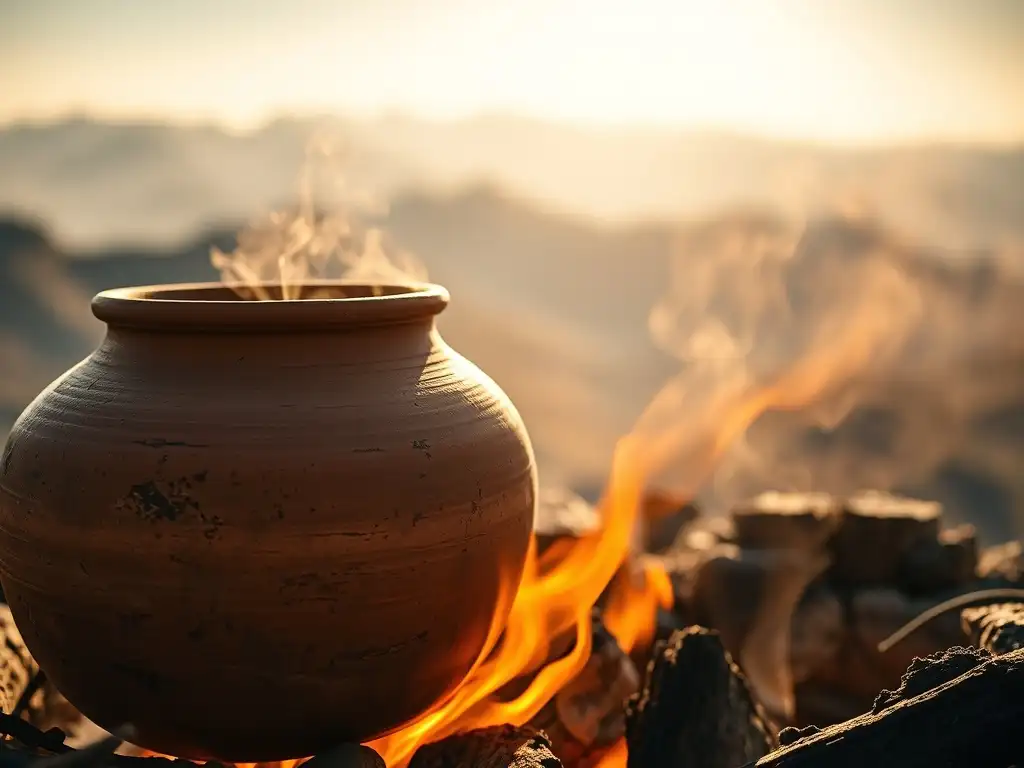
Andean clay pot cooking, or pachamanca in some regions, offers unique advantages. The clay's ability to retain heat evenly leads to tender, flavorful dishes. Slow cooking in a clay pot infuses food with earthy undertones, enhancing the natural flavors of Andean ingredients. This technique is particularly well-suited for stews, soups, and casseroles. One key aspect is the gradual heating process. Begin cooking over low heat, gradually increasing the temperature as needed. Avoid high heat, which can crack the pot or burn the food.
The pot's porous nature allows for gentle steaming, adding moisture and enhancing the texture of your dishes. This is especially beneficial for vegetables and meats that might otherwise dry out during prolonged cooking. Mastering Andean clay pot cooking involves patience and observation. Learn to gauge the heat by feeling the outside of the pot and adjusting the flame accordingly.
Experiment with different cooking times and temperatures to achieve your desired results. Each pot is unique, so understanding its specific heat retention properties is crucial for consistent success. With practice, you'll become adept at creating authentic Andean dishes with unparalleled flavor and texture.
Essential Andean Ingredients and Recipes for Clay Pot Cooking
Andean cuisine boasts a rich palette of ingredients perfectly suited for clay pot cooking. Potatoes, in their myriad varieties, are a staple. From the creamy papa amarilla to the waxy papa negra, each type offers a unique flavor and texture that enhances the overall dish. Corn, another cornerstone of Andean gastronomy, is often used in the form of choclo (fresh corn on the cob) or cancha (toasted corn kernels). These add sweetness and a satisfying crunch. Quinoa, a complete protein, lends itself well to stews and hearty soups.
Aji amarillo peppers provide a vibrant color and a subtly sweet, yet spicy, flavor. These peppers are essential in many Andean sauces and marinades, adding depth and complexity to clay pot dishes. Other key ingredients include herbs like huacatay (black mint) and muña, which impart unique aromatic notes. A simple recipe to start with is a classic Andean stew: Combine diced potatoes, choclo, quinoa, and aji amarillo paste in your clay pot.
Add water or broth, season with salt, and simmer over low heat until the potatoes are tender and the quinoa is cooked through. This basic recipe can be adapted to include other vegetables, meats, and spices, allowing you to explore the boundless possibilities of Andean clay pot cooking. Remember to always use high-quality, fresh ingredients for the best results. Enjoy the journey of discovering the authentic flavors of the Andes!
Where to Buy Authentic Andean Clay Pots and Cooking Supplies
Finding authentic Andean clay pots can be an adventure in itself, adding to the immersive experience of recreating ancient cooking techniques. Your best bet is to look for specialized shops that focus on handcrafted goods from the Andes region. These shops often partner directly with artisans, ensuring the authenticity and quality of the pottery. Online marketplaces can also be a valuable resource, but it's crucial to carefully examine seller reviews and descriptions to verify the origin and craftsmanship of the pots.
Look for descriptions mentioning specific Andean regions like Cusco, Ayacucho, or even specific villages known for their pottery traditions. The clay itself should be mentioned; pots made from local Andean clays, often rich in minerals, will impart a unique flavor and texture to your dishes. Don't be afraid to ask questions! Reputable sellers will be happy to provide details about the pot's origin, the type of clay used, and the firing process.
Remember, investing in a high-quality, authentic Andean clay pot is an investment in a piece of history and a tool that will enhance your culinary journey for years to come. Beyond the pots themselves, consider sourcing other traditional Andean cooking supplies, such as wooden spoons and mortars and pestles, to complete your authentic cooking experience. These additions not only add to the aesthetic appeal but also contribute to the traditional methods employed in Andean cuisine. The search for the right tools is part of the process, adding depth and understanding to your culinary exploration.
Conclusion: Embracing the Art of Andean Clay Pot Cooking
Mastering Andean clay pot cooking techniques is more than just preparing a meal; it’s a journey through time, connecting you to the rich culinary heritage of the Andes. By understanding the unique properties of Andean clay and employing traditional methods, you can unlock a depth of flavor and texture unavailable through modern cooking techniques. The slow, even cooking process inherent to clay pot cooking results in dishes that are tender, flavorful, and imbued with a sense of history.
From the careful selection of your clay pot to the mindful preparation of your ingredients, each step contributes to the authentic Andean experience. Remember to experiment, to embrace the imperfections, and to savor the journey as much as the final product. The art of Andean clay pot cooking is a rewarding endeavor, offering not only delicious meals but also a deeper appreciation for the ingenuity and cultural richness of Andean civilizations.
As you continue to explore and refine your skills, you'll find yourself increasingly drawn into the fascinating world of Andean culinary traditions. The warmth of the clay, the aroma of the spices, and the taste of the food will transport you to the heart of the Andes, enriching your cooking and your life in ways you never anticipated.
- Introduction to Andean Cooking with Traditional Clay Pots
- Understanding Andean Clay Pots: Types and Their Unique Properties
- Preparing Your Andean Clay Pot for First Use: Curing and Seasoning
- Maintaining Your Clay Pot: Cleaning and Care Tips
- Mastering Andean Cooking Techniques Using Clay Pots
- Essential Andean Ingredients and Recipes for Clay Pot Cooking
- Where to Buy Authentic Andean Clay Pots and Cooking Supplies
- Conclusion: Embracing the Art of Andean Clay Pot Cooking
- What makes Andean clay pots unique for cooking?
- What types of food are traditionally cooked in Andean clay pots?
- Are there specific techniques for using Andean clay pots?
- How do Andean clay pot cooking techniques differ from modern methods?
- Where can I find more information on Andean clay pot cooking techniques?
Frequently Asked Questions
What makes Andean clay pots unique for cooking?
Andean clay pots are porous, allowing for even heat distribution and moisture retention, resulting in flavorful and tender food. Their unique designs also contribute to efficient cooking.
What types of food are traditionally cooked in Andean clay pots?
A wide variety of foods are traditionally cooked, including stews, soups, and roasted meats. Many recipes rely on the pot's ability to slowly simmer ingredients to perfection.
Are there specific techniques for using Andean clay pots?
Yes, slow cooking over low heat is crucial. Proper seasoning of the pot before first use is also essential to prevent cracking and improve flavor. Avoid sudden temperature changes.
How do Andean clay pot cooking techniques differ from modern methods?
Andean techniques emphasize slow, even cooking over open fire or low heat, maximizing the natural flavors of ingredients. This contrasts with modern methods that often prioritize speed and high heat.
Where can I find more information on Andean clay pot cooking techniques?
You can explore authentic recipes and techniques online through various culinary websites and books focusing on Andean cuisine. Museums and cultural centers may also offer relevant information.
Final Reflection: The Enduring Legacy of Andean Clay Pot Cooking
The ancient techniques of Andean clay pot cooking are not merely historical relics; they represent a sustainable and flavorful approach to food preparation that remains profoundly relevant today. In a world increasingly focused on minimizing environmental impact and maximizing nutritional value, rediscovering these methods offers a powerful path towards a more conscious and delicious culinary experience. The rich history and enduring practicality of this tradition are a testament to its inherent wisdom.
The impact of Andean cooking extends far beyond the simple act of preparing a meal; it's a cultural legacy that speaks to a deep connection with the land and a profound respect for tradition. These techniques, passed down through generations, embody a holistic approach to food, emphasizing the importance of local ingredients and mindful preparation. Food is symbolic of love when words are inadequate.
- Alan D. Wolfelt. This sentiment perfectly encapsulates the emotional resonance of Andean cooking, where the process itself becomes a form of storytelling and connection.
Now, consider the possibilities. Imagine incorporating these techniques into your own kitchen, experiencing the unique flavors and textures that only a clay pot can impart. You can become a custodian of this ancient knowledge, sharing its benefits with your family and friends, and contributing to a more sustainable and flavorful future. Embrace the earthiness, the slow cooking, the rich aromas – unlock the mystery, and discover the enduring magic of Andean clay pot cooking for yourself.
Embrace the Essence of Andean Cooking!
Thank you for exploring the rich world of Andean cooking techniques with us! Discovering the art of clay pot cooking unveils a beautiful tradition blending history, culture, and culinary expertise. Now, let's put your new knowledge to work!
Here are some exciting ways to deepen your Andean cooking experience:
- Start Cooking! Begin by preparing a traditional Andean dish in a clay pot. If you don't own one, consider visiting a local artisan market or even trying your hand at making one yourself!
- Explore the Flavors: Experiment with lesser-known Andean ingredients to add unique depth and complexity to your recipes. Think about incorporating unusual spices, herbs, or even grains native to the region.
- Share Your Journey: Post photos of your culinary creations on social media and tag us! Connect with other food enthusiasts and inspire others to explore the delights of Andean cuisine.
What Andean dish will you create first using your clay pot? How will you personalize this ancient cooking method with your own unique flair and ingredients?