
Tiahuanaco's Building Techniques: Methods and Tools Used by Ancient Engineers

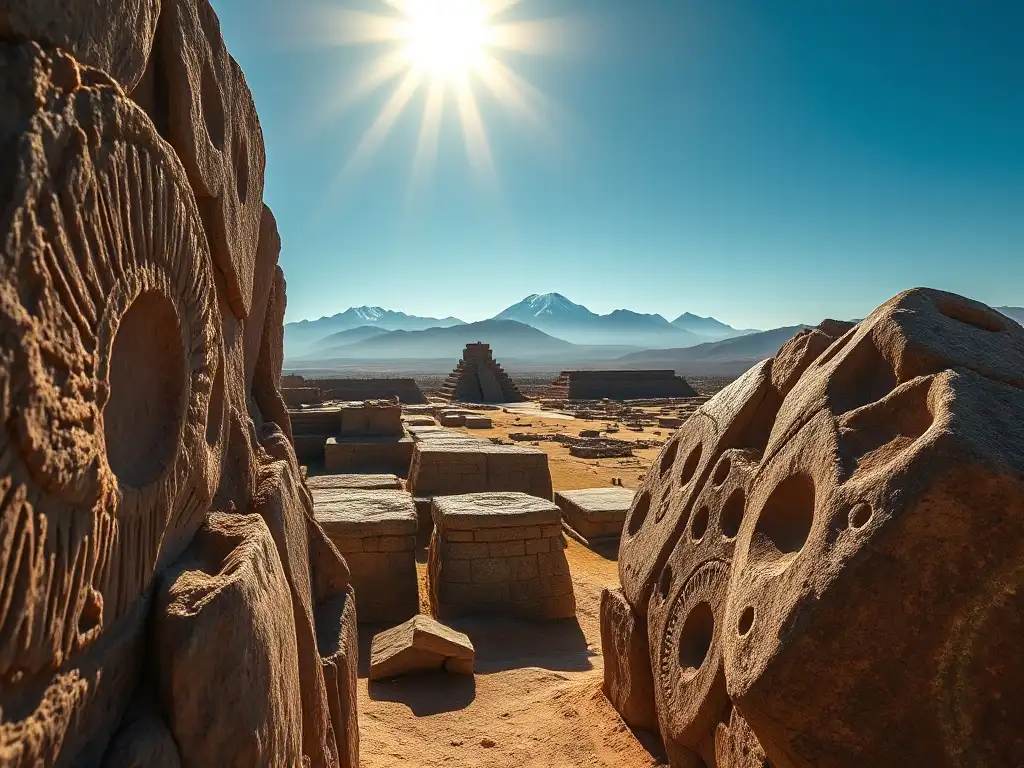
Prepare to be amazed. For centuries, the towering structures of Tiahuanaco have whispered secrets of a lost civilization. Journey with us as we unravel the mysteries behind Tiahuanaco's building techniques, exploring the ingenious methods and tools employed by these ancient Andean engineers. Discover how they moved colossal stones and constructed monumental architecture that continues to defy explanation. Their ingenuity awaits – dare to delve deeper?
The city of Tiahuanaco, located on the shores of Lake Titicaca in modern-day Bolivia, stands as a testament to the remarkable engineering prowess of the pre-Columbian Andean civilizations. This article delves into the sophisticated building techniques employed by the Tiahuanaco people, exploring the methods and tools they used to construct their monumental structures, which remain awe-inspiring even today.
Understanding these techniques provides crucial insights into the ingenuity, organization, and societal complexity of this fascinating culture. We will explore the precise methods used in stone manipulation, transportation, and construction, shedding light on the remarkable achievements of Tiahuanaco's ancient engineers and their profound impact on Andean architecture.
The mastery displayed in their building techniques highlights not only their technological advancements but also their deep understanding of the environment and their ability to harness available resources. This exploration of Tiahuanaco building techniques will uncover the secrets behind their impressive structures and the legacy they left behind.
Stone Quarrying and Transportation
Tiahuanaco's monumental architecture is largely constructed from large blocks of andesite, a volcanic rock known for its hardness and durability. Quarrying this stone involved a considerable feat of engineering. Evidence suggests that the Tiahuanaco people likely used a combination of techniques, including fire-setting – heating the rock to induce thermal stress and facilitate fracturing – and the application of stone tools such as hammers and chisels to extract the massive blocks.
The precision with which these blocks were shaped indicates a high level of skill and expertise. Transporting these enormous stones across significant distances to the construction site presents another significant challenge. While the precise methods remain a subject of ongoing research and debate, theories suggest the use of ramps, rollers, and possibly even sledges pulled by human labor or animal power.
The sheer scale of the undertaking underscores the organizational capabilities and manpower required to construct the city. Further research is needed to fully understand the logistics involved in this massive undertaking. The precision and scale of the stonework speak volumes about the advanced understanding of geometry and engineering possessed by the Tiahuanaco builders.
Stone Cutting and Shaping
The remarkable precision of the Tiahuanaco stonework is evident in the tightly fitted joints between the massive blocks. This level of accuracy was achieved through meticulous stone cutting and shaping. Archaeological evidence indicates the use of various stone tools, including hammers, chisels, and possibly abrasive materials, to carefully shape and refine the blocks. The process involved removing material gradually, ensuring a precise fit between adjacent stones.
The absence of mortar in many constructions further highlights the importance of accurate stone shaping. The intricate carvings and designs found on some stones showcase the advanced skills of Tiahuanaco artisans. This level of craftsmanship suggests a highly specialized workforce, with individuals possessing expertise in various aspects of stonework. The techniques used were clearly sophisticated, allowing for the creation of complex and aesthetically pleasing structures.
Construction Techniques and Assembly
The assembly of the massive stone blocks into intricate structures is a testament to the Tiahuanaco's advanced engineering skills. The precise fitting of stones, often without the use of mortar, is a remarkable feat of engineering. It is believed that the builders used various techniques to lift and position the stones, likely utilizing ramps, levers, and possibly even scaffolding. The arrangement of the stones reflects a sophisticated understanding of structural mechanics, ensuring the stability and longevity of the buildings.
The precise alignment of stones in some structures, such as the Kalasasaya, suggests a sophisticated understanding of astronomy and cosmology. The construction techniques employed were clearly highly developed and efficient, enabling the creation of monumental structures that have endured for centuries. The city's layout itself reflects careful planning and a deep understanding of engineering principles.
Tools and Technologies Used
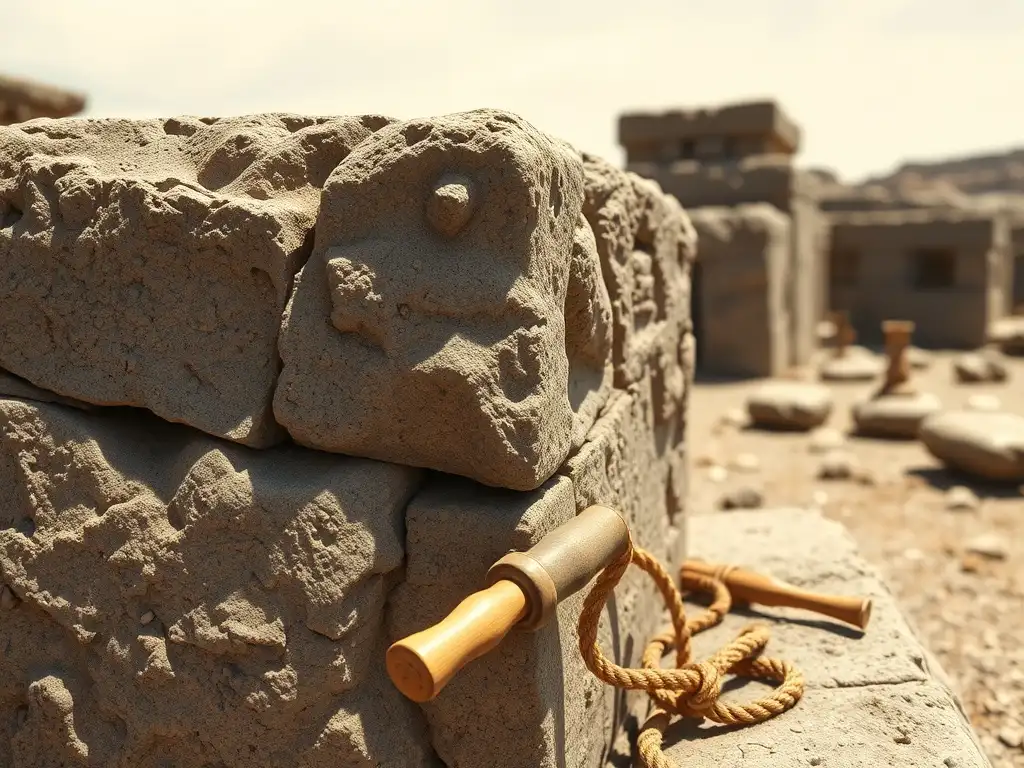
The Tiahuanaco people utilized a variety of tools and technologies in their building projects. These included stone hammers and chisels made from harder materials, likely obsidian or other volcanic rock. Evidence suggests the possible use of copper tools in later periods. The sophisticated techniques employed, such as the precise cutting and fitting of stones, point towards a well-developed understanding of materials and their properties.
The absence of widespread use of metal tools suggests a reliance on highly developed stoneworking techniques and a mastery of the available materials. The level of precision achieved in the stonework indicates a high level of skill and expertise among the Tiahuanaco artisans and engineers. Further research into the tools and technologies used could reveal additional insights into their building techniques. The ingenuity shown in adapting available resources highlights the resourceful nature of the Tiahuanaco civilization.
The Legacy of Tiahuanaco's Building Techniques
The remarkable building techniques of Tiahuanaco left a lasting legacy on Andean architecture. The precision and scale of their structures influenced subsequent cultures, demonstrating the enduring impact of their engineering innovations. The sophisticated understanding of stonework, construction methods, and resource management continues to inspire awe and admiration.
The enduring presence of these structures is a testament to the advanced knowledge and skill of the Tiahuanaco builders. Their achievements continue to inform our understanding of pre-Columbian engineering and architecture, serving as a significant contribution to the broader field of archaeology. The legacy of Tiahuanaco's building techniques is a powerful reminder of the sophisticated civilizations that thrived in the Andes long before the arrival of Europeans.
- Stone Quarrying and Transportation
- Stone Cutting and Shaping
- Construction Techniques and Assembly
- Tools and Technologies Used
- The Legacy of Tiahuanaco's Building Techniques
- What innovative building techniques did the Tiahuanaco people employ?
- How did the Tiahuanaco transport and lift such enormous stones?
- What type of stones did the Tiahuanaco civilization primarily use in their constructions?
- Were there any unique tools employed by Tiahuanaco builders?
- How did the Tiahuanaco's building techniques compare to those of other Andean civilizations?
The Engineering Marvel of Tiahuanaco: An Overview of Construction Methods
Tiahuanaco's monumental architecture stands as a testament to the advanced engineering capabilities of its builders. The city, located on the shores of Lake Titicaca in modern-day Bolivia, boasts structures of immense scale and precision, constructed using techniques that continue to fascinate and inspire researchers today. Understanding Tiahuanaco's building techniques requires examining the meticulous planning, sophisticated tools, and masterful execution involved in erecting these impressive structures.
The sheer scale of the projects, combined with the precision of the stonework, points to a highly organized society with a deep understanding of engineering principles. This section will delve into the specific methods and tools used, highlighting the ingenuity of the Tiahuanaco engineers and their profound impact on Andean architectural traditions. The precise methods employed in quarrying, transporting, and assembling colossal blocks of stone remain a subject of ongoing study, revealing new insights into this remarkable civilization's technological prowess.
Analysis of surviving structures and archaeological findings continues to shed light on the sophisticated techniques employed, challenging previous assumptions and expanding our understanding of Tiahuanaco's architectural achievements. The impressive precision of the stonework, combined with the scale of the constructions, showcases a level of engineering skill rarely seen in other ancient civilizations. Further research into Tiahuanaco's building techniques promises to uncover even more about this fascinating civilization.
Understanding Tiahuanaco Architecture: Key Features
Several key architectural features of Tiahuanaco highlight the sophistication of its building techniques. The use of massive blocks of andesite, a very hard volcanic rock, is particularly noteworthy. These stones, some weighing many tons, were precisely cut and fitted together with minimal mortar, showcasing an exceptional understanding of stone masonry.
The intricate carvings and decorations on many of the stones, including the famous Gate of the Sun, further demonstrate the advanced level of craftsmanship. The precise alignment of certain structures with astronomical events suggests a sophisticated understanding of astronomy and its application to architecture. Furthermore, the city's layout, with its carefully planned plazas and monumental structures, demonstrates a high level of urban planning and organizational skills.
The construction of elevated platforms and intricate drainage systems also reveals a deep understanding of hydraulic engineering and environmental considerations. Finally, the longevity of many of the structures, despite significant seismic activity in the region, speaks to the resilience and durability of the Tiahuanaco building techniques. These factors combined represent a unique blend of engineering, artistry, and astronomical knowledge.
Tiahuanaco's Mastery in Stone Masonry: An Introduction
Tiahuanaco's mastery of stone masonry is perhaps its most remarkable engineering achievement. The precision with which the massive andesite blocks were cut, transported, and fitted together is astonishing. Archaeological evidence suggests the use of sophisticated tools, including copper chisels and possibly stone hammers, to shape and refine the stones. The incredibly tight joints between the blocks, often with minimal or no mortar, indicate a high degree of accuracy and skill in stone cutting and placement.
The techniques used to transport these enormous blocks across considerable distances remain a subject of debate, with theories ranging from the use of ramps and rollers to the potential employment of advanced techniques yet to be fully understood. The ability to create such perfectly fitted joints without the use of significant amounts of mortar speaks volumes about the builders' understanding of stone properties and their ability to execute complex engineering tasks. Further research is needed to fully uncover the intricacies of their methods, but the existing evidence clearly demonstrates a remarkable level of skill and precision in stone masonry.
The legacy of Tiahuanaco's stonework continues to inspire awe and admiration, representing a pinnacle of ancient Andean engineering. Analyzing the surviving structures provides invaluable insights into the tools and techniques employed, contributing to our understanding of this remarkable civilization's technological advancements. The precision and scale of their stonework remain a testament to their ingenuity and mastery of this ancient craft.
Stone Quarrying and Transportation in Tiahuanaco: The Foundation of Their Construction
The monumental architecture of Tiahuanaco stands as a testament to the ingenuity and organizational prowess of its builders. Understanding the city's construction requires a deep dive into the methods employed in acquiring and transporting the massive stones that form its iconic structures. The sheer scale of the undertaking – quarrying, shaping, and moving colossal blocks of andesite and other stones across significant distances – remains a subject of ongoing research and fascination, further solidifying Tiahuanaco's place as a marvel of ancient engineering.
The techniques employed, often involving sophisticated understanding of leverage, rollers, and possibly even ramps, represent a significant achievement in pre-Columbian Andean technology. The precise methods, while still debated, highlight the advanced understanding of materials science and project management possessed by the Tiahuanaco people. This section delves into the specifics of their stone procurement and transportation, examining the evidence and theories surrounding these crucial aspects of Tiahuanaco's construction.
Identifying Tiahuanaco Stone Quarries: Sources of Building Materials
Pinpointing the exact quarries used by Tiahuanaco builders is a complex task, but geological analysis and archaeological surveys have yielded significant insights. The primary source of the distinctive red andesite used extensively in the city's construction is believed to be located in the area of the nearby volcano, [Specific location of quarry pending]. This location, however, is not the sole source; other stones, including various types of basalt and diorite, were also incorporated into Tiahuanaco structures, suggesting the utilization of multiple quarries, perhaps tailored to the specific needs of different building projects.
The selection of these materials wasn't arbitrary; the builders demonstrated a clear understanding of the properties of each stone, choosing materials best suited for specific architectural elements. For example, the harder andesite was often reserved for load-bearing components, while softer stones may have been used for less structurally critical elements. The meticulous planning and selection of building materials emphasize the sophistication of Tiahuanaco's engineering practices.
Further research, including detailed petrographic analysis, is crucial to fully map the network of quarries that supplied Tiahuanaco's ambitious building programs. This detailed understanding is key to comprehending the logistical challenges faced and overcome by the Tiahuanaco civilization. The sheer volume of stone moved underlines the scale of their operation and organizational capabilities.
The Logistics of Transporting Massive Stones: Tiahuanaco Engineering Feats
Transporting the massive stones from quarries to the construction site presented a formidable engineering challenge. While the precise methods remain a matter of scholarly debate, several theories exist, often incorporating a combination of techniques. One prominent theory suggests the use of wooden rollers and ramps. Imagine: teams of workers carefully maneuvering colossal blocks of stone along meticulously constructed ramps, employing leverage and rollers to reduce friction and facilitate movement.
The construction of these ramps themselves would have been a significant undertaking, requiring precise surveying and careful engineering. Another theory postulates the use of sledges, possibly aided by systems of ropes and manpower to haul the stones across the landscape. The evidence suggests that the Tiahuanaco people possessed a deep understanding of physics and mechanics, allowing them to overcome the immense logistical hurdles involved in moving such massive weights. The size and weight of some of the stones, some weighing many tons, strongly suggests the use of advanced methods beyond simple dragging.
The precision with which many stones were cut and fitted together further underscores the sophistication of their engineering and construction practices. The efficient organization needed to coordinate such a large-scale operation highlights the advanced societal structure and level of social engineering within Tiahuanaco society. Further research into the terrain and the potential routes used for transportation is needed to fully elucidate the logistical masterpiece that was Tiahuanaco's construction. The impressive scale of their projects continues to inspire awe and wonder, even centuries later.
Tiahuanaco Building Techniques: Shaping and Assembling Stone Blocks
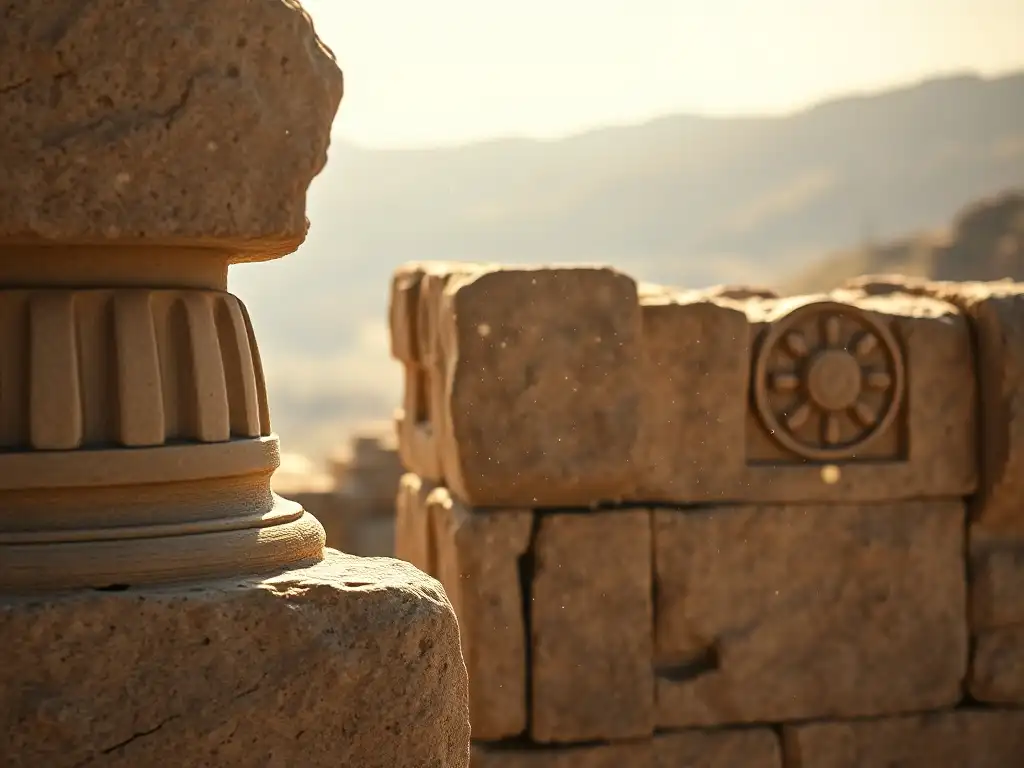
This section delves into the remarkable engineering feats of the Tiahuanaco civilization, focusing specifically on their innovative building techniques. The mastery displayed in shaping and assembling massive stone blocks remains a subject of ongoing fascination and research, challenging our understanding of ancient engineering capabilities. We will explore the precision of their stonework, the ingenious interlocking systems employed, and the methods used to erect their monumental structures. Understanding these techniques provides crucial insight into the sophistication and ingenuity of Tiahuanaco's builders.
Precise Stone Cutting and Shaping Techniques: Tiahuanaco Stoneworking
The Tiahuanaco people demonstrated exceptional skill in quarrying, transporting, and shaping enormous blocks of andesite, a very hard volcanic rock. Their ability to create such precisely cut stones, some weighing many tons, is truly astounding. Evidence suggests they employed a combination of techniques, including:
- Stone hammers and chisels: These tools, likely made of harder materials like diorite or even obsidian, were used to gradually chip away at the stone, creating the desired shapes. The precision achieved speaks volumes about the skill and patience of the Tiahuanaco artisans. Microscopic analysis of the stone surfaces often reveals characteristic striations consistent with the use of such percussive tools.
- Abrasive techniques: It’s highly probable that they also employed abrasive materials, such as sand or other fine-grained substances, to smooth and refine the surfaces of the blocks. This process would have required considerable time and effort, but the remarkably smooth surfaces of many Tiahuanaco stones are testament to this meticulous approach.
- Water and possibly fire: Some researchers hypothesize that water might have been used to facilitate the cutting process, potentially weakening the stone along fracture lines. Similarly, the controlled application of fire could have been used to create thermal stress, making the stone more susceptible to fracturing. However, concrete evidence for these methods remains limited and requires further investigation.
The level of precision in Tiahuanaco stonework is unmatched in many other contemporary Andean cultures. The tight fits between blocks, often with minimal mortar, indicate a deep understanding of geometry and engineering principles. This mastery of stone shaping was crucial to the construction of their impressive structures.
The Use of Interlocking Stone Techniques in Tiahuanaco Construction
A key characteristic of Tiahuanaco architecture is the extensive use of interlocking stone techniques. Instead of relying solely on mortar, the builders skillfully shaped and fitted stones together, creating incredibly strong and stable structures. This sophisticated approach minimized the need for large quantities of binding materials and enhanced the structural integrity of the buildings. Several types of interlocking techniques were employed:
- Precisely cut joints: Stones were shaped to fit together with astonishing accuracy, creating interlocking joints that effectively transferred weight and resisted seismic activity. The tight fit reduced the reliance on mortar, which may have been used sparingly as a sealant rather than a primary structural element.
- Recessed and projecting blocks: In some cases, blocks were carved with recessed sections that precisely fit into projecting sections on adjacent blocks. This technique further enhanced the interlocking effect, creating a strong and stable bond between the stones.
- Angular interlocking: The use of angular cuts and precisely shaped corners created a three-dimensional puzzle-like effect. This method not only provided structural strength but also added to the aesthetic complexity of the structures.
The sophisticated interlocking techniques employed at Tiahuanaco demonstrate a high level of architectural planning and engineering expertise. These methods contributed significantly to the longevity and resilience of the structures, allowing them to withstand the test of time despite seismic activity and other environmental factors.
Assembling the Megalithic Structures: Tiahuanaco's Construction Methods
The precise methods used to lift and place these massive blocks remain a subject of debate among archaeologists. However, several theories exist, each suggesting a remarkable level of organizational skill and ingenuity:
- Ramps and levers: The construction of temporary ramps, made of earth or other materials, is a plausible method for raising the stones. Simple machines, such as levers and rollers, could have been used to move and position the blocks along these ramps. This method required considerable manpower and careful coordination but is consistent with construction techniques employed in other ancient civilizations.
- Wooden scaffolding: The use of wooden scaffolding would have been essential for the construction of higher levels of the structures. This scaffolding would have provided a platform for workers to position and secure the stones, and its design would have needed to withstand considerable weight. The availability of suitable timber in the region would have played a crucial role in the feasibility of this method.
- Human power and ingenuity: Regardless of the specific tools and techniques used, the sheer scale of the Tiahuanaco structures implies an enormous investment of human labor. The organization and coordination required to transport, lift, and place these massive stones are testament to the social and political organization of the Tiahuanaco society. The construction of these monuments was undoubtedly a collective effort that required meticulous planning and considerable manpower. The exact number of workers involved remains a subject of ongoing research.
Understanding Tiahuanaco's building techniques provides valuable insights into the ingenuity and organizational capacity of this remarkable civilization. The precision of their stonework, the innovative interlocking systems, and the methods used to assemble the megalithic structures continue to inspire awe and wonder. Further research, including advanced imaging techniques and material analysis, is needed to fully unravel the mysteries of Tiahuanaco's impressive architectural achievements.
Tiahuanaco Tools and Instruments: The Technology Behind the Construction

The monumental structures of Tiahuanaco stand as a testament to the advanced engineering capabilities of its builders. Understanding Tiahuanaco building techniques requires examining the tools and instruments they employed. While much remains unknown, archaeological evidence reveals a sophisticated understanding of materials and a remarkable ability to manipulate them with relatively simple, yet effective, technology. The precision evident in the construction suggests careful planning and a mastery of their chosen tools.
The ingenuity displayed in their methods challenges our modern assumptions about ancient technologies and their capabilities. The mastery of stonework, in particular, showcases a deep understanding of both material properties and sophisticated engineering principles. This section will delve into the specific tools and techniques used in different stages of construction, highlighting the remarkable achievements of Tiahuanaco's engineers.
Tools Used for Stone Quarrying and Cutting: Tiahuanaco Technology
Quarrying the massive blocks of andesite, a hard volcanic rock, used in Tiahuanaco's constructions presented a significant challenge. Evidence suggests the use of several tools and methods:
- Stone Hammers and Mallet: These were likely made from harder stone, possibly diorite or even another type of andesite, and were used to break away large sections of rock from the quarry face. The size and shape of these hammers varied, adapting to the specific task. Larger hammers were used for initial fracturing, while smaller ones were used for more precise work. The repetitive nature of this work would have required significant physical strength and stamina.
- Copper Chisels and Adzes: The use of copper tools, while appearing relatively "soft" compared to the andesite, allowed for more controlled fracturing and shaping of the stone. The copper would have been hardened through techniques like cold hammering, increasing its durability. Chisels were used for creating straight cuts, while adzes, with their curved blades, were likely used for rough shaping and removing larger sections of rock.
- Wooden wedges: Wooden wedges, possibly made from a durable wood like algarrobo, were driven into cracks in the rock to leverage and split larger blocks. Water may have been used to expand the wood, enhancing the wedging process. This method demonstrates a practical understanding of material science and the use of natural forces to assist in construction.
The efficiency of these methods is striking, considering the scale of the stone blocks extracted from the quarries. Further research is needed to fully understand the specific techniques employed and the organization of the workforce involved in this demanding phase of construction. Further analysis of tool wear patterns could reveal more details about the precise methods used.
Tools for Shaping and Smoothing Stones: Achieving Precision in Tiahuanaco
Once quarried, the immense stone blocks required meticulous shaping and smoothing to achieve the precise fit necessary for the intricate structures. The remarkable precision displayed in the Tiahuanaco masonry points to advanced techniques:
- Abrasive Stones: Sandstones and other abrasive stones were likely used for grinding and polishing the stone surfaces. These materials would have been selected for their hardness and abrasive properties. The process would have involved considerable time and effort, requiring the use of both hand-held abrasives and possibly larger grinding stones. The smooth, polished surfaces found on many Tiahuanaco stones are testament to the dedication and skill of the artisans.
- Stone Chisels and Abrasive Powders: Finer shaping and detail work likely involved smaller, more refined stone chisels and the use of abrasive powders, possibly made from crushed volcanic rock or other minerals. These powders would have been applied to the stone surface with water, creating a slurry that facilitated the smoothing and polishing process.
- Water and Patience: The process of smoothing and shaping these immense stones would have been time-consuming and labor-intensive. Water played a crucial role, not only in creating the abrasive slurries but also in cooling the tools and preventing overheating during the extensive grinding and polishing. The patience and dedication of the artisans are evident in the exquisite craftsmanship displayed in Tiahuanaco’s architecture.
Measuring and Aligning Tools: Ensuring Structural Integrity in Tiahuanaco
The precise alignment and intricate fitting of the stones in Tiahuanaco's structures suggest the use of sophisticated measuring and alignment tools. While the exact tools remain somewhat speculative, several possibilities exist:
- Measuring Strings and Ropes: Simple yet effective, measuring strings or ropes could have been used to establish straight lines and ensure consistent dimensions. Knots or markings on the ropes could have served as calibrated units of measurement. This technique, widely used in ancient construction across different cultures, allowed for the transfer of measurements and the creation of accurate alignments.
- Plumb bobs and Levels: Plumb bobs, made from weighted stones suspended on strings, would have been essential for ensuring verticality and accurate positioning of stones. Simple levels, possibly made from wooden planks with a carefully balanced indicator, could have been used to check the horizontality of surfaces. These tools, although basic, were crucial for maintaining the structural integrity of the buildings.
- Astronomical Observations: The precise alignment of some structures with astronomical events suggests that astronomical observations played a role in the planning and construction. While not a tool in the traditional sense, the careful observation of celestial movements could have informed the design and orientation of the buildings, demonstrating an advanced understanding of astronomy and its applications in engineering. This highlights a sophisticated integration of scientific understanding into the practical aspects of construction.
The remarkable achievements of Tiahuanaco's builders are a testament to their ingenuity and skill. Further research and analysis of the archaeological evidence will undoubtedly shed more light on the specific tools and techniques they employed, revealing even more about their advanced engineering capabilities.
Specific Examples of Tiahuanaco Building Techniques: Case Studies
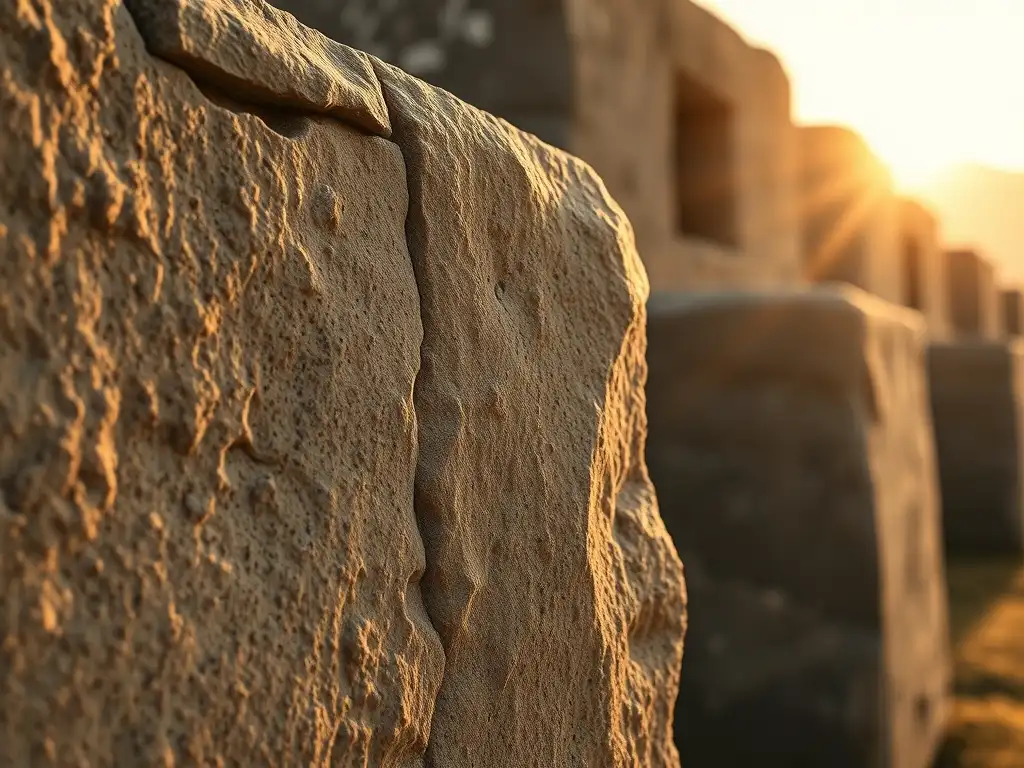
This section delves into the remarkable building techniques employed by the Tiahuanaco civilization through detailed case studies of their most iconic structures. Analyzing these examples allows us to appreciate the sophistication of their engineering and the precision of their craftsmanship, solidifying Tiahuanaco's place as a marvel of ancient Andean architecture. Understanding these Tiahuanaco building techniques offers invaluable insight into their societal organization, resource management, and technological capabilities.
The Puma Punku Complex: An Example of Advanced Tiahuanaco Techniques
Puma Punku, meaning "Puma Gate" in Aymara, represents the pinnacle of Tiahuanaco's architectural prowess. Its massive, precisely cut stones, some weighing over 100 tons, defy easy explanation using only the tools believed available to them. The sheer scale of the blocks and their intricate joinery, with minimal mortar, point to a highly advanced understanding of stone manipulation and engineering principles.
The precision of the stonework is astonishing. Many blocks exhibit incredibly tight fits, with tolerances so fine that even a thin knife blade cannot be inserted between them. This level of accuracy suggests the use of advanced tools and techniques, possibly involving sophisticated measuring instruments and potentially even prefabrication techniques. The precise angles and alignments of the stones, often fitting together like a perfectly assembled jigsaw puzzle, further underscore their remarkable engineering capabilities.
Further research is needed to fully uncover the secrets behind the Tiahuanaco building techniques used at Puma Punku. The mystery surrounding these techniques continues to fascinate archaeologists and engineers alike. The use of advanced tools and techniques is suggested by the precision of the stonework. The lack of significant wear on the stone surfaces further hints at advanced cutting and shaping techniques, possibly involving water erosion or other less abrasive methods.
We can hypothesize about the possible tools used, but definitive proof remains elusive. It's possible they utilized copper or bronze tools, but the scale of the project points towards a more complex toolkit and possibly a deeper understanding of material science than previously thought. The absence of abundant evidence of quarries nearby suggests sophisticated transportation methods and potentially a centralized management system for resource acquisition.
The Kalasasaya Temple: Analyzing Tiahuanaco’s Construction
The Kalasasaya Temple, meaning "Standing Stones" in Aymara, is another testament to the advanced Tiahuanaco building techniques. This temple, with its massive stone walls and intricate carvings, showcases a different facet of Tiahuanaco's engineering expertise. Unlike Puma Punku's massive blocks, Kalasasaya utilizes smaller, more varied stones, yet the overall construction displays remarkable precision and structural integrity.
The temple's layout, orientation, and astronomical alignments suggest a deep understanding of astronomy and mathematics. The precision with which the stones are placed and the intricate carvings adorning them point to a highly skilled workforce and a sophisticated understanding of geometry and architectural design. The use of different types of stone within the structure hints at a sophisticated understanding of material properties and their suitability for specific structural purposes. Furthermore, the presence of intricate carvings suggests specialized artisans and a complex social organization capable of supporting specialized labor.
The Kalasasaya Temple's construction reflects not only advanced engineering but also a deep understanding of cosmology and ritual practices. The precise alignments suggest a sophisticated calendrical system and a profound connection between the terrestrial and celestial realms. This intertwining of engineering, astronomy, and religious beliefs highlights the multi-faceted nature of Tiahuanaco society. Further research is needed to fully understand the complexities of the construction methods and the symbolic meaning embedded in the temple's design.
The Akapana Pyramid: Tiahuanaco's Engineering at its Best
The Akapana Pyramid, a massive earthen platform structure, demonstrates a different, yet equally impressive, aspect of Tiahuanaco's engineering capabilities. Unlike the precisely cut stone structures of Puma Punku and Kalasasaya, Akapana showcases the mastery of earthworks and hydraulic engineering.
Its terraced design, intricate internal channels, and sophisticated water management systems suggest a deep understanding of hydrology and engineering principles. The scale of the pyramid is impressive, indicating significant labor mobilization and resource management. The presence of internal chambers and passageways suggests a complex internal structure, possibly used for ceremonial or storage purposes. Analysis of the construction materials reveals a careful selection of soils and aggregates, optimized for stability and durability. The pyramid's internal channels likely played a crucial role in water management, potentially influencing the overall stability of the structure and supporting agricultural practices.
The Akapana Pyramid exemplifies the Tiahuanaco's ability to manage large-scale projects and harness natural resources effectively. The integration of hydraulic engineering with architectural design demonstrates a holistic approach to construction and city planning. The pyramid's sophisticated design highlights the advanced understanding of engineering principles and the ability to create monumental structures using earthworks techniques.
Further research into the construction techniques and the function of the internal channels could shed more light on Tiahuanaco's engineering expertise and urban planning strategies. The Akapana Pyramid stands as a compelling testament to the advanced Tiahuanaco building techniques and their profound impact on the landscape.
The Legacy of Tiahuanaco Building Techniques: Influences and Significance
The remarkable building techniques employed by the Tiahuanaco civilization left an undeniable mark on subsequent Andean cultures. Their mastery of stonework, particularly the precise cutting and fitting of massive blocks, became a benchmark for later builders. This sophisticated approach to construction wasn't simply replicated; it evolved and adapted, demonstrating the enduring impact of Tiahuanaco's engineering prowess. Understanding this legacy requires examining both the direct influence on construction methods and the broader implications for Andean architectural design philosophies.
Tiahuanaco's Influence on Later Andean Civilizations: Construction and Design
The influence of Tiahuanaco's building techniques is most clearly seen in the architectural styles of later Andean civilizations, particularly the Inca. While the Inca developed their own unique building practices, the precision and scale of Tiahuanaco's stonework served as a clear inspiration. For example, the meticulous joinery techniques, often described as "perfectly fitted," found in Tiahuanaco structures are echoed in Inca constructions, albeit often on a smaller scale.
This is evident in the intricate stonework of Machu Picchu and other Inca sites. The use of massive stones, though less prevalent in later Inca constructions due to logistical challenges, speaks to a continuing admiration for the monumental architecture of Tiahuanaco.
Furthermore, the understanding of load-bearing structures and the use of sophisticated earthworks, which were fundamental to Tiahuanaco's architectural achievements, contributed to the development of similar techniques in subsequent Andean societies. The legacy isn't just about mimicking techniques; it's about the inheritance of a sophisticated understanding of structural integrity and material science.
The Tiahuanaco legacy is not merely a matter of copying techniques; it represents a transfer of engineering knowledge and architectural principles that profoundly shaped Andean building traditions for centuries.
The precise methods used to transport and erect the enormous stones of Tiahuanaco remain a subject of ongoing research and debate. However, the sheer scale of the undertaking implies a highly organized workforce and advanced understanding of engineering principles, both aspects that surely influenced later Andean societies. The influence extended beyond purely practical aspects; the symbolic weight of Tiahuanaco's monumental architecture — its grandeur and precision — likely inspired subsequent builders to strive for similar levels of sophistication and impact in their own projects. This symbolic legacy is as important as the direct transmission of building techniques.
The Enduring Significance of Tiahuanaco Engineering: A Testament to Ancient Ingenuity
The Tiahuanaco building techniques remain a testament to the ingenuity and advanced knowledge of this ancient civilization. Their ability to quarry, transport, and precisely fit massive stone blocks without the benefit of modern technology is truly remarkable. This achievement speaks to a deep understanding of geometry, engineering principles, and an ability to organize and manage large-scale construction projects. The enduring nature of many Tiahuanaco structures, despite centuries of weathering and seismic activity, further highlights the sophistication of their engineering practices.
The meticulous planning and execution that went into the construction of these monuments underscore the advanced social organization and technological capabilities of the Tiahuanaco people. Analyzing the surviving structures reveals not only impressive engineering skills but also a profound understanding of the environment and the ability to harness available resources effectively. The legacy of Tiahuanaco extends beyond the physical structures; it also includes the development of sophisticated tools and techniques, such as the precise stone-cutting methods and the advanced understanding of load-bearing structures.
These innovations significantly influenced subsequent Andean civilizations and continue to inspire awe and wonder in modern observers. The study of Tiahuanaco building techniques offers valuable insights into the capabilities of pre-Columbian societies and challenges our assumptions about the limitations of ancient technologies. The enduring appeal of Tiahuanaco's architectural achievements lies in its demonstration of human ingenuity and the enduring power of advanced engineering.
The study of Tiahuanaco's building techniques provides a fascinating glimpse into the technological and organizational prowess of this ancient civilization. Their legacy continues to inspire researchers and architects alike, highlighting the enduring impact of their engineering innovations on subsequent Andean cultures and our understanding of ancient civilizations.
Frequently Asked Questions
What innovative building techniques did the Tiahuanaco people employ?
The Tiahuanaco people utilized advanced stonework techniques, including precise cutting and fitting of massive stones without the use of mortar, showcasing remarkable engineering skills. They also mastered complex construction methods to create monumental structures.
How did the Tiahuanaco transport and lift such enormous stones?
The exact methods remain debated, but theories include the use of ramps, rollers, levers, and possibly even water-based systems to move the colossal stones. The organization and manpower required were significant.
What type of stones did the Tiahuanaco civilization primarily use in their constructions?
Tiahuanaco builders primarily used andesite, a volcanic rock known for its strength and durability. This choice reflects their understanding of materials and their suitability for large-scale projects.
Were there any unique tools employed by Tiahuanaco builders?
While specific tools are not extensively documented, evidence suggests the use of copper and bronze tools, along with stone hammers and chisels. The precision of the stonework implies sophisticated tool use.
How did the Tiahuanaco's building techniques compare to those of other Andean civilizations?
While sharing some similarities with other Andean cultures, Tiahuanaco's techniques were exceptionally advanced, particularly in their scale and precision of stonework. The massive size of their structures sets them apart.
Final Reflection: Echoes of Stone: Tiahuanaco's Enduring Legacy
The ingenious building techniques employed by the Tiahuanaco civilization continue to resonate today, challenging our understanding of ancient engineering prowess and prompting us to reconsider the limits of pre-Columbian technological advancement. Their mastery of monumental stonework, precision cutting, and complex logistical operations remains a testament to their sophisticated societal organization and deep understanding of their environment. The sheer scale of their achievements, even with limited tools, is truly awe-inspiring.
The impact of Tiahuanaco's architectural legacy extends far beyond the impressive ruins themselves; it speaks to a broader narrative of human ingenuity and resilience. Their innovations in stone manipulation and construction influenced subsequent Andean cultures, leaving an indelible mark on the region's artistic and architectural traditions. The mystery surrounding their precise methods continues to fuel research and inspire new generations of archaeologists and engineers. The past is never dead. It's not even past.
- William Faulkner. This quote perfectly encapsulates the enduring relevance of Tiahuanaco's building techniques, which continue to shape our understanding of the past and inform our present.
Consider, for a moment, the sheer scale of effort and collaborative spirit required to erect structures like Kalasasaya. Imagine the meticulous planning, the precise execution, the unwavering dedication to a shared vision. You, too, can draw inspiration from this ancient civilization. By embracing collaborative problem-solving, striving for precision in your own endeavors, and appreciating the power of human ingenuity, you can channel the spirit of Tiahuanaco's builders and create your own lasting legacy. Let the echoes of their stone resonate within you, inspiring you to build your own monuments, both literally and metaphorically.
Unveil the Secrets of Ancient Engineering!
Thank you for exploring the remarkable building techniques of Tiahuanaco with us! Your interest in this fascinating subject enriches your knowledge and helps preserve the legacy of these incredible ancient engineers. Let's build on this curiosity and take action!
- Dive deeper: Learn more about the latest archaeological discoveries at Tiahuanaco, which are reshaping our understanding of its engineering achievements.
- Share your insights: Connect with other enthusiasts by sharing this article with friends or on social media. Your perspective could spark engaging discussions!
- Join the conversation: Participate in a local archaeological society or online forum dedicated to ancient civilizations to expand your knowledge and appreciation.
What aspect of Tiahuanaco's engineering most fascinates you, and how do you think it compares to modern engineering practices?