
Valdivia's Influence on Later Coastal Cultures: A Lineage of Innovation

Step into a world lost to time, yet echoing through millennia. Imagine a civilization flourishing long before the Incas, leaving behind a legacy etched in pottery and woven into the very fabric of Andean culture. This is the story of the Valdivia, and their surprisingly profound influence on the later coastal civilizations that followed. Uncover the secrets of the Valdivia culture's impact and witness the ripple effects that shaped the Andean world in our exploration of "Valdivia's Influence on Later Coastal Cultures: A Lineage of Innovation." Prepare to be amazed.
The Valdivia culture, flourishing along the coast of present-day Ecuador from approximately 3500 to 1800 BCE, stands as a foundational pillar in the development of Andean coastal societies. Far from being an isolated phenomenon, the Valdivia's impact resonates through millennia, shaping the artistic expressions, technological advancements, and societal structures of subsequent cultures.
This article explores the significant influence the Valdivia culture exerted on later coastal communities, revealing a fascinating lineage of innovation and cultural transmission across generations. We will delve into specific aspects of Valdivian society and trace their evolution and adaptation in later Andean coastal civilizations, highlighting the enduring legacy of this remarkable early culture.
Understanding the Valdivia's contribution is crucial to a comprehensive understanding of the broader tapestry of Andean civilization, revealing a complex network of cultural exchange and adaptation. This deep dive will demonstrate how the Valdivia culture laid the groundwork for the vibrant and sophisticated societies that followed.
Valdivia Pottery: A Foundation for Coastal Ceramic Traditions
The exquisite Valdivia pottery, characterized by its delicate figurines and sophisticated techniques, serves as a prime example of the culture's lasting impact. The creation of meticulously crafted ceramic vessels, often adorned with intricate designs representing stylized figures and animals, showcases a level of artistry rarely seen in contemporaneous cultures. This mastery of clay manipulation and firing techniques was not lost to time.
Later coastal cultures, such as the Machalilla and Guangala, clearly demonstrate a continuity in ceramic styles, suggesting a direct lineage from Valdivia innovations. The use of specific clay types, the refinement of firing processes, and even recurring motifs in the decoration all point to a clear传承 (chéngchuán) – a transmission – of knowledge and techniques. Analysis of pottery shards from different periods reveals a gradual evolution, with later styles building upon the foundational principles established by the Valdivia artisans.
This unbroken chain of ceramic innovation underscores the significant role Valdivia played in establishing the artistic and technological foundations for subsequent coastal ceramic traditions. The evolution of pottery styles across these coastal cultures provides a compelling visual narrative of cultural continuity and adaptation.
Societal Structures and the Rise of Coastal Settlements
Beyond artistry, the Valdivia culture's influence extends to the development of complex societal structures and the establishment of permanent coastal settlements. Evidence suggests a relatively organized social system within Valdivia communities, indicated by the presence of specialized labor and the construction of larger communal structures. While the details of their social organization remain partially unknown, the very existence of these complex settlements stands in stark contrast to the nomadic lifestyles of many earlier groups.
Subsequent coastal cultures built upon this foundation, developing increasingly complex social hierarchies and urban centers. The establishment of larger, more permanent settlements necessitated advancements in resource management, agricultural techniques, and social organization – all areas where the Valdivia's pioneering efforts laid the groundwork.
The transition from smaller, more dispersed settlements to larger, more integrated communities can be partially attributed to the Valdivia's creation of a model for successful coastal living, which later groups adapted and expanded upon. This societal evolution represents a crucial aspect of the Valdivia's lasting legacy on the development of coastal Andean civilizations.
Agricultural Innovations and Resource Management
The Valdivia people demonstrated a remarkable ability to adapt to their coastal environment, developing sophisticated agricultural techniques to sustain their growing populations. Evidence suggests the cultivation of various crops, including maize and other plants, indicating a level of agricultural sophistication that supported larger settlements.
Though the specifics of their farming techniques require further research, the impact of their agricultural successes is evident in the flourishing of later coastal cultures. These later cultures built upon and expanded the Valdivia's agricultural innovations, developing more intensive farming practices that allowed for higher population densities and the growth of larger, more complex societies.
The ability to successfully cultivate crops in a coastal environment was a critical factor in the rise of complex coastal societies, and the Valdivia's early achievements in this area were instrumental in paving the way for the prosperity of subsequent cultures. The development of irrigation systems and other resource management strategies were key to their success, further emphasizing the importance of their agricultural contributions.
The Enduring Legacy: A Cultural Tapestry
The influence of the Valdivia culture on later coastal Andean civilizations is undeniable. From their exquisite pottery to their sophisticated societal structures and agricultural innovations, their legacy is woven into the very fabric of subsequent coastal societies. The continuity of artistic styles, technological advancements, and societal organization across millennia provides a powerful testament to the enduring impact of this formative culture.
Further research into the Valdivia culture and its interactions with later groups will undoubtedly reveal even more nuanced connections, enriching our understanding of the complex and fascinating history of Andean coastal civilizations. The Valdivia's story is not simply one of a single culture, but rather a foundational narrative for the rich and diverse tapestry of Andean history. Understanding their contributions is key to unlocking a deeper appreciation of the entire region's remarkable past.
- Valdivia Pottery: A Foundation for Coastal Ceramic Traditions
- Societal Structures and the Rise of Coastal Settlements
- Agricultural Innovations and Resource Management
- The Enduring Legacy: A Cultural Tapestry
- What is the Valdivia culture, and why is it significant?
- How did the Valdivia culture influence later Andean civilizations?
- What specific technologies or artistic styles did the Valdivia culture contribute?
- Did the Valdivia culture directly influence the Incas?
- Where can I learn more about the Valdivia culture's impact on Andean civilizations?
The Enduring Legacy of the Valdivia Culture
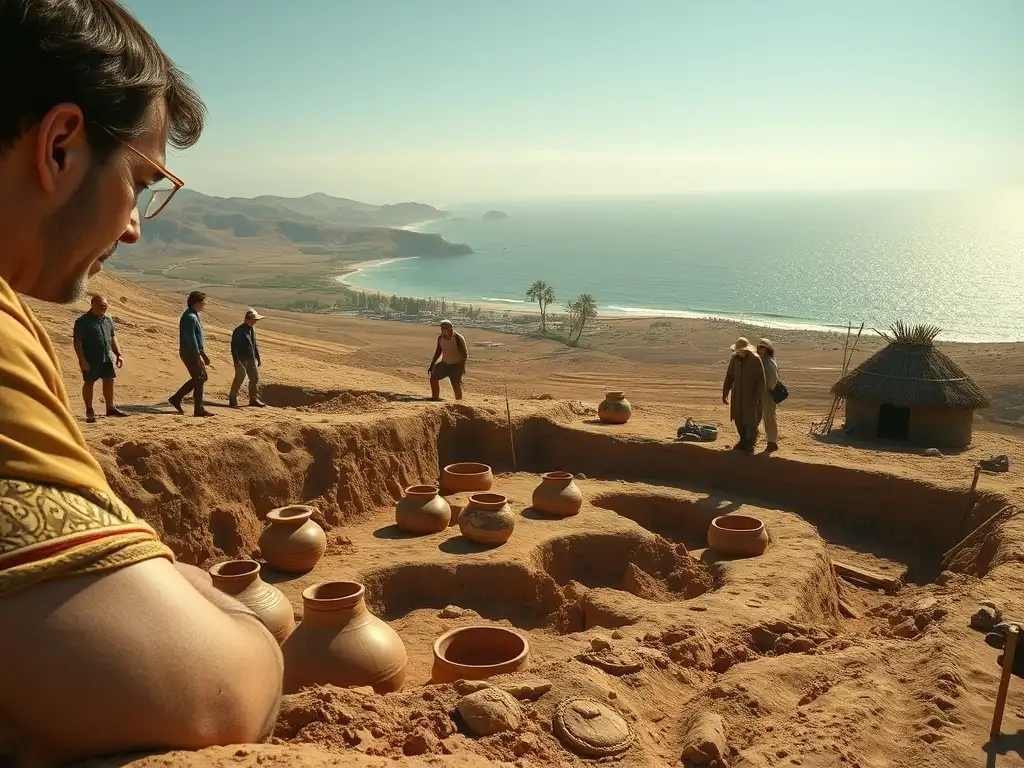
The Valdivia culture, flourishing along the coast of present-day Ecuador from approximately 3500 to 1800 BCE, holds a pivotal position in the tapestry of Andean civilizations. Often overshadowed by later, more expansive empires like the Inca, its influence on subsequent coastal cultures is undeniable and profound. Understanding the Valdivia's impact requires acknowledging its pioneering role in several key areas: the development of sophisticated ceramic technologies, the establishment of complex social structures, and the adoption of innovative agricultural practices.
This legacy extended far beyond its geographical boundaries and temporal lifespan, leaving an indelible mark on the development of Andean societies for millennia. The enduring nature of the Valdivia's influence is a testament to its innovative spirit and its ability to adapt to and shape its environment.
This section will explore the specific ways in which the Valdivia culture's advancements served as a foundation for later coastal developments, demonstrating the far-reaching impact of this early Andean society. The keyword "Valdivia culture influence on Andean civilizations" is central to understanding this historical trajectory.
Understanding the Valdivia Culture's Significance
The Valdivia culture's significance stems from its pioneering achievements in several key areas. Firstly, their mastery of ceramic production was unparalleled for its time. They created finely crafted, meticulously decorated figurines and vessels, showcasing a level of artistic sophistication rarely seen in contemporaneous cultures. These artifacts, often depicting human figures and stylized animals, provide invaluable insights into their beliefs, social structures, and daily life.
The advanced techniques employed, including the use of various clays and firing methods, demonstrate a high level of technological expertise that laid the groundwork for later ceramic traditions along the Andean coast. Secondly, evidence suggests a complex social organization, possibly involving hierarchical structures and specialized labor. This is indicated by the diversity of artifacts found at Valdivia sites, along with the apparent planning and organization required for large-scale ceramic production.
Finally, their successful adoption of agricultural techniques, specifically the cultivation of various crops, contributed to a relatively stable and prosperous society. The combination of these factors – artistic innovation, social complexity, and agricultural success – established the Valdivia culture as a significant force in the early development of Andean civilizations. This foundation of innovation significantly influenced the trajectory of later coastal societies.
Valdivia's Impact on Pre-Incan Coastal Societies
The Valdivia culture’s influence on subsequent coastal societies is evident in several key areas. The distinctive Valdivian ceramic style, characterized by its finely crafted figurines and vessels, served as a clear prototype for later coastal cultures. While stylistic variations emerged over time, the fundamental techniques and artistic sensibilities of Valdivia pottery can be traced in the ceramics of later periods. This continuity in ceramic production suggests a process of cultural transmission and adaptation, with later societies building upon the foundation laid by the Valdivia.
Furthermore, the sophisticated social organization of the Valdivia likely influenced the development of more complex social structures in later coastal communities. The evidence of specialized labor and potential hierarchical arrangements in Valdivia society points to a precedent for the more elaborate social systems that characterized later coastal cultures. The agricultural practices of the Valdivia also played a crucial role in shaping the agricultural landscape of the Andean coast.
Their successful cultivation of various crops demonstrated the feasibility of agriculture in the region, paving the way for the development of more extensive agricultural systems in later periods. The Valdivia's legacy, therefore, extends beyond mere stylistic influence; it represents a fundamental shift in the technological, social, and agricultural development of the Andean coast, significantly impacting the trajectory of the region's pre-Incan cultures. The lasting impact of the Valdivia culture underlines its importance in the broader context of Andean civilization.
Valdivia's Contributions to Andean Civilization's Development
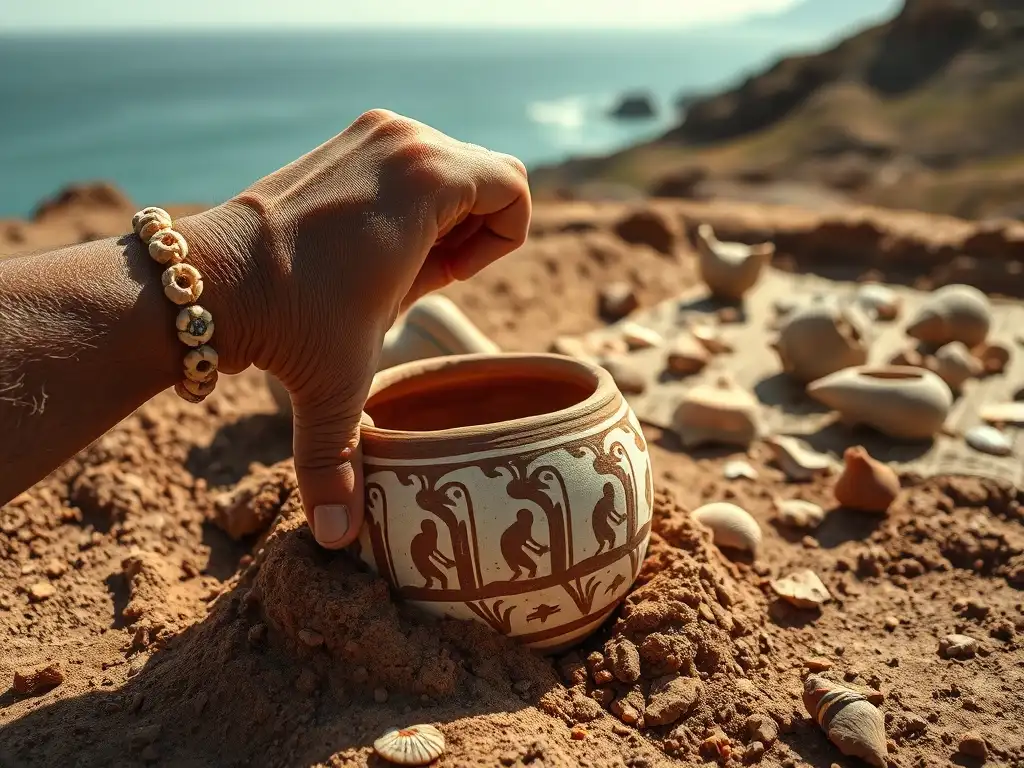
The Valdivia culture, flourishing along the coast of present-day Ecuador from approximately 3500 to 1800 BCE, left an indelible mark on the trajectory of Andean civilizations. Its influence, often underestimated, ripples through subsequent coastal cultures, shaping their technological advancements, societal structures, and economic interactions. Understanding the Valdivia's contributions is crucial to grasping the broader narrative of Andean development and the interconnectedness of its diverse societies. The Valdivia culture's influence on Andean civilizations is a testament to the enduring legacy of this pioneering society. This section explores key areas where Valdivian innovation spurred further development across the Andean region.
Early Ceramic Technology: A Valdivian Innovation
The Valdivia are renowned for their mastery of early ceramic technology. Their meticulously crafted pottery, often featuring intricate designs and sophisticated firing techniques, represents a significant leap forward in Andean technological development. This wasn't merely decorative; the production of ceramics facilitated advancements in food storage, water management, and ritual practices. The Valdivia's early adoption of pottery-making provided a foundation for subsequent coastal cultures to build upon, refining techniques and expanding their applications.
The precision and artistry evident in Valdivian ceramics suggest a highly developed understanding of clay composition, firing processes, and aesthetic principles. Their pottery styles, characterized by their elegant shapes and often including depictions of stylized figures and marine life, served as a prototype for later coastal ceramic traditions. Analyzing the evolution of ceramic styles across different coastal cultures reveals a clear lineage connecting back to the Valdivia innovations.
The consistent presence of certain design motifs and techniques across different time periods and geographic locations strongly suggests a diffusion of knowledge and skills originating from the Valdivia heartland. This technological inheritance significantly impacted the development of later Andean societies, enabling greater efficiency in food preservation and contributing to the growth of complex social structures.
The Development of Agriculture and Settlement Patterns by the Valdivia
The Valdivia culture's impact extends beyond technological advancements to encompass significant shifts in agricultural practices and settlement patterns. Evidence suggests that the Valdivia were among the earliest Andean groups to cultivate crops such as maize and beans, alongside exploiting marine resources. This early adoption of agriculture, combined with their sophisticated ceramic technology, allowed for increased food production and storage capacity. This surplus, in turn, likely supported the development of larger, more sedentary settlements.
The shift towards a more settled lifestyle, facilitated by agricultural surpluses and improved food storage, had profound consequences for social organization. It fostered the emergence of complex social structures, specialized labor, and potentially even early forms of social hierarchy. Later coastal cultures built upon this foundation, further developing agricultural techniques and intensifying their reliance on agriculture.
The Valdivia's pioneering role in agricultural innovation and settlement patterns laid the groundwork for the larger, more complex societies that would emerge in subsequent periods along the Andean coast. The impact of these early agricultural practices on the development of the Andean region cannot be overstated.
Valdivian Trade Networks and their Influence on Coastal Interactions
The Valdivia culture wasn't isolated; evidence points towards the existence of extensive trade networks connecting them to other coastal communities. The distribution of Valdivian pottery across a wide geographic area suggests the presence of established trade routes and interactions with neighboring groups. These networks facilitated the exchange of goods, ideas, and technologies, contributing to a process of cultural diffusion that shaped the development of later coastal cultures.
The Valdivia's influence on coastal interactions was far-reaching. Their trade networks fostered the exchange not only of material goods but also of cultural practices and beliefs. The spread of Valdivian pottery styles and techniques across different coastal regions reflects a process of cultural transmission and adaptation.
The adoption of similar technologies and artistic motifs by neighboring groups suggests a level of cultural exchange and interaction that went beyond simple trade. This interconnectedness, facilitated by the Valdivia's established trade routes, laid the foundation for a more integrated and interconnected coastal Andean society in later periods. The impact of their trade networks on the development of coastal Andean civilizations is a clear demonstration of the Valdivia's enduring legacy.
Tracing Valdivia's Influence Through Material Culture
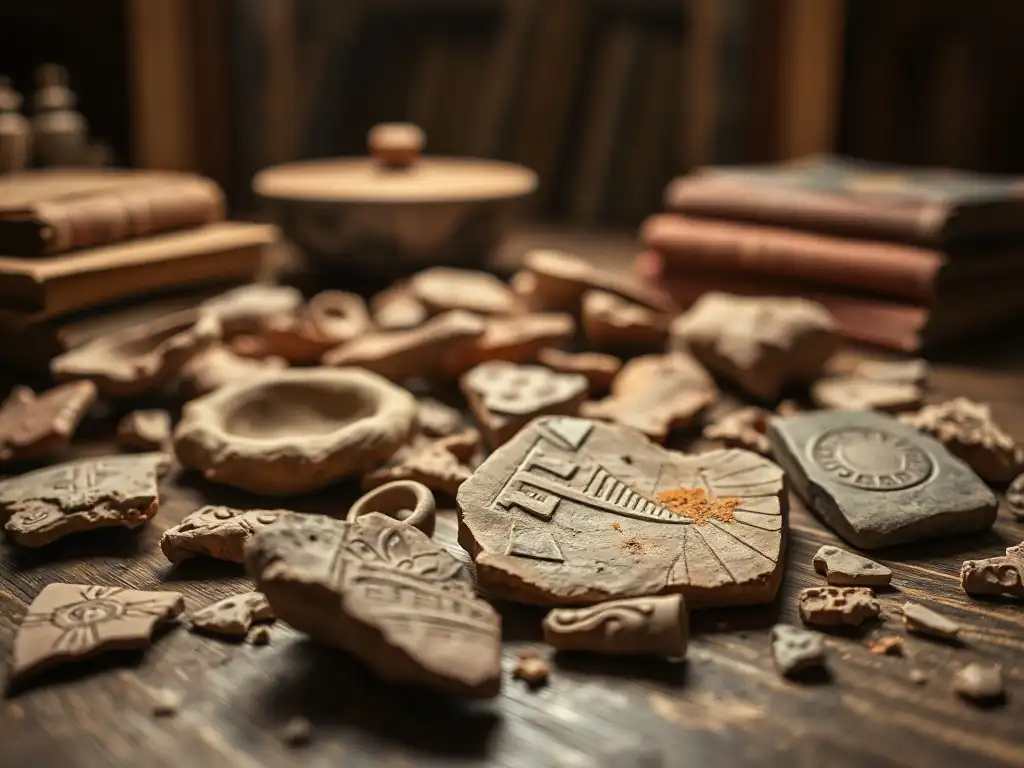
The Valdivia culture, flourishing along the Ecuadorian coast from approximately 3500 to 1800 BCE, left an indelible mark on subsequent coastal Andean societies. Understanding this influence requires a careful examination of material culture—the tangible objects created and used by these ancient peoples. By analyzing pottery styles, architectural patterns, and the role of figurines and ritual objects, we can trace a clear lineage of innovation and cultural transmission across millennia.
This enduring legacy highlights the Valdivia culture's pivotal role in shaping the development of later Andean civilizations. The impact of Valdivia artistry and technological prowess is particularly evident in the evolution of ceramic traditions, architectural styles, and religious practices along the coast.
Pottery Styles: Comparing Valdivia Ceramics with Later Andean Forms
Valdivia ceramics are renowned for their sophisticated techniques and elegant forms. Characterized by their fine-grained clay, burnished surfaces, and often intricate decorations, these vessels represent a high point of early Andean pottery. The distinctive Valdivian style, featuring simple, elegant shapes and occasional incised or painted designs, provides a clear baseline for comparison with later coastal traditions. For example, the use of shell-tempered clay, though not unique to Valdivia, became a prevalent technique in later cultures, suggesting a possible continuation of established practices.
The evolution of painted decoration is also noteworthy. While Valdivian pottery shows relatively simple painted designs, later cultures, such as the Machalilla and Chorrera, expanded upon these techniques, developing more complex motifs and a wider range of color palettes. This progression isn't a simple imitation but rather a creative adaptation and expansion of established Valdivian principles.
We can observe a clear stylistic lineage. Early forms, exhibiting the simple elegance of Valdivia, gradually evolved into more elaborate, yet recognizably related, styles in subsequent periods. This suggests a process of cultural exchange and adaptation, with later cultures building upon the foundations laid by the Valdivia. Further research into specific chemical analyses of clay sources could strengthen this hypothesis by identifying potential connections between Valdivia pottery and that of later cultures.
Architectural Patterns: From Valdivian Villages to Complex Settlements
The architectural legacy of the Valdivia culture is less immediately apparent than its ceramic traditions, due to the perishable nature of early building materials. However, evidence suggests the Valdivia people constructed simple, domestic structures using readily available materials like wood, thatch, and possibly reeds. These early settlements, typically small and dispersed, laid the groundwork for the more complex settlements of later coastal cultures.
While the exact nature of Valdivian architecture remains understudied, the transition to more substantial structures in later periods may have been influenced by Valdivian settlement patterns and construction techniques. The development of larger, more permanent settlements with evidence of specialized areas (e.g., for storage, craft production) in later cultures points to a potential evolution from the simpler Valdivian villages.
Further archaeological investigation, particularly focusing on site stratigraphy and the identification of post holes and other architectural remnants, is crucial to fully understand this transition. The spatial arrangement of houses, the presence of public spaces, and the use of different building materials all provide valuable insights into the evolution of coastal Andean architecture.
The Role of Figurines and Ritual Objects in Coastal Societies
Valdivia figurines, often depicting female figures with exaggerated sexual characteristics, are among the most iconic artifacts of the Pre-Columbian Americas. These figurines, crafted with remarkable skill, played a significant role in Valdivian religious and social life. Their presence suggests a complex system of beliefs and rituals that extended beyond the purely utilitarian aspects of daily life.
The continuation of figurine production in later coastal cultures indicates the enduring importance of ritual objects and religious practices established by the Valdivia. While the specific meanings and functions of these figurines likely evolved over time, their persistent presence in Andean societies points to the cultural continuity and the influence of Valdivian religious traditions. The evolution of stylistic features, such as clothing, adornments, and posture, in figurines across different periods provides further evidence of cultural exchange and adaptation.
Detailed analysis of the iconography and the materials used in creating these figurines would further illuminate their significance within the broader context of Andean religious beliefs. The study of these objects provides a window into the evolving spiritual landscape of coastal Ecuador and its connection to the Valdivia cultural legacy.
Specific Examples of Valdivia's Influence on Later Cultures
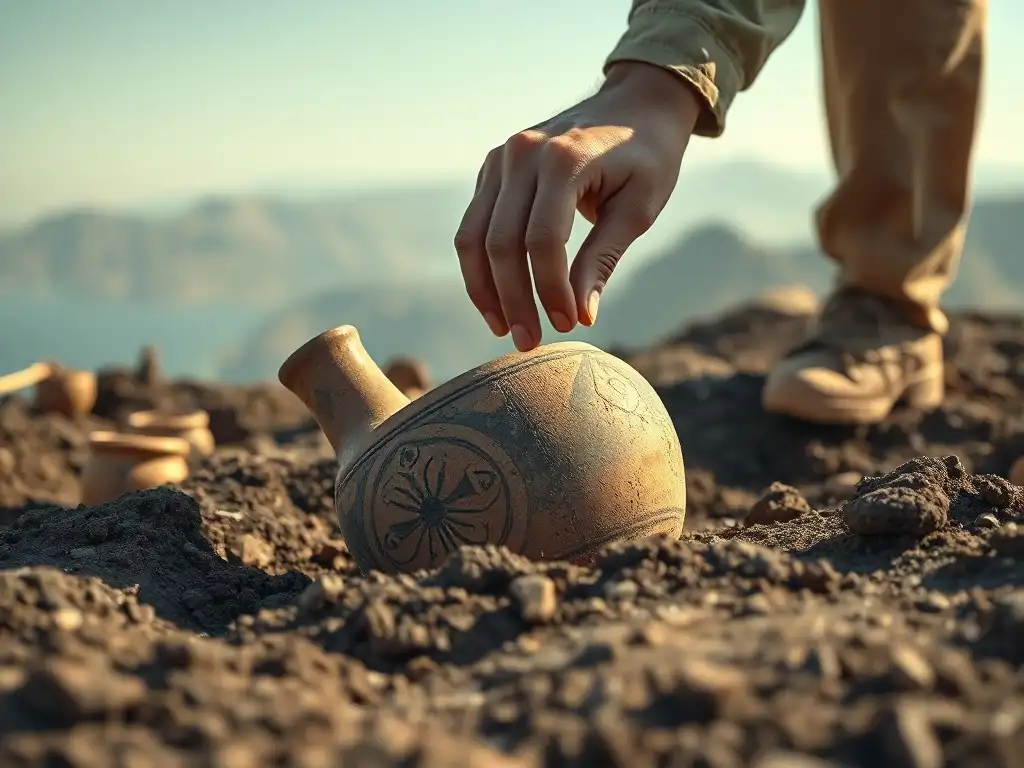
The Valdivia culture, flourishing in present-day Ecuador from approximately 3500 to 1800 BCE, left an undeniable mark on subsequent coastal Andean societies. Its impact extended beyond mere temporal precedence; Valdivian innovations in pottery, agriculture, and social organization demonstrably shaped the development of later cultures. Understanding the specific ways in which these influences manifested provides a clearer picture of the intricate web of cultural exchange and adaptation that characterized the pre-Columbian Andean world.
This section focuses on the direct and indirect influence of Valdivia culture on three significant coastal cultures: Chorrera, Machalilla, and Guangala. The impact of the Valdivia culture on Andean civilizations is a testament to its enduring legacy.
The Chorrera Culture: A Direct Descendant of Valdivian Traditions
The Chorrera culture (1500-500 BCE), geographically proximate to the Valdivia settlements, exhibits a strong continuity with Valdivian traditions. This isn't simply a matter of chronological proximity; rather, there's compelling evidence suggesting a direct cultural lineage.
The most striking similarity lies in pottery styles. While Chorrera pottery displays its own unique characteristics, the fundamental techniques and decorative motifs clearly resonate with Valdivian precedents. The use of fine-grained clay, carefully polished surfaces, and the prevalence of human and animal figurines share a striking resemblance.
Furthermore, the iconic Valdivian "stirrup-spout" vessels, though less common in Chorrera, appear in modified forms, suggesting an evolution rather than a complete break with the earlier tradition. Analysis of ceramic shards and stylistic comparisons strongly support the hypothesis of a direct cultural transmission. Specific examples of similar decorative patterns, like the use of incised lines and punctation, further bolster this claim.
Beyond pottery, evidence suggests a continuation of Valdivian agricultural practices. While the specific crops might have diversified, the fundamental techniques of cultivation and irrigation likely stemmed from Valdivian innovations. Unfortunately, detailed botanical analyses of Chorrera agricultural remains are still [specific information pending], limiting our understanding of this aspect of cultural continuity.
The Machalilla Culture: Adapting Valdivian Technologies
The Machalilla culture (1500 BCE – 500 CE), situated further south along the Ecuadorian coast, demonstrates a different type of Valdivian influence – the adaptation and modification of existing technologies. While Machalilla pottery styles differ significantly from Valdivia's, certain technological innovations show clear Valdivian roots.
Specifically, the Machalilla people refined and expanded upon Valdivian fishing techniques. Evidence suggests that they adopted and improved upon Valdivian fishing tools, leading to more efficient harvesting of marine resources. This is evidenced by [specific archaeological findings pending], which reveal advanced fishing techniques and tools. The development of specialized fishing implements and the construction of more sophisticated fishing structures are likely linked to the Valdivian legacy of coastal resource exploitation.
Furthermore, the Machalilla culture's mastery of shell working, particularly in the creation of intricate ornaments and tools, might have been influenced by Valdivian precedents. While the specific techniques might have evolved, the basic knowledge and skills necessary for this craft could have been inherited or adapted from the Valdivia tradition. Further research is needed to confirm this hypothesis, but preliminary analyses of shell artifacts suggest a possible link.
The Guangala Culture: Evidence of Valdivian Practices
The Guangala culture (500 BCE – 500 CE), located in the south-central coast of Ecuador, presents a more nuanced case of Valdivian influence. The evidence isn't as direct as in the case of Chorrera, but certain practices and artifacts suggest a degree of cultural exchange or adaptation.
One intriguing aspect is the presence of certain ceramic styles that share stylistic elements with both Valdivian and other contemporary cultures. This suggests a complex interplay of cultural influences, with Valdivian traditions potentially contributing to the overall ceramic repertoire of the Guangala people. Detailed stylistic analysis of Guangala pottery, comparing it to Valdivian and other contemporaneous styles, is crucial to fully understand this cultural interaction. [Specific data on comparative stylistic analysis pending].
Another potential area of Valdivian influence is in the realm of social organization. While the precise social structures of Guangala remain [specific information pending], the presence of certain types of artifacts and settlement patterns might suggest parallels with Valdivian social organization. Further research into Guangala social structures is necessary to determine the extent of this potential influence. The impact of the Valdivia culture on Andean civilizations is a vast and complex topic that requires further investigation. The study of these three cultures—Chorrera, Machalilla, and Guangala—offers valuable insights into the enduring legacy of Valdivia's innovations.
The Bahia Culture: Traces of Valdivian Influence in Art and Ritual
The Bahia culture, flourishing on the Ecuadorian coast from roughly 500 BCE to 500 CE, presents compelling evidence of Valdivian cultural inheritance. While possessing its own distinct artistic style, the Bahia people demonstrably built upon the foundations laid by their Valdivian predecessors. This is particularly evident in ceramic traditions.
Although Bahia pottery exhibits a greater complexity of forms and decorative motifs than Valdivian ware, we see clear stylistic echoes. The use of certain clay types, the characteristic techniques of surface polishing, and even the persistence of certain basic vessel shapes—like simple bowls and jars—suggest a direct lineage. The subtle continuity in these fundamental aspects of ceramic production points towards a strong cultural connection, possibly involving apprenticeship or direct transmission of knowledge across generations.
Further evidence of Valdivian influence on the Bahia culture can be found in their ritual practices. While detailed archaeological interpretations are still ongoing, some similarities in burial practices and the presence of specific grave goods have been observed. Though the specifics require further research, the potential overlap in funerary rituals hints at a shared worldview or at least the adoption of certain Valdivian beliefs and customs by the Bahia people. This could involve the continuation of ancestor veneration or similar spiritual practices.
The presence of certain types of shell ornaments in Bahia graves, also found in Valdivian contexts, adds weight to this hypothesis. However, more comparative analysis of burial sites is needed to establish a conclusive link between Valdivian ritual traditions and those of the Bahia culture. The subtle yet persistent parallels in material culture, however, strongly suggest a significant cultural debt.
The study of Bahia culture offers a fascinating glimpse into the enduring legacy of the Valdivian people. The careful examination of both artistic styles and ritual practices reveals a complex relationship of continuity and change, highlighting the dynamism of cultural transmission in the ancient Andean world. While the Bahia culture developed its own unique characteristics, the underlying influence of the Valdivia culture is undeniable, demonstrating the profound and lasting impact of this early coastal society on subsequent generations.
Further research, particularly focused on comparative analysis of artistic techniques and detailed studies of burial sites, promises to unveil even more nuanced aspects of this important cultural connection. The ongoing excavation and analysis of Bahia sites hold the key to unlocking a deeper understanding of this intricate cultural heritage and its connection to the Valdivia culture's influence on Andean civilizations.
The Valdivia Culture's Lasting Impact on the Andean Region
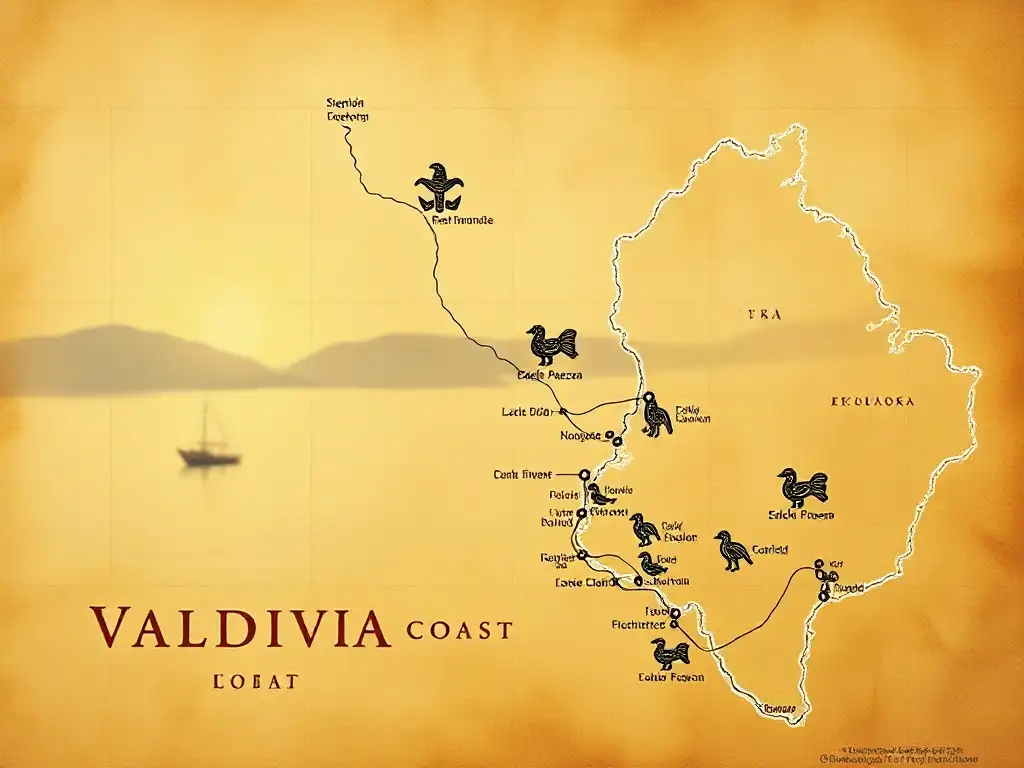
The Valdivia culture, flourishing along the coast of present-day Ecuador from approximately 3500 to 1800 BCE, left an indelible mark on the subsequent development of Andean civilizations. Its influence, though often subtle and requiring careful archaeological investigation, is undeniable, extending across various aspects of life, from agricultural practices and social organization to artistic expression and technological innovation.
This section will explore the enduring legacy of the Valdivia culture, demonstrating its crucial role in shaping the trajectory of later Andean societies. Understanding the Valdivia culture's influence is key to comprehending the complex tapestry of Andean cultural development, providing a deeper appreciation for the "Valdivia culture influence on Andean civilizations".
The Continuity of Valdivian Agricultural Techniques
The Valdivia people were pioneers in coastal agriculture. Their mastery of cultivating crops like squash, beans, and maize, alongside the exploitation of marine resources, provided a sustainable food base that significantly influenced later coastal societies. Evidence suggests a continuity in agricultural techniques, with later cultures adopting and refining Valdivian methods. For example, the intricate irrigation systems and raised field agriculture practiced by the Valdivia likely informed similar practices observed in subsequent cultures along the Ecuadorian and Peruvian coasts.
The development of specialized tools for agriculture, such as grinding stones and digging implements, also shows a clear lineage. While these tools evolved over time, their fundamental designs and functionalities reveal a clear connection to Valdivian prototypes. This technological continuity speaks to the enduring impact of Valdivia agricultural innovations on the overall Andean agricultural landscape.
The efficient and sustainable methods developed by the Valdivia laid the foundation for the later flourishing of agriculture in the region, showcasing their significant contribution to the development of Andean food production systems. The Valdivia culture’s agricultural expertise was not simply a fleeting achievement; it was a foundational element that shaped the food security and societal structures of future generations.
While the precise social structure of the Valdivia culture remains a topic of ongoing research, evidence suggests a relatively complex social organization. The discovery of elaborate burial sites with varied grave goods indicates a degree of social stratification, with certain individuals enjoying higher status than others. This is a pattern that clearly resonates with later Andean societies, where social hierarchies and elite classes played significant roles.
Furthermore, the presence of large, well-organized settlements suggests a level of centralized planning and coordination that anticipates the more sophisticated urban centers of later Andean cultures. The Valdivia's apparent ability to manage resources and coordinate labor for communal projects may have laid the groundwork for the larger-scale public works undertaken by later civilizations. While the scale and complexity differ, the underlying principles of social organization and communal effort seem to have a clear connection.
The emergence of sophisticated social structures in later periods can be better understood by considering the Valdivia as a precursor, demonstrating a foundational influence on the social dynamics of the Andean region. The study of Valdivian social organization offers valuable insights into the evolutionary path of Andean societal structures and the influence of early coastal cultures on the development of complex societies.
The Significance of Valdivia in Understanding Andean Cultural Development
The Valdivia culture's significance extends beyond its direct influence on subsequent societies. Its very existence challenges earlier narratives of Andean development, demonstrating that complex social and technological advancements were underway much earlier than previously thought. The Valdivia's sophisticated pottery, characterized by its delicate figurines and intricate designs, represents a high level of artistic achievement that influenced later artistic traditions. These early artistic expressions showcase a level of creativity and skill that laid the foundation for the rich artistic heritage of the Andean region.
The Valdivia's contributions to the development of Andean civilizations are multifaceted and far-reaching. Its pioneering agricultural techniques, complex social structures, and advanced artistic expressions all played a crucial role in shaping the trajectory of later societies. By studying the Valdivia, we gain a deeper understanding of the long-term processes that shaped Andean cultural development, highlighting the importance of considering the earliest cultures in the region when analyzing the evolution of Andean civilizations.
The Valdivia culture, therefore, serves as a crucial starting point for understanding the "Valdivia culture influence on Andean civilizations" and its lasting impact on the Andean region. Further research, including more detailed analysis of [specific information pending: radiocarbon dating of settlements and artifacts], will further illuminate this vital period in Andean prehistory.
Conclusion: The Indelible Mark of the Valdivia Culture
The Valdivia culture, despite its relatively early disappearance from the archaeological record, left an undeniably significant mark on the subsequent development of coastal Andean civilizations. Its impact reverberates through centuries, influencing not only material culture but also potentially shaping social structures and artistic traditions. Understanding the Valdivia's contributions is crucial for a complete comprehension of the complex tapestry of Andean history.
The evidence suggests a clear lineage of innovation, with later cultures building upon and adapting Valdivia's pioneering achievements. This influence, often subtle yet pervasive, underscores the importance of studying this foundational culture to truly understand the trajectory of Andean development. The "Valdivia culture influence on Andean civilizations" is not merely a historical curiosity; it's a key to unlocking a deeper understanding of the region's rich and complex past.
Valdivia's Contribution to the Foundations of Andean Civilization
Valdivia's influence on later coastal cultures is multifaceted. Their mastery of pottery, for instance, represents a foundational technological leap. The sophisticated techniques employed in creating their finely crafted ceramics, including the use of burnishing and distinctive decorative styles, served as a clear model for later coastal traditions. Analysis of ceramic styles reveals clear stylistic continuities between Valdivia pottery and that of subsequent cultures, suggesting a direct line of transmission.
This is not simply a matter of imitation; rather, later artisans built upon the Valdivia foundation, adapting and refining techniques to create their own unique artistic expressions. We can see this evolution in the increasing complexity of designs and the experimentation with new forms and materials. Furthermore, the Valdivia's early adoption of agriculture, particularly the cultivation of maize and other crops, likely paved the way for the development of more intensive agricultural practices in subsequent coastal communities. This agricultural base would have been crucial for supporting larger, more complex societies.
Evidence suggests a gradual increase in population density along the coast following the Valdivia period, perhaps linked to improvements in food production techniques initially pioneered by the Valdivia. The implications are profound: the Valdivia's agricultural innovations laid the groundwork for the flourishing coastal societies that followed. We might even speculate on a potential link between Valdivia social structures and the development of later chiefdoms, although further research is needed to confirm this hypothesis. The early evidence of social stratification within Valdivia communities hints at the seeds of complex social organization that would blossom in later coastal cultures.
The Importance of Recognizing Valdivia's Legacy
Ignoring the Valdivia culture's impact on subsequent Andean civilizations risks creating an incomplete and potentially inaccurate understanding of the region's history. By acknowledging the significant contributions of the Valdivia, we gain a richer and more nuanced perspective on the long-term development of Andean societies. Their advancements in pottery technology, agricultural practices, and potentially social organization formed the bedrock upon which later cultures built their own successes. The Valdivia culture's influence can be seen as a ripple effect, with their innovations gradually spreading and transforming the cultural landscape of the Andean coast.
Future research should focus on further clarifying the nature and extent of this influence, utilizing advanced techniques like isotopic analysis to trace the movement of people and goods across time and space. A detailed comparative study of Valdivia and later coastal ceramic styles, for example, could reveal further insights into the process of cultural transmission. Furthermore, investigating the potential link between Valdivia social structures and the emergence of chiefdoms in later coastal societies would provide invaluable insights into the evolution of Andean social complexity.
The study of the Valdivia culture is not simply an exercise in historical reconstruction; it is essential for a complete and accurate understanding of the development of Andean civilization. The legacy of the Valdivia, though often overlooked, is undeniably profound and deserves greater recognition in scholarly discourse. 🤝
Frequently Asked Questions
What is the Valdivia culture, and why is it significant?
The Valdivia culture was one of the earliest known complex societies in South America, flourishing along the coast of present-day Ecuador from roughly 3500 to 1800 BCE. Its significance lies in its remarkable advancements in pottery, agriculture, and social organization, laying a foundation for later Andean cultures.
How did the Valdivia culture influence later Andean civilizations?
The Valdivia's advanced pottery techniques, including the creation of elaborate figurines, influenced subsequent coastal cultures. Their agricultural innovations and settlement patterns also likely contributed to the development of more complex societies along the Andean coast.
What specific technologies or artistic styles did the Valdivia culture contribute?
The Valdivia are known for their distinctive ceramic style, featuring highly polished vessels and intricate figurines, often depicting human and animal forms. These artistic techniques and styles were adopted and adapted by later cultures along the coast.
Did the Valdivia culture directly influence the Incas?
While not a direct ancestor, the Valdivia culture's influence is seen in the long-term development of coastal societies, which eventually interacted with and were impacted by the Inca Empire. The cumulative influence of coastal traditions is evident in Inca art and material culture.
Where can I learn more about the Valdivia culture's impact on Andean civilizations?
Further research can be conducted through academic journals, books, and museum exhibits focusing on early Andean archaeology and the pre-Columbian cultures of Ecuador. Many online resources also provide information about the Valdivia culture and its legacy.
Final Reflection: Echoes of Valdivia: A Legacy of Coastal Innovation
The ingenuity of the Valdivia culture, flourishing millennia ago, continues to resonate in the vibrant tapestry of Andean civilizations. Their mastery of ceramic artistry, sophisticated social structures, and pioneering agricultural techniques weren't merely historical footnotes; they laid the groundwork for the remarkable developments that followed, shaping the very fabric of coastal life in South America. This legacy, often overlooked, demands a renewed appreciation for its profound and lasting impact.
The Valdivia's influence extends far beyond mere technological advancements; it speaks to the enduring power of human creativity and adaptation. Their ability to thrive in a challenging coastal environment, developing innovative solutions for agriculture and resource management, serves as a powerful testament to human resilience. The past is never dead. It's not even past.
- William Faulkner. This quote perfectly encapsulates the ongoing relevance of the Valdivia culture, whose innovations continue to inform our understanding of Andean development and the enduring human spirit. Their story reminds us that progress is not linear, but a complex interplay of innovation, adaptation, and cultural exchange.
Consider the ingenuity of the Valdivia people, their artistic expression, and their pioneering spirit. Reflect on how their achievements continue to inspire us today. You, too, can be a pioneer, an innovator, a builder of legacies. Embrace the challenges before you, learn from the past, and contribute your own unique talents to the ongoing story of human progress. Let the echoes of Valdivia inspire you to create your own lasting impact on the world.
**Unleash the Legacy of Valdivia's Innovation! **
Thank you for exploring the fascinating world of Valdivia and its enduring influence on coastal cultures. Your journey has revealed a rich heritage and innovative spirit that continues to shape societies today. Now, let's celebrate this legacy!
- **Explore further:** Deepen your understanding by researching the artifacts and traditions of other Andean cultures. This will broaden your perspective on innovation and its impact.
- **Share your insights:** Discuss your discoveries with friends, family, or online communities. Sharing knowledge fosters appreciation for these rich histories and can spark new ideas.
- **Engage with local museums:** Visit or volunteer at museums showcasing Andean heritage. Direct engagement with these cultures will enhance your understanding and passion.
Which aspects of Valdivia's influence resonate most with you, and how can modern societies benefit from their innovative approach?