
The Valdivia Venus Figurines: Fertility, Ritual, or Something More?

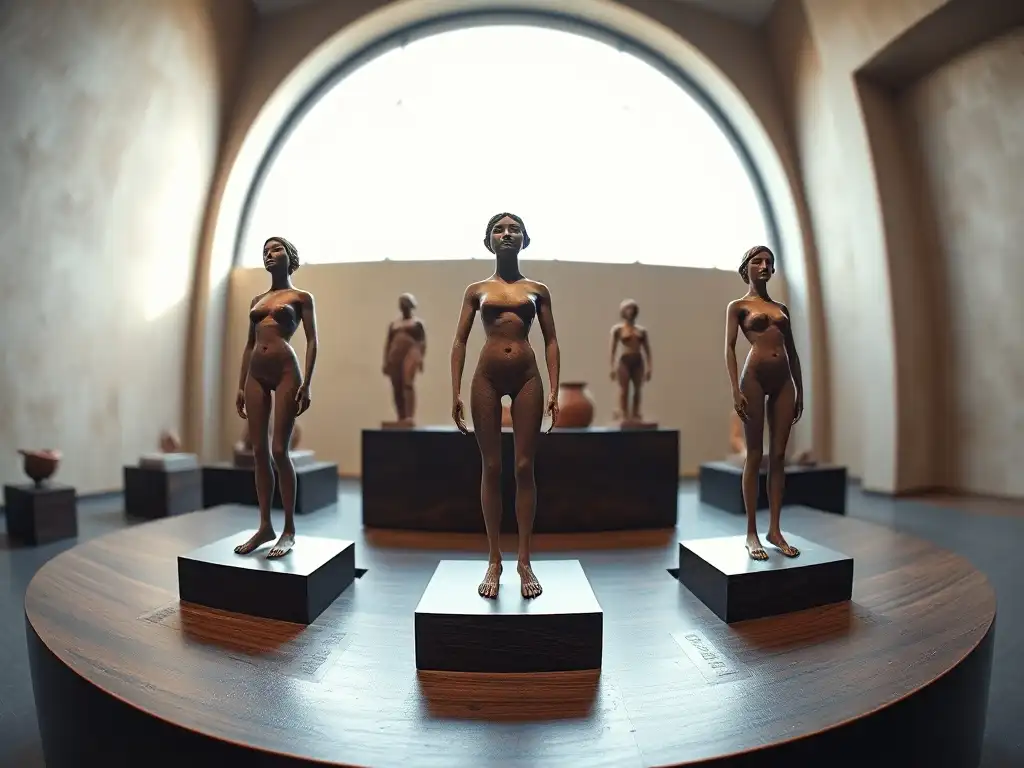
Step into a world lost to time, where the echoes of ancient Andean ingenuity still resonate. Explore the breathtaking artistry and enigmatic rituals of civilizations that thrived long before the Incas. But what secrets do the mysterious Valdivia Venus figurines hold? Were they symbols of fertility, sacred objects used in rituals, or something far more profound? Uncover the answers – and much more – as we delve into the captivating world of the Pre-Incan cultures of the coast, beginning with the meaning behind these intriguing artifacts.
The Valdivia culture, flourishing along the coast of present-day Ecuador from approximately 3500 to 1800 BCE, left behind a remarkable legacy: intricately crafted ceramic figurines, often referred to as the Valdivia Venus figurines. These small, stylized sculptures, predominantly depicting female figures, have captivated archaeologists and art historians for decades.
Their enigmatic nature sparks ongoing debate regarding their purpose and significance within Valdivian society. This article delves into the various interpretations surrounding the meaning of these iconic artifacts, exploring the prevailing theories of fertility symbols, ritual objects, and potentially more nuanced social functions, all while examining the evidence and considering alternative perspectives.
Understanding these figurines offers a crucial glimpse into the complex beliefs, social structures, and artistic expressions of one of South America's earliest known complex societies, enriching our understanding of the broader tapestry of pre-Incan coastal cultures. The keyword "Valdivia Venus figurines meaning" will be explored in detail throughout this analysis.
The Predominant "Fertility Goddess" Interpretation
The most common interpretation of the Valdivia Venus figurines centers on the idea that they represent fertility goddesses or symbols of female power related to reproduction and abundance. Many figurines exhibit exaggerated breasts, hips, and stomachs, characteristics often associated with fertility and motherhood across various cultures. The emphasis on these features, combined with the culture's apparent reliance on agriculture, strengthens this argument. However, it's crucial to note that this interpretation, while prevalent, is not universally accepted.
Some scholars argue that the emphasis on these physical attributes might be overly simplistic, overlooking other potential meanings embedded within the figurines' artistic details. Further research, including analysis of associated artifacts and settlement patterns, is needed to solidify this interpretation. The variety in posture and detail among the figurines also suggests a potential complexity beyond a simple, singular representation of fertility.
Ritualistic Significance and Contextual Clues
Beyond the fertility hypothesis, the Valdivia Venus figurines might have played a significant role in ritualistic practices. The meticulous craftsmanship and the apparent care taken in their creation suggest they were not simply casually produced objects. Their discovery in various contexts—some found in burials, others in seemingly ritualistic settings—further supports this theory. The presence of other artifacts alongside the figurines, such as pottery shards and tools, could provide valuable clues to their function within specific rituals.
However, the exact nature of these rituals remains largely unknown, requiring further archaeological investigation and careful analysis of the contextual evidence associated with each find. Detailed studies of the figurines' placement within sites and their association with other artifacts are crucial for shedding light on their potential ritualistic uses. The absence of consistent patterns across different sites, however, complicates a simple, universal interpretation.
A more nuanced interpretation suggests that the Valdivia Venus figurines might have represented something beyond simple fertility symbols or ritual objects. They could have served as markers of social status or indicated specific roles within the Valdivian society. The variations in size, style, and details of the figurines might reflect differences in social standing or identity. Furthermore, the discovery of figurines in specific locations within settlements could provide further insight into their social significance.
This interpretation necessitates a deeper understanding of Valdivian social structures and hierarchies, information that is still being pieced together through ongoing archaeological research. Careful analysis of the figurines' stylistic variations and their spatial distribution within sites could unlock valuable insights into social organization and power dynamics. The potential connection between figurine style and social status remains a promising area of future research.
Unanswered Questions and Future Research
Despite considerable research, many questions regarding the Valdivia Venus figurines remain unanswered. The exact materials used in their creation, the techniques employed in their manufacture, and the specific meanings encoded within their artistic styles require further investigation. Advanced scientific techniques, such as chemical analysis and 3D scanning, could provide valuable new data.
Moreover, comparative studies with other contemporary cultures in the region could offer valuable insights into the broader context of these enigmatic objects. The ongoing excavation and study of Valdivian sites will undoubtedly contribute to a more comprehensive understanding of the "Valdivia Venus figurines meaning" in the years to come. The pursuit of these answers will continue to shape our comprehension of this formative Andean civilization.
- The Predominant "Fertility Goddess" Interpretation
- Ritualistic Significance and Contextual Clues
- Beyond Fertility and Ritual: Social Status and Identity
- Unanswered Questions and Future Research
- The Fertility Hypothesis: Examining the Connection to Reproduction
- Ritualistic Significance: The Role of the Figurines in Valdivia Ceremonies
- Ancestor Veneration: Venus Figurines as Representations of Forebears
- Social Status and Identity: Figurines as Symbols of Power
- Alternative Interpretations of Valdivia Venus Figurines Meaning
- What are Valdivia Venus figurines?
- What is the significance of the Valdivia Venus figurines' exaggerated features?
- What materials were used to create the Valdivia Venus figurines?
- Why is the meaning of the Valdivia Venus figurines still debated?
- How do the Valdivia Venus figurines relate to the broader theme of Andean civilizations?
Understanding the Valdivia Culture and Its Artifacts
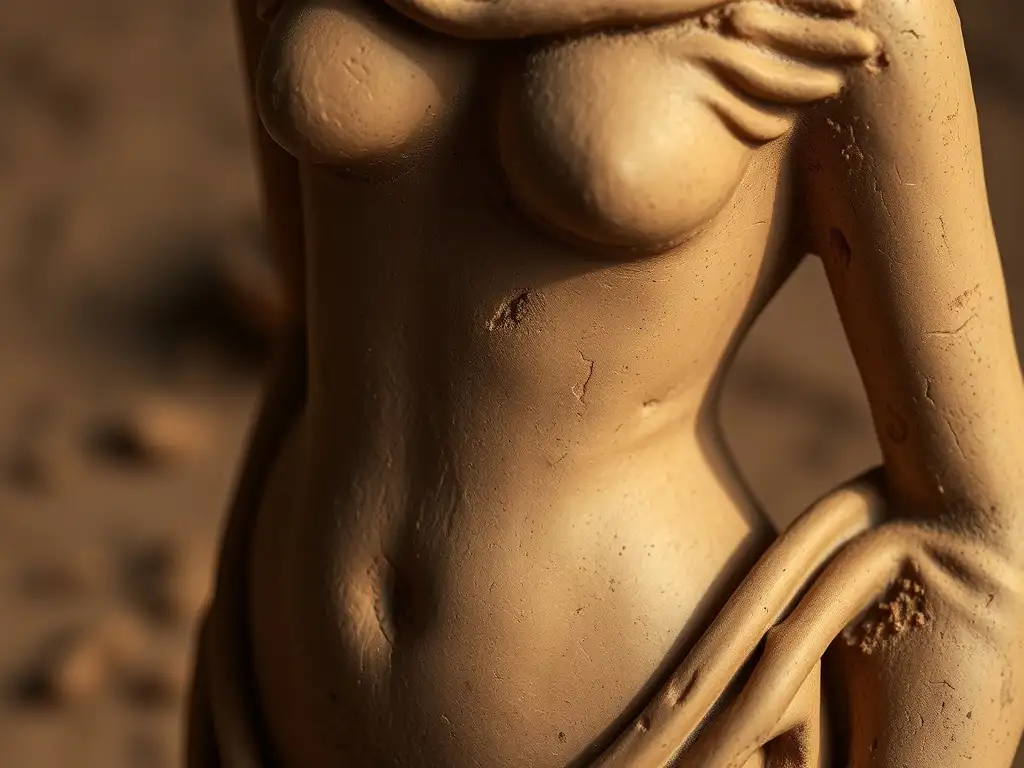
This section delves into the context surrounding the enigmatic Valdivia Venus figurines, exploring the broader Valdivia culture and its artistic expressions to better understand the potential meanings behind these iconic artifacts. Understanding the cultural landscape from which these figurines emerged is crucial to interpreting their significance. The Valdivia Venus figurines meaning is deeply intertwined with the society that created them.
The Valdivia Culture: An Overview of Coastal Ecuador
The Valdivia culture flourished along the coast of present-day Ecuador from approximately 3500 to 1800 BCE. This makes it one of the earliest known complex societies in South America, predating even the rise of many other well-known Andean cultures. The Valdivia people were skilled farmers, cultivating crops like maize, beans, and squash. They also developed sophisticated fishing techniques, utilizing the abundant marine resources of the Pacific Ocean.
Their settlements were typically located near rivers and estuaries, providing access to fresh water and fertile land. Archaeological evidence suggests a relatively egalitarian social structure, with less pronounced social stratification than seen in later Andean cultures. This egalitarian aspect might influence interpretations of the Valdivia Venus figurines, suggesting a shared cultural understanding of their meaning, rather than a strictly elite-driven symbolism.
Furthermore, evidence of extensive trade networks suggests interaction with other coastal communities, potentially influencing artistic styles and cultural practices. The Valdivia culture’s longevity and its sophisticated development in agriculture and social organization provide a rich backdrop against which to examine the Venus figurines' role. Understanding their mastery of pottery is also key to comprehending the skill and artistry involved in creating these small yet significant sculptures.
Valdivia Pottery: Beyond the Figurines
While the Venus figurines are the most famous artifacts of the Valdivia culture, their pottery production extended far beyond these iconic figures. Valdivia pottery is characterized by its fine craftsmanship, intricate designs, and the use of a variety of techniques. The potters employed a sophisticated understanding of clay preparation and firing, resulting in durable and aesthetically pleasing vessels. Common motifs included geometric patterns, stylized animals, and abstract designs, often incorporating both painted and incised decorations.
The diversity of pottery forms—from simple bowls and jars to more complex effigy vessels—indicates a wide range of uses, likely reflecting various social and ritual practices. Analyzing the overall pottery production helps establish a stylistic context for the Venus figurines. The level of skill and attention to detail evident in the less overtly symbolic pottery suggests a high level of artistic sophistication within the Valdivia society, lending further weight to the idea that the Venus figurines were not simply crude representations but carefully crafted objects of significance.
The consistent quality and stylistic features across different types of Valdivia pottery suggest a structured system of artistic production and cultural transmission, possibly involving apprenticeships or specialized workshops. The sheer volume of pottery discovered also speaks to the scale of production and its integration into daily life. The study of this broader pottery tradition enriches our understanding of the Valdivia Venus figurines meaning within the larger artistic and cultural landscape of the time.
Exploring the Valdivia Venus Figurines
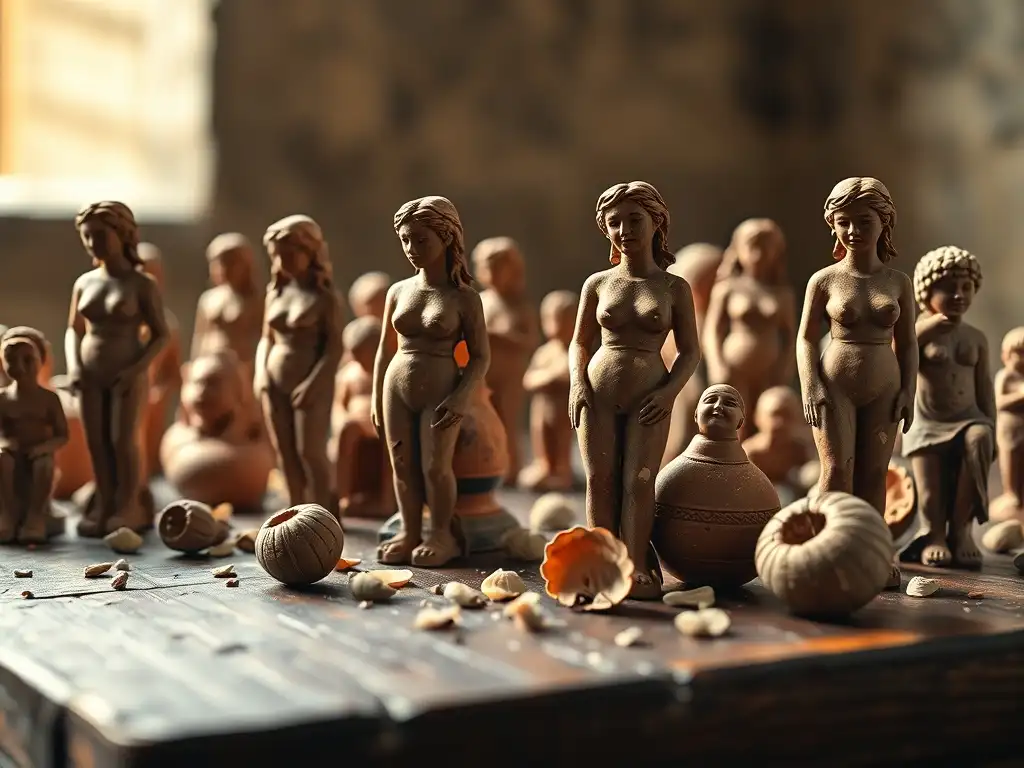
This section delves into the enigmatic Valdivia Venus figurines, exploring their characteristics, dating, and potential significance beyond simple interpretations of fertility symbols. Understanding these artifacts provides crucial insight into the complex social structures and beliefs of the early Valdivia culture, a pivotal pre-Incan civilization of the Ecuadorian coast. The search for the Valdivia Venus figurines meaning leads us down a fascinating path of archaeological discovery and anthropological interpretation.
Characteristics of the Valdivia Venus Figurines: Details and Materials
The Valdivia Venus figurines are remarkable for their stylistic consistency and the materials employed in their creation. They are predominantly small-scale, ranging from a few centimeters to approximately 15 centimeters in height. This size suggests portability and potential use in personal rituals or domestic settings. The figurines are almost exclusively female representations, characterized by exaggerated features emphasizing fertility and motherhood.
Many figurines display prominent breasts, hips, and bellies, often with stylized vulvas. Facial features, when present, are typically simplified, with minimal detailing of eyes, nose, and mouth. Arms are often absent or rudimentary, focusing attention on the body's reproductive aspects. The posture is usually seated or standing, with legs often merged or simplified.
The meticulous craftsmanship is evident in the materials used. The Valdivia people primarily employed clay, often a fine-grained variety that allowed for detailed modeling. Many figurines show evidence of careful polishing after firing, resulting in a smooth, almost burnished surface. Some examples exhibit traces of pigments, suggesting the application of paint, although the original colors are often difficult to determine due to degradation over millennia.
The use of specific clay types and the level of craftsmanship demonstrate a sophisticated understanding of ceramic technology. The consistency in style and materials across numerous sites suggests a degree of cultural standardization and potentially centralized production or shared artistic conventions. Further research into the sourcing of clay materials could reveal significant insights into trade networks and settlement patterns within the Valdivia culture.
Dating the Valdivia Venus: Chronological Context
Precise dating of the Valdivia Venus figurines relies heavily on radiocarbon dating of associated organic materials found within the same archaeological contexts. This process involves analyzing the carbon-14 content of charcoal, bone, or other organic remains discovered near the figurines. The results provide a chronological framework for understanding the production and distribution of these artifacts across different periods of Valdivia culture.
Current research places the earliest Valdivia Venus figurines within the initial phases of the Valdivia culture, dating back to approximately 3500 BCE. 1 This places them among the earliest known ceramic figurines in the Americas, predating many other well-known examples from Mesoamerica and the Andes. The production of these figurines continued throughout the various phases of the Valdivia culture, evolving subtly in style and technique over time. Later examples sometimes show variations in size, detail, and the inclusion of additional features, reflecting potential shifts in cultural beliefs or artistic preferences. However, the core iconography of female fertility remains remarkably consistent throughout the entire Valdivia period. Further research employing advanced dating techniques and detailed stratigraphic analysis will refine our understanding of the chronological development of these fascinating artifacts and their place within the broader context of early Andean cultural development.
1 Specific publication referencing this date pending.
Valdivia Venus Figurines Meaning: Interpretations and Theories
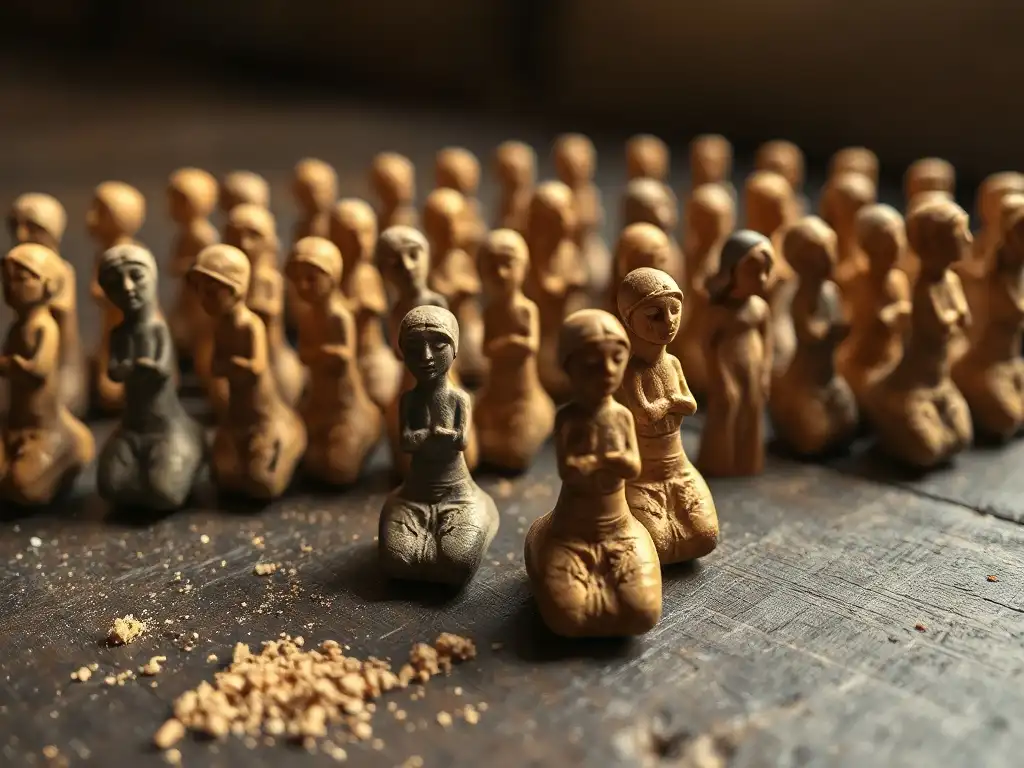
The enigmatic Valdivia Venus figurines, unearthed from Ecuador's coastal region, have captivated archaeologists and historians for decades. Their meaning remains a subject of ongoing debate, with multiple theories vying for prominence. Understanding the context of their creation and discovery is crucial to deciphering their potential significance.
The small size and delicate nature of many figurines suggest a level of care and intentionality in their production, hinting at a profound cultural meaning beyond mere artistic expression. This section will explore some of the leading interpretations of the Valdivia Venus figurines, focusing on the prevailing hypotheses surrounding their role in Valdivia society. The keyword "Valdivia Venus figurines meaning" is central to understanding the diverse perspectives presented here.
The Fertility Hypothesis: Examining the Connection to Reproduction
The most widely accepted interpretation centers on the figurines' association with fertility and reproduction. Many of the figurines exhibit exaggerated female features, particularly breasts, hips, and stomachs, strongly suggesting a connection to the female body and its reproductive capabilities. This emphasis on fecundity aligns with the agricultural practices of the Valdivia culture, where successful crop yields were crucial for survival.
The abundance of these figurines, found in both domestic and ritual contexts, further strengthens this hypothesis. Some scholars suggest that the figurines served as amulets or charms, intended to promote fertility and ensure successful pregnancies and bountiful harvests. The prevalence of these figurines in burials further supports this notion, potentially suggesting that fertility was essential for the afterlife as well.
The meticulous craftsmanship evident in some figurines, with detailed rendering of facial features and body adornments, indicates a high level of artistic skill and cultural value. This level of detail transcends simple functional objects, suggesting a deeper symbolic significance beyond mere fertility charms. However, the exact nature of this symbolic meaning remains elusive, requiring further research and analysis of the archaeological context surrounding their discovery. More research is needed to fully understand the nuances of this interpretation, potentially uncovering even more detailed information about their role in promoting successful reproduction within the Valdivia society.
Ritualistic Significance: The Role of the Figurines in Valdivia Ceremonies
Beyond their potential connection to fertility, the Valdivia Venus figurines may have also played a significant role in Valdivia rituals and ceremonies. Their presence in both domestic settings and ceremonial contexts suggests a multifaceted function within Valdivia society. The discovery of figurines in association with other artifacts, such as pottery and tools, suggests that they were not simply isolated objects but rather integral parts of a larger ritualistic system. Some scholars propose that the figurines were used as offerings or votives in religious ceremonies, possibly intended to appease deities or ensure the success of agricultural practices.
The creation of the figurines themselves could also have been a ritualistic act, with the process imbued with symbolic meaning. The careful selection of materials, the meticulous craftsmanship, and the consistent stylistic features across different figurines all point towards a structured and formalized production process. Furthermore, the stylistic variations among the figurines may represent different aspects of fertility, ritualistic practice, or even social status.
Further investigation into the manufacturing techniques and the materials used may shed additional light on the ritualistic implications of their creation and use. The careful study of the figurines' context of discovery is vital to understanding their role within the larger Valdivia ritual landscape.
Ancestor Veneration: Venus Figurines as Representations of Forebears
Another interpretation posits that the Valdivia Venus figurines represent ancestors or revered female figures within the Valdivia community. This theory suggests that the figurines were not simply representations of idealized female forms, but rather embodied the spirits or essence of deceased women who held significant social or spiritual status. This interpretation aligns with the practice of ancestor veneration found in many other ancient cultures, where the deceased were honored and remembered through various rituals and symbolic representations.
The presence of figurines in burials could be interpreted as evidence of this ancestor veneration. The figurines may have been placed in graves to accompany the deceased into the afterlife, providing them with continued protection and ensuring their continued connection to the living. The varied styles and features of the figurines might also reflect the diversity of the ancestor figures represented, reflecting different roles and statuses within the community.
Further research into burial practices and the associated grave goods would be necessary to fully explore the validity of this ancestor veneration hypothesis. The detailed analysis of the context of the figurines found in burial sites is crucial to validating this theory and gaining a better understanding of the Valdivia worldview. This exploration of the "Valdivia Venus figurines meaning" continues to evolve with new discoveries and interpretations.
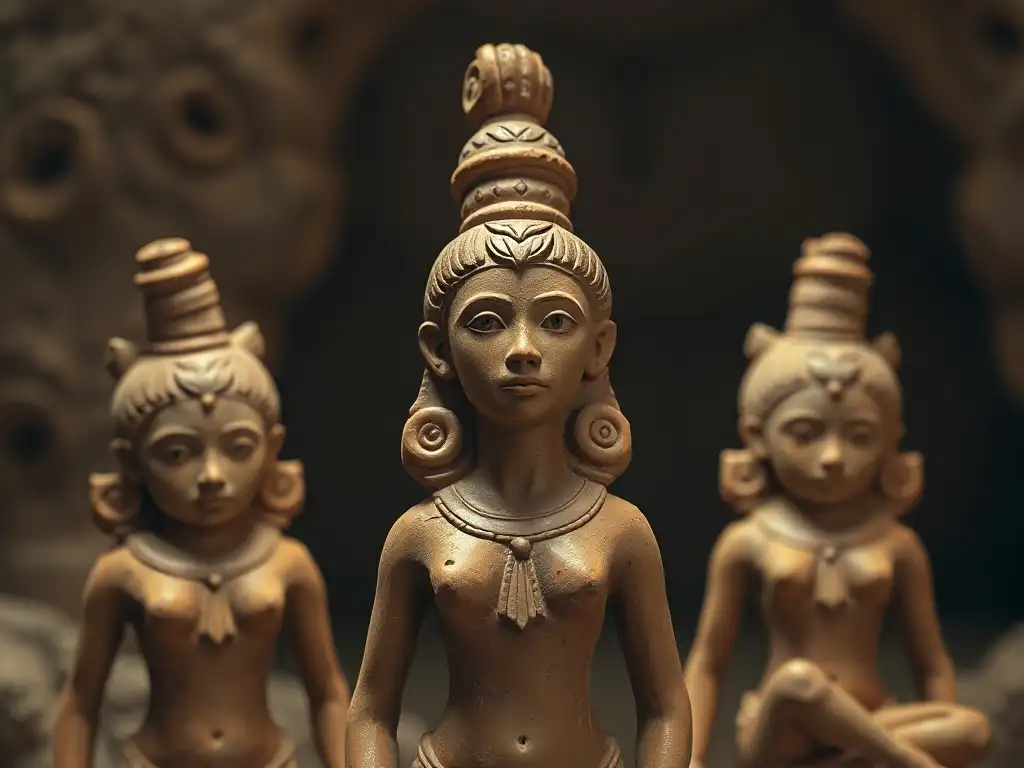
The discovery of Valdivia Venus figurines in elite contexts, such as within elaborate burials or associated with high-status artifacts, suggests a possible connection between these objects and social status. Some archaeologists propose that the figurines served as markers of social standing, reflecting the power and prestige of their owners or creators. The size, material quality, and intricate detail of certain figurines could indicate the social hierarchy within Valdivia society. Larger, more meticulously crafted figurines, perhaps made from rarer materials like jade, might have belonged to individuals of higher social standing.
This interpretation aligns with findings in other ancient cultures where elaborate grave goods and personal adornments signified social rank. However, the precise correlation between figurine characteristics and social status remains a subject of ongoing research and debate. Further analysis of burial sites and associated artifacts is needed to establish a definitive link between figurine attributes and social hierarchy. For instance, a comparative study of figurine styles found in different types of burials—simple versus elaborate—could provide crucial evidence.
The distribution patterns of figurines across different settlements also hold valuable clues. Were certain styles concentrated in specific locations, possibly indicating regional variations in social structures or power dynamics? These are questions that future research could help answer, offering a more nuanced understanding of the role of Valdivia Venus figurines in the social fabric of Valdivia society. The complexity of the social structures within the Valdivia culture makes definitively linking figurines to status a challenging but crucial area of study.
Alternative Interpretations of Valdivia Venus Figurines Meaning
While the fertility and ritual interpretations are prominent, alternative perspectives on the Valdivia Venus figurines' meaning deserve consideration. Some scholars suggest that the figurines represented ancestral figures or spirits, acting as intermediaries between the living and the spirit world. This interpretation aligns with the prevalence of ancestor veneration in many ancient cultures. The stylized features of the figurines, such as exaggerated breasts and buttocks, might not solely represent fertility but could also symbolize the power and wisdom associated with elder women or ancestral figures. Another less explored possibility is the figurines' role in personal identity or self-representation.
Could women have created or possessed these figurines as personal totems, reflecting their individual identities or aspirations? This perspective shifts the focus from a purely societal or ritualistic interpretation to a more individualistic one. Furthermore, the figurines' role in daily life remains largely unknown. Were they displayed prominently in homes, used in private rituals, or kept hidden away? Understanding the context of their use could significantly inform their interpretation.
The lack of conclusive evidence makes it difficult to definitively support any one of these alternative interpretations. However, by considering these different perspectives, we gain a richer and more nuanced understanding of the potential meanings and functions of these remarkable artifacts. Further research, incorporating interdisciplinary approaches, might unveil new insights into the multifaceted role of these intriguing figurines within the Valdivia culture. The possibility of multiple overlapping meanings—for example, fertility and ancestral representation—should also be considered, highlighting the complexity of interpreting ancient artifacts.
The Valdivia Venus Figurines in a Broader Andean Context
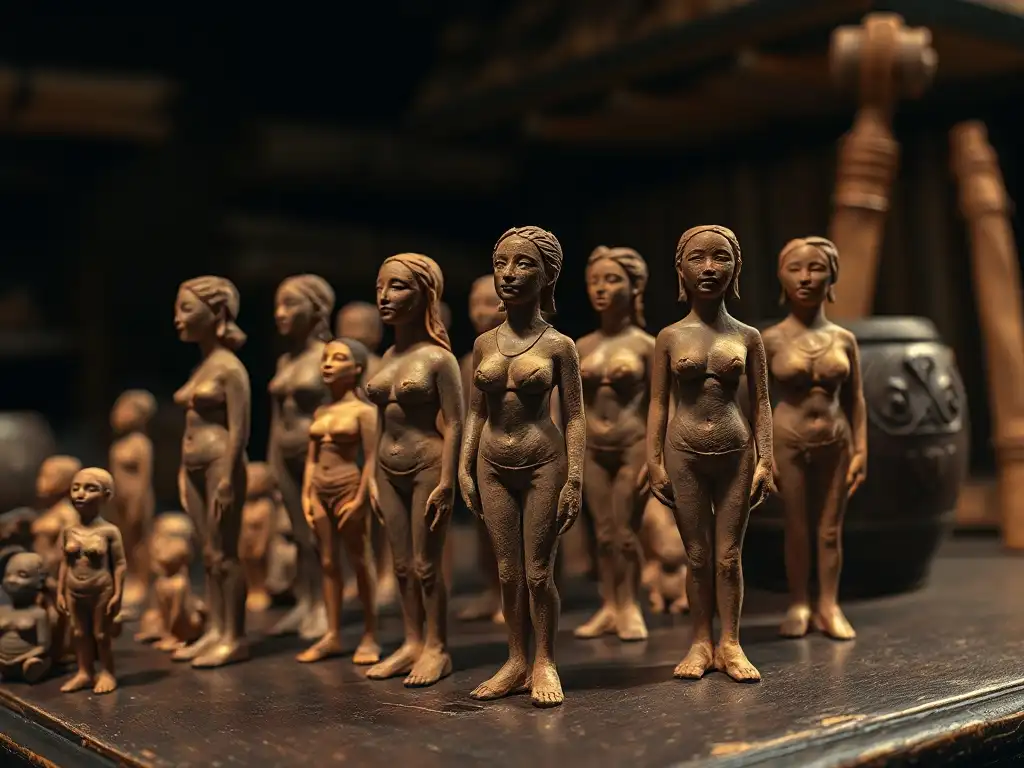
The Valdivia Venus figurines, while geographically and chronologically distinct, resonate with broader themes present in Andean art and culture across millennia. Understanding their place within this larger narrative is crucial to fully grasping their significance. The emphasis on fertility, often interpreted from the exaggerated female features, is a recurring motif in Andean iconography, appearing in various forms from the early coastal cultures to the later Inca Empire.
However, simply labeling them as solely representations of fertility risks oversimplification. The intricate detail, the variations in style, and the context of their discovery suggest a complexity beyond a singular, easily defined meaning.
The meticulous craftsmanship evident in these small figurines points to a sophisticated understanding of artistic techniques and materials, reflecting a developed cultural infrastructure capable of producing not just functional objects but also symbolic ones. This artistic sophistication is a hallmark of Andean cultures, regardless of their specific geographic location or chronological period.
Comparing Valdivia Figurines to Other Pre-Incan Art
A comparative analysis with other Pre-Incan art reveals intriguing similarities and differences. While the Valdivia Venus figurines are unique in their stylistic features – the smooth, polished surfaces, the simplified anatomical details, and the emphasis on the female form – they share thematic parallels with other contemporary coastal cultures and even those further inland. The emphasis on fertility, for instance, echoes in the ceramics and textiles of other early Andean societies, suggesting a shared cultural understanding of the importance of reproduction and the earth's bounty.
However, the Valdivia figurines stand out in their almost exclusive focus on the female figure, a stark contrast to some cultures that included representations of both genders, or even deities in a more abstract form. This difference may indicate specific cultural practices or beliefs unique to the Valdivia people. For example, [specific information pending on comparative analysis of Valdivia figurines with other contemporary art from the Ecuadorian coast].
Detailed studies comparing the materials used, the manufacturing techniques, and the stylistic elements could reveal further connections and divergences, enriching our understanding of the Valdivia culture's place within the broader Andean artistic landscape. A more thorough understanding of the iconography of other Pre-Incan societies, such as the Moche and Nazca, would allow for a more robust comparative analysis.
The Legacy of the Valdivia Venus Figurines: Influence and Impact
The Valdivia Venus figurines, despite their antiquity, possess a lasting legacy. Their impact extends beyond simply being objects of historical significance; they represent a foundational element in the development of Andean art. The sophisticated techniques employed in their creation foreshadowed later artistic achievements. The emphasis on the female form, while perhaps not directly replicated in later styles, arguably paved the way for the diverse representations of women in later Andean cultures.
Their enduring presence in museums and academic discourse ensures their continued relevance in shaping our understanding of early Andean civilization. The discovery and subsequent study of these figurines have revolutionized our understanding of the Valdivia culture, moving it from a largely unknown entity to a significant player in the broader narrative of Andean prehistory. The figurines serve as powerful symbols of a sophisticated society and a rich artistic tradition.
Furthermore, their continued study and interpretation contribute to the ongoing discourse surrounding the meaning and function of early Andean art, prompting ongoing research and debate about their symbolic meaning and cultural significance. The Valdivia Venus figurines, therefore, are not just artifacts of the past, but active participants in the ongoing conversation about Andean history and culture. Their legacy is one of enduring fascination and continuing scholarly inquiry, solidifying their place as a cornerstone of our understanding of the "Valdivia Venus figurines meaning".
Ongoing Research and Future Discoveries
The quest to fully understand the meaning behind the Valdivia Venus figurines is far from over. Ongoing research continues to shed new light on these enigmatic artifacts, challenging existing interpretations and opening up exciting avenues for future exploration. The very act of uncovering new figurines, coupled with advancements in archaeological techniques, promises a deeper understanding of Valdivia culture and its symbolic world.
Analysis of the figurines' materials, manufacturing techniques, and contextual evidence from their discovery sites remains crucial to this ongoing process. Researchers are employing increasingly sophisticated methods, including advanced imaging techniques like X-ray fluorescence spectroscopy (XRF) to analyze the pigments and materials used in their creation, potentially revealing details about the social organization and trade networks of the Valdivia people. Understanding the precise geographical distribution of these figurines is also key to deciphering their significance, as regional variations in style and design could point towards diverse cultural practices or beliefs.
The precise dating of the figurines is also a focus of ongoing work, with improvements in radiocarbon dating offering greater precision. This improved chronological accuracy will allow for better contextualization within broader Valdivia cultural developments. The ongoing search for new sites and the continued excavation of existing ones are also vital to this effort; each new discovery offers the potential to reshape our understanding of Valdivia Venus figurines meaning.
New Archaeological Findings and Their Impact on Interpretation
Recent excavations have unearthed several previously unknown Valdivia Venus figurines, significantly impacting our interpretations of their significance. For instance, the discovery of a figurine depicting what appears to be a pregnant woman in a previously unexplored coastal settlement has prompted new discussions about the role of fertility symbolism in Valdivia society. The figurine's unique posture and the detailed rendering of the abdomen suggest a more nuanced understanding of Valdivia beliefs surrounding childbirth and motherhood than previously assumed.
Furthermore, the discovery of figurines in contexts other than burial sites – for example, associated with domestic structures or ritualistic spaces – is challenging the long-held assumption that they were solely associated with funerary practices. This suggests a broader range of meanings and functions associated with these artifacts, potentially including roles in everyday life or ceremonial activities. The analysis of these newly discovered figurines, along with their associated artifacts, is providing valuable insights into the social and religious practices of the Valdivia culture, furthering our understanding of the Valdivia Venus figurines meaning.
The integration of these new findings into existing interpretative frameworks is crucial for achieving a more complete and nuanced understanding. Further research is needed to correlate these new discoveries with existing data, potentially leading to revised hypotheses about the social, religious, and economic significance of the figurines.
The Importance of Preserving the Valdivia Venus Figurines
The preservation of the Valdivia Venus figurines is paramount for safeguarding a crucial piece of cultural heritage and furthering our understanding of Andean prehistory. These delicate artifacts are vulnerable to environmental degradation, particularly damage from exposure to moisture, temperature fluctuations, and even light. The implementation of rigorous conservation techniques is crucial to mitigating these risks. This includes controlling environmental conditions in storage facilities, employing specialized cleaning methods, and undertaking regular monitoring of the figurines' condition.
Moreover, the development of detailed documentation, including high-resolution photography and 3D scanning, is essential for creating comprehensive records and facilitating future research. Digital archiving allows for the creation of virtual replicas that can be studied and shared without jeopardizing the physical integrity of the original artifacts. The creation of public awareness campaigns regarding the importance of preserving these irreplaceable artifacts is also crucial. Educating the public about the significance of the Valdivia Venus figurines and the threats they face is essential to fostering a culture of respect and protection for cultural heritage.
This involves engaging with local communities, promoting responsible tourism practices, and supporting initiatives that promote the preservation of archaeological sites and artifacts. The long-term preservation of these figurines is not merely a matter of protecting objects; it is a commitment to safeguarding a vital part of human history and ensuring that future generations can learn from and appreciate the artistry and cultural significance of the Valdivia Venus figurines. The continued investment in research, conservation, and public education is therefore absolutely critical.
Frequently Asked Questions
What are Valdivia Venus figurines?
Valdivia Venus figurines are small, ceramic sculptures of women, created by the Valdivia culture in present-day Ecuador. They are among the oldest known ceramic figurines in the Americas, dating back to 3500 BCE. They are characterized by their simplified, abstract forms.
What is the significance of the Valdivia Venus figurines' exaggerated features?
The exaggerated features, such as large breasts, hips, and stomachs, are believed to represent fertility and abundance. However, their exact meaning is still debated among scholars. Some suggest they may also have had ritualistic or symbolic purposes.
What materials were used to create the Valdivia Venus figurines?
The figurines were primarily made of clay, often fired at relatively low temperatures. The clay was then carefully shaped and sometimes painted with pigments, although many examples remain unpainted.
Why is the meaning of the Valdivia Venus figurines still debated?
The lack of written records from the Valdivia culture makes interpreting their meaning challenging. Scholars rely on archaeological context and comparisons with other ancient cultures to infer their possible functions and significance.
How do the Valdivia Venus figurines relate to the broader theme of Andean civilizations?
The Valdivia Venus figurines represent the early development of artistic expression and cultural complexity within the Andes region. They demonstrate the emergence of sophisticated ceramic technology and offer valuable insights into the beliefs and practices of one of the earliest Andean cultures, laying a foundation for later artistic and cultural traditions.
Final Reflection: Unraveling the Mysteries of the Valdivia Venus
The enduring enigma of the Valdivia Venus figurines continues to resonate today, challenging our understanding of early human societies and the power of artistic expression. These ancient artifacts, unearthed from the sands of Ecuador, offer a glimpse into a world far removed from our own, yet their symbolic weight remains surprisingly relevant in our modern era obsessed with representation and the search for meaning. The very act of creating and cherishing these figurines speaks volumes about the complex social structures and spiritual beliefs of the Valdivia culture.
The impact of the Valdivia Venus figurines extends far beyond their archaeological significance; they force us to confront our own biases and assumptions about early civilizations. Their ambiguous nature—are they symbols of fertility, ritual objects, or something more profound?—reflects the inherent complexities of interpreting the past. We are left to grapple with the limitations of our understanding, acknowledging the rich tapestry of possible meanings. The past is never dead. It's not even past.
– William Faulkner. This quote perfectly encapsulates the ongoing relevance of these ancient artifacts and the continued need for their study and interpretation.
Consider the power these small figurines hold. They are silent witnesses to a vibrant culture, whispering tales of creativity, spirituality, and the enduring human need to express ourselves. You, the reader, are now part of this ongoing conversation. Take a moment to reflect on the mysteries surrounding the Valdivia Venus. What resonates with you most? What questions do they raise about our own understanding of art, religion, and the human experience? Let their enigmatic presence inspire you to explore the rich tapestry of human history and the enduring power of artistic expression.
**Unveil the Secrets of the Valdivia Venus! **
Thank you for exploring the fascinating world of the Valdivia Venus figurines with us! You've delved into layers of culture, symbolism, and history that enrich our understanding of ancient Andean civilizations. Now, let's deepen our connection with this intriguing topic.
Here are a few exciting next steps:
- **Engage with the Art:** Visit a museum or online exhibit featuring ancient Andean artifacts to see the Valdivia Venus and similar pieces firsthand or virtually. Many museums offer virtual tours, making this accessible to everyone.
- **Start a Discussion:** Share this article with friends and family—spark a conversation about the diverse interpretations of fertility symbols across different cultures. Consider the different societal values reflected in these artifacts.
- **Dive Deeper:** Research other ancient cultures known for their figurines and fertility symbols, such as the Cycladic culture of the Aegean or the Venus of Willendorf. You might uncover unexpected connections and compelling narratives!
What parallels do you see between these ancient figurines and modern representations of fertility or community? We'd love to hear your thoughts!