
Huari Cultural Practices: Unique Traditions and Customs

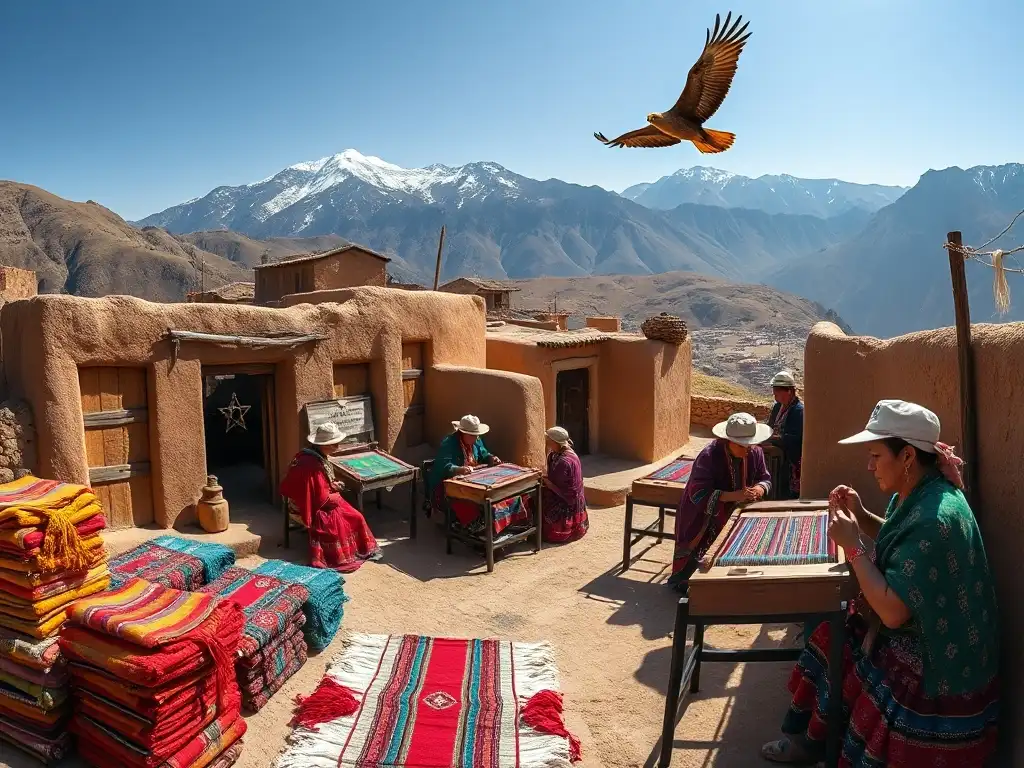
Dive into the enigmatic world of the Andes! Prepare to uncover the secrets of lost empires and astonishing achievements as we journey through the vibrant tapestry of Andean civilizations. But before we explore the broader landscape, let's delve into the fascinating intricacies of Huari cultural practices. Discover examples of their unique traditions and customs that continue to baffle and inspire—a glimpse into a world that will leave you yearning to know more.
The Huari culture, flourishing in the central Andes from approximately 600 to 1200 CE, left an indelible mark on the region's history. This powerful empire, predating the Inca, developed a complex and sophisticated society with unique cultural practices that continue to fascinate researchers and historians today. This article delves into the fascinating world of Huari cultural practices, providing examples of their distinctive traditions and customs, exploring their societal impact and lasting legacy.
We'll examine evidence from archaeological discoveries and anthropological studies to paint a vivid picture of daily life within this remarkable civilization, addressing key aspects of their social structure, religious beliefs, and artistic expressions. Understanding Huari cultural practices offers crucial insight into the development of Andean civilizations and their contributions to the rich tapestry of pre-Columbian history. This exploration aims to provide comprehensive answers to your search for "Huari cultural practices examples."
Huari urban planning stands as a testament to their advanced societal organization. Unlike many contemporary cultures, Huari cities weren't haphazardly constructed. Instead, they followed a meticulously planned layout, often featuring a grid system with carefully aligned buildings. This suggests a centralized authority capable of coordinating large-scale construction projects and controlling resource allocation.
Archaeological evidence reveals standardized building techniques and the use of specific materials, implying a highly organized workforce and a system of specialized labor. The uniformity of architecture across various Huari sites further emphasizes the empire's administrative strength and its ability to impose a consistent cultural identity throughout its vast territory. Furthermore, the placement of monumental structures within these urban centers points to the importance of religious rituals and the power of the ruling elite. The size and complexity of these structures underscore the resources and manpower dedicated to religious practices, highlighting their central role in Huari society.
Religious Beliefs and Ritual Practices: Evidence from Iconography and Artifacts
The religious beliefs of the Huari people remain a subject of ongoing research, but evidence suggests a complex pantheon of deities and a rich system of ritual practices. Iconography found on pottery, textiles, and stone carvings depicts various figures, likely representing different gods or spirits. These depictions often feature stylized representations of animals, such as jaguars and birds of prey, suggesting a connection between the Huari worldview and the natural environment.
The discovery of numerous ceremonial centers and temples across Huari territory points to the importance of religious rituals in daily life. These sites often contain evidence of elaborate offerings, including human sacrifices in some instances, indicating the significance of appeasement and maintaining cosmic balance.
Analysis of these offerings provides valuable insights into Huari cosmology and the relationship between the human and spiritual realms. The intricate craftsmanship evident in Huari artifacts further highlights the dedication and reverence associated with their religious practices.
Agricultural Practices and Technological Innovations: Ensuring Food Security
The Huari's success was intricately tied to their advanced agricultural practices. They developed sophisticated irrigation systems to maximize crop yields in the challenging Andean terrain. These systems, often involving canals and terraces, allowed them to cultivate a variety of crops, ensuring food security for their growing population. Archaeological evidence suggests the Huari also employed techniques like raised fields and waru waru agriculture, further enhancing their ability to produce food surpluses.
These technological innovations not only supported population growth but also contributed to the empire's economic strength and stability. The efficient management of agricultural resources was crucial to maintaining the vast Huari empire, supporting its complex social structures and facilitating the construction of monumental architecture. The sophistication of their agricultural techniques exemplifies their adaptability and ingenuity.
Artistic Expression: Pottery, Textiles, and Metalwork
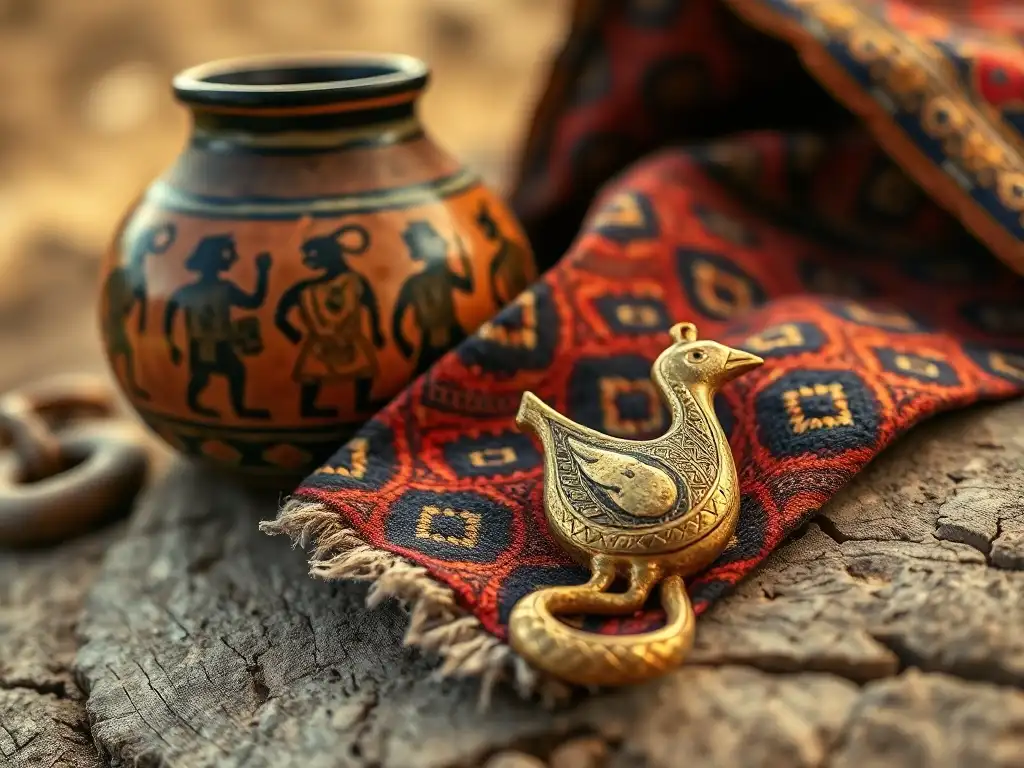
Huari artistic achievements are remarkably diverse and sophisticated. Their pottery is characterized by distinctive styles and intricate designs, often featuring geometric patterns and depictions of mythical creatures. Textiles, crafted from alpaca and llama wool, display equally impressive artistry, with complex weaving techniques and vibrant colors. Metalwork, though less common than pottery and textiles, demonstrates a high level of skill and technical expertise.
These artistic expressions not only reflect the aesthetic sensibilities of the Huari people but also offer valuable insights into their social hierarchy, religious beliefs, and daily life. The stylistic consistency across various Huari sites suggests a degree of centralized control over artistic production, further highlighting the empire's administrative capabilities. The quality and complexity of these artifacts underscore the significant role of art in Huari society.
Legacy and Influence: A Lasting Impact on Andean Cultures
The Huari empire's collapse didn't mark the end of its influence. Many aspects of Huari culture, including their architectural styles, religious beliefs, and artistic traditions, were adopted and adapted by subsequent Andean civilizations, most notably the Inca. The impact of Huari urban planning can be seen in the layout of Inca cities, while certain artistic motifs and religious practices persisted for centuries.
The Huari legacy demonstrates the enduring power of cultural transmission and the lasting impact of a highly sophisticated and influential civilization. Understanding the Huari legacy is crucial for comprehending the broader trajectory of Andean cultural development and the complex interplay of different cultures in the region. Their influence underscores their profound contribution to the rich cultural heritage of the Andes.
- Huari Urban Planning and Architecture: A Reflection of Social Organization
- Religious Beliefs and Ritual Practices: Evidence from Iconography and Artifacts
- Agricultural Practices and Technological Innovations: Ensuring Food Security
- Artistic Expression: Pottery, Textiles, and Metalwork
- Legacy and Influence: A Lasting Impact on Andean Cultures
Understanding Huari Society and its Cultural Expressions
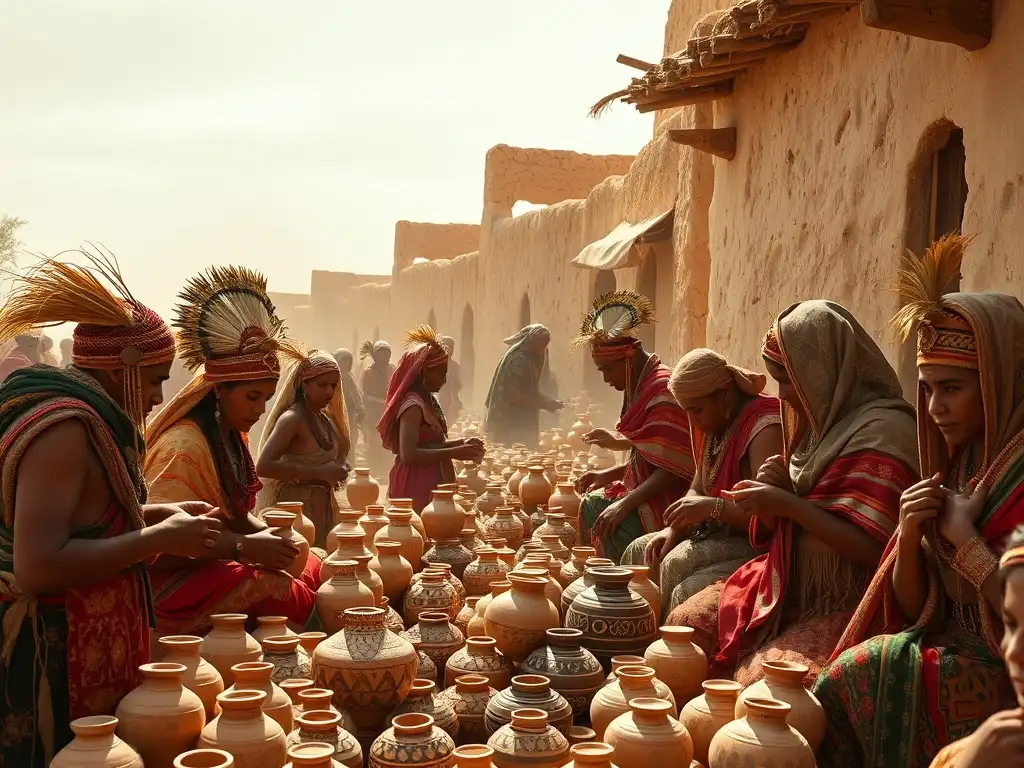
This section delves into the intricate social fabric and unique cultural expressions of the Huari civilization, providing concrete examples that illuminate their daily lives and societal structures. Understanding Huari cultural practices requires examining their sophisticated administrative system, their complex religious beliefs, and the artistry reflected in their pottery, textiles, and architecture. These elements, interwoven, paint a vivid picture of a powerful and influential Andean culture. The keyword "Huari cultural practices examples" will be explored throughout this section.
The Centralized Administration of the Huari Empire
The Huari Empire, known for its impressive scale and influence, relied on a highly centralized administrative system. This wasn't simply a matter of military might; it involved sophisticated strategies for resource management, population control, and the standardization of cultural practices across vast territories. Evidence suggests the Huari employed a system of provincial governors and regional administrators who reported to a central authority, likely located in the capital city of Huari.
This centralized structure facilitated the efficient distribution of resources and the implementation of uniform policies. For example, the standardization of pottery styles across the empire points towards centralized production or, at the very least, strict control over production techniques and designs. This wasn't merely aesthetic; it served a practical purpose, potentially indicating social stratification or the control of trade routes. Imagine the logistics involved in managing such a large and diverse population!
This required careful planning and execution, showcasing the sophisticated administrative capabilities of the Huari. We can see examples of this standardization in the remarkably consistent style of Huari pottery found in sites across the empire, a testament to their efficient administrative network. Further research is needed to fully understand the nuances of their record-keeping and communication systems, but the extant evidence strongly suggests a level of organization rarely seen in other contemporary Andean cultures.
The Huari's ability to maintain control over such a large area for several centuries is a significant achievement and a prime example of their advanced cultural practices. Further studies into their administrative records (if any survive) and the archaeological evidence of their settlements would help paint a more complete picture of this sophisticated system.
Huari Religious Beliefs and the Staff God
Huari religious beliefs remain a topic of ongoing research, but evidence suggests a complex pantheon of deities and a sophisticated cosmology. Central to their religious iconography is the enigmatic "Staff God," a recurring motif found throughout Huari art and architecture. This figure, often depicted holding a staff and wearing elaborate headdresses, is interpreted by many scholars as a supreme deity or a representation of royal power.
The Staff God's prevalence across Huari territory suggests a unifying religious element within the empire. Its depiction in various media – pottery, textiles, and monumental architecture – indicates its importance in daily life and the state's ideology. The consistent portrayal of the Staff God across different regions further demonstrates the effectiveness of the Huari's centralized administration in disseminating and reinforcing religious beliefs. This uniformity suggests a powerful tool for social control and the consolidation of imperial power.
Further Speculation on Huari Religious Practices
While the Staff God is prominent, other deities likely existed within the Huari pantheon. Archaeological evidence suggests ritual practices, but the specifics of these practices remain largely unknown. Further research is needed to clarify the roles of these other deities and the full scope of Huari religious beliefs. The study of Huari iconography, particularly the symbolism associated with different animals and objects depicted alongside the Staff God, may provide valuable insights.
The study of Huari religious beliefs and their manifestation in art and architecture offers a fascinating insight into the cultural practices of this remarkable civilization. The widespread presence of the Staff God iconography is a clear example of how religious beliefs reinforced the Huari's political and social structures. Further investigation into this fascinating aspect of Huari culture is crucial to a comprehensive understanding of their societal organization and their lasting legacy. The ongoing research into Huari religious beliefs continues to reveal new and fascinating details about their complex worldview.
Key Examples of Huari Cultural Practices
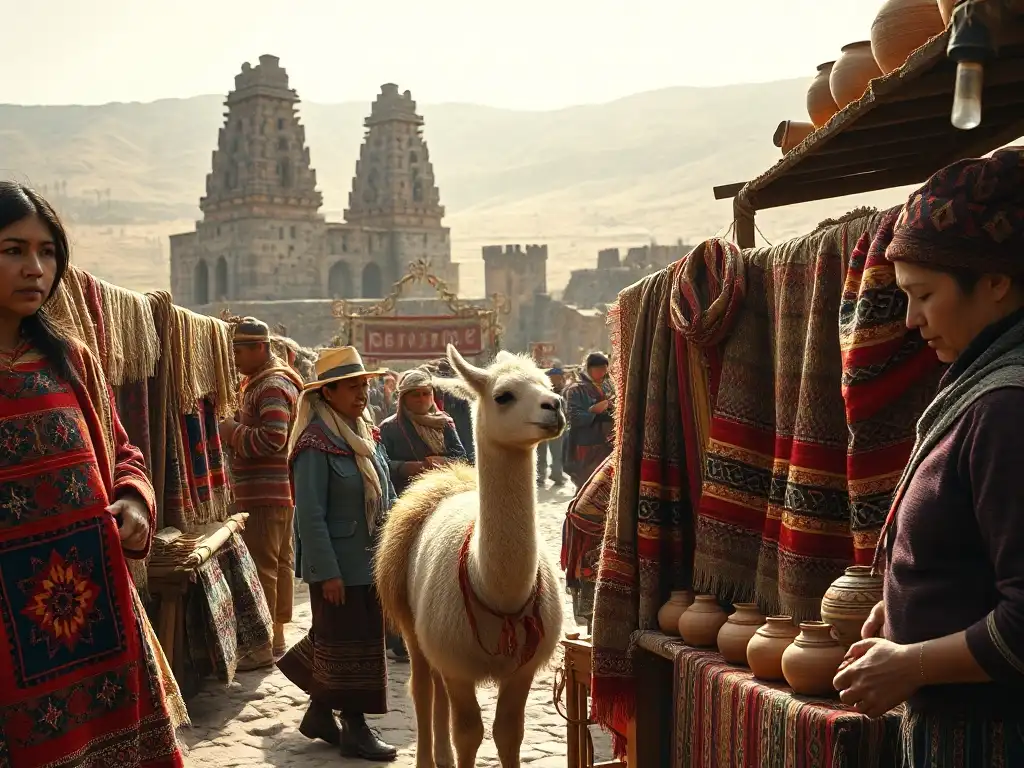
This section delves into specific examples of Huari cultural practices, showcasing the sophistication and complexity of this influential Andean civilization. Understanding these practices provides crucial insight into their societal structures, beliefs, and technological advancements. The Huari, a pre-Inca culture that flourished in the central Andes from approximately 600 to 1000 CE, left behind a remarkable legacy that continues to fascinate and inspire researchers today. This examination will focus on their artistic achievements, architectural innovations, and sophisticated infrastructural projects, all key elements contributing to the understanding of Huari cultural practices examples.
Huari Art and Craftsmanship: Pottery, Textiles, and Metalwork
The Huari excelled in various artistic mediums, producing high-quality pottery, textiles, and metalwork that reflect their advanced technical skills and aesthetic sensibilities. Their artistic production wasn't merely decorative; it served important social and religious functions, often conveying power, status, and cosmological beliefs. The distinctive styles and techniques employed in these crafts provide valuable clues to understanding Huari society and its worldview.
The Use of Geometric Motifs in Huari Ceramics
Huari pottery is renowned for its distinctive geometric designs. Unlike the figurative styles of some contemporary cultures, Huari ceramics frequently feature intricate patterns of triangles, stepped frets, and other geometric forms. These motifs are not randomly applied; rather, they appear to follow specific rules and conventions, suggesting a highly structured and codified artistic system. The precision and consistency in the application of these designs across different pottery types and regions point to a centralized control over production or, at least, a strong adherence to shared artistic traditions.
Analysis of these patterns, coupled with archaeological context, could potentially reveal further information about Huari social organization and symbolic systems. For example, specific geometric patterns might have denoted the social status of the individual or family that owned the vessel. Further research is needed to fully decipher the meaning encoded within these seemingly simple geometric forms.
Tapestry Weaving and the Use of Camelid Fiber in Huari Textiles
Huari textiles represent another peak of their artistic achievement. The use of camelid fibers – alpaca and llama wool – allowed for the creation of incredibly fine and durable fabrics. A hallmark of Huari textile production was the sophisticated tapestry weaving technique. This involved interweaving different colored threads to create complex and detailed designs, often incorporating geometric patterns similar to those found on their pottery.
The vibrant colors and intricate designs suggest a high level of skill and specialization among Huari weavers. Many examples of Huari textiles have survived, offering a rich visual record of their artistic talents and cultural values. Further study of the dyes and weaving techniques used could reveal insights into Huari trade networks and access to resources. The sheer variety of designs and patterns found on Huari textiles suggests a rich and diverse cultural landscape.
The Production of Copper and Gold Artifacts in Huari Metalworking
The Huari also demonstrated remarkable skill in metalworking, particularly in copper and gold. While less common than pottery and textiles, Huari metal artifacts are highly prized for their craftsmanship and symbolic significance. These artifacts, often including ceremonial objects and adornments, demonstrate a sophisticated understanding of metallurgy. The techniques employed, including hammering, casting, and alloying, reveal a high level of technical expertise.
The use of gold, a precious and rare material, suggests that these objects held significant ritual or social importance, perhaps associated with elite members of Huari society. Studying the distribution and stylistic variations of Huari metalwork can shed light on their social hierarchy and trade networks. More research is needed to fully understand the processes involved in the creation of these complex metal artifacts and their role within Huari society.
Huari Architecture and Urban Planning
Huari urban planning and architecture reflect a highly organized and centralized society. Their cities, characterized by a grid-like layout and sophisticated infrastructure, stand as testament to their engineering prowess and societal structure. These urban centers were not just places of residence; they were carefully planned settlements reflecting the political and social organization of the Huari state.
The Grid-like Layout of Pikillacta and other Huari Centers
One of the most striking features of Huari urban planning is the grid-like layout evident in many of their major centers, most notably Pikillacta. This planned urban design, with its straight streets and rectangular blocks, contrasts sharply with the more organic layouts of earlier Andean settlements. The grid system suggests a deliberate and centralized approach to urban development, indicating a powerful central authority responsible for overseeing construction and resource allocation.
This regularity in design implies a degree of standardization and control, reflecting a highly organized state capable of managing large-scale construction projects and coordinating the efforts of a significant workforce. Further research is needed to fully understand the implications of this grid-like layout for social organization and control within Huari society.
Huari Road Networks and Irrigation Systems
Beyond the urban centers themselves, the Huari invested heavily in infrastructure projects that facilitated trade, communication, and agriculture. Extensive road networks connected different parts of their empire, allowing for efficient movement of goods and people. Simultaneously, sophisticated irrigation systems were constructed to support intensive agriculture in arid regions. These infrastructure projects demonstrate a remarkable level of engineering skill and a commitment to long-term planning.
The scale of these projects suggests a highly centralized and organized state with the resources and manpower to undertake such ambitious undertakings. The construction and maintenance of these systems required significant coordination and planning, highlighting the administrative capabilities of the Huari state. Analysis of these infrastructure projects provides valuable insights into the economic and political organization of the Huari empire. Further research into the construction techniques and materials used could reveal additional information about Huari technology and labor practices.
Huari Burial Customs and Mortuary Practices
Huari burial practices offer a fascinating glimpse into their beliefs about life, death, and the afterlife. Unlike some other Andean cultures that emphasized elaborate individual tombs, the Huari often employed mass burials, suggesting a communal approach to death and ancestor veneration. These mass graves, sometimes containing hundreds of individuals, were frequently located in strategically significant areas, such as near administrative centers or along major trade routes.
The placement of these burials might reflect a belief in the continued importance of the deceased in maintaining the social and political order, even in death. Archaeological evidence shows a range of burial styles, from simple inhumations to more elaborate interments with grave goods. The condition of the remains and the associated artifacts provide valuable insights into social stratification within Huari society.
Analysis of skeletal remains can reveal information about diet, health, and even potential causes of death, contributing to a richer understanding of daily life within the Huari empire. The variation in burial practices across different sites and periods also suggests a degree of regional or temporal diversity in mortuary rituals, highlighting the complexity of Huari cultural expressions.
The Preparation of the Deceased and Accompanying Goods
The preparation of the deceased for burial varied, reflecting the social status of the individual. While some individuals were interred with minimal grave goods, others were accompanied by a rich array of offerings. These offerings frequently included textiles, pottery, tools, and ornaments, providing valuable information about the material culture of the Huari.
The types and quantities of grave goods suggest differences in wealth and social standing, with elites receiving far more elaborate burials than commoners. For example, finely crafted textiles, gold ornaments, and intricately decorated ceramics were often found in the graves of high-ranking individuals, while simpler pottery and utilitarian tools accompanied the burials of commoners. The presence of specific items, like specialized tools or ceremonial objects, could further indicate the deceased's occupation or social role within the community.
The careful placement of the grave goods also suggests a deliberate and ritualistic aspect to the burial process, reflecting the importance of these items in the afterlife. Further research into the chemical composition of the accompanying goods, such as pigments and metals, could offer additional insights into trade networks and technological capabilities.
The Significance of Royal Tombs and Offerings at Conchopata
Conchopata, a significant Huari site, contains several royal tombs that exemplify the grandeur and complexity of Huari mortuary practices. These tombs often featured elaborate architectural features, such as stone chambers and intricate wall decorations. The sheer scale and complexity of these tombs underscore the importance placed on the deceased rulers and their role in the Huari state.
The offerings found within these royal tombs are particularly significant, often including large quantities of precious metals, finely crafted textiles, and exotic goods from distant regions, indicating extensive trade networks and access to valuable resources. These lavish offerings might symbolize the ruler's power, wealth, and authority, reinforcing their status as divine intermediaries or representatives of the gods. The careful arrangement of the offerings within the tombs suggests a highly structured and ritualized burial process, overseen by specialized priests or officials.
Analyzing the iconography and symbolism found on the grave goods could reveal more about Huari religious beliefs and cosmology. The study of these royal tombs at Conchopata, and similar sites, is crucial for understanding the political and religious organization of the Huari empire and the ways in which rulers consolidated and legitimized their power. The sheer quantity of offerings and the quality of craftsmanship point to a highly stratified society where the elite enjoyed significant privileges and resources.
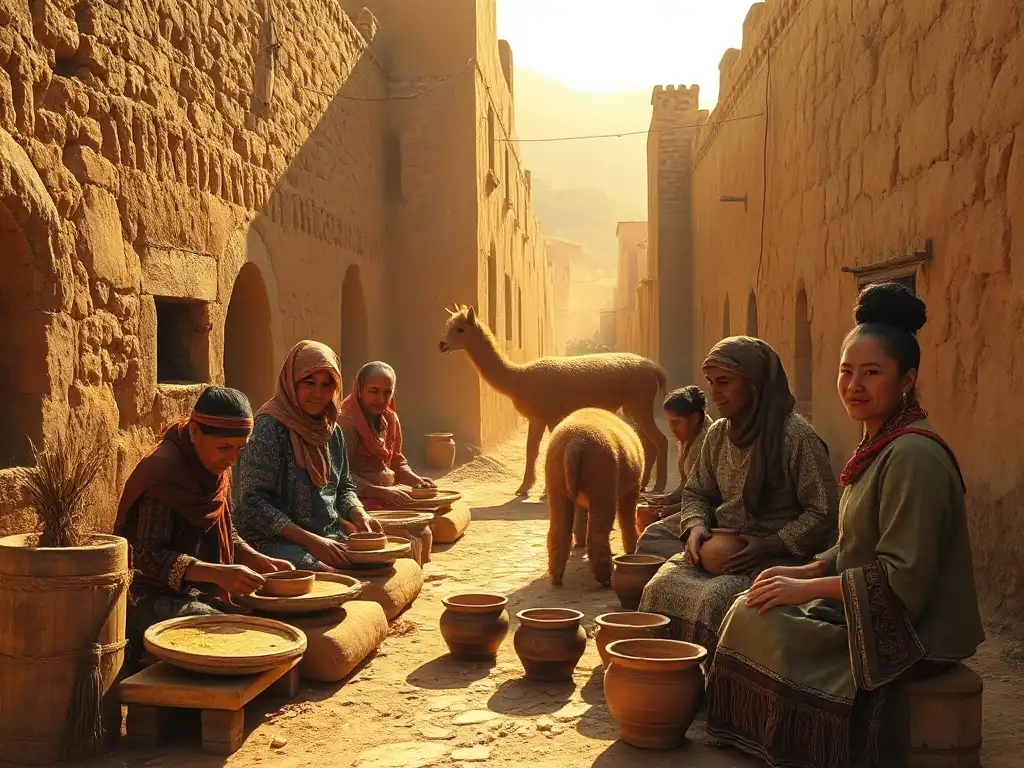
This section delves into the fascinating daily lives and social structures of the Huari civilization, providing concrete examples of their unique cultural practices. We will explore their agricultural innovations, societal hierarchies, and extensive trade networks, shedding light on how these elements shaped their vibrant society. Understanding these aspects is crucial to grasping the complexity and influence of the Huari culture on the Andean region.
Terraced Agriculture and the Cultivation of Potatoes and Maize
The Huari were masterful agriculturalists, adapting their techniques to the challenging Andean terrain. Their most significant achievement was the widespread implementation of terraced agriculture. This involved carving intricate systems of terraces into hillsides, creating level plots for cultivation. This ingenious method maximized arable land, prevented soil erosion, and allowed for efficient irrigation, even in steep, mountainous regions. The effectiveness of Huari terraced agriculture is evident in the surviving ruins, where remnants of these carefully constructed terraces can still be observed today.
The primary crops cultivated by the Huari were potatoes and maize, both staples of their diet. Archaeological evidence shows a sophisticated understanding of crop rotation and fertilization techniques, ensuring high yields and food security. They likely employed a variety of potato varieties, adapted to different altitudes and microclimates.
The cultivation of maize, a relatively recent introduction to the Andes, was integrated into their agricultural system, providing a crucial source of carbohydrates. The mastery of these crops played a critical role in supporting the large population and complex social structure of the Huari empire. Further research is needed to fully understand the specific techniques used in fertilization, [specific fertilization techniques pending], but the visible results in the landscape are undeniable evidence of their agricultural prowess.
Huari society was clearly stratified, with a hierarchical structure that placed elites at the apex. Archaeological findings, including elaborate tombs containing luxurious grave goods and monumental architecture like the administrative centers, provide strong evidence of this social inequality. The elite class likely comprised religious leaders, political officials, and military commanders, controlling the resources and influencing the lives of the commoners.
The role of elites extended beyond mere political power. They likely played a crucial role in religious ceremonies and rituals, acting as intermediaries between the people and the supernatural world. This is suggested by the discovery of richly decorated objects and artifacts found in elite tombs, reflecting their elevated status and influence within the society.
Furthermore, the construction of monumental architecture, such as the impressive administrative centers, required significant manpower and resources, highlighting the power and organizational capabilities of the elite class. The precise mechanisms of power distribution and social mobility within Huari society remain areas of ongoing scholarly investigation; however, the existing evidence strongly suggests a rigid system with a distinct separation between the elite and the common population. [Specific information on social mobility pending].
Huari Trade Routes and Interactions with Regional Groups
The Huari maintained an extensive network of trade routes that connected various regions within their empire and beyond. These routes facilitated the exchange of goods, ideas, and potentially, even people. The distribution of Huari-style pottery and other artifacts across a wide geographical area demonstrates the reach and effectiveness of their trade network. This widespread distribution of material culture suggests a significant level of integration and interaction between the Huari and neighboring groups.
The trade routes were not merely channels for economic exchange; they were also crucial for the dissemination of cultural practices and beliefs. The adoption of similar architectural styles and agricultural techniques across different regions suggests a strong influence of Huari culture on neighboring societies. The integration of diverse regional groups into the Huari empire was likely facilitated by these trade routes and the resulting cultural exchange. Further research is needed to fully understand the dynamics of trade and interaction between the Huari and their neighbors.
[Detailed analysis of specific trade goods and their origins pending]. However, the existing evidence clearly indicates the importance of trade in shaping Huari culture and its impact on the wider Andean region. The Huari's ability to manage and control these trade routes was a key factor in their success in establishing and maintaining a vast empire.
The Legacy of Huari Cultural Practices
The Huari culture, flourishing in the central Andes from approximately 600 to 1000 CE, left an indelible mark on subsequent Andean societies. Their sophisticated administrative system, innovative artistic styles, and impressive feats of engineering continue to fascinate and inspire researchers today. Understanding Huari cultural practices provides crucial insights into the complexities of pre-Columbian Andean civilizations and their lasting influence on the region. This section will explore several key aspects of Huari legacy, offering concrete examples of their enduring impact. The keyword "Huari cultural practices examples" will be explored throughout.
Huari Influence on the Inca Empire's Administrative System
The Inca Empire, renowned for its intricate administrative structure, likely inherited and adapted several key organizational principles from the Huari. Huari's extensive network of roads, strategically placed administrative centers, and standardized pottery styles suggest a centralized system capable of managing a large, diverse population. Evidence suggests a hierarchical structure with specialized administrative roles, a system that facilitated efficient resource management and communication across vast distances.
This highly organized approach is mirrored in Inca administrative practices, including their use of tambos (roadside inns) for relaying messages and standardized accounting systems for managing resources. The Inca's mit'a system, a form of mandatory labor service, might also have roots in the Huari's likely use of a similar labor organization for large-scale projects like road construction and agricultural intensification.
Further research is needed to fully understand the extent of this influence, but the similarities are striking and suggest a significant continuity between these two powerful Andean civilizations. This is a prime example of Huari cultural practices impacting later Andean societies.
The Enduring Impact of Huari Art Styles on Andean Culture
Huari art, characterized by its distinctive pottery, textiles, and monumental architecture, exerted a profound influence on subsequent Andean artistic traditions. The distinctive style, often featuring geometric patterns, stylized figures, and vibrant colors, became a recognizable hallmark of Huari craftsmanship. This influence is readily apparent in the pottery styles of later cultures, such as the Inca and the various regional groups that emerged after the Huari state's decline.
For example, the use of specific colors and geometric motifs found in Huari ceramics can be traced in later pottery, showcasing a clear artistic lineage. Furthermore, the techniques used in Huari textile production, particularly their mastery of intricate weaving and dyeing techniques, were adopted and refined by subsequent Andean cultures.
These stylistic elements, ranging from the use of specific color palettes to the repetition of symbolic motifs, represent a clear continuity and provide compelling examples of Huari cultural practices impacting later artistic expressions. The adoption of these techniques and styles demonstrates the lasting legacy of Huari artistry.
Ongoing Archaeological Investigations of Huari Sites
Archaeological excavations continue to unearth new insights into Huari cultural practices. Recent discoveries at sites like Piquillacta and Viracochapampa, two major Huari administrative centers, are revealing detailed information about their urban planning, social organization, and daily life. These investigations are shedding light on aspects of Huari culture previously unknown or poorly understood.
For instance, the discovery of specialized workshops at these sites provides evidence for specialized craft production and a complex division of labor. Analysis of skeletal remains from Huari cemeteries is providing crucial data on diet, health, and social stratification within the society. Furthermore, the ongoing study of Huari iconography is revealing the complex symbolic systems used in their art and architecture, providing further clues to their religious beliefs and worldview.
These ongoing investigations are not only enriching our understanding of Huari cultural practices but also providing valuable comparative data for understanding broader trends in Andean civilization. This ongoing research continues to refine our understanding of "Huari cultural practices examples," offering a dynamic and ever-evolving picture of this significant Andean culture.
Frequently Asked Questions
What were some key features of Huari culture?
The Huari were known for their extensive empire, advanced administrative systems, and remarkable artistic achievements, including impressive pottery and textiles. Their urban planning was also highly sophisticated.
How did the Huari influence other Andean cultures?
The Huari exerted significant influence through military conquest and cultural exchange. Their style of architecture, pottery, and textiles spread widely, impacting neighboring cultures like the Tiahuanaco. This led to a period of cultural integration across the Andes.
What were some examples of Huari religious practices?
Huari religious practices are not fully understood, but evidence suggests a focus on ancestor veneration and fertility rituals. Monumental architecture and elaborate iconography likely played significant roles in their religious beliefs.
What kind of technology did the Huari possess?
The Huari were skilled craftspeople, demonstrating mastery in pottery, weaving, and metallurgy. They also developed sophisticated agricultural techniques, including terracing and irrigation, to support their large population.
How did the Huari empire eventually collapse?
The reasons for the Huari empire's collapse are still debated, but likely involved a combination of factors including internal conflict, environmental challenges, and possibly disease. Overextension of their empire may also have played a significant role.
Final Reflection: Echoes of Huari: A Legacy of Resilience and Innovation
The intricate tapestry of Huari cultural practices, once woven into the very fabric of Andean life, continues to resonate today, offering invaluable lessons in resilience, adaptation, and the enduring power of community. Their sophisticated agricultural techniques, innovative architectural designs, and complex social structures stand as a testament to human ingenuity and a profound connection to the land, a connection that remains deeply relevant in our increasingly globalized world.
The Huari's legacy extends far beyond the impressive ruins that remain; their influence permeates the cultural landscape of the Andes, shaping the traditions and beliefs of subsequent civilizations. Their commitment to sustainable living, evident in their advanced irrigation systems and terraced farming, provides a powerful counterpoint to the environmental challenges we face today. The past is never dead. It's not even past.
– William Faulkner. This quote perfectly encapsulates the enduring impact of the Huari, whose innovative solutions to the challenges of their time continue to inspire and inform contemporary approaches to sustainable development and community building.
Consider the ingenuity of the Huari's architectural marvels, their intricate pottery, and their sophisticated understanding of astronomy. These achievements were not merely functional; they were expressions of a vibrant culture, a testament to the human spirit's capacity for creativity and innovation. You, too, possess this same capacity. Take a moment to reflect on the Huari's legacy – their resilience in the face of adversity, their commitment to community, and their unwavering creativity. Let their story inspire you to embrace your own potential for innovation and to build a future that is both sustainable and culturally rich.
Embrace and Celebrate Huari Traditions Today!
Thank you for exploring the rich tapestry of Huari culture with us! Learning about these unique traditions and customs provides a deeper appreciation for Andean civilizations. Now, let's put that knowledge to good use!
Here are some ways you can engage more deeply with Huari culture:
- Deepen Your Connection: Visit a local museum or cultural center featuring exhibitions on Huari and other Andean civilizations for a firsthand experience of their traditions.
- Share the Wealth: Discuss Huari customs with friends and family, or share your discoveries on social media, sparking interest and raising awareness of this fascinating culture.
- Get Creative: Try a traditional Huari craft or recipe. Discover the joy of creating something inspired by this unique heritage!
How will you incorporate Huari traditions into your life? Share your thoughts and experiences in the comments below!