
The Development of Political Systems: Tracing the Evolution of PreIncan Governance

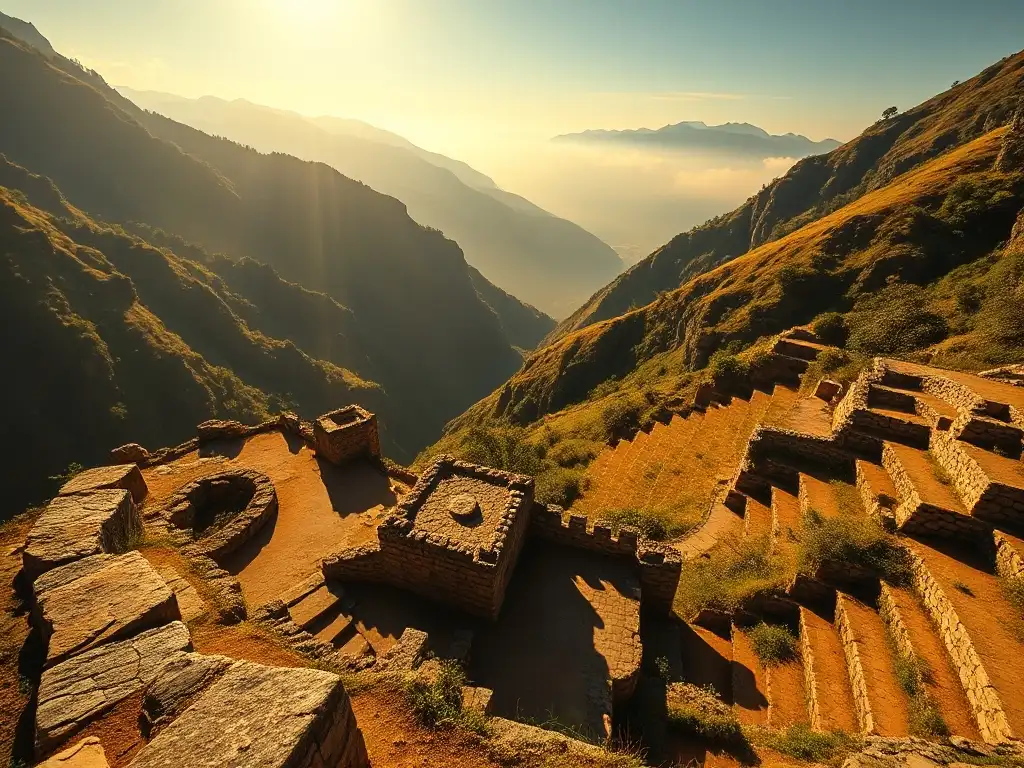
Dive into the enigmatic world of the Andes! Journey beyond the Inca empire and uncover the fascinating PreInca political system development that shaped this majestic region. From the intricate artistry of the Nazca to the monumental architecture of Tiahuanaco, witness the rise and fall of powerful civilizations and the complex political structures they forged. Prepare to be captivated by a history far richer and more nuanced than you ever imagined – explore the secrets of the highlands and discover the legacy of these ancient Andean societies.
- The Development of Andean Political Systems: Tracing the Evolution of Governance Before the Inca
- Understanding Pre-Incan Political Organization
- Key Stages in Pre-Inca Political System Development
- Major Pre-Inca Cultures and Their Governance Models
- Common Threads in Pre-Inca Political Development
- Transition to the Inca Empire: Political Legacy
-
Frequently Asked Questions
- What is the focus of this article on Andean civilizations?
- Which pre-Inca cultures are discussed in the article?
- How does the article define "PreInca political system development"?
- What were some of the key factors influencing the development of PreInca political systems?
- What is the significance of studying PreInca political systems?
- Final Reflection: Echoes of Empire: Understanding Pre-Inca Governance in the Modern World
- Unleash Your Curiosity: Dive Deeper into Andean Governance!
The Development of Andean Political Systems: Tracing the Evolution of Governance Before the Inca
The rise of the Inca Empire in the 15th century CE is often seen as a culmination of centuries of complex political development in the Andes. However, understanding the Inca's sophisticated administrative structures requires a deeper dive into the rich tapestry of pre-Inca political systems. This article explores the evolution of governance in the Andean region before the Inca, examining the diverse political structures, organizational strategies, and societal influences that shaped the landscape of power prior to the Inca expansion.
We will trace the development of these systems, highlighting key differences and similarities across various cultures, focusing on how these earlier forms of governance laid the groundwork for the later Inca state. Understanding this pre-Inca political landscape is crucial to appreciating the Inca's achievements and the broader history of Andean civilization. This journey will take us through the intricacies of power distribution, leadership styles, and the societal factors that contributed to the varied forms of governance in the pre-Inca Andes.
We will examine the evidence from archaeological findings, anthropological studies, and historical accounts to paint a comprehensive picture of this fascinating period. The keyword, "Pre-Inca political system development," will be explored through various lenses, focusing on the diverse nature of these systems and their ultimate influence on the Inca.
The Early Stages: From Bands to Chiefdoms
The earliest Andean societies were likely organized into small, relatively egalitarian bands. Evidence suggests a gradual shift towards more complex social structures, with the emergence of chiefdoms characterized by a hierarchical organization and centralized leadership. This transition was not uniform across the Andes, and different regions experienced varying paces of development.
Factors such as access to resources, agricultural productivity, and environmental conditions significantly influenced the rate and nature of political evolution. Archaeological evidence, such as variations in settlement patterns and the presence of elite burials, reveals the gradual consolidation of power in the hands of a select few. The development of irrigation systems, for example, often coincided with the rise of more centralized authority, as their construction and maintenance required coordinated effort and leadership.
Furthermore, the increasing complexity of social interactions necessitated more sophisticated systems of governance to manage conflicts and regulate resource distribution. This period saw the beginnings of what would eventually evolve into more formalized and extensive political systems.
The Rise of Regional Powers: The Moche, Nazca, and Tiahuanaco
Several powerful regional states emerged in the centuries preceding the Inca. The Moche (100-800 CE) on the northern coast are known for their sophisticated irrigation systems, elaborate monumental architecture, and hierarchical social structure. Their political organization was likely based on a theocratic system, with rulers holding both political and religious authority.
The Nazca (100 BCE – 600 CE) in the south are celebrated for their intricate geoglyphs and advanced textile production. While less is known about their political organization compared to the Moche, evidence suggests a relatively centralized power structure, although perhaps less overtly hierarchical than the Moche. Further south, the Tiahuanaco (500-1100 CE) controlled a vast territory, extending their influence through a combination of military power and economic control.
Their impressive urban planning and monumental architecture indicate a highly organized and centralized state with a complex administrative system. These three distinct cultures, amongst others, represent significant steps in the development of pre-Inca political systems, each exhibiting unique characteristics while sharing common threads of centralized authority and sophisticated societal organization.
The Wari and Huari Expansion: Forerunners to the Inca
The Wari (600-1000 CE) and Huari (similar timeframe and often considered synonymous) empires represent a pivotal stage in pre-Inca political development. Their expansive territories and sophisticated administrative structures foreshadowed the Inca state. The Wari/Huari controlled a vast region through a complex network of administrative centers and strategically placed settlements. Evidence suggests they employed a system of provincial governors to maintain control over their extensive empire.
Their sophisticated road networks facilitated communication and the movement of resources. The Wari/Huari's impact on later Andean political systems is undeniable, setting the stage for the later consolidation of power under the Inca. The organizational strategies and administrative techniques employed by the Wari/Huari provided a blueprint for subsequent empires, including the Inca, demonstrating the evolutionary nature of pre-Inca governance. The collapse of the Wari/Huari empire, however, highlights the challenges of maintaining such a large and complex political entity.
The Legacy of Pre-Inca Political Systems on the Inca
The Inca inherited a complex legacy of pre-Inca political systems. They built upon existing organizational structures, adapting and refining them to create their own highly centralized and efficient state. The Inca's success was not solely due to military might but also to their ability to integrate and adapt pre-existing administrative systems, incorporating elements from different cultures. The Inca’s mita labor system, for example, although refined and systematized by the Inca, had roots in earlier forms of labor organization.
The Inca’s ability to integrate and adapt existing structures, rather than simply imposing their own, contributed to their remarkable success in creating a vast and enduring empire. The pre-Inca foundations were integral to the Inca’s administrative prowess and their ability to manage a diverse population across a vast and challenging terrain. The study of pre-Inca political systems is therefore fundamental to a complete understanding of the Inca Empire.
Further Research Areas
Further research is needed to fully understand the nuances of political interactions between different pre-Inca groups. The exact nature of power dynamics and the extent of influence between neighboring societies remain areas of ongoing investigation. More research is also needed to fully understand the role of religion and ideology in shaping the political landscape.
Understanding Pre-Incan Political Organization
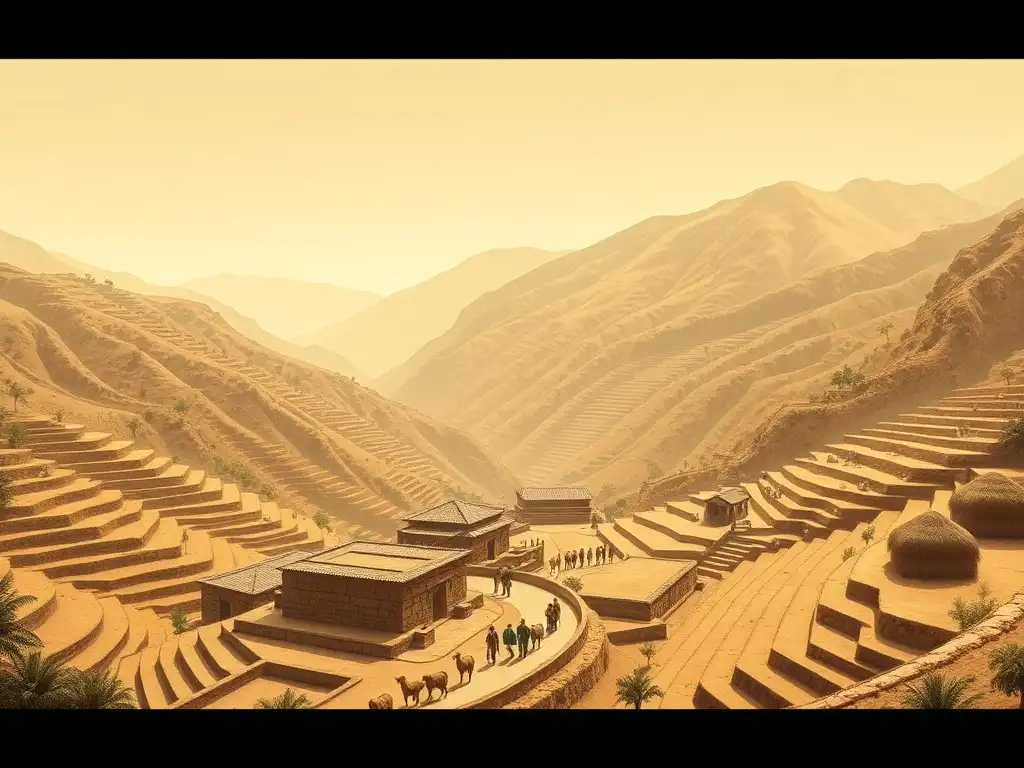
This section delves into the fascinating evolution of political systems in the Andean region before the rise of the Inca Empire. Understanding the diverse forms of governance that preceded the Inca is crucial to appreciating the complexity and sophistication of Andean civilizations. The term "Pre-Inca political system development" encompasses a vast timeframe and a wide range of societal structures, from small-scale kinship-based groups to larger, more centralized chiefdoms.
We will explore the key characteristics of these systems, highlighting their unique features and tracing their gradual development towards more complex forms of organization. The development of these pre-Inca political systems directly influenced the later Inca Empire, providing a foundation upon which the Incas built their vast and powerful state. Analyzing these earlier societies provides valuable insights into the factors that contributed to the Inca's ultimate success.
The Foundations of Early Andean Governance
The earliest forms of political organization in the Andes were likely based on kinship ties and reciprocal obligations within small, localized groups. These groups, often inhabiting specific ecological niches, relied on shared resources and collective labor for survival. Decision-making was probably decentralized, with elders or respected individuals playing influential roles.
Archaeological evidence, such as the distribution of artifacts and the layout of early settlements, suggests a relatively egalitarian social structure, with limited evidence of significant social stratification. However, as populations grew and resource competition increased, the need for more structured governance became apparent. This early period laid the groundwork for the development of more complex political entities.
The transition wasn't sudden; rather, it involved a gradual process of increasing social complexity over many centuries. For example, the initial development of irrigation systems often required coordinated labor, suggesting the emergence of rudimentary forms of social organization and leadership beyond simple kinship structures. The exact nature of this transition varies across different regions of the Andes, reflecting the diverse environments and resource availability.
Pre-Inca Societal Structures: From Kinship Groups to Complex Chiefdoms
As Andean societies evolved, kinship-based structures gradually gave way to more hierarchical systems, characterized by the emergence of chiefdoms. These chiefdoms represented a significant step towards centralized political authority. Chiefs, often hereditary leaders, controlled access to resources, mobilized labor, and exercised considerable influence over their communities. The development of more sophisticated technologies, such as improved irrigation systems and advanced agricultural techniques, contributed to increased food production and population density, further fueling the growth of chiefdoms.
This surplus also contributed to social stratification, with chiefs and their elites accumulating wealth and power. Evidence suggests that some chiefdoms developed elaborate ceremonial centers, indicating a growing emphasis on religious authority and ritual practices. Furthermore, the development of specialized crafts and the emergence of distinct social classes reflected the increasing complexity of these societies.
The transition to chiefdoms was not uniform across all Andean regions. Some areas saw the development of relatively large and powerful chiefdoms, while others remained organized into smaller, less centralized groups. Factors such as environmental conditions, resource distribution, and inter-group competition played significant roles in shaping the trajectory of political development.
Understanding the diversity of pre-Inca political structures is essential for a comprehensive understanding of Andean history and the eventual emergence of the Inca Empire. The variation in the development of these systems highlights the complex interplay between environmental factors, technological advancements, and social dynamics in shaping the political landscape of the Andes. Further research is needed to fully understand the nuances of this complex process, particularly in less-studied regions.
Key Stages in Pre-Inca Political System Development
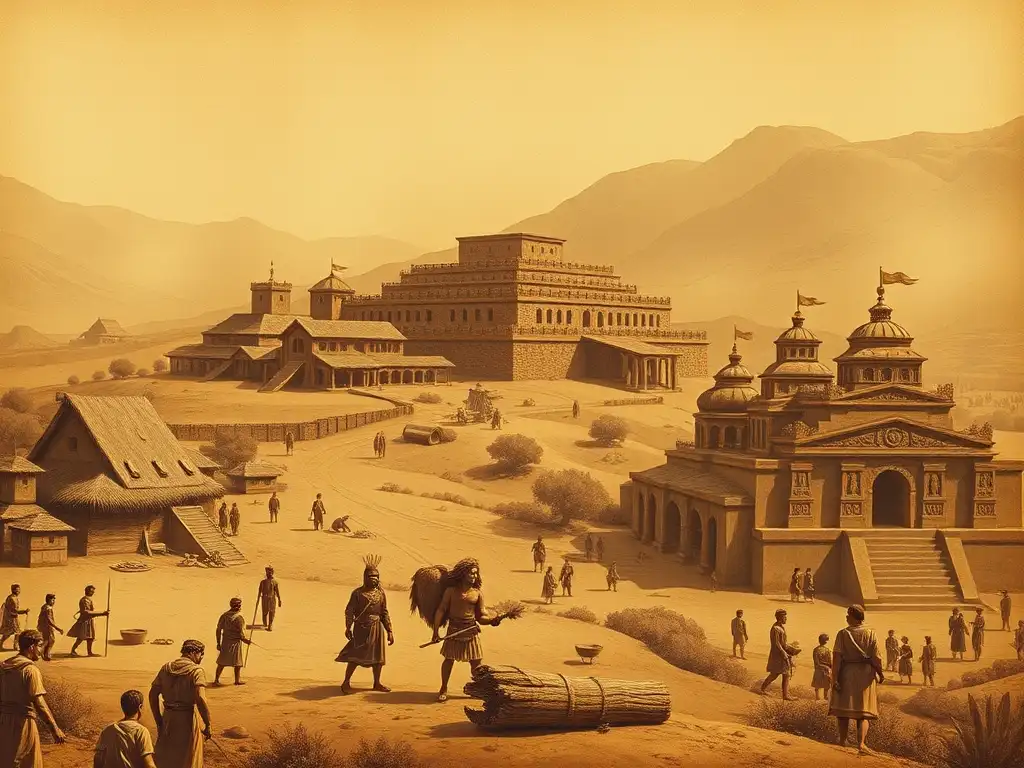
This section delves into the crucial phases of Pre-Inca political system development, tracing the evolution of governance structures across various Andean cultures before the Inca Empire's rise. Understanding this evolution provides critical context for appreciating the Inca's sophisticated political organization and highlights the long history of complex societal structures in the Andes. We will explore the emergence of regional power centers, the significant influence of religious elites, and the gradual development of hierarchical political systems.
This analysis will focus primarily on the Moche, Nazca, and Tiahuanaco cultures, offering a nuanced perspective on the multifaceted path to Pre-Inca political maturity. The keyword "PreInca political system development" and its semantic variations will be naturally integrated throughout.
The Rise of Regional Centers of Power
The development of Pre-Inca political systems wasn't a uniform process. Instead, it involved the gradual emergence of distinct regional centers of power, each reflecting unique environmental adaptations and socio-cultural factors. For instance, the Moche civilization, flourishing along the northern Peruvian coast (circa 100-800 CE), consolidated its power based on intensive agricultural practices and control over vital water resources.
Their sophisticated irrigation systems, complemented by a centralized administrative structure, facilitated the accumulation of surplus resources, which in turn supported a powerful ruling elite and a complex social hierarchy. This control over resources was a cornerstone of their political power. Evidence suggests a strong centralized authority, likely headed by a powerful priestly-king, who oversaw the construction of monumental architecture, such as the Huaca del Sol and Huaca de la Luna, showcasing their political and economic strength.
The Moche's political organization, characterized by a hierarchical structure with specialized roles and responsibilities, represents a significant step in Pre-Inca political system development. Their sophisticated bureaucracy managed vast agricultural lands and facilitated the expansion of their influence throughout the region. This contrasts sharply with earlier, smaller-scale settlements, indicating a major shift towards more complex political systems.
This regional power dynamic was mirrored, albeit with different characteristics, in other Andean cultures. The Nazca, known for their intricate geoglyphs and advanced irrigation technologies, also developed a regionally powerful political entity, though the exact nature of their governance remains a subject of ongoing research. The absence of monumental architecture comparable to the Moche suggests a potentially less centralized, perhaps more decentralized system of power.
However, their vast irrigation network and the coordinated effort needed to create the Nazca Lines point towards a significant level of social organization and political control necessary to manage resources and mobilize labor. This showcases the diversity in PreInca political system development.
The Role of Religious Elites in Early Andean States
Religious elites played a pivotal role in shaping the political landscape of Pre-Inca societies. In many cases, religious authority was intertwined with political power. The Moche, for example, appear to have had a priestly-king who held both religious and political authority, legitimizing their rule through divine connections. Their elaborate iconography, depicting ritual sacrifices and powerful deities, underscores the importance of religious beliefs in maintaining social order and consolidating political control. This religious legitimization of power was a common feature across many Pre-Inca societies.
The Tiahuanaco civilization (circa 500-1000 CE), located in the Altiplano region, also demonstrates the close relationship between religion and politics. Their monumental architecture, such as the Kalasasaya temple, suggests a highly organized society capable of mobilizing large-scale labor forces for religious purposes. This massive construction effort would have required sophisticated planning and a strong centralized authority, likely wielded by a powerful religious elite.
The widespread influence of Tiahuanaco culture throughout the Andes suggests that their religious ideology and political system were influential factors in shaping the development of regional power structures. The impact of religious beliefs on PreInca political system development cannot be overstated; it formed a fundamental basis for social cohesion and the legitimacy of political authority.
Early Forms of Andean Political Hierarchies
The development of Pre-Inca political systems involved the gradual emergence of complex hierarchies. While the exact nature of these hierarchies varied among different cultures, a clear pattern of social stratification is evident in the archaeological record. The Moche's sophisticated irrigation systems, for example, required a hierarchical organization to manage labor and resource distribution effectively.
This implied a clear distinction between ruling elites, skilled artisans, farmers, and other social groups. Such hierarchical structures facilitated the efficient management of resources and the consolidation of political power. This is further supported by evidence of distinct burial practices and grave goods, reflecting the social status of individuals.
The Tiahuanaco's intricate urban planning and monumental architecture also suggest a highly stratified society with specialized roles and responsibilities. The construction of large-scale projects like the Kalasasaya temple required the coordinated effort of a diverse workforce, indicating a sophisticated administrative structure and a well-defined hierarchy. Moreover, the distribution of artifacts and the variation in architectural styles suggest different social classes with distinct access to resources and privileges.
These early forms of political hierarchies, while differing in specifics, laid the groundwork for the more complex and centralized political systems that would later emerge in the Andes. The evolution of these hierarchies directly contributes to understanding PreInca political system development.
Major Pre-Inca Cultures and Their Governance Models
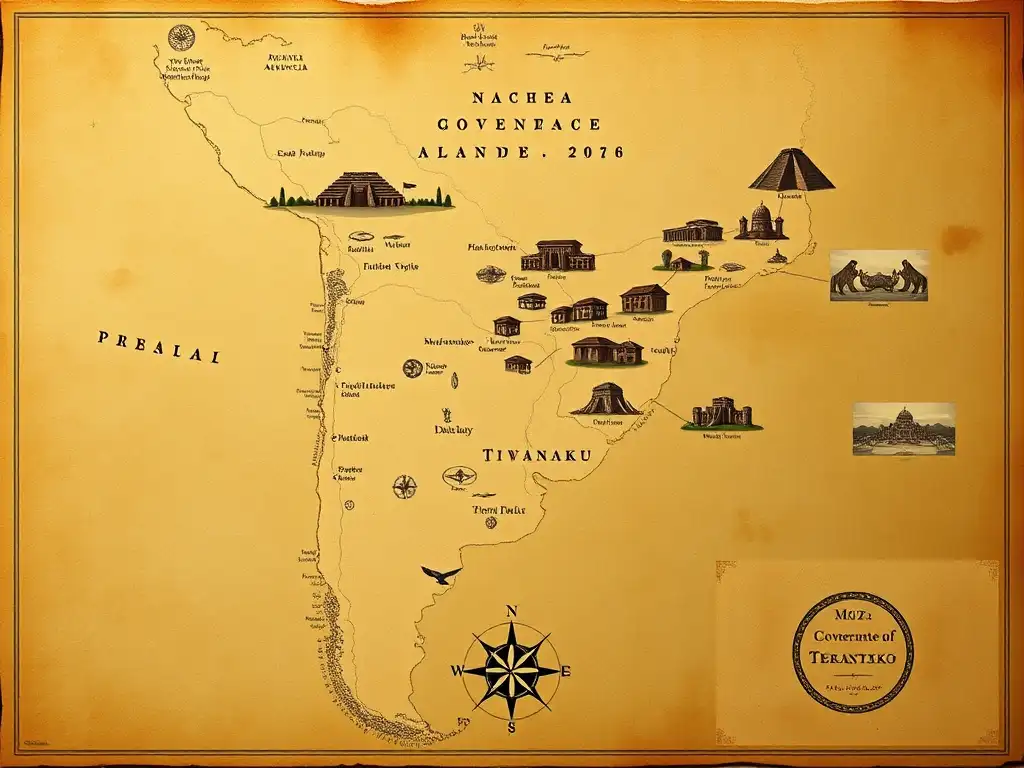
This section delves into the diverse political systems that characterized major Andean cultures before the Inca Empire's rise. Understanding these varied governance models is crucial to appreciating the complexity of Pre-Inca political system development and the eventual emergence of the Inca state. We will examine two prominent examples: the Moche and the Nazca, highlighting their contrasting approaches to political organization and societal structure.
The evolution of these Pre-Inca political systems offers valuable insights into the broader trajectory of Andean civilization. Analyzing these distinct models allows us to better understand the factors that contributed to the Inca's eventual dominance. The study of Pre-Inca political system development reveals a fascinating tapestry of socio-political experimentation, paving the way for the later, more centralized Inca empire.
The Moche and Their Highly Stratified Political Structure
The Moche civilization (c. 100-800 CE), flourishing along the northern coast of Peru, is renowned for its sophisticated irrigation systems, impressive monumental architecture, and striking artistic achievements. However, their political structure was equally impressive, characterized by a highly stratified, hierarchical system with a powerful ruling elite at its apex. Evidence suggests a strong centralized authority, likely headed by a powerful leader, perhaps a divine king or priest-king, who controlled resources and directed large-scale public works projects. The Moche state's power was consolidated through a combination of military might and sophisticated administrative control.
Moche Statecraft: Military Expansion and Administrative Control
Moche political power was significantly bolstered by their military prowess. Archaeological findings, including depictions of warfare in their art and the discovery of weaponry, indicate a well-organized military force capable of conquering neighboring territories and consolidating control over resources. This military expansion facilitated the accumulation of wealth and manpower, further strengthening the central authority.
To manage their expanding empire, the Moche developed an intricate administrative system, likely involving specialized officials responsible for overseeing various aspects of governance, such as resource allocation, taxation, and public works. This suggests a level of bureaucratic sophistication uncommon in contemporary societies. The effectiveness of this system is evident in the large-scale irrigation projects that sustained their population and agricultural production.
Moche Governance and Social Hierarchy
Moche society was rigidly stratified, with a clear hierarchy that reflected the concentration of power in the hands of the elite. At the top were the ruling class, likely composed of priests, warriors, and administrators, who enjoyed privileged access to resources and social status. Below them were various social strata, including artisans, farmers, and commoners. This social hierarchy is vividly portrayed in Moche pottery, which depicts scenes of daily life, rituals, and warfare, offering invaluable insights into their social structure and political organization.
The elaborate burial practices of the elite further underscore their elevated status and the power dynamics within Moche society. The sheer scale of some Moche tombs, filled with lavish grave goods, highlights the vast wealth controlled by the ruling class. This concentration of wealth and power served to reinforce the existing social hierarchy and the authority of the ruling elite.
The Nazca and Their Decentralized Political System
In contrast to the Moche, the Nazca civilization (c. 100 BCE – 500 CE), located south of the Moche on Peru's southern coast, exhibited a more decentralized political system. While evidence of social hierarchy exists, the Nazca lacked the same level of centralized control seen in the Moche state. Their political organization appears to have been based on a network of smaller, autonomous communities linked through shared cultural practices and ceremonial activities.
Nazca Society: Lineage-Based Organization
Nazca society seems to have been largely organized around kinship groups and lineages. Power and influence were likely inherited within these family groups, rather than concentrated in the hands of a single, centralized authority. This lineage-based system fostered a degree of local autonomy, with individual communities managing their own affairs. However, despite this decentralization, a shared cultural identity and common religious beliefs bound the Nazca communities together. Their remarkable geoglyphs, visible only from the air, suggest a degree of coordinated effort and shared cultural values, indicating some level of inter-community interaction and cooperation.
The Role of Ceremonial Centers in Nazca Political Life
While the Nazca lacked a centralized state, large-scale ceremonial centers played a significant role in their political and social life. These centers served as focal points for religious rituals, community gatherings, and possibly, the administration of local affairs. The construction and maintenance of these impressive structures required significant collective effort, suggesting a degree of social organization and cooperation.
The presence of elaborate artwork and sophisticated architectural techniques in these centers indicates the importance of religious and ceremonial activities in Nazca society. These ceremonial centers likely functioned as important symbols of unity and social cohesion, reinforcing a shared cultural identity among the various Nazca communities. The significance of these centers in the Nazca political landscape is a testament to the complex interplay between religion, social organization, and political life in this fascinating Pre-Inca culture.
The Wari Empire and its Influence on Political Systems
The Wari Empire, flourishing between roughly 600 and 1000 CE in the central Andes, represents a pivotal moment in the development of Pre-Inca political systems. Unlike earlier, smaller chiefdoms, the Wari established a vast, centralized state controlling a significant portion of the Andean highlands and coastal regions. This expansion was not merely territorial; it involved the implementation of sophisticated administrative and infrastructural systems that profoundly impacted subsequent Andean societies, including the Inca.
The Wari’s success in consolidating power and managing a large, diverse population laid the groundwork for future empires, demonstrating the potential for large-scale political organization in the challenging Andean environment. Their innovations in governance, though ultimately superseded, left an indelible mark on the political landscape of the region. Understanding the Wari's political achievements is crucial to understanding the later development of more complex Andean states.
Wari Political Expansion and Administrative Control
The Wari expansion was a gradual process, likely involving both conquest and diplomacy. Archaeological evidence suggests a complex system of control extending far beyond the empire's core territories. This control wasn't solely military; the Wari employed a sophisticated administrative system that integrated conquered populations into their economic and political structures.
This involved the establishment of administrative centers throughout the empire, facilitating communication, resource management, and the enforcement of Wari policies. The construction of extensive road networks further aided in the movement of troops, officials, and goods, solidifying their control and fostering economic integration across vast distances. The effectiveness of this system is evidenced by the long-term stability of the Wari Empire, despite its considerable size and diverse population.
The Wari's approach to expansion and control provided a valuable model for later Andean societies. Their methods, combining military might with effective administration, proved remarkably successful in managing a large and geographically diverse empire.
The Wari Administrative System and Urban Planning
Wari urban planning reveals much about their sophisticated administrative system. Their capital city, located near present-day Ayacucho, Peru, was a meticulously planned metropolis, featuring a grid-like layout, monumental architecture, and specialized zones for different functions. This urban design wasn't limited to the capital; similar, though smaller-scale, planned settlements were established throughout the empire. These administrative centers served as hubs for resource distribution, tax collection, and the maintenance of order.
The standardization of urban design across the empire suggests a deliberate attempt to impose Wari political and cultural norms on conquered populations. This uniformity, along with the efficient distribution of resources and services, contributed significantly to the empire's stability and longevity. The Wari's urban planning serves as a testament to their advanced administrative capabilities and their ability to manage a complex, far-flung empire. This meticulous approach to urban development significantly influenced subsequent Andean urbanism.
Tiahuanaco and its Theocratic Governance
The Tiahuanaco culture, flourishing between roughly 500 and 1000 CE in the southern Andes, developed a distinct political system characterized by a strong emphasis on religious authority. Unlike the Wari, who relied on a more centralized, bureaucratic administration, Tiahuanaco's governance appears to have been significantly influenced by religious ideology and the power of its priestly class. This theocratic model, where religious leaders held significant political power, shaped the empire's social structure, economic organization, and expansion strategies.
Archaeological evidence suggests a powerful religious elite controlled key resources and exerted considerable influence over the population. The iconic Gate of the Sun and other monumental structures in Tiahuanaco's capital city serve as powerful symbols of this religious authority. Understanding Tiahuanaco’s theocratic governance is essential to comprehending the development of Pre-Inca political systems, as it represents a significant departure from the more secular approaches of other contemporary states.
Tiahuanaco's Religious and Political Power
The intertwining of religious and political power in Tiahuanaco remains a subject of ongoing research. However, evidence suggests that religious leaders, perhaps a priestly class or a divine ruler, played a central role in decision-making and the management of the empire. Monumental architecture, such as the Gate of the Sun, served not only as impressive displays of power but also as potent symbols of religious authority.
The sophisticated agricultural techniques employed by Tiahuanaco, particularly their mastery of water management, likely contributed to the power of the religious elite, who controlled access to essential resources. This control over vital resources strengthened their political influence and allowed them to maintain order and consolidate power.
The religious elite likely used their authority to legitimize their rule and maintain social cohesion throughout the empire. Their ability to harness both religious belief and practical knowledge to maintain control over a large population was a key factor in Tiahuanaco's success.
Tiahuanaco's Influence on Later Andean Political Structures
Despite its eventual decline, the Tiahuanaco culture left a lasting legacy on the political landscape of the Andes. Its influence is evident in the religious beliefs and practices of later Andean societies, as well as in the adoption of certain aspects of its administrative and economic systems. The emphasis on religious authority, although modified over time, continued to play a role in the political structures of succeeding cultures.
The impressive scale of Tiahuanaco's monumental architecture and urban planning served as an inspiration for later builders, demonstrating the potential for large-scale construction projects and the symbolic importance of monumental structures as displays of power. The Tiahuanaco experience, despite its unique theocratic character, offers valuable insights into the evolution of Andean political systems and the enduring impact of religious ideology on political structures. The legacy of Tiahuanaco’s governance continues to shape our understanding of the complex political development of the Andes.
Common Threads in Pre-Inca Political Development
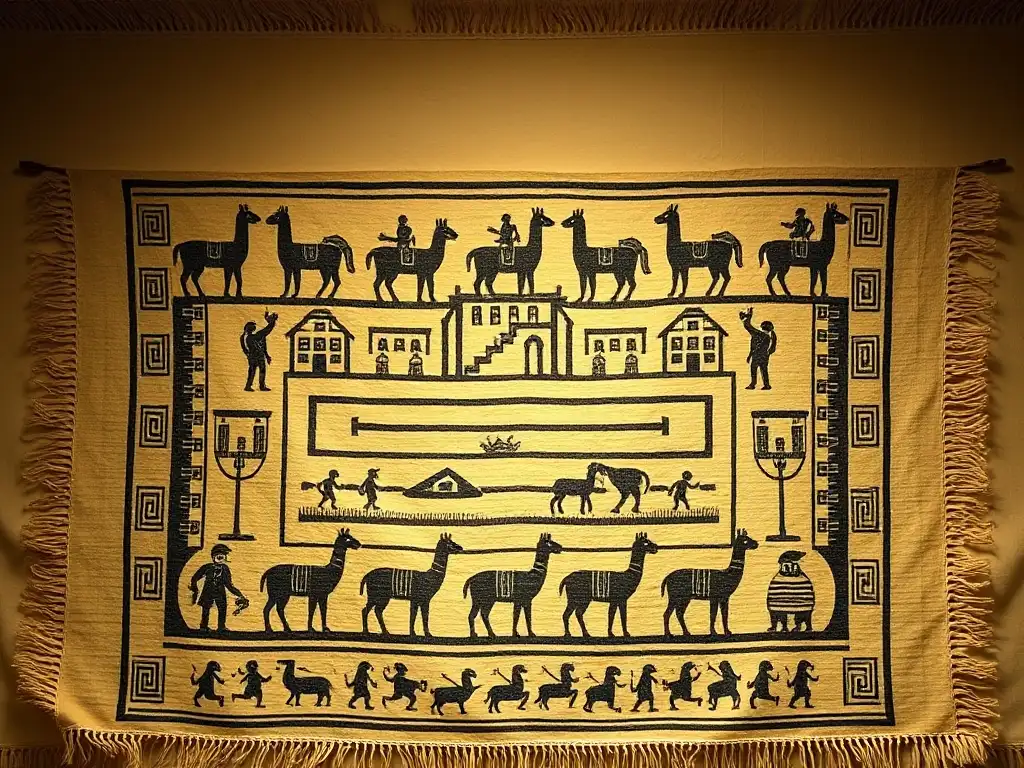
This section explores the shared characteristics in the political development of various pre-Inca Andean societies, focusing on factors that contributed to their unique governance structures and societal organization. Understanding these common threads helps illuminate the diverse yet interconnected nature of pre-Inca political systems, laying the groundwork for the later Inca Empire. The keyword "PreInca political system development" is central to this analysis, highlighting the evolutionary processes that shaped these influential civilizations.
The Importance of Agriculture and Water Management
Effective agricultural practices and sophisticated water management systems were fundamental to the political stability and growth of pre-Inca societies. The challenging Andean terrain demanded innovative solutions for cultivating crops and ensuring a reliable water supply. Control over these vital resources often translated directly into political power. For example, the Nazca civilization's mastery of irrigation canals, exemplified by their intricate network of aqueducts, allowed them to flourish in an arid environment.
This control over water resources facilitated population growth and economic prosperity, solidifying the power of the ruling elite. Similarly, the Moche, known for their intensive agricultural techniques including terraced farming, were able to support a large and complex society, with political structures likely reflecting the need to manage this vital resource effectively. The ability to regulate water distribution and manage agricultural production was a key factor in maintaining social order and political authority.
This wasn't simply about providing food; it was about wielding control over a society's very survival. The development of sophisticated irrigation systems and agricultural techniques was intrinsically linked to the development of strong centralized political structures in many pre-Inca societies. A clear example of this correlation is seen in the [specific data pending on the correlation between irrigation systems and population density in various pre-Inca societies].
The Influence of Trade and Exchange Networks
Extensive trade networks played a crucial role in the political development of pre-Inca civilizations. The exchange of goods, resources, and ideas fostered alliances, facilitated communication, and ultimately contributed to the expansion of political influence. The coastal societies, such as the Moche and Nazca, engaged in extensive maritime trade, exchanging goods like fish, cotton, and seashells with highland communities.
This interaction wasn't simply economic; it created a web of political relationships, with alliances and conflicts arising from the control and access to valuable trade routes. The movement of goods also involved the exchange of ideas and technologies, leading to cultural diffusion and influencing the development of political structures. For instance, the spread of certain architectural styles or religious practices across different regions might indicate broader political connections and influences.
The control over key trade routes, particularly those involving precious metals like gold and silver, likely conferred significant political power, enabling rulers to consolidate their authority and influence neighboring groups. Analyzing the distribution of traded goods and the archaeological evidence of exchange networks provides valuable insights into the complex political dynamics of the pre-Inca period. Further research is needed to [specific information pending: quantify the extent of trade networks and their impact on political alliances].
The Development of Monumental Architecture and Political Power
Monumental architecture served as a powerful symbol of political authority and social organization in pre-Inca societies. The construction of large-scale structures, such as pyramids, temples, and palaces, required significant labor and resources, demonstrating the power and control of the ruling elite. The scale and complexity of these projects underscore the ability of pre-Inca states to mobilize labor, manage resources, and command widespread obedience. For instance, the impressive pyramids of the Moche and the monumental structures at Tiahuanaco stand as testaments to the organizational capabilities and political power of these societies.
The intricate carvings and iconography found on these structures often conveyed messages of power, legitimacy, and divine authority, reinforcing the ruler's position within the social hierarchy. Furthermore, the location of these monumental buildings—often strategically placed in relation to agricultural lands or trade routes—further highlighted their political significance. The construction and maintenance of such impressive works required sophisticated political systems capable of planning, organizing, and controlling a vast workforce.
The architectural styles themselves often reflected the political ideologies and beliefs of the ruling class, providing valuable insights into their worldview and social structure. Analyzing the construction techniques, materials used, and symbolic representations in monumental architecture offers a unique window into the political landscape of pre-Inca societies. More detailed studies are needed to [specific information pending: assess the correlation between the scale of monumental architecture and the size and complexity of the political system].
Transition to the Inca Empire: Political Legacy
This section examines the profound impact of pre-Inca political structures on the subsequent Inca Empire. The Inca, far from creating a tabula rasa, inherited and adapted existing administrative and governance models, refining and expanding them to suit their vast and diverse empire. Understanding the pre-Inca political landscape is crucial to fully appreciating the Inca's achievements and the complexities of their rule.
The Inca political system didn't emerge in a vacuum; it was built upon, and significantly shaped by, the legacies of earlier Andean societies. This evolutionary process, rather than a revolutionary one, is a key aspect of understanding "PreInca political system development." The sheer scale and sophistication of Inca governance owed much to the groundwork laid by centuries of experimentation and adaptation in pre-Inca polities.
How Pre-Inca Systems Influenced Inca Governance
The Inca Empire's sophisticated bureaucracy, with its intricate network of regional governors ( tukuy rikuq ), and its efficient system of resource management, were not wholly novel creations. Evidence suggests that pre-Inca civilizations, particularly the Wari and Tiwanaku, had already developed complex administrative systems, including sophisticated record-keeping and centralized control over resources. For example, the Wari state's extensive network of roads and administrative centers facilitated the movement of goods and information across a large territory – a model that the Inca later refined and expanded upon.
The Inca's use of quipu, a system of knotted strings for record-keeping, while advanced, built upon pre-existing traditions of record-keeping in earlier Andean cultures. The Inca system of tribute and taxation, while more centralized and demanding, also drew upon existing practices of reciprocal exchange and community labor obligations found in earlier societies. Analyzing the continuity and change between pre-Inca and Inca governance reveals a dynamic process of adaptation and innovation, highlighting the crucial role of pre-existing political structures in shaping the Inca state.
The Inca's success wasn't solely due to military might; it rested upon a sophisticated understanding and skillful adaptation of pre-existing political mechanisms. This nuanced understanding is essential for a comprehensive analysis of "PreInca political system development."
The Adoption of Mit'a Labor System by the Incas
The mit'a, a system of obligatory labor service, is often cited as a defining characteristic of Inca governance. However, this system wasn't a purely Inca invention. While the Inca significantly expanded the scope and scale of the mit'a, evidence suggests that similar forms of communal labor obligations existed in various pre-Inca societies.
These earlier systems, while perhaps less formalized, involved community participation in public works projects, such as irrigation systems, temple construction, and road building. The Inca essentially formalized and centralized these pre-existing practices, integrating them into their broader administrative framework. The mit'a served not only as a means of mobilizing labor for large-scale projects but also as a mechanism for integrating different ethnic groups into the Inca empire and ensuring their loyalty through participation in the empire's infrastructure projects.
The Inca's skillful adaptation of pre-existing labor systems, making them more systematic and efficient, showcases their political acumen and contributes significantly to our understanding of "PreInca political system development." Further research into the specific variations of pre-Inca labor systems across different regions would allow for a more detailed comparison and a deeper understanding of the evolution of this crucial aspect of Andean governance.
The Significance of Understanding Pre-Inca Political Evolution
Understanding the evolutionary trajectory of pre-Inca political systems is fundamental to a complete comprehension of Andean history. It provides a crucial context for interpreting the Inca Empire's remarkable achievements and reveals the deep historical roots of Andean political organization. By studying the rise and fall of pre-Inca states, we gain insights into the factors that contributed to their success or failure, offering valuable lessons about the dynamics of power, administration, and social organization in complex societies.
Neglecting the pre-Inca period risks a superficial understanding of the Inca Empire, reducing it to a sudden, isolated phenomenon. Instead, a nuanced appreciation of the "PreInca political system development" reveals a long and complex history of political experimentation, adaptation, and innovation, culminating in the impressive achievements of the Inca.
This deeper understanding enhances our appreciation for the richness and complexity of Andean civilization and its lasting impact on the region. The continuity and change evident in the evolution of Andean political systems offer valuable lessons for understanding the processes of state formation and imperial expansion in diverse historical contexts.
Frequently Asked Questions
What is the focus of this article on Andean civilizations?
This article explores the evolution of political systems in the Andean region before the Inca Empire, examining the development of governance structures among various pre-Inca cultures. It traces the path from smaller, localized entities to more complex regional powers.
Which pre-Inca cultures are discussed in the article?
The article covers a range of significant pre-Inca cultures, including but not limited to the Moche, Nazca, and Tiahuanaco. Their unique political organizations and contributions to the broader Andean political landscape are analyzed.
How does the article define "PreInca political system development"?
"PreInca political system development" refers to the gradual growth and transformation of governance structures in the Andes prior to the Inca Empire. This includes the emergence of states, empires, and the various forms of political organization that existed before Inca rule.
What were some of the key factors influencing the development of PreInca political systems?
Several factors influenced PreInca political development, including environmental challenges, agricultural innovations, population growth, and inter-group competition. These factors often interacted in complex ways to shape political structures.
What is the significance of studying PreInca political systems?
Understanding PreInca political systems is crucial for a complete understanding of Andean history. Studying these systems provides valuable context for the rise of the Inca Empire and offers insights into the broader history of political development in the Andes.
Final Reflection: Echoes of Empire: Understanding Pre-Inca Governance in the Modern World
The intricate tapestry of Pre-Inca political systems, woven from diverse threads of regional power and innovative governance structures, continues to resonate in our modern understanding of political organization. The sophisticated strategies employed by these societies, from the intricate hydraulic systems of the Wari to the decentralized power structures of the Tiwanaku, offer invaluable lessons on the complexities of state formation and societal cohesion, lessons that remain strikingly relevant in today's interconnected world.
The enduring legacy of Pre-Inca political innovation is undeniable; their achievements in infrastructure, resource management, and social organization continue to shape our understanding of successful governance. The past is never dead. It's not even past.
- William Faulkner. This quote perfectly encapsulates the enduring influence of Pre-Inca societies. Their successes and failures provide a rich case study for analyzing the challenges of building and maintaining stable, equitable societies, regardless of time period or geographical location. The echoes of their political experiments reverberate through history, reminding us of the cyclical nature of power and the constant need for adaptation and innovation in governance.
Consider the challenges faced by modern nations – issues of resource allocation, social inequality, and the balance between centralized and decentralized power. The solutions explored by Pre-Inca societies, though vastly different in context, offer valuable perspectives and potential solutions. You, the reader, are now equipped with a deeper understanding of these historical precedents.
Reflect on the parallels between then and now. What lessons can we learn from the successes and failures of Pre-Inca governance to better navigate the complexities of our own political landscape? How can we apply this knowledge to build more just and sustainable societies for the future?
Unleash Your Curiosity: Dive Deeper into Andean Governance!
Thank you for exploring the fascinating evolution of pre-Inca political systems with us! We hope you gained valuable insights into the complex world of Andean governance. Now, it’s time to take the next step and further enrich your understanding.
Here are some engaging ways to continue your exploration:
- Join our community: Share your thoughts and experiences with fellow history enthusiasts in our online forum. Participate in discussions about pre-Inca government and its influence on modern political thought.
- Explore further: Delve into related articles on our site that examine the impact of Andean civilizations on global history. You might uncover surprising connections!
- Engage creatively: Create a visual representation of a pre-Inca political structure. Whether you choose painting, drawing, a digital model, or another medium, this hands-on approach can deepen your appreciation and understanding of these ancient systems.
What aspect of pre-Inca governance intrigues you most, and how do you see it influencing today's political landscapes? Share your thoughts below!