
Nazca's Enigma: How Ritual and Art Defined a Flourishing Andean Society

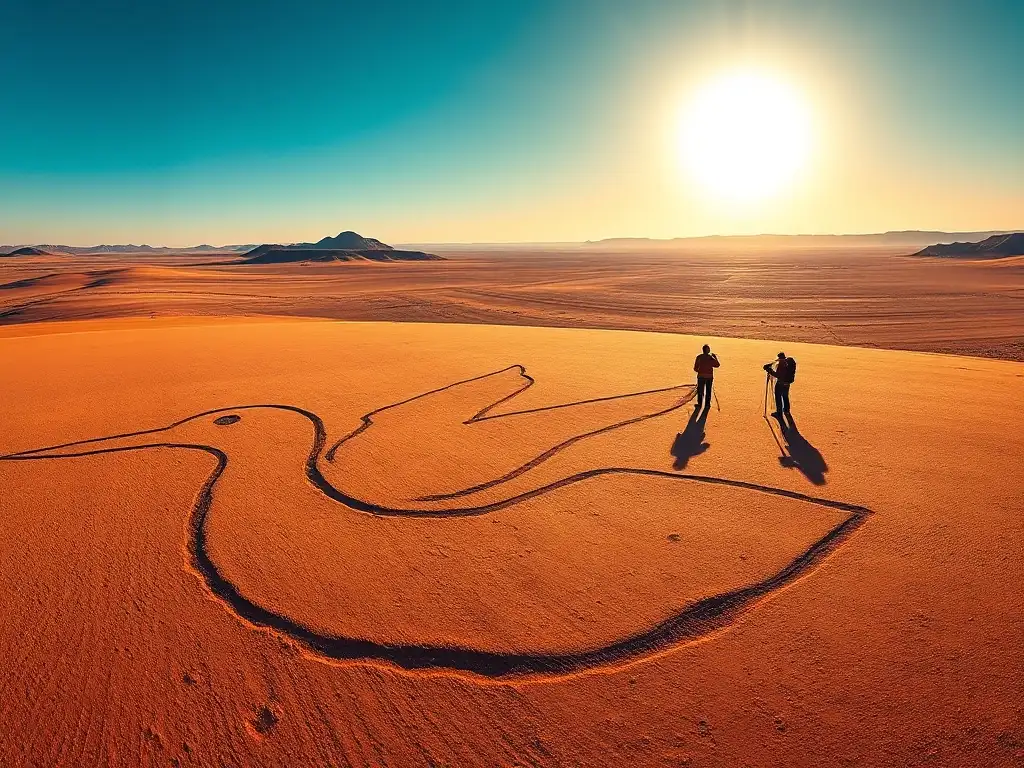
Welcome to Andean Civilizations, a journey into the heart of a fascinating world. Prepare to be captivated by the ingenuity and artistry of ancient Andean societies. But first, unravel the mystery: what secrets lie hidden within the Nazca culture's ritual practices? Dive into our exploration of their unique customs and discover how these rituals shaped their vibrant and enduring legacy. Uncover the enigma – your adventure begins now.
The Nazca culture, flourishing along the southern coast of Peru from approximately 100 BC to 800 AD, remains one of the most enigmatic and fascinating of the ancient Andean civilizations. Their mastery of irrigation, their breathtaking geoglyphs etched into the desert landscape, and their sophisticated artistic and ceremonial practices all contribute to a compelling picture of a society that thrived in a seemingly inhospitable environment.
This article delves into the intricate world of Nazca ritual and art, exploring how these elements shaped their social structure, beliefs, and overall flourishing. We will unravel the mysteries surrounding their unique culture and examine the evidence that reveals the significance of ritual practices within their daily lives and societal organization.
Understanding Nazca culture ritual practices provides a crucial lens through which to appreciate the complexity and ingenuity of this remarkable civilization. The intricate interplay between their artistic expressions and deeply ingrained rituals offers a captivating glimpse into a world both alien and strangely familiar.
The Significance of Nazca Geoglyphs in Ritual Practices
The iconic Nazca Lines, sprawling geoglyphs etched into the desert surface, are perhaps the most widely recognized aspect of Nazca culture. However, their precise purpose remains a subject of ongoing debate. While some theories propose astronomical or calendrical functions, growing evidence suggests a strong connection to ritual practices.
The immense scale of these figures – some extending for hundreds of meters – implies a significant investment of labor and resources, suggesting a crucial role in their social and religious life. The meticulous planning and execution of these designs point to sophisticated organizational skills and a shared belief system that prioritized these monumental artworks. Detailed analysis of the geoglyphs' locations and orientations, combined with evidence from associated settlements, may yet reveal further clues about their ritual significance.
Furthermore, recent archaeological discoveries near the geoglyphs themselves are beginning to shed light on the rituals performed in conjunction with their creation and maintenance. These discoveries highlight the importance of understanding the Nazca Lines not simply as artistic achievements, but as integral components of a complex system of religious beliefs and practices.
Evidence of Ritual Sacrifice in Nazca Society
Archaeological excavations have unearthed compelling evidence of ritual sacrifice within Nazca society. Human remains, often accompanied by grave goods such as ceramics and textiles, have been found in various contexts, suggesting a range of sacrificial practices.
The condition of these remains, along with the artifacts found alongside them, provides insights into the social status of the individuals sacrificed and the nature of the ceremonies in which they participated. While the precise reasons behind these sacrifices remain a subject of ongoing research, it is clear that they played a significant role in Nazca religious beliefs and social control.
The discovery of elaborate burial sites, containing multiple individuals and rich offerings, suggests that these events were carefully planned and executed, likely involving large segments of the population. Analysis of isotopic ratios in the bones of sacrificed individuals might reveal information about their diets and origins, providing further details about the social dynamics of these rituals.
Nazca Ceramics: A Window into Ritual and Belief
Nazca ceramics are renowned for their vibrant colors, intricate designs, and exceptional artistry. These artifacts are not merely decorative objects; they serve as invaluable sources of information about Nazca cosmology, mythology, and ritual practices. The depiction of deities, mythical creatures, and ritual scenes on these vessels provides direct visual evidence of their beliefs and worldview. The consistent iconography found across various ceramic styles suggests a shared understanding of religious symbolism and a highly structured system of beliefs.
The careful selection of materials and the meticulous craftsmanship involved in creating these vessels further emphasize their importance within Nazca society. The detailed analysis of ceramic styles and iconography, combined with contextual archaeological findings, allows researchers to reconstruct the social and religious contexts in which these objects were used and exchanged. This provides a rich tapestry of information about the daily lives and spiritual beliefs of the Nazca people.
The Role of Textiles in Nazca Ritual Practices
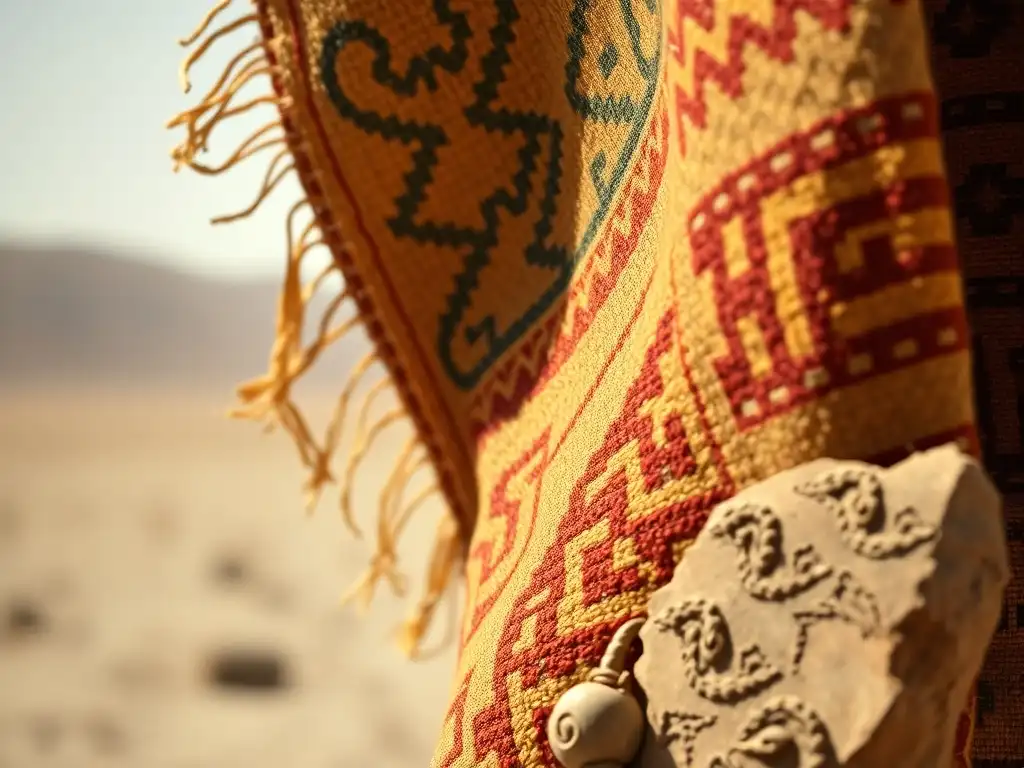
Beyond ceramics, Nazca textiles also offer significant insights into their ritual and social life. The intricate weaving techniques, vibrant colors, and symbolic designs found on these textiles suggest their use in ceremonial contexts. The discovery of textiles in elite burials and ceremonial sites strongly indicates their importance in ritual practices. The detailed patterns and motifs woven into the fabric often mirror those found on ceramics, suggesting a shared symbolic language and a connection between the two art forms.
The effort and skill involved in creating these textiles point to a high degree of specialization and social organization within Nazca society. Further research into the dyes and materials used in textile production may reveal additional information about trade networks and resource management within the Nazca culture. The study of textiles provides a complementary perspective on Nazca ritual practices, reinforcing and enriching the insights gained from other archaeological sources.
Conclusion: Unraveling the Nazca Enigma
The Nazca culture, through its unique blend of artistic expression and deeply ingrained ritual practices, offers a captivating glimpse into the complexities of ancient Andean society. By examining the evidence from geoglyphs, sacrificial practices, ceramics, and textiles, we can begin to unravel the mysteries surrounding their beliefs, social structures, and the reasons for their remarkable flourishing.
Further research and analysis are needed to fully understand the significance of Nazca culture ritual practices, but the available evidence already paints a vivid and fascinating picture of a civilization that continues to inspire awe and wonder. The ongoing investigations into Nazca culture promise to reveal even more about this enigmatic society and its enduring legacy.
- The Significance of Nazca Geoglyphs in Ritual Practices
- Evidence of Ritual Sacrifice in Nazca Society
- Nazca Ceramics: A Window into Ritual and Belief
- The Role of Textiles in Nazca Ritual Practices
- Conclusion: Unraveling the Nazca Enigma
- What were the most important ritual practices of the Nazca culture?
- How did Nazca art reflect their ritual practices?
- What role did the geoglyphs play in Nazca culture and ritual?
- What evidence supports the idea of human sacrifice in Nazca culture?
- How did the Nazca's ritual practices impact their social structure?
The Nazca Culture: An Introduction to an Ancient Andean Society
This section delves into the fascinating Nazca culture, focusing specifically on their ritual practices and how these intertwined with their artistic expressions to shape their society. We will examine their geographical location, the timeframe of their flourishing, and their intricate social organization, all crucial elements in understanding the Nazca's unique legacy. Understanding Nazca culture ritual practices is key to unlocking their enigmatic civilization.
Geographical Setting of the Nazca Civilization
The Nazca civilization thrived in a geographically challenging yet remarkably productive region of southern Peru. Situated along the arid Pacific coast, the Nazca's territory extended inland into the valleys of the Andes foothills. This seemingly inhospitable environment, characterized by deserts, scarce rainfall, and limited arable land, forced the Nazca to develop sophisticated irrigation systems to sustain their agriculture.
Their ingenuity in harnessing limited water resources is a testament to their adaptability and resourcefulness. The Nazca River valley, a crucial lifeline, played a central role in shaping their settlements and influencing their agricultural practices. The presence of oases provided small pockets of fertile land, while the surrounding deserts offered unique resources like minerals and specific plant life utilized in their crafts and rituals.
The unique geography, characterized by its stark contrasts between barren desert and fertile oases, profoundly impacted their worldview and their relationship with the environment, reflected vividly in their art and ritual practices. The precise boundaries of their influence, however, remain a subject of ongoing research and debate among archaeologists. More detailed mapping of settlements and irrigation canals is needed to fully understand the extent of their geographical reach.
Chronological Context of the Nazca Culture
The Nazca culture flourished between approximately 100 BCE and 800 CE. This period, spanning several centuries, witnessed significant developments in their artistic, technological, and social spheres. Archaeological evidence suggests a gradual evolution of their culture, with stylistic changes in pottery and textiles reflecting shifts in societal structures and beliefs.
The beginning of the Nazca period is marked by a transition from earlier regional styles, exhibiting a distinct break with preceding cultures. The height of Nazca power and influence is generally placed between 200 CE and 500 CE, a period marked by the creation of the famous Nazca Lines and complex irrigation systems. The decline of the Nazca culture is less clearly defined, with evidence suggesting a gradual integration with other Andean societies and a potential influence from the Wari culture.
Pinpointing the exact causes of their decline requires further investigation, with hypotheses ranging from environmental changes to internal societal pressures. Precise dating of artifacts and settlements using advanced techniques like radiocarbon dating is crucial to refine our understanding of the Nazca timeline and the dynamics of their cultural evolution. More research is necessary to fully understand the nuances of the chronological shifts within the Nazca culture and the reasons behind their eventual transformation.
The Societal Structure of the Nazca People
The societal structure of the Nazca people was hierarchical, with evidence suggesting a complex organization of power and social roles. While a centralized state is not fully evidenced, archaeological finds like elaborate tombs and distinct burial practices indicate a stratified society. Elites, likely priests or rulers, enjoyed privileged access to resources and were buried with elaborate grave goods, reflecting their high status. The presence of large-scale public works, such as the intricate irrigation canals and the monumental Nazca Lines, indicates a degree of centralized organization and the ability to mobilize significant labor.
The common people, likely farmers and artisans, formed the majority of the population, contributing their skills and labor to the maintenance of the society. The role of religious specialists, likely closely tied to the elite, is evident in the elaborate rituals and iconography associated with their religious beliefs. However, the exact nature of their social interactions and the mechanisms of power remain largely speculative.
Further investigation into settlement patterns, analysis of social stratification through burial goods, and detailed studies of iconography are needed to paint a clearer picture of Nazca social organization and the dynamics of power within their society. Understanding the nuances of their social structure is crucial to interpreting the meaning and significance of their ritual practices and artistic expressions. The interplay between social hierarchy and ritual observance formed a critical aspect of Nazca culture.
Nazca Culture Ritual Practices: Connecting with the Divine
The Nazca culture, famed for its enigmatic geoglyphs, possessed a complex religious system deeply interwoven with their daily lives. Understanding their ritual practices offers a crucial window into their worldview, social structure, and relationship with the natural world. Evidence suggests a strong belief in a supernatural realm, populated by deities associated with fertility, water, and ancestor veneration.
These beliefs profoundly shaped their artistic expressions, agricultural practices, and societal organization. The study of "Nazca culture ritual practices" reveals a society deeply engaged in maintaining a harmonious balance between the human and spiritual worlds. This section will delve into the specifics of their religious beliefs, the role of shamans, and the importance of ceremonial centers in their ritual life.
Understanding Nazca Religious Beliefs
Nazca religious beliefs, while not fully understood, are inferred from archaeological findings such as their elaborate burial practices, iconography depicted in ceramics and textiles, and the construction of monumental ceremonial centers. Evidence points to a pantheon of deities, likely connected to the forces of nature crucial to their survival.
The recurring motifs in Nazca art – stylized jaguars, birds, and other animals – likely represent powerful supernatural beings or ancestral spirits. These weren't merely decorative elements; they carried symbolic weight, reflecting a deep connection to the natural world and its power. The emphasis on water in their iconography is particularly significant, given the arid coastal environment they inhabited. Water, a life-giving resource, was likely central to their religious beliefs, with rituals possibly aimed at ensuring its availability and abundance.
Furthermore, the careful preparation and elaborate offerings found in Nazca tombs suggest a strong belief in an afterlife and the importance of maintaining connections with deceased ancestors. The precise nature of these beliefs, however, remains a subject of ongoing research and interpretation. Further analysis of ceramic styles and grave goods could provide more concrete evidence.
The Role of Shamans in Nazca Rituals
The role of shamans within Nazca society was undoubtedly crucial in mediating between the human and spiritual worlds. While direct evidence of shamanic practices is scarce, the complex iconography in Nazca art hints at the presence of individuals with specialized religious knowledge and abilities. Depictions of figures in altered states of consciousness, wielding power over supernatural beings, are consistent with shamanistic practices seen in other Andean cultures.
These shamans likely played a vital role in various rituals, including those associated with agriculture, healing, and ancestor veneration. They may have used hallucinogenic substances, such as San Pedro cactus, to induce altered states and communicate with the spirit world. This practice, common in other Andean cultures, could explain some of the seemingly surreal imagery found in Nazca art.
The intricate weaving techniques and the elaborate designs on textiles also suggest a high degree of specialization, possibly tied to the production of ritual objects used by shamans. Further research into the social organization of Nazca communities might reveal more about the social standing and training of shamans.
Nazca Ceremonial Centers: Cahuachi and Beyond
The monumental ceremonial centers, most notably Cahuachi, stand as powerful testaments to the importance of ritual in Nazca society. Cahuachi, a massive complex covering hundreds of hectares, was not a residential area but a dedicated space for large-scale religious ceremonies. The scale of Cahuachi suggests the Nazca's sophisticated organizational abilities and the central role religion played in their society. The presence of numerous platforms, plazas, and temples indicates a complex ritual calendar and a hierarchical social structure capable of mobilizing significant labor for construction and maintenance.
Beyond Cahuachi, smaller ceremonial sites have been discovered across the Nazca region, suggesting a network of interconnected religious centers. These sites, while smaller in scale, likely served similar functions, hosting local ceremonies and reinforcing the religious beliefs and practices that unified the Nazca population. The architectural styles and the types of offerings found at these sites offer valuable insights into regional variations within the Nazca culture and the diverse ways they engaged in ritual practices.
Further excavation and analysis of these sites are crucial to a more complete understanding of Nazca religion and its impact on their social and political organization. The study of these sites remains a key area in understanding the "Nazca culture ritual practices" and the complexities of their belief systems.
Nazca Geoglyphs: Art on a Monumental Scale
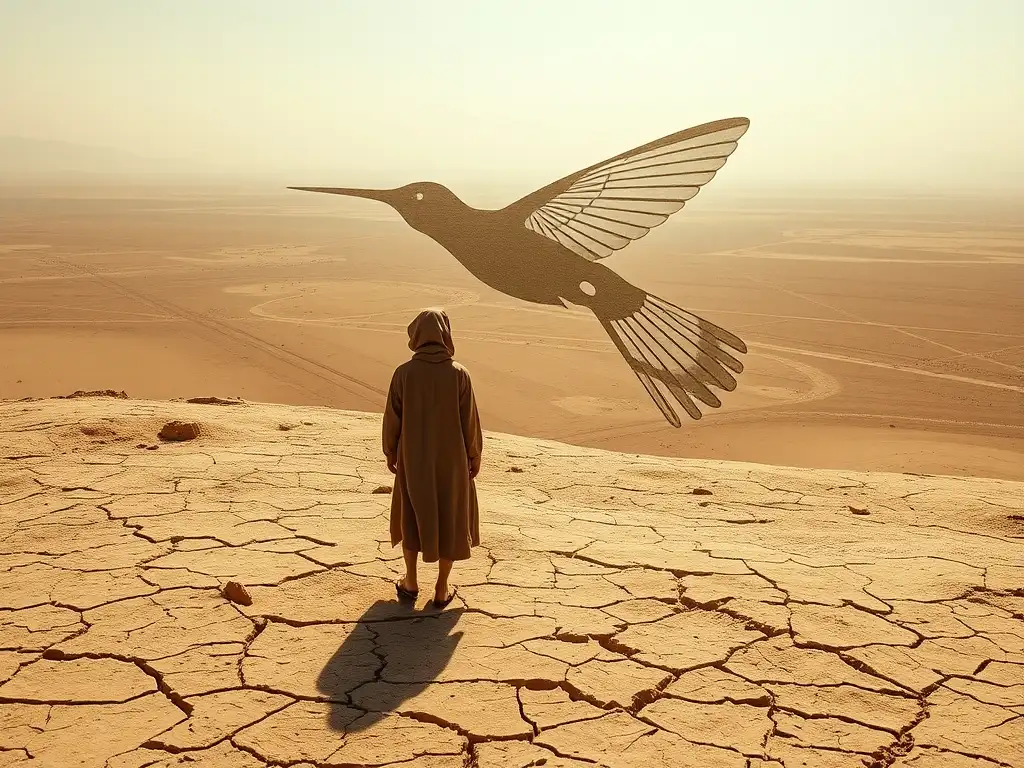
The Nazca culture, flourishing along the southern coast of Peru from approximately 100 BCE to 800 CE, left behind an unparalleled legacy: the enigmatic Nazca Lines. These geoglyphs, colossal figures and designs etched into the desert surface, represent a monumental artistic achievement and a profound expression of Nazca culture ritual practices. Their sheer scale and precision continue to fascinate and challenge researchers today.
Understanding these geoglyphs provides crucial insight into the religious beliefs, social organization, and technological capabilities of this sophisticated Andean society. The creation of these massive artworks required a significant investment of labor and resources, indicating their paramount importance within Nazca society. This section will delve into the various aspects of these remarkable creations, exploring their purpose, types, and the theories surrounding their creation.
The Purpose of Nazca Lines: Beyond Simple Art
The purpose of the Nazca Lines remains a subject of ongoing debate among archaeologists and anthropologists. While initially dismissed as mere artistic expressions, growing evidence suggests a much deeper significance tied intrinsically to Nazca culture ritual practices. The lines weren't simply aesthetic creations; they were integral to complex rituals and beliefs. Several theories propose that the geoglyphs served as:
- Pilgrimage routes: Some scholars believe the lines guided pilgrimages to sacred sites, acting as pathways connecting different ceremonial centers. The precise alignment of some figures with astronomical events further strengthens this hypothesis.
- Water rituals: Given the arid environment, the lines might have played a role in water-related rituals, perhaps associated with prayers for rain or fertility. This theory aligns with the importance of water management in the Nazca culture.
- Astronomical observatories: The alignment of certain geoglyphs with celestial bodies suggests a possible astronomical function. It is hypothesized that the Nazca people used the lines to track the movements of the sun, moon, and stars, potentially for agricultural purposes or religious calendrical systems.
- Expressions of Power and Identity: The immense scale of the undertaking demonstrates the power and organization of Nazca society, capable of mobilizing significant labor for a project of such magnitude. The creation of the geoglyphs could have been a way to assert social dominance and group identity.
Nazca Geoglyph Types: Animal, Geometric, and Human Figures
The Nazca Lines encompass a diverse range of figures, broadly categorized into animal, geometric, and human forms. The animal figures are particularly striking, featuring representations of birds, reptiles, mammals, and mythical creatures, often rendered with remarkable detail. For instance, the hummingbird geoglyph is a breathtaking example of the artists' ability to capture the delicate details of the bird's form.
- Animal figures: These include iconic depictions such as the hummingbird, monkey, spider, and condor, each possessing symbolic meaning within Nazca cosmology. Their size and complexity reveal a deep understanding of animal anatomy and behavior.
- Geometric figures: These encompass a wide array of lines, triangles, spirals, and trapezoids, many of which are interconnected, forming complex patterns. The precise execution of these geometric forms demonstrates advanced surveying and engineering techniques.
- Human figures: While less common than animal or geometric figures, human representations are also present. These often depict stylized figures, possibly representing deities or important figures within Nazca society. Further research is needed to fully understand their symbolic significance.
The variety and complexity of the geoglyphs underscore the rich and multifaceted nature of Nazca culture ritual practices and their artistic expression. The meticulous craftsmanship evident in these creations highlights the dedication and skill of the Nazca artists.
Theories Behind the Creation of Nazca Geoglyphs
The creation of the Nazca Lines remains a source of fascination, with several theories attempting to explain the methods employed by the Nazca people. The most widely accepted theory posits that the lines were created by removing the dark reddish-brown surface stones to reveal the lighter subsoil, creating a contrast that is visible from a distance.
- Stone Removal: This involved painstakingly removing the surface stones, potentially using simple tools like wooden stakes and digging sticks. The precise alignment of the lines suggests the use of some form of surveying techniques, perhaps involving simple sighting methods.
- Labor Organization: The massive scale of the project necessitates a highly organized workforce, implying a sophisticated social structure capable of coordinating large-scale labor projects. The creation of the geoglyphs likely involved communal efforts, possibly linked to religious or ceremonial activities.
- Technological Capabilities: While the tools were relatively simple, the precision and scale of the geoglyphs demonstrate significant technological capabilities in surveying, planning, and execution. The ability to create such large-scale designs with such accuracy is a testament to the Nazca people's ingenuity.
Further research, incorporating advanced technologies like remote sensing and ground-penetrating radar, continues to shed light on the creation and purpose of the Nazca Lines, promising to further illuminate the mysteries of this remarkable Andean culture and its complex relationship with its environment, solidifying our understanding of Nazca culture ritual practices.
Ritual Offerings and Burials in Nazca Society
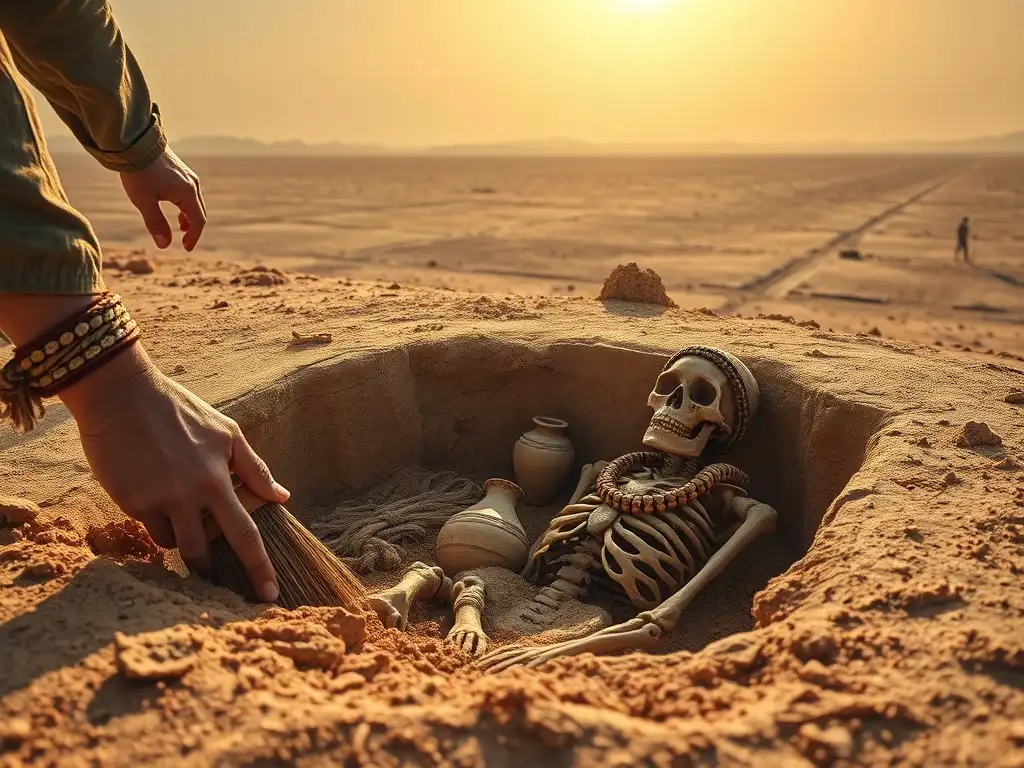
The Nazca culture, famed for its enigmatic geoglyphs, possessed a complex system of ritual offerings and burials reflecting their deep spiritual beliefs and social hierarchy. Understanding these practices provides crucial insight into their worldview and societal structure. Analysis of numerous excavated sites reveals a multifaceted approach to ritual, incorporating both elaborate offerings and carefully planned burials.
The scale and variety of these rituals suggest a highly organized society with specialized individuals responsible for conducting ceremonies and managing resources. The sheer quantity of artifacts found in tombs and offering caches points to the significant investment of time, labor, and resources dedicated to these rituals. This underscores the central role of ritual in their daily lives and social fabric.
The types of offerings varied widely, ranging from simple food items to intricately crafted pottery, textiles, and even precious metals. The selection of offerings seems to reflect both the status of the deceased and the specific purpose of the ritual.
Nazca Pottery as a Medium for Ritual Expression
Nazca pottery serves as a powerful window into their ritual practices. The exquisite craftsmanship and vibrant artistry displayed on their ceramics are not merely decorative; they often depict scenes of ritual ceremonies, mythological figures, and symbolic motifs. Detailed analyses of these depictions reveal recurring themes related to fertility, ancestor veneration, and shamanistic practices.
For example, many vessels depict figures engaged in ritual drinking ceremonies, suggesting the importance of imbibing hallucinogenic substances in religious contexts. Further, the stylistic variations in pottery suggest different ritual contexts and potentially distinct social groups involved in specific ceremonies. The vibrant colors and intricate designs are not merely aesthetically pleasing; they are carefully chosen and arranged to convey specific meanings and transmit religious beliefs.
The presence of certain motifs on particular vessels can indicate specific deities or rituals. For instance, the recurring imagery of feline figures might represent a powerful deity or symbolize shamanistic power. The sheer volume of pottery found in both elite and commoner burials underscores its importance as a ritual artifact.
Evidence of Human Sacrifice in Nazca Culture
While not as prevalent as in some other Andean cultures, evidence suggests that human sacrifice played a limited, yet significant, role in Nazca ritual practices. Discoveries of human remains in sacrificial contexts, often associated with elite burials or major ceremonial sites, point to the practice. The individuals sacrificed appear to have been selected based on criteria that are still under investigation – possibly age, sex, or social status.
The circumstances surrounding these sacrifices, however, remain debated. Some interpretations suggest that these sacrifices were intended to appease deities, ensure successful harvests, or commemorate important events. Others propose that these sacrifices might have been linked to political power and the consolidation of elite authority.
Further research, including isotopic analysis of human remains and careful contextual analysis of archaeological finds, is needed to fully understand the role and significance of human sacrifice within the broader context of Nazca ritual life. The limited evidence available necessitates caution in drawing definitive conclusions, but its presence undeniably adds another layer of complexity to our understanding of Nazca religious beliefs.
Funerary Practices and the Afterlife in Nazca Beliefs
Nazca funerary practices offer compelling insights into their beliefs about the afterlife. The careful preparation of bodies, the inclusion of grave goods, and the elaborate architecture of tombs all suggest a belief in a continued existence beyond death. The types of grave goods included varied depending on social status, providing further evidence of a stratified society.
Elite burials often contained an abundance of luxury items, such as finely crafted pottery, textiles, and jewelry, while commoner burials were more modest. The positioning of the bodies, the orientation of the tombs, and the presence of specific objects all point to complex rituals surrounding death and burial. The meticulous nature of these practices suggests a deep concern with ensuring a successful transition to the afterlife.
The careful placement of offerings, such as food and drink, suggests a belief that the deceased would continue to need sustenance in the spirit world. The presence of textiles and personal belongings, on the other hand, might indicate a desire to maintain the deceased's identity and social status in the afterlife. The study of Nazca funerary practices continues to unveil crucial information about their cosmological beliefs and social organization.
Nazca Art and Iconography: Deciphering Cultural Narratives
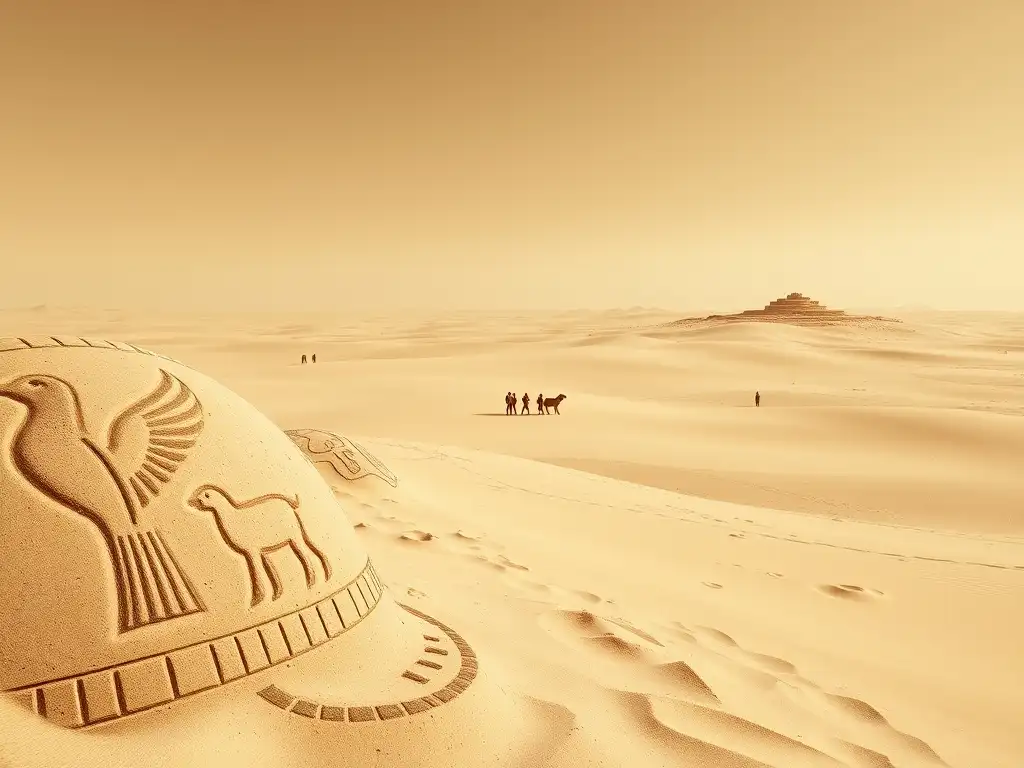
The Nazca culture, famed for its enigmatic geoglyphs, also produced a vibrant and complex artistic tradition that offers crucial insights into their beliefs, rituals, and social structures. Their art, primarily found on pottery and textiles, provides a visual narrative complementing the aerial spectacle of the desert lines. Analyzing Nazca iconography reveals a sophisticated understanding of their cosmology and the importance of ritual practices in their daily lives. Understanding this artistic expression is key to unlocking the secrets of Nazca culture ritual practices.
Recurring Motifs in Nazca Art: Deities and Supernatural Beings
A recurring theme in Nazca art is the depiction of deities and supernatural beings. These figures, often anthropomorphic or zoomorphic, are frequently portrayed in elaborate headdresses, adorned with intricate details and symbolic elements. Common motifs include:
- Feline Deities: Powerful feline figures, often depicted with sharp claws, fangs, and piercing eyes, suggest a connection to hunting, power, and perhaps shamanistic practices. These representations often appear in scenes of ritual sacrifice or supernatural encounters.
- Bird Deities: Stylized birds of prey, such as condors and hawks, frequently appear, possibly representing deities associated with the sky, the sun, or the afterlife. Their powerful presence underscores the importance of celestial observations in Nazca cosmology.
- Anthropomorphic Figures: Human-like figures with exaggerated features, often wearing elaborate costumes and masks, are frequently depicted in ritual scenes. These figures may represent priests, shamans, or other important figures within the Nazca social hierarchy. Their attire and postures provide clues to their roles and status.
The consistent portrayal of these supernatural beings across various art forms, from pottery to textiles, reinforces their significance in Nazca religious beliefs and ritual practices. The frequency with which these motifs appear strongly suggests a structured religious system deeply embedded in everyday life, shaping their social interactions and influencing their worldview. Further research into the specific attributes and contexts of these figures is needed to fully understand their individual meanings within the broader context of Nazca culture ritual practices.
The Use of Color and Symbolism in Nazca Visual Culture
Color played a significant role in Nazca artistic expression, acting as a powerful tool for conveying meaning and symbolism. The vibrant hues—reds, oranges, yellows, blacks, and whites—were not merely aesthetic choices but integral components of the visual narrative. For example:
- Red: Often associated with blood, sacrifice, and the earth's fertility.
- White: Symbolic of purity, the supernatural, and perhaps the celestial realm.
- Black: Frequently used to depict night, the underworld, or powerful, potentially dangerous forces.
The combination of colors further enriched the symbolic meaning. For instance, a deity depicted in red and white might symbolize a connection between the earthly and the spiritual realms. The careful application of color, often in intricate patterns, suggests a sophisticated understanding of color symbolism and its use in conveying complex religious and cultural messages. Analyzing color palettes across different Nazca artifacts could reveal further insights into the cultural significance of specific color combinations and their relationship to Nazca culture ritual practices. Detailed studies are still underway to fully understand the complete chromatic vocabulary used by the Nazca.
Nazca Textiles: A Complement to Pottery and Geoglyphs
Nazca textiles provide another vital window into their culture, showcasing intricate weaving techniques and designs that complement the artistic expressions seen in pottery and geoglyphs. These textiles, often made from cotton and camelid fibers, feature complex patterns and motifs that reflect the same symbolic language evident in other art forms.
| Textile Feature | Description | Significance |
|---|---|---|
| Weaving Techniques | Highly sophisticated techniques, including tapestry, brocade, and weft-faced weaving. | Demonstrates advanced technological skills and artistic sophistication. |
| Geometric Patterns | Frequent use of geometric shapes, such as triangles, squares, and stepped designs. | May represent abstract concepts, cosmological ideas, or social structures. |
| Figurative Representations | Depictions of deities, animals, and human figures, mirroring motifs in pottery. | Reinforces the importance of recurring religious and cultural themes. |
| Color Usage | Similar color palettes to pottery, with red, white, black, and other vibrant hues. | Further supports the significance of color symbolism in Nazca culture ritual practices. |
The preservation of many Nazca textiles provides invaluable data for understanding their artistic techniques and symbolic language. The intricate designs and the use of color, in conjunction with other art forms, offer a multifaceted perspective on Nazca beliefs and rituals. Further research into the specific techniques and the symbolic meaning of the textile designs promises to unlock further layers of knowledge about Nazca culture ritual practices.
The Decline of the Nazca Culture: Theories and Evidence
The flourishing Nazca culture, renowned for its intricate pottery, geoglyphs, and sophisticated irrigation systems, didn't simply vanish. Its decline, spanning several centuries, was likely a complex process driven by a confluence of factors. Unraveling the mystery of their disappearance requires examining environmental pressures, societal shifts, and the potential impact of neighboring cultures. Understanding the Nazca culture ritual practices surrounding their decline is crucial to comprehending the full story. While a definitive answer remains elusive, exploring the available evidence sheds light on potential contributing factors.
Environmental Factors Contributing to the Nazca Decline
The Nazca's success was intrinsically linked to their mastery of water management in an arid environment. Their intricate canal systems, canales, were a testament to their ingenuity. However, prolonged periods of drought, evidenced by paleoclimatic studies analyzing sediment cores from the Nazca River basin, likely strained their resources. These droughts, possibly exacerbated by El Niño Southern Oscillation (ENSO) events, could have led to crop failures, water scarcity, and ultimately, societal instability.
The impact of these environmental stressors on the Nazca culture ritual practices is suggested by a decrease in the quality and quantity of ceramic production towards the late Nazca period. Reduced agricultural yields likely forced communities to compete for dwindling resources, potentially triggering internal conflicts and weakening the overall societal structure. Further research into pollen and isotopic analysis of archaeological sites could provide more concrete evidence of the extent of these environmental changes and their consequences.
Alongside environmental pressures, internal social and political changes likely contributed to the Nazca's decline. Evidence suggests a possible shift in power dynamics within Nazca society during its later phases. Changes in burial practices, ceramic styles, and the distribution of artifacts point towards a potential fragmentation of political authority. The once-unified Nazca culture may have fractured into smaller, competing groups, each vying for control over limited resources. This internal strife, coupled with the environmental challenges, would have further weakened their resilience. Analysis of late Nazca iconography might reveal clues about these power struggles and shifts in societal beliefs, providing insights into how these changes impacted the Nazca culture ritual practices. For instance, the decreasing prominence of certain motifs in pottery might reflect a decline in the influence of specific social groups or religious ideologies. More detailed studies of settlement patterns and social stratification are needed to fully understand these internal transformations.
The Legacy of the Nazca People in Andean History
Despite their decline, the Nazca people left an indelible mark on Andean history. Their innovations in irrigation, artistic achievements, and unique cultural practices paved the way for subsequent Andean civilizations. The sophisticated water management techniques developed by the Nazca influenced later cultures, who adapted and refined these systems to suit their own needs.
The striking geoglyphs, though their purpose remains debated, continue to fascinate and inspire. The legacy of the Nazca culture ritual practices, evident in the surviving pottery and textiles, influenced the artistic traditions of later Andean societies, demonstrating a cultural continuity across time. The Nazca's story is not one of simple collapse but rather a complex narrative of adaptation, resilience, and eventual integration into the broader Andean cultural landscape.
Their story serves as a powerful reminder of the interconnectedness of environmental factors, social structures, and cultural change in shaping the trajectory of ancient civilizations. Further research, focusing on inter-societal interactions and technological diffusion, will further illuminate the lasting impact of the Nazca culture on the Andean region.
Frequently Asked Questions
What were the most important ritual practices of the Nazca culture?
The Nazca engaged in a variety of rituals, many centered around water and fertility. Evidence suggests elaborate ceremonies involving human sacrifice, though the exact nature and frequency remain debated. These rituals were vital to their worldview.
How did Nazca art reflect their ritual practices?
Nazca art, particularly their famous geoglyphs, likely served a ritual purpose. The lines and figures may have been used in ceremonial processions or linked to astronomical events. Their pottery also often depicts ritual scenes and deities.
What role did the geoglyphs play in Nazca culture and ritual?
The vast Nazca Lines, visible only from the air, are believed to have been integral to Nazca religious practices. Theories range from calendrical markers to pilgrimage routes or representations of deities and mythical creatures. Their exact purpose remains a mystery.
What evidence supports the idea of human sacrifice in Nazca culture?
Archaeological discoveries have uncovered evidence of human sacrifice, including burial sites with individuals exhibiting signs of ritual killing. These findings, coupled with depictions in their art, suggest that human sacrifice played a significant, although not fully understood, role.
Nazca ritual practices likely reinforced their social hierarchy and religious beliefs. The elites likely controlled and orchestrated many ceremonies, further consolidating their power. Participation in rituals fostered a sense of community and shared identity.
Final Reflection: Echoes of the Nazca: A Legacy of Ritual and Resilience
The intricate geoglyphs of the Nazca desert, once dismissed as mere curiosities, now stand as powerful testaments to the ingenuity and spiritual depth of a civilization that thrived against the odds. Their enduring presence challenges us to reconsider our understanding of ancient societies and the profound connection between art, ritual, and societal cohesion. The Nazca's sophisticated water management systems, alongside their elaborate burial practices and artistic expressions, reveal a culture deeply invested in maintaining a delicate balance between their environment and their spiritual beliefs—a lesson particularly relevant in our era of environmental crisis.
The enduring mystery surrounding the Nazca Lines continues to fascinate and inspire, prompting ongoing research and reinterpretations of their meaning. Their impact extends beyond archaeology, influencing artistic movements and inspiring a renewed appreciation for the ingenuity of pre-Columbian cultures. The Nazca Lines are a powerful reminder that even in the harshest environments, human creativity and spiritual expression can flourish.
This quote encapsulates the resilience and artistic prowess of the Nazca, a legacy that resonates deeply with our own struggles to find meaning and purpose in a complex world.
Consider the intricate detail woven into the Nazca's ceramic art, the meticulous planning evident in their irrigation systems, and the sheer scale of their geoglyphs. These achievements weren't born of chance; they were the product of collective effort, shared beliefs, and a profound understanding of their environment. You, too, possess the capacity for such remarkable achievements.
Reflect on the ways in which you contribute to your community, how you connect with your own spiritual beliefs, and how you might leave a lasting legacy of creativity and resilience in the world. Let the echoes of the Nazca inspire you to build a future where ingenuity and spiritual depth guide our actions.
Unveil the Mysteries of the Nazca: Take Action Today!
Thank you for exploring the fascinating world of the Nazca civilization! Your curiosity has sparked a journey into how ritual and art shaped this remarkable society. Now, let's build on this knowledge.
- Delve deeper into the Nazca Lines! Use online interactive maps to explore these breathtaking geoglyphs and uncover their significance.
- Share your discoveries! Inspire others by discussing Andean history with friends and family, or by sharing your insights on social media. Join online conversations celebrating these incredible cultures.
- Visit a museum or exhibition showcasing Nazca artifacts. Experiencing history firsthand can significantly enrich your understanding and appreciation.
What aspect of Nazca culture captivates you most, and how will you share your passion with others?