
Voices of the Ancients: How Oral Tradition Preserved Andean Knowledge

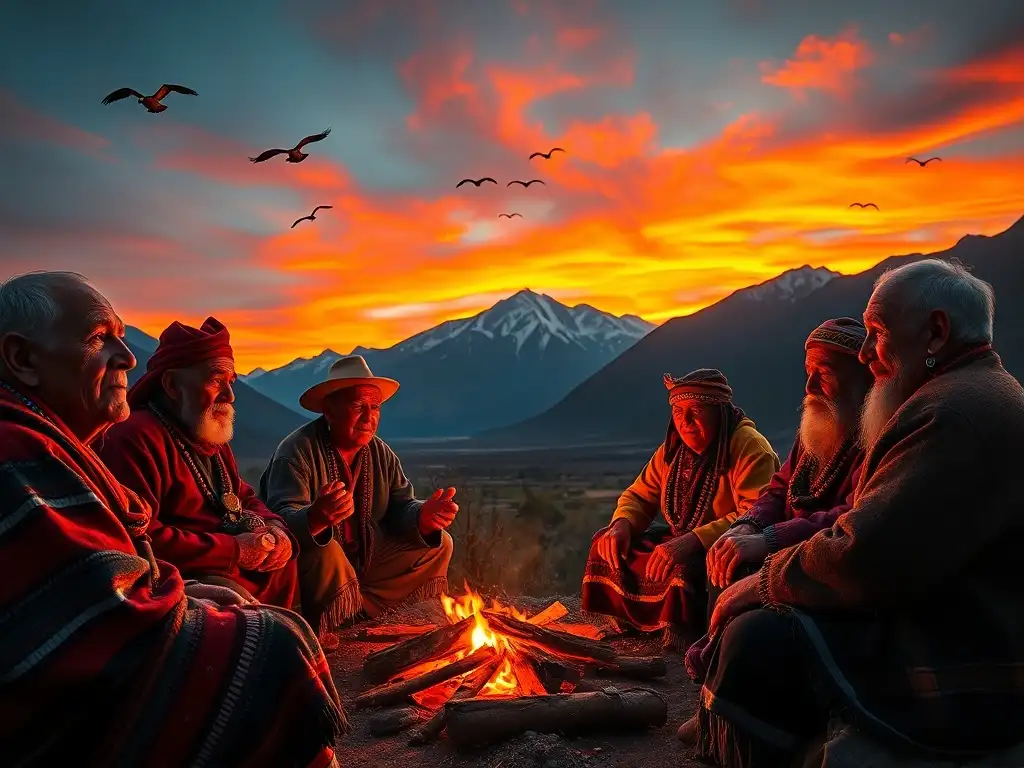
Step into a world lost to time, yet echoing with vibrant voices. Imagine a civilization where knowledge wasn't written, but woven into the very fabric of existence, passed down through generations. On Andean Civilizations, we delve into the captivating realm of Andean oral history traditions, uncovering the secrets whispered across millennia. Prepare to be amazed by the ingenuity and resilience of these ancient cultures – their stories, their artistry, their enduring legacy awaits. Discover how oral tradition became the bedrock of Andean knowledge, and the powerful impact it still holds today.
The Andes Mountains, a spine of towering peaks stretching along the western coast of South America, are home to a rich tapestry of ancient civilizations. For centuries, these cultures—including the Incas, Moche, Nazca, and Tiahuanaco—thrived and developed complex societies without the benefit of widespread written language as we understand it. Their knowledge, history, beliefs, and social structures were meticulously preserved and transmitted through a sophisticated system of oral traditions, a testament to the enduring power of human memory and the ingenuity of Andean societies.
This article delves into the fascinating world of Andean oral history traditions, exploring how these vibrant cultures utilized storytelling, songs, and rituals to safeguard their cultural heritage and pass down vital information across generations. Understanding these traditions provides a crucial window into the complexities and richness of Andean civilizations, offering insights that written records alone cannot provide.
We will explore the key mechanisms employed, the societal impact, and the lasting legacy of these remarkable oral histories, illuminating the vital role they played in shaping Andean societies and their enduring cultural identity. The study of "Andean oral history traditions" reveals a sophisticated system of knowledge transmission that deserves closer examination and appreciation.
The Enduring Power of Andean Oral History Traditions
Andean oral traditions weren't merely casual storytelling; they were carefully curated repositories of knowledge, meticulously passed down through generations. These traditions encompassed a vast range of information, including:
- Genealogies and Histories: Detailed family histories, accounts of significant events, and narratives of founding myths formed the backbone of many communities' understanding of their place in the world. These weren't simply lists of names; they embedded cultural values and social structures within the narrative itself.
- Agricultural Practices: Knowledge of planting cycles, crop rotation, irrigation techniques, and the properties of various plants was intricately woven into songs, poems, and rituals. This ensured the continuity of agricultural practices crucial for survival in the challenging Andean environment.
- Religious Beliefs and Rituals: Myths, legends, and creation stories explained the world's origins, the relationship between humans and the divine, and the proper conduct of religious ceremonies. These narratives reinforced social cohesion and provided a framework for understanding the natural world.
- Medical Knowledge: Traditional healing practices, the use of medicinal plants, and diagnostic techniques were passed down through oral instruction, apprenticeships, and ritualistic practices. This knowledge often held profound implications for community health and well-being.
The effectiveness of these oral traditions stemmed from several factors: the use of mnemonic devices like repetitive phrasing and rhythmic structures in songs; the communal nature of storytelling, ensuring collective memory; and the integration of oral narratives into the fabric of daily life, making them both accessible and memorable. The role of storytellers, often revered members of the community, was crucial in maintaining the accuracy and integrity of these oral histories. Their skill in memorization and captivating storytelling ensured the preservation of vital information across generations. This sophisticated system highlights the power of community engagement in preserving cultural heritage.
Andean Societies Before Written Language: A Reliance on Memory
Before the arrival of the Spanish and the introduction of the Latin alphabet, Andean societies lacked a widespread system of written communication as we know it. While some forms of record-keeping existed, such as the quipus (a system of knotted cords used for accounting and record-keeping), oral tradition remained the primary means of transmitting and preserving knowledge. This reliance on memory fostered remarkable mnemonic skills within Andean communities. Individuals responsible for preserving and transmitting oral histories underwent rigorous training, often from a young age.
This training involved not only memorization but also a deep understanding of the cultural context and significance of the narratives they carried. The accuracy and consistency of these traditions across vast geographical areas and extended periods speak volumes about the effectiveness of the methods employed. The absence of written texts also meant that oral traditions were highly adaptable and responsive to change. Narratives could be modified or expanded to reflect new experiences, social shifts, and evolving environmental conditions.
This fluidity allowed Andean cultures to remain dynamic and resilient in the face of changing circumstances. The development and maintenance of these oral traditions demonstrates a remarkable capacity for collective memory and cultural adaptation. The impact on the social fabric and overall cultural development was profound.
Key Elements of Andean Oral Traditions
Andean oral history traditions weren't simply a haphazard collection of stories; they were meticulously crafted systems for preserving and transmitting knowledge across generations. Several key elements contributed to their effectiveness and longevity. Firstly, the memorization techniques employed were sophisticated. These involved mnemonic devices, repetitive chanting, and rhythmic patterns that aided recall.
Secondly, the social context of storytelling was crucial. Narratives weren't isolated events but were woven into the fabric of daily life, ceremonies, and community gatherings, reinforcing their importance and ensuring their continued transmission. Thirdly, the interconnectedness of stories was significant. Individual narratives often formed part of larger cycles or overarching cosmologies, creating a rich and complex tapestry of meaning.
Finally, the adaptability of oral traditions was key to their survival. Storytellers adjusted narratives to reflect changing circumstances and incorporate new experiences, ensuring the tradition remained relevant and engaging. This dynamic interplay between memory, social practice, and adaptation allowed Andean oral traditions to flourish for centuries.
Storytelling as a Cornerstone of Andean Culture
Storytelling wasn't merely entertainment in Andean societies; it was a fundamental pillar of their culture. From the earliest age, children were immersed in a world of narratives, learning about their history, beliefs, and values through captivating tales. These stories weren't simply passed down passively; they were actively engaged with, reinterpreted, and re-enacted by each generation. This active participation ensured that the stories remained vibrant and relevant, adapting to the changing social and environmental contexts.
The importance of storytelling is reflected in the numerous archaeological finds depicting scenes of narrative performance, suggesting that these events held significant cultural weight. The ability to tell a story well was a highly valued skill, with skilled storytellers often holding positions of influence and respect within their communities. The art of storytelling served as a vital link between the past, present, and future, shaping Andean identities and worldviews.
The Role of Memory Keepers and Storytellers
Central to the preservation of Andean oral traditions were the yachaywasi, or "memory keepers." These individuals weren't simply repositories of information; they were skilled performers and interpreters of cultural knowledge. Their role transcended mere recitation; they actively shaped the narrative, adapting stories to their audience and context. They possessed a deep understanding of the cultural significance of each tale and were adept at using language, tone, and gesture to convey its meaning.
The yachaywasi played a crucial role in maintaining social cohesion and transmitting cultural values. Their expertise was highly valued, and their pronouncements often carried significant weight within the community. The training involved years of apprenticeship, demonstrating the commitment to preserving and passing on these invaluable traditions. These individuals were essential in ensuring the continuity of Andean cultural heritage.
The Significance of Ritual and Performance in Oral Transmission
Andean oral traditions were deeply intertwined with ritual and performance. Many narratives were not simply told but enacted through elaborate ceremonies, dances, and songs. This performative aspect enhanced memorization and ensured the stories' emotional impact. The use of music, costumes, and symbolic gestures transformed storytelling into a powerful communal experience.
For instance, the Inca Capac Raymi, a festival celebrating the sun god Inti, involved elaborate theatrical performances that recounted creation myths and the history of the Inca empire. These rituals weren't merely entertainment; they served to reinforce social bonds, reaffirm cultural values, and transmit knowledge across generations in a memorable and engaging manner. The integration of oral narratives into ritual contexts strengthened their impact and ensured their lasting legacy.
Types of Andean Oral Narratives
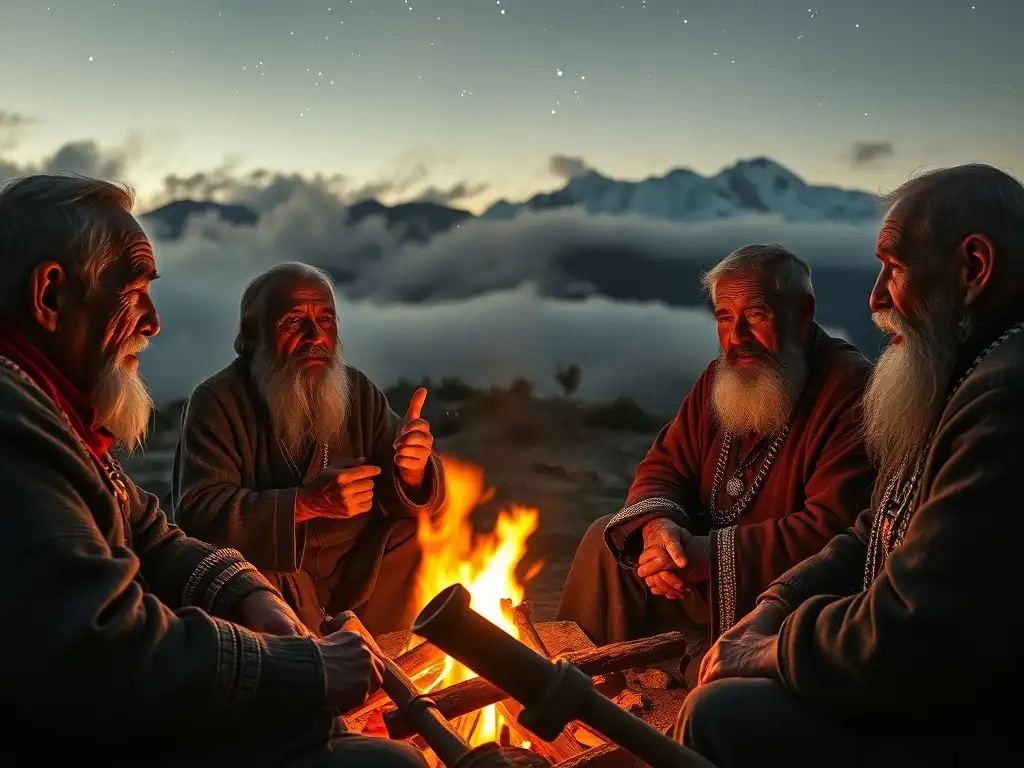
The Andean oral tradition encompassed a diverse range of narratives, each serving a specific cultural purpose. These stories weren't simply isolated tales; they formed a complex web of interconnected narratives that reflected the Andean worldview. The different types of narratives worked together to create a comprehensive understanding of the world, its origins, and the place of humans within it. This interconnectedness is a key element in understanding the richness and complexity of Andean oral history traditions.
Myths and Creation Stories: Understanding Andean Cosmology
Andean myths and creation stories provide invaluable insights into their cosmology and worldview. These narratives often depict a complex interplay between gods, humans, and the natural world, explaining the origins of the universe, humanity, and significant geographical features. For example, the myth of Viracocha, a creator god in many Andean cultures, explains the creation of the world and the first humans.
These narratives weren't simply religious dogma; they served as a framework for understanding the world and one's place within it. They provided a moral compass, shaping social behavior and reinforcing communal values. The study of these myths reveals a sophisticated understanding of the cosmos and the interconnectedness of all living things.
Historical Accounts and Genealogies: Preserving Lineage and Power
Oral histories also played a crucial role in preserving lineage and power structures. Genealogies, meticulously traced through generations, established social hierarchies and legitimized political authority. These narratives weren't simply lists of names; they were elaborate stories that recounted the achievements and exploits of ancestors, reinforcing their prestige and authority.
For example, Inca rulers carefully cultivated their lineage, tracing their descent back to the sun god Inti, thereby legitimizing their rule. These historical accounts provided a sense of continuity and identity, connecting the present to the past and reinforcing social order. The accuracy and detail of these genealogies highlight the importance placed on preserving historical memory.
Legends and Folktales: Transmitting Cultural Values and Morals
Legends and folktales served as powerful vehicles for transmitting cultural values and morals. These narratives, often featuring supernatural elements, taught lessons about proper behavior, social responsibility, and the consequences of transgression. Many stories warned against greed, dishonesty, and disrespect for nature. Others celebrated courage, generosity, and community spirit.
These stories weren't merely moralistic; they were engaging narratives that captured the imagination and imparted valuable life lessons in a memorable and accessible way. Their enduring popularity across generations reflects their effectiveness in shaping Andean values and beliefs. These narratives remain relevant today, offering insights into the cultural fabric of Andean societies.
The Function of Andean Oral Traditions
Andean oral traditions served multiple vital functions within the complex societies of the Andes. They weren't merely entertaining stories; they were the bedrock of knowledge transmission, social cohesion, and cultural preservation across generations. The absence of widespread writing systems meant that oral traditions became the primary vehicle for conveying crucial information, ensuring the continuity of Andean cultures despite significant changes in their environments and political structures.
These traditions encompassed a vast array of topics, from cosmological beliefs and historical accounts to practical skills and social norms. The effectiveness of these traditions stemmed from their deeply ingrained nature within Andean societies, becoming integral to daily life and rituals. The skillful use of mnemonic devices, repetitive structures, and engaging storytelling techniques ensured the accurate and memorable transmission of knowledge, shaping the lives and worldview of Andean peoples for millennia.
Education and Socialization Through Storytelling
Storytelling played a pivotal role in the education and socialization of Andean children. Narratives weren't simply told for amusement; they served as powerful teaching tools, conveying moral lessons, social expectations, and historical context. Through engaging tales, children learned about their ancestors' achievements, struggles, and values. Myths and legends, often featuring anthropomorphic animals or supernatural beings, instilled crucial social norms and encouraged ethical behavior.
For example, stories about the consequences of defying the gods or neglecting community responsibilities served as cautionary tales. The repetitive nature of many oral traditions aided memorization, ensuring that key lessons were absorbed and retained. This process of learning through storytelling fostered a strong sense of community and shared identity, reinforcing social bonds and transmitting cultural values from one generation to the next. The interactive nature of storytelling, often involving participation from the audience, further cemented the lessons learned and encouraged critical thinking.
Maintaining Cultural Identity and Collective Memory
Andean oral traditions were fundamental in preserving cultural identity and collective memory. In the absence of written records, stories, songs, and poems acted as living archives, safeguarding ancestral knowledge and historical accounts. These narratives served to connect individuals to their past, fostering a sense of continuity and belonging. The repetition of these stories during significant ceremonies and rituals reinforced their importance and ensured their survival across generations.
The narratives often included genealogies, recounting lineages and highlighting the importance of ancestry. This emphasis on lineage helped to solidify social structures and define group identities within the complex Andean societies. By recounting significant historical events, oral traditions helped to shape collective memory and provide a framework for understanding the present within the context of the past. Maintaining this collective memory was crucial for the survival and resilience of Andean cultures in the face of external pressures and internal transformations.
Transmitting Practical Knowledge and Skills
Beyond the realms of mythology and history, Andean oral traditions also played a crucial role in transmitting practical knowledge and skills essential for daily life. Agricultural techniques, medicinal practices, and construction methods were all passed down through generations via oral instruction and demonstration. These traditions weren't simply abstract concepts; they were embodied knowledge, learned through apprenticeship and practical experience. Songs and chants often accompanied tasks, aiding memory and rhythm, making complex procedures easier to learn and execute. For example, intricate weaving techniques, requiring years of practice, were often taught through a combination of oral instructions, demonstrations, and carefully crafted songs that guided the weaver's hands. The knowledge embedded within these oral traditions was critical for the survival and prosperity of Andean communities, ensuring the continued production of food, shelter, and essential goods. This practical aspect of Andean oral traditions underscores their integral role in the everyday lives of Andean peoples.
Examples of Andean Oral Tradition in Practice
The rich tapestry of Andean culture is woven with threads of oral tradition, evident in numerous myths, legends, and rituals. These examples vividly illustrate the power and longevity of this method of knowledge transmission, showcasing its impact on Andean societies throughout history. The narratives often intertwined with religious beliefs, shaping the worldview and practices of Andean communities. The enduring nature of these stories speaks to their importance in maintaining cultural continuity and shaping collective identity.
The Andean Creation Myth of Wiracocha and the Creation of the Sun
The creation myth of Wiracocha, the supreme creator god in many Andean cultures, is a prime example of a foundational narrative transmitted orally. Different versions exist across various Andean groups, reflecting the diversity of their beliefs and interpretations. Wiracocha is often depicted as emerging from Lake Titicaca, creating the world and its inhabitants through his power. He is credited with creating the sun, moon, and stars, as well as the first humans.
The narrative of Wiracocha's actions and the subsequent creation of the cosmos provided a framework for understanding the world and the place of humans within it. The story was not simply a tale; it instilled a sense of order and purpose, shaping religious practices and social structures. The various versions of the myth, passed down through generations, highlight the adaptive and evolving nature of oral traditions.
The Legend of the Ayar Brothers from the Inca Culture
The legend of the Ayar brothers, a foundational myth of the Inca empire, tells the story of four brothers who emerged from a cave, each possessing unique abilities. This narrative explains the origins of the Inca people and their expansion across the Andes. The story details their journeys, challenges, and ultimately, the establishment of Cusco as the capital of the Inca empire.
The legend served to legitimize Inca rule and foster a sense of unity among the diverse populations under their control. The narrative's emphasis on the brothers' trials and tribulations highlighted the importance of perseverance and resourcefulness, values that were essential for survival in the challenging Andean environment. The legend's enduring popularity highlights its significant role in shaping Inca identity and reinforcing their imperial ideology.
The Inti Raymi Festival and its Oral Narrative Context
The Inti Raymi festival, a celebration of the sun god Inti, is a powerful example of how oral traditions are interwoven with ritual and ceremony. This annual festival, observed by the Inca and other Andean groups, involved elaborate ceremonies, processions, and offerings to the sun god. The festival's narrative context is rich with oral traditions, including songs, prayers, and dramatic performances that recount the myths and legends surrounding Inti.
These oral performances not only celebrated the sun god but also reinforced the Inca worldview and social hierarchy. The festival's continued observance, even after the Spanish conquest, demonstrates the resilience of Andean oral traditions and their ability to adapt to changing circumstances. The festival's narrative elements, passed down through generations, continue to shape Andean cultural identity and maintain a connection to the past.
Challenges to Andean Oral Traditions
The Impact of Colonization and Cultural Suppression
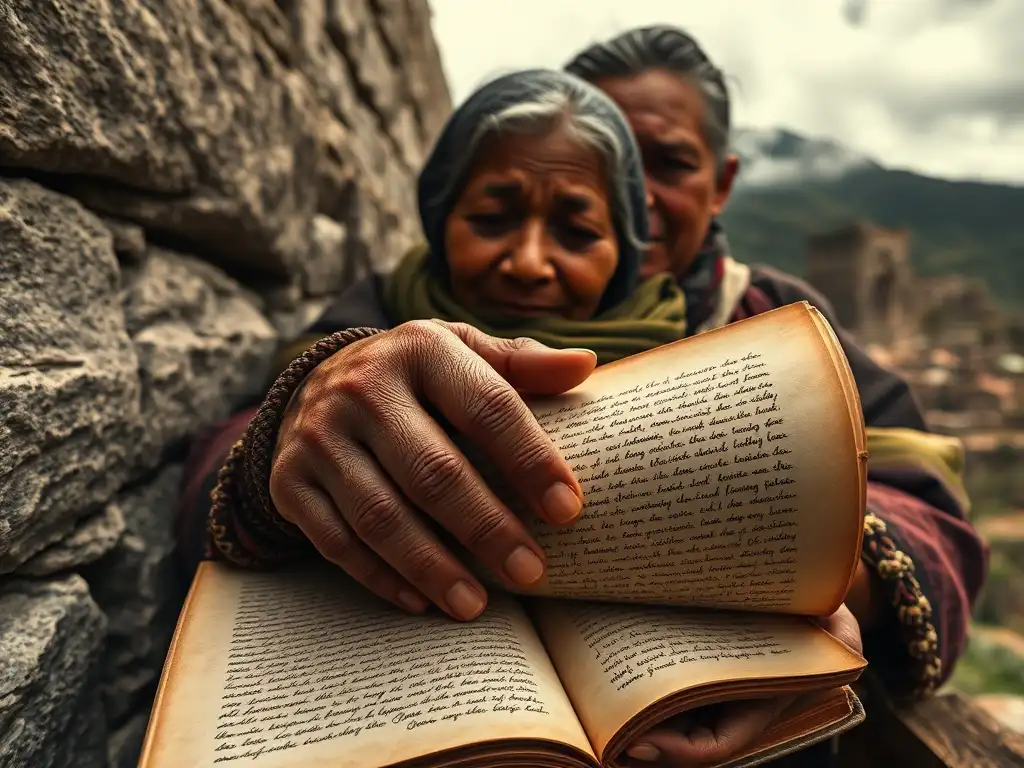
The Spanish conquest of the Andes in the 16th century profoundly impacted Andean oral traditions. The imposition of Spanish language and Catholicism actively suppressed indigenous languages and belief systems, which were intricately linked to oral narratives. Many traditional stories, songs, and rituals were deemed heretical and brutally suppressed, leading to a significant loss of cultural knowledge.
The deliberate destruction of indigenous texts and artifacts further exacerbated the situation, leaving oral tradition as the sole repository of much of their history and worldview. This suppression wasn't merely a passive act; it was a systematic effort to erase indigenous identities and impose a new cultural paradigm. The consequences are still felt today in the fragmented nature of some oral traditions.
The Loss of Memory Keepers and Traditional Practices
The transmission of Andean oral traditions relies heavily on the expertise of yachaywasi (knowledge keepers) and storytellers. These individuals, often elders within the community, possess a deep understanding of their culture's history, cosmology, and social structures. However, the process of colonization, coupled with the pressures of modernization, has led to a decline in the number of active memory keepers.
Younger generations, increasingly exposed to external influences, may not prioritize learning these complex oral traditions, leading to a potential loss of irreplaceable knowledge. Furthermore, the death of these elders without adequate documentation leaves significant gaps in the transmission of ancestral knowledge. The loss isn't just about stories; it's about the intricate understanding of their world.
Modernization and Its Effects on Oral Transmission
Modernization, while bringing progress in many aspects, presents significant challenges to Andean oral traditions. The influx of television, radio, and the internet has shifted attention away from traditional storytelling practices. Younger generations are more likely to engage with digital media than participate in communal storytelling events.
Urbanization has also played a role, dispersing communities and weakening the social bonds that sustain oral traditions. The constant influx of new information and entertainment options creates competition for the time and attention traditionally dedicated to preserving and transmitting ancestral knowledge. This shift necessitates innovative strategies for integrating oral traditions with modern communication methods.
The Revival and Preservation of Andean Oral Traditions
Community-Based Initiatives and Cultural Preservation Projects
Despite the challenges, significant efforts are underway to revive and preserve Andean oral traditions. Many community-based initiatives focus on revitalizing indigenous languages and promoting storytelling events. These projects often involve elders sharing their knowledge with younger generations, fostering a renewed appreciation for their cultural heritage.
Cultural preservation projects, supported by both governmental and non-governmental organizations, play a crucial role in documenting and archiving oral narratives. These projects often involve meticulous recording and transcription of stories, songs, and other forms of oral expression. The aim is not only to preserve these narratives but also to make them accessible to a wider audience.
The Role of Indigenous Organizations and Activists
Indigenous organizations and activists are at the forefront of efforts to preserve Andean oral traditions. They advocate for the recognition and protection of indigenous languages and cultural practices. Their work includes lobbying for governmental support for language revitalization programs, promoting cultural exchange, and challenging discriminatory policies that undermine indigenous communities. These organizations often play a vital role in facilitating intergenerational knowledge transfer, ensuring the continuity of oral traditions. Their activism is essential in ensuring that indigenous voices are heard and their cultural heritage is respected and protected.
Documenting and Transcribing Oral Narratives
The documentation and transcription of oral narratives is a critical aspect of preservation efforts. This involves meticulously recording storytelling sessions, often employing advanced audio-visual technology. Subsequently, these recordings are transcribed, translated (where necessary), and annotated, providing valuable contextual information. The creation of digital archives makes these narratives accessible to researchers, educators, and future generations. Careful attention is paid to preserving the nuances of language, delivery, and cultural context, ensuring the integrity of the original oral performance. This meticulous approach is essential for the long-term preservation and accessibility of these invaluable cultural treasures.
The Enduring Legacy of Andean Oral History
Andean oral history traditions represent a powerful and enduring legacy, a vibrant tapestry woven from centuries of storytelling, song, and ritual. These traditions weren't merely a means of entertainment; they served as the primary method of transmitting knowledge, preserving cultural identity, and maintaining social order across diverse Andean societies.
From the intricate narratives of the Incas to the captivating myths of the Moche, oral traditions provided a framework for understanding the world, navigating social complexities, and passing down vital information about agriculture, astronomy, and medicinal practices. The sheer volume of knowledge preserved through this method is remarkable, showcasing the ingenuity and resilience of Andean cultures in the face of time and change.
This oral heritage continues to shape Andean identities and provides invaluable insights into the complexities of these ancient societies. The detailed accounts passed down through generations offer a rich tapestry of understanding that complements and sometimes even contradicts written records, providing a more holistic view of Andean history.
The Importance of Oral Tradition for Understanding Andean History
Understanding Andean history requires acknowledging the crucial role of oral traditions. While written records exist, particularly from the Inca period following the adoption of the quipu system and later Spanish colonial documentation, these sources often present a biased or incomplete picture. Oral traditions, on the other hand, offer a more nuanced perspective, capturing the lived experiences and perspectives of ordinary people, not just elites.
They reveal the intricate social structures, belief systems, and daily lives of Andean communities across different eras and regions. For example, the narratives surrounding agricultural practices reveal detailed knowledge of Andean ecosystems and sustainable farming techniques passed down through generations. Similarly, myths and legends offer insights into the cosmological beliefs and spiritual understanding of these societies.
The study of Andean oral history, therefore, is not simply a study of the past; it is a vital key to unlocking a deeper and more comprehensive understanding of Andean civilizations. Analyzing these oral histories allows historians to reconstruct a more complete and accurate narrative of the past, enriching our understanding of these complex cultures.
Connecting with the Past Through the Voices of the Ancients
Connecting with the past through Andean oral traditions offers a unique and deeply moving experience. It allows us to engage directly with the voices of the ancestors, to hear their stories in their own words, or at least in the words of their descendants. This connection transcends the limitations of written records, offering a visceral understanding of the past that is both intellectual and emotional.
The rhythmic cadence of ancient songs, the dramatic narratives of epic poems, and the evocative imagery of traditional storytelling all contribute to a powerful sense of continuity and connection with Andean heritage. This intimate engagement with the past is not just for academics; it is a vital part of maintaining cultural identity and fostering a sense of belonging for contemporary Andean communities.
The preservation and continued practice of these traditions are essential for fostering a strong sense of cultural pride and heritage. This direct link to the past provides a unique lens through which to understand the present.
The Future of Andean Oral Traditions in a Changing World
The future of Andean oral traditions in a rapidly changing world presents both challenges and opportunities. Globalization, urbanization, and the increasing dominance of digital media threaten the preservation of these invaluable cultural treasures. Younger generations may be less inclined to actively participate in traditional storytelling practices, leading to a potential loss of knowledge and cultural memory.
However, there are also positive developments. Efforts to document and archive oral histories, alongside initiatives to promote the teaching of indigenous languages and cultural practices in schools, are vital steps toward safeguarding this heritage. The use of technology, such as audio and video recording, offers new possibilities for preserving and disseminating oral traditions to a wider audience.
Furthermore, the growing recognition of the importance of indigenous knowledge systems globally presents an opportunity to raise awareness and secure greater support for the preservation of Andean oral history. The challenge lies in finding a balance between preserving authenticity and embracing innovation to ensure that the voices of the ancients continue to resonate for generations to come. This requires a collaborative effort involving community members, researchers, and policymakers to ensure that these traditions remain vibrant and relevant in the 21st century.
- The Enduring Power of Andean Oral History Traditions
- Andean Societies Before Written Language: A Reliance on Memory
- Key Elements of Andean Oral Traditions
- Types of Andean Oral Narratives
- The Function of Andean Oral Traditions
- Examples of Andean Oral Tradition in Practice
- Challenges to Andean Oral Traditions
- The Revival and Preservation of Andean Oral Traditions
- The Enduring Legacy of Andean Oral History
- What role did oral traditions play in Andean societies?
- How were oral histories transmitted across generations?
- What types of information were preserved through Andean oral traditions?
- How reliable are Andean oral histories as historical sources?
- How do scholars study and interpret Andean oral traditions today?
Frequently Asked Questions
What role did oral traditions play in Andean societies?
Oral traditions were central to Andean cultures. They served as the primary means of preserving knowledge, history, and cultural values across generations before the widespread use of writing. This included stories, songs, and rituals.
How were oral histories transmitted across generations?
Knowledge was passed down through storytelling, songs, and rituals. Specialized individuals, such as quipu makers and storytellers, played key roles in maintaining and transmitting this information. Intergenerational learning was crucial.
What types of information were preserved through Andean oral traditions?
Andean oral traditions encompassed a wide range of information, including historical accounts, cosmological beliefs, agricultural practices, social structures, and genealogies. They also preserved crucial legal and customary practices.
How reliable are Andean oral histories as historical sources?
While challenging to verify using conventional historical methods, oral histories offer valuable insights into Andean perspectives and beliefs. They are considered reliable sources when analyzed within their cultural context and compared with archaeological and other evidence. Multiple accounts strengthen their credibility.
How do scholars study and interpret Andean oral traditions today?
Scholars utilize a variety of methods, including ethnohistory, linguistic analysis, and comparative mythology. They also work closely with indigenous communities to ensure respectful and accurate interpretation of these vital cultural resources. Contextualization is key.
Final Reflection: The Enduring Echo of Andean Voices
The vibrant tapestry of Andean oral traditions, far from being a relic of the past, continues to resonate powerfully in the present, shaping identities and offering invaluable insights into sustainable living. These stories, songs, and rituals, passed down through generations, are not merely historical artifacts; they are living legacies that hold the key to understanding a profound connection between humanity and the natural world. Their survival against the onslaught of colonization and modernization is a testament to their inherent power and the resilience of the Andean spirit.
The impact of oral tradition extends far beyond the academic realm; it forms the very bedrock of Andean cultural identity. These narratives, imbued with ancestral wisdom and spiritual significance, continue to inform social structures, agricultural practices, and even political discourse. As the renowned Andean scholar, Maria Rostworowski, once wrote: Oral tradition is not simply a way of transmitting information; it is a way of creating and maintaining community.
This statement beautifully encapsulates the enduring power of these traditions to bind generations together and foster a sense of shared heritage.
Consider the stories you carry within your own family, the traditions you celebrate, the wisdom passed down through generations. These are your own personal echoes of the past, shaping your present and influencing your future.
I invite you to reflect on the power of storytelling in your own life, to seek out the voices of your ancestors, and to recognize the invaluable lessons held within the oral traditions of cultures around the world. Let us all strive to preserve and celebrate these living legacies, ensuring that the voices of the ancients continue to inspire and guide us for generations to come.
**Unleash the Wisdom of the Ancients! **
Thank you for exploring the rich tapestry of Andean oral traditions. You've discovered the power of storytelling to transmit ancient knowledge, and now you can integrate this understanding into your life.
Here are some ways to further connect with this fascinating heritage:
- **Delve deeper into the stories:** Choose an Andean oral tradition that resonates with you and research its historical context. Record your thoughts and reflections; you might uncover unexpected insights!
- **Share your discoveries:** Discuss your learning with friends or on social media. Start a conversation about the importance of preserving oral histories in our modern world.
- **Engage with the community:** Participate in discussions or online forums dedicated to Andean civilizations. Sharing your interest can lead to rewarding conversations and new discoveries.
Which stories from your own life or heritage do you believe deserve to be preserved for future generations?