
Chavín Textiles: Woven Threads of Ancient Beliefs

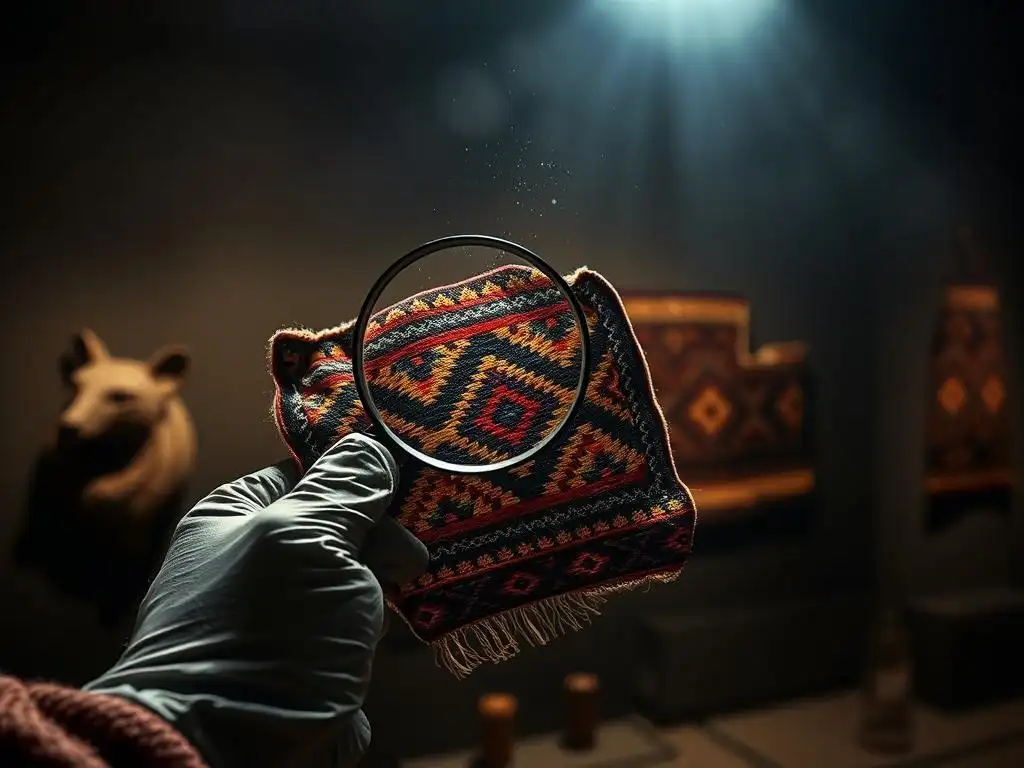
Unravel the mysteries of a lost world. Journey back in time to the captivating heights of the Andes, where vibrant cultures flourished long before the Inca. Prepare to be amazed by the intricate artistry and profound spiritual significance woven into the Chavín textiles, a testament to the complex Andean beliefs of the Pre-Incan era. Discover how these ancient threads reveal secrets of a civilization that continues to fascinate and inspire. Dive into the world of Chavín textiles Andean beliefs and uncover the stories hidden within their vibrant patterns.
The Chavín culture, flourishing in the Andes Mountains of Peru from approximately 900 to 200 BCE, left behind a legacy far beyond its impressive monumental architecture. Their mastery of textile production, interwoven with deeply held spiritual beliefs, provides a captivating window into their complex worldview.
This article delves into the world of Chavín textiles, exploring the materials, techniques, and the profound symbolic meanings embedded within these intricately woven fabrics. We will examine how these textiles served not only practical purposes but also played a crucial role in religious ceremonies, social status, and the expression of Chavín cosmology, enriching our understanding of Andean beliefs and the sophisticated artistry of this pre-Inca civilization.
Understanding Chavín textiles offers a unique perspective on the cultural and spiritual landscape of the early Andean world, revealing the deep connection between artistry, spirituality, and daily life. This exploration will illuminate the remarkable ingenuity of the Chavín people and their lasting contribution to the rich tapestry of Andean heritage.
The Significance of Textiles in Chavín Culture
Textiles were far more than mere clothing or utilitarian items for the Chavín people; they were integral to their religious and social fabric. Evidence suggests that textiles played a significant role in rituals and ceremonies. The intricate designs, often featuring iconic Chavín motifs like the feline deity and the stylized serpent, likely held profound symbolic meaning, communicating narratives and beliefs central to their cosmology.
These weren't simply decorative elements; they were powerful visual representations of their spiritual world. Furthermore, the quality and type of textiles likely indicated social status. Elaborately woven garments, using rare materials and complex techniques, might have been reserved for the elite, signifying power and prestige within the Chavín society.
Archaeological discoveries of richly adorned textiles in elite tombs support this hypothesis. The meticulous craftsmanship evident in surviving fragments speaks volumes about the high value placed upon textile production and the skilled artisans who created them. The placement of textiles within funerary contexts also suggests their importance in the afterlife, with clothing and other textile items intended to accompany the deceased on their journey to the next world.
Exploring the Materials Used in Chavín Weaving
The Chavín weavers demonstrated remarkable resourcefulness in sourcing their materials. The primary fiber was undoubtedly cotton, cultivated in the warmer valleys. However, the high altitude of the Chavín heartland necessitated the use of other fibers, including camelid wools (llama and alpaca). These provided warmth and durability, essential for clothing in the challenging Andean climate.
The use of camelid fibers also speaks to the Chavín's mastery of animal husbandry and their integration of diverse resources into their textile production. Analysis of surviving fragments reveals a sophisticated understanding of dyeing techniques. Natural dyes, derived from plants and minerals readily available in their environment, were used to create a range of vibrant colors.
The precise recipes and processes remain partially unknown, but surviving examples showcase a remarkable ability to achieve rich and lasting hues. The combination of cotton and camelid fibers, along with the mastery of natural dyeing, allowed Chavín weavers to create textiles that were both beautiful and functional, reflecting the ingenuity and adaptability of the culture. Further research into the exact composition of dyes and the precise techniques used in spinning and weaving is needed to fully understand the technical achievements of Chavín textile production.
Chavín Textile Techniques: A Masterclass in Ancient Craftsmanship
Chavín textile production showcased an impressive mastery of ancient weaving techniques. Archaeological evidence reveals the use of various fibers, primarily cotton and camelid wool (alpaca and llama), skillfully spun into threads of varying thicknesses. The spinners likely used drop spindles, a technology common throughout the Andes at the time, to create these threads.
The complexity of the designs found on Chavín textiles indicates a high level of skill and planning. Weavers employed different techniques, including plain weave, tapestry weave, and possibly even brocade, to achieve the intricate patterns and textures observed in surviving fragments. The precision and control demonstrated in these textiles suggest a highly specialized and likely hereditary craft, passed down through generations of skilled artisans.
The meticulous nature of the work is evident in the fine detail and the incorporation of multiple colors, suggesting a sophisticated understanding of dyeing techniques and colorfastness. Further research into the specific tools and dye sources used by Chavín weavers would further illuminate this remarkable aspect of their culture. The durability of the surviving textiles, despite their age, speaks volumes about the quality of their craftsmanship and the longevity of their materials.
Decoding Chavín Textile Motifs: Iconography and Symbolism
Chavín textiles are not merely decorative; they are rich repositories of iconography and symbolism deeply intertwined with the religious beliefs of the Chavín culture. The motifs woven into these fabrics provide invaluable insights into their cosmology, mythology, and social structure. Analyzing these patterns reveals a complex system of representation, using stylized figures and abstract designs to convey meaning.
The recurring themes in Chavín textiles often reflect elements found in their monumental architecture and other artifacts, suggesting a unified visual language across different art forms. The careful placement and combination of motifs within a textile likely held specific significance, potentially narrating stories or conveying ritualistic importance. Understanding the context in which these textiles were used – whether for ceremonial purposes, everyday clothing, or burial practices – is crucial for interpreting their symbolic meaning.
The study of Chavín textiles thus offers a unique window into the worldview and spiritual practices of this influential Andean civilization. Further research focusing on comparative iconography across different Chavín sites and artifacts will enhance our understanding of the significance of these woven narratives.
Depictions of the Staff God in Chavín Textiles
A prominent figure recurring in Chavín textiles is the Staff God, a central deity in their pantheon. Representations vary in style and detail, but the Staff God is typically depicted with a feline-like face, often adorned with elaborate headdresses and holding a staff. These depictions in textiles likely served to reinforce the religious significance of this deity and to disseminate its image throughout the Chavín sphere of influence.
The textiles would have been seen and interacted with by a wide range of people, thereby spreading the visual representation of the Staff God and the associated religious beliefs. The variations in the Staff God’s depiction across different textiles could potentially indicate regional differences or evolving interpretations of the deity over time.
The careful study of these variations offers a deeper understanding of the religious practices and beliefs of the Chavín culture. Analyzing the context of the textiles in which the Staff God appears—whether they were found in elite tombs or everyday settings—could provide further insights into the deity’s role in Chavín society.
Animal Representations: Jaguars and Eagles in Chavín Weavings
Chavín textiles frequently feature stylized depictions of animals, most notably jaguars and eagles. These animals likely held symbolic importance within Chavín cosmology, perhaps representing power, strength, or shamanic abilities. The jaguars, with their fierce and predatory nature, may have symbolized the power and authority of rulers or priests.
Eagles, with their ability to soar high above the earth, might have represented a connection to the supernatural realm or a link between the earthly and celestial spheres. The specific ways in which these animals are depicted—their postures, accompanying motifs, and the overall context of the textile—can offer clues to their symbolic meaning. For example, a jaguar depicted in a predatory pose might have a different symbolic meaning compared to a jaguar depicted in a more passive or ceremonial context.
Further research into the zoological accuracy of these depictions and their potential connection to specific Chavín rituals or ceremonies could enrich our understanding of their symbolism. The use of vibrant colors and intricate weaving techniques further emphasizes the importance given to these animal representations in Chavín society.
Geometric Patterns and their Meanings: The Step Fret Motif in Chavín Cloth
Geometric patterns are another significant feature of Chavín textiles. Among these, the step fret motif stands out as particularly prominent. This pattern, consisting of interlocking zigzags or stepped lines, is found in various Chavín artifacts and is believed to have held deep symbolic meaning.
Some scholars suggest that it represents mountains, water channels, or even the cyclical nature of life and death. The precise interpretation remains a subject of ongoing research, but its repeated appearance suggests a significant role in Chavín culture. The variation in the scale and complexity of the step fret motif across different textiles could reflect different social statuses or ritual contexts.
Furthermore, the combination of the step fret motif with other symbolic elements within the same textile could reveal deeper layers of meaning. The meticulous execution of this geometric pattern highlights the skill of Chavín weavers and underscores the importance of this motif within their visual language. Further investigation into the possible mathematical or astronomical connections of the step fret motif would provide a more comprehensive understanding of its significance.
The Role of Textiles in Chavín Rituals and Ceremonies
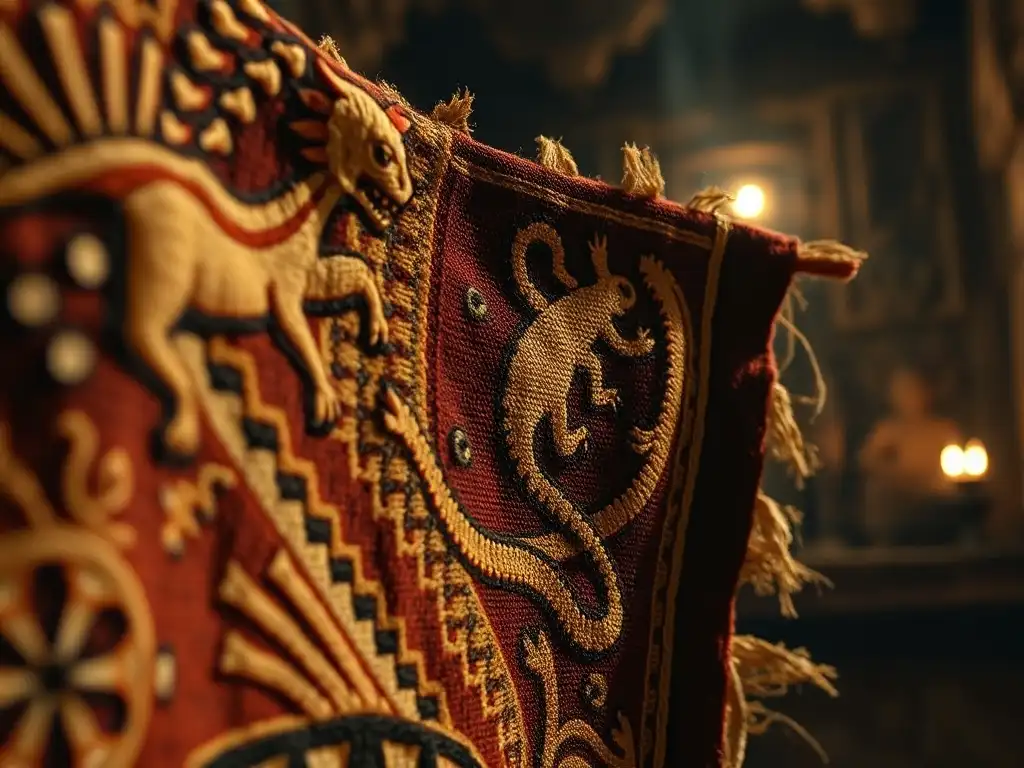
Textiles played a crucial, multifaceted role in Chavín rituals and ceremonies. Evidence suggests that woven fabrics weren't merely utilitarian items; they were integral components of religious practices, imbued with symbolic meaning and spiritual power. Archaeological discoveries at Chavín de Huántar, the cultural center, reveal fragments of richly decorated textiles, often associated with ceremonial contexts.
These fragments, though incomplete, display intricate weaving techniques and the use of vibrant, symbolically significant colors—like the deep reds and blues often linked to Andean deities and sacred landscapes. The presence of textile remnants in elite burials further reinforces their importance within the Chavín worldview. These weren't simply grave goods; they were essential components of the afterlife journey, suggesting a belief in the continued power and significance of these woven artifacts.
The careful preservation of some textiles also hints at their sacred nature, treated with reverence and respect beyond their practical uses. Furthermore, the use of specific fibers and dyes, possibly sourced from distant regions, points to a complex network of trade and religious exchange, with textiles acting as conduits of spiritual power and social connectivity across the vast Chavín sphere of influence. The rarity and sophistication of some discovered textiles also suggest that their creation and use were restricted to specific individuals or groups within Chavín society, further highlighting their ritual importance.
Chavín Textiles as Expressions of Andean Worldview
Chavín textiles offer a unique window into the Andean worldview, reflecting the cosmology, beliefs, and social structures of this influential culture. The intricate designs woven into these fabrics often depict stylized representations of animals, both real and mythical, like jaguars, snakes, and birds – creatures often associated with Andean deities and shamanistic practices. These motifs are not randomly placed; they are carefully arranged to create complex narratives that likely held profound religious significance.
The use of specific colors also reflects the Chavín understanding of the world, with certain hues representing specific deities, elements, or states of being. For instance, the prevalence of red might allude to blood, sacrifice, or the earth's fertile power, while blue could symbolize the sky, water, or the supernatural realm. The combination of these colors and motifs within a single textile piece suggests a complex interplay of beliefs and symbolic meanings, creating a rich tapestry of Chavín cosmology.
The textiles weren't simply decorative; they were visual representations of the Chavín worldview, actively shaping and reinforcing their beliefs and understanding of the cosmos. Further research into the specific dyes and fibers used could reveal even more information about their sourcing and the complex trade networks that connected the Chavín region to other parts of the Andes.
The Connection between Chavín Textiles and Andean Cosmovision
The intricate designs found in Chavín textiles directly reflect the Andean cosmovision, a complex system of beliefs that linked the earthly and supernatural realms. Many motifs depict hybrid creatures, blending characteristics of various animals, representing the interconnectedness of the natural world and the power of the supernatural. This concept of interconnectedness is central to the Andean worldview, where the boundaries between the human, animal, and spiritual worlds are blurred.
The textiles often feature stylized representations of deities or supernatural beings, implying that the act of weaving itself was a sacred practice, a way of connecting with the spiritual realm. The use of specific colors further reinforces this connection, with each hue representing a particular element or deity within the Andean pantheon. The arrangement of these motifs and colors within the textile's design forms a visual narrative, expressing the complex relationship between humans and the supernatural forces that shaped their world.
Analyzing the techniques used in creating these textiles—such as the type of looms, fibers, and dyes—could provide further insights into the specific rituals and beliefs associated with textile production. The intricate designs and symbolic meanings woven into these fabrics were not merely aesthetic; they were active participants in the shaping and maintaining of the Chavín world view.
Reflecting Social Hierarchy through Textile Complexity in Chavín Society
The complexity and artistry of Chavín textiles also reveal a stratified social structure. The quality of the textiles, the intricacy of their designs, and the rarity of the materials used all suggest a correlation with social status. Elaborately woven fabrics with rare dyes and complex designs were likely reserved for the elite members of society, reflecting their power and prestige. Simpler textiles, made with less sophisticated techniques and common materials, would have been used by the commoners.
This difference in textile quality and design serves as a visual marker of social hierarchy within Chavín society. The production of these high-status textiles would have required specialized skills and knowledge, further solidifying the position of the elite artisans within the social structure. The distribution of these textiles, as evidenced by their presence in elite burials, also contributes to our understanding of social power dynamics.
Furthermore, the use of specific motifs and colors in high-status textiles could indicate specific affiliations or clan memberships within the Chavín society, revealing a complex web of social relationships and power structures. Further research into the distribution and use of different types of textiles could provide a more detailed picture of social stratification within the Chavín culture. The textiles, therefore, serve not only as aesthetic objects but also as important indicators of social standing and power within the Chavín civilization.
Preservation and Study of Chavín Textile Fragments
The preservation of Chavín textiles presents significant challenges. The arid climate of the Andes has, in some cases, aided in the preservation of organic materials, but many fragments are extremely fragile due to age and environmental exposure. Researchers utilize meticulous techniques to study and conserve these delicate artifacts. This often involves careful cleaning using specialized tools and materials, followed by stabilization to prevent further deterioration.
Advanced imaging techniques, such as X-ray fluorescence spectroscopy and multispectral imaging, are employed to analyze the dyes and fibers without causing damage. These analyses reveal valuable information about the techniques used by Chavín artisans, the types of fibers they employed (such as cotton and camelid wool), and the complex dyeing processes they mastered. The study of these fragments provides crucial insights into the social and religious significance of textiles within Chavín society.
Furthermore, ongoing research continues to refine our understanding of the challenges inherent in preserving these irreplaceable pieces of Andean history. Careful documentation of each fragment is paramount, enabling future researchers to build upon existing knowledge and refine our understanding of Chavín textile production and symbolism. The ongoing efforts demonstrate a commitment to preserving these fragile remnants of a rich cultural heritage for generations to come.
Comparing Chavín Textile Art with Other Andean Cultures
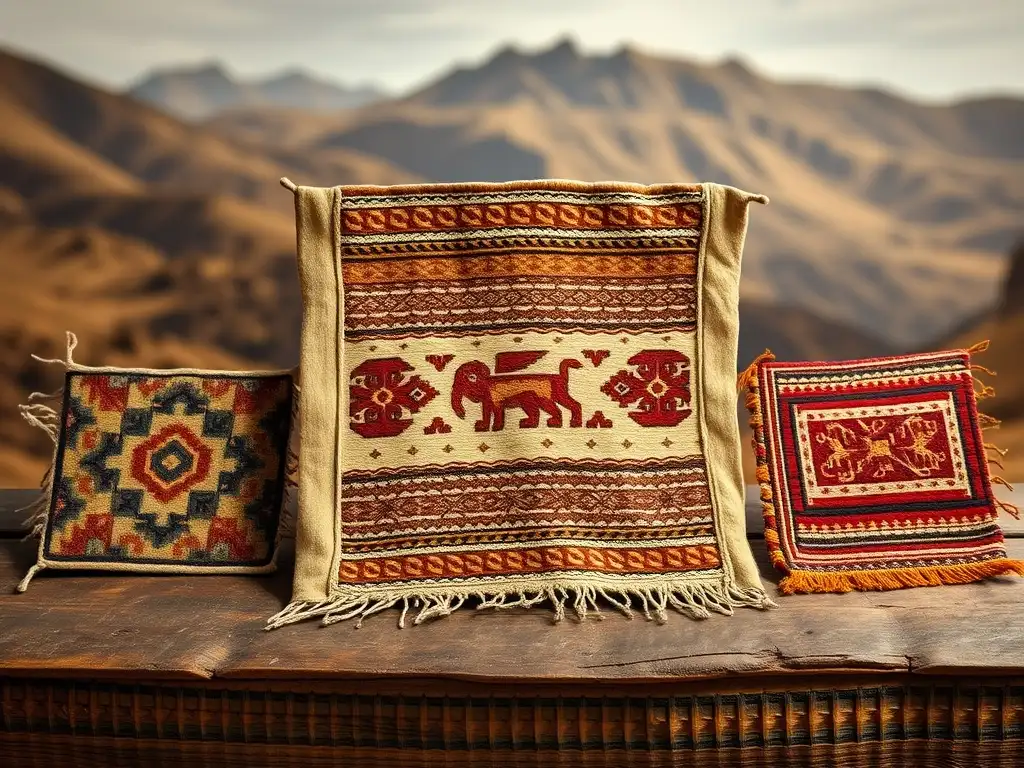
Chavín textile art, while sharing certain characteristics with other Andean cultures, possesses unique stylistic elements that distinguish it. A comparative analysis reveals both common threads and significant divergences. For example, the use of camelid fibers, such as alpaca and llama wool, is common throughout the Andes, but the specific techniques of spinning, weaving, and dyeing employed by the Chavín artisans show a distinct level of sophistication.
The iconic Chavín style, characterized by its intricate geometric patterns and zoomorphic motifs, clearly differentiates it from the naturalistic representations often found in Paracas textiles or the more abstract designs prevalent in Nazca weavings. While the use of vibrant colors was common across many Andean cultures, the specific palettes and color combinations utilized by the Chavín people reflect their unique aesthetic sensibilities. Comparing Chavín textiles with those of later cultures, such as the Moche and Inca, reveals a clear line of influence and stylistic evolution, suggesting a profound impact on subsequent Andean textile traditions.
Further research comparing the iconography and symbolic meanings woven into the textiles across different cultures will provide a richer understanding of the interconnectedness and unique artistic expressions of the Andean world. This comparative approach helps to contextualize Chavín textile art within the broader Andean tapestry of artistic development.
Distinguishing Chavín Textile Styles from Paracas Textiles
While both Chavín and Paracas cultures flourished along the Peruvian coast, their textile traditions exhibit distinct characteristics. Paracas textiles are renowned for their vibrant colors, intricate embroidery, and naturalistic depictions of flora and fauna. In contrast, Chavín textiles often feature a more stylized and geometric approach, with prominent use of feline and serpent motifs, often interpreted as representations of supernatural beings.
The weaving techniques also differ. Paracas textiles frequently utilize complex tapestry techniques, while Chavín textiles often employ simpler but equally effective techniques such as plain weave and brocade. The color palettes also show differences; Paracas textiles are known for their bright, intense colors, while Chavín textiles often utilize a more subdued range, with earth tones and muted shades playing a significant role.
These differences reflect not only distinct artistic styles but also potentially different social and religious contexts for textile production and use. The differences highlight the unique cultural identities of both societies, even while acknowledging their geographical proximity and shared Andean heritage. Further comparative studies could reveal more subtle distinctions and a deeper understanding of the cultural significance of these textile traditions.
Chavín Influence on Later Moche Textile Design
The influence of Chavín art extends far beyond its own time period, significantly impacting subsequent Andean cultures. The Moche culture, known for its exquisite metalwork and pottery, also shows clear evidence of Chavín influence in its textile designs. While the Moche developed their own distinct artistic style, characterized by its realistic depictions of human figures and scenes from daily life, elements of Chavín iconography, such as stylized feline and serpent motifs, can be identified in Moche textiles.
The use of geometric patterns and specific color combinations also suggests a continuation of Chavín artistic traditions. This transmission of stylistic elements highlights the enduring legacy of Chavín art and its impact on the development of Andean textile traditions. Specific examples of Moche textiles featuring Chavín-inspired motifs would further solidify this connection and offer valuable insights into the cultural exchange and artistic evolution within the Andean region.
The study of this influence helps us understand the complex interplay of cultural interaction and artistic innovation in the formation of later Andean societies, emphasizing the lasting impact of Chavín artistic principles. The persistence of these themes demonstrates the power of Chavín aesthetics and their role in shaping the visual culture of the Andes.
The Legacy of Chavín Textiles on Later Andean Weaving Traditions
The intricate and symbolic textiles produced by the Chavín culture left an undeniable mark on subsequent Andean weaving traditions. Their innovative techniques, particularly the use of complex iconography and vibrant colors, served as a foundation for later styles. We see echoes of Chavín aesthetics in the textiles of the Paracas culture, for example, who, while developing their own distinctive style, clearly inherited certain design motifs and weaving methods from their Chavín predecessors.
The use of camelid fibers, a staple of Chavín textile production, continued to be a dominant feature in Andean weaving for centuries. Furthermore, the symbolic representations found in Chavín textiles, such as the stylized jaguars, serpents, and other mythical creatures, reappeared in different forms in the textiles of later cultures, reflecting the enduring power of Chavín religious beliefs and artistic conventions. This continuity suggests a strong cultural transmission across generations, with the artistic and technical achievements of the Chavín influencing the artistic development of later Andean societies.
The sophisticated techniques, such as the use of multiple colors and complex patterns, represent a technological advancement that was likely passed down and refined over time, showcasing the ongoing influence of Chavín ingenuity. The legacy is not merely stylistic, but also technical, as many of the weaving techniques employed by the Chavín are recognizable in later Andean textiles, indicating a direct lineage of knowledge and craftsmanship. Analyzing the evolution of Chavín textile motifs in subsequent Andean cultures provides valuable insights into the transmission of cultural practices and beliefs.
Concluding Thoughts on the Importance of Chavín Textiles in Understanding Ancient Andean Beliefs
Chavín textiles offer a unique and invaluable window into the religious beliefs and worldview of this enigmatic culture. The careful study of these artifacts reveals a complex cosmology populated by powerful deities and mythical creatures, reflecting a sophisticated understanding of the natural world and the human place within it. The textiles serve not only as beautiful examples of ancient craftsmanship but also as vital sources for understanding the symbolic language used to express these beliefs.
The recurring motifs, such as the stylized feline and serpent figures, likely represented powerful forces in the Chavín pantheon, and their placement and combination within the textile designs reveal intricate relationships between these deities. The use of color also holds symbolic significance, with specific hues likely associated with particular deities or concepts. By carefully analyzing the iconography, techniques, and materials used in Chavín textiles, researchers can reconstruct a richer understanding of the Chavín worldview and its relationship to the surrounding environment.
The textiles, therefore, are not merely decorative objects; they are tangible representations of a complex belief system, providing crucial evidence for understanding the development of Andean religious thought. Further research into Chavín textiles, combined with interdisciplinary studies, promises to further illuminate our understanding of this fascinating culture and its lasting impact on the Andean region. The preservation and continued study of these remarkable artifacts are crucial for preserving and interpreting a vital part of Andean heritage, illustrating the enduring power of Chavín beliefs woven into the very fabric of their society.
- The Significance of Textiles in Chavín Culture
- Exploring the Materials Used in Chavín Weaving
- Chavín Textile Techniques: A Masterclass in Ancient Craftsmanship
- Decoding Chavín Textile Motifs: Iconography and Symbolism
- The Role of Textiles in Chavín Rituals and Ceremonies
- Chavín Textiles as Expressions of Andean Worldview
- Preservation and Study of Chavín Textile Fragments
- Comparing Chavín Textile Art with Other Andean Cultures
- The Legacy of Chavín Textiles on Later Andean Weaving Traditions
- Concluding Thoughts on the Importance of Chavín Textiles in Understanding Ancient Andean Beliefs
Frequently Asked Questions
What role did textiles play in Chavín culture?
Textiles were incredibly important to the Chavín, serving both practical and ritualistic purposes. They were used for clothing, blankets, and possibly even in religious ceremonies. Their intricate designs reflect complex Andean beliefs.
How can we learn about Chavín beliefs from their textiles?
The iconography woven into Chavín textiles provides valuable insights into their spiritual world. Depictions of mythological creatures and symbols reveal aspects of their cosmology and religious practices. These designs offer clues to their understanding of the Andean world.
What materials did the Chavín use to create their textiles?
Chavín textiles were primarily made from alpaca and llama wool, readily available in the Andean highlands. These natural fibers were spun and woven using sophisticated techniques to create durable and richly textured fabrics. Cotton was also sometimes used.
What are some common motifs found in Chavín textiles?
Common motifs include stylized animals, such as jaguars, birds, and snakes, often depicted in a highly abstract style. Geometric patterns and spirals are also frequently seen, reflecting the Chavín's complex worldview. These symbols are central to understanding their beliefs.
How are Chavín textiles preserved and studied today?
Many Chavín textiles have survived in arid conditions, allowing archaeologists to recover and study them. Careful conservation techniques are employed to preserve these fragile artifacts. Their study helps us understand Andean textile production and the Chavín worldview.
Final Reflection: Unraveling the Tapestry of Chavín Belief
The intricate textiles of the Chavín culture remain a powerful testament to the enduring influence of Andean spirituality, echoing across millennia and speaking directly to our contemporary fascination with ancient belief systems. Their vibrant designs and sophisticated techniques are not merely artifacts of a bygone era; they are living threads connecting us to a rich and complex worldview that continues to shape the cultural landscape of the Andes.
The enduring power of Chavín iconography, woven into the very fabric of their society, highlights the profound connection between material culture and spiritual expression. These textiles weren't simply clothing or adornment; they were active participants in ritual, storytelling, and the transmission of knowledge across generations. The past is never dead. It's not even past.
– William Faulkner. This quote perfectly encapsulates the ongoing relevance of Chavín textiles, reminding us that understanding their beliefs allows us to better understand the enduring threads of Andean culture and its impact on the present.
Consider the intricate symbolism woven into each piece – the jaguars, serpents, and stylized figures – and how they might reflect a worldview deeply connected to the natural world and the spiritual forces believed to inhabit it. You, the reader, are now invited to contemplate the legacy of Chavín craftsmanship.
How can we, in our own lives, weave together our beliefs and values into the fabric of our existence, creating a tapestry as rich and meaningful as those created by the ancient artisans of Chavín? Let the threads of their artistry inspire you to explore your own connection to the past and the enduring power of belief.
**Unveil the Secrets of Chavín Textiles! **
Thank you for exploring the intricate world of Chavín textiles! You've uncovered fascinating insights into how these woven masterpieces reflect ancient beliefs and cultural expressions. Let's delve even deeper!
Here are some engaging ways to further connect with this rich heritage:
- **Explore** the history of Chavín textile techniques by visiting a local museum or exploring online exhibits featuring stunning examples of their artistry.
- Share your newfound knowledge! Discuss the meaningful stories behind Chavín textiles and their cultural significance with friends and family.
- Consider **creating your own textile art** inspired by the Chavín style—perhaps through weaving, embroidery, or even digital art.
Which aspect of Chavín textile art most captivates you, and how will you integrate it into your life or creative work?