
The Spread of Ideologies: Exploring the Diffusion of Belief Systems in the Highlands

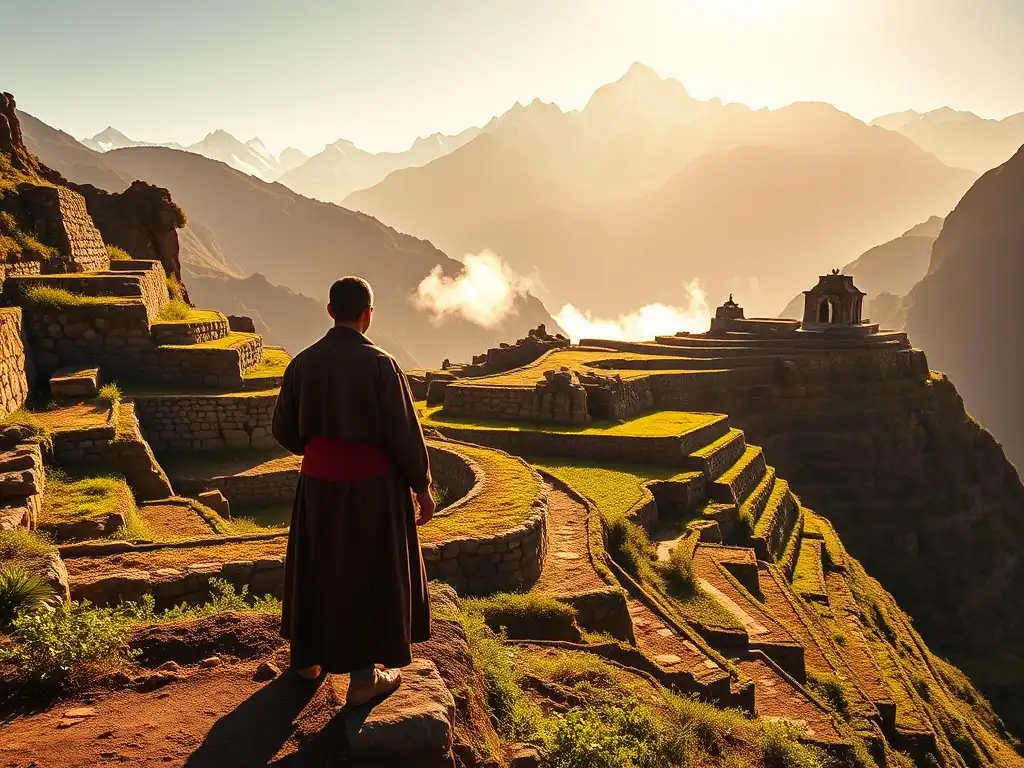
Step into a world lost to time, yet echoing with vibrant life. Imagine a landscape sculpted by towering peaks and ancient mysteries, where the echoes of Andean civilization belief systems still resonate. This is the realm of the Incas, Moche, Nazca, and Tiahuanaco – civilizations that shaped a unique and enduring culture. Discover how their beliefs spread, intertwined, and evolved across the highlands in our exploration of "The Spread of Ideologies: Exploring the Diffusion of Belief Systems in the Highlands," a journey into the heart of Pre-Incan Cultures. Are you ready to uncover their secrets?
The Andes Mountains, a spine of towering peaks and fertile valleys, cradled a tapestry of vibrant pre-Inca civilizations. For centuries, diverse cultures flourished, each developing unique belief systems reflecting their environments and social structures. This article delves into the fascinating process of ideological diffusion – how beliefs, rituals, and worldviews spread across the Andean highlands before the Inca Empire unified the region.
Understanding these complex interactions provides crucial insight into the development of Andean societies and the rich legacy they left behind. We will examine the genesis of early Andean belief systems and trace their evolution through the interplay of various cultural groups, highlighting the exchange and adaptation of religious practices and cosmological understanding that shaped the Andean worldview. This exploration will illuminate the intricate web of interactions that defined the pre-Inca era and laid the groundwork for the later Inca dominance.
We will focus specifically on the spread of key beliefs and practices, analyzing their geographical distribution and exploring the factors that facilitated or hindered their transmission. This analysis will contribute to a more nuanced understanding of the Andean civilization belief systems and their dynamic evolution.
Understanding Andean Civilization Belief Systems Before the Incas
Before the Inca Empire's rise, the Andean highlands were a mosaic of distinct cultures, each with its own unique spiritual landscape. These weren't isolated entities; rather, they engaged in complex interactions, leading to the diffusion of religious ideas and practices. Archaeological evidence, such as similar iconography found across geographically disparate sites, suggests a degree of cultural exchange.
This exchange wasn't merely a passive process of imitation; rather, it involved adaptation and syncretism, where existing beliefs were blended with newly encountered ones, resulting in a dynamic and ever-evolving spiritual landscape. The specific mechanisms of this diffusion – whether through trade networks, intermarriage, warfare, or migration – remain subjects of ongoing research, but the evidence points to a vibrant and interconnected world. Furthermore, the mountainous terrain itself played a significant role, shaping the patterns of interaction and the spread of ideas.
Valleys provided natural pathways for communication and trade, while mountain passes acted as both barriers and focal points for intercultural exchange. The presence of shared motifs in pottery, textiles, and architecture further underscores the interconnectedness of these seemingly disparate cultures. Understanding these intricacies is key to appreciating the complexity of Andean civilization belief systems.
The Genesis of Belief Systems in the Early Andean Highlands
The origins of Andean belief systems are deeply rooted in the region's unique environment. The towering mountains, fertile valleys, and unpredictable climate shaped the worldview of early Andean peoples. Evidence suggests a strong connection between the natural world and spirituality. Early Andean cultures often worshipped deities associated with nature – mountains, rivers, the sun, and the moon. These deities were not merely abstract concepts but powerful forces that directly impacted their lives.
Agricultural practices, crucial for survival, were often intertwined with religious rituals aimed at ensuring bountiful harvests. This close relationship between religion and agriculture is reflected in the archaeological record, with the discovery of numerous ceremonial sites located near agricultural fields. Furthermore, the early Andean belief systems often incorporated ancestor veneration, reflecting a strong emphasis on kinship and lineage. These early beliefs laid the foundation for the more complex religious systems that would emerge in later periods.
The development of sophisticated astronomical knowledge, evident in the precise alignment of many ceremonial structures, suggests a sophisticated understanding of the cosmos and its influence on human affairs. This early cosmological understanding formed a crucial part of their belief system, shaping their rituals and social structures. The exact timeline and progression of these developments are still being uncovered through ongoing research. However, the available evidence points to a rich and dynamic spiritual landscape in the early Andean highlands.
Key Elements of Early Andean Ideology
Animistic Beliefs and the Natural World
Early Andean belief systems were deeply intertwined with the natural world, exhibiting a strong animistic worldview. This meant that spirits inhabited not only animals and plants but also mountains, rivers, and other geographical features. The landscape itself was considered sacred, with certain locations holding particular spiritual significance.
For example, the veneration of Apus (mountain gods) was widespread, and these deities were believed to exert considerable influence over the lives of the people. Rituals and offerings were regularly made to appease these powerful spirits and ensure a bountiful harvest and favorable weather conditions. This profound connection with nature is reflected in the art and iconography of the period, with depictions of animals, plants, and deities frequently found on pottery, textiles, and other artifacts.
The intricate relationship between the Andean peoples and their environment underscores the pervasive nature of animistic beliefs in shaping their daily lives and societal structures. The impact of these beliefs on agriculture, water management, and social organization was profound, demonstrating a sophisticated understanding of the interconnectedness of the spiritual and material realms.
Ancestor Veneration in Pre-Incan Societies
Ancestor veneration played a crucial role in the social and religious life of pre-Incan Andean societies. The belief that ancestors continued to exert influence from the afterlife led to elaborate funerary practices and rituals aimed at honoring and appeasing them. Mummies were often carefully preserved and adorned with valuable objects, reflecting the high status afforded to the deceased.
These mummies were sometimes kept within family compounds or in special shrines, where they were regularly tended to and offered food and drink. The continued interaction with ancestors was seen as a vital link between the living and the spiritual world, providing guidance and protection. This veneration extended beyond immediate family members, with certain lineages or clans holding particular ancestral figures in high esteem.
The importance of ancestor veneration reinforced social hierarchies and helped maintain the stability of pre-Incan communities. Archaeological evidence, such as the elaborate tombs found at sites like Paracas and Nazca, provides compelling evidence of the significance of these practices.
The Role of Shamanism in Andean Spirituality
Shamanism was a central element of Andean spirituality, with shamans acting as intermediaries between the human and spiritual worlds. These individuals possessed specialized knowledge and abilities, allowing them to communicate with deities, ancestors, and other supernatural entities. They played crucial roles in healing, divination, and conducting rituals. Shamans often used hallucinogenic plants, such as San Pedro cactus, to achieve altered states of consciousness and access the spirit world.
Their expertise was highly valued, and they held considerable social influence within their communities. The use of hallucinogens in shamanistic practices helped shape Andean cosmology and religious beliefs, influencing the visual arts and mythology. The shaman's role in interpreting dreams, predicting the future, and mediating conflicts highlights the importance of spiritual leadership in the social fabric of pre-Incan societies. The enduring legacy of shamanistic traditions in the Andes demonstrates the deep-seated importance of spiritual practices in Andean culture.
Diffusion of Religious Ideas in the Pre-Incan Highlands
Trade Routes and the Spread of Religious Practices
The extensive network of trade routes that crisscrossed the Andean highlands played a significant role in disseminating religious ideas and practices. As merchants and travelers moved between different regions, they carried not only goods but also cultural and religious beliefs. The exchange of artifacts, iconography, and ritual objects facilitated the spread of religious concepts and practices across vast distances.
The standardization of certain religious motifs across geographically distant sites provides evidence of this cultural exchange. The sharing of religious practices, such as specific rituals or the veneration of particular deities, fostered a sense of shared identity and facilitated interaction between otherwise distinct communities. The movement of people, along with the exchange of goods and ideas, created a dynamic interplay of religious traditions, leading to both the diffusion and transformation of belief systems throughout the Andean region.
The Influence of Cultural Exchange on Belief Systems
Cultural exchange significantly influenced the development and evolution of belief systems in the pre-Incan highlands. The interaction between different Andean cultures resulted in the fusion of religious ideas and practices, leading to the emergence of syncretic belief systems. This process of cultural exchange was not simply a one-way street; it involved a complex interplay of influences, with different groups adopting, adapting, and modifying religious elements from other cultures.
The adoption of new deities, rituals, or cosmological concepts often led to modifications in existing belief systems, creating a dynamic and ever-evolving religious landscape. This process of cultural exchange enriched the religious traditions of the Andean region, resulting in a diverse range of beliefs and practices that reflected the complex interactions between different cultural groups.
Religious Syncretism in the Andean Region
Religious syncretism was a common feature of the Andean region, characterized by the blending of different religious traditions. As various cultures interacted and exchanged ideas, their religious beliefs often merged, resulting in the creation of composite deities and hybrid religious practices. This process of syncretism was not always a harmonious one; it often involved power struggles and the appropriation of religious symbols and practices by dominant groups.
However, it also led to the creation of new and unique religious systems that reflected the diverse cultural influences present in the Andean region. The evidence for religious syncretism is widespread, with archaeological findings often revealing a mixture of different religious elements in a single site or artifact. This dynamic interplay of religious traditions contributed to the rich tapestry of Andean spirituality and shaped the religious landscape of the region.
Regional Variations in Andean Religious Thought
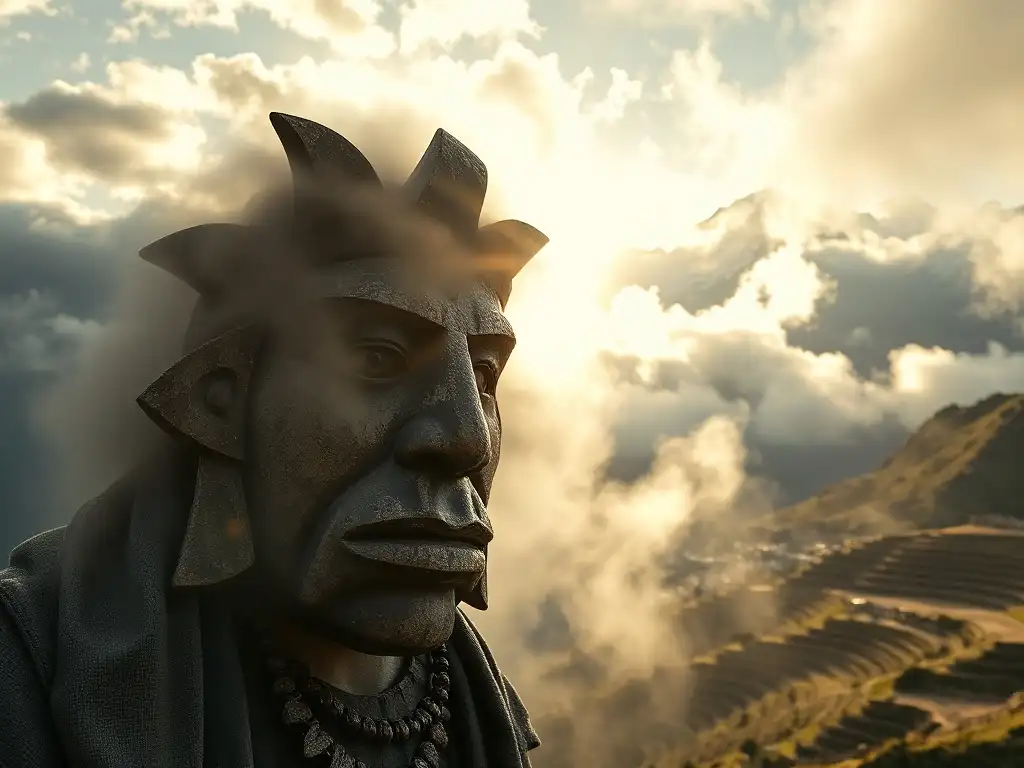
The Andes Mountains, a vast and diverse geographical region, fostered a rich tapestry of religious beliefs and practices among its pre-Columbian inhabitants. While certain common threads—such as ancestor veneration and a focus on agricultural cycles—unite these belief systems, significant regional variations existed. These differences reflect the unique environmental conditions, social structures, and historical experiences of each culture.
The mountainous terrain itself played a crucial role, isolating communities and leading to the development of distinct religious traditions. Access to resources, such as water sources and fertile valleys, also influenced the focus and nature of religious practices. For example, coastal communities, heavily reliant on marine life, developed distinct religious systems compared to those in the high-altitude regions, where agriculture was paramount.
Understanding these regional variations is crucial to grasping the complexity and dynamism of Andean religious thought. The interplay between geographical factors and cultural development shaped the unique character of each Andean civilization's belief system, creating a fascinating mosaic of religious practices across the region. These variations were not static; they evolved and interacted over time, often influenced by contact and exchange between different groups.
The Case of the Chavín Culture and its Beliefs
The Chavín culture (c. 900 – 200 BCE), located in the northern Andes, provides a compelling example of the early development of complex religious thought. Their religious ideology, centered around a powerful deity often depicted with feline and jaguar features, exerted a significant influence across a wide geographical area. Archaeological evidence suggests that Chavín religious iconography and rituals spread far beyond their core territory, indicating a process of cultural diffusion and the adoption of Chavín religious beliefs by other groups.
This dissemination, however, wasn't a simple replication; rather, it involved a syncretic process where local traditions were integrated with Chavín elements, resulting in regionally unique expressions of Chavín-influenced religious practices. For example, the distinctive Chavín style of art, featuring stylized jaguars and other supernatural beings, appeared in various forms in sites far from the Chavín center, adapted and modified to reflect local artistic sensibilities.
The exact mechanisms of this cultural transmission remain a subject of ongoing research, with scholars exploring potential pathways such as trade networks, migration patterns, and the influence of elite power structures. The enduring legacy of Chavín religious imagery and motifs in subsequent Andean cultures underscores the profound impact of this early Andean civilization on the development of religious thought across the region.
Contrasting Religious Practices in the Moche Culture
In contrast to the Chavín, the Moche culture (c. 100 – 800 CE) of the northern Peruvian coast developed a distinct pantheon of deities and elaborate ritual practices. Known for their sophisticated metalwork and impressive monumental architecture, the Moche also left behind a rich record of religious beliefs through their pottery and murals. Their religious worldview was deeply intertwined with their agricultural practices and the cyclical nature of the environment.
Unlike the Chavín's more centralized religious system, the Moche's religious organization appears to have been more decentralized, with evidence suggesting the existence of powerful local priests and shrines. Moche religious art frequently depicts scenes of ritual sacrifice, warfare, and fertility rites, reflecting the importance of these themes in their society.
The Moche's emphasis on warfare and the depiction of powerful rulers in their religious iconography suggests a close link between religious authority and political power. The vibrant and dynamic nature of Moche religious practices stands in stark contrast to the more enigmatic character of Chavín religious beliefs, highlighting the diversity of religious expression in the Andean world.
Analyzing the Shifting Religious Landscape of the Nazca Culture
The Nazca culture (c. 100 BCE – 800 CE), also located on the southern coast of Peru, is renowned for its enigmatic geoglyphs—vast designs etched into the desert surface. While the precise meaning of these geoglyphs remains a subject of debate, they undoubtedly played a significant role in the Nazca religious worldview. The Nazca religious landscape appears to have been characterized by a complex interplay of ancestor veneration, shamanistic practices, and a focus on water and fertility.
Evidence suggests the existence of powerful religious specialists who played a crucial role in mediating between the human and supernatural worlds. Their religious practices likely involved ritual offerings and ceremonies aimed at ensuring bountiful harvests and the continuation of life.
The Nazca's mastery of hydraulic engineering, exemplified by their sophisticated irrigation systems, suggests a deep connection between their religious beliefs and their ability to control water resources, a vital element for survival in the arid coastal environment. Unlike the Moche, who emphasized warfare in their religious imagery, the Nazca's religious iconography appears to have been more focused on themes of fertility, abundance, and the cyclical nature of life and death.
The Impact of Ideological Diffusion on Andean Society
The spread of religious and ideological beliefs across the Andean region had a profound and multifaceted impact on Andean society. The interaction and exchange of ideas between different cultures led to the emergence of new syncretic religious systems, shaping the social, political, and economic structures of various Andean communities. The diffusion of religious ideas was not always a peaceful process; it could be accompanied by conflict and competition between different groups vying for influence and power. Understanding the dynamics of ideological diffusion is essential to comprehending the evolution of Andean civilizations and their complex interactions over time.
Social Organization and Religious Structures
Religious beliefs played a pivotal role in shaping the social organization of Andean societies. In many cases, religious elites held significant power and influence, controlling access to resources and shaping social hierarchies. Temples and religious centers served as focal points for community life, providing spaces for ritual activities and reinforcing social cohesion.
The construction and maintenance of these monumental structures required significant labor and resources, reflecting the importance of religion in mobilizing human and material resources. The social status of individuals was often tied to their religious roles, with priests and shamans holding positions of authority and prestige. The organization of religious activities often mirrored the social structure of the community, reflecting and reinforcing existing power dynamics.
The Role of Religion in Political Power
The relationship between religion and political power in Andean societies was complex and dynamic. In some cases, religious leaders held direct political authority, while in others, religious beliefs and practices were used to legitimize and consolidate political power. The construction of monumental architecture, such as temples and palaces, served as a powerful symbol of political authority and religious legitimacy. Religious rituals and ceremonies were used to reinforce the power of rulers and to solidify social hierarchies.
The control over religious resources, such as sacred sites and shrines, could be a source of political influence and control. The Inca Empire, for example, effectively integrated religious beliefs into its imperial structure, using religion to maintain control over its vast territories and diverse populations. The Inca's elaborate state religion, with its emphasis on the Inca ruler's divine status, played a key role in consolidating their power and maintaining social order.
Ritual Practices and Community Cohesion
Ritual practices played a crucial role in fostering community cohesion and maintaining social order in Andean societies. Shared religious beliefs and practices created a sense of collective identity and strengthened social bonds. Rituals often involved communal participation, reinforcing social solidarity and cooperation. Festivals and ceremonies provided opportunities for social interaction and the exchange of goods and ideas.
The performance of rituals, such as agricultural rites and ancestor veneration, helped to maintain social harmony and ensure the continuity of life. The shared experience of participating in these rituals fostered a sense of belonging and strengthened the social fabric of the community. The elaborate nature of many Andean rituals, often involving significant investment of time, labor, and resources, underscores the importance of religious practices in shaping social life.
Tracing the Evolution of Andean Civilization Belief Systems
From Local Cults to Regional Religious Practices
The evolution of Andean civilization belief systems is a fascinating journey marked by a gradual shift from localized, smaller-scale cults to more expansive, regional religious practices. Early evidence suggests a diverse tapestry of local deities and rituals, often tied to specific geographical features like mountains, rivers, or fertile valleys. These localized beliefs, while diverse, often shared common threads, reflecting a deep connection to the natural world and agricultural cycles.
The development of sophisticated irrigation systems and agricultural techniques likely played a crucial role in fostering a sense of shared identity and cooperation, paving the way for the integration of these smaller, localized belief systems. Archaeological findings, such as distinct pottery styles and burial practices, reveal regional variations in religious expression, even within relatively close proximity. However, the emergence of larger political entities gradually led to the standardization and syncretism of these diverse beliefs, creating a more cohesive religious landscape.
The Development of Complex Pantheons
The development of complex pantheons is a hallmark of the evolution of Andean belief systems. As regional polities grew in power and influence, their religious practices became increasingly sophisticated and centralized. Evidence suggests a hierarchical structure within these pantheons, with a supreme deity or a triad of deities at the apex, overseeing a multitude of lesser gods and spirits associated with specific aspects of nature, agriculture, or human life.
For example, the Moche civilization worshipped a complex pantheon, including deities associated with warfare, fertility, and the sea. The iconography found in their elaborate ceramics vividly depicts these deities and their associated rituals.
The integration of these diverse deities into a unified system reflects a process of religious syncretism, where previously separate beliefs were combined and adapted to serve the interests of a growing and powerful state. The construction of monumental temples and ceremonial centers served as focal points for these religious practices, reinforcing the power and authority of the ruling elite.
The Legacy of Pre-Incan Beliefs on Later Andean Civilizations
The legacy of pre-Incan beliefs profoundly shaped the religious landscape of later Andean civilizations, particularly the Inca Empire. While the Inca developed their own elaborate state religion, many elements of pre-Incan beliefs and practices persisted and were integrated into the Inca worldview. This syncretism is evident in the Inca pantheon, which incorporated many deities and rituals from earlier cultures. For instance, the Inca veneration of mountains and the practice of ancestor worship have clear roots in pre-Inca traditions.
The Inca state cleverly adapted and incorporated existing religious practices to strengthen its political control and foster a sense of unity across its vast empire. This process of religious adaptation and integration highlights the remarkable continuity and resilience of Andean religious traditions over centuries. Understanding the influence of pre-Inca beliefs on Inca religion provides invaluable insights into the complex dynamics of power, culture, and religious change in the Andes.
The Importance of Studying Pre-Incan Religious Diffusion
Insights into the Roots of Andean Spirituality
Studying the diffusion of pre-Incan religious beliefs offers invaluable insights into the roots of Andean spirituality. By examining the evolution and spread of religious ideas, we can gain a deeper understanding of the core values, beliefs, and worldview that shaped Andean societies for millennia. Analyzing the iconography, mythology, and ritual practices of these cultures reveals a profound connection to the natural world, a reverence for ancestors, and a complex understanding of the cosmos.
This deep-seated spirituality continued to influence Andean societies long after the rise and fall of various empires. The study of pre-Inca religion provides a crucial foundation for understanding the enduring legacy of Andean spirituality and its impact on contemporary Andean cultures. It allows us to connect the past with the present and appreciate the richness and complexity of Andean cultural heritage.
Understanding the Dynamics of Cultural Interaction
The study of pre-Incan religious diffusion illuminates the complex dynamics of cultural interaction in the Andes. The spread of religious beliefs wasn't always a passive process; it often involved interactions, conflicts, and negotiations between different groups. The exchange of religious ideas and practices led to the creation of hybrid religious systems, reflecting the dynamic interplay between different cultural traditions.
The archaeological record often reveals evidence of religious syncretism, where elements of different belief systems were combined and adapted to create new forms of religious expression. By studying these interactions, we can gain a deeper understanding of the processes of cultural exchange, adaptation, and innovation that shaped Andean societies. This understanding is crucial for appreciating the complex tapestry of Andean cultures and their interconnectedness.
Preserving the Rich Heritage of Andean Belief Systems
The preservation of the rich heritage of Andean belief systems is of paramount importance for several reasons. These belief systems represent a significant part of human cultural history, offering unique insights into the development of human thought and spirituality. Their study contributes to our understanding of human interaction with the environment and the development of complex social structures.
Furthermore, many contemporary Andean communities still maintain aspects of these ancient traditions, making their preservation crucial for maintaining cultural identity and continuity. By studying and understanding these belief systems, we can contribute to their preservation and help ensure that future generations can appreciate the richness and complexity of Andean spiritual heritage.
This preservation effort is not just about archiving information; it's about recognizing the ongoing relevance of these beliefs and their continuing impact on Andean societies today. It involves supporting ongoing research, community engagement, and ethical practices in the study and interpretation of these beliefs.
- Understanding Andean Civilization Belief Systems Before the Incas
- The Genesis of Belief Systems in the Early Andean Highlands
- Key Elements of Early Andean Ideology
- Diffusion of Religious Ideas in the Pre-Incan Highlands
- Regional Variations in Andean Religious Thought
- The Impact of Ideological Diffusion on Andean Society
- Tracing the Evolution of Andean Civilization Belief Systems
- The Importance of Studying Pre-Incan Religious Diffusion
- What were the dominant belief systems of the Andean civilizations?
- How did belief systems influence Andean art and architecture?
- Did the different Andean cultures share any common religious beliefs?
- How did the Inca Empire impact the existing belief systems of conquered peoples?
- What evidence reveals the nature of Andean belief systems?
Frequently Asked Questions
What were the dominant belief systems of the Andean civilizations?
The Andean civilizations, including the Incas, Moche, Nazca, and Tiahuanaco, held diverse yet interconnected belief systems. These often revolved around ancestor veneration, agricultural cycles, and powerful deities associated with nature. Many shared a belief in a complex cosmology.
How did belief systems influence Andean art and architecture?
Andean art and architecture were deeply intertwined with their belief systems. Religious iconography is prevalent, with temples, monuments, and textiles depicting deities, mythical creatures, and ritualistic practices. These artistic expressions reinforced and disseminated their ideologies.
While distinct, Andean cultures shared some common threads in their belief systems. Many worshipped powerful deities associated with nature, such as the sun, moon, and mountains. The concept of reciprocity between humans and the supernatural was also widespread.
How did the Inca Empire impact the existing belief systems of conquered peoples?
The Inca Empire implemented a policy of religious syncretism, integrating existing local deities and practices into their own state religion. While imposing Inca deities and rituals, they also adapted and incorporated elements of conquered peoples’ beliefs to maintain control and social stability.
What evidence reveals the nature of Andean belief systems?
Archaeological evidence, including religious iconography on pottery, textiles, and monumental architecture, provides crucial insights. Furthermore, ethnohistoric accounts from Spanish chronicles and later indigenous oral traditions offer valuable, albeit sometimes biased, perspectives on Andean religious life.
Final Reflection: Echoes of the Andes: A Legacy of Belief
The intricate tapestry of Andean belief systems, once woven through the highlands, continues to resonate in the modern world, shaping cultural identities and influencing contemporary thought. The enduring power of these ideologies, from the sophisticated cosmology of the Inca to the diverse spiritual practices of pre-Inca cultures, demonstrates the remarkable resilience of belief in the face of societal shifts and globalization. Understanding this legacy is crucial to appreciating the rich complexity of Andean heritage and its ongoing impact.
The exploration of Andean belief systems reveals not just a historical narrative, but a living testament to the human capacity for spiritual innovation and adaptation. These beliefs, passed down through generations, have profoundly shaped the social fabric of the region, influencing everything from agricultural practices to artistic expression. As the anthropologist Clifford Geertz eloquently stated, Man is an animal suspended in webs of significance he himself has spun.
The Andean peoples, through their intricate belief systems, have spun webs of meaning that continue to hold immense power and influence.
Consider the enduring impact of these beliefs on your own life. How do your own belief systems shape your understanding of the world? Take a moment to reflect on the interconnectedness of cultures and the enduring power of ideas. By understanding the historical and ongoing influence of Andean belief systems, we can gain a deeper appreciation for the diversity of human experience and the enduring power of belief to shape our world. Let the echoes of the Andes inspire you to explore the rich tapestry of human belief and its profound impact on our lives.
Unveil New Perspectives: Act on Your Curiosity!
Thank you for joining us on this fascinating exploration of belief systems in the Highlands! Your interest in understanding their profound influence enriches our shared knowledge and fosters cultural appreciation. Let's continue this journey—here's how you can expand your understanding:
- Engage with local communities: Attend cultural events, workshops, or join online discussions to connect directly with those who practice these beliefs.
- Share your insights: Discuss your newfound knowledge with friends, family, or on social media; spark a conversation about the rich diversity of thought and practice in the Highlands.
- Discover related resources: Explore books, documentaries, or academic articles that examine the historical impact of these belief systems on societies worldwide.
Which aspect of Highland belief systems has most captivated you? Share your thoughts below!