
Nazca Lines and Shamanism: Visions, Rituals, and Spiritual Significance

Unravel the enigma of the Andean civilizations! Journey through millennia of breathtaking artistry, intricate societal structures, and advanced engineering. But prepare to be captivated by something truly extraordinary: the Nazca Lines. Were these enigmatic geoglyphs merely artistic expressions, or did they serve a far more profound purpose, perhaps linked to powerful shamanistic rituals? Dive into the mysteries surrounding their creation and uncover the spiritual significance behind these awe-inspiring symbols. Explore the captivating world of the Nazca civilization and discover the answers.
The Nazca Lines, etched into the Peruvian desert, remain one of archaeology's most enduring mysteries. These vast geoglyphs, depicting animals, plants, and geometric figures, have captivated researchers and enthusiasts for decades. While their precise purpose remains debated, a compelling theory links their creation to the shamanistic practices of the Nazca culture.
This article delves into the fascinating intersection of the Nazca Lines and shamanism, exploring the potential role of altered states of consciousness, ritualistic ceremonies, and the spiritual significance these lines held for the Nazca people. We will examine evidence suggesting that the creation and use of the lines were deeply intertwined with their religious beliefs and practices, offering a glimpse into a complex and captivating worldview.
Understanding this connection provides crucial context for interpreting these enigmatic figures and appreciating the sophisticated culture that produced them. The exploration of "Nazca lines shamanistic rituals" reveals a rich tapestry of beliefs and practices that illuminate a significant aspect of Nazca civilization.
Altered States of Consciousness and the Creation of the Nazca Lines
The sheer scale and precision of the Nazca Lines suggest a level of planning and execution that would have required significant coordination and effort. Many scholars hypothesize that the creation of these geoglyphs involved the use of hallucinogenic substances, such as San Pedro cactus or other plants known to induce altered states of consciousness.
It's theorized that shamans, acting as intermediaries between the spiritual and physical worlds, may have utilized these substances to enhance their vision and guide the creation process. The intricate designs, some stretching for hundreds of meters, might represent visions experienced during these altered states, translating spiritual experiences into tangible forms on the desert floor.
This process would have been a deeply spiritual and communal undertaking, involving numerous individuals working together under the guidance of shamanistic leaders. Further research into the botanical remains found in Nazca contexts could shed more light on the specific plants used and their role in the creation of the lines.
Ritualistic Ceremonies and the Nazca Lines: Evidence and Interpretations
Evidence suggests the Nazca Lines weren't merely artistic expressions; they were integral to elaborate rituals. The lines themselves may have served as pathways for processions, pilgrimage routes, or locations for ceremonies. The arrangement of certain figures, their alignment with astronomical events, and the presence of associated artifacts near some geoglyphs all point to a ritualistic function.
For example, the presence of [specific artifact type pending] near certain lines suggests a connection to specific deities or ceremonies related to [specific deity or event pending]. Furthermore, the lines' visibility from certain vantage points, possibly elevated platforms or ceremonial centers, strengthens the argument for their use in ritualistic observation and participation. The intricate designs themselves may represent symbolic narratives, embodying cosmological beliefs and communicating with the spirit world.
The Spiritual Significance of the Nazca Lines: Connecting Earth and Sky
The Nazca Lines likely held profound spiritual significance for the Nazca people, acting as a powerful link between the earthly and celestial realms. The geometric shapes and animal figures may represent constellations, celestial events, or mythical beings inhabiting the heavens. The lines' alignment with astronomical features like solstices and equinoxes further supports this interpretation.
This cosmological understanding highlights the Nazca's sophisticated knowledge of astronomy and their integration of celestial observations into their religious worldview. The act of creating the lines themselves could have been a ritualistic act, a form of communication with the supernatural, aimed at ensuring fertility, prosperity, or protection. The lines, therefore, become a tangible manifestation of their spiritual beliefs and cosmology, a vast canvas depicting their understanding of the universe.
Further Research and Unanswered Questions about Nazca Lines and Shamanism
Despite significant advancements in our understanding of the Nazca Lines, many questions remain unanswered. Further research is needed to fully unravel the mysteries surrounding their creation and purpose. Specifically, more detailed studies are needed on: the types of hallucinogens potentially used; the social organization involved in creating the lines; and the precise astronomical alignments and their significance within the Nazca worldview.
Interdisciplinary approaches, combining archaeological findings with ethnobotanical studies and astronomical analysis, are crucial for gaining a comprehensive understanding of the complex interplay between the Nazca Lines and shamanistic practices. The ongoing exploration of "Nazca lines shamanistic rituals" promises to unveil even more fascinating insights into this enigmatic culture. The quest to decipher these ancient mysteries continues, promising further revelations into the rich spiritual world of the Nazca civilization.
- Altered States of Consciousness and the Creation of the Nazca Lines
- Ritualistic Ceremonies and the Nazca Lines: Evidence and Interpretations
- The Spiritual Significance of the Nazca Lines: Connecting Earth and Sky
- Further Research and Unanswered Questions about Nazca Lines and Shamanism
- What is the connection between the Nazca Lines and shamanistic rituals?
- Were the Nazca Lines created solely for shamanistic purposes?
- What evidence supports the link between the Nazca Lines and shamanism?
- What types of rituals might have taken place in connection with the Nazca Lines?
- Are there any other Andean cultures that show similar shamanistic practices related to landscape features?
Understanding the Nazca Lines: Beyond the Geoglyphs
The Enigmatic Nature of the Nazca Geoglyphs
The Nazca Lines, etched into the Peruvian desert, remain one of archaeology's greatest mysteries. These massive geoglyphs, depicting animals, plants, geometric shapes, and humanoids, defy easy explanation. Their sheer scale—some figures stretch over 100 meters long—is breathtaking, and their preservation across centuries is remarkable.
The lines themselves are not simply etched; they are carefully scraped into the reddish-brown desert surface, revealing the lighter subsoil beneath. This meticulous process, combined with the immense size of the designs, suggests a level of planning and organization that was incredibly sophisticated for their time. The creation of these massive works required significant labor and coordination, pointing towards a highly structured society with a clear purpose behind their creation.
The lack of readily available written records from the Nazca culture further adds to the enigma, leaving researchers reliant on careful analysis of the geoglyphs themselves and the archaeological context in which they were found. The precise methods used to create these lines remain a subject of ongoing debate, although theories involving simple tools and careful surveying techniques are gaining traction. The true scale of the Nazca Lines is often underestimated; many smaller designs and lines exist alongside the famous animal figures, adding to the complexity of the overall site and hinting at a multifaceted purpose.
Location and Geographic Context of the Nazca Lines
The Nazca Lines are located in the Nazca Desert of southern Peru, a remarkably arid region characterized by its flat, expansive plains and unique geological features. This geographic context is crucial to understanding both the creation and preservation of the geoglyphs. The desert's incredibly dry climate, with minimal rainfall and strong winds, has played a vital role in preserving the lines for centuries.
The lack of vegetation and stable soil conditions also made the creation of the lines easier, allowing the Nazca people to effectively scrape away the surface layer to reveal the lighter earth underneath. The lines themselves are situated primarily along the valleys of the Nazca and Palpa rivers, exploiting the natural contours of the landscape for their creation. This strategic placement suggests a deep understanding of the local geography and a deliberate attempt to integrate the geoglyphs into the surrounding environment.
The visibility of some of the larger geoglyphs from elevated vantage points, such as nearby hills or cliffs, further complicates the understanding of the lines' purpose, suggesting the possibility of ceremonial or ritualistic significance linked to specific geographical features. The unique soil composition of the Nazca desert, with its layers of different colored earth, also contributed to the visual impact of the finished geoglyphs, making them stand out starkly against the landscape. Understanding this location and its characteristics is fundamental to appreciating the full scope and significance of the Nazca lines.
Theories Regarding the Purpose of the Nazca Lines
Numerous theories attempt to explain the purpose of the Nazca Lines, ranging from astronomical alignments to ritualistic practices. One popular theory centers on the lines' possible connection to astronomical events. Some researchers believe that certain geoglyphs align with solstices or equinoxes, suggesting a sophisticated understanding of astronomy and the use of the lines for calendrical purposes or to mark significant celestial events. However, this theory lacks conclusive evidence, and other interpretations challenge this astronomical alignment.
Another prominent theory links the Nazca Lines to shamanistic rituals and ceremonies. The intricate designs, often depicting stylized animals and mythical creatures, are seen by many as representations of spiritual beings or symbols of religious importance. This theory aligns with the broader context of Andean shamanism, which emphasized altered states of consciousness and communication with the spirit world. The scale of the geoglyphs could reflect the importance of these rituals within Nazca society, suggesting a communal involvement in the creation and use of the lines for significant ceremonies.
The presence of smaller, less-defined lines and markings near the larger geoglyphs might support this hypothesis, perhaps indicating areas for processions or other ritualistic activities. Further research involving detailed analysis of the surrounding archaeological context and the use of advanced imaging technologies could help shed more light on these fascinating and enigmatic creations. The ongoing debate highlights the complexity of the Nazca Lines and the need for a multidisciplinary approach to fully understand their significance. The mystery surrounding the lines continues to fuel interest and inspire new research, making them a captivating example of the enduring power of ancient civilizations.
Shamanism in Ancient Andean Cultures: A Spiritual Framework
Andean shamanism, a complex system of beliefs and practices, provided a spiritual framework for many pre-Columbian societies, including the Nazca. Understanding this framework is crucial to interpreting the potential spiritual significance of the Nazca Lines. Unlike many other shamanistic traditions, Andean shamanism emphasized a close relationship between the human world and the kay pacha (the underworld), ukhu pacha (the human world), and hanan pacha (the upper world).
This tripartite cosmology heavily influenced rituals and beliefs, shaping the worldview of Nazca people and likely informing the creation and purpose of the geoglyphs. The concept of ayni, reciprocal exchange and balance, was central; maintaining harmony between these three worlds was paramount, and imbalance was believed to lead to misfortune. This belief system permeated all aspects of life, from agriculture to warfare, and likely played a significant role in the elaborate rituals associated with the Nazca Lines.
The pervasive influence of shamanic practices in daily life suggests a deep-seated integration of spirituality into the fabric of Nazca society. Further research into specific archaeological findings could provide more detailed insights into the nuances of Nazca shamanistic beliefs.
Core Beliefs of Andean Shamanism
Andean shamanism revolved around the belief in a spiritual world populated by various deities and spirits. These entities were not always benevolent; some were capricious and required appeasement through ritual offerings and sacrifices. The concept of huacas, sacred places or objects imbued with spiritual power, played a vital role. These huacas could be natural formations like mountains or springs, or man-made objects like pottery or textiles.
The Nazca, like other Andean cultures, likely held specific huacas in high regard, potentially linking them to the creation and interpretation of the Nazca Lines. Furthermore, the belief in the power of paqos (shamans) to communicate with these spiritual entities was central to the religious life of the Nazca. These individuals acted as intermediaries between the human and spiritual realms, conducting rituals, interpreting omens, and providing healing and guidance.
The effectiveness of a paqos was often linked to their ability to enter altered states of consciousness, accessing knowledge and power from the spiritual world. This ability to traverse between the worlds could be understood as a key element in the possible creation and meaning of the Nazca lines. Evidence suggests a strong emphasis on ancestor veneration, with rituals designed to honor and maintain connection with deceased relatives.
The Role of Shamans in Nazca Society
The shaman, or paqos, held a position of immense power and influence within Nazca society. They were not merely religious leaders; they were also healers, diviners, and advisors to the ruling elite. Their expertise was sought in matters of health, agriculture, warfare, and even political decisions.
The Nazca lines themselves might represent a complex system of ritual communication, with the shamans acting as interpreters and facilitators. The intricate designs could symbolize celestial events, deities, or perhaps even a complex calendar system. The precision and scale of the lines suggest a highly organized society, with the shamans likely playing a critical role in coordinating the construction and maintenance of these massive geoglyphs.
Archaeological evidence, while limited in directly depicting shamanistic activities related to the lines, points towards a highly stratified society where shamans occupied a privileged position, giving them considerable influence over the construction and meaning of the Nazca Lines. Further investigation into Nazca burial sites and associated artifacts could uncover more direct evidence of their involvement.
Shamanic Practices and Rituals in the Andes
Shamanic practices in the Andes often involved the use of hallucinogenic plants, such as San Pedro cactus and brugmansia (Angel's Trumpet), to induce altered states of consciousness. These states were believed to allow shamans to communicate with the spirit world and gain insight into the future or the causes of illness. The consumption of these plants would have been highly ritualized, involving specific preparations and invocations. While direct evidence linking the Nazca Lines to specific hallucinogenic rituals is lacking, the possibility remains a compelling avenue for research.
The intricate designs and their vast scale may have been inspired by visions experienced during altered states, or the lines themselves may have been used as a backdrop for shamanistic rituals. Further analysis of archaeological and botanical evidence from Nazca sites is needed to clarify this possible connection. Other practices included offerings of food, drink, and precious objects to appease deities and spirits, as well as elaborate ceremonies involving music, dance, and symbolic gestures.
These rituals aimed at maintaining the balance between the three worlds and ensuring the well-being of the community. The Nazca Lines, with their imposing presence, could represent a grand, collective effort to perform a massive ritual, seeking to influence or maintain cosmic equilibrium. The enigmatic nature of the lines themselves continues to fuel speculation about their connection to shamanistic practices, highlighting the need for further interdisciplinary research combining archaeology, anthropology, and ethnobotany.
Nazca Lines Shamanistic Rituals: Connecting with the Spirit World
The Nazca lines, those enigmatic geoglyphs etched into the Peruvian desert, are far more than just intricate designs. Many scholars believe they represent a profound connection to the spirit world, deeply intertwined with the shamanistic practices of the Nazca culture. The creation and purpose of these colossal figures, some stretching hundreds of meters, suggest a sophisticated understanding of cosmology, ritual, and altered states of consciousness, all hallmarks of shamanistic traditions.
Understanding the Nazca lines requires acknowledging their probable function within a vibrant shamanistic context, a context that shaped their creation, purpose, and enduring mystery. The sheer scale and precision of the lines themselves point towards a highly organized society, capable of mobilizing significant resources and manpower for what was likely a deeply significant ritualistic undertaking.
This wasn't a simple artistic expression; it was a powerful statement of cosmological beliefs and spiritual practices. The "Nazca lines shamanistic rituals" theory gains strength when considering the broader context of Andean shamanism.
The Connection Between Nazca Geoglyphs and Shamanic Visions
The intricate designs of the Nazca lines – the stylized animals, plants, and geometric shapes – are often interpreted as representations of shamanistic visions. Shamans, individuals believed to possess the ability to enter altered states of consciousness and communicate with the spirit world, played a central role in Nazca society. It's theorized that the geoglyphs might depict the visions experienced during these trance-like states, capturing the vibrant imagery of the spirit realm.
The often surreal and otherworldly nature of some of the designs lends credence to this interpretation. For example, the hummingbird, a recurring motif, is often associated with shamanic journeys and the ability to traverse between worlds. Similarly, the depiction of mythical creatures, like the lizard or the spider, could symbolize powerful spiritual entities encountered in these altered states.
The very act of creating the lines, a monumental undertaking requiring precise planning and execution, could itself have been a ritualistic process, a collective effort to manifest these visions into the physical world. The lines may not just represent shamanistic visions; their creation was a shamanistic act. The precision needed for their creation suggests a deep understanding of spatial relationships and a connection to the landscape itself, further supporting the theory of shamanistic involvement.
Ritualistic Practices Associated with the Nazca Lines
Beyond their visual representation of visions, the Nazca lines likely served as a focal point for various shamanistic rituals. Evidence suggests that specific lines or groups of lines may have been associated with particular ceremonies or events. The alignment of some geoglyphs with astronomical phenomena, such as the solstices or equinoxes, implies a connection to the celestial cycles and a ritual calendar.
It's plausible that these alignments were used to time and guide specific rituals, marking significant moments in the Nazca calendar. We might imagine processions along certain lines, offerings left at designated locations, or ceremonies performed at specific times of year to harness the power of the cosmos. Furthermore, the presence of certain artifacts and materials near the lines could further illuminate the ritualistic practices associated with them.
The discovery of [specific artifacts and materials pending] near Nazca lines sites would provide more concrete evidence supporting this hypothesis. The Nazca lines weren't simply passive representations; they were active participants in a complex system of beliefs and practices. The lines themselves acted as a vast, open-air temple, a sacred space for interaction with the spirit world.
Archaeological Evidence of Shamanic Activities at Nazca Sites
While direct evidence linking specific geoglyphs to shamanic rituals remains elusive, circumstantial evidence strongly suggests a connection. The discovery of [specific archaeological findings pending], like ceremonial objects or evidence of ritualistic offerings in close proximity to the lines, would significantly bolster this theory. The presence of burial sites near the lines, containing individuals potentially associated with shamanistic roles, would also provide valuable insights.
Furthermore, the analysis of Nazca textiles and pottery often reveals imagery consistent with shamanistic beliefs and practices, reinforcing the idea of a deeply ingrained shamanic worldview. The study of these artifacts can reveal symbolic representations and narratives that shed light on the spiritual significance of the lines. The lack of direct, explicit evidence doesn't negate the strong circumstantial case for shamanistic involvement in the creation and use of the Nazca lines.
Further archaeological investigations and interdisciplinary research are crucial to unraveling the mysteries surrounding these remarkable geoglyphs and their relationship to Nazca shamanistic rituals. Continued research promises to reveal further details of this rich and complex cultural legacy. The ongoing investigation of the "Nazca lines shamanistic rituals" remains a fascinating and vital area of Andean studies.
Hallucinogenic Plants and Trance States: Pathways to the Spirit Realm
The Nazca Lines, those enigmatic geoglyphs etched into the Peruvian desert, have long captivated researchers and sparked countless theories about their creation and purpose. One compelling hypothesis centers on the role of shamanistic rituals and the use of hallucinogenic plants in facilitating communication with the spirit world. Understanding the potential use of these substances is crucial to interpreting the possible spiritual significance embedded within the Lines themselves.
The impact of altered states of consciousness on the perception and creation of such monumental artwork cannot be overlooked. This section explores the connection between hallucinogenic plants, trance states, and the potential role they played in the creation and meaning of the Nazca Lines.
We will delve into specific plants used in Andean shamanism and examine how these substances may have influenced the artistic and spiritual landscape of the Nazca culture. The exploration of this topic provides a crucial lens through which to better understand the cultural context surrounding the creation of these remarkable geoglyphs, furthering our understanding of "Nazca lines shamanistic rituals."
The Use of San Pedro Cactus in Andean Shamanism
The San Pedro cactus ( Echinopsis pachanoi) holds a significant place in Andean shamanic traditions. For centuries, it has been used in ritual contexts to induce altered states of consciousness. The cactus contains mescaline, a potent psychedelic compound, which when ingested, can trigger vivid hallucinations, altered perceptions of time and space, and profound spiritual experiences.
Shamanic practitioners would often consume San Pedro in carefully controlled ceremonies, using the plant's effects to communicate with spirits, diagnose illnesses, and access otherworldly knowledge. The effects of San Pedro are deeply intertwined with the Andean worldview, where the boundaries between the physical and spiritual realms are more permeable than in Western perspectives. The vibrant imagery and profound insights gained under the influence of San Pedro could very well have influenced the artistic expression and spiritual beliefs reflected in the Nazca Lines.
Ethnobotanical studies continue to shed light on the traditional uses of this cactus, providing valuable context for understanding its potential role in Nazca culture. Detailed accounts from contemporary Andean shamanic practices, though not directly related to the Nazca, offer valuable comparative data and insights into the potential practices of the Nazca people. Further research, focusing on archaeological evidence and anthropological studies, is crucial to firmly establishing the connection between San Pedro and Nazca shamanistic practices.
Inducing Trance States for Spiritual Journeys
The pursuit of altered states of consciousness was central to many Andean spiritual practices. Shamanic rituals often aimed to induce trance states, allowing practitioners to transcend ordinary reality and interact with the spirit world. Techniques for achieving these states varied, ranging from the ingestion of hallucinogenic plants like San Pedro, to rhythmic chanting, drumming, fasting, and intense physical exertion.
The use of these techniques, in combination or individually, created a pathway to accessing the spiritual realm, allowing shamans to act as intermediaries between the human and supernatural worlds. The meticulous planning and execution required for the creation of the Nazca Lines suggest a level of organization and communal effort that points to a structured ritualistic framework. This framework may have involved the intentional induction of trance states among participants, either through the use of hallucinogens or other methods, to enhance creative inspiration and spiritual connection during the creation process.
The scale and precision of the Lines themselves may be seen as a testament to the power of these collective trance experiences, reflecting a shared vision and a deep connection to the spiritual world. This collective experience might have served to strengthen social bonds and reinforce the spiritual significance of the Lines within the Nazca community.
The Potential Role of Hallucinogens in Nazca Rituals
While direct archaeological evidence linking hallucinogens to the creation of the Nazca Lines remains elusive, circumstantial evidence and comparative studies suggest a strong possibility. The intricate designs and vast scale of the geoglyphs point to a level of planning and execution that may have been facilitated by altered states of consciousness. The complex imagery, often interpreted as representations of animals, plants, and mythical beings, could be seen as visual manifestations of shamanic journeys and spiritual visions.
Furthermore, the remote and isolated location of the Lines, coupled with the arduous task of their creation, suggests a context imbued with ritualistic significance. The potential use of hallucinogens could explain the dedication and perseverance required for this monumental undertaking, providing a powerful spiritual impetus for the Nazca people. Further research is needed to investigate potential chemical residues on artifacts related to the Nazca Lines.
Such analysis could provide direct evidence of hallucinogenic plant use. This research could also explore the cultural and social contexts surrounding the creation of the Lines, drawing on anthropological studies and comparative analyses of Andean shamanic traditions to build a more comprehensive understanding of the "Nazca lines shamanistic rituals." The potential role of hallucinogens in these rituals adds another layer of complexity and intrigue to the already fascinating mystery of the Nazca Lines.
The Spiritual Significance of the Nazca Lines
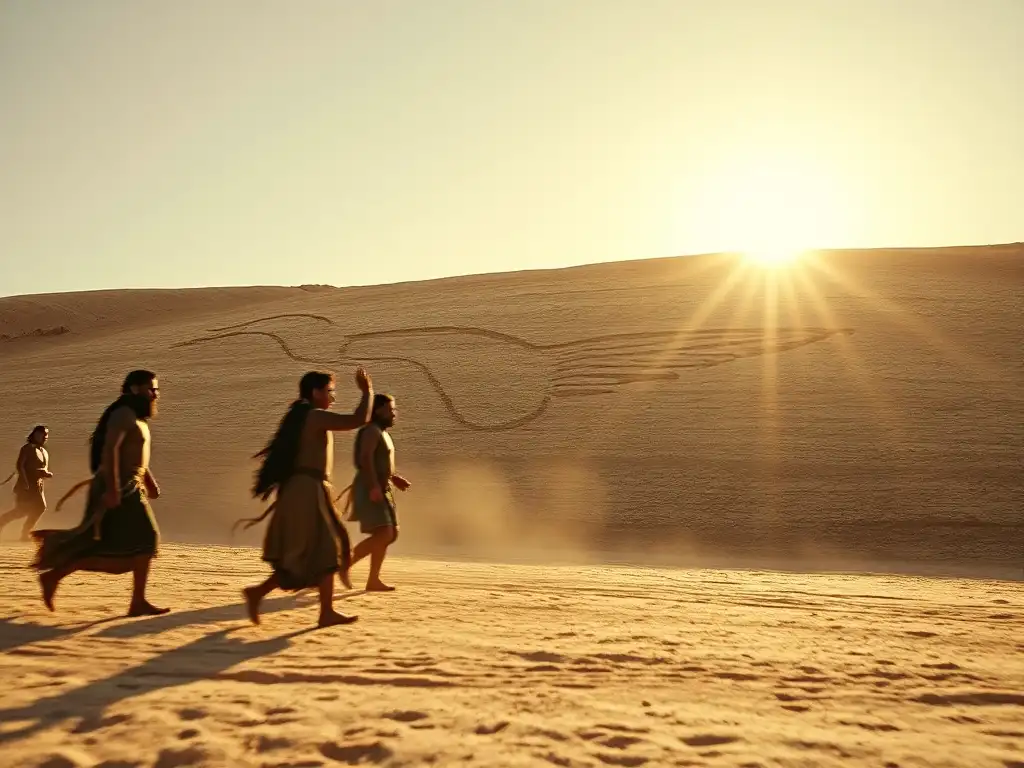
The Nazca Lines, those enigmatic geoglyphs etched into the Peruvian desert, remain one of archaeology's greatest mysteries. While their precise purpose continues to be debated, a compelling argument centers on their profound spiritual significance, deeply intertwined with the shamanistic practices of the Nazca culture. The lines weren't simply artistic expressions; they were integral components of a complex belief system, reflecting cosmological understandings and ritual practices.
This section delves into the evidence suggesting a strong connection between the Nazca Lines and shamanism, exploring their role as sacred landscapes, symbolic representations, and expressions of a cosmology linked to the celestial realm. Understanding this spiritual context is crucial to appreciating the true magnitude and meaning of these remarkable creations. The keywords "Nazca lines shamanistic rituals" are central to this interpretation.
Nazca Lines as Sacred Landscapes
The Nazca Lines weren't randomly scattered across the desert. Their placement and orientation suggest a deliberate and carefully planned arrangement within a sacred landscape. The lines themselves, often forming animal figures, plants, and geometric shapes, are believed to have marked significant locations within the Nazca worldview.
Evidence suggests that specific geoglyphs might have been associated with particular rituals or ceremonies. For instance, some researchers hypothesize that certain lines might have served as pathways for processions, linking sacred sites during important religious events. This carefully orchestrated spatial arrangement underscores the sacred nature of the desert itself, transforming it into a vast, open-air temple where the Nazca people interacted with the spiritual world.
The scale of the undertaking also speaks volumes about the importance of these rituals within Nazca society. The sheer effort required to create these geoglyphs, using simple tools and techniques, highlights their profound spiritual value. This dedication to the creation of these monumental works of art further supports the interpretation of the Nazca Lines as sacred landscapes, central to their religious and shamanistic practices.
Interpreting the Geoglyphs as Symbolic Representations
The diverse imagery of the Nazca Lines – from stylized animals like hummingbirds and monkeys to intricate geometric designs – is rich with symbolic meaning. These geoglyphs are not merely depictions of the natural world but are believed to represent powerful spiritual concepts and entities. Many scholars interpret the animal figures as totems, representing deities or supernatural beings integral to Nazca shamanistic beliefs.
For example, the hummingbird, often depicted in Nazca art, could symbolize a connection between the earthly and spiritual realms, given its association with swiftness and agility. Similarly, the geometric designs might represent cosmological concepts, such as the sun, moon, and stars, reflecting the Nazca understanding of the cosmos and their place within it.
The intricate detail and precision in the execution of these geoglyphs suggest a deep understanding of symbolism and its importance in their religious practices. Further research into the iconography of Nazca pottery and textiles could shed more light on the precise meaning of these symbolic representations, providing a more nuanced understanding of Nazca shamanistic rituals connected to the Nazca lines.
The Nazca Lines and Their Relationship to the Cosmos
The alignment of certain Nazca Lines with celestial events, such as solstices and equinoxes, strongly suggests a connection between the geoglyphs and the cosmos. This astronomical alignment isn't coincidental; it indicates a sophisticated understanding of astronomy and its integration into their religious beliefs. The Nazca people likely used the lines to track celestial movements, marking significant astronomical events and using them to time agricultural cycles and religious ceremonies.
This suggests that the Nazca Lines served as a giant astronomical calendar, a testament to their advanced knowledge of the heavens and their profound spiritual connection to the cosmos. The precise alignment of certain geoglyphs with the rising or setting sun on specific dates further strengthens this interpretation. This careful observation and recording of celestial events highlight the importance of astronomy in Nazca culture and its close relationship to their shamanistic practices and belief system.
The integration of astronomical observations into their religious rituals suggests a sophisticated understanding of the universe and a deep respect for the forces that governed their world, strengthening the case for the "Nazca lines shamanistic rituals" connection. Further research into the astronomical alignments of the Nazca Lines is needed to fully understand the extent of their cosmological significance.
Animal Imagery and Shamanic Power
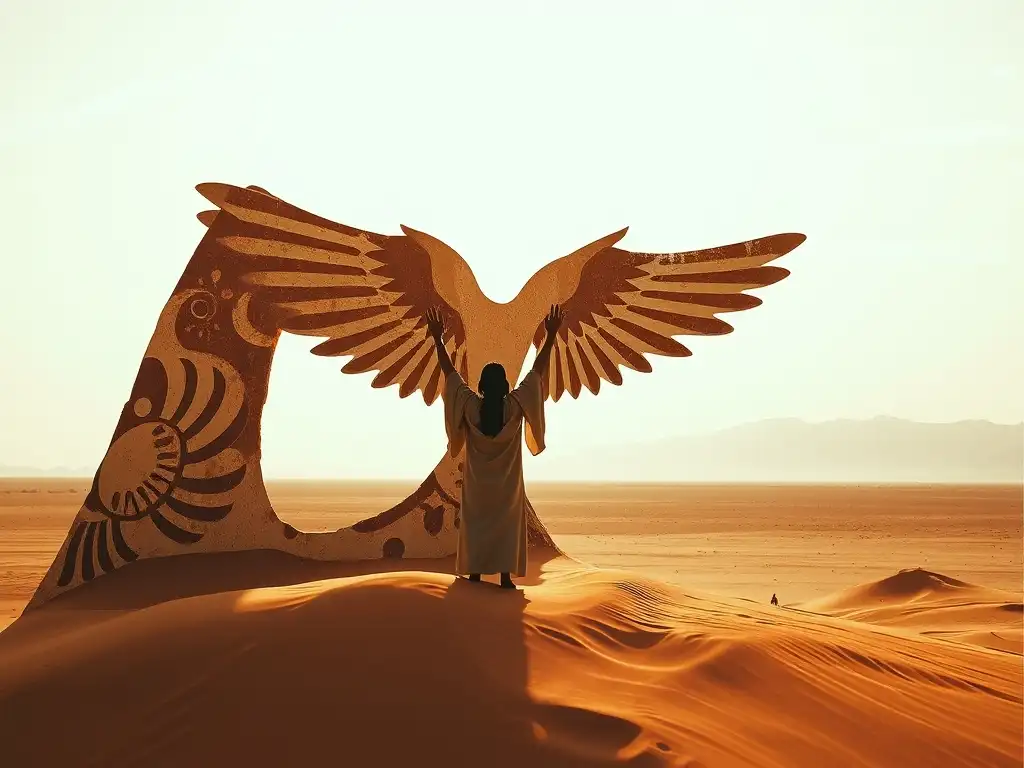
The Nazca Lines, sprawling across the Peruvian desert, are more than just intricate geoglyphs; they represent a profound connection between the Nazca people and their spiritual world, a world heavily influenced by shamanistic practices. Understanding the role of animal imagery within these lines is crucial to unlocking the secrets of their creation and purpose. The prevalence of animal motifs, far from being mere decoration, suggests a deep-seated belief in animal spirits, their power, and their role in shamanic rituals and the overall cosmological worldview of the Nazca civilization.
This section will explore the significance of these animal representations, focusing on their connection to shamanism and the wider spiritual context of Nazca culture. The intricate detail and scale of these animal figures strongly suggest a significant spiritual purpose, rather than a purely aesthetic one.
The very act of creating these enormous designs across the arid landscape likely held ritualistic importance, potentially involving prolonged ceremonies and communal participation, further reinforcing their shamanistic significance. Analyzing the specific animals depicted provides further insight into the complexities of Nazca shamanism.
The Significance of Animal Motifs in Nazca Art and Shamanism
The Nazca Lines aren't just limited to animal representations; they also depict plants, geometric shapes, and human figures. However, the prevalence and detailed rendering of animals stand out. These animals weren't randomly chosen; they held specific symbolic meanings within the Nazca worldview. The choice of specific animals likely reflected the importance of those creatures in their daily lives, their mythology, and their shamanistic practices.
For instance, certain animals might have represented specific deities, or embodied particular qualities like strength, fertility, or healing. The meticulous precision with which these animals were drawn suggests a deep respect and reverence for the beings they depicted. This level of detail also points to the importance of accurate representation in the context of shamanic rituals, where precise imagery could have played a crucial role in invoking or communicating with the spirits of these animals.
The scale of the animal representations further underscores their significance. These aren't small, insignificant drawings; they are monumental works, demanding considerable effort and resources to create, indicating the high value placed on these animal spirits within Nazca society. Analyzing the specific contexts in which these animals appear within the lines—their positioning relative to other geoglyphs, and their association with other symbolic elements—offers further clues to their deeper meaning.
The Representation of Hummingbirds, Monkeys, and Spiders
Let's delve into the representation of three particularly significant animals in Nazca art and their potential connection to shamanistic practices: hummingbirds, monkeys, and spiders.
- Hummingbirds: Often depicted in flight, hummingbirds represent agility, speed, and connection to the spiritual realm. Their ability to hover suggests a connection to the supernatural, perhaps acting as intermediaries between the earthly and spiritual worlds. In many Andean cultures, hummingbirds are associated with shamanic journeys and the ability to traverse different planes of existence.
- Monkeys: These primates could represent intelligence, cunning, and adaptability. Their playful nature might symbolize the unpredictable and transformative aspects of shamanic experiences. They could also represent the ability to navigate complex spiritual landscapes. The portrayal of monkeys within the Nazca Lines could signify the shaman's journey through the spirit world, navigating its challenges and encountering various entities.
- Spiders: Spiders, with their intricate webs, symbolize creation, interconnectedness, and the intricate nature of the universe. Their ability to spin webs could symbolize the weaving of reality, the creation of illusions, or the shaman's ability to manipulate the spiritual world. In certain shamanic traditions, spiders are associated with divination and access to hidden knowledge. The presence of spider geoglyphs suggests a possible role in these types of shamanistic practices within Nazca culture.
Animal Spirits as Shamanic Guides
The Nazca Lines suggest that animals played a crucial role as guides and intermediaries in shamanic rituals. Shamans, believed to have the ability to communicate with the spirit world, may have used these animal representations as focal points during their trances or rituals. The animals depicted might have represented specific spirit guides or totems, providing protection, knowledge, or power to the shaman.
The precise and detailed depictions of these animals might have been crucial for invoking their spirit and facilitating communication with them. The sheer scale of some of the animal geoglyphs could have served as a powerful visual aid during these rituals, enhancing the shaman's connection with the animal spirits. The choice of animals is likely not arbitrary but carefully selected based on their symbolic significance within Nazca cosmology and their perceived capabilities within the shamanic context.
Further research into Nazca mythology and shamanic practices is needed to fully understand the complex relationship between these animal representations and the spiritual beliefs of the Nazca people. The lines themselves may serve as a monumental record of these beliefs, providing invaluable insights into the rich spiritual landscape of this ancient civilization. The combination of meticulous artistry and monumental scale powerfully reinforces the importance of these animal spirits in Nazca shamanistic rituals.
The Legacy of Nazca Shamanism and the Lines
The Nazca Lines, those enigmatic geoglyphs etched into the Peruvian desert, are inextricably linked to the shamanistic practices of the Nazca culture (c. 100 BC – 800 AD). While their precise purpose remains debated, the prevailing theory strongly suggests a profound connection to shamanic rituals and altered states of consciousness.
The scale and complexity of the designs, coupled with archaeological evidence of ritualistic activity in the surrounding areas, point towards a society deeply invested in spiritual practices that heavily influenced their artistic and technological achievements. Understanding the Nazca Lines requires grappling with the pervasive influence of shamanism on their worldview and societal structures.
This section will delve into the evidence supporting this connection, exploring the rituals, beliefs, and the lasting impact of Nazca shamanism on their artistic expression, particularly in the creation of the famous lines. The intricate designs, often depicting animals, plants, and geometric patterns, are believed to have served as a focal point for shamanistic ceremonies, potentially acting as a visual representation of their spiritual world.
The Enduring Mystery of the Nazca Lines
The Nazca Lines remain one of archaeology's greatest puzzles. Their sheer size—some figures stretching hundreds of meters—and the precision of their execution are astonishing. Created by removing the dark reddish-brown surface layer of the desert to reveal the lighter subsoil, the lines are best appreciated from the air, a fact that has fueled speculation about their purpose for centuries.
While some propose astronomical alignments or irrigation systems, the prevailing evidence leans towards a shamanistic interpretation. The figures themselves—hummingbirds, monkeys, lizards, and stylized plants—are often found in conjunction with complex geometric designs. These motifs appear frequently in other Nazca artifacts, such as pottery and textiles, further solidifying their significance within the context of their religious beliefs and practices.
The very act of creating these vast geoglyphs, a monumental undertaking requiring significant labor and coordination, underscores their profound spiritual importance to the Nazca people. The immense effort invested suggests a deep-seated belief in the power and effectiveness of these rituals, firmly placing the lines within a framework of shamanistic practice. Analyzing the distribution and orientation of the lines in relation to water sources and other significant geographical features might yield further insights into their ritualistic use.
The Influence of Shamanistic Beliefs on Nazca Culture
Nazca society was deeply structured around shamanistic beliefs. Evidence suggests a complex cosmology involving deities, spirits, and an intricate understanding of the natural world. Shamanistic rituals likely played a central role in all aspects of Nazca life, from agriculture and healing to warfare and governance.
Archaeological finds consistently reveal the use of hallucinogenic plants, such as San Pedro cactus, which were likely integral to shamanistic practices. These substances are believed to have induced altered states of consciousness, allowing shamans to communicate with the spirit world and gain access to divine knowledge. The depictions of these plants and animals on Nazca pottery and textiles further indicate their importance within the religious context.
The intricate designs of the lines themselves could be interpreted as visual representations of shamanistic journeys, with the figures symbolizing spirit animals or deities encountered during these altered states. Moreover, the lines' locations, often situated in remote and secluded areas, suggest a deliberate effort to create a sacred landscape for these rituals, emphasizing the importance of spatial arrangement in their spiritual practices. This spatial organization adds another layer to the complexity of the Nazca Lines and their relationship to shamanistic beliefs.
Current Research and Perspectives on Nazca Shamanism
Recent research continues to shed light on the role of shamanism in Nazca culture and its relationship to the famous lines. Studies analyzing the chemical composition of pigments used in Nazca textiles and pottery are providing new insights into the materials and techniques employed in their rituals. Furthermore, ongoing excavations in sites surrounding the lines are uncovering additional evidence of ritualistic activities, such as ceremonial offerings and the presence of ritual paraphernalia.
These discoveries are gradually helping to paint a more complete picture of Nazca shamanistic practices and their significance. Anthropological studies comparing Nazca shamanism with contemporary Andean spiritual traditions are also providing valuable comparative perspectives. The use of ethnobotanical studies to understand the properties of plants used in shamanistic contexts is crucial for a comprehensive understanding of the Nazca worldview.
Researchers are using advanced technologies like GIS mapping and aerial photography to better understand the spatial arrangement and potential astronomical alignments of the Nazca Lines, further enhancing our understanding of their ritualistic significance within the broader context of Nazca shamanism. Continued interdisciplinary research, combining archaeological, anthropological, and botanical approaches, is crucial to unlocking the remaining mysteries of the Nazca Lines and their connection to the vibrant spiritual world of the Nazca civilization.
Frequently Asked Questions
What is the connection between the Nazca Lines and shamanistic rituals?
Many scholars believe the Nazca Lines were created as part of shamanistic rituals, possibly to induce altered states of consciousness and communicate with the spirit world. The lines' scale and location suggest a purposeful, ritualistic creation.
Were the Nazca Lines created solely for shamanistic purposes?
While shamanistic rituals are a leading theory, the lines' purpose may have been multifaceted. They may have also served ceremonial, astronomical, or even practical purposes, such as marking water sources.
What evidence supports the link between the Nazca Lines and shamanism?
Evidence includes the lines' geoglyphic designs, which often depict animals and plants with spiritual significance in Andean cultures. The remote locations of some lines also suggest a connection to isolated ritual sites.
What types of rituals might have taken place in connection with the Nazca Lines?
Hypothesized rituals include trance-inducing ceremonies, possibly involving hallucinogenic plants, to connect with the spirits represented in the geoglyphs. Pilgrimages along the lines are also considered a possibility.
Yes, many other Andean cultures, such as the Inca and Moche, incorporated landscape features into their spiritual and ritual practices. Evidence suggests similar shamanistic traditions were widespread throughout the Andes.
Final Reflection: Echoes of the Desert: Nazca Lines and the Enduring Power of Shamanism
The intricate geoglyphs of the Nazca Lines remain a testament to the profound spiritual connection between humanity and the earth, a connection that resonates deeply with our modern understanding of shamanic practices. Their enduring mystery continues to fuel our fascination, prompting us to reconsider the role of ritual and vision in shaping human societies, past and present. The sheer scale and precision of these designs speak to a level of societal organization and spiritual dedication that transcends time.
The exploration of the Nazca Lines' creation through a shamanic lens reveals not just a sophisticated understanding of cosmology and ritual, but also a profound respect for the land and its inherent power. The lines themselves become a tangible manifestation of altered states of consciousness, a visual record of journeys undertaken by shamans to connect with the spirit world. The shaman is not simply a healer, but a bridge between worlds, a conduit for the sacred.
This quote encapsulates the essence of the Nazca Lines' potential significance, suggesting a deeper understanding of the human experience beyond our current scientific frameworks.
Consider the implications of this ancient practice. How might understanding the shamanic rituals associated with the Nazca Lines inform our own relationship with the natural world? You, the reader, are invited to reflect on the enduring power of ritual and the importance of connecting with something larger than ourselves. Perhaps, by contemplating the mysteries of the Nazca Lines, we can rediscover a sense of awe and wonder, fostering a deeper appreciation for the spiritual dimensions of human existence and the enduring legacy of shamanic traditions.
Unveil the Spiritual Mysteries of the Nazca Lines!
Thank you for exploring the fascinating world of the Nazca Lines and their profound connection to shamanism. We hope you've discovered the intricate artistry, rituals, and spiritual significance embedded within these ancient geoglyphs. Now, let's put your newfound knowledge into practice!
Here are some ways to deepen your connection to the rich history and spirituality of the Andean civilizations:
- Expand your knowledge: Research Andean shamanic traditions and their relevance in contemporary society. Consider exploring specific practices like paqo shamanism or the use of sacred plants in Andean spiritual traditions.
- Share your insights: Discuss your experience with the Nazca Lines and their spiritual significance on social media or with friends and family. Let's spread appreciation for this remarkable cultural heritage!
- Connect with nature: Engage in a mindful practice that resonates with you, such as meditation, a nature walk, or simply spending time reflecting on the ancient wisdom of the Nazca Lines. This will help you connect with the spiritual echoes of the past.
What aspect of the Nazca Lines or Andean shamanism has captivated you the most, and how will you further explore it?