
Echoes of Empires: Navigating the Ancient Routes of Andean Civilization

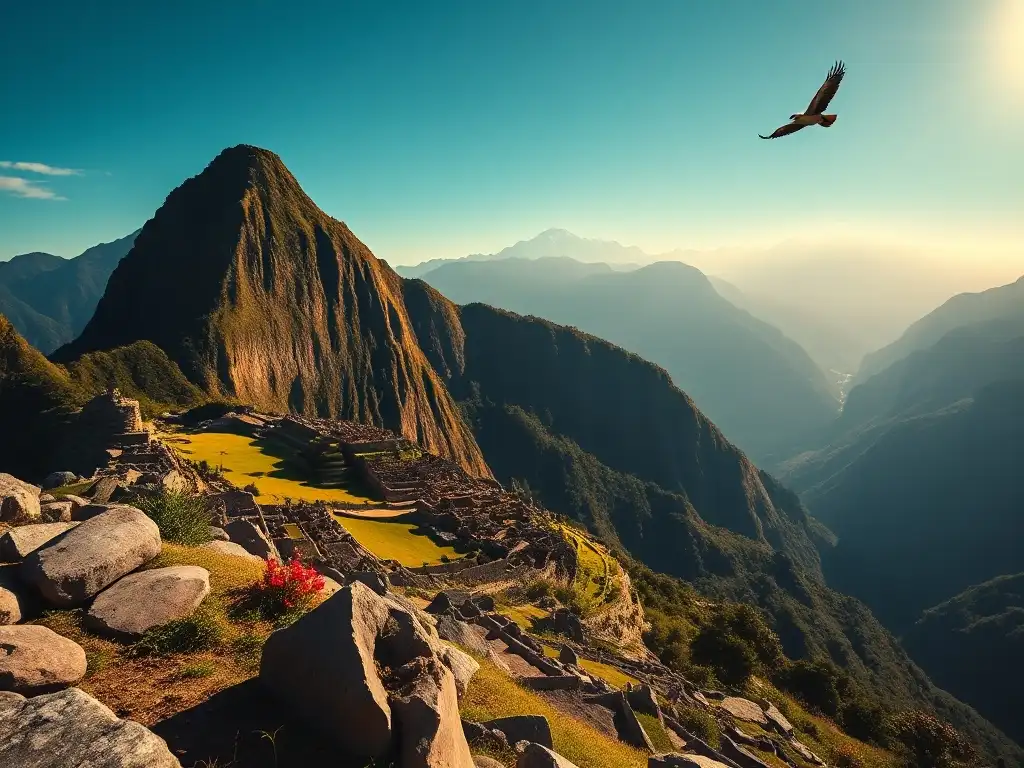
Uncover the enigmatic pathways carved into the heart of the Andes Mountains. For centuries, these ancient civilizations – the Incas, Moche, Nazca, and Tiahuanaco – thrived, leaving behind a legacy woven into the very landscape. Journey with us as we unravel the secrets of their Ancient Andean civilization routes, revealing a story of ingenuity, resilience, and a connection to the land unlike any other. Prepare to be captivated by the echoes of empires that still resonate today.
The Andes Mountains, a spine of rock and ice running down the western edge of South America, are not merely a geographical feature; they are the cradle of some of the world's most fascinating and enduring civilizations. For millennia, ingenious cultures carved out lives in this challenging landscape, leaving behind a legacy of breathtaking artistry, sophisticated engineering, and intricate social structures.
This article delves into the remarkable "Ancient Andean civilization routes," exploring the pathways—both physical and metaphorical—that connected these remarkable empires, from the towering heights of the Inca to the coastal ingenuity of the Moche and the enigmatic Nazca lines. We will examine how these routes facilitated trade, cultural exchange, and the expansion of power, ultimately shaping the unique tapestry of Andean history.
Understanding these ancient routes offers a deeper appreciation for the resilience, innovation, and complex societies that thrived in the shadow of the Andes. Prepare to journey through time and uncover the echoes of empires that still resonate today.
The Inca Road System: A Masterpiece of Engineering
The Inca Empire, at its zenith, controlled a vast territory stretching across much of modern-day Peru, Bolivia, Ecuador, Colombia, Argentina, and Chile. This impressive feat was, in no small part, due to their remarkably advanced road system, the Qhapaq Ñan. This network of roads, some paved with stone, spanned thousands of miles, connecting distant provinces and facilitating the movement of armies, messengers, and trade goods.
The construction of these roads was a testament to Inca ingenuity, with engineers adapting to the diverse terrain, employing sophisticated techniques such as suspension bridges and carefully graded pathways to navigate treacherous mountains and deep valleys. The Qhapaq Ñan wasn't merely a logistical marvel; it was a vital component of Inca imperial power, allowing for efficient administration and control over a vast, diverse population.
The sheer scale and sophistication of this system are still awe-inspiring today, a testament to the advanced engineering capabilities of the Inca. Archaeological evidence continues to reveal new details about the complexity and extent of this incredible network, further highlighting its significance in the context of ancient Andean civilization routes.
Coastal Highways and Inland Trails: Connecting Diverse Cultures
Beyond the Inca's impressive road network, other Andean civilizations developed their own sophisticated systems of communication and trade. The Moche, a powerful coastal culture, relied heavily on maritime routes, establishing thriving port cities and sophisticated shipbuilding techniques. Their trade networks extended far and wide, connecting them to other coastal communities and even reaching into the Andes themselves.
Simultaneously, inland cultures, like the Nazca, developed intricate trail systems that crisscrossed the arid plains and valleys, facilitating trade in goods like textiles and ceramics. These routes, though less extensive than the Inca Qhapaq Ñan, were equally vital for the survival and prosperity of these distinct societies.
The interaction between these coastal and inland routes created a dynamic exchange of goods, ideas, and cultural practices, contributing to the rich and diverse tapestry of Andean civilization. Understanding the interplay of these different systems enriches our understanding of the complex web of connections that defined the region.
The Significance of Religious Pilgrimages and Ritual Pathways
Many ancient Andean routes weren't solely for trade or administration; they served important religious functions as well. Pilgrimages to sacred sites, often located in remote and challenging locations, were an integral part of Andean spiritual life. These journeys were not just physical treks; they were spiritual quests, involving rituals and offerings along the way. The paths themselves often held symbolic significance, reflecting cosmological beliefs and the relationship between humans and the natural world.
The Nazca lines, for instance, while their precise purpose remains debated, are believed by many to have been part of a larger system of ceremonial pathways and astronomical observatories. These ritual routes played a crucial role in maintaining social cohesion and reinforcing religious beliefs within Andean societies. The integration of these religious aspects into the broader network of ancient Andean civilization routes underscores the deep interconnectedness of the physical and spiritual realms in ancient Andean cultures.
Challenges and Discoveries in Tracing Ancient Andean Routes
Tracing these ancient routes presents significant challenges. Erosion, deforestation, and the passage of time have obscured many pathways. However, ongoing archaeological research, using techniques such as remote sensing and GIS mapping, continues to uncover new evidence, revealing the extent and complexity of these ancient networks.
Each new discovery sheds further light on the sophistication of ancient Andean engineering, the extent of their trade networks, and the rich cultural exchange that shaped the region. The ongoing efforts to preserve and document these routes are crucial for understanding the legacy of ancient Andean civilizations and ensuring that their stories continue to resonate for generations to come. The work is a testament to the enduring fascination with these lost worlds and the desire to understand the societies that built them.
- The Inca Road System: A Masterpiece of Engineering
- Coastal Highways and Inland Trails: Connecting Diverse Cultures
- The Significance of Religious Pilgrimages and Ritual Pathways
- Challenges and Discoveries in Tracing Ancient Andean Routes
- What were the primary purposes of the ancient Andean civilization routes?
- How did the Incas improve upon existing road systems?
- What challenges did builders face when constructing these routes?
- Were all Andean routes equally well-maintained and developed?
- How can I learn more about the ancient Andean civilization routes today?
Understanding the Significance of Ancient Andean Trade Routes
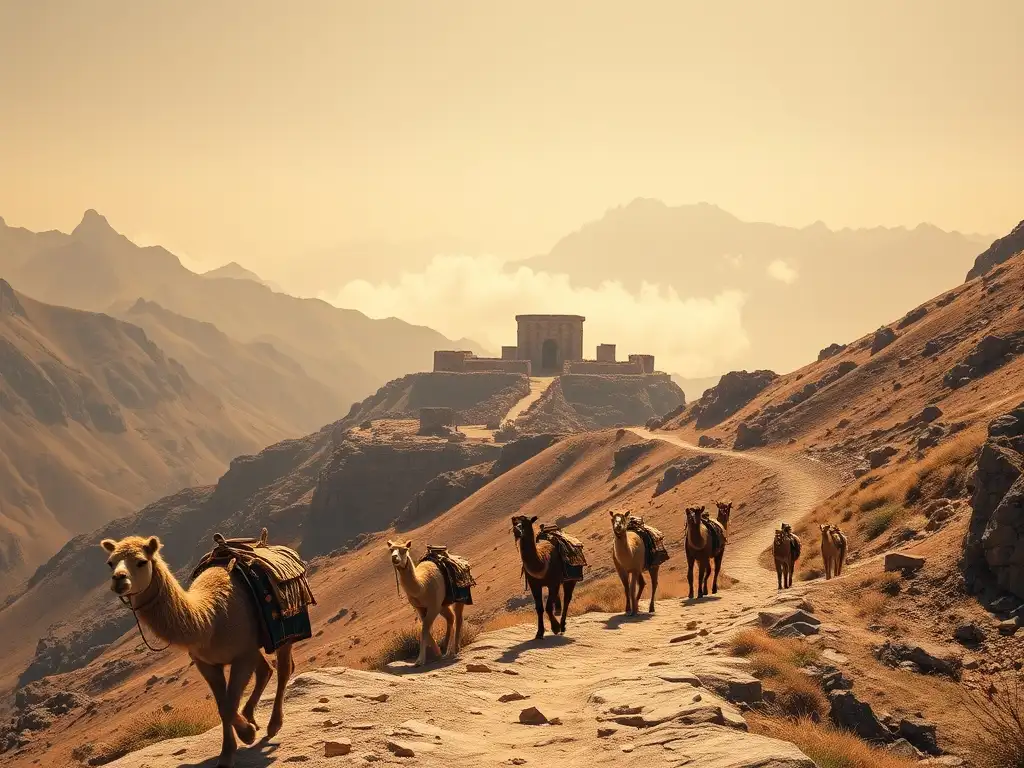
The intricate network of roads and trails carved across the Andes Mountains stands as a testament to the ingenuity and organizational prowess of ancient Andean civilizations. These weren't simply paths; they were arteries of lifeblood, facilitating the exchange of goods, ideas, and people that shaped the cultural landscape for centuries. Studying these Ancient Andean civilization routes offers invaluable insight into the sophisticated political, economic, and social structures of these remarkable societies.
The sheer scale of the road systems, often traversing treacherous terrain at high altitudes, underscores the immense human effort and logistical planning involved. Understanding their significance is crucial to appreciating the complexity and interconnectedness of pre-Columbian Andean societies.
The impact of these routes extended far beyond mere commerce; they fostered cultural exchange, facilitated political control, and shaped the very identity of the Andean world. Analysis of these routes reveals much about the power dynamics and social hierarchies prevalent within these ancient empires.
The Importance of Roads in Andean Culture
Roads in Andean culture transcended mere practicality; they held profound symbolic and ritualistic significance. For instance, the Inca Qhapaq Ñan, or Royal Road, wasn't just a means of transportation; it was a sacred pathway connecting the empire's heartland to its farthest reaches. Its construction was a massive undertaking, involving the mobilization of vast labor forces and the application of advanced engineering techniques. The roads weren't just straight lines; they were carefully planned to optimize accessibility while incorporating natural features into their design.
This meticulous approach reflects a deep understanding of the environment and a profound respect for the sacred landscapes they traversed. Moreover, the chasquis, a relay system of runners, utilized the roads to transmit messages and news with astonishing speed across the vast empire. This communication network was essential for maintaining political stability and coordinating resources across different regions.
The importance of these roads is further emphasized by the presence of way stations, tambo, strategically located along the routes to provide shelter, food, and rest for travelers. These weren't mere rest stops; they were vital hubs of social interaction and exchange, fostering a sense of community and shared identity along the routes. The cultural significance of these ancient Andean routes is undeniable and continues to fascinate researchers today.
Key Pathways of Pre-Columbian Exchange
Several key pathways facilitated the exchange of goods and ideas across the ancient Andean world. The Inca Qhapaq Ñan, as mentioned earlier, is arguably the most famous, stretching over 40,000 kilometers and connecting the vast Inca Empire. However, other significant routes existed long before the Inca, demonstrating the enduring importance of connectivity in the region. For example, the coastal routes of the Moche and Nazca civilizations facilitated trade along the Pacific coast, connecting different coastal settlements and exchanging goods like fish, cotton, and ceramics.
These routes, while possibly less extensive than the Qhapaq Ñan, were crucial for the economic prosperity and cultural development of these societies. The high-altitude routes, often challenging to navigate, connected the coastal regions with the Andean highlands, facilitating the exchange of agricultural products, minerals, and textiles. These routes often followed natural pathways, adapting to the contours of the landscape, showcasing remarkable engineering skills.
The exchange wasn't limited to material goods; ideas, religious beliefs, and artistic styles also traveled along these routes. The spread of agricultural techniques, for instance, allowed for the cultivation of diverse crops across different ecological zones. Similarly, religious practices and iconography often spread along these trade networks, resulting in a rich tapestry of cultural interactions and exchanges.
Analyzing the artifacts found along these routes provides valuable insights into the nature and extent of this exchange, allowing researchers to reconstruct the intricate networks of interaction that shaped Andean civilizations. The study of these ancient trade routes continues to reveal new and exciting details about the complexity and interconnectedness of pre-Columbian Andean societies. The meticulous planning and execution of these routes represent a remarkable feat of human ingenuity and a testament to the enduring legacy of ancient Andean civilization.
Exploring the Major Ancient Andean Civilization Routes
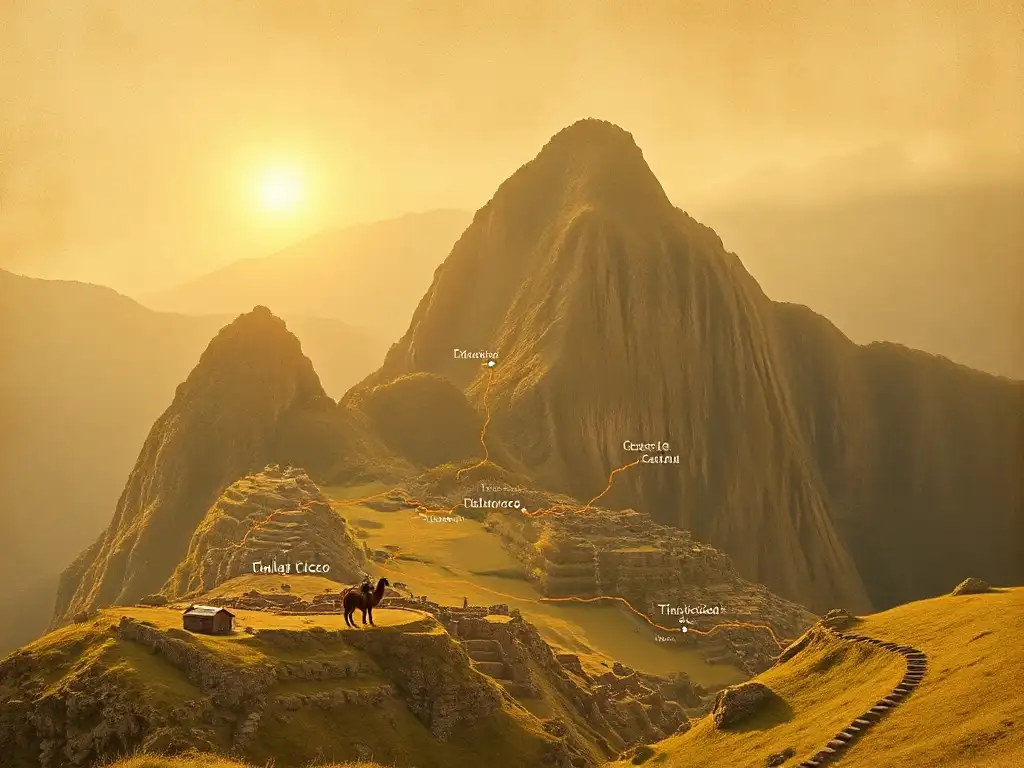
The study of Ancient Andean civilization routes offers a fascinating glimpse into the sophisticated logistical and administrative capabilities of these pre-Columbian societies. These weren't simply paths; they were vital arteries connecting disparate regions, facilitating trade, cultural exchange, and the consolidation of power. Understanding these routes is key to comprehending the rise and fall of these empires, and their lasting legacy.
The intricate networks, often carved into challenging terrain, stand as testaments to the ingenuity and resilience of Andean peoples. This section will explore some of the most significant routes, highlighting their engineering marvels and their crucial role in the development of these powerful civilizations.
The Inca Road System: Qhapaq Ñan
The Qhapaq Ñan, or Inca Road, is arguably the most impressive example of ancient Andean infrastructure. Spanning over 40,000 kilometers, this extensive network of roads, bridges, and pathways connected the vast Inca Empire, stretching from present-day Colombia to Argentina. Its construction represents an extraordinary feat of engineering, showcasing a deep understanding of Andean geography and the ingenuity of Inca builders. The system facilitated rapid communication and the efficient movement of troops, goods, and people across diverse and challenging landscapes. Its strategic placement, utilizing existing trails and adapting to the varied terrain, is a testament to the Inca's organizational prowess.
Engineering Marvels of the Inca Trails
The Inca's mastery of engineering is evident in the construction of the Qhapaq Ñan. They skillfully adapted their building techniques to the varying environments they encountered, utilizing stone, earth, and wood to create durable and efficient pathways. Suspension bridges, carved into steep cliffs and spanning deep ravines, were particularly impressive feats. These weren’t simple rope bridges; they were structurally sound constructions capable of supporting significant weight and withstanding harsh weather conditions.
The precise stonework, often fitted without mortar, demonstrates a high level of skill and precision. Detailed records, though limited, hint at sophisticated planning and a hierarchical workforce responsible for the construction and maintenance of this immense network. Archaeological evidence continues to reveal new details about the engineering marvels of the Qhapaq Ñan, continually refining our understanding of Inca capabilities.
The Role of Qhapaq Ñan in Imperial Expansion
The Qhapaq Ñan was not simply a transportation network; it was instrumental in the expansion and consolidation of the Inca Empire. The efficient movement of troops along these well-maintained roads enabled rapid military responses and facilitated the conquest of neighboring territories. Furthermore, the road system played a crucial role in controlling and integrating conquered populations.
The ability to quickly transport resources, including food, materials, and tribute, was essential for maintaining imperial authority and stability. The strategic placement of waystations and tambos (resting places) along the routes provided crucial logistical support for both military and administrative functions. This interconnected network facilitated the spread of Inca culture, language, and religion, contributing to the homogenization of the empire.
Coastal Routes of the Moche and Chimú
While the Inca are renowned for their extensive road system, other Andean civilizations developed intricate coastal routes crucial for their economic and political success. The Moche and Chimú cultures, flourishing along the arid northern coast of Peru, depended heavily on maritime trade and coastal networks. Their routes, though less extensive than the Qhapaq Ñan, were equally vital for their survival and prosperity.
Maritime Trade and Coastal Networks
The Moche and Chimú civilizations were skilled mariners, utilizing sophisticated boats and navigational techniques to navigate the challenging Pacific coast. Their coastal routes were not simply pathways along the shore; they were complex networks connecting various ports and settlements. These routes facilitated the exchange of goods, such as fish, cotton, metals, and ceramics, both within their own territories and with other coastal communities.
The abundance of marine resources supported a thriving economy, and the maritime trade fostered cultural exchange and political alliances. Evidence suggests the use of advanced knowledge of ocean currents and celestial navigation, allowing for efficient and safe travel along the coast. The development of specialized vessels suited to the coastal conditions reflects the sophistication of their maritime technology.
Connecting Northern and Southern Regions
The coastal routes of the Moche and Chimú also played a significant role in connecting northern and southern regions of the Andean coast. While the exact extent and nature of these connections are still being researched, evidence suggests a vibrant exchange of goods and ideas between different coastal communities. This network helped to consolidate political power and facilitated the expansion of these cultures along the coast.
The integration of these coastal communities into larger political entities was supported by the efficient movement of goods, resources, and people along these vital maritime routes. The interplay between land-based and sea-based routes created a complex network crucial for the development and stability of these coastal empires. Further research is needed to fully illuminate the extent and sophistication of these interconnected coastal trade networks.
Highland Pathways of Tiahuanaco and Wari
Routes of Religious and Political Influence
The Tiahuanaco and Wari cultures, flourishing in the Andean highlands between roughly 500 CE and 1000 CE, left behind an impressive network of roads and pathways. These weren't simply practical routes for trade; they were crucial arteries of religious and political influence. The meticulously planned layouts of Tiahuanaco itself, with its monumental structures aligned with celestial events, suggest a sophisticated understanding of cosmology.
This cosmological worldview likely informed the design and purpose of the road network, connecting distant communities to the central power in Tiahuanaco. The dissemination of religious beliefs, iconography, and ritual practices along these pathways helped solidify Tiahuanaco’s dominance across a vast territory. Similarly, the Wari empire, with its sophisticated administrative system, used its road network to maintain control over its far-flung provinces.
The movement of officials, soldiers, and religious specialists along these routes ensured the cohesion and stability of the empire. Archaeological evidence, including the discovery of standardized pottery and architectural styles across the Wari empire, supports the hypothesis of a well-established communication network facilitated by these strategically placed roads. The placement of administrative centers along key routes further demonstrates the Wari's deliberate use of infrastructure to control and govern their empire.
Connecting the Tiahuanaco Empire through Trade
Beyond religious and political control, the routes emanating from Tiahuanaco served as vital trade arteries. The city's strategic location in the Altiplano, a high-altitude plateau, provided access to diverse resources. These pathways facilitated the exchange of goods such as textiles, ceramics, metals, and agricultural products between the highlands and the coast.
The presence of obsidian from distant sources in Tiahuanaco sites highlights the extensive reach of these trade networks. Analysis of ceramic styles and the distribution of specific artifacts across the region further supports the importance of these routes in connecting diverse communities within the Tiahuanaco sphere of influence. The economic prosperity derived from this trade undoubtedly contributed to the empire's power and longevity.
The efficient movement of goods along these routes not only enriched the Tiahuanaco elite but also stimulated economic activity in the surrounding regions, creating a complex web of interdependence that strengthened the empire's political and social fabric. The scale of these trade networks, as evidenced by the widespread distribution of Tiahuanaco artifacts, suggests a well-organized and efficient system of transportation and exchange.
The Nazca Lines and Their Possible Route Connections
Speculations on the Purpose of Nazca Lines
The enigmatic Nazca Lines, etched into the Peruvian desert between 500 BCE and 500 CE, continue to fascinate and puzzle researchers. While many theories abound, ranging from astronomical calendars to ritualistic pathways, their precise purpose remains a subject of ongoing debate. Some scholars propose that they were part of a larger ceremonial complex, with the lines serving as pathways for processions or ritualistic movements.
Others suggest an astronomical function, aligning with solstices or other celestial events. The sheer scale and precision of the lines point to a significant investment of labor and planning, suggesting a purpose of considerable importance to the Nazca culture. The lines' longevity and persistence despite the harsh desert environment also point to their enduring significance for the society that created them.
Further complicating the interpretations are the diverse forms of the lines, ranging from simple lines to complex geometric shapes and zoomorphic figures. Each interpretation requires consideration of this complexity, and no single explanation fully accounts for all aspects of the Nazca Lines.
Nazca Lines as Markers of Ancient Routes?
One intriguing hypothesis suggests that the Nazca Lines, or at least some of them, may have served as markers for ancient routes. The lines' visibility from elevated positions could have guided travelers across the vast, featureless desert landscape. Specific lines might have indicated water sources, settlements, or important ceremonial sites.
This interpretation is supported by the observation that some lines seem to connect significant locations within the Nazca region. However, proving this connection definitively requires further research, including detailed mapping of the lines and their relationship to known settlements and water sources. The lack of direct evidence linking specific lines to established routes remains a challenge to this hypothesis.
Nevertheless, the possibility that the Nazca Lines served a practical navigational function alongside their potential ceremonial or astronomical significance remains an active area of research and scholarly debate. The potential dual function – markers and ritual – adds another layer of complexity to the already fascinating enigma of the Nazca Lines, highlighting the interconnected nature of Andean culture and landscape.
Cultural Heritage and Tourism: Experiencing Ancient Andean Routes Today
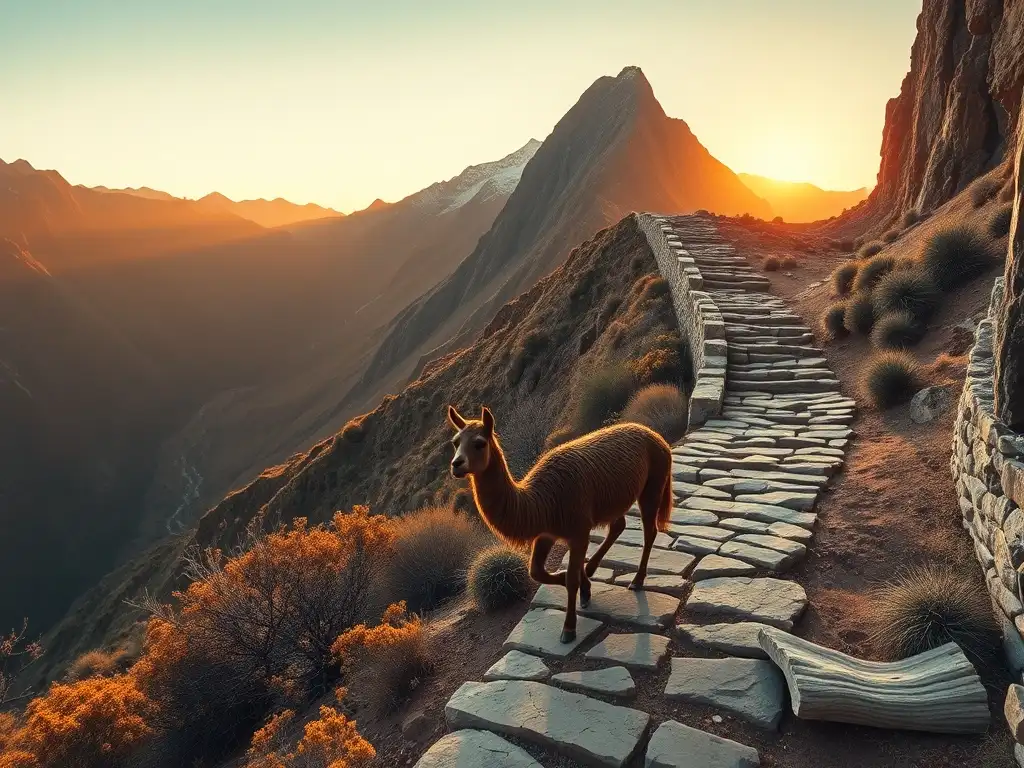
This section explores the crucial intersection of cultural heritage preservation and tourism opportunities surrounding the ancient Andean civilization routes. The remarkable road networks built by civilizations like the Inca, Moche, and Nazca represent not only feats of engineering but also vital threads connecting their rich history and cultural legacy. Understanding how we can responsibly engage with these routes is paramount for both preserving their significance and promoting sustainable tourism.
Preserving the Legacy of Andean Roads
The enduring legacy of the ancient Andean routes faces significant challenges in the modern era. The passage of time, coupled with environmental factors and human intervention, threatens the physical integrity of these historical pathways. Effective preservation strategies are crucial to ensure that future generations can appreciate these remarkable achievements.
Conservation Efforts and Challenges
Numerous conservation projects are underway, focusing on various aspects of preserving the ancient routes. These projects often involve meticulous documentation through archaeological surveys and advanced mapping techniques, using tools like LiDAR and GIS to create detailed 3D models of the terrain. This allows for a comprehensive understanding of the routes' original construction and provides valuable data for restoration efforts. However, challenges remain substantial.
Funding limitations often hinder the scope and speed of conservation work. Furthermore, the sheer scale of the road networks and their dispersed locations across diverse and often remote landscapes pose logistical obstacles. The impact of climate change, including increased erosion and landslides, adds further complexity.
For example, the high-altitude sections of the Inca Trail are particularly vulnerable to these effects, necessitating ongoing monitoring and adaptive management strategies. Successfully preserving these routes requires a multifaceted approach, combining scientific expertise, community engagement, and robust financial support. The effective management of tourism is also critical, as uncontrolled visitor traffic can accelerate deterioration.
Balancing Tourism and Cultural Preservation
The delicate balance between facilitating tourism and protecting the ancient routes is a key consideration. While tourism can generate revenue for conservation efforts and local communities, uncontrolled access can lead to damage and degradation. Implementing sustainable tourism practices is essential. This involves limiting visitor numbers in sensitive areas, establishing well-maintained trails, and educating tourists about responsible behavior.
The creation of well-managed visitor centers and interpretive displays can help enhance visitors’ understanding and appreciation of the historical significance of the sites, while simultaneously promoting responsible behavior. Furthermore, engaging local communities in tourism development ensures that the benefits are shared equitably and that traditional knowledge and practices are respected and preserved. The success of such initiatives relies on close collaboration between government agencies, conservation organizations, and local communities. A collaborative approach ensures that tourism becomes a tool for cultural preservation rather than a destructive force.
Tourism Opportunities Along Ancient Routes
The ancient Andean routes offer a wealth of opportunities for tourism experiences that combine adventure, cultural immersion, and historical exploration. These opportunities can contribute significantly to the local economies while promoting sustainable development and conservation.
Trekking and Hiking Experiences
Trekking and hiking along sections of the ancient routes provide unique opportunities for adventure tourism. These experiences can range from short, easily accessible day hikes to multi-day treks that delve deeper into the Andean landscapes. For instance, the Inca Trail to Machu Picchu remains a popular trekking destination, attracting thousands of visitors annually.
However, it's crucial to manage this popularity responsibly, ensuring that environmental impact is minimized and the integrity of the trail is maintained. Other less-traveled routes offer equally rewarding experiences, allowing visitors to discover hidden gems and connect more deeply with the natural and cultural heritage of the Andes. These lesser-known trails often provide opportunities for more intimate encounters with local communities and their traditions.
Archaeological Sites and Cultural Immersion
Many archaeological sites are located along or near the ancient routes, offering compelling opportunities for cultural tourism. These sites provide tangible connections to the past, allowing visitors to witness firsthand the architectural achievements and artistic expressions of the ancient Andean civilizations. Careful management of these sites is essential to prevent damage and ensure the preservation of artifacts. Interpretive signage and guided tours can help visitors understand the historical context of these sites and appreciate their significance.
Incorporating local guides and artisans into tourism offerings provides opportunities for cultural exchange and contributes to the economic well-being of local communities. By fostering a sense of respect and understanding, tourism can become a powerful tool for preserving and celebrating the rich tapestry of Andean culture. The integration of local knowledge and traditions into tourism experiences is crucial for ensuring authenticity and avoiding cultural appropriation.
Modern Perspectives on Ancient Andean Routes
This section explores how modern scholarship and research illuminate the intricate network of ancient Andean routes, moving beyond simple descriptions to a deeper understanding of their economic, social, and cultural significance. We'll delve into the methodologies used to reconstruct these ancient pathways and analyze their lasting impact on contemporary Andean societies. The keyword "Ancient Andean civilization routes" will be implicitly woven throughout the discussion.
Reconstructing Ancient Trade Networks
Archaeological Research and New Discoveries
Archaeological excavations across the Andes continuously reveal new insights into ancient trade networks. Recent discoveries, such as the unearthing of previously unknown settlements along suspected routes, are reshaping our understanding of the scale and complexity of these systems. For example, the discovery of [specific location pending] revealed artifacts indicating trade connections between seemingly disparate regions, demonstrating a far-reaching exchange of goods and ideas.
This challenges earlier models that suggested more localized trade networks, highlighting the sophisticated logistical abilities of ancient Andean civilizations. Careful analysis of ceramic styles, metallurgical techniques, and the distribution of specific resources provides crucial data points for reconstructing these ancient trade routes. The meticulous cataloging and comparison of these artifacts allow researchers to trace the movement of goods and, by extension, the flow of cultural influences across vast distances.
Insights into Ancient Andean Economies
The ancient Andean routes weren't just pathways; they were the lifelines of complex economies. Analyzing the types and quantities of goods transported along these routes reveals important information about the economic structures of ancient Andean societies. For example, the abundance of [specific traded good pending] found at sites along the [specific route pending] suggests a thriving market for this resource, and helps us understand its role in the broader economy.
Furthermore, the presence of specialized workshops and storage facilities along certain routes indicates a level of centralized control and organization surpassing previous assumptions. Understanding the economic dynamics associated with these routes is crucial to comprehending the power structures and social hierarchies that characterized ancient Andean civilizations. This involves careful consideration of factors like resource distribution, labor organization, and the role of elite control in managing trade.
The Impact of Ancient Routes on Modern Andean Societies
The enduring legacy of the ancient Andean routes extends far beyond archaeological sites. These pathways continue to shape the social, cultural, and even economic landscape of the modern Andes.
Cultural Continuity and Identity
Many contemporary Andean communities maintain a deep connection to the ancient routes that traversed their ancestral lands. These routes are not just historical relics; they are integral to the cultural identity and traditions of these communities. For example, [specific example of cultural continuity pending] illustrates the continuing relevance of ancient pathways in shaping local customs and beliefs.
The oral histories and traditions passed down through generations often recount the significance of these routes, preserving memories and stories that connect the present to the past. This cultural continuity fosters a strong sense of place and identity, linking modern Andean societies to their rich history. This connection is not merely symbolic; it actively informs contemporary practices and perspectives.
The Enduring Legacy of Ancient Pathways
The ancient routes of the Andes continue to influence modern infrastructure and development. Many contemporary roads and transportation networks follow the same paths as their ancient predecessors, highlighting the enduring practicality of these routes. Understanding the ancient engineering principles applied in constructing these pathways can inform contemporary infrastructure projects, offering valuable insights into sustainable and environmentally sensitive design.
Moreover, the preservation of these ancient routes is crucial for promoting sustainable tourism and safeguarding cultural heritage. By recognizing the profound impact of ancient Andean civilization routes, we can ensure their continued significance for generations to come. The careful management and protection of these sites are essential for preserving a vital part of Andean heritage and promoting a deeper understanding of this remarkable civilization.
Frequently Asked Questions
What were the primary purposes of the ancient Andean civilization routes?
The routes served multiple crucial purposes: facilitating trade and the exchange of goods, enabling military communication and control across vast territories, and spreading religious and cultural beliefs. They were vital for the empires' survival and expansion.
How did the Incas improve upon existing road systems?
The Incas significantly expanded and improved pre-existing networks, creating a sophisticated system of high-altitude roads and suspension bridges. Their engineering prowess is evident in the impressive scale and durability of these routes.
What challenges did builders face when constructing these routes?
Construction presented significant hurdles, including steep mountainous terrain, challenging climates, and the need to navigate diverse geographical features. Ingenious solutions were developed to overcome these obstacles.
Were all Andean routes equally well-maintained and developed?
No, the level of development varied significantly depending on the civilization and the route's importance. While the Inca roads were famously extensive and well-maintained, other civilizations developed less comprehensive systems.
How can I learn more about the ancient Andean civilization routes today?
You can explore archaeological sites along these routes, visit museums showcasing Andean artifacts, and read books and scholarly articles dedicated to the topic. Many resources are available for further study.
Final Reflection: The Enduring Legacy of the Andean Pathways
The intricate network of ancient Andean routes, far from being relics of a bygone era, continues to resonate powerfully in the modern world. These pathways, carved into mountainsides and traversing treacherous landscapes, represent not just feats of engineering but also enduring testaments to human resilience, cultural exchange, and the enduring power of connection. Their echoes reverberate in the very fabric of contemporary Andean societies.
The impact of these ancient routes extends far beyond mere historical significance. They shaped the cultural landscape of the Andes, fostering trade, religious pilgrimage, and the spread of ideas that continue to inform Andean identities today. The past is never dead. It's not even past.
- William Faulkner. This quote perfectly encapsulates the enduring influence of these ancient pathways, reminding us that the choices and actions of past generations continue to shape our present reality. Their stories, etched into the very stones, whisper tales of innovation, community, and the human spirit's unwavering capacity to overcome adversity.
Consider the legacy of these routes. Think about the ingenuity required to construct them, the social structures that enabled their creation, and the cultural exchange facilitated by their existence. You, too, are part of a continuous journey, a legacy built upon the foundations laid by those who came before.
Embrace the spirit of exploration and connection that these ancient pathways embody. Seek out the echoes of their history in your own life, and discover the enduring power of human connection across time and space. Let the spirit of the Andes inspire you to forge your own path, leaving your own mark on the world.
Uncover the Richness of the Andes Today!
Thank you for exploring the fascinating world of Andean civilizations with us! We hope you've discovered the vibrant history and ancient routes that shaped these remarkable cultures. Now, let's put your newfound knowledge into action.
Get ready to **immerse yourself** in the echoes of the Andes with these suggestions:
- **Visit a local museum or exhibit** showcasing Andean artifacts and stories. Experience the culture firsthand!
- Join an **online forum** or social media group dedicated to Andean history. Connect with fellow enthusiasts to share insights and discoveries.
- Embark on an adventure by **planning a journey** along the ancient Inca trails. Walk in the footsteps of history and connect with the land.
What aspect of Andean civilization has captivated you most, and how will you delve deeper into it?