
Hidden Meanings: Deciphering the Symbolism in Andean Pottery

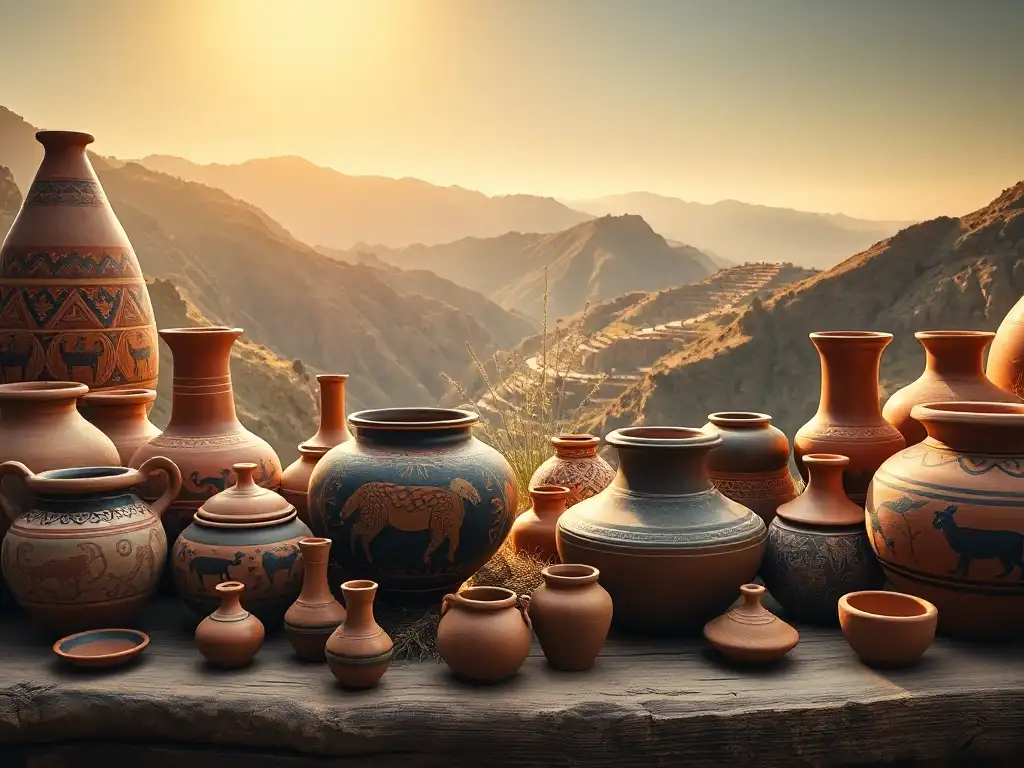
Uncover the secrets whispered through time! Journey with us into the captivating world of Andean Civilizations, where vibrant cultures flourished and left behind a legacy of breathtaking artistry. Prepare to be amazed as we delve into the intricate symbolism hidden within Andean pottery, revealing meanings lost for centuries. Discover the stories etched in clay and unlock the hidden narratives waiting to be unearthed – your exploration of Andean pottery symbolism meaning begins now!
Andean pottery, a vibrant tapestry of colors, shapes, and intricate designs, holds a captivating allure. More than mere vessels for everyday use, these ceramic artifacts serve as powerful windows into the rich spiritual beliefs, social structures, and daily lives of the ancient Andean civilizations.
This article delves into the fascinating world of Andean pottery symbolism, exploring the hidden meanings embedded within their iconography and providing a deeper understanding of the artistry and cultural significance of these remarkable pieces. From the intricate designs of the Nazca to the powerful imagery of the Inca, we’ll uncover the secrets woven into the clay, revealing how these symbols offer invaluable insights into the beliefs and practices of these ancient societies.
Understanding Andean pottery symbolism is key to appreciating the depth and complexity of Andean culture, and this exploration will equip you with the knowledge to interpret these captivating artifacts and even draw inspiration for your own Andean-inspired art.
Introduction: Unveiling the Secrets of Andean Ceramics
The creation of Andean pottery wasn't simply a practical endeavor; it was a deeply spiritual and symbolic act. Potters, often considered skilled artisans with a close connection to the divine, imbued their creations with meaning, transforming ordinary clay into powerful representations of their world. These ceramics weren't just containers for food and water; they were integral parts of rituals, ceremonies, and daily life, reflecting the beliefs, values, and social structures of the respective cultures.
The imagery found on these pieces—from stylized animals and human figures to geometric patterns and abstract designs—serves as a visual language, a complex system of symbols that, once understood, unlocks a treasure trove of information about Andean societies. Careful examination reveals that even seemingly simple designs often carry profound meaning, reflecting the close relationship between the Andean peoples and their environment, their understanding of the cosmos, and their intricate social hierarchies.
The study of this symbolism allows us to connect with these ancient cultures on a deeper level, appreciating the artistry and ingenuity that went into creating these enduring works of art. The significance of these details will be further explored in the following sections, revealing how seemingly small details can tell us so much.
Understanding the Language of Andean Pottery: Key Motifs and Their Significance
Understanding Andean pottery symbolism requires recognizing recurring motifs and their associated meanings. While interpretations can sometimes be debated, certain symbols appear consistently across various Andean cultures, suggesting shared beliefs or common cultural threads. For example, certain animal representations, like the puma or the condor, frequently appear and often represent power, strength, and connection to the spiritual world. Geometric patterns, equally prevalent, may symbolize celestial bodies, agricultural cycles, or social hierarchies.
The colors used also carry symbolic weight, with specific hues associated with specific deities, events, or social status. For instance, red might signify blood, sacrifice, or fertility, while white could represent purity or the Andean highlands. The combination of these elements – animals, geometric patterns, and color – creates a complex visual narrative that needs to be carefully deciphered. Careful study of these elements reveals a rich and complex system of visual communication.
The Importance of Iconography in Andean Art
The iconography found on Andean pottery is not arbitrary; it is deeply rooted in the cosmology and worldview of the Andean civilizations. The careful placement and arrangement of symbols often reflect a specific narrative or meaning, creating a rich and layered visual language. The size and prominence of certain elements also reveal their relative importance within the overall composition.
For example, a large central figure might represent a deity or a powerful leader, while smaller surrounding figures could represent lesser deities or members of their retinue. Understanding the context in which these pieces were created – whether for ritual use, daily life, or burial – is crucial for accurate interpretation.
The study of iconography in Andean art allows us to understand the relationships between different Andean societies, trace the evolution of their beliefs and practices over time, and appreciate the sophisticated artistic techniques they employed to convey their ideas. Further research into specific examples will reveal the depth and complexity of this visual language, unveiling the subtle nuances and hidden meanings within these remarkable pieces.
Animals as Powerful Symbols: Decoding Zoomorphic Representations
Andean pottery is replete with zoomorphic representations, animals depicted not merely for aesthetic reasons, but as powerful symbols imbued with deep cultural and religious significance. The choice of animal, its posture, and the details of its depiction all contribute to the overall meaning conveyed. These weren't simply realistic portrayals; they were carefully crafted expressions of Andean cosmology and worldview. Understanding these representations provides crucial insights into the beliefs and values of these ancient societies.
The careful observation of these animal figures allows us to reconstruct a significant portion of their rich symbolic language. Different cultures within the Andes, such as the Moche, Nazca, and Inca, employed similar animals but often attributed slightly different meanings to them, reflecting the nuances of their respective belief systems. The study of Andean pottery, therefore, is not just the study of art, but the deciphering of a complex and fascinating system of communication.
The Jaguar: Symbol of Strength and Power
The jaguar, a powerful predator of the Andean forests, frequently appears in Andean pottery. Its depiction often symbolizes strength, power, and even shamanistic abilities. The jaguar’s fierce gaze and powerful physique, meticulously rendered by the artisans, communicate its dominant position in the Andean worldview. In some pottery pieces, the jaguar is portrayed in a ritualistic context, suggesting its importance in ceremonies and religious practices.
For example, Moche pottery often depicts jaguars participating in scenes of warfare or sacrifice, reinforcing their association with power and dominance. The color choices used to depict the jaguar—often deep browns, blacks, and reds—further enhance the feeling of power and intensity associated with the animal. Analyzing the position and context of the jaguar within the overall composition of the pottery piece provides further clues to its symbolic meaning.
The Serpent: Representation of Transition and Fertility
The serpent, a recurring motif in Andean art, is often associated with concepts of transition, fertility, and the underworld. Its sinuous form, capable of both movement on land and in water, reflects its connection to the cyclical nature of life and death. In some pottery, the serpent is shown intertwined with other symbols, such as plants or human figures, suggesting its role in the creation and renewal of life. The depiction of serpents often varies across different Andean cultures.
The Nazca, for example, created elaborate representations of serpents in their pottery, often incorporating them into intricate designs that also included other animals and geometric patterns. The interpretation of these complex scenes requires a careful consideration of the overall context and the relationships between the various elements. The serpent's symbolic meaning is multifaceted, making its analysis a rich and rewarding endeavor.
The Condor: A Link Between Worlds
The condor, a majestic bird that soars high above the Andean mountains, represents a connection between the earthly and spiritual realms. Its ability to fly to great heights symbolizes its proximity to the gods and its role as a messenger between the living and the dead. In Andean mythology, the condor often serves as a guide to the afterlife, leading souls to the celestial world.
Depictions of condors in pottery often include details that highlight their powerful wings and piercing gaze, emphasizing their connection to the supernatural. The choice of color in these depictions also plays a significant role; vibrant colors often suggest a more powerful and spiritual connotation. The analysis of condor representations in Andean pottery provides valuable insights into the Andean understanding of the cosmos and the relationship between humans and the spiritual world.
Geometric Patterns: Beyond Mere Decoration
Geometric patterns in Andean pottery are far more than simple decorations; they are powerful symbols that carry profound meaning. These patterns, often meticulously executed, reflect the Andean understanding of the cosmos, social structures, and the cyclical nature of life. The complexity and precision of these designs showcase the advanced mathematical and artistic skills of Andean artisans. The seemingly simple patterns hold layers of meaning, often revealing themselves only upon careful and detailed examination. By understanding the context and the cultural significance of these geometric motifs, we can gain a deeper appreciation for the sophistication of Andean thought and creativity.
Stepped Fret Designs: Exploring the Concept of Hierarchy
Stepped fret designs, characterized by their repeating stepped or terraced patterns, often appear in Andean pottery. These designs are believed to represent the hierarchical structure of Andean societies, with the steps symbolizing the different levels of social organization. The meticulous execution of these patterns highlights the importance placed on social order and the carefully defined roles within the community.
Variations in the number of steps and the overall complexity of the design might reflect the specific social status or the importance of the individual or group represented. Analyzing these patterns, therefore, offers valuable clues into the social dynamics of ancient Andean civilizations.
Concentric Circles: Representing the Cosmos
Concentric circles are another common geometric motif in Andean pottery. These patterns are widely interpreted as representations of the cosmos, with the circles symbolizing the sun, the moon, and the various celestial bodies. The concentric arrangement reflects the Andean understanding of the cyclical nature of time and the interconnectedness of all things. The use of different colors and textures within the concentric circles might also hold symbolic meaning, reflecting different aspects of the cosmos or different stages in a cyclical process. The study of these patterns provides valuable insights into the Andean worldview and their understanding of the universe.
Spirals: The Symbol of Growth and Evolution
Spirals, a ubiquitous motif in Andean art, symbolize growth, evolution, and the cyclical nature of life. Their continuous, expanding form reflects the ongoing processes of creation and renewal. Spirals are often found in conjunction with other symbols, such as animals or plants, enhancing their symbolic meaning.
The direction of the spiral, clockwise or counterclockwise, might also hold significance, potentially representing different aspects of the cyclical process. The variations in the size, shape, and complexity of the spiral designs suggest a rich and nuanced system of symbolic representation. Analyzing these patterns allows us to better understand the Andean concept of time, change, and the interconnectedness of life.
- Introduction: Unveiling the Secrets of Andean Ceramics
- Understanding the Language of Andean Pottery: Key Motifs and Their Significance
- Animals as Powerful Symbols: Decoding Zoomorphic Representations
- Geometric Patterns: Beyond Mere Decoration
- What is the significance of Andean pottery?
- How can I identify the different styles of Andean pottery?
- What are some common symbols found in Andean pottery and their meanings?
- Where can I learn more about the symbolism in Andean pottery?
- Is there a single, definitive guide to interpreting Andean pottery symbolism?
Case Studies: Analyzing Specific Examples of Andean Pottery Symbolism
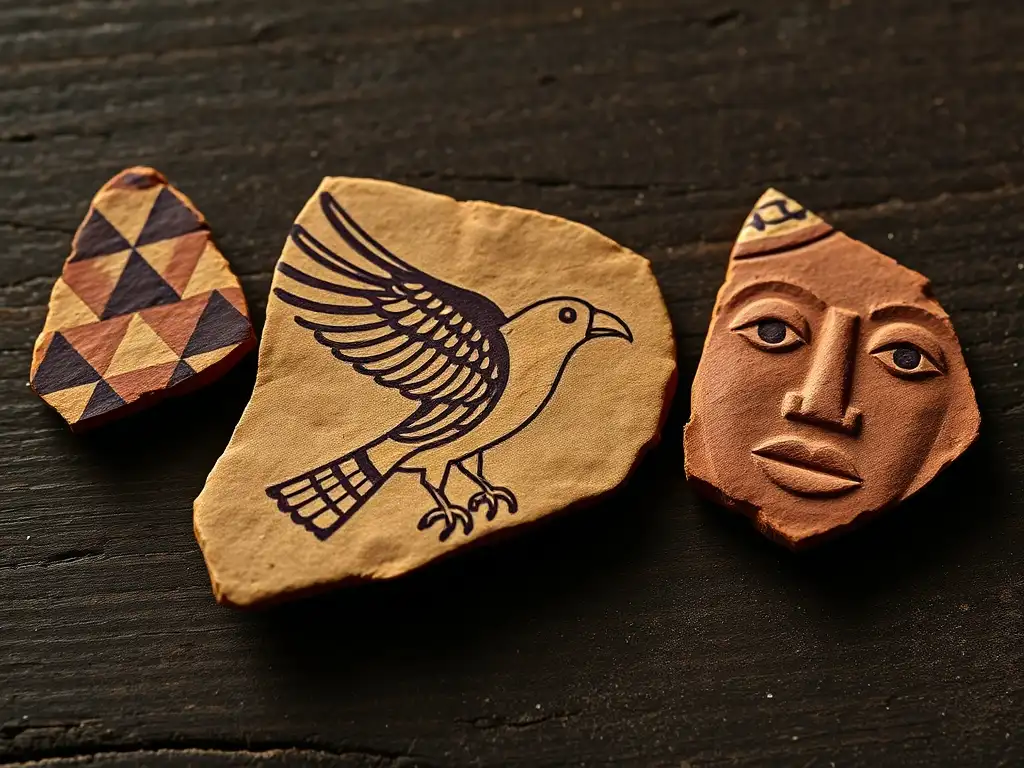
This section delves into specific examples of Andean pottery, showcasing the diverse symbolism employed by different cultures. We will explore the narrative power of Moche pottery, the abstract designs of Nazca ceramics, and the underlying meanings embedded within these fascinating artifacts. Understanding these visual languages provides invaluable insight into the beliefs, rituals, and social structures of these ancient Andean societies. Analyzing Andean pottery symbolism meaning requires careful consideration of context and artistic techniques.
Moche Pottery: Narrative Vessels and Their Stories
Moche pottery, renowned for its intricate detail and realistic depictions, serves as a powerful window into the lives and beliefs of this pre-Columbian civilization (circa 100-800 CE). Their vessels often tell compelling stories, depicting scenes of daily life, warfare, rituals, and mythology. The symbolism is often layered, requiring careful analysis to fully understand the intended message.
The Lord of Sipán: Symbolism of Power and Authority
The discovery of the tomb of the Lord of Sipán revealed a wealth of incredibly well-preserved artifacts, including elaborate pottery depicting scenes of his life and reign. The Lord of Sipán himself is frequently represented in pottery, often adorned with regalia symbolizing his power and divine connection. These depictions utilize specific iconography, such as elaborate headdresses, staffs, and seated positions, to convey his supreme authority.
The use of gold and other precious materials in the pottery further emphasizes his elevated status within Moche society. The careful placement of these vessels within the tomb itself also contributed to the symbolic narrative, reinforcing his power even in death.
The Presentation Ceremony: Depicting Rituals and Social Structure
Many Moche vessels depict elaborate ceremonies, providing valuable information about their social structure and religious practices. One recurring theme is the presentation of offerings, often involving food, drink, and other precious items. These scenes frequently show individuals in hierarchical positions, indicating a complex social hierarchy.
The clothing, adornments, and postures of the figures provide clues to their social standing and roles within the ceremony. The detailed rendering of these events allows researchers to reconstruct aspects of Moche religious rituals and understand the significance of these ceremonies in their society. The careful observation of details, such as the types of offerings and the expressions on the faces of the participants, offers a deeper understanding of the meaning behind these scenes.
Nazca Pottery: Abstract Designs and Shamanic Visions
Unlike the narrative style of Moche pottery, Nazca ceramics (circa 100 BCE – 600 CE) are characterized by their abstract designs and geometric patterns. These designs, while seemingly simple at first glance, are rich with symbolic meaning, often reflecting shamanic visions and a deep connection to the natural world and the cosmos. The use of color is particularly significant, with specific hues potentially representing different deities, forces of nature, or spiritual states.
The Nazca Lines: Connection to the Cosmic Realm
The famous Nazca Lines, immense geoglyphs etched into the desert landscape, are often seen as connected to the abstract designs found on Nazca pottery. Many scholars believe that the pottery's geometric patterns reflect the same cosmological worldview that inspired the creation of the lines. The repetition of certain motifs, such as stylized birds and plants, suggests a connection to celestial bodies and the forces of nature.
Analyzing the patterns and their potential astronomical alignments offers further insights into the Nazca understanding of the cosmos. The vibrant colors used in the pottery may also hold clues to the meaning behind these complex designs. Further research is needed to fully decipher the relationship between the pottery and the lines.
Mythical Beings: Depicting the Shamanic World
Nazca pottery frequently depicts mythical beings and supernatural creatures, reflecting the importance of shamanism in their culture. These creatures, often depicted with exaggerated features and vibrant colors, are believed to represent deities, spirits, or powerful forces. Their representation on pottery suggests that these beings played a significant role in Nazca religious beliefs and rituals.
The stylistic choices, such as the use of specific colors and patterns, may indicate the power or nature of these entities. The repeated appearance of certain motifs across different vessels suggests a consistent and well-defined cosmology. The study of these mythical beings provides essential insights into the spiritual worldview of the Nazca people and their understanding of the supernatural realm.
Applying Andean Symbolism to Your Own Art: A Creative Journey
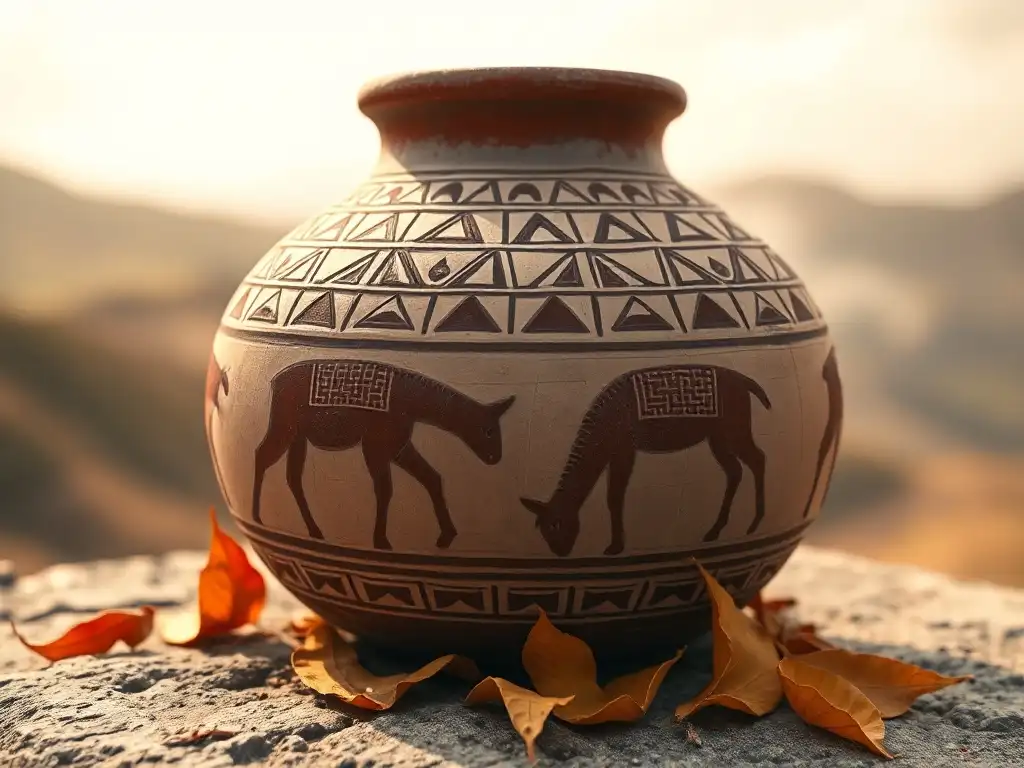
This section explores how to thoughtfully incorporate the rich symbolism found in Andean pottery into your own artistic creations. Understanding the meaning behind these ancient motifs allows for a deeper connection with the culture and a more meaningful artistic expression. We'll move beyond simple replication and delve into creative adaptations that respect the source material while fostering individual artistic expression. The key is to appreciate the historical context and avoid cultural appropriation. Instead, we aim for cultural appreciation and respectful integration.
Translating Ancient Motifs into Modern Designs
Translating ancient Andean motifs into modern designs requires a delicate balance between authenticity and innovation. Simply copying designs risks trivializing their cultural significance. Instead, consider these approaches:
- Abstraction: Simplify complex designs, retaining their essence while modernizing their aesthetic. Think about reducing intricate details to their fundamental shapes and lines, creating a minimalist yet evocative interpretation. For example, a complex feline deity could be reduced to stylized curves and geometric patterns, maintaining its inherent power and elegance.
- Reinterpretation: Take inspiration from existing motifs and reimagine them in a new context. A traditional Andean textile pattern, for example, could be reinterpreted as a modern wallpaper design or incorporated into a contemporary clothing line. The original meaning is acknowledged, but the application is entirely new.
- Combination: Combine several different Andean motifs to create a unique and personalized design. This approach allows for a more complex and layered interpretation, reflecting a deeper understanding of the different symbolic elements involved. Imagine combining a sun symbol with a stylized bird, representing both power and freedom.
- Color Palette: The colors used in Andean pottery hold significant meaning. Red often represents blood, sacrifice, and fertility; yellow signifies gold and the sun; while black might symbolize the underworld or night. Consciously incorporating these color associations can enhance the symbolic power of your design.
The process involves careful research and a respectful approach, ensuring your art honors the rich heritage of Andean civilizations. Avoid superficial imitation and focus on genuinely understanding and reinterpreting the symbolism for a contemporary audience.
Creating Your Own Andean-Inspired Pottery: A Step-by-Step Approach
Creating your own Andean-inspired pottery provides a hands-on approach to appreciating the artistry and symbolism of these ancient cultures. While replicating ancient techniques requires specialized knowledge and materials, you can still capture the essence of Andean pottery through modern methods.
Here's a step-by-step guide:
- Sketching and Design: Begin by sketching your design. Consider incorporating traditional Andean motifs like jaguars, snakes, birds, or geometric patterns. Remember to research the meanings behind these symbols to ensure you use them appropriately.
- Clay Selection: Choose a clay type suitable for your desired outcome. Terracotta is a classic choice reflecting the traditional Andean palette.
- Pottery Wheel or Hand-Building: Decide whether to use a pottery wheel for a more refined finish or hand-building techniques like coil or pinch pottery for a more rustic feel.
- Decoration: Apply your design using various techniques like slip painting, stamping, or carving. Experiment with colors and textures to create a visually appealing and symbolically rich piece.
- Firing: The firing process is crucial. Research appropriate firing temperatures to ensure the durability and aesthetic quality of your pottery.
- Glazing (Optional): Glazing can add an extra layer of protection and visual appeal, but it's not essential. Consider the traditional Andean aesthetic when selecting glaze colors and techniques.
This process allows for creative exploration while maintaining respect for the original Andean techniques and symbolism. The result will be a unique piece reflecting both your artistic vision and the rich cultural heritage of the Andes.
Incorporating Andean Symbolism: From Pottery to Other Art Forms
Andean symbolism extends far beyond pottery, influencing textiles, metalwork, and even architecture. The same principles of respectful interpretation and creative adaptation apply across various art forms.
- Textiles: Incorporate Andean patterns into woven fabrics, embroidery, or knitting projects. The intricate designs often tell stories and convey complex meanings. Consider using natural dyes to further enhance the connection to the Andean aesthetic.
- Jewelry: Design jewelry pieces inspired by Andean motifs, such as stylized animal figures or geometric shapes. The use of natural materials like wood, bone, or stone can further emphasize the connection to nature prevalent in Andean art.
- Digital Art: Use digital tools to create prints, illustrations, or animations inspired by Andean symbolism. This approach allows for experimentation with color, texture, and composition while respecting the cultural significance of the motifs.
- Sculpture: Create three-dimensional sculptures inspired by Andean iconography. This could range from small figurines to larger-scale installations, offering a powerful way to showcase the rich symbolism of Andean art.
Remember that understanding the context and meaning behind each symbol is crucial. Thorough research and a respectful approach are essential to creating artwork that both honors the Andean heritage and reflects your own unique artistic voice. The ultimate goal is to engage with the culture in a meaningful and enriching way, fostering appreciation and understanding.
Frequently Asked Questions
What is the significance of Andean pottery?
Andean pottery holds immense cultural and historical significance. It served not only as functional ware but also as a medium for religious expression, social commentary, and artistic achievement, reflecting the beliefs and practices of different Andean cultures.
How can I identify the different styles of Andean pottery?
Identifying Andean pottery styles involves recognizing distinct characteristics like shapes, colors, and decorative motifs. Each civilization (e.g., Inca, Moche, Nazca) developed unique styles, reflecting their artistic traditions and cultural values. Studying examples is crucial.
What are some common symbols found in Andean pottery and their meanings?
Common symbols include geometric patterns representing cosmology, zoomorphic figures representing deities or shamans, and anthropomorphic representations of rulers or ancestors. The specific meaning often varies depending on the culture and context.
Where can I learn more about the symbolism in Andean pottery?
Numerous resources exist to deepen your understanding. Academic journals, museum exhibits, and books dedicated to Andean art and archaeology offer detailed information and analyses. Online databases may also provide valuable insights.
Is there a single, definitive guide to interpreting Andean pottery symbolism?
No, there isn't a single, universally accepted guide. Interpretations are often debated and refined as new archaeological evidence emerges and scholarly understanding grows. Context is crucial for accurate interpretation.
Final Reflection: Unearthing the Enduring Legacy of Andean Pottery
The vibrant colors and intricate designs of Andean pottery aren't mere decoration; they are a powerful testament to a rich cultural heritage that continues to resonate today. These ancient vessels, imbued with symbolic meaning, offer a window into the beliefs, rituals, and daily lives of past civilizations, providing invaluable insights into a complex and fascinating society. Their enduring appeal speaks to a universal human need to connect with our past and understand the enduring power of artistic expression.
The influence of Andean pottery symbolism extends far beyond the museum walls; it permeates contemporary art, fashion, and even spiritual practices. The enduring motifs – the stylized animals, the geometric patterns, the representations of deities – continue to inspire artists and designers, reminding us of the enduring power of cultural heritage. The past is never dead. It's not even past.
– William Faulkner. This quote perfectly encapsulates the ongoing relevance of Andean pottery, its symbols whispering stories across millennia, shaping our understanding of the human experience.
Consider the intricate details, the careful craftsmanship, the stories encoded within each piece. You too can become a decoder of these ancient narratives. Take a moment to appreciate the artistry, to delve deeper into the symbolism, and to connect with the rich history embedded within these remarkable artifacts. Let the vibrant colors and intricate designs inspire you to explore the deeper meanings woven into the fabric of our shared human story. By understanding the past, we better understand ourselves and the world around us.
Uncover the Secrets of Andean Pottery Today!
Thank you for exploring the intricate world of Andean pottery with us! We hope you've gained a deeper appreciation for the rich symbolism embedded in these remarkable pieces. Now, let's continue your journey into this vibrant culture.
Here are some ways to further explore the world of Andean pottery:
- **Participate in a hands-on pottery workshop** to create your own pieces inspired by Andean traditions, adding your own unique perspective and meaning.
- **Share your newfound knowledge** with friends, family, or online communities. Discuss the fascinating symbolism you've discovered and connect with other enthusiasts using relevant hashtags.
- **Expand your understanding** of Andean civilizations by exploring the wealth of resources available on our website. Discover related articles and further your learning.
What fascinating detail or story from Andean pottery are you most excited to share?