
The Mystery of Moche War Clubs: Decoding the Power of Ritual and Warfare

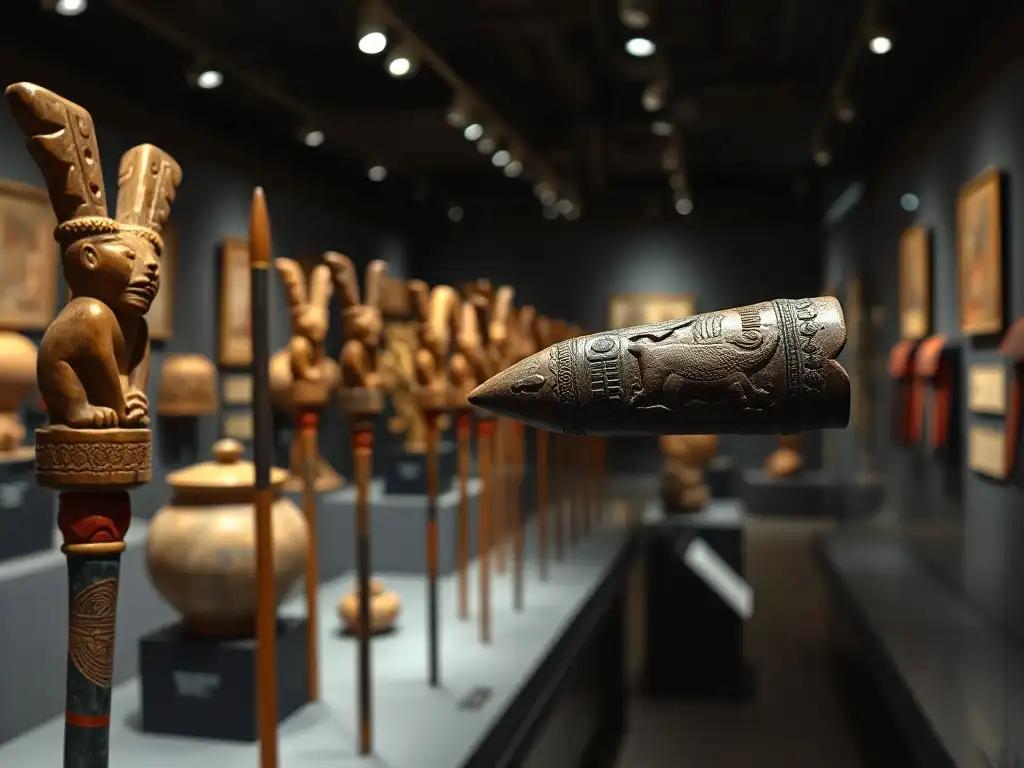
Dive into the enigmatic world of the Andean civilizations! From the towering heights of the Inca empire to the intricate artistry of the Nazca lines, we unravel the mysteries of a fascinating past. But what secrets do the Moche war clubs hold? Their intricate designs whisper tales of ritual and warfare, hinting at a complex society far beyond our current understanding. Uncover the power behind these ancient artifacts and unlock the meaning behind their fierce symbolism—explore the captivating story now.
The Moche civilization (circa 100-800 CE), a pre-Columbian society flourishing along the northern coast of Peru, left behind a remarkable legacy of intricate art, sophisticated engineering, and a complex social structure. Their artistry is particularly evident in their ceramics, depicting a vibrant range of daily life, religious ceremonies, and, significantly, warfare.
Among the most intriguing artifacts unearthed from Moche sites are their war clubs, intricately carved and often adorned with symbolic imagery. These aren't simply weapons; they represent a powerful blend of ritual and warfare, reflecting the Moche worldview and their sophisticated understanding of power.
This article delves into the fascinating world of Moche war clubs, exploring their construction, symbolism, and the role they played in both combat and ritualistic practices, ultimately aiming to decipher the meaning behind these captivating artifacts. Understanding the "Moche war clubs meaning" allows us to gain a deeper appreciation of this enigmatic civilization and its complex relationship with violence and the sacred.
Construction and Materials of Moche War Clubs
Moche war clubs weren't uniformly constructed. Archaeological evidence suggests a variety of materials and techniques. Many were crafted from wood, often strengthened with additional layers or coverings. Some examples show evidence of intricate carvings, while others appear more rudimentary.
The choice of wood likely depended on availability and the intended purpose of the club – a ceremonial club might utilize a rarer, more aesthetically pleasing wood than one intended solely for combat. Furthermore, some clubs were adorned with other materials, such as bone, shell, or even metal inlays, adding to their symbolic significance and potentially enhancing their effectiveness in battle. The meticulous craftsmanship evident in many examples underscores the value placed on these objects within Moche society. The variation in construction and materials also hints at possible social stratification, with more elaborately crafted clubs potentially signifying higher status.
Iconography and Symbolism on Moche War Clubs
The iconography found on Moche war clubs is rich and complex, often depicting deities, mythical creatures, and scenes of warfare. These images weren't randomly applied; they were carefully chosen and positioned to convey specific meanings. Common motifs include depictions of jaguars, serpents, and other powerful animals, often associated with Moche mythology and religious beliefs. These creatures likely represented strength, power, and spiritual authority, imbuing the clubs with a sacred quality.
Furthermore, scenes of combat or ritual sacrifice are frequently found, suggesting a close link between warfare and religious practices. Analyzing the specific imagery on individual clubs offers a window into the worldview and beliefs of the Moche people, highlighting the intertwining of the physical and spiritual realms in their culture. Further research into the specific iconography and its variations could reveal deeper insights into Moche social structures and power dynamics.
Moche War Clubs in Warfare and Ritual
The use of Moche war clubs extended beyond simple combat. While undoubtedly effective weapons, their intricate carvings and symbolic imagery suggest a significant role in ritualistic practices as well. It's plausible that these clubs were used in ceremonies, possibly marking transitions of power, celebrating victories, or enacting symbolic acts of violence.
The close association between warfare and religious beliefs in Moche culture strongly suggests that these clubs served a dual purpose, functioning as both instruments of combat and powerful symbols of religious authority and spiritual power. The discovery of clubs in both elite tombs and battlefield sites further supports this dual functionality, indicating their importance across different social contexts. The careful placement of clubs in tombs, for example, suggests that they were more than mere weapons; they were objects of considerable cultural and spiritual value.
Interpreting the Evidence: Unraveling the Moche War Club's Meaning
The mystery surrounding Moche war clubs isn't simply about their physical construction or the images they bear. It's about understanding the complex interplay between material culture, religious belief, and social structures within Moche society. By carefully examining the surviving examples, considering their construction, iconography, and context of discovery, we can begin to unravel the layers of meaning embedded within these remarkable artifacts.
The "Moche war clubs meaning" is not a singular, easily defined concept but rather a multifaceted reflection of Moche culture, revealing their beliefs, values, and social organization. Continued research and interdisciplinary approaches are crucial to further illuminate this fascinating aspect of Moche civilization. Further studies, particularly incorporating anthropological and sociological perspectives, can contribute significantly to a more comprehensive understanding.
- Construction and Materials of Moche War Clubs
- Iconography and Symbolism on Moche War Clubs
- Moche War Clubs in Warfare and Ritual
- Interpreting the Evidence: Unraveling the Moche War Club's Meaning
Unveiling the Moche War Club: An Introduction to Andean Weaponry
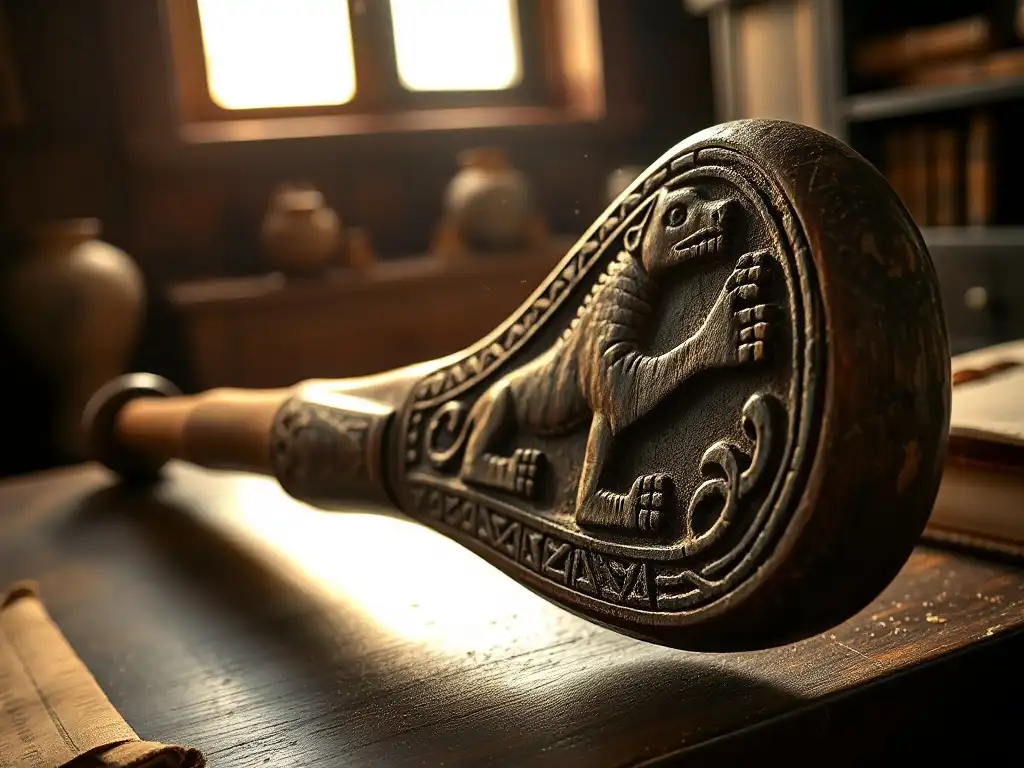
The Moche civilization (c. 100 – 800 CE), renowned for its sophisticated artistry and intricate metalworking, also possessed a formidable military apparatus. Central to their arsenal was the war club, a weapon whose design and use reveal much about Moche society, beliefs, and warfare strategies. Understanding the meaning behind these war clubs requires examining their construction, iconography, and the broader context of Moche culture and conflict.
The term "Moche war clubs meaning" encompasses not only their practical function in battle but also their symbolic role in rituals and social hierarchies. This section delves into the intricate details of these fascinating artifacts, exploring their construction, decoration, and the insights they offer into the Moche worldview. We will examine how the careful craftsmanship and symbolic elements integrated into these weapons reflect the Moche's sophisticated understanding of power, both physical and spiritual.
Moche Culture and Warfare: Contextualizing the Use of War Clubs
The Moche were not a unified empire but rather a series of independent kingdoms constantly vying for power and resources. Their warfare was likely characterized by both large-scale battles and smaller skirmishes, raids, and conflicts between competing factions. Evidence suggests a highly structured military organization, with specialized warriors and potentially even elite units. The war club, therefore, wasn't just a simple weapon; it was a tool representing power, status, and perhaps even religious authority within this complex social structure.
The intricate designs and materials used in their creation suggest a level of craftsmanship and investment that signifies their importance beyond mere battlefield utility. The use of precious metals and semiprecious stones in some examples hints at a connection to elite warriors or religious figures. Furthermore, depictions of war clubs in Moche art, often alongside warriors adorned in elaborate headdresses and regalia, further reinforce their symbolic significance.
Archaeological findings consistently show war clubs alongside other prestigious grave goods, suggesting that they were not simply tools of war, but objects of significant cultural value. The Moche war clubs meaning, therefore, extends beyond their practical use in combat. They represent a potent blend of military power and spiritual authority within the Moche social fabric.
The Significance of Moche War Clubs within Andean Military Practices
The Moche war club's significance transcends its purely military application. Its design, often incorporating intricate carvings and sometimes inlaid with precious metals, suggests a ritualistic or symbolic function alongside its practical use. These carvings frequently depict stylized figures, animals (such as jaguars and birds of prey, symbolizing power and strength), and geometric patterns, all potentially carrying religious or social meaning. The selection of materials—wood, stone, or even metal—also likely held significance, with the choice reflecting the status of the warrior or the importance of the occasion.
Analyzing the variations in design and materials across different Moche sites and time periods could offer further insights into regional differences in warfare tactics, social structures, and religious beliefs. Consider, for instance, the potential differences in meaning between a war club crafted from simple wood versus one meticulously carved from obsidian and inlaid with gold. Such variations could reflect not only technological capabilities but also social stratification and ritualistic practices. The diversity in Moche war club styles underscores the need for further research to fully understand the nuances of their “Moche war clubs meaning” and their role within the broader Andean military landscape.
Further investigation into the iconography and materials used will undoubtedly unlock deeper understanding of these fascinating artifacts. The detailed study of these weapons provides valuable insight into the complex interplay between warfare, ritual, and social hierarchy in Moche society. The Moche war clubs meaning, therefore, is multifaceted, encompassing both the practical and the symbolic.
The Form and Function of Moche War Clubs: More Than Just Weapons
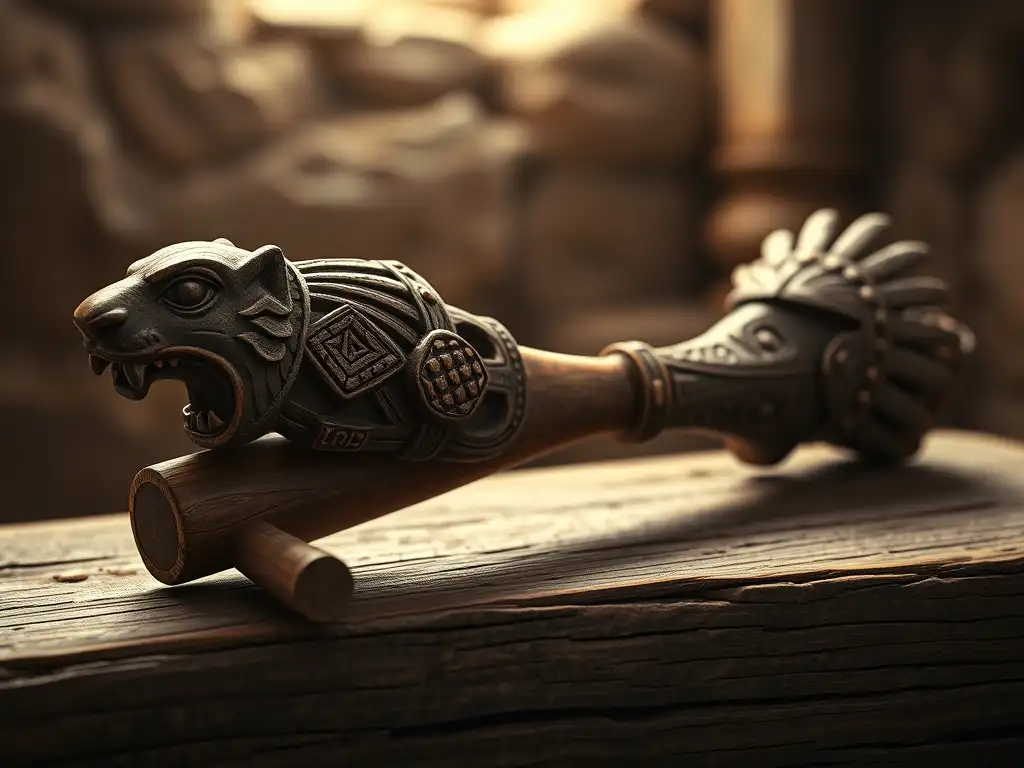
The Moche civilization, flourishing along the northern coast of Peru from roughly 100 CE to 800 CE, left behind a fascinating legacy of artistry and engineering. Their weaponry, particularly their war clubs, provides valuable insight into their military strategies and societal structures. Understanding the Moche war clubs meaning requires examining not only their physical attributes but also their symbolic significance within the context of Moche culture.
These weren't simply tools of violence; they were integral components of ritual and warfare, deeply intertwined with the Moche worldview. The intricate craftsmanship and diverse forms of these clubs speak volumes about the sophistication of their technology and the importance of warfare in their society. Further research into the specific chemical composition of the materials used, and a more detailed analysis of surviving examples, could unlock even more secrets about Moche technology and cultural practices.
Construction and Materials: Examining the Craftsmanship of Moche Clubs
Moche war clubs weren't crudely fashioned weapons. Instead, they demonstrate a remarkable level of craftsmanship and attention to detail. Archaeological evidence reveals that these clubs were often constructed from various materials, reflecting both resource availability and symbolic intentions. Wood, a readily available resource in the coastal regions, formed the base of many clubs.
However, Moche artisans didn't simply utilize raw wood. They carefully selected and prepared the wood, often employing techniques to enhance its strength and durability. Evidence suggests the use of specific types of wood known for their resilience, although further research is needed to pinpoint the exact species used. [Specific information pending on wood types used].
Many clubs were further embellished with additional materials, significantly enhancing their aesthetic appeal and potentially their symbolic meaning. Stone, particularly obsidian, was frequently incorporated, often as inlaid elements or as the club's primary striking surface. Obsidian's sharp edges would have made it a devastatingly effective weapon.
The meticulous fitting of these stone elements demonstrates a high level of skill and precision. In some cases, bone, shell, and even precious metals were used in the ornamentation, indicating the status and importance of the warrior who wielded the club. The careful selection and integration of these materials suggest that the creation of a Moche war club was a significant ritualistic process.
The Different Types of Moche War Clubs: Variations in Design and Purpose
The diversity of Moche war club designs hints at varying purposes and social standings. While many shared similar basic forms – a relatively short, heavy club with a striking head – subtle variations in shape, size, and ornamentation point to a complex typology. Some clubs possessed elongated, almost mace-like heads, potentially designed for crushing blows.
Others featured more compact, rounded heads, perhaps better suited for close-quarters combat or for ceremonial use. The presence or absence of decorative elements also seems significant. Elaborately carved or inlaid clubs might have been reserved for elite warriors or used in ceremonial contexts, while simpler clubs might have been more common among the general populace.
Analyzing the distribution of different club types across various Moche sites could reveal further insights into regional variations in warfare tactics or social hierarchies. [Data on regional variations in Moche war club types pending]. For example, the discovery of a large number of elaborately decorated clubs at a particular site might indicate the presence of a powerful military leader or a significant ceremonial center.
Conversely, the prevalence of simpler clubs in another location could suggest a less stratified society or a different emphasis on warfare. The study of these variations is crucial to understanding the nuanced role of the war club within Moche society.
Moche War Club Usage: Combat Techniques and Battlefield Tactics
Reconstructing Moche combat techniques based solely on surviving artifacts is challenging, yet analyzing the design of their war clubs offers some clues. The weight and shape of the clubs suggest that they were primarily wielded in close-quarters combat, likely alongside other weapons such as spears and slings. The use of obsidian inlays would have created exceptionally sharp edges, capable of inflicting severe lacerations. The relatively short length of the clubs suggests a focus on powerful, close-range strikes, rather than long-range attacks.
The potential tactical implications are significant. The use of heavy war clubs in close combat suggests a fighting style emphasizing brute force and overwhelming power. This is supported by depictions in Moche pottery, which often portrays warriors engaged in fierce, hand-to-hand combat. [Specific examples of pottery depictions needed].
The presence of different club types might suggest specialized roles within the Moche army, with certain warriors equipped for specific combat situations. Further research, integrating archaeological findings with iconographic evidence and ethnographic parallels, is crucial to fully understand Moche battlefield tactics and the strategic deployment of these formidable weapons. The Moche war club, therefore, wasn't just a weapon; it was a key component in a complex system of warfare and social organization.
Moche War Clubs Meaning: Symbolism and Ritualistic Significance
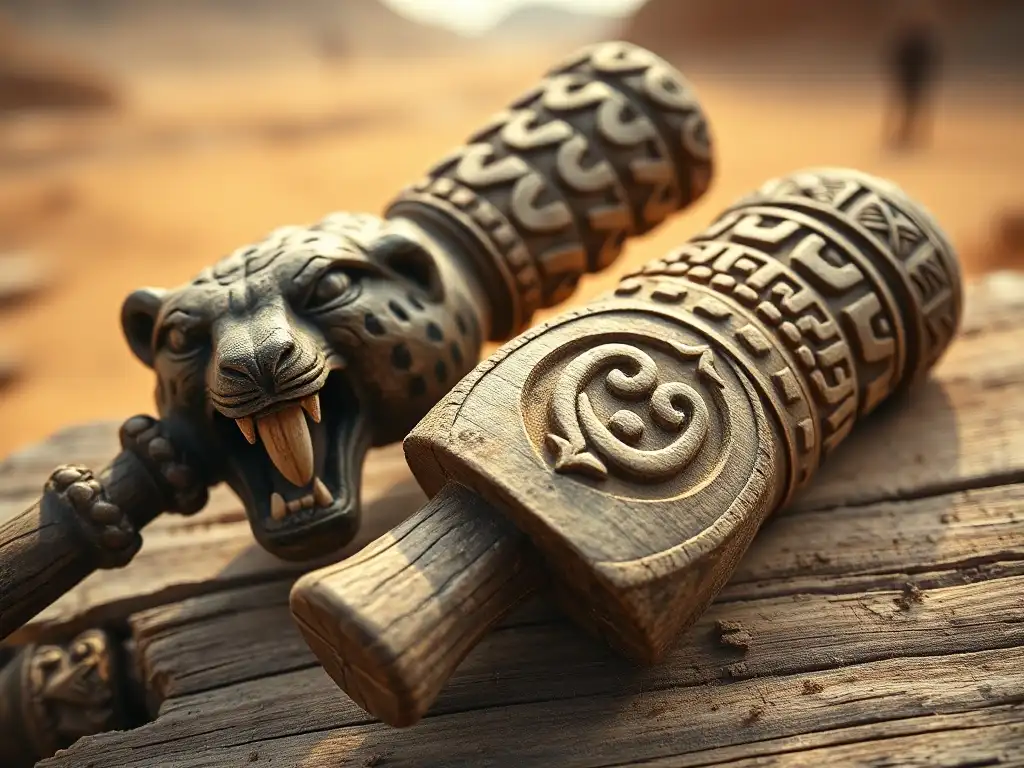
The Moche war club, a seemingly simple weapon, holds a complex and multifaceted meaning within the context of Moche society. Understanding its significance requires examining not only its function in warfare but also its deeply embedded symbolic and ritualistic roles. The Moche, renowned for their sophisticated artistry and complex social structures, imbued their weaponry with potent symbolism, reflecting their beliefs, power structures, and relationship with the supernatural.
This section delves into the intricate iconography, ceremonial usage, and the symbolic power associated with these remarkable artifacts, offering a nuanced understanding of the "Moche war clubs meaning." Analysis of these clubs reveals a society that strategically combined practical military applications with profound religious and social significance.
Decoding Iconography on Moche War Clubs: Visual Narratives and Power
Moche war clubs weren't simply instruments of combat; they were canvases for intricate and evocative iconography. Detailed carvings and depictions often feature stylized figures, mythical creatures, and potent symbols. These visual narratives weren't haphazard; they communicated specific messages about power, authority, and possibly even supernatural forces.
For example, some clubs depict warriors in dynamic poses, emphasizing strength and prowess in battle. Others showcase scenes of ritual sacrifice or mythical beings, suggesting a connection between warfare and the spiritual realm. The precision and detail of the carvings are a testament to the Moche's artistic skill and their dedication to imbuing these objects with meaning.
The frequent depiction of jaguars, for instance, often symbolizes power, ferocity, and shamanic abilities, directly linking the club's power to the supernatural realm. Analyzing the specific iconography on individual clubs allows for a deeper understanding of the varied meanings attributed to them, providing valuable insights into Moche beliefs and worldview. Further research into less-studied examples could reveal even more nuanced interpretations of Moche war club iconography.
Beyond their function in warfare, Moche war clubs played a significant role in rituals and ceremonies. Evidence suggests that these clubs were not only used in battle but also held ceremonial importance, possibly used in rituals, dances, or processions. Their elaborate carvings and the materials used in their creation (often wood, stone, or metal) point to their value beyond mere utility.
The meticulous craftsmanship invested in these objects suggests they were not disposable items but rather precious artifacts, possibly passed down through generations or held by individuals of high social standing. The presence of these clubs in elite tombs further supports this hypothesis. The positioning of the clubs within these burial contexts provides clues to their importance within the Moche social hierarchy.
It is likely that possession of a finely crafted war club signified both military prowess and high social status, further reinforcing their symbolic value. More research is needed to fully understand the specific rituals associated with these clubs, including the potential role of specific iconographic elements in these ceremonies.
The use of Moche war clubs extended beyond their practical applications and ritualistic uses; they served as potent symbols of authority and a connection to the divine. The intricate carvings and the materials used in their construction suggest a deliberate attempt to imbue them with spiritual power. The depiction of deities or mythical figures on the clubs reinforces this link to the supernatural.
These objects likely served as tangible representations of the power and authority of the elite, linking their leadership to both the earthly and spiritual realms. The possession of a war club could have served as a visual marker of social standing and a means of demonstrating one's connection to the ruling class and the divine. These objects were not just weapons; they were powerful symbols, reinforcing the Moche social hierarchy and the legitimacy of its rulers through their association with the supernatural.
The careful consideration of materials, design, and iconography all contributed to the clubs' role as potent symbols of power, authority, and the divine connection within Moche society. Further study into the specific iconography of elite-associated clubs could reveal more subtle nuances in the symbolism of divine connection.
Moche War Clubs and Their Role in Andean Warfare
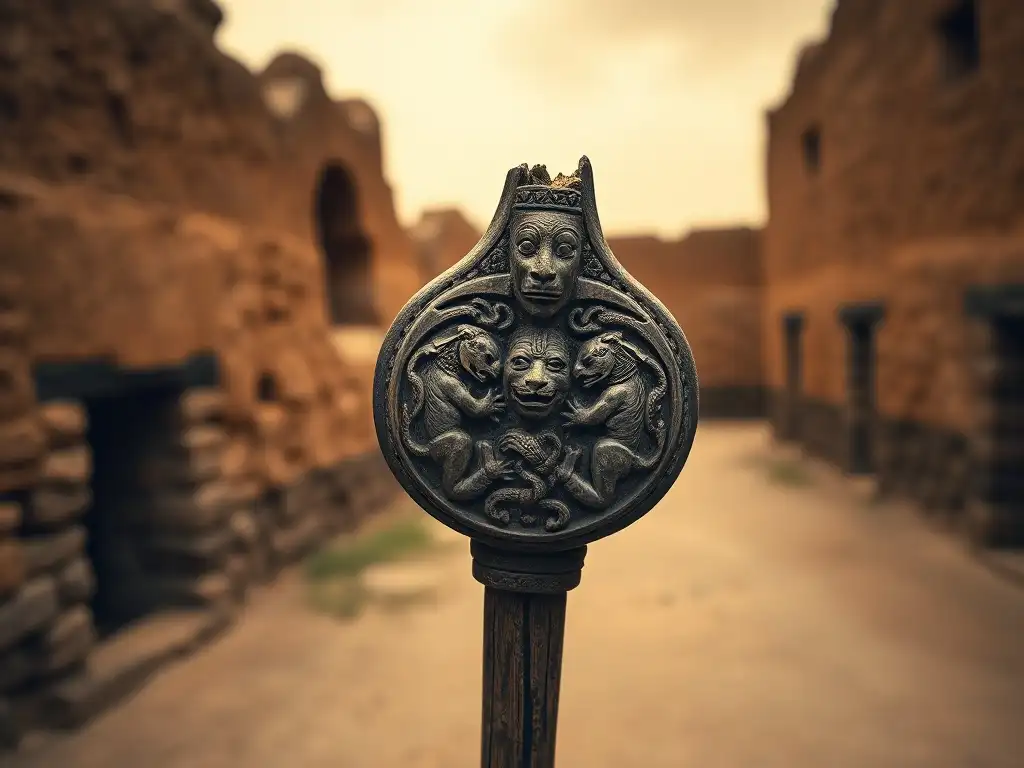
This section delves into the significance of Moche war clubs, exploring their role within the broader context of Andean warfare and Moche military strategies. Understanding the meaning behind these artifacts requires examining their design, the archaeological evidence surrounding their use, and ultimately, their impact on Moche society and expansion. The keyword "Moche war clubs meaning" will be explored through a detailed analysis of these aspects.
The Moche Military: Organization, Strategies and Weaponry
The Moche military was a highly organized force, crucial to the civilization's success and expansion across the northern coast of Peru. While details remain debated by scholars, evidence suggests a hierarchical structure, with specialized units and potentially professional soldiers. Their military prowess was not solely dependent on brute force, but also on sophisticated strategies and advanced weaponry for the time.
Beyond war clubs, the Moche arsenal included spears, slings, bows and arrows, and possibly even rudimentary forms of armor. The effectiveness of the Moche military stemmed from a combination of factors: skilled leadership, effective organization, technological advancement in weaponry, and possibly even psychological warfare techniques, leveraging the fearsome imagery present on many of their artifacts, including the war clubs themselves. The intricate designs on the war clubs themselves may have served as a form of propaganda, intimidating enemies and boosting the morale of Moche soldiers.
Further research is needed to fully understand the intricacies of Moche military organization and training practices. We need more detailed information on the size of the Moche army and the frequency of their military campaigns. [Specific information pending on Moche military training manuals or detailed depictions].
War Clubs in Moche Battles: Archaeological Evidence and Depictions
Archaeological excavations at various Moche sites have unearthed numerous war clubs, providing valuable insights into their construction, design, and potential use in battle. These clubs are typically made from wood, often reinforced with stone or metal heads. The stone heads often feature intricate carvings, depicting stylized figures, animals (such as jaguars and birds of prey, often symbolic of power and ferocity), and sometimes even scenes of warfare. These carvings are not merely decorative; they likely served a symbolic purpose, imbuing the weapons with ritualistic significance and enhancing their psychological impact.
Furthermore, numerous Moche ceramics depict scenes of warfare, providing visual evidence of war clubs in action. These depictions showcase warriors wielding clubs in combat, often against enemies. The artistic representations offer a glimpse into Moche battle tactics and the role of war clubs within these encounters. Analysis of these depictions suggests that war clubs might have been used both in close-quarters combat and potentially as a means of breaking enemy formations.
The weight and design of the clubs indicate they were not simply bludgeoning weapons, but tools capable of inflicting significant damage. A detailed study of the wear and tear on discovered war club remains could further illuminate their battlefield use. [Specific information pending on a comparative analysis of wear patterns on Moche war clubs].
The Impact of War Clubs on Moche Military Success and Expansion
The Moche war club, far from being a simple weapon, was a powerful symbol of authority, ritualistic significance, and military might. Its effectiveness in close-quarters combat, combined with its symbolic value, contributed significantly to the Moche military's success and the civilization's territorial expansion. The intimidation factor alone, enhanced by the fearsome imagery carved into the clubs, likely played a crucial role in battles, potentially demoralizing opponents and bolstering Moche troops' confidence. The sophisticated craftsmanship and the materials used in their construction also reflect the Moche's advanced technological capabilities.
The strategic use of these weapons, combined with other military technologies and strategies, allowed the Moche to dominate their region for centuries. However, the precise extent of their influence and the correlation between war club use and military victories require further investigation. A quantitative analysis comparing the frequency of war club depictions in Moche art with documented military campaigns (if such records exist) would be beneficial.
[Specific information pending on a quantitative study correlating Moche war club prevalence with military successes]. The Moche war club, therefore, represents more than just a weapon; it embodies a complex interplay of military strategy, ritualistic practice, and technological advancement, all contributing to the enduring legacy of this fascinating Andean civilization. Understanding its meaning provides crucial insight into the Moche's military prowess and cultural identity.
Moche War Clubs Beyond Warfare: Cultural and Artistic Representations
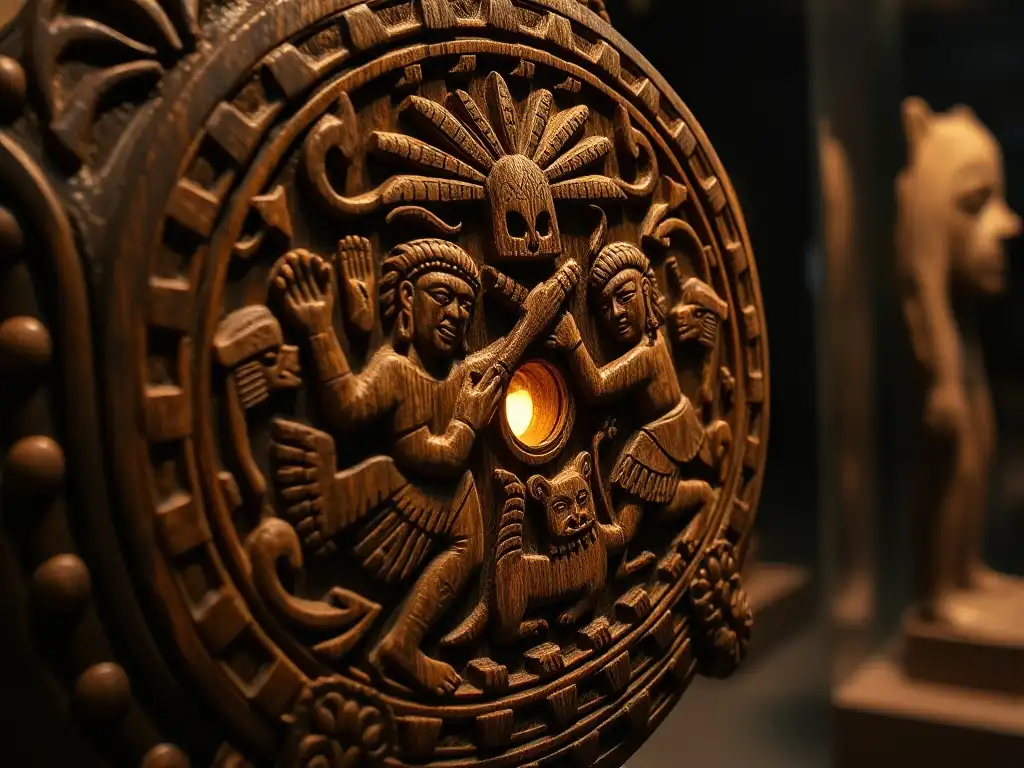
The Moche civilization, renowned for its sophisticated artistry and complex social structures, left behind a rich legacy of artifacts that speak volumes about their culture. While Moche war clubs are undeniably significant as instruments of warfare, their meaning extends far beyond their practical function. Their presence in various contexts, from elaborate burial sites to intricately decorated ceramics, reveals a deeper symbolic significance intertwined with ritual, power, and social status.
Understanding the "Moche war clubs meaning" requires examining these multifaceted representations. The clubs were not simply weapons; they were powerful symbols imbued with cultural and religious meaning, reflecting the complexities of Moche society.
Moche Art and War Clubs: Depictions in Ceramics and Murals
Moche artistry is famous for its vivid depictions of daily life, rituals, and warfare. War clubs frequently appear in their ceramic art, often portrayed in scenes of battle or ritual sacrifice. These depictions are not merely functional illustrations; they are carefully crafted representations that convey specific messages.
The detail in these portrayals – the intricate carvings on the clubs themselves, the postures of the warriors wielding them, and the surrounding imagery – offers valuable insights into the clubs' significance. For example, some ceramics show elite warriors wielding ornate war clubs, suggesting a connection between the clubs and social status. Others depict clubs in ritual contexts, implying a sacred dimension to their use.
The stylistic variations in the depictions of war clubs across different ceramic pieces also hint at regional differences or changes over time in their symbolic meaning. Analyzing these artistic representations allows us to move beyond the simple understanding of the war club as a weapon and delve into its role in the broader Moche worldview. Further research into the specific iconography found on these war clubs could unlock even more profound understandings of Moche beliefs and societal structures.
War Clubs as Burial Offerings: Their Significance in Moche Funerary Practices
The discovery of war clubs within Moche tombs provides further evidence of their symbolic importance. Their inclusion in funerary contexts suggests that these objects held significant meaning beyond their use in battle. The type of club, its decoration, and its placement within the tomb likely conveyed information about the deceased's social standing, achievements, or religious affiliations.
For instance, the presence of an elaborately carved war club in a high-status burial could indicate the deceased's military prowess or leadership role within their community. Conversely, a simpler club might have been included in a less prestigious burial, reflecting a different social position. The careful arrangement of the war club alongside other grave goods provides clues to the Moche understanding of the afterlife and the importance of these artifacts in ensuring a successful transition.
Detailed analysis of Moche burial sites containing war clubs, including contextual information on accompanying grave goods, is crucial for a complete understanding of their significance in funerary practices. This research could reveal further insights into Moche beliefs about death, the afterlife, and the social hierarchy.
The Legacy of Moche Clubs: Their Influence on Later Andean Cultures
The influence of Moche culture, including their weaponry, extended far beyond their own time. While the specific details might have changed, the basic form and function of the war club continued to be relevant in subsequent Andean cultures. Evidence suggests that later civilizations, such as the Chimú and Inca, adopted and adapted Moche designs and techniques in their own weapon-making traditions.
This continuity highlights the enduring impact of Moche craftsmanship and the enduring symbolism associated with the war club as a potent emblem of power and authority. While further research is needed to fully chart the trajectory of Moche war club designs and their evolution in subsequent Andean cultures, preliminary findings suggest a clear lineage, demonstrating the lasting cultural impact of the Moche legacy.
A comparative study of Moche war clubs and those from later Andean civilizations could reveal valuable insights into the transmission of cultural practices and technological innovations across different Andean societies. This would further illuminate the lasting impact of the Moche civilization and its contribution to the rich tapestry of Andean history.
Analyzing the Moche War Club: A Synthesis of Power and Ritual
The Moche war club, a seemingly simple weapon, offers a fascinating glimpse into the complex interplay of warfare and ritual within Moche society (circa 100-800 CE). Its analysis transcends a mere examination of its material properties; it requires a deeper understanding of its symbolic significance within the broader context of Moche culture and beliefs. These clubs, crafted from wood, often adorned with intricate carvings and sometimes inlaid with other materials like shell or turquoise, were not simply instruments of violence.
They were powerful symbols, imbued with religious and political meaning, reflecting the Moche worldview and societal structure. Understanding the Moche war clubs meaning necessitates considering both their practical function and their profound symbolic role. The weight, balance, and design features all contribute to our understanding of its effectiveness in combat, while the iconography provides crucial insights into Moche ideology.
The Dual Nature of Moche War Clubs: Weapon and Symbol
Moche war clubs served a dual purpose: as effective weapons on the battlefield and as potent symbols of power and authority. Archaeological evidence suggests their widespread use in warfare, with depictions in Moche art showcasing their employment in combat scenes. The clubs' robust construction, often featuring a heavy head and a shorter handle for close-quarters combat, indicates their practicality as weapons. However, the meticulous craftsmanship and decorative elements point to a far more significant role beyond mere functionality. Many clubs display intricate carvings of deities, mythical creatures, and scenes of ritual sacrifice, suggesting that they were more than simple tools; they were objects imbued with spiritual power. The presence of these symbolic elements transformed the war club from a simple weapon into a conduit for ritual power, reinforcing the warrior's status and connection to the supernatural realm. This duality is a key aspect of understanding the Moche war clubs meaning.
The detailed carvings often included representations of jaguars, eagles, and other powerful animals, reflecting the Moche belief system and emphasizing the warrior's connection to the natural world. The use of precious materials like turquoise further enhanced their symbolic value, signifying wealth and status. This combination of practical function and symbolic representation highlights the multifaceted nature of these artifacts and their central role within Moche society.
Moche War Clubs: A Reflection of Andean Cosmological Beliefs
The iconography found on Moche war clubs provides invaluable insights into their cosmological beliefs. Many carvings depict scenes of ritual sacrifice, suggesting a strong link between warfare, religious practices, and the maintenance of cosmic order. The depiction of specific deities, such as the Ai Apaec, a powerful and often fearsome figure, reinforces the religious significance of the war clubs and their role in maintaining the delicate balance between the earthly and spiritual realms.
These depictions weren't merely decorative; they were integral to the club's function as a powerful symbol connecting the warrior to the divine. Understanding the specific iconography and its relation to Moche mythology is crucial for deciphering the Moche war clubs meaning.
Further research into similar artifacts and related Moche art would greatly enhance our understanding of these complex symbolic representations. For example, the repetition of certain motifs across multiple clubs might suggest specific clan affiliations or ritualistic practices associated with particular deities.
The use of specific colors and materials also contributes to the symbolic meaning. The vibrant hues of turquoise, for example, often associated with divinity and the supernatural in Andean cultures, might indicate a connection between the warrior and the spiritual world, further enhancing the club's power and its role within ritual contexts. This intricate layering of symbolism underscores the depth and complexity of the Moche war clubs meaning, demanding a multidisciplinary approach to its full comprehension.
The Enduring Enigma of Moche War Clubs: Research and Future Directions
Despite significant progress in understanding Moche culture, the Moche war clubs meaning remains partially enigmatic. Further research is crucial to unravel the full extent of their symbolic significance. A more comprehensive analysis of existing collections, coupled with advanced imaging techniques (like 3D scanning) to examine intricate details, could reveal hidden carvings or subtle variations in design that might provide additional clues.
Comparative studies with other Moche artifacts, such as ceramics and textiles, could also shed light on the broader context of these objects within Moche society. Specifically, a detailed analysis of the distribution of these clubs across different Moche sites might reveal regional variations in style and symbolism, providing insights into potential differences in beliefs or social structures. The potential for new discoveries, both in the field and through re-examination of existing collections, suggests that the mystery surrounding Moche war clubs is far from solved, and future research promises to unveil more of their rich and complex meaning.
The ongoing investigation of these artifacts is essential for a more complete understanding of Moche warfare, religion, and society. This continued exploration will significantly contribute to a more nuanced understanding of the Moche war clubs meaning.
Frequently Asked Questions
What were Moche war clubs used for?
Moche war clubs were likely used in both ritualistic ceremonies and actual warfare. Their elaborate designs suggest a significant symbolic meaning beyond purely practical combat. Evidence suggests they held important religious significance.
What materials were Moche war clubs made from?
Moche war clubs were typically crafted from wood, often decorated with intricate carvings and sometimes inlaid with other materials like shell or stone. This demonstrates sophisticated craftsmanship and artistic skill.
What makes Moche war clubs unique?
The unique artistry and symbolic representations found on Moche war clubs distinguish them from weapons of other cultures. They frequently depict scenes of warfare, animals, and mythical beings, providing valuable insights into Moche beliefs.
What is the significance of the imagery found on Moche war clubs?
The imagery on Moche war clubs often portrays powerful figures, mythological creatures, and scenes of combat and sacrifice, reflecting the Moche worldview and social hierarchy. They offer a glimpse into their religious beliefs and societal structure.
Where can I learn more about the meaning of Moche war clubs?
To delve deeper into the subject, you can explore academic articles and museum exhibits focusing on Moche culture and archaeology. Further research into Moche iconography will reveal more about the symbolism depicted on these artifacts.
Final Reflection: Unearthing the Legacy of Moche Power
The intricate artistry of Moche war clubs transcends mere weaponry; they are potent symbols of a civilization grappling with power, ritual, and the very nature of mortality. These artifacts, unearthed from the sands of ancient Peru, continue to resonate with us today, offering a powerful lens through which to examine our own relationship with violence, belief, and the enduring human quest for meaning.
The Moche's sophisticated understanding of ritual warfare, as evidenced by the meticulous craftsmanship and symbolic imagery on their war clubs, profoundly impacted their social structure and artistic expression. Their legacy continues to shape our understanding of pre-Columbian societies and challenges simplistic narratives of conquest and brutality. The past is never dead. It's not even past.
– William Faulkner. This quote rings true when considering the enduring power of the Moche's cultural legacy, still influencing archaeological studies and our understanding of ancient societies.
Consider the intricate details etched into these ancient weapons – the ferocious jaguars, the stylized deities, the symbolic representations of power and sacrifice. What stories do they whisper to us across millennia? What can we learn from the Moche's complex relationship with violence and ritual, and how might that knowledge inform our own understanding of conflict and the human condition?
Take a moment to reflect on the enduring power of symbolism and the ways in which we, too, create and interpret meaning through objects and actions. Let the mystery of the Moche war clubs inspire you to delve deeper into the rich tapestry of human history and to appreciate the enduring power of cultural artifacts.
Unveil the Power of Moche War Clubs Today!
Thank you for exploring the fascinating world of Moche war clubs with us! Your interest in their ritualistic and warfare practices demonstrates a deep appreciation for the intricate history of Andean civilizations. Now that you've gained valuable insights, let's explore ways to further immerse yourself in this captivating subject.
Here are some suggestions to deepen your understanding:
- Explore related artifacts: Visit a local museum or explore online exhibits featuring Moche artifacts to experience their rich culture firsthand. The intricate detail and artistry will leave a lasting impression.
- Share your knowledge: Discuss your newfound understanding of Moche war clubs with friends, family, or colleagues. Alternatively, join an online forum dedicated to ancient civilizations to exchange ideas and perspectives with other enthusiasts.
- Express your inspiration: Channel your fascination with the Moche culture into a creative project. This could range from a detailed drawing or sculpture to a more ambitious artistic endeavor reflecting their unique style.
What new perspective on the Moche civilization has challenged your previous assumptions about their culture? We'd love to hear your thoughts!