
Moche Warfare: Strategies, Weapons, and the Expansion of Power

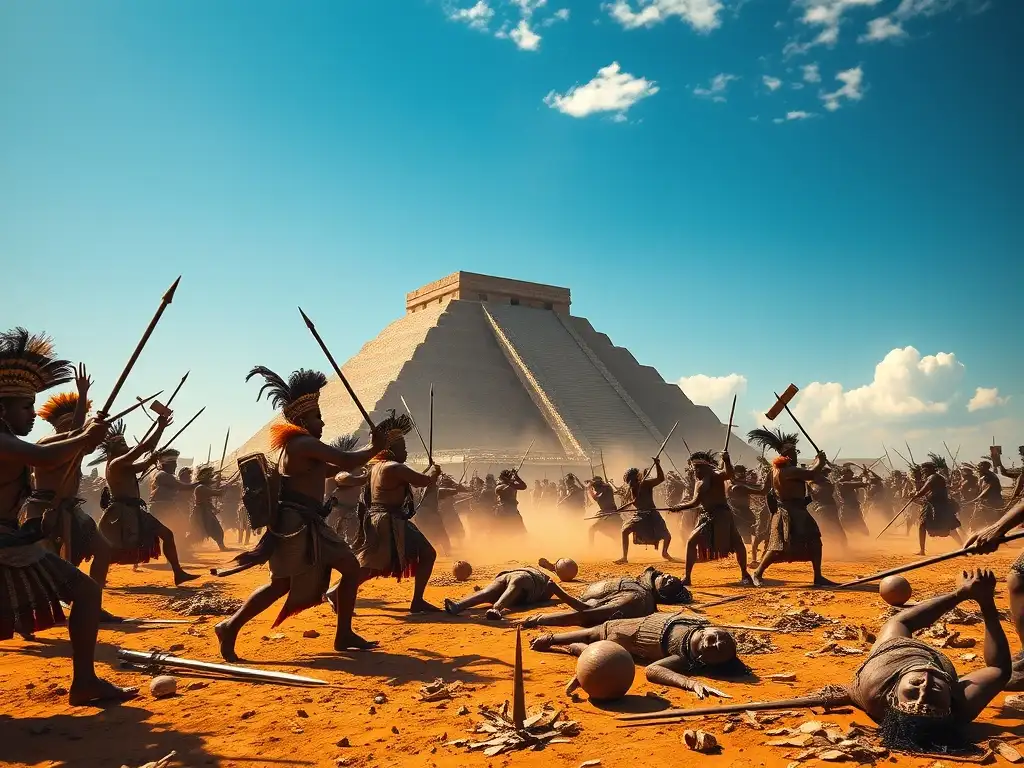
Step into a world lost to time, yet echoing with the thunder of conquest. Prepare to uncover the secrets of Moche warfare strategies, a fascinating and often brutal aspect of one of the Andes' most enigmatic civilizations. Their sophisticated tactics and impressive weaponry propelled their rise to power—but what truly fueled their expansion? Dive into the gripping story of the Moche and discover the answers within.
The Moche civilization, flourishing along the northern coast of Peru from approximately 100 CE to 800 CE, was not only renowned for its sophisticated irrigation systems and breathtaking artistry but also for its highly organized and effective military. This article delves into the intricacies of Moche warfare, exploring their strategic approaches, weaponry, and the crucial role these played in the expansion and consolidation of their power across the arid coastal landscape. We will examine how their military prowess shaped their society, economy, and ultimately, their legacy.
Understanding Moche warfare strategies provides crucial insight into the dynamics of this fascinating civilization and its impact on the broader Andean region. The Moche weren't simply conquerors; their military actions were deeply intertwined with their religious beliefs, social structures, and economic ambitions, creating a complex interplay that defined their civilization.
Moche Military Organization and Strategy
The Moche army wasn't a haphazard collection of warriors; evidence suggests a highly structured organization. While the precise details remain debated by archaeologists, depictions in Moche pottery and iconography reveal the existence of specialized units, possibly including infantry, archers, and even elite warrior-priests. Their strategies likely involved a combination of swift, decisive attacks leveraging superior weaponry and potentially exploiting the terrain to their advantage.
The arid coastal deserts presented unique challenges, and the Moche's understanding of these conditions likely played a significant role in their battlefield successes. Furthermore, the Moche likely employed psychological warfare, utilizing their fearsome reputation and impressive displays of power to intimidate opponents and minimize bloodshed.
This is supported by the often-graphic depictions of warfare on their ceramics, which may have served as propaganda, showcasing their military might and deterring potential enemies. We can infer a sophisticated level of planning and coordination, indicating a complex command structure capable of managing large-scale military operations.
Moche Weapons and Armaments
Moche weaponry was as impressive as their military organization. Archaeological discoveries have unearthed a range of weapons, including spears, clubs, slings, and bows and arrows. The quality of craftsmanship is noteworthy, with many weapons exhibiting intricate details and evidence of specialized production techniques. Metalworking was a crucial aspect of Moche technology, and this is reflected in their weaponry.
Copper and bronze were used to create weapons, such as spear points and knives, suggesting both a technological advancement and a level of sophistication in metalworking not commonly found in contemporary cultures. The use of these materials would have granted the Moche a significant advantage in close-quarters combat. Additionally, the availability of these metal weapons likely played a crucial role in their ability to subdue neighboring groups and expand their territory.
The Role of Warfare in Moche Expansion and Power
The Moche's military successes were instrumental in their territorial expansion and the consolidation of their power. Through controlled warfare, they secured access to vital resources, including water, agricultural land, and trade routes. Their control over these resources enabled the growth of their population and the development of their sophisticated infrastructure, including extensive irrigation systems and monumental architecture. However, it's crucial to note that Moche expansion wasn’t solely reliant on military might.
Trade, diplomacy, and strategic alliances likely played significant roles alongside military conquest. Analyzing the distribution of Moche artifacts across a wide geographic area suggests a complex interplay of military control and peaceful interaction. The extent to which the Moche engaged in imperialistic expansion versus defensive warfare is still an ongoing discussion amongst researchers, requiring further analysis of archaeological data and contextual information.
The Legacy of Moche Warfare
The Moche's military legacy extends beyond their period of dominance. Their sophisticated warfare strategies and advanced weaponry influenced subsequent Andean civilizations. The impact of their military organization and tactics can be seen in the military practices of later cultures, showcasing the lasting influence of the Moche on the region's military landscape.
Their mastery of warfare, coupled with their remarkable achievements in other fields, firmly establishes their place as one of the most significant civilizations of the ancient Andes. Further research is needed to fully understand the long-term effects of Moche warfare on the social, political, and economic structures of the Andes, and to understand how their military traditions informed and influenced later Andean societies. The study of Moche warfare continues to provide valuable insights into the complexities of ancient Andean societies and their dynamic interactions.
- Moche Military Organization and Strategy
- Moche Weapons and Armaments
- The Role of Warfare in Moche Expansion and Power
- The Legacy of Moche Warfare
Understanding Moche Military Power: An Overview
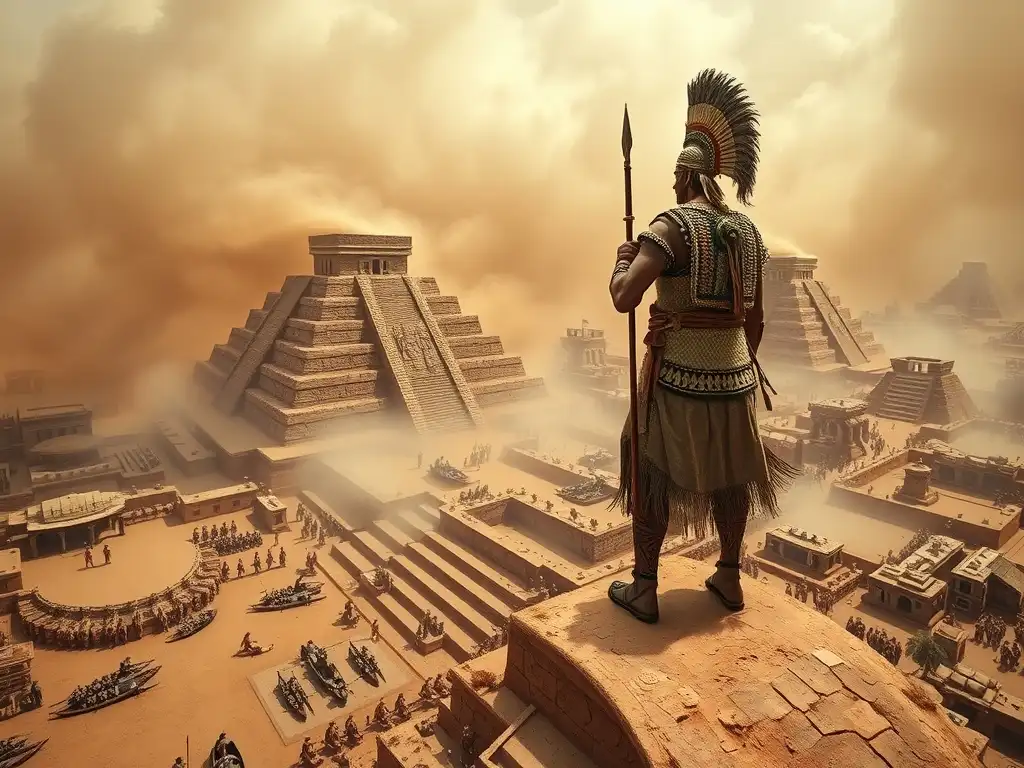
The Moche, a pre-Columbian civilization flourishing along the northern coast of Peru (circa 100-800 CE), were renowned not only for their sophisticated artistry and intricate irrigation systems but also for their formidable military capabilities. Their success wasn't solely reliant on agricultural prowess; military might played a crucial role in their expansion, consolidation of power, and the overall shaping of their society. Understanding Moche warfare strategies is key to deciphering the dynamics of their civilization and its ultimate impact on the region.
Their military organization, weaponry, and strategic deployments were sophisticated for their time, allowing them to control a significant portion of the arid coastal landscape and dominate their neighbors. This section will delve into the intricacies of their military power, exploring the role of warfare in their state formation and territorial expansion.
The evidence suggests a complex interplay between military prowess and political control, a dynamic that shaped their social structure and left a lasting legacy on Andean history. The study of Moche warfare strategies provides valuable insights into the complexities of ancient Andean societies and their methods of maintaining power.
The Role of Warfare in Moche State Formation
The Moche state wasn't built overnight. Archaeological evidence strongly suggests that warfare played a critical role in their initial unification and the subsequent consolidation of power. The development of a centralized state likely involved the subjugation of smaller, independent communities along the coast.
This process involved not only military campaigns but also the strategic manipulation of resources and alliances. The Moche elite likely used military success to legitimize their rule, portraying themselves as powerful warriors and divine intermediaries capable of protecting their people and expanding their territory. The construction of monumental architecture, such as the Huacas del Sol and de la Luna, might have served a dual purpose: showcasing the Moche's power and wealth while also functioning as centers of religious and political authority, reinforcing their military-based dominance.
Furthermore, the standardization of weaponry and military tactics across the Moche territory points towards a centralized command structure, effectively managed and controlled by the ruling elite. Further research into the distribution of weaponry and the analysis of battlefield remains could provide even more compelling evidence of the role of Moche warfare strategies in the formation of their state.
Moche Expansion and Conquest of the Coast
The Moche's military success wasn't limited to internal consolidation; they actively expanded their influence along the northern Peruvian coast. Their control extended over a considerable geographical area, suggesting a well-organized and effective military machine. Evidence of Moche military campaigns comes from various sources, including the discovery of weaponry at distant sites, the presence of Moche-style artifacts in previously independent settlements, and iconographic representations of warfare in their art.
The Moche likely employed a combination of strategies, including swift raids, large-scale battles, and strategic alliances, to achieve their territorial goals. Their mastery of the coastal environment, combined with their advanced knowledge of warfare strategies, allowed them to overcome geographical challenges and successfully conquer and control a significant portion of the arid coastal region. The precise methods employed in their conquests remain a subject of ongoing research, but the scale of their expansion speaks volumes about their military effectiveness.
Analyzing the distribution of Moche settlements and the archaeological evidence of conflict across the region offers crucial insights into their expansionist policies and the long-term consequences of their military dominance. The Moche's success in establishing and maintaining control over a vast territory underscores the importance of their sophisticated warfare strategies in shaping their civilization's trajectory.
Moche Warfare Strategies: Tactics and Logistics
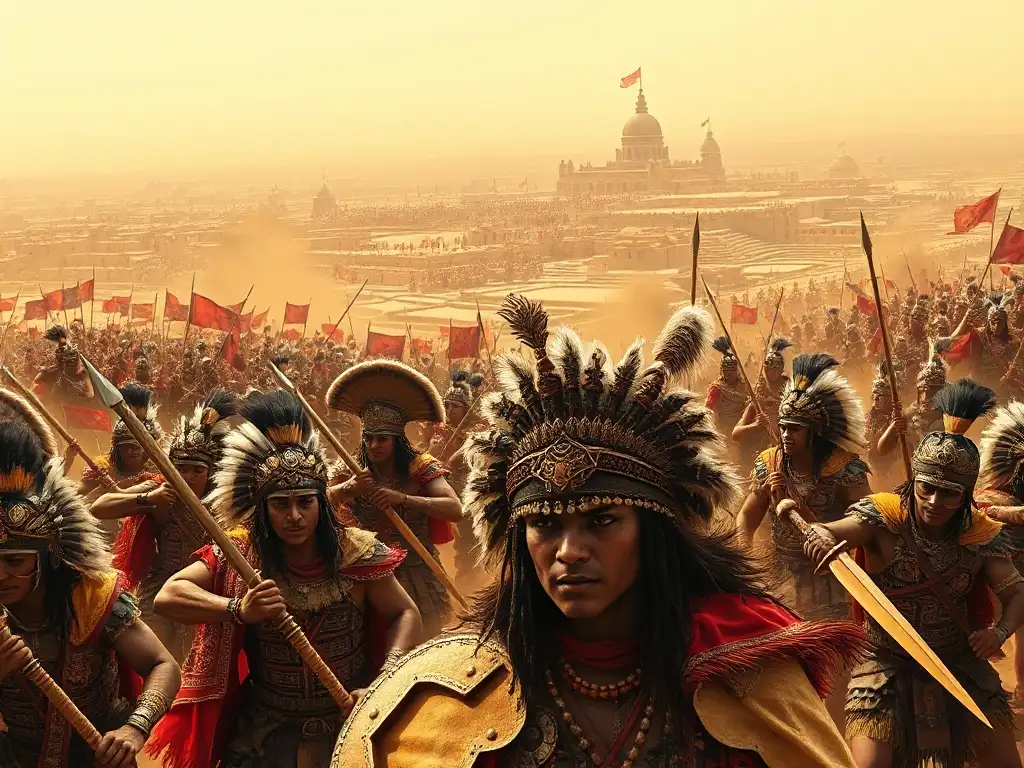
The Moche civilization, flourishing along the northern coast of Peru from approximately 100 to 800 CE, wasn't solely defined by its remarkable artistry and sophisticated irrigation systems. A powerful military machine underpinned their expansion and societal dominance. Understanding Moche warfare strategies reveals a complex interplay of tactical brilliance, logistical prowess, and effective resource management, all contributing to their success in a competitive Andean landscape.
Their military achievements weren't solely about brute force; rather, they reflect a sophisticated understanding of warfare's multifaceted nature. This section delves into the key elements of Moche military planning and execution, focusing on their strategic thinking and logistical capabilities that enabled them to project power across a significant geographic area. The analysis of Moche warfare strategies highlights the importance of combining effective combat techniques with robust logistical support for sustained military campaigns.
Moche Combat Formations and Hand-to-Hand Combat
Moche warfare wasn't a chaotic melee. Evidence from iconography, such as ceramics and murals depicting battles, suggests a degree of organized combat formations. While precise details remain elusive due to limited textual sources, depictions often show structured groups of warriors, possibly organized by unit or social standing. These formations likely facilitated coordinated attacks and maneuvers during battles.
Hand-to-hand combat played a crucial role, with warriors armed with a variety of weapons engaging in close-quarters fighting. The Moche were skilled in using clubs, spears, and slings, but their mastery of metallurgy is evidenced by the use of copper and bronze weapons, providing a significant advantage over opponents armed with simpler implements. Consider the depiction of a battle scene on a Moche ceramic vessel: we observe warriors arranged in a line formation, suggesting a planned tactical approach rather than a spontaneous clash.
This structured fighting style, combined with superior weaponry, contributed significantly to their battlefield successes. Further research, particularly archaeological excavation of battlefield sites, could provide more concrete evidence of Moche combat formations and tactics. The study of skeletal remains from this period could also reveal insights into the types of injuries sustained in combat, offering valuable data on fighting techniques and weaponry effectiveness.
Fortified Settlements and Defensive Structures
The Moche understanding of warfare extended beyond offensive strategies; they also invested heavily in defensive measures. Their settlements, particularly those located in strategic locations or vulnerable areas, often incorporated sophisticated defensive structures. These ranged from simple earthworks and palisades to more elaborate fortifications, including stone walls and strategically placed watchtowers.
The construction of these defenses indicates a proactive approach to security and highlights the importance of protecting vital resources and population centers. The scale and sophistication of these structures varied depending on the settlement's size and importance. Larger cities, such as the capital cities [Specific information pending], boasted more extensive defensive systems, reflecting their significance as centers of power and economic activity.
The strategic placement of settlements, often near water sources and easily defensible terrain, further demonstrates Moche understanding of military geography and their ability to leverage the environment for defensive purposes. This integrated approach to defense, combining natural barriers with man-made fortifications, significantly enhanced Moche resilience against potential threats.
Moche Supply Systems and Resource Management
Sustaining a large and active military required efficient supply systems and effective resource management. The Moche, with their sophisticated irrigation systems and agricultural techniques, were well-equipped to meet these demands. Their mastery of agriculture ensured a reliable food supply for their population, including the military. The extensive network of roads and trails facilitated the movement of troops and supplies across their territory.
Furthermore, the Moche's control over key resources, such as metals for weaponry and obsidian for tools, gave them a considerable strategic advantage. This intricate web of logistical capabilities allowed them to undertake prolonged military campaigns and maintain a powerful military force. Analyzing the distribution of Moche settlements and their proximity to resources provides insights into their logistical strategies. The presence of storage facilities within settlements suggests a capacity for stockpiling food and materials in anticipation of military needs.
The strategic placement of these facilities near major roadways further supports the idea of a well-organized supply chain. Detailed studies of Moche agriculture and infrastructure are crucial for a comprehensive understanding of their logistical abilities and their role in the success of their military endeavors. The efficient management of resources was as crucial to Moche military success as their tactical prowess on the battlefield. This integrated approach—combining agricultural productivity with effective transportation networks—formed the backbone of their military power.
Moche Weaponry: Tools of Conquest
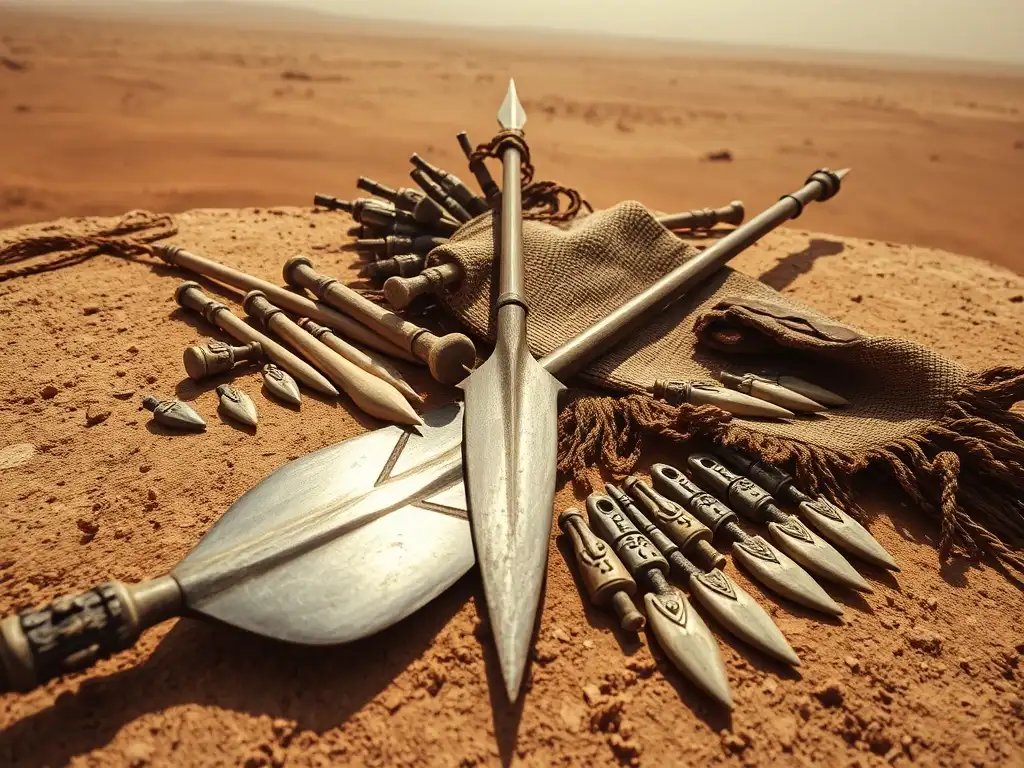
The Moche, a pre-Columbian civilization flourishing along Peru's northern coast from approximately 100 to 800 CE, were renowned not only for their sophisticated artistry and intricate irrigation systems but also for their formidable military capabilities. Understanding their Moche warfare strategies requires a close examination of the weaponry they wielded, reflecting both their technological prowess and their strategic approach to conflict.
Their arsenal wasn't just about brute force; it was a carefully considered toolkit designed for both close-quarters combat and ranged attacks, contributing significantly to their territorial expansion and political dominance. The effectiveness of their weaponry was inextricably linked to their battlefield tactics and overall military organization, creating a powerful synergy that shaped the political landscape of the northern Andes.
Maces and Clubs: The Primary Weapons of Moche Warriors
Maces and clubs constituted the backbone of the Moche warrior's arsenal. Archaeological evidence consistently reveals these blunt force weapons in burial sites of high-ranking individuals, suggesting their importance in both warfare and elite status. These weren't simply crudely fashioned sticks; many were meticulously crafted from wood, stone, or even metal, often incorporating elaborate carvings and ornamentation.
Some maces were designed with weighted heads for increased impact, while others featured spiked or bladed projections to inflict deeper wounds. The varied designs suggest specialization for different combat roles or fighting styles. The effective use of maces and clubs required strength, precision, and close-quarters fighting prowess – skills undoubtedly honed through rigorous training and constant practice.
The sheer power delivered by these weapons, combined with the warrior's skill, made them highly effective in breaking enemy formations and achieving decisive battlefield victories. Analysis of skeletal remains from Moche battlefields – although limited – shows evidence consistent with blunt force trauma, further supporting the significance of these weapons in Moche warfare.
Spear Throwers and Projectile Weapons
Beyond close-range combat, the Moche employed sophisticated projectile weapons, significantly extending their reach and tactical options. Spear-throwers (atlatls) were a crucial component of their weaponry, allowing warriors to launch spears with greater force and accuracy over longer distances than was possible with a simple throw. The increased range provided by the atlatl allowed the Moche to harass enemies, soften defenses, and inflict casualties before engaging in close-quarters fighting.
Furthermore, the Moche likely utilized darts and javelins, propelled either by atlatls or thrown directly. While less readily available in the archaeological record than maces, the evidence that does exist points to their importance as supplementary weapons, providing a diverse range of options for different combat situations. The combination of atlatls and projectile weapons allowed the Moche to achieve a tactical advantage, shaping the flow of battle and maximizing their effectiveness. The strategic deployment of these weapons, alongside their mastery of close-combat techniques, illustrates the Moche's advanced understanding of warfare.
Shields, Helmets, and Protective Gear
While offensive weaponry is crucial, effective defense is equally vital in any military context. The Moche understood this principle well, employing protective gear to mitigate casualties and enhance their survivability on the battlefield. Though complete suits of armor were not common, evidence points to the use of shields, likely made from wood or leather, to deflect blows from enemy weapons. These shields would have been essential in protecting warriors during close-range combat, providing a crucial layer of defense against maces, clubs, and spears.
Helmets, too, were likely used, although their exact design and prevalence remain somewhat unclear due to the limited preservation of organic materials in the archaeological record. However, depictions in Moche art suggest the existence of helmets, perhaps made from woven materials or leather, offering protection to the head from blows.
The presence of protective gear, coupled with their advanced weaponry and tactical prowess, underscores the Moche's sophisticated approach to warfare, signifying a high level of military organization and strategic planning. Further research, including advanced imaging techniques on existing artifacts, might unveil more detailed information about the precise nature and extent of Moche protective gear.
The Moche Warrior: Status, Training, and Rituals
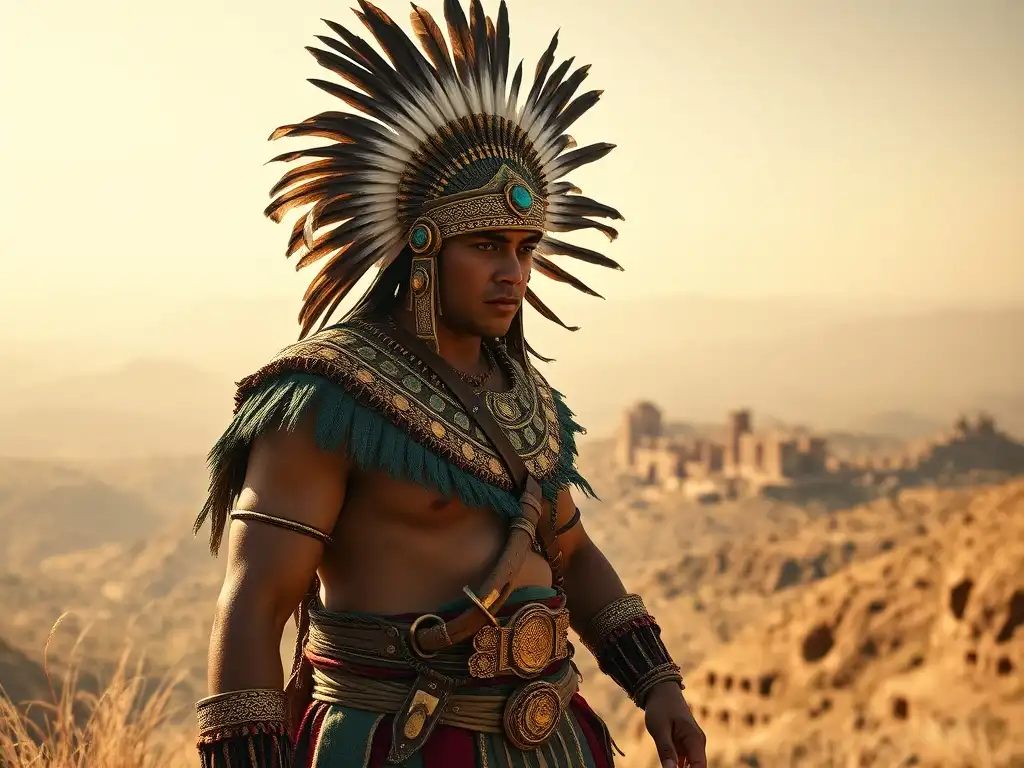
The Moche civilization, renowned for its sophisticated artistry and intricate societal structure, also possessed a formidable military machine. Understanding Moche warfare strategies requires delving into the lives of the warriors themselves – their social standing, rigorous training, and deeply ingrained religious rituals. The warriors weren't simply soldiers; they were integral to the power structure and the ideological fabric of Moche society. Their role extended beyond battlefield prowess, impacting political influence, economic control, and religious practices. Evidence suggests a complex system of military organization, with specialized roles and hierarchies reflecting the overall societal stratification.
Elite Warriors and Military Leadership Roles
Moche elite warriors occupied a privileged position within society. Archaeological evidence, such as elaborate burials containing weaponry, gold ornaments, and finely crafted ceramics, points to a clear distinction between common soldiers and high-ranking officers. These elite warriors likely came from the upper echelons of Moche society, perhaps descendants of ruling lineages or members of powerful clans.
Their leadership roles extended beyond mere battlefield command. They may have held significant political power, influencing decision-making processes and controlling resources. For example, the depiction of richly adorned warriors on Moche pottery suggests their elevated social status and their participation in significant ceremonies and rituals.
Further research into the iconography of these elite warriors could provide deeper insights into their specific roles and responsibilities within the Moche military structure. The precise hierarchy and chain of command remain areas for ongoing scholarly debate, but the existence of specialized leadership roles is undeniable. Analyzing the distribution of grave goods and the iconography on Moche artifacts provides crucial clues into the intricate social dynamics of their military.
Warrior Training Regimes and Physical Conditioning
The effectiveness of Moche warfare strategies was undoubtedly linked to the rigorous training undertaken by their warriors. While direct evidence of formal training facilities is lacking, the physical demands of warfare necessitate a structured regimen. We can infer aspects of this training from depictions on Moche pottery and the physical capabilities needed for effective combat. Warriors likely underwent intense physical conditioning, developing strength, stamina, and agility crucial for hand-to-hand combat and the use of weaponry.
This training likely involved strenuous exercises, possibly including running, wrestling, and the practice of combat techniques. The use of various weapons, such as spears, clubs, and slings, would have required specific training to master their effective use. The development of superior physical fitness would have been essential for endurance in prolonged campaigns and battles.
Furthermore, tactical training, including formations and coordinated maneuvers, would have been necessary for effective large-scale warfare. Unfortunately, the specific details of Moche warrior training remain largely speculative, relying on inferences from available archaeological evidence and comparative studies of other ancient Andean societies. Future research focusing on skeletal analysis and the study of Moche settlements could offer more concrete details about their training practices.
Ritual Practices and Sacrifices Before and After Battles
Moche warfare strategies were deeply intertwined with religious beliefs and practices. Rituals played a crucial role before, during, and after battles. Before engaging in combat, warriors likely participated in ceremonies designed to invoke divine favor and ensure victory. These rituals may have involved offerings, sacrifices, and prayers to Moche deities associated with war and power.
Depictions on Moche pottery often show warriors engaging in ritualistic behavior, suggesting the importance of religious observance in their military activities. Furthermore, after battles, rituals were likely performed to honor the fallen, appease the gods, and celebrate victory. These post-battle rituals may have included elaborate burials for fallen warriors, accompanied by offerings and sacrifices. The nature of these sacrifices remains a subject of ongoing debate; however, evidence suggests the possibility of human sacrifice in connection with military events, although the extent and frequency of such practices are uncertain.
The integration of religious beliefs and military practices highlights the holistic nature of Moche society, where the spiritual and the material were inextricably linked. Further research is needed to fully understand the complex interplay between religion and warfare in Moche culture. Analyzing the iconography on Moche artifacts and conducting further excavations of Moche burial sites could reveal more details about these ritual practices.
Moche Military Art and Iconography: Depicting Conflict
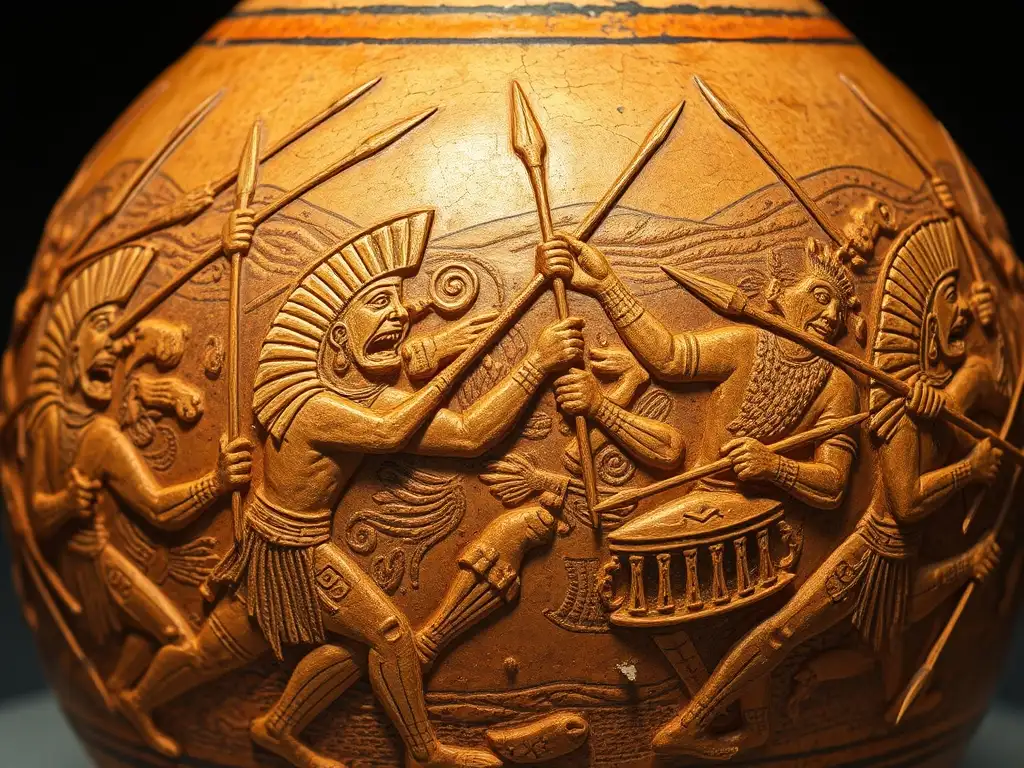
The Moche civilization, renowned for its sophisticated artistry and engineering prowess, left behind a rich visual record that offers invaluable insights into their military strategies and worldview. Their pottery and murals, far from being mere decorative pieces, serve as powerful narratives of warfare, providing a window into the complexities of Moche military organization and ideology. Analyzing these artistic representations allows us to reconstruct aspects of Moche warfare that might otherwise remain hidden, shedding light on their societal values and the role of conflict in their expansion and consolidation of power.
The sheer detail and realism employed in these depictions suggest a deep preoccupation with military matters, reflecting their importance in Moche society. This section will explore how Moche artists captured the brutality and strategic elements of warfare, revealing a sophisticated understanding of military tactics and the power dynamics inherent in conflict.
Battle Scenes in Moche Pottery and Murals
Moche pottery is particularly revealing in its depiction of warfare. Numerous examples showcase detailed battle scenes, often with a remarkable level of realism. We see depictions of warriors engaging in hand-to-hand combat, using a variety of weapons including spears, clubs, and slings.
The pottery frequently portrays scenes of capture, sacrifice, and the aftermath of battle, highlighting the brutal reality of Moche warfare. For instance, one particularly striking example shows a warrior wielding a macana (a club with a stone head) against a captured enemy, emphasizing the power imbalance and the Moche's capacity for inflicting violence. These scenes are not simply chaotic depictions of fighting; they often show a degree of tactical organization, with warriors arranged in formations suggesting planned and coordinated attacks.
The detail extends beyond the human figures, with depictions of weaponry, armor, and even the terrain, enhancing our understanding of the Moche's military capabilities and battlefield strategies. Furthermore, the repetitive nature of certain battle scenes across various pottery pieces suggests the importance of these events in the Moche narrative, potentially used for propaganda or to instill a sense of military prowess within the society. The artistry employed in these representations – the vibrant colors, the dynamic compositions, and the detailed rendering of figures and weapons – further underscores the significance of warfare within Moche culture.
The murals, though less abundant than the pottery, offer a different perspective. While pottery tends to focus on individual combat and the brutality of war, murals sometimes depict larger-scale battles, giving us a broader understanding of Moche military formations and tactics. [Specific examples of murals depicting large-scale battles and their analysis pending]. The scale and scope of these depictions suggest a level of artistic planning and coordination, reflecting the societal importance placed on these events.
War Symbolism and Iconographic Motifs
Beyond the explicit depictions of battle, Moche art employs a range of symbols and motifs to convey military themes and ideology. Specific iconographic elements, such as stylized weapons, warrior attire, and captive figures, recurrently appear in different artistic contexts, suggesting a standardized system of visual communication related to warfare. For example, the repeated use of specific headdresses or body paint may indicate rank or status within the Moche military hierarchy.
[Specific examples of iconographic motifs and their interpretations pending]. The use of such symbols transcends mere decoration; they communicate meaning and reinforce Moche military identity and power.
The prevalence of these motifs across various media, from pottery to textiles to metalwork, suggests a conscious effort to instill and maintain a strong military identity throughout the society. This consistent visual language reinforces the importance of military themes within Moche culture and helps us understand the values and beliefs that shaped their society.
Interpreting Moche Military Ideology Through Visual Culture
The Moche's artistic representations of warfare provide crucial insights into their military ideology and its place within their broader societal framework. The detailed and often brutal depictions suggest a culture that valued military prowess and the ability to dominate its enemies. The recurring theme of human sacrifice, frequently shown in the context of battle, points to a possible connection between military victory and ritualistic practices aimed at appeasing deities or reinforcing social control.
The emphasis on depicting the capture and subjugation of enemies also reflects the importance of territorial expansion and the assertion of Moche dominance over rival groups. The visual culture, therefore, reveals not only the how of Moche warfare but also the why – the ideological justifications and the societal consequences of military actions. By examining the visual evidence, we can better understand the Moche's worldview, their relationship with other groups, and the profound impact of warfare on their society.
The detailed analysis of Moche art allows us to move beyond mere descriptions of battles to uncover the deeper cultural and ideological significance of warfare in this remarkable civilization. The strategic depictions and consistent iconography reveal a sophisticated and well-organized military system, integral to the Moche's political and social structures.
The Impact of Moche Warfare on Andean History
The Moche's sophisticated warfare strategies significantly shaped the political landscape of the Andean region for centuries. Their military prowess wasn't merely about conquest; it was intricately woven into their social structure, economic prosperity, and cultural identity. Understanding the impact of Moche warfare requires examining its multifaceted influence on the broader Andean context.
Their military campaigns, while not always resulting in permanent territorial control, undeniably impacted the power dynamics and alliances between neighboring societies. The constant threat of Moche aggression, or conversely, the allure of alliance with them, forced other Andean cultures to adapt their own military strategies and political structures. This ripple effect is evident in the archaeological record, demonstrating the far-reaching consequences of Moche military actions.
The fearsome reputation of the Moche army, reinforced by their impressive weaponry and tactical maneuvers, served as a powerful deterrent and a catalyst for change across the region. Detailed analysis of the pottery and iconography reveals depictions of military engagements, providing valuable insights into Moche warfare tactics and their impact on the surrounding communities.
The Impact of Moche Military Expansion on Regional Politics
Moche military expansion profoundly altered the political landscape of the northern Peruvian coast. Their campaigns, though not always resulting in direct rule, created a sphere of influence characterized by tributary relationships and shifting alliances. Smaller, less powerful groups were forced to pay tribute, providing resources that fueled Moche economic growth and societal development.
This tribute system, a direct outcome of successful warfare, ensured a steady flow of goods like agricultural products, textiles, and precious metals to the Moche elite. Archaeological evidence suggests that the Moche strategically targeted specific settlements for their resources, choosing targets based on their economic value and strategic importance. The control, or at least influence, over trade routes further enhanced their political dominance, limiting access for competing groups and strengthening their economic power.
The consequences of resisting Moche demands are vividly depicted in some Moche iconography, showcasing the brutality of their response to rebellion, thus reinforcing their dominance. The instability created by Moche expansion also spurred competition and alliances among their neighbors, leading to a complex and dynamic political environment in the region.
Moche Military Innovation and its Influence on Subsequent Cultures
The Moche were innovators in Andean warfare, developing advanced weaponry and tactical strategies that influenced subsequent cultures. Their mastery of metallurgy is particularly noteworthy, producing high-quality weapons like copper and bronze swords, spears, and axes, far superior to those of their contemporaries. The careful study of these artifacts reveals sophisticated techniques in metalworking, indicating a high level of technological expertise.
Beyond weaponry, their military organization and training methods were likely highly structured, evidenced by the scale and coordination implied in their campaigns. This organizational prowess, along with their innovative tactics, allowed them to overcome numerically superior opponents on several occasions. The impact of these advancements is seen in the weaponry and military organization of later Andean cultures, which adapted and incorporated elements of Moche military technology and strategies.
Their legacy is not just a matter of material culture; it's a testament to the enduring influence of their military ingenuity on the development of Andean warfare. Analyzing the stylistic and technological similarities between Moche weaponry and that of later cultures provides compelling evidence of this cultural transmission.
The Role of Warfare in the Decline of the Moche
While the precise causes of the Moche civilization's decline remain a subject of ongoing scholarly debate, warfare likely played a significant role. Internal conflicts, possibly exacerbated by resource scarcity or succession disputes, may have weakened the Moche state, making it vulnerable to external threats. The constant need for military expansion and the associated economic burden could have strained resources, leading to social unrest and ultimately contributing to the civilization's collapse.
Evidence of large-scale fortifications and defensive structures in some Moche sites suggests a period of increased insecurity and conflict towards the end of the civilization. Additionally, the rise of new powerful Andean cultures may have presented a significant military challenge, leading to a loss of Moche dominance.
It is important to note that environmental factors such as El Niño events also likely played a role, but the internal stresses and external pressures induced by warfare undoubtedly exacerbated the situation, accelerating the Moche's decline. Further research, particularly focused on the analysis of late-period Moche sites, is crucial to fully understand the complex interplay of factors leading to the downfall of this powerful civilization.
Frequently Asked Questions
What were the primary warfare strategies employed by the Moche?
The Moche utilized a variety of strategies, including ambush tactics, swift hit-and-run raids, and sieges of fortified settlements. Their success was also linked to superior military organization and training.
What types of weapons did the Moche warriors use?
Moche warriors were equipped with a range of weapons, such as spears, clubs, maces, slings, and bows and arrows. Ceremonial weaponry, often depicted in their art, also played a significant role.
How did Moche warfare contribute to their expansion of power?
Successful military campaigns facilitated the expansion of Moche territory and influence. Conquest provided access to resources and subjugated populations, strengthening their control across the northern coast of Peru.
What role did religion play in Moche warfare?
Moche warfare was likely intertwined with religious beliefs and rituals. Elite warriors may have been seen as having divine connections, and victories were likely attributed to supernatural forces.
How do we know about Moche warfare strategies?
Our understanding of Moche warfare comes from archaeological evidence, such as weapons, fortifications, and iconography depicted in their art and pottery. These sources provide crucial insights into their military practices.
Final Reflection: Echoes of Conquest: The Enduring Legacy of Moche Warfare
The sophisticated military strategies employed by the Moche continue to resonate today, a stark reminder of the complex interplay between power, innovation, and societal development. Their advanced weaponry and strategic prowess weren't merely tools of conquest; they were integral to the very fabric of their civilization, shaping its expansion, its art, and its ultimate fate. Understanding their methods offers a crucial lens through which to examine the enduring human drive for dominance and the lasting consequences of warfare.
The Moche's legacy extends far beyond the battlefield, influencing the cultural and social landscape of ancient Peru and leaving an indelible mark on our understanding of pre-Columbian societies. Their mastery of warfare, reflected in their intricate ceramics and monumental architecture, speaks to a deeply organized and ambitious society. Warfare was not merely a destructive force for the Moche, but a catalyst for innovation, artistic expression, and the consolidation of power,
a sentiment echoed across numerous archaeological findings. This understanding challenges simplistic narratives of ancient civilizations and encourages a more nuanced appreciation for the complexities of their social structures.
Consider the implications of Moche warfare strategies for our own time. How do we, as a global community, grapple with the legacy of conflict and strive for peaceful resolution? What innovative approaches can we develop to address modern challenges, drawing inspiration from the ingenuity and resilience of past civilizations? Let the echoes of Moche conquest inspire you to reflect on the enduring power of strategy, the importance of understanding history, and the ongoing quest for a more peaceful future.
Unleash the Warrior Within: Take Action Today!
Thank you for exploring the fascinating world of Moche warfare with us! You've discovered the intricate strategies and formidable weapons that defined their power. Now, let's put that knowledge to work!
Here are a few ways you can continue your exploration:
- Delve deeper into Moche history: Explore related articles on our site to uncover more about the civilization's achievements and daily life. Learn about their sophisticated irrigation systems, impressive metalworking, or the intricacies of their religious beliefs.
- Share your newfound knowledge: Discuss this article with friends, colleagues, or fellow history enthusiasts, focusing on the surprising tactics and innovative weapons of the Moche. Their unique approach to warfare is truly captivating.
- Join our vibrant community: Participate in our forum to ask questions, share insights, and connect with others who are passionate about Andean civilizations. Engage in stimulating discussions and learn from experts and fellow enthusiasts alike.
What aspect of Moche warfare captivates you most—their strategic brilliance, their innovative weaponry, or the impact of their military might on their expansion? Let's discuss!