
Inca Beliefs About Death and the Afterlife: A Journey Beyond

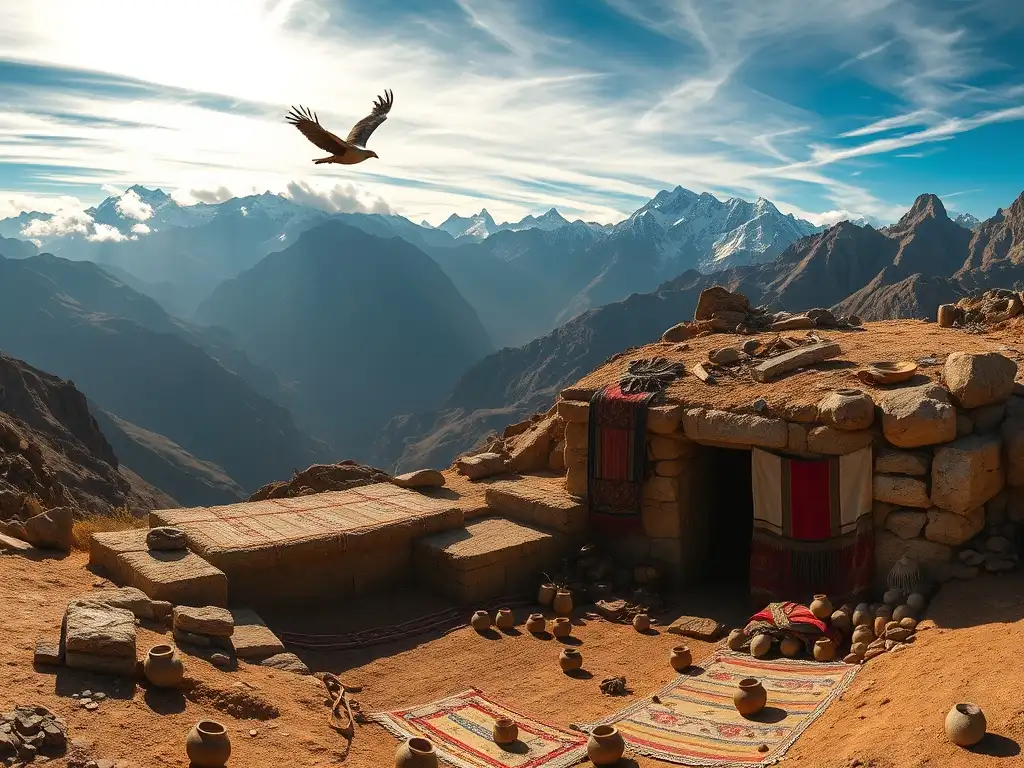
Step into a world lost to time, yet echoing with vibrant life. Journey with us as we unravel the mysteries of the Andean Civilizations, exploring their breathtaking artistry, ingenious engineering, and deeply spiritual beliefs. But what truly lay beyond the veil for the mighty Inca? Prepare to be captivated by the enigmatic world of Inca beliefs about death, a realm where the living and the dead were inextricably intertwined. Discover the secrets of their afterlife and the enduring legacy they left behind.
The Inca Empire, a civilization that flourished in the Andes Mountains for centuries, left behind a rich tapestry of culture, art, and technology. Beyond their impressive architectural feats and sophisticated agricultural practices, lies a fascinating worldview deeply intertwined with their beliefs about death and the afterlife. This article delves into the intricate tapestry of Inca funerary practices and spiritual beliefs, exploring how their understanding of mortality shaped their daily lives and societal structures.
We will uncover the profound significance of ancestor veneration and examine the Inca concept of death not as an absolute end, but as a transition to a different realm, a journey beyond the physical world. Understanding these beliefs provides crucial insight into the heart of Inca society and its enduring legacy.
This exploration will illuminate the profound impact of death on Inca worldview, revealing a complex system of beliefs that continue to fascinate and intrigue scholars and enthusiasts alike. We will examine specific practices, analyze surviving artifacts, and interpret historical accounts to paint a vivid picture of Inca beliefs about death.
Understanding Inca Concepts of Mortality
Inca understanding of death differed significantly from many other cultures. Death wasn't viewed as a complete cessation of existence, but rather a passage to another world, a continuation of life in a different form. This perspective profoundly impacted their daily lives, influencing their social structures, rituals, and even their agricultural practices. The Inca believed that the deceased continued to exist in a spiritual realm, retaining a connection to the living world.
This connection was maintained through various rituals and offerings, ensuring the continued well-being of both the living and the dead. The physical body, while important, was not considered the sole representation of the individual. The huaca, or sacred objects, played a vital role in these beliefs, acting as intermediaries between the living and the spirit world.
The concept of ayllu, the kinship group, extended beyond the living to include deceased ancestors, highlighting the importance of maintaining familial ties across the veil of death. The Inca believed that respecting and honoring their ancestors ensured continued prosperity and protection. This belief system is evidenced by the elaborate burial practices and the construction of mausoleums and other sacred spaces dedicated to the deceased.
The Inca View of Death: A Transition, Not an End
The Inca did not view death as a terrifying end, but rather a transition to the Ukhu Pacha, the underworld. This wasn't necessarily a negative place; rather, it was another plane of existence where ancestors resided and continued to influence the lives of the living. The journey to the Ukhu Pacha was believed to be guided by spirits and deities, further solidifying the idea of death as a natural progression rather than a finality.
The mummification of important individuals, such as rulers and elites, reflects this belief. These mummies weren't simply preserved bodies; they were considered to be active participants in the spiritual world, continuing to exert influence and power. They were often involved in important ceremonies and consulted for guidance, demonstrating the Inca belief in the continued agency of the deceased.
The elaborate rituals surrounding death—including offerings, sacrifices, and the construction of elaborate tombs—emphasize the importance placed on this transition and the continued connection between the living and the dead. These practices weren't merely expressions of grief; they were essential components of maintaining the cosmic balance and ensuring the continuity of Inca society.
The Significance of Ancestor Veneration in Inca Culture
Ancestor veneration formed the cornerstone of Inca religious and social life. The Inca believed that their ancestors played a crucial role in their daily lives, offering protection, guidance, and blessings. Maintaining a strong connection with the deceased was essential for the well-being of the community.
This veneration manifested in various ways, including the construction of impressive mausoleums, the preservation of mummies, and the performance of regular rituals and offerings. The capacocha sacrifices, while controversial, were believed to be a way of honoring the gods and ensuring the continued prosperity of the empire, with chosen individuals offered as gifts to the deities in the afterlife. The rituals involved in these sacrifices underscore the importance of the relationship between the living, the dead, and the spiritual realm.
Furthermore, the Inca's agricultural practices were deeply intertwined with their beliefs about ancestors, with offerings made to ensure bountiful harvests. The reverence shown to ancestors was not merely a religious practice; it was an integral part of Inca social structure, reinforcing kinship ties and societal cohesion. The legacy of ancestor veneration continues to be observed in some Andean communities today, highlighting the enduring impact of these beliefs on Inca culture and its descendants.
- Understanding Inca Concepts of Mortality
- The Inca View of Death: A Transition, Not an End
- The Significance of Ancestor Veneration in Inca Culture
Preparations for the Afterlife in Inca Society
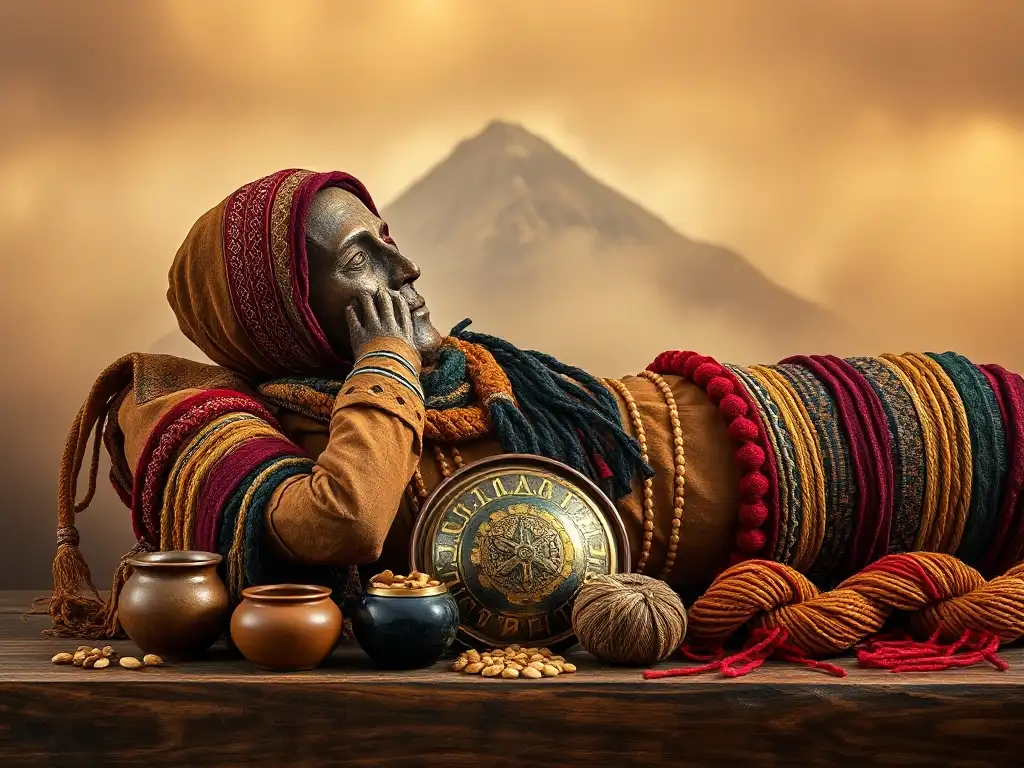
Inca beliefs about death weren't simply about the cessation of life; they were intricately woven into the fabric of their society, shaping their worldview and daily practices. The Inca worldview encompassed a profound respect for ancestors and a belief in a vibrant afterlife, influencing everything from funerary rituals to daily routines. Death wasn't seen as an ending, but rather a transition to a different realm, where the deceased continued to interact with the living.
This perspective strongly impacted the meticulous preparations undertaken for the journey into the afterlife. The Inca civilization's understanding of death profoundly shaped their social structures, influencing their governance, kinship systems, and even their agricultural practices. The focus on ancestors and their continued influence underscores the importance of honoring the deceased and ensuring their smooth transition to the next world.
Inca Funeral Rites and Burial Practices
Inca funeral rites were elaborate and varied depending on the social status of the deceased. For the commoners, burial practices were often simpler, involving interment in simple graves, sometimes accompanied by basic grave goods reflecting their daily life – tools, pottery, food. However, for the elite, including royalty and high-ranking officials, the rituals were significantly more complex and elaborate. These involved extensive preparations, including mummification, the construction of elaborate tombs, and the inclusion of a vast array of grave goods.
Archaeological evidence reveals a fascinating insight into these practices. For example, the discovery of royal tombs at sites like Pachacamac has yielded incredibly detailed information about the burial rituals, including the arrangement of the body, the types of offerings, and the design of the tombs themselves. The sheer scale of some of these sites speaks to the importance placed on ensuring a proper transition for their esteemed leaders.
The meticulous nature of these burials highlights not only the Inca's advanced understanding of preservation techniques but also the deep-seated belief in the continued existence and influence of their ancestors. The inclusion of personal belongings suggests a belief that these items would be needed in the afterlife. Furthermore, the presence of food and drink indicates a belief that the deceased continued to consume and needed sustenance even after death.
The Role of Mummification in Inca Beliefs
Mummification wasn't merely a preservation technique for the Inca; it was a crucial element of their beliefs about death and the afterlife. The process involved a complex series of steps, beginning with the removal of internal organs, followed by desiccation, and finally, wrapping the body in fine textiles. The mummies weren't simply inert remains; they were considered to retain a degree of consciousness and to continue to participate in the life of the community.
They were often dressed in fine clothing, adorned with jewelry, and placed in special niches or tombs within the family's home or in carefully constructed mausoleums. This practice underscores the Inca belief in the continued existence and influence of the ancestors, who were believed to offer protection and guidance to the living. The elaborate preparations involved in mummification, along with the reverence shown to the mummies, demonstrate the central role that ancestors played in Inca society.
The mummies weren't hidden away; they were often brought out for important ceremonies and celebrations, reaffirming their continued presence and importance within the community. Indeed, the act of mummification itself could be seen as a ritualistic preparation for the afterlife, ensuring the deceased's readiness for their continued existence.
Offerings and Sacrifices for the Deceased
Offerings and sacrifices played a vital role in Inca funerary practices, demonstrating their commitment to ensuring the well-being of the deceased in the afterlife. These offerings varied depending on the status of the deceased. Commoners might have received simple offerings of food and drink, whereas the elite might have been accompanied by far more elaborate offerings, including precious metals, textiles, pottery, and even human sacrifices – a practice mostly reserved for the most important individuals.
These sacrifices were not simply acts of violence; they were believed to provide the deceased with companions, servants, and resources in the afterlife. The sheer scale of some of the offerings discovered in elite tombs highlights the immense resources and effort that went into ensuring the deceased had everything they needed in their journey to the next world. The selection of specific items was also significant, often reflecting the deceased's status and occupation in life, suggesting a belief that these objects would be useful or meaningful in the afterlife.
For example, a warrior might have been buried with weapons and armor, while a farmer might have been buried with agricultural tools. The continued presence of these offerings serves as a testament to the Inca's enduring belief in the continuity of life beyond death and their commitment to providing for their ancestors even in the afterlife. The practice emphasizes the interconnectedness between the living and the dead, demonstrating the deep respect and reverence the Inca held for their ancestors.
The Inca Afterlife: Destinations and Journeys
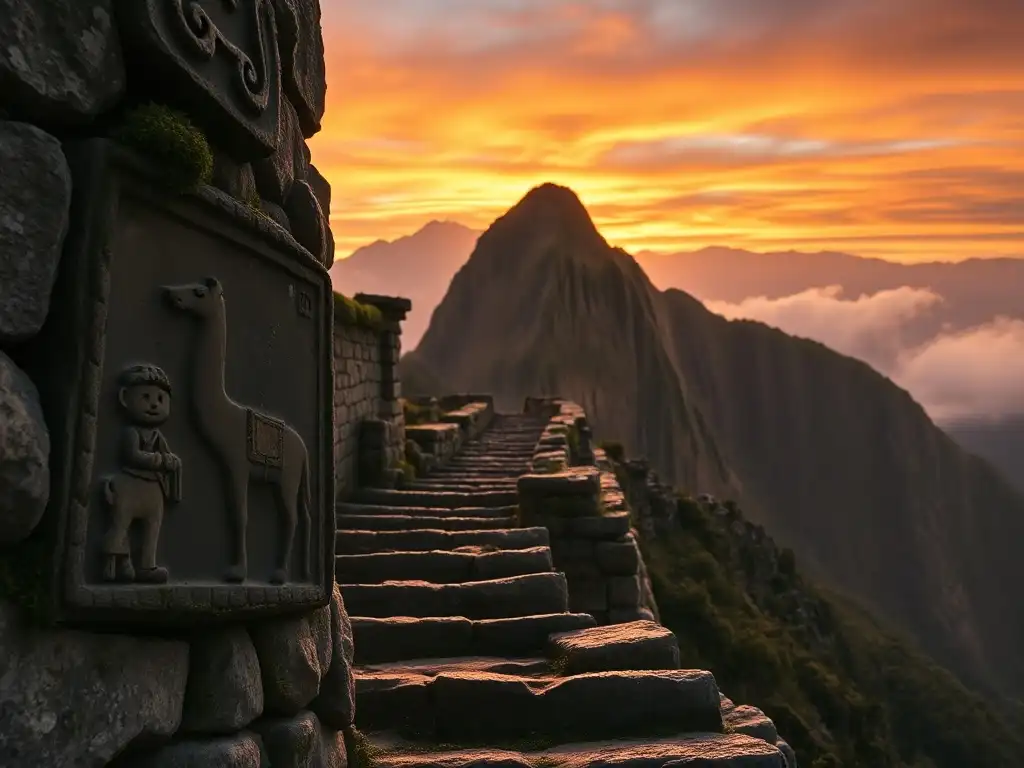
The Inca worldview was deeply intertwined with the concept of life after death, a journey not simply to a singular afterlife, but to various realms depending on one's actions and social standing. Understanding Inca beliefs about death requires appreciating their complex cosmology, which saw the world divided into three distinct planes: the Hanan Pacha (upper world), the Kay Pacha (here and now, the earthly realm), and the Uku Pacha (underworld). Death wasn't viewed as an ending, but a transition, a continuation of existence in a different form or place.
This nuanced perspective shaped their funerary practices, beliefs about ancestors, and even their daily lives. The ultimate destination after death was not predetermined, but rather a reflection of one's life lived.
This section delves into these significant destinations and the journeys believed to be undertaken by the deceased. Understanding these beliefs provides crucial insight into the Inca concept of "Inca beliefs about death," offering a richer understanding of their culture and society.
Hanan Pacha: The Upper World and Celestial Realm
Hanan Pacha, the upper world, represented the realm of the gods, celestial beings, and the sun. It was a place of light, power, and spiritual perfection, a stark contrast to the earthly realm. Access to Hanan Pacha after death was not guaranteed; it was reserved for those who lived virtuous lives, particularly those who served the Inca elite and performed significant acts of service to the state.
These individuals were often mummified and interred in elaborate tombs, sometimes with precious artifacts reflecting their status. The mummies weren't merely preserved bodies, but rather continued to be venerated as powerful intermediaries between the living and the divine. Their spirits were believed to reside in Hanan Pacha, influencing events on Earth and providing protection to their descendants.
Evidence suggests that certain Inca rulers, particularly those considered divine, were believed to ascend directly to Hanan Pacha upon death, becoming one with the sun or stars. The concept of the Inca beliefs about death and ascension to Hanan Pacha underscores the importance of social hierarchy and service to the Inca state.
Uku Pacha: The Underworld and its Significance
Uku Pacha, the underworld, was a much more ambiguous realm than Hanan Pacha. While not inherently evil, it was associated with darkness, mystery, and the forces of nature. Unlike the bright, celestial realm above, Uku Pacha was a subterranean world, a place of shadows and transition.
It was considered the domain of powerful spirits, ancestors, and possibly malevolent entities. Not all who died were destined for Uku Pacha; it was often the destination for those who died unexpectedly or violently, or those who had led less virtuous lives. However, it wasn't necessarily a place of eternal punishment.
Instead, Uku Pacha was often seen as a liminal space, a place of transformation and potential rebirth. The Inca afterlife wasn't a static destination; the journey and ultimate destination within Uku Pacha were complex and depended on various factors, highlighting the complexity of "Inca beliefs about death." The underworld was also believed to be connected to the earthly realm through sacred sites and rituals, allowing communication and interaction with the spirits residing there.
The Inca Concept of Rebirth and Transformation
The Inca didn't view death as a complete cessation of existence. Instead, they believed in a form of rebirth or transformation, a cyclical process mirroring the cycles of nature. Death was seen as a transition to a different state of being, a continuation of life in a different realm.
The concept of rebirth wasn't necessarily a resurrection of the physical body but rather the transformation of the spirit. This belief is reflected in their funerary practices, where mummification was not merely a preservation technique but also a way of maintaining a connection with the deceased. The spirits of the ancestors were believed to continue to play a role in the lives of the living, offering guidance, protection, and even influencing events.
This cyclical understanding of life and death is central to understanding "Inca beliefs about death," showing that death wasn't an end but a transformation within their cosmological framework. The mummies, therefore, were not simply relics of the past but active participants in the ongoing life of the community, a testament to the enduring nature of the Inca worldview. Further research is needed to fully understand the nuances of this complex belief system and its regional variations, including more specific details on [specific information pending] regarding the different types of rebirth believed in by various Inca communities.
The Influence of Inca Death Beliefs on Daily Life
Inca beliefs about death profoundly impacted their daily lives, shaping social structures, customs, and even individual choices. The concept of pachacuti, the cyclical nature of time and renewal, intertwined intricately with their understanding of death and the afterlife. This wasn't merely a belief system confined to rituals; it was a pervasive force that permeated their society. Understanding the Inca worldview regarding death is essential to grasping the nuances of their social fabric. The reverence for ancestors and the belief in their continued influence on the living world played a pivotal role in daily routines and societal organization.
Inca social customs were deeply intertwined with their beliefs about death and the afterlife. Ancestor veneration was paramount. The ayllu, the fundamental social unit, maintained close ties with their deceased relatives, viewing them as active participants in the community's well-being. This reverence manifested in various ways.
For example, mummification was not simply a preservation technique; it was a ritualistic process that ensured the continued presence of the deceased within the ayllu. The mummies were often kept in family homes, consulted for advice, and even included in important ceremonies. This practice highlights the seamless integration of the living and the dead in Inca society.
Furthermore, the Inca worldview emphasized reciprocal relationships. Actions in life were believed to have consequences in the afterlife, fostering a strong sense of community responsibility and moral conduct. The fear of not fulfilling one's obligations, both to the living and the dead, served as a powerful social control mechanism.
This belief system encouraged cooperation and mutual support within the ayllu, strengthening social cohesion. The Inca system of mita, a form of labor tribute, could also be viewed through this lens; contributions to the community were not merely obligations but offerings to maintain the balance and harmony between the living and the spirit world. This understanding provides a unique perspective on Inca social structures and their underlying motivations.
The Impact of Afterlife Concepts on Inca Art and Architecture
Inca art and architecture reflect a deep preoccupation with death and the afterlife. The grandeur of Machu Picchu, for instance, is not only a testament to Inca engineering prowess but also a reflection of their spiritual beliefs. The carefully planned layout, the precise stonework, and the strategic placement of structures all suggest a deliberate attempt to create a space that bridged the realms of the living and the dead.
The elaborate funerary complexes scattered throughout the Inca empire further underscore this connection. These sites were not simply burial grounds; they were sacred spaces designed to facilitate communication with the ancestors and ensure their continued influence.
The intricate textiles, pottery, and goldwork of the Inca also reveal their beliefs about the afterlife. Many artifacts depict deities, ancestors, and scenes from the spirit world, suggesting that art served as a medium for communicating with the deceased and maintaining contact with the spiritual realm. The use of specific colors, symbols, and motifs in Inca art likely held symbolic meaning related to death, rebirth, and the cyclical nature of existence.
Further research into the iconography of Inca art could provide a more complete understanding of their beliefs. [Specific information pending on the symbolic meaning of colors and motifs in Inca funerary art]. The level of artistry and detail involved points towards a significant cultural and spiritual investment in these creations.
Inca Spiritual Practices and the Dead
Inca spiritual practices concerning the dead were complex and multifaceted. Beyond mummification and ancestor veneration, the Inca performed various rituals aimed at ensuring a smooth transition for the deceased into the afterlife and maintaining harmonious relations with the spirit world. These rituals often involved offerings of food, drink, and other precious objects, intended to appease the spirits and ensure their continued benevolence. The significance of these offerings highlights the importance placed upon maintaining a positive relationship with the deceased. The Inca believed that neglecting the ancestors could lead to misfortune and imbalance in the community.
Furthermore, the Inca had specialized priests and priestesses who played a crucial role in mediating between the living and the dead. These individuals were responsible for conducting funerary rites, interpreting omens, and ensuring the proper conduct of rituals related to ancestor veneration. Their role underscores the importance of organized religion in shaping Inca beliefs about death and the afterlife. [Further research is needed on the specific roles and responsibilities of Inca priests and priestesses in funerary rites].
Their expertise and authority were critical in maintaining the social order and ensuring the continued prosperity of the Inca empire. The integration of religious practices into daily life highlights the pervasive influence of Inca spiritual beliefs on their society. The intricate web of beliefs, rituals, and social structures surrounding death reveals a sophisticated and nuanced understanding of the human condition within the Inca worldview.
Legacy of Inca Beliefs about Death
Inca beliefs about death weren't simply about the cessation of life; they formed a complex tapestry woven into the very fabric of their society. Death wasn't viewed as an end, but rather a transition, a continuation of existence in a different realm. This perspective profoundly impacted Inca daily life, influencing everything from their elaborate burial rituals to their intricate social structures.
Understanding these beliefs offers a crucial lens through which to interpret their monumental architecture, sophisticated agricultural practices, and even their political organization. The concept of pachacuti, a cyclical renewal of the world, underscored their understanding of death as an integral part of life's continuous cycle. This belief, deeply intertwined with their agricultural practices and reverence for nature, shaped their worldview and profoundly influenced their funerary practices.
The Inca's deep respect for their ancestors, manifested in elaborate mummification processes and the construction of elaborate mausoleums, further highlights the importance of the afterlife in their worldview. Their belief system provided a framework for social order, reinforcing the authority of the Sapa Inca and the hierarchical structure of their society.
Inca Beliefs and their Influence on Modern Andean Culture
The echoes of Inca beliefs about death resonate even today in Andean culture. While many aspects of Inca religion were suppressed following the Spanish conquest, certain traditions and beliefs persisted, subtly influencing contemporary practices. For example, the veneration of ancestors, a cornerstone of Inca spirituality, continues in many communities. Many Andean communities still maintain ayllus, traditional kinship groups that reflect the social structure of the Inca Empire and its emphasis on communal living and ancestral ties.
These groups often hold ceremonies and rituals honoring their ancestors, demonstrating a continuity of belief systems across centuries. Furthermore, certain funerary practices, albeit modified, persist in contemporary Andean society. The importance of proper burial, the use of offerings to appease spirits, and the remembrance of the deceased through storytelling and ritualistic acts reflect the enduring legacy of Inca funerary traditions.
The persistence of these practices highlights the resilience and adaptability of Inca beliefs, demonstrating their enduring influence on the cultural landscape of the Andes. Specific examples include [specific examples of modern Andean practices influenced by Inca death beliefs pending]. Further research is needed to fully quantify the extent of this influence in various Andean communities.
Exploring the Lasting Impact of Inca Spirituality
The enduring influence of Inca spirituality extends beyond specific rituals and practices. The fundamental concepts of Inca cosmology, including their understanding of the pachamama (Mother Earth) and the interconnectedness of all living things, continue to inform the worldview of many Andean peoples. This animistic perspective, where spirits inhabit both the natural and human world, shapes their relationship with the environment and their approach to life's challenges.
The concept of ayni, reciprocal exchange and mutual obligation, deeply rooted in Inca social organization, remains a vital principle in many Andean communities. This principle emphasizes the importance of community, cooperation, and shared responsibility, reflecting the enduring legacy of Inca social values. Even contemporary art and literature often draw inspiration from Inca mythology and beliefs about the afterlife, illustrating the continued relevance of these themes in modern Andean expression.
The enduring presence of these concepts suggests that Inca spirituality, far from being a relic of the past, continues to shape the cultural identity and spiritual landscape of the Andes. This is particularly evident in [specific examples of contemporary art or literature drawing inspiration from Inca beliefs pending].
Contemporary Perspectives on Inca Afterlife Beliefs
Modern scholarship offers diverse interpretations of Inca beliefs about death and the afterlife. While some researchers emphasize the importance of ancestor veneration and the continuity of existence in a spiritual realm, others focus on the political and social functions of these beliefs. Archaeological discoveries, such as the elaborate tombs at Sipán and the royal mummies of the Inca, continue to provide new insights into Inca funerary practices and the significance of death in their society.
Anthropological studies further illuminate the complexity of Inca religious beliefs, highlighting their dynamic nature and the regional variations in funerary rituals. The ongoing debate about the nature of Inca afterlife beliefs underscores the rich complexity of this topic, reflecting the multifaceted nature of their culture and the ongoing need for scholarly investigation. The challenge lies in interpreting archaeological evidence and ethnographic accounts, often fragmented and incomplete, to reconstruct a comprehensive picture of Inca beliefs about the afterlife.
Furthermore, [specific examples of ongoing debates and differing scholarly interpretations pending]. A comprehensive understanding requires a nuanced approach that considers both the material remains and the cultural context within which these beliefs were held. The study of Inca beliefs about death remains a dynamic and evolving field, constantly shaped by new discoveries and interpretations.
Frequently Asked Questions
What did the Inca believe happened after death?
The Inca believed in an afterlife, a continuation of life in a spiritual realm called Ukhu Pacha. Their beliefs centered around ancestral veneration and the importance of maintaining a connection with the deceased.
How did Inca burial practices reflect their beliefs about death?
Inca burial practices were elaborate, reflecting their beliefs. Mummies were often carefully prepared and interred with grave goods, demonstrating the importance of providing for the deceased in the afterlife.
What role did the apus play in Inca beliefs about death?
The apus, or mountain spirits, played a significant role. They were considered intermediaries between the living and the dead, influencing the journey of the soul to the afterlife.
Were all Inca burials treated equally?
No, burial practices varied depending on social status. Rulers and elites received elaborate burials with extensive grave goods, while commoners' burials were simpler.
How did Inca beliefs about death influence their society?
Inca beliefs about death shaped many aspects of their society, including their religious practices, social structures, and artistic expressions. Ancestor worship was central to their worldview and daily life.
Final Reflection: Echoes of the Andes: A Legacy of Life and Death
The Inca understanding of death, far from being a relic of a bygone era, resonates powerfully with contemporary anxieties about mortality and the human condition. Their intricate funerary rituals, mummification practices, and beliefs in a vibrant afterlife offer a compelling counterpoint to our modern, often sanitized, approach to death. The enduring legacy of their worldview challenges us to reconsider our own relationship with mortality and the preciousness of life.
The Inca's profound respect for their ancestors, evident in their elaborate burial practices and the continued veneration of mummies, speaks volumes about the enduring power of community and the importance of remembering those who came before us. Death is not an ending, but a transformation.
While not a direct Inca quote, this sentiment encapsulates the essence of their beliefs, highlighting the cyclical nature of life and death within their cosmology. Their worldview, emphasizing the interconnectedness of the living and the dead, offers a potent antidote to the isolating experience of death in many contemporary societies.
Consider, for a moment, the implications of the Inca perspective. How might embracing a more holistic view of death, one that acknowledges its inevitability while celebrating the continuity of life, enrich your own life? Let the echoes of the Andes inspire you to live more fully, to cherish your relationships, and to find meaning in the ephemeral nature of existence. Embrace the journey, for it is in the living that we truly understand the significance of death.
Embrace the Journey of the Afterlife!
Thank you for exploring the Incas' profound beliefs about death and the afterlife. You've uncovered the richness of their spirituality and gained valuable insights into life's mysteries. Now, let's delve deeper.
Here are some ways to continue your exploration:
- Deepen your understanding: Research various Andean cultures and their unique beliefs. You might find fascinating similarities and differences that enrich your knowledge.
- Share your discoveries: Discuss your learnings with friends and family. Sharing different cultural perspectives broadens understanding and fosters meaningful conversations.
- Reflect and journal: Take time for quiet reflection on your own beliefs about life and death. Writing down your thoughts and feelings can promote personal growth and self-awareness.
Which Inca beliefs resonate most with you, and how might they shape your perspective on life and the afterlife? Let's discuss!