
The Moche Moon God: Unveiling the Mysteries of Lunar Worship

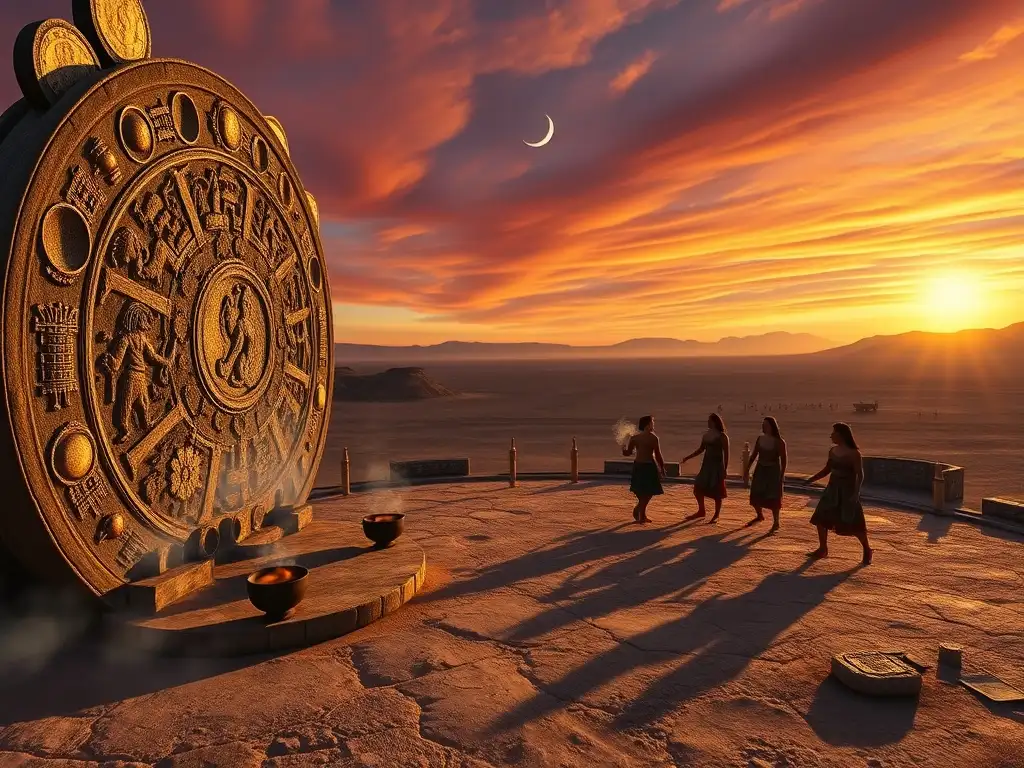
Step into a world lost to time, where the sun beat down on empires of breathtaking artistry and ingenuity. Dive into the captivating realm of the Andean Civilizations, uncovering secrets whispered on the wind for millennia. But prepare to be enthralled by a mystery shrouded in moonlight: unravel the enigma of the Moche moon god and their fascinating worship practices, a journey that will leave you questioning everything you thought you knew about these remarkable ancient cultures. Are you ready to explore?
The Moche civilization, flourishing along the northern coast of Peru from approximately 100 CE to 800 CE, left behind a rich tapestry of artistic and architectural achievements that reflect their complex religious beliefs. While the Moche pantheon included a variety of deities representing forces of nature and human endeavors, the Moche moon god holds a particularly captivating position, shrouded in mystery and intrigue.
This article delves into the fascinating world of Moche moon god worship practices, exploring archaeological evidence, analyzing artistic representations, and piecing together the fragmented clues to understand the significance of this celestial deity in their society. We will examine the rituals, ceremonies, and iconography associated with lunar worship, shedding light on the profound impact the moon had on the Moche worldview and daily life.
Understanding the role of the moon god provides crucial insights into the social structure, agricultural practices, and overall cosmology of this remarkable pre-Columbian civilization. Prepare to embark on a journey through time, uncovering the secrets held within the intricate artistry and archaeological remnants of the Moche people.
Iconography and Artistic Representations of the Moche Moon God
The Moche moon god isn't depicted as a single, easily identifiable figure like some other deities. Instead, his representation is multifaceted and often interwoven with other symbolic elements. Archaeological finds, primarily in the form of intricately crafted pottery and metalwork, offer glimpses into the visual representations of this deity.
Often, the moon god is portrayed as a stylized crescent moon, sometimes anthropomorphized with features like a human face or body. These depictions often include associated symbols such as stars, celestial bodies, and animals, further enriching the complexity of his symbolic meaning. For example, some pottery shows the moon god alongside feline figures, possibly associating him with nocturnal predators or emphasizing his dominion over the night.
The variations in artistic representations suggest a nuanced understanding of the moon god's role, possibly reflecting different aspects of his power or different regional interpretations. Further research is needed to fully decipher the subtle nuances within these artistic expressions.
Rituals and Ceremonies Associated with Lunar Worship
While direct evidence of specific rituals dedicated to the moon god is limited, we can infer certain practices based on the available archaeological evidence and comparisons with other Andean cultures. The Moche's strong connection to agriculture strongly suggests that lunar cycles played a vital role in their agricultural calendar. The moon's phases, influencing tides and potentially rainfall patterns, likely held great significance for the Moche's agricultural success.
Therefore, it's plausible to assume that rituals were performed to ensure bountiful harvests, possibly involving offerings presented during specific lunar phases. The discovery of numerous ceremonial sites and burial grounds, rich in artifacts related to astronomy and the moon, further supports this hypothesis.
Analysis of these artifacts, combined with careful consideration of the Moche's agricultural practices, may unveil more specific details about their lunar rituals in the future. The intricate details of these rituals remain largely unknown, representing a significant area for ongoing scholarly investigation.
The Moon God's Role in Moche Society and Cosmology
The Moche moon god's influence extended beyond mere agricultural concerns. His presence in numerous artistic representations suggests a significant role within the broader Moche cosmology and social structure. The moon, representing the night and the unseen, might have been associated with the underworld or with shamanistic practices.
This interpretation is supported by the presence of moon-related imagery in tombs and funerary contexts. The moon god might have been viewed as a mediator between the earthly and spiritual realms, a powerful intermediary guiding the souls of the deceased. Furthermore, the moon's cyclical nature, its waxing and waning, could symbolize the cyclical nature of life, death, and rebirth, reflecting core beliefs within the Moche worldview.
Understanding the moon god's position within the broader Moche cosmology requires further interdisciplinary research, integrating archaeological data with anthropological and ethnological studies of similar Andean cultures. The full extent of his influence on Moche society remains an area of ongoing scholarly discussion.
Further Research and Ongoing Investigations into Moche Moon God Worship
The study of Moche moon god worship practices is an ongoing process. New archaeological discoveries and advancements in analytical techniques continuously refine our understanding of this fascinating aspect of Moche culture. Continued excavation of Moche sites, particularly those exhibiting evidence of astronomical observations or ceremonial activities, is crucial. Further analysis of existing artifacts, using advanced imaging and material analysis techniques, can reveal hidden details and provide a more comprehensive picture of the moon god's iconography and symbolic meaning.
Comparative studies with other Andean cultures that practiced lunar worship can also offer valuable insights. By combining these approaches, we can continue to unravel the mysteries surrounding the Moche moon god and gain a deeper appreciation for the richness and complexity of their religious beliefs. The ongoing research promises to further illuminate the profound influence of the moon god on the Moche civilization and its lasting legacy.
- Iconography and Artistic Representations of the Moche Moon God
- Rituals and Ceremonies Associated with Lunar Worship
- The Moon God's Role in Moche Society and Cosmology
- Further Research and Ongoing Investigations into Moche Moon God Worship
Introduction to Moche Lunar Beliefs and the Moon Deity
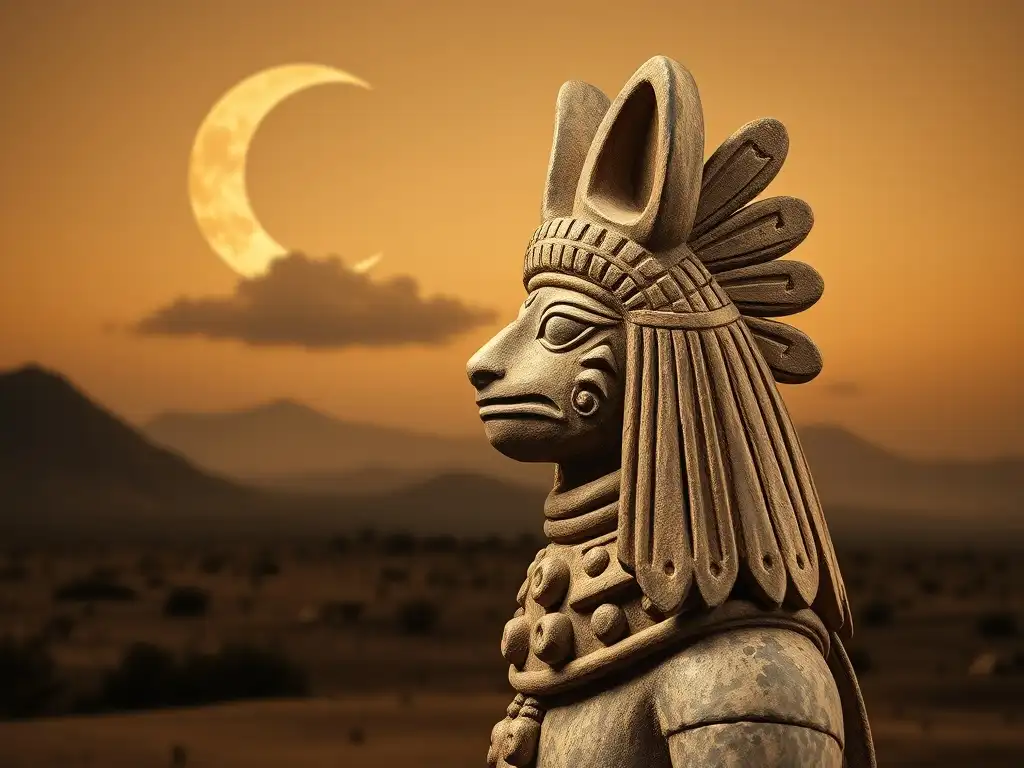
The Moche civilization, flourishing along the northern coast of Peru from approximately 100 CE to 800 CE, developed a complex religious system deeply intertwined with the natural world. While the sun god received considerable attention, the moon, with its cyclical phases mirroring life, death, and rebirth, held significant religious importance for the Moche people. Understanding Moche moon god worship practices requires examining their cosmology, iconography, and ritualistic evidence.
This intricate web of beliefs shaped their societal structure, agricultural practices, and artistic expressions, leaving behind a rich legacy for modern scholars to decipher. The Moche's reverence for the moon wasn't simply a matter of astronomical observation; it was a profound spiritual connection reflected in their art, architecture, and daily lives.
Their understanding of lunar cycles likely played a crucial role in their agricultural planning and social organization, highlighting the moon's multifaceted influence on their civilization. The pervasive presence of lunar motifs in Moche art underscores the deity's central role in their belief system, a testament to the moon's profound cultural significance.
The Significance of the Moon in Moche Cosmology
The Moche cosmology, although not fully understood, reveals a profound respect for the celestial bodies, particularly the sun and moon. The moon, unlike the sun's constant presence, offered a dynamic and cyclical representation of life's ebb and flow. Its waxing and waning phases likely symbolized birth, death, and regeneration, concepts deeply embedded in Moche religious thought.
Archaeological evidence suggests that the Moche meticulously tracked lunar cycles, potentially using them to organize agricultural activities and predict seasonal changes crucial for their survival. This intimate connection between the lunar phases and agricultural practices indicates the moon's practical and spiritual importance. Furthermore, the moon's influence on the tides, essential for coastal communities like the Moche, further reinforces its significance in their worldview.
The power and mystery associated with the moon's phases likely contributed to its divine status within their pantheon. Some scholars suggest that the Moche might have seen the moon as a female deity, contrasting with the sun as a male, reflecting a duality central to their religious beliefs. Further research is needed to fully understand the intricate details of their lunar cosmology.
Identifying the Moche Moon God: Si
While the Moche pantheon included numerous deities, the specific representation of a primary "moon god" remains a subject of ongoing scholarly debate. However, many researchers point towards specific iconographic representations that strongly suggest the presence of a prominent lunar deity. These representations often feature a figure with crescent-shaped adornments, or associated with nocturnal animals like owls or jaguars, frequently found in Moche art. The identification is often based on stylistic conventions and contextual clues within the artwork itself, rather than explicit textual evidence, which is notably absent from the Moche civilization.
For example, certain ceramic vessels depict figures with crescent-shaped headdresses or ornaments, accompanied by symbols associated with the night sky. These figures are often portrayed in ritualistic contexts, further supporting their divine status. The stylistic consistency across various Moche art forms strengthens the argument for a consistent depiction of a lunar deity, even if the name or specific attributes are not explicitly stated.
The lack of a definitive name for the Moche moon god underscores the challenges of interpreting pre-Columbian iconography. Nonetheless, the recurring visual motifs leave little doubt about the importance of lunar worship within Moche culture. Further research, including detailed analysis of newly discovered artifacts and a more comprehensive understanding of Moche iconography, is essential for a more precise identification and understanding of this enigmatic deity.
Moche Moon God Worship Practices and Rituals
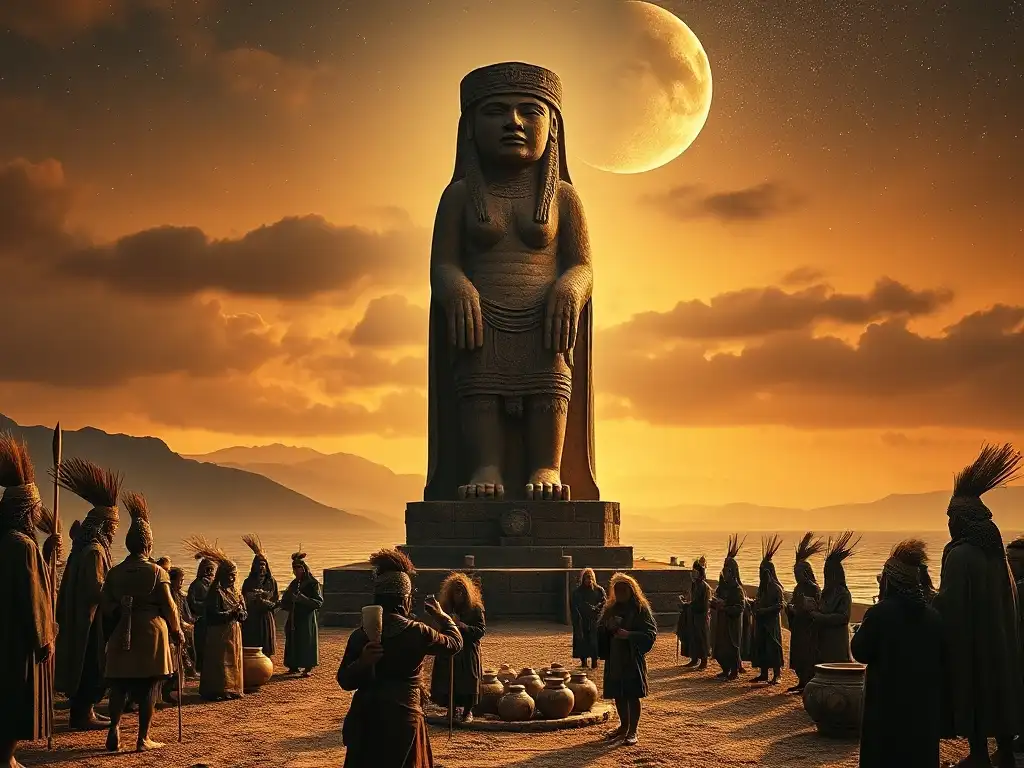
The Moche civilization, renowned for its sophisticated artistry and intricate societal structures, held a deep reverence for the moon. While the sun god received considerable attention, the Moche moon god occupied a prominent position in their pantheon, influencing their daily lives and shaping their elaborate religious practices. Understanding the nuances of Moche moon god worship practices requires examining their rituals, sacred sites, and the vital role played by their priestly class.
This section will delve into the specifics of these aspects, providing a clearer picture of this fascinating facet of Moche culture. The term "Moche moon god worship practices" encompasses a range of activities, from elaborate ceremonies to daily personal devotions, reflecting the pervasive influence of lunar cycles on their worldview.
Ritual Offerings and Ceremonies Dedicated to the Moon
Moche rituals dedicated to the moon god were likely complex and varied, reflecting the cyclical nature of the moon itself. Archaeological evidence suggests the use of significant offerings, ranging from precious metals and intricate ceramics to agricultural products and even human sacrifices. The scale of these offerings likely varied depending on the specific ceremony and its purpose. For instance, smaller, more frequent offerings might have been made during monthly lunar phases, while grander ceremonies, perhaps coinciding with eclipses or solstices, would have involved more substantial gifts.
The nature of these offerings speaks volumes about the Moche understanding of their relationship with the moon god. The inclusion of precious metals and finely crafted ceramics points to a belief in the moon god's power and the importance of appeasing this powerful deity. The presence of agricultural products suggests a connection between the lunar cycles, agricultural fertility, and the divine. Human sacrifice, while a grim aspect, highlights the extreme lengths to which the Moche went to ensure the favor of the moon god, possibly to secure successful harvests or avert calamities.
Further research is needed to fully understand the precise rituals and their associated meanings. [Specific details on the frequency and types of human sacrifices pending]. However, it's clear that the Moche moon god worship practices involved a significant investment of resources and effort, demonstrating the central role the moon played in their lives.
Moche Temples and Sacred Sites Associated with Lunar Worship
While specific temples dedicated solely to the moon god haven't been definitively identified, several Moche sites show evidence of lunar worship integrated into their broader religious landscape. Many Moche temples and pyramids, such as those found at the Huaca del Sol and Huaca de la Luna, feature architectural alignments that suggest a deliberate connection to celestial events, including lunar cycles. These alignments might have been used to track the moon's phases, facilitating the timing of important rituals.
The orientation of certain structures, the placement of specific artifacts within these structures, and the iconography found on the walls and pottery all contribute to our understanding of the Moche's connection to the moon. For instance, the discovery of moon-related imagery – crescent moons, stars, and stylized celestial bodies – on pottery and murals within these sites reinforces the significance of lunar worship within the Moche religious system.
The precise relationship between these architectural features and the moon god's worship requires further investigation, but the evidence strongly suggests that lunar observation and ritual were integrated into the design and use of these sacred spaces. Detailed astronomical analysis of these sites could reveal more precise information about their lunar alignments and the specific rituals performed within them.
The Role of Priests in Moche Lunar Rituals
The Moche priestly class played a crucial role in mediating between the human world and the supernatural realm, particularly in relation to lunar worship. These priests were likely responsible for interpreting lunar cycles, predicting celestial events, and conducting the elaborate rituals associated with the moon god. Their expertise in astronomy and religious practices made them essential figures in Moche society.
Evidence suggests that Moche priests held considerable social and political power, influencing decision-making processes related to agriculture, warfare, and other aspects of Moche life. Their knowledge of the moon's phases and its influence on agriculture would have been invaluable in planning planting and harvesting cycles, ensuring the prosperity of the community.
The elaborate costumes and paraphernalia depicted in Moche art suggest a highly ritualized and formalized priestly class, further emphasizing their importance in the context of Moche moon god worship practices. The precise hierarchy within the priesthood and the specific roles of different priestly ranks remain areas of ongoing research.
However, it’s clear that Moche priests were central to the practice and interpretation of lunar worship, ensuring the continued favor of the moon god and the well-being of Moche society. The study of Moche iconography and the analysis of priestly burials will undoubtedly shed further light on this intriguing aspect of their culture.
Iconography and Symbolism of the Moche Moon God
The Moche moon god, often identified as Si, holds a prominent place in the pantheon of Moche deities. Understanding Moche moon god worship practices requires a deep dive into the iconography and symbolism surrounding this enigmatic figure. Unlike the readily apparent solar symbolism present in many cultures, the Moche's lunar imagery is more subtle, requiring careful analysis of artistic representations and archaeological findings to decipher its meaning.
The Moche didn't leave behind extensive written records, so interpreting their beliefs relies heavily on the careful study of their art and artifacts. This section will explore the visual representations of Si and the symbolic interpretations gleaned from them, shedding light on the significance of the moon god within Moche society. The careful study of Moche moon god worship practices reveals a complex and nuanced understanding of the moon's influence on their lives.
Depictions of Si in Moche Art
Moche depictions of Si vary, but several recurring motifs help identify the moon god. He's often portrayed as a powerful, sometimes anthropomorphic figure, but not always explicitly human. Sometimes he appears as a stylized crescent moon, sometimes with a human-like face within the crescent. Other times, he's depicted with feline features, hinting at a connection with nocturnal animals. The most common representations are found on ceramics, particularly within the elaborate scenes decorating their prestigious vessels. These scenes often feature Si interacting with other deities or participating in significant cosmological events.
For example, a notable Moche ceramic shows Si with a headdress adorned with crescent moons and stars, holding a staff or scepter, signifying his authority and connection to the heavens. Another common image shows Si emerging from a celestial body, often depicted as a stylized mountain or a swirling nebula, further emphasizing his cosmic significance. The level of detail in these depictions, such as intricate patterns and vibrant colors, underscores the importance of the moon god within Moche religion.
The consistent presence of these iconic elements across various Moche artworks strengthens the arguments for a unified understanding of Si. Analyzing the artistic styles and the contexts in which these images appear helps to piece together a clearer picture of Moche moon god worship practices.
Symbolic Meanings of Lunar Representations in Moche Culture
The symbolism associated with the moon in Moche culture is multifaceted. The crescent moon, a prominent motif, likely represented the cyclical nature of life, death, and rebirth, mirroring the lunar phases. This aligns with the Moche's agricultural society, where the moon's phases played a crucial role in planting and harvesting cycles. The moon's association with the night also linked it to the underworld and the realm of the ancestors, suggesting a deeper spiritual connection.
Furthermore, the moon's influence on tides and water resources might have contributed to its religious significance. The Moche civilization thrived along the arid northern coast of Peru, making water a precious resource. Consequently, the moon's control over the tides could have been seen as a life-giving force, worthy of worship and reverence.
This connection between water, the moon, and fertility is reflected in many Moche artworks, reinforcing the idea that Si played a vital role in ensuring the prosperity of their society. The moon's association with femininity and fertility is also a recurring theme in many cultures, and this could have also been a factor in Moche moon god worship practices.
Analyzing Si's Attributes and Their Significance
Analyzing Si's attributes provides further insight into the nature of Moche moon god worship practices. He is often depicted with specific objects, such as staffs, scepters, or ceremonial attire. These objects are not merely decorative; they carry symbolic weight, hinting at Si's powers and functions. The staffs or scepters, for instance, likely symbolize his authority and control over the celestial realm. The elaborate headdresses and jewelry might represent his divine status and connection to the cosmos.
The presence of other figures or animals in scenes featuring Si also adds layers of meaning. The interaction between Si and other deities, for example, could represent cosmological events or hierarchical relationships within the Moche pantheon. The inclusion of animals, such as jaguars or birds of prey, might reflect the moon god's associations with the night, the underworld, or specific natural phenomena.
Further research into the iconography surrounding Si and a deeper understanding of Moche social structure are necessary to fully interpret the nuanced meanings of his attributes and their significance within the broader context of Moche religion. The detailed study of Moche artifacts offers a unique opportunity to understand Moche moon god worship practices and the beliefs that shaped this ancient society.
The Moche Moon God and Agricultural Cycles
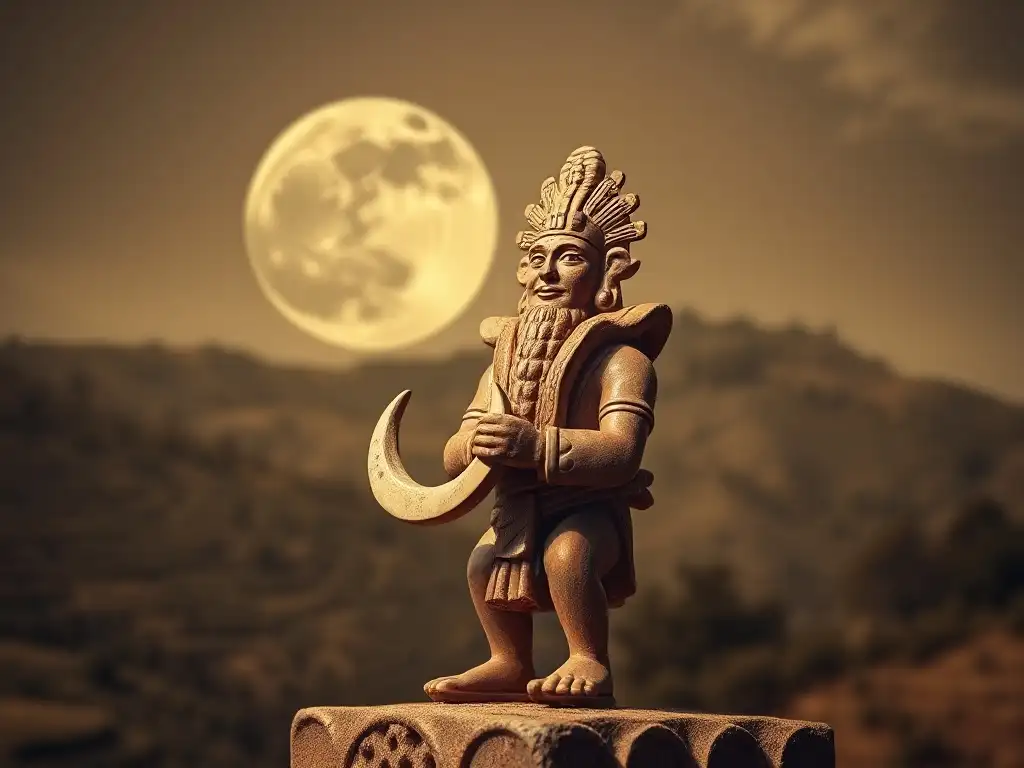
The Moche civilization, flourishing along the arid north coast of Peru from approximately 100 to 800 CE, developed a complex religious system deeply intertwined with their environment. Central to their beliefs was the worship of a powerful moon deity, whose influence permeated nearly every aspect of Moche life, particularly their agricultural practices. Understanding the Moche moon god worship practices requires examining the intricate relationship between lunar cycles, agricultural activities, and religious rituals.
The Moche, masters of irrigation and intensive agriculture in a challenging desert landscape, meticulously observed the moon's phases, incorporating them into their calendar system and agricultural practices. This careful attention to lunar rhythms speaks volumes about their sophisticated understanding of astronomy and its practical applications. Their survival depended on it, and their religious beliefs reflected this profound dependence.
The Lunar Calendar and its Influence on Moche Agriculture
The Moche didn't possess a written language in the way we understand it. However, archaeological evidence, particularly ceramic artifacts and iconography, suggests a sophisticated understanding of lunar cycles and their correlation with planting and harvesting seasons. Their lunar calendar, likely based on careful observation over generations, informed crucial decisions regarding agricultural activities.
For example, the appearance of a specific lunar phase might have signaled the optimal time to plant maize, beans, or cotton – crops vital to their sustenance. The precise details of their calendar remain partially elusive; however, the consistency of agricultural practices across vast distances suggests a shared understanding of lunar-based agricultural timing. This shared understanding points to a centralized system of knowledge transmission, possibly through religious leaders or specialized astronomers.
The careful planning evidenced in their agriculture showcases the importance of the Moche moon god in ensuring successful harvests, reinforcing the deity's crucial role in their society. Further research into the astronomical alignments of Moche sites could provide more concrete evidence of their lunar calendar's structure and its precise influence on agricultural practices.
The Relationship Between Si and Fertility
The Moche moon god, often depicted as a powerful, anthropomorphic figure, was likely associated with the deity Si. While the exact nature of Si's role remains a subject of ongoing scholarly debate, evidence strongly suggests a connection between Si, the moon, and fertility. Many Moche ceramics depict Si with attributes associated with lunar cycles and the bounty of the earth.
These depictions often include imagery of plants, animals, and water, all essential elements for successful agriculture. The association between the moon god and fertility is not surprising, considering the moon's well-known influence on tidal cycles and the earth's reproductive processes. The Moche, acutely aware of their environment, likely perceived the moon as a powerful force influencing the fertility of both the land and their people.
This interconnectedness is reflected in their art and religious practices, underscoring the crucial role of the moon god in maintaining the cycle of life and ensuring the prosperity of their civilization. Further research is needed to clarify the specific attributes and mythology surrounding Si and its connection to lunar fertility.
Moche moon god worship practices extended beyond simply observing lunar cycles. Archaeological discoveries reveal evidence of elaborate rituals associated with planting and harvesting, directly linked to the moon deity. These rituals likely involved offerings of food, drink, and precious objects to appease the moon god and ensure a bountiful harvest. The offerings, often depicted in Moche pottery, might have included maize, beans, cotton, and even human sacrifices in certain cases.
These sacrifices, while disturbing from a modern perspective, were possibly seen as a way to maintain a sacred balance and guarantee the moon god's continued favor. The scale and complexity of these rituals highlight the profound significance of the moon god in Moche society. The rituals served not only as a means of ensuring agricultural success but also as a way to reinforce social cohesion and strengthen the community's relationship with the supernatural world.
The intricate details of these rituals, however, remain largely unknown, awaiting further archaeological investigation and the careful interpretation of existing artifacts. The study of Moche iconography and the analysis of ritual sites will be crucial in unveiling further insights into these fascinating practices. Understanding these rituals offers a deeper understanding of the cultural and religious significance of the Moche moon god and the intricate web of beliefs that sustained their civilization.
The Influence of the Moche Moon God on Other Deities
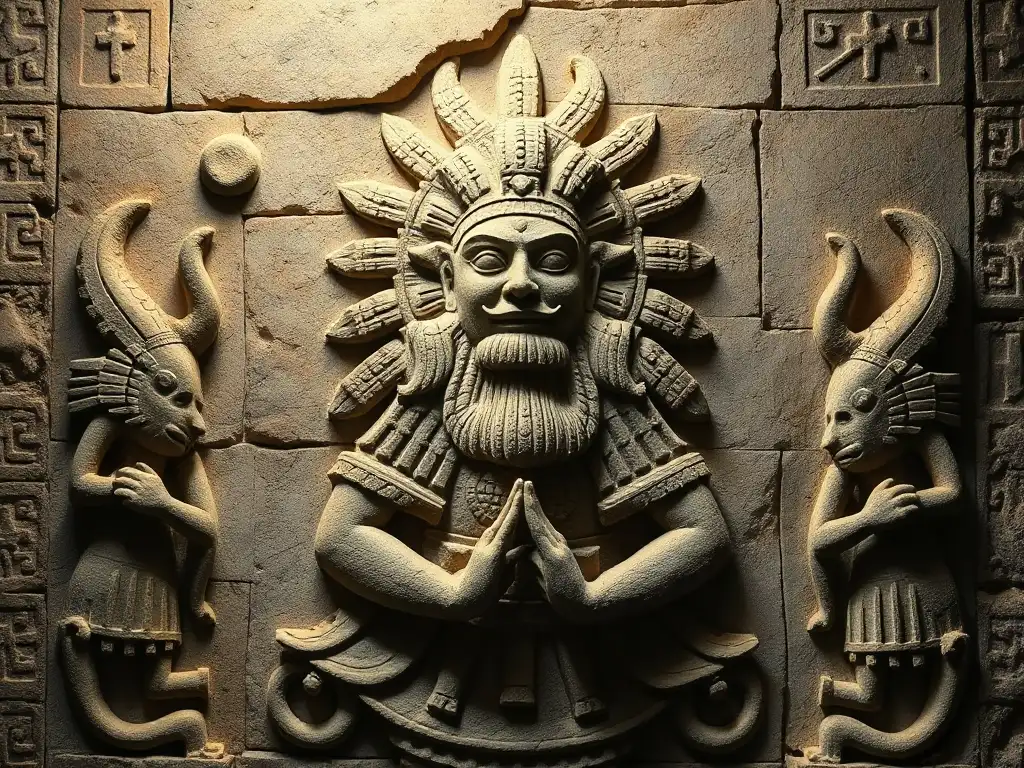
The Moche moon god, often identified as Si, wasn't simply a solitary deity in the Moche pantheon. His influence permeated the worship and iconography of other gods, highlighting the significant role lunar cycles played in their worldview. Understanding Si's impact on other deities provides a deeper understanding of the complexities of Moche religion and the interconnectedness of their beliefs.
The Moche moon god worship practices weren't isolated; they were deeply woven into the fabric of their spiritual life. This interconnectedness is evidenced through various artistic representations and archaeological findings. The subtle, yet pervasive, influence of the moon god underscores the importance of lunar cycles in shaping their cosmological understanding.
Lunar Aspects in Other Moche Deities
While Si held a prominent position, other Moche deities often exhibited lunar attributes or were depicted in contexts suggesting a connection to the moon. For example, some representations of the Moche Ai Apaec, a deity often associated with sacrifice and possibly underworld aspects, show iconographic elements that could be interpreted as lunar symbolism, like crescent-shaped features or night-time settings. These subtle hints suggest that the influence of the moon god wasn't limited to direct worship of Si, but instead permeated the broader religious landscape. Further research is needed to definitively link these aspects to lunar worship, but the possibility warrants further investigation.
Detailed analysis of Moche art, including ceramics and metalwork, could reveal additional evidence of this interconnectedness. This is a promising avenue for future research into Moche moon god worship practices. We need more detailed studies of the iconography to confirm this hypothesis.
The Relationship Between Si and the Sun God in Moche Religion
The relationship between Si, the moon god, and the Moche sun god, remains a subject of ongoing scholarly debate. While the sun god was undoubtedly a major figure in Moche religion, the moon god wasn't relegated to a secondary position. Some interpretations suggest a complementary relationship, with the sun and moon representing opposing, yet equally important, forces in the cosmos.
This duality is reflected in the cyclical nature of the day and night, and the importance of both celestial bodies in agriculture and the broader Moche worldview. The complementary nature of these deities might be reflected in the balance of power within the Moche society. Further investigation into this area is required to provide a more complete picture of their interaction.
[Specific information pending] on the precise nature of their relationship. Understanding the interplay between these two deities is crucial for a comprehensive understanding of Moche cosmology and their moon god worship practices.
Si's Place in the Moche Pantheon
Si, the Moche moon god, occupied a significant position within the complex Moche pantheon. His prominence is evident in the frequency with which he appears in Moche art, particularly in ceramics and metalwork. These depictions often show Si in elaborate regalia, emphasizing his importance within the religious hierarchy. Unlike some other pantheons where a single supreme deity dominates, the Moche pantheon seems to have been characterized by a more balanced distribution of power among its various deities.
This suggests that Moche moon god worship practices were an integral part of a broader, complex religious system, rather than an isolated phenomenon. The specific details surrounding Si’s role within the pantheon, however, require further study. A more comprehensive understanding of the Moche pantheon is needed to fully appreciate Si’s place within it, and to better grasp the nuances of Moche moon god worship practices. The study of Moche religious texts, if any survive, would be crucial in this endeavor.
Unfortunately, [specific information pending] on the existence of such texts. The challenge lies in piecing together a coherent narrative from the limited surviving evidence. Analyzing the iconography and context of these artifacts remains the most reliable method for understanding the Moche moon god's significance.
Moche Moon God Worship Practices: Archaeological Evidence
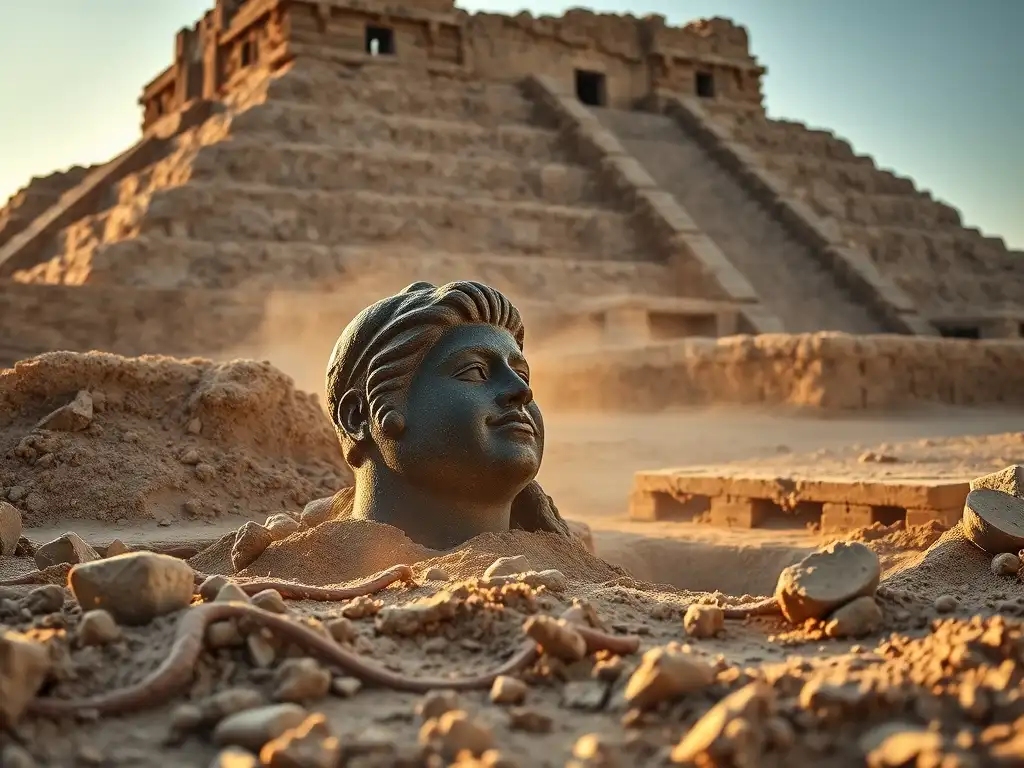
The Moche civilization, renowned for its sophisticated artistry and complex social structures, also held a deep reverence for celestial bodies, particularly the moon. Understanding Moche moon god worship practices requires a careful examination of archaeological evidence, offering glimpses into their beliefs and rituals. While direct textual evidence is lacking, the meticulous study of artifacts, burial sites, and architectural features reveals a fascinating picture of lunar veneration. The keyword phrase "Moche moon god worship practices" is directly addressed throughout this section, providing a comprehensive overview of the available data.
Artifacts and Remains Linked to Moche Lunar Rituals
Numerous artifacts unearthed from Moche sites strongly suggest the importance of the moon god in their religious system. These include intricately crafted pottery depicting lunar deities, often portrayed with characteristic features such as crescent-shaped headdresses or associated with nocturnal animals like owls or foxes. These depictions vary in style and detail across different Moche phases, reflecting potential shifts in iconography and beliefs over time.
For example, some vessels show the moon god in a benevolent aspect, while others portray a more fearsome or powerful figure. The careful analysis of these depictions allows researchers to infer aspects of the Moche cosmology and their understanding of the moon's influence on their lives.
Furthermore, the discovery of gold and silver ornaments shaped as crescents, along with obsidian blades and other ritual objects found in context with lunar imagery, further strengthens the association between these artifacts and lunar worship practices. The presence of these items in elite tombs indicates the moon god's significance within the Moche social hierarchy.
The study of Moche burials provides crucial insights into their moon god worship practices. Analysis of burial contexts reveals a clear link between specific grave goods and lunar symbolism. For example, the discovery of individuals interred with crescent-shaped objects, or with pottery depicting lunar scenes, suggests that these individuals may have held a special religious role related to lunar veneration.
The presence of elaborate offerings such as food, textiles, and precious metals within these burials highlights the importance of appeasing or honoring the moon god. The orientation of certain tombs, aligned with lunar cycles or specific lunar phases, further supports the intentional connection between burial practices and lunar worship.
Further research into the isotopic composition of food remains within these burials could potentially reveal seasonal patterns linked to specific lunar events, providing a more nuanced understanding of the timing and nature of these rituals. The meticulous recording and analysis of such details are vital in reconstructing the intricacies of Moche religious life.
Insights from Moche Architecture and Art into Lunar Worship
Moche architecture also reflects the significance of the moon god. While not as overtly obvious as with artifacts or burials, subtle architectural details suggest a possible connection to lunar observations and rituals. The precise alignment of certain structures with lunar movements, though requiring further investigation, could indicate the use of these buildings for astronomical observations or ritual ceremonies tied to lunar phases.
Furthermore, the presence of lunar motifs in Moche murals and textile designs underscores the pervasive nature of lunar imagery in their artistic expression. The detailed depictions of lunar eclipses, for instance, might suggest a sophisticated understanding of celestial mechanics and a ritualistic response to these events.
The integration of lunar symbolism into various aspects of Moche life, from their everyday pottery to their grand architectural projects, demonstrates the profound impact the moon god had on their worldview and cultural practices. Further research into the precise alignment of structures and the iconographic analysis of murals and textiles is needed to fully understand the architectural and artistic expressions of Moche moon god worship.
The Decline of Moche Lunar Worship
The vibrant Moche civilization, renowned for its intricate metalwork, sophisticated irrigation systems, and striking pottery depicting their deities, saw a gradual decline in the prominence of the moon god, Si, towards the end of their reign (circa 600-800 CE). While precise reasons remain debated amongst scholars, several factors likely contributed to this shift in religious practices. The worship of Si, once seemingly central to Moche cosmology, began to share the spotlight—or perhaps even fade into the background—as other deities and beliefs gained prominence.
Understanding this decline offers crucial insights into the evolving socio-political landscape of the Moche and the complexities of their religious beliefs. The transition wasn't a sudden abandonment but a nuanced process of religious syncretism and adaptation.
Factors Contributing to the Shift in Religious Practices
Several interconnected factors may have influenced the waning influence of Si in Moche society. One significant aspect was likely the rise of other powerful deities within the Moche pantheon. While Si held a prominent position, other gods and goddesses, representing aspects of nature, warfare, and fertility, undoubtedly competed for religious devotion. The balance of power within the Moche religious system might have shifted, leading to a decrease in the focus on lunar worship.
Another contributing factor could be linked to environmental changes. The Moche civilization was heavily reliant on its sophisticated irrigation systems. Periods of drought or disruptions to water supplies could have shaken the faith in Si, the moon god whose influence over the tides and water cycles was significant in their worldview.
Such disruptions may have resulted in a search for alternative explanations and religious expressions, perhaps focusing on deities associated with agricultural fertility or warfare, offering more immediate responses to the challenges the civilization faced. Evidence of shifts in agricultural practices and increased warfare towards the end of the Moche period supports this hypothesis.
Finally, internal social and political upheavals within the Moche state might have also played a role. The decline of centralized power and the rise of smaller, competing entities could have weakened the unified religious structures that supported widespread Si worship. The fragmentation of the Moche society might have led to a diversification of religious beliefs, with local variations and the emergence of new cults challenging the traditional prominence of the moon god. Further research into Moche societal structures and archaeological evidence could shed more light on this complex interplay.
The Legacy of Si in Later Andean Cultures
While the prominence of Si declined within the Moche civilization, the influence of the moon god didn't entirely vanish. Traces of lunar worship can be observed in subsequent Andean cultures, suggesting a lasting legacy. The symbolic representation of the moon, often linked to feminine deities and fertility, continued to hold significance across various Andean societies.
While the specific attributes and rituals associated with Si might have evolved or transformed, the underlying concept of a powerful lunar deity persisted. Further research comparing Moche iconography with that of later cultures, such as the Chimú and Inca, could reveal more about the continuous thread of lunar worship in the Andean region. This continuity highlights the enduring impact of Moche religious traditions on the cultural landscape of the Andes.
Conclusion: Understanding the Importance of the Moche Moon God
The Moche moon god, Si, played a crucial role in the religious life of the Moche civilization for a considerable period. However, the decline of Si's prominence towards the end of the Moche era was a gradual process influenced by various interconnected factors. The rise of competing deities, environmental challenges, and internal socio-political changes likely contributed to the shift in religious practices. Despite the decline of centralized Si worship within the Moche, elements of lunar veneration persisted, leaving a lasting impact on subsequent Andean cultures.
Understanding this complex interplay of religious change and adaptation offers a richer understanding of the Moche civilization's dynamism and the enduring legacy of their religious beliefs. Further research, particularly focusing on the interplay between environmental factors and religious shifts, is essential for a complete picture of Moche moon god worship practices. 🌕
Frequently Asked Questions
What was the significance of the moon in Moche culture?
The moon held significant religious importance for the Moche. It was often depicted in their art and may have been linked to agricultural cycles and fertility, as well as broader cosmological beliefs.
How did the Moche worship their moon god?
The exact nature of Moche moon god worship remains somewhat mysterious. However, evidence suggests ritual offerings, possibly including human sacrifice, played a crucial role, as depicted in their stunning ceramics.
Yes, numerous Moche pottery vessels and metalwork depict the moon god, often alongside other deities and symbols. These artifacts provide invaluable insight into their beliefs and practices.
What role did the moon god play in Moche society?
The moon god likely held a high position within the Moche pantheon, influencing various aspects of their lives, including agriculture, warfare, and possibly even political leadership.
How does the Moche moon god differ from other Andean moon deities?
While comparisons are complex due to limited evidence, the Moche moon god's specific iconography and association with certain rituals seem to distinguish it from moon deities worshipped by other Andean cultures.
Final Reflection: The Enduring Legacy of the Moche Moon God
The meticulous study of the Moche moon god's worship practices reveals not just a lost civilization's beliefs, but a timeless human yearning to understand the celestial forces shaping our lives. This understanding, far from being confined to dusty museum artifacts, resonates deeply with our contemporary fascination with astronomy, spirituality, and the search for meaning in the cosmos. The Moche, despite their distance in time, offer a powerful mirror reflecting our own ongoing quest for connection with something larger than ourselves.
The enduring influence of the Moche moon god's worship is evident not only in the stunning artistry preserved in their ceramics and metalwork, but also in the continued fascination with ancient cultures and their spiritual practices. Their sophisticated understanding of the lunar cycle, its impact on agriculture and daily life, speaks to a deep-seated connection with nature that we, in our increasingly technologically driven world, are only beginning to rediscover. The past is never dead. It's not even past.
– William Faulkner. This quote perfectly encapsulates the relevance of studying the Moche; their beliefs continue to inform our understanding of human spirituality and our relationship with the natural world.
Consider, for a moment, the power of the moon. Its cyclical nature, its influence on tides and even human emotions, continues to captivate us. The Moche, with their intricate rituals and evocative imagery, remind us of the profound connection between humanity and the cosmos. Let their legacy inspire you to look up at the night sky, to appreciate the mysteries that still surround us, and to seek your own deeper understanding of the forces that shape our lives. Embrace the wonder, the mystery, and the enduring power of the celestial world, just as the Moche did centuries ago.
Awaken Your Curiosity About the Moche Moon God!
Thank you for exploring the fascinating world of lunar worship with us! You've uncovered the rich mysteries surrounding the Moche Moon God, a significant figure in Andean culture and spirituality. Let's delve even deeper!
Here are a few ways to enhance your understanding and connection:
- Expand your knowledge of Andean mythology by exploring articles on our site or researching scholarly works on Moche culture.
- Share your discoveries with friends and fellow history enthusiasts on social media—it's a great way to spark conversations about ancient civilizations!
- Join our community by subscribing to our newsletter for insights, events, and discussions about Andean civilizations.
What aspect of the relationship between lunar worship and ancient Andean life captivates you most? We'd love to hear your thoughts!