
Andean Street Food at Home: A Guide to Making Delicious Anticuchos

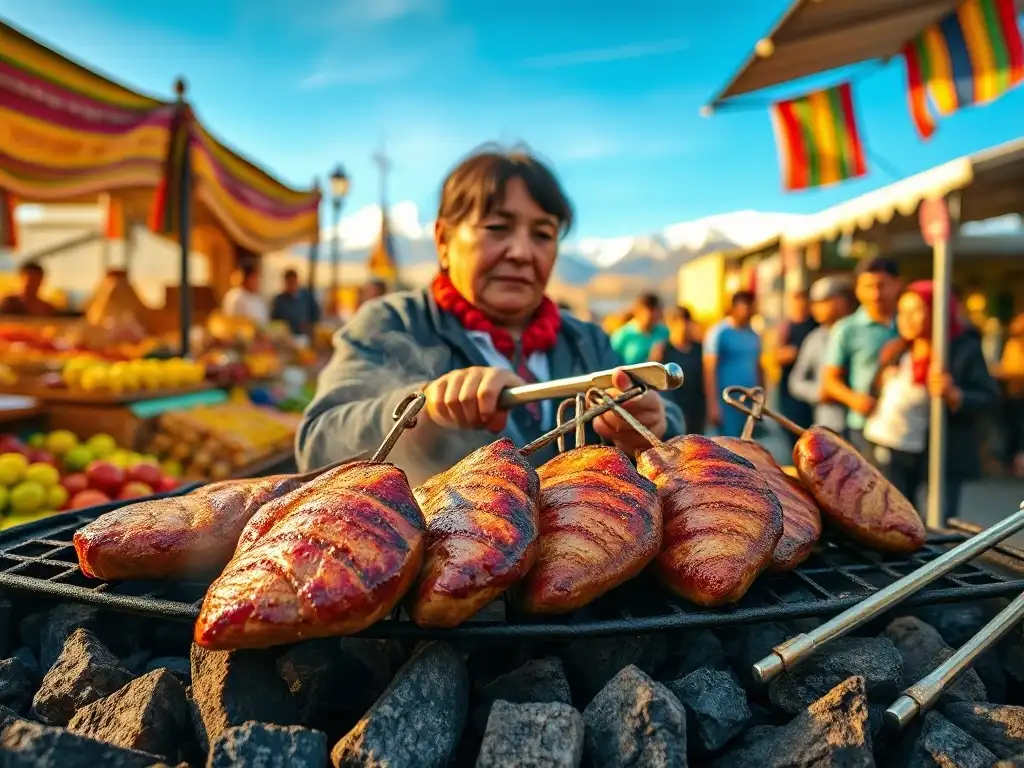
Uncover the secrets of a culinary tradition older than the Andes themselves! Dive into the vibrant world of Andean civilizations and discover how their ingenuity continues to inspire us today. This journey begins with an exclusive guide to crafting authentic Andean anticuchos, a taste of history that will transport you to the heart of the ancient empires. Prepare to be amazed by the flavors and stories waiting to be unearthed – your epicurean adventure starts now.
Embark on a culinary journey through the heart of the Andes with this comprehensive guide to preparing authentic Andean anticuchos. This recipe guide delves into the rich history and cultural significance of this iconic street food, providing you with the knowledge and steps to recreate its vibrant flavors in your own kitchen.
We'll explore the traditional methods, ingredient choices, and techniques that make Andean anticuchos so uniquely delicious, transforming a simple dish into a captivating experience that celebrates the culinary heritage of the Andes. Get ready to savor the smoky char, the tangy marinade, and the tender texture of perfectly prepared anticuchos – a true taste of Andean street food culture.
This guide is your passport to mastering this beloved dish, whether you're an experienced cook or a curious novice eager to explore the wonders of Andean cuisine. Prepare to be amazed by the simplicity and depth of flavor this recipe offers!
Discover the Authentic Flavors of Andean Anticuchos
Anticuchos, traditionally made from beef heart, are a staple of Andean street food, representing a vibrant culinary tradition passed down through generations. Their popularity stems not only from their delicious taste but also from their historical significance, reflecting the ingenuity and resourcefulness of Andean cultures in utilizing readily available ingredients. The preparation involves a meticulous process of marinating the meat in a blend of aji panca (a Peruvian chili pepper), vinegar, cumin, garlic, and other aromatic spices.
This marinade is key to tenderizing the heart and infusing it with a complex flavor profile that is both savory and subtly spicy. The anticuchos are then traditionally grilled over charcoal, imparting a smoky char that adds another layer of depth to their flavor. The result is a succulent and flavorful dish that is both satisfying and surprisingly sophisticated.
Understanding the nuances of these traditional methods is crucial to achieving authentic Andean anticuchos. We will break down each step in detail, ensuring you can recreate this culinary masterpiece with confidence.
Sourcing the Best Ingredients for Authentic Andean Anticuchos
The quality of your ingredients significantly impacts the final flavor of your anticuchos. While beef heart is traditional, some modern recipes utilize other cuts of beef for easier accessibility. Regardless of your choice, prioritize high-quality, fresh meat. The marinade is equally crucial. Sourcing authentic aji panca is ideal, but if unavailable, a blend of other chili peppers can be substituted, bearing in mind that the flavor profile will subtly change.
Freshly squeezed lime juice adds brightness, while the cumin and garlic contribute warmth and depth. Don't skimp on the quality of these ingredients; the richness of the final dish hinges on their authenticity and freshness. We'll provide substitution suggestions where necessary, but always aim for the best ingredients you can find to truly capture the essence of Andean cuisine. Remember, even small variations in ingredients can significantly impact the final outcome.
Step-by-Step Guide to Preparing Andean Anticuchos
This section will provide a detailed, step-by-step guide to preparing your anticuchos, from marinating the meat to grilling it to perfection. We will cover each stage with precision, including precise measurements and timing recommendations. We'll also address common challenges and offer troubleshooting tips to ensure your anticuchos turn out flawlessly. This meticulous approach will guide you through the entire process, empowering you to confidently create authentic Andean anticuchos at home. Get ready to experience the satisfaction of crafting a truly delicious and culturally significant dish!
- Preparing the Meat: [Specific information pending: Detailed instructions on cleaning and cutting the beef heart]
- Creating the Marinade: [Specific information pending: Precise measurements and instructions for the marinade]
- Marinating the Meat: [Specific information pending: Duration and storage recommendations for marinating]
- Grilling the Anticuchos: [Specific information pending: Techniques for grilling over charcoal or alternative methods]
- Serving Suggestions: [Specific information pending: Traditional accompaniments and serving styles]
Variations and Modern Adaptations of the Andean Anticuchos Recipe
While tradition is important, culinary innovation is equally valuable. This section explores modern adaptations and variations of the classic Andean anticuchos recipe. We'll discuss options for different meats, alternative marinades, and creative serving suggestions, while still respecting the core elements of this traditional dish.
From using chicken or vegetables to experimenting with different spice blends, we'll explore the possibilities of customizing this recipe to your preferences and dietary needs. This exploration aims to inspire you to experiment and create your own unique version of this beloved Andean street food. Remember, culinary exploration is key to enhancing your appreciation for this rich cultural heritage.
- Discover the Authentic Flavors of Andean Anticuchos
- Sourcing the Best Ingredients for Authentic Andean Anticuchos
- Step-by-Step Guide to Preparing Andean Anticuchos
- Variations and Modern Adaptations of the Andean Anticuchos Recipe
- Marinating the Beef for Maximum Flavor: The Secret to Delicious Anticuchos
- Preparing the Aji Panca Marinade: The Key to Authentic Peruvian Anticuchos
- Assembling the Anticuchos Skewers: Tips for Even Cooking and Presentation
- Grilling Techniques for Perfect Anticuchos: Achieving the Ideal Char and Doneness
- Serving Suggestions: Pairing your Anticuchos with Traditional Andean Sides
Understanding Andean Anticuchos: A Culinary Journey
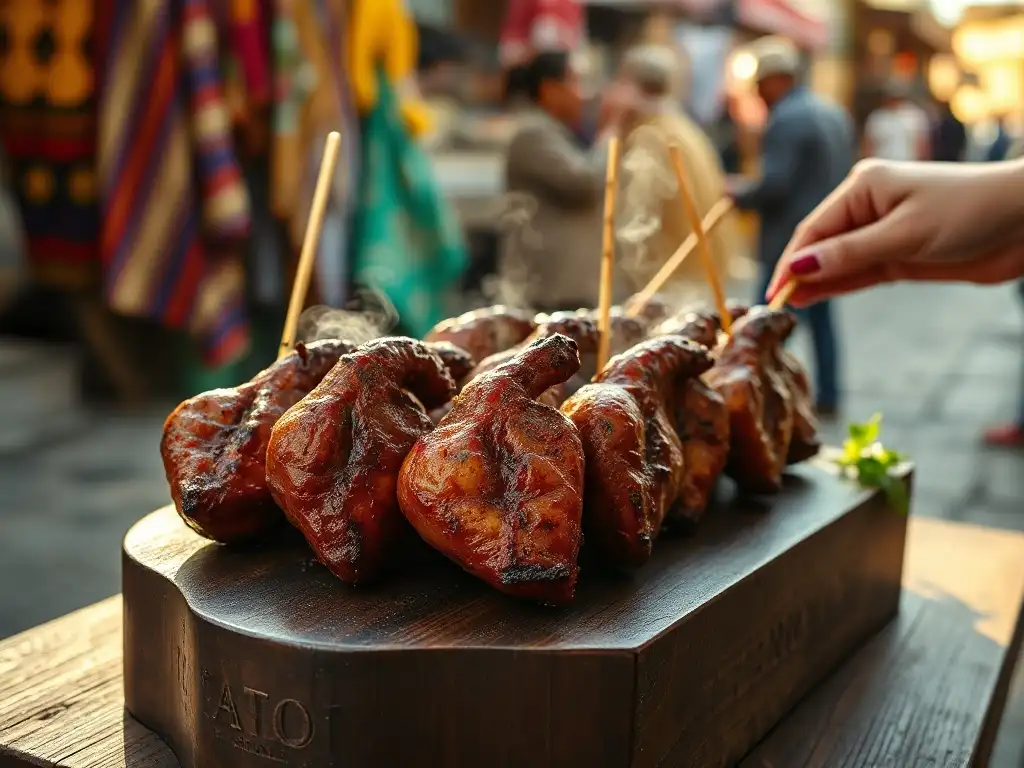
This section delves into the fascinating world of Andean anticuchos, providing a deeper understanding of their history, cultural significance, and culinary importance within the broader context of Andean cuisine. We'll explore not just the what, but also the why behind this iconic dish. Understanding these nuances will elevate your anticucho-making experience and allow you to truly appreciate the rich tapestry of Andean culinary traditions.
What are Anticuchos? Exploring the History and Origins
Anticuchos, at their core, are grilled skewers. However, to simply define them as such is to drastically underestimate their cultural weight. These aren't just any grilled meats; they represent a significant part of Andean culinary heritage, with roots stretching back centuries. While the precise origins are difficult to pinpoint with absolute certainty, evidence suggests variations of anticuchos existed long before the Inca Empire. Early forms likely involved grilling various meats available to different Andean communities – llama, alpaca, and even guinea pig (cuy) in some regions.
The Inca period saw anticuchos solidify their place in Andean society. They were not merely sustenance; they were often part of celebratory feasts and religious ceremonies. The preparation and consumption of anticuchos became deeply intertwined with social customs and traditions, reflecting the community's values and beliefs.
The specific marinades and cooking methods varied across different regions, leading to the diverse range of anticuchos we see today. Even now, family recipes are passed down through generations, each carrying its unique story and flavor profile. This rich history underscores the importance of understanding the authentic preparation methods to truly capture the essence of this Andean classic.
The Significance of Anticuchos in Andean Culture: A Taste of Tradition
Anticuchos are more than just a delicious dish; they are a powerful symbol of Andean cultural identity. Their presence in festivals, celebrations, and everyday life speaks volumes about their enduring appeal. Sharing anticuchos is a social act, often bringing families and communities together. The preparation itself can be a communal event, with each member contributing to the process, from marinating the meat to tending the grill.
The choice of meat also holds cultural significance. In some regions, the use of beef heart is prevalent, while others might favor other cuts or even alternative meats like alpaca or chicken. This diversity reflects the adaptability of the dish and its ability to integrate with the specific resources and traditions of different Andean communities.
The vibrant colors of the marinade, often incorporating aji amarillo peppers and other local spices, visually represent the richness and biodiversity of the Andean landscape. The smoky aroma from the grill evokes a sense of place and time, transporting you to the heart of the Andes.
By understanding this cultural context, you not only enhance your cooking experience but also gain a deeper appreciation for the history and people behind this cherished Andean tradition. The preparation and consumption of anticuchos is a tangible link to the past, a delicious taste of Andean heritage, and a culinary journey worth embarking on.
Preparing for Your Andean Anticuchos Recipe: Essential Ingredients and Tools
This section focuses on equipping you with the knowledge and resources necessary to embark on your Andean anticuchos culinary adventure. We'll delve into the specifics of ingredient selection and the tools that will elevate your cooking experience, ensuring you achieve authentic Andean flavors and textures. Mastering these fundamentals is crucial for creating truly exceptional anticuchos. This detailed guide will help you navigate the process with confidence, transforming your kitchen into a vibrant Andean culinary hub.
The Best Cuts of Beef for Anticuchos: Achieving Perfect Tenderness
The key to perfect anticuchos lies in selecting the right cut of beef. While traditionally, skirt steak is used, its toughness requires meticulous preparation. For a more accessible and ultimately more tender anticucho, consider flank steak or even hanger steak. These cuts offer a better balance of flavor and tenderness, reducing the need for extensive marinating. Remember, the goal is juicy, flavorful meat, not a chewy, difficult-to-chew experience.
Here's a comparison to guide your selection:
| Cut of Beef | Tenderness | Flavor Intensity | Marinating Time |
|---|---|---|---|
| Skirt Steak | Less Tender | High | Long (8-12 hours) |
| Flank Steak | Moderately Tender | Medium | Medium (4-6 hours) |
| Hanger Steak | Moderately Tender | High | Medium (4-6 hours) |
Choosing the right cut significantly impacts the final product. Experiment to find your personal preference, but remember that proper marinating is still crucial, regardless of your choice. This ensures that even the tougher cuts become remarkably tender and flavorful.
Essential Andean Spices and Herbs for Authentic Anticuchos Flavor
The magic of Andean anticuchos lies not just in the beef, but in the vibrant tapestry of spices and herbs that infuse it with its unique character. Authentic Andean anticuchos boast a complex flavor profile, a harmonious blend of bold and subtle notes. Let's explore the key ingredients that will transport your palate to the heart of the Andes:
- Aji Panca: This Peruvian chili pepper paste provides a rich, earthy sweetness with a subtle heat. It's a cornerstone of Andean cuisine and is essential for achieving the characteristic anticucho flavor.
- Cumin: Ground cumin adds warmth and a slightly bitter note, complementing the aji panca beautifully.
- Garlic: Freshly minced garlic is crucial for its pungent aroma and savory depth. Don't skimp on this!
- Oregano: Dried oregano, preferably the Andean variety, adds a distinct herbaceous note, enhancing the overall complexity of the marinade.
- Black Pepper: Freshly ground black pepper adds a touch of spice and helps to balance the other flavors.
- Soy Sauce: Provides umami and helps to tenderize the meat.
- Vinegar: Adds acidity, which helps to balance the richness of the beef and the spices.
The precise proportions of these ingredients are a matter of personal preference and culinary experimentation. However, ensuring a balance between the sweetness of the aji panca, the earthiness of the cumin, and the pungency of the garlic is key to achieving an authentic Andean anticuchos flavor profile.
Weber Charcoal Grill vs. Propane Grill for Grilling Anticuchos
The grilling method significantly influences the final taste and texture of your anticuchos. While both charcoal and propane grills can produce excellent results, they offer distinct advantages and disadvantages:
Weber Charcoal Grill:
- Pros: Charcoal grilling imparts a smoky, deeply charred flavor that's highly desirable in anticuchos. It provides a more rustic, traditional Andean cooking experience.
- Cons: Requires more preparation and cleanup. Achieving consistent heat can be challenging, especially for beginners.
Propane Grill:
- Pros: Easier to control temperature, leading to more even cooking. Cleanup is generally easier. Faster to heat up.
- Cons: May lack the smoky depth of flavor associated with charcoal grilling.
Ultimately, the choice depends on your personal preferences and experience level. For a truly authentic Andean experience, the smoky char of a charcoal grill is hard to beat. However, a propane grill provides a more convenient and controllable method for achieving perfectly cooked anticuchos, especially for those less experienced with grilling. Experiment to discover your preferred method! Regardless of your choice, ensure your grill is preheated to a high temperature before you begin grilling.
The Perfect Anticucho Skewers: Choosing the Right Material and Length
Selecting the right skewers is crucial for achieving perfectly cooked and easily manageable anticuchos. While seemingly insignificant, the material and length of your skewers directly impact the cooking process and the overall dining experience. Avoid using metal skewers, as these can conduct heat too quickly, leading to uneven cooking and potentially burning the delicate beef heart. Furthermore, metal skewers can sometimes impart a metallic taste to the meat.
Instead, opt for bamboo skewers; these are readily available and offer several advantages. Bamboo skewers are naturally absorbent, helping to prevent sticking and ensuring that the anticuchos cook evenly. Their porous nature also allows for better heat distribution, leading to a more tender and flavorful result. However, it is essential to soak the bamboo skewers in water for at least 30 minutes before use. This soaking process prevents them from burning during cooking and ensures that they don't splinter.
The length of your skewers is equally important. Too short, and you'll struggle to maneuver them on the grill, potentially leading to uneven cooking and even burning. Too long, and they'll be unwieldy and difficult to manage. A good rule of thumb is to aim for skewers that are approximately 10-12 inches long.
This length provides ample space for a generous portion of marinated beef heart while remaining manageable during grilling. Remember to leave a couple of inches at each end for easy handling, ensuring you don't accidentally burn your fingers while turning the skewers. With the right skewers, you'll be well on your way to creating authentic and delicious Andean anticuchos.
Step-by-Step Andean Anticuchos Recipe Guide: Achieving Authentic Flavors
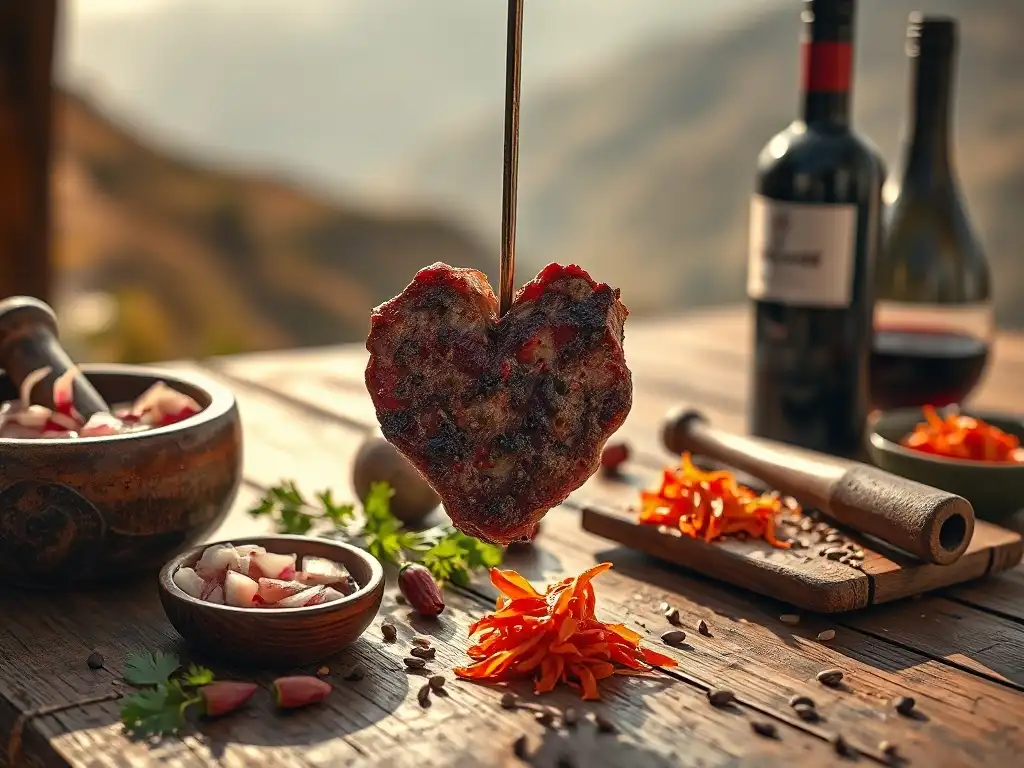
This section provides a detailed, step-by-step guide to preparing authentic Andean anticuchos. We'll cover everything from marinating the beef to assembling the skewers, ensuring you achieve the rich, flavorful anticuchos you crave. This guide focuses on achieving authentic flavors, a key element of the Andean anticuchos recipe. We’ll explore the nuances of the marinade and the techniques for perfect grilling. Let's get started on your culinary Andean adventure!
Marinating the Beef for Maximum Flavor: The Secret to Delicious Anticuchos
The secret to truly exceptional anticuchos lies in the marinade. The longer the beef marinates, the more tender and flavorful it becomes. For optimal results, aim for at least 6 hours, but ideally, marinate overnight (12-24 hours) in the refrigerator. This allows the flavors to penetrate deeply into the meat, resulting in succulent and intensely delicious anticuchos.
Use high-quality beef, preferably skirt steak or flank steak, known for their rich flavor and ability to withstand grilling without becoming tough. Cut the beef against the grain into 1-inch cubes. This ensures tenderness and prevents the meat from becoming tough when cooked. Proper cutting is an often overlooked, yet crucial, part of the Andean anticuchos recipe.
Remember that consistent size is key! Uniformly sized cubes ensure even cooking, preventing some pieces from being overcooked while others remain underdone. This is a critical aspect of achieving the perfect texture in your Andean anticuchos. Think of it as a small detail with a significant impact on the final result.
Preparing the Aji Panca Marinade: The Key to Authentic Peruvian Anticuchos
The aji panca paste is the heart and soul of the anticuchos marinade. This Peruvian chili paste provides a unique, smoky sweetness that distinguishes Peruvian anticuchos from other grilled meats. The depth of flavor it brings is unmistakable.
Here's a suggested recipe for the aji panca marinade (quantities can be adjusted based on the amount of beef):
| Ingredient | Quantity | Notes |
|---|---|---|
| Aji Panca Paste | 1/2 cup | Look for high-quality, pure aji panca paste. |
| White Vinegar | 1/4 cup | Adds acidity and helps tenderize the meat. |
| Soy Sauce | 2 tablespoons | Adds umami and depth of flavor. |
| Garlic, minced | 4 cloves | Fresh garlic is best. |
| Ginger, minced | 1 tablespoon | Adds a subtle warmth and complexity. |
| Cumin, ground | 1 teaspoon | Adds a warm, earthy note. |
| Oregano, dried | 1 teaspoon | Adds a slightly herbaceous flavor. |
| Black Pepper, ground | 1/2 teaspoon | To taste. |
| Salt | To taste | Adjust according to your preference. |
Combine all ingredients in a bowl and whisk until thoroughly blended. The marinade should be a vibrant reddish-orange color with a rich, aromatic scent. This is a crucial step in your Andean anticuchos recipe! The aroma alone will transport you to the vibrant street markets of Peru.
Assembling the Anticuchos Skewers: Tips for Even Cooking and Presentation
Once the beef is thoroughly marinated, it's time to assemble the anticuchos skewers. Use metal skewers, as they conduct heat more evenly than wooden ones. Thread the marinated beef cubes onto the skewers, leaving a small space between each piece to allow for even cooking.
For optimal presentation, aim for approximately 4-5 beef cubes per skewer. This ensures that the skewers are not overcrowded, allowing for even grilling and preventing the meat from sticking together. The visual appeal of your anticuchos is just as important as their taste! Think of it as a culinary masterpiece, not just a meal.
Before grilling, preheat your grill to medium-high heat. This ensures a beautiful sear on the outside of the meat while keeping the inside juicy and tender. Grill the anticuchos for 2-3 minutes per side, or until cooked to your desired level of doneness. Remember to rotate the skewers frequently to ensure even cooking. Enjoy your delicious, authentic Andean anticuchos! 🎉
Grilling Techniques for Perfect Anticuchos: Achieving the Ideal Char and Doneness
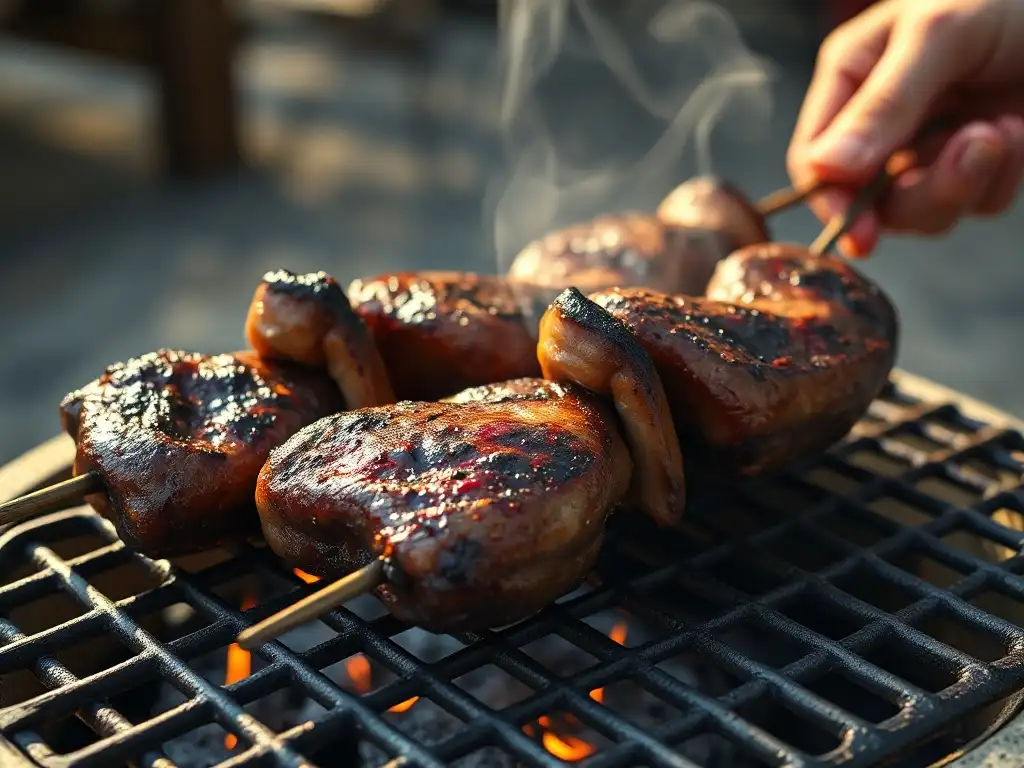
Grilling anticuchos is an art form, demanding precision and attention to detail to achieve that perfect balance of char and juicy tenderness. The key lies in understanding your grill and managing the heat effectively. For gas grills, preheat to medium-high heat (around 375-400°F or 190-205°C). Ensure even heat distribution across the grilling surface; this is crucial for consistent cooking. For charcoal grills, a medium-hot fire is ideal. Arrange the coals to create a consistent heat zone, avoiding direct, intense flames that could burn the anticuchos before they're cooked through.
Once your grill is ready, carefully place the marinated beef hearts onto the grill grates. Avoid overcrowding; leave some space between each piece for even heat penetration. For perfectly charred exterior and a tender interior, aim for approximately 3-4 minutes per side, flipping only once. Use tongs to gently rotate the anticuchos during grilling, ensuring all sides receive even heat.
The internal temperature should reach 160°F (71°C) for safe consumption. A meat thermometer is highly recommended for accurate temperature checks. Don't rush the process; patience is vital for achieving the optimal level of doneness. Overcooked anticuchos will be tough and dry, while undercooked anticuchos pose a food safety risk.
The appearance of the anticuchos is a good indicator of doneness. They should be beautifully browned and slightly charred on the outside, with a juicy, pink interior. If you notice any flare-ups, quickly move the anticuchos to a cooler area of the grill or temporarily reduce the heat. Once cooked, remove the anticuchos from the grill and let them rest for a few minutes before serving.
This allows the juices to redistribute, resulting in even more tender and flavorful anticuchos. Experiment with different grilling techniques to find your perfect method, but always prioritize safety and even cooking. Remember, practice makes perfect!
Serving Suggestions: Pairing your Anticuchos with Traditional Andean Sides
The rich, savory flavors of anticuchos are beautifully complemented by a variety of traditional Andean sides. A simple yet effective accompaniment is papa a la huancaína, a creamy potato dish with a spicy, cheesy sauce. The creamy texture of the potatoes contrasts beautifully with the char of the anticuchos, while the spicy sauce adds an extra layer of flavor. Another classic pairing is cancha serrana, toasted Andean corn kernels. Their slightly sweet and crunchy texture offers a delightful counterpoint to the richness of the meat.
For a more substantial side, consider serving your anticuchos with choclo con queso, a dish of boiled or grilled corn on the cob topped with a generous amount of fresh cheese. The sweetness of the corn and the saltiness of the cheese provide a perfect balance to the savory anticuchos. Alternatively, a simple salad of fresh tomatoes, onions, and cilantro, dressed with a light vinaigrette, can cut through the richness of the meat. The freshness of the salad provides a refreshing contrast to the hearty anticuchos.
Beyond these traditional options, feel free to experiment with other Andean-inspired sides based on personal preference. Consider adding a side of ají amarillo sauce for an extra kick of flavor, or a dollop of salsa criolla for a lighter, tangy contrast. The beauty of Andean cuisine lies in its versatility, so don't hesitate to explore different flavor combinations to create your perfect anticuchos feast. No matter your choice of side dishes, remember to present your anticuchos beautifully for a truly memorable dining experience. Enjoy! 🎉
Monetizing Your Anticuchos Experience: Product Recommendations
This section explores ways to enhance your anticuchos experience beyond the recipe itself, focusing on recommended products that elevate both the preparation and presentation of this delicious Andean dish. By incorporating these suggestions, you can not only create authentic anticuchos but also build a potentially profitable small-scale business or simply enhance your personal culinary journey. This section will focus specifically on key tools and ingredient kits that significantly improve the anticucho-making process.
Recommended Andean Spice Kits for Authentic Anticucho Flavor
The heart of any great anticucho lies in its marinade. Achieving that authentic Andean flavor profile requires a precise blend of spices. While you can source individual ingredients, pre-made Andean spice kits offer a convenient and consistent solution. These kits typically include a curated selection of spices such as aji panca, aji amarillo, cumin, oregano, garlic powder, and perhaps even a touch of paprika or black pepper. The precise blend varies from kit to kit, so look for kits that explicitly mention their suitability for anticuchos or Peruvian cuisine.
Consider the following aspects when choosing a kit:
- Ingredient Sourcing: Look for kits that highlight the origin of their spices, ideally sourcing them from the Andes region for the most authentic flavor.
- Spice Variety and Quantity: A well-rounded kit should provide enough spice for multiple batches of anticuchos, allowing for experimentation and consistent flavor profiles.
- Packaging and Storage: Choose a kit with airtight packaging to maintain spice freshness and prevent moisture absorption.
Remember, even small variations in spice blends can significantly impact the final taste of your anticuchos. Experimenting with different kits can help you discover your preferred flavor profile and refine your recipe over time. Accurate measurement is key – a kitchen scale is highly recommended for precision in your spice blends.
Wüsthof Classic Knife Set for Precise Meat Preparation
Proper meat preparation is crucial for achieving tender and flavorful anticuchos. Using a high-quality knife set ensures clean cuts, preventing the meat from tearing and ensuring even cooking. A Wüsthof Classic knife set, renowned for its sharpness and durability, is an excellent investment for serious home cooks. The set typically includes a chef's knife for initial trimming and portioning, a paring knife for detailed work, and a serrated knife for cutting bread or vegetables that might accompany your anticuchos.
The benefits of using a professional-grade knife set extend beyond convenience. The precision offered by a sharp blade allows for consistent, thin cuts of the beef heart, which are essential for achieving the desired texture and cooking time in your anticuchos. Furthermore, the ergonomic design of Wüsthof knives minimizes hand fatigue, allowing you to focus on the culinary aspects of anticucho preparation. Investing in proper tools is an investment in the quality of your final product.
OXO Good Grips Grill Tongs for Easy Anticucho Handling
Grilling anticuchos requires deft handling to prevent sticking and burning. OXO Good Grips grill tongs, with their comfortable grip and sturdy construction, are a must-have tool for efficient and safe anticucho grilling. The non-slip surface ensures a firm grasp on the skewers, even when dealing with marinated meat, while the long length keeps your hands a safe distance from the heat.
These tongs are not just about safety; they also improve the overall grilling experience. Their design allows for precise maneuvering of the skewers, ensuring even cooking and beautiful grill marks. Consider the length of the tongs – longer tongs are beneficial for larger grills or when grilling over an open flame. The quality of the tongs also affects the longevity of your grilling tools; investing in durable tongs will save you money in the long run. Proper handling of your anticuchos while grilling is essential for maximizing both flavor and presentation.
Serving Platters Inspired by Andean Art and Design
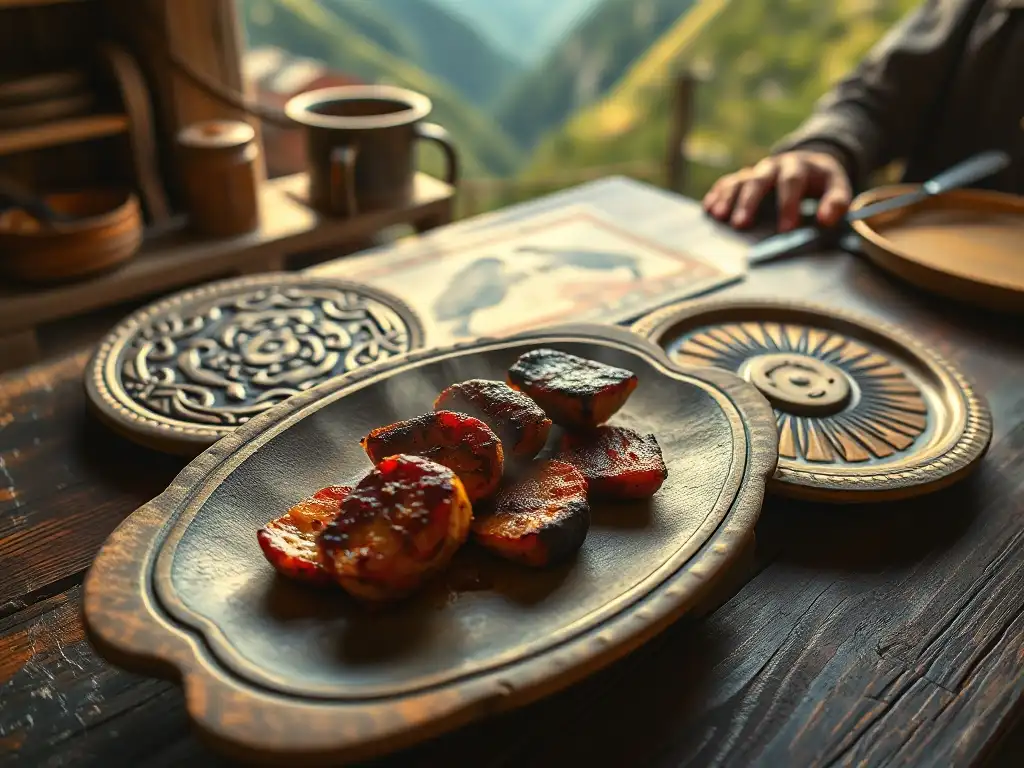
Serving your meticulously prepared anticuchos on a plain plate would be a disservice to both your culinary creation and the rich Andean heritage it represents. Elevating the presentation is key to a truly memorable dining experience. Consider sourcing serving platters that reflect the vibrant artistry of Andean cultures. Look for pieces inspired by traditional motifs, such as the intricate geometric patterns of Nazca textiles or the stylized animal figures common in Moche pottery.
The visual appeal adds another layer of authenticity and sophistication, enhancing the overall enjoyment of the meal. Think beyond simple plates; consider incorporating smaller bowls for chimichurri or other sauces, perhaps even a wooden serving board carved with Andean designs. The aesthetic coherence will transport your guests to the heart of the Andes, even within the comfort of their own homes. Remember, the presentation is just as important as the taste; a beautiful platter enhances the perception of quality and care, turning a simple meal into a celebration.
Investing in high-quality, aesthetically pleasing serving pieces is a small step that yields significant returns in terms of enhancing your anticuchos experience. The visual feast complements the culinary one, creating a truly immersive and unforgettable dining experience. Furthermore, these platters can become cherished keepsakes, reminding you and your guests of the delicious Andean adventure you shared.
Doña Isabel Aji Panca Paste for a True Taste of Peru
The key to truly authentic anticuchos lies not only in the perfect marination and grilling technique but also in the quality of your ingredients. While you might be able to source some ingredients locally, others require a more specialized approach. For the aji panca paste, a crucial element in many Peruvian dishes, including anticuchos, I highly recommend seeking out Doña Isabel's aji panca paste. This brand is renowned for its commitment to traditional methods and the use of high-quality, ethically sourced ingredients.
Doña Isabel's paste offers a depth and complexity of flavor that’s difficult to replicate using homemade versions, particularly for those unfamiliar with the nuances of Peruvian cuisine. The vibrant, smoky flavor of their aji panca paste adds a distinctive layer of richness and complexity to the anticuchos, enhancing the overall taste profile significantly. Using a high-quality pre-made paste like Doña Isabel's not only saves time and effort but also guarantees a consistently delicious result, free from the inconsistencies that can occur with homemade versions.
The convenience factor is also significant; it allows you to focus on other aspects of the preparation, such as the perfect grilling technique or the preparation of accompanying sides. Ultimately, using Doña Isabel's aji panca paste contributes to a more authentic and flavorful anticuchos experience, allowing you to confidently share the true taste of Peru with your guests. This small investment in a premium ingredient can make a substantial difference in the final product.
Elevate Your Andean Anticuchos: Advanced Techniques and Variations
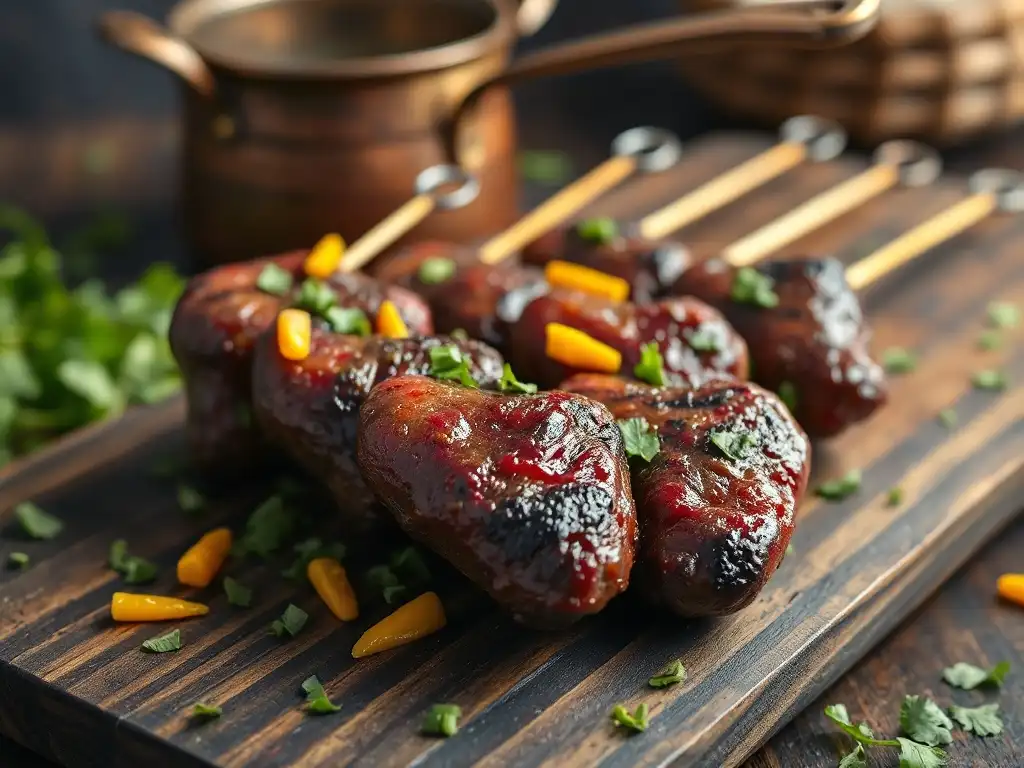
This section delves into advanced techniques and exciting variations to elevate your anticuchos game beyond the basic recipe. We'll explore different marinade options, consider alternative proteins, and introduce the exciting possibility of vegetarian anticuchos featuring Andean vegetables. Mastering these techniques will allow you to create truly authentic and unforgettable Andean anticuchos, showcasing the depth and versatility of this beloved street food. Remember, the key to exceptional anticuchos lies in the quality of ingredients and meticulous preparation.
Exploring Different Marinade Variations: Experimenting with Andean Flavors
The marinade is the heart and soul of any anticuchos recipe. While the classic marinade featuring aji panca, garlic, and cumin is undeniably delicious, experimenting with other Andean flavors can unlock a world of culinary possibilities. Consider these variations:
- Aji Amarillo Anticuchos: Substitute aji panca with aji amarillo for a brighter, more citrusy flavor profile. The vibrant yellow pepper adds a beautiful color to the skewers as well. Experiment with adding a touch of lime juice to enhance the acidity.
- Rocoto Anticuchos: For those who appreciate a fiery kick, incorporate rocoto peppers into your marinade. Start with a small amount and adjust to your preferred spice level. Remember to remove the seeds and membranes for less intense heat.
- Huacatay Anticuchos: This unique Andean herb, with its earthy and slightly minty flavor, adds a sophisticated twist. Finely chop fresh huacatay and incorporate it into your marinade for a truly authentic Andean experience.
- Adding Spices: Experiment with adding other Andean spices to your base marinade. Consider adding a pinch of oregano, paprika, or even a touch of ground achiote for a deeper, richer flavor.
Remember to always marinate your beef heart for at least 4 hours, preferably overnight, to allow the flavors to fully penetrate the meat. The longer the marinade, the more tender and flavorful your anticuchos will be. This is crucial for achieving that melt-in-your-mouth texture that defines truly exceptional Andean anticuchos.
Anticuchos with Chicken or Heart: Expanding Your Culinary Horizons
While beef heart is the traditional choice for anticuchos, other proteins can be equally delicious. Chicken anticuchos offer a leaner, more accessible alternative, particularly appealing to those less familiar with beef heart. The marinade should be adjusted slightly for chicken, reducing the marinating time to prevent over-tenderizing.
Consider these variations:
- Chicken Anticuchos: Use boneless, skinless chicken thighs, cut into 1-inch cubes. Marinate for 2-4 hours. The shorter marinating time prevents the chicken from becoming too mushy.
- Beef Heart vs. Chicken: A direct comparison reveals that beef heart offers a richer, more intense flavor, while chicken provides a lighter, milder taste. Both are excellent choices, catering to different preferences.
The preparation remains largely the same, ensuring that the meat is evenly cooked and not burnt. The key is to maintain consistent heat and turn the skewers frequently to ensure even cooking. This applies equally to both chicken and beef heart anticuchos.
Adding Andean Vegetables to Your Skewers: A Vegetarian Option
Expanding the anticuchos experience beyond meat is entirely possible with a variety of Andean vegetables. This creates a vibrant and delicious vegetarian option, reflecting the diverse culinary landscape of the Andes. Consider these options:
| Vegetable | Preparation | Notes |
|---|---|---|
| Choclo (Corn) | Cut into 1-inch pieces | Use fresh, sweet corn for optimal flavor. |
| Papa (Potato) | Cut into 1-inch cubes; choose a firm variety | Consider using Andean potatoes like papa amarilla or papa negra. |
| Tomate (Tomato) | Halve or quarter cherry tomatoes | Adds a burst of freshness and acidity. |
| Aji Amarillo | Cut into strips or rings | Use milder varieties if you prefer less heat. |
| Zucchini | Cut into 1-inch pieces | Adds a soft texture and subtle sweetness. |
The vegetarian anticuchos can be marinated similarly to the meat versions, albeit with a slightly shorter marinating time. The vegetables absorb flavors beautifully, resulting in a delicious and satisfying dish. Experiment with different combinations of vegetables to find your perfect blend of flavors and textures. Remember to adjust cooking times to ensure the vegetables are tender but not mushy. This vegetarian option showcases the adaptability and versatility of the anticuchos concept, broadening its appeal to a wider audience while staying true to its Andean origins.
Homemade Aji Sauces to Complement Your Anticuchos: Exploring Regional Variations
Andean cuisine boasts a vibrant array of aji (chili pepper) sauces, each region offering unique flavor profiles that perfectly complement the rich, savory taste of anticuchos. Mastering a few homemade aji sauces elevates your anticuchos from a delicious meal to a truly authentic Andean experience. The key lies in understanding the diverse chili peppers used and how their heat levels and flavors interact with the other ingredients.
One popular choice is aji amarillo, a pale yellow chili pepper with a subtly sweet and fruity flavor, alongside a moderate heat. A simple aji amarillo sauce can be made by blending roasted aji amarillo peppers with a touch of lime juice, garlic, and a pinch of salt. The roasting process mellows the chili's heat and intensifies its sweetness, creating a creamy, flavorful sauce that beautifully contrasts the char of the anticuchos. This sauce is particularly well-suited to beef anticuchos.
For a spicier kick, consider incorporating aji panca, a milder, reddish-brown chili pepper with a deep, earthy flavor. Aji panca sauces often include ingredients like onions, cumin, and cilantro, offering a more complex flavor profile. The combination of aji panca's subtle heat and rich flavor adds a layer of depth to the anticuchos, making it a perfect choice for those who enjoy a little more spice. This sauce pairs beautifully with chicken or heart anticuchos.
Don't shy away from experimenting with other aji varieties. Rocoto, a large, red chili pepper with a fiery heat, can be incorporated into a sauce for those who crave intense flavor. However, use rocoto sparingly, as its heat can easily overwhelm the other flavors. A small amount can add a delightful burst of heat, while too much can ruin the dish. A balanced rocoto sauce might include a cooling element like yogurt or sour cream to temper its intensity. This is best served with more robust cuts of meat like beef.
Finally, consider regional variations. The Andes are vast, and each region possesses its own unique aji combinations and preparation methods. Researching specific regional sauces can lead to exciting discoveries and a deeper understanding of Andean culinary traditions. For example, exploring the aji sauces of Arequipa or the northern coastal regions will reveal dramatically different approaches to flavor and spice levels. The possibilities are endless! Remember that experimenting with different combinations of aji peppers and other ingredients is part of the fun. 🎉
Conclusion: Enjoying the Andean Anticuchos Experience at Home
This journey into the heart of Andean culinary traditions has equipped you with the knowledge and skills to recreate the vibrant flavors of anticuchos in your own kitchen. From selecting the perfect cut of beef heart to mastering the marinade's intricate blend of spices and aji, you've learned the key elements that elevate this dish from a simple meal to a true cultural experience.
Remember, the preparation of Andean anticuchos is not merely about following a recipe; it's about embracing a rich history and celebrating a vibrant culture. The aromas that fill your kitchen as the anticuchos sizzle on the grill, the satisfying chew of the perfectly marinated meat, and the explosion of flavors on your palate – these are all components of a truly immersive Andean experience.
This recipe guide provides a solid foundation, but don't hesitate to experiment and personalize your anticuchos to your own taste preferences. The beauty of this dish lies in its adaptability, allowing you to explore different spice combinations and variations based on your preferences and available ingredients.
Celebrating Andean Culinary Traditions Through Homemade Anticuchos
Making anticuchos at home is more than just cooking a meal; it's a way to connect with the rich tapestry of Andean culinary heritage. By recreating this iconic dish, you're not only savoring delicious flavors but also participating in a tradition that has been passed down through generations. Consider this a culinary journey – an opportunity to learn about the history, significance, and cultural context of this beloved Andean street food.
Imagine sharing your culinary creations with friends and family, explaining the process and the history behind the dish. This shared experience fosters appreciation for the Andean culture and its unique culinary contributions. The vibrant colors of the aji panca paste, the earthy aroma of the cumin, and the satisfying sizzle of the meat on the grill all contribute to a sensory experience that transports you to the bustling streets of the Andes.
Each bite is a celebration of Andean culture and an opportunity to share that experience with others. The act of making and sharing anticuchos becomes a powerful vehicle for cultural exchange and appreciation. This is not just a recipe; it's a story waiting to be told and tasted.
The joy of cooking is often amplified when shared. Preparing Andean anticuchos presents a wonderful opportunity to bring friends and family together around a table filled with delicious food and engaging conversation. The process itself can be a shared experience, from marinating the beef heart to grilling the skewers. Imagine the lively atmosphere, the tantalizing aromas, and the shared delight in savoring these authentic Andean flavors.
Sharing your homemade anticuchos allows you to introduce others to the richness of Andean cuisine and share your passion for this culinary tradition. It's a chance to educate, entertain, and create lasting memories. Think of the stories you can share about the history of anticuchos, the unique ingredients used, and the cultural significance of this dish.
This simple act of sharing food transforms a meal into a meaningful cultural exchange, fostering appreciation for Andean culture and traditions among your loved ones. The smiles on their faces as they savor your anticuchos will be the ultimate reward for your culinary efforts, a testament to the power of food to connect people and cultures. 🥂
Frequently Asked Questions
What are anticuchos?
Anticuchos are traditional Peruvian skewers, typically made with marinated beef heart, but can also include other meats like chicken or lamb. They are a popular street food and a staple of Peruvian cuisine.
What makes Andean anticuchos unique?
Andean anticuchos often feature a unique marinade that includes aji panca peppers, cumin, and other spices, giving them a distinctive flavor profile. The preparation and cooking methods also vary regionally.
Are anticuchos difficult to make at home?
While they require marinating time, the actual preparation is relatively straightforward. Following a good recipe and using quality ingredients will ensure delicious results. Don't be intimidated!
What kind of meat is best for anticuchos?
Beef heart is traditional, but chicken or lamb work well too. Choose high-quality, tender cuts for the best results. Proper marinating is key regardless of the meat selected.
Where can I find the ingredients for Andean anticuchos?
Many ingredients, like aji panca peppers, might require a visit to a Latin American grocery store or online retailer. However, common spices are readily available in most supermarkets.
Final Reflection: The Enduring Flame of Andean Cuisine
The vibrant flavors of Andean street food, particularly the succulent anticuchos, are not merely a culinary experience; they are a powerful testament to cultural heritage and a delicious window into a rich history. This guide has explored the art of crafting these iconic skewers at home, demystifying the process and empowering you to recreate a taste of Peru in your own kitchen. The enduring appeal of anticuchos lies not just in their taste, but in their ability to connect us to a vibrant culture and its traditions.
The journey of learning to make anticuchos has been more than just mastering a recipe; it's been a journey of discovery, revealing the layers of history, tradition, and community woven into each bite. Food is symbolic of love when words are inadequate.
- Alan D. Wolfelt. This quote perfectly encapsulates the emotional connection we forge with food, and anticuchos, with their rich marinade and smoky char, are a powerful symbol of this connection to Peruvian culture. The simple act of preparing and sharing these skewers can bridge cultural divides and foster a deeper appreciation for the culinary arts of the Andes.
Now, I invite you to embark on your own culinary adventure. Don't just follow the recipe; feel the rhythm of the Andes in your hands as you marinate the beef, hear the sizzle of the grill as you cook, and savor the explosion of flavors as you taste your creation. Share this experience with friends and family, and let the enduring flame of Andean cuisine ignite a passion for exploration and cultural understanding within your own home. The journey of a thousand miles begins with a single step – or, in this case, a single anticucho.
Savor the Flavor of Andean Street Food Today!
Thank you for exploring our guide on making delicious anticuchos! We hope you've found inspiration in the vibrant flavors of Andean street food and are excited for you to bring this taste of tradition to your own kitchen. Now, let's get cooking!
- Start cooking! Gather your ingredients and try making **anticuchos** tonight. The rich flavors and aromas will transport you to the vibrant streets of Peru.
- Share the experience. Invite friends or family over for a themed dinner party celebrating Andean culture!
- Explore further. Discover more Andean recipes on our website and consider visiting local markets for authentic ingredients to enhance your culinary journey.
What's your favorite Andean dish, and how do you like to personalize it at home? Share your thoughts in the comments!