
Moche Shamanism: Connecting with the Spirit World

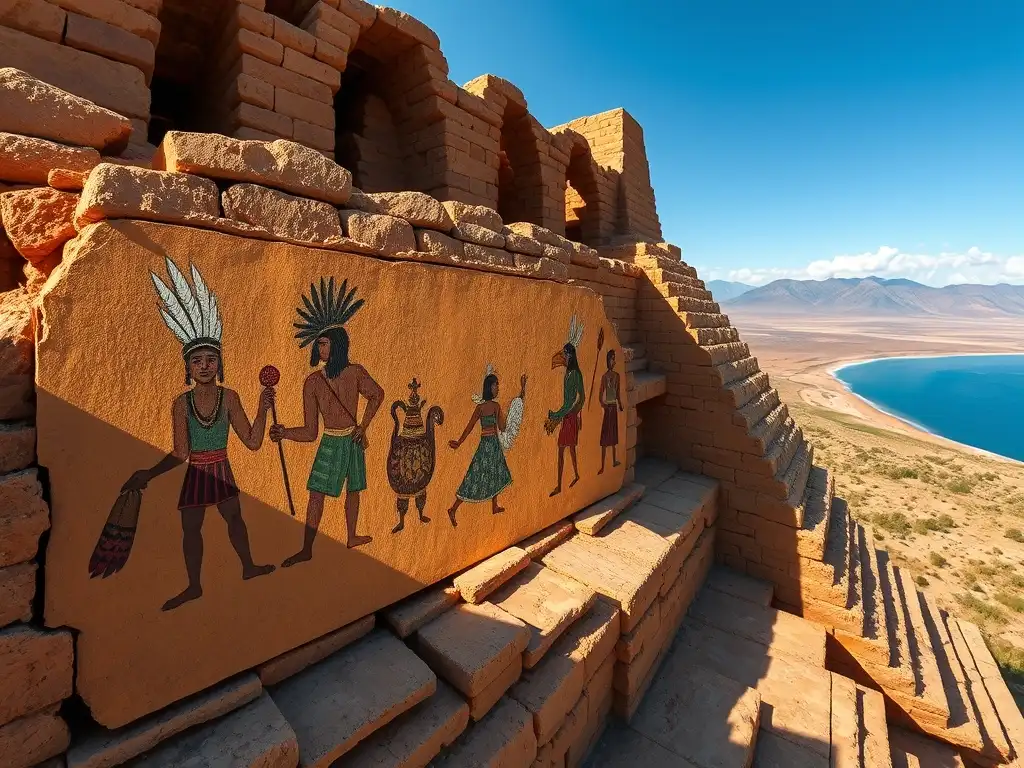
Step into a world lost to time, yet echoing with power and mystery. Journey with us to the heart of the Andes, where the vibrant Moche civilization thrived. Prepare to uncover the secrets of their captivating culture, particularly their profound Moche shamanistic practices. Were they truly masters of the spirit world, capable of manipulating the very fabric of reality? Discover the answers and more as we delve into the fascinating rituals and beliefs of this remarkable Andean people.
The Moche civilization, flourishing along the northern coast of Peru from approximately 100 CE to 800 CE, left behind a remarkable legacy of intricate art, sophisticated engineering, and a deeply complex religious system. This article delves into the fascinating world of Moche shamanistic practices, exploring their religious beliefs, the vital role of shamans within their society, and the ways in which these individuals acted as intermediaries between the human and spirit worlds.
Understanding Moche shamanism provides crucial insight into the core values, social structures, and worldview of this influential pre-Columbian culture. We will examine the evidence gleaned from archaeological discoveries, focusing on iconography, artifacts, and burial practices to paint a vivid picture of Moche spiritual life and the significant power wielded by their shamans.
The intricate details revealed through these investigations offer a compelling glimpse into the beliefs and practices that shaped Moche society and continue to fascinate researchers today. This exploration will illuminate how Moche shamanistic practices shaped their daily lives, their understanding of the cosmos, and their interactions with the natural world.
Understanding Moche Religious Beliefs and Spirituality
Moche religion was deeply intertwined with their environment, particularly the sea and the fertile valleys that sustained them. Their worldview was likely polytheistic, with a pantheon of gods and goddesses representing various natural forces and aspects of life. Archaeological evidence, such as the elaborate murals and pottery depicting deities and ritual scenes, suggests a complex cosmology. These depictions frequently feature anthropomorphic figures with supernatural attributes, often engaging in ritualistic actions or interacting with animals, plants, and other symbolic elements.
The Moche believed in an afterlife, as evidenced by the elaborate grave goods frequently found in their burials. These offerings, ranging from finely crafted pottery and gold ornaments to food and textiles, suggest a belief in providing sustenance and comfort for the deceased in the next world. Furthermore, the presence of sacrificial victims in some tombs points to a belief in appeasing the gods or ensuring a successful transition to the afterlife.
The intricate detail and artistry displayed in these artifacts highlight the significant importance placed on religious practices and the spiritual realm within Moche society. The prominence of certain motifs, such as feline deities and supernatural beings, further underscores the complex nature of their religious beliefs and the shaman’s critical role in interpreting and mediating these spiritual forces. More research is needed to fully understand the nuances of Moche cosmology, but existing evidence clearly points to a deeply spiritual culture.
The Role of Shamans in Moche Society
Moche shamans occupied a position of immense power and influence within their society. They served as intermediaries between the human and spirit worlds, conducting rituals, interpreting omens, and healing the sick. Depictions on Moche pottery often show shamans in distinctive attire, engaging in rituals involving hallucinogenic plants, such as San Pedro cactus. These scenes suggest the use of altered states of consciousness to communicate with the spirit world and access divine knowledge.
The shamans' role extended beyond purely spiritual matters; they likely played a significant part in societal decision-making, influencing political and economic affairs. Their expertise in understanding the natural world, including weather patterns and agricultural cycles, made them invaluable advisors. Archaeological evidence suggests that shamans may have held significant political influence, potentially acting as advisors to rulers or holding positions of authority themselves.
The elaborate burials of some individuals, accompanied by prestigious grave goods, might indicate the high social status and respect afforded to particularly powerful shamans within the Moche hierarchy. The precise nature of their power and influence remains a subject of ongoing research, but it's undeniable that they were key figures in Moche society, shaping its beliefs, practices, and social structure. The study of Moche shamanistic practices continues to unveil new insights into the rich tapestry of this fascinating civilization.
Moche Shamanistic Practices: Rituals and Ceremonies
Moche shamanistic practices were deeply interwoven with their daily lives, influencing everything from agriculture to warfare. Rituals and ceremonies served as crucial conduits to the spirit world, allowing shamans to interact with deities, ancestors, and other supernatural entities. These practices weren't confined to isolated temples; they permeated the social fabric, shaping community interactions and individual experiences.
Evidence suggests that many ceremonies involved elaborate costumes, masks, and musical instruments, creating a powerful atmosphere conducive to altered states of consciousness. The use of specific gestures, chants, and offerings further enhanced the ritual's potency, reinforcing the shaman's connection with the supernatural realm. Archaeological findings, such as the discovery of ritual paraphernalia in tombs and ceremonial centers, reveal the importance these practices held within Moche society.
Detailed depictions on pottery and textiles provide invaluable insights into the choreography and symbolism inherent in these rituals. The precise nature of many rituals remains a subject of ongoing research, but the available evidence strongly indicates a complex and multifaceted system of spiritual engagement. The frequency and scale of these ceremonies likely varied, adapting to the needs of the community and the demands of the specific occasion.
Trance and Altered States of Consciousness in Moche Shamanism
A key aspect of Moche shamanistic practices was the induction of trance and altered states of consciousness. These states were crucial for achieving communication with the spirit world. Methods for achieving these altered states likely included rhythmic drumming, chanting, fasting, and the ingestion of psychoactive substances.
The use of hallucinogenic plants, such as those containing mescaline or other powerful compounds, is strongly suggested by iconography and the analysis of organic residues found at archaeological sites. Entering a trance state allowed shamans to transcend the limitations of ordinary perception, gaining access to knowledge and power beyond the realm of everyday experience. The imagery found in Moche art, with its depictions of distorted figures and supernatural beings, may reflect the altered perceptions experienced during these shamanistic trances.
Researchers are still working to fully understand the specific techniques used to achieve these states and the nuances of the experiences themselves, but the importance of altered consciousness in Moche shamanism is undeniable. This altered state facilitated communication with the spirit world, enabling the shaman to act as an intermediary between the human and supernatural realms.
The Use of Sacred Plants and Substances in Moche Rituals
The use of sacred plants and substances played a significant role in Moche shamanistic rituals. Archaeological evidence points to the use of plants with psychoactive properties, likely ingested to induce altered states of consciousness. These substances served as tools facilitating communication with the spirit world, allowing shamans to access knowledge and power unavailable in ordinary states.
While the exact species of plants used remain a subject of ongoing research, the presence of residues in artifacts and the iconography depicting such plants strongly suggests their ritualistic use. The careful preparation and administration of these substances likely formed an integral part of the ritual process. The consumption of these plants was not merely recreational; it was a sacred act, intrinsically linked to the shaman's role as a spiritual intermediary.
The specific effects of these substances, the context of their use, and the social implications of their consumption remain areas of active research and debate. Understanding the role of these sacred plants is crucial to fully understanding the complexities of Moche shamanistic practices.
Moche Shamanic Healing Practices
Moche shamans were not only spiritual leaders but also healers. Their knowledge of medicinal plants and their ability to enter altered states of consciousness allowed them to diagnose and treat illnesses. The integration of spiritual and physical healing was a defining characteristic of Moche shamanic practices.
Illnesses were often viewed as stemming from spiritual imbalances or disruptions in the relationship between the individual and the supernatural world. Shamans employed various methods to restore this balance, including herbal remedies, rituals, and possibly even surgery in some cases. The evidence for surgical practices is still debated, but some discoveries suggest the possibility of rudimentary surgical interventions.
The effectiveness of Moche shamanic healing practices likely varied, but their importance within the community is undeniable. Their role as healers reinforced their position as essential members of Moche society, further cementing their connection to the supernatural realm and their ability to interact with it to benefit the community.
Moche Art as a Reflection of Shamanic Vision
Moche art provides a unique window into the shamanistic worldview of the Moche civilization. The intricate details and vivid imagery found in their pottery, murals, and textiles offer compelling insights into their spiritual beliefs and practices. The artistic representations are not merely decorative; they serve as powerful visual expressions of shamanic experiences, beliefs, and rituals.
The stylistic choices, the selection of subjects, and the symbolic language employed in Moche art all contribute to a deeper understanding of their shamanic practices. Analyzing the imagery reveals much about their cosmology, their understanding of the spirit world, and the role of shamans within their society. The artistic representation of supernatural beings, rituals, and altered states of consciousness allows us to glimpse into the minds of Moche shamans and their interactions with the supernatural.
Depictions of Shamans in Moche Pottery and Murals
Depictions of shamans are frequently found in Moche pottery and murals, providing valuable visual evidence of their appearance and role. These depictions often feature shamans wearing elaborate headdresses, costumes, and masks, highlighting their status and connection to the spirit world. The use of specific iconography, such as staffs, rattles, and other ritual paraphernalia, further reinforces their spiritual identity. Some depictions show shamans in trance states, exhibiting features like enlarged eyes or distorted body proportions, reflecting the altered states of consciousness central to their practices.
The artistic style and level of detail vary across different pieces, offering insights into the diversity of shamanic practices and the social standing of different shamans. These visual representations are crucial for understanding the role and significance of shamans within Moche society. The consistent portrayal of shamans in Moche art underscores their importance as key figures in the community's spiritual life.
Symbolic Representations of the Spirit World in Moche Art
Moche art is replete with symbolic representations of the spirit world, offering insights into the cosmology and beliefs of this ancient civilization. The recurring motifs and imagery—such as supernatural beings, mythical creatures, and celestial bodies—reveal a complex understanding of the supernatural realm and its interaction with the human world. The artistic representations often depict shamans interacting with these spiritual entities, demonstrating the intimate relationship between the human and supernatural realms.
The symbolism embedded in Moche art is rich and multifaceted, requiring careful interpretation to fully grasp its meaning. However, the consistent use of certain symbols and motifs suggests a shared understanding of the spirit world within Moche society.
By analyzing the symbolic language of Moche art, researchers can reconstruct their cosmology and gain a clearer understanding of their belief systems and spiritual practices. The intricate detail and expressive nature of this art offer a powerful testament to the importance of the spirit world in Moche life and culture.
Animal Spirits and Their Significance in Moche Shamanism
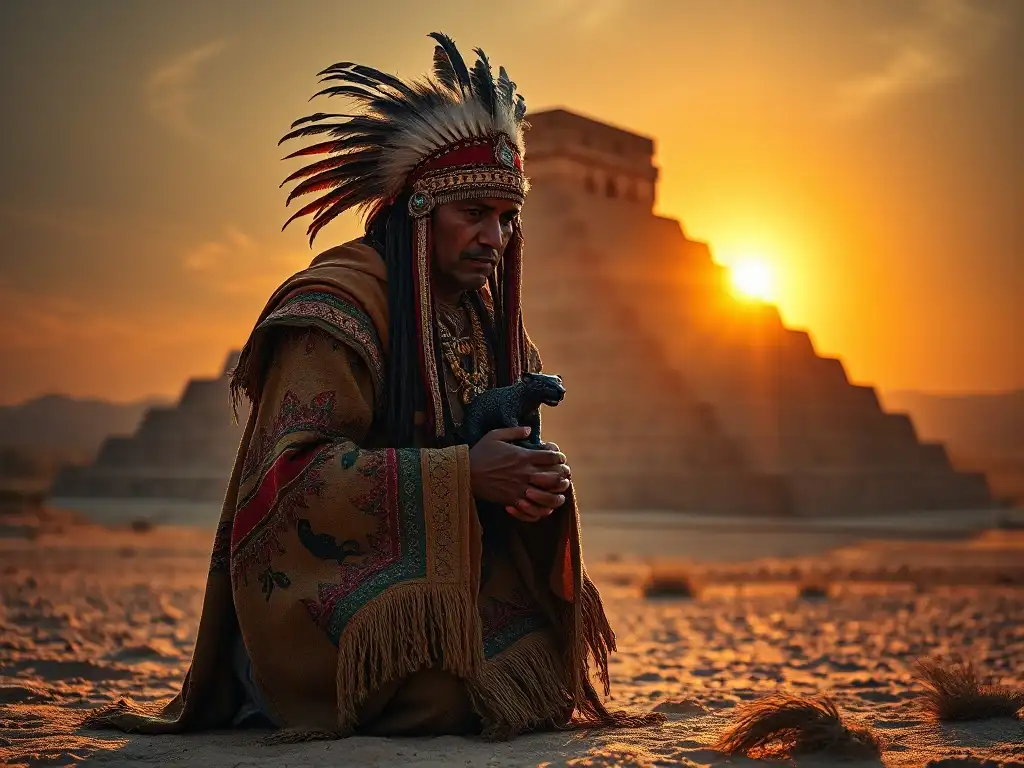
The Moche civilization, renowned for its intricate artistry and sophisticated social structure, held a deep reverence for the animal kingdom. Animal spirits played a crucial role in Moche shamanistic practices, acting as intermediaries between the human and spirit worlds. These weren't simply symbolic representations; the Moche believed that animals possessed potent spiritual energies that shamans could harness for healing, divination, and communication with the supernatural. Depictions of shamans interacting with animals are prevalent in Moche iconography, vividly portraying this intricate relationship.
The power of these animal spirits wasn't passively observed; it was actively sought and incorporated into ritualistic practices. The shaman's ability to connect with and control these forces was a testament to their spiritual prowess and a vital element of their social standing within the community. The intensity of this connection is evident in the detailed and often visceral representations found in Moche pottery and metalwork.
The Importance of the Jaguar, Serpent, and Bird in Moche Spirituality
The jaguar, serpent, and bird stand out as particularly significant animal spirits in Moche shamanism. The jaguar, with its power and predatory nature, symbolized strength, ferocity, and the ability to navigate the darkness. Serpents, often associated with water and fertility, represented life-giving forces and the cyclical nature of existence.
Birds, with their ability to traverse the sky, connected the earthly realm with the celestial sphere, embodying spiritual ascension and communication with the gods. The Moche believed these animals possessed distinct spiritual attributes, and mastering their power was a key aspect of a shaman's training. Artifacts depicting shamans adorned with jaguar pelts or serpent headdresses highlight the importance of these animals in shamanic rituals and ceremonies.
The symbolism of these animals, however, went beyond simple representation. They were seen as embodying specific forces of nature and the cosmos, making them powerful allies for the shaman in their interactions with the spirit world. Further research into the specific iconography surrounding these animals could provide more nuanced understanding of their individual roles within the Moche pantheon.
Moche Shamanic Transformation and Animal Powers
Moche shamans didn't merely interact with animal spirits; they actively sought to embody them. A key aspect of Moche shamanistic practices involved a process of transformation, where the shaman would undergo a ritualistic change, taking on the attributes and powers of a particular animal. This transformation wasn't merely metaphorical; the Moche believed in a genuine spiritual merging, allowing the shaman access to the animal's unique abilities and perspectives.
This process is often depicted in Moche art, showing shamans with animal features, or wearing animal masks and costumes. The transformative aspect of Moche shamanism suggests a deep understanding of animism and a belief in the interconnectedness of all living beings.
This ability to shift between human and animal forms served to enhance the shaman's power and effectiveness in mediating between the human and spirit worlds. The intensity of this transformation likely involved complex rituals, the specifics of which remain largely unknown, necessitating further research into Moche ritual practices.
Moche Shamanic Cosmology and the Afterlife
Moche shamanic practices were deeply intertwined with their cosmology, a worldview that shaped their understanding of the universe, the afterlife, and the shaman's role within it. The Moche believed in a complex interplay of forces, both earthly and celestial, and the shaman acted as a bridge between these realms. Their cosmology wasn't simply a theoretical framework; it was a living, breathing system that directly influenced their daily lives and ritual practices.
Understanding the Moche worldview is essential to understanding their shamanistic practices. The shaman's power stemmed from their ability to navigate this complex cosmology, mediating between the human world and the supernatural forces that governed it. This understanding of the cosmos was crucial in their rituals, providing a framework for understanding the interaction between the living and the dead.
The Moche Concept of the World Above, Below, and the Present
The Moche perceived the world as a three-tiered system: the upper world ( hanan pacha), the lower world ( ukhu pacha), and the present world ( kay pacha). The upper world was the realm of the gods and celestial beings, while the lower world housed ancestral spirits and the forces of nature. The present world was the realm of the living, the space where the interactions between these two realms took place.
Shamans, as intermediaries, were capable of traveling between these worlds, acting as messengers and conduits for communication. This tripartite division of the cosmos was not merely a geographical concept; it was a reflection of the Moche understanding of the spiritual and physical dimensions of existence.
The shaman’s journey between these realms was a crucial aspect of their practice. Their role involved not only communication but also ensuring the balance and harmony between these three worlds, vital for the well-being of the Moche community.
Beliefs about Death and the Soul's Journey in Moche Culture
Moche beliefs about death and the afterlife were intricately woven into their shamanistic practices. Death wasn't seen as an end but as a transition to another realm. The soul's journey after death was a complex process, often involving a passage through the underworld, guided by shamans or other spiritual entities.
The Moche believed that the actions and conduct of individuals during their lifetime influenced their fate in the afterlife. Elaborate burial practices, including the inclusion of grave goods and sacrifices, reflect the importance placed on ensuring a safe passage for the deceased into the next world. The role of shamans in guiding the souls of the departed suggests a continuous interaction between the living and the dead, further emphasizing the centrality of shamanism in Moche society.
The complexity of these funerary rituals highlights the Moche’s deep concern for the spiritual well-being of their deceased, a testament to their belief in the continuing existence of the soul beyond physical death. The richness of Moche burial sites provides invaluable insights into these beliefs, offering glimpses into the rituals and beliefs surrounding death and the afterlife.
Moche Shamanism and its Influence on Later Andean Cultures
The sophisticated shamanistic practices of the Moche civilization didn't disappear with their decline. Their influence reverberated through subsequent Andean cultures, leaving an indelible mark on religious beliefs and ritualistic practices. While the specific details might have evolved, the core tenets of communicating with the spirit world, harnessing supernatural powers for healing and divination, and venerating ancestral figures clearly persisted.
For example, the elaborate iconography depicting shamans interacting with supernatural beings found in Moche ceramics finds echoes in the later Chimú and Inca art, suggesting a continuity of shamanistic traditions. The use of hallucinogenic plants, a prominent feature of Moche shamanism, also continued to play a significant role in religious ceremonies of later Andean cultures, albeit possibly with variations in the specific plants used and the rituals surrounding their consumption. The emphasis on ancestor veneration, a cornerstone of Moche spirituality, similarly continued to influence the religious practices of their successors.
This continuity demonstrates the enduring impact of Moche shamanistic beliefs on the shaping of Andean religious landscapes for centuries to come. The deep-rooted spiritual beliefs and practices of the Moche people served as a foundation upon which later civilizations built their own unique expressions of spirituality, demonstrating a remarkable cultural transmission across generations and empires. Further research into the specific connections between Moche shamanism and later traditions is needed to fully illuminate this complex interplay of cultural inheritance.
The Legacy of Moche Shamanistic Traditions
The legacy of Moche shamanistic traditions extends far beyond the realm of religious practices. Their influence is discernible in various aspects of Moche society and culture, shaping their worldview, art, and social structures. The profound respect for shamans, evident in their prominent depiction in Moche art, suggests their significant role in societal decision-making and conflict resolution.
The intricate designs on Moche pottery, often depicting shamanistic rituals and supernatural beings, offer invaluable insights into their beliefs and practices. These artistic representations not only serve as visual records of their spiritual world but also reflect the high level of artistic skill and creativity within the Moche society, intimately linked to their spiritual life. Moreover, the social hierarchy within Moche society was likely influenced by the shaman's standing, suggesting that spiritual authority played a vital role in maintaining social order.
The enduring influence of Moche shamanism is not merely confined to the past; understanding its legacy allows for a deeper appreciation of the complex interplay between religion, art, and social structures in ancient Andean civilizations. The rich tapestry woven from their shamanistic beliefs continues to inspire and inform our understanding of this fascinating culture.
Archaeological Evidence of Moche Shamanic Practices
Archaeological excavations have yielded compelling evidence supporting the existence and widespread practice of Moche shamanism. The discovery of numerous grave sites containing elaborate burial offerings, including intricate gold and silver ornaments, finely crafted ceramics depicting shamanistic scenes, and the remains of hallucinogenic plants, provides strong evidence for the importance of shamanistic rituals in Moche society. For instance, the Huaca de la Luna and Huaca del Sol sites have yielded numerous artifacts depicting shamans engaging in various rituals, including healing ceremonies and interactions with supernatural beings.
These artifacts, meticulously crafted and richly detailed, provide invaluable insights into the Moche worldview and their understanding of the spirit world. Furthermore, the analysis of human remains unearthed from these sites has revealed evidence suggesting the use of hallucinogenic substances, further corroborating the role of altered states of consciousness in Moche shamanistic practices. The presence of specific plant remains alongside the skeletal remains offers direct physical evidence of the substances used in these rituals.
The detailed analysis of these artifacts and human remains continues to provide valuable information, allowing researchers to build a more comprehensive understanding of Moche shamanistic practices and their significance within their society. This ongoing research constantly refines and expands our knowledge of Moche culture and their complex relationship with the spirit world. The meticulous work of archaeologists continues to shed light on the fascinating world of Moche shamanism.
- Understanding Moche Religious Beliefs and Spirituality
- The Role of Shamans in Moche Society
- Moche Shamanistic Practices: Rituals and Ceremonies
- Moche Art as a Reflection of Shamanic Vision
- Animal Spirits and Their Significance in Moche Shamanism
- Moche Shamanic Cosmology and the Afterlife
- Moche Shamanism and its Influence on Later Andean Cultures
- The Legacy of Moche Shamanistic Traditions
Frequently Asked Questions
What were the Moche people's beliefs about the spirit world?
The Moche believed in a complex spirit world populated by deities, ancestors, and other supernatural beings. They saw shamanistic practices as crucial for interacting with this world and influencing events in the physical realm. Their rituals aimed to communicate with and appease these powerful entities.
How did Moche shamans interact with the spirit world?
Moche shamans used various techniques, including trance states, hallucinogenic plants like San Pedro cactus, and elaborate rituals involving offerings and sacrifices. They were believed to act as intermediaries between the human and spirit worlds, healing the sick and influencing the outcome of events.
What role did hallucinogens play in Moche shamanistic practices?
Hallucinogenic plants, especially San Pedro cactus, were central to Moche shamanistic practices. They induced altered states of consciousness, allowing shamans to communicate with spirits and receive divine guidance. The use of these plants is evidenced by archaeological findings.
What evidence exists to support the study of Moche shamanism?
Archaeological discoveries provide substantial evidence, including depictions of shamanistic rituals in Moche pottery and iconography. Mummy bundles and grave goods also offer insight into their beliefs and practices. These findings help us understand the significance of shamanistic healing and divination.
How did Moche shamanistic practices impact their society?
Moche shamanism played a significant role in their society, influencing political structures, agricultural practices, and daily life. Shamans held powerful positions, acting as advisors to rulers and mediating between the people and the supernatural world. Their influence ensured social cohesion and order.
Final Reflection: Echoes of the Moche Shaman: A Legacy of Connection
The intricate rituals and potent symbolism of Moche shamanism remain profoundly relevant today, offering a powerful lens through which to examine our own relationship with the spiritual and the natural world. The enduring fascination with these ancient practices speaks to a deep-seated human need to connect with something larger than ourselves, a need that transcends time and culture. The Moche, through their sophisticated understanding of the cosmos and their intricate ceremonies, remind us of the enduring power of spiritual seeking.
The Moche's profound connection to their environment, reflected in their art and rituals, serves as a stark contrast to our often-strained relationship with nature. Their reverence for the spirit world, manifested in their elaborate burials and stunning iconography, continues to inspire awe and wonder. The past is never dead. It's not even past.
- William Faulkner. This quote perfectly encapsulates the enduring relevance of Moche shamanism; its echoes resonate in our contemporary search for meaning and connection, reminding us of the enduring human need for spiritual exploration.
Consider the ways in which you connect with the spiritual realm, with nature, and with your own inner self. What rituals or practices bring you a sense of peace, purpose, and connection? Let the legacy of the Moche shamans inspire you to cultivate your own path towards deeper understanding and a more meaningful existence. Embrace the ancient wisdom, and discover the powerful connection that awaits you.
Embrace the Mystique of Moche Shamanism!
Thank you for exploring the fascinating world of Moche shamanism! We hope you've discovered the profound connection between Moche culture and the spirit world. Now, let's deepen your understanding and experience this connection firsthand.
Here are some ways to continue your journey:
- **Immerse yourself in local traditions** by attending cultural events or workshops focused on Andean spirituality and shamanic practices. You might find a local group practicing traditional ceremonies or offering insightful workshops.
- **Share your knowledge with others! ** Join our discussion forum on andeancivilizations.com and connect with fellow enthusiasts to exchange ideas and resources. Sharing your experiences can enrich the understanding of this captivating culture.
- **Expand your knowledge** by delving into the rich history of the Moche civilization through our related articles and recommended readings. We have compiled a list of resources to help you continue your exploration.
What aspect of Moche shamanism captivates you most, and how will you integrate its wisdom into your life? Share your thoughts in the comments below!