
Paracas and the Concept of Ancestor Veneration

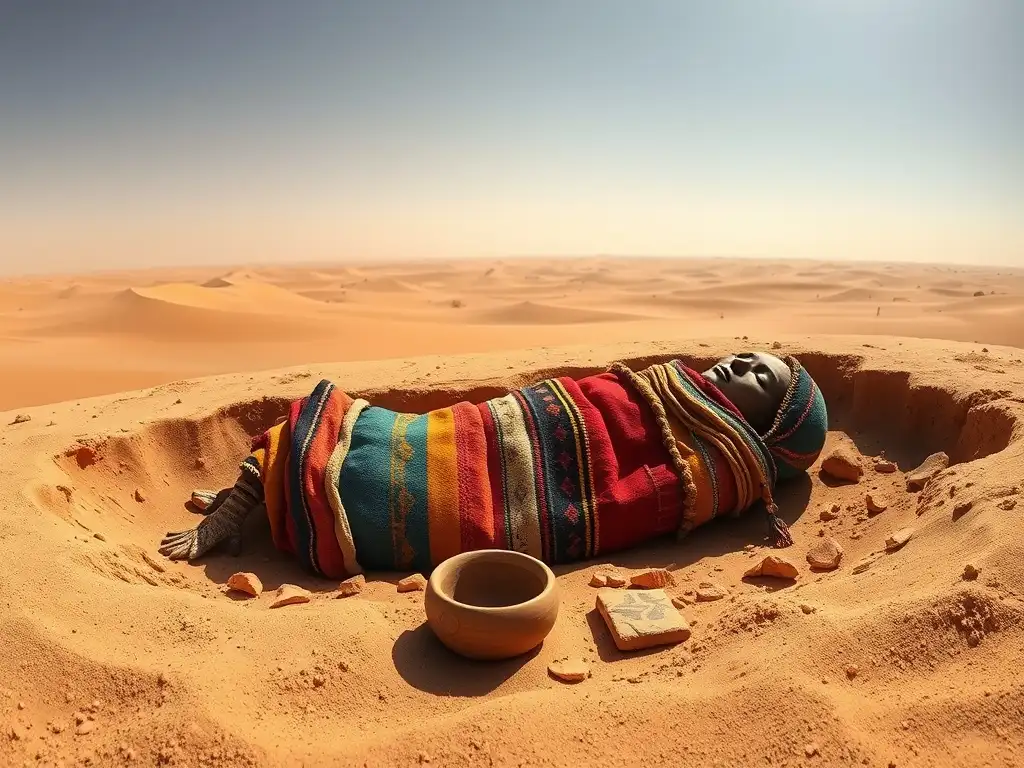
Dive into the enigmatic world of the Andean civilizations! Journey beyond the towering Incan empire and discover the fascinating tapestry of cultures that shaped this extraordinary region. Prepare to be captivated by the intriguing rituals and beliefs of the ancient Andean peoples, particularly the unsettling yet compelling Paracas ancestor veneration practices. Uncover the secrets held within their elaborate burial traditions and unearth a deeper understanding of their profound connection to the afterlife—a journey that begins now.
The Paracas culture, flourishing along the southern coast of Peru from roughly 800 BCE to 200 CE, left behind a legacy far richer than its relatively short lifespan suggests. This enigmatic civilization, predating the Inca empire, developed sophisticated textile techniques, impressive architectural skills, and a complex religious system deeply rooted in ancestor veneration.
This article delves into the fascinating world of Paracas ancestor veneration practices, exploring the evidence unearthed by archaeologists and the interpretations offered by scholars to understand the profound significance of their deceased ancestors in their daily lives and cosmology. We will examine the rituals, artifacts, and burial practices that illuminate this crucial aspect of Paracas society and its unique position within the tapestry of Andean cultures.
Understanding Paracas ancestor veneration provides a crucial key to unlocking a deeper understanding of their worldview and societal structures. The meticulous attention to detail displayed in their burial rituals, the elaborate textiles used in funerary practices, and the sophisticated mummification techniques all point to a culture that placed immense value on their ancestors' continued presence and influence.
Evidence from Paracas Tombs: A Glimpse into the Afterlife
Paracas tombs, many located in the vast necropolis of Cerro Colorado, provide invaluable insights into their ancestor veneration practices. These aren't simply burial sites; they are elaborate expressions of belief and ritual. Archaeological excavations have revealed intricately woven textiles, often adorned with complex iconography depicting deities, animals, and possibly ancestral figures.
The sheer quantity and quality of these textiles, along with the inclusion of numerous grave goods such as pottery, tools, and food offerings, strongly suggest a belief in an afterlife where the deceased continued to require sustenance and material possessions. The meticulous preservation of the bodies through mummification further underlines the importance placed on the physical remains of the ancestors. The process itself was incredibly sophisticated, involving the removal of internal organs, desiccation, and the wrapping of the body in numerous layers of fine textiles.
This level of care and attention is a powerful testament to the reverence held for their ancestors. Further research into the chemical composition of the materials used in mummification and the analysis of the textiles could shed further light on the specific techniques and beliefs associated with these practices.
The Role of Textiles in Ancestor Veneration
The Paracas people were renowned for their mastery of textile production. Their textiles, often described as the finest examples of pre-Columbian textile art, were not merely functional items; they were imbued with deep symbolic meaning, especially within the context of ancestor veneration. The intricate designs, often incorporating vibrant colors and complex patterns, may have represented specific ancestral lineages, social status, or even supernatural powers.
The use of specific fibers, dyes, and weaving techniques likely carried symbolic weight, potentially linking the textiles to specific rituals or beliefs about the afterlife. Many textiles found in Paracas tombs are remarkably well-preserved, allowing researchers to study the intricate details of their designs and construction.
The discovery of new tombs and the ongoing analysis of existing artifacts continue to reveal new facets of Paracas textile art and its relationship to ancestor veneration. Specific examples of textiles depicting what scholars believe to be ancestral figures, while still debated, continue to fuel research in this area.
Rituals and Offerings: Maintaining the Ancestral Connection
Beyond the elaborate burial practices, evidence suggests a range of rituals aimed at maintaining a connection with deceased ancestors. The inclusion of food offerings in tombs, for example, points to a belief that the deceased continued to need sustenance in the afterlife. The types of food items included may have held symbolic significance, reflecting the social status of the deceased or specific beliefs about the afterlife.
Furthermore, the presence of tools and other everyday objects suggests a belief that ancestors continued to engage in activities similar to those they performed in life. The discovery of pottery vessels with specific designs or markings further hints at ritual practices related to ancestor veneration. Unfortunately, detailed descriptions of specific rituals remain elusive, requiring further research and the careful interpretation of available archaeological evidence.
The lack of written records from the Paracas civilization presents a significant challenge to researchers, making the interpretation of material culture even more crucial. Further research focusing on comparative analysis with other contemporaneous Andean cultures could help shed light on the specifics of Paracas rituals.
The Legacy of Paracas Ancestor Veneration: A Lasting Influence
The sophisticated ancestor veneration practices of the Paracas people left a lasting mark on subsequent Andean cultures. Their reverence for the deceased, as evidenced by their elaborate burial rituals and the exquisite craftsmanship of their funerary textiles, set a precedent for later civilizations, including the Nazca and Inca.
The emphasis on maintaining a connection with ancestors was clearly a significant factor in shaping the social and religious landscape of the Andean region. Further research comparing Paracas ancestor veneration practices with those of later Andean cultures could illuminate the evolution of these beliefs and rituals over time.
The continuing discovery of new archaeological sites and the application of new technologies to the study of existing artifacts offer the promise of further enriching our understanding of this fascinating aspect of Andean history. The legacy of Paracas ancestor veneration continues to resonate, reminding us of the profound connection between the living and the dead in ancient Andean societies.
- Evidence from Paracas Tombs: A Glimpse into the Afterlife
- The Role of Textiles in Ancestor Veneration
- Rituals and Offerings: Maintaining the Ancestral Connection
- The Legacy of Paracas Ancestor Veneration: A Lasting Influence
- What were the Paracas people's beliefs about the afterlife?
- How did Paracas ancestor veneration manifest in their burial practices?
- What role did textiles play in Paracas ancestor veneration?
- How did the Paracas' ancestor veneration differ from other Andean cultures?
- What evidence supports the claim of extensive ancestor veneration in Paracas culture?
The Significance of Ancestral Reverence in Paracas Culture
The Paracas culture, flourishing on the southern coast of Peru from roughly 800 BCE to 200 CE, stands out for its sophisticated textile artistry and complex funerary practices. But beyond the breathtaking textiles and elaborate tombs, lies a deeply ingrained system of ancestor veneration that profoundly shaped their social structure, religious beliefs, and daily life. Understanding Paracas ancestor veneration practices is key to unlocking a deeper understanding of this enigmatic civilization.
Their reverence for ancestors wasn't merely a ritualistic observance; it was the very foundation upon which their society was built. This deep-seated belief system permeated every aspect of Paracas life, from the elaborate mummification processes to the construction of their monumental burial sites.
The strength of this belief is evident in the sheer scale of their funerary investments, suggesting a significant allocation of resources and manpower dedicated to honoring their deceased. This devotion wasn't limited to a select elite; evidence suggests that ancestor veneration was a widespread practice across different social strata within Paracas society.
Understanding Paracas Society Through its Ancestor Worship
Paracas ancestor veneration wasn't a passive remembrance; it was an active engagement with the spiritual realm. The deceased were considered powerful intermediaries between the living and the supernatural world. They were believed to hold influence over the success of harvests, the health of the community, and even the outcome of conflicts. This belief fostered a strong sense of continuity between generations, linking the living to a powerful ancestral lineage.
The elaborate mummification techniques employed by the Paracas, involving extensive removal of organs, brain extraction, and the application of complex preservation methods, highlight the immense value placed on preserving the physical remains of the ancestors. These weren't simply bodies laid to rest; they were carefully prepared and adorned, treated as sacred relics worthy of the utmost respect. The mummies were often dressed in fine textiles, adorned with jewelry, and placed within elaborate tombs, accompanied by grave goods that reflect their status and social standing in life.
The meticulous care taken in these processes points to a deeply ingrained belief in the continued power and influence of the ancestors in the afterlife. The sheer number of mummies discovered in Paracas sites speaks volumes about the scale and intensity of their ancestor veneration practices. The impact of this belief system on their social organization and worldview cannot be overstated.
The Role of Lineage and Kinship in Paracas Rituals
The Paracas social structure was deeply interwoven with their ancestor veneration practices. Lineage and kinship played a crucial role in defining social status and access to resources. Ancestor veneration served to reinforce these social hierarchies, with the most prominent ancestors holding a position of particular importance within the community. Rituals surrounding ancestor veneration often involved the entire kinship group, strengthening family bonds and reinforcing collective identity.
These rituals might have included offerings of food, drink, and other valuable items placed in tombs or at designated ceremonial sites. The elaborate textiles found in Paracas tombs often depict scenes of ancestor veneration, providing valuable visual clues to the nature of these practices. These depictions, while requiring further interpretation, seem to illustrate a complex system of beliefs and rituals that served to maintain social order and ensure the continuity of the lineage. Furthermore, the construction and maintenance of large-scale burial sites, such as the massive cemeteries at Paracas Necropolis, required significant communal effort, further emphasizing the collaborative nature of their ancestor veneration practices.
The intricate organization of these sites suggests a sophisticated understanding of social hierarchy and the role of ancestors in maintaining societal cohesion. The study of Paracas kinship structures and ritual practices provides invaluable insights into the complex social dynamics of this remarkable civilization. The interplay between lineage, kinship, and ancestor veneration shaped the social fabric of Paracas society, contributing to its unique cultural identity.
Manifestations of Paracas Ancestor Veneration Practices
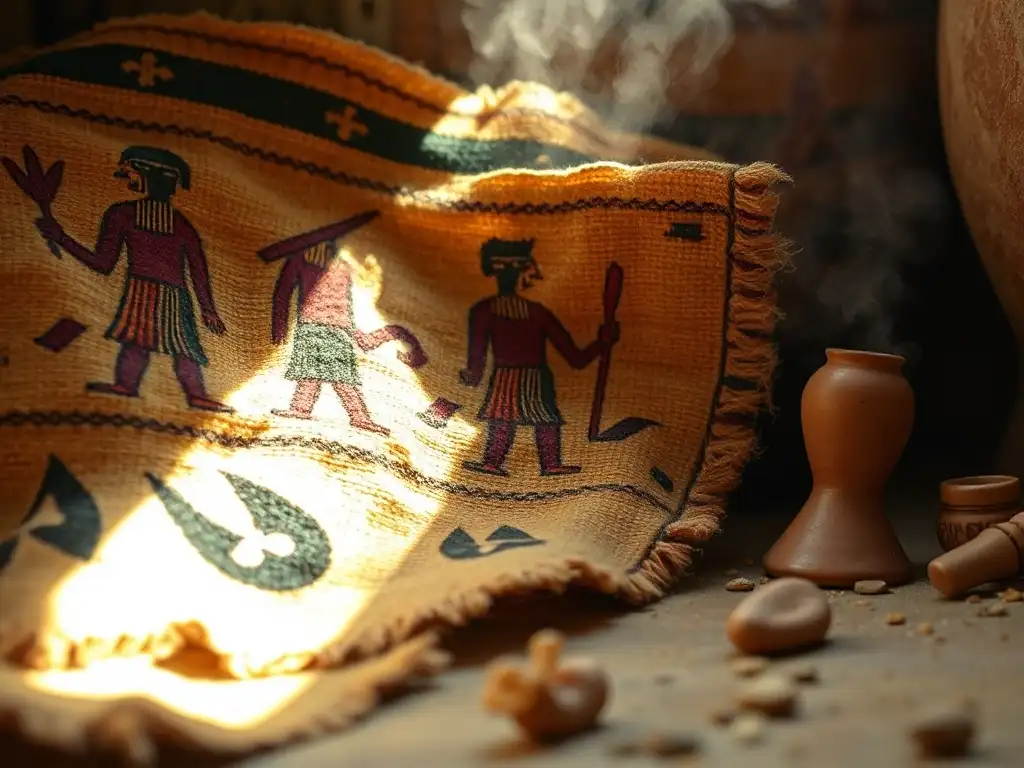
The Paracas culture, flourishing on the southern coast of Peru from approximately 800 BCE to 200 CE, developed a complex and elaborate system of ancestor veneration. Their beliefs about the afterlife profoundly impacted their daily lives, shaping their social structures, artistic expressions, and even their agricultural practices. Understanding Paracas ancestor veneration practices requires examining their intricate burial rituals, the significance of their funerary bundles, and the design of their necropolis.
The intensity of these practices showcases the profound respect and enduring connection they held for their ancestors. This deep-rooted belief system provides crucial insights into the Paracas worldview and their understanding of the cosmos.
Analysis of these practices reveals a civilization deeply invested in ensuring the well-being of their deceased, reflecting a cyclical view of life and death where the ancestors continued to hold influence in the living world. The persistence of these beliefs across generations speaks to the power and enduring legacy of Paracas ancestor veneration.
Paracas Burial Practices: A Window into the Afterlife Beliefs
Paracas burial practices were far from simple interments. They were elaborate rituals designed to ensure a comfortable and prosperous afterlife for the deceased. Bodies were often meticulously prepared, sometimes mummified and adorned with exquisite textiles and jewelry. The sheer quantity of grave goods—ranging from intricately woven textiles and ceramics to food offerings and tools—demonstrates the importance placed on providing for the deceased in their journey to the next world.
This wasn't merely a disposal of the body; it was a carefully orchestrated transition, reflecting a belief in a continued existence beyond death. The complexity of the process itself, requiring significant time, resources, and specialized knowledge, underscores the central role of ancestor veneration in Paracas society. Evidence suggests different burial practices were employed depending on the social status of the deceased, with elites receiving significantly more elaborate treatments.
This highlights a hierarchical society where ancestor veneration was likely used to reinforce social structures and power dynamics. Archaeological findings consistently reveal the meticulous care given to each burial, emphasizing the sacred nature of death and the enduring bond between the living and the dead. This meticulousness speaks volumes about the Paracas understanding of the relationship between the living and the departed.
The Importance of Paracas Funerary Bundles
The Paracas are renowned for their extraordinary funerary bundles. These weren't simply containers for the deceased; they were elaborate, multi-layered packages containing the mummified remains, grave goods, and other offerings. The bundles themselves were often intricately decorated with textiles showcasing their mastery of weaving techniques.
The sheer size and complexity of some bundles, containing multiple individuals and a vast array of objects, highlight the importance placed on these rituals. The textiles found within these bundles frequently depict scenes from daily life, mythical creatures, and symbolic imagery, offering valuable insights into Paracas cosmology and beliefs about the afterlife. Analysis of the textiles reveals a sophisticated understanding of color, design, and symbolism, further underscoring the importance of these bundles as sacred objects connecting the living and the dead.
The creation of these bundles was a highly specialized skill, requiring considerable expertise and time. They were more than just burial containers; they were carefully constructed expressions of respect and remembrance for the deceased, reflecting a deep belief in the continued spiritual presence of the ancestors. The preservation of these bundles has provided invaluable information about Paracas culture, art, and beliefs.
Paracas Necropolis: Sacred Spaces for the Deceased
The Paracas necropolis, or city of the dead, wasn't simply a burial ground; it was a sacred landscape reflecting their beliefs about ancestor veneration. The careful arrangement of tombs, the elaborate structures built above some burials, and the sheer scale of the site demonstrate the significance of this space. The necropolis wasn't a place of fear or mourning, but rather a place of reverence and ongoing connection with the ancestors.
The site’s layout likely followed specific cosmological principles, reflecting their understanding of the relationship between the earthly and spiritual realms. The concentration of burials in specific areas suggests a possible organization based on social status or kinship ties, further emphasizing the importance of family and lineage in Paracas society. The ongoing archaeological research continues to uncover new information about the layout and organization of the necropolis, shedding more light on the intricate aspects of Paracas ancestor veneration practices.
The scale and complexity of the necropolis itself represent a monumental investment of time and resources, demonstrating the paramount importance of ancestor veneration in their culture and its impact on the physical landscape. It serves as a powerful testament to their enduring connection with their ancestors and the profound impact of their beliefs on their society.
Paracas Art and its Connection to Ancestor Veneration
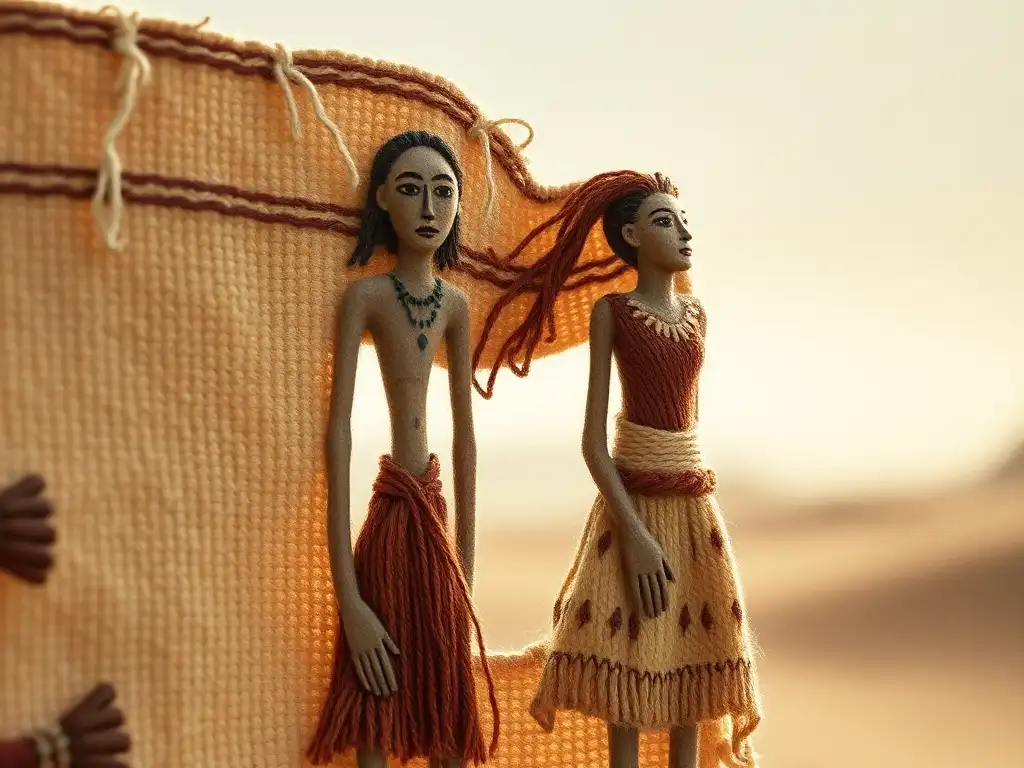
The Paracas culture, flourishing on the southern coast of Peru from roughly 800 BCE to 200 CE, left behind a remarkable artistic legacy profoundly intertwined with their ancestor veneration practices. Their intricate textiles and striking ceramics offer invaluable insights into their beliefs and rituals surrounding the deceased. Understanding the symbolism within these artifacts reveals a complex system of ancestor worship that permeated their daily lives and shaped their worldview.
The Paracas people didn't simply bury their dead; they actively engaged with their ancestors through elaborate funerary rites and ongoing commemorative practices reflected in their art. This section will explore how Paracas art serves as a powerful window into these profound beliefs. Analyzing the motifs and techniques employed in their textiles and ceramics allows for a deeper understanding of "Paracas ancestor veneration practices."
Textile Art: Depictions of Ancestors and Mythological Figures
Paracas textiles are renowned for their extraordinary craftsmanship and vibrant colors. These weren't merely functional garments; they were imbued with significant religious and symbolic meaning, often serving as integral components of funerary rituals. Many textiles depict figures believed to represent ancestors or mythological beings associated with the afterlife. These representations are often stylized, with exaggerated features and symbolic attributes that convey a sense of power and divinity. The use of specific colors, such as deep reds and blues, may have also carried symbolic weight within their ancestor veneration system.
For instance, intricate depictions of figures with feline features – possibly representing powerful ancestral spirits or deities – are frequently found woven into burial shrouds and other funerary textiles. These feline figures are often associated with shamanistic practices and the realm of the dead, further highlighting the importance of ancestor veneration in Paracas society. The detailed weaving techniques, including the use of multiple layers and intricate embroidery, underscore the immense value placed on these objects and the reverence for the ancestors they represent.
The time and effort invested in their creation speak volumes about the importance of ancestor veneration in Paracas culture, reinforcing its central role in their worldview. The sheer volume of these textiles found in Paracas tombs also demonstrates the scale and significance of these funerary practices.
Paracas Ceramics: Symbolism and Ancestral Representation
Paracas ceramics, like their textiles, are rich in symbolic imagery that reflects their ancestor veneration practices. While less detailed than their textiles, the forms and decorations on their pottery reveal important clues about their beliefs. The shapes of the vessels themselves, often anthropomorphic or zoomorphic, might represent ancestors or spirit guides. Furthermore, the painted designs frequently incorporate motifs associated with the afterlife, such as stylized figures, geometric patterns, and other symbolic elements.
For example, some ceramic vessels depict individuals with exaggerated features, similar to those found in the textiles, possibly representing deified ancestors. The use of specific colors and patterns on these vessels likely also held symbolic significance within their religious context. The careful placement of these ceramics within tombs suggests a deliberate intention to connect the living with the deceased through these ritual objects.
Further research into the specific chemical composition of the pigments used in Paracas ceramics could shed more light on the symbolic meaning of different colors within their ancestor veneration system. [Specific information pending] on the chemical analysis of Paracas ceramic pigments and their correlation with specific ancestor figures.
The Use of Ritual Objects in Paracas Ancestor Cults
Beyond textiles and ceramics, a variety of ritual objects have been found in Paracas tombs, further illuminating their ancestor veneration practices. These objects, ranging from intricately carved wooden staffs to elaborate headdresses made of feathers and other materials, played crucial roles in funerary rituals and ongoing ancestor worship. The presence of these objects alongside the deceased suggests that they were considered essential for facilitating communication with the spirit world and ensuring the continued well-being of the ancestors.
The careful arrangement of these objects within the tombs indicates a highly structured and organized approach to ancestor veneration. For example, certain objects might have been specifically associated with particular ancestors or deities, indicating a nuanced understanding of their ancestral hierarchy. [Specific information pending] on the specific function and meaning of various ritual objects found in Paracas tombs.
Further research is needed to fully understand the intricate relationship between these objects and the Paracas ancestor veneration system. The study of these ritual objects, in conjunction with the analysis of textiles and ceramics, provides a comprehensive understanding of the complex and multifaceted nature of Paracas ancestor veneration practices, solidifying their position as a key element of their culture and beliefs.
Evidence of Paracas Ancestor Veneration in Archaeological Findings
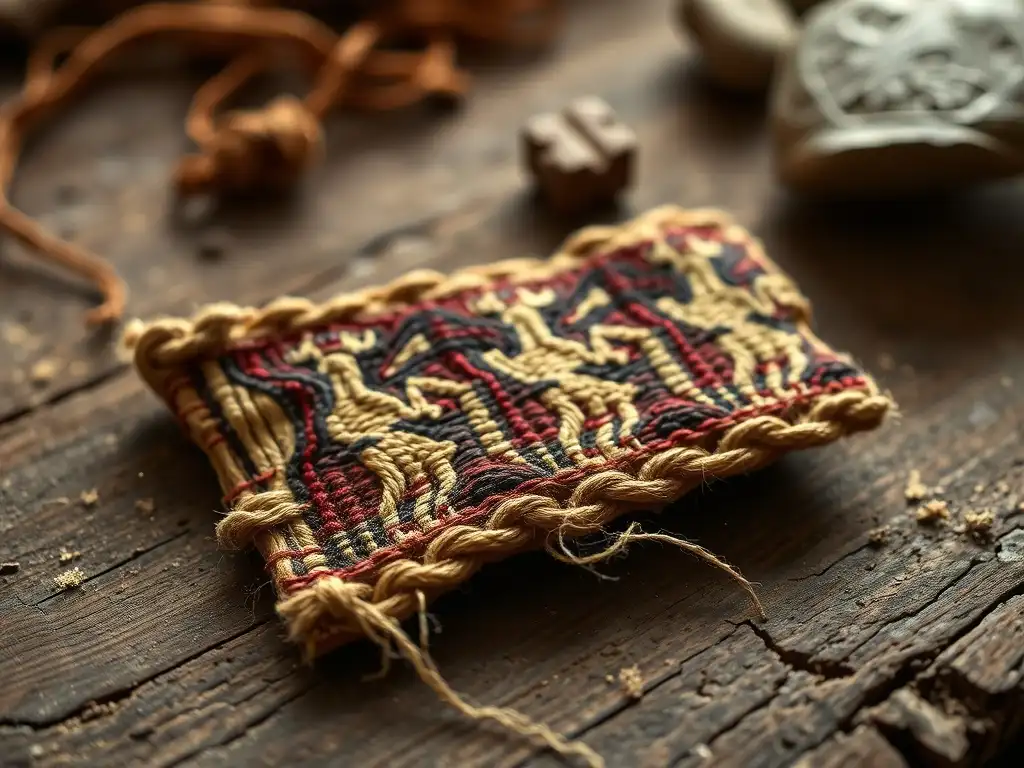
The Paracas culture, flourishing on the southern coast of Peru from roughly 800 BCE to 200 CE, left behind a compelling archaeological record that strongly suggests sophisticated ancestor veneration practices. These practices weren't merely a matter of respectful burial; they involved elaborate rituals, symbolic displays, and a profound connection to deceased relatives that permeated daily life. Understanding these practices requires careful examination of their burial sites and the artifacts interred within them.
The sheer scale of their funerary architecture and the richness of the grave goods provide invaluable insights into their beliefs and social structures. The intensity of their ancestor veneration is arguably unmatched by any other contemporary coastal culture.
Analyzing Paracas Tombs and Burial Goods
Paracas tombs, often located in vast cemeteries like those found at Cerro Colorado, vary significantly in size and complexity, reflecting social hierarchies and the status of the deceased. Larger tombs, sometimes containing multiple individuals, frequently include a wealth of grave goods. These goods are not simply utilitarian objects; they are carefully selected items imbued with symbolic meaning, reflecting the deceased's role in society and the beliefs surrounding the afterlife. For example, intricate textiles, often featuring depictions of ancestors or supernatural beings, were frequently found wrapped around mummies.
These textiles weren't merely for warmth; they served as a visual testament to the deceased's lineage and spiritual connection to the community. The inclusion of food, drink, and other offerings further supports the idea of continued sustenance and engagement with the deceased in the afterlife. Analysis of these offerings can reveal information about dietary habits and the importance of specific resources in their cosmology.
Detailed studies of the organic remains within the tombs, including pollen and plant fragments, can also shed light on the rituals performed during the burial process. The meticulous nature of Paracas burials indicates a deep-seated belief in the continued importance of their ancestors, even after death. The sheer volume of textiles, ceramics, and other grave goods underscores the significant investment of time and resources dedicated to honoring their ancestors.
Paracas iconography, particularly that found on textiles and ceramics, provides crucial evidence of ancestor veneration. Many textiles depict stylized figures, often wearing elaborate headdresses and ceremonial attire, who are likely representations of ancestors or deities associated with ancestry. These figures are frequently shown interacting with other symbolic elements, such as animals or supernatural beings, suggesting a complex web of beliefs surrounding the afterlife and the relationship between the living and the dead.
The repetitive use of certain motifs and symbols across different textiles and artifacts suggests a shared understanding and codified system of beliefs concerning ancestry. For instance, the frequent portrayal of specific bird species might reflect totemic beliefs, connecting specific lineages to particular animals and reinforcing their ancestor veneration practices. Furthermore, the use of specific colors and patterns in the textiles could also carry symbolic meaning, signifying status, lineage, or spiritual power.
The detailed studies of these iconographic elements offer a window into the Paracas worldview, showcasing the profound importance of ancestor veneration in their culture. The consistent presence of these motifs across various artifacts demonstrates the integration of ancestor veneration into the fabric of their society.
Cerro Colorado and its Significance for Understanding Paracas Rituals
Cerro Colorado is a particularly significant site for understanding Paracas ancestor veneration practices. This vast necropolis contains hundreds of tombs, offering a unique opportunity to study the diversity of burial practices and the social organization of the Paracas culture. The sheer scale of the site, with its numerous tombs of varying sizes and complexities, speaks to the importance of ancestor veneration within their society.
The discovery of mass burials, along with individual burials, suggests different levels of funerary ritual and social status. The careful arrangement of bodies and grave goods within the tombs, combined with the presence of organic materials, provides clues about the rituals associated with death and ancestor veneration. Further analysis of the skeletal remains from Cerro Colorado can provide additional insights into the health, diet, and lifestyle of the Paracas people, potentially offering further understanding of their beliefs about the afterlife.
The ongoing research at Cerro Colorado continues to yield valuable data on Paracas funerary practices, deepening our understanding of their ancestor veneration rituals. The scale of the site and the complexity of the burials highlight the central role that ancestors played in shaping Paracas society and belief systems. The ongoing excavations at Cerro Colorado promise to further illuminate the intricacies of Paracas ancestor veneration practices.
The Legacy of Paracas Ancestor Veneration
The Paracas culture, flourishing on the southern coast of Peru from roughly 800 BCE to 200 CE, left behind a complex and fascinating legacy, profoundly impacting subsequent Andean civilizations. Their unique ancestor veneration practices, evident in their elaborate burial rituals and iconic textile art, provide invaluable insights into their worldview and social structures. Understanding Paracas ancestor veneration is crucial to comprehending the development of Andean spirituality and the enduring importance of ancestral respect throughout the region.
The intricate textiles, often adorned with representations of deities, ancestors, and shamanic figures, served not merely as decorative items but as powerful tools for communicating with and honoring the deceased. The sheer scale of their investment in funerary practices, including the construction of elaborate tombs and the inclusion of abundant grave goods, highlights the central role ancestors played in their lives. This deep-seated reverence for their predecessors extended beyond the immediate family, suggesting a strong sense of collective identity and shared ancestry within Paracas society.
This emphasis on lineage and continuity is a hallmark of Paracas culture and a significant factor in shaping the broader Andean cultural landscape. The persistence of these traditions – albeit often with modifications – in later Andean cultures underscores the lasting influence of Paracas beliefs and practices.
Influence of Paracas Beliefs on Later Andean Cultures
Paracas ancestor veneration practices weren't isolated phenomena; they significantly influenced the beliefs and rituals of later Andean cultures, particularly the Nazca and Inca. The Nazca, known for their enigmatic geoglyphs, also displayed a profound respect for their ancestors, evidenced by their sophisticated burial practices and the inclusion of significant grave goods in their tombs. While the specific rituals may have differed, the underlying principle of maintaining a connection with deceased relatives remained a constant.
The Inca, who inherited and adapted many aspects of earlier Andean cultures, incorporated ancestor veneration into their elaborate state religion. The Inca's veneration of their ancestors, particularly the Sapa Inca's lineage, played a crucial role in legitimizing their rule and maintaining social order. The mummification practices of the Inca, for example, show clear parallels to earlier Paracas techniques, suggesting a continuous thread of ancestor veneration across centuries.
This continuity demonstrates the profound and lasting influence of Paracas beliefs on the development of Andean spirituality and cultural identity. The careful preservation of ancestral remains and the performance of rituals designed to honor and communicate with the deceased were not unique to the Paracas but became a cornerstone of Andean religious life, demonstrating the enduring power of their legacy.
The Enduring Importance of Ancestral Respect in the Andes
The legacy of Paracas ancestor veneration extends far beyond the ancient past. Ancestor veneration remains a significant aspect of Andean culture today, albeit often transformed and adapted to modern contexts. Many Andean communities continue to maintain close ties with their ancestors, expressing this reverence through various rituals, ceremonies, and practices.
These practices often involve offering food, drink, and other gifts to the deceased, seeking their guidance and protection, and commemorating important events in family history. The enduring strength of these traditions underscores the profound cultural significance of ancestral respect in the Andes. This continuity highlights the deep-rooted nature of these beliefs, which have persisted for millennia, adapting and evolving yet retaining their core essence.
The respect for ancestors isn't merely a historical curiosity; it's a living tradition that continues to shape the social fabric and spiritual landscape of Andean communities. The Paracas, therefore, serve as a crucial link in understanding this continuous thread of cultural inheritance.
Paracas Ancestral Veneration: A Foundation for Andean Spirituality
The Paracas' elaborate funerary practices and artistic representations offer compelling evidence of a sophisticated spiritual system deeply rooted in ancestor veneration. This veneration wasn't merely a ritualistic act; it was integral to their worldview, shaping their social structures, beliefs, and artistic expressions. The extensive use of textiles, often depicting shamanic figures and other supernatural beings, suggests a complex interplay between the living and the dead, implying that communication with ancestors was a vital aspect of their spiritual practice.
The meticulous preparation of bodies for burial, the inclusion of lavish grave goods, and the construction of elaborate tombs all point to a belief in an afterlife and the continued importance of ancestors in the realm of the spirits. This belief system, with its emphasis on ancestral guidance and protection, formed a foundational element of Andean spirituality, influencing subsequent cultures and persisting in various forms to this day. The Paracas' reverence for their ancestors provides a crucial lens through which we can understand the broader development of Andean religious thought and the enduring significance of ancestral lineage within Andean societies.
The meticulous detail and artistic skill evident in their funerary practices underscore the profound importance they placed on honoring their ancestors and maintaining a connection with the spirit world. The legacy of Paracas ancestor veneration is therefore not just a historical artifact but a key to understanding the evolution of Andean spirituality and the deep-rooted connection between the living and the dead that continues to shape Andean cultures.
Frequently Asked Questions
What were the Paracas people's beliefs about the afterlife?
The Paracas believed in an afterlife where ancestors continued to influence the living. Their elaborate burial practices reflect this strong belief in ancestor veneration.
How did Paracas ancestor veneration manifest in their burial practices?
Paracas burial practices were incredibly elaborate, involving mummification, complex grave goods, and carefully constructed tombs. These demonstrate a deep respect for their ancestors and a belief in their continued presence.
What role did textiles play in Paracas ancestor veneration?
Textiles were incredibly important, often used to wrap mummies and decorate tombs. The intricate designs and craftsmanship suggest a symbolic connection between the living and the deceased.
How did the Paracas' ancestor veneration differ from other Andean cultures?
While many Andean cultures practiced ancestor veneration, the Paracas' extreme elaboration of burial rituals and the scale of their mummification practices distinguished them. The sheer quantity and quality of grave goods also stand out.
What evidence supports the claim of extensive ancestor veneration in Paracas culture?
The abundance of elaborate tombs, the high quality of mummification, and the inclusion of numerous grave goods (including textiles, food, and tools) are strong evidence of extensive ancestor veneration in Paracas society.
Final Reflection: The Enduring Legacy of Paracas Ancestor Veneration
The intricate textiles and elaborate burial practices of the Paracas culture offer a powerful testament to the enduring human need to connect with our ancestors, a need that resonates deeply even in our modern, technologically advanced world. Their sophisticated rituals, far from being relics of a distant past, provide a compelling lens through which to examine our own contemporary anxieties about mortality and the search for meaning in life. The meticulous care taken in preparing the deceased and the symbolic richness of their grave goods speak volumes about the importance of lineage and the continuity of cultural identity.
The Paracas' profound respect for their ancestors, manifested in their unique funerary traditions, continues to inspire awe and fascination. Their legacy challenges us to reconsider our own relationship with the past and the ways in which we honor those who came before us. The dead are never truly gone as long as they are remembered.
This sentiment, though not explicitly Paracas, captures the essence of their enduring cultural impact. Their practices remind us that the stories and traditions of our ancestors are not merely historical artifacts, but living threads woven into the fabric of our own identities. We carry their legacy within us, shaping our values and perspectives in ways we may not fully comprehend.
Consider, for a moment, the ways in which you honor your own ancestors. Do you share stories of their lives? Do you carry on their traditions?
This article has explored the remarkable practices of the Paracas, but the true power of their legacy lies in its ability to inspire us to cultivate our own meaningful connections with our past. Take time to reflect on your own heritage, to learn from those who came before you, and to find ways to honor their memory and the enduring strength of the human spirit. Let the legacy of Paracas inspire you to build a bridge between the past and the future, ensuring that your own story, too, will be remembered and cherished.
Embrace Your Ancestry: Discover the Depths of Ancestor Veneration!
Thank you for exploring the rich tapestry of Paracas culture and the profound significance of ancestor veneration. Your interest in these ancient practices deepens your knowledge and fosters a connection to our shared history. Let's put that inspiration into action!
- Dive deeper: Research local museums and online resources to learn how diverse cultures honor their ancestors. You might be surprised by the variety of customs and traditions.
- Share your learnings: Discuss ancestor veneration with friends and family, encouraging them to explore their own heritage and family stories. Sharing these experiences can strengthen bonds and create a deeper understanding of your collective past.
- Start a personal project: Create a family history journal, documenting stories and photographs of your ancestors. This will not only preserve precious memories but also forge a powerful connection to your roots.
As you embark on this journey of exploration and reflection, consider how you honor and connect with your ancestors in your daily life. What traditions do you uphold? What stories do you carry forward?